Georgetown College
 Emergency Action
       Plan
←
→
Page content transcription
If your browser does not render page correctly, please read the page content below
Georgetown College
Emergency Action
Plan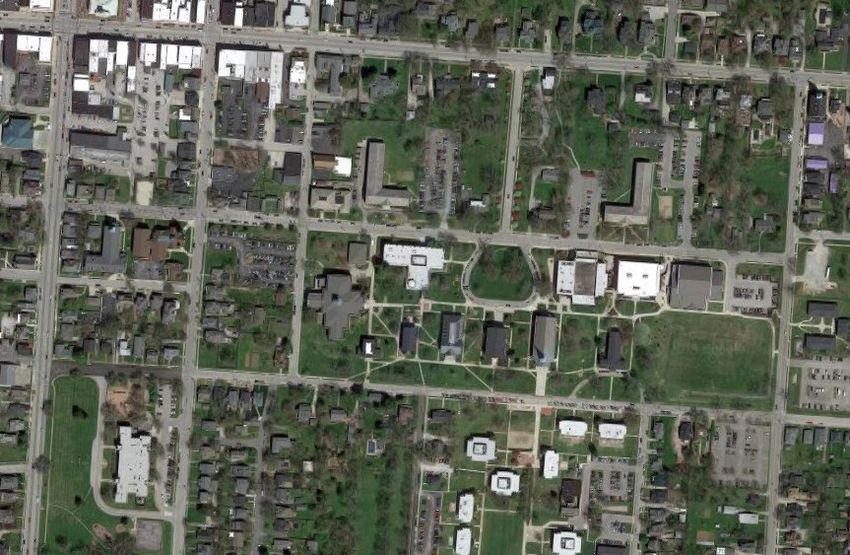
Contents
Personnel Involved in Development of Emergency Action Plan .......................................................................................... 4
Documentation of Recent Changes ....................................................................................................................................... 5
Introduction ............................................................................................................................................................................ 6
   Emergency Action Plan Personnel ...................................................................................................................................... 6
   Roles of the First Responders ............................................................................................................................................. 6
   Activating the EMS System ................................................................................................................................................. 7
   Emergency Communication ................................................................................................................................................ 7
   Emergency Equipment ........................................................................................................................................................ 7
   Medical Emergency Transportation.................................................................................................................................... 8
   Non-Medical Emergencies .................................................................................................................................................. 8
   Post Emergency Action Plan Procedures ............................................................................................................................ 8
       Documentation ............................................................................................................................................................... 8
       Debriefing........................................................................................................................................................................ 8
       Conclusion ....................................................................................................................................................................... 8
Staff Education ....................................................................................................................................................................... 9
Chain of Command ................................................................................................................................................................. 9
Emergency Telephone Numbers .......................................................................................................................................... 10
   Off Campus Contacts ........................................................................................................................................................ 10
   On Campus Offices ............................................................................................................................................................ 10
Emergency Equipment Locations ......................................................................................................................................... 11
   Equipment on site with events covered by a Certified Athletic Trainer ........................................................................... 11
   Equipment on site without a Certified Athletic Trainer present ...................................................................................... 11
Georgetown College AED Locations .................................................................................................................................... 13
   Toyota Stadium ................................................................................................................................................................. 13
   Toyota Stadium Athletic Training Room ........................................................................................................................... 13
   George H.W. Bush Center for Fitness ............................................................................................................................... 14
   Davis-Reid Alumni Gym..................................................................................................................................................... 14
General Plan of Action ......................................................................................................................................................... 15
       Unconscious Athlete- Not Breathing ............................................................................................................................ 15
       Unconscious Athlete- Breathing ................................................................................................................................... 15
       Conscious Athlete- prone or supine position................................................................................................................ 15
       Hemorrhage .................................................................................................................................................................. 15
       Shock ............................................................................................................................................................................. 15
       Fracture ......................................................................................................................................................................... 15
       Closed Head Injury ........................................................................................................................................................ 16
   Procedures for the Emergency Care of and Injured Athlete ............................................................................................ 16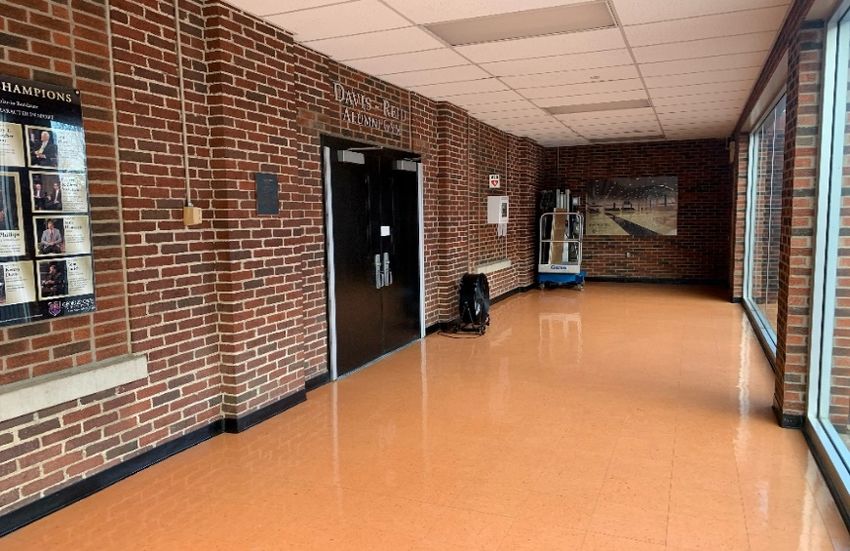
Serious Injury ................................................................................................................................................................ 16
   Georgetown College Catastrophic Incident Protocol ....................................................................................................... 17
Venue Directions with Map ................................................................................................................................................. 18
   East Campus ...................................................................................................................................................................... 18
   Main Campus .................................................................................................................................................................... 18
   Toyota Stadium ................................................................................................................................................................ 19
   GC Soccer Complex ........................................................................................................................................................... 21
   Robert N. Wilson Field ..................................................................................................................................................... 23
   Lackey Tennis Complex .................................................................................................................................................... 25
   Tiger Softball Complex ..................................................................................................................................................... 27
   Davis-Reid Alumni Gym.................................................................................................................................................... 29
   George H.W. Bush Center for Fitness (Rec Center) ......................................................................................................... 31
   Davis-Reid Alumni Gym Batting Cage .............................................................................................................................. 33
Inclement Weather Policy ..................................................................................................................................................... 35
   Severe Weather Guideline ................................................................................................................................................ 35
   Tornado ............................................................................................................................................................................. 38
   Heat ................................................................................................................................................................................... 38
   Cold ................................................................................................................................................................................... 40
   NCAA GUIDELINES FOR ON-FIELD PLAYER INJURY............................................................................................................ 41
Documentation of Seasonal Coaches Educational Meeting ................................................................................................. 42
Documentation of Emergency Equipment Maintenance ..................................................................................................... 43
Approval and Verification Page: ........................................................................................................................................... 44
Coach Verification Page: ....................................................................................................................................................... 45
Appendix A ............................................................................................................................................................................ 46
Appendix B ............................................................................................................................................................................ 48
   Main Campus Map ............................................................................................................................................................ 48
Personnel Involved in Development of Emergency Action Plan

                           Name                                            Title
Jake Ryan, MS, ATC, LAT                          Senior Athletic Trainer

Brian Evans                                      Vice President of Athletics
Kimberly Chandler                                Assistant Athletic Director for Compliance

Austin Sparks                                    Associate Athletic Director

Dr. Srikanth Nithyanandam M.B.B.S., CAQ Sports   Georgetown College Team Physician, Medical Director
Medicine
Dr. Scott Mair                                   Georgetown College Ortho Team Physician

Rob Ullery, MS, ATC, LAT                         University of Kentucky Healthcare, Orthopedic Surgery
                                                 and Sports Medicine, Director of Athletic Training
                                                 Services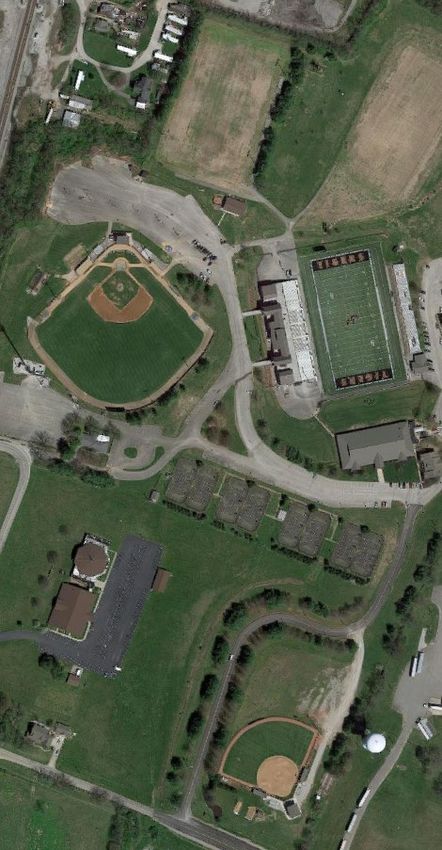
Documentation of Recent Changes
As changes to the EAP performed, please list the change, page affected and date the date of change.

     Specific Changes Made                       Page(s) Affected                 Date of Approved Change

** Add rows as necessary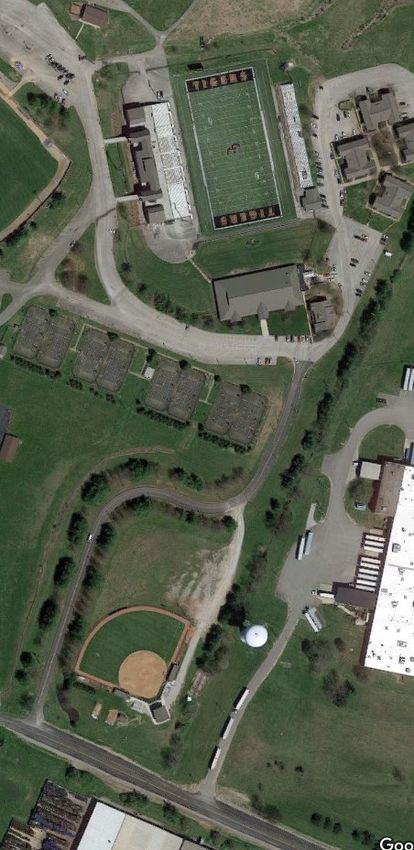
Introduction
Emergency situations may arise anytime during athletic events. Expedient action must be taken in order to
provide the best possible care to the sport participant in emergency and/or life-threatening conditions. The
development and implementation of an emergency plan will help ensure that the best care will be provided.

As emergencies may occur at any time during an activity, the Sports Medicine Department and Athletic staff
must be prepared. Athletic organizations have a duty to develop an emergency plan that may be
implemented immediately when necessary and to provide appropriate standards of emergency care to all
participants. As athletic injuries occur at any time and during any activity, the Sports Medicine team must be
prepared. This preparation involves formulation of an emergency plan, proper coverage of events,
maintenance of appropriate medical emergency equipment and supplies, utilization of appropriate medical
emergency personnel, and continuing education in the area of emergency medicine and planning. Ideally,
through careful pre-participation physical screenings, adequate medical coverage, safe practice and training
techniques, and other safety avenues, some potential emergencies may be averted. However, accidents and
injuries are inherent with sports participation, and proper preparation on the part of the Sports Medicine
team should enable each emergency to be managed appropriately.

Emergency Action Plan Personnel
       During typical athletic practice or competition, the first responder is typically a member of the Sports
Medicine staff, most commonly a Certified Athletic Trainer. A team physician may not always be present at
every organized practice or competition. The type and degree of sports medicine coverage for an athletic
event may vary widely based on such factors as the sport or activity, the setting, the type of training or
competition. The first responder in some situations may be a coach or other institutional personnel.

Roles of the First Responders
        The development of an emergency action plan cannot be complete without the formation of an
emergency team. The emergency team may consist of a number of healthcare providers including physicians,
emergency medical technicians, certified athletic trainers, student workers, coaches/administrators,
managers, campus security (if present), and possibly bystanders. Roles of these individuals within the
emergency team may vary depending on various factors such as the number of members of the team, the
athletic venue itself, or the preference of the Senior Athletic Trainer. There are four basic roles within the
emergency medical team.

   1. The first and most important role is establishing safety of the scene and immediate care of the athlete.
      The most qualified individual on the scene should provide acute care (immediate care). Individuals
      with lower credentials should yield to those with more advanced training.
   2. EMS activation may be necessary in situations where emergency transportation is not already present
      at the sporting event. This should be done as soon as the situation is deemed and emergency or life-
      threatening event. Time is the most critical factor under emergency conditions. Activating the EMS
      system may be done by anyone on the team. However, the person chosen for this duty should be
      someone who is calm under pressure and who communicates well over the telephone. This person
      should also be familiar with the location and address of the sporting event.
   3. Equipment retrieval may be done by anyone on the emergency team who is familiar with the types and
      locations of the specific equipment needed. Student workers, managers, and coaches are good choices
      for this role.
   4. Directing EMS to the scene is the fourth role. One member of the team should be responsible for
      meeting emergency medical personnel as they arrive at the site of the emergency. Depending on the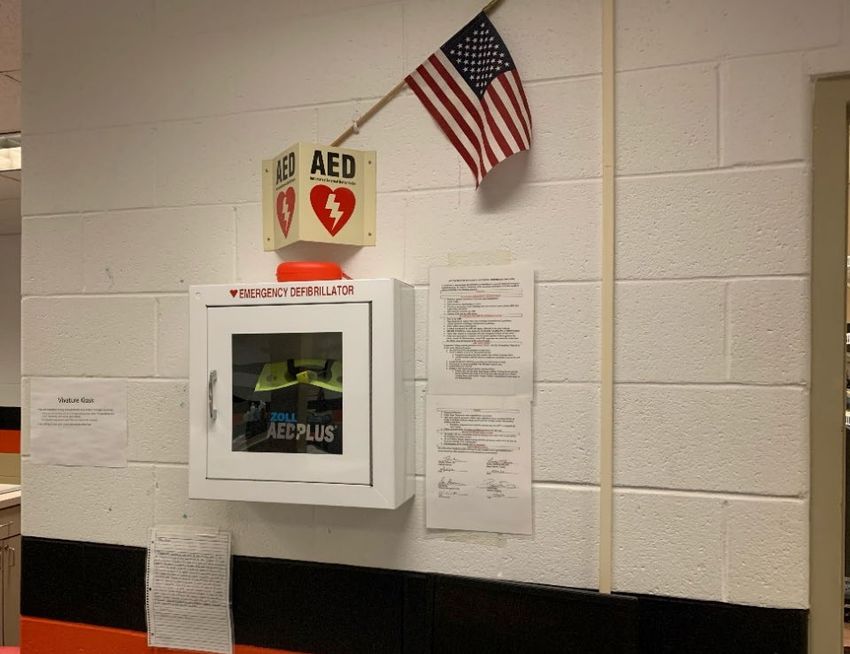
ease of access, this person should have keys to any locked gates or doors that may slow the arrival of
       the medical personnel. A student worker, manager, coach, or campus security may be appropriate for
       this role.

Activating the EMS System
Making the Call:

   •   Call 911
   •   Notify Campus Safety following call with EMS at 502-863-8111
Providing Information

   •   Name, address, telephone number of caller in case disconnected
   •   Nature of emergency, whether medical or non-medical
   •   Number of injured
   •   Condition of injured (breathing/not breathing, pulse/no pulse, bleeding, conscious/unconscious
   •   First aid treatment initiated by first responder (blood control, rescue breathing, CPR, etc.)
   •   Specific directions to location of injured (see individual location EAP)
   •   Other information requested by dispatcher

Emergency Communication
        Communication is key to quick emergency response. Athletic trainers and emergency personnel must
work together to provide the best emergency response capability and should have contact information such as
telephone trees established as part of pre-planning for emergency situations. Communication prior to the
event is a good way to establish boundaries and to build rapport between both groups of professionals. If
emergency medical transportation is not available on-site during a particular sporting event, then direct
communication with the emergency medical system at the time of the injury or illness is necessary.
        Access to a working telephone or other telecommunication device, whether fixed or mobile, should be
assured. The communications system should be checked prior to each practice or competition to ensure
proper working order. A back-up communication plan should be in effect, should there be a failure of the
primary communication system. The most common method of communication is a public telephone.
However, a cellular phone is preferred if available. At any athletic venue, whether home or away, it is
important to know the location of a workable telephone. Pre-arranged access to the phone should be
established if not easily accessible.

Emergency Equipment
        All necessary emergency equipment should be at the site and quickly accessible. Personnel should be
familiar with the function and operation of each type of emergency equipment. Equipment should be in good
operating condition, and personnel must be trained in advance to use it properly. Emergency equipment
available should be appropriate for the level of training for the emergency medical providers. Creating an
equipment inspection logbook for continued inspection is strongly recommended. It is recommended that a
few members of the emergency team be trained and responsible for the care of the equipment.

        It is important to know the proper way to care for and store the equipment as well. Equipment should
be stored in a clean and environmentally controlled area. It should be readily available when emergency
situations arise.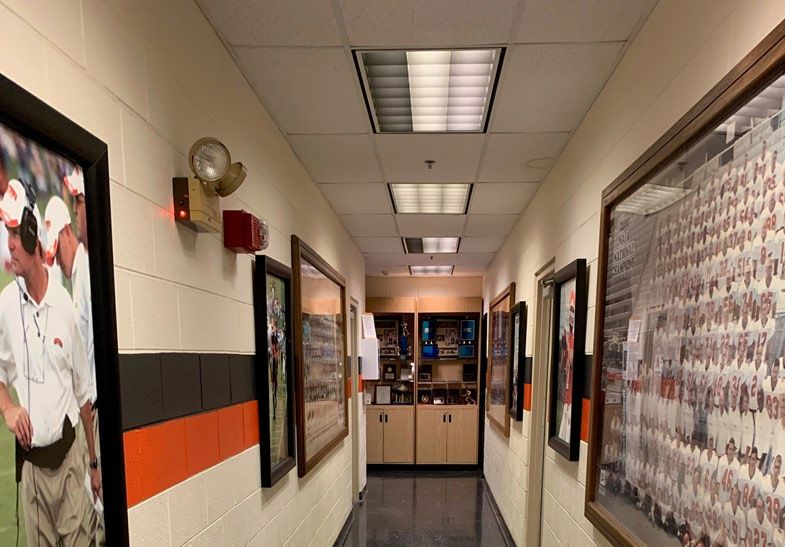
Medical Emergency Transportation
        An emphasis should be placed on having an ambulance on-site at high-risk sporting events when
possible. EMS response time is additionally factored in when determining on-site ambulance coverage. The
athletic department coordinates on-site ambulances for competition in football. Ambulances may be
coordinated on-site for other special events/competitions. Consideration is given to the capabilities of
transportation service available (i.e. basic life support and advanced life support) and the equipment and level
of trained personnel on board the ambulance. In the event that an ambulance is on site, there should be a
designated location with rapid access to the site and cleared route for entering/exiting the venue.

        In the medical emergency evaluation, the primary survey assists the emergency care provider in
identifying emergencies requiring critical intervention and in determining transport decisions. In an
emergency situation, the injured should be transported by ambulance, where the necessary staff and
equipment is available to deliver appropriate medical care. Emergency care providers should refrain from
transporting unstable victims in inappropriate vehicles. Care must be taken to ensure that the activity areas
are supervised should the emergency care provider leave the site in transporting the injured. Any emergency
situations where there is impairment in level of consciousness (LOC), airway, breathing, or circulation (ABC) or
there is neurovascular compromise should be considered a “load and go” situation and emphasis placed on
rapid evaluation, treatment, and transportation. In order to provide the best possible care for Georgetown
College Athletics, all athletes should be transported to either Georgetown Community Hospital or University
of Kentucky Hospital.

Non-Medical Emergencies
       For the following non-medical emergencies: fires, bomb threats, violent/criminal behavior, active
shooter, refer to the institution emergency action plan for the event.
https://www.georgetowncollege.edu/campus-safety/emergency-procedures

Post Emergency Action Plan Procedures
Documentation
Documentation must be done by Certified Athletic Trainer (or other provider) and coach immediately following
activation of the EAP. Both an injury report and accident report form must be filled out.

Debriefing
A team comprising of the Senior Athletic Trainer and any Certified Athletic Trainer present and involved in the incident,
Athletic Administration, coaches, any other member of Georgetown College as warranted must discuss the event within
a timely manner. This team must evaluate the effectiveness of the EAP and conduct a staff debriefing. A specific timeline
for changes to EAP should be made for promptness.

Conclusion
The importance of being properly prepared when athletic emergencies arise cannot be stressed enough. An athlete’s
survival may hinge on the training and preparation of healthcare providers. It is prudent to invest athletic department
“ownership” in the emergency action plan by involving the athletic administration and sport coaches as well as sports
medicine personnel. The emergency action plan should be reviewed at least once a year with all athletic personnel and
local emergency response teams. Through development and implementation of the emergency plan, Georgetown
College helps ensure that the athlete will have the best care provided when an emergency situation does arise.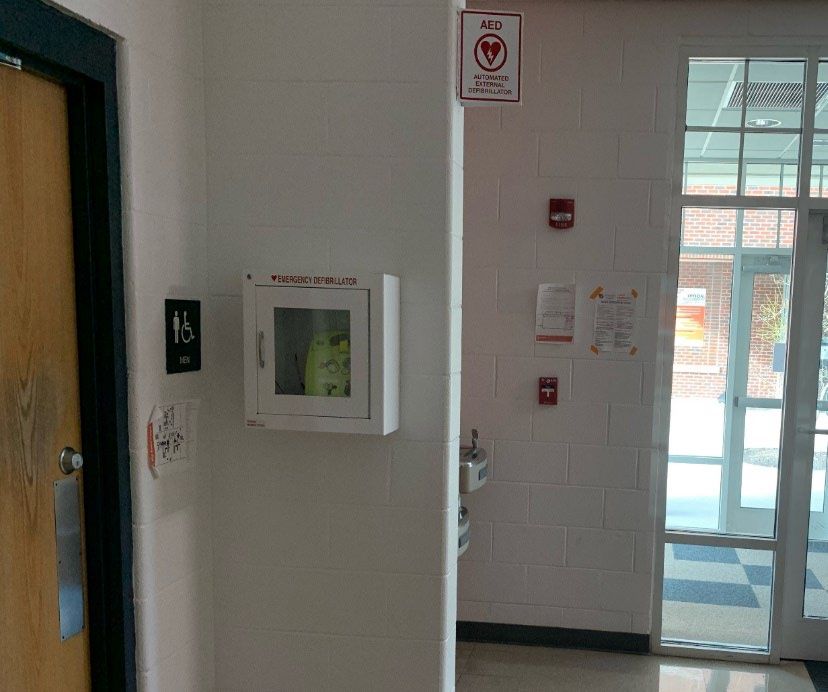
Staff Education
    1. Each season, every coach will receive a copy of the Emergency Action Plan (EAP).
           a. Each coach will provide their signature to confirm they have read the documents and asked any
                potential questions.
                    i. A copy of this documentation is attached at the end of this document.
    2. A copy of the relevant EAP will be in each team’s emergency binder.
    3. A copy of the EAP will be posted on the wall in the athletic training room, in addition to at each on campus
       athletic venue.

Chain of Command
The Sports Medicine Team should always act as primary care-givers at the site of the injury or accident (when on-site)
and would manage the situation according to the following rank:
    1. Team Physician

    2. Head Athletic Trainer/Senior Athletic Trainer

    3. Sports Medicine/Orthopedic Fellow

    4. Assistant Athletic Trainer

    5. Athletic Training Fellow

    6. Resident Physician

    7. Athletic Training Student

    8. Head Coach or Athletic Department Administrator

    9. Assistant Coach

In the event that a certified athletic trainer is not on-site at the time of injury, the following chain of command should be
used:

    1. Team Physician

    2. Sports Medicine/Orthopedic Fellow

    3. Resident Physician

    4. Head Coach or Athletic Department Administrator

    5. Assistant Coach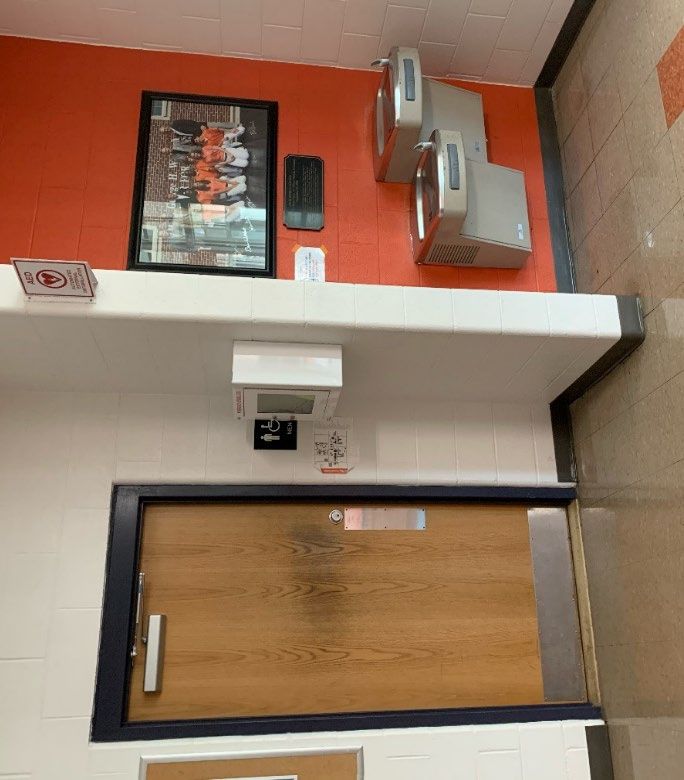
Emergency Telephone Numbers
Emergency Telephone Numbers

This list is only to be used in case of an emergency.

 Off Campus Contacts                    Phone Number
 Emergency                              911
 Georgetown Police Department           502-863-7826
 Georgetown Community Hospital 502-868-1100
 University of Kentucky Hospital        859-323-5000
 Hazardous Materials                    800-467-9222
 Poison Control Center                  800-222-1222

 On Campus Offices                                      Phone Number      On Campus
                                                                          Extension
 Campus Safety                                          502-863-8111      8111
 Main Campus Athletic Training Room                     502-863-7032      7032
 Main Campus Wet Room/Aux Athletic Training Room 502-863-8059             8059
 Vice President for Athletics                           502-863-8223      8223
 Assistant Athletic Director for Compliance             502-863-7075      7057
 Associate Athletic Director                            502-863-8222      8222
 Student Wellness- Health Services                      502-863-8201      8201
 Student Wellness- Counseling Services                  502-863-7074      7074

 Title                          Name                       Office                     Cell
 Senior Athletic Trainer        Jake Ryan                  502-868-6311               859-630-4768
 Staff Athletic Trainer         Stacee Gibson              502-863-7032               859-274-2128
 Staff Athletic Trainer         Katie Helly                502-868-6327               413-588-7696
 Staff Athletic Trainer         Jacob Whitacre             502-863-7032               513-532-8581
 Athletic Training Fellow       Abby Flynn                 502-868-3612               502-930-7698
 Team Physician                 Srikanth Nithyanandam      859-218-0607               859-550-3796
Emergency Equipment Locations
Equipment on site with events covered by a Certified Athletic Trainer
• Athletic Training Kit
• Biohazard materials
• AED
o Note: As there are a limited number of AED’s present, should multiple events be taking place
simultaneously, a priority will be made for the travel AED to be present at the venue furthest from the
athletic training room.
Equipment on site without a Certified Athletic Trainer present
• AED
o For a complete list with locations and pictures see Georgetown College Athletics’ AED Locations
o Toyota Stadium
1- Wall mounted AED inside of Toyota Stadium Athletic Training Room
1- Wall mounted AED inside of Toyota Stadium basement hallway to Elevator (In between
Football Locker Room and Weight Room)
1- Non-wall mounted (travel) AED inside Toyota Stadium Athletic Training Room
o Davis-Reid Alumni Gymnasium
1- Wall mounted AED inside of Davis-Reid Alumni Gymnasium main entrance hallway across
from northeast end stairs
o George H.W. Bush Center for Fitness
1- Wall mounted AED located on wall near restrooms
• Nearest Phone
o Certified Athletic Trainer’s mobile phone when covering events
See contact list for mobile phone numbers
• Emergency Telephone Numbers
o Coaches’ personal mobile phone
See Appendix A for list of Coaches’ Mobile Phone Numbers
o Athletic facilities
EAST CAMPUS
Conference Center 502-863-6300
Toyota Stadium
Baseball Locker Room 502-868-6338
Football Locker Room XXX-XXX-XXXX
Weight Room 502-868-6339
Guest Locker Room 502-868-6337
Baseball Stadium Nearest phone in baseball locker room
Softball Stadium Nearest phone in conference center
MAIN CAMPUS
Davis-Reid Alumni Gym
Athletic Training Room 502-863-8059
Athletic Training Wet Room 502-863-8059
Tumbling/Batting Cages Nearest phone in AT Room
Rec Center (Hallway past restrooms) 502-863-8219• Rescue inhaler
o A prescribed rescue inhaler will accompany the specific athlete to whom the inhaler has been prescribed
• Epi Pen
o A prescribed Epi Pen will accompany the specific athlete to whom the Epi Pen has been prescribed
• Splints
o Splints can be located in the athletic training rooms at Toyota Stadium and Davis-Reid Alumni
Gymnasium
• Spine boards/Cervical Collar
o Will be provided by EMS upon arrival
• Bio-Hazard Materials
o Bio-Hazard bag will be located inside of team’s med kit
o Bio-Hazard disposal bins will be located inside of the athletic training rooms at Toyota Stadium and
Davis-Reid Alumni Gymnasium
• Personal Protective Equipment/First Aid Materials
o PPE and First Aid materials will be located inside of team’s med kitGeorgetown College AED Locations
Need to be completed with pictures and map/diagram
http://www.georgetowncollege.edu/sites/default/files/docs/Campus%20Map%20-%202018-color-coded%20-
%202020%20orientation.pdf
Getting east campus map from Kelsey Berry
Toyota Stadium
Enter hallway to elevator from lower level breeze way or from either the football locker room or the weight room doors
adjacent to hallway
Located on wall to the right of the weight room door
Toyota Stadium Athletic Training Room
Located on wall immediately past the Head Athletic Trainer’s office doorGeorge H.W. Bush Center for Fitness
Located on wall next to Men’s Restroom
Davis-Reid Alumni Gym
Enter through Main Gym Entrance Towards North End of the main entrance hall way
Located on wall across from north end stair caseGeneral Plan of Action
If a Certified Athletic Trainer is not onsite at time of injury, use the following protocols.
Emergency Situation Protocol
Unconscious Athlete- Not Breathing
A. Activate EMS
B. If victim is wearing a helmet, the facemask and chin strap should be removed
a. Helmet must not be removed unless by an emergency trained professional
C. Arrange for transportation
Unconscious Athlete- Breathing
A. Do not move or allow the athlete to move
B. Activate EMS
C. Continue to monitor vital signs
D. Perform a secondary survey
E. If athlete regains consciousness, treat as ill
Conscious Athlete- prone or supine position
A. Do not move or allow the athlete to move
B. Get the athlete’s attention and calm them
C. Check the athlete’s chief complaint
D. If spinal cord injury is suspected:
a. DO NOT MOVE THE ATHLETE
b. Check breathing
c. Check movement of fingers and toes
d. Check for tingling, numbness, and sensation in extremities
e. Question for neck or spinal pain
Hemorrhage
A. Identify type: Venous (slow seeping) or Arterial (bright red and spurting)
B. Activate EMS
C. Universal precautions
D. Apply direct pressure
E. Elevate extremity, if possible
F. If direct pressure does not stop blood flow, apply direct pressure to a pressure point.
G. Monitor vitals- be prepared for athlete to go into shock
H. Calm athlete
Shock
A. Attempt to determine cause
B. Activate EMS
C. Maintain body temperature
D. Elevate legs if possible (do not do if spinal injury or lower body fracture is suspected)
E. Calm athlete
F. Check vital signs
Fracture
A. Stabilize body part, remove clothing over injury sitea. Activate EMS for obvious serious fracture (femur, hip, bone through skin)
B. Control bleeding from injury site and treat for shock, if necessary
C. Check distal pulse, sensation, and capillary refill
D. Splint and immobilize fracture
E. Ambulation: carry, stretcher, etc.
a. If serious fracture or neurological symptoms, do not move the athlete
F. Calm athlete
Closed Head Injury
A. Ask about any significant sign or symptom (headache, nausea, vomiting, amnesia, etc.)
a. If athlete seems “out of it”, doesn’t know where they are, can’t answer simple questions,
activate EMS
b. If athlete reports mild symptoms and can answer simple questions, remove from activity
and monitor. If symptoms rapidly worsen, activate EMS
Procedures for the Emergency Care of and Injured Athlete
Serious Injury
A serious injury is one in which the athlete will obviously need to be hospitalized, and there is little or no time
to consult with the physician before taking actions:
Example:
A. Stoppage of breathing
B. Severe bleeding
C. Obvious/serious fracture
D. Unconscious athlete
E. Possible spinal injury
F. Closed head injury
Fortunately, this type of situation seldom occurs, but staff must be ready for it if and when it does. The
following is the correct plan of action to be taken by the Certified Athletic Trainer in charge and carried out by
him/her and those coaches that may be asked to help.
Procedure
1. The Certified Athletic Trainer in charge immediately attends to the injured athlete and evaluates
the injury and performs the necessary first aid (including CPR/AED use).
2. The Certified Athletic Trainer in charge instructs someone (preferable another Certified Athletic
Trainer or member of coaching staff) to make the following phone calls and relay all information
given.
a. Call 911 with the following information
i. Your name and title
ii. Number of injured/nature of injury/care being given
iii. Specific location of injured athletes and how to access area
b. Notify Georgetown College Campus Security at 502-863-1100 of EAP activation.
c. Notify Vice President for Athletics of the situation. If Vice President for Athletics cannot be
reached, call either Assistant Athletic Director or Associate Athletic Director:
i. Vice President for Athletics- Brian Evansii. Associate Athletic Director- Austin Sparks
iii. Assistant Athletic Director- Kimberly Chandler
d. Return to field/court to assist as directed.
3. If there is a second Georgetown College Certified Athletic Trainer in attendance, the Certified
Athletic Trainer in charge will travel to the hospital. If there is not, a member of the coaching staff
will travel to the hospital. There should always be continuing coverage of event by a Georgetown
College Certified Athletic Trainer.
4. A member of the coaching staff should notify parents of events. A member of the Sports Medicine
staff will update the parent when additional information is known.
Georgetown College Catastrophic Incident Protocol
Purpose: To establish the guidelines and protocol in the event of a catastrophic injury during a Georgetown
College home event.
Policy: It will be the policy of Georgetown College to adhere to all procedures regarding the started protocols.
Said protocols are as follows.
1. In the event of a catastrophic injury, the Emergency Action Plan of the specific site shall be
followed.
2. The on-site Certified Athletic Trainer will assess the situation to determine the necessary medical
actions.
3. The Certified Athletic Trainer will activate EMS or designate someone for this purpose.
4. At the conclusion of the event, the on-site Certified Athletic Trainer will report to the medical
facility.
5. The on-site Certified Athletic Trainer will notify the Vice President for Athletics.
a. The Vice President for Athletics will notify other college administrators.
6. The injured athlete’s parents/guardians will be notified. Updates will be provided as they become
available.
7. The proper documentation- injury reports, secondary insurance forms, etc. – must be filled out at
the earliest time possible.
8. In the event of a catastrophic injury at an away event:
a. The Georgetown College Certified Athletic Trainer will comply and cooperate with the host
institution/venue Emergency Action Plan.
b. The Georgetown College Certified Athletic Trainer will make the decision to travel to the
medical facility with the athlete, based on the severity of the injury/illness.
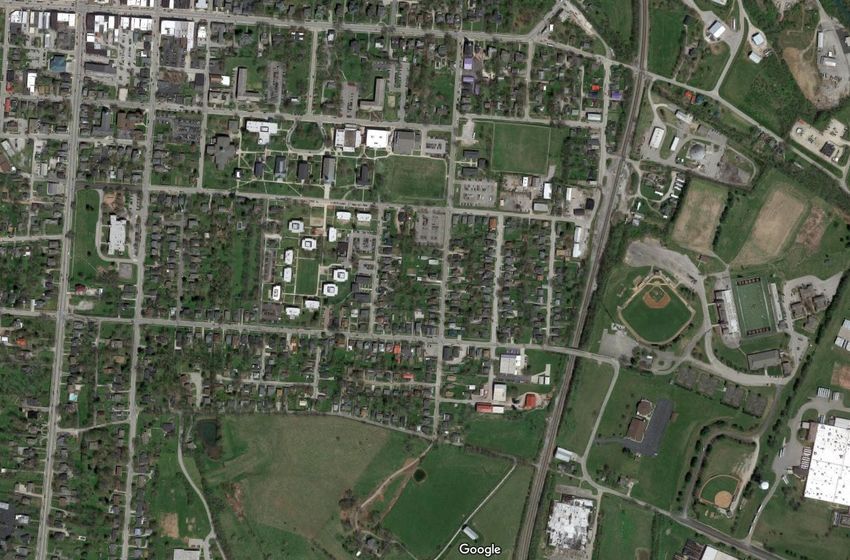
c. Previously stated phone-call protocols will be followed.Venue Directions with Map East Campus For Georgetown College athletic events that occur on East Campus (cross country, track and field, football, soccer, baseball, softball, tennis, lacrosse, or any other sport practicing/competing at these venues), the following directions will be used with activating EMS. From the station, turn right onto Broadway. Take the fourth left onto Clayton Ave. Follow Clayton Ave to where it turns into Lemons Mill Road. Turn left onto Crawford Dr. From there, follow the sport specific EAP to the facility. Main Campus For Georgetown College athletic events that occur on Main Campus, the following directions will be used when activating EMS. From the station, turn right onto Broadway. Take the first left onto College St. Go through both stop signs. Davis-Reid Alumni Gym and George H.W. Bush Recreation Center are both on the right past Memorial Dr. Access to both buildings is best through the Rec Center parking lot.
EMERGENCY
                                               ACTION
                                                PLAN
                                                 Toyota Stadium
                                 Address: 100 Crawford Dr., Georgetown, KY 40324
If it is determined that EMS needs to be activated for an emergency at Toyota Stadium, the following steps
should be followed.
Emergency Personnel: A Certified Athletic Trainer will be on site for select practices and events or in direct
communication with coaching staff. Emergencies during practices/games not covered, EMS is to be contacted
immediately.
Emergency Communication: Personal cell phone or landline of venue (if available)

Emergency Equipment: The AED will be on the field, along with the med kit, during all practices and games.
Additional first aid supplies, splints, crutches, immobilizers, and braces can be found in the athletic training
room located under the bleachers on the end closest to the Conference Center during practices. Splints,
crutches, and immobilizers will be on field for football games only.
Roles of First Responders:

       1. Immediate care of the injured or ill victim
       2. Activation of emergency medical system (EMS)
               a. 911 call (provide name, address, and telephone number, number of individuals injured,
                  condition of injured, first aid administered, specific directions, and other information as
                  requested. DO NOT HANG UP UNLESS TOLD TO!
       3. Emergency equipment retrieval, if needed
       4. Direction of EMS to scene
               a. Open appropriate gates.
               b. Designate individual to “flag down” EMS and direct to scene
               c. Scene control: limit scene to first aid providers and move bystanders away from area
       5. If campus security is not on scene, call 505-863-1100 to notify them AFTER EMS has been called
       6. After EMS has departed, notify the following people of the situation:
               a. Senior Athletic Trainer
               b. Vice President of Athletics
               c. Dean of Students
Venue Directions: Toyota Stadium at 100 Crawford Dr. Once you have turned onto Crawford Dr., continue
onto the stop sign. Turn right at the stop sign and continue down to the visitor’s side of the field. The gate
before the stands will be the access point to the fields.
Venue Map:
Storm Safety Location: In the event of lightening or severe thunderstorm warnings, all athletes and staff will
move to their respective locker rooms. Spectators and fans should move to their vehicles.
Emergency Contact Numbers
Georgetown College- 400 E College St, Georgetown, 40324
EMS- 911
Georgetown Community Hospital- 502-868-1100
1140 Lexington Rd, Georgetown, KY 40324
Athletic Training Staff Athletic Administration Other Contacts
Jake Ryan, MS, ATC, LAT Brian Evans, VP of Athletics Campus Security
859-630-4768 502-316-4454 502-863-1100
Stacee Gibson, ATC, LAT Kimberly Chandler, Assist. AD Curtis Sandburg, Dean of Students
859-274-2128 859-707-5287 859-893-4909
Katie Helly, MS, ATC, LAT Austin Sparks, Assoc. AD
413-588-7696 859-588-2223
Jacob Whitacre, ATC, LAT
513-532-8581
Abby Flynn, MS, ATC, LAT
502-930-7698EMERGENCY
ACTION
PLAN
GC Soccer Complex
Address: 100 Crawford Dr., Georgetown, KY 40324
If it is determined that EMS needs to be activated for an emergency at GC Soccer Complex, the following steps
should be followed.
Emergency Personnel: A Certified Athletic Trainer will be on site for select practices and events or in direct
communication with coaching staff. Emergencies during practices/games not covered, EMS is to be contacted
immediately.
Emergency Communication: Personal cell phone or landline of venue (if available)
Emergency Equipment: The med kit will be on the field during all practices and games. Additional first aid
supplies, splints, crutches, immobilizers, and braces can be found in the athletic training room located under
the bleachers on the end closest to the Conference Center during practices and games. AED will be located in
the athletic training room during practices and on the field during games.
Roles of First Responders:
1. Immediate care of the injured or ill victim
2. Activation of emergency medical system (EMS)
a. 911 call (provide name, address, and telephone number, number of individuals injured,
condition of injured, first aid administered, specific directions, and other information as
requested. DO NOT HANG UP UNLESS TOLD TO!
3. Emergency equipment retrieval, if needed
4. Direction of EMS to scene
b. Open appropriate gates.
c. Designate individual to “flag down” EMS and direct to scene
d. Scene control: limit scene to first aid providers and move bystanders away from area
5. If campus security is not on scene, call 505-863-1100 to notify them AFTER EMS has been called
6. After EMS has departed, notify the following people of the situation:
e. Senior Athletic Trainer
f. Vice President of Athletics
g. Dean of Students
Venue Directions: GC Soccer Complex at 100 Crawford Dr. Once you have turned onto Crawford Dr., continue
onto the stop sign. Turn left at the stop sign and at the fork, keep right. Continue around the home side of
Toyota Stadium. The soccer complex is directly ahead. Turn right though the upper gate and follow the road
around for best field access.Venue Map:
Storm Safety Location: In the event of lightening or severe thunderstorm warnings, all athletes and staff will
move to their respective locker rooms. Spectators and fans should move to their vehicles.
Emergency Contact Numbers
Georgetown College- 400 E College St, Georgetown, 40324
EMS- 911
Georgetown Community Hospital- 502-868-1100
1140 Lexington Rd, Georgetown, KY 40324
Athletic Training Staff Athletic Administration Other Contacts
Jake Ryan, MS, ATC, LAT Brian Evans, VP of Athletics Campus Security
859-630-4768 502-316-4454 502-863-1100
Stacee Gibson, ATC, LAT Kimberly Chandler, Assist. AD Curtis Sandburg, Dean of Students
859-274-2128 859-707-5287 859-893-4909
Katie Helly, MS, ATC, LAT Austin Sparks, Assoc. AD
413-588-7696 859-588-2223
Jacob Whitacre, ATC, LAT
513-532-8581
Abby Flynn, MS, ATC, LAT
502-930-7698EMERGENCY
ACTION
PLAN
Robert N. Wilson Field
Address: 100 Crawford Dr., Georgetown, KY 40324
If it is determined that EMS needs to be activated for an emergency at Robert N. Wilson Field, the following
steps should be followed.
Emergency Personnel: A Certified Athletic Trainer will be on site for select practices and events or in direct
communication with coaching staff. Emergencies during practices/games not covered, EMS is to be contacted
immediately.
Emergency Communication: Personal cell phone or landline of venue (if available)
Emergency Equipment: The med kit will be in the home dugout during all practices and games. Additional first
aid supplies, splints, crutches, immobilizers, and braces can be found in the athletic training room located
under the bleachers on the end closest to the Conference Center during practices and games. The AED will be
located in the athletic training room during practices and in the home dugout during games.
Roles of First Responders:
1. Immediate care of the injured or ill victim
2. Activation of emergency medical system (EMS)
a. 911 call (provide name, address, and telephone number, number of individuals injured,
condition of injured, first aid administered, specific directions, and other information as
requested. DO NOT HANG UP UNLESS TOLD TO!
3. Emergency equipment retrieval, if needed
4. Direction of EMS to scene
a. Open appropriate gates.
b. Designate individual to “flag down” EMS and direct to scene
c. Scene control: limit scene to first aid providers and move bystanders away from area
5. If campus security is not on scene, call 505-863-1100 to notify them AFTER EMS has been called
6. After EMS has departed, notify the following people of the situation:
a. Senior Athletic Trainer
b. Vice President of Athletics
c. Dean of Students
Venue Directions: Robert N. Wilson Field at 100 Crawford Dr. Once you have turned onto Crawford Dr.,
continue onto the stop sign. Turn left at the stop sign and at the fork, continue to the right. The baseball field
will be on the left. Continue along the third base side and the field access gate is to the left of the third
baseline dugout.Venue Map:
Storm Safety Location: In the event of lightening or severe thunderstorm warnings, all athletes and staff will
move to the press box or vehicles. Spectators and fans should move to their vehicles.
Emergency Contact Numbers
Georgetown College- 400 E College St, Georgetown, 40324
EMS- 911
Georgetown Community Hospital- 502-868-1100
1140 Lexington Rd, Georgetown, KY 40324
Athletic Training Staff Athletic Administration Other Contacts
Jake Ryan, MS, ATC, LAT Brian Evans, VP of Athletics Campus Security
859-630-4768 502-316-4454 502-863-1100
Stacee Gibson, ATC, LAT Kimberly Chandler, Assist. AD Curtis Sandburg, Dean of Students
859-274-2128 859-707-5287 859-893-4909
Katie Helly, MS, ATC, LAT Austin Sparks, Assoc. AD
413-588-7696 859-588-2223
Jacob Whitacre, ATC, LAT
513-532-8581
Abby Flynn, MS, ATC, LAT
502-930-7698EMERGENCY
ACTION
PLAN
Lackey Tennis Complex
Address: 100 Crawford Dr., Georgetown, KY 40324
If it is determined that EMS needs to be activated for an emergency at Lackey Tennis Complex, the following
steps should be followed.
Emergency Personnel: A Certified Athletic Trainer will be on site for select practices and events or in direct
communication with coaching staff. Emergencies during practices/games not covered, EMS is to be contacted
immediately.
Emergency Communication: Personal cell phone or landline of venue (if available)
Emergency Equipment: First aid supplies, AED, splints, crutches, immobilizers, and braces can be found in the
athletic training room located under the bleachers on the end closest to the Conference Center during
practices. The med kit and AED will be located at the courts during competitions.
Roles of First Responders:
1. Immediate care of the injured or ill victim
2. Activation of emergency medical system (EMS)
a. 911 call (provide name, address, and telephone number, number of individuals injured,
condition of injured, first aid administered, specific directions, and other information as
requested. DO NOT HANG UP UNLESS TOLD TO!
3. Emergency equipment retrieval, if needed
4. Direction of EMS to scene
a. Open appropriate gates.
b. Designate individual to “flag down” EMS and direct to scene
c. Scene control: limit scene to first aid providers and move bystanders away from area
5. If campus security is not on scene, call 505-863-1100 to notify them AFTER EMS has been called
6. After EMS has departed, notify the following people of the situation:
a. Senior Athletic Trainer
b. Vice President of Athletics
c. Dean of Students
Venue Directions: Lackey Tennis Complex at 100 Crawford Dr. Once you have turned onto Crawford Dr.,
continue onto the stop sign. Turn left at the stop sign. The tennis complex is immediately on the left. EMS
will be notified of court number during the call.Venue Map:
Storm Safety Location: In the event of lightening or severe thunderstorm warnings, all athletes, staff, and
spectators will move to their vehicles.
Emergency Contact Numbers
Georgetown College- 400 E College St, Georgetown, 40324
EMS- 911
Georgetown Community Hospital- 502-868-1100
1140 Lexington Rd, Georgetown, KY 40324
Athletic Training Staff Athletic Administration Other Contacts
Jake Ryan, MS, ATC, LAT Brian Evans, VP of Athletics Campus Security
859-630-4768 502-316-4454 502-863-1100
Stacee Gibson, ATC, LAT Kimberly Chandler, Assist. AD Curtis Sandburg, Dean of Students
859-274-2128 859-707-5287 859-893-4909
Katie Helly, MS, ATC, LAT Austin Sparks, Assoc. AD
413-588-7696 859-588-2223
Jacob Whitacre, ATC, LAT
513-532-8581
Abby Flynn, MS, ATC, LAT
502-930-7698EMERGENCY
ACTION
PLAN
Tiger Softball Complex
Address: 100 Crawford Dr., Georgetown, KY 40324
If it is determined that EMS needs to be activated for an emergency at Tiger Softball Complex, the following
steps should be followed.
Emergency Personnel: A Certified Athletic Trainer will be on site for select practices and events or in direct
communication with coaching staff. Emergencies during practices/games not covered, EMS is to be contacted
immediately.
Emergency Communication: Personal cell phone or landline of venue (if available)
Emergency Equipment: The med kit will be in the home dugout during all practices and games. Additional first
aid supplies, splints, crutches, immobilizers, and braces can be found in the athletic training room located
under the bleachers on the end closest to the Conference Center during practices and games. The AED will be
located in the athletic training room during practices and in the home dugout during games.
Roles of First Responders:
1. Immediate care of the injured or ill victim
2. Activation of emergency medical system (EMS)
a. 911 call (provide name, address, and telephone number, number of individuals injured,
condition of injured, first aid administered, specific directions, and other information as
requested. DO NOT HANG UP UNLESS TOLD TO!
3. Emergency equipment retrieval, if needed
4. Direction of EMS to scene
a. Open appropriate gates.
b. Designate individual to “flag down” EMS and direct to scene
c. Scene control: limit scene to first aid providers and move bystanders away from area
5. If campus security is not on scene, call 505-863-1100 to notify them AFTER EMS has been called
6. After EMS has departed, notify the following people of the situation:
a. Senior Athletic Trainer
b. Vice President of Athletics
c. Dean of Students
Venue Directions: Tiger Softball Complex at 100 Crawford Dr. Once you have turned onto Crawford Dr.,
continue around the curve. The entrance will be to the right. Continue along the gravel road. The access gate
will be to the right of the first baseline dugout.Venue Map:
Storm Safety Location: In the event of lightening or severe thunderstorm warnings, all athletes and staff will
move to the press box or vehicles. Spectators and fans should move to their vehicles.
Emergency Contact Numbers
Georgetown College- 400 E College St, Georgetown, 40324
EMS- 911
Georgetown Community Hospital- 502-868-1100
1140 Lexington Rd, Georgetown, KY 40324
Athletic Training Staff Athletic Administration Other Contacts
Jake Ryan, MS, ATC, LAT Brian Evans, VP of Athletics Campus Security
859-630-4768 502-316-4454 502-863-1100
Stacee Gibson, ATC, LAT Kimberly Chandler, Assist. AD Curtis Sandburg, Dean of Students
859-274-2128 859-707-5287 859-893-4909
Katie Helly, MS, ATC, LAT Austin Sparks, Assoc. AD
413-588-7696 859-588-2223
Jacob Whitacre, ATC, LAT
513-532-8581
Abby Flynn, MS, ATC, LAT
502-930-7698EMERGENCY
ACTION
PLAN
Davis-Reid Alumni Gym
Address: 400 East College St, Georgetown, KY 40324
If it is determined that EMS needs to be activated for an emergency at Davis-Reid Alumni Gym, the following
steps should be followed.
Emergency Personnel: A Certified Athletic Trainer will be on site for select practices and events or in direct
communication with coaching staff. Emergencies during practices/games not covered, EMS is to be contacted
immediately.
Emergency Communication: Personal cell phone or landline of venue (if available)
Emergency Equipment: : Med kit is located next to the alcove behind the home bench for all practices and
competitions. Additional first aid supplies, splints, crutches, immobilizers, and braces can be found in the
athletic training room located under the gym. The AED is located in the main entryway on the end closest to
College St. at all times.
Roles of First Responders:
1. Immediate care of the injured or ill victim
2. Activation of emergency medical system (EMS)
a. 911 call (provide name, address, and telephone number, number of individuals injured,
condition of injured, first aid administered, specific directions, and other information as
requested. DO NOT HANG UP UNLESS TOLD TO!
3. Emergency equipment retrieval, if needed
4. Direction of EMS to scene
a. Open appropriate gates.
b. Designate individual to “flag down” EMS and direct to scene
c. Scene control: limit scene to first aid providers and move bystanders away from area
5. If campus security is not on scene, call 505-863-1100 to notify them AFTER EMS has been called
6. After EMS has departed, notify the following people of the situation:
a. Senior Athletic Trainer
b. Vice President of Athletics
c. Dean of Students
Venue Directions: Davis-Reid Alumni Gym at 400 East College St. From Broadway, turn onto College St.
Continue through two stop signs. For the gym: pull into Rec Center Parking lot on the corner of College St. and
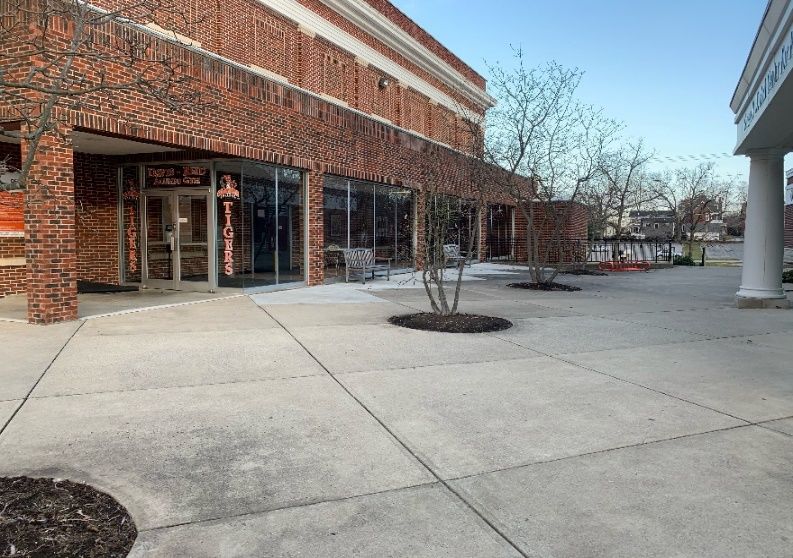
Military St. Follow sidewalk around Rec Center building to Alumni gym. For first floor access: Pull onto
sidewalk outside of Alumni Gym. Building can be accessed through “Tiger-Scratch” door or loading dock
between gym and Rec Center.Venue Map:
Storm Safety Location: In the event tornado warning, all athletes, staff and spectators will move to the
bottom floor of Davis-Reid Alumni Gym (if they are able to as there is no handicap access to the lower floor in
the interior of the building).
Emergency Contact Numbers
Georgetown College- 400 E College St, Georgetown, 40324
EMS- 911
Georgetown Community Hospital- 502-868-1100
1140 Lexington Rd, Georgetown, KY 40324
Athletic Training Staff Athletic Administration Other Contacts
Jake Ryan, MS, ATC, LAT Brian Evans, VP of Athletics Campus Security
859-630-4768 502-316-4454 502-863-1100
Stacee Gibson, ATC, LAT Kimberly Chandler, Assist. AD Curtis Sandburg, Dean of Students
859-274-2128 859-707-5287 859-893-4909
Katie Helly, MS, ATC, LAT Austin Sparks, Assoc. AD
413-588-7696 859-588-2223
Jacob Whitacre, ATC, LAT
513-532-8581
Abby Flynn, MS, ATC, LAT
502-930-7698EMERGENCY
ACTION
PLAN
George H.W. Bush Center for Fitness (Rec Center)
Address: 400 East College St, Georgetown, KY 40324
If it is determined that EMS needs to be activated for an emergency at George H.W. Bush Recreation Center,
the following steps should be followed.
Emergency Personnel: A Certified Athletic Trainer will be on site for select practices and events or in direct
communication with coaching staff. Emergencies during practices/games not covered, EMS is to be contacted
immediately.
Emergency Communication: Personal cell phone or landline of venue (if available)
Emergency Equipment: First aid supplies, splints, crutches, immobilizers, and braces can be found in the
athletic training room located under the Reid-Davis Alumni Gym during practices. During competitions, a med
kit will be with the athletic trainer. There is an AED located in the main entryway in the corner next to the
men’s restroom at all times.
Roles of First Responders:
1. Immediate care of the injured or ill victim
2. Activation of emergency medical system (EMS)
a. 911 call (provide name, address, and telephone number, number of individuals injured,
condition of injured, first aid administered, specific directions, and other information as
requested. DO NOT HANG UP UNLESS TOLD TO!
3. Emergency equipment retrieval, if needed
4. Direction of EMS to scene
a. Open appropriate gates.
b. Designate individual to “flag down” EMS and direct to scene
c. Scene control: limit scene to first aid providers and move bystanders away from area
5. If campus security is not on scene, call 505-863-1100 to notify them AFTER EMS has been called
6. After EMS has departed, notify the following people of the situation:
a. Senior Athletic Trainer
b. Vice President of Athletics
c. Dean of Students
Venue Directions: George H.W. Bush Recreation Center at 400 East College St. From Broadway, turn onto
College St. Continue through two stop signs. Pull into Rec Center Parking lot on the corner of College St. and
Military St. Follow sidewalk around to side door next to weight room. Door will be propped open if EMS is
called.Venue Map:
Storm Safety Location: In the event, tornado warning, all athletes, staff and spectators will move to the
restrooms of the building.
Emergency Contact Numbers
Georgetown College- 400 E College St, Georgetown, 40324
EMS- 911
Georgetown Community Hospital- 502-868-1100
1140 Lexington Rd, Georgetown, KY 40324
Athletic Training Staff Athletic Administration Other Contacts
Jake Ryan, MS, ATC, LAT Brian Evans, VP of Athletics Campus Security
859-630-4768 502-316-4454 502-863-1100
Stacee Gibson, ATC, LAT Kimberly Chandler, Assist. AD Curtis Sandburg, Dean of Students
859-274-2128 859-707-5287 859-893-4909
Katie Helly, MS, ATC, LAT Austin Sparks, Assoc. AD
413-588-7696 859-588-2223
Jacob Whitacre, ATC, LAT
513-532-8581
Abby Flynn, MS, ATC, LAT
502-930-7698EMERGENCY
ACTION
PLAN
Davis-Reid Alumni Gym Batting Cage
Address: 400 East College St, Georgetown, KY 40324
If it is determined that EMS needs to be activated for an emergency at Davis-Reid Alumni Gym Batting Cage,
the following steps should be followed.
Emergency Personnel: A Certified Athletic Trainer will be on site for select practices and events or in direct
communication with coaching staff. Emergencies during practices/games not covered, EMS is to be contacted
immediately.
Emergency Communication: Personal cell phone or landline of venue (if available)
Emergency Equipment: First aid supplies, splints, crutches, immobilizers, and braces can be found in the
athletic training room located under the gym. The AED is located in the main entryway on the end closest to
College St. at all times.
Roles of First Responders:
1. Immediate care of the injured or ill victim
2. Activation of emergency medical system (EMS)
a. 911 call (provide name, address, and telephone number, number of individuals injured,
condition of injured, first aid administered, specific directions, and other information as
requested. DO NOT HANG UP UNLESS TOLD TO!
3. Emergency equipment retrieval, if needed
4. Direction of EMS to scene
a. Open appropriate gates.
b. Designate individual to “flag down” EMS and direct to scene
c. Scene control: limit scene to first aid providers and move bystanders away from area
5. If campus security is not on scene, call 505-863-1100 to notify them AFTER EMS has been called
6. After EMS has departed, notify the following people of the situation:
a. Senior Athletic Trainer
b. Vice President of Athletics
c. Dean of Students
Venue Directions: Davis-Reid Alumni Gym at 400 East College St. From Broadway, turn onto College St.
Continue through two stop signs. For first floor access: Pull onto sidewalk outside of Alumni Gym. Building
can be accessed through the “Tiger-Scratch” door or loading dock between gym and Rec Center. The batting
cage area is located on the first floor across from the team locker rooms.You can also read


