Global Views on the Environment 2018 - How does the world perceive our changing environment? - Ipsos
←
→
Page content transcription
If your browser does not render page correctly, please read the page content below
Global Views on the Environment – 2018
How does the world perceive our changing environment?

 IPSOS GLOBAL ADVISOR

© 2016 Ipsos. All rights reserved. Contains Ipsos' Confidential and Proprietary information and may
not be disclosed or reproduced without the prior written consent of Ipsos.

                                                                                                      © 2018 Ipsos. All rights reserved. Contains Ipsos' Confidential and Proprietary information
                                                                                                      and may not be disclosed or reproduced without the prior written consent of Ipsos.

                                                                                                                                                                                                    1
Environmental Issues
Which environmental issues are most concerning to citizens?

 IPSOS GLOBAL ADVISOR

© 2016 Ipsos. All rights reserved. Contains Ipsos' Confidential and Proprietary information and may
not be disclosed or reproduced without the prior written consent of Ipsos.

                                                                                                      © 2018 Ipsos. All rights reserved. Contains Ipsos' Confidential and Proprietary information
                                                                                                      and may not be disclosed or reproduced without the prior written consent of Ipsos.

                                                                                                                                                                                                    2
Top environmental
                                    Global warming or climate change                                                                                              30%
issues around the world
                                                        Air pollution                                                                                             30%

• Across the world, global                        Dealing with waste                                                                                              30%

  warming/climate change,                            Water pollution                                                                                        24%
  air pollution, and dealing
                                   Future energy sources and supplies                                                                                       24%
  with waste are the top
                                                       Deforestation                                                                                      23%
  three environmental issues
  of concern.                              Natural resource depletion                                                                               21%

                                                     Overpopulation                                                     14%
• Meanwhile, soil erosion,
                                                Wildlife conservation                                                   14%
  over-packaged consumer
  goods, flooding, and                    Poor quality drinking water                                                   14%
  emissions are reported as          Future food sources and supplies                                               13%
  less concerning issues.
                                                           Emissions                                            12%

                                                            Flooding                                            12%

                                   Over-packaging of consumer goods                                         11%
Q. In your view, what are the
three most important                                     Soil erosion                      6%
environmental issues facing
                                                         Don't know                        6%
[COUNTRY] today? That is, the
top environmental issues you                           None of these        2%
feel should receive the greatest
                                                             [TOPIC] is a top three environmental issue
attention from your local
leaders?                                                       Base: 20,794 online adults aged 16-64 across 28 countries March 23 – April 6, 2018
Top Issues in Each       W A        B     M P       R     S    Z     K    S T        H    A     B    C     C    F     D   G   I   I   J   E   U   P   C   M   R   S
Top environmental                       Country                  O R        E     E O       U     A    A     O    W U        U    U     R    A     H    R     E   B   N   T   P   S   S   E   H   Y   O   R
                                                                 R G        L     X L       S     U    F     R    E R        N    S     A    N     N    A     U   R   D   A   N   P   A   R   L   S   U   B
issues around the world                                          L
                                                                 D
                                        Global warming           1                                           2 2             3 3             1          1 1 3 2               3 1 1 2 3 2
•   Global warming, air pollution,
    and dealing with waste tie for      Air pollution            1          1 3 1 3 3                        1               1                     1 2 3              1 2         2           1 3 3
    the top issue around the world.
                                        Water pollution              3            1                                                     2          2                      3               1               2
•   These issues are also               Overpopulation                                                 2               3                                              3
    mentioned as a top-three issue      Dealing with waste
    in the most countries.                                       1          3          3 1                   3 3             2 2 3 2 3 3                          1       1 2 3 2                     2 1
                                        Emissions                                           2
•   De-forestation is only a top-       De-forestation               1                 2                               1                1                                                 3           1
    three issue in six countries. But
    for countries who label it a top-   Soil erosion
    three issue, it is most likely to   Wildlife conservation
    be the most pressing issue.
                                        Depletion of natural                      2               2                    2                                                                      2
                                        resources
                                        Over-packaging of
                                        consumer goods
Q. In your view, what are the
three most important                    Poor quality drinking                                          1                                                                                                  3
                                        water
environmental issues facing
                                        Flooding                     2                                                                                                                            1
[COUNTRY] today? That is, the
top environmental issues you            Future energy supplies              2                     1               1               1          3                2 2             1       3
feel should receive the greatest        and sources
attention from your local               Future food supplies                                           3
leaders?                                and sources                      Base: 20,794 online adults aged 16-64 across 28 countries March 23 – April 6, 2018
Global warming or                         World                                                                               30%
climate change                             Spain                                                                                                               45%
                                    South Korea                                                                                                          44%
                                          France                                                                                                   40%
                                             Peru                                                                                                 39%
                                         Canada                                                                                                  39%
• Global warming, or climate            Sweden                                                                                                 37%
                                            Chile                                                                                            37%
  change, is the observation
                                   United States                                                                                             37%
  that the Earth has seen an           Germany                                                                                              36%
  average global temperature                India                                                                                           36%
  increase over recent                 Australia                                                                                         35%
                                           Japan                                                                                        35%
  centuries. Scientists expect         Hungary                                                                                        33%
  these changes to have a                Mexico                                                                                   32%
  corresponding effect on the          Malaysia                                                                                   32%
                                         Turkey                                                                          29%
  weather and climate              Great Britain                                                                        29%
  systems of the Earth.                      Italy                                                                    28%
                                        Belgium                                                            26%
                                    South Africa                                                         24%
                                           Brazil                                                       24%
                                           China                                                        24%
Q. In your view, what are the          Romania                                                         23%
three most important               Saudi Arabia                                                22%
environmental issues facing              Poland                                              21%
                                      Argentina                                            20%
[COUNTRY] today? That is, the
                                          Serbia                        14%
top environmental issues you              Russia           10%
feel should receive the greatest
                                                     Global warming or climate change is a top three environmental issue
attention from your local
leaders? – Global warming                             Base: 20,794 online adults aged 16-64 across 28 countries March 23 – April 6, 2018
Air pollution                             World                                                   30%
                                    South Korea                                                                                                    61%
                                         Poland                                                                                              57%
                                           China                                                                                            57%
                                            India                                                                   42%
                                            Chile                                                                  41%
                                          Russia                                                                39%
• Air pollution refers to the          Hungary                                                                 39%
                                        Belgium                                                               38%
  existence of harmful or                    Italy                                                         36%
  excessive quantities of                  Spain                                                          35%
  gases or particulates in the            France                                                         35%
                                         Mexico                                                        34%
  atmosphere.                             Serbia                                                      34%
                                       Romania                                                      32%
                                       Malaysia                                                   30%
                                       Germany                                             27%
                                             Peru                             24%
                                   Saudi Arabia                             22%
                                         Turkey                            22%
                                           Brazil                         21%
                                   United States                         21%
                                   Great Britain                        20%
Q. In your view, what are the            Canada                        19%
three most important                  Argentina                     17%
environmental issues facing             Sweden               14%
                                           Japan           13%
[COUNTRY] today? That is, the
                                    South Africa     10%
top environmental issues you           Australia     9%
feel should receive the greatest
                                                     Air pollution is a top three environmental issue
attention from your local
leaders? – Air pollution                               Base: 20,794 online adults aged 16-64 across 28 countries March 23 – April 6, 2018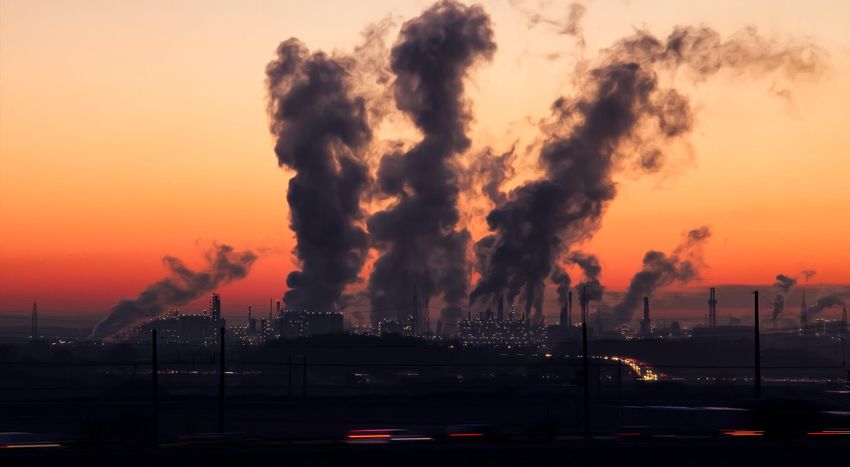
Dealing with waste                        World                                                            30%
                                          Serbia                                                                                                       49%
                                   Great Britain                                                                                                 46%
                                          Russia                                                                                           44%
                                             Italy                                                                                        43%
                                       Hungary                                                                               38%
                                    South Korea                                                                            37%
• As global income increases,          Australia                                                                         35%
                                           Japan                                                                         35%
  so too will the demand for             Canada                                                                         35%
  goods and the waste                  Romania                                                                        34%
  generated from their                  Sweden                                                      32%
                                      Argentina                                                    31%
  production and use.                     France                                                   31%
                                   United States                                                  30%
                                           Spain                                                 30%
                                        Belgium                                                 30%
                                           Brazil                                             29%
                                           China                                              28%
                                            Chile                                           27%
                                         Poland                                          25%
                                             Peru                                      24%
                                    South Africa                                    22%
Q. In your view, what are the          Germany                                      22%
three most important               Saudi Arabia                                  20%
environmental issues facing                 India                         18%
                                       Malaysia                         17%
[COUNTRY] today? That is, the
                                         Mexico                  14%
top environmental issues you             Turkey         11%
feel should receive the greatest
attention from your local
leaders? – Dealing with waste                        Base: 20,794 online adults aged 16-64 across 28 countries March 23 – April 6, 2018
Water pollution World 24%
Peru 43%
Serbia 42%
Mexico 41%
Brazil 41%
China 36%
Argentina 35%
• Water pollution refers to Russia 31%
the contamination of water Italy 31%
Romania 28%
bodies. Usually, Chile 27%
contaminants are India 27%
introduced by human South Africa 25%
Hungary 25%
activities such as farming or Malaysia 24%
waste production. Canada 22%
South Korea 21%
Sweden 18%
Poland 18%
United States 18%
Saudi Arabia 16%
France 16%
Spain 13%
Q. In your view, what are the Turkey 13%
three most important Australia 12%
environmental issues facing Germany 12%
Belgium 10%
[COUNTRY] today? That is, the
Great Britain 8%
top environmental issues you Japan 8%
feel should receive the greatest
Water pollution is a top three environmental issue
attention from your local
leaders? – Water pollution Base: 20,794 online adults aged 16-64 across 28 countries March 23 – April 6, 2018Future energy sources World 24%
and supplies Japan 43%
Australia 40%
Sweden 39%
Belgium 32%
Saudi Arabia 31%
• Some energy sources take Germany 30%
Great Britain 29%
millions of years to develop Turkey 29%
and are depleted after one South Africa 28%
use. South Korea 27%
Italy 27%
Hungary 27%
• Energy use of this form has United States 27%
a finite supply, whether it Argentina 25%
Spain 25%
be in the short term or the
Poland 24%
long term. Canada 24%
Chile 22%
Malaysia 21%
China 21%
Serbia 20%
Q. In your view, what are the Romania 16%
three most important India 15%
environmental issues facing France 15%
[COUNTRY] today? That is, the Mexico 12%
Peru 11%
top environmental issues you Russia 8%
feel should receive the greatest Brazil 7%
attention from your local
Future energy sources and supplies are a top three environmental issue
leaders? – Future energy sources
and supplies Base: 20,794 online adults aged 16-64 across 28 countries March 23 – April 6, 2018Deforestation World 23%
Romania 70%
Turkey 49%
Brazil 49%
Argentina 42%
Peru 39%
Poland 38%
• In recent years, the Mexico 31%
Chile 29%
Romanian government has Spain 27%
been forced to take policy India 26%
action combatting Serbia 24%
Malaysia 24%
widespread illegal logging. Hungary 22%
Belgium 20%
Saudi Arabia 18%
Canada 16%
Russia 14%
Australia 14%
Japan 14%
Italy 12%
United States 12%
France 12%
Q. In your view, what are the South Korea 11%
three most important Great Britain 9%
environmental issues facing Germany 9%
Sweden 8%
[COUNTRY] today? That is, the
South Africa 6%
top environmental issues you China 6%
feel should receive the greatest
Deforestation is a top three environmental issue
attention from your local
leaders? – Deforestation Base: 20,794 online adults aged 16-64 across 28 countries March 23 – April 6, 2018Natural resource World 21%
depletion Turkey 39%
Chile 37%
Mexico 35%
• Natural resource depletion is a Spain 29%
South Africa 27%
difficult discussion topic. China 27%
Saudi Arabia 25%
• On the one hand natural Peru 25%
resources are finite and rarely France 24%
replenish at a sustainable rate United States 23%
Brazil 23%
compared to their demand.
Canada 23%
Argentina 22%
• On the other hand, though, Australia 22%
they are necessary to produce Romania 20%
goods and services needed Malaysia 20%
across the entire global Serbia 20%
Germany 18%
population.
Japan 18%
Italy 17%
India 16%
Q. In your view, what are the Russia 16%
three most important Great Britain 14%
environmental issues facing Hungary 14%
[COUNTRY] today? That is, the Sweden 12%
Poland 10%
top environmental issues you
South Korea 10%
feel should receive the greatest Belgium 9%
attention from your local
Natural resource depletion is a top three environmental issue
leaders? – Natural resource
depletion Base: 20,794 online adults aged 16-64 across 28 countries March 23 – April 6, 2018Overpopulation World 14%
South Africa 33%
Turkey 32%
India 30%
Great Britain 29%
Australia 25%
Mexico 19%
Peru 18%
• As the global population Belgium 18%
grows, so too will United States 15%
China 14%
competition for space and Saudi Arabia 14%
resources. Chile 14%
Sweden 13%
France 13%
Germany 13%
South Korea 11%
Poland 10%
Malaysia 9%
Italy 8%
Canada 8%
Spain 7%
Argentina 7%
Q. In your view, what are the Brazil 6%
three most important Japan 5%
environmental issues facing Hungary 4%
Russia 4%
[COUNTRY] today? That is, the
Serbia 3%
top environmental issues you Romania 1%
feel should receive the greatest
Overpopulation is a top three environmental issue
attention from your local
leaders? – Overpopulation Base: 20,794 online adults aged 16-64 across 28 countries March 23 – April 6, 2018Wildlife conservation World 14%
Sweden 25%
France 24%
Belgium 23%
Russia 23%
Australia 22%
Canada 22%
Germany 22%
South Africa
• According to the World 19%
United States 19%
Wildlife Foundation, the Great Britain 18%
number of wild animals on Poland 16%
Earth has halved in the past Argentina 15%
Saudi Arabia 15%
40 years. Mexico 14%
Peru 14%
Brazil 13%
Chile 12%
Hungary 12%
Malaysia 11%
Spain 11%
India 10%
Romania 8%
Q. In your view, what are the Turkey 7%
three most important China 7%
environmental issues facing Italy 7%
Serbia 6%
[COUNTRY] today? That is, the
Japan 6%
top environmental issues you South Korea 5%
feel should receive the greatest
Wildlife conservation is a top three environmental issue
attention from your local
leaders? – Wildlife conservation Base: 20,794 online adults aged 16-64 across 28 countries March 23 – April 6, 2018Poor quality drinking World 14%
water South Africa 44%
Serbia 35%
Russia 26%
Hungary 21%
India 21%
• Cape Town, South Africa United States 19%
has been mired in a three- Saudi Arabia 18%
year drought. China 18%
Mexico 17%
Brazil 16%
• This drought and the Peru 15%
infrastructure within Cape Malaysia 15%
Argentina 14%
Town has citizens facing a
Chile 13%
real possibility of not Canada 12%
having clean water for daily Italy 12%
Poland 11%
use in the near future.
Turkey 10%
Sweden 9%
Romania 9%
Spain 9%
Q. In your view, what are the Belgium 7%
three most important France 7%
environmental issues facing Germany 6%
[COUNTRY] today? That is, the Australia 5%
South Korea 5%
top environmental issues you Great Britain 3%
feel should receive the greatest Japan 2%
attention from your local
Poor quality drinking water is a top three environmental issue
leaders? – Poor quality drinking
water Base: 20,794 online adults aged 16-64 across 28 countries March 23 – April 6, 2018Future food sources and World 13%
supplies South Africa 30%
Japan 28%
Turkey 22%
United States 18%
Malaysia 17%
Sweden 17%
• The global population is Saudi Arabia 17%
expected to continue China 16%
growing and to need to Australia 16%
Canada 14%
produce greater and greater Serbia 14%
quantities of food. Russia 14%
Belgium 13%
South Korea 12%
Great Britain 12%
India 10%
Germany 10%
Hungary 10%
France 9%
Italy 7%
Argentina 7%
Q. In your view, what are the Peru 6%
three most important Romania 6%
environmental issues facing Chile 6%
[COUNTRY] today? That is, the Poland 6%
Spain 6%
top environmental issues you Mexico 6%
feel should receive the greatest Brazil 5%
attention from your local
Future food sources and supplies are a top three environmental issue
leaders? – Future food sources
and supplies Base: 20,794 online adults aged 16-64 across 28 countries March 23 – April 6, 2018Emissions World 12%
Russia 41%
Hungary 24%
South Korea 23%
Poland 20%
Sweden 20%
Spain 17%
Italy 15%
• A common example of an Germany 14%
emission can be seen in the China 12%
Romania 12%
gas discharged from a car’s France 12%
tailpipe. Great Britain 11%
Saudi Arabia 11%
Belgium 10%
Canada 10%
India 10%
United States 10%
Australia 9%
Chile 9%
Mexico 8%
Brazil 6%
South Africa 6%
Q. In your view, what are the Serbia 6%
three most important Japan 6%
environmental issues facing Peru 5%
Turkey 4%
[COUNTRY] today? That is, the
Argentina 3%
top environmental issues you Malaysia 2%
feel should receive the greatest
Emissions are a top three environmental issue
attention from your local
leaders? – Emissions Base: 20,794 online adults aged 16-64 across 28 countries March 23 – April 6, 2018Flooding World 12%
Argentina 39%
Malaysia 37%
Serbia 25%
Peru 20%
Romania 20%
Brazil 14%
Great Britain 14%
Hungary 13%
• The World Resources France 12%
Institute estimates that Belgium 11%
4.24% of the world’s Mexico 9%
Italy 9%
population is exposed to Saudi Arabia 9%
river flood risk. Poland 9%
India 9%
Japan 9%
South Africa 8%
Canada 8%
Russia 8%
Australia 7%
United States 7%
Germany 6%
Q. In your view, what are the Spain 6%
three most important Chile 6%
environmental issues facing Sweden 5%
Turkey 4%
[COUNTRY] today? That is, the China 3%
top environmental issues you South Korea 2%
feel should receive the greatest
Flooding is a top three environmental issue
attention from your local
leaders? – Flooding Base: 20,794 online adults aged 16-64 across 28 countries March 23 – April 6, 2018Over-packaging of World 11%
consumer goods Great Britain 28%
Sweden 27%
Germany 26%
Belgium 22%
France 20%
• In a world that is Poland 18%
increasingly reliant on e- Canada 17%
China 13%
commerce and shipping, Australia 12%
overpackaged goods run Brazil 12%
the risk of creating Malaysia 12%
Spain 11%
unnecessary waste. South Korea 11%
Japan 11%
Italy 10%
United States 9%
Saudi Arabia 9%
Hungary 8%
Russia 7%
India 6%
Serbia 6%
Q. In your view, what are the Romania 5%
three most important Chile 5%
environmental issues facing Turkey 5%
[COUNTRY] today? That is, the Mexico 4%
Argentina 4%
top environmental issues you South Africa 2%
feel should receive the greatest Peru 2%
attention from your local
The over-packaging of consumer goods is a top three environmental issue
leaders? – Over-packaging of
consumer goods Base: 20,794 online adults aged 16-64 across 28 countries March 23 – April 6, 2018Soil erosion World 6%
Malaysia 16%
Italy 13%
China 11%
Turkey 11%
Argentina 10%
India 7%
• Soil erosion refers to the Chile 7%
Mexico 7%
removal of the Earth’s Belgium 7%
topsoil, the most fertile, Romania 6%
uppermost layer of the Brazil 6%
Poland 6%
ground. Australia 6%
Saudi Arabia 5%
France 5%
Peru 5%
Spain 5%
Japan 4%
United States 4%
Serbia 4%
Hungary 3%
South Africa 3%
Q. In your view, what are the South Korea 3%
three most important Canada 2%
environmental issues facing Sweden 2%
Germany 2%
[COUNTRY] today? That is, the
Great Britain 2%
top environmental issues you Russia 1%
feel should receive the greatest
Soil erosion is a top three environmental issue
attention from your local
leaders? – Soil erosion Base: 20,794 online adults aged 16-64 across 28 countries March 23 – April 6, 2018Climate Change
How do citizens perceive climate change?
IPSOS GLOBAL ADVISOR
© 2016 Ipsos. All rights reserved. Contains Ipsos' Confidential and Proprietary information and may
not be disclosed or reproduced without the prior written consent of Ipsos.
© 2018 Ipsos. All rights reserved. Contains Ipsos' Confidential and Proprietary information
and may not be disclosed or reproduced without the prior written consent of Ipsos.
20Perceiving climate World 87% 7% 7%
change Chile 97% 2%1%
Peru 96% 2%2%
Argentina 95% 3% 2%
Serbia 94% 4% 2%
Turkey 94% 4% 2%
Hungary 93% 5% 2%
• The vast majority of the Mexico 92% 3% 4%
China 92% 4% 5%
world’s population believe Malaysia 91% 6% 4%
climate change is occurring Russia 90% 5% 5%
in some capacity. South Africa 90% 7% 4%
Romania 90% 6% 5%
India 89% 6% 5%
Spain 89% 7% 5%
South Korea 88% 5% 7%
Poland 87% 7% 6%
Sweden 85% 8% 7%
Italy 85% 7% 8%
Canada 85% 9% 7%
Great Britain 82% 8% 11%
Brazil 81% 10% 9%
Q. As far as you know, do you Saudi Arabia 80% 8% 12%
think the world’s climate is Belgium 79% 10% 11%
changing or not? France 78% 11% 10%
Germany 76% 10% 14%
Australia 76% 11% 13%
United States 75% 15% 10%
Japan 75% 6% 19%
Yes – I think that the No – I do not think that the
Don’t know
world’s climate is changing world’s climate is changing
Base: 20,794 online adults aged 16-64 across 28 countries March 23 – April 6, 2018Natural or human World 4% 5% 28% 34% 22% 1%
Poland 6% 11% 29% 11% 1%
caused? United States 7% 9%
38%
37% 22% 11% 6%
Hungary 1% 5% 37% 39% 16%
Belgium 2% 4% 36% 34% 18% 1%
Great Britain 3% 5% 34% 35% 12% 3%
South Africa 6% 5% 33% 29% 23% 1%
China 3% 4% 33% 45% 13% 1%
• Most global citizens agree Australia 5% 7% 31% 32% 12% 3%
that climate change is at Canada 4% 7% 31% 35% 15% 2%
Russia 5% 6% 31% 31% 20% 1%
least partly caused by Japan 3% 7% 30% 24% 14% 2%
human activity. Germany 2% 4% 29% 37% 12% 2%
Chile 3% 3% 28% 34% 30%
Saudi Arabia 9% 12% 28% 21% 18% 1%
Sweden 2% 7% 28% 44% 13% 1%
Serbia 1% 3% 28% 38% 28%
Peru 3% 3% 27% 33% 32%
Spain 1%3% 27% 42% 20% 1%
Malaysia 4% 4% 26% 27% 34% 1%
India 8% 9% 25% 27% 26% 1%
South Korea 3% 6% 25% 32% 30%
Italy 2% 4% 24% 39% 23%
Q. Thinking about the causes of
France 2% 4% 24% 32% 27% 1%
climate change, which, if any, of Argentina 3% 4% 23% 37% 29%
the following best describes your Romania 7% 4% 21% 39% 26% 1%
opinion? Mexico 2%3% 21% 42% 30%
Turkey 2% 3% 21% 28% 42%
Brazil 4% 4% 17% 37% 28% 1%
Climate change is Climate change is Climate change is partly a Climate change is Climate change Climate
entirely a natural mostly a natural natural process and partly mainly caused by is entirely change does
process process human caused human activity human caused not exist
Base: 20,794 online adults aged 16-64 across 28 countries March 23 – April 6, 2018Non-Recyclable Product Waste
How can we deal with products like plastic and packaging that are non-recyclable?
IPSOS GLOBAL ADVISOR
© 2016 Ipsos. All rights reserved. Contains Ipsos' Confidential and Proprietary information and may
not be disclosed or reproduced without the prior written consent of Ipsos.
© 2018 Ipsos. All rights reserved. Contains Ipsos' Confidential and Proprietary information
and may not be disclosed or reproduced without the prior written consent of Ipsos.
23Non-Recyclable Product Waste
How concerned is the world with non-recyclable product waste?
IPSOS GLOBAL ADVISOR
© 2016 Ipsos. All rights reserved. Contains Ipsos' Confidential and Proprietary information and may
not be disclosed or reproduced without the prior written consent of Ipsos.
© 2018 Ipsos. All rights reserved. Contains Ipsos' Confidential and Proprietary information
and may not be disclosed or reproduced without the prior written consent of Ipsos.
24Concern with the use of World 80% 14% 6%
disposable, non- South Korea 90% 5% 5%
Malaysia 90% 7% 4%
recyclable products South Africa 89% 8% 3%
Serbia 88% 10% 2%
• Plastic straws, for example, are Peru 87% 11% 3%
given by default in nearly every Chile 87% 12% 1%
drink purchased at a India 87% 10% 3%
restaurant, then thrown away. Turkey 86% 9% 5%
Mexico 85% 12% 3%
Brazil 84% 8% 8%
• These straws are non- Great Britain 84% 11% 5%
recyclable and take 200 years Argentina 83% 16% 2%
to degrade. China 82% 15% 3%
France 80% 10% 10%
• In general, citizens across the Belgium 80% 15% 5%
Canada 80% 15% 5%
world are at least somewhat
Australia 80% 13% 7%
concerned with the overuse of Italy 80% 13% 7%
disposable, non-recyclable Russia 79% 17% 4%
products. Spain 79% 16% 5%
Germany 77% 14% 9%
Q. Some people have recently Sweden 76% 18% 5%
been discussing the effects on Hungary 76% 20% 3%
the environment of plastic United States 75% 19% 6%
packaging, plastic bags, and Romania 75% 20% 6%
Poland 71% 23% 6%
other disposable objects which Saudi Arabia 61% 26% 13%
cannot be recycled. How Japan 60% 23% 17%
concerned, if at all, would you
Concerned Not concerned Don’t know
say you are about this issue?
Base: 20,794 online adults aged 16-64 across 28 countries March 23 – April 6, 2018Non-Recyclable Product Waste
What kind of policy action should be taken?
IPSOS GLOBAL ADVISOR
© 2016 Ipsos. All rights reserved. Contains Ipsos' Confidential and Proprietary information and may
not be disclosed or reproduced without the prior written consent of Ipsos.
© 2018 Ipsos. All rights reserved. Contains Ipsos' Confidential and Proprietary information
and may not be disclosed or reproduced without the prior written consent of Ipsos.
26Potential policy actions
Forcing government spending to improve the range of recyclable
45%
items
Taxing shops that use these products 31%
• A plurality of global
Taxing these products to increase their price 28%
respondents believe
increased government
spending would help reduce The government "naming and shaming" shops that use a lot of
23%
these products
the use of non-recyclable
products.
Public information campaigning 23%
Fining households that do not recycle enough 22%
Q. Which if any of the following Don't know 12%
do you think would be effective
at reducing the problems caused
by unnecessary use of plastic None of these 7%
and packaging that cannot be
recycled?
This policy would be effective in reducing the use of non-recyclable products
Base: 20,794 online adults aged 16-64 across 28 countries March 23 – April 6, 2018Government World 45%
investment to improve Chile 67%
Russia 66%
recycling Mexico 64%
Argentina 59%
Serbia 57%
China 54%
Peru 53%
• Increasing government South Africa 53%
Romania 52%
investment in recycling Sweden 48%
would require a tax India 48%
increase, a decrease in Spain 46%
Turkey 44%
funding for another sector, Great Britain 43%
a loan from another Poland 42%
country. Hungary 41%
Australia 40%
Canada 40%
Italy 40%
Belgium 38%
Brazil 38%
Q. Which if any of the following Saudi Arabia 38%
do you think would be effective France 36%
at reducing the problems caused South Korea 33%
by unnecessary use of plastic United States 32%
Malaysia 32%
and packaging that cannot be Germany 23%
recycled? – Forcing local Japan 21%
government to spend more on
recycling so that a wider range This policy would be effective in reducing the use of non-recyclable products
of items can be recycled Base: 20,794 online adults aged 16-64 across 28 countries March 23 – April 6, 2018Higher taxes on World 31%
supermarkets and China 45%
Great Britain 44%
shops using a lot of Chile 43%
non-recyclable India 40%
Peru 39%
packaging Romania 37%
Argentina 37%
Turkey 36%
• Increasing taxes on Serbia 36%
Belgium 35%
supermarkets or shops that France 34%
use a lot of this kind of Mexico 32%
packaging would Spain 32%
Malaysia 31%
incentivize these businesses
Canada 30%
to find alternative products Australia 30%
or to raise their prices. South Africa 30%
South Korea 30%
Germany 30%
Poland 29%
Sweden 28%
Q. Which if any of the following Saudi Arabia 27%
do you think would be effective Hungary 27%
at reducing the problems caused Italy 24%
by unnecessary use of plastic United States 21%
Russia 19%
and packaging that cannot be Brazil 18%
recycled? – Higher taxes on Japan 17%
supermarkets and shops which
use a lot of packaging that This policy would be effective in reducing the use of non-recyclable products
cannot be recycled Base: 20,794 online adults aged 16-64 across 28 countries March 23 – April 6, 2018Taxing non-recyclables World 28%
China 47%
Great Britain 42%
India 41%
Chile 37%
South Korea 37%
Sweden 37%
Argentina 35%
• Taxing non-recyclable Peru 34%
containers would put the Serbia 33%
Australia 31%
onus of reduction on the Turkey 30%
consumers of these goods. South Africa 28%
Germany 28%
Poland 27%
Romania 27%
Canada 27%
Malaysia 26%
Mexico 26%
Spain 25%
United States 25%
Q. Which if any of the following
Belgium 24%
do you think would be effective Saudi Arabia 22%
at reducing the problems caused Japan 20%
by unnecessary use of plastic Hungary 20%
and packaging that cannot be Italy 19%
recycled? – A tax on containers France 18%
Brazil 15%
such as plastic drinks, bottles,
Russia 14%
and disposable coffee cups that
cannot be recycled to increase This policy would be effective in reducing the use of non-recyclable products
their price Base: 20,794 online adults aged 16-64 across 28 countries March 23 – April 6, 2018Public information World 23%
campaign Peru 45%
Turkey 39%
India 37%
Saudi Arabia 33%
Malaysia 33%
• A public information Chile 30%
campaign seeks to educate Mexico 29%
Poland 29%
consumers and producers China 28%
about the consequences of Brazil 27%
their actions in the hope of Romania 24%
Argentina 23%
changing behaviour Serbia 21%
without a financial Australia 21%
incentive South Africa 21%
South Korea 20%
Sweden 18%
Great Britain 18%
Spain 17%
Italy 17%
Hungary 16%
Q. Which if any of the following United States 16%
do you think would be effective Belgium 16%
at reducing the problems caused Canada 15%
by unnecessary use of plastic France 13%
Russia 11%
and packaging that cannot be Germany 11%
recycled? – A public information Japan 10%
campaign funded by taxpayers’
money to tell people about the This policy would be effective in reducing the use of non-recyclable products
issue Base: 20,794 online adults aged 16-64 across 28 countries March 23 – April 6, 2018The government World 23%
“naming and shaming” Chile 40%
Great Britain 38%
bad businesses Peru 37%
India 37%
Turkey 37%
China 34%
Argentina 33%
• “Naming and shaming” Russia 30%
Mexico 29%
culpable businesses could France 26%
incentivize decreased use if South Africa 25%
the negative publicity Romania 25%
Spain 23%
begins to have an effect on Australia 23%
sales. Saudi Arabia 22%
Canada 21%
Brazil 20%
Germany 20%
Malaysia 19%
Belgium 18%
Q. Which if any of the following
Italy 15%
do you think would be effective Serbia 14%
at reducing the problems caused Poland 14%
by unnecessary use of plastic South Korea 12%
and packaging that cannot be United States 11%
recycled? – The government Japan 11%
Sweden 10%
“naming and shaming”
Hungary 9%
supermarkets and shops which
use a lot of packaging that This policy would be effective in reducing the use of non-recyclable products
cannot be recycled Base: 20,794 online adults aged 16-64 across 28 countries March 23 – April 6, 2018Fines for households World 22%
that do not recycle China 37%
India 35%
enough Malaysia 35%
Turkey 31%
Peru 28%
South Korea 28%
• A fine policy would require Mexico 28%
investment in the Italy 28%
Brazil 27%
infrastructure that provides Romania 25%
households the opportunity Chile 24%
to recycle. South Africa 23%
Great Britain 23%
Argentina 22%
Saudi Arabia 21%
Serbia 21%
Poland 20%
France 20%
Canada 19%
Germany 19%
Belgium 17%
United States 15%
Q. Which if any of the following Hungary 15%
do you think would be effective Japan 14%
at reducing the problems caused Australia 13%
by unnecessary use of plastic Spain 13%
and packaging that cannot be Sweden 12%
Russia 12%
recycled? – Big fines for
householders who do not recycle This policy would be effective in reducing the use of non-recyclable products
enough of their rubbish Base: 20,794 online adults aged 16-64 across 28 countries March 23 – April 6, 2018Non-Recyclable Product Waste
What personal actions are citizens willing to take?
IPSOS GLOBAL ADVISOR
© 2016 Ipsos. All rights reserved. Contains Ipsos' Confidential and Proprietary information and may
not be disclosed or reproduced without the prior written consent of Ipsos.
© 2018 Ipsos. All rights reserved. Contains Ipsos' Confidential and Proprietary information
and may not be disclosed or reproduced without the prior written consent of Ipsos.
34Personal actions
around the world Re-using disposable items 53%
Buy products made from recycled materials 47%
Stop buying goods that have non-recyclable packaging 36%
• More than half of global
respondents would re-use
Stop going to shops that use a lot of non-recyclable packaging 18%
their disposable items to
help cut down on waste.
Pay more tax so recycling facilities can be improved 12%
Pay extra for goods without non-recyclable packaging 12%
Q. Which if any of the following Don't know 10%
would you personally do to
reduce the problems caused by
unnecessary use of plastic and None of these 5%
packaging that cannot be
recycled? I would personally do this to reduce the problems caused by unnecessary
use of plastic and packaging that cannot be recycled
Base: 20,794 online adults aged 16-64 across 28 countries March 23 – April 6, 2018Re-using disposable World 53%
items Chile 76%
Mexico 70%
Argentina 68%
Great Britain 66%
South Africa 66%
Peru 64%
Australia 63%
• National Geographic Spain 60%
estimates that 40 percent Canada 58%
United States 57%
of plastic produced is used Malaysia 56%
once and then discarded. Belgium 55%
China 54%
Poland 53%
Sweden 53%
India 50%
Brazil 50%
Romania 50%
Hungary 49%
France 49%
South Korea 48%
Italy 45%
Q. Which if any of the following Russia 44%
would you personally do to Germany 43%
reduce the problems caused by Serbia 39%
Turkey 39%
unnecessary use of plastic and Saudi Arabia 36%
packaging that cannot be Japan 29%
recycled? - Re-use disposable I would personally do this to reduce the problems caused by unnecessary
items such as plastic bags and use of plastic and packaging that cannot be recycled
plastic bottles Base: 20,794 online adults aged 16-64 across 28 countries March 23 – April 6, 2018Buy products made World 47%
from recycled materials Chile 65%
Mexico 63%
Sweden 60%
South Africa 58%
Peru 57%
Argentina 55%
Canada 52%
Australia 51%
India 50%
Great Britain 49%
• Every ton of recycled plastic China 49%
bottles saves 3.8 barrels of Germany 47%
Spain 47%
oil resources. Brazil 46%
Turkey 46%
United States 46%
Italy 44%
Romania 43%
Hungary 43%
France 43%
Belgium 43%
Malaysia 42%
Russia 39%
Q. Which if any of the following Poland 38%
would you personally do to Serbia 37%
reduce the problems caused by South Korea 35%
unnecessary use of plastic and Japan 28%
Saudi Arabia 27%
packaging that cannot be
I would personally do this to reduce the problems caused by unnecessary
recycled? - Buy more products use of plastic and packaging that cannot be recycled
made from recycled materials Base: 20,794 online adults aged 16-64 across 28 countries March 23 – April 6, 2018Stop buying goods that World 36%
have non-recyclable Peru 55%
Mexico 52%
packaging Turkey 51%
Sweden 51%
Chile 46%
India 43%
Serbia 42%
• Styrofoam is an example of Great Britain 39%
a product commonly used Argentina 38%
Belgium 36%
in packaging that is also Germany 36%
very difficult to recycle. Australia 35%
Spain 35%
Canada 35%
South Africa 35%
Poland 34%
Italy 34%
Russia 34%
Romania 33%
France 33%
Hungary 32%
Malaysia 32%
Q. Which if any of the following China 29%
would you personally do to Saudi Arabia 28%
reduce the problems caused by Brazil 26%
United States 25%
unnecessary use of plastic and Japan 20%
packaging that cannot be South Korea 20%
recycled? - Stop buying goods I would personally do this to reduce the problems caused by unnecessary
that have packaging that cannot use of plastic and packaging that cannot be recycled
be recycled Base: 20,794 online adults aged 16-64 across 28 countries March 23 – April 6, 2018Stop going to World 18%
supermarkets and China 40%
Turkey 31%
shops that use a lot of India 30%
non-recyclable Peru 23%
Poland 22%
packaging France 22%
Saudi Arabia 21%
Great Britain 20%
Italy 20%
Chile 20%
• This is one of the actions Hungary 20%
that information Argentina 19%
Mexico 19%
campaigns rely on to make Sweden 18%
change. Serbia 18%
Germany 17%
Belgium 16%
Canada 16%
Spain 16%
South Africa 15%
South Korea 14%
Q. Which if any of the following Malaysia 14%
would you personally do to Australia 13%
reduce the problems caused by United States 12%
unnecessary use of plastic and Romania 11%
Brazil 10%
packaging that cannot be Japan 10%
recycled? - Stop going to Russia 9%
supermarkets and shops which I would personally do this to reduce the problems caused by unnecessary
use a lot of packaging that use of plastic and packaging that cannot be recycled
cannot be recycled Base: 20,794 online adults aged 16-64 across 28 countries March 23 – April 6, 2018Pay higher taxes World 12%
China 27%
Turkey 26%
India 24%
Romania 23%
Serbia 18%
Sweden 15%
United States 15%
Saudi Arabia 14%
• Paying higher taxes would Poland 14%
aid the government in Australia 13%
recycling facility Great Britain 12%
Peru 11%
investment. Chile 11%
Canada 11%
South Africa 11%
Malaysia 11%
Argentina 10%
Brazil 10%
South Korea 9%
Mexico 9%
Germany 8%
Q. Which if any of the following Hungary 8%
would you personally do to Russia 7%
reduce the problems caused by Italy 7%
unnecessary use of plastic and Spain 6%
Belgium 6%
packaging that cannot be Japan 5%
recycled? - Pay more tax so France 3%
recycling facilities can be I would personally do this to reduce the problems caused by unnecessary
improved, allowing a wider use of plastic and packaging that cannot be recycled
range of items to be recycled Base: 20,794 online adults aged 16-64 across 28 countries March 23 – April 6, 2018Pay extra for goods World 12%
without non-recyclable India 28%
China 23%
packaging Turkey 18%
Sweden 17%
Saudi Arabia 16%
• Those who pay extra for Romania 15%
goods without non- Hungary 14%
Australia 13%
recyclable packaging are United States 13%
said to be purchasing Malaysia 13%
“utility” in the form of the Poland 12%
Peru 12%
feeling of environmental Chile 12%
responsibility. Argentina 12%
Germany 12%
Great Britain 12%
South Africa 12%
Serbia 11%
South Korea 11%
Canada 10%
France 9%
Mexico 9%
Q. Which if any of the following Brazil 9%
Belgium 8%
would you personally do to
Spain 8%
reduce the problems caused by Italy 7%
unnecessary use of plastic and Japan 6%
packaging that cannot be Russia 5%
recycled? - Pay extra for goods I would personally do this to reduce the problems caused by unnecessary
that have no packaging that use of plastic and packaging that cannot be recycled
Base: 20,794 online adults aged 16-64 across 28 countries March 23 – April 6, 2018
cannot be recycledNon-Recyclable Product Waste
Who should lead efforts to reduce non-recyclable product waste?
IPSOS GLOBAL ADVISOR
© 2016 Ipsos. All rights reserved. Contains Ipsos' Confidential and Proprietary information and may
not be disclosed or reproduced without the prior written consent of Ipsos.
© 2018 Ipsos. All rights reserved. Contains Ipsos' Confidential and Proprietary information
and may not be disclosed or reproduced without the prior written consent of Ipsos.
42Who’s responsible?
All of the above equally 37%
Companies that produce packaged goods 20%
• The plurality of global
Government 16%
respondents believe the
government, producers,
and consumers should work Companies that sell packaged goods 10%
together to take
responsibility for the issue.
Consumers 8%
No opinion/don't know 7%
Q. Who if anybody do you believe Nobody has a responsibility 1%
should take most responsibility
for finding a way to reduce the
amount of unnecessary Other 1%
packaging which is sold?
This entity should take responsibility
Base: 20,794 online adults aged 16-64 across 28 countries March 23 – April 6, 2018All of the above World 37%
Serbia 52%
Mexico 52%
Romania 49%
Australia 49%
Canada 48%
Chile 48%
South Africa 48%
Peru 44%
Argentina 43%
Spain 43%
United States 42%
India 39%
Great Britain 39%
Poland 37%
Malaysia 36%
Italy 36%
Sweden 34%
China 34%
Brazil 34%
Russia 34%
South Korea 32%
Hungary 31%
Turkey 26%
Q. Who if anybody do you believe Belgium 26%
Germany 23%
should take most responsibility
France 23%
for finding a way to reduce the Japan 22%
amount of unnecessary Saudi Arabia 21%
packaging which is sold? - All of
the above equally Everyone should take responsibility
Base: 20,794 online adults aged 16-64 across 28 countries March 23 – April 6, 2018Packaged good World 20%
producers Russia 38%
France 33%
Hungary 33%
Belgium 30%
Sweden 29%
Germany 28%
Great Britain 26%
South Korea 23%
• If packaged good producers Saudi Arabia 22%
took the responsibility, they Canada 22%
would need to reduce their United States 20%
Brazil 19%
production, which would China 19%
harm profits, or find South Africa 19%
alternative methods of Chile 18%
Australia 17%
packaging. Argentina 17%
Italy 16%
Poland 15%
Spain 15%
Mexico 15%
Malaysia 14%
Serbia 14%
Q. Who if anybody do you believe India 13%
Peru 12%
should take most responsibility
Romania 12%
for finding a way to reduce the Japan 10%
amount of unnecessary Turkey 8%
packaging which is sold? -
Companies that produce Companies that produce packaged goods should take responsibility
packaged goods Base: 20,794 online adults aged 16-64 across 28 countries March 23 – April 6, 2018The government World 16%
Turkey 35%
Serbia 25%
Malaysia 23%
Spain 23%
Italy 22%
• If the government takes China 21%
responsibility for the issue, Peru 21%
Argentina 20%
they would need to either Saudi Arabia 19%
invest in infrastructure to India 18%
improve recycling capacity Poland 17%
Chile 17%
or create policy to Romania 17%
incentivize producers, Belgium 15%
sellers, or consumers to Russia 15%
Brazil 15%
purchase less of these
South Africa 14%
items. South Korea 14%
Australia 12%
Japan 12%
Mexico 11%
Hungary 11%
Great Britain 11%
Q. Who if anybody do you believe Germany 10%
France 8%
should take most responsibility
Canada 8%
for finding a way to reduce the United States 8%
amount of unnecessary Sweden 5%
packaging which is sold? -
Government The government should take responsibility
Base: 20,794 online adults aged 16-64 across 28 countries March 23 – April 6, 2018Sellers of packaged World 10%
goods France 19%
Poland 16%
South Korea 16%
Sweden 14%
Belgium 13%
• Sellers of packaged goods Germany 13%
are the middlemen. They China 13%
Great Britain 12%
buy from those who Saudi Arabia 11%
produce packaged goods in India 11%
order to sell to individual Canada 10%
Japan 10%
consumers. Italy 10%
South Africa 9%
• If they take responsibility, Hungary 9%
Mexico 8%
they would need to find
United States 8%
alternative goods to sell to Romania 8%
consumers. Australia 8%
Argentina 8%
Chile 7%
Spain 6%
Peru 6%
Q. Who if anybody do you believe Russia 6%
Malaysia 6%
should take most responsibility
Brazil 6%
for finding a way to reduce the Turkey 5%
amount of unnecessary Serbia 5%
packaging which is sold? -
Companies that sell packaged Companies that sell packaged goods should take responsibility
goods Base: 20,794 online adults aged 16-64 across 28 countries March 23 – April 6, 2018Consumers of packaged World 8%
goods Turkey 16%
Malaysia 15%
Japan 14%
Brazil 12%
Peru
• If consumers bear the 12%
India 12%
responsibility for the issue, Germany 11%
they would have to choose Romania 10%
to buy from responsible Sweden 10%
Argentina 9%
sellers. Saudi Arabia 9%
United States 9%
• This would then incentivize South Korea 9%
Mexico 8%
sellers to become Belgium 8%
responsible, in turn Poland 8%
incentivizing producers to Chile 7%
South Africa 7%
decrease their production of Italy 7%
unnecessary packaging. Hungary 6%
China 5%
Great Britain 4%
Canada 4%
Q. Who if anybody do you believe Spain 4%
Australia 4%
should take most responsibility
France 4%
for finding a way to reduce the Serbia 3%
amount of unnecessary Russia 2%
packaging which is sold? -
Consumers Consumers should take responsibility
Base: 20,794 online adults aged 16-64 across 28 countries March 23 – April 6, 2018• In total 20,794 interviews were conducted between
DATES. • Where results do not sum to 100 or the ‘difference’
appears to be+-1 more/less than the actual, this may be
• The survey was conducted in 28 countries around the due to rounding, multiple responses or the exclusion of
world, via the Ipsos Online Panel system in Argentina, don't knows or not stated responses.
Australia, Belgium, Brazil, Canada, Chile, China, France,
Germany, Hungary, India, Italy, Japan, Malaysia, Mexico, • The data are weighted to match the profile of the
Peru, Poland, Romania, Russia, Saudi Arabia, Serbia, population. 17 of the 28 countries surveyed generate
South Africa, South Korea, Spain, Sweden, Turkey, nationally representative samples in their countries
Great Britain, and the USA. (Argentina, Australia, Belgium, Canada, France,
Germany, Great Britain, Hungary, Italy, Japan, Poland,
• Approximately 1000 individuals aged 18-65 were Romania, Serbia, South Korea, Spain, Sweden, and
surveyed in Australia, Brazil, Canada, China, France, United States). Brazil, Chile, China, India, Malaysia,
Italy, Japan, Romania, Russia, Spain, Great Britain, and Mexico, Peru, Russia, Saudi Arabia, South Africa and
the USA. Approximately 500 individuals aged 18-65 were Turkey produce a national sample that is considered to
surveyed in Argentina, Belgium, Chile, Hungary, India, represent a more affluent, connected population. These
Malaysia, Mexico, Peru, Poland, Saudi Arabia, Serbia, are still a vital social group to understand in these
South Africa, South Korea, Sweden, Turkey. countries, representing an important and emerging
middle class.
www.ipsos-mori.com/
49Contacts
Chris Jackson Mallory Newall
Vice President Director
Chris.Jackson@ipsos.com Mallory.Newall@ipsos.com
202.420.2025 202.420.2014
@jcbjackson @mallorycate
© 2018 IpsosYou can also read


