GREATER PRINCE WILLIAM AREA - COMMUNITY HEALTH IMPROVEMENT PLAN - CITY OF MANASSAS CITY OF MANASSAS PARK PRINCE WILLIAM COUNTY
←
→
Page content transcription
If your browser does not render page correctly, please read the page content below
GREATER PRINCE WILLIAM AREA
COMMUNITY HEALTH IMPROVEMENT PLAN
            2014-2019

         CITY OF MANASSAS
      CITY OF MANASSAS PARK
      PRINCE WILLIAM COUNTY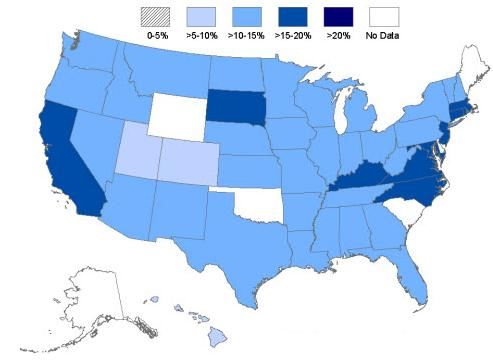
[This page is intentionally left blank.]
Table of Contents
Executive Summary ......................................................................................................................................1
Demographics .............................................................................................................................................. 3
Background .................................................................................................................................................. 4
   Community Health Assessment .............................................................................................................. 4

   Prioritization of Public Health Issues ...................................................................................................... 6

Community Health Improvement Plan Development Process ................................................................. 7
Mental Health Component .......................................................................................................................... 8
   Partnership Development ....................................................................................................................... 8

   Roles and Responsibilities ....................................................................................................................... 8

   Monitoring Plan ....................................................................................................................................... 9

Obesity Component ................................................................................................................................... 10
   Partnership Development ..................................................................................................................... 10

   Roles and Responsibilities ..................................................................................................................... 10

   Monitoring Plan ...................................................................................................................................... 11

Priority Area: Youth Emotional Well-being ................................................................................................ 12
   Overview ................................................................................................................................................. 12

   Goals, Objectives, Strategies, and Action Steps................................................................................... 14

   Data.......................................................................................................................................................... 15

Priority Area: Childhood Obesity Prevention ........................................................................................... 18
   Overview ................................................................................................................................................ 18

   Goals, Objectives, Strategies, and Action Steps................................................................................... 19

   Data......................................................................................................................................................... 20

Appendix A – Partners and Participating Organizations .......................................................................... 21
   Greater Prince William Coalition for Human Services ........................................................................... 21

   Prenatal Care Coalition ........................................................................................................................... 21

   Youth Emotional Well-being Partner Organizations ............................................................................. 21

                                                                                                                                                                   i
Childhood Obesity Prevention Partner Organizations ......................................................................... 21
Appendix B – Youth Emotional Well-being Goals, Objectives, Strategies, and Action Steps ................ 22
Appendix C – Childhood Obesity Prevention Goals, Objectives, Strategies, and Action Steps............. 27
Appendix D – GPWA Community Health Improvement Plan Workgroups ............................................ 29
Appendix E – Progress Report Template .................................................................................................. 31
Appendix F – Implementation and Follow-Up Log .................................................................................. 32
Endnotes .................................................................................................................................................... 33
iiExecutive Summary
In September 2013, the first comprehensive profile of public health in our community – the Greater
Prince William Area (GPWA) Community Health Assessment – was completed. This document
expanded upon previous health assessment efforts that began in early 2012 with the Live Well!
Coalition. This Coalition, whose membership includes a diverse group of community leaders and
stakeholders representing Prince William County and the Cities of Manassas and Manassas Park,
completed an environmental assessment to gather information about local as well as statewide
policies and regulations related to nutrition, physical activity, and tobacco. In addition, the Coalition
performed a scan of the built environment and local resources related to these areas.
The current GPWA Community Health Assessment presents a broader picture of public health
through review of results from a survey of GPWA residents; data from local, state and national
sources; and existing community assets and resources. A major component of the Assessment
involved completion of a community-wide survey (Health Check), which was modeled after a similar
survey previously developed by Loudoun County Health Department. This survey sought feedback
from GPWA residents regarding the most significant public health issues facing our community.
Following review and analysis of the Health Check Survey data, the Prince William Health District
(PWHD) hosted a series of town hall and partner coalition meetings in May and June 2013. These
meetings provided opportunities to obtain further community input to help with prioritization of the
most significant public health issues. Results of exercises completed during these meetings
consistently identified mental health and obesity as priority issues for the GPWA.
Based on the identified priority areas, the PWHD assembled two groups of relevant community
partners. Through subsequent partner meetings (during July-December 2013), a community plan
was developed to address mental health and obesity. This document reflects the outcome of these
coordinated efforts.
As a result of partner discussions, the two priority areas were further narrowed to focus on youth
emotional well-being and childhood obesity. Through continued partner meetings, specific goals,
objectives, strategies, and action steps have been defined for each focus area.
The goals of the GPWA Community Health Improvement Plan, as determined by group consensus,
are:
Improve the emotional well-being of youth (0-18 years) in the Greater Prince William Area by
helping youth develop skills and capacities that enable them to understand and navigate their
world in healthy positive ways through targeted educational and assessment efforts; and
Prevent childhood obesity in the Greater Prince William Area through the promotion of
breastfeeding.
In the community health improvement planning process, the PWHD has facilitated the development
of this document which provides a framework for implementation of strategies and action steps as
well as monitoring of implemented initiatives. Going forward, the PWHD will continue to function in
a facilitative role for the implementation and monitoring phases associated with both focus areas.
1The GPW Coalition for Human Services and the Prenatal Care Coalition are serving as advisory bodies
for Community Health Improvement Plan development and implementation activities and in
monitoring capacities to ensure forward progress towards meeting the stated goals and objectives.
Over a five-year period, from 2104 to 2019, the Youth Emotional Well-being and Childhood Obesity
Coalitions will work towards implementation of the identified strategies and actions steps for these
two focus areas. These collaborations are essential to achieve the Plan’s goals and objectives and
will require engagement by all relevant community partners and stakeholders as well as broad
community support. Community members are encouraged to become involved in these efforts.
Together, we can create a healthier Greater Prince William Area.
2Demographics
The Greater Prince William Area (GPWA) is located in Northern Virginia, approximately 35 miles
southwest of Washington, DC. The GPWA is part of the National Capital Region, which includes
counties and cities in the Washington, DC metropolitan area. The GPWA encompasses a total area of
349 square miles and includes Prince William County and the independent cities of Manassas and
Manassas Park.i The GPWA has a total of 454,096 residents with diverse cultural and ethnic
backgrounds.ii According to 2010 US Census data, 58.1% of the GPWA’s population is White, 19.4% is
African American, 7.4% is Asian, 0.6% is American Indian/Alaska Native, 0.1% is Native Hawaiian/Pacific
Islander, and 5.0% is of two or more races.iii Approximately 21.6% of the population is of Hispanic or
Latino origin (any race).iv Five-year estimates from the US Census Bureau’s American Community
Survey (2007-2011) indicate that in Prince William County, Manassas City, and Manassas Park City,
21.3%, 24.5%, and 31.0% of the population, respectively, are foreign-born and 29.8%, 34.4%, and 47.1% of
the population, respectively, speak a language other than English at home.v Compared with Virginia,
the GPWA has a higher percentage of children under the age of 18 years (28.8% vs. 23.2% for Virginia)
and a substantially lower percentage of persons aged 65 years and older (6.7% vs. 12.2% for Virginia).vi
3Background
Community Health Assessment
In September 2013, the first comprehensive profile of public health in our community, the Greater
Prince William Area (GPWA) Community Health Assessment, was released. This document expanded
upon previous health assessment efforts that began in early 2012 when the Prince William Health
District (PWHD), in collaboration with the Prince William Health Partnership, received a competitive
Action Communities for Healthy Innovation and EnVironmental ChangE (ACHIEVE) grant from the
Centers for Disease Control and Prevention (CDC). ACHIEVE is a nationally recognized grant that
facilitates partnerships between local communities and national organizations for the purpose of
creating healthier places to live, learn, work, and play. This goal is accomplished through the
implementation of strategies that impact environmental changes and social norms, with a focus on
promoting health and preventing chronic disease.vii
The ACHIEVE grant enabled formation of the Live Well! Coalition, whose membership includes a
diverse group of community leaders and stakeholders representing Prince William County and the
Cities of Manassas and Manassas Park. Using the CDC’s Community Health Assessment aNd Group
Evaluation (CHANGE) tool, the Live Well! Coalition completed an environmental assessment to
gather information about local as well as statewide policies and regulations related to nutrition,
physical activity, and tobacco.viii In addition, the Coalition performed a scan of the built environment
and local resources related to these elements of wellness. Due to the GPWA’s large geographic area,
and limited timeframe for data collection, assessment efforts were focused primarily on a single,
geographically central, magisterial district in Prince William County. These assessment results
contributed to the development of a Community Action Plan for impacting nutrition education,
physical activity, and tobacco cessation policies and programs.
The current GPWA Community Health Assessment presents a broader picture of public health and
incorporates results from a survey of GPWA residents; input from community partners and
stakeholders; data from local, state and national sources; and existing community assets and
resources.
4A major component of the Assessment involved completion of a community-wide survey
(Health Check), which was modeled after a similar survey previously developed by Loudoun County
Health Department. This survey sought feedback from GPWA residents regarding the most
significant public health issues facing our community. The public health issues of greatest concern in
the GPWA, as identified by Health Check survey respondents, are as follows:
Public Health Topic Number of Responses % (Out of 1,194 Total Respondents)
Cost of Healthcare 482 40.4%
Obesity 455 38.1%
Access to Healthy Foods 314 26.3%
Drug Abuse 310 26.0%
Aging Issues 280 23.5%
Mental Health Issues 274 22.9%
Dental Care 231 19.3%
Alcohol Abuse 226 18.9%
Lack of Exercise 226 18.9%
Child Abuse/Neglect 212 17.8%
Distracted Driving 212 17.8%
In addition to community input obtained through the Health Check Survey, the Assessment includes
national, state, and local statistics that supplement, and help to provide context for, the survey data.
The full GPWA Community Health Assessment is available on the PWHD website at:
http://www.vdh.virginia.gov/lhd/PrinceWilliam/communityreports.htm.
5Prioritization of Public Health Issues
In June 2013, the PWHD hosted a series of three Town Hall Meetings, during which Health Check
Survey results, as well as associated Assessment data, were presented and further community input
was sought to inform the prioritization of identified public health issues. In May and June 2013 the
PWHD also facilitated meetings with three local partner coalitions that have broad community
representation: Live Well! Coalition, Prenatal Care Coalition, and Prevention Alliance.
Prioritization exercises were completed during the town hall and coalition meetings. As indicated in
the table below, mental health and obesity were consistently identified as priority issues for the
GPWA.
Source Location Issue Responses
Live Well! Coalition McCoart Administration Building • Obesity 4/12 (33%)
(Woodbridge) • Mental Health 3/12 (25%)
Prenatal Care Prince William Health District • Mental Health 10/23 (43%)
Coalition (Manassas) • Obesity 5/23 (22%)
Prevention Alliance McCoart Administration Building • Cost of Healthcare 8/25 (32%)
(Woodbridge) • Mental Health 4/25 (16%)
Town Hall Chinn Park Regional Library • Mental Health 5.5/29 (19%)
(Woodbridge) • Distracted Driving 4/29 (14%)
Town Hall Hylton Boys and Girls Club • Mental Health 11/47 (23%)
(Woodbridge) • Obesity 10/47 (21%)
Town Hall Manassas Boys and Girls Club • Obesity 10/37 (27%)
• Mental Health 7/37 (19%)
During a facilitated discussion component, meeting participants identified the following reasons for
their selection of specific public health issues included on the Health Check Survey:
Insufficient mental health providers, especially for children and adolescents;
Concern for stigma associated with mental illness;
Recognition that mental health and obesity are underlying risk factors for chronic diseases;
and
Magnitude of the health problem.
6Community Health Improvement Plan Development Process
What is a Community Health Improvement Plan?
“A community health improvement plan is a long-term, systematic effort to address public
health problems on the basis of the results of community health assessment activities and
the community health improvement process. This plan is used by health and other
governmental education and human service agencies, in collaboration with community
partners, to set priorities and coordinate and target resources.
A community health improvement plan is critical for developing policies and defining
actions to target efforts that promote health. It should define the vision for the health of
the community through a collaborative process and should address the gamut of strengths,
weaknesses, challenges, and opportunities that exist in the community to improve the
health status of that community.”
Source: Public Health Accreditation Board, Acronyms and Glossary of Terms, Version 1.0
Both the community health assessment and community health improvement processes were
modeled on the principles of an evidence-based system, Mobilizing for Action through Planning and
Partnerships (MAPP), developed by the National Association of County and City Health Officials
(NACCHO) and Centers for Disease Control and Prevention.ix
The MAPP model guides development of community health improvement strategies and is designed
to:
Emphasize a community-driven and community-owned approach;
Initiate and strengthen partnerships between various actors in the local public health system;
Use the Essential Public Health Services to define public health activities and communicate
them to the public; and
Compile various forms of assessment using primary and secondary data sources to create a
comprehensive picture of the community.
Over a period of 6 months (from July to December 2013), assessment results were used to inform the
development of this Greater Prince William Area Community Health Improvement Plan (GPWA CHIP)
for addressing identified priority public health issues. The completed GPWA CHIP will be made
available on the Prince William Health District website:
http://www.vdh.virginia.gov/LHD/PrinceWilliam/.
7Mental Health Component
Partnership Development
At an initial meeting in July 2013, the Prince William Health District (PWHD) shared results of the
Greater Prince William Area (GPWA) Community Health Assessment as well as prioritization exercises
with the Greater Prince William (GPW) Coalition for Human Services’ Board. The Coalition has a
broad scope of member organizations and includes representatives from both the public and private
sector. The potential for collaboration in developing a community health improvement plan to
address the identified priority area of mental health was discussed. As a group, the priority health
issue was narrowed to focus more specifically on child and adolescent mental health. During this
initial meeting, preliminary goals, objectives, outcome indicators, and strategies were proposed and
existing community assets and resources relevant to mental health issues among youth were
identified.
Based on referrals provided by the Coalition’s Board members, the PWHD actively reached out to
organizations with a youth and/or mental health focus in an effort to seek their participation in
development and implementation of this Community Health Improvement Plan. At a second
meeting in August 2013, the Coalition’s Board members met with invited youth and mental health
community partners. Group discussion resulted in a revision of the overarching goal, from a focus on
reducing negative mental health outcomes among youth to a more preventive approach focused on
supporting youth emotional well-being. A list of partners and participating organizations is provided
in Appendix A.
Roles and Responsibilities
The GPW Coalition for Human Services has assumed an advisory/oversight role for the youth
emotional well-being component of the GPWA Community Health Improvement Plan (CHIP). It is an
appropriate entity for this leadership role because it has experience conducting comprehensive bi-
annual human services needs assessments for the GPWA and using results to identify service gaps.
For more information about the GPW Coalition for Human Services, visit: http://www.pwchs.org/.
The PWHD is serving as facilitator throughout the development, implementation, and monitoring
phases of the GPWA CHIP. In this role, the PWHD will provide support, as needed, during
implementation of the Plan. Implementation activities will be completed by three defined
workgroups: Assessment, Education, and Resource.
8Monitoring Plan
For the youth emotional well-being component of the GPWA CHIP, progress will be monitored and
reported through the following activities:
Workgroup Chairs (or designees) will provide quarterly updates to the GPW Coalition for Human
Services’ Board at its regularly scheduled meetings.
The PWHD will track workgroup progress through collection and management of information
using a Progress Report Template and Implementation and Follow-Up Log (see Appendices E
and F).
The PWHD will coordinate preparation of annual reports summarizing progress towards meeting
the stated goal, objective, strategies, and action steps. It will also facilitate review of these
reports with the GPW Coalition for Human Services’ Board.
The PWHD will organize and facilitate annual town hall meetings to discuss progress and gather
additional feedback from community members.
9Obesity Component
Partnership Development
In September 2013, appropriate Prince William Health District (PWHD) staff members met to identify
potential partners for the obesity component of the Greater Prince William Area Community Health
Improvement Plan (GPWA CHIP). Throughout the month, partners were engaged in individual
meetings to collect information and encourage participation in the CHIP process. Through initial
PWHD staff discussions and subsequent partner meetings, the focus of this CHIP component was
narrowed to specifically address childhood obesity. In October 2013, community partners were
convened and provided with data and information from the GPWA Community Health Assessment as
well as results of prioritization exercises. The group used this information, as well as national
guidelines from sources such as Healthy People 2020 to develop appropriate goals, objectives and
evidence-based strategies. Planning efforts continued through November and December 2013 with
attendance increasing and diversifying each month. A list of partners and participating organizations
is provided in Appendix A.
Roles and Responsibilities
The Prenatal Care Coalition has agreed to function in an advisory/oversight role for the childhood
obesity component of the GPWA CHIP. The PWHD is serving as facilitator throughout the
development, implementation, and monitoring phases of the GPWA CHIP. In this role, the PWHD will
provide support, as needed, for implementation activities.
10Monitoring Plan
For the childhood obesity component of the GPWA CHIP, progress will be monitored and reported
through the following activities:
Designated representatives of this childhood obesity initiative will provide quarterly updates
to the Prenatal Care Coalition at its regularly scheduled meetings.
The PWHD will track progress through collection and management of information using a
Progress Report Template and Implementation and Follow-Up Log (see Appendices E and F).
The PWHD will coordinate preparation of annual reports summarizing progress towards
meeting the stated goal, objectives, strategies, and action steps. It will also facilitate review
of these reports with the Prenatal Care Coalition.
The PWHD will organize and facilitate annual town hall meetings to discuss progress and
gather additional feedback from community members
11Priority Area: Youth Emotional Well-being
Overview
In the community-wide Health Check Survey, mental health was selected by 22.9% of respondents as
a significant public health issue for the Greater Prince William Area (GPWA).
National data indicate that mental health is an issue of increasing concern among children and
adolescents. However, valid and reliable local mental health data is generally limited or non-existent.
In a 2010 report on mental health in the United States, the Substance Abuse and Mental Health
Services Administration (SAMHSA) acknowledged the existence of critical data gaps including:
The lack of a defined public health surveillance system for mental health that provides
subregional (state, county, rural/metropolitan area) data to enable tracking of the U.S.
population’s overall mental health status; and
The lack of reliable national- or subnational-level surveillance data to monitor the mental health
of vulnerable populations, including children.x
Key statistics, related to mental health outcomes, include the following:
Approximately one in five youths experiences a mental, emotional, or behavior disorder at
some point in their lifetime.xi
According to SAMHSA’s National Survey on Drug Use and Health, the percentage of
adolescents (aged 12-17 years) with major depressive episodes remained relatively constant
(approximately 8%), between 2008 and 2011.xii
As Figure 1 illustrates, Virginia is among the states with the highest percentage of youths
(aged 12 to 17 years) having at least one major depressive episode in the past year.
According to national data from the Youth Risk Behavioral Surveillance System, suicide
attempts by adolescents (grades 9-12) has risen from 1.9% (2009) to 2.4% (2011).xiii
In Virginia, suicide deaths appear to be clustered among young adults (20-39 years) and
middle-age adults (40-59 years) (see Figure 2). Local mortality data indicate that, within the
GPWA, suicide deaths comprise a small percentage (2.9%) of the statewide total (see Table 1).
In Prince William County, the greatest mental-health related hospitalization rates occur
among the adolescent and young adult age groups (15-24 years) (see Figure 3).
The lack of sufficient resources to address mental health needs is reflected by data indicating
a significant shortage of mental health providers within the GPWA (see Table 2).
12Well-being
Definition
Well-being includes the presence of positive emotions and moods, the absence of negative
emotions, satisfaction with life, fulfillment, and positive functioning.
Source: National Center for Chronic Disease Prevention and Health Promotion. Division of Population Health.
Health-Related Quality of Life (HRQOL). Retrieved from: http://www.cdc.gov/hrqol/wellbeing.htm.
Well-being is multi-dimensional, encompassing physical, mental, and social aspects, including:
Physical well-being;
Social well-being;
Development and activity;
Emotional well-being;
Psychological well-being;
Life satisfaction; and
Engaging activities and work.
Research studies have associated well-being with:xiv
Self-perceived health;
Longevity;
Healthy behaviors;
Mental and physical illness;
Social connectedness;
Productivity; and
Factors in the physical and social environment.
The term “serious emotional disturbance” indicates a mental health disorder among children and
adolescents involving serious impairment that substantially interferes with or limits the child’s role or
functioning in family, school, or community activities. Children and adolescents who experience a
mental health disorder with serious impairment often experience related impairment in their day-to-
day functioning. Among adolescents, 22% have experienced a lifetime mental health disorder with
severe impairment (see Figure 4). National data indicate that adolescents with serious emotional
disturbances are more likely than their peers to have dropped out of school, failed a grade in school,
been arrested, or spent time in a juvenile corrections facility (see Figure 5).xv
As discussed above, mental and emotional well-being are critical components of overall health.
Research indicates that positive emotions, as central components of well-being, are not merely the
opposite of negative emotions, but are independent dimensions of mental health that can and
13should be fostered.xvi Positive mental health enables people to realize their full potential, cope with
life stresses, work productively, and make meaningful contributions to their communities.
Measuring, tracking and promoting well-being can be useful for multiple stakeholders involved in
disease prevention and health promotion. Moreover, measures of well-being track outcomes that
are personally meaningful, are easily understood, and can motivate change (e.g., meaningful work,
relationships, and happiness).xvii
Recently, there has been increased interest in shifting children’s mental health from an individual-
focused, crisis- and problem-based system to one that encompasses mental health promotion,
prevention and early intervention.xviii Promotion of positive mental health in youth is a strategy that
can help to achieve multiple goals for public health, mental health, and education agencies.xix
Early childhood experiences have lasting consequences later in life. Fostering emotional well-being
from the earliest life stages helps build a strong foundation for overall health and well-being in
adulthood.xx
An increased emphasis on well-being is evident at the national level. The US Department of Health
and Human Services has identified the evaluation and improvement of health-related quality of life
and well-being as a public health priority, as reflected by its addition as a new topic area for Healthy
People 2020.xxi
Healthy People 2020 is evaluating measures for monitoring health-related quality of life and well-
being in the United States. These measures assess the positive aspects of people’s daily lives (e.g.,
when they feel very healthy and satisfied or content with life, the quality of their relationships, their
positive emotions, resilience, and realization of their potential).xxii
One of the Strategic Directions in the National Prevention Strategy is Empowered People, which
includes an emphasis on ensuring that young people are provided with the knowledge, skills, and
opportunities that enable them to become healthy adults.xxiii The goal for the youth emotional well-
being component of the GPWA Community Health Improvement Plan (CHIP) is well aligned with the
National Prevention Strategy’s recommendation to provide individuals and families with the support
necessary to maintain positive mental well-being. Enhancing problem-solving and coping skills as
well as improving relationships supports mental and emotional well-being.xxiv Social developmental
strategies can enhance self-esteem, help people handle difficult social situations, and empower
people to seek help when needed.xxv
Goals, Objectives, Strategies, and Action Steps
Through group discussion and consensus, CHIP participants defined a broad goal and measurable
objective as well as strategies and corresponding action steps for the youth emotional well-being
component (see Appendix B). Appropriate outcome and performance indicators were also
developed to enable assessment of progress toward the stated objective and actions steps.
14Data
Figure 1: Having at Least One Major Depressive Episode in Past Year among Youths Aged 12 to 17, 2007 – 2008
Source: Substance Abuse and Mental Health Services Administration, Office of Applied Studies. National Survey on Drug Use
and Health, 2007 and 2008. Retrieved from http://www.oas.samhsa.gov/2k8state/Ch6.htm
225 221
201
200
172
175 10 - 19
20 - 29
150 141
135
30 - 39
125 40 -49
100 50 - 59
77 60 - 69
75
56 70 - 79
49
50 80 years or greater
25
0
Figure 2: Number of Suicide Deaths by Age, Virginia, 2011
Source: Virginia Department of Health, Division of Health Statistics. (2011). Retrieved from
http://www.vdh.virginia.gov/HealthStats/
15Number of Suicide Deaths
Prince William County 26
Manassas City 3
Manassas Park City 1
Virginia 1,052
Table 1: Number of Suicide Deaths, 2011
Source: Virginia Atlas of Community Health. (2011). Retrieved from http://www.atlasva.com
120
106.2 111.0
103.3
100
15 - 17
76.2 75.3 18 - 19
Rate (per 10,000)
80
68.0
20 - 24
60 25 - 44
46.4
45 -64
40
65 - 84
85 or greater
20
0
Figure 3: Mental Health-Related Hospitalization Rate by Age, Prince William County, 2007-2009
Source: Mary Washington Healthcare. Retrieved from
http://www.marywashingtonhealthcare.com/chir/community-dashboard.html
Ratio of Population to Mental Health Providers
Prince William County 5,806:1
Manassas City 3,478:1
Manassas Park City 7,216:1
Virginia 2,217:1
Table 2: Availability of Mental Health Providers, 2011-2012
Source: County Health Rankings. (2013). Retrieved from
www.countyhealthrankings.org
1660.0%
49.5%
50.0%
40.0%
31.9%
Percentage with disorder but
30.0% without severe impairment
22.2%
19.6% Percentage with disorder with
20.0%
14.3% severe impairment
11.2% 9.6%
8.3%
10.0%
0.0%
Any mood Any anxiety Any behavior Any class of
disorder disorder disorder disorder
Figure 4: Lifetime prevalence of selected mental health disorder classes with and without severe impairment among
adolescents aged 13 to 18, 2001−2004
Source: Substance Abuse and Mental Health Services Administration. (2013). Behavioral Health, United States, 2012. HHS
Publication No. (SMA) 13-4797. Rockville, MD: Substance Abuse and Mental Health Services Administration. Retrieved from
http://www.samhsa.gov/data/2012BehavioralHealthUS/2012-BHUS.pdf
3.8%
Spent time in a juvenile
2.1%
corrections facility
0.3%
27.7%
Failed a grade 21.0% Emotional disturbance with high
15.8% severity
Emotional disturbance with
3.3% moderate severity
Dropped out of school 0.7% Emotional disturbance with low
0.3% severity
20.3%
Been arrested 16.0%
10.6%
0.0% 5.0% 10.0% 15.0% 20.0% 25.0% 30.0%
Figure 5: Lifetime prevalence of being arrested, dropping out of school, failing a grade, and spending time in a juvenile
corrections facility among adolescents aged 13 to 18, by level of severity of emotional disturbance, United States, 2001–
2004
Source: Substance Abuse and Mental Health Services Administration. (2013). Behavioral Health, United States, 2012. HHS
Publication No. (SMA) 13-4797. Rockville, MD: Substance Abuse and Mental Health Services Administration. Retrieved from
http://www.samhsa.gov/data/2012BehavioralHealthUS/2012-BHUS.pdf
17Priority Area: Childhood Obesity Prevention
Overview
In 2013, the American Medical Association (AMA) recognized obesity as a disease. According to the
AMA, the national prevalence of childhood obesity has increased from 5% in 1980 to 17% in 2008.xxvi
The Centers for Disease Control and Prevention (CDC) now approximates that 1 in 8 preschoolers in
the United States are obese.xxvii Obese children have an increased risk for a number of serious acute
and chronic health conditions including cancer, cardiovascular disease, diabetes, osteoarthritis, as
well as social and psychological problems. Overweight or obese preschoolers are also 5 times as
likely to be overweight or obese adults when compared to normal-weight children.xxviii
Virginia and Prince William County are among the regions with the highest obesity prevalence for
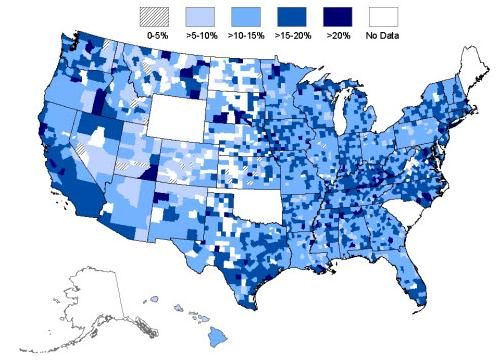
low-income children in the United States (see Figures 6 and 7). According to the Virginia Atlas of
Community Health, 18% of high school-aged youth (14-19 years) in the Greater Prince William Area
(GPWA) are overweight and 12% are obese.xxix In Prince William County, 21.1% of children aged 2-4
living in households with an income less than 200% of the federal poverty level were obese between
2009 and 2011.xxx The Health Check Survey revealed obesity as a community priority, with 38.1% of
respondents selecting it as a significant public health issue.xxxi
Addressing the childhood obesity epidemic is a national, state, and local priority. Objective NWS-10
of Healthy People 2020 is to reduce the proportion of children and adolescents who are considered
obese.xxxii The Virginia Department of Health Strategic Plan states that the Special Supplemental
Nutrition Program for Women, Infants, and Children (WIC) “supports the agency mission through its
leadership in the Commonwealth’s effort to prevent obesity, provision of education materials
relative to community nutrition areas and collaboration with public and private stakeholders in the
state’s health.”xxxiii Furthermore, one of the goals outlined in the Prince William Health District
(PWHD) Strategic Plan is to reduce the risk of childhood obesity through services and programs that
enable healthy eating.
18Breastfeeding
Recent research suggests that breastfeeding helps protect against childhood obesity in addition to
providing many other benefits to the mother and baby. The CDC estimates that breastfeeding for 9
months reduces a child’s chances of becoming overweight by more than 30%.xxxiv The promotion of
this practice as a method for protecting against childhood obesity aligns with national and state
objectives as well as the resources that exist in the GPWA.
Maternal, Infant, and Child Health (MICH) Objective 21 of Healthy People 2020 is to increase the
proportion of infants who are breastfed. Breastfeeding promotion is also a component of the
Virginia Department of Health’s strategic plan, which states that the goals of WIC are “to improve
infant and family health by making breastfeeding the cultural norm and to increase the rates of
breastfeeding initiation and duration among the general public and WIC participants.”xxxv
While there are a wide variety of evidence-based methods for combating the childhood obesity
epidemic, the GPWA chose to focus on breastfeeding promotion because it capitalizes on existing
initiatives and resources, and will encourage and strengthen partnerships between stakeholders
across sectors.
Goals, Objectives, Strategies, and Action Steps
A mother’s decision and ability to breastfeed are influenced by many factors. The following barriers
and supportive factors, which are particularly relevant in the GPWA, were identified during
development of the group’s goals, objectives and strategies.
Barriers Supportive Factors
Cultural differences Community groups
Fear of milk shortage Family members
Inability to reimburse for lactation services Friends
Incentives to use formula Hospital management
Issues with continuum of care Lactation consultants
Lack of awareness of or access to online Midwives
resources Nurses
Lack of breast pumps OB/GYN physicians
Lack of employer support Physicians at hospitals
Lack of family support Primary care physicians
Lack of knowledge regarding benefits of Religious groups
breastfeeding Schools (health education)
Lack of knowledge regarding potential WIC Peer Counselors
challenges with breastfeeding Youth programs (health education)
Shortage of lactation consultants in
hospitals
Social stigma
After consideration of state and national priorities, community resources, and input from
stakeholders, Community Health Improvement Plan participants defined a broad goal and
measurable objectives as well as strategies and corresponding action steps for the childhood obesity
component (see Appendix C). Appropriate outcome and performance indicators were also
developed to enable assessment of progress toward the stated objective and actions steps.
19Data
Figure 6: State Obesity Prevalence among Low-Income Children Aged 2 to 4 Years, 2011
Source: Centers for Disease Control and Prevention. (2012). Overweight and Obesity. Retrieved from
http://www.cdc.gov/obesity/data/childhood.html
Figure 7: County Obesity Prevalence among Low-Income Children Aged 2 to 4 Years, 2009-2011
Source: Centers for Disease Control and Prevention. (2012). Overweight and Obesity. Retrieved from
http://www.cdc.gov/obesity/data/childhood.html
20Appendix A – Partners and Participating Organizations
Greater Prince William Coalition for Human Services
The Greater Prince William Coalition for Human Services is comprised of representatives from public
and private service agencies as well as individuals who have an interest in strengthening the safety
net of community services. The Coalition seeks to serve as the focusing agent for building a
collaborative network of service providers who maximize the efficient and effective use of
resources, while minimizing duplicative efforts. In partnership with the United Way of the National
Capital Area, the Coalition produces a comprehensive bi-annual human services needs assessment
for Prince William County and the Cities of Manassas and Manassas Park. As follow-up to its
assessment efforts, the Coalition advocates for a broad range of actions, programs and policies
related to positively resolving identified service gaps.
Prenatal Care Coalition
The Prenatal Care Coalition is comprised of representatives from public and private service agencies
as well as local hospitals and individuals who have an interest in strengthening the prenatal and
postpartum safety net and improving pregnancy outcomes of women in the Prince William Health
District. The Prenatal Care Coalition facilitates a community collaborative network in order to share
information and resources, as well as maximize the efficient and effective use of community
resources, while minimizing duplicative efforts, improving pregnancy outcomes, and implementing
best evidence- based practices. As the Prenatal Care Coalition continues to grow in membership, it
advocates for those most vulnerable reproductive women in our community, identifies service gaps,
and attempts to address these gaps.
Youth Emotional Well-being Partner Organizations
Action in Community through Service (ACTS) Novant Health – Prince William Medical Center
Court Appointed Special Advocates (CASA), Children’s Phoenix Counseling Services, PLLC
Intervention Services of Greater Prince William,
Prince William County At-Risk Youth & Family Services
Fauquier & Rappahannock
Prince William County Community Services
Early Childhood Partnership
Prince William County Public Schools
Greater Prince William Coalition for Human Services
Prince William County Public Schools – Head Start
Manassas City Police Department
Prince William Health District
Manassas City Public Schools
Sentara Healthcare
Manassas Park Department of Parks & Recreation
Smart Beginnings Greater Prince William
National Alliance on Mental Illness – Prince William
Virginia Cooperative Extension - Prince William County
Northern Virginia Family Service
Childhood Obesity Prevention Partner Organizations
Manassas Midwifery Sentara Northern Virginia Medical Center
Novant Health – Prince William Medical Center Special Supplemental Nutrition Program for Women,
Infants and Children (WIC)
Prince William Health District
21Appendix B – Youth Emotional Well-being Goals, Objectives, Strategies, and Action Steps
Youth Emotional Well-being Goal
Improve the emotional well-being of youth (0-18 years) in the Greater Prince William Area by helping youth develop skills and capacities that
enable them to understand and navigate their world in healthy positive ways through targeted educational and assessment efforts
Objective Outcome Indicator
Increase the number of youth enrolled in appropriate programs that Number of youth enrolled in appropriate programs that promote their
promote their emotional well-being emotional well-being
Assessment Workgroup
Strategies
Identify community-wide measures of youth emotional well-being Monitor and report community-wide data trends of youth emotional
well-being
Action Steps
Brainstorm community-wide measures of youth emotional well- Develop methodology for collecting measures of youth emotional
being well-being
Determine criteria for acceptable measures Develop methodology for reporting measures
Research sources for chosen measures Report data trends to the Education and Resource workgroups
Determine validity of chosen measures
Solicit input from the Education and Resource workgroups
regarding:
o Other potential measures
o Potential community members who might provide guidance
regarding additional measures
Understand the Youth Risk Behavior Survey (YRBS)
Determine if the YRBS has valuable measures of youth emotional
well-being
Understand the Virginia Youth Survey (VYS)
Determine if the VYS has valuable measures of youth emotional
well-being
22 Understand school threat assessments
Determine if school threat assessments have valuable measures
of youth emotional well-being
Explore other surveys and assessments
Performance Indicators
Completed list of community-wide indicators of youth emotional Documented methodology describing the process for obtaining
well-being and trending measures
Description of criteria for acceptable measures Number of data reports to Education and Resource workgroups
Completed list of sources for specific measures
Proof of validity for chosen measures
List of additional community members and contact information
Education Workgroup
Strategies
Develop educational initiatives focused on increasing the number of Develop monitoring and evaluation processes for educational
youth enrolled in appropriate programs that promote their emotional initiatives
well-being
Action Steps
Educate expectant mothers on impact of maternal health on fetal Identify methods for monitoring the implementation of each
brain development and on social-emotional aspects of early educational initiative
childhood Identify methods for evaluating the effectiveness of each
Educate parents, care-givers/teachers, and the community educational initiative
regarding child development, emergent literacy, and executive
brain skills using existing best practices
Educate parents and clinicians on behavioral health resources and
screening practices
Educate parents and community on value of high quality early
childhood programs that address social-emotional components
Improve parenting class attendance by enhancing existing
content through inclusion of additional best-practice components
Educate GPWA community and policy leaders about efficacy of
comprehensive cognitive and social-emotional interventions for
23at-risk children through Early Head Start and Head Start/Virginia
Preschool Initiative (VPI)
Educate all staff interacting with children and youth (teachers,
administrators, bus drivers, cafeteria workers, janitors, etc.) in
best social-emotional practices that help children and youth
develop skills and capacities that enable them to understand and
navigate their world in healthy, positive ways
Educate the community and youth regarding PWCS bullying
resources and tip line
Educate high school administrators regarding the mutual benefits
of peer mentoring for high school aged mentors and mentees
Educate the community and youth about mental illnesses to
reduce stigma, promote understanding, and encourage
treatment
Performance Indicators
Number of educational initiatives developed for expectant Written summary of identified monitoring methods
mothers Written summary of identified evaluation methods
Number of educational materials distributed to parents and the
community
Number of trainings/programs provided to parents and care-
givers/teachers
Number of parents of at-risk infants participating in voluntary
home visiting programs
Number of families served by Part C, Early Intervention
Number of educational materials distributed to parents
Number of presentations delivered to each GPWA hospital per
year
Number of screenings performed and corresponding referrals to
resources
Number of at-risk and low-income children receiving subsidies
who are enrolled in high quality early care and education
24programs
Number of early care and education programs participating in
Virginia Star Quality Initiative
Number of attendees participating in parenting classes for all age
levels pre- and post- enhancement
Number of meetings/communications with community and policy
leaders
Number of eligible children enrolled in Early Head Start and Head
Start/VPI
Number of schools participating in applicable educational
programs
Number of hits on social media sites
Number of schools and community venues in which educational
materials are posted
Number of mentoring clubs established
Number of educational initiatives undertaken
Resource Workgroup
Strategies
Complete a gap analysis of programs and services that promote Educate community stakeholders and potential funders regarding the
emotional well-being among youth need for programs and services that promote emotional well-being
among youth
Action Steps
Identify existing community resources that promote emotional Identify key community stakeholders and potential funders for
well-being of youth targeted educational efforts regarding needed programs and
Determine needed community resources that promote emotional services that promote emotional well-being among youth
well-being of youth Develop informational materials for educational efforts targeted
Determine utilization of existing community resources that to key community stakeholders and potential funders
promote emotional well-being of youth Deliver educational messages to key community stakeholders and
potential funders
25Performance Indicators
List of community programs and services that promote List of key community stakeholders and potential funders
skill/capacity-building for improvement of emotional well-being Informational materials, containing three key statements/talking
among youth points, for key community stakeholders and potential funders
List of needed community programs and services that promote Numbers of emails/letters sent and presentations made to key
skill/capacity-building for improvement of emotional well-being community stakeholders and potential funders
among youth
Numbers of participants in existing community programs and
services that promote skill/capacity-building for improvement of
emotional well-being of youth
26Appendix C – Childhood Obesity Prevention Goals, Objectives, Strategies, and Action Steps
Childhood Obesity Goal
Prevent childhood obesity in the Greater Prince William Area through the promotion of breastfeeding
Objectives Outcome Indicators
Increase the number of Baby Friendly facilities in the GPWA from 0 to Number of hospitals in the Greater Prince William Area that are Baby
3 by CY 2018 Friendly
Increase proportion of WIC clients in the Greater Prince William Area Proportion of WIC clients in the Greater Prince William Area who are
who are partially breastfeeding from 52.5% to 62.5% partially breastfeeding
Decrease the proportion of low-income preschoolers who are obese in Proportion of low-income preschoolers considered obese in Prince
Prince William County from 21.1% to 18.7% by CY 2018 William County
Strategies
Support community hospitals in becoming Provide additional support to breastfeeding Empower women to counteract poor
Baby Friendly mothers community, family, and employer support
for breastfeeding
Action Steps
Determine if local hospitals have Develop continuum of care among Disseminate educational messages to
existing and actively used breastfeeding healthcare entities to promote raise community awareness of the
policies continuation of breastfeeding benefits of breastfeeding, including the
Review and provide feedback on Develop scripts for hospitals and WIC to association between long-term
existing breastfeeding policies or limit formula use breastfeeding and decrease in
provide technical assistance for policy Increase presence of WIC staff at childhood obesity, in culturally
development hospitals appropriate ways
Identify best practices of other Baby Identify and raise awareness of Research behaviors of family members
Friendly facilities breastfeeding benefits available that sabotage breastfeeding
through health insurance plans Research practices that encourage
Assess mothers’ ability to breastfeed at women to address family sabotage of
work their breastfeeding efforts
Recognize employers that support Develop a list of community classes that
breastfeeding mothers provide breastfeeding education to
27 Research potential funding family members and mothers
opportunities to support purchase of Develop a guide for women on how to
breast pumps respond to different family scenarios
Develop and distribute a list of that discourage breastfeeding
resources for pregnant women and
breastfeeding mothers
Performance Indicators
Number of local hospitals with actively Number of scripts developed to Number of educational messages
used breastfeeding policies improve continuum of care developed
Number of completed reviews of Number of WIC staff present in Number of venues in which educational
hospital breastfeeding policies hospitals messages are distributed
Number of Baby-Friendly facilities Number of hours per week that WIC Summary of family member behaviors
contacted for best practices staff are present at hospital that sabotage breastfeeding
List of breastfeeding benefits available Summary of research practices that
through health insurance plans encourage women to address family
Number of venues in which benefits sabotage of their breastfeeding efforts
information is provided List of community classes that provide
Completed survey that assesses breastfeeding education to family
mothers’ ability to breastfeed at work members and mothers
Development of mechanism to formally Completed guide for women on how to
recognize employers that support respond to different family scenarios
breastfeeding mothers that discourage breastfeeding
Number of employers recognized
Number of funding opportunities for
purchase of breast pumps identified
List of resources for pregnant women
and breastfeeding mothers
28Appendix D – GPWA Community Health Improvement Plan Workgroups
Youth Emotional Well-being
Assessment Workgroup
Alison Ansher Paul Moessner
Health Director Board Member
Prince William Health District Greater Prince William Coalition for Human
Services
Victor Evans
Program Manager Andrea Saccoccia
Prince William County At-Risk Youth & Family Grants Administrator
Services CASA Children’s Intervention Services of
Prince William, Fauquier & Rappahannock
Traci Fuchs
Co-Coordinator
Manassas City CIT
Education Workgroup
Kathy Channell Dolores Robison
Head Start Administrative Coordinator Threat Assessment Coordinator
Prince William County Public Schools – Head Prince William County Public Schools
Start
Roselle Stark
Vicki Graham Owner
Helpline Program Director Phoenix Counseling Services, PLLC
Action in Community through Service (ACTS)
Debi Stepien
William Harms Consultant
Helpline Assistant Program Director Early Childhood Partnership
Action in Community through Service (ACTS)
Laura Stokes
Blanca Leyva Public Health Associate
Mental Health Specialist Prince William Health District
Prince William County Public Schools – Head
Start Pat Victorson
Secretary
Duong Nguyen Early Childhood Partnership
Public Health Physician NAMI-PW
Prince William Health District
Jo Anne Renton
Parent Education Program Manager
Virginia Cooperative Extension - Prince William
County
29Resource Workgroup
Max Collins Meredith McKeen
Coordinator Director
Student Assistance Programs Intervention and Prevention Services
Manassas City Public Schools Northern Virginia Family Service
Frances Harris Judy Merring
Executive Director RN
Action in Community through Service (ACTS) Community Health and Prevention
Sentara Healthcare
Kendra Kielbasa
Director Anthony Thomas
Smart Beginnings Greater Prince William Recreation Supervisor
Manassas Park Department of Parks &
Heather Martinsen Recreation
Prevention Specialist
Prince William County Community Services
Childhood Obesity Prevention
Alison Ansher Alison Liggett
Health Director Nutritionist
Prince William Health District Prince William Health District, WIC Office
Laura Baez Teresa Post
Office Services Specialist BSN, IBCLC
Prince William Health District Novant Health Prince William Medical Center
Amy CasaGrande Nancy Sonnenberg
Senior Nutritionist Social Work Case Manager
Prince William Health District, WIC Office Novant Health Prince William Medical Center
Rachel Crossen Laura Stokes
IBSLC Public Health Associate
Manassas Midwifery Prince William Health District
Karen Fujii Adrienne Walker
Health Planner RN, BSN
Prince William Health District Sentara Northern Virginia Medical Center
30You can also read


