Growth in Turbulent Times - Deloitte
←
→
Page content transcription
If your browser does not render page correctly, please read the page content below

Growth in Turbulent Times Future confident

Growth in Turbulent Times

Contents
                                                                                   Growing
                                                                                       in
                                                                                turbulent times
Growing in turbulent times                                            03
                                                                                    Using an
                                                                                adjacent growth
                                                                                strategy during
Using an adjacent growth strategy during turbulent times              09        turbulent times

                                                                               Building a growth
Building a growth engine during turbulent times                       15         engine during
                                                                                turbulent times

                                                                                   Creating a
Creating a sustainably advantaged portfolio                           18          sustainably
                                                                              advantaged portfolio

Leveraging lazy balance sheets in turbulent times                     22        Leveraging lazy
                                                                               balance sheets in
                                                                                turbulent times

Accelerated growth in turbulent times                                 28
                                                                                  Accelerated
                                                                                   growth in
                                                                                turbulent times
Strategic sensing during turbulent times                              32
                                                                                   Strategic
                                                                                 sensing during
Leading in turbulent times                                            35        turbulent times

                                                                                    Leading
Managing risk in turbulent times                                      40               in
                                                                                turbulent times

War gaming for business during turbulent times                        44           Managing
                                                                                    risk in
                                                                                turbulent times

Key contacts                                                          47        War gaming for
                                                                                business during
                                                                                turbulent times

                                                                        02
Growth in Turbulent Times
Growing in turbulent times
Author: Mike Vincent
Growing
in
turbulent times
Death and taxes apart, the only other certainty in the world is change.
Using an
Nothing has brought this into sharper focus than COVID-19. adjacent growth
strategy during
turbulent times
Building a growth
engine during
The 20th century experienced regular periods of relative calm, followed The SARS-CoV-2 (COVID-19) pandemic has caused the largest global turbulent times
by calamities – two world wars, the great depression, the cold war, recession in history, with more than a third of the global population
and even the Spanish flu. This 21st century appears to be following the being placed in lockdown. Global stock markets experienced their Creating a
same trajectory. worst crash since 1987, and in the first three months of 2020 the sustainably
advantaged portfolio
G20 economies fell 3.4% year-on-year3. Between April and June 2020,
The financial crisis that started in 2007 saw the first contraction of the the International Labour Organization4estimated that an equivalent
Leveraging lazy
global economy since World War II and the largest decline of trade of 400 million full-time jobs were lost across the world, and income balance sheets in
in 80 years1 . It resulted in the collapse of large financial institutions, earned by workers globally fell 10 percent in the first nine months of turbulent times
the bailout of banks by national governments and sharp declines in 2020, equivalent to a loss of over US$3.5 trillion.
stock markets around the world. It contributed to the failure of key Accelerated
businesses, significant declines in consumer wealth and economic The world that has been ushered in due to the pandemic has seen growth in
turbulent times
activity, the effects of which we felt for at least ten years. Many causes schools closed, businesses shuttered, staff working from home, social
for the financial crisis have been suggested, including the result distancing becoming the norm, curfews, the wearing of face masks,
Strategic
of high risk, complex financial instruments, corporate governance and cities and provinces in lockdown.
sensing during
failures, regulatory dysfunctionality and the market failing to rein in the turbulent times
excesses of Wall Street. Once again, companies locally and abroad, are typically looking to
efficiency improvements and austerity measures to manage their way Leading
Unsurprisingly CEO faith in global growth forecasting was eroded and through the crisis. The focus once again is inward. However, in many in
many business leaders retreated into their shells, conserving cash and cases, those sources of value have already been wrung dry. turbulent times
becoming internally focused. As a direct result of the crisis, by June
Managing
2011 South African businesses listed on the JSE had accumulated in
excess of R470 billion in cash2 deposits and investors began to call for
Might there be another approach to these 1
The Economist risk in
turbulent times
calamities that positions companies for Deloitte research
2
improved returns from the cash piles. The period was characterised 3
The World Bank
by credit tightening and a plunge in revenue. Unlike the 1930s, central
banks around the world stepped in to keep credit flowing through
future growth in a sustainable way? 4
COVID-19: Stimulating the
economy and employment: As
War gaming for
business during
measures such as “quantitative easing”. jobs crisis deepens, ILO warns turbulent times
of uncertain and incomplete
labour market recovery
03
Growth in Turbulent Times

Why is revenue growth important?                                         Figure 2: Growth performance
It is common cause that markets reward companies for sustainable
growth but mercilessly punish those that don’t grow. Research
indicates that well over 70% of Total Shareholder Returns5 are                                                 Fast                  Performance
                                                                                                             spenders              enhancing growth                                                Growing
contributed by revenue growth. A significant part of a company’s

                                                                                             market CAGR
                                                                                                                                                                                                       in
                                                                                                            (Growing fast,         (Consistently strong in
market capitalisation is driven by the market’s expectation on growth                                                                                                                           turbulent times
                                                                                                               need to              both revenue growth

                                                                                                 2x
achieved through investments yet to be made.                                                               turn profitable)                and ROA)
                                                                                                                                                                                                    Using an
                                                                                                                                                                                                adjacent growth
                                                                                                             21%                            6%

                                                                            Revenue growth
Figure 1: Growth expectations                                                                                                                                                                   strategy during
                                                                                                                                                                                                turbulent times
                          Cross-industry average
                                                                                                                                                                                               Building a growth
                                                                                                            Turnaround                 Mature                                                    engine during
           Environmental                                                                                      targets                moneymakers                                                turbulent times

                                                                                             market CAGR
                                                                                                           (Struggling with            (Profitable but
  Consumer Non-Durable                                                                                       both growth                    growth
Growth in Turbulent Times
Install a scalable and repeatable process As illustrated in Figure 3 below, there are three sources of
In a period of inward focus such as that brought on by COVID-19, growth – core, adjacent, and new opportunities:
getting back to growth requires a systematic process and
organisational structure designed specifically to help companies Figure 3: Sources of growth
Growing
sustain long-term growth. It is not a short-term, one-off solution, but in
rather a comprehensive approach to building “internal muscle” to Protecting the current business; Creating the future business; turbulent times
deliver consistently against growth targets. This requires executive typically more certain typically less certain
Using an
support and alignment in addition to a clear commitment to achieve Levels of uncertainty
adjacent growth
the growth target. strategy during
Core Adjacent New turbulent times
A key success factor is to establish appropriate governance processes
Building a growth
upfront. Experience has shown that getting the governance right is the engine during
single greatest contributing factor to success for any growth strategy. turbulent times
Cast the net wide Creating a
sustainably
While there is no doubt that many growth ideas can be sourced advantaged portfolio
internally, organisations need to cast their nets wide in order to source
new revenue growth opportunities. Insights from competitors and Maximise profitable Utilise existing assets Develop new assets
growth from the and capabilities to and capabilities to Leveraging lazy
peers together with an understanding of market trends are important balance sheets in
for growth opportunity sourcing. These opportunities could also be existing set of stretch the boundaries create new markets, turbulent times
sourced from adjacent or emerging industries. products, customers, of the existing shift the basis of
channels, and business outward competition or address Accelerated
geographic markets non-consumption growth in
turbulent times
Strategic
sensing during
turbulent times
Protecting and extending the current business is the traditional
Leading
focus of companies looking to sustain or extend advantage. in
turbulent times
However, core and adjacent opportunities are often not
sufficient to achieve results ahead of market expectations – Managing
risk in
“new” opportunities are required to beat and sustain growth turbulent times
over the long term. War gaming for
business during
turbulent times
05
Growth in Turbulent Times
Use the growth levers that are at an executive’s disposal Figure 4 below depicts the growth levers as they progress
While this framework is a useful way to think about some aspects from greater certainty of the business of today to the greater
of growth, it fails to account for uncertainty and creating growth uncertainty of the new businesses of tomorrow.
in current and future businesses. A sophisticated growth strategy Growing
should depart from the orthodoxy of core, adjacent and new as Figure 4: Primary growth levers
in
depicted above. turbulent times
(Illustrative)
The business The business
of today of tomorrow Using an
A comprehensive approach to growth looks at growth options adjacent growth
Further
along a continuum. In building the business of today, companies will from strategy during
typically turn to key areas of focus such as customer retention, pricing existing turbulent times
optimisation and improvements to existing offerings. operations,
typically Building a growth
higher engine during
uncertainty
Moving along the scale towards choices Create
new
turbulent times
that carry higher uncertainty and lie farther Extend
businesses
Creating a
in the sustainably
from existing operations, companies will value advantaged portfolio
chain
likely start the business of tomorrow by Enter new Leveraging lazy
designing new offerings, intruding into new markets/
geographies
balance sheets in
turbulent times
markets and geographies and creating Create
new
entirely new business lines for entirely new Enhance
products Accelerated
growth in
customer sets. products/
services
turbulent times
Optimise
pricing Strategic
Acquire
Closer to new sensing during
existing Retain/ customers turbulent times
operations, grow
typically current
lower customers Leading
uncertainty in
turbulent times
Increasing Reaching Optimising Market Developing Entering Moving Developing
loyalty or new price to incremental entirely new markets down or up breakthrough
share of customers increase improvements new or the value offerings or Managing
wallet with the value to existing products geographies chain from business risk in
among existing capture products or or services with existing the current models that turbulent times
existing product from services or improved business target “white
customers portfolio existing products, while space”, non-
products channels or leveraging consumption, War gaming for
or services business existing reconstructing business during
models assets the basis of
turbulent times
competition
06
Growth in Turbulent Times
It is useful to understand the range of levers to pull but crafting the Seek a balanced portfolio
full growth strategy rests in knowing how to apply those choices to Noting executives’ heightened risk awareness brought on by COVID-19
specific markets and offerings. As pictured in Figure 5 below, each axis pandemic, risk management and mitigation are critical considerations.
measures a degree of “newness” – newness of customers and markets In Deloitte’s experience, companies need to adopt a portfolio approach Growing
along one side, and newness of products and business models along to growth. This means that they must both enhance and protect their in
the other. existing business while also creating options for emerging businesses turbulent times
to sustain growth over time.
Where existing offerings meet existing customers at the lower left, Using an
adjacent growth
companies are engaging in core growth with relatively little uncertainty. Because sources of growth yield different levels of uncertainty and risk, strategy during
Where entirely new offerings meet non-consumers at the upper companies should construct a growth portfolio that aligns with their turbulent times
right, growth is more uncertain. In between lies the realm of adjacent own risk tolerance. This requires both commitments and strategic bets
offerings and markets that aren’t new to the world but are new to a Building a growth
(options) that can be exercised as future scenarios unfold. engine during
particular company. turbulent times
Figure 6: Crafting a balanced portfolio
Combining these two axes yields seven distinct boxes, each of which Creating a
is a potential growth strategy. Where growth strategy may once Typically higher
uncertainty
sustainably
have been a dartboard, this model turns it into a marksman’s target. New advantaged portfolio
A company can now match its capabilities, opportunities and risk What % of growth
Adjacent
will come from
tolerance with specific levers – then allocate effort among those to each source?
Leveraging lazy
balance sheets in
balance business of today and business of tomorrow growth, manage Core
turbulent times
Typically lower
risk and exceed shareholder expectations. uncertainty
Various growth portfolio profiles Accelerated
Figure 5: Potential sources of growth (Illustrative) growth in
More conservative and focused in Riskier and focused in new turbulent times
existing and related markets Balanced products/business models
Identify new Create new 1% 1% 5% 2%
uses or users markets 3% 2% 3% 1% - 1%
Strategic
1% 6% sensing during
6% 3% 5% 2% - - turbulent times
Customers/
Extend to new
markets
All three portfolio will provide the same projected annual revenue growth
markets, Expand the
value chain Leading
segments Managing a growth portfolio that spans both the business of today and in
Change the
the business of tomorrow requires thoughtful governance and a clear turbulent times
basis of
Retain, acquire competition understanding of key stakeholder requirements and expectations.
customers optimise
Extend products In our experience, treating its new growth plans, especially those Managing
pricing, improve
and services risk in
existing products in the business of tomorrow area, as separate from the rest of
and services turbulent times
the business, allows companies to give the fledgling opportunity
Existing New to you New to the world protection from “corporate anti bodies”, those forces opposed to War gaming for
Products/Business models change. In some cases, a “firewall” approach can benefit existing core business during
businesses (by insulating it from new risks) and the growth-oriented turbulent times
operations (by freeing them from the legacy structures that may not fit
Core Adjacent New
their mandates).
07
Growth in Turbulent Times

Now go do it
To take a growth plan from theory to execution, an organisation needs         About
to ensure that the following building blocks are in place.
• Get all key stakeholders to agree that a growth strategy is required.
                                                                              the author                          Growing
  A growth mandate should clearly articulate the growth target, the                                                   in
                                                                                                               turbulent times
  governance processes, how growth funding will be accessed and the
  approach to staffing, rewards and incentives. The mandate can be                                                 Using an
  used as a tool to align company executives and the Board                                                     adjacent growth
                                                                                                               strategy during
• De-link the business of today from the business of tomorrow.                                                 turbulent times
  Recognise that the two are very different. The former typically leads
  to incremental growth, the latter to quantum growth                                                         Building a growth
                                                                                                                engine during
• Deploy the right dedicated resources. Capacitating the growth team          Mike Vincent is a                turbulent times
  to pursue the growth target can be from a combination of company            senior Partner in
                                                                              Monitor Deloitte. He
  employees, supplemented by external skills at critical junctures in the     has held numerous                   Creating a
  process. Industry knowledge is less important than being inquisitive,       leadership positions               sustainably
  having a growth mindset and seeking the new                                 including running              advantaged portfolio
                                                                              the Innovation and
• The leader of the business of tomorrow growth team should report            Growth business.
                                                                                                               Leveraging lazy
  directly to the CEO, and certainly not through an innovation board                                          balance sheets in
  or subcommittee                                                             Mike has led the                 turbulent times
                                                                              Management
• The company should recognise that the way in which the business             Consulting, Finance
  of tomorrow growth team is remunerated and incentivised will need           Advisory and Risk                  Accelerated
                                                                              Advisory businesses                 growth in
  to be different to the standard company policy. Growth requires a
                                                                              in West Africa and he            turbulent times
  different approach to recognition and reward. Where the growth plan
                                                                              currently leads the
  focuses on core offerings and markets, the imperative is to enhance         Consumer Products and               Strategic
  and extend what a company is already doing. Where growth is aimed           Industrial Products &             sensing during
  at new frontiers, it’s time to be a pioneer – willing to explore, disrupt   Construction industries          turbulent times
                                                                              across Africa.
  and create.
                                                                                                                   Leading
                                                                              Mike’s key focus as
                                                                                                                      in
Finally, be in the game of                                                    a consultant is on
                                                                              corporate strategy,
                                                                                                               turbulent times
                                                                              specifically on revenue
killing bad ideas quickly – time                                              growth and sustainable
                                                                              competitive advantage.
                                                                                                                  Managing
                                                                                                                   risk in
                                                                                                               turbulent times
really does equal money.
                                                                                                               War gaming for
                                                                                                               business during
                                                                                                               turbulent times

                                                                                                        08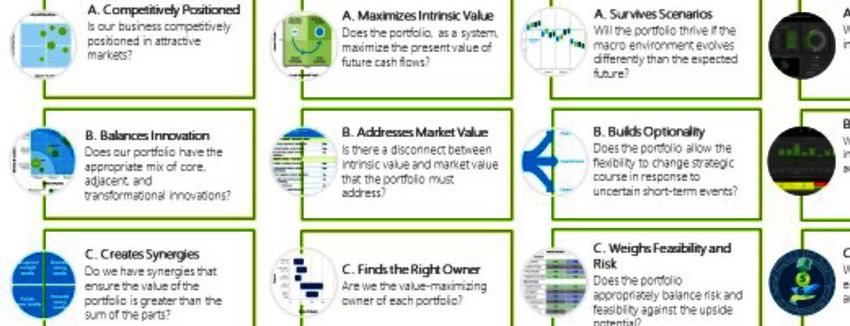
Growth in turbulent times | Using an adjacent growth strategy during Growth
turbulentintimes
Turbulent
| MarchTimes
2011
Using an adjacent growth strategy during
turbulent times Growingin
Growing
Author: Mike Vincent in
turbulent
turbulent
timestimes
Companies already derive revenues from their core business. It is no big step to
Using an
Creating a
look at opportunities adjacent to their core business – less risk through leveraging adjacent growth
sustainably
strategy during
advantaged portfolio
current strengths. turbulent times
Building
Leadingaduring
growth
engine
turbulent
during
The COVID-19 pandemic has been characterised by many business Revenue growth is important turbulent
timestimes
leaders treading cautiously, conserving cash and becoming internally It is common cause that markets reward companies for sustainable growth but Using an adjacent
focused. Companies locally and abroad are typically looking to mercilessly punish those that don’t grow. Research indicates that well over 70% Creating a
growth strategy
sustainably
efficiency improvements and austerity measures to manage their way of Total Shareholder Returns are contributed by revenue growth. Shareholders during turbulent
advantaged portfolio
through the crisis. However, in many cases, those sources of value have times
demand company growth even although that growth expectations have recently
already been wrung dry. been dampened by the COVID-19 pandemic. Leveraging lazy
Accelerated
balance
growth in sheets in
turbulent
It is completely natural for company executives to tread cautiously as It is common cause that all shareholders expect that management teams will turbulent
timestimes
markets emerge from the COVID-19 pandemic. However, company diligently apply their minds to growing the business in which they are invested.
executives are expected to grow their businesses and the time is upon Increased operational efficiencies, while important, will typically only deliver Accelerated
Building a growth
them to start considering a growth strategy. growth
engine in
during
incremental improvements in margins. What are the other potential sources turbulent times
of growth that could deliver ambitious growth targets and meet the insatiable
One way in which companies can grow while managing risk, is through appetite of shareholders? Strategiclazy
Leveraging
a targeted adjacency growth strategy.
sensingsheets
balance duringin
A significant part of a company’s market capitalisation is driven by the market’s turbulent times
Deciding to grow a business is the beginning, not the end, of a complex expectation of growth achieved through investments yet to be made.
strategic planning process. One of the most important decisions to Leading
Strategic sensing
make is where to look for growth: in familiar areas that offer quick The Innovation Premium™ is a proprietary metric developed by Deloitte and based in
during turbulent
returns, or in products, services or markets that represent a departure turbulent
timestimes
on a CFROI calculation. It is used for measuring the percentage of a company’s
and may take time to cultivate. The answer can determine not only market capitalisation that cannot be explained by cash flows from current
what your business does next, but what it becomes. Should you seek WarManaging
gaming for
operations – reflecting the market’s expectation and therefore the degree of risk during
business in
growth opportunities close to the core, or further afield? confidence in management’s ability to successfully identify and launch businesses turbulent times
that will create profitable new revenue streams for the company. In other words,
This article describes the Deloitte point of view on growth through even though these revenue streams have not yet been realised, the market has War
Managing
gamingrisk
for
adjacent plays and how leadership teams can systematically drive this already given management credit for its ability to deliver this future growth. Whilst business
in turbulent
during
growth to create the “Business of Tomorrow” for achieving sustainable turbulent
timestimes
the market generally rewards growth, it mercilessly punishes companies with
shareholder value growth. higher Innovation Premiums™ for not meeting consensus analyst expectations.
09
Growth in turbulent times | Using an adjacent growth strategy during Growth
turbulentintimes
Turbulent
| MarchTimes
2011
Every day, investors place their bets on the future performance of Why an Adjacent Growth Strategy?
companies. Figure 1 below sets out some Innovation Premium™ An adjacent growth strategy utilises existing assets and capabilities
performances by sector in 2012 for SA Inc. by sector. In looking at the to stretch the boundaries of the existing business outward. The focus
ranges, it is important to remember what was happening in the market should be to protect and enhance the current business or stretch the Growingin
Growing
at that time. boundaries of the business outward to “near” adjacencies. In this way in
turbulent
executives can manage risks by extending adjacent to current products turbulent
timestimes
Figure 1: Innovation Premium™ and services and thereby leveraging those competencies that are
Using an
SA inc. Innovation PremiumTM inherent in the business of today. Primarily this means that companies Creating a
adjacent growth
sustainably
seek opportunities to do what they do today better to getter a larger strategy during
-10% -5% 0% 5% 10% 15% 20% 25% 30% 35% 40% 45% 50% 55% 60% 65% advantaged portfolio
slice of the pie. Opportunities are typically more predictable, leveraging turbulent times
1 2 2 3 3
Chemicals current capabilities and thus reducing implementation risk.
1 2 3 4 5 6
Building
Leadingaduring
growth
1 2 3 4 5 Construction
engine
turbulent
during
The objective of an adjacent growth strategy is to extend the turbulent
timestimes
Transport 1 2 3 4
company’s advantage while capitalising on pockets of demand in
Financial Services Using an adjacent
near adjacencies. Creating a
growth strategy
1 2 3
sustainably
Beverages during turbulent
advantaged portfolio
times
1 2 3 4 5
Key questions that face executives when
Food & Agriculture
1 2 3 developing an adjacency strategy are how to Leveraging
balance
growth
lazy
Accelerated
in sheets in
turbulent
Food Distribution
1 2 3 4 win in related markets and what to leverage turbulent
timestimes
1 2 3 4 5 6 7
Healthcare
8 9 from the core. Accelerated
Building a growth
Mining growth
engine in
during
In our experience, it is important for companies to start with the “best” turbulent times
1 2 3 4 5 6
Technology, Media & Telecommunications (TMT) customers or solutions, make the solution or service good before
making it cheap. Strategiclazy
Leveraging
JSE listed companies (names have been removed)
sensingsheets
balance duringin
turbulent times
Within each market sector there are companies that continue to Start with an adjacency growth target
delight investors through growth, and there are companies that Every journey must start with a destination in mind – so too the growth Leading
Strategic sensing
investors do not expect to grow. The dilemma for companies that had journey. Establishing the right growth target is difficult and requires in
during turbulent
high Innovation Premium™ ratings is that they need to work that much turbulent
timestimes
bold leadership. The target should not be a thumb suck, but it should
harder to continually find growth opportunities. The opportunity for also not just be an extrapolation of historical achievements. Rather,
companies with low Innovation Premium™ ratings is that it does not WarManaging
gaming for
it should emerge from the interplay between internal and external
take much to exceed the market’s growth expectation. risk during
business in
factors and expectations. The target is critical to galvanising the turbulent times
organisation and creating the momentum and excitement needed to
Management typically makes investment decisions to either sustain
start the growth journey. War
Managing
gamingrisk
for
current operations (sustaining innovation) and/or to establish new business
in turbulent
during
businesses that will drive revenue growth over the medium to long turbulent
timestimes
term (breakthrough innovation).
10Growth in turbulent times | Using an adjacent growth strategy during Growth
turbulentintimes
Turbulent
| MarchTimes
2011
Install a scalable and repeatable process Use the growth levers that are at an executive’s disposal
Managing an adjacency growth strategy requires thoughtful Figure 2 below depicts the growth levers as they progress from greater
governance and a clear understanding of key stakeholder certainty of the business of today to the greater uncertainty of the new
requirements and expectations. It is important to set out a scalable, businesses of tomorrow. Growingin
Growing
repeatable process that includes making opportunities compete in
turbulent
against each other for investment, but that also allows for the use of turbulent
timestimes
Figure 2: Primary growth levers
stage gates to qualify opportunities and takes them from an initial idea
Using an
through to bankable business case and implementation. The business (Illustrative) The business Creating a
adjacent growth
sustainably
of today of tomorrow strategy during
advantaged portfolio
A key success factor is to establish appropriate governance processes Further turbulent times
from
upfront. Experience has shown that getting the governance right is the existing Building
Leadingaduring
growth
single greatest contributing factor to success for any growth strategy. operations, engine
turbulent
during
typically turbulent
timestimes
higher
Focus on core assets and competencies uncertainty
Create Using an adjacent
Every organisation has a set of core assets, competencies or services new Creating a
growth strategy
businesses sustainably
and products that it is good at. These should be the starting point for Extend during turbulent
advantaged portfolio
developing an adjacency growth strategy. No need to reinvent the in the times
value
wheel – leverage what you already have to become even better. chain Leveraging lazy
Accelerated
Enter new balance
growth in sheets in
turbulent
markets/ turbulent
timestimes
geographies
Create Accelerated
Building a growth
new growth
engine in
during
products turbulent times
Enhance
products/
services Strategiclazy
Leveraging
Optimise sensingsheets
balance duringin
Acquire pricing
turbulent times
Closer to new
existing Retain/ customers
operations, grow
current Leading
Strategic sensing
typically in
during turbulent
lower customers
turbulent
timestimes
uncertainty
Developing an Increasing Reaching Optimising Market Developing Entering Moving Developing
WarManaging
gaming for
adjacent growth loyalty or
share of
new
customers
price to
increase
incremental
improvements
entirely
new
new markets
or
down or up
the value
breakthrough
offerings or risk during
business in
turbulent times
strategy will wallet
among
with the
existing
value
capture
to existing
products or
products
or services
geographies
with existing
chain from
the current
business
models that
existing product from services or improved business target “white
typically focus on customers portfolio existing products, while space”, non- War
Managing
gamingrisk
for
products channels or leveraging consumption, business
in turbulent
during
the growth levers or services business
models
existing
assets
reconstructing
the basis of
turbulent
timestimes
closer to the core. competition
11Growth in Turbulent Times
Case study the effects of a maturing core business by leveraging their brand
strength and frequent contact with customers to diversify into
How a retailer used its “Business of Today” assets to identify adjacent opportunities.
meaningful opportunities for growing revenue streams in
adjacent and non-core business sectors Growingin
Growing
Several key factors underpinned the success of those retailers that had
in
turbulent
A large South African retailer had shown strong performance over an developed profitable adjacent businesses: turbulent
timestimes
extended period. The market had recognised this growth trend and • Leveraging its brand to market and sell new products to an existing
the company’s shares traded at a premium based on the expectation Using an
customer base that identified with the brand Creating a
adjacent growth
of continued growth. The business was therefore under pressure to sustainably
• Reducing costs by not initially investing in bricks and mortar but strategy during
advantaged portfolio
sustainably meet and exceed market expectations. turbulent times
instead using on-line and call centre channels
Key on the executive agenda was to identify an opportunity that would • Leveraging its affinity programme to underpin offerings. Building
Leadingaduring
growth
engine
turbulent
during
drive growth by leveraging existing assets and capabilities to enter • Rewards programmes served to entice new customers with the turbulent
timestimes
into adjacent and non-core businesses. The company’s executives promise of rewards and provide the company with key insights into
assembled a team to confirm whether a growth opportunity did in fact customer purchasing behaviour relating to the new products Using an adjacent
Creating a
growth strategy
exist and, if so, what the best opportunities for growth were. • Entering the market using a phased approach whereby the sustainably
during turbulent
advantaged portfolio
retailer-built customer trust in a limited number of products before times
The corporate venturing approach suggested by Deloitte achieved expanding and increasing the complexity of product offerings
an executable growth strategy that provided the company with a de- Leveraging lazy
Accelerated
• Developing targeted and customised offerings for specific balance
growth in sheets in
turbulent
risked market entry strategy that it could confidently pursue in its drive turbulent
timestimes
customers or customer segments based on deep insights into
to deliver sustainable shareholder value.
purchasing behaviour.
Accelerated
Building a growth
Step 1 growth
engine in
during
Step 2
Identifying which gaps in the market offered the best opportunity turbulent times
Identifying the key assets to be leveraged for a growth play
for growth
An analysis of the key assets of the company highlighted that it was well Strategiclazy
Leveraging
An in-depth assessment of the market, both globally and within sensingsheets
balance duringin
aligned with the market opportunity and international peers and was
South Africa gave some initial clues as to the market potential. A market turbulent times
well positioned for an adjacent play:
sizing exercise indicated that significant opportunity existed, with
low penetration compared to other benchmarked countries in most • The company had been operating in the retail space for a number Leading
Strategic sensing
sub-sectors. When penetration levels were mapped to the company’s of years and had created a strong and trusted brand with which in
during turbulent
customers identified. When considering expansion, trust was turbulent
timestimes
customer base it indicated that significant gaps existed where the
business could leverage its “Business of Today” footprint to offer new a critical determinant of customer purchasing behaviour in the
new industry. WarManaging
gaming for
products and services. risk during
business in
• The large and growing geographical footprint of the company’s retail turbulent times
An analysis of the competitive environment indicated that while the stores offered a low-cost, readily available marketing and distribution
market was dominated by a handful of key players, an opportunity channel for the introduction of new products and services. The cost War
Managing
gamingrisk
for
existed for the retailer to enter via certain niche product offerings of acquiring a customer through existing stores was significantly business
in turbulent
during
turbulent
timestimes
distributed through direct channels. Studies of international retail lower than through other channels, such as media or call centres.
peers highlighted the success of this approach as it sought to counter
12Growth in Turbulent Times
• Aside from retail stores, the existing marketing channels used by Step 4
the company could be used to reach new and existing customers at Confirming the opportunities that would deliver the most
nominal additional cost. growth value
• An established call centre could also be leveraged for inbound The key ideas that emerged from the first stage-gate were developed Growingin
Growing
queries and outbound calling related to the introduction of new into Value Propositions (VPs) to inform the next step of executive in
turbulent
products and services. turbulent
timestimes
decision making. Opportunity analysis maps and the stage-gate
• The company’s large and loyal customer base could form the core process were used to de-risk the company’s investment decisions. Using an
Creating a
target market for the launch of new products and services. Ideas were excluded when measured against risk parameters, adjacent growth
sustainably
investment size and required return on investment hurdles. The result strategy during
• The company had a strong and established customer affinity advantaged portfolio
turbulent times
programme that touched customers regularly. was a clear set of opportunities that represented the best prospects
for growth in the adjacent market. Together these provided the Building
Leadingaduring
growth
• This “touch point” could be leveraged to introduce and launch new
company with a new market entry strategy that it could confidently engine
turbulent
during
products and services in an innovative manner. turbulent
timestimes
pursue in its drive to deliver ongoing shareholder value.
• Its affinity programme also boasted a high rate of redemption.
Using an adjacent
Research had demonstrated that once customers redeem “free Critical success factors Creating a
growth strategy
offerings”, they tend to be more open to spending more with a sustainably
Following a structured corporate venturing approach, such as the one during turbulent
advantaged portfolio
particular company. times
described above, systematically de-risks the business development
• The affinity programme was also considered a key asset in corporate process while providing maximum return on investment. There are, Leveraging lazy
Accelerated
venturing by virtue of the customer insights it provided. Customer however, several key factors that are important in defining the success balance
growth in sheets in
turbulent
purchasing behaviour could be used to identify specific growth turbulent
timestimes
of a new business initiative:
opportunities, inform targeted marketing initiatives and define
• Executive commitment to the corporate venturing process is critical.
product ranges. Accelerated
Building a growth
It ensures quicker and more informed strategic decision-making and growth
engine in
during
• Importantly, the company also had strong cash generation typically ensures that the delivery team is held to account to ensure turbulent times
capabilities that could be used to fund market entry if required. that the opportunity is implemented, and the benefits derived.
• The key decision-maker (CEO or MD) should be involved at all Strategiclazy
Leveraging
Step 3 sensingsheets
balance duringin
times. In the absence of the support of the key decision-maker, new turbulent times
Identifying specific opportunities to achieve value growth venture projects tend to drift off the strategic course as “Business
Conclusions from the market analysis and assessment of the of Today” priorities and concerns relegate the new initiatives to a Leading
Strategic sensing
company’s key assets were used to generate ideas for growth secondary position. in
during turbulent
opportunities within the adjacent industry. These ideas were put turbulent
timestimes
• A ring-fenced project team that is independent of the day-to-day
through a stage-gate process to sift out those that were not worth running of the business should be appointed to focus on the
pursuing. The parameters used to define the first stage-gate were WarManaging
gaming for
research and implementation. If this is not the case, “Business risk during
business in
defined in conjunction with the company executives to ensure of Today” issues take priority and new ventures never get off turbulent times
strategic alignment. the ground.
• Corporate governance is perhaps the most important of all factors. War
Managing
gamingrisk
for
business
in turbulent
during
Selecting the right participants in a steering committee is critical. turbulent
timestimes
Similarly, making sure that the “banker” is party to the decisions will
save much heartache later in the process.
13Growth in turbulent times | Using an adjacent growth strategy during Growth
turbulentintimes
Turbulent
| MarchTimes
2011
About
the authors Growingin
Growing
in
turbulent
turbulent
timestimes
Using an
Creating a
adjacent growth
sustainably
strategy during
advantaged portfolio
turbulent times
Building
Leadingaduring
growth
engine
turbulent
during
Mike Vincent is a Pramesha Pillay is a turbulent
timestimes
senior Partner in senior manager in Monitor
Monitor Deloitte. He Deloitte. She has a wide
Using an adjacent
has held numerous range of consulting Creating a
growth strategy
leadership positions experience, with a specific sustainably
during turbulent
including running focus on consumer advantaged portfolio
times
the Innovation and facing industries.
Growth business.
Leveraging lazy
Accelerated
She has led multiple balance
growth in sheets in
turbulent
Mike has led the engagements across turbulent
timestimes
Management the continent and has
Conclusion
Consulting, Finance assisted in defining
Accelerated
Building a growth
Companies have growth options in their core business just as they have Advisory and Risk
Advisory businesses
and executing on
organisational growth and growth
engine in
during
turbulent times
growth options in adjacent plays. They should invest in both. in West Africa and he
currently leads the
transformation agendas
for our clients.
Consumer Products and Strategiclazy
Leveraging
Focusing growth on core areas and short-term returns may feel more conservative because it involves familiarity Industrial Products & Her key areas of expertise sensingsheets
balance duringin
and comfort. But in many cases, it may actually be the riskier strategy. Similarly, betting big on brand-new Construction industries include strategy and turbulent times
across Africa. innovation, specifically
businesses and markets is also fraught with risk and uncertainty.
customer and revenue
Leading
Strategic sensing
Mike’s key focus as generation strategies.
in
during turbulent
How then should management balance growth ambition and risk? The answer rests in the duality of growth: deliver a consultant is on turbulent
timestimes
and grow the “Business of Today” while simultaneously creating growth for the “Business of Tomorrow”. Creating corporate strategy,
specifically on revenue
growth in this duality requires you to recognise the different needs of the “Business of Today” and the “Business
growth and sustainable WarManaging
gaming for
of Tomorrow”. competitive advantage. risk during
business in
turbulent times
First, you must identify the capabilities you need and either build or obtain them. Exploring uncharted territory
requires different skills, experiences and inclinations from driving growth in the core business. Different metrics are War
Managing
gamingrisk
for
required to measure success. While traditional metrics such as growth rate or time-to-market may be appropriate business
in turbulent
during
turbulent
timestimes
for “Business of Today” initiatives, non-traditional metrics such as growth rate above market or percentage of
revenue from first-to-market may be better predictors of success when entering new spaces.
14Growth in Turbulent Times
Building a growth engine during turbulent times
Authors: Mike Vincent and Nkanyiso Hlongwa
Growing
in
turbulent times
In a low-growth environment, businesses often focus on reducing the cost base to
Using an
increase efficiencies and improve margins. Although this is necessary to keep the business adjacent growth
strategy during
performing, leading companies often use this period to position themselves for growth. turbulent times
Building a growth
engine during
CEOs of leading organisations firmly focus on driving new value In this dynamic market environment, shareholders require Executive turbulent times
creation and therefore sharpen their strategic focus on the teams to deliver more ambitious outcomes and executives are
opportunities in the future. These companies are carefully evaluating committing to higher stretch growth targets, with less-and-less Creating a
sustainably
their growth plans to ensure that they grow faster than the imminent defined knowledge on how they can achieve them. Furthermore,
advantaged portfolio
recovery. Based on our experience, achieving sustainable growth promising top-line growth is further complicated by shareholders’
requires companies to design and deploy a Growth Engine – which is relentless requirement that it be both predictable and sustainable. This
Leveraging lazy
a systematic and repeatable organisational capability to achieve and expectation is in contrast with a market that is undergoing significantly balance sheets in
maintain profitable and significant growth. more volatility and increased competitiveness. For example, the turbulent times
average tenure of an S&P 500 company has declined from an average
The business landscape is undergoing significant change of 33 years to a projected average of 12 years by 2027, driven partly by Accelerated
the rapid speed of technological developments1. growth in
In a rapidly changing business landscape, CEOs need to constantly turbulent times
think about the key avenues to unlock growth in the future and how
their companies can position themselves for success. Organisations As a result, organisations are under increased pressure to achieve
Strategic
need to think about new paradigms of future growth and recognise more in a rapidly changing environment. To address this, organisations sensing during
that what created the success today will not generate superior and need to focus on driving sustainable growth in order to participate turbulent times
sustainable growth in an increasingly turbulent future. This is a in the value creation from the changes in the landscape. Achieving
future where the intensity and frequency of market and competitive this requires a new approach to drive external growth opportunities Leading
that ensure organisations are well positioned to grow sustainably into in
change makes sustainable growth even more important and elusive.
turbulent times
In addition, advances in technology have transformed the playing the future.
field as new entrants and fast movers have the potential to leapfrog
Managing
incumbents and redefine the competitive landscape. risk in
turbulent times
War gaming for
business during
turbulent times
1
Innosight, https://www.ftadviser.com/investments/2020/12/02/tech-will-be-changing-the-s-p-rankings/
15Growth in Turbulent Times
Growth platforms require structure and a dedicated focus • Ring-fence the required capital to drive the growth strategy
Companies can design and deploy a future-focused growth engine that • Implement a robust process and governance structure to ensure
is aligned to the corporate growth strategy, sanctioned by company opportunities are progressed or killed quickly
leadership and dedicated to creating value on a sustainable basis. The • Define the appropriate framework and criteria for opportunity Growing
four-step approach is as follows: development and assessment in
turbulent times
• Obtain commitment/buy-in upfront from the leadership team and
1. Understand the future megatrends changing the
shareholders. This can be done through the thoughtful development Using an
business landscape, set a Growth Target and focus on the adjacent growth
of a mandate that is signed off by the key stakeholders
growth strategy strategy during
• Don’t constrain your growth team with existing business processes, turbulent times
When looking to create a Growth Engine, one cannot merely
but find efficient new ways to achieve the desired outcomes
assume that past successes, processes and methods will stand a Building a growth
business in good stead for the future. Markets are changing in more • Define the investment and deal-making governance process – engine during
dynamic ways than before and Executives need to understand that typically conforming to corporate venturing principles turbulent times
this unprecedented shift will shape their future. In this first phase • Establish the growth engine organisation structure – dedicated team,
businesses need to define their strategy by answering questions roles and responsibilities. Creating a
sustainably
such as: advantaged portfolio
• What are the megatrends that will redefine/shift the business and Once all elements of the eco-system are correctly configured, the team
markets of the future? capacitated and deployed, opportunities will be sourced, prioritised
Leveraging lazy
and converted via a customised stage-gate process. balance sheets in
• What does the consumer and customer of the future desire? turbulent times
• Which business models will most appeal to the markets of tomorrow? 3. Develop a robust portfolio of opportunities focused on
• What are the major social shifts that will be part of the future of strategic themes Accelerated
the world? growth in
A properly diversified portfolio helps capture most of a growth engine’s turbulent times
• What will be the growth industries? gains while reducing volatility. Diversification is the single greatest
• Where should you be investing your time and money today? factor in determining long-term investment returns and avoiding the Strategic
risk of “putting all your eggs in one basket.” When investing, the less sensing during
diversified, the more risk an organisation is generally taking. turbulent times
2. Follow a structured approach to identifying, prioritising and
executing new revenue generating entities
Using the Growth approach, a dedicated team is not only working Leading
As many CEOs are looking for investment opportunities to fuel future in
on one deal at a time, but rather engaging in a continuous process
growth, it is critical that this ambition is supported by a strategic turbulent times
of enriching a portfolio with opportunities that are both adjacent
objective as well as internal processes and platforms to define and
and transformative to the current core business. In this portfolio,
pursue new growth opportunities. Managing
opportunities are themed into strategic priorities (as identified in risk in
Step 1) and are constantly prioritised and converted into deals on a turbulent times
Our experience has shown that companies need to:
repeatable basis. This ensures the “engine” characteristics are in place
• Clearly articulate the growth strategy to make the entire process sustainable and repeatable. War gaming for
• Be clear on how the growth strategy supports the Group Strategy business during
turbulent times
16Growth in Turbulent Times
Implement via a phased approach that is focused Conclusion
on value creation Transformational growth does not happen by chance in About
Phase I: Design an organisation. The reasons are varied in this regard,
This phase is primarily focused on creating a future- but typically funding “Business of Today” projects the authors Growing
based strategy by defining the parameters and will always beat investing in “Business of Tomorrow” in
opportunities. This is logical, the returns are clear, and turbulent times
guidelines to support growth initiatives. This phase
also defines some of the strategic choices available to the risk is understood. The impact however is that you
Using an
the organisation and enables the Executive teams to develop a highly efficient but perhaps a too narrowly adjacent growth
understand the art of the possible. focused entity that is not well positioned for the future. strategy during
turbulent times
Phase II: Build and strengthen Sustainable, future-focused growth only happens
Building a growth
when a dedicated team is deployed to operate as an engine during
In this phase the engine is deployed by a dedicated Mike Vincent is a Nkanyiso Hlongwa
engine for growth. This team provides unfettered turbulent times
team of strategic and entrepreneurial specialists. senior Partner in is a Senior Manager in
access to unexamined opportunities, as well as Monitor Deloitte. He Monitor Deloitte.
the focus, discipline, infrastructure and market has held numerous Creating a
Phase III: Maximising value sustainably
intelligence necessary for the discovery, evaluation, and leadership positions He focuses on innovation
Once deployed, the team becomes completely focused including running and growth strategy, advantaged portfolio
commercialisation of new growth opportunities. Ideally
on sourcing, prioritising and converting opportunities the Innovation and helping large clients
the team should consist of dedicated internal company Growth business.
into tangible value. identify and execute on Leveraging lazy
resources and external resources brought on at critical growth opportunities balance sheets in
junctures during the growth journey. Mike has led the to create new sources turbulent times
Phase IV: Transfer/Support Management of value.
A growth engine cannot be operated on a fully Consulting, Finance
outsourced model – you will need to take on much
The future should be a matter Advisory and Risk He has advised and
Accelerated
growth in
Advisory businesses supported several
of the process knowledge, recruit key skills and take of choice and not chance. To get in West Africa and he clients across various
turbulent times
control of the entire lifecycle to ensure self-sufficiency. currently leads the industries. His experience
this right, a thoughtful, dedicated Consumer Products and spans across strategy Strategic
Industrial Products & sensing during
growth engine needs to be Construction industries
development, opportunity
identification and turbulent times
across Africa.
deployed to maximise the benefit. development, as well
as facilitating the M&A
Leading
Mike’s key focus as process for clients looking
in
a consultant is on to accelerate their growth. turbulent times
corporate strategy,
specifically on revenue
growth and sustainable Managing
competitive advantage. risk in
turbulent times
War gaming for
business during
turbulent times
17Growth in Turbulent Times
Creating a sustainably advantaged portfolio
Authors: Andrew Lane
Growing
in
turbulent times
In 2014 Monitor Deloitte defined the concept of an “Advantaged
Using an
Portfolio” (source: Armstrong, Goodman, McTavish – The Crux adjacent growth
strategy during
of Corporate Strategy. Building an Advantaged Portfolio). turbulent times
Building a growth
engine during
The central thesis was that one of the central objectives of corporate In the last few years, ESG has risen to the fore. The world has turbulent times
strategy is for executive management to think holistically about a realised that business does have a role in society, beyond simply
company’s portfolio of businesses – conceiving and spearheading ways delivering profit to shareholders. Society now expects that business Creating a
sustainably
to make the aggregate value of a company’s holdings durable over should play a positive role in meeting their social, economic and
advantaged portfolio
time, and greater than the sum of its parts. This vital mission comprises environmental requirements. Investors, customers and civil society
two central questions: In which businesses should we participate? And, are demanding this – to the extent that shareholder returns are now
Leveraging lazy
how do we create value within and across our businesses? In other also compromised by unsustainable business models. Sustainability is balance sheets in
words, where will we play and how will we win, at the portfolio level? now a core business issue. It belongs in the C-Suite and is core to the turbulent times
Monitor Deloitte found that the most successful portfolios exhibit strategic choices that businesses make.
three broad characteristics: They are strategically sound, value-creating Accelerated
and resilient. growth in
In this article we suggest that turbulent times
Executives, academics and consultants have devised numerous
frameworks for building and sustaining the optimal corporate a Sustainably Advantaged Strategic
sensing during
portfolio. Our experience suggests that any successful portfolio
Portfolio should not only be
turbulent times
design framework (as distinct from the portfolio itself) has to have
three important features. To begin with, the portfolio framework must
strategically sound, value creating
Leading
be multi-dimensional in its criteria, because portfolio evaluation and in
turbulent times
construction cannot solely be reduced to a simple 2 x 2 matrix; it must
focus on the performance of the portfolio as a system, i.e., how the and resilient, but that it should Managing
parts interact, and not just on the individual components; and it must
be tailorable to the company in question, since each company has also be sustainable. risk in
turbulent times
different goals and aspirations. Advantaged Portfolios is a framework
designed to meet these criteria. War gaming for
business during
turbulent times
18Growth in Turbulent Times
Create a Sustainability Advantage Portfolio
Investment choices used to reflect a portfolio view rather than asset by asset
Growing
in
turbulent times
Using an
adjacent growth
strategy during
turbulent times
Strategically sound Value creating Resilient Sustainable
Building a growth
engine during
turbulent times
Creating a
A. Competitively A. Maximises A. Survives A. Creates sustainably
positioned intrinsic value scenarios social value advantaged portfolio
Is our business Does the portfolio as a Will the portfolio thrive if Will the portfolio make the
competitively positioned in system, maximise the the macro environment social impact that society Leveraging lazy
attractive markets? present value of future evolves differently than the expects from us? balance sheets in
cash flows? expected future? turbulent times
Accelerated
growth in
turbulent times
B. Balance B. Address B. Builds B. Creates
innovation market value optionality environmental value Strategic
Does out portfolio have the Is there a disconnect Does the portfolio allow he Will the portfolio adequately sensing during
appropriate mix of core between intrinsic value and flexibility to change strategic improve the environment turbulent times
adjacent and market value that the course in response to and address climate change?
transformational innovations? portfolio must address? uncertain short-term events? Leading
in
turbulent times
Managing
C. Creates C. Finds the C. Weighs feasibility C. Creates risk in
synergies right owner and risk economic impact turbulent times
Do we have synergies that Are we the value Does the portfolio Will the portfolio create
ensure the value of the maximising owner of appropriately balance risk economic value to host War gaming for
portfolio is greater than the each portfolio? and feasibility against the countries and communities? business during
sum of the parts? upside potential? turbulent times
19You can also read


