GUIDE FOR FOREIGN STUDENTS - Danube Universities
←
→
Page content transcription
If your browser does not render page correctly, please read the page content below

GUIDE FOR FOREIGN STUDENTS
 AT THE SLOVAK UNIVERSITY OF TECHNOLOGY IN BRATISLAVA
•     GUIDE FOR FOREIGN STUDENTS

                                                                    Dear Friends,

                               For centuries people have been exploring the world,    sciences, technology, construction, architecture
                   observing nature and exploiting it through technology and          and other related fields. Though it was
                 innovations. Parents have transferred their experience, skills       established in 1937, the Slovak University of
               and knowledge to young generations with the one aim: better            Technology follows the 250-year-old tradition
                        life in the future. Education, especially natural sciences    in a modern way. Over 17 000 students enjoy
                  and engineering hand in hand with scientific research, have         their own experimental and project work within
                             become an important part of a society development.       their studies. More than 140 000 graduates
                                                                                      give the best evidence of the success. All of
                             The Slovak Republic is a young state. It was formally    them are highly ranked professionals with good
                    established only in the year 1993, but the country and the        reputation as well as nice income. Many of them
                 nation have been here, existing within other larger countries        have become top managers or entrepreneurs
               for many centuries. Formerly, the country and its people were          thank to hard work of both – the students and
                     known as “Upper Hungary”, later on as the eastern part of        their professors, academic staff. I am pleased to
               Czechoslovakia. The historical background of engineering and           see that our “academic family” grows every year.
               education in this area were traditionally at high level for long
                   time which led to establishment of the Mining Academy in           Welcome aboard!
                 Banská Štiavnica (Chemnitz) in 1762. In today’s terminology
                              the academy was one of the very first universities of
                 technology worldwide. The key innovation introduced at the
                      academy was a method of education that would combine
                       theory and practical experiments performed by students
                          themselves. Moreover, the academy was organized in a
                         university style. The experimental chemistry laboratory
                      for students was one of the best equipped laboratories in
                    Europe. The mechanical machines designed and developed
                    there were practically used in the mines. The cleverly built
               system of water reservoirs is nowadays registered by UNESCO
                      as world heritage. The academy successfully operated for
                more than 150 years, until the Austro-Hungarian Empire was
                                                                    disintegrated.

                         Today we, as proud successors of our national heritage,      Robert Redhammer
                                proceed with education at the Slovak University of    Rector
                    Technology in Bratislava. It is a modern university offering      Slovak University of Technology
                      engineering education and promoting research in natural         in Bratislava

2   •   Slovak University of Technology in Bratislava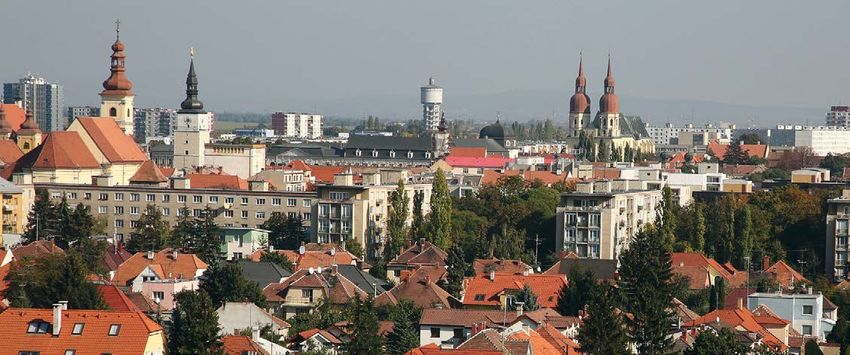
GUIDE FOR FOREIGN STUDENTS                              •

CONTENT   I.     SLOVAK UNIVERSITY OF TECHNOLOGY IN BRATISLAVA (STU)
                 1. A successfully distinct profile
                 2. Science & Research
                 3. The STU – Faculties and University Centres
                 4. Study system at university
                 5. Study programmes at the STU taught in English
                 6. Academic year
                 7. Study-related fees
                 8. Preparatory Modular Course for Foreign Students Studying at the STU
                 9. Foreign student admission process

          II.    ABOUT SLOVAKIA
                 1. Geography
                 2. Population
                 3. Weather
                 4. Information video about Slovakia
                 5. Slovak UNESCO Natural and Cultural Heritage
                 6. Sports

          III.   BRATISLAVA AND TRNAVA
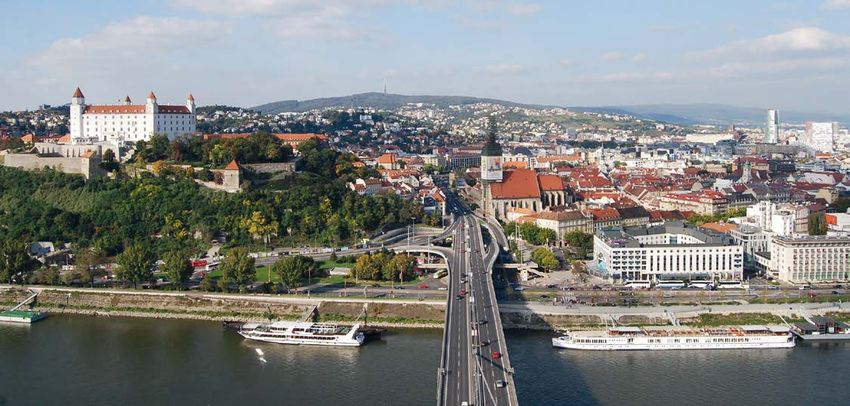
                 1. About Bratislava
                 2. Transportation to Bratislava
                 3. Student tickets or travel pass
                 4. About Trnava
                 5. Transportation to Trnava

          IV.    FORMALITIES, ENTERING AND STAYING IN SLOVAKIA,
                 VISA AND RESIDENCE PERMIT
                 1. Incoming foreign students in Slovakia
                 2. Recognition of education, diplomas and qualifications
                 3. Duties upon arrival in Slovakia
                 4. Contacting the Department of Aliens Police in Bratislava
                 5. Health and medical care

          V.     SERVICES FOR STUDENTS
                 1. Learning facilities
                 2. Accommodation
                 3. Sports and leisure facilities

          VI.    GRANTS AND SCHOLARSHIPS

          VII. USEFUL ADDRESSES AND LINKS

                                                                    Slovak University of Technology in Bratislava   •   3
•     GUIDE FOR FOREIGN STUDENTS

    I. Slovak University
        of Technology in Bratislava

                 1. A successfully distinct profile

                 The Slovak University of Technology in Bratislava (STU), the
                  largest and most significant university of technology in the
          Slovak Republic, is a modern European educational and research
                institution. It offers university education mainly in technical,
               technological, technical-economic, technical-information and                   In Webometrics Ranking of World’s
             technical-artistic fields of study. Its activities reach back to the             Universities, the STU ranks among the top
               rich old tradition of the Mining Academy in Banská Štiavnica,                  500 universities (2012).
    established by the Empress Maria Theresa in 1762. The STU provides
                a comprehensive and modern system of university education,                    The STU graduates are successful in the labour
               research, and cooperation with the world of work through the                   market, not only in Slovakia, but also abroad, and
             transfer of knowledge. STU disposes of the widest spectrum of                    find a broad range of jobs. The STU graduates
    study branches. Since its establishment in 1937, more than 130,000                        are in high demand (more than 50 % Slovak
          graduates have completed their education at the university, with                    employers recruit them), and are highest-paid of
        the average number of students attending annually being 17,000.                       all university graduates in Slovakia. The unem-
                                                                                              ployment rate of its graduates is the lowest.
    In addition, the Slovak University of Technology in Bratislava is con-
         sidered to be one of the leading academic institutions in Slovakia                   In 2012, the STU received the ECTS Label – the
        and Europe, and has received numerous high rankings and awards                        most prestigious European certificate awarded
                                                  for its quality of research and teaching.   in the sphere of tertiary education. Obtaining
                                                                                              the ECTS Label indicates to all domestic and
                In the Academic Ranking and Rating Agency (ARRA) in                           foreign students, that the study credit system
          Slovakia, the STU faculties have been regularly awarded the first                   at the STU fulfils strict European standards and
                place rankings. In the overall estimation the faculties belong                its offered education is fully comparable with
                 amongst the best rated faculties in the group of faculties of                that of other countries. All the degree pro-
                                                                              technology.     grammes offered at the university, all exams and
                                                                                              credits that students gain, are in line with the
         In the Academic Ranking of World Universities, the STU has                           European credit system and are thus recognized
             been also estimated as successful, being ranked 101 – 150 by      st     th
                                                                                              abroad. Obtaining the ECTS Label is a signal of
                                              subject fields – Computer Science (2012).       quality for domestic and foreign students.

4   •   Slovak University of Technology in Bratislava
GUIDE FOR FOREIGN STUDENTS                                •

FACTS AND FIGURES

                                                Number of faculties      7
                                     Graduates during its existence      140 000
                                                Number of students       17 000

                           Number of trainees for lifelong learning      4 100

                             Number of teaching and research staff       1 900
            Number of study programmes in the Slovak language            186 (B: 49, M: 67, D: 70)*
           Number of study programmes in the English language            104 (B: 15, M: 21, D: 68)*
                                 Number of state research projects       600
                                  Number of international projects       107
                                     Number of industrial contracts      800
                                                                         * B: Bachelor, M: Master, D: Doctoral level

          2. Science & Research

          The Slovak University of Technology in                      communication technologies, and applied physics, mathematics,
     Bratislava is a research oriented university,                    economics, and social science as well.
       cooperating with industry and has strong
    international links. During its existence, the                    The STU recognizes the great potential of the extension of com-
  University has made a significant contribution                      munication networks supporting the transfer of know-how gained
to the development of scientific knowledge, and                       in the University into practice. The objective is to find appropriate
    the enrichment and application of scientific                      ways of commercialising and ensuring economic valorisation for
          knowledge for the benefit of mankind.                       the ideas engendered at the University, and to allow these ideas to
                                                                      contribute to the development of an entrepreneurial environment
The University pursues research in all the areas, in                  of sophisticated activities, thereby contributing to increasing the
which the University education is provided, in the                    prestige of Slovakia at the same time.
areas of architecture, civil engineering, geodesy,
       cartography, chemical technologies, food                       The University has signed more than 800 industrial contracts
   processing, machinery, electrical engineering,                     (Volkswagen, Siemens, IBM, ESET, etc.) and cooperates with 411
       electronics, informatics, information and                      partner institutions from around the world.

                                                                                                                       Slovak University of Technology in Bratislava   •   5
•     GUIDE FOR FOREIGN STUDENTS

    3. STU – Faculties and University Centres

    Faculty of Civil                                    have achieved significant posts in         research. It is the only faculty which
    Engineering (SvF)                                   world-renowned companies such as           provides tertiary education based on
                                                        Volkswagen, Peugeot - Citroën, Siemens,    excellence in chemical-engineering
    The graduates of the Faculty of Civil               IBM, BMW, Mercedes, and others.            and science-theoretical fundamentals,
    Engineering of the STU enjoy a wide                                                            educating engineers for all sectors
    range of employment opportunities.                  www.sjf.stuba.sk                           within the chemical and food industries.
    They have the skills to prepare, project,
    organize and manage the building of                                                            www.fchpt.stuba.sk
    underground and engineering construc-               Faculty of Electrical                      Information material:
    tions, water management structures, to              Engineering and Information                http://www.fchpt.stuba.sk/
                                                                                                   docs/doc/info_pre_uchadzacov/
    carry out and manage work in the fields             Technology (FEI)                           Informations_about_Faculty
    of geodesy and cartography. They are
    capable of working in the investment                The Faculty of Electrical Engineering of
    and economic areas, in research or                  the STU and Information Technology         Faculty of Architecture (FA)
    educational and training institutions,              occupies the position as a significant
    computer centres, and are prepared for              centre in the field of science, research   The Faculty of Architecture of the STU
    work in private enterprises, too.                   and development for information            is the largest educational institution
                                                        and telecommunication systems and          for architects in the Slovak Republic.
    www.svf.stuba.sk                                    technologies, electronics and electrical   It provides a broad based vocational
                                                        engineering and their application, au-     training for students, oriented at:
    Information video:
    http://www.svf.stuba.sk/en/faculty/video-           tomated systems and methods of their       creative artistic, project and design
    presentation.html?page_id=4955
                                                        management, power engineering and          activities, as well as research and
                                                        nuclear power engineering. The areas       educational activity in the field of
                                                        of focus correspond to the latest trends   architecture, town-planning, territo-
    Faculty of Mechanical                               and priorities in the European Union       rial planning and design of proposed
    Engineering (SjF)                                   and around the world.                      dwelling units, civil, industrial and
                                                                                                   agricultural buildings, objects and
    The Faculty of Mechanical Engineering               www.fei.stuba.sk                           their ensembles; at the reconstruction
    of the STU has the longest history of                                                          of towns, monument renovation and
    teaching in the study fields of mechani-                                                       protection; at proposals for interiors,
    cal engineering in Slovakia. Its graduates          Faculty of Chemical                        exhibitions, and in the field of design;
    find employment not only in classic                 and Food Technology (FCHPT)                at planning and design of landscape
    mechanical engineering, but also in the                                                        creation and large territorial forma-
    automobile industry, electrical engi-               The Faculty of Chemical and Food           tions, construction and reconstruction
    neering, food processing, and chemical              Technology of the STU is a sovereign       of building sites and their parts, for the
    industries, civil engineering, energetics,          leader among the faculties of technology   creation of a human environment.
    metallurgy, and wherever mechanical en-             in Slovakia. It achieves significant
    gineering equipment is used. Graduates              results in the field of education and      www.fa.stuba.sk

6   •   Slovak University of Technology in Bratislava
GUIDE FOR FOREIGN STUDENTS •
Faculty of Materials Science Faculty of Informatics closely cooperating with other university
and Technology and Information units, domestic and foreign universities
in Trnava (MTF) Technologies (FIIT) and other scientific and academic
institutions. It guarantees the study pro-
The Faculty of Materials Science and The Faculty of Informatics and grammes and specific study courses and
Technology of the STU in Trnava is Information Technologies of the STU co education modules that are related to its
oriented on the education of a university vers in depth the area of informatics and profile and it takes care of integration of
graduate for a broad area of industrial information technologies in research and the STU capacities in management and
production, including its management, education. It is the first faculty in Slovakia planning study programmes, interdisci-
control, automation and safety aspects. with such mission. It has a long tradition plinary study programmes that have the
The Faculty closely cooperates with the in IT in education and research and has university character.
business sphere. In Slovakia, it has a achieved many outstanding results.
leading position in the field of materials www.um.stuba.sk
research and production technologies www.fiit.stuba.sk http://www.stuba.sk/english/
and is also recognised in the European institutes/management-institute-of-
Annual report 2012: the-slovak-university-of-technology.
research. http://www.fiit.stuba.sk/docs/edicna_ html?page_id=3234
cinnost/vyrocne_spravy/AR-FIIT-2012.pdf
www.mtf.stuba.sk
Information video:
Lifelong Learning Institute;
http://www.mtf.stuba.sk/english/ Institute of Management (UM) STU Research Centre;
on-faculty/dvd-about-faculty.
html?page_id=2980 Multimedia centre;
The Institute of Management of the Computing Centre
Virtual tour:
http://stu-mtf.pano3d.eu/ STU is the pedagogic, research and
Information material:
scientific unit of the Slovak University of Publishing House; Student
http://ds.mtf.stuba.sk/web_mtf/pdf/ Technology. It is providing research and Houses; Academic Sports
MTF_2011_bulletin.pdf
pedagogic in Bratislava activities in the Centre
area of management and urban planning, www.stuba.sk
Slovak University of Technology in Bratislava • 7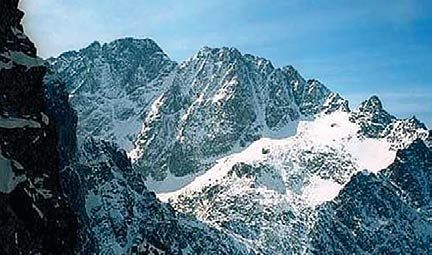
•     GUIDE FOR FOREIGN STUDENTS

    4. Study system at the University

    The University offers study within accredited study programmes,                     The system of education is connected with the prestigious part-
    in degree courses leading to Bachelor’s, Engineer’s, Master’s, and                  ner universities in the framework of international programmes
    Doctoral degrees. The credit system is compatible with the ECTS                     (Lifelong Learning, Erasmus, Leonardo da Vinci, …) using modern
    (European Credit Transfer System under the Bologna Declaration                      methods of education, laboratories and practical training. It is
    of the ministers of EU countries), enabling the bilateral student                   aimed at the fields of study that offer stable opportunities for
    mobility in EU countries’ universities, as well as within the frame-                students’ employment in the labour market. Teaching takes place
    work of the broader European and world-wide area. The STU has                       in modern classrooms furnished with the top laboratory and pro-
    been an ECTS Label holder since 2012.                                               gramming equipment.

    THE STUDY SYSTEM OFFERS:
                                                                                                                                 3rd Degree
    • research opportunities (mainly at Master and PhD. level)                                                                Doctoral study
    • modern training methods, laboratories, project works                                                                       3 – 5 years
    • study programmes in English
    • lifelong learning                                                                                          3rd level (comprising app. 180 – 240 credits)
                                                                             2nd Degree
                                                                                                                 “philosophiae doctor” (abbr. “PhD.”)
                                                          Engineer study and Master study
                                                                                                                 “artis doctor“ (abbr. “ArtD.”) in the field of art
                                                                                 2 – 3 years

                                                           2nd level (comprising app. 120 credits)
                                                           “inžinier” (abbr. “Ing.”) in technical and economic
                                                           fields of Engineer’s programmes
                                                           “inžinier architekt” (abbr. “Ing. arch.”)
                              1st Degree                   in the field of architecture and town planning
                          Bachelor study                   “magister umenia” (abbr. “Mgr. art.”)
                              3 – 4 years                  in the field of art

         1st level (comprising app. 180 – 240 credits)
         “bakalár“ (abbr. “Bc.”)

    The Bachelor’s degree study                          The Engineer’s and Master’s                             The Doctorate degree study
    programme is focused on the                          degree study programme is                               programme is focused on the
    acquirement of theoretical knowledge and             focused on the acquirement of theoretical               acquirement of knowledge based on
    practical knowledge based on actual state            knowledge and practical knowledge based                 the actual state of scientific and artistic
    of science and art and on the mastering of           on actual state of science and art and on               knowledge and mostly on the individual
    the use of this knowledge at work or in the          the development of a creative use of this               contribution of the student to this
    continuation of the consequent university            knowledge at work or in the continuation of             knowledge, which is a result of a scientific
    studies. The bachelor studies are completed          the consequent university studies, according            research and individual creative activity
    by a state examination and the defence               to the doctorate study programme.                       in the field of science or technique or an
    of a thesis. The graduated student of the            The studies are completed by a state                    individual theoretical and creative activity
    bachelor studies can continue in the second          examination and the defence of a thesis.                in the field of art.
    degree of studies.

8   •   Slovak University of Technology in Bratislava
GUIDE FOR FOREIGN STUDENTS                                 •

5. Study programmes at THE STU taught in English

The STU offers university education in English language mainly
in: technical, technological, technical-economic, technical-in-
formation and in the technical-artistic fields of study. Study
programmes are updated for each academic year.

       FACULTY OF CIVIL ENGINEERING OF STU
  BACHELOR STUDY                                 MASTER STUDY                                 DOCTORAL STUDY

  Civil Engineering                              Building Engineering                         Applied Mathematics

                                                                                              Applied Mechanics

                                                                                              Geodesy and Cartography

                                                                                              Landscaping

                                                                                              Building Technology

                                                                                              Theory and Structures of Civil Engineering Works

                                                                                              Theory and Structures of Buildings
                                                                                              Theory and Environmental Technology of
                                                                                              Buildings
                                                                                              Water Resources Engineering

       FACULTY OF MECHANICAL ENGINEERING OF STU
  BACHELOR STUDY                                 MASTER STUDY                                 DOCTORAL STUDY

                                                                                              Automation and Control of Machines and
  Applied Mechanics and Mechatronics             Applied Mechanics
                                                                                              Processes
  Automation and Informatics of Machines and     Automation and Informatics of Machines and
                                                                                              Transport Technology
  Processes                                      Processes
  Production Processes and Materials                                                          Quality of Production

                                                                                              Mechatronics

                                                                                              Metrology

                                                                                              Process Engineering

                                                                                              Production Processes and Materials

                                                                                              Production Machines and Equipment

                                                                                                             Slovak University of Technology in Bratislava   •   9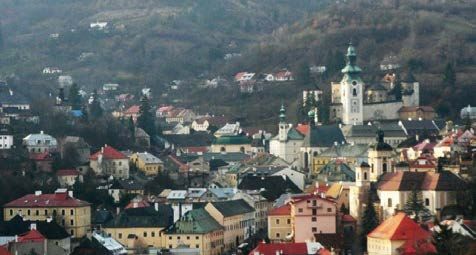
•     GUIDE FOR FOREIGN STUDENTS

                FACULTY OF ELECTRICAL ENGINEERING AND INFORMATION TECHNOLOGY OF STU
         BACHELOR STUDY                                  MASTER STUDY                                DOCTORAL STUDY

         Applied Informatics                             Applied Informatics                         Applied Informatics

         Automobile Electronics                          Applied Mechatronics                        Automation and Control

         Electronics                                     Power Engineering                           Power Engineering

         Electrical Engineering                          Physical Engineering                        Electrotechnology and Materials

         Industrial Informatics                          Cybernetics                                 Physics of Condensed Matters and Acoustics

         Telecommunications                              Measurement and Information Technology      Physical Engineering

                                                         Microelectronics                            Nuclear Power Engineering

                                                         Radioelectronics                            Cybernetics

                                                         Robotics                                    Measurement Technology

                                                         Telecommunications                          Metrology

                                                                                                     Microelectronics

                                                                                                     Radioelectronics

                                                                                                     High Power Electrical Engineering

                                                                                                     Telecommunications

                                                                                                     Electromagnetic Theory

                                                                                                     Applied Mathematics

                FACULTY OF CHEMICAL AND FOOD TECHNOLOGY OF STU
         BACHELOR STUDY                                  MASTER STUDY                                DOCTORAL STUDY

         Automation, Information Engineering and         Automation and Information Engineering in
                                                                                                     Analytical Chemistry
         Management in Chemistry and Food Industry       Chemistry and Food Industry
         Biotechnology and Food Technology               Biotechnology                               Inorganic Chemistry

         Chemical Engineering                            Chemical Engineering                        Inorganic Technologies and Materials
         Chemistry, Medical Chemistry and Chemical
                                                         Chemical Technologies                       Biochemistry
         Materials
                                                         Environmental Chemistry and Technology      Biotechnology

                                                         Natural and Synthetic Polymers              Chemical Physics

                                                         Technical Chemistry                         Chemical Engineering

                                                         Nutrition and Health Protection             Chemistry and Technology of Consumables

                                                                                                     Environmental Chemistry and Technology

                                                                                                     Physical Chemistry

                                                                                                     Macromolecular Chemistry

                                                                                                     Organic Chemistry

                                                                                                     Organic Technology and Technology of Fuels

                                                                                                     Process Control

                                                                                                     Technology of Polymer Materials

                                                                                                     Theoretical and Computer Chemistry

10   •   Slovak University of Technology in Bratislava
GUIDE FOR FOREIGN STUDENTS •
FACULTY OF ARCHITECTURE OF STU
BACHELOR STUDY MASTER STUDY DOCTORAL STUDY
Architecture and Urban Design Architecture Architecture
Structures in Architecture
Architectural Heritage Conservation
Theory of Architecture
Urban Design and Town Planning
FACULTY OF MATERIAL SCIENCES AND TECHNOLOGY OF STU
BACHELOR STUDY MASTER STUDY DOCTORAL STUDY
Materials Engineering Process Automation and Informatization
Integrated Safety
Materials Engineering
Industrial Management
Processing and Application of Non-Metals
Machine Technologies and Materials
Production Devices and Systems
FACULTY OF INFORMATICS AND INFORMATION TECHNOLOGIES OF STU
BACHELOR STUDY MASTER STUDY DOCTORAL STUDY
Applied Informatics
Program Systems
UNIVERSITY STUDY PROGRAMMES – INSTITUTE OF MANAGEMENT
BACHELOR STUDY MASTER STUDY DOCTORAL STUDY
Spatial Planning Spatial Planning Sectoral and Branch Economics
Spatial Planning
Slovak University of Technology in Bratislava • 11• GUIDE FOR FOREIGN STUDENTS
6. ACADEMIC YEAR
WINTER SEMESTER September – February
Ceremonial opening of the academic year September
Instruction period – minimum 12 weeks September – December
Examination period – 4 to 6 weeks January – February
SUMMER SEMESTER February – July
Instruction period – minimum 12 weeks February – May
Examination period – 4 to 6 weeks June – July
7. Study-related fees
Tuition fees and study-related fees for each academic year are stipulated in the Rector’s Directive issued for each academic year and are
published at the STU webpage: Information for foreign students – Legislation.
8. Preparatory Modular Course for Foreign Students Studying at the STU
The course is designed for foreign students who wish to study at the Slovak University of Technology in Bratislava. The modular
course will help all those wishing to study, to familiarise themselves with the opportunities and challenges of the study, and to
supplement their basic knowledge needed for studying at some of the faculties of STU. The preparatory modular course is carried
out through e-learning. The educational programme has been accredited by the Ministry of Education of the Slovak Republic under
No. 3182/2010/130/1.
The educational programme consists of eight modules: The study takes place in two cycles:
• A1 Beginners – 6 weeks, 171 h/5 M,
• Guide for Foreign Students
• A2 Advanced – 6 weeks, 178 h/6 M.
• Slovak Language
• English Language The contents of individual modules consist of selected themes
• Physics that will be important for pursuing the particular discipline
• Mathematics chosen at the faculty of STU. Admission to the course is condi-
tional on completing secondary education with a school-leaving
• Environmental Engineering
certificate giving access to higher education. Completion of the
• Geology
educational programme increases the chances of successfully
• Basics of Working with PC
negotiating the admission examinations and the subsequent
studies at the selected STU faculty.
12 • Slovak University of Technology in BratislavaGUIDE FOR FOREIGN STUDENTS •
FORMS OF EDUCATION BENEFITS OF COMPLETING THE COURSES
Seminars on thematic areas and themes of study. The main aim of this course is to prepare foreign students for
Classes oriented at acquiring new knowledge and skills. the study programmes at selected faculties of the STU and adapt
Consultations (personal, written, on-line). their knowledge obtained during the studies to the conditions of
practice.
EVALUATION
• The completion of the course for beginners will enable stu-
Continuous assessment, course attendance (seminars, classes) dents’ transfer to the Bachelor study course without admission
and a final test is an important prerequisite for the overall interview.
assessment and successful completion of the course. Course
participants who complete each test will gain the “Certificate of • The successful completion of both courses will enable gra
education obtained”. duates to gain credits in Mathematics, English language and
Physics.
The STU organizes Slovak language courses
for international students lasting 100 hours, or All graduates will gain the necessary vocabulary, ability to com-
the Slovak language intensive course lasting municate in oral and written form, basic professional terminology
240 hours. in the fields of technical study, and professional knowledge and
skills needed for successfully mastering their studies.
Slovak University of Technology in Bratislava • 13• GUIDE FOR FOREIGN STUDENTS
9. Foreign student admission process
1. Foreign applicants applying for higher education are re- Documents required for applying for temporary
quired to submit to the Slovak University of Technology in residence permit due to studies are the following:
Bratislava, to the entrusted deputy of the particular faculty • Letter of admission from the STU – Letter of Acceptance.
or institute, a certificate of completion of secondary • Completed application form for permission for temporary
education as well as a copy of their passport. residence in Slovakia.
If the applicant has also completed another institution with • Acceptance of admission to accommodation, confirmation
a higher education qualification following secondary school, of payment of registration fees, tuition fees, as well as
the certificate of completion of the above education should prepaid accommodation costs (hostel).
be supplied too. • Health insurance covering the period of stay in the
territory of the Slovak Republic.
2. The basic requirements for admission to a study • Document confirming applicant’s identity – birth
programme are: certificate or identity card.
• in the first cycle, the acquisition of secondary general • Criminal Registry extract from the country of his/her
education or secondary vocational education completed origin.
with the secondary school-leaving certificate, • Travel passport with validity more than 6 months.
• in the second cycle, the completion of the study • Two colour photographs 3 × 3,5 cm.
programme of the first cycle,
• in the third cycle, the completion of the study programme The documents must not be older than 90 days at the time
of the second cycle. of submitting the application. All documents issued abroad
must be officially authenticated in a way recognised in
Applicants for study at the STU who have graduated from Slovakia (“apostille” or “superlegalisation”) and if they are
earlier studies abroad must submit a recognized formal quali- in a foreign language, their official translation into Slovak
fication issued by a foreign secondary school, or high school. has to be attached.
3. Following the submitted documents the STU (faculty or insti- 5. Having obtained the above documents, the foreign applicant
tute) will issue to foreign applicant a “Preliminary Letter will take part in the entrance interview at the faculty/
of Acceptance” signed by the appropriate Vice-Dean of the institute he/she had chosen (the basic subjects being
Faculty or Director of the Institute. English, Maths and Physics). The entrance examinations are
diverse, depending on the field of study and faculty. They
4. After obtaining the acceptance for study, the foreign appli- may be written and oral, or just written tests. In some fields
cant will apply in his/her own country for a visa giving of study, e.g. the performing arts, aptitude examinations are
permission for temporary residence for 90 days, to also conducted.
enable entry into the Slovak Republic territory.
14 • Slovak University of Technology in BratislavaGUIDE FOR FOREIGN STUDENTS •
6. The receiving faculty/institute will prepare the “Nominal in Bratislava in two ways: electronically or by sending the
list of students”, who have passed the entrance examina- filled-in paper application form without entering the elec-
tions and will submit the “List” for approval to the session of tronic application. The application forms, the rules governing
the Faculty/Institute Head Office. tuition fees and details of payment for study, together with
admission deadlines are available on the STU web page, as
7. The accepted foreign applicants will receive all necessary separate documents.
documents for their study (student ID card, etc.) from the
http://www.stuba.sk/english/applicants/admission-procedure-
Student Affairs Office at the Faculty/Institute. The foreign
application-forms-deadlines-fees-contacts.html?page_id=2020
applicant will be sent a definitive Letter of Acceptance.
Foreign applicants who do not meet all the requirements for
8. Application form, admission procedure deadlines, admission may be required to attend preparatory courses,
tuition fees and payments for study – applicants can including Slovak language courses.
apply to for studies at the Slovak University of Technology
Slovak University of Technology in Bratislava • 15• GUIDE FOR FOREIGN STUDENTS
II. About Slovakia
SLOVAKIA
1. Geography 2. Population
• Area: 49,035 km², the Slovak Republic is situated in Central 5.4 million (of which 51.5 % are female)
Europe, sharing borders with Austria, the Czech Republic,
Poland, Ukraine and Hungary. • Ethnic mix of population: Slovaks (85.8 %),
Hungarians (9.7 %), Roma (1.7 %), Czechs (0.8 %),
• Official name: Slovak Republic Ruthenians (0.4 %), Ukrainians (0.2 %), Germans (0.1 %),
others (0.2 %), unknown (1.1 %).
• Capital: Bratislava (431,061 inhabitants)
• Population and their religions: Roman Catholic (68.9 %),
• Date of establishment: 1 January 1993 (after the split up Evangelical Lutheran of Augsburg Confession (6.9 %), Greek
of the Czech and Slovak Federative Republic). Catholic (4.1 %), Reformed Christian (2.0 %), Orthodox
(0.9 %), Jews (0.04 %), others (4.1 %), without denomination
• Political system: parliamentary democracy. Constitution (13.0 %).
guarantees equal rights for all citizens regardless of sex, race,
colour, language, faith, religion, political affiliation or con- 3. Weather
viction, national or social origin, nationality or ethnic origin,
property, birth or any other status. The President is the Head • Weather: continental climate with 4 seasons (spring, sum-
of State. mer, autumn, winter). Summers are hot; winters are cold,
cloudy and humid. The average winter daily temperature is
• Administrative organisation: 8 higher territorial units, -2 °C, but can plummet to -15 °C. The average daily, temper-
8 regions, 79 districts, 2,933 municipalities. ature in summer is 21 °C, but can be as warm as over 30 °C.
The coldest month is January; the hottest month is July.
• Official language: Slovak
• Time: Slovakia is in the Central European Time Zone (CET)
• Currency: euro (since 1 January 2009); 1 euro (1 €) = 100 which is 1 hour ahead of the Greenwich Mean Time (GMT +1)
cents (100 c), banknotes issued in 500 €, 200 €, 100 €, 50 €, with summer time 2 hours ahead of GMT (GMT +2). Time
20 €, 10 € and 5 € denominations; coins in 2 € and 1 € and 50 changes into Summer time in last Sunday in March and in last
c, 20 c, 10 c, 5 c, 2 c and 1 c denominations. Sunday in October it changes back to CET or winter time.
• Membership in international organisations: 4. Information video about Slovakia
EU (from 1 May 2004), NATO (from 29 March 2004), UN,
OECD, OSCE, WHO, INTERPOL, etc. http://www.youtube.com/watch?v=C6doVaI8N9c
16 • Slovak University of Technology in BratislavaGUIDE FOR FOREIGN STUDENTS •
5. Slovak UNESCO Natural and 6. Sports
Cultural Heritage
The most popular sport in Slovakia is association football (soc-
Places included on the UNESCO list of the world cultural and cer). Internationally, the most successful sport is ice hockey where
natural heritage currently, as of 2012, the country is ranked as the sixth best team
http://whc.unesco.org/en/statesparties/sk in the world by the IIHF World Ranking. In Slovakia there is a
wide range of facilities for summer sports. The most popular are
• The village of Vlkolínec, with traditional log houses. cycling, water sports and hiking. Many Slovak rivers are navigable
http://whc.unesco.org/en/list/622 and canoeing is very popular amongst young people. Horse riding
is becoming more popular with stables for the public existing in
• The Bardejov town conservation reserve. many towns.
http://whc.unesco.org/en/list/973
Mountaineering, hill-walking, white water rafting, adrenaline
• Spišský hrad (castle) and its associated cultural monuments, sports, and paragliding are just some of the ways to spend a week-
the largest castle in Central Europe end in the mountains. Another very popular activity is camping
http://whc.unesco.org/en/list/620 or renting cottages, and hiking (trekking) in the mountains. For
those who prefer green lawns and white sport clothes, there are
• Wooden Churches of the Slovak part of the Carpathian many opportunities for playing tennis at tennis clubs, at public
Mountain Area. courts or golf in golf clubs.
http://whc.unesco.org/en/list/1273
Thanks to its mountainous nature, the country offers great
• The area of Slovak Karst (Slovenský kras), the largest karst opportunities for downhill and cross-country skiing, as well as
region in Central Europe. snowboarding. The mountains enjoy over 80 days of snow per
http://whc.unesco.org/en/list/725 year which often reaches a level of 2,000 m in the “Nízke Tatry”
and “Vysoké Tatry”. In these high mountain regions, there is snow
• Primeval Beech Forests of the Carpathians. on the ground for 130 days each year. Ice hockey and ice-skating
http://whc.unesco.org/en/list/1133 are very popular sports that can be practised in indoor stadiums,
as well as outdoors.
• The historic town of Banská Štiavnica, where the first tech-
nical higher education institution in the world, the Mining
and Forestry Academy, was established in 1762 by Empress The Lonely Planet ranked Slovakia
Maria Theresa. to be one of the top 10 tourist
http://whc.unesco.org/en/list/618 destinations of 2013
Slovak University of Technology in Bratislava • 17• GUIDE FOR FOREIGN STUDENTS
III. Bratislava and Trnava
1. About Bratislava 2. Transportation to Bratislava
Bratislava is the capital city of the Slovak Republic and the most By AIR
important tourist destination in Central Europe. It is situated in
the south-western part of Slovakia on both banks of the Danube There are several ways of flying to the Slovak Republic. You
River. Bratislava is located near the Austrian, Hungarian and can fly directly to the M. R. Štefánik Airport in Bratislava
Czech borders. The nearest European metropolises are Vienna www.letiskobratislava.sk. The airport is located 30 minutes by
(60 km), Budapest (200 km) and Prague (330 km). bus from the centre of the city.
The City of Bratislava is the seat of the President, National Many students take advantage of Vienna Airport
Council, and Government of the Slovak Republic and embas- (www.viennaairport.com), which has many international flights.
sies of the foreign countries. Its population is about 450,000 The airport is located only 45 km from Bratislava. There is direct
inhabitants. Being the largest Slovak city, it is not only the bus connection from Vienna airport to the Main Bus Station
administrative, business and industrial, but also the cultural, Mlynské Nivy in the downtown area of Bratislava. The bus ope
scientific and research centre. rates from 8.00 to 23.30 and it takes around 1 hour.
The city offers visitors many historic monuments, museums and • Bratislava International Airport M. R. Štefánik is loca
cultural events, excellent traditional and international cuisine, ted 15 km from Bratislava’s Old Town. There are two means of
and a pleasant atmosphere are fostered by the friendly and wel- transport into Bratislava city: by taxi and bus.
coming locals.
• International Airport (Austria), thanks to the short
Big popular music acts play regular concerts in Bratislava, while distance of Vienna and Bratislava (60 kilometres) it is also
the Slovak Philharmonic and the Opera and Ballet of the Slovak possible to use Vienna’s Schwechat International Airport
National Theatre regularly put on world-class performances. (www.viennaairport.com). Just in front of arrival gate at
Vienna airport you will find the departure platform for
Bratislava offers an excellent life for students, is being the seat of buses leaving for Bratislava (every hour) which terminate at
a number of universities. The largest and most significant techni- Bratislava’s Main Bus Station (Hlavná autobusová stanica)
cal university in Slovakia is the Slovak University of Technology in Mlynské Nivy. Also from this Main Bus Station in Bratislava
Bratislava. the buses leave every hour to Vienna airport Schwechat.
In Bratislava there is a wide range of facilities for summer and By Train
winter sports. The most popular are football, cycling, inline
skating, tennis, indoor sports, water sports, hiking, skiing and ice The railroad service in the Slovak Republic is comfortable. The
skating. capital Bratislava is connected with the railroad network of all
More information: http://visit.bratislava.sk/en
18 • Slovak University of Technology in BratislavaGUIDE FOR FOREIGN STUDENTS •
neighbouring countries (Austria – Vienna, Hungary – Budapest, 3. Student’s tickets or travel pass
Poland – Warsaw, Czech Republic – Prague, Ukraine – Kiev). From
the Main Train Station in Bratislava, located 5 minutes from the Student accepted for study will receive a student ID card. On the
city centre) you can easily reach all the university towns in the basis of the ID card the student can buy one way or multiple/
Slovak Republic. When taking a taxi from the train station, look combined student travel tickets or a student travel pass for a
for those with the company name listed on the car. For foreign validity of 30 or 90 days.
students there are international discounts available for all
European countries. Student´s one way and multiple/combined travel tickets are
available from the yellow ticket machines located at the public
The websites of the Slovak Railways: www.slovakrail.sk or www. transport stops, and in some of the newspaper stands. Ticket
zsr.sk provides information on timetables, prices, journey dura- machines accept coins from the value of 5 cents to EUR 2 only.
tion and whether you have to switch trains at any point. Immediately after entering the public transport vehicle you have
to validate your ticket in stamping machine – the machines lock
Today’s public transport services in Bratislava are of a decent automatically 30 seconds after departure from the stop.
quality in terms of coverage and frequency. They consist of tram
lines, trolleybus lines and bus lines. The student travel pass can be included in the student ID card or
it can be issued as a separate card.
Travel tickets and travel passes are issued in special city transport
ticket shops. The student travel pass is valid for all buses, trams
and trolley buses.
http://imhd.zoznam.sk/ba/public-transport.html
Slovak University of Technology in Bratislava • 19• GUIDE FOR FOREIGN STUDENTS
4. About Trnava and cultural centre of Western Slovakia and a university town.
It offers rich opportunities to participate in cultural activities.
Trnava is the seventh largest town in the Slovak Republic with Every year, the town hosts various cultural events, festivals and
a population of almost 70,000 people, lying in the south-west important sports fixtures.
corner of the country. Three European capitals: Bratislava, Vienna
and Budapest lie within a radius of less than 200 km. Places to see
More information: http://www.trnava.sk/en/article/
Trnava is one of the oldest and most beautiful mediaeval towns historical-monuments
in Slovakia. It was the first town to be granted the privileges of a
Free Royal Town. In the Middle Ages it ranked among the largest 5. Transportation to Trnava
gothic towns in Central Europe. In the sixteenth century, after
the Esztergom Archbishopric and Chapter had been transferred The city of Trnava is the seat of the region and district and from
to Trnava, it became a centre of religious, social and cultural life the viewpoint of road and rail transport it has a very convenient
in the Hungarian Kingdom. Trnava was in its heyday during the position. Although it does not have a direct connection to air and
active period of the Trnava University in the seventeenth and waterway transport, an available airport is in Vienna, that is 95
eighteenth centuries. Dozens of notable domestic and foreign km (75 min.) away, in Bratislava, that is 50 km (40 min.) away and
architects, master-builders, sculptors and painters gave proof of in Piešťany, 35 km (20 min.) away. Trnava creates an important
their knowledge and talents in imposing works. For the genera- crossing not only for the national road network, but also for roads
tion of today, the rich history of the town is a spiritual message of European importance.
and a precious heritage, materialized in the beauty of architectur-
al treasures both sacral and secular. Their styles include gothic, The city lies at the crossroads of two roads of international
renaissance and baroque, from its early phase until baroque clas- importance; from the Czech Republic to southern Slovakia and
sicism. The skyline of Trnava is dominated by numerous church from Bratislava to northern Slovakia. The D1 motorway connects
towers due to which the town received the epithet “Little Rome“. the city to Bratislava, Trenčín and Žilina and the R1 expressway
Modern Trnava is a regional capital, an economic, political, connects it to Nitra.
20 • Slovak University of Technology in BratislavaGUIDE FOR FOREIGN STUDENTS •
IV. Formalities, entering and staying
in Slovakia, Visa and Residence
Permit
1. Incoming foreign students in of Aliens Police territory during the period for which the permission
Slovakia was granted, namely, for study purposes, for the specific purpose of
executing a special activity (lectureship, artistic activity, or a study
How to apply for a Slovak visa visit), or, for the purpose of research and development (in case of
research mobility). For temporary permission to stay for study pur-
1. Nationals of the EU/EEA countries and Switzerland do not poses, the students must apply for confirmation of study issued
require an entrance visa to Slovakia, and require only a valid pass- by the admitting higher education institution and/or a Decree on
port or a valid ID card. Within 10 working days upon entering the granting of a scholarship issued by the National Office of
Slovakia they are required to register the commencement, the CEEPUS programme. Scholarship holders who will undertake the
place and anticipated length of their residence with a work of university teachers during their stay in the Slovak Republic,
police office, unless this is reported by the respective ac- are recommended to gain from the admitting institution a confirma-
commodation provider. (A form to report residence is available at tion of this activity (providing the basis for waiving administration
http://www.minv.sk/?pobyt-cudzinca). In cases of stays exceeding 90 fees paid for submitting the application for temporary residence).
days, citizens must carry out registration of right of residence
of a Union citizen within 30 days before the expiry of the 90 day All foreigners from outside the EU and EEA countries and
period of residence. Residence based on registration of the citizen’s Switzerland are obliged within 3 working days from entering
right is considered as a permanent residence in the territory of the the Slovak Republic territory to register the commencement,
Slovak Republic (when leaving after the stay the registration at the place and anticipated length of their residence. The require-
permanent place of residence must be cancelled in writing). ment is usually fulfilled by the accommodation provider (student
hostel, hotel). In the event of accommodation being provided in other
2. The entrance of aliens from the other countries to the than such accommodation establishments, it is the responsibility of
Slovak Republic territory is possible only with a travel document the foreigner to register at the respective Department of Aliens Police.
and visa (if required), or a travel document and residence permit.
The application for a visa has to be submitted on an official ap- Documents required for applying for temporary residence permit
plication form at the embassy or consulate of the Slovak Republic due to studies are in the part 1.9.
abroad. The visa is usually issued for a period of at most 90 days.
For a stay of longer than 90 days, it is necessary to apply for a tem- With regard to the conditions of granting a visa and temporary
porary permission to stay. permission to stay in other cases, you are recommended to contact
the nearest embassy or consulate of the Slovak Republic. For more
The application for granting temporary permission to stay is details see the website of the Ministry of Foreign Affairs of the SR
completed by the alien on an official application form in person, www.foreign.gov.sk (section on Travelling and Consular Info) and the
abroad, at embassies and consulates of the Slovak Republic, or di- Ministry of the Interior of the SR www.minv.sk (section on Border
rectly in the Slovak Republic at the respective Department of Aliens and Department of Aliens Police – Information for foreigners), or
Police. The permission entitles the alien to reside in the Department contact the EURAXESS service centre in Slovakia www.euraxess.sk.
Slovak University of Technology in Bratislava • 21• GUIDE FOR FOREIGN STUDENTS
2. Recognition of education, concluded with regard to qualifications acquired in another
diplomas and qualifications state.
The Slovak Republic has its own legal regulations governing The terms of recognition of diplomas mean recognition of
the recognition of educational qualifications awarded abroad. a diploma, issued by a foreign higher education institution
It is also bound by international agreements (especially those or other authorised body according to the regulations of the
of the European Union and European Economic Area) and respective state, as equivalent to a diploma issued by a higher
bilateral agreements to which it has acceded or which it has education institution in the Slovak Republic.
Recognition of documents verifying completion of a secondary education for academic purposes
When submitting their applications for Bachelor’s Studies at the Slovak University of Technology in Bratislava, all applicants who have successfully
completed their secondary education abroad shall submit a confirmation/nostrification of the recognition of the equivalence of documents they obtained
abroad. This document (confirmation/nostrification) is issued by the relevant District Office in the Slovak Republic, depending on the applicant’s residence.
Contact to the:
District Office in Bratislava – Section for Education: veronika.rechtova@ksuba.sk, info@ksuba.sk +421 2 492 078 06
District Office in Trnava – Section for Education: eva.huttova@ksutt.sk, ksu@ksutt.sk, +421 33 55 502 03
Link to the District Offices in the Slovak Republic: http://www.minv.sk/?OU_BA
Applicants who have completed their studies in countries with which Applicants who have completed their studies in other countries will receive
the Slovak Republic has an agreement on the mutual recognition of a ‘nostrification’ issued by the relevant District Office.
educational documents concluded – the Czech Republic, the Croatian
Republic, the Hungarian Republic, the Federal Republic of Germany, the
Polish Republic and Romania – will receive a ‘confirmation’ issued by the
relevant District Office.
The following shall be attached to an application: The following shall be attached to an application:
• a completed application form available on the web page of the • a completed application form available on the web page of the
relevant Office relevant Office
• a verified copy of a document on school completion, a school- • a verified copy of a document on school completion, a school-
leaving examination or a final examination, absolutorium, or a similar leaving examination or a final examination, absolutorium, or a similar
examination examination
The authenticity of signatures and of the school stamp on the original The authenticity of signatures and of the school stamp on the original
documents shall be verified by an Apostille. documents shall be verified by:
A list of member countries and their relevant offices verifying documents is • Apostille – a list of member countries and their relevant offices
included in the The Hague Convention. verifying documents is included in the The Hague Convention.
Applicants from the Czech Republic and Austria do not need Apostilles. • Legalisation and superlegalisation – for other applicants – verified by
the relevant state authority: the relevant Ministry or notary’s office in
the respective country (where the education was undertaken) and the
embassy of the Slovak Republic in that country.
• verified list of subjects, including the number of lessons in individual
study years (curriculum), if the successful completion of the whole
study does not result from the document stated above.
• foreign school’s confirmation of the scope of practical schooling if it is
a profiling part of education and is not included in the curriculum.
Official Slovak translation of the document obtained abroad. The Official Slovak translation of the documents obtained abroad. The
translation shall be made by a certified translator. Documents issued in the translation shall be made by a certified translator.
Czech language need not be translated.
Protocol on supplementary examinations (only Slovak nationals) Protocol on supplementary examinations (only Slovak nationals)
22 • Slovak University of Technology in BratislavaGUIDE FOR FOREIGN STUDENTS •
Fee Stamp of € 6.50 Fee stamp of € 6.50
Identity paper (ID card, passport) Identity paper (ID card, passport)
• Opinion on the equivalence of the foreign study • Opinion on the equivalence of the foreign study
(recognition of marks) (recognition of marks)
The Opinion is issued by: The Opinion is issued by:
The Ministry of Education, Science, The Ministry of Education, Science,
Research and Sport of the Slovak Republic Research and Sport of the Slovak Republic
Centre for Recognition of Diplomas Centre for Recognition of Diplomas
(Stredisko na uznávanie dokladov o vzdelaní) (Stredisko na uznávanie dokladov o vzdelaní)
Stromová 1, 813 30 Bratislava, Slovak Republic Stromová 1, 813 30 Bratislava, Slovak Republic
Application-related information: Application-related information:
in Slovak: http://www.minedu.sk/ in Slovak: http://www.minedu.sk/
ekvivalencia-studia-na-zakladnych-a-strednych-skolach-v-zahranici/ ekvivalencia-studia-na-zakladnych-a-strednych-skolach-v-zahranici/
in English: http://www.minedu.sk/equivalence-of-studies-abroad/ in English: http://www.minedu.sk/equivalence-of-studies-abroad/
Recognition of diplomas of higher education for academic purposes
When recognizing education diplomas issued by a foreign university, the Slovak University of Technology in Bratislava takes into consideration the following
legislation:
• Act No. 131/2002 Coll. on Higher Education and on amendments and supplements to certain laws (hereinafter referred to as the ¨Act¨);
• Decree of the Ministry of Education of the Slovak Republic No. 238/2005 Coll. on Procedures for Recognition of Diplomas on Education (hereinafter
referred to as the ¨Decree¨).
In view of the Act:
(1) Recognition of an education diploma issued by the higher educational institution located outside of the territory of the Slovak Republic, or by other
institution authorised by the legislation of a particular state, is a procedure in which assessment is made whether the conditions for issuing the education
diploma which is to be recognized are equivalent to those according to this law. Recognition of education diplomas as the documents of professional
qualification for the purpose of pursuing an occupation are subject to special legislation.
(2) The following institutions shall decide on recognizing education documents:
a) universities in the Slovak Republic providing courses in equal or similar fields of study to those stated in the submitted education diploma; if the content
of the course which the student has finished is only partially equal/similar, the university may order the applicant to sit complementary exams or possibly
to make and vindicate a Bachelor, Graduation and Dissertation thesis; universities shall automatically decide on recognizing the education document in line
with paragraph 1, if the respective state has an international agreement concluded with the Slovak Republic on mutual recognition and equality of education
diplomas, and diplomas stated in the paragraph 1 form its part,
b) the Ministry, if there is no university in the Slovak Republic providing courses in equal or similar fields of study as stated in the presented diploma.
(3) The applicant whose educational diploma has been recognized in line with the paragraph 2 is entitled to use the academic title and its abbreviation in
the territory of the Slovak Republic in the form as these have been awarded to him/her in line with the domestic legal regulations of the state where the
diploma was issued and in the language of that state. If the academic title or its abbreviation were interchangeable with titles awarded on the basis of the
Act for which different conditions need to be met in order to obtain the qualification than in the state where the education diploma was issued, the Ministry
shall decide on using the appropriate academic title.
(4) Details on the procedure of recognizing education diplomas for academic purposes shall be stipulated by a public statute on the procedure for
recognizing educational diplomas.
(5) The authenticity of signatures and the school stamp on original copies of the diplomas stated in the paragraph 1 shall be proved by a national body
competent for its verification, or by a notary’s office of the respective state, with a stamp of the Slovak Embassy of that state, if not otherwise stipulated by
the international agreement.
(6) The decision on the recognition of an educational document includes a statement that the decision is not the document on the recognition of
professional qualifications.
Slovak University of Technology in Bratislava • 23• GUIDE FOR FOREIGN STUDENTS
Recognition of diplomas of higher education for academic purposes
Before applying it is necessary to take note of the current list of the accredited study programmes. The higher education institutions can decide on
recognition of diplomas issued only in equal or similar fields of study.
The required documents:
1. Duly completed application for recognizing an education diploma issued by a foreign university;
2. Notary-certified copy of a diploma or other educational document issued by a foreign university - officially translated into the Slovak language
(Official Czech translation is also sufficient)*;
3. Notary-certified copy of a diploma supplement or a certified copy of an extract from completed subjects and exams passed – officially translated
into the Slovak language (Official Czech translation is also sufficient)*;
4. The authenticity of signatures and the school stamp on original copies of the education documents shall be certified:
• Documents obtained in the Czech Republic and in Austria do not need a higher certification (Apostil);
• Apostil – shall be on the educational documents issued in countries, that have signed The Hague Convention on the Cancellation of the
Requirement of a Higher Certification of Foreign Public Records. A list of the particular offices authorised for certification in the respective
countries is published in The Hague Convention;
• Legalisation and Super-Legalisation – shall be on the documents issued in all other countries. Certification must provide a national body
competent for verification or a notary’s office of the respective state with a stamp of the Slovak Embassy of that state;
5. Certificate of fee payment (40 €). The fee is to be paid by a bank transfer or by a Slovak postal money order. The university may require the
applicant to also submit other documents and information as necessary for assessing the application.
*The current list of authorized translators is provided by the Ministry of Justice of the Slovak Republic.
If the diploma is issued in the state that has an international agreement concluded with the Slovak Republic (e.g. the Czech Republic, Croatia, Hungary,
Germany, Poland, Romania); then the university shall decide on recognizing the education document automatically (the university may not order the
applicant to sit additional exams or to complete and defend a Bachelor, Graduation and Dissertation thesis).
Period for taking a decision
30 days from the start of proceedings, or in particularly complicated cases, not later than 60 days.
Fee Payment Details
1. For transactions within the Slovak Republic:
Addressee: Slovenska technicka univerzita v Bratislave (Slovak University of Technology in Bratislava)
Address: Vazovova 5, 812 43 Bratislava, Slovakia
Account No. 7000084007
Bank code: 8180
Constant symbol: 0308
Variable symbol: 901111
Information for the addressee: sender’s surname - recognition
2. For international transactions:
Addressee: Slovenska technicka univerzita v Bratislave (Slovak University of Technology in Bratislava)
Address: Vazovova 5, 812 43 Bratislava, Slovakia
Bank connection: Vseobecna uverova banka, a.s., Mlynske Nivy 1, 829 90 Bratislava, Slovakia
SWIFT Code: SUBASKBX
Account Number: 7000084007/8180
IBAN: SK8881800000007000084007
Information for the addressee: 901111 and the sender’s surname
Address:
Department of Education and Student Care / Útvar vzdelávania a starostlivosti o študentov
Rektorat STU
Vazovova 5, 812 43 Bratislava, Slovakia
Other Information
More information on education recognition can be found on the web site of the Centre for Recognition of Diplomas of the Ministry of Education, Science,
Research and Sport of the Slovak Republic.
24 • Slovak University of Technology in BratislavaYou can also read


