Healthy food, healthy families - Community Food Initiative 2019-2021 - Safefood
←
→
Page content transcription
If your browser does not render page correctly, please read the page content below
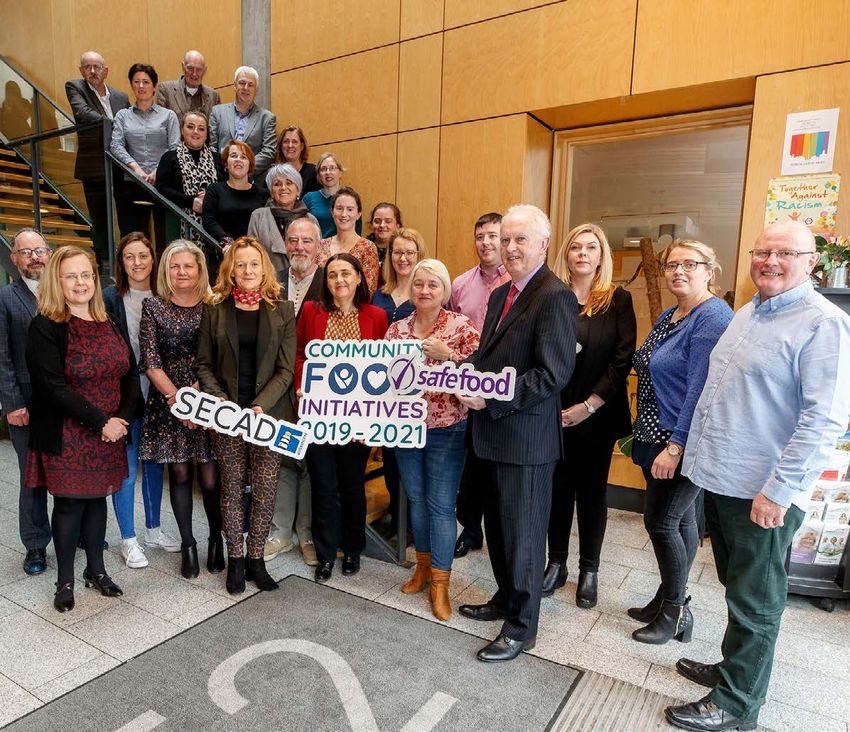
Healthy food, healthy families

    Community Food Initiative 2019-2021

Healthy food, healthy families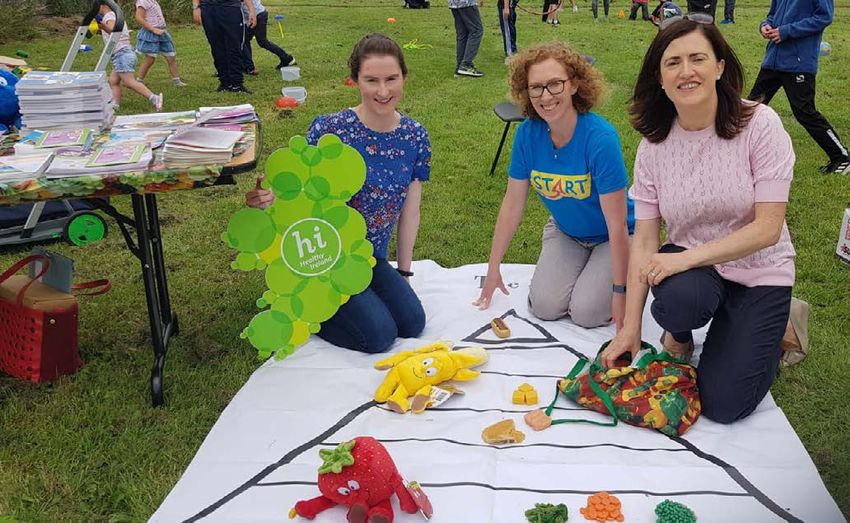
Healthy food, healthy families

Table of contents
Foreword                                                           4
Introduction                                                       5
Community Food Initiative funding programme (CFI) 2019-21          6
CFI themes                                                         7
CFI leaders                                                        7
Steering groups                                                    8
Community events                                                   8
Small projects                                                     8

Helpful tips from CFI leaders                                      9
Support for the families                                            9
Support agencies & organisations                                    9
Children’s involvement                                             10
Providing ingredients                                              10
Trying new things                                                  10
Participant feedback                                               11

safefood resource hub                                             11
CFI leaders community events & small projects                     12
Ballyhoura Development                                             12
Carlow County Development Partnership                              14
County Armagh Community Development (CACD)                         16
Co Wicklow Community Partnership                                   18
Dublin North West Partnership                                      20
Galway City Partnership                                            22
Inishowen Development Partnership                                  24
IRD Duhallow CLG                                                   26
New Lodge Duncairn Community Health Partnership                    28
Northern Area Community Network (NACN)                             31
Offaly Local Development Company                                   33
Resurgam Trust                                                     35
South Tipperary Development Company                                37
Triax Neighbourhood Management Team (TNMT)                         39

CFI leaders contact details                                       41

                                                                                        3
Community Food Initiative 2019-2021

                 Foreword
                 At safefood, we are immensely proud of our
                 role funding Community Food Initiatives (CFIs)
                 since 2010. By supporting sustainable projects
                 which have a focus on food, we’re helping
                 to develop lifelong food skills and influence
                 healthier choices. This local approach can have
                 a lasting impact on the health of children,
                 adults and their wider communities across the
                 island of Ireland. We look forward to the future
                 work of CFIs and the transformative effect they
                 can have.

                 Ray Dolan
                 Chief Executive
                 safefood

                 The Community Food Initiative is a special
                 programme with a host of positive impacts.
                 As a local development company, we in SECAD
                 Partnership aim to enable more sustainable
                 and inclusive communities. We support
                 initiatives that are accessible and effective,
                 that have a positive impact for the whole
                 community, and designed to prioritise building
                 the capacity of those who are most in need of
                 support. We are proud to be coordinators of
                 the safefood Community Food Initiative and
                 would like to express our sincere thanks to all
                 involved from the volunteers and participants
                 in the various activities across the island of
                 Ireland, to our partner CFI Leaders and to our
                 colleagues in safefood – thank you.

                 Ryan Howard
                 CEO
                 SECAD Partnership CLG

4
Healthy food, healthy families

Introduction
2019 saw the start of the next three-year phase of the Community Food Initiative (CFI)
programme. The CFI programme developed by safefood has been running since 2010 to
create awareness of the benefits of healthy eating and to provide families throughout
the island of Ireland with the skills and knowledge to be able to provide healthy food
options for themselves and their families.

The CFI 2019-2021 has allowed people to gain new skills and knowledge, and to
connect with other people in their own communities. During this round of funding,
the CFI implementing organisations have faced extraordinary challenges but through
switching to different delivery formats have continued to run as normal. Despite a
significantly increased workload, the CFI leaders ensured that the CFI played a crucial
role in empowering people to develop the skills that will enable them to provide healthy
food for their families. In 2020, this empowerment spread across entire families as
more children became involved and learned how to prepare and cook healthy meals.
Participation in the CFI allowed children and parents to interact and learn together to a
much greater extent than in other years.

The CFI provided a very welcome boost to participants and managed to support the
needs of a diverse audience throughout the island of Ireland. The joined-up approach
followed by all the organisations involved, allowed the CFIs to adapt content to meet
the needs of their participants. The use of online and physical resources such as videos,
posters, and leaflets provided the opportunity to reinforce messages after each session.
Through the various communication channels used, the CFI leaders provided more
support than before outside of the sessions and the participants supported one another
to understand the content and discover ways to overcome challenges. During 2021,
work has continued as the CFI leaders have endeavoured to find new ways of delivering
healthy eating messages and involving people in their projects.

This booklet is not a ‘how to’ guide but more of an aid to help organisations to design
their own activities that will support the needs of their own clients. We have provided
summaries of some of the community events and small projects that were developed
and delivered by the CFI leaders during 2019-2021. If you would like more information on
any of examples provided, the contact details of each CFI leader can be found at the back
of this booklet.

                                                                                                             5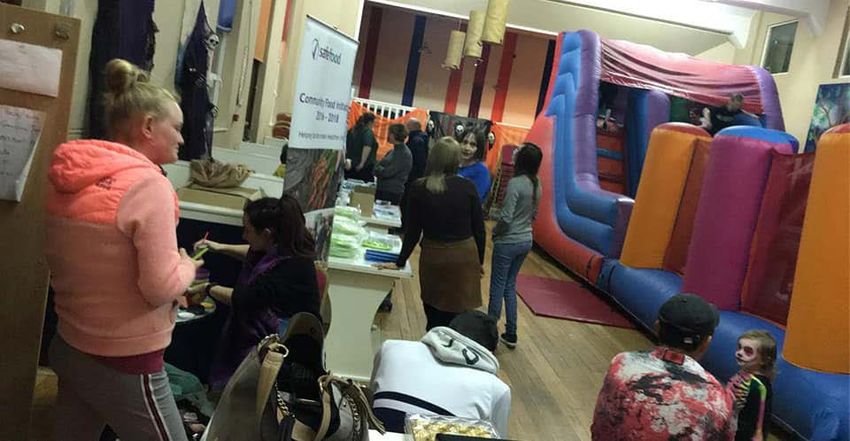
Community Food Initiative 2019-2021

                 Community Food Initiative funding
                 programme (CFI) 2019-2021
                 The Community Food Initiative programme 2019-2021 is funded by safefood and
                 administered by SECAD Partnership CLG (SECAD). Since 2016, SECAD has worked with
                 safefood to develop and deliver the CFI and to provide a link between safefood and the
                 CFI Leaders.

                 safefood was set up under the British-Irish Agreement and is an all-island
                 implementation body with a general remit to promote awareness and knowledge of food
                 safety and nutrition issues on the island of Ireland (IOI). Organisations delivering the
                 programme are from both Northern Ireland (NI) and the Republic of Ireland (ROI); five
                 projects in NI and nine in the ROI.

                 SECAD Partnership CLG (SECAD) is a community based, not-for-profit enabler of
                 rural development and social inclusion. For over two decades, SECAD has supported
                 individuals and groups to develop approaches and plans to address issues. These include
                 local volunteer-based services, creating employment & social enterprise opportunities
                 and bottom-up environmental initiatives.

6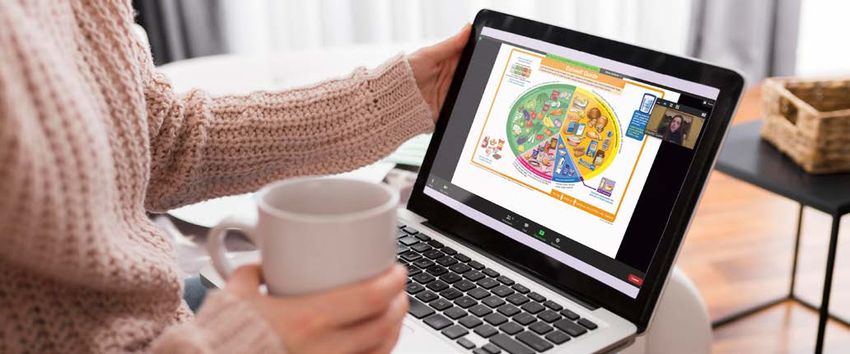
Healthy food, healthy families

CFI Themes                                              CFI Leaders
The focus of the CFI 2019-2021 is to support families   The main role of the CFI leaders is to act as a
with children up to the age of 12 years under the       champion for the CFI in their area of operation.
following themes:                                       This is achieved through:

  1. Supporting an increased awareness/                   Bringing together organisations to form a local CFI
     knowledge around healthy eating                      Steering Group to identify and promote best practice
                                                          under the CFI themes
  2. Healthy shopping
                                                          Organising with the support of their CFI Steering
  3. Budgeting and food/meal planning skills              Group, two community events each year
  4. Cooking skills                                       Designing and delivering, assisted by the Steering
                                                          Group, two to three small projects that provide
  5. Improving the availability and access to
                                                          support to participants under two or more of the 6
     safe and healthy food in the community
                                                          CFI themes
     and complementing existing structures
     that offer healthy options such as                   Coordinating the CFI locally and managing the
     community cafés and community events                 expenditure
  6. Preventing food waste and promoting
     food safety and hygiene                            One CFI leader organisation is recruited from each of the
                                                        nine Community Healthcare Organisation areas in the
                                                        Republic of Ireland and the five Health & Social Care Trust
                                                        areas in Northern Ireland. The CFI Leaders are:

                                                        1. Ballyhoura Development
                                                        2. Carlow County Development Partnership
                                                        3. County Armagh Community Development (CACD)
                                                        4. Co Wicklow Community Partnership
                                                        5. Dublin Northwest Partnership
                                                        6. Galway City Partnership
                                                        7. Inishowen Development Partnership
                                                        8. IRD Duhallow CLG
                                                        9. New Lodge Duncairn Community Health Partnership
                                                        10. Northern Area Community Network (NACN)
                                                        11. Offaly Local Development Company
                                                        12. Resurgam Trust
                                                        13. South Tipperary Development Company
                                                        14. Triax Neighbourhood Management Team (TNMT)

                                                                                                                     7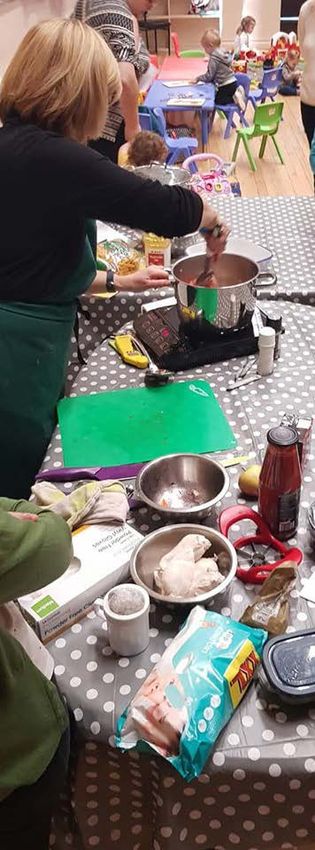
Community Food Initiative 2019-2021

Steering groups                                                Community events
Once the CFI Leader has been appointed, the first task is      The purpose of the two community events is to share
to bring organisations operating in that area together to      the healthy eating message with the wider community
form a local CFI Steering Group. The purpose of the local      and not just with the people who take part in the small
steering group is:                                             projects. The community events provide the opportunity
                                                               to bring agencies/organisations together in one place to
                                                               provide information to the public about healthy living
    To support the design and delivery of two community        and cooking.
    events each year and to identify participants to
    support through the three small projects.

    To promote best practice under the CFI themes.
                                                               Small projects
    To work with existing organisations and structures in      The CFI leader facilitates two to three small projects each
    their area to build long term sustainability for similar   year that promote healthy eating and food skills under
    activities into the future.                                one or more of the 6 CFI themes, which are tailored to
                                                               meet local needs. These initiatives follow a programme
                                                               approach, where possible, to support participants over a
                                                               period. Qualified experts are engaged to provide training
                                                               or to speak at events as each activity should provide a
                                                               learning opportunity for the participants.

8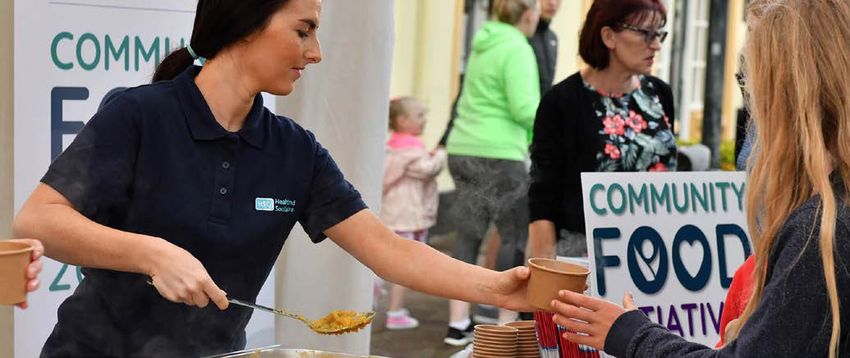
Healthy food, healthy families

Helpful tips from CFI leaders
The CFI leaders have provided feedback on their experiences while planning and
implementing their projects during 2019-21. We hope you will find this helpful when
planning your own project.

Support for the families                                      the project concealed from family and friends the
                                                              fact that they were receiving assistance from some
• At the start of a number of the small projects,             of the agencies involved in the Steering Group.
  staff were appointed to support the families              • A lot of unexpected literacy issues were uncovered.
  and to maintain regular contact with the                    Providing alternative forms of communication
  participants through phone calls, texts, WhatsApp           such as YouTube videos or recipes with step-by-
  or Facebook Messenger. Staff were also a point              step pictures were useful in this situation.
  of contact by phone or text if a participant ran
  into difficulty while cooking a meal at home.             • Involvement in the project reduced tensions
                                                              in families with teenagers. The teenagers were
• During one online project, the support worker               encouraged to cook, and the family sat down
  cooked the meal while the participants watched              to eat together after making the meal because
  on zoom. Some participants cooked their own                 everyone wanted to discuss their experience of
  meal at the same time and found this useful.                cooking and what they thought of final product.
• The same participants requested that the project be       • Participants were encouraged to put into practise
  extended because they were enjoying the experience          the skills they had learnt. For example, one CFI
  and really valued the support. They bought their            leader gave the participants vouchers instead of
  own ingredients during the 2-week extension and             an ingredient pack so they could do their own
  were able to contact the support worker if they             shopping. Support such as providing tips on making
  ran into difficulties while shopping or cooking.            a list and how to read food labels was provided.
• Digital platforms such as text and WhatsApp
  enhanced contact between support workers and
  participants also allowed support workers to              Support agencies & organisations
  step back and allow participants to support one
  another. Support workers kept in touch with sharing       Support agencies and organisations were delighted to be
  useful videos and resources to participants.              involved with the CFI as it provided the opportunity to:

• The choice of language is very important. Plain English   • maintain contact with existing clients
  and clear instruction are a must, especially while          and meet their families.
  promoting the project to encourage maximum sign up.       • work with hard-to-reach families.
• It is important that participants feel that they          • showcase the value and benefits of their project to
  are part of a project and not receiving charity.            leverage funding for their projects from other sources.
• At the start of the pandemic (March 2020) CFI Leaders
  found that they were working with families who never
  had to ask for help before, because they suddenly
  found themselves out of work. Their involvement in

                                                                                                                        9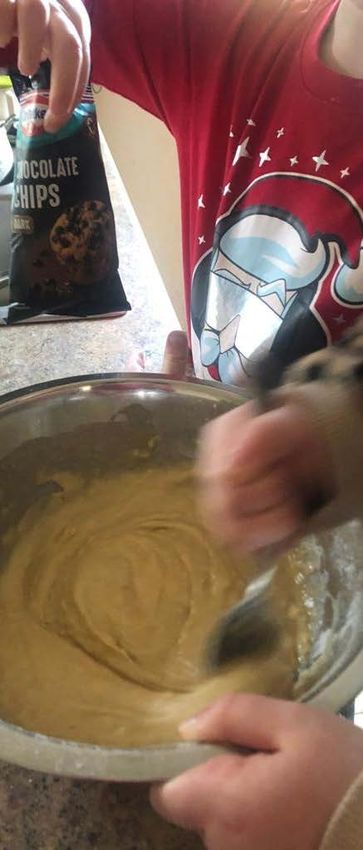
Community Food Initiative 2019-2021

Children’s involvement
• Parents were encouraged to involve their children in
  the preparation of the meal. Some projects encouraged
  children to join in on the Zoom chats along with their
  parents. For in person attendance, project organisers
  encouraged parents to bring their children along.
• Children loved using the safefood
  YouTube videos when cooking.
• Children enjoyed cooking other recipes from
  the 101 Square Meals recipe book, which was
  provided in hard copy to most participants.
• An indication of their enthusiasm and
  sense of achievement - the children wanted
  their own certs for taking part!

Providing ingredients                                        Trying new things
• A strong link with the local supermarket was               • The projects provide an opportunity to show
  developed and was key in projects which involved             people how to use equipment and ingredients
  providing ingredients to the participants.                   that they may not have used before.
• Huge excitement around the time of the delivery            • Many families did not have small pieces of equipment
  was seen, with children waiting at the door                  such as weighing scales or rolling pins. They were
  to see what they were getting and what they                  reassured this was not to be seen as a barrier to
  would be cooking that week. This meant that it               cooking and shown how to use other equipment
  was important to deliver the ingredients at the              such as cups for measuring ingredients.
  same time each week to establish a routine.                • People tried food that they would not have considered
• Interest in taking part was seen to be higher earlier        trying before. When people are on a low income,
  in the week (Monday – Wednesday), therefore                  they will not risk spending money on food that the
  delivery of ingredients on these days would                  family might not eat, but as the ingredients were
  increase participation and maintain enthusiasm.              provided for them, they were willing to try new
• One project encouraged families to walk to the local         ingredients such as, using celery in a stew or soup.
  shop to collect the ingredients to incorporate exercise.   • Tips were provided which included advice on
                                                               freezing and using leftovers and kitchen hygiene.
                                                             • Useful information was provided through
                                                               organised webinars. Nutritionists or dietitians gave
                                                               presentations on healthy eating for families and the
                                                               attendees had the opportunity to ask questions.
                                                             • Advice and guidance on topics such as
                                                               reading labels, which many participants found
                                                               intimidating gave participants confidence
                                                               when doing their own shopping.

10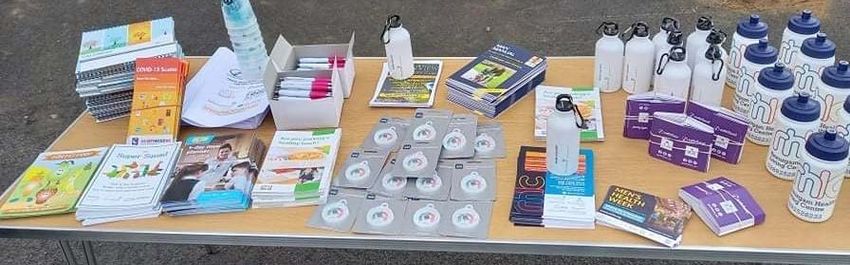
Healthy food, healthy families

Participant feedback
Feedback from participants was encouraged
                                                          safefood resource hub
• Photos, videos and texts were sent to                   safefood has developed a range of
  leaders documenting participants progress
                                                          online, video and print resources
  through the cooking process.
                                                          that can be used as part of programmes
• Participants were encouraged to feedback their
                                                          that support and encourage people
  families’ thoughts on the meal, their experience
  and if they would cook the recipe again.                to develop skills and knowledge
                                                          around healthy eating. Resources are
• Cook at home versions of popular take-away dishes
  were a huge hit. Families were delighted to be able
                                                          available to download on the CFI hub at
  to replace take-aways with their own home cooked        www.safefood.net/cfi-hub and hard
  versions and were surprised that they tasted so good.   copies of some print resources
• There was a definite change in shopping                 are available to order by emailing
  behaviour and less take-aways were bought               info@safefood.net.
  during and after participation in the projects.
• Lots of participants had not used zoom or other         Some of the resources that the CFI leaders found
  video platforms before. It provided the opportunity     most useful were:
  to show people how to use online technology.
• The impact of the project was measured                  • 101 Square Meals recipe book
  by asking participants to complete a                    • Recipe videos
  survey before and after taking part.                    • Setting up a home routine - Ten ways
                                                            to keep active & healthy at home
                                                          • How to involve kids in the kitchen
                                                          • Food Pyramid and The Eatwell Guide
                                                          • safefood START campaign
                                                          • Handwashing
                                                          • Family meal planning
                                                          • Food safety
                                                          • Healthy snack ideas
                                                          • Family budgeting
                                                          • Screen time limits
                                                          • Old-school active play - games for indoors
                                                            and outdoors

                                                          The resource hub can be found on the safefood
                                                          website: www.safefood.net/cfi-hub.

                                                          Follow safefood social media channels for up-to-
                                                          date information, recipes, and tips

                                                                                                                  11
Community Food Initiative 2019-2021
CFI leaders, community events & small projects
Examples of the community events and small projects run by the CFI leaders are included in
pages 12 to 40.
Ballyhoura Development
Community event
CFIs are encouraged to add value to their activities
through other sources of finance or through joining with
other organisations to host events or deliver projects.
Ballyhoura Development merged one of their community
events with ‘Ballyhoura science day’ as both events
were targeting a similar cohort and shared a similar
format. A greater community impact and reach were
achieved by joining the events under the one roof. This
free family event was hosted by Ballyhoura Development
CLG and funded by safefood and the Science Foundation
of Ireland. Practical support in organising the event
was provided by the University of Limerick (UL), the
Science Foundation of Ireland, Ballyhoura Heritage &
Environment, Ballyhoura Beo and Croom Development A cookery demonstration took place with the chef
Association. explaining how to cook healthy recipes from the 101
Square Meals recipe book. Families that participated
The well attended, full day event took place in Croom
in the demonstrations were given sample tools and
Sports Hall, with demonstrations and talks timetabled
ingredient packs to take home which included measures,
throughout the day. Steering Group members manned
herbs and spices, and ingredients to support them to
information stations and the collaboration with UL,
recreate the meal.
fostered through the Steering Group, was of particular
benefit as a resource for attendees at the event. Participants of the CFI were involved in the event,
showcasing three small projects from 2019 at their
Attendees received an event pack containing materials
own stand and presenting one of the scheduled talks.
relevant to the CFI themes which included the safefood
Participants were interviewed by the facilitator and
101 Square Meals recipe book and advice leaflets on
answered questions from the audience and shared what
different aspects of healthy living. They also received
they gained through their involvement in the project.
a copy of the Healthy Eating Toolbox booklet that was
developed by Ballyhoura Development in partnership As part of the wider educational efforts around the CFI
with some of the CFI project groups and six students themes, there was a station dedicated to the “Know Your
from the MSc in Human Nutrition & Dietetics at the Food Pyramid Challenge” where cooking equipment was
University of Limerick. Participants could visit all the provided as prizes to the five fastest participants. This
different activity stations which included: Learn the allowed increased engagement with the general public
Science of Superheroes, mini zoo, climbing wall, mobile around healthy eating and proved very popular with the
laboratory, children’s entertainment, and art & crafts. 200 parents who entered the competition.
12Healthy food, healthy families
Small project The tutor, provided by Limerick & Clare Education &
Training Board (LCETB), was excellent at putting the
Ballyhoura’s small project was based in the village of children and parents at ease. Families enjoyed each
Hospital, Co Limerick during September and October weekly session and were fully involved in all aspects of
2020. It was coordinated by Hospital Family Resource their own learning.
Centre who recruited the families and supported them
to attend. Youthreach Hospital provided the use of their The provision of ingredients was a really important
training kitchen during the five weeks. element of the small project, and the experience of
delivering remote small projects during lockdown
The project was delivered in person but due to Covid-19, strongly highlighted the need that existed within the
the class was divided into two to allow for social community. It levelled the field in terms of access to
distancing, this resulted in a more intimate learning ingredients and added greatly to the engagement in this
experience. Six parents, and eleven children of primary and the other CFI events and projects that Ballyhoura
school age took part in the weekly sessions to learn how Development facilitated throughout the Covid-19
to cook dishes that were fun and easy to prepare. lockdowns.
Recipes were sourced from the safefood 101 Square The feedback from the project was very positive, showing
Meals recipe book and ingredients were supplied through all the children and their parents loved the weekly
CFI funding. Parents allowed their children to be hands- cookery sessions. The provision of the ingredients
on with the food preparation and cooking to learn basic each week through the CFI funding was a very positive
cookery skills and to better understand how dishes came element as the families did not know what they would be
together using easy to follow recipes and ingredients. cooking each week, and this really added to the fun and
excitement of the classes. Some of the families attending
Each week parents and children went through the were very vulnerable and therefore the provision of the
Healthy Eating Toolbox provided by the UL students ingredients meant they could attend without being
which was developed under the guidance of Dr Anne under pressure due to costs.
Griffin who is a lecturer in Nutrition and Dietetics at
UL. The Toolbox includes information on food safety Agencies working together to provide either funding for
& hygiene, healthy eating, healthy lunch boxes, food, information, teaching space or other resources
understanding food labels, food waste, and food was a very positive aspect of the overall project and its
budgeting. A folder was given to each family at the delivery in the community. Due to its success, the family
start of the course which included the Healthy Eating cookery programme showcased here has continued to
Toolbox and the recipes and guidance that they received be offered by the Hospital Family Resource Centre as a
from the tutor each week. This enabled them to build a mainstream support to families.
personal journal of learning, which in turn helped them
to continue to make long term changes in their home
cooking after the completion of the programme. They
were presented with the 101 Square Meals recipe book
during the final session.
Each family had the use of a full teaching kitchen which
provided the space to learn how to cook a complete
dish from start to finish including how to read a recipe,
measure ingredients, chopping up raw food and cooking.
Not only did the families learn to cook but they also
improved their overall communication skills and learnt to
share a workspace and equipment whilst having fun with
their families.
13Community Food Initiative 2019-2021
Carlow County Development Partnership
Community event • the importance of having a shopping list
• healthier alternatives
This evening event centred around a cookery
demonstration that was held in St Joseph’s National • how to safely store and freeze foods and
School in Hacketstown, Co Carlow in December 2019. how to use them in alternative ways.
It consequently had a Christmas cooking theme with
Feedback was extremely positive, with the event still
interactive cooking demonstrations, tastings, and a
spoken about in the locality as being a success. On the
question-and-answer session throughout the evening.
evening, participants of the small projects received
The event was hosted by Carlow County Development
their certificates of participation, which provided an
Partnership in conjunction with St Joseph’s National
opportunity to speak about the work of the CFI and the
School and Hacketstown Community Group who helped
benefits of taking part in the 2020 programme.
with the promotion of the event.
The cookery demonstration was hosted by a well know
Small project
chef, and the professional delivery of the event enhanced
the reputation of the CFI locally. It demonstrated to the The purpose of Carlow County Development Partnership’s
community and the participants the importance of the small project was to enable the participants to gain new
work of the CFI for the Steering Group members which skills around the preparation and cooking of meals for
resonated with the participants. As a result of the event, their families that they could easily replicate again at
there was huge interest in participating in the small home. The focus being recipes that they could prepare
projects in 2020. and adapt for several different meals and school lunches.
During the evening the chef spoke through the following The six-week, practical, skills-based project was delivered
useful hints and tips: virtually via Facebook Messenger and supported by
• planning and preparation of ingredients WhatsApp between October and December 2020. Overall,
• how to make dishes go a little further 37 participants took part, split into two groups.
14Healthy food, healthy families
Recipes were based on popular dishes purchased from takeaway alternative which are seen as ‘quick’. In the run
takeaways and were referred to as “Fake-away”. The up to Christmas, one session was dedicated to how to
project enabled participants to replicate their favourite prepare a typical home-made Christmas dinner.
take away foods in a healthier, more nutritious, and
cheaper manner. The project encouraged self-reflection and evaluation
by looking at participants own behaviour around food
The provision of the ingredients provided a great including eating, cooking and shopping habits. The
incentive for participant engagement. Although classes were very interactive with dialogue and questions
participants were provided with an ingredient box at encouraged with the tutor as well as with other members
the start of the project, they needed to pick up meat of the group. The CFI leader contacted each member of
from the local butcher shop on a weekly basis. Feedback the group on a weekly basis to offer encouragement and
from the participants showed many would not usually to help if needed.
have shopped in a butcher shop and because they
were going in to pick up the meat for the classes, they Creating a WhatsApp group was a fantastic way of
were also buying other fresh produce in the shop. engaging and bringing a social element. The WhatsApp
group allowed the tutor and the CFI leader to maintain
Each participant received all the ingredients for each contact with the participants between classes and the
recipe but were required to pick up meat from the participants to share their successes, and experience
local butcher weekly. The pack also included a copy of with each other in an informal environment. Recipes
101 Square Meals recipe book, portion plates for both were posted to the group during the week to allow the
children and adults as well as other materials provided by participants to prepare before classes.
safefood and other organisations that would be relevant
to the group. Participants engaged with great interest and were keen
to learn and upskill their cookery knowledge. Many
During the sessions, the tutor referred to safefood questions were asked and answered along the way and
resources and encouraged participants to read them. people loved the fact that they could take part in this
These included top five tips for quick meals, eating on a cookery class in their own home. It alleviated much
budget, cheaper cuts of meat, how to get children to eat stress for many, as for various reasons they were unable
healthy food, shake the salt habit, serving sizes, tips to to leave home. Using the Facebook Messenger app
reduce portion sizes, top ten ways to make your dishes provided a perfect platform for the groups to enjoy, bond
healthier, drinks, weekly meal planner, and why family and learn together with participants posting photos of
meals matter. each meal they prepared at home. Much was learned and
friendships were made through people sharing ideas. All
Key messages in the classes focused on ingredients from participants shared a keen interest in joining cookery
the food pyramid and the importance of these in the diet, courses in the future.
kitchen hygiene, fridge, and pantry maintenance along
with preparing a shopping list, meal planning, leftovers,
ideas for healthy breakfast and healthy snacks.
There was an emphasis on simple recipes and a back-
to-basics approach to cooking such as how to make
a basic sauce like tomato ragu, a move away from
ready-made sauces that contain high levels of salt and
sugar and batch cooking soups, sauces and main meals
from scratch which can be frozen. The tutor gave the
participants ideas on how to make meals stretch further
and how to prepare for multiple meals at once. Estimated
costs of each meal were provided and the tutor would
discuss how this compared to other shop bought /
15Community Food Initiative 2019-2021
County Armagh Community Development (CACD)
Community event school was very helpful in promoting the CFI programme
and the recruitment of parents to the events.
CACD decided to run their community event over two
evenings in December 2020. Each session was highly Each participant received an information pack containing
interactive with the facilitators maintaining engagement resources from a breadth of organisations along with a
through various activities to reinforce learning. child and adult sized portion plate which were provided
Participants were encouraged throughout both sessions by safefood along with the following safefood resources,
to share information and to ask questions. 101 Square Meals recipe book and healthy eating leaflets.
The SHSCT also provided a leaflet on keeping teeth
The first session introduced the Eatwell Guide, which healthy, a toothbrush and toothpaste. Resources from
demonstrates how each food group contributes to the pack were incorporated into the two sessions.
achieving a healthy, balanced diet, and explained how to
use a portion plate effectively. In advance of the sessions, the participants were
requested to download the free Change 4 Life Food
The second session concentrated on food labelling and Scanner app onto their phones. During the session
the use of the ‘Change 4 Life Food Scanner app’. The participants had the opportunity to scan food products
traffic light labelling system used on food packaging found in their kitchen to look at the nutritional
was also explored. The presentations were delivered by information on them and ask questions. Facilitators
trained Good Food Toolkit facilitators who had received organised activities for the participants which included
training from dietitians from the Southern Health & filling in food diaries and how to use the portion plates.
Social Care Trust (SHSCT). The Good Food Toolkit is used
to help people understand and enjoy healthy eating and A WhatsApp group encouraged the parents to support
to ensure that the nutrition information provided is and encourage one another around healthy eating and
accurate and practical. the facilitators were able to use the group to reinforce
the messages provided during the sessions. Feedback
The focus of the two sessions was to introduce parents from parents indicated that they found the two sessions
of children who are attending a local nursery or primary informative and helpful, and the free Change 4 Life Food
school, to the concepts of healthy eating. Parents would Scanner app was particularly useful when they were
then go on to take part in one of the small projects. The shopping for their families.
16Healthy food, healthy families
Small project
CACD ran an online, six-week programme titled ‘Cook It!’ in
early 2021 via Microsoft Teams. Eight parents and fourteen
children took part in the programme which was delivered
by two Investing for Health Officers from Banbridge
and Craigavon Borough Council. Each week tutors, who
had received Cook It! facilitation training, delivered a
presentation on a different element of the Eatwell guide
and demonstrated a recipe to correspond with the topic
that week. The Cook It! format offers hands-on, practical
experience on cooking and preparing food, as well as
improving knowledge of healthy eating and food safety. To
encourage maximum participation parents were consulted
as to the time which would suit them to run the session.
Each week, the participants collected a bag of ingredients
from the local supermarket which allowed them to practice
cooking the meal that had been demonstrated that week.
Participants were encouraged to share photographs of
their family preparing the meal or to show the result on
the WhatsApp group. Interaction between the participants
was encouraged during and between the sessions.
The weekly sessions were as follows:
Recipe Demonstrated Food for Health Topic
Food for Health: introduction to the Eatwell Guide, basic food hygiene
Session One: Chicken Tikka & Salad
at home practical cooking
Wheaten Bread and Finding out about Fibre: potatoes, bread, rice, pasta and other starchy
Session Two:
Carrot & Lentil Soup carbohydrates food group
Session Three: Rainbow Rice Fabulous Fruit & Vegetables: fruit and vegetables food group
Session Four: Gammon & Leek Pasta Counting on Calcium: dairy and alternatives food group
Protein Providers: beans, pulses, fish, eggs, meat and other proteins
Session Five: Chicken Curry
food group
Session Six: Ulster-style Pizza Oils and spreads and foods high in fat, salt and sugars, food labelling
Each participant received a Cook it! certificate at the conclusion of the project and there was very positive feedback
from participants:
“we loved it…Bobby made 2 loaves again this morning and they’re gone already. The kids couldn’t get enough of it.
And as for the soup they’ve asked for more to be made tomorrow and Bobby wants some for work too so I’m going
to try and double/triple the recipe”
17Community Food Initiative 2019-2021
Co Wicklow Community Partnership
Community event
The focus of this online community event was
Nutrition & Family Wellbeing. A CORU registered dietitian
presented via Zoom in May 2021 with an opportunity
for audience questions. The event was coordinated and
hosted by County Wicklow Partnership assisted by the
CFI Steering Group members.
Thirty-nine people attended the event live. The
presentation was available to view on YouTube for one
week after the event and was viewed 89 times.
The ‘Eventbrite’ platform was used for registration which
the organisers found very useful as it compiled all details
and correlated reports such as number of registered
participants versus number who actually attended. The
platform also facilitated scheduled reminders.
The dietitian spoke on the following topics;
• The importance of vitamins and minerals
and how they connect to mood Organisation of the webinar included consultation with
Steering Group members on the topic and speaker,
• Antioxidants and the gut brain axis
arranging the date and time, creating the event on Zoom
• The importance of a rich and full and Eventbrite, administration, queries from attendees
breakfast, lunch, and dinner and all components of the evaluation (writing the
• Mood boosting snacks questions, inputting to Survey Monkey, emailing the link
to participants and gathering and collating feedback).
• Child friendly recipes
• The importance of fluids and exercise in providing a Attendees received an information pack by post which
holistic approach to wellbeing for the whole family included information about each Steering Group
• Stress, exercise, and its relation to diet member’s organisation and the resources they provide on
healthy eating, such as ‘Healthy food Made Easy’ leaflet
Participants were encouraged to write questions in and a recipe leaflet, the Tusla contact page and wellbeing
the chat box during the presentation which provided resource, Wicklow Child & Family leaflet, SICAP leaflet
discussion topics between attendees and the presenter. and Wicklow Sports Partnership Activities Leaflet. They
Many questions focused on ‘fussy eaters’. The dietitian also received safefood resources on healthy lunches,
gave practical suggestions to the parents on how to deal facts about drinks, breakfast cereal, the Food Pyramid
with issues as they arose. For example, she encouraged poster and a healthy food planner. In addition, they
parents to give only a teaspoon amount when received an information sheet from the speaker and the
introducing new food to children until they were familiar Eat Smart, Move More booklet. Attendees were invited
with the taste. Immediate feedback on the day and later to email the CFI Co-ordinator to receive a pdf copy of the
feedback through Survey Monkey was very positive. 101 Square Meals recipe book.
18Healthy food, healthy families
Small project were organised to suit the ingredients and avoid food
waste as some ingredients were used in multiple recipes.
This online small project took place during the first
week of the school holidays in July 2021, at a time when The online sessions were delivered via Zoom and all
children were still in tune with routine. The project the participants were encouraged to interact with each
promoted healthy eating among young children aged other and the facilitator. The sessions began at ten
2-7 years and their parents and provided an exciting each morning and were scheduled for one hour, but
opportunity to explore new food and cooking as a family. each session ran over due to the interest shown by the
Five families including five parents and thirteen children participants. The families had gotten used to Zoom
took part. A decision was made by the facilitator and during lockdown and were able to log in without issue.
the CFI Co-ordinator to restrict the number of adults However, support was available to participants prior to
to five, due to the number of children involved and the the session to deal with any connection issues.
enthusiasm, chat and questions that would come from
children of this age. A trained Health Service Executive (HSE) Healthy Food
Made Easy and Cool Dudes facilitator was identified that
Participants were identified with the help of some would suit the needs of this group and the facilitator
schools in south Wicklow who passed the information contacted all participants through individual emails and
to potential participants. During the planning stage of phone calls. The information pack that was delivered to
the project, parents discussed at length with the CFI the participants included a Food Pyramid poster, an Eat
Co-ordinator how their children were fussy eaters and Smart, Move More Booklet, safefood leaflets including
that mealtimes could be a battlefield. This helped set the Fuel Your Body, Healthy Lunches and facts about drinks,
theme for the course. Sports Partnership activity leaflets, a Cool Dudes HSE
Booklet, a safefood junior portion plate and a copy of the
A pack containing ingredients and information was 101 Square Meals recipe book.
delivered to all participating families on the Monday
and this face-to-face interaction helped to soothe any The content of the four sessions was delivered to the
nervousness the families might have had. The pack group using the Cool Dudes handbook and through
contained all the ingredients for the recipes that would group discussion and activities:
be taught during the week and was a definite incentive
for families who would be deterred for financial reasons Topic for discussion: hygiene, quiz,
from taking part in the course. It also took the pressure off food pyramid and food diary
parents to purchase the ingredients before the course. This Session One:
also proved to be more economical for the CFI as recipes Cook: easy vegetable soup
Topic for discussion: nutrition
including fluids, stacking a fridge
Session Two:
Cook: wedges and chicken fingers.
Topic for discussion: portion sizes,
importance of fruit, treats
Session Three:
Cook: fruit on stick and banana
buns
Topic for discussion: recap and
evaluation
Session Four:
Cook: quick pizza and cookies
19Community Food Initiative 2019-2021
There was a great atmosphere throughout each session Direct communication over Zoom was at times
with the families engaging well and all were very willing challenging but all participants enjoyed the course and
to learn. The children were involved in all aspects of the the parents expressed that it was a lot less stressful than
course and participated well with the peer leader. An they imagined it would have been. Parents agreed that
energetic round of happy birthday could be heard at the having as much as possible prepared in advance before
start of each call as the children washed their hands. the session started was essential as it provided a smooth
While the recipes were all child friendly, the fruit on transition for the children. It also promoted more family
the stick was by far their favourite. The families were time before the course started. The measuring plate was
engrossed in this activity and could be seen enjoying great as a prop while talking about portion size. During
them as the class progressed. The homemade pizzas also future courses, visual cue cards will be used to overcome
went down a treat. some loss of sound while cooking.
Some feedback included:
‘I liked the soup and learning about where the fridge stuff goes in the fridge. I didn’t like the pizza. The leader was
really good she was a very good teacher. It would be great if we made chocolate cake next time’. – 6 year old
‘It was good. I really liked making the cookies because they were yummy. I learned that vegetables are good for
your body. I loved the week so much I want to do it again’ – 4 year old
‘The course was great because I don’t cook too often with the girls so it was nice to be able to do it and have other kids
on zoom as well. It was so handy having all the ingredients provided so I didn’t even have to worry about that’ – parent
Dublin North West Partnership (DNWP)
Community event
The Ballymum Book Exchange is a monthly event
that takes place in Ballymun Civic Centre where over
1,000 free books are available for the residents of the
community to take home and where they can swap
their own pre-loved books. The event takes place on
the first Thursday of every month and usually over 250
people arrive to browse and swap books. One of the
most popular aspects of the event are the story-reading
sessions aimed at young children aged from 0 to 4 years.
free of charge and volunteers from the Ballymun Book
Dublin North West Partnership attended the August 2019 Exchange assisted with the delivery of the healthy eating
Exchange event where they set up an information stand event. The HSE dietitian provided talks on healthy eating
and provided cookery demonstrations and healthy eating and answered questions from the audience.
talks. 378 people attended that day.
One of the Healthy Food Made Easy tutors from the DNWP
All the Steering Group members were involved in the tutor panel provided live demonstrations and provided
organisation, promotion and delivery of the event. The samples of healthy food for the audience members which
Ballymun Civic Centre allowed them to use the venue were prepared using recipes from the 101 Square Meals
20Healthy food, healthy families
recipe book. There was an information stand providing
safefood information leaflets and copies of the 101 Square
Meals recipe books which were provided by the HSE and
safefood. Participants could also get information about
the CFI and sign up with DNWP for their 6-week Healthy
Food Made Easy course. After the success of this event,
DNWP provided an information stand at each subsequent
Book Exchange event.
The Steering Group members who were involved in this
Small project small project included St Helena’s FRC who helped with
recruitment and provided the use of their premises and
Dublin North West Partnership worked closely with access to their creche free of charge. Project Workers
members of their CFI Steering Group to organise and from Tusla provided the mindfulness sessions free of
deliver this four week programme which incorporated charge and were on hand to provide support in the
nutrition, the value of physical exercise, mental health creche. St Helena’s FRC CE Scheme provided extra
and options for cooking healthy meals including workers to assist with the children who enjoyed arts and
breakfast, snacks, lunches and dinners. A blended crafts, painting plant boxes and planting vegetables.
approach was used in the delivery of the programme The safefood funding was used to pay for the ingredient
which took place during July and August 2020. packs and the cookery and exercise tutors.
It was the first time that DNWP had organised and The cookery sessions were delivered via Zoom by a HSE,
delivered a course after the first Covid-19 lockdown Healthy Food Made Easy trained tutor. The tutor met
and they wanted to try to deliver as much of the with the group during the morning session to discuss the
programme with the participants present while following recipe that they were going to be working on later that
government guidelines and protocols. The main reason afternoon and to gain feedback on how the participants
why they wanted to have the participants present was were progressing. At the end of the morning session,
that in preparing for the project, they discovered that the participants collected their ingredient pack from the
all the participants had been very isolated during the tutor. During the first morning session, assistance was
lockdown and were eager to participate in an activity provided to anyone who was not familiar with Zoom and
with people from outside of their immediate family. the WhatsApp group was set up. Participants used the
WhatsApp group to send photos of what they had cooked
DNWP had planned to use the kitchen in the Family and to chat with one another and discuss their progress
Resource Centre (FRC) for the cookery demonstrations but each week with the tutor. All the recipes came from the
learned just before the start of the project that this would 101 Square Meals recipe book and each participant received
not meet with Covid regulations. They then decided to a copy of the recipe book along with safefood information
deliver the cookery element live via Zoom. They looked leaflets and the adult and child sized portion plates.
at other ways to bring the group together and decided
to hold an exercise class in the FRC on the morning of The group was restricted to five families so that they could
the cookery class. This fulfilled a couple of objectives meet within Covid regulations when they brought the
in that it allowed them to bring the group together in a group together and to be able to support both the parents
safe, socially distant environment while they took part and children during the online classes. The feedback from
in the class. During the class the participants were also the families was very positive and everybody was thrilled
introduced to mindfulness and the importance of looking but nervous to be participating. They felt that they had
after their mental health. While the parents were at the learned the value and importance of ensuring a healthy
exercise class, the children were in the creche where they eating lifestyle for their families. The feedback from the
took part in games and other activities. After the class, Steering Group members was also positive and they were
the families collected their ingredient packs which they able to apply the learning from this course in the delivery
would need for the cookery session that afternoon. of further courses throughout the year.
21Community Food Initiative 2019-2021
Galway City Partnership (GCP)
Community event healthy hamper and in order to enter, people had to visit
all the information stands to find the answers. Steering
Galway City Partnership organised their first Community Group members helped with promotion and distributing
event in Ballybane Community Garden in July 2019 in flyers. In addition, press releases were sent to local media,
conjunction with Ballybane Taskforce. The family friendly an interview was given to Galway Bay FM News and social
event, which attracted over 250 people was held as part media channels were also utilised.
of the Ballybane Community Garden Annual Harvest
Day and aimed to promote awareness and knowledge of The feedback after the event was very positive and
healthy eating in an interactive and fun way. parents were appreciative of the opportunity to speak to
a nutritionist in an informal setting. Parents and children
The stands provided people with the opportunity to engage enjoyed trying new foods together at the healthy food
with agencies involved with healthy shopping, meal station and the intergenerational nature of the event was
planning and budgeting. There was lots of information noted by some participants. The activities for children,
available at the event from the Senior Community the music and face painting created a fun atmosphere.
Nutritionist from the HSE Community Nutrition and
Dietetic Service, MABS Galway and Galway City Partnership.
Croí Health Team provided free blood pressure checks and Small project
lifestyle advice and Galway Sports Partnership organised
a variety of fun activities for children. Galway Childcare The Winter Family Cooking Programme was delivered
Committee hosted a stand and provided a mud kitchen for over four weeks in November and December 2020 to
children to use on the day. The Community Garden also had families living in Ballybane, Doughiska, Ballinfoyle and
a lot to offer including tours of the garden, healthy pizzas Carrowbrowne. In total, twenty-eight families participated,
from the cob oven, home baking, face painting and music. and each family had at least one child under 12 years of age.
City East Family Services (Tusla Child & Family Agency) Galway City Partnership coordinated and supported
prepared and hosted a healthy food station, using recipes organisations in their delivery of the project and GCP
from the 101 Square Meals recipe book which included community development staff played a key role in
the 5-day lunchbox planner, a graze box, fruit salad and creating links and supporting the work with local
red rooster smoothie. Its purpose was to give parents agencies and families on the ground. A collaborative
ideas for healthy lunchboxes and snacks and offered approach was taken to planning the programme delivery,
children the opportunity to try new healthy food. with trained Healthy Food Made Easy (HFME) Leaders
working together to decide on weekly recipes and the
Members of the Steering Group provided resources free of key messages to be shared. HFME Leaders with Foróige,
charge including Galway Sports Partnership who provided Galway Roscommon Education & Training Board (GRETB)
tutors and Ballybane Community Resource Centre who and Tusla Family Services coordinated the programme
provided access to their kitchen for food preparation. in each area and recruited the families who took part.
Ballybane Taskforce secured funding from another source In addition, they selected the recipes, distributed
to cover the costs of music and face painting which was information, liaised with local shops, supported the
central to attracting families. There was a draw for a families each week and reported on the project. The HSE
Community Nutrition & Dietetic Service provided support
to HFME Leaders delivering the remote projects if needed
and the local shops prepared the ingredient packs each
week for participating families.
To overcome literacy and language issues, Tusla Family
Services, created a visual ingredient list and method
22Healthy food, healthy families
for each recipe, which they shared with the other HFME
Leaders. All recipes were taken from the safefood
YouTube channel and the 101 Square Meals recipe
book. The ingredient lists and method were printed and
laminated and included in the ingredient pack each week.
Tusla Family Services also prepared a ‘What you’ll need
from the kitchen’ document to accompany each recipe,
highlighting key pieces of equipment and kitchen safety
points. Each family participating in the project received and to ensure that they did not feel overwhelmed with
a Healthy Galway City bag containing a copy of the 101 all the information. With permission from participants,
Square Meals recipe book, a Healthy Galway City pen and a WhatsApp group was set up in one of the areas, where
an adult and child portion plate from safefood. families could chat with each other about the recipes and
share photos of their finished dishes.
Before the programme started, each family received four
tickets to collect the ingredient pack each week from their This remote cooking project was first piloted in May 2020,
local shop. Each ticket had a code, which allowed those in response to COVID-19. The project evolved from a
coordinating the programme in each area to identify families multi-agency network meeting, involving local agencies
who had not collected their ingredient pack. Those families working together to ensure the needs of the community
who had not collected their packs could then be contacted were being met. During the initial stages of the COVID-19
and reminded and this also provided an opportunity to restrictions, there were concerns from families and young
discuss any issues. Where families were unable to collect people presenting with low motivation, altered sleeping
the packs (single parents/ families without transport), the routines and increased tension in the home. Cooking was
ingredients were delivered to their home. The ticket system identified as a positive way to engage and support families
was an important learning from the pilot project. during the outbreak, to promote a healthy lifestyle and to
help alleviate some of the difficulties being experienced.
In some of the areas, families had to collect the ingredient
packs at set times each week, while in the other areas, The project was a great success and the families really
families were notified by text when the ingredient packs enjoyed it as during the lockdown, the project gave the
were ready to be collected from the shop. Each family was families an outlet and an extra interest when movement
supported by Foróige, GRETB and Tusla Family Services was restricted. In some families, it was the young
staff by phone or video call each week, depending on their teenagers who did the cooking, and, in most households,
needs. The portion plates gave HFME Leaders with Foróige, the younger children also got involved in the preparation
GRETB and Tusla Family Services the opportunity to speak and cooking. The agencies involved in the delivery
to the families about the difference between an adult and reported that there was greatly improved communication
a child sized portion, and the amount of each food group between the support agencies and the families during a
recommended on a dinner plate. Families used photos to particularly challenging time with Covid-19.
record the cooking process and the finished product each
week and sent them to a staff member each week. This Most of the mothers were able to cook, however, they
ensured participation, allowed HFME Leaders to support were delighted to learn new dishes and having the
and encourage the families, and share key messages in ingredients supplied, allowed them to experiment with
relation to healthy eating. new foods, particularly with herbs and spices, which they
really enjoyed. Families appreciated the regular contact
Foróige, GRETB and Tusla Family Services staff engaged from the support staff and the face-to-face contact was
with families before and during the programme. In very important as the participants enjoyed discussing the
some instances, face-to-face contact was made with meals in person, rather than just online. The WhatsApp
participants while maintaining a social distance and group was very effective, and the families want to
wearing face masks. As literacy/ language barrier was connect more with other families in the area, would like
a problem for some families, it was important to meet to meet up when possible, to share ideas, recipes, meals,
with them to explain how the programme would work via zoom or face-to-face once safe to do so.
23You can also read


