HELPING NEIGHBORS - Central New York Community Foundation
←
→
Page content transcription
If your browser does not render page correctly, please read the page content below

COVID-19 SUPPORT:
A REPORT TO THE COMMUNITY

                            NEIGHBORS
                              HELPING
                             NEIGHBORS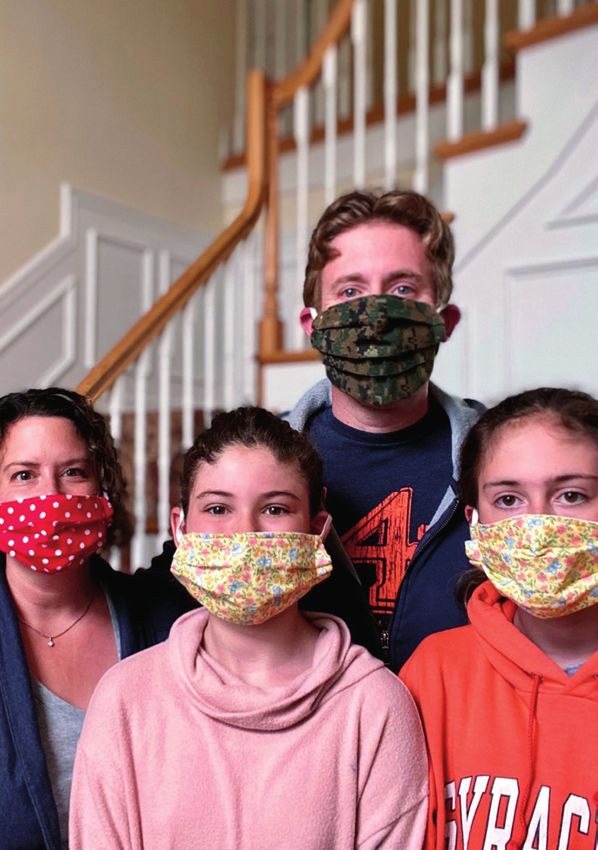
PETER A. DUNN             CASEY CRABILL, ED.D.
                                                                                                                          PRESIDENT & CEO           CHAIR, BOARD OF DIRECTORS

                                                                       DEAR FRIENDS,
                                                                       As the novel coronavirus spread                    services to meet emergent demands. Grants
                                                                                                                          were distributed to address heightened access
                                                                       across the world and into our                      gaps associated with the digital divide and to
                                                                       communities, the immediate                         support increased need for food, emergency
                                                                       effects were devastating and                       child care, telehealth and mental health services,
                                                                                                                          feminine hygiene products, cleaning supplies,
                                                                       profound. From the staggering                      and PPE (personal protective equipment). Many
                                                                       number of lives lost, to the many                  churches emerged as community hubs and
                                                                       more lives threatened and                          received grants to distribute food, supplies
                                                                                                                          and information to hard-to-reach populations.
                                                                       disrupted, we were thrust into
                    NONPROFITS RESPOND           3
                                                                       a period of uncertainty and                        Community members, too, responded with
TABLE OF CONTENTS

                                                                                                                          flexibility and creativity. Individuals, families and
                                                                       change that continues to this day.
                                                                                                                          collegiate groups volunteered to assist on the
                    FOUR CENTERS, ONE NEED               7
                                                                       As a community, we responded in extraordinary      front lines; some organized fundraisers, including
                    MERCY WORKS STEPS UP             8                 ways. Teachers became distance learning experts    a virtual lemonade stand and livestreamed
                                                                       and IT professionals, parents became classroom     concerts. Community Foundation donor-advised
                    ANSWERING THE CALL           9
                                                                       aides and in-home guidance counselors, frontline   fundholders made gifts from their funds to
                    DONORS RESPOND          10                         workers became first responders, and we were all   the COVID-19 Community Support Fund. Many
                                                                       challenged to find new ways to work together and   generously passed along their federal stimulus
                    COVID-19 COMMUNITY 13                                                                                 payments to support these efforts. And still
                    SUPPORT FUND GRANTS                                support each other while physically apart.
                                                                                                                          more individuals, families, and corporate and
                    AFFILIATE & REGIONAL FUNDS                18       That’s what this report is about: Central New      foundation donors thoughtfully gave time and
                    RESPOND TO RURAL NEEDS
                                                                       Yorkers responding in unprecedented ways to        resources to help our neighbors most in need.
                                                                       an unprecedented crisis. Guided by the Council
                    MADISON COUNTY RURAL             20                                                                   The health and economic effects of the pandemic
                    POVERTY FUND GRANTS                                on Foundations’ pledge to “act with fierce
                                                                       urgency to support our nonprofit partners,         deepened inequities that have long plagued
                    CAYUGA COUNTY COVID-19                   21        as well as the people and communities hit          our communities due to systemic racism and
                    FUND GRANTS
                                                                       hardest by the impacts of COVID-19,” the           poverty. While there are still many unknowns
                    OSWEGO COUNTY COVID-19                   22        Community Foundation responded by shifting         about what the coming days will bring, one thing
                    FUND GRANTS
                                                                       its grantmaking to prioritize emergency relief     is clear — we cannot shift back to normal. We
                                                                       efforts in Onondaga, Madison, Oswego and           must, in service to our vision to create a thriving
                    WOMEN’S FUND OF CENTRAL                  23
                    NEW YORK GRANTS                                    Cayuga counties.                                   Central New York with opportunity for everyone,
                                                                                                                          move forward to enact equitable systemic
                    GREATER PULASKI COMMUNITY                     24
                    ENDOWMENT FUND GRANTS                              In March and April, we committed initial           change. As we look ahead toward recovery and
                                                                       funding and administrative assistance to           rebuilding, we pledge, in the words of the Council
                    THANK YOU TO OUR DONORS                   25       create a series of COVID-19 support funds          on Foundations, to “learn from these emergency
                                                                       across our service areas, in partnership           practices and share what they teach us about
                    STAFF & BOARD BACK COVER
                                                                       with local government and regional funders.        effective partnership and philanthropic support,
                                                                       These new coalitions have resulted in              so we may consider adjusting our practices more
                                                                       stronger collaborations, streamlined resource      fundamentally in the future, in more
                                                                       deployment and, most importantly, responsive       stable times, based on all we learn.”
                                                                       grants to nonprofits working with communities
                                                                       that are disproportionately impacted by
                                                                       economic consequences of the pandemic.

                                                                       Nonprofits responded in kind, forging new          Peter A. Dunn           Casey Crabill, Ed.D.
                                                                       partnerships and adapting programs and             President & CEO         Chair, Board of Directors

                    Confirmed in Compliance
                    with National Standards by
                    the Community Foundations
                    National Standards Board

 2 |                C E N T R A L NE W YORK COM M UNITY FO UND ATI ON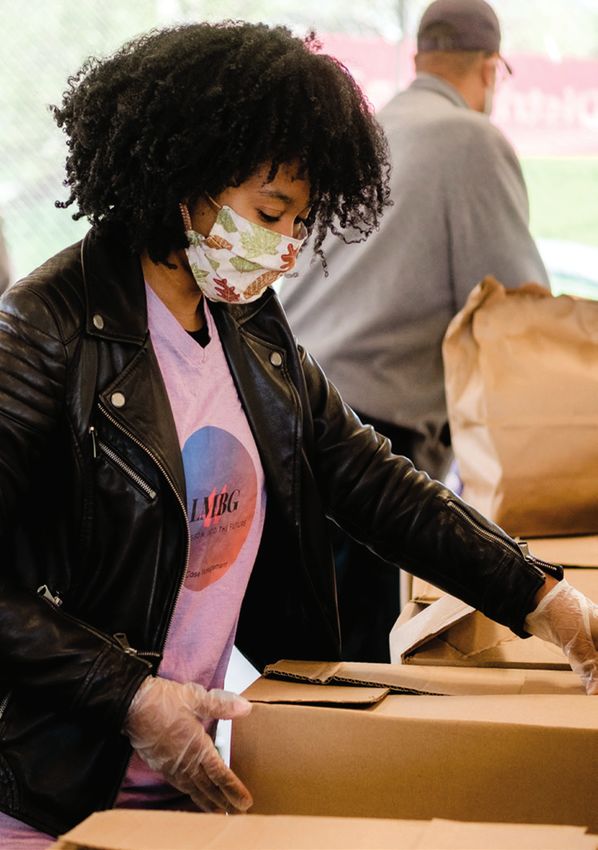
NONPROFITS
                 RESPOND

| MERCY WORKS
                       C OVI D- 19 S UP P OR T: A R EP OR T TO THE C O M M U NIT Y   | 3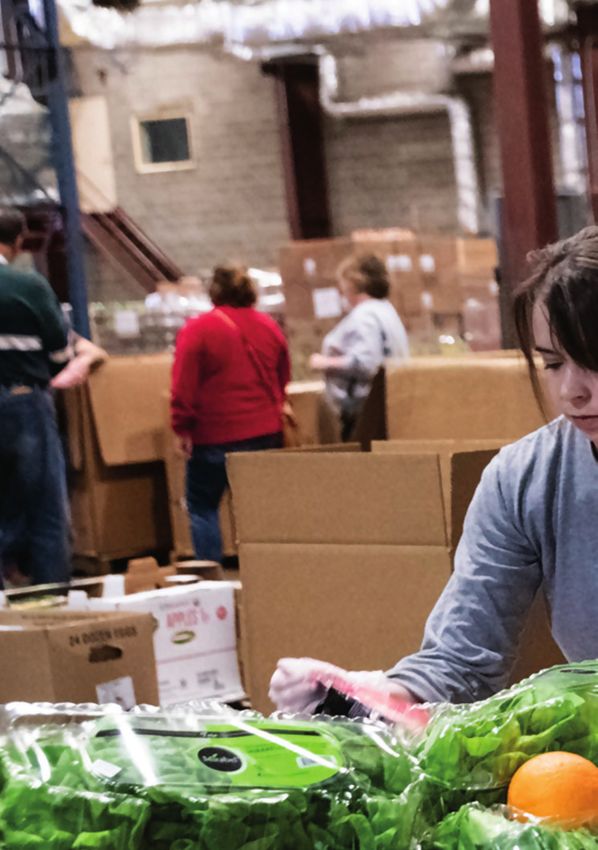
ALL HANDS ON DECK
      TACKLE COVID-19 CHA
                                                          O    fficials confirmed Onondaga County’s first case of the novel
                                                               coronavirus on March 16. Two days later — with daily life

      “MANY OF OUR                                        upended and emergency needs emerging quickly — the Community
                                                          Foundation and partners introduced the COVID-19 Community
                                                          Support Fund.
      NEIGHBORS FACED
                                                          The fund, administered by the Community Foundation in
      DISPROPORTIONATE                                    partnership with the United Way of Central New York, the City
                                                          of Syracuse, Onondaga County, the Allyn Family Foundation, the

      CHALLENGES DUE                                      Dorothy and Marshall M. Reisman Foundation and the Health
                                                          Foundation for Western & Central New York, supported immediate,

      TO UNEXPECTED                                       basic needs of nonprofit organizations working with residents
                                                          impacted by the consequences of the virus.

      TIME OFF FROM                                       By the end of March, the Community Foundation’s affiliate funds
                                                          in Pulaski, Oswego and Cayuga counties, the Women’s Fund of
      WORK, UNPLANNED                                     Central New York and the Madison County Rural Poverty Fund
                                                          had announced emergency COVID-19 funds as well.
      CHILD CARE OR                                       “There was a staggering increase in demand in a very short time,”

      HEALTHCARE EXPENSES,                                said Peter Dunn, president and CEO of the Community Foundation.
                                                          “Many of our neighbors faced disproportionate challenges due to

      TRANSPORTATION                                      unexpected time off from work, unplanned child care or healthcare
                                                          expenses, transportation and housing issues or a lack of reliable
                                                          access to information.”
      AND HOUSING
                                                          Central New Yorkers responded quickly and generously.
      ISSUES OR A LACK                                    “There were donations within half an hour,” said Nancy Kern Eaton,

      OF RELIABLE ACCESS                                  president of the United Way of Central New York. “People were
                                                          calling us before we had even made the announcement.”

      TO INFORMATION.”                                    The COVID-19 Community Support Fund raised
                                                          nearly $1.8 million and distributed 97 grants
                                                          totaling more than $1.4 million to Onondaga
                                                          County organizations by July 31. The affiliate
                                                          funds raised more than $450,000 and distributed
                                                          45 grants totaling more than $360,000 to
                                                          grantees across the rest of the region.
                                                          Anticipating that the impending global health crisis would have
                                                          a profound impact on low-income residents, single parents,
                                                          essential workers and those living in isolation or poverty, funders
                                                          and nonprofit leaders began discussing strategies before officials
                                                          shut down schools and businesses and issued stay-at-home
                                                          orders. As the pandemic unfolded, the philanthropic and nonprofit
                                                          communities leveraged longstanding relationships, collaboration
                                                          and creativity to keep programs operating in an uncertain time.

                                                          With schools closed and many people out of work, initial
                                                          requests sought food, diapers and hygiene essentials. Large
                                                          organizations, including the Rescue Mission Alliance, Salvation

4 |   C E N T R A L NE W YORK COM M UNITY FO UND ATI ON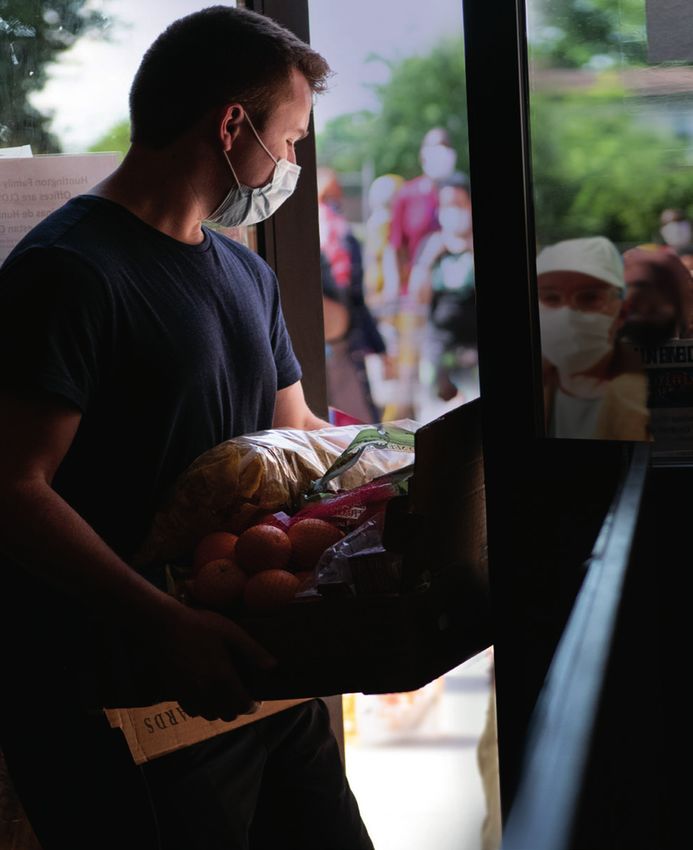
TO                                                                       FUND CREATED
                                                                          TO BOLSTER
ALLENGES                                                                  ARTS INDUSTRY
                                                                          Central New York artists and arts agencies
  Army, Catholic Charities and the Food Bank of Central New               estimated they would lose $15 million
  York received grants to address those needs. So did smaller             between the March COVID-19 shutdown
  nonprofits operating food programs out of churches and
  community centers.                                                      and fall 2020, and many arts and cultural
                                                                          organizations feared they would have to
  The Food Bank of Central New York had                                   permanently close their doors.
  anticipated the local effect of the global
                                                                          The Community Foundation responded by pledging $100,000
  health crisis. “If this pandemic hit our area,
                                                                          to the CNY Arts COVID-19 Impact Fund, established by CNY Arts
  we wanted to make sure our families were                                to provide emergency support to the arts, cultural and heritage
  ready,” said Karen Belcher, executive                                   industry across seven counties in Central New York.

  director. “If grocery stores closed or
  transport was halted, we wanted to make
  sure they had food in their homes.”
  When New York Governor Andrew Cuomo shut down non-
  essential businesses, Food Bank staff moved to remote work
  while warehouse staff and drivers focused on getting food to
  its 443 programs. This included 282 emergency food programs
  serving 11 counties in Central and Northern New York.

  The Food Bank worked with the United Way, the Community
  Foundation and the Onondaga County Office for the Aging to
  pinpoint where food was needed. “We said, ‘We have the trucks.
  Where does the food need to go and how can we get it there?’”
  Belcher explained.

  About one-third of the Food Bank’s staff of 60 work in the
  warehouse or drive trucks. To meet the increased need, they
  hired two temporary warehouse workers and a temporary driver.
  They also had to increase phone lines. “At the beginning there
  were so many calls coming in we couldn’t call out. That initial panic
  was terrible,” Belcher said.

  In March, the agency provided 34% more food than in March
  2019. By April, that increase had grown to 56% over April 2019.
  In 2019, the Food Bank distributed 15.6 million pounds of food;         Of the more than 265 artists and nonprofit organizations who
  in its fiscal year 2020 (ending June 30), it distributed more than      responded to the spring survey conducted by CNY Arts and
  20 million pounds of food. Most of the 5-plus-million-pound             funded by the Community Foundation, 75% indicated the
  increase took place from March to June, the first four months           pandemic severely impacted their livelihoods or organizations.
  of the pandemic.
                                                                          The arts and cultural industry reaches into every part of
  The Food Bank also coordinated with Gov. Cuomo’s Nourish                the community. It creates community cohesion and fosters
  New York initiative and the American Dairy Association for              understanding of differences while also creating jobs, supporting
  several mass food distribution events.                                  local businesses and generating tax revenue. The arts sector in
                                                                          Onondaga County alone generates more than 5,900 jobs, a 2018
  The crisis “has made people realize anyone                              Americans for the Arts and Le Moyne College study found.

  may need emergency food and it can happen
                                                                          We are happy to be able to support this effort to keep our
  very quickly,” Belcher said. “Do you choose                             arts community thriving through the end of the pandemic
  medication or your mortgage or food?                                    and beyond.

  It’s devastating.”
                                                  (Continued on page 6)

                                                                                          C OVI D- 19 S UP P OR T: A R EP OR T TO THE C O M M U NIT Y   | 5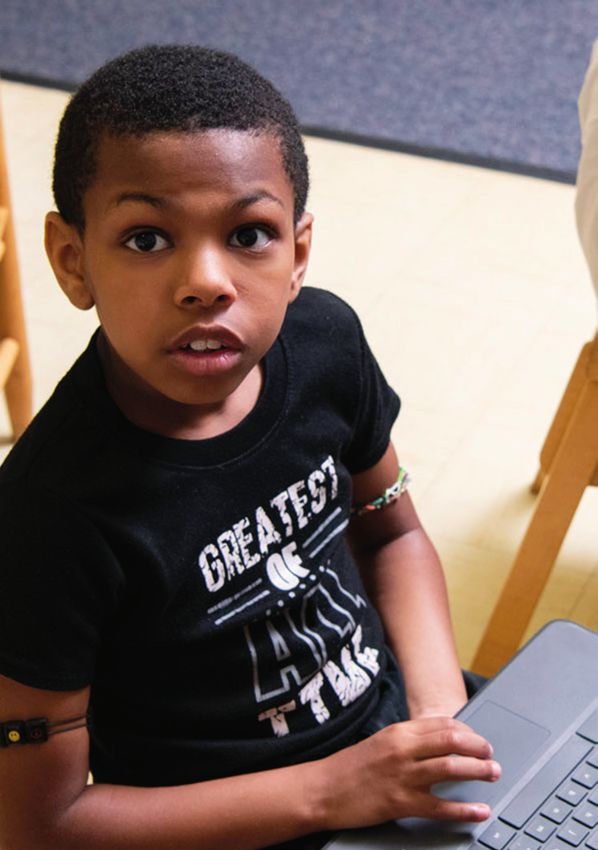
| CAYUGA HEALTH

                                                          | CNY DIAPER BANK                                                 | DETERMINATION CENTER

      (Continued from page 5)

      With child care centers closed and budgets limited by furloughs         From their inception, the COVID-19 funds benefited from the
      or layoffs, more families needed diapers — a basic necessity that       partners’ longstanding community relationships with clients and
      keeps babies happy and healthy.                                         each other. “We’re working with people who are closest to the
                                                                              concerns in local communities,” Dunn said.
      The CNY Diaper Bank received grants from the COVID-19 Community
      Support Fund to meet the increased need for diapers — which are         The funds were designed with a simple application, and funders
      not covered by government safety net programs — in Onondaga and         wanted money distributed quickly. “It’s a good example of
      Madison counties. In a typical month, the Diaper Bank distributes       collaboration among multiple funders and organizations and
      100,000 diapers. In March, the Syracuse-based nonprofit saw a 50%       people on the ground to support the community in an efficient
      increase in demand.                                                     and effective way,” Dunn said.

      With schools closed and businesses moving to remote work,               The collaboration highlighted funders’ and agencies’ ability to
      technology emerged as another big need. The Public Broadcasting         be nimble and flexible. “It shows what people can do when they
      Council of CNY (WCNY), for example, received a grant to support         cooperate,” said Karen Goetz, executive director of the Richard S.
      pre-K to 12th-grade instruction by teachers helping children learn      Shineman Foundation in Oswego County. “It was an emergency.
      from home.                                                              People just had to take all of their blinders off and work together
                                                                              because each of us by ourselves cannot accomplish what needs
      Many agencies received grants to update technology so employees         to be done in a crisis situation.”
      could stay in touch with each other and maintain connections
      with clients. Computers and Zoom accounts provided lifelines to
                                                                              “Our community was well-positioned to
      constituents whose daily routines changed unexpectedly. Seniors
      and people with disabilities experienced isolation, and other people    respond to a challenge few of us ever
      were at increased risk of abuse or living with substance abuse.         would have imagined,” United Way’s
      When it became clear the pandemic would stretch into the summer
                                                                              Eaton said. “People are very creative and
      months, a $150,000 grant was given to the new Bea González              flexible and know how to work together.”
      Summer Fellows Program, which was designed to collaboratively
      fill the gap of summer youth employment programs reduced by             The Food Bank’s Belcher agreed:
      municipalities due to COVID-19 related budget cuts. Funding was
                                                                              “We had solid-minded, calm people who
      provided to PEACE, Inc., RISE, Southwest Community Center and the
      Building Men program to provide work readiness skills, virtual          said, ‘What can we do? How can we help?’”
      college tours, community service, citizenship, financial literacy,
      and experiential activities to youth during the summer months.

6 |   C E N T R A L NE W YORK COM M UNITY FO UND ATI ON
FOUR CENTERS,

ONE
                              Staff members of Huntington Family Centers, Westcott
                              Community Center, Syracuse Community Connections
                              at the Southwest Community Center, and Syracuse
                              Northeast Community Center have collaborated for years,
                              sharing strategies to best serve city neighbors. So when COVID-19

NEED
                              spurred a large and sudden spike in requests for emergency
                              assistance, it made sense for the centers to seek a joint grant
                              from the COVID-19 Community Support Fund.

                              “We all saw a huge uptick in the number of people who needed
                              food. We were also out of diapers all the time,” said Mary Lou
                              Sayles, executive director of Huntington Family Centers.

                              The directors’ partnership was formalized with a 2018 Alliance
                              for Economic Inclusion grant that created the Community Center
                              Collaborative (CCC). The CCC’s team spirit and shared marketing
                              and program staff made it easy for the four centers to work
                              together on a common need during the coronavirus pandemic.

                              “Our clients already face challenges, and
                              COVID only made it worse for many,”
                              Sayles said. “Changes came so fast and
                              they were panicked and scared. We didn’t
                              want to turn anyone away.”
                              During the crisis, the CCC met each center’s distinctive requirements,
                              restructuring services to comply with health and safety guidelines,
                              and tracking data to monitor needs. Centers loosened pre-registration
                              and residence rules to be more efficient and responsive to needs.

                              A $50,000 COVID-19 Community Support Fund grant supported
                              the CCC’s food pantries and the distribution of diapers and health
                              and hygiene products.

                              Huntington Family Center, located on Syracuse’s Near Westside,
                              provided about 2,400 meals a week — at least twice what the agency
                              typically distributes. Requests for diapers tripled. The other three
                              centers experienced similar increases.

                              Huntington shifted from a choice pantry, which allows clients to
                              “shop” from the inventory, to curbside delivery. “We were packing
                              the boxes and bringing them out,” Sayles said. “It was nonstop.
                              Then we had to restock for the next pantry day.”

                              The CCC’s grant reflects the centers’ commitment to providing
                              services to the entire city. “We did not want to have one program
                              funded at the cost of another program,” Sayles said.

                              “Every neighborhood in Syracuse has unique
                              characteristics, and every neighborhood
                              center is unique in some ways,” she said.
                              “All the centers share a desire to strengthen the
                              families and residents of our neighborhoods.
                              We are places where all neighbors are
                              valued and welcomed.”

| HUNTINGTON FAMILY CENTERS
                                                  C OVI D- 19 S UP P OR T: A R EP OR T TO THE C O M M U NIT Y   | 7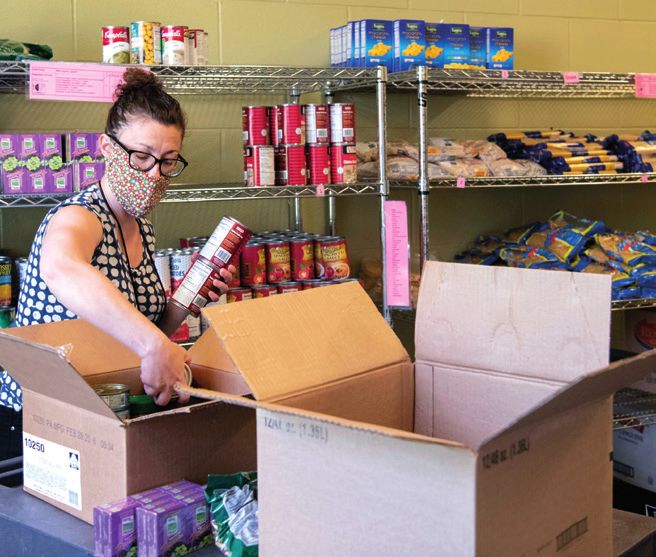
MERCY WORKS
                             STEPS UP

                                                                                                                                        | MERCY WORKS

      FROM PALLETS TO FOOD BOXES
      S   ince Mercy Works began teaching technical skills like computer
          coding and robotics to teens in 1998, “food distribution”
      typically meant handing out snacks. But when COVID-19 closed
                                                                                 March 27 and April 3. With no supply chain or food distribution
                                                                                 experience, Haywood and his colleagues took on the challenge.

      schools, the Syracuse agency quickly pivoted to provide meals to           The first week, Mercy Works spent $55,000 for 48 pallets of
      thousands of children.                                                     groceries to make 20- to 30-pound boxes. “We wanted it to be as
                                                                                 healthy and fresh as possible,” Haywood said.
      “There was a need and we jumped,” said Mark Haywood, former
      Mercy Works project leader and director of outreach and missions           City schools couldn’t accommodate the huge food deliveries. After
      at Abundant Life Christian Center.                                         striking out a few times, an Oncenter staffer connected them with a
                                                                                 property manager who donated an 80,000-square-foot warehouse
      Within days of the shutdown, the Syracuse City School District             on Thompson Road for the project.
      was distributing bagged breakfasts and lunches. But with many
      people abruptly out of work, officials worried that kids would go          Haywood worked the phones, looking for food. Syracuse Banana,
      hungry on weekends. Could Mercy Works provide groceries for                stuck with thousands of dollars of produce when restaurants
      families to take home on Fridays? And could the agency’s Clarence          closed, donated everything in its warehouse. Donations from two
      Jordan Vision Center on the Southside serve as the packaging and           families and Abundant Life covered expenses for the first two
      distribution site?                                                         weeks, but it wasn’t enough to sustain the effort for the length
                                                                                 of the crisis.
      By then the reality of the virus was sinking in. People scrambled to
      rearrange their lives to meet stay-at-home orders. Stores ran short        COVID-19 Community Fund support covered the cost of seven
      of supplies.                                                               additional weeks of food. In those nine weeks, Mercy Works
                                                                                 distributed 32,000 boxes across 30 sites.
      “There’s no chicken. There’s no bread. There’s
                                                                                 Boxes typically contained at least 5 pounds of fruit, two loaves of
      no eggs,” Haywood said. “It’s not just that                                bread, 2 pounds of pasta and at least a jar of spaghetti sauce. “It
      people were short of money. If they could get                              was what we could get at the best price and we thought kids would
      to the store, there wasn’t food.”                                          eat,” Haywood said.

      School district officials, hoping the crisis would be short, asked Mercy   Mercy Works staff, volunteers and community partners were happy to
      Works to donate food for 5,000 families for the two weeks beginning        help. “This is our neighborhood,” Haywood said. “How could we not?”

8 |   C E N T R A L NE W YORK COM M UNITY FO UND ATI ON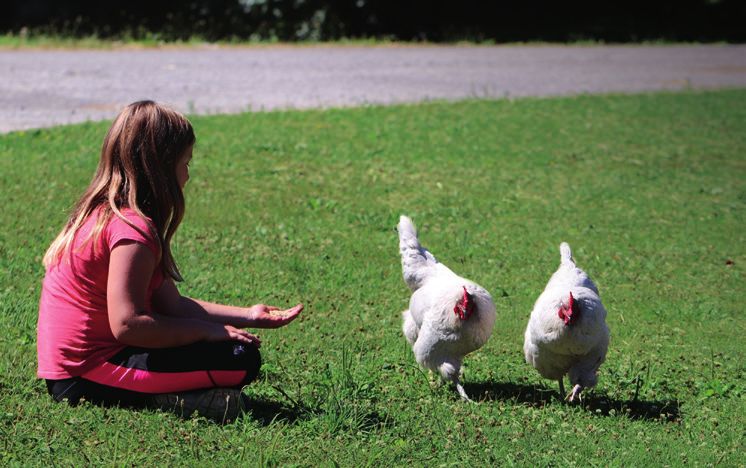
ANSWERING
                         THE CALL
  MULTILINGUAL HOTLINE TRANSLATES
      COVID-19 INFORMATION
T   he early days of the COVID-19 crisis in Central New York were a
    whirlwind of new policies and health recommendations. For the
region’s New Americans, the flurry of cancellations, closures and
                                                                          devastating,” Adan said. “Connecting with family is healing for us.
                                                                          Being unable to see family created a lot of mental health issues.”

safety rules brought additional challenges.                               A grant from the COVID-19 Community Support Fund supported a
                                                                          24-hour hotline to help New Americans in 15 languages, including
“People had no idea what was going on and they looked to us               English. RISE caseworkers calmed fears and provided accurate
for support,” said Haji Adan, executive director of Refugee and           information — in the caller’s preferred language — about issues such
Immigrant Self-Empowerment (RISE) in Syracuse and a New                   as COVID-19 testing, unemployment benefits and food assistance.
American himself. “They were worried about their health and
welfare. They were worried about their jobs. They had so                  The North Side Learning Center and the New American Forum also
many concerns.”                                                           received grants to support emergency services and multilingual
                                                                          assistance to New Americans. RISE and the YWCA of Syracuse &
Due to lack of access to quality education in their home countries,       Onondaga County are fiscal sponsors of the New American Forum.
many refugees and immigrants hold limited literacy skills in their
own language and many are still in the process of learning English.       RISE assisted at least 300 new clients during the initial panic of
                                                                          the pandemic. The agency’s 25 caseworkers previously worked
Uncertainty about the health                                                                                 with about 1,000 clients from
crisis frightened some New
Americans, many of whom
                                 “THEY WATCHED THE NEWS                                                      23 countries.

had experienced war, poverty
or natural disasters in their
                                    THEN CAME TO US TO                                                      The agency, located on Burt
                                                                                                            Street, remained open, with
home countries.                     EXPLAIN IT TO THEM.”                                                    limited staff, throughout the
                                                                                                            crisis. “No one knew where else
“They remembered what it was like when there was a malaria                to go,” Adan said. “They watched the news then came to us to
outbreak in the refugee camps,” Adan said. “They could not                explain it to them.”
understand how the greatest country in the world did not have
medicine for this disease.”                                               The staff tried to stay positive throughout the confusing period.
                                                                          “We told them, ‘Think about your health and your well-being
They also worried about the effects of social distancing or quarantine.   and your family. Remember, this country is great and things
“If they could not see a family member for two weeks, that was            will get better.’”

                                                                                               C OVI D- 19 S UP P OR T: A R EP OR T TO THE C O M M U NIT Y   | 9
| WALDMAN FAMILY

        DONORS RESPOND

                                                        “WITH LOTS OF UNCERTAINTY,
                                               WE FELT GIVING WOULD ADD STABILITY
                                               FOR OTHERS AFFECTED BY THIS CRISIS.”

10 |   C E N T R AL N E W YORK COM MUNI TY FOUND A TI ON
| ROBERT & TONIA SALISBURY | BORER FAMILY | ANDY BREUER | ALPHA PHI SORORITY
DONATIONS FROM HEARTS & WALLETS
As the Community Foundation and its partners “With lots of uncertainty, we felt giving would add stability for
others affected by this crisis,” they said.
discussed how to respond to COVID-19, Tom
Griffith experienced moments of doubt about The Borer family created a LemonAID stand to help their children
the funds’ success. “Will this work?” Griffith, raise money for the fund and matched the stand’s proceeds with
a donation from their donor-advised fund at the Community
vice president of development, remembers Foundation. The family wanted to help healthcare workers —
thinking. “There’s a lot of uncertainty. People a relative works as a doctor in New York City — teachers, and
are stretched. Are they going to be able or local businesses.
willing to give to this?” “The kids did all the work and we were absolutely humbled by the
generosity of family, friends and neighbors to support us and help
Within a week of announcing the COVID-19 Community Support
us make a difference,” they said.
Fund, an anonymous $250,000 gift came in. So did $5 and $10
donations. Generous and heartfelt contributions came in for the Other groups found creative ways to support the fund.
regional and affiliate funds as well. Griffith’s doubt disappeared.
When Syracuse University sent students home in March because
Transparency, collaboration among community funding partners
of the pandemic, sorority members sought a way to maintain their
and a clear plan to fund essential needs set the tone for the
philanthropic traditions without in-person events. Thirteen sorority
project. “People understood that this was important,” Griffith
chapters of the university’s Panhellenic Council — made up of
said. “They understood that people were without basic essentials.
many students who live outside Central New York — raised more
People wanted to help others who were thrust into a place of need
than $5,700 through a virtual fundraising competition. “We knew
by this crisis.”
that we would need to team up to make the biggest impact on our
Syracuse community,” said Nicole Jaskot, the council’s director of
In Onondaga County, donations came from the fund’s founding
philanthropic events.
partners, individuals and corporations, donor-advised fundholders
and foundations.
The Fayetteville-Manlius High School Model United Nations Club
raised $2,500. Sea Culture clothing store in Skaneateles donated
The smallest donation was $1; more than 300 donations were less
a percentage of its sales. Another community member set up a
than $100. Many of the 779 individual gifts came from Community
birthday fundraiser.
Foundation and United Way donors; 170 were anonymous.
“Donations came from every part of our community,” Griffith said.
Facebook Live concerts also raised money. On March 25, Corey
Paige, a SAMMY Award-winning singer, songwriter and Syracuse
Six individuals donated their $1,200 federal stimulus payments.
musician, performed for an hour as 2,500 people viewed the
virtual concert and sent in online donations.
A $250 donation came with the explanation that it was “part of
the stimulus check that I don’t need.” A $500 donor explained
Generosity, creativity and empathy spurred these contributions
their daughter tutors Syracuse students and worried how the
to assist Central New York during the COVID-19 crisis.
crisis affected them.
As of July 31, more than $2.2 million was raised and 142 grants
“Together we’ll stay strong,” read one note. “In memory of my
were distributed totaling nearly $1.8 million across all of the
father, who was always ready to help others,” read another.
COVID-19 support funds.
About 50 Community Foundation donor-advised fundholders
transferred money to the COVID-19 fund. “The relentless daily outreach to give has
been incredibly inspiring,” Griffith said.
The Waldman family, for example, donated in hopes the crisis
would strengthen Central New York’s sense of community. The “People responded to this fund with more
Waldman children held an online art auction to raise money. than just their wallets.”
C OVI D- 19 S UP P OR T: A R EP OR T TO THE C O M M U NIT Y | 11HELPING
COMMUNITIES
IMPACTED
BY ECONOMIC
CONSEQUENCES
OF THE
CORONAVIRUS
OUTBREAK
| DETERMINATION CENTER
12 | C E N T R AL N E W YORK COM MUNITY FO UND ATI ONCOVID-19 COMMUNITY
SUPPORT FUND GRANTS (as of 7/31/2020)
The Community Foundation, in partnership with United Way of Central New York, Allyn Family Foundation, The Dorothy and Marshall M.
Reisman Foundation, the Health Foundation for Western & Central New York, the City of Syracuse and Onondaga County, established a
COVID-19 Community Support Fund to support nonprofit organizations working with communities who are disproportionately impacted
by economic consequences of the coronavirus pandemic.
ACCESSCNY $28,900 CATHOLIC CHARITIES $25,000
Connect those with disabilities and/or a mental health Help people in need purchase food, cleaning supplies
diagnosis to vital services through remote technology and hygiene items and assist with unexpected
household expenses
ACR HEALTH $16,000
Purchase technology to continue support services CANCER CONNECTS $6,400
remotely and ramp up food pantry offerings due to Provide safe transportation for immune-compromised
increased demand adult cancer patients to access treatment or physician visits
ADVOCATES $6,540 CENTER FOR COMMUNITY ALTERNATIVES $20,340
Implement a telehealth solution to continue critical Provide food and basic supplies for residents of Freedom
health services for people with disabilities Commons Academy and participants of the Recovery
Community and Outreach Center; provide remote
ALZHEIMER’S ASSOCIATION, CENTRAL NEW YORK CHAPTER $3,200 employment and reentry services
Offer virtual care consultations, referral meetings, support
groups and education programs to dementia patients and CENTER FOR COURT INNOVATION $6,750
their caregivers Help clients stay connected virtually to attorneys,
probation officers, mental health treatment providers
ARC OF ONONDAGA $50,665 and other services
Purchase telehealth, PPE and cleaning equipment for
residential programs, clinical supports, community CENTERS OF ST. CAMILLUS $50,779
habilitation and virtual services Implement remote access to maintain business continuity
and convert two floors of its West Wing for dedicated
ARISE $24,000 COVID-19 care
Upgrade phone system to allow for reliable
telehealth services CNY DIAPER BANK $25,000
Distribute diapers to families, which are not otherwise
ASSUMPTION FOOD PANTRY AND SOUP KITCHEN $5,000 covered by government safety net programs
Distribute emergency food parcels and to-go meals
to families in need CHADWICK RESIDENCE $5,196
Purchase health and safety supplies for residents of its
AUXILIARY AT ST. JOSEPH’S HOSPITAL HEALTH CENTER $5,000 supportive housing program for women and their children;
Provide personal hygiene supplies, food and clothing purchase technology to meet with women in crisis remotely
to individuals
’ in need
CLEAR PATH FOR VETERANS $8,000
BALDWINSVILLE MEALS ON WHEELS $3,500 Provide emergency food delivery services as well as other
Purchase food for distribution to accommodate critical services such as financial and career counseling
doubling of demand to Veterans and their families
BEA GONZÁLEZ SUMMER FELLOWS PROGRAM $150,000 CNY RONALD MCDONALD HOUSE CHARITIES $12,000
Funding provided to PEACE, Inc., RISE, Southwest Provide emergency relief support for its Meals that Heal
Community Center and Building Men program to fill program; purchase supplies to welcome back guest
the gap of summer youth employment programs families safely
BELLEGROVE MISSIONARY BAPTIST CHURCH $6,500 CONSORTIUM FOR CHILDREN’S SERVICES $3,000
Stock and maintain a food pantry to assist individuals Offer remote parenting education classes for families
and families in need of emergency food, toiletries and with children
other basic needs
C OVI D- 19 S UP P OR T: A R EP OR T TO THE CO M M U NIT Y | 13| FIGHT FOR HEARTS
CONTACT COMMUNITY SERVICES $19,590 FRANK H. HISCOCK LEGAL AID SOCIETY $13,517
Maintain a central triage line for individuals in crisis and Purchase barriers, shields, air purifiers and cleaning
concerned parties to divert unnecessary hospital visits supplies for meeting with clients safely
DELTA TORCH FOUNDATION $15,000 GOOD LIFE YOUTH FOUNDATION $35,000
Purchase and distribute feminine hygiene products and Provide food, hygiene supplies, clothing and life coaching
laundry detergent to young women and girls in Syracuse to youth living in homelessness or poverty
DETERMINATION CENTER $19,500 HILLSIDE CHILDREN’S CENTER $2,000
Purchase laptops for youth to complete their remote Outfit staff with PPE for use during 4-week
schoolwork; provide child care and food to children of summer programming
essential healthcare workers
HOME HEADQUARTERS $30,000
DEWITT FOOD PANTRY $2,500 Assist homeowners without discretionary income in
Meet increasing demand for emergency food distribution making emergency home repairs
EARLY CHILDHOOD ALLIANCE $8,000 HUMANITARIAN ORGANIZATION FOR MULTICULTURAL $5,000
Deliver early learning and developmental tool kits to EXPERIENCES (H.O.M.E.)
families to prevent learning loss while schools and daycare Provide telehealth habilitation services and purchase health
centers are closed and safety supplies for staff providing face-to-face services
FIGHT FOR HEARTS $3,810 HUNTINGTON FAMILY CENTERS (SYRACUSE COMMUNITY $50,000
Offer fitness and wellness live programming to teens CENTER COLLABORATIVE)
through Boys & Girls Clubs and Syracuse Parks & Rec Provide food pantry and diaper bank services at four
neighborhood community centers
FIRST PRESBYTERIAN CHURCH OF BALDWINSVILLE $4,000
(EASTERN FARM WORKERS ASSOCIATION) INTERFAITH WORKS $45,725
Expand emergency food service for low-income workers Provide personal items, sanitizing products and food
to include hygiene and sanitary supplies delivered through to families; implement safety protocols for visitors and
no-contact deliveries purchase technology for staff to work remotely
FOOD BANK OF CENTRAL NEW YORK $57,420 INTERRELIGIOUS FOOD CONSORTIUM $2,000
Increase emergency food response Serve as a resource for food items as emergency food
providers and social service agencies respond to
high demand
14 | C E N T R AL N E W YORK COM MUNITY FO UND ATI ONIT TAKES A VILLAGE FOR ALL $10,000 MEALS ON WHEELS OF SYRACUSE $4,840
Purchase educational supplies to continue grade-school Assist employees with technology to work from home and
learning with students who have been removed from rent refrigerated storage to meet increased meal demand
school and displaced
MERCY WORKS $120,000
LE MOYNE COLLEGE $5,000 Provide weekend groceries to Syracuse families whose
Offer emergency financial aid quickly and efficiently children qualify for school breakfast and lunch on
to Le Moyne students experiencing significant weekdays; offer pop-up food pantries
economic disruption
MINISTRIES OF VICTORY TEMPLE $3,000
LITERACYCNY $21,000 Serve home-cooked meals to community members
Offer basic literacy and English instruction to adults
remotely over the summer months NEW AMERICAN FORUM $7,500
Connect refugee families with basic essentials and
LORETTO $36,000 native-language best practices to remain healthy
Provide basic needs — food, child care assistance,
family essentials and transportation — to frontline NEW JUSTICE CONFLICT RESOLUTION SERVICES $3,500
healthcare workers Install plastic shielding for face-to-face custody and
visitation mediations
MATTHEW 25 FARM $15,000
Grow more produce to help stock food pantries and NORTH SIDE LEARNING CENTER $50,500
soup kitchens with fresh fruits and vegetables Provide basic food items and multilingual outreach
to advise refugee families on current restrictions,
MCMAHON RYAN CHILD ADVOCACY CENTER $12,050 social distancing practices and community resources
Purchase remote technology to continue child trafficking
advocacy services for families and youth NORTH SYRACUSE CHRISTIAN CHURCH FOOD PANTRY $2,000
Prepare additional food packages to meet increased need
MEALS ON WHEELS OF EASTERN ONONDAGA COUNTY $3,500
Upgrade technology to meet rapid increase in demand
for services
| MATTHEW 25 FARM
| FOOD BANK OF CENTRAL NEW YORK
C OVI D- 19 S UP P OR T: A R EP OR T TO THE CO M M U NIT Y | 15| OSWEGO INDUSTRIES
| NEW AMERICAN FORUM | MEALS ON WHEELS OF SYRACUSE
OLIVET COMMUNITY DEVELOPMENT INSTITUTE $5,000 ROAD TO EMMAUS MINISTRY OF SYRACUSE $7,500
Provide food and essential items to at least 200 families Meet increased demand for meal service and food
pantry distribution
ONONDAGA COMMUNITY COLLEGE $5,000
Connect students with technology necessary to finish ROBERT & MARJORIE JONES COMMUNITY $5,400
coursework and assist them with other emergency needs BENEFIT ORGANIZATION
Deliver food and basic necessities and provide access
PEACE, INC. $8,650 to mental health professionals
Deliver food, toiletries, and emergency supplies to clients
lacking transportation and food access SAMARITAN CENTER $5,000
Install protection and technology equipment to continue
PGR FOUNDATION $4,250 delivering case management services safely
Make and distribute washable fabric face masks to families
with children living in public housing and temporary shelters SARAH’S GUEST HOUSE $2,000
Purchase food staples and cleaning supplies for guests who
PUBLIC BROADCASTING COUNCIL OF CNY (WCNY) $10,000 are patients receiving urgent and necessary medical care
Broadcast the TV Classroom Network, which offers
Pre-K to 12th grade instruction in key academic subject SALVATION ARMY-SYRACUSE AREA SERVICES $40,000
areas, as well as health, physical fitness, and music Provide basic needs to teenagers and their babies housed
at its Transitional Apartments and Parenting Center as
REFUGEE AND IMMIGRANT SELF-EMPOWERMENT (RISE) $18,765 well as deliver food, health and cleaning supplies to families
Provide 24/7 hotline assistance and purchase equipment
for virtual case management to connect limited English SLEEP IN HEAVENLY PEACE $5,000
proficient families to accurate public health information Retrofit build stations with Plexiglass shields to safely
and social services construct beds for children in need
RESCUE MISSION ALLIANCE $50,000 SPECIAL OLYMPICS NEW YORK $1,000
House men living in homelessness and dealing with physical Purchase PPE for coaches and athletes participating in
and mental health challenges at its Crossroads Adult Home in-person sports training
16 | C E N T R AL N E W YORK COM MUNITY FO UND ATI ONST. JOSEPH’S HEALTH CARE COORDINATION NETWORK $5,000 VERA HOUSE $41,500
Deliver food to patients’ homes Use remote counseling technology and maintain
emergency shelter to meet a higher need due to
ST. LUCY’S FOOD PANTRY $3,000 stay-at-home restrictions, which can lead to being
Distribute emergency food packages to families in need trapped in violent conditions
STREET ADDICTION INSTITUTE $7,500 VOLUNTEER LAWYERS PROJECT OF $35,000
Feed families through bi-weekly home deliveries ONONDAGA COUNTY
Purchase safety equipment and remote technology for
client meetings
SYRACUSE ALLIANCE CHURCH $2,500
Connect families with nutritional meals and essential
hygiene supplies UNIVERSITY UNITED METHODIST CHURCH $6,000
Distribute food through its Emergency Food Box
and To-Go Breakfast programs
SYRACUSE JEWISH FAMILY SERVICE $5,000
Meet increased demand for Kosher Meals on Wheels
and purchase technology to provide virtual counseling UPSTATE FOUNDATION $12,800
and group cognitive and emotional support discussions Educate farm operations on best practices in prevention,
screening, and responding to COVID-19 symptoms within
their farm workforce
SYRACUSE TENANTS UNION $9,000
Educate tenants who live in areas of high poverty and
COVID-19 infection about the eviction moratorium WE RISE ABOVE THE STREETS $2,000
Distribute food and basic hygiene items to families in
financial hardship and those living in homelessness
TUCKER MISSIONARY BAPTIST CHURCH $13,500
Provide food to Southside neighborhood families in need
YMCA OF CENTRAL NEW YORK $18,561
Safely continue housing and child care assistance to
those in need
| HUNTINGTON FAMILY CENTERS
C OVI D- 19 S UP P OR T: A R EP OR T TO THE C O M M U NIT Y | 17“ONE CHILD CARE PROVIDER EMERGED FROM
AN UNEXPECTED SOURCE—CAZENOVIA’S
THE HAVEN AT SKANDA, WHICH CONNECTS
RESCUED ANIMALS WITH CHILDREN WHO
HAVE EMOTIONAL AND BEHAVIORAL ISSUES.”
| THE HAVEN AT SKANDA
18 | C E N T R AL N E W YORK COM MUNITY FO UND ATI ONAFFILIATE &
REGIONAL FUNDS
RESPOND TO
RURAL NEEDS
W hen colleges closed in March, the Southern Madison
County Ambulance Corps (SOMAC) lost 40-plus Colgate
University volunteers. Fewer drivers and emergency medical
Oswego Industries, a Fulton agency that supports adults of all
abilities, received a grant to produce cotton masks and gowns
for local healthcare providers, including Menter Ambulance and
technicians limited their service as the agency anticipated increased Oswego Health.
calls from the COVID-19 crisis. Neighboring ambulance and fire
departments also requested help as their volunteer ranks thinned. Agencies also requested grants to support responses to
the challenges of rural communities. For example, public
A grant from the Madison County Rural Poverty Fund supported transportation grew more limited, resulting in a grant to
the agency’s purchase of personal protective equipment (PPE) and Transportation for Cayuga County to support trips to medical
food for volunteers. appointments and grocery shopping.
“They were able to expand their service area and increase Cayuga Community Health Network and Cornell Cooperative
their staff at a crucial time,” said Robyn Smith, the Community Extension received grants to provide wellness kits and Spanish/
Foundation’s director of strategic initiatives. English COVID-19 prevention information to farmworkers.
In response to the health and economic crises, the Madison Agencies that provided on-site services or meals shifted to in-person
County fund and affiliate funds in Pulaski, Oswego and Cayuga or remote delivery as many people — especially the elderly —
counties, as well as the Women’s Fund of Central New York, were fearful of leaving home. Grants supported technology for
shifted their grantmaking and worked with funding partners to agencies to work remotely or change procedures to keep staff
support agencies addressing immediate needs. and clients safe.
Funders supporting these initiatives were the Richard S. Shineman Uncertainty and change made some people vulnerable to risky
Foundation, the Fred L. Emerson Foundation, the Elsa Allyn behavior or abuse. Telehealth and video check-ins were crucial
Soderberg Family Fund, the John Ben Snow Memorial Trust, for people experiencing mental illness, domestic or family abuse
United Way of Cayuga County and United Way of Greater or substance abuse.
Oswego County.
Liberty Resources in Madison County, Oneida Healthcare and
The Community Foundation’s affiliate and regional funds awarded Arc of Oswego County received grants for technology to provide
45 grants totaling more than $360,000 through July 31. contactless telehealth services to clients.
Several agencies, including Fulton Family YMCA and Oswego
“What was needed was rapid YMCA, received grants to provide child care for essential workers.
response grants,” Smith said. One child care provider emerged from an unexpected source.
“These agencies and funders know Cazenovia’s The Haven at Skanda, which connects rescued
animals with children who have emotional and behavioral
their communities and know how issues, received funding to support a shift to meet the
increased need for emergency child care.
best to help.”
C OVI D- 19 S UP P OR T: A R EP OR T TO THE CO M M U NIT Y | 19MADISON
COUNTY
RURAL POVERTY FUND
The Madison County Rural Poverty Fund supports | COMMUNITY ACTION PARTNERSHIP FOR MADISON COUNTY
organizations serving residents of Madison County.
MADISON COUNTY RURAL POVERTY FUND GRANTS (as of 7/31/2020)
CAZCARES $5,000 FIVER CHILDREN’S FOUNDATION $5,000
Assist clients with food and emergency services Provide virtual emotional support services to youth with
mental health concerns and their families
CNY DIAPER BANK $5,000
Facilitate an emergency diaper distribution in HAMILTON FOOD CUPBOARD $1,500
Madison County Provide food, cleaning supplies and basic hygiene
products to Madison County residents
CLEAR PATH FOR VETERANS $7,500
Provide emergency food deliveries, mental health services, THE HAVEN AT SKANDA $15,000
financial/career counseling to Veterans and their families, Support emergency child care to school-aged children
and accommodate virtual work opportunities for staff of essential personnel or of families identified by the
Madison County Department of Social Services as
COMMUNITY ACTION PARTNERSHIP FOR at-high-risk for abuse
MADISON COUNTY $3,000
Provide IT support for staff to work remotely and LIBERTY RESOURCES $10,000
supplement emergency supplies for families, such as Provide telehealth services for substance abuse disorders
cleaning products, hygiene items, food and diapers
MADISON COUNTY CORNELL COOPERATIVE EXTENSION $10,500
COMMUNITY RESOURCES FOR INDEPENDENT SENIORS $7,500 Offer summer learning programs for children ages 5-13
Support Madison County’s 55-plus community through access and distribute farmer support packages containing health
to information, referrals and technology products, safety information and words of encouragement
CONSUMER SERVICES OF MADISON COUNTY $5,000 MADISON COUNTY HOSPICE AND PALLIATIVE CARE $392
Provide remote services for clients Offer telehealth services to patients
CORNELL COOPERATIVE EXTENSION $5,000 MID-YORK SENIOR HOMES $500
Support for the Child Care Resource & Referral Program Serve meals to elders in Madison County who are
experiencing isolation, limited transportation and
DAVID’S REFUGE $500 food insecurity
Provide food packages for caregiver families
ONEIDA HEALTHCARE $25,000
Facilitate access to critical PPE, testing supplies,
thermometers and technology
SALVATION ARMY $5,000
Provide emergency assistance in rural communities
SOUTHERN MADISON COUNTY
AMBULANCE CORPS (SOMAC) $3,000
Purchase PPE and food for increased staff to meet
demand for ambulance services to Syracuse
20 | C E N T R AL N E W YORK COM MUNITY FO UND ATI ONThe Cayuga Community Fund partnered with United Way of Cayuga
County to support organizations serving Cayuga County residents.
CAYUGA COUNTY COVID-19 FUND GRANTS (as of 7/31/2020)
AUBURN RESCUE MISSION $15,000 PUBLIC BROADCASTING COUNCIL OF CNY (WCNY) $5,000
Supply food, household items and financial support Broadcast TV Classroom Network, which offers Pre-K
to families in need to 12th grade instruction in key academic subjects by
teachers who are helping children learn from home
AUBURN YMCA-WEIU $8,640
Provide safe, socially-distant transport for campers TRANSPORTATION PROJECT FOR CAYUGA COUNTY $3,807
Transport senior and disabled citizens of Cayuga County
to medical appointments and groceries
BOOKER T. WASHINGTON COMMUNITY CENTER $650
Provide properly packaged food for local residents
UNITY HOUSE OF CAYUGA COUNTY $700
Provide phone cards for clients to participate in telehealth
CAYUGA CENTERS $2,000
sessions, online classes and check-in meetings
Provide masks and face shields for employees to use
during home visits and trauma interventions
CAYUGA COMMUNITY HEALTH NETWORK $2,608
Provide farmworkers with wellness kits and information
about COVID-19 in English and Spanish
CAYUGA COUNTY HOMSITE DEVELOPMENT CORPORATION $10,000
Offer low- and moderate-income renters and homeowners
funds for emergency rent and home repairs
CENTRAL NEW YORK TOMATOFEST $18,000
Partner with other organizations to bring food to
residents of Cayuga County
FOOD BANK OF CENTRAL NEW YORK $1,320
Create emergency food boxes to be distributed by Cayuga
County’s Office for the Aging
MOZAIC (FORMERLY ARC OF SENECA-CAYUGA) $10,000
Supply employees with PPE and cleaning supplies
as they provide aid to Cayuga County residents
PEACHTOWN ELEMENTARY SCHOOL $6,000
Offer a virtual tutor/study buddy program which
pairs Wells education majors with families in need of
educational support; hire a consultant to develop
a vibrant and effective online learning structure
PERFORM 4 PURPOSE $3,300
Purchase media equipment, sanitizing material for
performers and instruments and a no-contact infrared
thermometer | WCNY
C OVI D- 19 S UP P OR T: A R EP OR T TO THE CO M M U NIT Y | 21RICHARD S SHINEMAN F O U N D A T I O N
A Catalyst for Change
The Oswego County Community Foundation partnered with United Way Greater Oswego County and
the Richard S. Shineman Foundation to support organizations serving Oswego County residents.
OSWEGO COUNTY COVID-19 FUND GRANTS (as of 7/31/2020)
ARC OF OSWEGO $7,500 FULTON PUBLIC LIBRARY $500
Purchase laptops or tablets that will be loaned to clients Purchase PPE and cleaning supplies for employees and guests
for participation in telehealth sessions
HANNIBAL RESOURCE CENTER $1,200
CATHOLIC CHARITIES OF OSWEGO COUNTY $5,000 Purchase freezers to support increased food distribution
Assemble bags with items such as games and art supplies to residents of the Hannibal community
for delivery to families throughout Oswego County
KRISTINA’S HOUSE OF HOPE $5,000
CHILD ADVOCACY CENTER OF OSWEGO COUNTY $9,100 Purchase emergency shelter supplies for women who are
Provide enhanced mental health and support services displaced or are struggling with drug and/or alcohol
dependency in Oswego County
DONALD MCFEE MEMORIAL AMBULANCE SERVICE $2,000
Purchase equipment and medical supplies needed to MEXICO FOOD PANTRY – SAINT ANNE MOTHER $3,000
treat patients OF MARY CATHOLIC CHURCH
Provide the community with needed food
FARNHAM FAMILY SERVICES $10,000
Implement a remote workforce including laptops, OSWEGO HEALTH FOUNDATION $30,750
hotspots, licenses and cell phones Purchase rapid-result COVID-19 test units, provide
individuals with mental health support, create a new
workstation to enable in-house COVID-19 diagnostic
FULTON CITY SCHOOL DISTRICT $2,500
testing and support its Mobile Crisis Team
Distribute basic household cleaning supplies and family
activities to promote and sustain physical, social and
emotional wellness OSWEGO INDUSTRIES $3,000
Produce large amounts of cotton masks and gowns for
local healthcare providers, including Menter Ambulance
FULTON FAMILY YMCA $22,000
and Oswego Health
Provide affordable child care and host a call center which
allows YMCA staff to call and connect with members who
are affected by the pandemic OSWEGO YMCA $45,602
Provide emergency child care and meals for children of
essential workers
THE PHOENIX AREA FOOD PANTRY $2,500
Distribute food items to community members
PUBLIC BROADCASTING COUNCIL OF CNY (WCNY) $5,000
Broadcast TV Classroom Network, which offers pre-K
to 12th grade instruction in key academic subjects by
teachers who are helping children learn from home
THE SALVATION ARMY $6,800
Offer pre-packed food boxes and grab and go lunches
for Oswego residents
VICTORY TRANSFORMATION $3,947
| OSWEGO HEALTH FOUNDATION Provide shelter care, meals and masks for individuals
who are living in homelessness or have addiction issues
22 | C E N T R AL N E W YORK COM MUNITY FO UND ATI ON| THE HAVEN AT SKANDA
The Women’s Fund of Central New York supports organizations
in Onondaga, Madison, Cayuga and Oswego counties that address
the needs of women and girls.
WOMEN’S FUND OF CENTRAL NEW YORK GRANTS (as of 7/31/2020)
ACCESSCNY $5,000 KING FERRY FOOD PANTRY $3,000
Provide hygiene baskets to women and girls who Provide a one-month supply of personal hygiene products
receive services through its mental health programs and vitamins to women in our community
ACR HEALTH $5,000 OSWEGO COUNTY OPPORTUNITIES $5,000
Supply PPE, personal hygiene products and cleaning Purchase food, diapers, formula, feminine hygiene
supplies to clients with compromised immune systems products, and clothing for women and girls throughout
Oswego County who are fleeing domestic violence, living
CHADWICK RESIDENCE $5,000 in a homeless situation, have a history of trauma, are
Provide supportive housing and assistance to youth living pregnant/parenting or are living in poverty
in homelessness, young mothers, victims of domestic
violence, and women with mental health and/or substance RESCUE MISSION ALLIANCE-AUBURN PROGRAM $5,000
abuse disorders Supply food and provide tele-case management for families
DUNBAR ASSOCIATION $5,450 THE SALVATION ARMY, SYRACUSE AREA SERVICES $5,000
Provide virtual support group therapy for girls between Deliver food and hygiene items weekly to senior citizens
5 and 18 years old
TUCKER MISSIONARY BAPTIST CHURCH $5,000
THE HAVEN AT SKANDA $5,000 Serve hot meals to the community twice per week
Support emergency child care to school-aged children
of essential personnel or of families identified by the
Madison County Department of Social Services as
at-high-risk for abuse
C OVI D- 19 S UP P OR T: A R EP OR T TO THE CO M M U NIT Y | 23The Greater Pulaski Community Endowment Fund supports
organizations serving residents of Pulaski and the town of Richland.
GREATER PULASKI COMMUNITY ENDOWMENT FUND GRANTS
(as of 7/31/2020)
BETHEL COMMUNITY CENTER $2,900 PULASKI COMMUNITY CUPBOARD FOOD PANTRY $2,000
Replace steel roof to preserve the community center Provide the Pulaski community with much-needed food
C.A.C. FOUNDATION $3,000 RURAL AND MIGRANT MINISTRY OF OSWEGO COUNTY $1,500
Provide PPE, thermometers and other safety measures Purchase an EKG machine for free clinic in Pulaski
to employees and clients in Pulaski
SALMON RIVER FINE ARTS CENTER $3,120
HALF-SHIRE HISTORICAL SOCIETY $2,500
Offer a variety of virtual art classes designed to help
Update technology to better serve patrons in Pulaski
relieve stress and encourage the development of skills
for youth in Pulaski
OSWEGO COUNTY OPPORTUNITIES $5,000
Provide transportation to Pulaski residents to the grocery
UNITED FRIENDS OF HOMELESS ANIMALS $2,000
store, pharmacy and doctors’ appointments
Provide food, litter, supplies and veterinary visits for
homeless animals
| SALMON RIVER FINE ARTS CENTER
24 | C E N T R AL N E W YORK COM MUNITY FO UND ATI ONTHANK YOU TO OUR DONORS
The list below includes all donors to the COVID-19 Community Support Fund and the regional and affiliate COVID-19 funds.
INDIVIDUAL DONORS (as of 7/31/2020)
ANONYMOUS DONORS (183) JAMES & MARISA BORER MATTHEW A. CORREIA THERESA M. & MARK G. EVANS
ANTHONY ABBOUD RONALD G. BORT GIANNA CORRENTE PATRICE EVANS ROBINSON
KATHERINE ADELSON ARIANNA BOYCE ELIZABETH COSTELLO KATHERINE FANELLA
MARLENE AHERN JEREMY W. BOYLES LINDA M. COTE STEFANIE FARKAS
SADIA AHMED WILLIAM & GINNY BRANDT CASEY CRABILL CAROL FAULKNER
CAROL L. ALDRICH MAUREEN BREED DIANA F. CRAMER KAREN J. FAY
JULIE ALFORD-RODRIGUEZ THE BREUER FAMILY NICHOLAS CROCE DANA FEENAGHTY
LYNNE ALLAKER MARK BRIGGS KATRINA & JAMES CROCKER MARK FELDMAN & CHRIS RILEY
DANIEL ALLEGRUCCI BETH A. BROADWAY & PHILIP G. ROSE REAGAN CUDDY SARI FELDMAN
JASON & BREA ALLERS NANCY BRONSTEIN GEORGE W. CURRY KATHLEEN FENLON
& RICHARD KAULFUSS
DAVID & AMY ALLYN KARIS A. BROTHERTON ANNA CURTIS
BRANDON J. FINK
ERIC ALLYN & MARGARET O’CONNELL CAROLYN & EDWARD BROWN MARY M. CZELUSNIAK
TED & JEANNE FINLAYSON-SCHUELER
MARK B. ALLYN MARY W. BROWN DONNA DALLAL-FERNE
DANIEL J. FISHER
MEAGHAN ALLYN MICHAEL E. BROWN ANTHONY W. D’ANGELO
FREDERICK M. & CHRISTINE S. FISKE
DAVID ALONGI MICHAEL L. BROWN EBBING P. DE JONG
JOHN L. FITZGERALD
STACY L. ALVORD MARIE D. BROWNELL JESSICA DECERCE
ELIZABETH FLAHERTY
SUSAN D. AMENT ALEXANDRA L. BULL CAROL DECKER
ALISON FLAMM
CHAD AMES ERIC BURGUERA-COUCE KEVIN DEMARCHI
ERIN FORTUNE
ARYANN ANAND CAROLINE BURTON MICHELLE DEMAURO
STEPHEN D. FOURNIER
KRISTI J. ANDERSEN ALLISON BURTT MARCY R. DEMBS
TRACY T. FRANK
BRIAN & SUSAN ANDERSON KATHLEEN BUTTON & NAOMI L. & ROGER T. DEMUTH
MARTIN J. WISNIEWSKI ALAN FRESHMAN
KATHLEEN K. ANDOLINA BARBARA A. DENNEHY
MICHAEL K. BYRON LLOYD FRINK
ROSS P. ANDREWS IRENE F. DEWINE
RHONDA R. CABRINHA ELEANOR D. FRITH
KATHRYN & THOMAS ANGIOLETTI JEFFERY C. DEWINE
ELLETTA & JOHN CALLAHAN JESSICA FROST
DIANNE S. APTER REBECCA DICKEY
JACQUELINE CAMMARATA PAUL A. FRYMOYER
FRANK & DORIS ARKINSON CARRIE DICKINSON
SARAH CAMPANELLA MARK A. & PAULINE FULLER
CHRISTOPHER D. ARNOLD MEGAN A. DIDOMENICO
& ELLEN D. YEOMANS LISA M. CANALE SUSAN FURTNEY
EDWARD & MARGARET DIENST
SALLY A. ARNONE JOANNE M. CAPELLA EDWARD A. GALLAGHER
MARK E. DIGBY
AKSHAY ARORA SALLY A. CARMER ANGELA GALVIN
LINDA DINATALE
TIMOTHY ATSEFF & PEGGY OGDEN SARAH & RYAN CARROLL CHRISTIAN GARCIA
PAUL E. DOANE
AMINY I. AUDI ERIN C. CARTER REBECCA GARDEN
LISA DONOVAN
DALE AVERS HENRIETTE CARVALHO VICTORIA GARDEN-EDEN
LORIN DONOVAN
DAVID B. & MARGE BABCOCK HARRIET CASEY ROBERT GATES
KERRY & DENNIS DORSEY
DAVID & ELLEN BACON RICHARD CECCONI LEE M. GATTA & JOSEPH E. REDDICK
KATHLEEN & ROBERT DOUCETTE
TARYN BAKAL MARGARET CHAJKA JULIE & PAUL GEHRING
J. D. DOUGLASS
MARY LOU BALCOM DEANS CHARBEL MEGHAN & PHIL GEORGE
SUSAN P. DOWNEY
MICHAEL M. BALL JILL CHARSKY NANCY F. GEORGE
MARILYN DOWNS
THOMAS P. BARD AGNIESZKA CHOINSKI GARY & MAUREEN GERMAIN
JOHN DRAGHI
NANCY BARNETT ROBERT CHOPKO KARA GINGERELLI
MICHELLE DRUCKER FRIEDMAN
RACHEL O. BASS BRENDAN CIARLONE ANITA GIULIANI
SUSAN H. DRUMMOND
GAIL BEAUDRY ISABEL CID-STITT CARMEN J. GIUNTA
HAILEIGH DUNCAN
RACHEL BECKER JAMES CLARK & YASMINE ILIYA KATHLEEN GLADSTONE
JOYCE DUNCAN
DAVID BECKWITH EILEEN & JAMES CLINTON MEGAN & JONATHAN N. GLASS
PETER & BRIGID DUNN
MARK BEDNARSKI JAKE CODY DANIEL & MARIAN GLAUBER
ROBERTA DUNN
NANCY J. & WILLIAM H. BELLOW MARY ANNE CODY MEG GOLDBERG UMLAS
ELLEN EDGERTON
GERALDINE BERISH ELIZABETH D. COENEN DEBRA C. & HERBERT J. GOLDMAN
PETER EDWARDS
CAROL BIESEMEYER WILLIAM & SYLVIA COHEN ELIZABETH GOLDMAN
CAREY EIDEL
VIRGINIA BIESIADA PAUL COLABUFO BETHAIDA GONZÁLEZ
KATHRYN ELLIOTT
KEVIN BIGLAN JEAN COLE REBECCA C. GOODELL
M. SUSAN ELLIOTT
DAVE BIRCHENOUGH SUSAN COLEMAN STEPHEN & JULIE GORCZYNSKI
MARGARET M. & JOHN M. ELLIOTT
& CARRIE LAZARUS
BRENDAN COLI PENNIE L. GORNEY
STEPHEN ELLIOTT
MARCIA L. BIRDSELL
BRANDI COLLINS JOSEPH E. GOSEK
JEANETTE M. ELWOOD
LAURIE & SHAWN BLACK
SHELLY COLLINS DAVID S. GRAHAM
DIANE E. EMORD
ALEXANDER R. BLAISE
WILLIAM COLLINS BENJAMIN M. & REBECCA J. GREENBLATT
MOLLY ENGLISH-BOWERS
CHRISTOPHER BLANCHARD
LAWRENCE O. COMFORT DIANE GRIMES
GREGORY D. ERIKSEN
SUSAN D. BOETTGER
JENNIFER COOK LINDA GRINDROD
SARA ERRINGTON & MARK TRODDEN
LINDA BOGART-GREENLAR
KEVIN L. CORBETT BRIANNA GRINE
BARBARA J. EVANOFF
CRAIG M. BOISE
CYNTHIA A. CORNISH COURTNEY & DOUG GUERRA
GREGG EVANS
C OVI D- 19 S UP P OR T: A R EP OR T TO THE CO M M U NIT Y | 25You can also read


