Heroic hedges - Wild Berkshire, Berks, Bucks ...
←
→
Page content transcription
If your browser does not render page correctly, please read the page content below
Wild
                                                                       Winter 2020

                                              Berkshire,
                                              Buckinghamshire
                                              & Oxfordshire

                                                      FARMING FOR WILDLIFE
                                                          The truly green revolution
                                                                     poised to speed
                                                                   nature’s recovery

                                                          WHAT’S IN A NAME?
                                                           The magical relationship
                                                      between language and nature

WINTER WILDLIFE

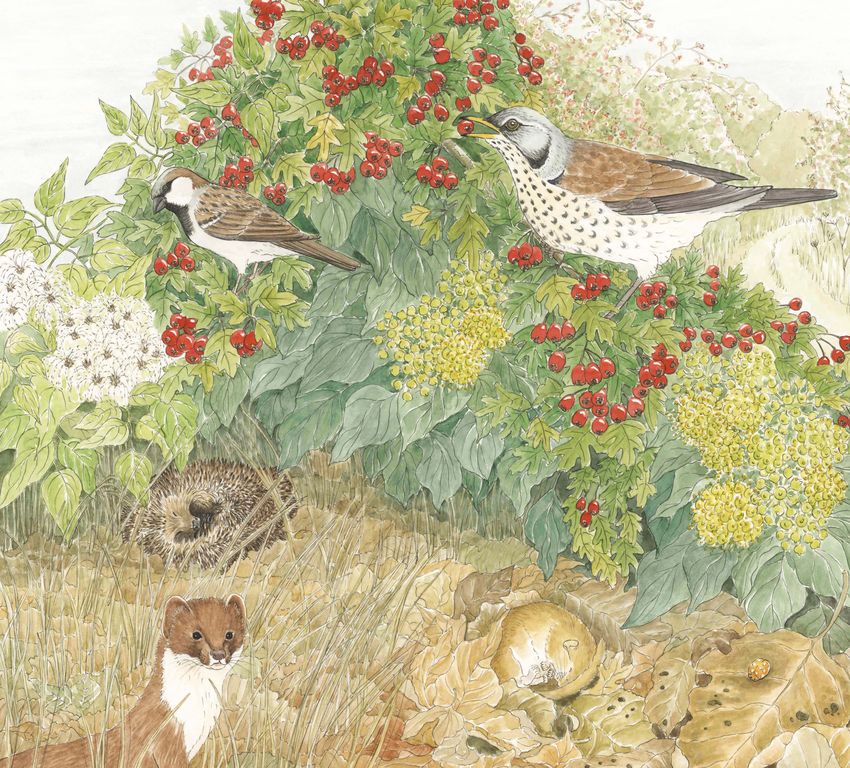
Heroic hedges
Discover the wildlife that thrives in our hedgerows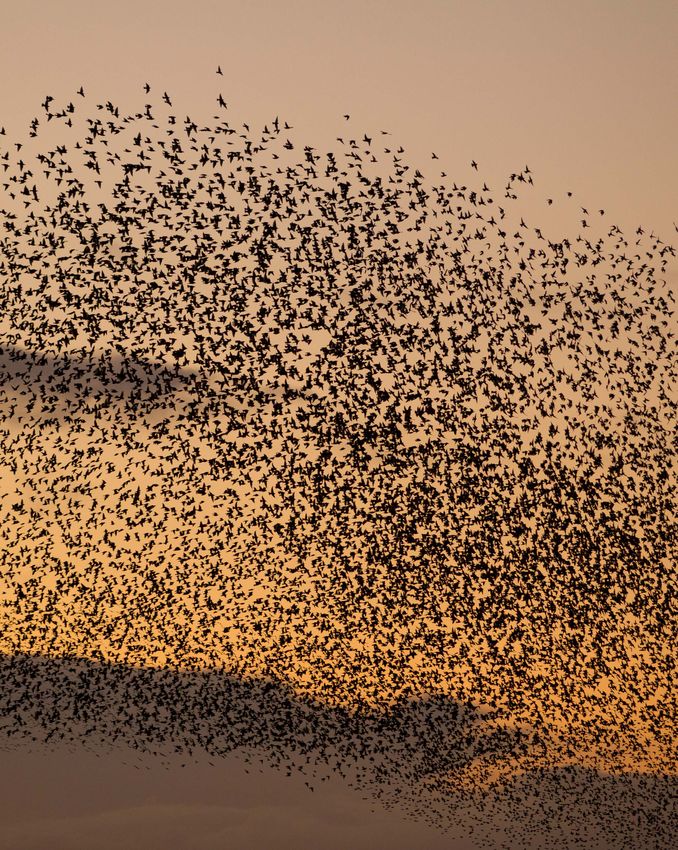
Welcome 10
Farming and wildlife
Your wild winter
MARK HAMBLIN/2020VISION
They are compatible!
Ready for nature’s recovery The best of the season’s wildlife and
The pandemic continues, but with talk of a ‘green where to enjoy it on your local patch
recovery’ there could yet be a silver lining that puts
people and the environment first.
RIC MELLIS
These are unprecedented times and with the
Agriculture and Environment Bills currently making their
way back through Parliament, nature’s recovery now rests in the hands
3
Wintertime wonders
T h a n k y ou
of politicians. We have been fighting hard alongside other Wildlife Trusts Wildlife wows this winter
to ensure that the bold promises made on securing a future for wildlife
g
come to fruition. We continue to lobby for the best possible outcome. ore by workin
The Agriculture Bill could transform our countryside. BBOWT will We achieve m er sh ip h elps
mem b
as one. Your d
facilitate this truly green revolution at the local level, offering the
vi ta l co nservation an
fund te ct s
expertise and vision for a landscape rich in wildlife, for all to enjoy. In fact, ork that pro
campaign w r w h at
we’ve already started and this autumn launched our new Land Advice irds. Discove
vulnerable b to g et h er
Service to help farmers and landowners manage their land in a more hieving
else we are ac t
nature-minded way. See page 11 for more on this. at bbo w t. o rg.uk/abou
It’s not all positive news. Following a U-turn the badger cull has
extended to new areas, including Oxfordshire where we have been
vaccinating badgers for the past six years. The Government had pledged
to end culling in pursuit of a vaccination programme. We were also
appalled by HS2 Ltd’s recent vandalism of our Calvert Jubilee nature
reserve, which flies in the face of the Government’s call for a green
recovery. We continue to challenge the scheme along with other groups.
Despite these setbacks we look forward to playing a central role in
driving the recovery locally. In the meantime, I have been truly humbled
by your continued support during this tough time. It makes me realise
just how important access to nature is to us all, and boy do we need it
more than ever. With the financial outlook uncertain, we need you to WINTER SPECTACLE
continue that faith in us. Thank you!
Starling murmurations
12
Nature’s highways Murmurations form when thousands of starlings
What’s inside a
flock together to perform aerial displays –
hedgerow?
Estelle Bailey, Chief Executive wheeling, switching, diving – before landing to
roost. It’s one of nature’s breathtakers. But why all
the synchronised antics? There’s safety in numbers
for a start: birds of prey find it harder to pick off
individual birds in the constantly moving mass.
This buys the starlings time to congregate before
Berkshire, Buckinghamshire & Oxfordshire Wildlife Trust Get in touch settling down en masse to stay warm and share
Wild Berks, Bucks & Oxon is the membership Wherever you are in the country your Wildlife Trust A large-print version of Wild Berks, the avian gossip. Murmurations start to form from
magazine for Berks, Bucks & Oxon Wildlife Trust is standing up for wildlife and wild places in your
Bucks & Oxon (text only) is available late autumn and swell in size as winter approaches.
Contact 01865 775476, info@bbowt.org.uk area and bringing people closer to nature. The best time to see one is just before sunset.
Membership 01865 788300,
on request. Call 01865 775476 or
membership@bbowt.org.uk Wild Berks, Bucks & Oxon brought to you by email info@bbowt.org.uk
SEE THEM THIS WINTER
Address The Lodge, 1 Armstrong Road, Editor Ben Vanheems Chimney Meadows Large flocks of starlings
Littlemore, Oxford OX4 4XT UK Consultant Editor Tom Hibbert Enjoy the extended version of
and other birds feed together on the meadows.
Website www.bbowt.org.uk UK Consultant Designer Ben Cook Wild Berks, Bucks & Oxon online at Wells Farm Starlings are drawn by the crop
President Steve Backshall Design Yorkshire Wildlife Trust Design Studio bbowt.org.uk/publications
Chair Joanna Simons Print CKN Print Ltd
stubble and wildlife margins of this working farm.
Chief Executive Estelle Bailey Cover Danny Green/naturepl.com Various Check out the Starling Murmuration
There’s very little social distancing going on here! Roost Map: starlingsintheuk.co.uk/roost-map
Registered Charity Number 204330 Company Registered Number 006800007
The biggest starling murmurations can number up
to 100,000, making for a truly mesmerising sight.
Wild Berkshire, Buckinghamshire & Oxfordshire | Winter 2020 3
2 Wild Berkshire, Buckinghamshire & Oxfordshire | Winter 2020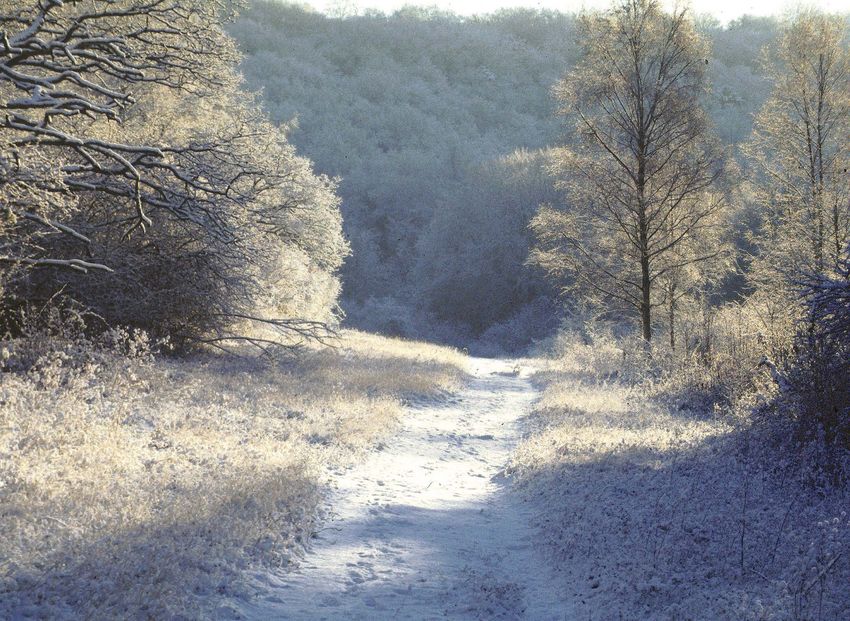
YOUR WILD WINTER WILD THOUGHTS
Enjoy a wonder-filled winter Blowing in the wind
Catkins are slim, usually
Go for a wander and admire our hardy winter wildlife petal-less flower clusters
that stick out or droop from
the stem in order to catch
Hares apparent the wind. This disperses
the pollen far and wide,
Haring around at speeds of up to 45 miles per hour, quite the opposite – the female seeing off a persistent ensuring good pollination.
these beguiling mammals can certainly move! They male with a bout of fisticuffs!
are synonymous with farmland and open fields but Hazel
rely on hedgerows and other cover – and speed – to WATCH THEM THIS WINTER Hazel catkins appear from
elude predators. Bernwood Meadows Awash with wild flowers January. The female flowers
Dawn or dusk offer the best chances of seeing
brown hares. They are easily distinguished from
in summer, the open vistas of winter offer the
best chance catching a glimpse of a hunkered-
are tiny by contrast but can
be made out by their red Melissa
rabbits, being almost twice the size and with a
sleeker, sportier build. Their longer, black-tipped ears
down hare.
Woodsides Meadow Woodsides is part of a
filaments.
Harrison
give them an acute sense of hearing, so to improve large complex of wildflower meadows that’s prime
the odds of seeing one maintain your distance and territory for spotting this handsome mammal.
SCOPES
employ a trusty pair of binoculars.
MARSHALL
From late winter you might catch the ‘mad March Learn more about Britain’s fastest land mammal
RACHEL
hares’ boxing. This isn’t a bizarre courting ritual but at bbowt.org.uk/hare-facts
ED
The home patch
JIM HIGHAM
Alder
Alder flowers from February
L e ve ret a lo n e to March. The dangling male
It is normal fo catkins mature to yellow,
r baby hares,
or leverets, to while the female flowers are When you look back at the spring and I’ve written before, in these pages and
be left on A LITTLE BIT WILD
their own for squat and green coloured. summer of 2020, what will you remember? elsewhere, of the importance of having a
periods of
time. If you fin The challenge of home-schooling? The ‘home patch’ that we care for and connect to, It may have seemed as
d one, don’t
be tempted to frustrations of domestic confinement? Fear physically, mentally and emotionally. Knowing though the birds
touch it
or your scent of illness, or perhaps illness itself? where the swifts nest on your street, which were singing more
really
could lead to Our shared period of lockdown was a long, strange time, oak in the park is always the last into leaf, why loudly during
its
abandonmen yet for many of us it came with an unexpected silver lining: the mason bees nest on one side of a nearby lockdown, but in
t.
the opportunity to rediscover (or discover for the first time) building and not the other – these things root fact, it’s likely they
the overlooked green spaces around our homes. us in place and time, in ways that often prove were able to
Silver birch Especially in the early weeks, when restrictions were deeply beneficial both to the world around us, lower their
The male catkins are at their strictest, all many of us saw of the outside world and to ourselves. volume as they had
long and yellow, appearing was during a brief walk each day. As one of the sunniest If, during lockdown, you found yourself far less noise pollution to
at shoot tips. Female springs on record unfolded, we sought out parks, nature seeing your local area with new eyes, don’t compete with. This will
catkins are shorter and reserves and urban green spaces, hungry for contact with turn away from it now. Consider becoming a have saved them precious
bright green. Both appear the natural world. For some time now we’ve been reading Friend of your nearest park, or supporting The energy, and may also have
from March. about the benefits of contact with nature to our mental Wildlife Trusts; look online for Forest Schools boosted their chances of
and physical health, but this year it was really brought who want help connecting kids in your area to reproductive success.
BEN HALL/2020VISION
Be wilder for 2021 home to us, as our deepest instincts drove us to listen
out for birdsong, plant windowboxes, cherish humble
nature, or other charities that have been doing
unsung work to protect and preserve green
With any new year comes New Year’s Resolutions. pavement weeds and take daily note of spring’s progress, spaces where you are. Melissa
Nature needs our help, so why not make a few drawing deep comfort, amid frightening changes, from At the very least, please don’t stop visiting the places Harrison is
wildlife-friendly pledges? Could you go peat- one of the eternal verities. you discovered in lockdown, no matter how a nature writer
ILLUSTRATION BY ROBIN MACKENZIE
free, start composting or commit to keep the So what happens now that many of us are back at tempting it is to forget them in favour of and novelist,
birdfeeders topped up? Seek inspiration for your work each day, and car trips for leisure are once again somewhere further afield. We need them, and editor of
pledges at bbowt.org.uk/actions allowed? Do we consign the local discoveries we made just as wildlife needs them: not just grand the anthologies
to the dustbin of memory, filing our wonder-filled walks National Parks, but nearby nature, too. Spring, Summer,
under ‘strange things we did in lockdown’? Or can we Autumn and
BUY THIS MAKE THIS take something crucial from the weeks we spent close Winter, produced
Make Christmas shopping count. Every purchase made Don’t forget our feathered friends this Christmas. They to home, using what we learned to transform the post- Find out about your nearest BBOWT nature in support of The
through our partners generates income for us. Shop guilt-free deserve a treat as much as we do. Supplement scarce food Covid world? reserve: bbowt.org.uk/reserves Wildlife Trusts.
at: bbowt.org.uk/shop-wildlife and wildlifetrusts.org/shop supplies with a beautiful bird wreath: bbowt.org.uk/wreath
Wild Berkshire, Buckinghamshire & Oxfordshire | Winter 2020 5
4 Wild Berkshire, Buckinghamshire & Oxfordshire | Winter 2020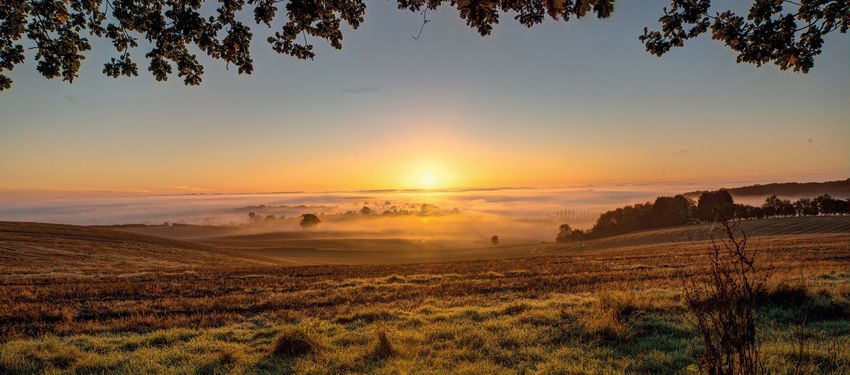
Don’t miss out
WILD NEWS UK NEWS
Sign up to our
e-newsletter at bbowt.
org.uk/newsletter for
all the latest news and
updates.
Stag beetles are one of
All the latest local and national news from The Wildlife Trusts many species in danger.
Surveying the land
STACEY DORAN
VOLUNTEER AWARDS In spite of the pandemic our amazing
Our hard-working heroes!
volunteers managed to complete
the vast majority of this year’s
wildlife surveys, with some
postponing plans and working
BBOWT’s Volunteer Awards, announced
at our annual conference, celebrate
for his more than 20 years as reserve
warden at Woodford Bottom and
overtime to get the job done.
One of the highlights was at Wildlife Trusts launch
biggest ever appeal
the army of volunteers that help us Lamb’s Pool; and Margery Reid, who Swains Wood, Oxon, where 650
KATE TITFORD
in so many ways. We weren’t able to has been a great help with the Trust’s flowering military orchids were
thank our wildlife heroes in person this nature reserve monitoring programme. counted – a new record!
to kickstart nature’s
year, but that doesn’t make us any less “Thank you to all of our volunteers
grateful! who work tirelessly, day in day out,”
Particular thanks go to the three says Estelle Bailey, Chief Executive. Broken promises
recipients of our Volunteer Lifetime
Achievement Award: Derek Cutt for
his dedication to wildlife conservation
“It’s truly tremendous what you do for
us and for achieving nature’s recovery.”
Why not join them? Learn more at
The Government expanded its badger
cull this autumn, having promised just six
months earlier to support vaccination as a
recovery by 2030
and local heathlands, especially at bbowt.org.uk/volunteer way of controlling bovine TB. Oxfordshire
Greenham Common; Bill Crabtree is one of six new areas in the cull. Our
badger vaccination programme is a humane As we struggle through the worst pandemic Craig Bennett, Chief Executive of The
and effective alternative that’s at least 60 in living memory, the importance of nature Wildlife Trusts, says: “We’ve set ourselves THE CHANGES WE NEED
times cheaper. Perversely, the cull will kill in our lives becomes clearer than ever. an ambitious goal — to raise £30 million Some examples of projects gearing
badgers already vaccinated by volunteers Science shows that humanity’s basic needs and kickstart the process of securing at up to help bring back 30%:
in government-funded programmes. Visit: — from food to happiness — can all be met least 30% of land and sea in nature’s
bbowt.org.uk/badgers-and-bovine-tb with a healthy natural environment, where recovery by 2030. We will buy land to n Derbyshire Wildlife Trust is hoping
wildlife surrounds us. expand and join up our nature reserves; to restore natural processes and
But sadly, nature is not all around us, at we’ll work with others to show how to bring healthy ecosystems on a huge scale
least not in the abundance it should be. wildlife back to their land, and we’re calling in their Wild Peak project, bringing
Many of our most treasured species like for nature’s recovery through a new package back more wildlife and wild places.
hedgehogs, bats and basking sharks are all of policy measures including big new ideas
at risk, as well as many of the insects that like Wildbelt.” n Hampshire & Isle of Wight Wildlife
pollinate our food crops. Wildlife Trusts are fundraising to tackle, on Trust is planning a number of
HOT TOPIC
Loss of wild places and the breaking up a scale not seen before in the UK, the joint reintroduction projects, from
End of the line of those that remain into small fragments climate and ecological emergency. Restored beavers to cirl buntings and
JIM ASHER
has had a disastrous effect. Only 10% of habitats will capture carbon, helping to choughs.
High Speed 2 Ltd has now taken legal land is protected in the UK and much of this tackle climate change, and bring people
possession of a large section of our Calvert is in poor condition. While some areas of the health benefits associated with contact n Lancashire Wildlife Trust is helping
Jubilee Nature Reserve. They moved Ash appeal the seabed are officially protected, harmful with the natural world. There are amazing to combat climate change at the
onto site without informing us, despite Thank you to everyone who responded to activities such as bottom trawling are only projects right on your doorstep that need first ever UK carbon farm, which is
reassurances they would. our ash dieback appeal. We are resuming banned in a handful of locations. support to take flight. locking up carbon and bringing back
Construction workers will destroy decades our targeted programme of tree works All is not lost, as we know how to turn Craig adds: “The next ten years must be wildlife habitat as the peatlands are
of hard work by staff and volunteers who this winter to ensure public safety. Once things round: we need to see nature’s a time of renewal, of rewilding our lives, of restored at Winmarleigh.
have created a haven for waterfowl and complete, we will allow affected areas to recovery happening across at least 30% green recovery. We all need nature more
waders. Birds like blackcap nest in the trees grow back naturally, of our land and seas by 2030. This would than ever and when we succeed in reaching n Lincolnshire Wildlife Trust is planning
and scrub, while reeds at the edge of the helped to try and stop, and at least delay, letting nature enable our wild places to connect and allow 30 by 30 we’ll have wilder landscapes that to restore reed beds, fen swamps
lake play host to the magnificent bittern. this sad day arriving.” find a new wildlife to move around and thrive. The store carbon and provide on-your-doorstep and meres, increasing water
All five species of UK hairstreak butterfly are BBOWT will continue to scrutinise the and healthy Wildlife Trusts are fighting to make this a nature for people too. Everyone can support resilience on Bourne North Fen,
found here. Government’s plans, while working to balance for our reality through our new 30 by 30 campaign, and help us to succeed.” supporting improved agriculture and
Head of Planning, Policy and Advocacy, minimise the inevitable damage. You can woods. Read and we recently called for a new landscape water quality — which is good for
Matthew Stanton, says: “We are devastated. help too, by writing to your local MP and more at bbowt. designation for England called “Wildbelt” Support our campaign today to wildlife — whilst reducing flood risk.
We have fought HS2 from the beginning asking them to urge the Government to stop org.uk/ash- that would put land in to recovery for bring our wildlife back:
and are grateful to everyone who has and rethink. More at bbowt.org.uk/hs2 dieback nature and help us reach 30%. wildlifetrusts.org/30-30-30
Wild Berkshire, Buckinghamshire & Oxfordshire | Winter 2020 7
6 Wild Berkshire, Buckinghamshire & Oxfordshire | Winter 2020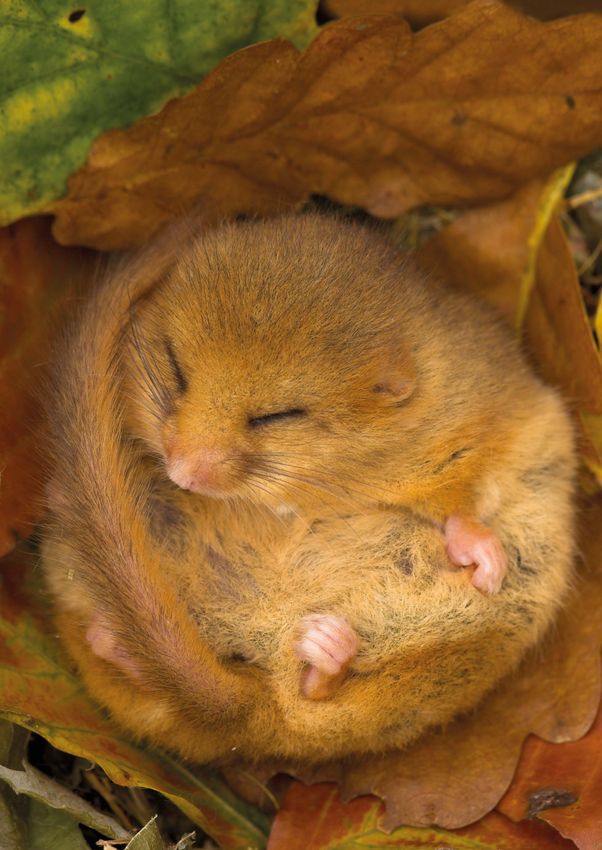
GO EXPLORE THIS WINTER
Y ou ’ re o! u r Take a virtual stroll
h e ro ! Yo ur mem
bership
BANBURY
MILTON KEYNES
Fancy a wander from
the comfort of your
Yes, yo u protect
n s we can BUCKINGHAM armchair? We will soon
m e a ms such
il d li fe -rich ge ure be launching warden-led virtual
w urg Nat tours of some of our most
as Warb ve.
R eser popular reserves and sharing
BICESTER them on our YouTube channel:
youtube.com/user/
3 BBOWildlifeTrust
AYLESBURY
WITNEY Discover more great days
OXFORD THAME out on our website
bbowt.org.uk/reserves
CHESHAM
ABINGDON AMERSHAM
DIDCOT 1 BEACONSFIELD
SLOUGH
2
WINDSOR
ALISTAIR PHILLIPS
Where better for a wild READING
walk than the wild woods of
Warburg Nature Reserve, a THATCHAM BRACKNELL
remote and peaceful place
NEWBURY
Discover the wildlife on your doorstep 2 Loddon Nature Reserve 3 Rushbeds Wood
Winter is full of wonder! 1 Warburg Nature Reserve Postcode RG10 9AD catch a glimpse of a snipe or Postcode HP18 0RU field maple, aspen, hazel and
beating a frigid, frosty morning, when the Great for… Waterbirds watch one of the many ducks – Great for… Quiet reflection younger oak. Wander through to
And the best way to Postcode RG9 6BJ valley bottom takes on a magical, Narnia-like Best time to visit Winter shoveler, gadwall, pochard and Best time to visit All-year round the stream and peer closely to
experience it? By getting Great for… Getting away from it all appearance. Admire the naked beauty of Size 14 hectares tufted – dabbling or diving. The Size 56 hectares admire the mosses and liverworts
Best time to visit All-year round nature deep in hibernation. Log and leaf piles Map ref SU 784 760 lake is also popular with birds Map ref SP 673 154 that cloak its steep sides. In
outside to explore one Size 107 hectares offer safe retreats for small mammals such perhaps more often associated spring this area bursts to life
of BBOWT’s 86 nature Map ref SU 721 878 as dormice (see page 14), while bats tuck
themselves into any nook or cranny they can
Binoculars? Check! Woolly hat?
Check! Flask of steaming-hot
with the seaside: beady-eyed
cormorants (often stood with
Rushbeds Wood is so named
because of the damp and
with carpets of opposite-leaved
golden saxifrage, the golden
reserves, each alive with Whether first-time or regular visitor, the find; the mature trees offer plenty of hollows, coffee? Check! You’ll want to their wings outstretched to dry), tussocky ground beneath the parts not petals but in fact sepals.
gloriously isolated splendour of this very the result of natural decay or the fervid activity settle in and get comfortable and in the summer months canopy, which supports a range
awe-inspiring wildlife special nature reserve never fails to amaze. of woodpeckers. for your trip to Loddon Nature oystercatchers and common of moisture-loving sedges,
Nestled in the enveloping folds of the Chiltern Not all of nature is fast asleep. Even in the Reserve, a flooded gravel pit that terns taking advantage of the grasses and, yes, rushes. This
Hills, this is one of BBOWT’s richest wildlife depths of winter the peace is occasionally is now a mecca for wintering safety afforded by the small quieter time of year invites an
gems. Pay a visit and you won’t fail to leave disturbed by a line-up of creatures reading birds. Look across the water to islands that dot the lake. amble at a more sedate and
feeling recharged, reconnected to nature, and like the cast of Wind in the Willows: badgers, reflective pace. The
most definitely elated. hares, voles and mice, stoats and weasels. See woodland looks
So what’s all the fuss about? How about if you can spot signs of them as you explore substantial enough,
the remarkable wildlife that calls it home – the patchwork of woodland, scrub and flower- but most of the original
MARGARET HOLLAND
GUY EDWARDES/2020VISION
CHRIS LAWRENCE
thousands of species, from bluebells or the rich grassland. Or to really blow the cobwebs wood was felled just 70
many types of autumn fungi, to majestic birds away why not complete all or part of our years ago, the few
of prey such as sparrowhawks, tawny owls, 13-mile Henley Wild Walk? You’ll return veteran oaks spared
buzzards and, of course, the now-legendary home thoroughly exhausted but happy. the chop now
red kites. Download the leaflet at bbowt.org.uk/ thronged by a new
Pick your winter wander wisely. There’s no henley-wild-walk ‘wildwood’ of ash,
Wild Berkshire, Buckinghamshire & Oxfordshire | Winter 2020 9
8 Wild Berkshire, Buckinghamshire & Oxfordshire | Winter 2020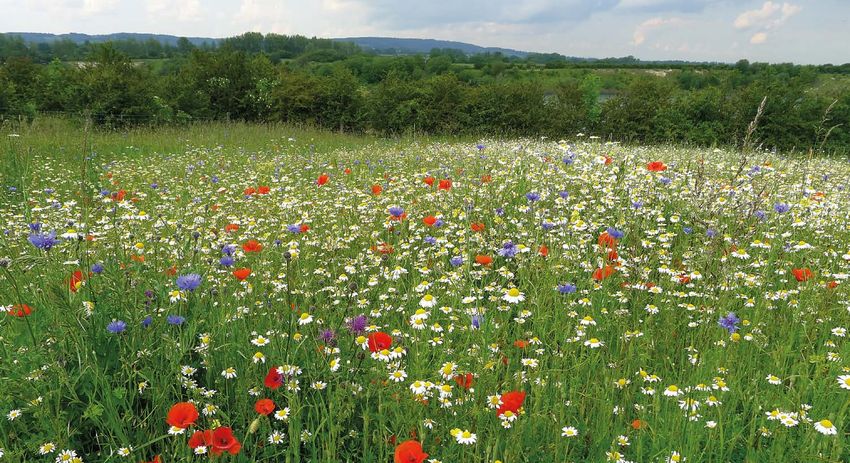
FARMING AND WILDLIFE FARMING AND WILDLIFE
Farming with
nature Cornfield flowers like these
at College Lake may become
The way farming subsidies are paid is about to change. In the biggest a more common sight
shakeup in a generation, new policies are sowing the seeds for a truly green
revolution, where food production and thriving landscapes, rich in wildlife, New advisory service
This autumn we launched our new
go hand in hand. BBOWT has the expertise to help local farmers make the Land Advice Service, a paid-for service
transition. In fact, our work in this area is already underway, as to deliver farmers and landowners with
targeted advice about how to change
Director of Conservation Strategy Prue Addison explains. their land management practices to
benefit wildlife.
The service will help farmers and
DON SUTHERLAND
landowners make the transition to the
new world of sustainable agriculture
The coming years could prove to be
by accessing opportunities to fund
a new dawn for British farming
more sustainable and environmentally
M
friendly methods of land management,
ore than 70 percent of UK presents a golden opportunity for By cooperating we can speed nature’s CAP no longer fits like the ELM scheme. We can also
STEVE MENDHAM
land is farmed in some way, conservationists and farmers to come recovery. It’s a compelling reason to bring Next year farmers enter a transition period identify new sources of income from
so how it’s managed has a together, sharing expertise in wildlife and landowners together to share experiences as payments move from the CAP system to the private sector, such as biodiversity
major influence on the natural agriculture. BBOWT is keen to play its part, and encouragement, which is what we do in its replacement, the Environmental Land offsetting, carbon trading, and payment
world. Sadly, our track record isn’t great, with building on its long history of working with our role as facilitators to two farmer clusters in Management (ELM) scheme. Currently in for ecosystem services. And, of course,
devastating declines in wildlife driving many farmers and landowners to help them manage Oxfordshire – the Happy Valley Farmers in the development, the scheme is based on the we can provide advice to proactive
species to the brink. their land for the benefit of nature. north of the county and the Thames Farmers’ principle of ‘public money for public goods’, individuals wanting to undertake their
Part of the blame lies with the Common Ongoing initiatives have already delivered or in other words, rewarding farmers for own independent land management
Agricultural Policy (CAP). For years this real improvements for both wildlife and delivering environmental gains that benefit initiatives, such as habitat restoration or
EU-wide system of agricultural subsidies people. For example, our work advising land Optimism on the ground We can do it: space for
nature and farming
all of society. The ELM scheme will focus on even rewildling projects.
prioritised production at the expense of managers through the Oxfordshire Local The Great Tew Estate is part of the payments for outcomes such as clean air Find out more about our Land
the environment, while recent payments Wildlife Sites project, or our involvements in Happy Valley Farmers cluster group and and water, mitigation of climate change and Advice Service at bbowt.org.uk/
have been based on little more than size of the Catchment Partnerships Programme to a participant in the ELM scheme trial. Conservation Group to the west. Participants thriving wildlife. land-advice-service
landholding. coordinate projects and landowners along the Farm Manager Colin Woodward shares not only receive conservation advice but have Last year BBOWT joined up with four
Our departure from the EU presents an Windrush and Cherwell/Ray rivers. his views. the invaluable opportunity of knowledge other Wildlife Trusts (Gloucestershire, example, soil, water and biodiversity), and
opportunity to redesign agricultural policies “Training days run through the Worcestershire, identification of where these goods can be
to enable wildlife to recover, while still farmer cluster group have improved our “For too long nature has either been Hampshire & Isle created or enhanced. The trial will include
EMMA BRADSHAW
supporting farmers. The new Agriculture Bill understanding of the biodiversity and of Wight, and essential business planning to help farmers
looks set to bridge the disconnect, lifting habitats along the watercourses, which forgotten or wilfully ignored, but the Herefordshire) to make informed financial decisions on the
us from one of the most nature-depleted will help us in future decision making. lead one of the most appropriate public goods that their land
countries in the world to one where farmers We know there is likely to be significant stage looks set for its comeback. ” Government’s trials for can deliver.
have the resources they need to create change in the agricultural sector but the scheme. The two- For too long nature has either been
healthier soils, vibrant wetlands and all the we are optimistic that the ELM scheme exchange on issues such as improving water year trial will use our collective experiences forgotten or wilfully ignored, but the
other things that nature gives us for free. will help develop a sustainable future quality, or maintaining, restoring and creating to shape the final scheme. stage looks set for its comeback. The once
for UK farming as we will have to native woodland and meadows. Freely sharing The trial will see us work with 100 competing interests of food production
Working together Farmland can offer landowners and farmers across five counties and wildlife conservation must now work
balance producing food with greater experiences of what has and hasn’t worked
further benefits to society
This move towards a more environmentally Xxxxxx environmental awareness.” serves as a shortcut to success, with both to design whole-farm plans, which will enable together to bring about a truly sustainable
alongside food production
minded approach to land management farmer and wildlife the winners. simple spatial mapping of public goods (for future for farming.
Wild Berkshire, Buckinghamshire & Oxfordshire | Winter 2020 11
10 Wild Berkshire, Buckinghamshire & Oxfordshire | Winter 2020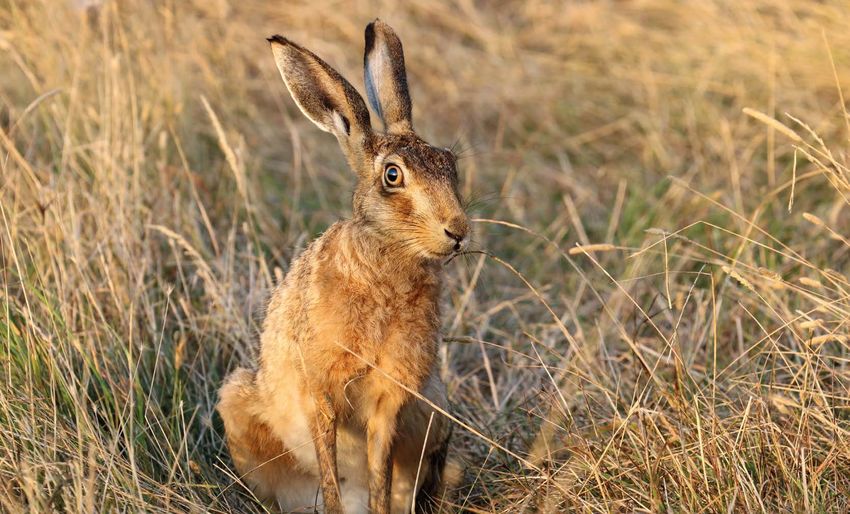
HEDGEROW WILDLIFE HEDGEROW WILDLIFE
Living on the hedge
By Andrew Jamieson,
Fieldfare
Winter visitors from the semi-
arctic regions where they breed,
these grey-blue thrushes will
often arrive in mixed flocks along
with redwings to feed on berries.
Surrey Wildlife Trust
F
irst light and an early winter mist lies softly
on the fields. Along the track the low sun is
backlighting frosted cobwebs and the frozen
stalks of last summer’s hogweed. Redwings
and fieldfares, as well as our resident thrushes, take
flight from the hedges as I approach. I have interrupted
their gorging on a bounty of berries. Sloe, haw, hip
and holly are all on the menu, these thorny thickets
providing a rich larder for birds that have flocked from
harsher climes to spend their winter with us. Brimstone
Other birds take advantage of these hedges at this One of a handful of UK
time of year, too. At sunset, hundreds of chattering butterflies that overwinter as
starlings will take up their roosting stations deep within adults, tucked away in ivy. They
the intricate tangle of shrubs and climbers. Here they can even be seen flying on sunny House sparrow
are protected from whatever the elements have in days in winter. The caterpillars Both house sparrows and their
store over the long winter nights. Insects in various life feed on buckthorn. rarer cousins tree sparrows
stages are also holed-up. With some careful exploration use dense hedges for roosting
spots, protection from
you may find dormant ladybirds tucked deep into
predators and even as nest
bark crevices or the tiny eggs of the brown hairstreak
sites when favoured holes and
butterfly lodged in the fork of a blackthorn branch. Hedgehog crevices aren’t available.
Meanwhile, hidden away at ground level, hedgehogs,
toads, and newts are using the security of the dense
Hedgehogs will often choose Ivy
the base of a thick hedgerow to This late-flowering evergreen has
vegetation for their seasonal slumber.
site their hibernaculum to sleep much to offer wildlife in autumn
Later in the year our hedge will become a riot of away the colder months. In milder and winter. Autumn nectar
colour, movement and aromatic scents with bees and winters they may be seen out and sustains bees, juicy berries feed
butterflies visiting the flowers of campion, bramble and about as late as December. birds long after other fruits have
honeysuckle. Long-tailed tits, wrens and yellowhammers
been snapped up, and dense
will be busily raising their broods; shrews and voles will
foliage provides a home for
be feeding, sheltering and defending their territories.
hibernating bats and insects.
But all that has yet to unfold, and for now much of life
lies waiting.
Thousands of miles of hedgerows such as this criss-
cross our country in a familiar and historical patchwork
landscape. Rich in wildlife, this network of green Dormouse
highways links the habitats and populations of so many Well-managed hedgerows are vital
species, all living ‘on the hedge’. corridors for many species and none
more so than the dormouse. As well
as a secure hibernation site, the hedge Orange ladybird
Farming on the hedge will provide them with many of the This distinctive ladybird is among
Hedgerows are a vital part of the Stoat fruits, nuts and insects in their diet. the many insects that hibernate
farming landscape, providing These fierce predators are active all in leaf litter at the base of
food and shelter to countless year round. They use hedge lines hedges. Other species of ladybird
birds, mammals and insects. to hunt small rodents and rabbits, will be under bark or nestled
Bird food supplier and Wildlife although when food is scarce may within thick beds of lichen.
Trust partner, Vine House Farm, resort to foraging for earthworms.
provides a haven for tree sparrows
ILLUSTRATION BY BETH KNIGHT
and other wildlife in their hedges.
Plus, with every purchase made supporting
The Wildlife Trusts, the farm is helping wildlife
beyond the farm gate. Find out more here:
wildlifetrusts.org/vine-house-farm
Wild Berkshire, Buckinghamshire & Oxfordshire | Winter 2020 13
12 Wild Berkshire, Buckinghamshire & Oxfordshire | Winter 2020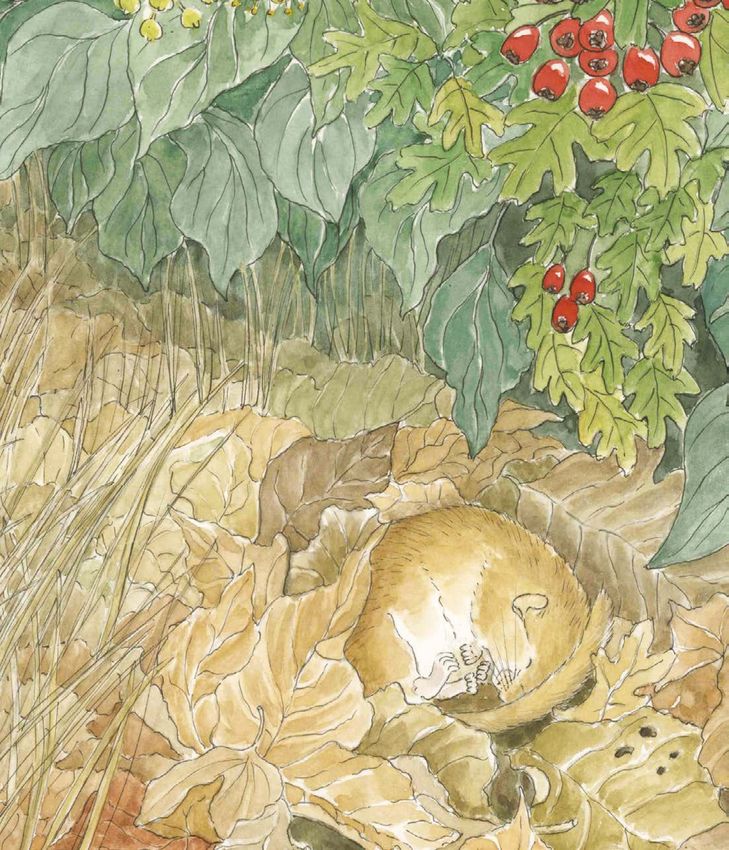
SPECIES SPOTLIGHT STAY CONNECTED
How to get more from us
Strange times call for innovative measures. With our events programme
disrupted by Covid-19 we’re doing all we can to bring the wildlife to you.
Here’s how we can stay in touch with each other
What’s going on? We will come to you
Sleeping
That’s what we’d all like to know! With the Covid-19 picture Thanks to a generous and far-sighted grant from The National
constantly changing, we are still unable to plan ahead with Lottery Heritage Fund even more of BBOWT – and the
confidence. For now, our events programme remains significantly wonderful wildlife found on our nature reserves – is coming to
reduced, with many events moving online. Rest assured we are as you! We are immensely grateful for their extra support during
keen as everyone to return to a full schedule of walks, talks and these testing times.
on the job
activities as soon as it is both safe and practical to do so. As well as helping pay for essential maintenance work, the
Keep up with the very latest situation by checking the grant will fund exciting new ventures such as a high-definition
website regularly. Even better, sign up to our free Nature Notes webcam at College Lake, Buckinghamshire. Imagine being able
e-newsletter, packed with ideas and news to keep your to check in on the birdlife in pristine detail from the comfort of
wild side entertained, inspired and informed. your living room!
Also planned is a series
IAN PRATT
ROBERT LEWIS
of reserve tours and
warden interviews, so you
can get behind the scenes
Dormice spend up to half the year hibernating of the many wildlife-
and most of the day sleeping, which makes On the lookout rich gems that your
While hard to detect, we know that membership supports.
them very hard to spot! dormice inhabit a number of our
nature reserves, including Moor Copse,
T
Warburg, and Little Linford Wood, where
he tiny hazel dormouse is late October, conserving energy by lowering a spring sighting by trail cam confirmed
universally adored, though few their metabolism and heart rate to an its presence there for the first time in
of us have seen one owing to absolute minimum. Safe spaces to sit out five years.
the fact they spend most of winter include logs or leaves at the base Inspection of wooden nest boxes is
their lives either hibernating or sleeping. of trees – typically coppiced hazel – or just our main method of monitoring. Similar Looking ahead benefit of local wildlife. While there is still we will develop our new strategic plan
These masters of slumber are even known below ground where temperatures remain to bird boxes but with the entrance hole Our current Strategic Plan covers the five- plenty to do, we are already planning for for 2021-26, which will build on our work
to snore. This may explain their name, more stable. facing the tree, the boxes are positioned year period ending in 2021. In the past year the next five years. for the nature and climate emergencies
which stems from the French word dormir, a few feet off the ground, preferably on we have made significant progress towards We know that nature-based solutions and the disconnection between people
meaning ‘to sleep’. Downward trend hazel coppice. Dormice use the boxes for the targets set out in the plan. For example, can play a key role in the fight against and wildlife.
Dormice tend to stay up in the tree canopy, A recent report by People’s Trust for breeding and roosting. through our work we have helped improve climate change. This will be a key focus of
becoming active at dusk to search for food. Endangered Species (PTES) reveals UK hazel Next year we plan to roll out inked more than 6,000 hectares of land outside our work with win-win benefits for both ead more in our Annual Review
R
What’s on the menu varies according to dormice numbers have halved since the footprint tunnels. This new method of BBOWT’s direct management for the nature and climate. In the coming months 2019/20, available at bbowt.org.uk/
the time of year: leaf buds in spring, insects turn of the millennium. The finger points monitoring should enable us to detect publications
throughout the summer then berries and, of to the same-old culprits: habitat loss and dormice more accurately, even where
PHIL LUCKHURST
course, hazelnuts as they fatten up for winter. fragmentation, and the increasing impacts nest boxes fail to show any signs.
Follow us!
The super-agile rodents hibernate from of climate change.
BBOWT works hard to create the right Inspecting a youtube.com/BBOWildlifeTrust
habitat for dormice. This includes retaining hazel dormouse
Go on a nut hunt canopy links in our woodlands, so dormice nestbox facebook.com/bbowildlifetrust
You can help monitor hazel dormice can move from tree to tree without having twitter.com/bbowt
too, by searching for nibbled hazelnuts. to descend to the ground where they are
Look sharp though; this family friendly vulnerable to predators. Regular coppicing flickr.com/photos/bbowt
activity requires some very careful helps create the mosaic of trees and shrubs
TOM MARSHALL
pinterest.com/bbowt
detective work! Download full nut hunt dormice need for a varied diet. We also
instructions from the PTES website: monitor dormice numbers as part of the instagram.com/bbowt
ptes.org/dormouse-nut-hunt National Dormice Monitoring Programme,
coordinated by PTES.
Wild Berkshire, Buckinghamshire & Oxfordshire | Spring 2020 15
14 Wild Berkshire, Buckinghamshire & Oxfordshire | Winter 2020
WHAT’S IN A NAME WHAT’S IN A NAME
What’s in a name?
Words have the power to change the way we view the world. Author
Horatio Clare explores the connection between language and nature
R
ecently a family passed my house, there seems real hope that the change we The precise nature of that relationship
which overlooks a meadow near have been praying for is afoot: with any is found in our vernacular and demotic
Hebden Bridge, Yorkshire. ‘Look!’ luck, renewed relationships with nature terms for animals and birds: humour, close
said the mother, ‘A peacock!’. ‘It’s and language are being born. Sales of field observation, accuracy and a poetic sense
a pheasant mum,’ her teenaged daughter guides are up, according to Emma Corfield- of the country characterise these terms, a
replied. ‘It’s a peacock,’ repeated the mother, Walters who runs Bookish in Crickhowell. cornucopia of words for everything from
looking hard at the cock pheasant. It was a Emma has been running a mail-order moles to herons. It makes sense that the
joyful exchange to witness. Is this not how Our language is full of magical
we all begin with nature, with anything — 30% of 8-to-11-year-olds cannot identify a words for wildlife, like ‘ammil’ for
naming and misnaming, feeling our way the fiery light of sun on hoar frost
towards understanding? magpie, but 90% of them can spot a Dalek
There must have been a great deal of
new naming of nature, recently. On a visit to service throughout the pandemic: ‘I’m creatures we see most often have the involves standing heron-still at a window use the lovely Devonian
Scotland, our seven-year-old named what selling a lot of foraging and identification most names. The humble woodlouse is a watching water falling from the sky, the word ‘ammil’ — the fiery light
might well have been a buzzard a golden books, so people are taking this time to peabug or a nutbug in Liverpool, a ticktock national thesaurus has every kind covered, produced by sun on hoar
eagle. He still confuses carrion crows and learn,’ she says. in Bedfordshire, a flump in Southampton, a from mizzle in Devon, to picking in Wales, frost. To have a new name for
jackdaws, but like many of us this year, he The depth and richness of all there is to parson pig on the Isle of Man, a sow-pig in smirr in Scotland (fine, drifting rain), letty a thing is to have sharper and
is making a start, delighted with collective learn will strike the readers of these books Norfolk and a billybutton in Yorkshire. in Somerset (the kind of rain that is a let or brighter eyes, to have your
nouns for the unkindness of ravens we see the way those of us who love fauna and flora Shakespearean England is alive in our hindrance to working outside); the heavier internal and external worlds
occasionally, the exaltations of larks on our were struck when our passions began. The local names for species, with the great stuff is plothering in the Midlands and the enriched (Macfarlane himself
moors and the murder of crows that patrol multitudes of dialects and the varieties of dukedoms and earldoms of Cornwall, northeast, stoating in Scotland (rain so loves ‘smeuse’, a word for a
the valley. ancient languages of which modern English Norfolk, and Yorkshire reliably providing hard it bounces off the ground) and ‘raining gap in a hedge made by Wildlife featured regula
rly in
For months now, teenagers, students is comprised speak of an extraordinary their own takes on the world. When Hamlet forks ’tiyunsdown’ards’ in Lincolnshire: the repeated passage of Shakespeare’s works, fro
m hawks
and family groups have been appearing in cultural and historical relationship between announces he knows a hawk from a raining pitchforks. small animals). and herons to the ‘Tu-w
hit; Tu-who’
the local woods and fields, absorbing their the inhabitants of our isles and the glittering handsaw he is using East Anglian dialect: a Many of these terms have fallen out of Try as one might, though, of tawny owls
calm, beauty and perspective. Nature has diversity of species they have been home to handsaw or hanser is a grey heron on the general use; they form a corps of specialised without a community of
been vital to us, this hard and awful year; — and will, with luck, support again. Broads. If the traditional English summer knowledge, retained in the vocabularies
of older people, and in little-read books.
There have been efforts to collect and When Hamlet announces he knows a hawk from
revive them, notably by Robert Macfarlane
in Landmarks, which assembled a trove of
a handsaw he is using East Anglian dialect
glossaries of dialect words for landscapes
and nature. It delights in terms like ‘zwer’, people who also need and use these words, acorns, designed to reverse a disconnection
an Exmoor word describing ‘the whizzing they remain idiosyncratic and obscure, between children and nature which came to
noise made by a covey of partridges as they and the objects and effects to which they light with the removal of these words from
Horatio Clare’s
break suddenly from cover’, and ‘summer refer remain marginal or unconsidered. the Oxford Junior Dictionary. Although the
award-winning
geese’ (steam rising in sunlight from a wet We can still teach them to each other and passionate response to the book proves
books include
Yorkshire moor). our children — who could not love the that parents and children still mind about
Running for the Hills,
Down to the Sea in Reading it, I resolved Yorkshire ‘mowdiwarp’ for a mole? — but these things, the territory which the book
Ships and Aubrey to remember and language is an organic, natural force. describes, with its collection of formerly
and the Terrible Yoot. Apart from the revival of Welsh, the result numerous birds and common trees, reflects
of huge effort and investment, there are a terrifying decline in wild species, and a
few examples of any tongue or dialect concomitant retreat in human interest and
being brought back to prosperity from understanding of them. What chance does
impoverishment. ammil have, if, as one recent survey found,
In 2017, Robert Macfarlane and the artist 30 percent of eight-to-eleven-year-olds
Jackie Morris had a mighty success with The cannot identify a magpie, but 90 percent of
Lost Words, a book of poems and pictures them can spot a Dalek?
featuring wrens, bluebells, kingfishers and Instead of the miracle it would have taken
Wild Berkshire, Buckinghamshire & Oxfordshire | Winter 2020 17
16 Wild Berkshire, Buckinghamshire & Oxfordshire | Winter 2020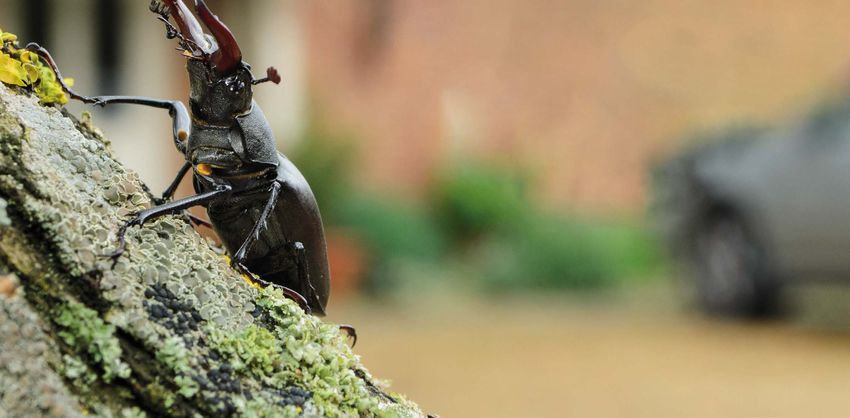
WHAT’S IN A NAME
Wildlife around the UK A recent survey has
revealed at least 250 Big gains in
small spaces
names for the woodlouse
The Welsh name for the jay is
sgrech y coed, which broadly
translates as ‘screecher of the woods’.
A fitting name for this forest-dwelling
cousin of the crow, so often heard
before it’s seen.
Even small gardens can be big news for Home sweet home
Erect bird boxes in the eaves
In Scots, the mountain hare has wildlife. Kate Bradbury reveals how you for sparrows or swifts, or a tit
been known by many names
including whiddie baudrons, fuddie, can optimise your space for wildlife. box 1-2m above ground. Bee
hotels take up very little room.
maukin, cuttie, and lang lugs — a
reference to its large ears.
A
The eider, a sturdy sea duck, is ny space, no matter its size, can offer homes
known as the Cuddy duck in for wildlife. Small spaces add up, contributing
Northumberland. Cuddy is short for to ‘wildlife corridors’ that enable wildlife to
Saint Cuthbert, a seventh-century travel, often between other habitats. You
monk that lived on the Farne Islands might have a garden close to a park. By digging holes
and bestowed his protection on the beneath your fences you will be creating a corridor for
eiders that nested there.
Layer bulbs in pot
hedgehogs to reach the park, opening up huge new
Layer alliums and crocus
spaces for them. You might grow a few flowering plants
In Northern Ireland you might in the same pot to offer
on a balcony, providing a stepping stone of nectar that
hear a yellowhammer referred to food for bees for longer.
enables butterflies to travel further in search of a mate.
as a yella yorlin, a meadow pipit called
These corridors are important because they enable
a moss-cheeper, a cranefly known as a
of the first red admiral butterfly, the return and ‘inessential’ — how much of our former wildlife to increase their populations and adapt to
granny-needle or a black ant as a
of the swallows, the dive and drifts of flocks lives was taken up with the latter, and what climate change. Without them, they’ll have less chance
pishmire. Add water
of swifts, the herons’ daily journeys up and new and old things, and what new and old of surviving.
down the beck, the appearance of the bats words, will the changed world decide it Tailor your garden to meet both your needs and those Attract wildlife with
to fix our disconnection from nature, there and the evensong of tawny owls. cannot do without? of wildlife. No room for a pond? Try a little container container ponds
came the terrible affliction of coronavirus. Human time, which was post-industrial Most wonderfully, it seems certain that pond, instead. Worried trees will grow too big? Consider and birdbaths.
But the effect may be the same. As traffic time, dictated by the clock and fought one casualty of the coronavirus will be shrubs like hazel, guelder rose and spindle. Grow plants
decreased, towns and cities fell silent and over by apps and notifications, seems to the pernicious capitalist cliché that time that flower over a long period to provide as much nectar
millions of us worked from home, we began have slipped sideways towards something is money. There is going to be less money and pollen as possible, such as perennial wallflower,
to repair relationships with place, the local much more natural, seasonal and slower. around, it seems certain, but more time. catmint and salvias. Or let the grass grow in one patch.
and with time that have been broken for In response, the internet has flooded with And time is not money: time is life, time is Anything makes a difference.
decades. I thought I knew this valley in
Yorkshire, but it took lockdown for me to
really see it.
Day by day, I watched the wrens nesting, the Get a free guide to helping struggling insects:
wildlifetrusts.org/take-action-insects
Let long grass grow
Provide shelter and food
Day by day, I watched the wrens nesting,
the kestrel hunting, and that peacock-
kestrel hunting, and that peacock-pheasant. for a range of species. Wild
flowers should pop up too.
pheasant. He established his territory, then
crowed and thrummed, broadcasting its the thoughts and observations of people beauty, time is the one true currency we
potential, drawing in two hen pheasants, noticing birds and animals, remarking on have to spend in this world.
one of which then laid eggs, from which the dawn chorus, and taking action. We cannot hothouse a return of the terms
hatched chicks, over which the father Mary Colwell, a naturalist, author and languages we once had for nature,
crooned in a most beguiling manner until and producer of David Attenborough’s but as we relearn how deeply we need
the day when they took their first flights, like programmes, has begun a campaign to the natural world, our words and phrases
ILLUSTRATION BY HANNAH BAILEY
large drunk bees. introduce a GCSE in Natural History into the for it will return and grow anew. Peacock- Grow climbers
Intrigued, I looked the bird up. ‘Pheasant’ school syllabus. The campaign is attracting pheasant for cock pheasant seems a fine
They provide shelter
comes from the Greek ‘phasianos’, meaning widespread support: if and when it is place to start, at least in Hebden Bridge.
for insects. You might
a bird from the land of the river Phasis, successful, our relationship with nature will
find moths resting
which is in present-day Armenia. Well I have taken a crucial step forward. Coming A GCSE in Natural History could Wild highways Feed the birds
here during the day!
never! Instead of my diary’s usual harried generations will be able to see and name bring young people closer to nature. Hedges offer shelter Save lives! Hang Grow caterpillar
and time-hurrying checklist of events and the world around them in the way many Discover more about the campaign and garden access. If feeders of sunflower food plants
journeys, commutes and re-schedulings, this who went before them could not. to make this a reality. you have fences, make hearts, mixed seeds
year has been charted by the appearance My words of the year have been ‘essential’ wildlifetrusts.org/nature-gcse and fat balls. Try foxglove, primrose,
holes in or beneath
hops, honeysuckle and
them on either side so
red campion, or nettles
animals can pass.
in larger
Wild Berkshire, Buckinghamshire & Oxfordshire spaces.
| Winter 2020 19
18 Wild Berkshire, Buckinghamshire & Oxfordshire | Winter 20206 places to see 1
Hidden forests 2
3
4
See the spectacle
5
for yourself 6
A
cross the UK, hidden forests of lichen are
waiting to be discovered. They thrive in 1 Ballachuan Hazelwood, Scottish Wildlife Trust
almost any environment with enough light, One of Scotland’s most ancient woodlands, where the
from the rocky mosaics of dry stone walls hazels and rocks are dripping with lichens and mosses. It’s
to the gnarled bark of ancient woodlands. Lichens are home to over 372 different lichens, including Norwegian
specklebelly, octopus suckers and elf-ears lichens.
fascinating things — not one organism, but a symbiotic
Where: Near Oban, PA34 4RJ
coupling of one or more fungus species and an alga
or cyanobacterium (or occasionally both). They live in 2 Glenarm Nature Reserve, Ulster Wildlife Trust
harmony, the fungus providing structure and the other
This beautiful river valley is home to lichens found
organism making food through photosynthesis. They’re
nowhere else in Ireland. Look for them decorating the
often overlooked, but closer inspection reveals a world in branches of ancient oaks or coating rocks along the
miniature, with lichens growing in sprawling shapes like Glenarm River, where the rare river jelly lichen is found.
the trunks, branches and leaves of the forests in which Where: Glenarm, BT44 0BD
many of them grow. It seems as if no two lichens are
alike, each patch a work of chaotic art, from moss-green 3 Eycott Hill, Cumbria Wildlife Trust
cups to rust-coloured mats. With a searching eye and an Admire the collage of lichens along the dry stone walls, or scour
open mind, lichens can brighten any walk in the wild. the rocky outcrops to find those orange, leafy lichens that grow
best on a bird’s favourite perch as they thrive on the extra
nitrates from droppings of meadow pipits and wheaters.
Where: Penrith, CA11 0XD
4 Roundton Hill, Montgomeryshire Wildlife Trust
Once the site of an Iron Age hillfort, this impressive
landscape supports almost 200 species of lichen. Look for
them on the shady underhangs of volcanic rock outcrops.
Where: Church Stoke, SY15 6EL
5 Roydon Woods Nature Reserve,
WITCHES’ WHISKERS LICHEN © ADRIAN DAVIES/NATURE PL
Hampshire & Isle of Wight Wildlife Trust
This enchanting ancient woodland is known for its
wildflowers, but the lichens draping the ageing trees are
just as impressive.
Where: Brockenhurst, SO42 7UF
6 Isles of Scilly, Isles of Scilly Wildlife Trust
One of the best places for lichens in the UK. The granite cairns
Usnea florida, a beard-lichen also known as witches’ of Peninnis Head offer a good selection, with a backdrop
whiskers, is a declining species found mainly on trees of spectacular sea views. The islands are also home to rare
in Wales and south-west England species like gilt-edged lichen.
Did you discover any lichen?
We’d love to know how your search went.
Please tweet us your best photos of the lichens that take
20 Wild Berkshire, Buckinghamshire & Oxfordshire | Winter 2020 your liking! @wildlifetrustsYour Wild Life.
Your Wildlife Trust.
We are committed to our vision of an environment rich in wildlife, valued by all. With your
continued support (thank you!) we can see that our mission – to create a living landscape
across our towns and countryside and inspire our communities to act for nature – is
realised. Here’s a snapshot of what we’ve achieved together this past year…
OUR IMPACT Our 86
nature reserves 1,382
2,644
people too
extend to k part
in health a
57,000
nd
wellbeing
hectares activities
on our res
erves
ture
BBOWT na
people took part in reserves co
ver an
our walks, talks mes the
area four ti
raltar!
and events size of Gib
We engaged with all
Thank
21 MPs in our area,
while 65 local
councillors signed
More than
You! our pledge for nature
25,644 memberships &
1,700 fantastic
volunteers 32,126
people… and counting…
support our work
follow us on social media
We inspire more than
12,000
n
More tha
7al p,4eop0le0signed
We inspire more than
schoolchildren
loc through our education
n to
the petitio centres and school visits
stop HS2
7 visitor, education and
environmental centres help
us inspire a curiosity in natureYou can also read


