IDC Integrated Results for the year ended 31 March 2017 - Presentation to the Portfolio Committee on Economic Development October 2017
←
→
Page content transcription
If your browser does not render page correctly, please read the page content below
IDC Integrated Results for the year ended 31 March 2017

Presentation to the Portfolio Committee on Economic Development
October 2017

Advancing Transformative Industrialisation
Outline

    1       Overview of the Year

    2     Operational Performance

              Governance and
    3           Efficiencies

    4      Financial Performance

    5           Conclusion

             Advancing Transformative Industrialisation
                                                          2
About Advancing Transformative Industrialisation

                             IDC is playing a key role in advancing
                             transformative industrialisation:
          Advancing          •   More balanced racial and gender participation in
                                 ownership of assets;
                             •   Providing opportunities for Black Industrialists,
                                 women and youth to encourage tomorrow’s
                                 leaders of industry;
        Transformative       •   Improving competitiveness of the economy;
                             •   Expanding the role that productive sectors play
                                 in the economy;
                             •   Creating more employment opportunities to
                                 increase income levels and reduce poverty;
                             •   Nurturing new industries that will replace sunset
       Industrialisation         sectors in the future;
                             •   Increasing local production of inputs for
                                 infrastructure development and beneficiation.

                                                                                     3
Overview of the
Year
The year under review was again a challenging
one for the IDC

                    GLOBAL                                              DOMESTIC

•   The rate of increase in world output, at 3.1% in   •   South Africa’s economic growth has been
    2016, was the weakest since the global                 gradually declining for a number of years –
    financial crisis in 2009.                              with GDP increasing by only 0.3% in 2016 –
                                                           the lowest rate of expansion since the 2009
•   Rather extraordinary geo-political                     recession.
    developments dominated international
    headlines, thereby affecting investor and
    business confidence.                               •   The economy entered a technical recession in
                                                           the 2nd half of the reporting period, whereas
•   World trade remained under pressure,                   concerns over the country’s sovereign credit
    impacting on performance of many export-               ratings continued to loom large.
    reliant economies.

•   Although commodity prices started recovering       •   Fixed-investment spending by the private
    during the year, underlying market                     sector declined by 5% in real terms.
    fundamentals have not yet supported a
    sustained recovery.

•   As a key market for SA’s manufactured
    exports, Sub-Saharan Africa’s subdued growth
    has been of particular concern.

                                                                                                           5
Most South African sectors performed below
expectations
Real GDP growth by main economic sector                                                  • Overall economic growth continued to
                                                                                           slow
       Agriculture (2.4%)                                                                • The drought-affected agriculture sector
                                                                                           contracted by 7.8% and mining’s gains
            Mining (8.1%)                                                                  of 2015 were rolled back
                                                                                         • Manufacturing grew by 0.7% with
 Manufacturing (13.7%)                                                                     performance of sub-sectors shown
                                                                                           below:
         Electricity (2.3%)
                                                                                                                        Weight in Growth in
    Construction (3.9%)                                                                     Manufacturing sub-sector manufactu- output 2015 to
                                                                                                                          ring      2016
            Trade (15.3%)                                                                 Food & beverages               24.4%      -0.6%
                                                                                          Textiles & clothing             3.2%      -1.8%
         Transport (9.4%)                                                                 Wood & paper                   12.7%      3.4%
                                                                                          Chemicals                      22.1%      3.8%
                                                                                          Non-metallic mineral products   3.9%      -2.0%
         Finance (22.1%)
                                                                                          Metals & machinery             19.6%      -1.8%
                                                                                          Electrical machinery            1.7%      -1.9%
   Government (17.0%)
                                                                                          Radio & TV                      1.4%      7.9%
                                                                                          Transport equipment             7.4%      -0.4%
Personal services (6.0%)
                                                                                          Furniture & other industries    3.6%      -3.3%

                  Total GDP
                                                                                         • Services industries maintained positive
                                -10       -8        -6      -4   -2   0   2   4      6
                                                                              % Change     albeit low levels of growth.
        2015     2016

 Figures in brackets refer to contribution to overall GDP
 Source: IDC, compiled from Stats SA data
                                                                                                                                             6
The IDC continued to balance its priorities

                                              Developmental Outcomes
                                              IDC continued to achieve record-
                                              levels of funding approvals with
                                              an all time high of R15.3 billion
                                              supporting transformative
                                              industrialisation

        Financial Sustainability
        IDC remained financially
        sustainable through recording
        a group profit of R2.2 billion

    We achieved commendable results in a year characterised by high
         levels of uncertainty and slow global economic growth

                                                                                  7
IDC’s funding remained resilient – countering
economic conditions
IDC approvals compared to private sector fixed investment IDC jobs created/saved compared to overall change in SA
non-government employment
1212 000
000 20%
20%
200 49
1010
000
000 15%
15%
100 42
Non-government employment change ('000)
8 000
8 000 10%
10%
0 35
Growth in CFCF (%)
Growth in CFCF (%)
IDC jobs created/saved ('000)
IDC Funding (R'm)
IDC Funding (R'm)
6 000
6 000 5%5%
-100 28
4 000
4 000 0%0%
-200 21
2 000
2 000 -5%
-5%
-300 14
00 -10%
-10%
-400 7
-2-2
000
000 -15%
-15%
2005
20052006
20062007
20072008
20082009
20092010
20102011
20112012
20122013
20132014
20142015
20152016
20162017
2017 -500 0
2010 2011 2012 2013 2014 2015 2016 2017
Approvals SA (2010 Disbursements
prices) Approvals Outside SA (2010 prices)
SA (2010 prices)
Disbursements SA (2010 prices)
Disbursements Disbursements
Outside SA (2010 prices) Outside SA (2010 prices) IDC jobs created IDC jobs saved Change in non-government employment
Private Sector GFCF Private
(2010 prices)
Sector GFCF (2010 prices)
• GDP growth has slowed down significantly over the past two years
• IDC maintained high levels of approvals despite private sector investment first stagnating and then declining.
• Notwithstanding significant employment losses reported in a number of years since 2010, the IDC has been able to consistently
contribute to employment in SA.
• This countercyclical effort has been in part as a result of IDC’s proactive efforts to source, develop/co-develop, and co-fund projects
8
Performance Highlights for 2016/17

    175 TRANSACTIONS         TOTAL FUNDING      JOBS EXPECTED TO BE     APPROVED FOR THE
        APPROVED               DISBURSED         CREATED OR SAVED        MANUFACTURING
                                                                        SECTOR (126 Deals)

     R15.3bn                R11.0bn                20 881                R7.7bn
         (↑6%)                  (↓3%)                (↑37%)                 (↓14%)

   APPROVED FOR BLACK-     APPROVED FOR BLACK     APPROVED FOR            APPROVED FOR
       EMPOWERED              INDUSTRIALISTS     BUSINESSES WITH         BUSINESSES WITH
   COMPANIES (117 Deals)         (83 Deals)     WOMEN OWNERSHIP OF     YOUTH OWNERSHIP OF
                                                   >25% (46 Deals)        >25% (52 Deals)

     R10.1bn                 R4.7bn               R3.2bn                 R2.3bn
        (↑104%)                 (↑63%)              (↑178%)                (↑142%)

                                                NET PROFIT AFTER TAX      TOTAL ASSETS

      We advanced transformative
   industrialisation, whilst remaining
        financially sustainable                   R2.2bn               R129.8bn
                                                    (↑887%)                  (↑7%)
                                                                                             8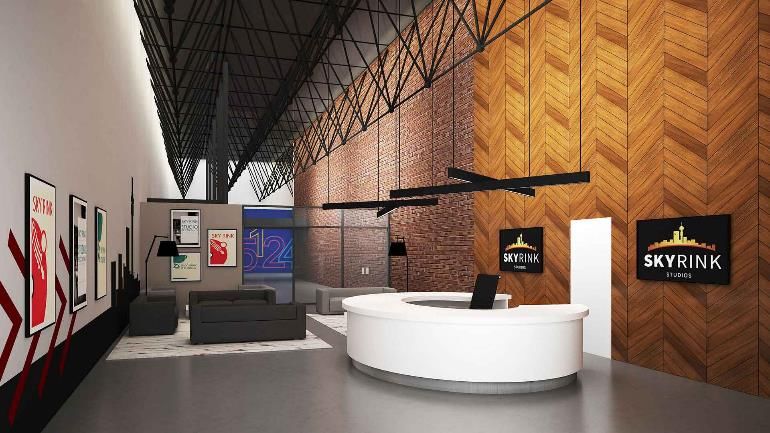
Operational
Performance

Leading industrial
capacity development
Our proactive approach increased approvals while
    disbursements remained flat

Value of funding approvals                             Value of funding disbursed

       R’bn                                                   R’bn

        20                                                     20

                                                                      16.0
                                              15.3
                                       14.5
                       13.8

        15                                                     15
               13.1

                               11.5

                                                                                              11.4
                                                                              11.2

                                                                                                      11.0
                                                                                      10.9
        10                                                     10

         5                                                      5

         0                                                      0
              2013    2014    2015    2016    2017                   2013    2014    2015    2016    2017

•    The value of funding approvals increased to R15.3 billion, 5.7% higher than the previous year.
     An additional R922 million (of which 91% is dti funds) was approved from funds managed on
     behalf of third parties.

•    Levels of disbursements remained flat, with R11.0 billion disbursed in the period compared to
     R11.4 billion in 2016.

                                                                                                             11
Funding characteristics in line with priority value
chains and sectors
Special High High Impact Industrial
Value Chains New Industries
Impact Sectors Sectors Infrastructure
• Metals, Metal • Sectors which • Motion pictures • Sectors within • Infrastructure that
Products, are determined & entertainment IDC mandate unlocks industrial
Machinery & by forward • Clothing, that offer high development:
Equipment, looking trends textiles, footwear volume of electricity, water,
Transport and innovation, and leather opportunities, telecommunicatio
Equipment and and could products contribute to IDC ns and logistics.
Mining develop into development
• Chemicals significant goals, but where
Products & opportunities for IDC does not
Pharmaceuticals SA play a proactive
• Agro-Processing role. These
and Agriculture include
industries such
as tourism, ICT,
furniture and
other
manufacturing
industries not
covered
elsewhere.
12Our proactive investment approach resulted in an
increased focus on value chains, expansions and start-
ups
R8 498m
R8 498m Metals & mining
Metals & mining value chain
R55m Agro -processing & agriculture
Value approved by sectoral focus area (2017)
R55m Agro-processing & agriculture
value chain
The metals and mining and chemicals and
R2 051m
R2 051m Chemicals & pharmaceuticals
Chemicals & pharmaceuticals
value chain
pharmaceuticals value chains attracted the
R1 840m Industrial infrastructure largest portion of funding
R1 840m Industrial infrastruc tur e
R434m
R434m Clothing,, tex
Clothing textiles,
tiles ,leather&
leather Funding to the agro-processing and
& footw
footwear
ear agriculture value chain was disappointing
R161m
R161m
Media & motion pictures
Media & motion pic tures
due to conditions in the sector and
R222m
R222m
New industries
New industries cancellations of funding approved in
R2 024m O ther manufac turing ,
previous years (since all the reported
R2 024m tourism & ser Other manufacturing, tourism & vices
services activities reflect net approvals).
Utilisation of funds approved (2017)
29% Capacity expansions
46% Projects & new start-ups Majority of funds were directed towards
projects and start-ups, followed by capacity
10% Ownership changes
expansions.
13% Distressed businesses
2% Expansionary ownership changes
13Distribution of funding broadly aligned to Evolve
expectations (2016 and 2017)
Value of funding approved (R’bn) Number of clients supported Utilisation of funds (R)
0.1
Metals and mining 14.4 14.5 5 67 72 44% 19% 12% 26%
Chemicals and pharmaceuticals 0.9 5.9 6.8 14 29 43 71% 18% 9%
Agro-processing and agriculture
0.3 0.4
0.7 5 20 25 31% 20% 50%
Industrial infrastructure 3.6 31 17% 72% 10%
New industries 0.4 19 64% 28% 9%
Not in line with focus areas
Special high impact 1.4 54 39% 22% 39%
In line with focus areas
High impact 2.4 Outside value chains 53 45% 30% 16% 9%
Expansions Ownership changes
Projects and new start-ups Distressed businesses
The Metals and Mining Value Chain remains the largest contributor to IDC’s funding activity with
c.a. ½ of the value of funds approved and ¼ of the number of transactions and clients supported.
½ of the number of clients supported over the past two years were new clients – IDC is extending
its reach.
Just under ¾ of funding was for projects, start-ups and expansions, with funding to distressed
businesses making up c.a. ⅕ of the total value of funding.
The large portions of distressed funding in the Agro-processing and Agriculture Value Chain was for
the Land Bank for on lending to drought stricken farmers and in High Impact, it was for a distressed
construction company.
All figures net of cancellations unless otherwise specified 14Resultant development outcomes also aligned to
Evolve expectations (2016 and 2017)
Funding for transformation (R’bn)
Number of direct jobs Jobs per R’m IDC funding Black- Black Women Youth
created/saved (‘000) owned empow. empow. empow.
Metals and mining 1.3 15.9 17.1
1.2
4.7 4.9 3.3 2.5 0.5
Chemicals and pharmaceuticals 0.6 1.9 2.5 0.4
2.3 0.6 4.7 0.3 0.1
Agro-processing and agriculture 1.0 2.0 2.9 4.5
9.8 0.1 0.1 0.1 0.1
Industrial infrastructure 5.2 1.5
7.8 2.7 0.2 0.5 1.4
New industries 0.5 Saved 1.4
4.4 0.0 0.0 0.0 0.1
Created 2.0
Special high impact 0.6 2.1 2.7 0.4 0.3 0.2 0.3
6.6
High impact 2.7 2.5 5.2 2.2
5.4 1.6 0.1 0.7 0.8
Direct jobs
Total (incl. indirect)
Mining, basic metals, and industrial infrastructure are contributing large numbers of direct
jobs. Their indirect impact is also significant considering the large multipliers these sectors
have.
The Agro-processing and Agriculture Value Chain delivers jobs at the lowest cost to IDC when
considering direct as well as indirect jobs. High Impact, which includes sectors such as
construction, and Special High Impact, which includes the clothing industry is also relatively
efficient.
15
All figures net of cancellations unless otherwise specifiedImplementing strategies
Machinery and Equipment
Strategic Goal MM Engineering - Development Impact
Project Overview
Manufacture of Support for Black-female
Project initiated in 2012
equipment for oil & gas, industrialist entry into the
with MM Engineering in
water handling, storage manufacturing sector
partnership with IDC
Direct employment 104
and power distribution, Total Exposure R191m
people when operational
mining, bulk handling Overall project construction
plus 343 construction jobs
and construction is complete and ready for
Located in Eastern Cape in
operations
Coega IDZ with linkages to
Projects Plant construction in
chemicals value chain
approved/implemented progress expected to be
Project targeted at
completed by end of 2017
Other key projects providing low income
Plant commissioning
• AVK Water pumper communities access to LPG
expected by mid-2018
localisation Import substitution of LPG
Forward linkage to
• Revive Electrical gas cylinders
Chemicals Value Chain
Transformers Sunrise LPG Storage Project
• Manufacturing of gas
cylinders
This project revives South Africa’s lost industrial scale LPG cylinder manufacturing capabilities,
which closed down in 1990, whilst contributing to the transformation of the manufacturing
sector 16BAIC Automobile – Status Update
Project Summary Status Localisation and Developmental
Location – 54,62 hector Land in • Company formation and share subscription Impact targets during Construction
Zone 1 A, COEGA IDZ, Nelson completed. Phase
Mandela Bay Metro. • Land acquired from the Coega Development
Production capacity – 50,000 Corporation and site clearing completed. • Minimum of 80% of the procurement
units per annum [target market mix • Site development plans have been approved price for Civil Works to be sourced from
40% local and 60% export] by the Metro. supplier companies in South Africa.
Products – entry-mid-level Sedan, • An Engineering, Procurement and Construction • Minimum of 15% of the procurement
4 x 4 Sport Utility vehicles and management contract has been concluded with price for plant and equipment from South
Pick-ups BIDR, a specialist Chinese engineering firm African suppliers.
Total Investment – R4,2 Billion with experience in setting up auto plants.
Rand • Civil works packages have been defined with • For the Civil Works, the work force shall
scope and targets set for participation by black- comprise of a minimum of 70% of the
Equity Shareholding persons residing permanently in the
owned SMMEs.
- BAIC Group (China) - 65%,
• Homologation process with SABS and the dti Nelson Mandela Bay Metropolitan area.
- IDC 35% completed and to date two models launched in Higher target levels for this are recorded
Anticipated Start of Production - the domestic market (D20 sedan and X25 under the EPC Contract;
2nd Quarter 2018 compact SUV). • Minimum of 35% of the overall
Construction Period – 12 to 18 • Recruitment – job descriptions and construction cost must be awarded to
months Developmental impact specifications for key technical personnel local SMME contractors. This relates to a
• New Direct jobs to be created and core management team have been work component of approximately R 300
– 784 production jobs completed and recruitment process has million for the SMME’s out of the
• Indirect Construction jobs – commenced. approximate building value of R 800
2,500 • An agreement for training and upskilling of million for the Phase 1 (Stage 1) of the
• Increasing local content – the technical team concluded with Mercedes project.
above 60% by year 5 from Benz SA, whilst the plant is still under
start-of-production construction.
• Technical recruits are also to be sent to
BAIC’s assembly plants in China for training
and upskilling from October onwards.
17Implementing strategies
Agro Processing and Agriculture Value Chain
Aquaculture & Seafood Products Strategy Karoo Catch
• Develop and expand the viable production of fish and • Aquaculture (catfish farming and processing) in Graaff-Reinet in E Cape
seafood products on a sustainable basis, including further • IDC co-developed project reaching BFS in 2016
value addition to levels determined by the end-market. • Project currently in construction phase
Impact
• To create 210 jobs
Projects approved/implemented • 41% staff trust owned
• Majority BEE ownership
Key projects Other projects • Sustainable skills development, shared-ownership job opportunities
Karoo Catch Doringbaai Abalone primarily for women in the Karoo and increasing food security.
Doringbaai Abalone Karoo Catch
18Implementing strategies
Chemicals and Pharmaceuticals Value Chain
Strategy Sunrise Energy Oiltanking MOGS
• Increased gas usage as energy security • Project was initiated in 2007 in partnership • Joint venture between MOGS – a South African
• Develop fuel storage facilities and with IDC company owned by the Royal Bafokeng, and
continue to investigate the possibility of • Open-access LPG import and storage the PIC – and Oiltanking GmbH
establishing a new crude oil refinery terminal with a capacity of 5 500 tons in • 13.2 million barrel in-ground crude oil storage
Saldanha Bay, Western Cape and blending facility in Saldanha Bay
Projects approved/implemented • Current ownership: MOGS (60%); IDC • Expected to be completed in the third quarter
(31%); Ilitha Group Holdings (9%) of 2018
Key projects • First gas discharged in June 2017 Impact
• Sunrise Energy Impact • Will create 70 full-time jobs during operations
• Oiltanking MOGS • Created 50 full-time and 250 temporary and 650 temporary jobs during construction
Other projects jobs during construction – most employees • Providing continued employment of workers
• Project Buffalo from local area that were involved in construction of Sunrise
• Tetra 4 • Local construction of storage bullets – Energy – including skilled welders
• CNG Holdings training of welders • Using local intellectual property for the design
• Wasaa Gasses • Research indicate that up to of the storage tanks
5 000 downstream jobs can be created • Location on international transhipment routes
Enabling environment • Addresses shortages of LPG in the Western will earn valuable foreign exchange
Cape
• Participate with DTI in gas • LPG is a cheaper alternative for cooking and
industrialization team and its heating compared to electricity, safer than
chemicals sector growth strategy paraffin, and has less carbon emissions
• Detailed analysis on liquid fuels • IDC is participating in a project with the Way forward
environment and liquid fuels strategy company to roll-out 1 500 gas cylinders to • Asses potential expansion opportunities for
paper the local community Sunrise Energy
• Engagement (regularly) with Sasol and • Opportunities to supply to other industries • Pursue additional opportunities (OTGC fuel
other industry role players (CAIA) that can convert to using LPG now that a terminal in Coega, Illitha fuel terminal,
• Engagement with Transnet and PIC to secure supply is available discussion with Botswana national oil company
create a LNG import terminal
on pipeline and terminal opportunities)
dedicated to industry 19Implementing strategies
Chemicals and Pharmaceuticals Value Chain
Sunrise Energy
Oiltanking MOGS
20Implementing strategies
Industrial Infrastructure – Enabler
Logistics and Telecoms Strategy Kuka Aerial Ropeway
• Unlocking industrial development opportunities through • Kuka Ariel Ropeway is in Steelpoort, Mpumalanga will transport 100,000
investing in Logistics projects -rail, road , maritime, tons of chrome per month from GlencorXtrata Thorncliffe mine to the
storage facilities, industrial parks smelter previously transported by road.
• Increase high speed broadband penetration and reducing • IDC co-developed the project with the sponsor as it supports the
the costs associated with telecommunication strategy of innovative logistics solutions to reduce the logistics cost.
• IDC exposure ca R174m
Projects approved/implemented/pursued • Project currently in implementation stage
Impact
Key projects- Logistics • To create 28 jobs
• RBTG Coal Terminal (Mining) - BI • 60.9% Black women shareholding
• Kuka Aerial Ropeway (Mining) – Woman BI • 70% Local content
• Kathu Supplier Park (Mining) • Impact in reducing maintenance costs on road infrastructure
• Gibela PRASA Supplier park (Automotive) • Potential to replicate the model to other mining operations
• BAIC (Automotive)
• Sheraton (Textile)
• Mzanzi Rail Terminal (Freight Industries)
• Kipushi Rail Line (Mining Rail) A ropeway transporting ore
• Mpumalanga Fresh Produce Market (Agro)
• Mnambithi Dry Goods Storage Tank (Agro and Chemicals)
• Toll Road Projects Zambia
• Rail Project – Zimbabwe and Senegal
Key projects- Telecommunication
• Smile (Nigeria)
• Afrimost (Zambia)
• Comsol
• Ramusi & Sons – Black Youth & BI
• SA Connect Policy – BBI and SENTECH
21Implementing strategies
Clothing and Textiles
Strategy Sesli Textiles Yi Li Da Sa
• Establishing sustainable textile sub- Sesli is one of only four local blanket Yi Li Da SA is the most recent entrant in the
sector through supporting existing manufacturers existing in SA. market
companies or new capacity • Loss making for a number of years • Project was initiated in 2015 with direct
• Together with IDC and Business Support new foreign investment and their subsequent
market strategy developed to diversify into rapid expansion supported by IDC
Projects mink blankets • Creation of an additional 230 jobs
approved/implemented • IDC worked closely with management to • IDC exposure: R80 million
Key projects focus on improving efficiencies and working
• Sesli Textiles (Pty) Ltd capital management Impact
• Yi Li Da SA Manufacturing (Pty) Ltd • IDC exposure: R44 million • Start-up created 430 full-time jobs, with 230
• Korteks Textiles (Africa) (Pty) Ltd new jobs created with IDC funding
• Sycamore Trading (Pty) Ltd Impact • Turnover of R130 (FY17) expected to grow to
• Currently 135 employees and 9 full-time jobs R180m (FY18)
will be created • Import replacement
• Turnover more than doubled from R70m • Strong demand for printed polyester mink
(FY16) to R150m (FY17) blankets
Enabling environment
• Profit posted for FY17 • Printing flexibility on blankets – quick
• Manage the CTCP grant programme • Until 18 months ago the polyester mink response model
on behalf of the dti (through blanket was fully imported • IDC participation in project expansion
Development Funding Department) • Addresses lack of locally manufactured • Opportunities to supply neighbouring
• Participating in CTCP Clusters polyester mink blankets in the market countries
• Working closely with the dti on • Polyester mink blankets are a cheaper
sector development alternative to acrylic blankets and has greater Way forward
• Liaise with retailers on industry and customer appeal • Continue support for turnaround and
case by case • IDC is supporting the company to expand growth strategies
• Participate on SARS CTFL Forum to their present capacity • Explore value chain integration with the
address illegal imports • Opportunities to supply to neighbouring creation of a polyester extrusion plant from
countries recycled PETImplementing strategies
Textiles Value Chain
Yi Li Da SA Manufacturing Sesli Textiles
23Implementing strategies
Media & Motion Pictures
Focus Areas Sky Rink Studios Finder’s Keepers
• Devise sustainable funding models • Project was approved in December 2015 with • The Emerging Black Filmmakers
for motion pictures in collaboration the construction work commencing in April Transformation Fund (EBFTF) was setup to
with other major industry players 2016 assist black filmmakers access funding and
• Support the media and motion • Studio facilities for the production of TV thereby create a track record
picture industry along the value content • Finder’s Keepers was the first film funded via
chain • Current ownership: IDC (36%); NEF (13%); the EBFTF
• Provide financial support to Black Individual shareholders (51%) • Pre-production commenced in May 2015 and
filmmakers to produce their films • IDC exposure: R187 million the film was screened theatrically in August
• Support South African broadcasting Total funding: R234 million 2017
in expanding or extending their • Anticipated completion: last quarter 2017 • IDC funding: R2.8 million
operations Impact Total project cost: R5.8 million
• Will create 117 permanent jobs and 427 Impact
Projects indirect permanent jobs • Support of a black producer
approved/implemented • Creation of black industrialists and youth • Created 4 permanent and 293 temporary
Collaborative funding entrepreneurs jobs
• Mandela TV-series • Industrial capacity development within the • This was the producer’s third film and our
• The Indian Detective film value chain funding allowed him to build a library and
Support along the value chain • Addresses shortages of adequate production keep the film rights
• Sky Rink Studios capacity within Gauteng • Creation of local content for both local and
• Octopus Vision international consumption
Black filmmakers
• Finder’s Keepers Enabling environment
• 3 Days to Go
SA Broadcasting • IDC aiming to improve collaboration between
• MSG Afrika Broadcasting the major players (IDC, dti, NFVF, Film
• CNBC Africa Commissions, broadcasters and distributors)
in order to align goals and objectives.
24Implementing strategies
Media & Motion Pictures
Finder’s Keepers
Sky Rink Studios
25Implementing strategies
New Industries
Prioritised New Industries Deals / Projects in Additive Manufacturing Metal Heart
(higher priorities in bold)
• Deal approved : Metal Heart (youth-owned)
1. Energy Storage
• Project under development : Titanium metal powder
2. Fuel Cells Energy-
production with CSIR (R500m for semi-commercial
3. Gas Beneficiation related
scale plant. R’billions for commercial scale plant)
4. Renewable inputs
5. Medical Devices
6. Natural Products Metal Heart (MH)
7. 4th Industrial Revolution related
technologies & business models: • MH was established to provide a service, using
• Additive Manufacturing additive manufacturing to produce, inter alia,
(3D printing) specialised metal components which cannot be
• Nanotechnology efficiently made through conventional methods
• MH will start by supplying improved tooling to an Way forward iro AM
• Robotics
• Artificial Intelligence established DIY fasteners and fixers company, for • MH is the first AM investment for the
• Big data / Data analytics whom they will manufacture metal mould inserts. NI SBU and will test the applicability
• Internet-of-Things MH has also received interest from other companies and market acceptance of this
• Biotechnology manufacturing and retailing various specialist goods technology for certain industrial
• Etc. from cycling to automotive components, etc applications
• MH can design and manufacture products in stainless • The project with CSIR seeks to develop
Strategy for Additive Manuf. steel, tool steel, aluminium and titanium to a process technology that will produce
tolerances that compare with traditional titanium powder at significantly
Primary objective: reduced costs, which will enable the
manufacturing methods
• Mineral beneficiation: To develop production of high-end components
Benefits of Additive Manufacturing (AM)
new AM materials iro which SA has a for the aerospace and automotive
competitive advantage, eg titanium
• AM can be used to produce unique and complex
components quicker and cheaper than traditional industries, thereby disrupting the
powder established (and expensive)
Other objectives: manufacturing methods
• AM enables a design-driven manufacturing process - manufacturing methods utilised
• Localisation: To stimulate the globally and providing SA with the
application of 3D printing in new where design determines production and not the
opportunity to leapfrog the rest of the
Value Chains or in existing ones to other way around
world in these Value Chains.
improve competitiveness • AM enables distributed manufacturing 26Funding for development
Light Manufacturing & Tourism
Sectors Domestly - Cape Town Thata-Ubeke Manufacturing -
Boskburg
• Tourism • Project was approved in March 2017
• Project was approved in July 2016
• Manufacture of furniture • Domestly is an online platform that connects
• Working Capital Funding for execution of
• Manufacture of television, radio cleaners to individuals/businesses.
various contracts
and other industrial equipment • Funding was for the purchase of equipment
• Thata Ubeke manufactures printed circuit
• Software development and further software development to grow
boards (PCB’s) mainly used in the
• Manufacture of jewellery the platform.
automotive, rail and aviation industries.
• Youth controlled and managed (68% youth
• 100% black and woman ownership
Enabling Environment shareholding)
• Total funding: R41 million
• Total funding: R 7 million
- Engaging with the Department of
Impact
Tourism for inclusion of Tourism Impact
• 109 saved jobs (company was brought out of
under the Black Industrialist • Created 96 jobs annualised jobs
liquidation)
Fund.
Thata-Ubeke
Domestly 27Implementing strategies
Heavy Manufacturing
Sectors Proximo 101/GQ Tissue Products Nobomate
• Wood products • IDC is providing funding for GQ Tissue • Nobomate, owned by NewGX Enviro Solutions,
• Pulp and paper Products, a black-owned tissue paper provides waste management services to c.a.
• Non-metallic mineral products converter, to establish a tissue paper mill to 86 000 households in the City of Tshwane
• Cement products allow them to backwards integrate • IDC’s initial funding for the company in 2014
• Clay and ceramic products • IDC is providing R46 million for plant and was aimed at the establishment of a material
• Stone cutting and shaping equipment, construction, and working capital recycling facility to reduce the pressure on
• Recycling and waste treatment • Backwards integration will allow the company landfill sites
to manufacture the tissue paper that is • Additional funding was approved in 2016 for
currently being imported locally the construction of a waste transfer station to
• The company has applied for a dti Black reduce the waste being dumped in landfills and
Industrialist grant improve recovery of recyclable products
Impact • IDC’s exposure to the company is R150 million
• Construction has commenced with 103 jobs Impact
to be created in Proximo • Project being implemented with 397 jobs to be
• Funding for Black Industrialists created
• Women empowerment and youth • Black industrialists
empowerment
• Reduce environmental degradation
• Replacing imports
GQ Tissue Products Nobomate
28The number of jobs expected to be created and
saved represents a 37% increase on 2016
Number of jobs expected to be created and saved Number of jobs expected to be created and saved per sector
’000
Agriculture,
30 hunting, forestry
and fishing;
Other; 1 900
1 023
23.0
22.9
25
20.9
[CATEGORY
20.4
NAME];
20 Mining and
[VALUE]
quarrying; 4 326
15.3
15
10 Electricity, gas
and water
supply; 2 632
5
0
2013 2014 2015 2016 2017
Created Saved Created – informal jobs linkages
Manufacturing;
9 086
• We facilitated the creation of 18 206 new jobs (2016: 11 833 jobs); and saved 2 675 existing jobs
(2016: 3 439 jobs).
• In line with our strategy, majority of jobs created and saved were in the Manufacturing sector.
29Development of strategic minerals to lower cost
for beneficiation industries
CASE STUDY IDC’s funding to
Nkomati Anthracite
Nkomati is an opencast supported the
and underground coal development of
mine exploiting
anthracite along the strategic minerals to
Kangwane Coalfield lower cost for
near Komatipoort in beneficiation
Mpumalanga Province. industries.
Sought funding to establish
its make-safe ramp-up plan.
This operation included The mine’s production of anthracite coal (low sulphur and phosphorous), enables it to operate
blasting to recover left
behind coal on the mine’s in a niche market, with a high-demand from the metallurgical industry. South Africa is
roof and floor, cutting currently a net importer of anthracite, a situation which this transaction assisted to address.
uneven sides of tunnels, South Africa’s consumption of anthracite is primarily driven by demand by ferrochrome
pillar design, roof stability producers.
and installation of new The availability of locally produced anthracite reduces the input costs to these industries and
conveyor and ventilation improve their competitiveness.
systems.
Nkomati is a sizeable employer in the Mpumalanga region, which employed 233 people.
Direct Jobs: Funding from the IDC created an additional 100 new jobs through the expansion project.
Nkomati is owned by the Mpumalanga Economic Growth Agency (MEGA) and Benicon Coal
100 Limited (Benicon) in a 40:60 split respectively. Benicon is a wholly-owned subsidiary of the
JSE-listed Sentula Mining Limited.
30The Wagienience investment compliments our water
conservation strategy whilst creating 462 jobs
CASE STUDY The company has
significant job
WAGIENIENCE creation and export
Pretoria, Gauteng potential and the
business is
New Industries
currently underway
Youth: 100% to establish itself as
As part of its focus on a manufacturing
promoting young
entrepreneurs, the IDC
entity for its own
funded Water, Hygiene and products.
Convenience (WHC) trading
as Wagienience, a 100%
black youth-owned company
founded by technopreneur Wagienience, based in Gauteng, developed a unique patented product, WHC Leak-
Paseka Lesolang. less Valve™. WHC Leak-less Valve™ is a water-control mechanism that is placed in
toilet cisterns to stop the influx of water at a pre-determined level, thereby reducing
water loss due to outlet valve leaks.
The IDC supported Wagienience through its New Industries Strategic Business Unit
Direct Jobs: (SBU) in providing funding that enabled the company to execute client orders, pilot
projects with municipalities, Massmart and Public Private Partnership CSI Projects
462 that target water savings. In addition to the funding, the IDC has played a pivotal role
in formulating Wagienience’s strategy to commercialise and promote this locally
designed, patented and manufactured product. The technology will be rolled out to
public buildings.
31IDC continues to play a crucial role in terms of
Transformation
Approvals for Black Approvals for Women Approvals for Youth
Approvals for BEE
Industrialists Entrepreneurs Entrepreneurs
R'bn R'bn R'bn
Number Number R'bn Number
Value Value
4.7
2.3
Black-owned
3.2
12 5.0 90 3.5 50 2.5 60
Black-empowered Number Number Value
10.1
4.5 80 45
3.8
3.0 Number
2.6
10 50
4.0 70 40 2.0
3.5 2.5 35
2.9
8 60 40
3.0 30 1.5
50 2.0
5.9
5.6
5.2
6 2.5 25 30
4.9
1.0
40
1.2
2.0 1.5 20 1.0
4 30 20
1.5 1.0 15
0.6
1.0 20 10
0.3
0.5
0.4
2 10
0.1
0.5
0.1
0.0
0.5 10 5
0 0.0 0 0.0 0 0.0 0
• Overall levels of funding for transformation initiatives have significantly increased in 2017.
• In some instances, this is driven by a few large transactions.
9Women-empowered businesses have remained a
priority
Value approved and number of approvals for women-
empowered enterprises
R ’ bn Number
3.5 50
3.2
45
3.0 We recorded a
40 significant
2.6
2.5 35 improvement in
approvals for
30
2.0 women-
25
empowered
1.5 1.2
20 businesses at
15
R3.2 billion. This
1.0
amount is triple
10
the R1.1 billion
0.5
0.3
approved in 2016.
0.3
5
0 0
2013 2014 2015 2016 2017
Value Number
33Ronewa Analytica is boosting black women ownership
and youth ownership into the mining industry
CASE STUDY
Ronewa Analytica
Laboratory
Polokwane, Limpopo
Basic Metals & Mining
Women: 50%
Youth: 100%
IDC has committed Ronewa Analytical Laboratory was established in 2012 offering analytical services in the mineral
R5 million to fund a youth industry mainly the coal industry. Ronewa is a sought-after analytical services corporation that offers
driven start-up. The excellent services in the field of chemistry. They are a proudly South African company empowered
proposed funding will assist by a woman and youth. The partnership with IDC is to fund the purchase of equipment and vehicles
in establishing youth required to set-up an independent coal analytical laboratory in Polokwane, Limpopo province.
entrepreneurs and complies
with IDC’s Gro-e Youth Ronewa has secured a two year contract from a major coal producer mining over 2 million tonnes
Scheme. p.a. Ronewa will carry out laboratory coal testing services at coal projects in Limpopo and
operations in Mpumalanga provinces. The samples will be analysed and results communicated to
Direct Jobs: the mining company within 2 working days. Ronewa is to deliver services following standards of
practice recognised by one or more first-class laboratories performing similar work under similar
16
circumstances. The mining company has taken Ronewa on board as part of the company’s
enterprise development initiative.
34We remain committed to our target to support youth
enterprises to the value of R4.5 billion from 2016 – 2020
Value approved and number of approvals for youth-
empowered enterprises
R ’ bn Number
2.5 60
2.3
50
2.0
40
1.5
30
1.0
1.0
20
0.5
10Funding the youth to enter a niche market
CASE STUDY Funding young
emerging black film-
Octopus Vision makers to enter the
Sebokeng, Gauteng sector is one of our
Youth: 100% key developmental
areas in establishing
Octopus Vision, 100%
owned by two young aspiring and growing a
black entrepreneurs, sustainable local
approached the IDC to fund
the purchase of film film industry.
equipment and working
capital to produce content
Over and above the film market, Octopus Vision have developed networks with local upcoming
mainly for television and to musicians, who want to break into the mass market and promote their material on video channels
provide production services such as Channel 116, Vuzu.
for music artists. The
company produces TV IDC’s funding of Octopus Vision created 10 jobs and is in support of the aggressive drive by South
shows that are based on Africa’s three broadcasters, SABC, M-Net and e.tv, to promote local content. Octopus Vision is
local stories and filmed in targeting the entry-level film category, in which films are not sold, but exclusively licensed out for
Sebokeng, Gauteng, using three years to broadcasters.
local actors.
Breaking into the local film production sector remains a challenge for young film makers, especially
Direct Jobs: since production companies typically require production equipment such as cameras, computers and
editing suites and seed capital to fund start-up losses as broadcasters usually only make their buying
5 decisions once they have seen the finished productions.
Octopus Vision aims to produce and license between four and five films per year. The two producers
are skilled in movie and video production and have produced four movies and two music videos,
which was well received in the market.
36The youth we are investing in are contributing to
job creation
CASE STUDY
Our funding for these
Polyfabrics Unlimited business-
KwaZulu-Natal improvements will
Youth: 100% help this young
Trading as Polyfabrics entrepreneur create
Unlimited, a youth- 47 new jobs.
owned enterprise,
manufactures webbing
from synthetic fibres
such as polypropylene, The business was acquired in 2015 by a Black Industrialist. Prior to that it had been
nylon and polyester. in operation for 10 years.
This is predominantly Polyfabrics has been operating successfully due to its lean operations, allowing it to
used in packaging for cater to clients’ needs with short lead times and competitive pricing. Due to its
the agricultural, success, the company has been facing capacity constraints at its plant in KwaZulu-
chemical, mining and Natal.
construction industries
and logistics. In order to meet rising demand, the company has identified a need to move to a
Direct Jobs:
larger premises. During the move, the company will replace some of its ageing
machines and some other additional equipment.
47 The company has also identified an opportunity to purchase a raw material
manufacturing plant, which will allow it to backward integrate its operations, improve
reliability of its raw material supply, and increase its competitiveness.
37IDC supported a youth-owned business to play a
meaningful role in the tourism sector
One of the IDC’s key deliverables is to invest in tourism
CASE STUDY businesses that increase accommodation in priority provinces,
2Ten Hotel CC, such as 2Ten Hotel CC in Limpopo Province.
Limpopo Province
Light Manufacturing &
Tourism
Black Industrialist: 100%
Youth: 49%
IDC’s funding of 2Ten Hotel
CC included a senior loan
facility to complete the
structural work of a 61 key
room hotel expansion with
associated facilities,
furniture, fittings, equipment
and operating supply and
equipment.
2Ten Hotel CC is a youth-owned family business that started trading in 2008 as a
four star hotel with 34 rooms, conference facilities for 750 guests, two restaurants
and other amenities. The hotel is ideally located in Sibasa Town, Thohoyandou in
Direct Jobs: Limpopo province. It is positioned to attract Government, business and leisure
travellers as an ideal location for hosting events and conferences.
76 With the growth in businesses and services sectors in Thohoyandou, 2Ten has
benefited from the limited supply of upscale hotel accommodation and is considered
a flagship hotel among the locals in and around Thohoyandou.
38We continued to increase funding for black-
empowered and black-owned businesses
Value of funding for black-empowered and black-owned
companies
R ’ bn
12
The value of funding for
10.1
10
black-empowered and
black-owned companies
increased by 103% to
8 R10.1 billion (2016:R4.9
billion).
5.9
6
5.6
5.2
4.9
These results
4
demonstrate our
commitment
2
towards economic
transformation
0
2013 2014 2015 2016 2017
Black-empowered Black-owned
39Approvals to Black Industrialists increased
significantly
• Government policy related to black economic empowerment is focusing on the development of Black
Industrialists. This aims to assist individuals enter the productive economy and to create wealth through
the development of the productive sectors of the economy.
• IDC, prior to the introduction of the term “Black Industrialist”, focused on expansionary empowerment with
an emphasis on industrial development thus placing the Corporation in an excellent position to assist with
the implementation of this policy.
• To support this initiative, IDC has developed a comprehensive framework for the development of Black
Industrialists which covers several areas including opportunity identification, identification of Black
Industrialists, facilitating access to finance and increased business support.
Value approved and number of
approvals for Black Industrialists
Since inception in 2014/15, the IDC approved: R'bn Number
Value
4.7
5.0 90
Number
203
4.5 80
3.8
4.0 70
(net) deals to Black Industrialists, with a value of
3.5
2.9
60
3.0
R11.4 bn 185 , to companies,
2.5
2.0
50
40
30
1.5
11 725 1.0 20
0.4
creating and saving jobs.
0.5 10
0.0 0
40Growing Black Industrialists in a labour-intensive
industry
CASE STUDY The South African furniture manufacturing industry has been
constrained by declining competitiveness, low economic
Fair Price Furnishers growth and the influx of cheap imports.
Vereeniging, Gauteng
With its 100% black
ownership, IDC supported
the company to increase
capacity in a struggling
industry, whilst growing the
number of Black
Industrialists entering the
manufacturing market.
Fair Price Furnishers
manufactures a range of
furniture products for low-to
middle income groups. In
addition to the factory in
Brits, the company has three
other factories, situated in
Devland, Nancefield and
Qwaqwa. Fair Price Furnishers was started to manufacture goods for its affiliate company, FP Retail through its 90 stores.
Direct Jobs: Fair Price Furnishers has grown quickly as a result of both the increasing range of goods it produces, as well as
the growing number of stores it supplies through FP Retail.
183 Fair Price Furnishers’ products are aimed at the low- to mid-income market. The company needed to expand its
manufacturing capacity to meet local consumer demand for quality products at reasonable prices. IDC’s funding
capacitated the company to purchase plant and equipment and property in Brits, North West. In addition, the
funding provided working capital.
41Empowering Black Industrialists whilst creating
jobs through expansion
This 100% black-
CASE STUDY
owned company
MTHEMBU TISSUE has received
CONVERTING funding to
Kwazulu-Natal purchase energy-
efficient, modern
Mthembu Tissue Converting
(MTC), an established equipment to
manufacturer and seller of expand its
tissue products in KwaZulu-
Natal. production
The company was
capacity.
established in 2005 by a MTC converts paper wadding into 1-ply and 2-ply toilet paper, serviettes, paper
visionary Black Industrialist, towels and wipes for its industrial and retail clients, as well as its own brand, Cloud
who started his career at Nine™. Its array of SABS-approved products appeals to both the high-end and low-
Nampak as a packer, only to end markets. The company employs 18 people in the KZN Province.
become its converting plant
manager and later owner of When Nampak exited its converting plant facility in 2005, it entered into an Enterprise
his own company, MTC. Development Agreement with MTC and undertook to supply paper wadding to MTC
as well as to purchase converted products on a take-or-pay basis. The contract was
renewed after five years and the assets were transferred to MTC. Upon renewal, the
Direct Jobs: conversion volumes were increased and the term was changed from fixed term to
evergreen.
18 Twincare Group acquired Nampak Tissue in 2014 and the company signed an
addendum taking over the agreement with MTC to continue converting TwinSaver
products for its KZN market.
42R4.9 billion was approved for localisation
CASE STUDY
Local production AVK Holding Southern
Africa
• Government infrastructure Alrode, Gauteng
development programmes
Mining & Metals Value
are providing Chain
opportunities for local
production of goods and
services. AVK Holdings and PV
combined will have a strong
position in South Africa for
Energy security both water and industrial
IDC’s funding of AVK Holdings
segments based on present
• Most funds were allocated
market position and is in line with its objectives to
localisation, which is
towards coal for electricity expected to reduce replace imported machinery
generation.
competition from cheaper and equipment that can be
imports.
manufactured locally in
Direct Jobs: support of Government’s
infrastructure programmes.
49
43Our funding continues to promote regional growth
Northern Cape North West Limpopo Mpumalanga
Funding approved for the 5 years
from 2013 to 2017
R15.1 bn R1.2 bn R9.3 bn R3.2 bn
Jobs expected to be created and
saved for the 5 years from
2013 to 2017 5 890 9 664 15 790 7 065
Total exposure Total exposure Total exposure Total exposure
at cost: R12.3 bn at cost: R6.4 bn at cost: R9.2 bn at cost: R3.2 bn
Limpopo
Gauteng
Value approved by region (2017)
R18.5 bn
Mpumalanga
R2 065m
R300m
Eastern Cape
Free State North West Gauteng
25 605
R4 932m Gauteng Total exposure
R347m
R1 896m
KwaZulu-Natal
Limpopo
at cost: R18.2 bn
R2 182m Mpumalanga
R103m North West
Free State
R1 771m Northern Cape
R1 606m Western Cape KwaZulu-Natal
R85m Rest of Africa
Northern Cape KwaZulu-Natal
Number of jobs expected to be created and saved by region R5.7 bn
Eastern Cape 14 059
2 423 Eastern Cape
363 Free State Total exposure
6 345 Gauteng
2 419 KwaZulu-Natal
at cost: R3.7 bn
Western Cape
3 478 Limpopo
4 060 Mpumalanga
323 North West
641 Northern Cape
829 Western Cape
Western Cape Eastern Cape Free State
R6.7 bn R5.3 bn R0.6 bn
11 806 8 050 1 075
Total exposure Total exposure Total exposure
at cost: R4.6 bn at cost: R4.2 bn at cost: R0.6 bn44Examples of projects funded by province
Eastern Cape Limpopo
• Freshwater aquaculture • Tourist accommodation Extending our reach through
• Condom manufacturing • Coal mining regional representation
• Automobile assembly • High-purity iron
Free State Mpumalanga
• Industrial hygiene, • Coal-fired IPP
sanitation and lubrication • Tourist accommodation
chemicals • Waste recycling
• Gas pipeline
infrastructure North West
• Sand quarrying
• Furniture manufacturing
• Meat processing
Gauteng
• Silicon-based light Western Cape
emitting electronics
• Plastic sheeting • Animated film
• Waste handling and • Steel manufacturing
recycling • Shoe manufacturing
• Porcelain tile
manufacturing
Funding to rural-based enterprises 2016/17
KwaZulu-Natal Jobs
Value
• Manufacturing of Rural,
wooden doors 6 357
• Packaging Rural,
• Nano-scale precipitated R4.8bn
calcium carbonate
Non- Non-
Rural, Rural,
R10.4bn 14 524
45Supporting township enterprises through
industrialisation
Support the Projects Overview Development Impact
establishment of steel 1. VEER
mini-mills Capacity of 144 000 tons per
annum
Billets and rolled products
2. FORTUNE
Capacity of 60 000 tons per
annum Access for Black Industrialist
Angle iron and flat bars into the steel making sector
Stimulating regional economies
3. UNICA Township
• Entrepreneurs in the and entrepreneurship in
Capacity of 400 000 tons per
township economies impact
fabricated steel products annum
Potential to increase steel
sector sometimes have Angle iron, flat bars
consumption in under serviced
difficulty accessing steel 4. PRO-ROOF communities
due to small order sizes Capacity of 220 000 tons per Support for beneficiation of
or paying high prices at annum scrap
steel merchants Flat bars, channels, window New competition in steel
sections market especially for long
• IDC has been supporting
products
the establishment of 5. AGNI STEEL
Localisation of key
mini-mills that produce Capacity of 120 000 tons per
infrastructure/construction
annum
steel from scrap – input
Export quality steel billets
creating a viable The creation of almost 2000
alternative source of new permanent steel jobs
Introduction of a new steel
steel for smaller
capacity in less than 5 years
entrepreneurs
46Funding into the rest of Africa
IDC funding into the rest of Africa
2 500 Levels of funding approvals for projects in
Approvals
2 000 Disbursements
the rest of the continent has been
declining in 2016 and 2017 following two
1 500
years with high levels of investment,
1 000 especially in infrastructure, agro-
500 industries, and tourism
R'm
0
-500
-1 000
-1 500
-2 000
2011 2012 2013 2014 2015 2016 2017
47IDC subsidiaries continue to play a crucial role in
the economy
Loss before grant: (R223 mil.)* Loss: (R902 mill.) Loss: (R787 mill.)
sefa continues to focus on Phosphoric Acid prices are forecast Scaw is not sustainable in its
strengthening its sustainability to remain depressed in the medium current form due to the continued
initiatives especially in light of the term, thus requiring a significant weak financial performance. In
reduced government grant. change in the way Foskor operates. order to turnaround the Company,
the IDC is in the process of
Initiatives include: Initiatives include: introducing Strategic Equity
Partners (SEPs) who will bring
1. Increasing collections levels and 1. Operation Optimisation focused operational know-how and
reducing impairments especially in capital injection into different
the Direct Lending businesses 2. Cost Reduction
divisions of Scaw.
channel.
3. Developing Premium Market and
Strengthening Existing Market Initiatives include:
2. Further reduction of operating costs
to achieve the cost to income ratio Base 1. Carving-out Grinding Media and
of 100% by 31 March 2018. Cast Products division’s operations
4. Enhancing Performance
Management from Scaw to operate as
3. Optimal and effective management independent entities and introduce
of the property portfolio. SEPs with industry know-how to
5. Diversification and Growth through
4. Increasing interest and non-interest New Projects operate the businesses.
income 2. Implementation of two out of the
6. Cash Generation
5. Strengthening new business and four SEPs being introduced into the
developmental returns through company at an advanced stage.
leveraging existing partnerships,
and growing the private sector
networks.
* Grant of R207 million received through the fiscus
is offsetting the largest portion of the loss 48We remain committed to transform communities:
CSI & Social Enterprises
Social Enterprise Initiatives
R58 million
2016: R15 million
Transforming
Education & Skills Communities
Development
R24 million
2016: R27 million
Entrepreneurship and Job
Creation Initiatives
R3.5 million
2016: R2.5 million
49Whole School Development project (in partnership
with Adopt-a-School Foundation)
Our CSI flagship project, is currently in its fourth year of implementation.
Since its inception in 2012, the
IDC has invested approximately IDC has:
R88 million in this school-based
support project which aims to
- Built 69 new
improve the functionality of facilities
schools. - Upgraded 79
This amount has been spent existing facilities
on:
• ICT programmes,
• basic infrastructure, Partnerships
• learner and educator
• Nelson Mandela Foundation: implement a Numeracy and Literacy
support, as well as
Programme in all adopted Primary Schools
• management and • Wipro Technologies: launched a Information and Communication
governance of schools. Technology (ICT) Programme within adopted schools
A total of 30 schools are now
Leadership and Change Management
part of the programme (20
secondary and 10 primary
schools) impacting on 41 429 • In Phase 1, identified 6 schools (Mpumalanga, Eastern Cape, Northern
learners and 552 educators Cape) to navigate the process of changing to a digital classroom;
and management. • Phase 2 will feature an additional 6 schools.
50Support for TVET Colleges aims to upskill youth
In 2017 the IDC set aside grant funding to
Through its support projects at four TVET colleges
Corporate Social
Investment (CSI)
initiatives, the
IDC is crafting a
brighter future for Port Elizabeth College’s
Waterberg
College’s
unemployed Ohayiya Campus,
Lebowakgomo
Eastern
youth, by Cape
engineering campus,
Limpopo
supporting
the Technical
Vocational Ekurhuleni East College’s
T Northern Cape
Urban College’s
Education Kwa-Thema Campus,
4
(NCUC)
and Training Gauteng Galeshewe Campus
(TVET) Colleges
sector.
51You can also read


