2018 IGARAPÉ INSTITUTE a think and do tank - Instituto Igarapé
←
→
Page content transcription
If your browser does not render page correctly, please read the page content below
IGARAPÉ INSTITUTE
         a think and do tank

Annual
Report

                      2018
IGARAPÉ INSTITUTE
a think and do tank
Index
 Letter from the directors        2
Achievements in 2018               4
 Breaking new ground              14
 New councils and contributions   16
 Awards17
 Tech boom                        18
Outreach20
 Research21
 Events22
 Media24
About us26
 Team28
 Partners30
 Financial support                32
 Financial statement              33

                                        1
Letter from the
    directors
    The world is more uncertain and volatile           The Igarapé Institute worked throughout
    than ever. During 2018 divisions between           2018 to build a more stable tomorrow. As
    and within countries deepened. Geopolitical        in previous years, we did this through high
    tensions and political tribalism continued         quality research, strategic communications,
    to spread. New disruptive technologies             meeting with opinion shapers and decision-
    upended assumptions about the future of            makers, and building technologies to affect
    security, governance and economics. With           positive change. Notwithstanding immensely
    our societies ever more interdependent, there      tumultuous circumstances, we had an
    was less inclination than ever to cooperate.       exceptional year.

    Brazil also experienced its fair share of
    instability in 2018. It witnessed the most         Over the course of twelve months we:
    bitterly contested presidential elections
    in history. Brazilians are also increasingly       •   Advocated for a progressive citizen
    polarized. Many states, including Rio                  security agenda with federal, state and
    de Janeiro, faced military and police                  city governments in Brazil and across the
    interventions in an effort to stem soaring             wider Latin American region;
    crime and violence. Discussions about the
                                                       •   Co-ordinated a successful campaign with
    future of public security, digital rights, urban
                                                           60 other public and non-governmental
    safety, climate resilience and international
                                                           partners to halve homicidal violence in the
    cooperation were all front and center.
                                                           seven most murderous countries;
    Now is not the moment to retreat. The              •   Generated widespread public awareness of
    Igarapé Institute is committed to helping              the scope and scale of the forced migration
    lead debates and decisions that will shape             crisis in Brazil and Central America;
    our common future. We are convinced that
    we all need to have greater literacy about         •   Deepened understanding of “what works”
    the world around us if we are to effectively           to prevent armed conflict in Africa, with
    engage with complex ideas. Put simply, we              outreach to the African Union and United
    must engage proactively with the future, so            Nations;
    we can fear it less.                               •   Generated over 4,500 media mentions in
                                                           television, radio and print media;
                                                       •   Produced 44 new academic and policy
                                                           studies reaching hundreds of thousands of
                                                           readers in 165 countries;

2
•    Published over 450 opinion editorials in
     the world’s leading media outlets reaching
     hundreds of millions of readers;
•    Designed 6 new tech solutions to visualize
     data and improve public safety in the
     world’s hot spots;
•    Hosted a music festival in Rio de Janeiro
     to spread knowledge about public
     security; and
•    Won three new prestigious awards for our
     work on public security and human rights
     in Brazil and around the world.

Throughout 2018, we also expanded our
research and policy agendas in several new
areas. This includes work on criminal justice
and prison reform, forced migration and social
justice, and climate change and organized
crime. We will deepen our work across these
themes in 2019. Our team, now around 40
people, is committed to delivering data-driven
and evidence-based solutions to some of the
most intractable problems we face.

At the Igarapé Institute we know the future has
never been certain or secure. The arc of history
was never moral or just. We should expect
contesting narratives, some louder than others. If
we are to flourish in this new age of uncertainty,
we need to confront our biggest dilemmas head
on, aware that unless bold people act, history
does not deliver improved outcomes. A battle of
ideas is raging. Complacency is not an option.

Ilona Szabó de Carvalho
Executive Director

Robert Muggah
Research Director

                                                     3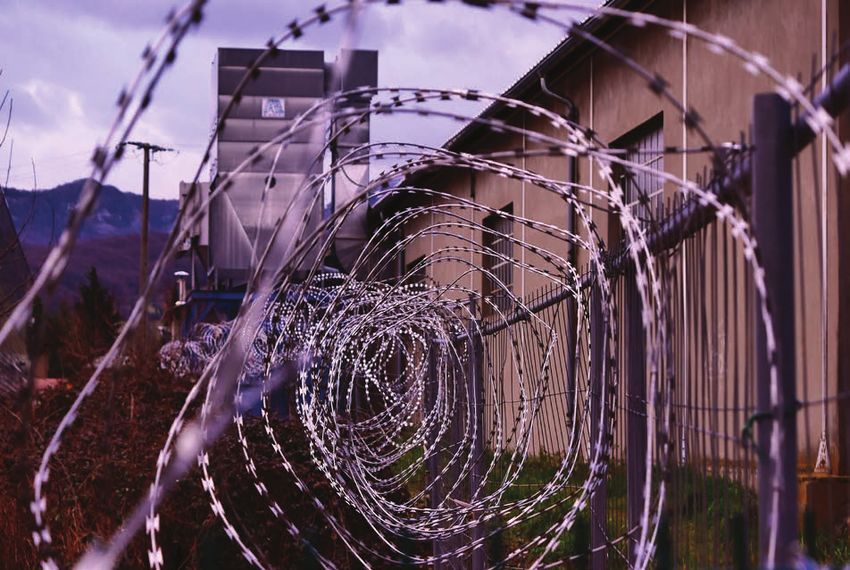
Achie
                 vements
                  in 2018
    “You work is for sure one of the best
    examples of how to communicate on
    complex issues in a way that anyone
    can understand.”
    Peter Bosch, European Commission

4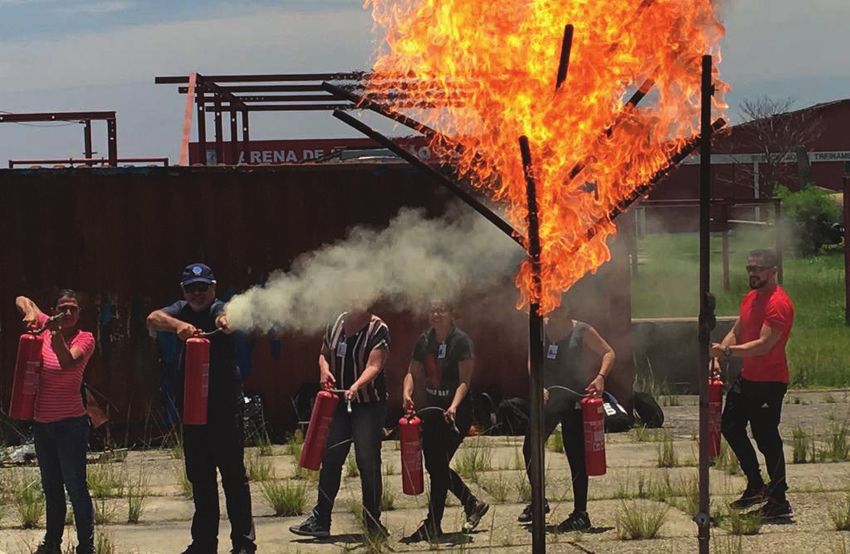
The Igarapé Institute generated impacts
    across all five of its key programming
     areas in 2018. In the citizen security
  area, the Institute helped drive the public
   security debate during presidential and
    state elections in Rio de Janeiro. The
  Institute’s drug policy program launched
    new data visualization tool to promote
  public awareness and monitor legislative
   innovations in the Americas. The cyber
security and digital rights program brought
    government, industry and civil society
  groups together to advance questions of
data privacy and protection. The safer cities
initiative worked with inter-city networks on
  issues such as urban security, migration
 and public health. And the building peace
  team developed new insights into “what
    works” to prevent armed conflict and
 expanded awareness about the nexus of
    climate change and organized crime.

                                                5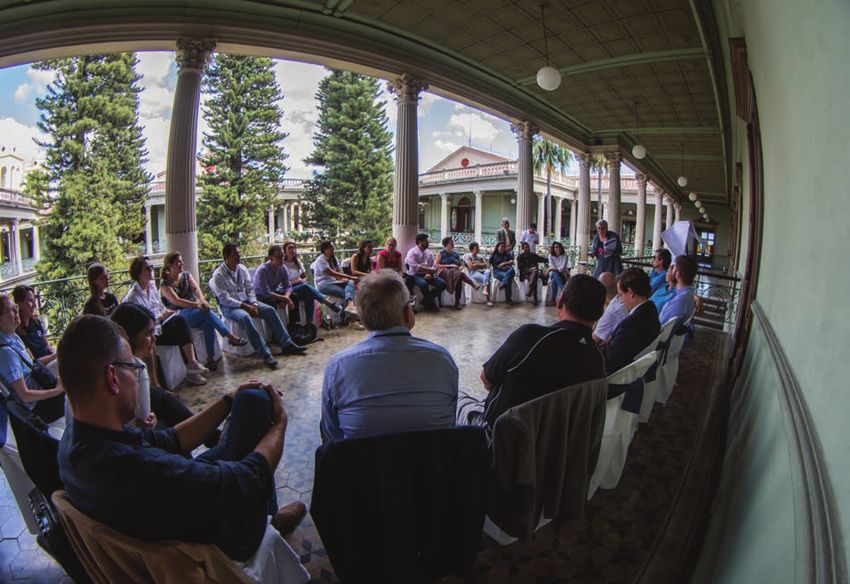
Citizen                                            Launching the State of
                                                       Security series

    security                                           The Institute produced a quarterly series
                                                       featuring data-driven analysis on crime trends
                                                       in Rio de Janeiro. The report was distributed
                                                       to diplomatic consulates, non-governmental
    Promoting community                                partners and private sector organizations in
    policing and new                                   Brazil and around the world.

    technologies in Brazil
    The Institute is working with the Santa Catarina
    Military Police to evaluate community policing
                                                       Sharing best practices on
    and measure the effects of body cameras on         crime prevention in Brazil
    police activity. The Institute started trials of   and around the world
    CopCast, a mobile phone-based body camera
    developed with Jigsaw, in Jersey City and          The Institute launched widely circulated
    Santa Catarina.                                    reports with the Inter-American Development
                                                       Bank, the Latin American Development
                                                       Bank and the Organization for Economic
                                                       Cooperation and Development.

6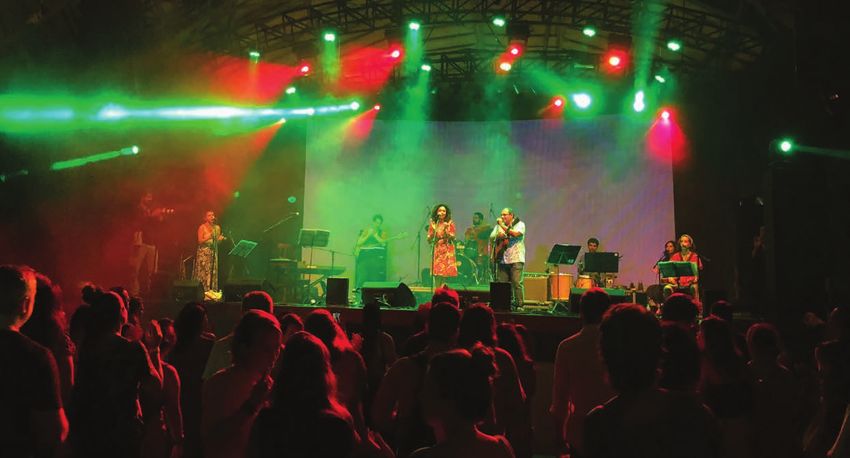
Strengthening evidence
on penal reform in Brazil
Throughout 2018, the Institute examined
employment opportunities for inmates and           Shaping the public
parolees of the prison system of Rio de            security debate during
Janeiro state. The Institute also investigated
sentencing policies and pre-trial detention with
                                                   national and state-level
results to be published in 2019.                   elections
                                                   Together with partners, the Institute
                                                   designed and promoted national and
Halving homicide in Latin                          state security agendas reaching dozens
                                                   of presidential, gubernatorial and
America in the next decade                         congressional candidates. Many of the
                                                   recommendations issued during the
The Institute led a major regional campaign        campaign were included in national and
involving over 60 non-governmental                 state-level security plans in 2019.
and government partners. More than 25
governments signed up to the “Instinct for
Life” pledge and the Organization for American
States (OAS) launched a commission to prevent
and reduce homicides across the region.

                                                                                            7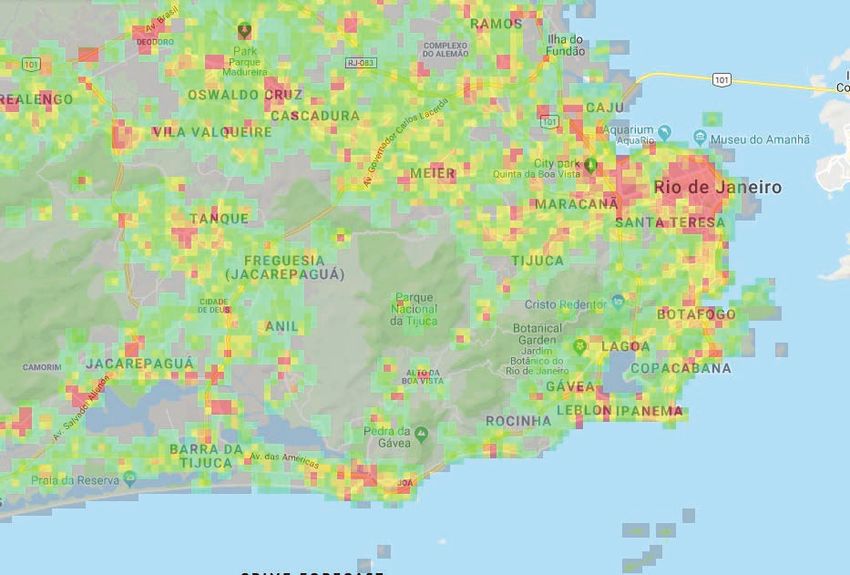
Advancing new thinking

    Safer                                          on crime prediction
                                                   The Institute generated path-breaking

    cities
                                                   research on crime forecasting algorithms
                                                   and platforms and started new projects with
                                                   South African partners to test predictive
                                                   analytics. The Institute also contributed to
                                                   global studies on new security technologies
                                                   for smarter cities.
    Advancing inter-city
    governance and global
    city partnerships                              Supporting an urban
    The Institute served as co-chair of the
                                                   security exchange in
    advisory group of the Global Parliament of     El Salvador
    Mayors in 2018, and supported a global
    summit in Bristol with over 100 mayors.        Working with USAID and local partners, the
    The Institute also worked with several other   Institute gathered over 200 specialists in San
    inter-city networks on issues related to       Salvador at the beginning of 2018. The event
    public security and climate resilience.        challenged mano dura style measures and
                                                   proposed concrete solutions to prevent and
                                                   reduce crime.

8
Promoting partnerships
for public security
Througout 2018, the Partners for Public
Security continued the deployment of
ISPGeo, Rio de Janeiro’s first crime analysis
platform, in partnership with the Institute for Improving service
Public Security. The Institute also supported delivery to violence-
the deployment of GeoLocator designed to
radically improve the quality and coverage of affected areas
crime data.
The Institute developed a pilot with a major
public utility to identify ways to improve the
delivery of electricity to seven vulnerable
areas of metropolitan Rio de Janeiro. The
initiative will be scaled-up in 2019.
9Cybersecurity
Advancing new thinking Extending awareness
on cybersecurity about IoT and security
governance in Brazil related issues in Brazil
The Institute provided recommendations In partnership with several leading digital
to the federal government to improve rights groups, Institute launched a social
national cybersecurity governance. These media campaign to raise awareness about
inputs were produced on the basis of IoT security and “privacy by design”. The
dialogues organized with police, military Institute also worked with the Brazilian National
and intelligence representatives, large tech Development Bank (BNDES) to provide inputs
companies, and digital rights advocates. on the national IoT strategy.
Shaping digital policy in Brazil and the UN
The Institute expanded debate on IoT governance and jurisprudence of the “right
to explanation” in Brazil. Working with multiple organizations, the Institute also
submitted recommendations to the UN Secretary General on digital threats and
risks, as well as findings from multi-stakeholder consultations.
10Drug Advancing public
education on drug policy
in Brazil
policy The Institute produced materials for parents,
guardians and care-givers about drug education
and harm reduction.
Promoting smarter
drug policy in Brazilian Expanding awareness
congress about drug policy in the
The Institute worked closely to develop
Americas
more balanced drug policy proposals with The Institute launched the Drug Policy Monitor
members of an expert commission created for the Americas, a digital platform that allows
by the Brazilian Congress. This included users to better understand and interrogate
supplying critical data and recommendations legislative developments. The site was visited
to members and participating in public tens of thousands of times in 2018 and is
hearings. The expert commission produced being updated for 2019.
a new bill to reform existing drug laws to be
analyzed by Congress in 2019.
11Building Advancing the women,
peace and security
agenda in Brazil
peace The Institute supported the inter-agency
Working group dedicated to reviewing Brazil´s
National Action Plan on the Women, Peace and
Security Agenda.
Training civilians and
military to work in
unstable contexts
Advancing the climate
The Institute developed curriculum and
training courses for Brazil´s Peacekeeping
security agenda at the
Training Center (CCOPAB), with a United Nations
particular focus on expanding role of
women in UN peacekeeping. These The Institute worked with various governments,
courses were strongly recommended by the UN Secretary General, the UN Executive
the Instituto Rio Branco and the Ministry Board, and a newly established expert panel
of Defense. to sharpen the agenda on climate change and
security in the UN Security Council.
12Deepening policy debate
on forced migration in
Brazil and globally
The Institute launched the Forced Migration
Expanding thinking
Observatory and collaborated with non- on innovative conflict
governmental networks to promote prevention in Africa
progressive migration policies in Brazil. The
Institute also published extensively on urban The Institute worked with the Institute for
displacement with leading international and Security Studies (ISS) to develop a digital
domestic media outlets. platform of best practices for conflict
prevention in Africa. The Institute also
produced a new digital tool to improve
networking among practitioners.
13Breaking new
ground
Reconfiguring the
narrative on public
security in Brazil
The Institute’s executive director and the
board member - Ilona Szabó and Melina
Risso launched a new book on public security
to promote informed debate during the
2018 election and its aftermath. The volume
was published by Zahar with a preface from
Luís Roberto Barroso, the Minister of the
Supreme Court. The book was launched in
major events in Brasilia, Porto Alegre, Rio de
Janeiro, Recife and Sao Paulo.
New initiative on the global
https://www.paravirarojogo.com.br/o-livro/
liberal over
The Institute’s research director was invited
to serve as a Lind Fellow at the University
of British Columbia in 2018. There he led a
graduate-level course on the future of the
global liberal order. He invited some of the
world´s most recognized public intellectuals
to participate, including Ed Luce, Francis
Fukuyama, Steven Pinker, Misha Glenny,
Susan Rice, Anne-Marie Slaughter, and others.
While in Vancouver, he published more than a
dozen major articles in leading outlets, hosted
sell-out events with thousands of participants,
and a podcast series.
https://www.weforum.org/focus/the-future-
of-global-liberal-order and https://lindinitiative.
ubc.ca/speakers/robert-muggah/
14Engaging with artists to
disrupt public security in
Brazil
The Institute harnessed the power of art
and music to draw attention to public
security challenges. Working with nine other
non-governmental partners, the Institute
assembled some of Brazil´s leading up-and-
coming musical talents to a conference hall
to remember victims, celebrate survivors, and
debate solutions to the security crisis.
https://www.paravirarojogo.com.br
15New councils
and contributions
Nominations to councils
and organizations
Consultative council of the World Economic
Forum’s Young Global Leaders
Contributions to major
flagship reports
Expert Panel on Youth, Peace and Security,
nomination by the UN Secretary General Global Risks Report 2018 –
World Economic Forum
Specialist group on Climate and Security in the
United Nations Security Council (UNSC) States of Fragility 2018 –
Organization for Economic
Co-Chair of the Know Violence in Childhood Co-operation and Development
Initiative (OECD)
Committee for Development Policy of the Custos Econômicos da
United Nations’ Economic and Social Council Criminalidade no Brasil (The
(ECOSOC) Economic Costs of Crime in
Brazil) – Brazilian President’s
Non-Resident Fellow of the Chicago Council Office
on Global Affairs
Smart Cities: Digital Solutions
Faculty at Singularity University for a More Livable Future –
Mckinsey & Company
National Council on Public Security and Social
Defense of the Brazilian Ministry of Public
Security
Academic Council on Security of the Brazilian
Ministry of Public Security
Presidency of the Public Security Council of
the Industry Federation of the State of Rio de
Janeiro (FIRJAN)
16Awards
Institutional awards in 2018
Best Human Rights NGO in Brazil,
Instituto Doar
100 Best NGOs in Brazil,
Instituto Doar
“One to Watch” Think Tank of the
Year, Prospect Magazine
Personal awards in 2018
Order of Merit for Public Security,
Ministry of Public Security of Brazil,
Ilona Szabó
Lewis Perinbam Award for
Humanitarian Service, Robert Muggah
17Tech boom
In 2018, the Igarapé Institute dramatically scaled-up its technology development
to address issues of public security, drug policy and building peace. The Institute’s
tech team designed and launched six new digital platforms. These digital tools
– including data visualizations, civtech and govtech – are designed to expand
awareness and trigger action.
Data visualization
Forced Migration Observatory Drug Policy Monitor for the
Americas
The Forced Migration Observatory is an
interactive platform that features data The Drug Policy Monitor tracks changes
on refugees and internal displacement in legislation across all countries in
between 2000 and 2017. South, Central and North America.
https://migracoes.igarape.org.br/ Version 2.0 will be released in 2019.
https://politicadedrogas.igarape.org.br
18Civic tech
CPeace
Designed as part of the Innovation in
Conflict Prevention project, CPeace is a
mobile App that connects individuals and
institutions working on conflict prevention
issues. Version 2.0 will be launched in 2019.
https://igarape.org.br/cpeace/
OKA
Developed in 2018, OKA is a mobile App
that features information about services
and public policies for refugees and
migrants arriving to Brazil. It is available
in multiple languages. The App goes live
in 2019.
https://igarape.org.br/oka
Gov tech
Violence Prevention Observatory
Developed to support small and medium sized
cities better visualize the social and economic Conflict Prevention Observatory
correlates of violence and design integrated The Conflict Prevention Observatory
policy responses to prevent it. A pilot project visualizes hundreds of initiatives intended
was completed in Paraty and will soon be scaled to prevent and disrupt conflict in selected
to other cities. African countries.
https://igarape.org.br/en/observatorio- https://igarape.maps.arcgis.com
prevencao-violencia/
19Outreach
“We have been following your publications and
tools with much interest – your maps and data
visualization tools are amazing.”
Natalia Gan, Amnesty International
20Research
The Igarapé Institute produced a record number of strategic papers, strategic briefs, policy
notes and academic publications in 2018.
44 publications
28 by Igarapé 16 coproduction
16 8 4
Portuguese English Spanish
140,457
individual publication downloads
94%
in one year
Over
1,000
academic citations in Google
Scholar and Academia
from the website
Most accessed publications
in 2018
2,604 downloads 3,144 downloads 27,445 downloads
Proteção em Primeiro Lugar Brazil’s Participation in Citizen Security in Latin America:
MINUSTAH (2004-2017) Facts and Figures
21Events
Throughout 2018 Igarapé Institute staff delivered keynote
addresses at some of the world´s leading venues.
224 events in 27 countries
TED (Vancouver)
Smart Cities Expo (Barcelona)
Smart Cities Latin America (Puebla)
Paris Peace Forum (Paris)
World Economic Forum (Dubai)
Nexus Innovation Summit (New York)
Nexus Europe (Rotterdam)
Oslo Freedom Forum (Oslo)
Doha Forum (Doha)
Climate and Security Expert Network for UNSC (New York)
Singularity University Brazil Summit (Sao Paulo)
Global Parliament of Mayors Summit (Bristol)
Brazil Conference at Harvard & MIT (Boston)
Brazilian CSIRTs Forum (Brasilia)
Reage, Rio! (Rio de Janeiro)
2223
Media                                 The Igarapé Institute worked with leading media outlets
                                           such as BBC, CNN, The Economist, The New York
                                           Times and The Wall Street Journal to report on key
                                           themes in 2018.

     4,534
     international media citations

      84
     in          countries

     Valued at

     U$ 17,000,000
     in advertising revenue
                                     www

                                                                                                    www

                                                                                                           www

                                                  www                                                 www   www         www

                                                                                                             www

                                           www    www         www

                                                                     www
                                            www
                                                  www                     www                        www            www

                                                        www                                                  www
                                                                           www

     452
                                                                    www          www    www

                                                              www                                                 www

                                                                                              www

     opinion editorials
                                                                          www

                                                                                www

          186
                                                                    www

     in        outlets                                                            www

     in 10 languages                                                       www

          147%      in one year

24
www
www
www
www www
www
www
www
305,000
page views on the site
www
5,460
www
www www www
www www
mentions on institutional social networks
www www
50%
www www www
www www
www www
www
www Facebook followers
www
www www
www
www
www
www
www
www
www
www
www
www
www www
www
www www
www
www
www
www
www
Media partnerships
14 citations in the Financial Times
4-part series with The Economist
4-part series with The Wall Street Journal
4-part series with Folha de S. Paulo
5 engagements with Fantástico, on TV Globo
2 interviews with Jornal Nacional, on TV Globo
Source: Meltwater, Faz TI, Google Analytics, Facebook Analytics
25About us
“I’ve followed the work of the institute
for a while, and it’s by far one of
the most rigorous and stimulating
organizations in the field.”
Edward Siddons, journalist
26The Igarapé
Institute
Think. Connect.
Transform.
The Igarapé Institute is an independent non-profit
think and do tank, headquartered in Rio de Janeiro
and with a global reach. It produces pioneering
research, new technologies, and influences public
policies related to security, justice, and development.
Founded in 2011, today it is one of the most
respected think tanks in the Global South, and works
in partnership with governments, the private sector,
and civil society to create data-driven solutions for
complex challenges.
27Team
Directors Raquel Miranda, executive assistant
Ilona Szabó de Carvalho, executive director Renata Giannini, public security and justice
coordinator
Robert Muggah, research director
Renata Rodrigues, press officer
Barbara Fernandes, planning and innovation
director Raphael Durão, art director
Sergio Schargel, junior communications analyst
Team members Terine Husek, senior researcher
Adriana Abdenur, peace and international
security coordinator Research Fellows
Ana Beatriz Duarte, communications Brodie Ferguson
coordinator Daniel Arnaudo
Ana Clara Teixeira, communications intern Justin Kosslyn
Ana Paula Nascimento, administrative analyst Thomas Abt
Ana Paula Pellegrino, researcher
Arthur Vasconcelos, system engineer Administrative Board
Bruno Siqueira, senior system engineer Ines Mindlin Lafer
Carlos Coutinho, senior system engineer Melina Risso
Carol Viviana, junior researcher Samara Werner
Cristiane de Oliveira Carneiro, HR and Wolff Klabin
administrative analyst
Dandara Tinoco, communication and reseach
advisor Fiscal Board
Eduarda Hamann, special advisor for peace and Bernardo Calmon
international security Fabiano Robalinho Cavalcanti
Emile Badran, senior project advisor Guilherme Portella
Felipe Rios, finance assistant
Giovanna Kuele, researcher Advisory Council
Joelma Ferreira, financial officer Armando Santacruz Gonzáles
Juan Carlos Garzón, regional senior advisor Jorge Abraham Soto Moreno
Katherine Aguirre, senior researcher María Victoria Llorente
Laís Clemente Pereira, digital communications Misha Glenny
analyst Scott Carpenter
Louise Marie Hurel, researcher Sissel Steen Hodne
Luisa Cruz Lobato, researcher
Lycia Brasil, research assistant Honorary Council
Maiara Folly, junior researcher Bruno Giussani
Mariana Rondon, institutional development Cesar Gaviria
coordinator
Fernando Henrique Cardoso
Max Holender, finance coordinator
Michele dos Ramos, special adviser
2829
Partners
     Accenture, global                               Fidedigna Institute, Brazil
     Agência Lupa , Brazil                           Foropaz, El Salvador
     Alana Institute, Brazil                         Fórum Brasileiro de Segurança Pública, Brazil
     Brazilian National Computer Emergency           Frente Nacional de Prefeitos, Brazil
     Response Team (CERT.br), Brazil                 Fundação Santa Cabrini, Brazil
     BRICS Policy Center, Brazil                     Fundación Ideas para la Paz, Colombia
     Caracas Mi Convive, Venezuela                   Fundaungo, El Salvador
     Carnegie Mellon University Create Lab, Unites   Google Jigsaw, global
     States
                                                     Grupo de Estudos do Setor Elétrico, Brazil
     Casa Alianza, Honduras, Honduras
                                                     Humanitas360, Brazil
     Casa de las Estrategias, Colombia
                                                     InSight Crime, regional
     Casa Fluminense, Brazil
                                                     Institute for Security Studies, regional
     Cauce Ciudadano, Mexico
                                                     Instituto de Estudos da Religião, Brazil
     Centro Brasileiro de Relações Internacionais
     (CEBRI), Brazil                                 Instituto de Segurança Pública do Rio de
                                                     Janeiro, Brazil
     Centro Conjunto de Operações de Paz do
     Brasil, Brazil                                  Instituto de Tecnologia e Sociedade, Brazil
     Centro de Estudos em Sustentabilidade da        InteliGov, Brazil
     Fundação Getúlio Vargas, Brazil                 Inter-American Dialogue, Regional
     Centro Universitário Curitiba, Brazil           Internal Displacement Monitoring Centre,
     Columbia Global Centers - Rio de Janeiro,       Switzerland
     Brazil                                          Jersey City Police Department, United States
     Comitê Internacional da Cruz Vermelha, global   Jóvenes Contra la Violencia, Guatemala
     Comunitas, Brazil                               King’s College London, United Kingdom
     Cumbre Mujeres y Paz, Brazil                    Luta pela Paz, Brazil
     Defensoria Pública do Estado do Rio de          Mattos Filho Advogados , Brazil
     Janeiro, Brazil
                                                     México Evalúa, Mexico
     Doar Institute, Brazil
                                                     Microsoft, global
     Dromómanoso, regional
                                                     Minas Programam, Brazil
     Drug Policy Alliance, global
                                                     Norwegian Institute of International Affairs,
     Embaixada da Paz, Brazil                        Norway
     Enjambre Digital, Mexico                        Nossas, Brazil

30
Observatório de Favelas, Brazil Debating Security Plus – EU, global
Peace Research Institute Oslo, Norway Effectiveness in Peace Operations (Epon),
Polícia Civil do Estado do Rio de Janeiro, Brazil global
Polícia Militar de Santa Catarina, Brazil Expert Panel on Youth, Peace and Security,
nomination by the UN Secretary General, global
Polícia Militar do Rio de Janeiro, Brazil
Global Initiative Against Transnational Organized
Prefeitura de Paraty, Brazil Crime, global
Promundo Institute, Brazil Global Parliament of Mayors, global
Provea, Venezuela Instinct for Life, regional
Red de Seguridad y Defensa de América Latina Know Violence in Childhood Initiative, global
(RESDAL), regional
National Council on Public Security and Social
Redes da Maré, Brazil Defense, Brazil
República Institute, Brazil Peace Capacities Network, global
Rio Branco Instituto Rio Branco, Brazil Public Security Council of the Industry
Sou da Paz Institute, Brazil Federation of the State of Rio de Janeiro
(FIRJAN), Rio de Janeiro
United Nations High Commissioner for
Refugees, Colombia Rebrapaz, Brazil
United Nations Information Centre, Brazil Rede de Ação Política pela Sustentabilidade
(RAPS), Brazil
University of Warwick, United Kingdom
Rede MPS-Brasil, Brazil
Vara de Execuções Penais do Tribunal de
Justiça do Rio de Janeiro, Brazil Specialist group on Climate and Security in the
United Nations Security Council (UNSC), global
Visão Mundial Brasil, Brazil
Violence Prevention Alliance, global
Welight, Brazil
Working Group on Women Peace and Secutiry,
World Health Organization, global Brazil
World Economic Forum, global
Networks
Academic Council on Security of the Brazilian
Ministry of Public Security, Brazil
Civil Society Working Group for the 2030
Agenda, Brazil
Coalition for Digital Rights, Brazil
Coalition for the Responsible Export of Arms,
Brazil
Committee for Development Policy of the
United Nations’ Economic and Social Council
(ECOSOC), global
Consultative council of the World Economic
Forum’s Young Global Leaders, global
31Financial
support
Accenture - global
Adelphi - Germany
Australian Embassy, Brazil - Australia
Berkeley University - United States
Betty e Jacob Lafer Institute - Brazil
British Embassy, Brazil - United Kingdom
Claro Net Embratel Institute - Brazil
Comunitas - Brazil
Department of Foreign Affairs, Trade and Development - Canada
Embassy of Canada, Brazil - Canada
European Union - global
Foreign and Commonwealth Office - United Kingdom
Global Affairs Canada - Canada
Iguatemi Group - Brazil
International Peace Institute - United States
Jigsaw (Google Ideas) - global
Light S.A. - Brazil
Luminate - United States
Netherlands Embassy, Brazil - Netherlands
Norwegian Ministry of Foreign Affairs - Norway
Norwegian Peacebuilding Resource Center (NOREF) - Norway
Open Society Foundations - United States
Parceiros da Segurança Pública - Brazil
Porticus - Netherlands
Telmex - Mexico
Uber - global
UN Women - global
United Nations Population Fund (UNFPA) - global
United States Agency for International Development (USAID) - United States
+
Individual donnors
32Financial
statement
Income statement for the years ended 31 December (in USD): 2018 2017
OPERATING REVENUES
Restricted
Project revenue 1,437,955 1,920,211
Revenue for services rendered 32,951 -
1,470,906 1,920,211
Unrestricted
Donation revenue 286,408 118,505
Operating revenues deductions (37,846) -
Net revenue from social assistance activities 1,719,468 2,038,716
OPERATING COSTS AND EXPENSES
General project costs (1,791,184) (1,803,522)
General and administrative (57,206) (134,016)
Taxes and fees (5,055) (67)
Financial expenses (6,131) (7,215)
Depreciation and amortization (7,308) (9,009)
(1,866,885) (1,953,829)
Operating surplus (deficit) (147,416) 84,888
Revenue from other activities - 8,325
Voluntary work revenues 985 317
Financial revenue 23,106 23,078
Gross non-operating revenue 24,091 31,720
Surplus (deficit) for the year (123,325) 116,607
Statement of comprehensive income for the years
ended 31 December (in BRL): 2018 2017
Surplus (deficit) for the year (123,325) 116,607
Total comprehensive result (123,325) 116,607
33IGARAPÉ INSTITUTE
a think and do tank
www.igarape.org.br
Creative direction and layout: Raphael Durão, STORM.ptYou can also read


