WFP Policy on Disaster Risk Reduction and Management - Building Food Security and Resilience
←
→
Page content transcription
If your browser does not render page correctly, please read the page content below
WFP Policy on Disaster Risk
Reduction and Management

Building Food Security
and Resilience
Policy approved November 2011
Contents

                                 Executive Summary                             2

                                 Rationale                                     5

                                 Policy Foundation                             8

                                 Definitions and Concepts                      10

                                 WFP’s Comparative Advantages                  12

                                 Lessons Learned                               16

                                 Partnerships                                  18

                                 Principles for WFP Support to Food
                                 Security-related Disaster Risk Reduction      20

                                 Policy Implementation                         22

                                 Financial and Resource Considerations         25

                                 Conclusion                                    26

                                 Acronyms                                      28

                                 WFP Executive Board Decision

                                 The Board approved "WFP Policy on Disaster
                                 Risk Reduction and Management: Building
                                 Food Security and Resilience"
                                 (WFP/EB.2/2011/4-A), reaffirming WFP’s
                                 commitment to protecting the lives and
                                 livelihoods of the most food-insecure
                                 households and to preventing hunger and
                                 malnutrition. The Board looked forward to the
                                 development of an action plan to support
                                 implementation of the policy.

                                 This policy was developed by the Office for
                                 Climate Change, Environment and Disaster
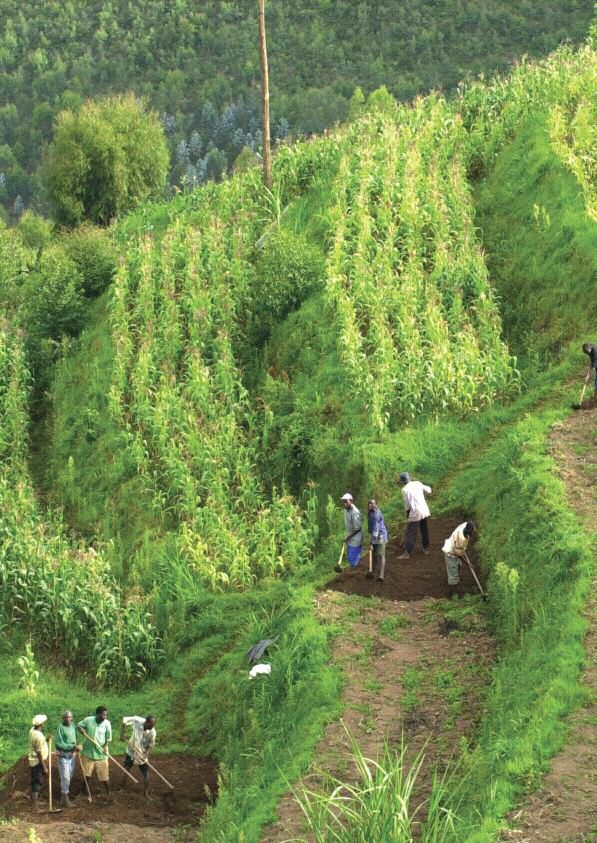
Communities in Rwanda work
                                 Risk Reduction.
together to rehabilitate
degraded land, improving their
food security and reducing the   For additional information, please visit:
risks of floods and droughts.    wfp.org/disaster-risk-reduction

                                  1
Executive Summary
Disaster risk reduction is a central priority for WFP                              effectiveness of its programmes and partnerships
in light of the profound impacts that disasters                                    to support the most food insecure and vulnerable
have on food-insecure and vulnerable populations                                   people.
worldwide. In 2010, more than 50 percent of
WFP’s programmes addressed the risks of natural                                    Although the primary focus of the policy is on
disasters and their impacts on food security,                                      reducing natural disaster risk, many of the
reaching approximately 80 million people.                                          principles also apply to man-made disasters and
                                                                                   complex emergencies.

                                                                                   This paper supersedes the WFP Policy for Disaster
                                                                                   Risk Reduction (WFP/EB.1/2009/5-B) and
                                                                                   “Disaster Mitigation: A Strategic Approach”
                                                                                   (WFP/EB.1/2000/4-A).

                                                                                   The policy builds on the WFP Strategic Plan
                                                                                   (2008–2013), the WFP Enterprise Risk
                                                                                   Management Policy (WFP/EB.2/2005/5-E/1), the
                                                                                   WFP Gender Policy (WFP/EB.1/2009/5 A/Rev.1)
                                                                                   and “Climate Change and Hunger: Towards a WFP
                                                                                   Policy on Climate Change” (WFP/EB.A/2011/5-F),
                                                                                   which outlines WFP’s emerging approach to the
                                                                                   impact of climate change on hunger.

                                                                                   The policy has been developed in close
                                                                                   consultation with the Board. It incorporates
                                                                                   findings from recent evaluations and reviews, and
WFP’s disaster risk reduction policy focuses on                                    takes into account the policies of WFP’s principal
building the resilience and capacity of the most                                   partners, including donors,1 non-governmental
vulnerable people, communities and countries, by                                   organizations and United Nations agencies, and
working to ensure food and nutrition security                                      the broader global dialogue on disaster risk
while reducing disaster risk and protecting and                                    reduction.
enhancing lives and livelihoods.
                                                                                   The policy will be supported by an action plan for
This policy lays out WFP’s mandate and                                             implementation, monitoring of implementation
comparative advantages, clarifying WFP’s focused                                   and reporting. A specific operational framework
role in food security-related disaster risk reduction                              for WFP emergency preparedness and response is
and management. The policy includes principles                                     being developed in accordance with this policy.
for WFP’s disaster risk reduction work and a clear
set of priorities for improving the quality and

1   Donor policies consulted include those of the Department for International Development (DFID). 2011. Saving Lives, Preventing Suffering and Building
    Resilience: The UK Government’s Humanitarian Policy. London; Australian Agency for International Development. 2009. Investing in a Safer Future: A Disaster
    Risk Reduction Policy for the Australian Aid Program, Canberra; DFID. 2006. Reducing the Risk of Disasters – Helping to Achieve Sustainable Poverty Reduction
    in a Vulnerable World: A DFID Policy Paper. London; European Commission. 2009. A Community Approach on the Prevention of Natural and Man-Made Disasters.
    Brussels; European Commission. 2009. EU Strategy for Supporting Disaster Risk Reduction in Developing Countries. Brussels; United States Agency for
    International Development (USAID). 2011. USAID Policy Framework 2011–2015. Washington DC; USAID/Office of United States Foreign Disaster Assistance.
    2009. “Disaster Risk Reduction” in Office of United States Foreign Disaster Assistance: Annual Report for Fiscal Year 2009, pp. 101–131. Washington DC; and
    USAID. 2006. Office of Food for Peace Strategic Plan 2006–2010, Washington DC.

                                                                              2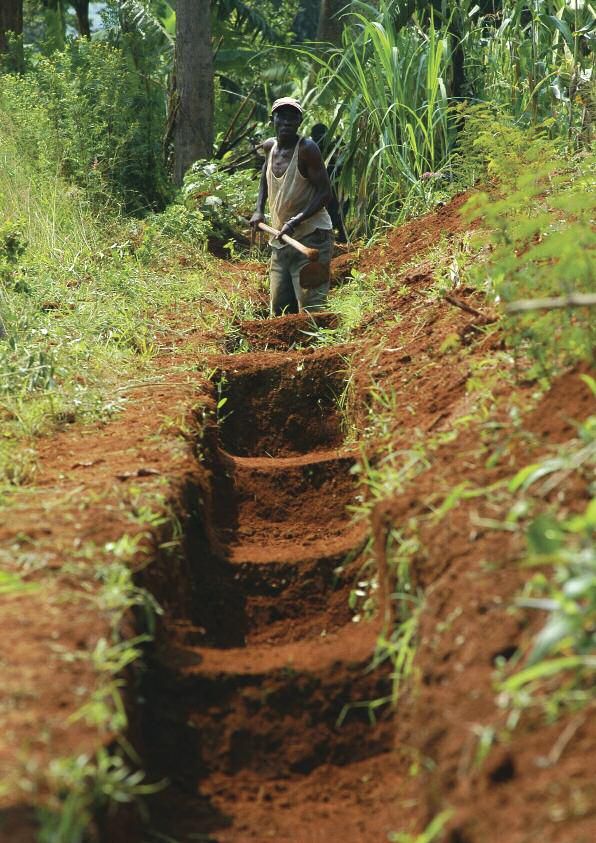
“By our actions, we can
 either compound disasters
 or diminish them.”
Ban Ki-moon, Secretary General
of the United Nations

   3
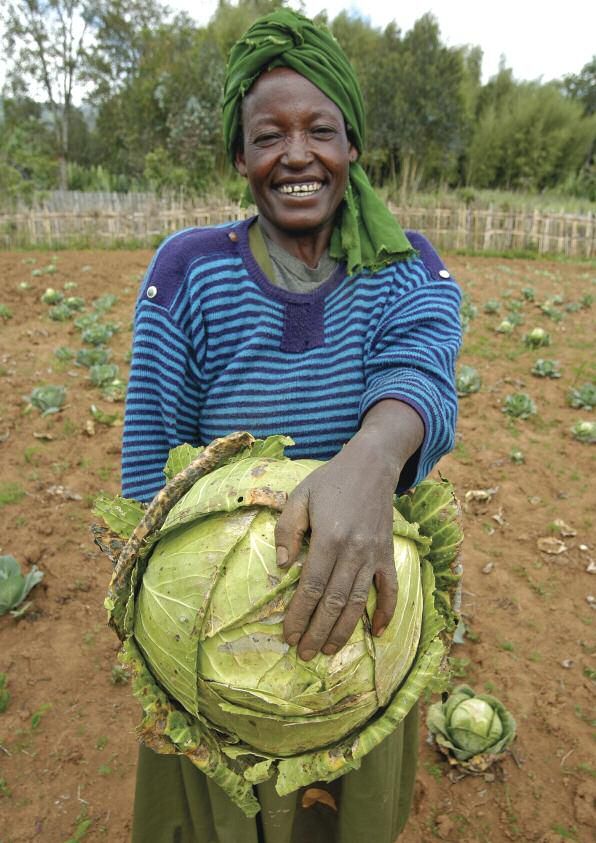
Recent evidence highlights
    that natural disasters have
    a negative impact on food
    security and livelihoods.

4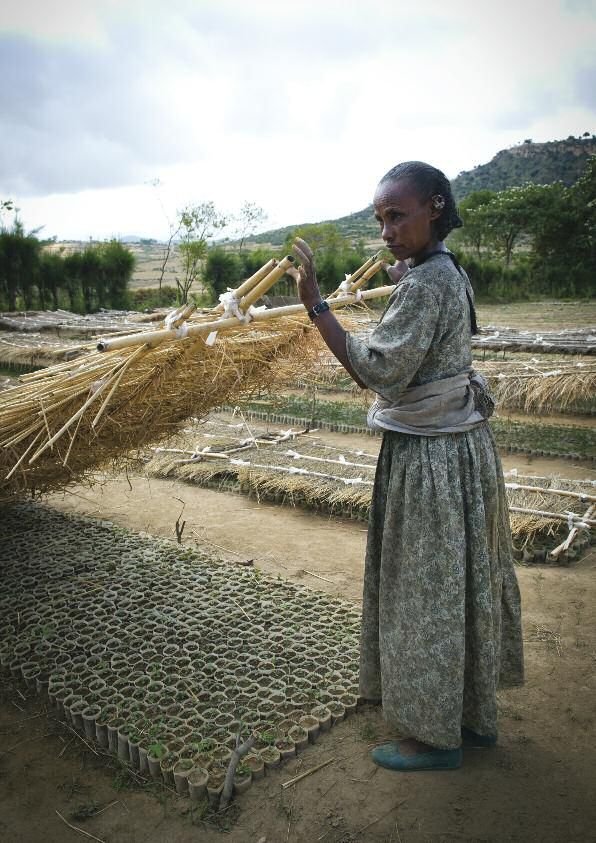
Rationale
1.   Natural and man-made disasters are a                                                   strategies such as reducing food quality and
     leading cause of hunger and affect all                                                 consumption, withdrawing children from
     dimensions of food security, including                                                 school, reducing expenditures on health care
     economic and physical access to food, the                                              and education, engaging in environmentally
     availability and stability of supplies, and                                            harmful practices, selling productive assets,
     nutrition.2 Without serious efforts to address                                         and distress migration. These households also
     them, the risks of disasters will become an                                            adopt conservative risk-taking stances, which
     increasingly serious obstacle to sustainable                                           limit their ability to build and diversify their
     development and achievement of the                                                     livelihoods and result in lower future income
     Millennium Development Goals.3                                                         streams and longer recovery after disasters.6

2.   Growing empirical evidence demonstrates                                        5.      Degraded ecosystems amplify the effects of
     that there is a direct correlation between                                             droughts and floods, resulting in significant
     disaster risk, poverty and food insecurity.                                            livelihood impacts from even low-intensity
     Disaster losses are accentuated in poor                                                shocks, especially for the poorest and most
     households and communities and result in                                               food-insecure households. In Africa alone,
     long-term consequences for food security,                                              650 million people are dependent on rainfed
     health, education and other critical                                                   agriculture in environments that are affected
     dimensions of human welfare.4                                                          by water scarcity, land degradation, recurrent
                                                                                            droughts and floods and erratic weather
3.   Food-insecure people, the majority of whom                                             patterns.7 Climate change and increasing
     live in fragile areas that are prone to natural                                        resource scarcity will deepen vulnerabilities to
     hazards, are the least able to cope with                                               disasters in these environments.
     shocks.5 Exposure to high levels of disaster
     risk and lack of capacity to manage these                                      6.      In fragile States, conflict, political instability
     risks, compounded by other factors such as                                             and weak institutions exacerbate food
     poor access to markets and income-                                                     insecurity and disaster impacts. The
     generation opportunities, trap poor                                                    destruction of infrastructure such as roads,
     households in a cycle of food insecurity and                                           and the erosion of institutions in conflict-
     poverty that quickly deteriorates into a food                                          affected areas affect lives, livelihoods, formal
     crisis when a disaster occurs.                                                         and traditional social protection mechanisms,
                                                                                            food distribution systems and access to
4.   When affected by disasters, food-insecure                                              markets, all resulting in increased hunger
     households often resort to detrimental coping                                          risk.8

2    De Haen, H. and Hemrich, G. 2007. The Economics of Natural Disasters: Implications and Challenges for Food Security. Agric. Econ., 37(s1): 31–-45.

3    United Nations Development Programme (UNDP). 2004. Reducing Disaster Risk: A Challenge for Development: A Global Report. New York.

4    United Nations International Strategy for Disaster Reduction (UNISDR). 2011. Global Assessment Report on Disaster Risk Reduction. Geneva.

5    De Haen, H. and Hemrich, G. 2007. The Economics of Natural Disasters: Implications and Challenges for Food Security. Agric. Econ., 37(s1): 31–-45; Pelham, L.,
     Clay, E. and Braunholz, T. 2011. Natural Disasters: What is the Role of Social Safety Nets? SP Discussion Paper No. 1102, Washington DC, World Bank; and
     Vakis, R., Kruger, D. and Mason, A. 2004. Shocks and Coffee: Lessons from Nicaragua. SP Discussion Series, Washington DC. World Bank.

6    Vakis, R. 2006. Complementing Natural Disaster Management: The Role of Social Protection. SP Discussion Paper No. 0543, Washington DC. World Bank.

7    Food and Agriculture Organization of the United Nations (FAO). 2008. Challenges for Sustainable Land Management (SLM) for Food Security in Africa 25. The
     Regional Conference for Africa, Information Paper No. 5. Rome.

8    Teodosijevic, S. 2003. Armed conflicts and food security. ESA Working Paper No. 03-11. FAO, Rome.

                                                                                5
Rationale

7.   Disasters have a significant impact on                                            10. WFP approaches disaster risk reduction and
     nutrition, in the immediate aftermath of a                                            management from the perspective of food
     disaster and over the long term. For example,                                         and nutrition security. In parts of the world
     studies from Bangladesh show increased                                                where food insecurity, malnutrition, poverty
     wasting and stunting rates among preschool                                            and disaster risk intersect, WFP is an
     children after floods, due to reduced access                                          important partner for governments, United
     to food, increased difficulties in providing                                          Nations agencies, non-governmental
     proper care and greater exposure to                                                   organizations (NGOs) and communities,
     contaminants.9 Other studies highlight that                                           supporting their disaster risk reduction efforts
     more than 20 percent of variation in height in                                        with a focused set of food assistance tools
     developing countries is determined by                                                 and strategies ranging from food security
     environmental factors, particularly drought.10                                        early warning, vulnerability analysis, and
                                                                                           emergency response and recovery, to
8.   There are also compelling economic                                                    resilience building, among others.
     arguments for investing in disaster risk
     reduction as a way to protect the gains of
     development, prevent humanitarian
     emergencies, and build resilience to future
                                                                                              Drought’s Impact on Nutrition 11
     emergencies and climate change.
                                                                                              Drought has severe impacts on dietary
9.   Reducing disaster risk is cost-effective and                                             diversity and reduces overall food
     often the best means of providing value for                                              consumption. Examples of drought’s impact
     money. The Humanitarian Emergency                                                        on nutrition include the following:
     Response Review estimates that UK£1 spent
     in prevention saves UK£4 in response, and                                                •       In Zambia, children born in drought
     warns that years of investment can disappear                                                     conditions are up to 12 percent more
     if risk reduction is ignored.12                                                                  likely to have below-average height and
                                                                                                      weight than children born in non-crisis
                                                                                                      years.

                                                                                              •       In Ethiopia, children born during a
                                                                                                      disaster are 35.5 percent more likely to
                                                                                                      be malnourished and 41 percent more
                                                                                                      likely to be stunted.

                                                                                              •       In Niger, irrespective of the birth location,
                                                                                                      children born during a drought are more
                                                                                                      than twice as likely to be malnourished
                                                                                                      between the ages of 1 and 2.

9    Del Ninno, C., Dorosh, P.A. and Smith, L.C. 2003. ‘Public policy, markets and household coping strategies in Bangladesh: Avoiding a food security crisis following
     the 1998 floods’. World Development 31(7): 1221–1238.

10   Silventoinen, K. 2003. Determinants of variation in adult body height. Journal of Biosocial Sciences, 35:263–285.

11   Sources include: i) Gitau, R., Makasa, M., Kasonka, L., Sinkala, M., Chintu, C., Tomkins, A. and Fileau, S. 2005. “Maternal micronutrient status and decreased
     growth of Zambian infants born during and after the maize price Increases resulting from the southern African drought of 2001–2002”. Public Health Nutrition,
     8(7): 837–843; ii) IPCC. 2007. IPCC Fourth Assessment Report. Cambridge, UK, Cambridge University Press; iii) Silventoinen, K. 2003. “Determinants of
     Variation in Adult Body Height”. Journal of Biosocial Sciences, 35: 263–285; and Fuentes, R. and Seck, P. 2007. The Short-Term and Long-Term Human
     Development Effects of Climate-Related Shocks: some Empirical Evidence. New York, UNDP.

12   Humanitarian Emergency Response Review (2011) commissioned by the United Kingdom’s Secretary of State for International Development, and IFRC Annual
     Report (2008).

                                                                                  6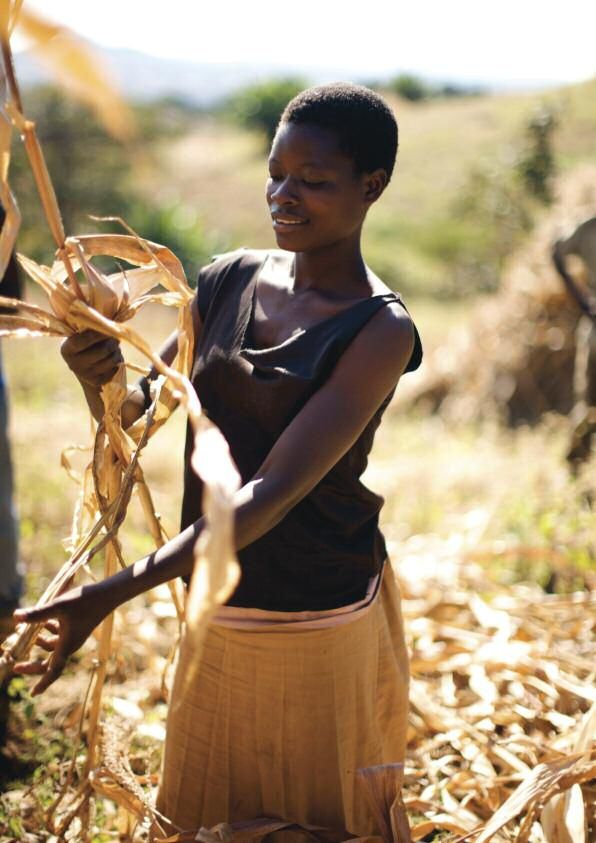
By working closely with
    communities, WFP and
    partners have built the
    resilience of vulnerable
    communities through
    cost-effective measures,
    such as building cereal
    banks and improving land
    management techniques.

7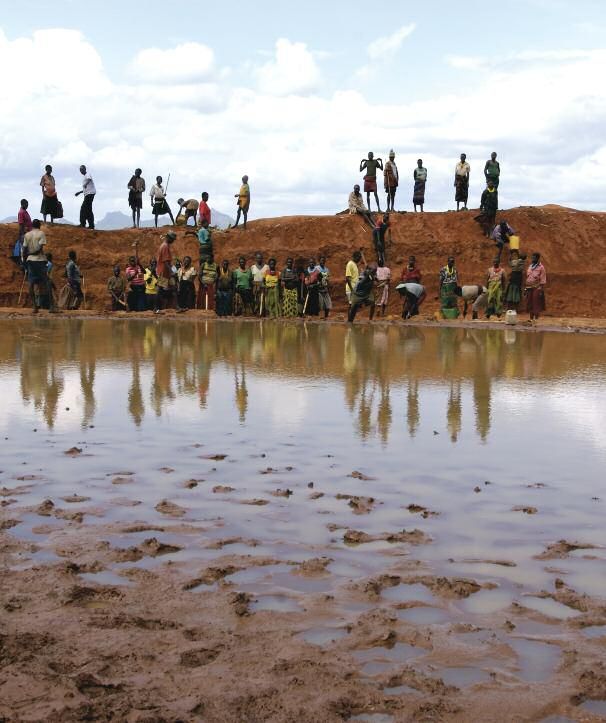
Policy Foundation
11. The link between food insecurity and natural                                              • Strategic Objective 3, “Restore and rebuild
    disasters, and the importance of preparing                                                  lives and livelihoods in post-conflict, post
    for, preventing and mitigating the impact of                                                disaster or transition situations” includes
    disasters are central to WFP’s mission. In                                                  providing support to the rebuilding of
    both emergency and development contexts,                                                    critical livelihood assets and infrastructure
    the overall aim of WFP assistance is to build                                               to improve access to food – often with the
    the resilience and self-reliance of the most                                                purpose of reducing risk and ensuring that
    food-insecure populations.13                                                                these assets withstand the impact of future
                                                                                                disasters.
12. WFP’s Mission Statement and General
    Regulations stipulate that WFP will “assist in                                            • Strategic Objective 4, “Reduce chronic
    the continuum from emergency relief to                                                      hunger and undernutrition” includes efforts
    development by giving priority to supporting                                                to reduce the enduring impact of disasters,
    disaster prevention, preparedness and                                                       especially on children, with a focus on
    mitigation” – three of the central elements of                                              improving the nutrition status of food-
    disaster risk reduction.14                                                                  insecure people.

13. The WFP Strategic Plan (2008–2013) re-                                                    • Strategic Objective 5, “Strengthen the
    emphasizes WFP’s mission in preventing                                                      capacities of countries to reduce hunger,
    hunger. Strategic Objective 2, “Prevent acute                                               including through hand-over and local
    hunger and invest in disaster preparedness                                                  purchase” includes efforts to improve
    and mitigation measures”, includes two goals:                                               governments’ capacities in food security
                                                                                                analysis, early warning, logistics, food
     • Goal 1: To support and strengthen                                                        security-related disaster risk reduction and
       capacities of governments to prepare for,                                                management, and emergency
       assess and respond to acute hunger arising                                               preparedness.
       from disasters.
                                                                                      15. In 2005, through the Hyogo Framework for
     • Goal 2: To support and strengthen                                                  Action (HFA), the international community
       resiliency of communities to shocks,                                               made disaster risk reduction a priority. WFP’s
       through safety nets or asset creation,                                             Strategic Plan (2008–2013) aligned WFP’s
       including adaptation to climate change.                                            activities with this framework.

14. WFP’s other Strategic Objectives are also                                         16. Disaster risk reduction is cross-cutting and
    important:                                                                            bridges emergency response, recovery and
                                                                                          development. This is recognized in the WFP
     • Strategic Objective 1, “Save lives and                                             Programme Category Review, which stresses
       protect livelihoods in emergencies” focuses                                        that many relief and recovery operations
       WFP efforts on minimizing the immediate                                            present unique formal and informal
       impact of disasters on food-insecure                                               opportunities to assist communities and local
       populations, to avert the worst potential                                          institutions in building their resilience and
       consequences of disasters.                                                         capacities against shocks.15 The programme

13   www.wfp.org/about/mission-statement

14   In disaster risk reduction terminology, mitigation refers to “lessening or limitation of the adverse impacts of hazards and related disasters” the Inter-Agency
     Secretariat of the International Strategy for Disaster Reduction (UNISDR), while in climate change contexts, mitigation refers to efforts to reduce climate change
     through greenhouse gas emission reductions.

15   “Programme Category Review” (WFP/EB.A/2010/11/Rev.1).

16   General Rules, Financial Regulations, Rules of the Executive Board,
     WFP, November 2010 edition.

17   HFA 2005–2015.

                                                                                  8
Food Security and the Hyogo
Framework for Action
category review also highlights three
The HFA specifically recognizes the need to
priorities for WFP development programmes
“promote food security as an important
that directly support disaster risk reduction
factor in ensuring the resilience of
for food-insecure households: i) mitigating
communities to hazards, particularly in areas
the effects of recurring natural disasters in
prone to drought, floods, cyclones and other
vulnerable areas; ii) helping poor families to
hazards that can weaken agriculture-based
gain and preserve assets; and iii) helping
livelihoods.” 17
households that depend on degraded natural
resources to shift to more sustainable
WFP focuses its disaster risk reduction and
livelihoods, improve productivity and prevent
management efforts primarily on supporting
further degradation of the natural resource
three of the HFA priorities, in areas related to
base.16
food security and nutrition: HFA Priority 2,
Identify, assess and monitor disaster risks
and enhance early warning; HFA Priority 4,
Reduce the underlying risk factors; and HFA
Priority 5, Strengthen disaster preparedness
for effective response at all levels.
Disaster risk reduction is
a cross-cutting priority,
bridging emergency
response, recovery and
development.
9Definitions and Concepts
17. As a concept, managing disaster risk is not 21. For WFP, building resilience is about
new, but it has coalesced in the last decade enhancing and reinforcing the capacities,
around the comprehensive notion of disaster livelihoods and opportunities of the most
risk reduction. Whereas prior efforts focused vulnerable and food-insecure people,
on disaster preparedness, mitigation, communities and countries in the face of an
response and recovery as separate elements increasingly risky environment. WFP is
in a cycle, disaster risk reduction brings contributing to resilience-building through
together preparedness for, and mitigation and interventions that meet immediate food and
prevention of, disasters. nutrition security needs while strengthening
the ability of food-insecure people and
18. Disaster risk reduction and management are countries to manage future risks and
part of a consolidated framework in which withstand the adverse effects of natural and
disaster risk reduction is defined as “the man made disasters.
concept and practice of reducing disaster
risks through systematic efforts to analyse
and manage the causal factors of disasters, Linking Disaster Risk Reduction and Climate
including through reduced exposure to Change Adaptation
hazards, lessened vulnerability of people and
property, wise management of land and the 22. There is growing evidence that climate change
environment, and improved preparedness for will significantly increase the risk of food
adverse events.”18 insecurity and undernutrition.19 As many
climate change impacts will materialize
19. Disaster risk management is defined as “the through increases in the frequency and
systematic process of using administrative intensity of extreme weather events, disaster
directives, organizations, and operational risk reduction is a key component of
skills and capacities to implement strategies, adaptation strategies. Supporting governments
policies and improved coping capacities in and food-insecure and vulnerable communities
order to lessen the adverse impacts of in ways that enhance their disaster risk
hazards and the possibility of disaster.”18 management capacities is therefore an
objective of WFP that supports both reducing
20. WFP places its disaster risk reduction and hunger risk and climate change adaptation
management activities in the context of efforts.
broader resilience-building efforts supporting
the most vulnerable people, communities and 23. WFP’s “Climate Change and Hunger: Towards a
countries. Resilience is “the ability of a WFP Policy on Climate Change” (2011)
system, community or society exposed to highlights that mainstreaming climate change
hazards to resist, absorb, accommodate to and disaster risk reduction into WFP’s
and recover from the effects of a hazard in a operations will bring important returns on
timely and efficient manner, including investment in terms of enhanced food security
through the preservation and restoration of and nutrition, more resilient livelihoods, and
its essential basic structures and functions.”18 reduced need for humanitarian interventions.
18 UNISDR Terminology on Disaster Risk Reduction. 2009. www.unisdr.org/eng/terminology/UNISDR Terminology-English.pdf
19 Confalonieri, U. and Menne, B. 2007. Human Health. In M.L. Parry, O.F. Canziani, J.P. Palutikof, P.J. van der Linden and C.E. Hanson, eds. Climate Change 2007:
Impacts, Adaptation, and Vulnerability. Contribution of Working Group II to the Fourth Assessment Report of the Intergovernmental Panel on Climate Change.
Cambridge, UK, Cambridge University Press.
20 Neumayer, E. and Pleumper, T. 2007. The Gendered Nature of Natural Disasters: The Impact of Catastrophic Events on the Gender Gap in Life Expectancy, 1981–
2002. Available at http://ssrn.com/abstract=874965
21 UNISDR, UNDP and IUCN. 2009. Making Disaster Risk Reduction Gender-Sensitive Policy and Practical Guidelines. Geneva. UNISDR.
10Figure 1: Overlap Between Climate Change Gender and Disaster Risk Reduction
Adaptation and Disaster Risk Reduction
24. Men and women are affected differently by
disasters. In inequitable societies, women are
more vulnerable to natural disasters than
men because of socially constructed gender
roles and behaviours that affect access to
resources.20 In post-disaster situations, too,
women are often more vulnerable than men,
as their care-giving roles expand dramatically
after a disaster, and experience shows that
women’s access to resources for recovery is
often constrained.21
25. WFP’s Gender Policy (2009) aims to create an
enabling environment in WFP for promoting
gender equality and the empowerment of
women, reflected in policies, programmes
and actions that support partner countries in
addressing food and nutrition challenges.
11WFP’s Comparative
Advantages
WFP's projects reach the
most vulnerable people and
communities, in places where
food insecurity, malnutrition,
poverty and disaster risk
intersect.
1226. WFP’s disaster risk reduction and WFP operated in 2010 (77 percent),
management activities build on a body of accounting for more than half of the projects
experience consolidated over decades of work it implemented. As a result, WFP has
with governments and the most food-insecure developed one of the deepest pools of
communities to prepare for and respond to technical expertise of any organization
disasters, reduce disaster risk and build globally in food security-related disaster risk
resilience. These activities are a significant reduction, ranging from food security early
part of WFP’s work in the field. According to warning, vulnerability analysis, and
WFP’s standard project reports, WFP and its emergency response and recovery, to
partners implemented activities to address resilience building, among others.
disaster risk in 58 of the 75 countries where
Figure 2. Disaster Risk Reduction (DRR) in WFP Projects – 2010
Source: Standard Project Reports
Countries receiving WFP
support in DRR activities
27. WFP has developed a set of focused example, in more than 25 countries, it
comparative advantages. supports governments in the implementation
of advanced food security monitoring systems
that track food security, nutrition, market
Food Security Analysis, Monitoring and Early indicators and natural hazards, and provide
Warning effective analysis to support disaster
preparedness, prevention and response.
28. Food security and vulnerability analysis.
Food security and nutrition monitoring, 29. Hazard analysis and early warning.
vulnerability analysis and an understanding of Effective early warning and hazard analysis
livelihoods in the context of disaster risk are are essential for emergency preparedness,
all essential areas of knowledge for WFP in and represent core competencies of WFP. At
achieving its mandate. WFP has developed the same time, WFP supports the
competence and comparative advantages at development of national, regional and global
the global and national levels in these areas. food security and hazard early warning
In nearly all the countries where it operates, systems. WFP has led the development of the
WFP delivers services and builds capacities in Inter-Agency Standing Committee (IASC)
food security and vulnerability analysis. For humanitarian early warning service
13WFP’s Comparative Advantages
(HEWSweb), a common platform for global management capacities. Other WFP-supported
humanitarian early warning. In addition, it activities such as school feeding meet
supports the development of subregional and immediate food needs, help children return to
national food security early warning systems, school, and re-establish normal life in post
in close collaboration with national and disaster situations. During recovery, WFP also
regional institutions such as the Permanent tries to ensure the best possible synergies
Interstate Committee for Drought Control in between food assistance and other sectoral
the Sahel (CILSS), the Central American programmes to support transition.
Integration System (SICA) and the Southern
African Development Community (SADC).
Building Resilience and Protecting the
Most Vulnerable
Emergency Preparedness, Response
and Recovery 33. Building community resilience through
food assistance programmes. In 2010,
30. Emergency preparedness and WFP supported more than 22.5 million people
contingency planning. WFP’s emergency in almost 10,000 of the most food-insecure
preparedness and contingency planning are communities in the world, improving access to
critical to ensuring readiness to respond to food and reducing risk through food for assets
both man-made and natural disasters and to programmes that improve livelihoods by
reducing their impact on vulnerable catalysing community-based processes. These
populations. This capacity has made WFP a programmes supported specific efforts to build
front-line actor in disaster preparedness resilience through activities such as soil and
worldwide; WFP is transferring knowledge and water conservation, land and productive
capacities to partner governments, whenever infrastructure rehabilitation, and training in
conditions allow. For example, in Haiti, WFP disaster risk management and livelihood
provides assistance to the Government’s protection for community members. Although
preparation for disasters through stand-by few impact evaluations are available, those
agreements with partners and the pre- that are – including from Ethiopia and Kenya –
positioning of supplies and equipment. In show evidence of significant increases in food
2010, these efforts enabled the Government, security as a result of these interventions. In
WFP and its partners to respond quickly to Bangladesh, WFP’s Enhancing Resiliency
Hurricane Tomas and Haiti’s cholera epidemic. project, implemented with the Government
and NGO partners, has assisted 30,000 food
31. Emergency response. WFP is a leading insecure households with raising their homes
global humanitarian actor. Its emergency above flood levels, and has trained 1.3 million
operations reduce the impact of disasters on women in disaster preparedness since 2001.
food and nutrition security and help people Other activities, such as support to Purchase
start to recover. Whenever possible, these for Progress and local purchase also build
activities contribute to reducing the risks of resilience by improving livelihoods.
future disasters.
34. Social protection and productive safety
32. Recovery and rehabilitation. WFP works nets. Increasingly, social protection
with governments and affected communities mechanisms and safety nets are seen as
to support food and nutrition security-related important policy options and tools for
recovery efforts to build resilience and reduce managing the risk of natural disasters22 and
the long-term impact of disasters. For supporting pro-poor climate change
example, WFP supports activities that help re adaptation.23 Social protection programmes
establish food security and livelihoods, and safety nets, if correctly designed, have the
rehabilitate infrastructure and improve risk potential not only to protect but also
22 Pelham, L., Clay, E. and Braunholz, T. 2011. Natural Disasters: What is the Role of Social Safety Nets? SP Discussion Paper No. 1102. Washington DC,
World Bank.
23 Newsham, A., Davies, M. and Bene, C. 2011. Making Social Protection Work for Pro-Poor Disaster Risk Reduction and Climate Change Adaptation. Background
paper. Brighton, UK, Institute of Development Studies.
24 World Bank. 2011. Building Resilience and Opportunity: The World Bank’s Social Protection and Labor Strategy 2012–2022 Concept Note. Washington DC.
14significantly to promote the livelihoods of poor
people.24 WFP supports the development and
implementation of food security and nutrition-
related safety nets and social protection
mechanisms. For example, in Uganda, in
partnership with the Government and the Food
and Agriculture Organization of the United
Nations (FAO), WFP established the Karamoja
Productive Assets Programme, which uses
food assistance to meet seasonal food needs
while building productive assets, such as new
rainwater harvesting structures that improve
water availability for agricultural and livestock
and plans that address the impact of disaster
production and reduce the impact of drought.
risk on hunger and malnutrition.
35. Innovative risk finance, transfer and
37. Regional capacity development and policy
insurance for food security. Working with
dialogue. WFP works with regional
partners, WFP supports governments and
institutions to develop capacity in disaster risk
communities in the development of risk
reduction and management in the same areas
finance, transfer and insurance initiatives
of comparative advantage, helping these
directed at reducing the risk of hunger and
institutions serve their Member States better
protecting livelihoods. In Ethiopia, through the
and develop regional services and tools, such
Livelihood Early Assessment and Protection
as regional early warning systems.
(LEAP) project, WFP supports the Government
of Ethiopia in establishing a system that
38. Support to national and regional food
integrates advanced early warning with
security and disaster risk reduction policy
contingency planning to trigger a contingent
and strategy. At the strategic and policy
finance pool, provided by the World Bank and
levels, WFP contributes to the articulation of
other donors for scaling up the Productive
national and regional strategies that take into
Safety Net Programme and protecting
account food security risks and vulnerabilities,
livelihoods from drought. Another recent
supporting opportunities to enhance national
initiative is the R4 Rural Resilience Initiative, a
and regional capacities in disaster risk
partnership with Oxfam America, which
reduction and management.
integrates community-based disaster risk
reduction, asset-creation programmes, risk
transfer – including an innovative insurance-
Coordination and Leadership
for-work mechanism – and livelihood
strengthening, supported by traditional donors
39. Inter-agency coordination and
and the private sector.
leadership. WFP discharges important
functions at the inter-agency level on behalf
and in support of the broader international
Capacity Development with National and
community. WFP co-leads the food security
Regional Institutions
cluster with FAO and leads the logistics cluster
and the emergency telecommunications
36. National capacity development and policy
cluster. It also co-chairs the IASC sub-working
dialogue. WFP works with governments to
group on preparedness, which aims to
develop capacity in disaster risk reduction and
strengthen and promote inter-agency
management in its areas of comparative
preparedness, contingency planning and early
advantage including humanitarian assistance,
warning across the humanitarian community.
food and nutrition security, livelihoods
Finally, WFP plays a major role at the country
enhancement, vulnerability analysis,
level, providing leadership in disaster risk
emergency preparedness, early warning,
reduction within United Nations country
contingency planning and emergency logistics,
teams, including in Bangladesh, El Salvador,
social protection, resilience building, and
Ethiopia, Madagascar, Mozambique, the
support to the development of national policies
Sudan, Uganda and Zambia.
15Lessons Learned
There is wide recognition, especially among national governments, of WFP’s contribution over the years to
building national and local capacities in disaster risk reduction and management through capacity
development, resilience building, livelihoods protection and enhancement programmes and other
initiatives addressing the needs of the most vulnerable and food-insecure populations. However, the
evidence base on which to build increasingly effective disaster risk reduction interventions needs to be
deepened and systemized across WFP.
In spite of the limitations, recent experience and evaluations provide important lessons for WFP to
improve its disaster risk reduction work. For example, recent impact evaluations from Ethiopia and Kenya
demonstrate that WFP’s interventions supporting natural resource management, infrastructure
rehabilitation and disaster risk reduction objectives contributed to sustainable increases in household and
community-level food security, supporting long term resilience-building in traditionally food-deficit areas.25
Other recent experience from WFP operations and evaluations from Ethiopia, Ghana, Haiti, Lao People’s
Democratic Republic, Malawi, Nepal, Niger and Pakistan also help identify some of the requisites for
implementing effective risk reduction and resilience-building activities, and some of the challenges. These
include the following:
• National and local government ownership is essential for successful disaster risk
reduction; WFP must ensure that its programming is aligned with and supportive to the
national policy context.
• The timely availability of resources and technical assistance during programme design and
implementation are key success factors for WFP programmes.
• Stronger partnerships with specialized organizations can enhance the quality and
outcomes of WFP’s programmes, such as those that support infrastructure development
and engineering works.
• WFP interventions, especially when they support the restoration of natural resources,
need to take into account the scale and timeframe required to achieve impact.
• WFP’s analytical and programming tools need to take increasing account of the changing
nature of disaster risks and the complex interactions among food insecurity drivers,
including poverty, resource scarcity, environmental degradation, price volatility and
climate change.
• Whether in emergency, transitional or development contexts, WFP programmes can offer
opportunities for supporting vulnerable communities’ efforts to protect their assets and
livelihoods, reduce risks and build resilience against future shocks.
• Recent large-scale emergencies, including those in Haiti, Niger and Pakistan, have
underscored the need to continue enhancing WFP’s disaster risk management and
emergency preparedness and response capacities through a WFP-wide approach.
25 Ngigi, S.; Wanjiku, M.; Wambua, F.; Karuti, S.; Home, P.; and Njigua, J. 2011. FFA Impact Evaluation: Food for Assets Project PRRO 10666 Kenya Rainwater
Association, Nairobi, Kenya; WFP. 2005. Report on the Cost Benefit Analysis and Impact Evaluation of Soil and Water Conservation and Forestry Measures. Addis
Ababa, Ethiopia; and UNDP. 2007. Human Development Report 2007/2008 – Fighting Climate Change: Human solidarity in a divided world. New York, USA.
1617
Partnerships
40. The ability of countries and communities to                based on national priorities and
    manage risks depends on a range of                         requirements.
    contextual factors. WFP’s role is to contribute
    to national and local efforts to reduce the            42. Throughout the United Nations system, WFP
    impact of disasters on food security and                   plays an important role in disaster risk
    nutrition, by leveraging its comparative                   reduction, with an emphasis on food
    advantages to support governments and                      assistance, emergency preparedness and
    food-insecure communities. Whether in                      vulnerability analysis. In addition to a leading
    natural disaster-prone areas or fragile States,            role in the IASC, WFP is an active member of
    WFP can only do this by forging and working                the UNISDR system, working closely with the
    within strong partnerships with a broad set of             International Strategy for Disaster Reduction
    actors, including national governments,                    Secretariat.
    regional institutions, United Nations agencies,
    NGOs, other humanitarian and development               43. Working with the other Rome-based United
    actors, civil society organizations, research              Nations agencies is a priority for WFP. In
    institutions and the private sector.                       2009, under the Rome-based Partnership for
                                                               Disaster Risk Management, WFP, FAO and the
41. National governments hold the primary                      International Fund for Agricultural
    responsibility for disaster risk reduction and             Development (IFAD) adopted a common
    are WFP’s main partners. WFP works with                    conceptual framework for disaster risk
    governments in every country where it                      reduction and management based on the HFA
    operates to reduce hunger and malnutrition.                and UNISDR definitions. This has led to
    In nearly all of these countries, this includes            several initiatives (see box).
    efforts to strengthen government capacity,

Rome-Based Partnership for Disaster Risk Management
Under the Rome-based Partnership for Disaster Risk Management, WFP, FAO and IFAD are exploring
ways of jointly promoting better risk assessment and reduction, preparedness and early warning,
and response and rehabilitation, focusing on field collaboration in food insecure countries with high
disaster risks. Examples include the following:

•   A joint disaster risk management workshop organized by WFP and FAO in late 2010
    identified at least nine joint efforts under way across Eastern and Southern Africa, and
    opportunities for strengthening collaboration in the field. WFP and FAO are now looking at
    how to replicate this experience in other regions.

•   The WFP and IFAD weather risk management facility supports access to innovative risk
    management mechanisms, such as weather-index insurance, to promote food security.

•   WFP is collaborating with FAO and other partners in the development of innovative
    approaches that bring together disaster risk reduction, climate change adaptation and
    mitigation for enhanced food security, through the Climate-Smart Agriculture initiative.

                                                      18
44. WFP recently signed Memoranda of community-based organizations, in 162
Understanding with the United Nations projects in 66 countries all around the world.
Development Programme (UNDP), the United NGO partners provide critical technical
Nations Environment Programme (UNEP) and capacity, learning and knowledge sharing,
the World Meteorological Organization resources and relationships with
(WMO). These agreements are designed to communities.
clarify the roles of the respective agencies
and their leadership in areas of comparative 47. Finally, WFP is strengthening partnerships to
advantage, and to help improve the support learning and the development of best
effectiveness of field-level collaboration. practices and innovations through
collaboration with leading institutions and
45. Partnerships are also being strengthened at research centres such as the Overseas
the regional level. WFP’s regional bureaux are Development Institute, the International
leading efforts to forge partnerships with Development Research Center, the
institutions such as the Economic Community International Institute for Climate and Society
of West African States, the Intergovernmental of Columbia University, and the United
Authority on Development, SADC, CILSS and Kingdom Met Office Hadley Centre. Working
SICA for enhancing food security-related with the Swiss Development Cooperation,
disaster risk reduction, early warning and WFP is also developing a virtual knowledge
emergency preparedness activities. centre on food security and disaster risk
reduction, which will facilitate the sharing of
46. Strengthening collaboration with NGOs is knowledge and capacities and promote the
another priority for WFP. In 2010, WFP improvement of food security-related disaster
collaborated with nearly 2,000 NGOs, almost risk reduction programming.
90 percent of which were local NGOs or
From to policy to
practice: WFP works
closely with communities
and partners to address
climate and disaster risk.
19Principles for WFP Support
to Food Security-related
Disaster Risk Reduction
48. Building on lessons from WFP’s experience, national and local contexts, and be aligned
its comparative advantages, the changing with United Nations Development Assistance
nature of hunger risks and best practice in Framework (UNDAF) and common country
disaster risk reduction, this policy identifies a assessment processes.
set of principles to guide WFP disaster risk
reduction activities in the future. These 53. WFP support to food security-related disaster
include the following. risk reduction and resilience building must
take into account the increasing impacts of
49. WFP focuses its disaster risk reduction efforts climate change, conflict and other drivers of
on its food assistance mandate and food insecurity, with specific attention to
comparative advantages, targeting the most women and children.
vulnerable households and countries whose
coping and adaptive capacities are insufficient 54. WFP promotes partnerships to support food
to ensure that they can meet their food and and nutrition security and resilience building
nutrition requirements during and after outcomes, engaging a broad spectrum of
disasters. actors such as governments, vulnerable
communities, United Nations agencies, civil
50. WFP systematically applies the best possible society, NGOs, research institutions and the
food security and vulnerability analysis to private sector. This allows WFP to leverage
determine the most effective way to address comparative advantages and engage in
hunger and malnutrition. It selects the most broader efforts to build resilience – when
effective tools for delivering disaster risk possible, jointly with partners and other
reduction outcomes, whether these tools are actors – contributing to lasting results.
conditional or unconditional, food, cash or
voucher transfers, capacity or service 55. WFP emphasizes participatory approaches to
development, or other food assistance tools. disaster risk reduction at all levels, working
with governments, partners and communities
51. WFP must continue to invest in emergency to foster effective links among national, local
preparedness to maximize the effectiveness government and community plans and
of its emergency response activities. priorities.
Increasingly this has to include developing
national and regional capacities to prepare for 56. WFP seeks to generate multiple outcomes
and respond to food crises, and ensuring from its programmes and to maximize their
inter-agency preparedness for humanitarian impact and sustainability by integrating
emergencies. disaster risk reduction principles into all
stages of programming, and identifying
52. WFP supports governments in the opportunities for reducing disaster risk while
development of national disaster risk improving food security.
reduction policies, plans and programmes
related to food security, including through 57. WFP must identify outcomes, scale and
capacity development activities. WFP country timeframe clearly, to ensure that its
strategies and activities must be developed to programmes are designed to deliver effective
support national policies and plans, reflect results.
2058. In designing programmes that support assistance instruments whose technical
national objectives, WFP must always soundness can be assured.
consider the possibility of finding alternative
and complementary instruments and 60. WFP must ensure that women and men are
interventions, and must leverage equally involved in vulnerability assessments
opportunities to integrate action. and in the prioritization and design of
projects. Working closely with its partners,
59. WFP must ensure adequate technical WFP will take advantage of women’s skills
assistance for both programme development and knowledge in areas such as natural
and implementation, working closely with resources management and social networks,
national authorities, as well as key partners to maximize resilience-building efforts. In
such as FAO, the United Nations Children’s addition, WFP will ensure that the burdens
Fund (UNICEF) and UNDP. Where this is not and opportunities created in programmes are
possible, WFP will consider alternative food equitable and appropriate.
21Policy Implementation
61. WFP has already established significant iv) Increase the quality and impact of WFP’s
internal capacity in disaster risk reduction activities to build the resilience of food-
related to food assistance. Nevertheless, as insecure and vulnerable communities
disaster risks to hunger grow in complexity against disaster risks, including those
and WFP continues to evolve into a food posed by climate change – through asset
assistance organization, capacity creation, social protection, climate change
enhancement in strategic and technical areas adaptation, local purchase, and other food
is needed. To implement this policy, WFP will assistance tools.
focus on the following priorities, in line with
the Strategic Plan: v) Consolidate critical partnerships to
improve programme design and
i) Improve the capacity and effectiveness of implementation and ensure continued
emergency preparedness and response learning and development of best
mechanisms in both WFP and the wider practices, with FAO, IFAD, UNDP, other
humanitarian system, including United Nations organizations, NGOs, civil
interagency support systems. society organizations, national actors and
ii) Intensify WFP’s capacity development in research institutions.
and policy support to food security related
disaster risk management, focusing on vi) Improve monitoring and evaluation of the
global, regional and national institutions – impact and cost effectiveness of WFP
including those for food security, disaster disaster risk reduction efforts, including
management, social protection and related resilience-building activities and
areas – and partner organizations. emergency preparedness and response
systems.
iii) Improve WFP’s capacity to analyse the
links among disaster risk, hunger and
other drivers of food insecurity at the
national and global levels, including the
impact of climate variability and change,
and conflict.
22Drainage and irrigation
systems help reduce
disaster risk and
improve livelihoods.
2324
Financial and Resource
Considerations

62. To a large extent, WFP’s programmes are                     previous paragraph. These additional
    already designed to deliver disaster risk                   investments are estimated at US$5–6 million
    reduction outcomes, which are budgeted in                   per year over four years, and will be
    the existing Programme of Work and                          coordinated under a specific action plan for
    incorporated into the Management Plan.                      corporate capacity development in disaster
                                                                risk reduction led by the Policy, Planning and
63. However, services and support systems,                      Strategy Division and incorporated into the
    capacity development and initiatives to                     WFP Management Plan.
    enhance the quality of programmes require
    additional resources. These include extra-              65. The Management Plan also incorporates
    budgetary resource requirements in: i)                      efforts to improve emergency preparedness
    disaster risk reduction and resilience building;            and response which are being coordinated
    and ii) emergency preparedness. Both of                     under the Preparedness and Response
    these have been identified as priority areas                Enhancement Project for which a specific
    for investments of extra-budgetary resources                action plan is also being developed.
    in the 2012 Management Plan.
                                                            66. Taken together, these initiatives will
64. Resources are needed to support the                         ultimately result in a more cost-effective and
    development of WFP disaster risk reduction                  sustainable set of programme activities being
    capacity in the priority areas outlined in the              implemented by WFP.

(left) A joint programme between the
Ethiopian government and WFP, MERET gets
chronically food-insecure communities
involved in environmental rehabilitation and
sustainable income-generating activities that
improve livelihoods.

                                                       25
Conclusions
67. At the centre of WFP’s concern are the most policy therefore focuses on building resilience
food- and nutritionally insecure and by ensuring food security for the most
vulnerable people – those normally living in vulnerable people, while reducing their
the most marginal and high-risk areas in disaster risk and protecting and enhancing
countries prone to disasters. Disasters have their livelihoods.
dramatic impacts on the lives and livelihoods
of these vulnerable people, undermining their 69. As climate change, population growth and
fragile development gains and condemning environmental degradation are increasing
them to a continued struggle for subsistence disaster risk, this policy provides a basis for
and survival. WFP’s work with governments and food
insecure communities, to reinforce their
68. Reducing the disaster risks faced by these capacity and build resilience against disaster
populations is at the heart of WFP’s mission risks to food and nutrition security.
and mandate. WFP’s disaster risk reduction
(right) Working with vulnerable groups such
as women and children living in the most
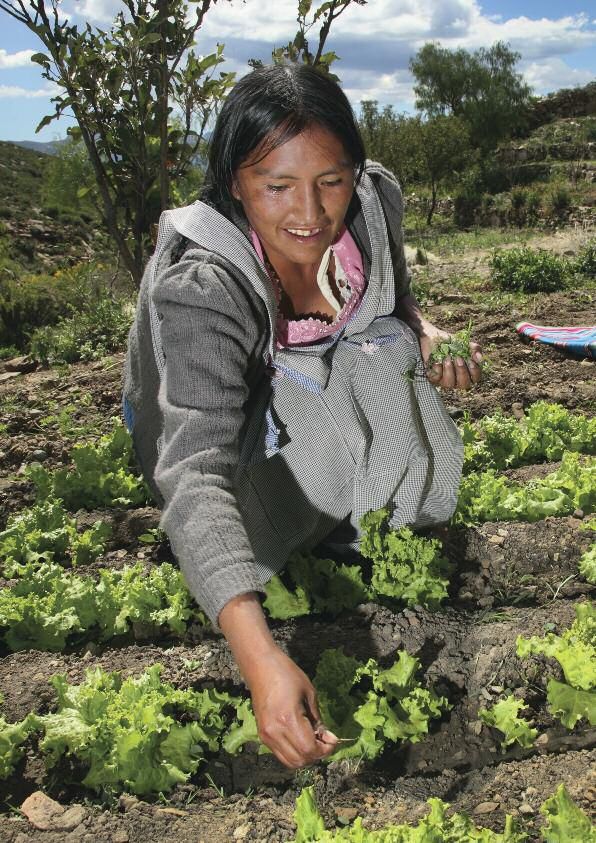
marginal and high risk areas, it is possible
to enhance resilience to emerging risks,
such as climate change, environmental
degradation, and population growth.
2627
Acronyms used in the document:

                         CILSS            Permanent Interstate Committee for Drought Control in the Sahel

                         DFID             Department for International Development

                         FAO              Food and Agriculture Organization of the United Nations

                         HEWSweb          Humanitarian Early Warning Service

                         HFA              Hyogo Framework for Action

                         IASC             Inter-Agency Standing Committee

                         IFAD             International Fund for Agricultural Development

                         NGO              non-governmental organization

                         SADC             Southern African Development Community

                         SICA             Central American Integration System

                         UNDAF            United Nations Development Assistance Framework

                         UNDP             United Nations Development Programme

                         UNEP             United Nations Environment Programme

                         UNICEF           United Nations Children’s Fund

                         UNISDR           Inter-Agency Secretariat of the International Strategy for
                                          Disaster Reduction

                         USAID            United States Agency for International Development

                         WMO              World Meteorological Organization

                                                   Photo credits

Cover: WFP/Diego Fernandez/Sudan; Inside front cover: WFP/Riccardo Gangale/Rwanda; Page 2: WFP/Rein Skullerud/Pakistan;
Page 3: WFP/Mario Di Bari/Ethiopia; Page 4: WFP/GMB Akash/Bangladesh; Page 7: WFP/Mario Di Bari/Ethiopia; Page 9:
WFP/GMB Akash/Bangladesh; Page 11: WFP/James Giambrone/Nepal; Page 12: WFP/Rein Skullerud/Kenya; Page 15:
WFP/James Giambrone/Nepal; Page 17: WFP/Charles Hatch-Barnwell/Malawi; Page 19: WFP/Rein Skullerud/Kenya; Page 21:
WFP/Vanessa Vick/Uganda; Page 23: WFP/Riccardo Gangale/Rwanda; Page 24: WFP/Rein Skullerud/Ethiopia; Page 26:
WFP/Rein Skullerud/Kenya; Page 27: WFP/Boris Heger/Bolivia; Back inside cover: WFP/Rein Skullerud/Haiti; Back cover:
WFP/Matteo Caravani/Uganda

                                                          28
29
Printed May 2012
                                                                                              Design by WFP Publications Team

     In Karamoja, Uganda,
     communities are creating
     assets – like these dams – to
     better manage droughts and
     reduce food shortages and
     malnutrition.

                         Office for Climate Change, Environment and Disaster Risk Reduction
                         wfp.org/disaster-risk-reduction

                         Policy, Planning and Strategy Division
                         World Food Programme Via C.G. Viola, 68/70, 00148 Rome, Italy

                         May 2012
30
You can also read


