Images of Research Calendar - UNIVERSITY OF SOUTH AUSTRALIA unisa.edu.au/research
←
→
Page content transcription
If your browser does not render page correctly, please read the page content below
2020

 UNIVERSITY OF SOUTH AUSTRALIA

 Images of Research Calendar
 unisa.edu.au/research
Welcome                                                                                                             SEE OUR
                                                                                                                    RESEARCH
                                                                                                                    COME TO LIFE

                                                                                                                    If you see a QR code in this
                                                                                                                    calendar, scan it with the Eyejack
                                                                                                                    app and see our new videos of
                                                                                                                    research jump off the page.
                                                                                                                    Download Eyejack from the
                                                                                                                    App Store or Google Play.

          VIRTUAL PERCEPTION

          Brandon Matthews, PhD Candidate
          Humans tend to believe what they see, even when it doesn’t align with their other senses. Through the lens of virtual reality,
          Brandon Matthews explores controlling people’s perception of the world, right down to the position of their own hand.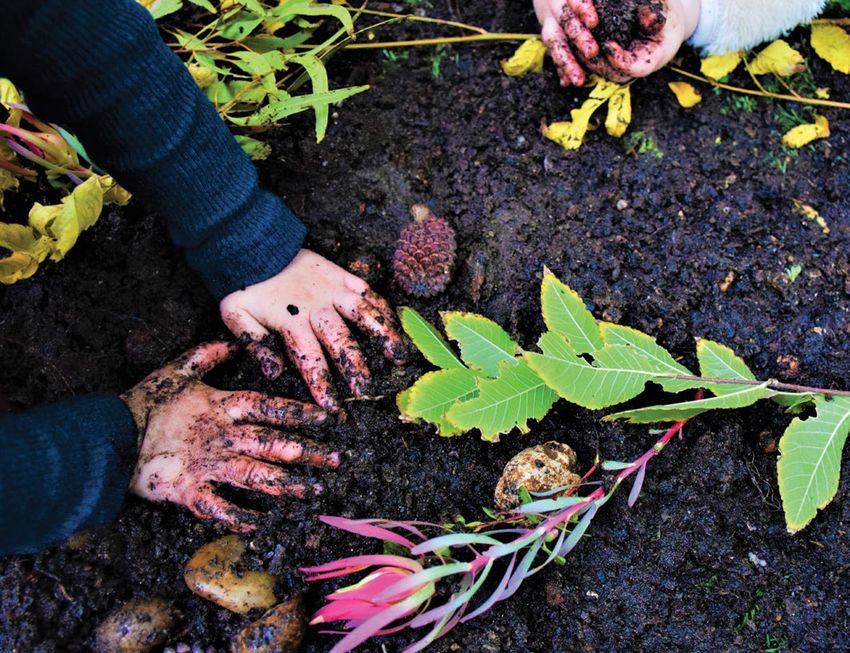
At UniSA our unstoppable research is inspired by
challenges and opportunities, partnered with end-users
and communities, and underpinned by excellence.
I am delighted to showcase, and share with you, images and videos
generated from research activities at the University of South Australia
(UniSA). At UniSA our research is inspired by challenges and opportunities,
partnered with end-users and communities, and underpinned by excellence.
Collectively, we are unstoppable in our pursuit of ideas and solutions that
make an impact.

The imagery and video snapshots exhibited in this calendar, which were
entered into the University’s 2019 Images of Research Competition, highlight
the diversity and breadth of our research. These images tell a personal story
about the research we do at UniSA and the people who make it happen.

At UniSA we take pride in our effective partnerships with end-users. Our
researchers work collaboratively right from the conception of a research
idea, allowing our research directions to be shaped by the opportunities
and challenges our partners face. Our key to success is how well we listen
to our partners and community and understand fundamental drivers and
issues. Through this process we create expert research teams that deliver
ground-breaking yet practical solutions.

I hope you enjoy these images.
                                                                                                                Cover image:
                                                                                                     A BLOOMING MINI BRAIN
                                                                                                          1ST PRIZE WINNER
Professor Simon Beecham                                                                         Dr Mariana Oksdath Mansilla,
Deputy Vice Chancellor: Research and Innovation                                 Research Associate, Centre for Cancer Biology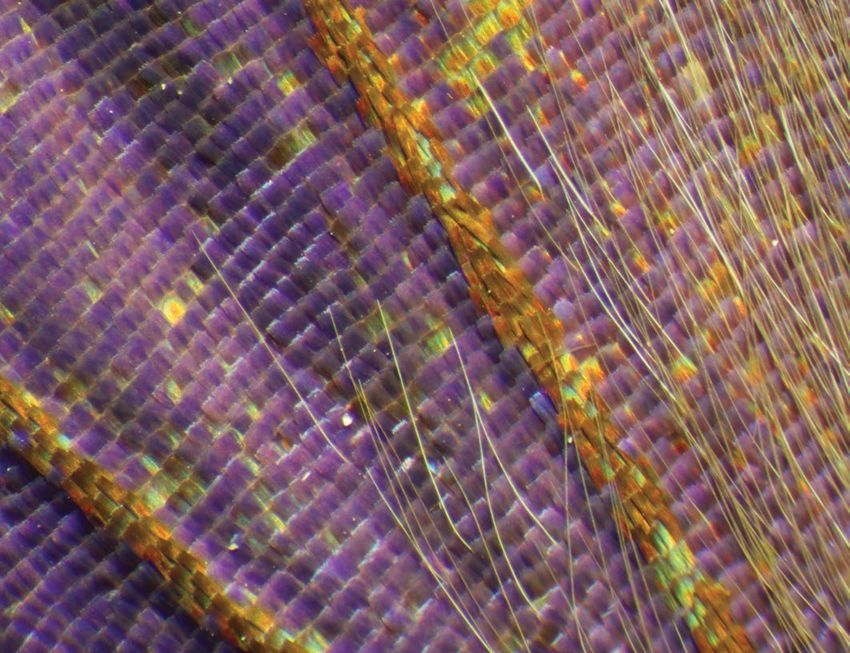
January   Sun                    Mon                    Tues                   Wed

                                                                               1
                                                                               New Year’s Day
                                                                                                      Thur

                                                                                                      2
                                                                                                                             Fri

                                                                                                                             3
                                                                                                                                   Sat

                                                                                                                                   4

          5                      6                      7                      8                      9                      10    11

          12                     13                     14                     15                     16                     17    18

          19                     20                     21                     22                     23                     24    25

          26                     27                     28                     29                     30                     31
          Australia Day          Australia Day
                                 Holiday

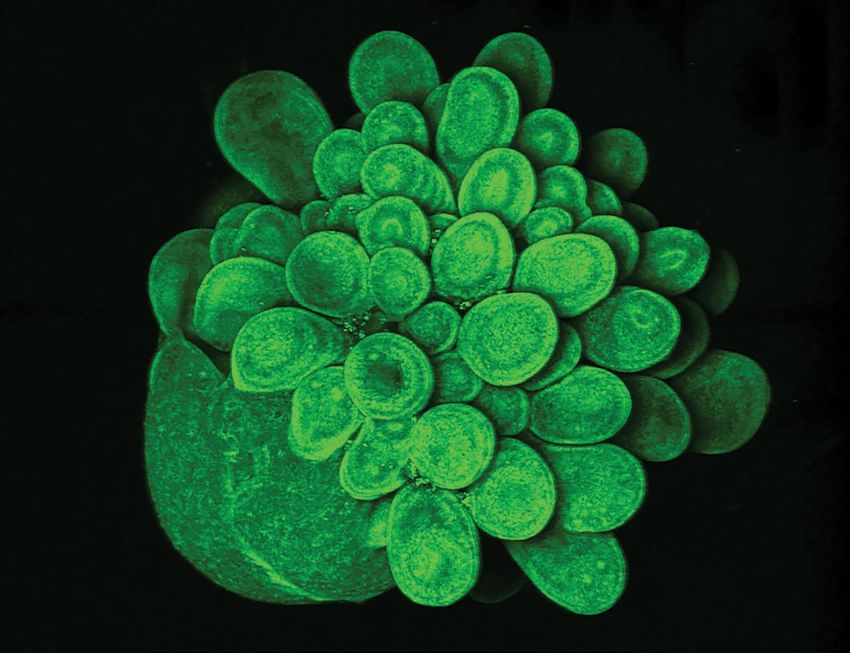
          A BLOOMING MINI BRAIN
          1ST PRIZE WINNER
          Dr Mariana Oksdath Mansilla, Research Associate in
          Tissue Biomechanics & Organ Function, Centre for Cancer Biology
          Dr Mariana Oksdath Mansilla’s image captures a 28-day-old human brain organoid growing on a scaffold that she
          3D-printed in the laboratory. Mansilla’s uniquely designed scaffold supports the development of a 3D culture comprised
          of self-organising stem cells that mimic the fetal development of the human brain - whose application could be used in
          personalised treatments for brain cancer patients.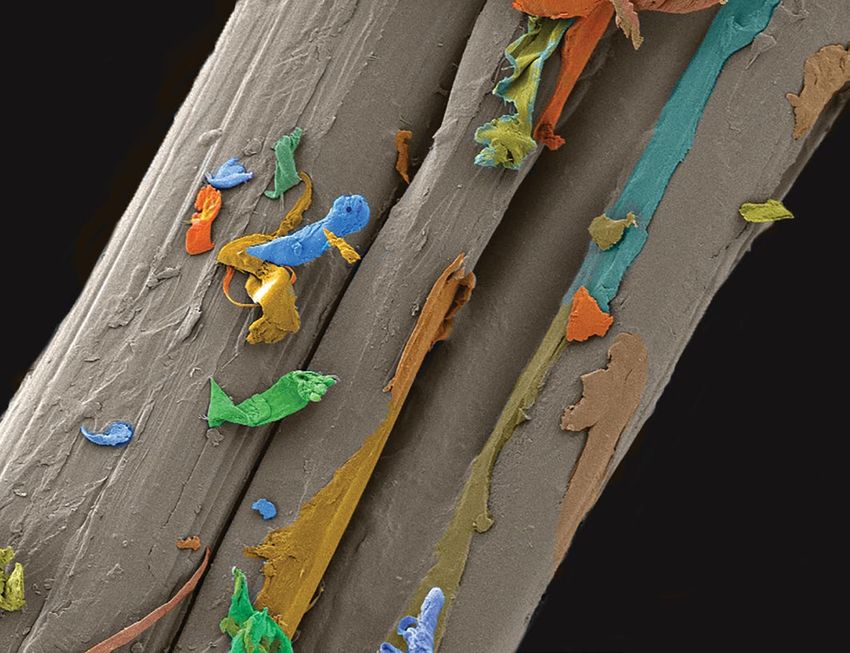
February   Sun                     Mon                    Tues                    Wed                    Thur                Fri   Sat

                                                                                                                                   1

           2                       3                      4                       5                      6                   7     8

           9                       10                     11                      12                     13                  14    15

           16                      17                     18                      19                     20                  21    22

           23                      24                     25                      26                     27                  28    29

           S TA B I L I S I N G L O O S E S A N D
           F O R A S U S TA I N A B L E F U T U R E
           2ND PRIZE WINNER
           Isaac Ahenkorah, PhD Candidate
           Isaac Ahenkorah’s image demonstrates the nature of soil, particularly sand, where in its loose state it reveals
           the ethos of geotechnical engineering – the challenge of stabilising loose sand for a sustainable future.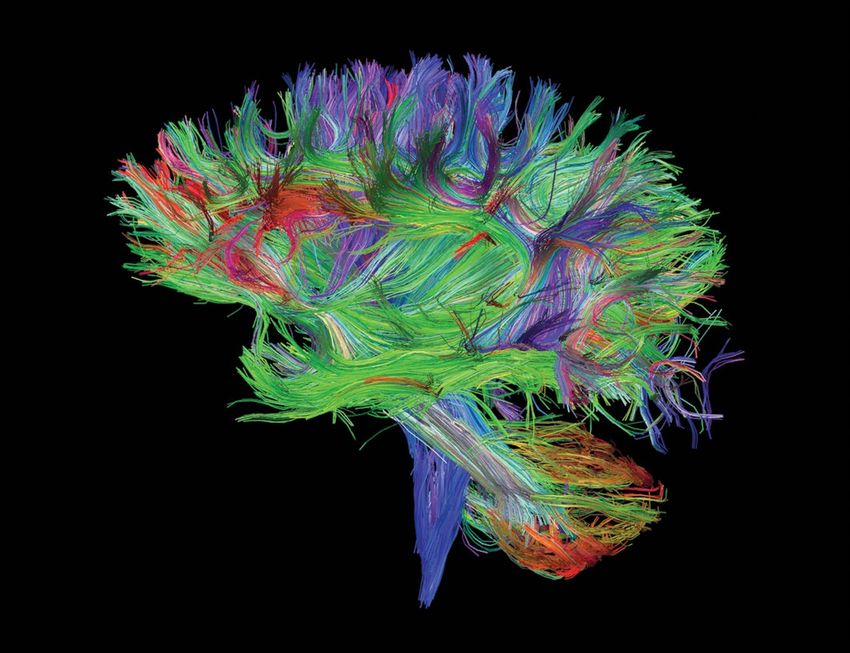
March   Sun

        1
                              Mon

                              2
                                                    Tues

                                                    3
                                                                           Wed

                                                                           4
                                                                                                 Thur

                                                                                                 5
                                                                                                                  Fri

                                                                                                                  6
                                                                                                                           Sat

                                                                                                                           7

        8                     9                     10                     11                    12               13       14
                              Adelaide Cup Day

        15                    16                    17                     18                    19               20       21

        22                    23                    24                     25                    26               27       28

        29                    30                    31

        B U I L D I N G B R A I N P A T H WAY S ( V I D E O )                                           Scan the QR Code
                                                                                                        with Eyejack and
        BONUS PRIZE WINNER                                                                              watch the video.

        Dr Brenton Hordacre, NHMRC Early Career Research Fellow
        Dr Brenton Hordacre’s research investigates treatments to enhance arm function recovery
        following a stroke. This video reveals through a series of images captured using magnetic
        resonance imaging (MRI), the individual brain pathways, and the vertical bundle of pathways
        called the corticospinal tract (indigo) which carry the commands that control arm movement.
        Its proper functioning is an important factor in stroke recovery.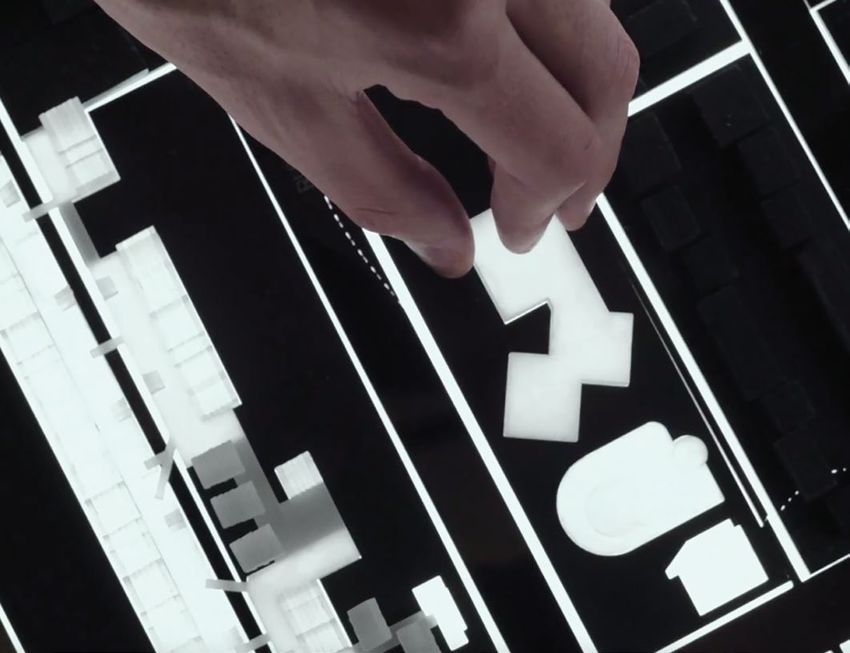
April   Sun                    Mon                    Tues                   Wed

                                                                             1
                                                                                                    Thur

                                                                                                    2
                                                                                                                           Fri

                                                                                                                           3
                                                                                                                                         Sat

                                                                                                                                         4

        5                      6                      7                      8                      9                      10            11
                                                                                                                           Good Friday   Easter Saturday

        12                     13                     14                     15                     16                     17            18
        Easter Sunday          Easter Monday

        19                     20                     21                     22                     23                     24            25
                                                                                                                                         Anzac Day

        26                     27                     28                     29                     30

        FIBRE-BASED MICROFLUIDICS
        PEOPLE’S CHOICE WINNER
        Dr Azadeh Nilghaz, Research Associate, Future Industries Institute
        At first glance you may see a mini dinosaur looking for food however what you are actually seeing is a single cotton
        fibre under magnification showing natural wax impurities on the fibre wall. This image reveals in detail Dr Azadeh
        Nilghaz’s research, where a simple fibre is about to be transformed into a microchannel, which can be used as the
        basis for low cost biomedical diagnostics.
May Sun
31
Mon Tues Wed Thur Fri
1
Sat
2
3 4 5 6 7 8 9
10 11 12 13 14 15 16
17 18 19 20 21 22 23
24 25 26 27 28 29 30
WA T E R S O F P A T H O L O G Y
Gink Yang, PhD Candidate
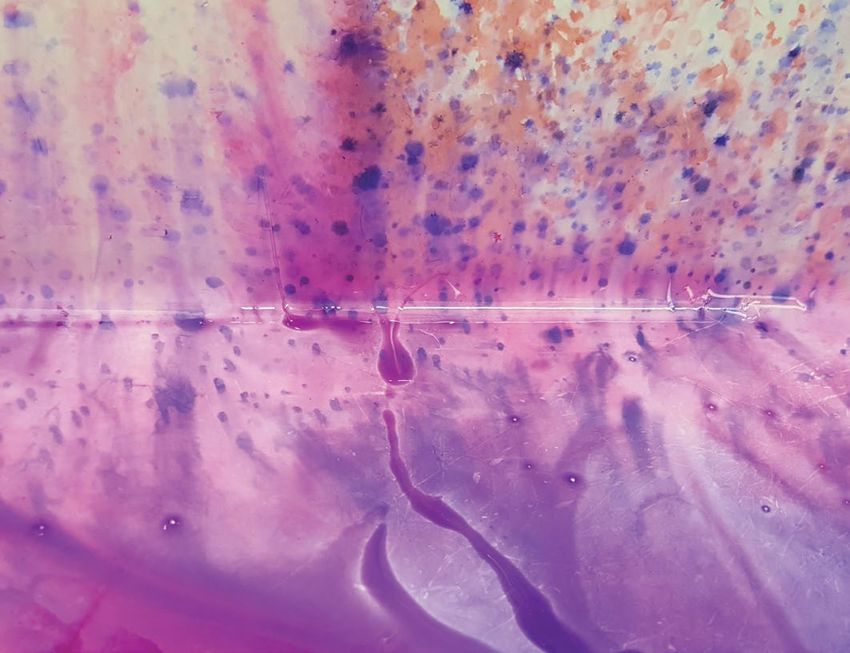
Gink Yang’s image captures the process where haematoxylin and eosin (H&E) staining is used to assess the
severity and progression of tumours and wounds. It is a simple but crucial process that’s often overshadowed by
other complicated procedures. This image details the elegant and velvety watercolours of H&E and represents the
unsung heroes in the scientific world.June Sun Mon
1
Tues
2
Wed
3
Thur
4
Fri
5
Sat
6
7 8 9 10 11 12 13
Queen’s Birthday
14 15 16 17 18 19 20
21 22 23 24 25 26 27
28 29 30
D I R T Y H A N D S M A K E F O R C R E AT I V E M I N D S
Kylie Dankiw, Academic Researcher
This image celebrates the simple pleasures of childhood that are being lost to screen time, social media, and safety
concerns in our modern world. Kylie Dankiw’s research investigates the importance of nature play and how it should
be encouraged - as it unleashes a child’s imagination, stimulates creativity through diverse sensory experiences, and
helps them collaborate, interact and negotiate with others.July Sun Mon Tues Wed
1
Thur
2
Fri
3
Sat
4
5 6 7 8 9 10 11
12 13 14 15 16 17 18
19 20 21 22 23 24 25
26 27 28 29 30 31
I T TA K E S A V I L L A G E
Kelly Ryan, PhD Candidate
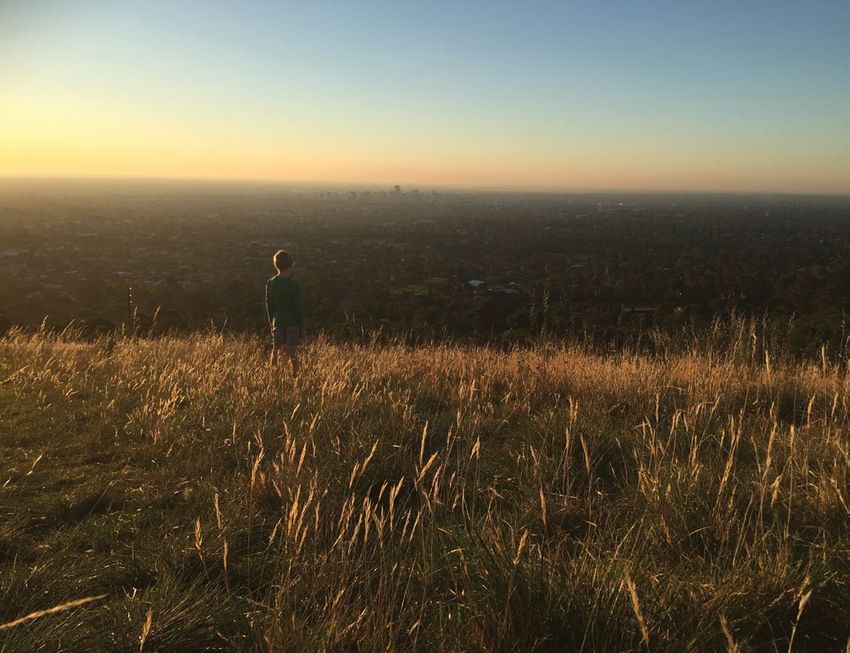
Kelly Ryan took this photo of her son when he first came to live with her in out-of-home care. He looks out over
Adelaide from the top of Lonely Hill. Ryan states that ‘he and his sister are the inspiration for my research into child
protection law. Fortunately for us, we are now their legal guardians’.August Sun
30
Mon
31
Tues Wed Thur Fri Sat
1
2 3 4 5 6 7 8
9 10 11 12 13 14 15
16 17 18 19 20 21 22
23 24 25 26 27 28 29
THE TUMOUR NETWORK
Kay Myo Min, PhD Candidate
Cancer cells can form blood vessel-like structures to gain access to the blood supply. This process is known as
vasculogenic mimicry and it is seen in highly aggressive forms of solid tumours and is correlated with poor patient
survival rates. Kay Myo Min’s research investigates the molecular signalling pathways involved in the growth and
spread of cancer.September Sun Mon Tues
1
Wed
2
Thur
3
Fri
4
Sat
5
6 7 8 9 10 11 12
13 14 15 16 17 18 19
20 21 22 23 24 25 26
27 28 29 30
WHOSE SCALES ARE THESE?
Dr Eli Moore, Adjunct Research Fellow, Centre for Cancer Biology
A butterfly wing highlights the human eye’s limitations. Dr Eli Moore’s research in nanotechnology demonstrates that it
is important to understand objects beyond what the eye can see – as in the case of the butterfly wing - these colours
are created by the scales’ nano-size ridges. Moore observes that ‘Nature is full of design elements that can help
produce better materials in the future’.October Sun Mon Tues Wed Thur
1
Fri
2
Sat
3
4 5 6 7 8 9 10
Labour Day
11 12 13 14 15 16 17
18 19 20 21 22 23 24
25 26 27 28 29 30 31
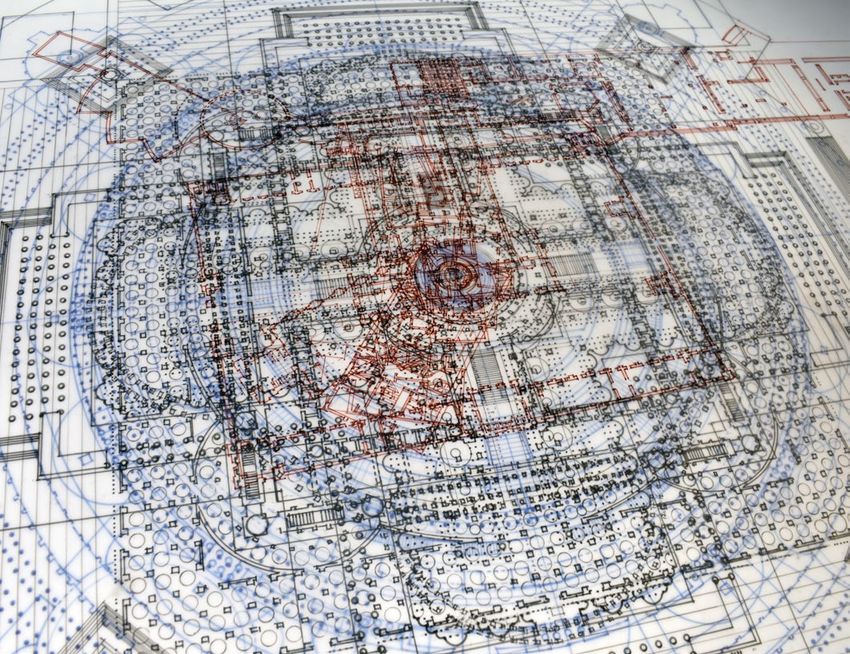
MEGALOMANIACAL PLANS:
C O N V E R S AT I O N S A C R O S S 2 3 6 Y E A R S
Dr Rachel Hurst, Senior Lecturer
Hand-traced, superimposed archival drawings from the UniSA Architecture Museum and Bibliothèque nationale de
France, bring together the works of influential 18th century French architect Étienne-Louis Boullée with Australian
projects of similar type and intent. Dr Rachel Hurst’s research tests how potentially obsolete forms of architectural
representation might be used in new ways and investigates how architecture-specific processes differ from scientific
processes as forms of enquiry and production.November Sun
1
Mon
2
Tues
3
Wed
4
Thur
5
Fri
6
Sat
7
8 9 10 11 12 13 14
15 16 17 18 19 20 21
22 23 24 25 26 27 28
29 30
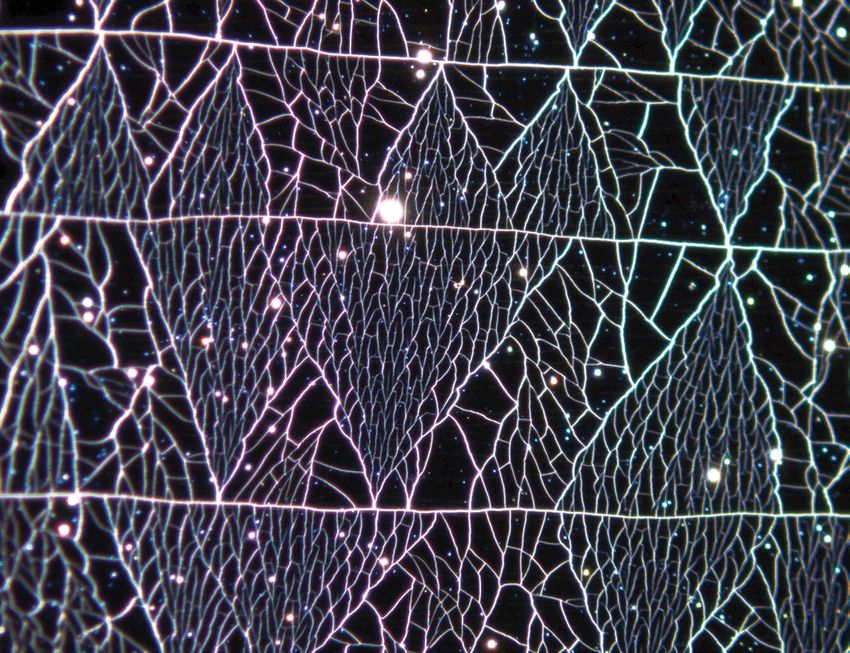
T H E C R AC K E D S U R FAC E
Dr Bastian Stoehr, Adjunct Research Associate, Future Industries Institute
Dr Bastian Stoehr’s image captures a delta of cracks in a 40 nanometer-thin layer of chrome which was
deliberately caused by prestressing the substrate. This new decorative and functional coating will enable the
integration of radar sensors into future autonomous cars. Since the coating is not conductive on a macroscopic
scale, radar radiation can pass through it - allowing it to act as a decorative feature and a weatherproof covering
of radar sensors at the same time.December Sun Mon Tues
1
Wed
2
Thur
3
Fri
4
Sat
5
6 7 8 9 10 11 12
13 14 15 16 17 18 19
20 21 22 23 24 25 26
Christmas Eve Christmas Day Boxing/
Proclamation Day
27 28 29 30 31
Boxing Day/ New Year’s Eve
Proclamation Day
Holiday
Scan the QR Code
with Eyejack and
I L L U M I N AT E D : K E N T T O W N watch the video.
URBAN INTERVENTIONS (VIDEO)
Dr Katica Pedisic, Lecturer
This video is an excerpt from a film that demonstrates practice-based research in a real-world
studio by Master of Architecture students from the University of South Australia. It illuminates
students producing and operating large scale models of the inner-Adelaide suburb of
Kent Town, as an urban laboratory for the Healthy Cities agenda.VISUALISING
and study periods
2020 Public Holidays
COMPLEX
S O F T WA R E
Rebecca Morgan, PhD Candidate
Class structures, hierarchies and dependencies for
implementing software are depicted in this striking
image. Rebecca Morgan’s image demonstrates that
these visualisations can be used to better understand
the complex structures underlying software architecture.
PINE TREES
FROM ABOVE
Dr Stefan Peters, Lecturer
Dr Stefan Peter’s image stems from a collaboration
between the University of South Australia, State
Government and the forestry industry. An airborne
laser imaging detection and ranging (LiDAR) scanner,
captured a point cloud image (a set of data points in
space) of a forestry plantation close to Mount Gambier.
The image was processed using a normalised
color-coded canopy height model – blue represents
the ground and red represents the maximum tree
height and enables better calculation of timber yields.and study periods
2020 Public Holidays
2020 Public Holidays 2020 UniSA Study Periods
National Study period one
New Year’s Day 1 Jan 13 January to 27 March
Australia Day 26 Jan
Australia Day Holiday 27 Jan^ Study period two
2 March to 4 July
Good Friday 10 Apr
Easter Monday 13 Apr
Study period three
ANZAC Day 25 Apr
6 April to 19 June
Christmas Day 25 Dec
Boxing Day 26 Dec Study period four
29 June to 11 September
South Australia
Adelaide Cup Day 9 Mar
Study period five
Labour Day 5 Oct
27 July to 28 November
Easter Saturday 11 Apr
Queen’s Birthday 8 Jun Study period six
Christmas Eve* 24 Dec 21 September to 4 December
Boxing/Proclamation Day 26 Dec
Study period seven
Boxing/Proclamation Day Holiday† 28 Dec
2 November to 6 February 2021
New Year’s Eve* 31 Dec
^Australia Day, 26th January, falls on a Sunday in 2020, therefore the public holiday is observed on the following Monday.
†Boxing/Proclamation Day, 26th December, falls on a Saturday in 2020, therefore the public holiday is observed on the following Monday.
*In South Australia, a part-day public holiday from 7pm to 12 midnight.unisa.edu.au/research
CRICOS PROVIDER NO. 00121BYou can also read


