Information booklet launceston retail audit and activity centres strategy: RENAISSANCE - Stable ...
←
→
Page content transcription
If your browser does not render page correctly, please read the page content below
launceston retail audit
and activity centres strategy:
    information booklet

                                  RENAISSANCE
                                                  planning
           4 - 5 july 2011
                             understand | envision | plan | sustain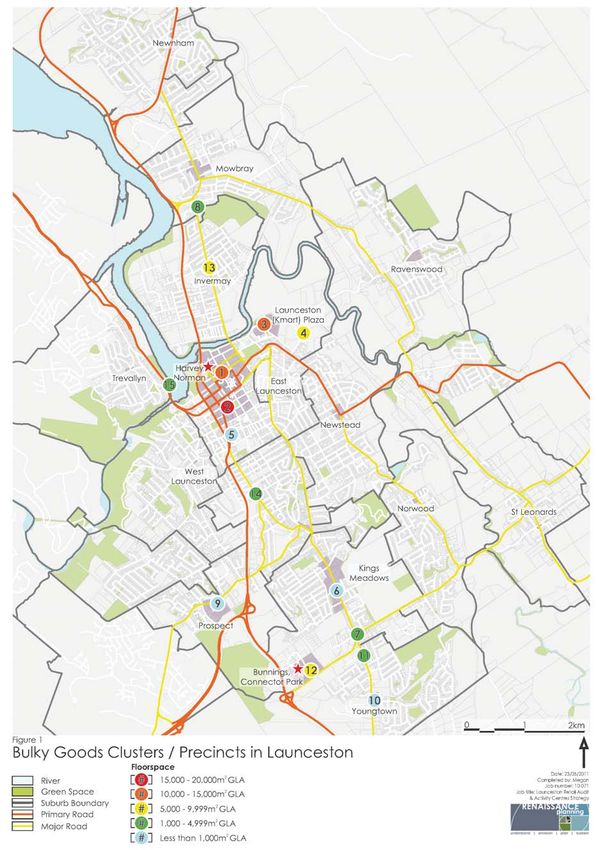
©Copyright, Renaissance Planning Pty Ltd,              July 2011

                    This work is copyright. Apart from any use as permitted
                    under Copyright Act 1963, no part may be reproduced
                    without written permission of Renaissance Planning Pty Ltd

                    Disclaimer: Neither Renaissance Planning Pty Ltd nor any
                    member of employee of Renaissance Planning Pty Ltd takes
                    responsibility in any way whatsoever to any person or organisation
                    (other than that for which this report has been prepared) in
                    respect of the information set out in this report, including any
                    errors or omissions herein. Renaissance Planning is not liable
                    for errors in plans, specifications, documentation or other
                    advice not prepared or designed by Renaissance Planning.

                        RENAISSANCE Planning Pty Ltd ABN 91 796 676 210 ACN 094 933 972
                        Suite 307/91 Murphy Street Richmond Victoria 3121

strategic planners | urban designers | economists | landscape architects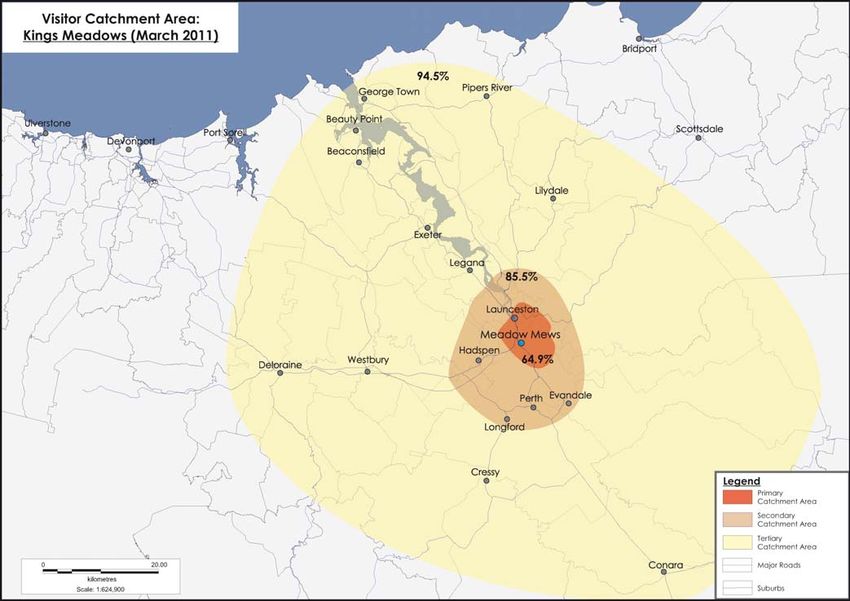
table of contents
    1. Purpose of the Presentation                                              2
    2. Background to the Study                                                  2
    3. Study Purpose                                                            2
    4. Key Outcome Requirements                                                 3
    5. Study Process                                                            3
    6. Reference Areas                                                          4
         Greater Launceston Urban Area                                          4
         North Tasmania Region                                                  4
         Launceston Central Area                                                7
         Launceston Central Business District                                   8
         Retail Core District                                                   9
         Kmart Plaza Precinct                                                   9
    7. Key Findings                                                             9
         Launceston: The Regional City                                          9
         Current State of the Retail Commercial System                          10
         Forecast Population Growth (2011 - 2021 - 2036)                        18
         Forecast Retail Expenditure Growth in the Greater Urban Area           18
         (2011 - 2021 - 2036)
         Effects of Online Retailing                                            18
         Forecast Retail Sales in the Greater Urban Area (2011 - 2021 - 2036)   19
         Retail Floorspace Requirements for the Greater Urban Area              20
         (2011 - 2021 - 2036)
         Scale of Potential Developments                                        20
    8. Recommended Strategy                                                     21
         Strategic Principles                                                   21
         Key Issues in the Review of the Activity Centre Hierarchy              21
         Activity Centre Hierarchy and Recommended Policy Framework             22
         Introduction of Master Planning Requirements                           23
         Application of Indicative Floorspace Requirements                      23
         Recommended Impact Assessment Framework                                23
         Review of Woolworths Proposal                                          26
         Market Development Initiatives                                         28
         Recommended Principles to Streamline the Launceston Planning Scheme    28
         Recommended Process of Monitoring and Review                           28
    9. Next Steps                                                               29

Launceston Retail Audit & Activity Centres Strategy:                                 1
Information Booklet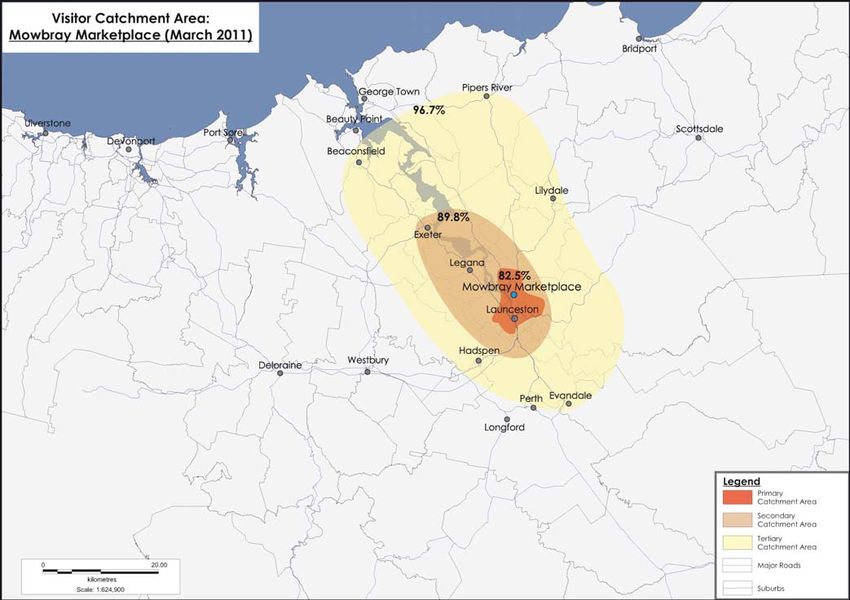
purpose of the presentation
    Key objectives for the Presentation:
    •   briefly outline the background and purpose of the Study;
                                                                                                   1
    •   provide a broad overview of the study process;
    •   outline the key findings and their significance for the Strategy;
    •   present the major elements of the Strategy, and in this context;
    •   explain the review of the Woolworths proposal and the recommendation to Council;
    •   indicate the next steps in the process.

    background to the study
    •
    •
        Contacts by Woolworths Limited (late 2010);
        Submission for rezoning at Connector Park for a Marketplace shopping centre;
                                                                                                 2
    •   Council seeking strategic response;
    •   Requirements for a clear strategic direction that is strongly evidenced based;
    •   Study commissioned on 1 March 2011.

    study purpose
    •   Comprehensive review of the 2004 Launceston Retail Strategy;
                                                                                                 3
    •   a requirement for a detailed empirically based review of the structure and function of the retail-
        commercial system;

    •   review of online retailing and implications for future activity centre provision;

    •   an assessment of retail floorspace requirements over the next 20 years and beyond;

    •   an activity centres strategy to guide Launceston’s retail-commercial system over the next 20 years
        and beyond;

    •   detailed functional assessments of Launceston CBD and key centres for master planning;

    •   assessment of the proposed Woolworths Marketplace shopping centre development at Connector
        Park with clear recommendations for Council.

2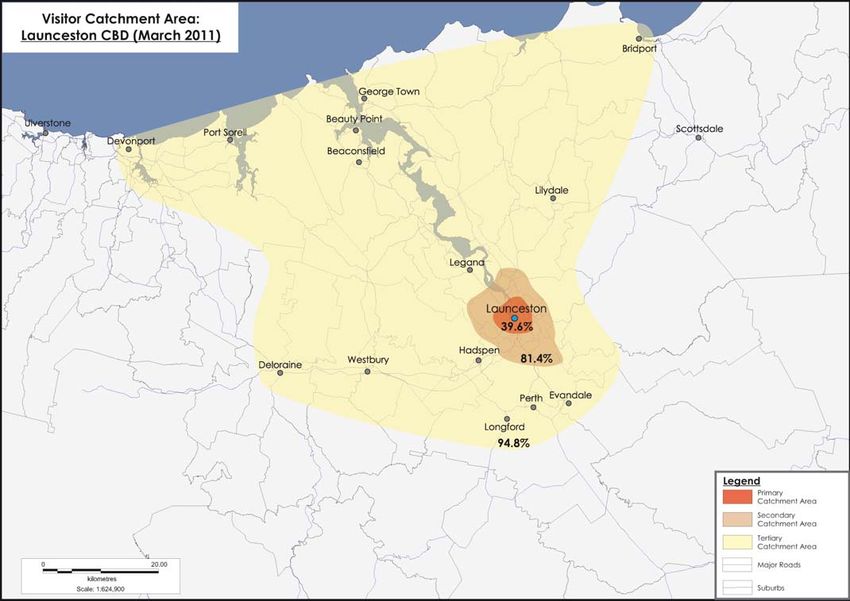
key outcome requirements
   In the broadest of terms, Council has sought from the Study, three major outputs:

   •
                                                                                                     4
       guidance for a clear strategic development direction that is consistent with recent visioning for the
       City and that is firmly based on a strong empirical foundation;

   •   a forward looking Strategy that is directed to facilitating new major investment in the City and the
       Greater urban area that is seen by the business community as being proactive;

   •   a Strategy that takes full account of access and sustainability considerations, and particularly of the
       significant investment represented in the existing retail commercial hierarchy in Launceston and its
       suburbs; and that long-term directions indicated by the Strategy will seek to maximise public benefit
       for current and future residents of Launceston and its regional community.

   study process
   •
   •
       The study process encompassed the following steps:
       ongoing liaison and regular reporting to a Steering Group;
                                                                                                     5
   •   reviews of regional and municipal policies and strategies;
   •   review of the population forecasts for Launceston and the region;
   •   commissioning of extensive surveys for the study:
        - land use and floorspace;
        - In-Centre Surveys;
        - In-Home Telephone Surveys.
   •   analysis of the surveys and supporting research;
   •   assessment of structural and functional characteristics of the retail-commercial system;
        - forecasting of expenditure and the assessment of retail and office floorspace requirements;
   •   finalisation of the Retail Audit;
   •   drafting of the Activity Centres Strategy;
   •   presentations to Council, regional and business stakeholders.
   •   review by Council of the draft documents;
   •   revised draft final reports to Council;
   •   Council formally receives the reports and commences consultation process;
   •   finalisation of activity centres policy by Council.

Launceston Retail Audit & Activity Centres Strategy:                                                             3
Information Booklet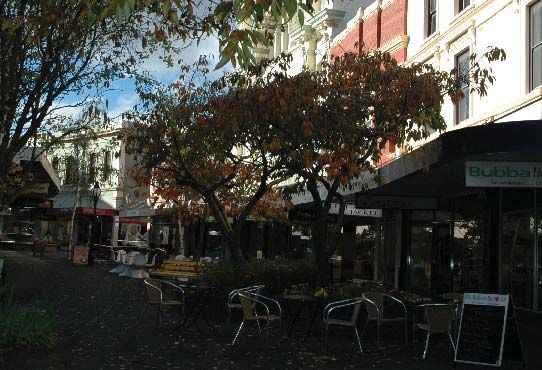
reference areas
    Greater Launceston urban area
                                                                                                       6
    In this study the principal reference area is the greater Launceston urban area. It is the area used for all
    the key demand and supply assessments including:

    •   an inventory of retail, bulky goods and office floorspace;
    •   population analysis and forecasting;
    •   retail expenditure assessments and projections;
    •   assessments of current and future retail sales;
    •   analyses of future floorspace requirements.

    The area encompasses urban areas of the City of Launceston together with the contiguous suburbs that
    extend into parts of West Tamar and Meander Valley municipalities , together with urban localities in
    George Town and Northern Midlands municipalities.

    The area is defined by the Australian Bureau of Statistics (ABS) as the Launceston statistical sub-division
    (SSD), and comprises (refer Figure 1):

    •   City of Launceston (Inner and Part B),
    •   George Town (Part A),
    •   Meander Valley (Part A),
    •   Northern Midlands (Part A),
    •   West Tamar (Part A).

    At June 2010, the estimated resident population (ERP) of the greater Launceston urban area was ap-
    proximately 106,150 persons (refer Table 1).

    North Tasmania Region
    A supporting reference area was also defined for the study. This is a broader surrounding area encom-
    passing the municipalities and districts that together with the Launceston urban area make up the North
    Tasmania region. A map of the region and its relationship with the greater Launceston urban area is
    shown in Figure 1. The area of the North Tasmania region outside the greater Launceston urban area
    comprises the following SLAs:

    •   City of Launceston (Part C),
    •   George Town (Part B),
    •   Meander Valley (Part B),
    •   Northern Midlands (Part B),

4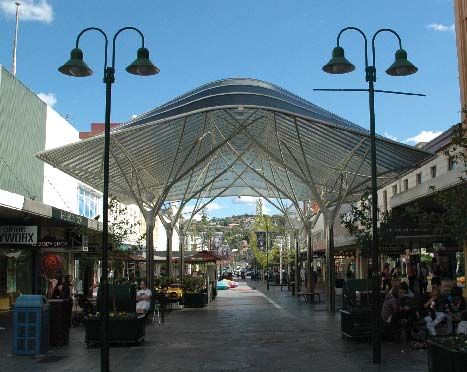
•     West Tamar (Part B),
   •     Break O’Day,
   •     Dorset,
   •     Flinders.

   At June 2010, the ERP of the balance of the North Tasmania region outside the greater Launceston ur-
   ban area was approximately 36,160 persons, and the total population of the North Tasmania region was
   approximately 142,310 persons.

   Figure 1: Greater Launceston Urban Area and North Tasmania Region

                      George Town     GREATER
                         Part A
                                      LAUNCESTON
                                      URBAN AREA

                                                                                                        Flinders
       West Tamar
         Part A

                    West Tamar
                      Part A                City of
                                            Launceston
                                            Inner
                                            and
                            Meander         Part B
                             Valley
                             Part A     Northern
                                        Midlands
                                        Part A

                                                                        George
                                                                        Town              Dorset
                                                                        Part B
                                                                                 50 km
                                                             West
                                                             Tamar           Launceston
                                                               Part B            Part C
                                                                                   (outside
                                                                                   GLUA)           Break O’Day
                                                         Meander
                                                         Valley
                                                         Part B

                                                                                    Northern
                                                                                    Midlands
                                                                                    Part B

   LEGEND
             Greater Launceston
             Urban Area
             North Tasmanian
             Region: Balance

Launceston Retail Audit & Activity Centres Strategy:                                                               5
Information Booklet
Table 1: North Tasmania Region: Historic and Forecast Estimated Resident Population, 2006 – 2021 – 2036

                                                                                 Estimated Resident Population (ERP)

                Tasmanian North Region                 Historic (ABS ERP)                              Forecast ERP*

                                                       2006        2010        2011         2016      2021       2026      2031     2036**

    Greater Launceston

     City of Launceston (Inner & Part B)              61,670       62,980      63,370      65,220    67,030     68,760    70,480    72,240

     George Town (Part A)                              5,680       5,830       5,850        5,880     5,870      5,830     5,800     5,770

     Meander Valley (Part A)                           8,510       8,920       9,050        9,580    10,110     10,610    11,100    11,620

     Northern Midlands (Part A)                        7,860       8,010       8,080        8,350     8,580      8,750     8,890     9,030

     West Tamar (Part A)                              19,650       20,410      20,620      21,480    22,280     22,980    23,660    24,360

     Total Greater Launceston Urban Area              103,370     106,150     106,970      110,510   113,870    116,930   119,930   123,020

    North Region Balance

     City of Launceston (Balance)                      2,860       2,840       2,840        2,790     2,710      2,610     2,560     2,440

     George Town (Balance)                             1,050       1,060       1,060        1,060     1,060      1,060     1,070     1,070

     Meander Valley (Balance)                         10,460       10,770      10,790      10,880    10,890     10,820    10,720    10,620

     Northern Midlands (Balance)                       4,650       4,650       4,640        4,550     4,420      4,270     4,160     3,960

     West Tamar (Balance)                              1,960       2,070       2,120        2,330     2,540      2,750     2,890     3,230

     Break O'Day                                       6,250       6,510       6,590        6,880     7,150      7,390     7,550     7,880

     Dorset                                            7,210       7,360       7,350        7,240     7,110      6,930     6,860     6,600

     Flinders                                           890         900         910          920       920       930        930       940

     Total North Region Balance                       35,330       36,160      36,300      36,650    36,800     36,760    36,740    36,740

           Total Tasmanian North Region              138,700      142,310     143,270     147,160    150,670   153,690    156,670   159,760

    * Estimates based on Department of Health and Aging and Demographic Change Advisory Council medium projections
    ** Renaissance Planning estimate based on average annual rate of growth between 2026-2031,'

6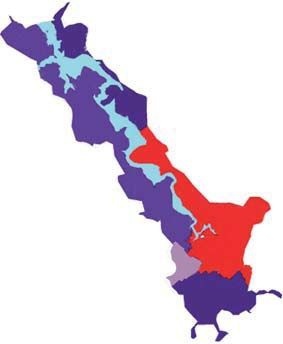
Launceston Central Area (LCA)
The Launceston Central Area (LCA) is a reference area for detailed analysis of retail-commercial floor-
space. The boundaries are consistent with the Launceston Central Activities District as defined in the
Launceston Planning Scheme. It encompasses the Launceston Central Business District (CBD) and ad-
jacent areas and generally extends between 400 – 900 metres from the intersection of Brisbane and St
John Streets (refer Figure 2).
Figure 2: Launceston Central Area Precincts
orth
t-N
r Eas
ute
:O
LCA
ct
cin
Pre
a nk
thb
Sou
sk rth
rt hE No
: No B D:
LCA in gC
ort
pp
Su
t
es
thw Ea
st
or
N D:
D: B
ct CB ingC
cin tin
g ort
Pre or pp
p ort p Su
: Sea Sup
LCA Cornwall Square
Transit Centre
chment
Cat :
ble re
Co st
Centreway Arcade
lka D hea
th
B
C ort
ou
a
Olde Brisbane Mall
W
N -S
m
st
:
Ea
200
re
Co ast
er
:
re
ut
D e
Co st CB outh
O
D we
A:
B
C r th S
LC
No
CB
Su
pp
D
Quadrant Plaza
:
Co
or
re Shopping Centre
Co est
tin
re
:C
g
D w
CB uth
CB
ha
Powells Arcade
So
D:
rle
ent
W
sS
City Plaza/
e:
es
Ludbrooks Arcade
tre
hm
r
t
Co st st
e
D ea ea
tW
CB orth th
atc
Su
ou
es
:S
p
N
t
D
po
CB
C
ing
rti
:
ble
re ort
ng
re
: rth Co ast pp
CB
Su
ka
Co est - No C BD the
D:
t u
al
D w
CB rth es So
W
So
rW
No ute
CB
u
m
th
D
O
we
A:
0
:
Co
re 50
LC uth
st
Co est ct
re
So cin
:C
D
CB uth
w st-
e Pre
ha
So rW ar
e
ute
rle
u
:O Sq
sS
LC
A es
tre
nc
Pri
et
LCA: A:
W
LC
es
Jimmy’s
t
LCA: Coles
Wellington
Street
IGA
Legend
Core CBD
Supporting CBD
Launceston Central Area Balance 300m
0 150
Green Space / Parks
Waterways
Launceston Retail Audit & Activity Centres Strategy: 7
Information Booklet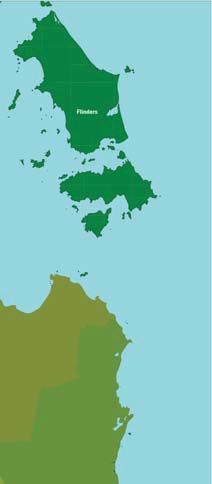
Launceston Central Business District (CBD)
         The Launceston CBD is the principal retail and commercial centre of Launceston and the North Tasma-
         nia region. For the purposes of the Strategy, it is defined as the area within approximately 330 – 450 me-
         tres of the intersection of Brisbane and St John Streets (refer Figure 2). It is generally bounded as follows:

         •       to the north by William Street,
         •        to the east by Tamar Street,
         •       to the south by York, George and Elizabeth Streets,
         •       to the west by Wellington Street.

         Figure 3: Suburb of Launceston

                                                                                                                       Ravenswood

nswood
                                             Invermay                                  Ravenswood

         Invermay

                                                                                 East
                   Trevallyn                                                  Launceston

                                                     East                                           Legend
                                                  Launceston
                                                                                                    Launceston Central Area
                                                                                                         Core CBD
                                                                                                     Newstead
                                                                                                         Supporting CBD
                                                               Launceston                                Launceston Central Area Balance
                                                                                       Ravenswood
                                                                                                    Outside of Launceston Central Area
                                                                                                          Launceston (Kmart) Plaza Precinct
                                     West                                                                 Launceston (suburb) Other
                                  Launceston                                Newstead
                                Launceston                                                                Waterways
         Invermay                                                                South                    Green Space
                                                                                                          Cadastre
             0            500        1000m                                    Launceston                  Suburb Boundary

   West
Launceston

                                                     South
                                                  Launceston

   8
Retail Core District
The Launceston retail core district is the region’s pre-eminent shopping destination. The retail core dis-
trict is defined as the area within approximately 200 metres of the intersection of Brisbane and St John
Streets. It is comprised of five city blocks and parts of the sixth city block west of Charles Street (refer
Figure 2).
Kmart Plaza Precinct
The Kmart Plaza precinct comprises the shopping centre at Racecourse Road together with adjacent
bulky goods activities centred on Boland Street (refer Figure 3).
key findings
launceston: the regional city
7
Launceston is an important regional services city. It has a modern airport and the city is part of the main
air route network that links that nation’s eastern seaboard cities. It is a major gateway for tourism to
Tasmania.
In common with other regional cities Launceston serves an extensive area beyond the municipality and
urban district. The city’s economy and future prosperity is in large part underpinned by its regional ser-
vices role. Its regional catchment area (RCA) identified in the In-Centre Surveys (refer Figure 4) defines
a broad area of influence that applies to a wide range of services that encompasses:
• retailing (including bulky goods and automotive retailing);
• commercial services;
• professional services;
• government and administration;
• legal services and justice;
• health and community services;
• entertainment and the arts;
• higher education;
• regional sporting facilities;
• hospitality and tourism;
• transport and distribution.
Launceston Retail Audit & Activity Centres Strategy: 9
Information Bookletcurrent state of the retail-commercial system
Overall provision of retail-commercial floorspace
• occupied retail goods and services floorspace (non bulky goods): approximately 1.97 square me-
tres Gross Leasable Area (GLA) per capita (average for regional cities approximately 1.83 square
metres per capita),
• occupied bulky goods floorspace: approximately 0.61 square metres GLA per capita (average for
regional cities approximately 0.63 square metres per capita),
• total occupied retail floorspace: approximately 2.58 square metres GLA per capita (average for
regional cities approximately 2.46 square metres per capita),
• occupied office floorspace: approximately 1.7 square metres GLA per capita (average for regional
cities approximately 1.12 square metres per capita),
• overall level of provision for retail and bulky goods floorspace is similar to that of other regional cities,
• level of occupied office floorspace provision is relatively high but this is a positive finding. It reflects
the wider and more comprehensive commercial services role played by Launceston than is the
case in other regional cities of the same size in eastern Australia (e.g. Ballarat and Bendigo). Com-
mercial services in regional cities in Victoria and New South Wales are overshadowed by the service
roles played by Melbourne and Sydney and by the relative ease of access to regional cities from
the metropolitan areas.)
Importance of the LCA
• significant concentration of retail-commercial floorspace in central Launceston,
• approximately 45 per cent of occupied retail goods and services floorspace in the greater urban
area is concentrated in the LCA,
• some 40 per cent of occupied bulky goods floorspace is in the LCA,
• approximately 67 per cent of occupied office floorspace is located in the LCA,
• the prime retail focus is the retail core precinct:
- the premier shopping destination in North Tasmania,
- unique concentration of department and discount department stores, national chain fashion stores
and a number of Launceston and Tasmanian stores that have developed as major attractors in
the region,
- network of pedestrian spaces and places,
- iconic heart of the city: significant heritage streetscapes,
- extensive street based and arcaded shopfront environment,
- highest concentrations of pedestrian activity in the region,
- public transport focus for the city and region,
- regional catchment area that extends well beyond the greater urban area (refer Figure 4).
10• Supporting CBD precincts: The retail core precinct is encompassed by several CBD precincts that
extend up to 500 metres from the intersection of Brisbane and St John Streets:
- major concentrations of government and commercial offices, retailing and bulky goods stores,
tourism and accommodation facilities, retail services, cafes and restaurants,
- the diversity and concentration of activities in the supporting CBD is a great strength of central
Launceston. Most significant concentrations of commercial activities in the region (refer Figures 5
and 6).
- the proximity and interaction between the retail core and supporting CBD precincts is a powerful
support for the retail core. The wider CBD underpins the prosperity of significant services industries
which reinforce the regional attraction of central Launceston.
Figure 4: Launceston CBD Regional Catchment Area
Launceston Retail Audit & Activity Centres Strategy: 11
Information BookletFigure 5: Launceston Retail, Bulky Goods and Office and Floorspace Distribution by Centre Type 2011
250,000
200,000
Vacant Shop / Office
Floorspace (sq. metres GLA)
Other Services
150,000 Professional and Medical Services
Bulky Goods
Retail Services
Specialty Non-Food Stores
100,000
Department and General Stores
Other Food Stores / Cafes
Supermarkets
50 000
50,000
0
Figure 6: Launceston Retail, Bulky Goods and Office Tenancies Distribution by Centre Type 2011
700
600
500 Vacant Shop / Office
Other Services
Number of Tenancies
Professional and Medical Services
400
Bulky Goods
Retail Services
300 Specialty Non-Food Stores
Department and General Stores
Other Food Stores / Cafes
200
Supermarkets
100
0
12LCA Precincts beyond the CBD
• Significance of education activities, cafes, restaurants, hospitality, recreation, and entertainment ac-
tivities,
• Important bulky goods precincts in the south of the LCA.
Bulky Goods Floorspace
The spatial distribution of bulky goods floorspace in Launceston reflects the strong influence of the central
city and highway routes as key determinants in the locational pattern of development. Approximately 75
per cent of occupied bulky goods floorspace in the greater urban area is concentrated in several clusters
and precincts (refer Figure 7). These comprise:
• two extensive clusters of bulky goods activities in the LCA form the largest concentrations of this activity
in the greater urban area:
- a northern CBD cluster that includes Harvey Norman and Spotlight (refer Figure 7, area 1),
- a southern area which includes a cluster in the CBD (Kingsway area) and an area of development
extending to the southern area of the LCA (area 2, Figure 7),
• an area of bulky goods development in the Kmart Plaza precinct (area 3, Figure 7),
• an important bulky goods and mixed use precinct located at Invermay (area 13, Figure 7),
• the Bunnings development at Connector Park (area 12, Figure 7).
The District Centres
• strategically located activity centres north and south of the Launceston CBD (refer Figure 8),
• recognition in the Launceston Planning Scheme of the higher order activity role for the District Centres
of Kings Meadows and Mowbray,
• the District Centres have approximately 15 per cent of retail goods and services floorspace in the
greater urban area and very minor proportions of offices and bulky goods floorspace (approximately 3
per cent and 1 per cent respectively);
• both centres have street based retail services and commercial activities together with internal shop-
ping malls,
• the only supermarkets in excess of 3,000 square metres GLA in the City of Launceston are located in the
District Centres and a fourth is being completed, to be opened in Mowbray,
• catchment analysis indicates extensive district and regional catchments extending over the Launces-
ton suburban area and the surrounding localities (refer Figures 9 and 10),
• the two District Centres have significant potential to provide a wider range of discretionary retail goods
together with retail and commercial services that extends far beyond the provision of food and gro-
cery shopping. This direction is recommended by the Strategy.
Kmart Plaza Precinct
• sub regional shopping centre located at Racecourse Road, approximately 1.2 kilometres east of the
Launceston CBD,
• has approximately 5 per cent of the occupied retail goods and services floorspace in the greater ur-
ban area,
• significant clustering of bulky goods floorspace in the precinct (some 14 per cent of the bulky goods
floorspace in the greater urban area);
• opportunities for amenity improvements.
Launceston Retail Audit & Activity Centres Strategy: 13
Information BookletFigure 7: Bulky Goods Clusters and Precincts in Launceston 14
Figure 8: Existing Launceston Activity Centre Hierarchy
                                                                                                                                        g                                      (          )

                                                        Newnham
      To
       Le
           ga
            na

                                                                         Mowbray

        North
        Riverside

                           Riverside

                                                                                                                 Ravenswood
                                                                  Invermay

                                                                                           Launceston
                                                                                          (Kmart) Plaza

                                                                             Launceston CBD
                                                           Harvey
                                            Trevallyn      Norman
                                                                                             East
                                                                                          Launceston

                                                                                                    Newstead
                                                                            Wellington
                                                                           Street Coles

                                                              West
                                                           Launceston

                                                                                                                      Norwood
                                                                                            Five Ways
                                                                                                                                            St Leonards

                                                                                                           Kings
                                                                                                           Meadows

                                                                  Prospect

                                                        p Vale
                                                    Prospect
                                                 Prospect
                                                 Marketplace                     Bunnings,
                                                                               Connector Park

                                                                                                          Youngtown
                                                                                                                                   0         1            2km

                    Launceston CBD                            Neighbourhood Stores / Clusters                   Primary Road
                                                                                                                Major Road
                                                              Commercial / Bulky Goods Precincts
                    District Centres                                                                            Residential
                                                                                                                                                                      Date: 23/05/2011
                                                                 River                                          Reserved Residential                             Completed by: Megan
                    Launceston (Kmart) Plaza Precinct                                                                                                              Job number: 10-071

                                                                 Green Space                                    Future Urban                         Job title: Launceston Retail Audit
                                                                                                                                                            & Activity Centres Strategy
                                                                                                                Business
                    Neighbourhood Centres
                                                                                                                Commercial/Industrial

Launceston Retail Audit & Activity Centres Strategy:                                                                                                                                          15
Information Booklet
Figure 9: Kings Meadows Regional Catchment Area Figure 10: Mowbray Marketplace Regional Catchment Area 16
Neighbourhood Centres and Clusters in the City of Launceston
   • locally based activity centres anchored by a supermarket function,

   •   provide approximately 7 per cent of the greater urban area’s stock of retail goods and services
       floorspace;

   •   provide for the comprehensive daily needs and a range of weekly requirements of local residents,

   •   Launceston’s retail pattern is characterised by small neighbourhood centres and clusters in the City
       of Launceston and the development of larger neighbourhood activity centres in the suburbs and
       localities outside the City within the greater urban area,

   •   neighbourhood activity centres in the City of Launceston which provide both a supermarket and a
       range of supporting retail stores and services comprise:
        - Prospect,
       -   Newstead,
       -   Ravenswood,
       -   Trevallyn,
       -   Lilydale.

   •   a characteristic of the City of Launceston’s retail pattern is the development of a number of neigh-
       bourhood clusters. These are individual free standing supermarkets or supermarkets with limited or
       no supporting retail stores and services and comprise the following:
       - Charles Street (Jimmy’s Coles) in the LCA,
       - Wellington Street IGA in the LCA,
       - Wellington Street Coles,
       -   Newnham,
       -   Norwood,
       -   West Launceston,
       -   Youngtown.

   •   In the suburbs and localities outside the City of Launceston, there are a number of neighbourhood
       centres collectively these make up about 16 per cent of retail goods and services floorspace in the
       greater urban area and about 5 per cent of the region’s bulky goods floorspace and some 4 per
       cent of office floorspace. The neighbourhood centres include:
       -   George Town,
       -   Beaconsfield,
       -   Legana Shopping Centre,
       -   Prospect Vale Marketplace,
       -   Longford,
       -   Riverside,
       -   Exeter.
   •   Legana and Prospect Vale are mall type shopping centres anchored by full line supermarkets in
       excess of 3,000 square metres GLA,
   •   Riverside is an older mall based shopping centre anchored by a 2,700 square metre GLA supermar-
       ket,
   •   George Town and Longford are historic town centres serving extensive rural catchments.

Launceston Retail Audit & Activity Centres Strategy:                                                      17
Information Booklet
forecast population growth (2011 - 2021 - 2036)
Greater Urban Area (refer Table 1)
• projected ERP at 2011: 106,970 persons,
• forecast average growth rate: 2011 – 2021 (medium series): 0.63 per cent per annum,
• forecast population at 2021: 113,870 persons,
• forecast average growth rate: 2021 – 2036 (medium series): 0.52 per cent per annum,
• forecast population at 2036: 123,020 persons.
North Tasmania Region Balance (refer Table 1)
• projected ERP at 2011: 36,300 persons,
• negligible overall growth or decline over the forecast periods 2011 – 2021 and 2021 – 2036, (me-
dium series),
• forecast population at 2021: 36,800 persons,
• forecast population at 2036: 36,740 persons.
North Tasmania Region
• projected ERP at 2011: 143,270 persons,
• forecast population at 2021: 150,670 persons,
• forecast population at 2036: 159,760 persons.
forecast retail expenditure growth in the greater urban area
(2011 - 2021 - 2036)
• forecasts prepared for the major retail expenditure categories,
• forecasts take account of underlying long term trends in real expenditure growth in Tasmania and
current cyclical patterns,
• for food, groceries and liquor and food catering: average real growth per capita for 2011 – 2021
in the range 0.7 – 0.9 per cent per annum; long term estimates for 2021 – 2036 in the range 0.8 – 1.2
per cent per annum,
• for non food retail goods: average real growth per capita for 2011 – 2021 in the range approxi-
mately 0.9 per cent per annum; long term estimates for 2021 -2036 in the range 1.0 – 1.5 per cent
per annum.
effects of online retailing
• Information from In-Home Telephone Surveys in the Launceston region (March 2011) indicates that
online currently constitute 4 – 10 per cent for particular categories of household goods and 2 – 7 per
cent for specific categories of bulky goods,
18• conservative approach taken for online expenditures,
• for the purposes of forecasts for the Strategy it was assumed that all online expenditures would be
“out-of-region”; that is, no component would be attributable to retail stores in the greater Launces-
ton urban area;
• further assumed that significant differential real growth rates would be maintained for online retail-
ing for the foreseeable future at a rate of 4.0:1.0 for the entire period 2011 – 2021 and at a rate of
3.5:1.0 for the entire period 2021 – 2036,
• the assumptions taken together are likely to overstate the net regional outflows of resident retail
expenditures attributable to online retailing,
• cumulative effects of online estimates: reductions in potential retail sales in the greater urban area
over the forecast period:
9 – 12 per cent for household goods (online and other escape expenditures),
8 – 12 per cent for bulky goods (online and other escape expenditures).
forecast retail sales in the greater urban area (2011 - 2021 - 2036)
• for year ended 30 June 2011, currently estimated at approximately $1.4 billion at 2010/11 constant
prices (refer Table 2),
• 2021 forecast sales approximately $1.61 billion at 2010/11 constant prices,
• 2036 forecast sales approximately $2.0 billion at 2010/11 constant prices
Table 2: Greater Launceston Urban Area: Estimated Current and Forecast Retail Sales
(2011 - 2021 - 2036)*
Current and Forecast Annual Retail Sales at 2010/11
constant prices
Commodity Group
2011 2021 2036
($ million)
Food, groceries & liquor 555.9 636.7 769.0
Food catering (cafes and restaurants) 200.0 233.3 300.0
Household goods 369.7 426.3 545.2
Bulky goods 218.8 252.9 328.7
Selected services 48.5 56.5 71.2
Total 1,392.9 1,605.7 2,014.0
* Excludes online sales for household goods and bulky goods
Launceston Retail Audit & Activity Centres Strategy: 19
Information Bookletretail floorspace requirements for the greater urban area
(2011 - 2021 - 2036)
• on the basis of the forecast sales and assessments of current and future levels of retail turnover per
square metre, forecasts were prepared of retail floorspace requirements for the greater urban area
by major time period;
• for the period 2011 – 2021, forecast net additional retail floorspace requirements for the greater ur-
ban area are approximately 40,000 square metres GLA (refer Table 3);
• for the period 2021 – 2036, forecast net additional retail floorspace requirements for the greater ur-
ban area are approximately 63,000 square metres GLA.
Table 3: Greater Launceston Urban Area: Forecast Net Additional Retail Floorspace Requirements
(2011 - 2021 - 2036)
Forecast Net Additional Retail Floorspace Requirements by
Major Commodity Group / Service Group Time Period (m² GLA)
2011 - 2021 2021 - 2036 2011 - 2036
Food, groceries & liquor 8,120 10,670 18,790
Food catering (cafes and restaurants) 3,720 5,710 9,430
Household goods 11,100 17,600 28,700
Bulky goods 9,740 18,410 28,150
Retail services (all) 4,960 6,760 11,720
Total Occupied Shopfront Floorspace 37,640 59,150 96,790
Vacant Retail Floorspace Allowance 2,410 3,770 6,180
Total Retail Floorspace 40,050 62,920 102,970
scale of potential developments
• research undertaken for the Strategy indicates that there are a number of proposals that have ei-
ther been received or are likely to be made for retail and bulky goods developments in the greater
urban area,
• for retail goods and services developments (excluding bulky goods) the scale of potential proposals
exceed 50,000 square metres GLA including:
- proposals totaling approximately 37,000 square metres GLA in the City of Launceston,
- proposals totaling approximately 14,000 square metres GLA in the municipalities of West Tamar and
Meander Valley.
• potential bulky goods developments proposals are likely to exceed 20,000 square metres GLA (all in
the City of Launceston),
• it will be noted that the cumulative scale of all of the potential proposals exceeds the total retail
floorspace requirements of the greater urban area well beyond 2021.
20recommended strategy
strategic principles
8
The recommended policy framework comprises a set of principles that set out the underlying rationale
and directions for the Strategy. These principles encompass the following:
• Principle 1: Maximise Launceston’s regional service role;
• Principle 2: Maintain and consolidate a network of sustainable centres and precincts;
• Principle 3: Support and facilitate place making, activity diversity and design amenity;
• Principle 4: Support integrated planning to accommodate future investment, growth and change;
• Principle 5: Recognise that the activity centre system and a broad range of other activities have
evolved and will continue to develop in a market based system;
• Principle 6: Optimise sustainable access to the existing and future network of activity centres;
• Principle 7: Ensure that the planning and development of activity centres maximises net community
benefit to current and future communities of Launceston and its regional catchment area
key issues in the review of the activity centre hierarchy
Spatial Patterns of Urban Growth: Implications for New Activity Centres
• fractionated growth in the greater urban area;
• no single development front;
• no new major centres justified on the basis of new significant population areas;
• identified growth patterns will support small neighbourhood centres/neighbourhood clusters at (sub-
ject to master planning):
- Waverley;
- Hadspen;
- Prospect Vale/Blackstone Heights (vicinity Casino Rise/Country Club Avenue);
• potentials to consolidate existing neighbourhood activity centres/clusters at (subject to master plan-
ning):
- Newnham;
- Prospect Vale Marketplace;
- Legana;
Overall spatial structure of the existing activity centre network;
• strategic relationship of the LCA and the District Centres of Kings Meadows and Mowbray as the
Launceston Retail Audit & Activity Centres Strategy: 21
Information Bookletsupporting higher order centres provides a linear network system. Well suited to meet prospective
needs for the foreseeable future (subject to master planning):
• the CBD and LCA have excellent potentials for further retail consolidation particularly in relation to
bulky goods;
• critical high quality improvement opportunities need to be identified for the retail core and adja-
cent precincts in the CBD;
• both Kings Meadows and Mowbray have significant opportunities for higher order expansion and
consolidation;
• the overall higher order network delivers a linear system that is highly accessible to the wider urban
area. Well suited to improved public transport access and residential development consolidation,
improvements to pedestrian access etc;
• bulky goods developments in Launceston are uniquely centrally concentrated and there is mar-
ket support to further consolidate this pattern. A great opportunity that needs to be supported by
policy. Further reinforcement of a linear activity centre system;
• broader based consolidation of the LCA. The LCA is a very extensive area. There are significant op-
portunities to identify and facilitate new medium density residential and mixed use precincts within
this area. This will powerfully reinforce the core precinct and adjacent CBD precincts;
• broader based consolidation of the District Centres. Need to identify potentials and facilitate medi-
um density residential and mixed use development opportunities as part of the future development
and consolidation of the District Centres.
activity centre hierarchy and recommended policy framework
The recommended activity centre hierarchy and accompanying policy framework comprise a central
element of the Strategy. This is set out in Section 5.3 of the Summary Report. The Strategy recommends:
• a revised hierarchy structure comprised of six complementary tiers to ensure the ongoing sustain-
able provision and the dynamic development of retail stores and services as part of a broader di-
versity of activities to address the current and future needs of residents and visitors;
• the Strategy defines key roles for each centre/precinct type. These provide for:
- the central place and primacy role of the Launceston CBD;
- consolidated higher order role for the District Centres of Kings Meadows and Mowbray;
- affirmation of the regional role of bulky goods precincts;
- recognition of the existing district and regional role of Kmart Plaza precinct;
- the important neighbourhood and local service roles of neighbourhood centres;
- the supporting local service role of neighbourhood stores and clusters.
• a set of recommended policies have been provided for the activity centre hierarchy. These provide
guidance in relation to:
- recommended role for each centre type;
22- public transport and pedestrian access;
- retail stores and services;
- place making and heritage;
- activity centre environment and amenity;
- activity diversity;
- community focus and access;
- recommended priority initiatives for each activity centre type.
introduction of master planning requirements
• the Strategy recommends the need for coordinated physical master planning in the LCA, District
Centres and in precincts and activity centres where significant development is to be undertaken;
• the Strategy sets out planning and design requirements and guidelines for master planning;
application of indicative floorspace requirements
• the Strategy recommends that the identified floorspace requirements be considered as indicative
and advisory;
• it is not intended that the identified floorspace requirements should form the basis of any formal al-
location system;
• the purpose of the identified floorspace requirements is to indicate the likely order of floorspace
and land that the activity centre network may need to accommodate over the next 20 years and
beyond and to ensure that master planning takes full account of likely future demands and require-
ments.
recommended impact assessment framework
The Strategy recommends the adoption of an impact assessment framework for the evaluation of retail
development proposals that may require rezoning of land or where development is of a scale likely to
have significant effects on existing activity centres.
The impact assessment framework is placed within the overall consideration of net community benefit
and takes account of a number of criteria encompassing:
• Strategic location and context of the proposed development. Extent to which the proposal:
- is consistent with existing policy and the zoned and planned use of the land as envisaged in the
Launceston Planning Scheme;
- contributes to the consolidation of the activity centre network consistent with Council policy and
the recommendations of the Strategy;
Launceston Retail Audit & Activity Centres Strategy: 23
Information Booklet- impacts on the strategic basis for which major infrastructure has been planned and provided.
• Sustainable access. Extent to which the proposal:
- contributes to improved pedestrian and cycle access;
- contributes to improved access, amenity or safety for travel to the development by public trans-
port;
- can be accommodated to ensure safe and effective access utilising the existing main road net-
work.
• Opportunity for choice. Extent to which the proposal:
- broadens retail and commercial choices for residents;
- contributes to a wider diversity of activities in the existing and designated activities centres net-
work;
- minimises the need for a multiplicity of trips;
- contributes to community, health and professional services activities.
• Places for people. Extent to which the proposal:
- improves the attraction, spaces, amenity and environment for people of all ages at the subject
development and/or of any centre in the existing and designated activities centres network;
- contributes to street-based or externally focused pedestrian environments;
- contributes to the development of gathering spaces and places;
- contributes to the improved urban design, landscape and architecture of the subject development
and/or of any centre in the existing and designated activities centres network;
- contributes to improved safety and amenity at the subject location and/or at any centre in the
existing and designated activities centres network.
• Economic viability. Extent to which the proposal:
- contributes to the generation of a diversity of employment opportunities during the construction
and operational phases of the development;
- impacts on the trade, employment and viability of activity centres in the existing and designated
activity centres network;
- contributes to the long term viability of the existing and designated network of activity centres,
consistent with Council policy and the recommendations of the Strategy;
- could cause planning blight or loss of amenity through vacancies and disinvestment at any centre
in the existing and designated network of activity centres;
- may cause significant losses and services in relevant impact centres;
- may contribute to a loss of investment, capitalised value and future development opportunities in
relevant impact centres;
- may contribute to a loss of confidence for investment in existing activity centre network and in the
24certainty that the Planning Scheme can ensure a coherent and secure pattern of investment in the
future;
- may contribute to externality costs in public infrastructure and/or services that would be generated
as a direct consequence of its development and operation.
• Environmental sustainability. Extent to which the proposal:
- contributes to the use of renewable energy sources and minimises its carbon footprint through de
sign, layout and construction;
- utilises solar design and orientation to contribute an energy efficient development that minimises
energy requirements;
- applies water sensitive urban design (WSUD) practices in the design, layout and construction of the
development;
- contributes to environmental sustainability through maximising opportunities for public transport and
walk trips and maximising opportunities for multi purpose trips.
• Amenity and safety. Extent to which the proposal:
- ensures safety for visitors and workers through its design and layout and the treatment of the public
realm, pedestrian spaces and access routes;
- demonstrably minimises negative impact effects on the subject site and the general surrounds.
Launceston Retail Audit & Activity Centres Strategy: 25
Information Bookletreview of woolworths proposal
In December 2010 Council received a request to rezone land located at Connector Park to facilitate
the development of a marketplace shopping centre. The proposed development would be a free-
standing regional shopping centre. The proposed development would comprise:
• a Big W discount department store of approximately 8,310 square metres GLA;
• a Woolworths full line supermarket of approximately 3,800 square metres GLA;
• mini majors: 1,000 square metres GLA;
• other specialty stores and services: 2,500 square metres GLA.
The total proposal at full development is approximately 15,610 square metres GLA.
The Strategy was required to undertake a strategic and economic impact assessment of the proposal,
and to provide a considered response and advice to Council on the outcomes of the assessment.
There were several important considerations in developing a response to the proposal. These encom-
passed:
• detailed consideration of existing Council policy;
• evidenced based comprehensive analysis of the structure and function of the existing retail-com-
mercial system;
• modifications to existing policy recommended by the Strategy;
• application of a recommended impact assessment framework;
• provision of a strategic view of the proposal and implications for the activity centres system, in terms
of the intent of Council policy and the recommendations of the Strategy.
Background to the Evaluation: Key Initiatives Undertaken at the Kings Meadows District Centre
• under existing Council policy the proposed development could only locate in the Launceston CBD;
• under the recommendations of the Strategy the scope of potential locations has been broadened
to encompass the District Centres of Kings Meadows and Mowbray;
• as part of the Strategy process an initial retail master planning assessment was undertaken for the
Kings Meadows District Centre. The objective of this work was to assess:
- whether a modern marketplace development could be located in the Kings Meadows District
Centre;
- whether this type of development could be effectively integrated within the centre and to provide
realistic opportunities for significant further investment and improvements to the amenity and
environment of the centre;
• the outcomes of the assessment indicate that a modern marketplace development of the scale
envisaged at Connector Park is a realistic potential outcome at Kings Meadows and would make a
26material contribution to the long-term improvement of the shopping environment and public realm
of the activity centre;
• the retail master planning process has involved a number of stakeholders including senior represen-
tation from Council and Woolworths Limited;
• at the present time (4-5 July 2011) this is an ongoing process.
The Evaluation: Key Points
• the subject land for the proposal is not supported by structure or strategic planning, nor by the
Launceston Planning Scheme or by Council’s existing activity centre policies or by the recommen-
dations and intent of the Strategy;
• the isolated location of the subject site will likely result in a range of negative effects generated
by a freestanding regional shopping centre, with no relationship to the existing network of activity
centres;
• the retail master planning work undertaken at Kings Meadows indicates that a modern market-
place development could be realistically accommodated at the District Centre;
• the proposed development will have significant economic trade effects on several activity centres
but significant trade effects would also be likely if a similar development to that proposed was to be
located at the Kings Meadows District Centre;
• the key difference is the medium and long-term outcome of a marketplace development at Con-
nector Park compared to a similar type of development at Kings Meadows. In the latter situation,
the role of the District Centre will be significantly upgraded. This would in turn be likely to attract
other investment to the District Centre and provide a sustainable basis for significant design and
safety improvements at the centre. Other benefits would arise from better utilisation of the existing
public transport network, other commercial and recreational activities at the centre etc.
• in the event that the Connector Park development was to proceed, there would likely be long-term
disinvestment effects at Kings Meadows. A key element in existing Council policy would be under-
mined. It would also likely reduce confidence in the capacity of the Planning Scheme to provide a
reasonable degree of assurance for long-term decision making and investment.
Conclusions and Recommendations
• on the basis of the above assessments and considerations, the Strategy does not support the pro-
posed development at Connector Park.
• it is recommended that Council not proceed with progressing the Connector Park proposal given
that it cannot meet fundamental policy requirements, either of Council’s activity centres policy, or
of the requirements of the Launceston Planning Scheme, or of the recommendations and intent of
the Strategy.
• it is recommended that Council support a marketplace development at the Kings Meadows District
Centre and work to achieve this outcome.
Launceston Retail Audit & Activity Centres Strategy: 27
Information Bookletmarket development initiatives
The Strategy recommends Council coordinate the development of a set of market support and market
development initiatives in cooperation with the Tasmanian government and business and community
stakeholders. Key initiatives encompass:
• A new online initiative for Launceston: recommended establishment of a joint website with the busi-
ness community to market the city and key events and to provide a shared high profile address for
businesses to market products and services;
• proactive tenancy liaison and recruitment;
• city events program;
• cooperative support for business training and development;
• joint hosting of a regional business and investment forum.
recommended principles to streamline the launceston planning
scheme
Research undertaken for the Strategy included a review of statutory provisions of the Launceston Plan-
ning Scheme in relation to retail developments. The Strategy provides principles to facilitate the stream-
lining of the Launceston Planning Scheme. It recommends that the Planning Scheme specify a dual
requirement for future development approvals for use and development:
• the use requirements would focus only on the strategic and policy requirements of the zone;
• the development requirements would focus on the specific design and development objectives of
the zone consistent with the directions of the Strategy.
recommended process of monitoring and review
It is recommended that Council adopt a monitoring program to assess progress in implementing the
Strategy or to identify areas where modifications to the Strategy may be required.
It is recommended that Council undertake cyclical reviews to update the information base and de-
mand forecasts. It is recommended that these be undertaken on a five year basis, following each
Census. The first review should be undertaken in 2018 following the 2016 Census and public release of
the outcomes of the Census.
289 next steps • review by Council of the draft documents, • revised draft final reports to Council, • formal receipt of reports and commencement of consultation process by Council, • finalisation of activity centres policy by Council. Launceston Retail Audit & Activity Centres Strategy: 29 Information Booklet
Launceston Retail Audit & Activity Centres Strategy

                       Prepared by

                    RENAISSANCE
                                     planning

               understand | envision | plan | sustain

                               for
You can also read


