INITIATIVE COMMUNITY FOOD - 2016-2018 HEALTHY FOOD, HEALTHY FAMILIES - SAFEFOOD
←
→
Page content transcription
If your browser does not render page correctly, please read the page content below

Community Food
Initiative
         2016-2018
Healthy Food, Healthy Families
Table of Contents
Foreword .  .  .  .  .  .  .  .  .  .  .  .  .  .  .  .  .  .  .  .  .  .  .  .  .  .  .  .  .  .  .  .  .  .  .  .  .  .  .  .  .  .  .  .  .  .  .  .  .  .  .  .  .  .  . 2
Introduction .  .  .  .  .  .  .  .  .  .  .  .  .  .  .  .  .  .  .  .  .  .  .  .  .  .  .  .  .  .  .  .  .  .  .  .  .  .  .  .  .  .  .  .  .  .  .  .  .  .  .  . 3

                                Background
safefood .  .  .  .  .  .  .  .  .  .  .  .  .  .  .  .  .  .  .  .  .  .  .  .  .  .  .  .  .  .  .  .  .  .  .  .  .  .  .  .  .  .  .  .  .  .  .  .  .  .  .  .  .  .  . 4
CFI Themes .  .  .  .  .  .  .  .  .  .  .  .  .  .  .  .  .  .  .  .  .  .  .  .  .  .  .  .  .  .  .  .  .  .  .  .  .  .  .  .  .  .  .  .  .  .  .  .  .  .  .  . 4
Community Development Approach .  .  .  .  .  .  .  .  .  .  .  .  .  .  .  .  .  .  .  .  .  .  .  .  .  .  .  .  .  .  . 5
List of CFI Leaders .  .  .  .  .  .  .  .  .  .  .  .  .  .  .  .  .  .  .  .  .  .  .  .  .  .  .  .  .  .  .  .  .  .  .  .  .  .  .  .  .  .  .  .  .  . 5
Role of SECAD Partnership CLG  .  .  .  .  .  .  .  .  .  .  .  .  .  .  .  .  .  .  .  .  .  .  .  .  .  .  .  .  .  .  .  .  .  . 6
Steering Groups .  .  .  .  .  .  .  .  .  .  .  .  .  .  .  .  .  .  .  .  .  .  .  .  .  .  .  .  .  .  .  .  .  .  .  .  .  .  .  .  .  .  .  .  .  .  .  .  . 6
Networking Showcase Events  .  .  .  .  .  .  .  .  .  .  .  .  .  .  .  .  .  .  .  .  .  .  .  .  .  .  .  .  .  .  .  .  .  .  .  . 7
Small Projects .  .  .  .  .  .  .  .  .  .  .  .  .  .  .  .  .  .  .  .  .  .  .  .  .  .  .  .  .  .  .  .  .  .  .  .  .  .  .  .  .  .  .  .  .  .  .  .  .  . 7
Experience of Delivering the CFI .  .  .  .  .  .  .  .  .  .  .  .  .  .  .  .  .  .  .  .  .  .  .  .  .  .  .  .  .  .  .  .  .  . 8

                                CFI Leaders Small Projects & Networking Events
Avondhu Blackwater Partnership  .  .  .  .  .  .  .  .  .  .  .  .  .  .  .  .  .  .  .  .  .  .  .  .  .  .  .  .  .  .  . 10
Ballyhoura Development .  .  .  .  .  .  .  .  .  .  .  .  .  .  .  .  .  .  .  .  .  .  .  .  .  .  .  .  .  .  .  .  .  .  .  .  .  .  . 12
Belfast Food Network .  .  .  .  .  .  .  .  .  .  .  .  .  .  .  .  .  .  .  .  .  .  .  .  .  .  .  .  .  .  .  .  .  .  .  .  .  .  .  .  .  . 14
Carlow County Development Partnership .  .  .  .  .  .  .  .  .  .  .  .  .  .  .  .  .  .  .  .  .  .  .  . 17
Inishowen Development Partnership .  .  .  .  .  .  .  .  .  .  .  .  .  .  .  .  .  .  .  .  .  .  .  .  .  .  .  . 19
Laois Community & Enterprise Development Co .  .  .  .  .  .  .  .  .  .  .  .  .  .  .  .  .  . 23
Monaghan Integrated Development .  .  .  .  .  .  .  .  .  .  .  .  .  .  .  .  .  .  .  .  .  .  .  .  .  .  .  .  . 26
The Resurgam Trust .  .  .  .  .  .  .  .  .  .  .  .  .  .  .  .  .  .  .  .  .  .  .  .  .  .  .  .  .  .  .  .  .  .  .  .  .  .  .  .  .  .  . 29
South Lough Neagh Regeneration Association .  .  .  .  .  .  .  .  .  .  .  .  .  .  .  .  .  .  .  . 33
South Tipperary Development  .  .  .  .  .  .  .  .  .  .  .  .  .  .  .  .  .  .  .  .  .  .  .  .  .  .  .  .  .  .  .  .  .  . 37
South West Mayo Development Co .  .  .  .  .  .  .  .  .  .  .  .  .  .  .  .  .  .  .  .  .  .  .  .  .  .  .  .  .  . 39
SPACE (Supporting People and Communities Everyday) .  .  .  .  .  .  .  .  .  .  . 43
Co Wicklow Community Partnership / Southside Partnership DLR .  . 46

                                Contact Details for CFI Leaders  .  .  .  .  .  .  .  .  .  .  .  .  .  .  .  .  .  . 51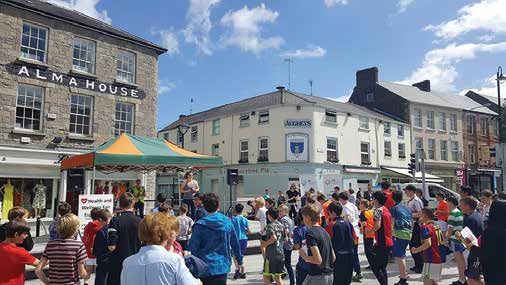
Foreword
         At safefood, we have been
funding community food projects on
the island of Ireland for over six years
and these have helped upwards of
40,000 people by offering real and
practical help in local communities
and beyond. The work of Community
Food Initiatives demonstrate how
investing in our communities can
help with influencing healthier food
choices and learning lifelong skills;
this community-led approach has
the potential to positively impact on
health, from childhood right through to
adult life.

        Ray Dolan,
        Chief Executive,
        safefood
                                                     SECAD was delighted to have
                                           been appointed project coordinators
                                           by safefood for the 2016-2018 CFI
                                           and are very proud of the programme
                                           we co-designed and delivered. This
                                           would not have been possible without
                                           the commitment and dedication of the
                                           staff and volunteers within each of the
                                           CFI Leaders, the hundreds of support
                                           agency members that helped steer
                                           local initiatives and the thousands
                                           of people that participated in the
                                           projects, training and networking
                                           events. Well done and a sincere thank
                                           you to all concerned.

                                                   Ryan Howard,
                                                   CEO,
                                                   SECAD
                                                   Partnership CLG
Introduction
The early years in a child’s life are      The CFI Programme 2016-18 is the
recognised as a critical period for the    third funding programme under the CFI
development of eating patterns             banner and this booklet will provide
and food preferences. Although a range     some insights into the community
of environmental factors may influence     led food initiative that was rolled out
the development of these eating            across the country under the leadership
patterns and preferences, it is parents    and guidance of SECAD Partnership
and caregivers who shape choices           working with safefood.
that form life-long, healthy habits. The
toddler/preschool stage is a critical      The CFI is delivered by 13 CFI Leader
time during which the foundations          organisations throughout the island of
of good health are established for later   Ireland. Each Leader was invited to
life as, by the time a child reaches       nominate examples of good practice
adolescence, there may not be any          of healthy eating projects and events
understanding about the connection         that they wished to highlight across
between food consumption and health.       2016 – 18. These are contained in the
                                           main body of this booklet. The activity
The purpose of the Community Food          highlighted is either a project that
Initiative (CFI) is to provide families    provided support to a small group of
and young people with the knowledge        people or a large community event
and skills to provide healthy food         which promoted the benefits of healthy
options for themselves and their           eating.
families. A community development
approach was used in the delivery          If you would like to discuss any of
of the CFI and this approach supports      the activities highlighted, the contact
individuals, groups and organisations      details of each CFI are provided at the
to promote healthy lifestyles with         back of this booklet.
a particular focus on healthy eating.
safefood
Background

             The Community Food Initiative
                                                         Funding is provided to support
             Programme 2016-18 is funded by
                                                         three specific target groups:
             safefood and administered by SECAD
             Partnership CLG. safefood is an all-
                                                         • Low income families with pre-school
             island implementation body set up
                                                           children (year 1)
             under the British-Irish Agreement with
             a general remit to promote awareness
                                                         • Low income families with older
             and knowledge of food safety and
                                                           children (year 2)
             nutrition issues on the island of Ireland
             (IOI).
                                                         • Young people and their families
                                                           (year 3)
             As safefood is an all-island body, the
             organisations delivering the programme
             are from both Northern Ireland (NI)
             and the Republic of Ireland (ROI). Four
             projects in NI and nine in the ROI have
             received funding over the three years to
             implement their local CFI.

             CFI Themes
             The main aim of the CFI is to positively influence the eating habits of low income
             families and to identify and promote best practice under the following CFI themes:
              • Supporting an increased awareness/knowledge around healthy eating
              • Healthy shopping
              • Budgeting and food/meal planning skills
              • Cooking skills
              • Improving the availability and access to safe and healthy food in the
                community and complementing existing structures that offer healthy options,
                e.g. community café’s, events etc.
              • Preventing food wastage, and promoting food safety and hygiene.

       4
Community Development

                                                                                    Background
Approach
The 13 organisations delivering the CFI are referred to as CFI Leaders and they
act as champions for the CFI in each area. This is achieved as follows:
• Each CFI Leader brings together organisations to form a local CFI Steering
  Group with the aim of identifying and promoting best practice under the CFI
  themes (outlined above).
• With the support of their CFI Steering Group, the CFI Leader organises two
  Networking Events per year. The aim of the events is to provide a range of
  interesting demonstrations and discussions based on the CFI themes and
  specifically shaped for that years’ target group.
• The third element involves the CFI Leader, with the support of its CFI Steering
  Group, designing and delivering a minimum of 3 “Small Projects” which promote
  best practice under one or more of the 6 CFI themes (see above) and tailored to
  meet local needs.
 The activity must provide a ‘learning opportunity’ for the participants in the
 project. For example some of the projects have involved cookery lessons
 delivered over 5 sessions. Other projects have been a combination of cookery
 lessons, budgeting, a visit to the supermarket to learn about labels, learning
 how to reduce food waste.

The CFI Leaders are:

Northern Ireland
• Belfast Food Network
• South Lough Neagh Regeneration Association
• SPACE (Supporting People and Communities Everyday)
• The Resurgam Trust

Republic of Ireland
• Avondhu Blackwater Partnership
• Ballyhoura Development
• Carlow County Development Partnership
• Co Wicklow Community Partnership / Southside Partnership DLR
• Inishowen Development Partnership
• Laois Community & Enterprise Development Co
• Monaghan Integrated Development
• South Tipperary Development
• South West Mayo Development Co

                                                                                    5
Role of SECAD
Background

             Partnership CLG
             The technical support and expertise provided by SECAD Partnership CLG in the
             implementation of the Community Food Initiative 2016-18 has:

             • ensured a robust community based approach to working with target families;

             • underpinned the value of partnership across key agencies and community &
               voluntary groups;

             • bolstered the strength of the steering group model;

             • provided an invaluable access point to consumer insights via the focus groups;

             • built capacity to attract leverage to the Community Food Initiative; while

             • leading to increased sustainability, broader spin-off, and longer term impact

             Steering Groups
             The work of each of the thirteen CFI’s is planned, supported and overseen
             by a Steering Group. The membership of the Steering Group is made up of
             representatives from the community and public services including education,
             health, community development and community services. As the target group
             changes each year, the membership can also vary from year to year. The role of the
             Steering Group is to:

             • Identify the most appropriate methodologies to support target groups’
               involvement at all levels of the CFI

             • Agree the format and content for the networking showcase event

             • Consider and identify the most appropriate options for the 3 small projects

             • Support the CFI Leader in considering how the CFI could be evolved and
               sustained

             • Identify and promote best practice under the CFI themes

       6
Networking

                                                                                      Background
Showcase Events
Each year, the CFI Leaders co-ordinate two Networking Showcase events with the
support of the Steering Group.

• The theme for the first Networking Event each year is ‘Learning from the Experts’
  which includes a range of demonstrations and discussions based on the CFI
  themes and specifically shaped for that year’s target audience (target group).

• The theme for the second Networking Event each year is ‘Learning from each
  other’ and provides an opportunity to share the learnings from each of the three
  Small Projects and is supported by related food demonstrations and practical
  advice from experts.

• Both events provide opportunities for safefood and the CFI partners in each area
  to promote their own work and the services available to target group members.

Small Projects
Each year, the CFI Leaders organise and deliver at least 3 Small Projects.
The criteria for the Small Projects are as follows:
 • They must be practical projects,         for the participants to learn new
   based on one or more of the CFI          skills
   Themes and provide a ‘learning
   environment’ for participants           • They are a central element
                                             of Networking Event 2 as the
 • They are delivered between                participants are invited to share
   Networking Event 1 and Networking         what they had learned through their
   Event 2 and provide the opportunity       participation in the Small Projects.

                                                                                      7
Experience of
Background

             Delivering the CFI
             The CFI Leaders report biannually on their delivery of the CFI in their local
             area. In their reports they provide commentary on the support provided by their
             Steering Group, and the impact of their networking events and small projects.
             The Leaders are also invited to provide recommendations which can assist other
             organisations who would like to include healthy eating programmes in their work.
             Some of the feedback provided by the CFI Leaders includes:
             • The programme has brought                  and some are considering other joint
               together a range of agencies to            courses, separate to the CFI work.
               form partnerships that are sharing
               resources, skills and expertise under    • Recruitment is the area that requires
               a common agenda. The partnerships          most work in order to engage with
               formed have been really engaging           the families who will benefit most.
               and proactive in helping to shape and      However, the CFI Leaders have
               deliver the programmes.                    found that once people take part in
                                                          a CFI activity they start to use other
                                                          services provided by the CFI Leader
                                                          and means that engagement with
                                                          the participants continues after the
                                                          conclusion of the projects. The CFI
                                                          has provided the opportunity to reach
                                                          a target group that has been difficult
                                                          to engage with.

                                                           • Interagency delivery of a course
                                                             can create interesting, interactive
                                                             and beneficial courses for groups,
                                                             and materials provided by different
             • The Networking Showcase Events                programmes / agencies can
               have presented very positive                  complement each other.
               opportunities to both engage with
               the target group and work with              • For some of the projects, the CFI
               other agencies. This has allowed              Leaders have found it useful to link in
               CFI Leaders to gain the confidence            with the local schools and to use their
               of these agencies, resulting in their         facilities in order to encourage greater
               willingness to prioritise giving time out     participation and ease of attendance.
               of very limited time and resources.
                                                           • It can be useful to involve local
             • The willingness of other programmes /         groups and people on the ground when
               services to become involved has been          planning and running events, as their
               very positive. Steering Committees are        local knowledge and experience can
               also helping some of these agencies to        be invaluable.
               strengthen their own links with groups
       8
• Appropriate venue selection is • It is important to provide printed
Background
important for ensuring that courses / material, as participants might not
events are offered in places that are have access to the internet or the
familiar and comfortable, and where ability to find online, the leaflets
individuals / groups are not required to mentioned during the sessions.
travel long distances.
• Some parents need support with
• Involving children as information literacy so resources such as the
providers on stands during networking “Just Look & Cook” would be very
events was extremely beneficial. They useful.
encouraged their parents to attend
and to actively participate at the • The CFI Leaders have found that
events. friendships have developed and
participants’ confidence has increased
• Cook and chat sessions provide through participating in the CFI.
valuable opportunities to learn. The
tutor gives direction, clarification, • Parents have reported that they
handouts and advice as required and are including their children in the
participants are encouraged to share preparation and cooking of meals
tips with each other. Learning is peer- and consequently, children are eating
led and interactive, rather than lecture fruit and vegetables that they had not
style. wanted to try before.
• As childcare is not an option for some • Through word of mouth, people
parents, children were able to attend have heard about the CFI and the
courses. However, this can make it Leaders have received enquiries from
difficult for the adult participants to members of the public about how they
fully concentrate during the sessions. can take part in a cookery course or
learn about healthy eating.
• People are receiving mixed messages
about nutrition from a variety of • Schools and community organisations
sources so it is important to pitch the who were not involved in the CFI are
message of healthy eating correctly looking for opportunities to participate
and in a positive manner. in workshops on sugar and healthy
eating.
• During sessions where the topics
include hidden sugar, salt and fat
in foods and how to read labels,
it is helpful to physically show
the amount of sugar, salt and fat
in each item of food. Participants
have a better understanding if they
can see the amount.
9Avondhu Blackwater
CFI Leaders Small Projects & Networking Events
Partnership CLG
Cookery Skills & Healthy Eating Programme
A local Family Resource Centre The benefits of participating in
(FRC) delivered the programme in the programme reflected the CFI
partnership with the Community Health recommended themes which included
Worker to eight parents of preschool an improved knowledge of healthy
children. It involved five weekly, two eating, nutrition and menu planning,
hour sessions which were based on kitchen hygiene, making meals from
experiential learning where parents scratch for all the family, what to do
cooked on a weekly basis. During the with leftovers, making maximum use
sessions, the participants discussed of your oven, seasonal food – where to
and identified nutritional information, get it and what to look for, budgeting,
grocery shopping and budgeting, the importance of making a list before
hygiene in the kitchen, cooking healthy grocery shopping and sticking to it.
meals and snacks and menu planning.
Recruitment for the programme was
carried out through speaking to the
parents who were participating in other
FRC programmes and who had children
attending the Pre and Play schools.
By challenging the current practice of The participants came from varying
parents in the purchase and cooking of starting points in terms of their
their daily meals, they were encouraged, knowledge and ability. Some parents
and by the end of the course had, had no experience at all of cooking.
changed their attitudes towards One participant said at the beginning
prepared foods. Parents appreciated the of the course; “why would I make a
benefits in cooking a wholesome meal sauce from scratch when I can buy
where they know exactly what is going it for 80 cent in the shop”. She was
into meals. They learned how to use converted to home cooking by the end
leftovers to their best advantage so as of the programme. The participants
to prevent waste and save money. learned how to cook basic recipes that
could be adapted to make different
During the course, they were also dishes e.g. turning a beef stew into a
shown how meal planning can include curry. They also learned the value of
all members of the family and the adding vegetables to meals and how
importance of involving their children to discreetly add them to children’s
in meal preparation from a young meals. At the end of the five weeks,
age. They also discussed why it is not there was a great energy in the group
necessary to give prepared meals to and enthusiasm for cooking as they saw
preschool children as they can eat what that it can be a fun activity and not hard
the rest of the family is eating when work.
given in age appropriate portions.
10Healthy Eating Showcase Event
CFI Leaders Small Projects & Networking Events
This was the final event for year 2 and used to make natural cordials thus
attracted over 60 visitors to visit the eliminating the need to purchase sugary
twelve stands. The theme of the second drinks and sugary cordials and can also
Networking Showcase Event each year be used as a cough soother / remedy.
is ‘Learning from each other’ and the
FRC showcased their Cookery Skills & During the cooking demonstration
Healthy Eating Programme. the tutor presented three recipes -
Butternut Squash and Chickpea Stew,
Staff from the FRC and some of the Butternut Squash Soup and Hummus.
participants were available to talk The demonstration highlighted how to
about the Programme which involved reduce food waste as the three recipes
six cookery sessions and included an used similar ingredients.
additional session which was held
in the community garden with the MABS (Money Advice & Budgeting
children during half term. During Service) was present to provide
the programme, parents learned the information on budgeting and debt
importance of cooking a wholesome issues. Stopfood Waste provided a
meal and also how to use left overs to demonstration on composting and also
their best advantage to prevent waste gave general tips on how to reduce food
and save money. During the visit to the waste through using leftovers.
community garden, the parents and
children learned where vegetables Feedback from the stallholders was
come from and had the opportunity to very positive, with many attendees
taste some. They were also shown how asking questions and signing up to
to plant vegetables. e-newsletters. The Mini Health Checks
were very popular and it was noted that
The Irish Heart Foundation provided two nurses would be needed to enable
Mini Health checks and gave advice to all the attendees to avail of the service
the attendees regarding an appropriate at the next event.
diet to promote a healthy heart. During
the wild berry workshop, visitors tried The organisers promoted the event
samples and received recipes on how through distributing flyers to all houses
to make berry syrups. These can be in the estates around the venue.
Posters were put up in doctor offices,
dental offices and pharmacies, and
the event was also promoted on all
Steering Group members’ social media
pages. A press release was issued
to the local papers which cover the
area, the local church newsletter and
C103fm Community Diary.
11Ballyhoura
CFI Leaders Small Projects & Networking Events
Development CLG
Healthy Eating & Active Living Programme
The purpose of this three week parents as role models and provided
programme was to promote healthy tips on how to make meal times happy.
eating and active living among The 101 Square Meals Recipe Book
parents of preschool children. Twenty was introduced and recipes, cooking
one adults and nineteen children methods and skills were discussed.
participated in this Dietitian led A variety of food was introduced and
programme. The CFI Leader chose a tasted by participants.
local Parent & Toddler Support Group
to host this project as it was already Workshop 2 focused on appropriate
established and the numbers attending portion sizes, shopping lists, food
are constantly high. wastage and active living. The dietitian,
asked parents and children to compare
Each week, a new topic was introduced the size of their fists and used this as
to the parents, grandparents and a tool to show the appropriate size
children who attended the three serving for a child’s “me size meal”.
workshops. The workshops were held In addition, she used a food atlas
in a large hall with a play area set up that contained photos to indicate the
as one end and tables at the other end. appropriate portion sizes for children.
During the workshops, the adults and Examples of indoor and outdoor
children sat around tables and the activities and challenges for children
children were free to come and go to and parents were suggested.
the play area.
Again, food samples were made
available and the parents were
encouraged to try out different foods
with their children. It was explained
that children need to be exposed to
various types of food numerous times
so that children can acquire a taste
for the food. The dietitian discussed
shopping skills such as planning lists,
food wastage, special offers and
pitfalls, etc.
Workshop 1 focused on why three During workshop 3, the concentration
regular meals and two nutritional was on high fat, high sugar foods and
snacks each day are important for food labelling. The dietitian highlighted
children to ensure that they get their the fat content and hidden sugars
daily intake to meet nutritional needs. within many of our common foods. She
It emphasised the importance of provided sugar, butter and teaspoons
12and ask parents to “guess” and to look at various food packages and
CFI Leaders Small Projects & Networking Events
“measure” out into bowls how much then explained how to interpret the
sugar and fat is in a range of commonly information given on the nutrition
eaten foods. labels.
Parents were amazed at the sugar All three workshops were interactive
content in common foods. The Dietitian and informative with plenty of
suggested healthier options and nutritional food available to sample
provided samples of healthier foods which sparked off many discussions
which parents and children thoroughly during and after the sessions.
enjoyed. She asked the participants
Healthy Eating Showcase Event
This was the first activity of the second others. The method used during the
year and attracted 26 visitors. The main various demonstrations was vitally
feature of the event was interactive important and great care was taken
cooking demonstrations from one of not to overcomplicate the delivery.
the Steering Group members who is a Participant parents from year 1 also
Culinary Lecturer at Limerick Institute came and spoke about the positive
of Technology. Visitors at the event experience they had in taking part in the
were given the opportunity to man their programme and urged others to do the
own stations and follow along with same.
each recipe, producing an element of
each dish. Recipes were provided from A conscious effort was made to
the 101 Square Meals recipe book and ensure that each of the CFI themes
copies of the publication were also was actively addressed and promoted
provided on the day. during the Networking Showcase Event.
Promotion and communication focused
Tips and demonstrations on growing both on traditional printed media (i.e.
your own food, reducing food waste, flyers, posters) as well as promotion
budgeting skills and a healthy lifestyle through the various social media
were also available with various channels.
free takeaways such as potted
vegetables and baking packs amongst Feedback was overwhelmingly positive
with attendees citing the hands on
demonstration element in particular
being of value and interest. The ability
to produce quality, nutritious food at
such a low cost was surprising to many
and it was felt this should be promoted
more. Many attendees stated they
would like to see more of these types of
events held in the future.
13Healthy Eating & Cookery Programme
CFI Leaders Small Projects & Networking Events
This four week programme provided Each participant received the recipes, a
an environment where ten young breakdown of the cost to produce each
people could acquire the skills to meal and a certificate of attendance
plan, purchase the ingredients, and upon completion. Participants were
prepare and serve a healthy, easy recruited through the local schools
to cook meal for their families. They using leaflets and sign up forms and
developed an increased awareness the group was facilitated in the local
around healthy eating and how it can secondary school’s Home Economics
lead to delicious meals that are easy to room.
plan, budget for and cook. In addition,
they learned the importance of food The participants have since reported
hygiene during the preparation of raw that they are now preparing meals
meat and vegetables. A full three at home for their families. Extra,
course meal was cooked by the group different recipes were requested by
upon completion of all sessions, which all participants upon completion of the
they enjoyed together. An unexpected course and they have experienced great
outcome of their involvement was that satisfaction at being able to prepare a
their organisational skills have greatly meal for their families.
improved.
Belfast Food Network
Nourishing Communities Programmes
Belfast Food Network developed the solutions that increase understanding
Nourish programme with people from of, and accessibility to healthy, fresh,
across the city, who are affected affordable food in areas of high multiple
by food poverty issues, to tackle deprivation.
concerns relating to health inequalities,
accessibility to fresh food and a lack of Through delivering the Nourishing
food skills and knowledge. Communities pilot to people affected
by food poverty, it was discovered that
The programme was co-designed to many people in Belfast know very little
suit numerous audiences with each about their food, where it comes from,
course tailored to the group’s needs how it is grown, how to store it and
and the availability of local produce. how to cook it, not to mention issues
Nourishing Communities incorporates a of nutrition and health. Nourishing
rights based approach to food poverty Communities works with people
where the dignity and empowerment experiencing food poverty to increase
of the beneficiaries and the wider their food knowledge and skills.
community are the key guiding This enables them to make informed
principles of the programme. Support choices about their diet, share learning
is provided to people affected by food and build confidence in cooking from
poverty in community settings through scratch.
implementing innovative people led
14It aims to improve the health The Nourish Programme has exceeded
CFI Leaders Small Projects & Networking Events
and well-being of vulnerable and expectations and participants
disadvantaged people by ensuring agreed unanimously that the Nourish
that everyone has equal access to programme was a meaningful way to
a healthy diet from birth, based on engage with hard to reach groups as
fresh, local and seasonal produce. people are learning and building their
This approach increases beneficiaries’ skills whilst exploring the issues that
food knowledge and skills and helps to affect them on a daily basis.
build relationships between community
gardens and local producers who Participant feedback has been very
provide fresh ingredients. positive with attendees stating how
much they loved learning about how
During the three years of the CFI, to prepare simple, low cost, healthy
the BFN has worked with people and very tasty food. They found it to be
affected by food poverty issues to much more practical than other cookery
develop their skills and confidence programmes they have attended in their
to prepare simple healthy meals. local centre. The tutor’s approach was
People want to learn how to cook also very important as participants
from scratch and become less reliant found the sessions fun and the tutor’s
on processed foods. The participants tips were useful. People felt they were
used fresh herbs and unprocessed in the kitchen with friends.
ingredients to make easy to prepare,
tasty and inexpensive meals. To date, An important feature was learning how
over 50 participants have taken part to prepare food that could be used in
in a Nourish programme across five more than one way, e.g. a “made from
centres in Belfast through the CFI scratch” pasta sauce could be used
funding stream. All participants live for different dishes. Some participants
in economically and socially deprived were tasting fresh herbs, garlic and
areas of Belfast, either living on very radishes for the first time. Meals
low incomes or unemployed and in cooked have included White Velvet
receipt of benefits. winter soup, Pumpkin risotto, Winter
vegetable and lentil stew and sticky
chicken wings.
Healthy Eating Showcase Event
3 local organisations, Belfast Health practitioners, cholesterol testing, aging
and Social Care Trust, Belfast City profile, sun damage, Making Healthier
Council and Belfast Food Network Choices, Belfast City Council Reducing
worked together to hold a health and Food Waste advice, Making Healthier
wellbeing day in a local community Shopping Choices, Belfast Health and
centre. Social Care Trust - Eatwell Guide,
Cruise Bereavement Advice, Citizen’s
Many organisations were invited to Advice, Patient Council, Allergy testing,
have a stall at the event and included; Cancer Awareness and Occupational
Spine Health, alternative therapy Therapy.
15The nutritionist, who facilitates the
CFI Leaders Small Projects & Networking Events
Nourish programme delivered 5 cooking At least half of the participants asked
demonstrations throughout the event, for the recipe (a one pot tomato
with 8-20 participants in each session. and spinach pasta dish) and asked
She shared the Nourish ethos of numerous questions during the cooking
cooking healthy food from scratch, the demonstrations. Most questions were
benefits of avoiding processed foods specifically about the pasta sauce and
and the simplicity of cooking delicious a porridge bread the tutor spoke about.
healthy food. Most people wanted the opportunity to
attend more Nourish sessions.
The Health and Wellbeing Event
increased awareness of the benefits The event was advertised on Facebook
of healthy eating, making healthier and a poster was distributed to all local
lifestyle and food shopping choices, shops and organisations. There was a
meal planning, increasing cooking really good turnout of 100 people which
skills, reducing food waste and they was nearly twice the number that was
also shared information about the new expected.
community food shop.
Nourish including a Sushi Workshop
The focus of year 3 of the CFI is the group loved proper home cooked
young people and their families. This Sunday roasts. Another girl loved her
particular group was made up of 9 grandmother’s homemade vegetable
young girls aged between 8 and 11 and broth and associated it with feeling
during the sessions they learned how to looked after. This was unexpected but it
make chicken fajitas, pasta salad, scone was gratifying to hear that most of the
pizzas and soup. stories were about food that was fresh,
not processed, and that many stories
While they were waiting for the related to family meal times.
meals to cook, they asked the girls
to talk about their favourite meals. The group was supported by a new,
One girl absolutely loved sushi and enthusiastic youth worker who was
ate it whenever possible, three of extremely helpful and very interested in
the healthy eating Nourish programme.
She helped the girls to think differently
about food and encouraged them to
attend a Sushi making workshop.
Yo Sushi is a chain of sushi restaurants
and some of their restaurants offer
hands-on “Mini Ninja” classes where
children and young people get to learn
how to make sushi. The workshop that
this group attended helped increase
16their knowledge of the benefits of food waste.
CFI Leaders Small Projects & Networking Events
healthy eating, especially the benefits
of eating fresh fish regularly. Yo Sushi The girls live in a part of the city that
provided A5 menu cards for each would not normally be associated
participant and they increased their with sushi. One girl was scared of raw
cooking skills by learning how to make fish, but tried some by the end of the
sushi from scratch. By the end of the session. The rest of the group were
session, the participants were also able happy to try everything during the
to make ‘sushi salads’ with the excess session. It showed how important it is
ingredients to take home, helping to to take groups out of their comfort zone
show how simple it can be to reduce and to push boundaries.
Carlow County
Development Partnership
Cooking on a Budget
A local Family Resource Centre co- The aim of the classes was to introduce
ordinated a cookery skills programme the individuals to home cooking so
for eleven people in the FRC kitchen during the course, the group worked
which focused on increasing the with a tutor in preparing and cooking a
knowledge of individuals regarding healthy and nutritious meal each week
healthy eating, looking at healthier that they would be able to replicate at
ways to prepare food and introducing home. By the end of the five weeks, the
vegetables into meals for young participants had five low cost recipes
children. The participants were aware that they had learned how to prepare
that the ability to cook is a valuable life and that would be nutritious for their
skill and were delighted to receive the young children. There was also a focus
opportunity to gain these skills. in the classes on how to make meals go
further and how to cook on a budget.
17The recipes provided, outlined the topic regularly covered during the
CFI Leaders Small Projects & Networking Events
ingredients and quantities they would programme and included using left over
need for each meal which in turn would foods and appropriate portion sizes for
influence what they would be buying adults and children.
on a weekly basis. In many cases, the
recipes referred to other meals that The feedback from the group was very
the participants would be able to make positive and they were delighted to get
with any leftover food or creating a new practical tips on how to cook everyday
meal using leftover food from the day food and to learn new cooking skills.
before. There were some unexpected positive
outcomes from the CFI; new people
The participants were given a practical came in to use other services at the
demonstration of the various cooking family resource centre and this was
skills throughout the classes and as a result of their engagement in the
were given the opportunity to practice various CFI projects. Another positive
those skills with the tutor. Participants was the development of friendships
were given information about the and confidence building that happened
storage of food and safety information through the group participation and
regarding cross contamination engagement which will continue
and using appropriate utensils and outside of the CFI.
chopping boards. Food waste was a
Fake-aways
When conducting some local research, food and introducing vegetables to
it was discovered that there are seven young children. The tutor used a novel
take away outlets, in addition to three approach to getting the message across
hot food counters in the town where through teaching the participants to
this project was based. The aim of the make their own “fakeaways” at home.
project was to help the participants
to explore and become aware of The tutor also highlighted that when
the benefits of healthy eating both someone is buying takeaways they do
nutritionally and financially. not necessarily know what the meal is
made from. When the “fake-away” is
The programme was promoted through made at home, it is less processed and
social media, posters and advertising therefore more nutritious than food
directly through the local primary from a take-away, etc.
schools. However, the most effective
means of recruiting participants was The recipes outlined the ingredients and
through speaking on a one-to-one basis quantities that the participants would
with the parents who use the various need and the method for making each
services provided through the FRC. meal. They also looked at the cost of
buying a take-away and the savings
The focus of the programme was on that could be made by the participants
looking at healthier ways to prepare through cooking their own “fakeaways”.
18they preferred. Obviously the fakeaway
CFI Leaders Small Projects & Networking Events
tasted better!
Again the tutor discussed the correct
storage of food and how to avoid cross
contamination through the appropriate
use of utensils and chopping boards.
Food waste, using left over foods and
difference between portion sizes for
adults and children was also covered.
The overall objective for the CFI
was that over the three years, the
learning and experience would become
embedded and the individuals and
families would adopt what they had
Again, they looked at how the recipes
learned as part of their everyday lives.
could be adapted to create a new meal
for the following day.
It is hoped that through developing
the capacity of the individuals and
The sessions began with a practical
encouraging healthy eating habits,
demonstration by the tutor and
a positive relationship between food
then the participants were given the
and cooking healthy delicious meals
opportunity to practice those skills
will be created. Upon completion of
with the tutor. An important element
the course, the participants said that
of the programme was to buy the meal
they were delighted to have received
from the takeaway that they were
the opportunity to develop new skills
cooking during each session and to do
and ideas around healthy eating and
a blind tasting of both the takeaway
providing their families with low-cost,
and the fakeaway to see which meal
nutritious meals.
Inishowen Development
Partnership (IDP)
Get Active Parent & Toddler Programme
Parents can support and encourage family centre that was set up in 2010
healthy lifestyle choices for all to support young families and their
the family at home so delivering children. Their support services include
programmes to young children and advice and information, after school
parents together helps make the activities, Baby 0 – 5, holiday-time
activity and learning fun. activities, and parenting support.
The project was delivered in Support was also provided through
conjunction with a local community the Public Health Nurse (PHN), the
19local Family Resource Centre and Girls
CFI Leaders Small Projects & Networking Events
National School. The Family Resource
Centre sourced additional funding for
the Parent and Toddler group through
the Catherine Howard Foundation for
additional activities. The community
centre subsidised the venue hire and
associated costs for the Saturday
workshops.
The 5 week Get Active programme Children were supervised in one space
was delivered during October and doing physical activities while parents
November 2016 and included: had the opportunity to engage in
discussion and demonstrations around
• Tips for healthy cooking, including healthy eating.
advice on nutrition and well-being
The Public Health Nurses reported that
• Strategies to avoid using sugar in “these programmes were a great way
meals and snacks to engage new mums and help focus
on their health and well-being not
• Healthy breakfast options just focus on children. Parents got an
opportunity to explore new recipes with
• A guide to labelling. healthy options and creative ways to
disguise vegetables in their children’s
diets”.
Be Healthy Be Happy
This small project was based in a rural The programme focussed on healthy
community centre which is the base eating and a local cook, who also has
for one of the Foroige Youth Groups. It diet and nutrition expertise, delivered
has a café space and a fully functioning the weekly sessions. The aims of the
kitchen, which was ideal for the programme included demonstrating
programme delivery. that cooking healthy meals could be
quick, easy and inexpensive; whilst at
The Youth Workers discussed the the same time being tasty and fun. The
opportunity to have a healthy eating programme incorporated opportunities
programme with the young people for the participants to learn some
and they expressed an interest in the cooking skills. The Cook also spoke to
Cookery Workshops. In November and the participants about healthy shopping
December 2017, a group of twenty- and budgeting, food and meal planning
five young people, aged between ten skills, food wastage and food safety and
and fifteen years old and ten parents hygiene.
participated in the three week Cookery The kitchen facilities were good but
Workshops programme. Most of the limited so the Cook prepared the
young people and their parents live in basic ingredients in advance of each
the area. session and then cooked the meal
20with the participants. During the be in a position to do something like this
CFI Leaders Small Projects & Networking Events
cooking, the participants were given again.
the opportunity to be hands-on while
the Cook explained more about the The Cook wanted to involve the
ingredients and the preparation she participants in the whole process, as
had done before coming to the Centre. far as was feasibly practical within the
The participants asked questions, both Centre so the recipes used took into
about the ingredients and the cooking account practicalities such as cooking
processes. times and the space available in the
ovens.
The Cook chose the initial recipe and
thereafter used ideas (when possible She explained that the brief included
and practical) given by the participants. showing that healthy eating could
Meals prepared included chicken and be enjoyable and that it is fun and
broccoli pasta bake, pigs in blankets relatively easy to prepare meals from
and a pavlova, made with Greek scratch. The participants were so
yoghurt. At the end of each session the appreciative of the meals and came
participants helped clear up and were back and (very politely) asked if they
given the meal recipe to take home. could have some more. At the end of
one the sessions, some of them said
The Youth Worker reported that the they would make the recipe at home.
participants enjoyed all the sessions. When they came back the following
Prior to the Programme, as far as week, they said that they had and
she was aware, none of the boys who enjoyed talking and asking questions
participated had experience of cooking about cooking.
and the girls “hadn’t done a lot of
practical cooking either”.
The Youth Worker reported that the
young people enjoyed spending time
making the food. They tasted new
things that they had not eaten before,
for example butternut squash, Greek
yoghurt and pine-nuts. They tasted
different meals and thought about food
differently. They realised that they can
enjoy healthy food as well as burgers.
It was great having the parents there
as well, because if the parents enjoy
it (which they did) then they will start
to shop differently and plan different
meals, which some of them said they
did. The young people really enjoyed it
and it is hoped that the organisation will
21Skills for Life Food & Nutrition Programme
CFI Leaders Small Projects & Networking Events
The North Inishowen School were “completely different and much
Completion Programme (NISCP) Co- nicer”.
ordinator, the Home School Community
Liaison Officers and the School Year Another area of learning that the
Heads worked with IDP and Inishowen students discussed was food hygiene
Family Association Network (IFAN) to and safety. Learning included being
develop a programme for the young aware of the dangers in the kitchen and
people that would increase their how to be safe, washing your hands
knowledge and awareness of a good before cooking, washing up as you go
diet, healthy lifestyles and associated along, using different chopping boards
skills. The NISCP provided additional for different types of food and avoiding
funding for the Programme. cross-contamination, and putting raw
foods in the bottom of the fridge.
The four week programme was
delivered in a local restaurant to a The aspect of the programme that the
group of fifteen boys and girls aged 12 students said they enjoyed most was
to 14 years old. The students, from two having the opportunity to cook. Other
community schools, are in their first or responses included interacting with
second year at School. new and different people from the other
school, “we ate nice food and tried new
The programme was very hands-on and things”, how to layup a table properly
each week the young people worked and fold napkins, food hygiene and
with the Chef to prepare the meals, safety, learning about a balanced diet
which included omelettes, chicken stir- and to eat less sweets and sugary food.
fry, wheaten bread, banana pancakes, The young people also emphasised
wraps, salad and egg muffins. One how much they enjoyed the ‘hands-on’
week the young people had the approach and they “learn much more
opportunity to prepare a meal for their by doing, rather than just sitting and
teacher. The students also visited the writing stuff down”.
restaurant’s vegetable garden, where
they picked and tasted different herbs The students discussed some of the
and helped with digging the vegetable changes they have made to their diet,
beds (until the rain became too heavy!). which included eating less sugar
and sweets, eating more fruit and
During the last session, additional vegetables and trying new things. Their
time was added for feedback and the parents and families were trying new
students discussed what they had things as well now. This was helped by
learnt during the Programme. They the fact that some of the young people
talked about tasting foods that they had cooked the recipes at home
had not previously eaten, including
aubergines and courgettes, banana The Home School Liaison Coordinator
pancakes, egg muffins and brown found that programme worked well
bread. One boy said that although he because the facilitators had the ability
had eaten omelettes before, that these to tailor the programme to meet the
22needs of the group. It ran at the same
CFI Leaders Small Projects & Networking Events
time each week and was hands-on. As
the programme was delivered outside
the school, the responsibility was with
the students to get themselves there
and none of them missed a session. The
students had an input and the recipes
could be repeated at home easily. It
was also the first opportunity for many
to cook and some of the young people
said that they would like to train to
be a chef and work in the hospitality
business.
Laois Partnership Company
Cook & Chat Cooking Skills
& Healthy Eating Programme
Laois Partnership Company delivered it was decided to run a Cook & Chat
three Cook & Chat programmes during programme where the participants
2016 in three separate locations would learn how to cook nutritious
and again in 2017. During their first meals and also learn about nutrition in
networking event in 2016, they an informal setting.
canvassed the parents about their main
concerns regarding the provision of 33 people took part in the three
healthy food for their families and what programmes in 2016 and each week
kind of programme they would find the participants prepared and cooked
useful. a simple dish. Each dish was used
to prompt discussions and sharing
The parents expressed an interest in under the six CFI themes. The same
learning about how to budget their food programme was delivered in the
bills and what was contained in the food three locations and the dishes/topics
they were feeding to their children, e.g. included:
e-numbers, etc. From this consultation,
Week One Week Two
Recipe: Recipes:
Bacon & Vegetable Pasta Bake. Vegetable Soup and Scones.
Topics: Topics:
How and why should you compost Reading labels, judging the nutritional
and how to get kids to eat more content of food and comparing the
vegetables. labels of shop bought soup & scones.
23Week Three Week Four
CFI Leaders Small Projects & Networking Events
Recipe: Recipes:
Simple Fruit Cake. Potato Cakes and Tomato Sauce.
Topics: Topics:
Comparing nutritional content and Budgeting with a focus on using
labels of shop bought treats, how leftovers & cooking in batches,
to get kids to eat more fruit and meal planning & using leftovers and
budgeting: compare cost of all dishes comparing the nutritional content
on the course with shop bought of shop bought waffles & tomato
alternatives. ketchup.
Time was set aside for feedback at nutritional value of food were not seen
the end of the final session in each as a priority before the training, but the
location. Everyone who took part was simple low-cost recipes with higher
delighted that they had and felt that nutrition values provided during the
they had really benefited from the training were welcome options for the
experience. One unexpected outcome families for the future.
was that while the preschool parents
had requested training in budgeting, The number one challenge for the
and this was the element of the training organisers was recruitment. Preschool
that attracted the parents to attend, parents are very busy and also quite
the reality was that they generally time poor so the Steering Group had to
had excellent budgeting skills. Their develop strategies to encourage them
main concern when shopping is value to attend which included:
for money. Healthy shopping and the
24• Holding some events while pre- • Holding events in crèches, where
CFI Leaders Small Projects & Networking Events
schoolers were in crèche, to crèche managers and staff would
facilitate stay at home parents, and have ownership of the event and
other events in the evening time to therefore assist with recruitment
facilitate working parents
• Providing ample refreshments as an
• Providing training in both urban and enticement, and advertising same
rural venues
• Promoting events widely, through
• Holding events in crèches, so that email, Facebook, posters, flyers and
preschool parents would feel word of mouth
welcome
In 2017, the target group was parents An unexpected challenge was
of children between the ages of 4 competition for participants from the
and 12 and the Home School Liaison well-established Slimming World and
Officers provided great assistance in the new “Nutrition Clubs” (Herbalife)
encouraging people to attend. The new which impacted on recruitment for the
target group provided new challenges small projects. It was a major task
for the Steering Group which were to explain the difference between a
subsequently addressed as follows: slimming class and a healthy eating
programme.
Childcare: apart from the first
networking event, all events were held 28 people participated in the three
during school hours, and parents were programmes during 2018 and the
welcome to bring pre-school children programme also changed slightly as
with them, so that childcare was not an a result of the feedback they received
issue. after year 1. One of the issues that the
Convenience: the Small Projects all parents were very concerned about was
started immediately after the local the popularity of energy drinks amongst
school’s start-time so that parents children and teens. The programme
could (a) meet at school gate and walk content during 2018 was as follows:
/ travel as a group to the
Small Project, and (b) not get
diverted by other tasks.
Access to Venues: all Small
Project events were held in
close proximity to primary
schools.
Maintaining Attendance:
each participant was sent a
text message reminder on
the morning of each of the
Small Projects to maintain
attendance levels.
25Week One Week Four
CFI Leaders Small Projects & Networking Events
Recipes: Recipes:
Soup and Scones. Apple Fingers, Drop Scones and
Topics: Chicken Goujons.
Meal planning, food budgeting, healthy Topics:
food on a budget. Fruit and vegetables, preventing food
waste and composting.
Week Two
Recipes: Week Five
Pea Soup, Banana Pancakes and Recipes:
Potato Wedges. Topics: Butternut Squash & Lentil Curry and
Fruit and vegetables, the food Brown Bread.
pyramid, lunch box food and drink Topics:
ideas. Protein / carbohydrates and
comparing nutritional value of
Week Three processed food with homemade food.
Recipes:
Vegetable Risotto, Pizza Base and
Tomato Sauce.
Topics:
Treats and sugars, judging nutritional
value of food/drink and reading labels.
It was felt that the Cook and Chat During the discussions, the Tutors
approach was successful because provided handouts, clarification and
it was peer led, rather than lecture advice as required. The participants
style. The tutor’s role was to provide were encouraged to lead the discussion,
the cookery skills training and to set talk about their cooking experiences
the topics and themes for discussion. and to share tips with each other.
Monaghan Integrated
Development
Practical Cooking with Parents & Toddlers Together
The project was designed to learned how to budget, shop for and
complement the Smart Start cook meals from scratch.
Programme and to provide an
opportunity for the parents & children The first session started with the
to gain wider exposure to healthy families getting to know each other,
foods, to be informed about health and finding out about their lifestyles,
nutrition and to get some training in and their knowledge around healthy
“back to basics” cooking. During the five eating. They played some games which
week programme, the families involved involved identifying different foods,
26mystery tasting, portion sizes, sugar the project some parents agreed that if
CFI Leaders Small Projects & Networking Events
content and the pricing of food. they cooked together then that solved
the problem.
Each session involved a shopping trip, a
practical cooking session and a chance The children were provided with
to sit down together and eat. This Kiddikutter knives which allowed
project focussed on selecting recipes parents to get the children more
which would make the most meals for involved in food prep at home. One
a family from a small number of main parent reported back that her son
ingredients. During session 4, they helped to cut broccoli, a vegetable
started with ingredients leftover from a which he would not eat at all. But
Sunday dinner and showed the families because he had prepared “the little
how to use them in the soups, pasta, trees” he demanded to get more of
curry etc. them on his plate and ate them all.
Another parent was delighted with the
After each practical session, advice to blend vegetables into the
participants received a copy of pasta sauce.
the recipe and were supplied with
ingredients to recreate the meal at The participants discovered that
home. They also looked at the costs unnecessary spending can be avoided
involved in cooking at home and then by writing a list and only purchasing
made a comparison to the cost of the the exact quantities. It also highlighted
ready meal alternatives. The recipes the value and service that you can get
for each session were as follows: (1) from a small local business, i.e. the
breakfasts, French toast; (2) vegetable local butcher who can give advice on
soups and soup taste challenge; (3) cooking and make suggestions for using
curry; (4) leftovers, pasta, (5) healthy different cuts.
lunch and treats.
Some parents needed support with
Through bringing the children into the literacy so the “Just Look & Cook”
programme, it showed the participants recipe book was used. This book
that if children are involved in food includes a series of very basic recipes
preparation, they are more likely to try and the steps are displayed in photo
the food and cooking can become less format. There are also ingredients and
of a chore for the parents. At the start tools cards. This resource also enabled
of the project, the parents said that they the preschool children to follow what
did not have time to cook as they had was going on during the cookery
to mind the children but by the end of demonstrations.
Outdoors Health and Wellness Fair
The theme for the first Networking outdoors in The Diamond, the main
Showcase each year is ‘Learning from square in Monaghan town. The event
the Experts’ so Monaghan CFI decided brought together a range of groups
to hold the first ever ‘Health and and agencies that provided health and
Wellness Fair’ for County Monaghan wellness information on a host of topics
27You can also read


