Innovating for the future - British Science Week
←
→
Page content transcription
If your browser does not render page correctly, please read the page content below
P R I M A RY
                                                             ACTIVIT Y
                                                             PACK                                e
                                                                        t in g f o r the futur
                                                              Innova
                                                                 - 1 4 M a r ch 2021 .org
                                                               5                            k
                                                                            iencewee
                                                               britishsc
                                                                             o f a c t iv ities and nts
                                                                A range                              e
                                                                              b e  r u n   with stud
                                                                 ideas to ge of 11
                                                                                 a
                                                                  up to the

Delivered by      Major Partner: Innovation   Supported by

     Managed by
Innova
                                                                 tin
                                                                     g

                                                                                       fo
                                                                                          r
                                                                                          the
                                                                                              future
    This activity pack is your ‘one-stop-    We understand that this academic           Find an activity near you:
    shop’ for supporting you during          year is quite different for schools        You can either create your own activity
    British Science Week, but it can be      and we’ve adapted this pack to best        in your class or setting, or see what
    used at any time. Feel free to adapt     support you for British Science            activities are happening near you. Last
    or extend the activities to suit your    Week 2021.                                 year we reached more than 180,000
    pupils’ needs and the curriculum you                                                people. Help us make British Science
    are delivering.                          This year, we’ve got some activities to    Week 2021 even bigger and better!
                                             complete in school, plus some which        Visit sciencelive.net
    In addition to the activities in this    are specifically designed for pupils
    pack, there are lots of other ways       to take part in at home with their
    to enthuse and engage your pupils        families.
    throughout British Science Week.
                                             Please feel free to further adapt
    In developing this pack, we have         activities within the pack to suit to
    looked for activities which break down   your setting, taking into consideration
    the stereotypes surrounding science,     any quarantine of resources, working
    technology, engineering and maths        in bubbles and social distancing            Enter our competition:
    (STEM) and promote cross-curricular      needed.                                     Some of the activities in this pack
    learning. We encourage you to use                                                    could be followed up by designing
    British Science Week as an opportunity   We have also added in some                  a poster; simply look out for the
    to link STEM to other curriculum         suggestions on remote engagement            paintbrush symbol shown above.
    subjects and to your pupils’ own         if you are unable to accommodate            The theme for this year’s poster
    backgrounds, lives and interests.        visitors within your school.                competition is ‘Innovating for the
                                                                                         future’. For more information on the
                                                                                          competition and how to enter, read
                                                                                          on further in the activity pack or
                                                                                          visit britishscienceweek.org.

2
Introducing the theme                                 4
    Making the most of volunteers                         5
    British Science Week at home                          6
    Gathering resources for classroom or home             7
    Beyond the Week                                       8
    Unlocking skills                                      9
    Get children leading the way                        10
    Terrific Scientific                                  11
    Herd Immunity Jenga                                 13
    Split light into different colours                  20
    Visualising classrooms of the future                21
    Does the appearance of food affect how it tastes?   23
    Who invented blue?                                  24
    Build your own gut microbiome                       26
    Going on a fact hunt                                29
    Which plastic?                                      30
    Design your own Robo-bug                            32
    STEM Person of the Week                             35
    I’m a scientist                                     38
    Bringing data to life                               39
    Poster competition                                  41

3
Innova
                                                                                                       tin
                                                                                                           g

                                                                                                               fo
                                                                                                                  rthe
                                                                                                                       future
    Introducing
    the theme
    Why not start British Science Week         Encourage the pupils to come
    off with a bang, by introducing            up with an acrostic poem for
    parents and pupils to the theme            INNOVATION by asking them what
    ‘Innovating for the future’ in a fun       comes to mind when they hear it.
    way to get them excited about the          You can even turn their acrostic
    Week ahead?                                poem into a jingle which you can
                                               sing with them throughout the
       Post your brilliant activity ideas      week to remember their own ideas
       or share images online tagging          about innovation.
       the British Science Association on
       Twitter - @ScienceWeekUK - and          Engage pupils into sharing how
       using the hashtag #BSW21                innovation is a part of people,
                                               materials, animals, nature or
       Kick start the week with a simple       anything else in their everyday
       but impressive demo. Try a game,        lives.
       an audio-visual presentation,
       a mystery or special object, an         Invite a special guest or someone
       inventor’s box or a pop-up display      from the school community to
       which communicates the theme            engage the children with their        Here are some other ideas
       ‘Innovating for the future.’            experience of an innovation. They     to start the week:
                                               could highlight a special tool
       Here is a video featuring the Rube      that they use in their job and           Tell the pupils about the plan for
       Goldberg machine which you can          demonstrate how it makes their           British Science Week and give
       show the pupils. Anything that          work more efficient, or they could       them a challenge related to the
       inspires their inquisitive minds is     feature their favourite innovation.      theme. If you are sending home
       an epic start.                          See Page 5 for information on how        a family experiment, maybe you
                                               to get volunteers.                       could introduce/demo it at your
       Get the pupils to put on their                                                    setting first.
       thinking caps and experience
       INNOVATION by asking them to                                                      Innovation is around us. Where
       come up with machines they would                                                  has the topic of innovation
       like to invent from readily available                                             been in the news or your
       scrap or craft materials in the                                                   local area? Can you give an
       classroom or setting.                                                              example of innovation? Is there
                                                                                          any way you can encourage
                                                                                          conversations with pupils about
                                                                                         this?
                                                                                         Launch the poster competition
                                                                                         and let parents know about this
                                                                                         (see Page 36 of this pack).

4
Making the most
    of volunteers
    Opportunities for face-to-face             Things that work well are to:                e.g. female engineers. Let the
    engagement with external visitors          1 Kick off British Science Week              volunteers/ambassadors share in
    may be limited this year, but there           with a career talk/demo from              a simplified talk how their job is
    are opportunities for getting                 one of these inspiring volunteers         making a difference in the world
    volunteers and presenters to engage           to engage the pupils for the              (or an anecdote of what science
    your pupils online.                           rest of the week. The volunteer           activity they loved to do as a child).
                                                  can highlight a useful tool or
    STEM Ambassadors offer their time             innovation which they use in           4 Book your visitors early (many
    and enthusiasm to help bring science          their jobs and how it makes their        speakers get booked up during
    and technology subjects to life and           job easier. Or, the volunteer can        Science Week), have a clear idea
    demonstrate the value of them in life         highlight their favourite innovation     of what you want them to do and
    and careers.                                  to share what and why that is.           communicate this with them ahead
                                                                                           of time.
    The STEM Ambassador website has            2 Schedule two or three different
    recently been updated to enable              guests for a career talk throughout     Volunteers come from a range
    teachers to request online STEM              the week if you can. This will keep     of careers and experiences, from
    Ambassador support. Any activity             children excited and anticipating       engineers, designers and architects
    created has an ‘online’ check box as         who the next guest will be, and         to scientists and technicians, so get
    well as a place to enter a link to a         what they do. Opportunities like        children excited about inspirational
    video conferencing call if required.         this will likely inspire them about     career talks, broaden their choices and
    STEM Ambassadors from across the             what they want to be in the             develop their interest in these careers!
    UK can respond to any online activity        future. Remember, they are never
    request. Find out more and make a            too young to explore their career       Visit Inspiring the Future’s website
    request here: www.stem.org.uk                options.                                for some helpful ideas for using
                                                                                         volunteers, some of which may be
    You can also look for presenters           3 Where available, choose                 transferable when using remote
    and volunteers via Science Live              volunteers/ambassadors who              engagement.
    (sciencelive.net) or ask parents if they     challenge stereotypes the pupils
    work in STEM related jobs to describe        might have and promote positive         inspiringthefuture.org
    what they do in more detail.                 attitudes towards science -

5
British Science Week
    at home
    Want the pupils to get involved in        2 Get parents thinking about how         4 Send an experiment idea home
    British Science Week at home, but           their own jobs might link to STEM        during the Week which might
    not sure how? Here are our top tips         subjects and encourage them to           spark mealtime discussions around
    for engaging parents and carers in          chat with their children about this.     STEM.
    the Week:                                   You could do this via a newsletter
                                                or send pupils home with activities    5 Try and make it as low-resource
    1   Make the most of your parent            they can do with their parents,          as possible. It can help if it’s
        newsletters, the Parent-Teacher         which may then lead onto further         something the pupils have tried
        Association (PTA), chat group and       conversations. (See Page 12 for a        or seen at school first so that they
        text messaging services if you have     great take-home activity.)               feel like the ‘experts’ when they
        them. Let all the parents know in                                                do it at home with family, allowing
        advance of the Week (at least a       3 Encourage exploring outdoors, in         them to lead the learning.
        month) what you have planned,           the community or in local cultural
        and how you’d like them to be           spots. This could be anything from        Crafty rafts from the CREST
        involved. They might be able to         going on a nature walk around             SuperStar resources is ideal for
        collect/donate materials and store      local parks to spotting STEM in           this: primarylibrary.crestawards.org.
        them for use during the Week; and       action on the streets around pupils’
        if you want them to get involved        houses. Why not try out some of        Why not try these fun science-based
        in any experiments at home, they        the CREST Award activities which       activities from the CREST at home
        may need time to plan and collect       are quick and easy to do as fun,       Star collection (collectionslibrary.
        materials themselves. The PTA may       outdoor challenges too:                crestawards.org) which can be
        be able to support you financially      library.crestawards.org                completed at home with few
        to run the Week or help drum up                                                resources? You could also use the
        parent volunteers.                                                             ‘Which plastic’ activity on Page 25 of
                                                                                       this pack.

6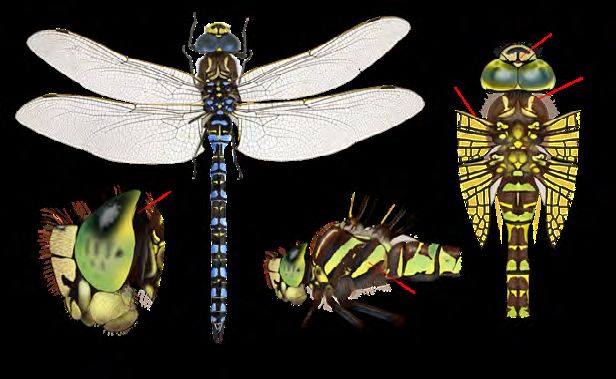
Gathering resources
    for your classroom or home
     If you can, try to collect materials   Take photographs when out and         Collect story books and reference
     all year round that can be cleaned     about and share these with the        books linking to the theme
     and stored for use during British      pupils to foster discussion and       ‘Innovating for the future’ ahead of
     Science Week.                          raise their level of understanding    time to create a themed library. You
                                            about innovation – machines,          can even organise a read-aloud
     Alternatively, check to see whether    materials, building structures,       session of a related story book for
     there is a scrap shop/store/club       etc. The more colorful, the better.   circle or carpet time.
     open in your local area. These         You can also use these photos
     shops are often membership based       for an innovation version of the
     and can be a brilliant, inexpensive    guessing game ‘I spy’ where you
     or free resource for card, plastic,    can describe what the innovation
     bits of material – all sorts. These    is used for and the pupils will
     things can be turned into forests,     attempt to guess it.
     cars or model people; you name it,
     the kids will think
     of it!

     Look at childrensscrapstore.co.uk
     to find a UK directory of scrap
     stores.

7
Beyond the Week
Once British Science Week is over, If there are older children at your If you have the opportunity, then
this doesn’t mean the exploration school or in a school nearby they you could consider running a STEM
and curiosity have to stop! could earn a higher level of CREST club or curiosity lab within science
too. For more information, take a class or school. Find supporting
Some ideas for keeping students look at the different CREST levels resources at www.stem.org.uk.
engaged include: available:
crestawards.org/which-level
Pupils could take part in a CREST
Award. CREST is a scheme that Consider sharing your British
encourages young people to think Science Week learnings by running
and behave like scientists and a CPD session for other teachers
engineers. Pupils can complete in your school or, where relevant,
PRIMARY
eight activities to achieve a Star or academy chain. Think about
SuperStar Award which includes a incorporating the Science Capital
certificate and badge. teaching approach into your
methods: ucl.ac.uk Getting started guide
Find out how you can use CREST Star and
SuperStar to give primary children their first
experience of pupil-led problem-solving
challenges set in a real-world context.
y:
Typical age: 5-11
s T a R aCTiviT
Mple
an eXal advenTuRe
aniM a indoors
and ou
t, to fin
d
re n ex ploring ta ts !
child r ha bi
Get thei
sts and s in a re
al-
minibea creature
als and
ith anim
star • Enga ge w
ntext science
skills , us in g
world co eir practical
ent u rCe animal re
p th oters
• Develo g jars and po nimal’, ‘minibea
collectin rms such as ‘a
st’ and
l A v
d Activ ard
adventu s te
• Discus rate’ decisio
ns abou
t where
a ity ‘inverteb communicate ight live
Anim
and sts m
• Make and m in ib ea
animals
the
ing on imal
are sitt on an an
and Gem e bored.
COSMIC
“Let’s go outs Gem,
GEM
Cosmic frame. They ar sh
safari!” down. perStar
climbing EST Su
Every CR comes with a
jumping activity Card to
er re
Organis
separate plan your sess
ion. ventu Card
on what al Ad Organiser’s
Anim
u
e help yo es tips
plies. H It inc lud need,
u might d to
osmic re Gem ri,” says t yo
“OK,” C prowl around end safa al
en ivity
equipm e time require the act habitats.
a tiger. t a pret About
asts and
about minibe
n
Astro
im thinking ture. Unclelow but
th discussio
starts to ending to be “No, no ean a real an s puzzled. as well
children l adven
an anima looks high and for help.
ed to get to go on
d what
y is design lly. Gem Astro
This activit . Gem wants look carefu ask Uncle
th are bored if they
run it an u could use wi
should
et “I m ok Cosmic
and Gem find minibeasts thinks they
while pr
Cosmic
G em , m ic lo they will
said that find any little
animals.
children
to:
ure.” Cos
support
yo ren.
she can’t y you will
the points the child
this activit habita ts
Through
advent s Gem round gh, she
ast hunt and their
a minibe they see
• Go on the minibeasts of the group
out about the rest
• Find gs with
w hi
their findin
He follo nd. She looks em to be
• Share
asts)
ng minibe
Kit list
ou se
s for catchi
pl ay gr es n’ t for.
r (speci
al device
l microscope
t (you
looking
or poote of old carpe
w but do
ting jar r digita pieces
• Collec s and/o stones,
fying glasse (optional) logs, large
looks lo d what she is
• Magni book with rocks, )
fication preferably a few weeks earlier
• Identi nment, d
or enviro the groun
• Outdo some on
fin
could place n
able to
investigatio
ct their .
n to condu s of their results
e
rt childre
do
there ar
record or make
What to
5. Suppo their own graphs ast
story on the and make also take phototo use a minibe
id that
using the think They couldThey might like find.
activity where they
uce the children drawings. what they gs to the
s, identify
Astro sa lled minibeast
1. Introd card. Ask the t their findin ve in their
activity asts. guide to
find minibe ment to n to presen as creati
they will the childre , they can be
“Uncle
and equip 6. Ask
y cards the group
out activit rest of they want. habitat.
ca I 2. Give as to their
ut
presentation
s,
n. a asts
going on
al “B
the childre ted minibe
.
will be
im n that they any collec
little an says Gem
3. Explai ast hunt. and 7. Return
minibe s their ideas t
n to discusigations. Promp
nd us,”
rage childre invest
4. Encou carry out their
all arou any.” tigers
how to
minibeasts?make sure
questions: you look for
ns and
we
will How will
• Where collect them?
e
• Will we harm them?
can’t se n tiny lio e on,
we don’t
You mea Cosmic. “Com us.”
“Wow! as ks lp
d th in gs?”
A st ro can he
an if Uncle
let’s see
cle
think Un
do you em to look?
Where
ill tell th
13
Astro w
a llenge
Your ch ure and
advent n find.
see
COSMIC
animal ca
Go on an y animals you GEM
how man
8 12
Unlocking skills
    A fantastic way to encourage STEM                You could engage the pupils in this            See the table below for the complete
    interest in pupils is to introduce               STEM Person of the Week activity from          list developed by NUSTEM.
    transferable skills used by those                NUSTEM at Northumbria University
    working in STEM jobs. These skills               (nustem.uk).                                   As an alternative and a little bit of
    will strengthen positive attitudes                                                              motivation, why not award each of the
    towards STEM and reduce their                    Ask the pupils to identify what                pupils with a sticker or certificate for
    stereotypes of those working in the              attributes people working in                   a STEM skill which they identify with
    field.                                           STEM need. It might include being              very well during the Week?
                                                     observant, creative, patient, a good
                                                     communicator, or curious.

                      Co m                           Creativ                                Colla                             a ti v e
                                                 e                                                                      gin
                         m

                                                            e

                                                                                                bo

                                                                                                                  Ima

                                                                                                                                         Im
                                       Creativ

                                                                            orative
     nicator

                             uni or

                                                                                                    rative

                                                                                                                                            a
                                                                Creativ

                                                                                                                                              g i n at i v
                                c at

                                                                                                                  ive
                                                                             lab
      mu

                                                                                                                   at
                                          e

                                                        v   e                           l                                                e
               Co m                              Creati                               Co                                Imagin

                                                                                                                            ent
                                                                                                                        sili
                                                                                                                  Re

                                                                                                                                   Resilien
                                                                                                                  t
                                                                                                                   en

                                                                                                                                   t
                                                                                                                        Resili

               Observant                   Open-minded                           Committed                           Tenacious

                 Creative                    Imaginative                               Patient                     Collaborative

                Resilient                 Communicator                            Passionate                         Organised

                 Curious                  Self-motivated                      Hard-working                              Logical

9
Get children
     leading the way
     A great way to encourage STEM              Get pupils running their own CREST    Encourage pupils to design
     interest in pupils is by letting them      projects and share what they’ve       and create their own display of
     lead the way. Here’s how you can           done through posters or show and      scientists through time – a photo
     help them along:                           tell.                                 exhibit of scientists who changed
                                                                                      the world with their discoveries,
        Encourage pupils to run their own       Ask pupils to research an invention   inventions and innovations.
        activities during British Science       and how this influenced how we
        Week. They could either run             live our lives today and then write
        activities for other members of         a report for the school newsletter
        the class or run some CREST at          or website.
        home activities with their family
        and take photos to present back to
        their class. Find the resources here:
        collectionslibrary.crestawards.org

                                                                                                                          1
10
Innovating for the future
Terrific Scientific
About this activity
How much electricity does your Instructions
school use and how can you reduce This activity takes place over 2 weeks.
that amount? By recording electricity In week 1, you’ll discover how much
usage over a period of days, you will electricity your school uses. In week 2,
learn about how electricity is used, 9 7 2 3 8 4 you’ll find ways to save electricity.
how it is wasted and what you can do
to reduce this waste. Week 1
1 Watch the introductory video
Time online: bbc.co.uk
1 hour to get started, then you’ll need
10-15 minutes observation time every 2 In your class, talk about how your
day for 2 weeks. school uses electricity.
Which devices use electricity?
Kit list Where are they?
Clipboard List as many of them as you can.
Pen/Pencil
Thermometer 3 In small groups, choose different
(handle with care!) areas of school and complete the
Computer to access the Electric Detective worksheet for
following resources via devices that use electricity in that
bbc.co.uk/teach/terrific- Watch out! area. Are these devices on, off, or
scientific/KS2/z6bnrj6 Use caution when handling on standby? Do they need to be
Electric Detective thermometers as they are on? Is power being wasted? Are
Worksheet fragile. there windows open? Are hot taps
Power Health Check Table This investigation assumes
left running?
Electricity Record Sheet that all electrical equipment
4 Using information from your
has been tested and passed as
Electric Detectives worksheet, fill in
safe. Make sure your school has
the Power Health Check table and
carried out a risk assessment
Next steps for this activity before you get
work out how energy efficient your
There are several interactive started.
school is.
activities to try on the Terrific
Scientific website here. Do not touch electrical
equipment without a teacher’s
We also have tailored SEND permission or an adult present,
resources available here. and do not switch off any
equipment without an adult’s
permission.
Get an adult to supervise you
when you read the electricity
meter. If it’s unsafe for you to
read the meter, get an adult to
take a photograph of it for you.
Follow your school’s policy on
social distancing when moving
around the school to help
reduce the risk of Covid-19
transmission.
When you’re recording outside
weather conditions, make sure
you don’t stare at the sun.
11Innovating for the future
Terrific Scientific
5 With an adult, read your school’s At home
electricity meter twice every You could try this activity at home to
weekday – once in the morning, discover ways of reducing electricity
and once in the afternoon. Complete use, saving money and helping the
the Power Record sheet, subtracting environment. You should always ask
the morning reading from the an adult should before operating
afternoon reading to calculate electrical equipment or accessing the
how much electricity your school electricity meter.
used that day. Also record the
temperature inside and outside and Skills set
the amount of cloud cover to assess Observant, Collaborative, Curious
how weather affects electricity
usage. If the meter is not accessible, Career options
ask an adult to take a photo of it at There are many careers in the
the same times each day. real world that link to this activity,
including Energy Engineer,
Energy Manager, Environmental
Week 2 Scientist, Environmental Education
1 Discuss what changes your school Officer, Environmental Engineer,
could make to save electricity. Environmental Manager, Electrician,
Which devices could be switched Electricity Network Planner, Electrical
off? Could lights be switched off? Engineer, Sustainability Consultant,
Nature Conservation, and Renewable
2 Start to make these changes Technology Engineer/Consultant.
around the school and continue Check out more job profiles on our
to take twice daily readings of BBC Bitesize careers site.
the school’s electricity meter and
record your data on the Power
Record Sheet. Make sure you don’t
switch off any electrical equipment
without permission from an adult!
3 At the end of week 2, when you
have completed 10 days of meter
OFF
readings, you are ready to calculate
your school’s power readings
once more. Have you reduced the
amount of electricity your school
uses?
12Innovating for the future
Herd Immunity Jenga
About this activity
Vaccines train your immune system
to fight off bacteria and viruses and
prevent you from getting ill. Vaccines
changed our world by stopping
the spread of deadly diseases and
improving global health. Discover how
vaccines not only protect you but
everyone in your community.
Time
25 minutes
Kit list
Jenga set
Pack of 50 dot stickers
Instructions At home
1 Place stickers on the ends of 10 If you have blocks at home, you could
Next steps random blocks then stack all the try this activity at home with people
The first tower fell down quickly blocks to build a tower. you live with.
because not enough blocks
were protected by vaccination, 2 The tower of blocks represents You could also ask an adult to help
so too many were infected a group of people like the you find out about which diseases
and removed. The second community you live in. You will vaccines can protect you against.
tower should stay standing, act as an infectious disease, What do you know about these
because when most people in spreading through the community diseases?
a community are protected by and infecting people. The stickered
vaccination, it makes it difficult blocks are people who have been There are millions of children around
for the disease to spread. This vaccinated against the disease and the world that do not have access to
is called herd immunity. Herd are protected from infection. the vaccines they need. Can you find
immunity is crucial to protect any charities working to change this?
those who are unable to receive 3 ‘Infect’ the community by, one by
vaccines, including people who one, removing the blocks with Skills set
have a health condition that no stickers. Each block that is Curious, Observant, Logical
impairs the function of their removed is a person that has
immune system. become infected. The stickered Career options
blocks (vaccinated people) cannot Immunologists study the immune
Find out more about how be removed. What happens to your system, which helps us understand
vaccines work and the tower? Why? how to treat lots of different health
importance of herd immunity at issues. Many immunologists work in
celebratevaccines.com 4 What happens if you ‘vaccinate’ a laboratory focusing on research,
more people in the community? such as developing vaccines against
Place stickers on 35 more blocks infectious diseases, and others are
so that most of the blocks now “clinical immunologists” – doctors
represent vaccinated people. Build who diagnose and manage diseases
another tower with your blocks. of the immune system.
Again, ‘infect’ people by removing
blocks with no stickers from the
tower. What happens to your
tower? Why?
13Innovating for the future
How can we make
our food better?
About this activity
Have you ever noticed how all Instructions Which point in your arguments
the cows in a farmer’s field look 1 Ask your teacher to help you were the strongest and what made
identical? Although they may look find out about and discuss the them strong argument points?
the same, there are actually many differences between wild and
different species of cows, and a meat farmed food products, for example Were there any characters that
farmer might want a very different wild and farmed strawberries or a didn’t have a very strong argument?
breed to a dairy farmer. So why is this? wild boar and a farmed pig.
In this activity, you will learn about Do you think the characters you
selective breeding for food, as well as 2 Watch the selective breeding have been told about could ever
its advantages and disadvantages. video and discuss the following agree with the other side of the
You will think about how selective questions: debate?
breeding can benefit humans and why
some people disagree with it. If two muscular cows breed Have you heard any arguments
will all their offspring be as today that have changed your
Time muscular as each other? mind?
1 hour
Why does the farmer have to 6 Vote on the best argument as a class
Kit list breed the offspring many times or group.
One set of debate character to get the best cows?
cards per group of 6 At home
(see pages 15-16 of this pack) 3 Look at your debate character card Share the views of the character you
Access to video on and think about which side of the had with family members. Do they agree
selective breeding debate your character might be on. or disagree with your character?
Space to sit in small groups Make some notes about what you
for discussion think they would want to say. Skills set
Copies of debate framework Open-minded, Curious, Communicator
(See pages 17-19 of this pack) 4 In your group, take turns to present
the opinions of your characters and Career options
use the debate framework to think There are lots of careers linked to food
about these. Remember to try and production, such as farmer, chef, working
Next steps be sensitive and understanding of in genetic modification, or perhaps
Do some more research to find other people’s points of view when food taster for large companies such
out more about the different debating. as Cadbury or Sainsbury’s. A career
perspectives of the characters. You in Biotechnology might be of interest,
can join up to the free NFU scheme 5 Discuss how the debate went, working in a laboratory to test food
‘Farmer Time’ which connects thinking about the why the products before they are declared fit for
classrooms with a farmer via video characters felt the way they did. human consumption.
chat to regularly chat about their
work and answer their questions.
14Module 4,
Lesson 3,
Resource Sheet 1
Debate Character 1
Character Cards
Adam is a dairy farmer.
He uses selective breeding to
Read about the person on the produce cows that deliver a
card that your group has been greater amount of milk than
given. normal cows. This means
George can make more money
Be prepared to role-play this
from his farm.
person, saying who you are and
what you think about selective
breeding.
Character 2
Rachel is a scientist.
She is worried that
selective breeding produces
populations of plants and
animals that all have the
same characteristics. This
means that if some deadly
disease, was introduced
to the population, it would
affect all the animals or all
the plants, not just a few
individuals.
Character 3
©HarperCollinsPublishers Limited 2014
François works for a
company that sells a book
called The selective breeding
handbook, which tells farmers
how to carry out selective
Worksheet breeding. His boss has told
him to sell as many copies of
How can we make the book as he possibly can.
our food better?
15Module 4,
Lesson 3,
Resource Sheet 1
Debate
Character Cards Character 4
Lou works for a charity. He
helps people in developing
countries to breed cereal
crops that produce more
grain per stem. This means
that more food can be
produced in a smaller area
of land.
Character 5
Holly works for the RSPCA.
She has seen that selective
breeding can lead to
deformities and disease in
domestic animals such as
dogs. She thinks it would be
better for animals if there
was a law against selective
breeding.
Character 6
©HarperCollinsPublishers Limited 2014
Lee works for a vegetarian
magazine. He feels very
strongly that eating meat is
wrong. He wants to stop all
farmers breeding any animals
Worksheet for meat.
How can we make
our food better?
16Debate mark
Module 4, Quite good argument: ✓
Lesson 3, Reason why selective Good argument: ✓✓
Resource Sheet 2 breeding is negative Very good argument: ✓✓✓
Debate Adam
Framework
After each group has spoken,
record their strongest argument.
Give each presentation a mark
(quite good, good or very good).
When the debate is finished, fill in
the last row as a group.
Lou
©HarperCollinsPublishers Limited 2014
François
Worksheet
How can we make
our food better?
17Debate mark
Module 4, Quite good argument: ✓
Lesson 3, Reason why selective breeding is Good argument: ✓✓
Resource Sheet 2 negative Very good argument: ✓✓✓
Debate Lee
Framework
Holly
©HarperCollinsPublishers Limited 2014
Rachel
Worksheet
How can we make
our food better?
18Who had the strongest argument? (You cannot vote for yourself!)
Module 4,
Lesson 3,
Resource Sheet 2
Debate Why?
Framework
Do you think selective breeding is a good idea or not?
Why?
©HarperCollinsPublishers Limited 2014
Worksheet
How can we make
our food better?
19Innovating for the future
Split light into
different colours
About this activity
Spectrography is an incredibly Instructions through the CD end of the tube.
useful process for astronomers 1 Take your kitchen roll tube and Do not put your eye directly to
and other scientists. It allows them insert the black card so that it lines the CD, keep a distance of at least
to investigate the chemicals in the inside. Then carefully cut off 15 cm. You should see a colourful,
objects found trillions of miles from any excess and tape it in place. rainbow-like spectrum on the
our planet. The atoms of different transparent surface of the disc.
elements have their own distinct 2 Take the remaining piece of black This works especially well if you
patterns, and by observing these card and place the kitchen roll tube cover one of your eyes.
patterns scientists can determine upright on top of it. Draw and cut
what objects such as stars or planets out a circle that is 1cm wider than The spectroscope is splitting the light
are made of. the end of the tube. into the colours of the rainbow. The
CD screen bends the light as it passes
Spectrography is not just about observing 3 Cut out a rectangle in the middle of through, filtering the wavelengths
space, it also has numerous applications your circle then stick the circle to one of the white light so that you can
in the laboratory or in your very own end of the kitchen roll tube. Next, see all the colours of the spectrum.
home. In this activity, you will investigate taking the remaining card, cut two Try looking at different light sources
light and study it on an atomic level with smaller rectangles and tape them like the TV, computer screen, or
your very own spectroscope. either side of the central rectangle LED displays and see whether the
so that only a narrow slit is left open. spectrum of colours you can see is
Kit list It’s very important that the final slit is any different.
Kitchen roll tube straight and level at either side.
Two pieces of A4 black card Skills set
Transparent CD 4 Take your CD and stick it onto the Logical, Creative, Observant
Roll of packing tape other end of the kitchen roll tube
Pencil so that you can look through the Career options
Glue transparent part and into the tube. There are several career options that
Pair of scissors you could take that involve making use
5 Check that everything is secure of the splitting of light: optometry. You
and there are no gaps in your can even use it in the manufacture of
spectroscope, then hold it up to telescopes, binoculars, cameras and
Next steps a fluorescent light while looking spectacles, amongst others.
How It Works is the action-packed
magazine that’s bursting with the
answers to your curious questions
- every issue is jam-packed with
the most exciting
advances in science and
technology and features
everything you need
to know about how
the world around you
- and the universe - works. Exclusive
offer for schools and students!
Get How It Works for 6 months for Watch out!
£9.99 plus other great offers over on: Never use your spectroscope to look
magazinesdirect.com/bsw2021 or at the sun and don’t look at any light
telephone 0330 333 1113 and quote source for too long. When using your
89AA. Offer ends 30 September 2021. spectroscope, never look through it
with your eyes pressed to the viewing
screen – always keep it 15 cm away
from your eye.
20Innovating for the future
Visualising classrooms
of the future
About this activity
Want to learn about the world of
film? Want to stretch your design
and technology skills and visualise a
classroom for the future? In this fun
E=MC
2
activity developed by Into Film you’ll
learn about a key VFX job role and get
the chance to make your own film.
Time
1.5 – 2 hours
Kit list
Pencils, pens, crayons
A phone or tablet that can
record video
Next steps
Learn more about a being a pre-vis
Supervisor by watching the video of
industry professional Faraz Hameed at
intofilm.org/Britishscienceweek2021 Instructions 6 Get creative and draw a picture
1 Read about what a pre-vis of how you imagine teaching and
supervisor does to help make a film. learning might look like in the future.
Additional worksheet
on page 17 2 Discuss what you think the ‘pre- 7 Label your images with any
vis’ part of the job might mean instructions a Director might need
(hint: pre means before). Explain to turn your pictures into a film.
what you think might be exciting
about this career. 8 Present your pictures to each
other and explain the story behind
3 Think about what classrooms each image.
might have looked like in the past.
You could ask grandparents or At home
older people in your community Create a film showing your three
about what classrooms were like images that includes a voice-over of
when they were kids. you explaining the story each image
tells.
4 Draw a picture to show what
teaching and learning was like in Skill set
Watch out! the past. You might want to draw Imaginative, Creative, Logical
If you go on to film your storyboard, a close-up of an object or a wider
make sure the only images you show shot of a whole classroom. Career options
are those that you have drawn. Storyboarding is a useful skill to many
5 Based on your own experience, job roles in the film industry. A pre-vis
draw another picture to represent supervisor works in the visual effects
your experience of ‘lockdown’ side of filmmaking. Following the
learning. Think of objects or places director’s vision and style, they plan
that could represent what it was and develop the look and feel of a
like to learn at home. film by creating 3D models and virtual
storyboards.
211 Teaching and learning in the past.
You’re the pre-vis supervisor on a
new film; a documentary called
Lockdown Learning: Schools for the
future.
Your job is to storyboard three
filming locations that tell a story
about the changes in learning and
teaching in your community.
A pre-vis supervisor works in the
visual effects side of filmmaking.
Following the film Director’s
vision and style, they plan and
develop the look and feel of a
film by creating 3D models and
virtual storyboards.
In the boxes opposite, draw three
images that will help the director 2 ‘Lockdown’ learning
and film crew visualise this new
story.
3 Teaching and learning in the future
Worksheet
Visualising Class-
rooms of the Future
22Innovating for the future
Does the appearance
of food affect how it tastes?
About this activity
Use your taste buds to investigate Instructions
the taste of irregularly shaped fruits 1 Think about these questions:
and vegetables and find out whether
the way food looks affects how it Where do fruit and vegetables
tastes. come from?
Time Have you ever been to a farm?
30 minutes What did you see?
Kit list What are your favourite fruits
Three samples of at least and vegetables? Can these be
one kind of (washed) fruit/ grown in the UK?
vegetable, some more
irregularly shaped than others 2 Examine the regularly and 6 You could mark your chosen
Pencil and paper for recording irregularly shaped vegetables that vegetables as vegetable A, B, C and
results you have chosen. Which do you rank them on which you think looks
Clean knives, peelers and think will taste better? Why? the tastiest and write this down.
chopping boards for preparing
tasting samples 3 Did you know that lots of fruit and 7 Next, cover your eyes and taste
vegetables are thrown away each a sample of both the regular and
day because they are unusually irregularly shaped vegetables.
shaped? What impact do you think Make notes on which one was the
Next steps this has on the environment? tastiest.
Now that you have started thinking
about how to keep both your 4 Your challenge is to investigate 8 Compare your results: did the
body and your planet healthy, whether the regular-shaped food appearance of the vegetables
why not find out other ways that tastes better than the irregular- affect how they tasted? Were you
farmers are working to save the shaped food and decide whether able to work out which vegetables
environment. Take a virtual tour of the unusual-looking food is worth were irregularly shaped just by
a farm and access more exciting saving. tasting them? Have your views
investigations like this one at about irregularly shaped vegetables
farmvention.com to become a 5 When planning your investigation, changed?
climate superhero. Submit your think about these questions:
ideas to be in with the chance to At home
present your project in Parliament! Which sense and sense organ Why not repeat this investigation
will you use? with your family at home? Ask them
to complete the same steps and see
How will you make sure you if their views on irregularly shaped
are not judging the food by the vegetables change.
way it looks?
Skills set
Watch out! Observant, Open-minded, Curious
Wash your hands thoroughly before
handling food you are going to eat. Career options:
The diverse and rapidly changing world
Ensure the work surface and of food and farming has thousands of
tools are clean before use. fantastic STEM career opportunities.
Whether you are interested in
Make sure you ask an adult for help robotics, animal welfare, engineering,
when using knives and peelers to horticulture, business or food
prepare your vegetable samples. technology, there is a career for you.
Visit: fginsight.com/thisisagriculture
23Innovating for the future
Who invented blue?
About this activity
Where does the colour in paint
come from? Paint is made from
pigments and all of these pigments
used to come from natural materials.
Black was made from burning bones,
and the most expensive pigments were
made from rare and precious materials.
For example, ultramarine blue was
made from precious stones that came
from a mountain in Afghanistan. For
centuries, artists have experimented
with making their own pigments from
the materials around them.
In this activity, you will learn about where
colours come from and how to make
your own paint from natural materials.
You will discover what happens when
you grind, filter and dissolve leaves,
plants and soil to create pigments. Instructions 1 Collect your materials – have a
In this activity you will make your own look around and see what is in
Time pigment for paint by experimenting the park or garden or kitchen
30 minutes with natural materials. You will collect cupboard. Here are some
materials, crush them to make a paste suggestions: flower petals, berries,
Kit list powder, add them to water, filter and green plants and vegetable leaves,
Pestle and mortar (if you don’t dehydrate them, then finally grind to a charcoal, sand, soil, or clay.
have one you could use any fine pigment.
hard, unbreakable bowl like 2 Choose one of your materials
an ordinary kitchen bowl or a and put a small handful into your
solid work surface. You could mortar bowl. Use your pestle to
use the end of a rolling pin, or grind your material. Keep working
a smooth pebble that fits in on it until you have made a paste
your hand as a pestle) Watch out! or powder.
Dust mask When mixing paints with any sort of
Apron powdered ingredients, it’s best not to 3 Scrape out your paste or powder
Small bowl breathe in the powder while mixing. If from the bowl into a measuring
Measuring jug needed, cover your nose with a mask jug and add water – about the
or your shirt while mixing paints. same as if you were making a
glass of orange squash. Give it
1 of 2 pages Wear an apron to protect your clothes. a good stir and let the particles
settle.
Be careful to avoid plants that sting or
cause irritation to the skin. 4 When the larger particles have
settled, pour the liquid into a
Be careful to collect soil samples or shallow bowl, put it in a warm
leaves that are NOT contaminated. sunny place and leave it to dry out
completely. You could speed this
If you dry out your powder mix on a up by heating it gently in a pan
stove or the oven, make sure an adult lined with tin foil over a low heat
is supervising. or putting it into a tray lined with
foil and leaving it in a warm oven
until the water has evaporated.
24Innovating for the future
Who invented blue?
Next steps 5 When all the water has evaporated, can’t see any blue in his paintings but
Now you have pigment,
you will be left with a dry powder. we know that Rembrandt did use a lot
you are ready to make your
Put it back into your mortar and of blue when he made these works of
own paint. Add your powder
grind it again until you have a very art. He couldn’t afford ultramarine, so
pigment to different ‘binders’
smooth powder. instead used a pigment called ‘smalt’.
to make paint. You can try
Do some research to find out what has
adding it to PVA glue, water,
6 Take a small pinch of your pigment happened to the blue in Rembrandt’s
vegetable oil, egg yolks, glycerin
and mix it with a drop of water into painting and why it disappeared. What
or honey. Which binder works
a smooth paste. Congratulations! other colours have disappeared from
best? Experiment with different
You have made your own pigment his work?
materials to make a range of
– and who knows, you may have
colours and then use them to
even invented a new colour! Skills set
make your own artworks.
Creative, Imaginative, Curious
7 Discuss which materials made the
More ideas and inspiration can
strongest colours. Think about Career Options
be found in our special art and
why artists might spend so much Theatre, film and television employ
science edition of AD magazine
money on pigments made from many artists, makers and designers to
– issue 25.
rare materials like Mexican lice, or create the costumes, sets and special
precious stones from the Kokcha effects that we see on the stage and
River valley of Badakhshan? screen. Make-up artists work with
colour and pigment to create illusions
At home and special effects. Costume and
Rembrandt is a painter who lived textile designers and makers work
in the 1600s. When we look at his with dye and print processes to create
paintings today, they look very dark fabrics and textiles for costumes and
and use lots of grey and brown. We sets.
25Innovating for the future
Build your own
gut microbiome
About this activity
When you eat, your food goes on Instructions
an incredible journey. After leaving 1 Cut the top off your milk or juice
your stomach it enters the intestines, a carton (this will be your gut tube)
tube 6-times longer than your height! and cut a “viewing door” in one
Here, with the help of microbes, side. Attach a folded piece of sticky
your food is digested to release the tape to add a handle to the door.
goodness into your body. In this
activity you will build a model intestine 2 Your gut has lots of folds in it
with resident microbes, known called villi. Carefully cut out the villi
collectively as the gut microbiome. template, tape it to the cut end of
your gut tube and fold them over
Time to create a cross section of your
20 minutes intestine! Add cotton wool to the
inside of your tube to represent the
Kit list villi along the tube.
A washed 1L carton of milk
or juice. (You could paint it 3 Now what bacteria might be in
beforehand if you want to.) your intestines? Carefully cut out
Scissors and add the following bacteria to
Sticky tape your “microbiome” tube: 5 What happens when you’re ill
Cotton wool and need antibiotics? Take out
(or toilet roll would do) Bifidobacterium: everything except the cotton
Small food items like raisins, a good for your immune system wool. Antibiotics can remove your
piece of cheese and a biscuit resident microbes. How do you
Bacteroides: think we can replace them?
able to digest complex foods
At home
Next steps Lactobacillus: Try making a food diary by writing
To download a free teachers’ fights off pathogens that could down everything you eat and drink
pack with three classroom make you sick (curious fact: this for one day. Do you think your gut
activities, videos and quizzes one can also be used to make microbiome is happy with the fuel you
please visit guardiansofthegut.org. cheese) have sent it?
For more info on our research Roseburia: Skills set
please see quadram.ac.uk helps keep your gut cells strong Open-minded, Curious, Logical
Additional worksheets Clostridium: Career options
on page 22 - 23 when there are too many of Quadram Institute Scientists are
these it can make you very developing new foods and improving
gassy! our understanding of how we can
tailor nutritional intake for health.
Watch out! Salmonella: We are also developing new ways of
Do no eat the food used in the activity. a bad bacteria found in some diagnosing and treating infections
undercooked food that can give when they happen, as well as
Be careful when cutting out your villi you an upset tummy. performing cutting edge research
and bacteria templates. that is revealing how maintaining a
4 Add some small food items like healthy gut microbiome is critical to
raisins, a biscuit or cheese. Do reducing the chances of developing
you think they are healthy or less conditions such as cancer and
healthy? dementia.
26Bacteroides
Worksheet
Build your own
gut microbiome Lactobacillus
27Lactobacillus
Bacteroides
Fold here
Clostridium
Bifidobacterium
Salmonella
Roseburia
Worksheet
Build your own
gut microbiome
28Innovating for the future
Going on a fact hunt
About this activity
Through exploration, experiments Instructions 3 Now, consider how you might go
and examination, scientists gather 1 Just because a statement might about checking your fact and how
information and facts about the world appear as a fact, it might not be true, or accurate, it is.
around us. From the tiniest microbes true, so checking sources such as
in our bodies to the massive planets books, articles or other scientific 4 Create a poster or presentation to
in our universe, their work provides us evidence to prove this is important. show your class how you checked
with endlessly fascinating facts, which and confirmed the fact, the
you might find in your favourite TV 2 What is the most incredible fact sources you used and any other
show, magazine or book. you know? If you can’t think of one related facts you may have learned
you could use one of the mind- along the way. Also consider what
Time blowing facts below (taken from experiments or investigations you
1 hour Cats React to Science Facts by Izzi might carry out to prove the fact.
Howell):
Kit list At home
Books containing science facts, Pancakes are always round Think about a science topic that you
you can find some brilliant because of gravity pulling down find interesting and research some
examples through the Young on the batter evenly, making a amazing facts about this that you can
People’s Book Prize shortlist circular shape. share with your friends and family.
here
Optional: access to the Internet The peregrine falcon’s Skills set
Poster paper streamlined shape allows it to Curious, Communicator, Self-motivated
Arts and crafts materials move over 300km/h which is
as fast as a Formula 1 car. Career options
Many careers, both in science and not,
Pure water is an electrical involve gathering facts for different
Next steps insulator but tap water is an purposes. For example, you could be
This activity is inspired by the Royal electrical conductor. a forensic scientist who collects and
Society Young People’s Book Prize. analyses evidence to solve crimes,
For more information about the or a journalist who researches and
Prize, and how your school can get writes articles on different topics or
involved, go to royalsociety.org breaking new stories for publications,
like magazines or websites.
GRAVITY, PANCAKES & ME
29Innovating for the future
Which plastic?
About this activity
Different types of plastic are used Instructions 4 Gather your numbered plastic
to make many everyday objects but 1 Think about the objects you use samples.
do you know which plastic is which? every day that are made from
Learn how to help the environment as plastic. Did you know that there 5 Half fill your container with water
you carry out simple tests and use a are many different types of plastic, and place sample 1 under the
chart to identify different plastics for each one useful for different water before letting it go. Do the
recycling. You will also find out how things? same for the rest of the samples.
one company supports a recycling Observe and record which plastics
scheme to reduce the amount of 2 Share with a partner what you float and which sink.
single-use plastic sent to landfill sites. know about how plastics are made
from materials found in fossil fuels 6 Using the same samples (removed
Time formed millions of years ago from from the water) fold each piece of
1 hour the remains of living things. Plastic plastic backwards and forwards to
is often thrown away after one use see what happens - some plastics
Kit list and this can have a negative effect snap under pressure; others
Ask an adult to cut out four on our environment by ending up simply fold into a crease whilst
plastic samples (approximately in landfill sites or as litter pollution. some plastics show a white line
6cm by 2cm) and number called stress whitening.
them 1 to 4 with a permanent 3 Consider the ‘sustainability’ of
marker. Use the following plastics; in other words, how often 7 Record your results.
items: they can be reused and recycled so
that we can keep using them for 8 Use this classification key to
Sample 1:
longer. identify which type of plastic is
shower gel bottle.
which:
Sample 2:
clear packaging used for
greeting card multi-packs or Can you identify and sort four different types of plastic in order to send
gift sets. any waste materials to the correct recycling centres?
Sample 3:
white foam container used for
takeaway food Does it float in
Sample 4: water?
clear fizzy drinks bottle
1 litre bowl or container filled
with ½ litre of cold water Yes No
Identification chart included in
the instructions
Does it show
Does it snap?
stress whitening?
Yes No Yes No
It is Polystyrene It is Polythene It is PVC It is PET
30Innovating for the future
Which plastic?
Next steps
This activity is taken from CIEC’s 9 Find out about how scientists and At home
free-to-download Sustainable engineers are helping to develop Many plastic items that can be
Stories and Solutions for our Planet, plastic waste recycling systems, recycled have a symbol similar to the
which contains two introductory for example: old plastic window one shown here:
activities and four further main frames can be cleaned, made
activities with industry stories to into tiny pellets and melted to be
help young children develop an reformed into new window and
understanding of sustainability: door frames or other products.
ciec.org.uk/sustainability.html Thanks to companies like INOVYN
at Newton Aycliffe in England, Find recycling information on plastic
PVC-U is no longer a single- items in your home and research
use material and is much more what the letters or numbers might
sustainable. Nothing goes to waste mean. You could also find out which
Watch out! and, more importantly, nothing is materials and types of plastics can be
Make sure you get an adult to cut out deliberately thrown away to find recycled near to where you live.
your plastic samples from the items its way into drains, rivers and the
suggested in the kit list. ocean. Skills set
Observant, Curious, Logical.
’
Take extra care during the ‘crease test
as small pieces may splinter off the Career options
plastic when under stress. You could Watch the 2-minute video youtube.
use safety glasses if you have them or com/watch?v=3eD1-iGf-J4 of Eve
sunglasses to protect your eyes. Davison, an engineer at a car factory in
the north-east of England talk about
Gloves are optional but could prevent plastics, and introduce this activity.
cuts from sharp edges. Eve needs to know which car parts
are made from which types of plastic
Recycle all the pieces of plastic if so she can send any waste materials,
possible (do not pour down the drain). after production, to the correct
recycling centres.
More about INOVYN and INEOS
INOVYN is part of a bigger company
called INEOS, the people who work
there are committed to saving our
planet’s resources. They have begun to
use renewable materials from biomass
(organic waste from things like wood,
straw and manure) instead of fossil
fuels to make PVC. This produces over
90% less greenhouse gas emissions
and a much reduced impact on the
environment.
INEOS is also a world leader in
producing useful new materials from
previously waste plastic. Plans are now
in place for an ‘advanced recycling’
plant that will transform unrecyclable
plastic for use as medical products, food
packaging, lightweight vehicle parts and
pipes for safe water transportation.
31Innovating for the future
Design your
own Robo-bug
About this activity
Insects have evolved loads of
fascinating features to help them
survive in almost every habitat on
Earth. These amazing abilities have
inspired robots used for things like
rescue missions and even space
exploration! In this activity you will
design robots inspired by insects to
help solve challenges like these.
Time
30 mins – 1 hour
Kit list
Pens and pencils
Paper
Access to the internet
(optional)
Modelling material such
as playdoh / plasticene / Instructions 5 Colour your robo-bug in (colours
modelling clay (optional) 1 Choose a goal from the table and might be an important part of your
read the challenges that need design, depending on what you
solving to be successful. You could want your robot to be doing).
also think of your own goal and list
Next steps 2-3 challenges that might need to 6 Label the robot’s features and
Visit MyLearning.org and type be solved for that instead! show how they help solve the
‘insects’ into the search bar to challenges for the goal you chose
discover even more about all the 2 Discover the different insects and earlier.
amazing ways insects survive, and their abilities and adaptations.
how scientists are building robots 7 You can also create a 3D robo-bug
inspired by these insect abilities 3 Think about the challenge you’re using modelling material. Place
to tackle loads of exciting and trying to solve, and which insect it on a piece of paper and draw
important challenges. features are the best for solving arrows to label all the features.
it e.g. rescue robots might need
to be good at crawling over rough At home
ground, while ocean-exploring Find an insect (inside or outside) and
Additional worksheets robots might need powerful eyes watch it closely. What features does it
on page 28-29 for spotting interesting things in have that help it survive? Remember
the deep-sea. not to harm the insect and return it
as quickly as possible to where you
4 Draw your new robot on some found it.
paper, start with the body and then
add on the insect-inspired bits you Skills set
want your robot to have. Observant, Imaginative, Logical
Career Options
Scientists, engineers, computer
programmers, rescue crews and
sometimes even pilots are all needed
to research, design, build and control
the kinds of robots you designed in
this activity.
32You can also read


