INNOVATIONS IN ZOO: CAMPUS AND EXHIBIT DESIGN - The Elephant Gets His Way: Innovation at Denver Zoo Denver Zoological Foundation & CLR Design ...
←
→
Page content transcription
If your browser does not render page correctly, please read the page content below
INNOVATIONS IN ZOO:
CAMPUS AND EXHIBIT DESIGN
The Elephant Gets His Way: Innovation at Denver Zoo
Denver Zoological Foundation & CLR Design
Field Session: FS-013
ASLA 2014 Annual Meeting & EXPO - Denver
FS-013 The Elephant Gets His Way: Innovation at Denver Zoo

INNOVATIONS IN ZOO:
CAMPUS AND EXHIBIT DESIGN
Learning Objectives:
      •   Learn about the unique aspects of zoo campus and exhibit design.
      •   Understand the challenges and opportunities of sustainable site design as part of a LEED Platinum project.
      •   Learn about new and unique applications of recycled water.
      •   Learn about storm water management techniques in a campus setting with unique constraints

I. Denver Zoo Front Entry Complex and Predator Ridge
Denver Zoo is home to 3,800 animals representing more than 650 species and is accredited by the Association of
Zoos and Aquariums (AZA). AZA accreditation assures the highest standards of animal care. A leader in environmental
action, Denver Zoo is dedicated to ensuring the safety of the environment in support of all species and is the first U.S.
zoo to receive ISO 14001 certification for the entire facility and operations. This international certification ensures the
zoo is attaining the highest environmental standards.

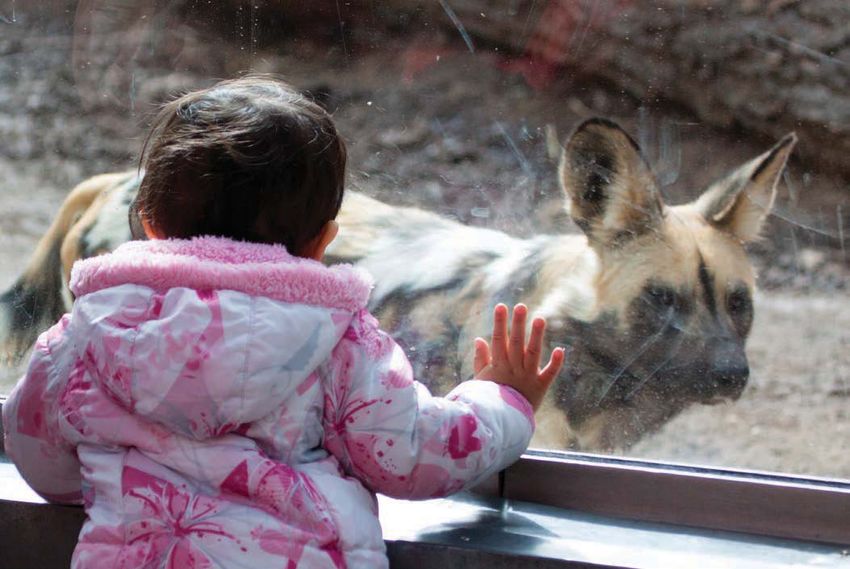
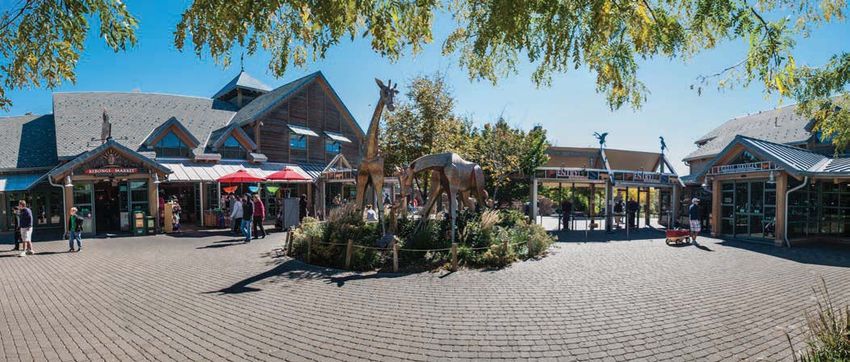
The Denver Zoo Front Entry Complex and Predator Ridge is a groundbreaking project completed in 2004. The
focus on the guest arrival sequence and revenue operation was unique at the time of completion and began a trend
of front entry focus across the country at many zoos. Predator Ridge is a multi-species, flex habitat African predator
exhibit that revolutionized both the management of large carnivores and zoo exhibit visitor experience.

    A. Discussion will focus on the important aspects of visitor entry and orientation and innovations in animal
       management and visitor experience.

II. Denver Zoo Campus and Design
Early municipal leaders had a vision for the city that included transforming the short grass prairie full of sagebrush
and rattlesnakes into a civic jewel, exemplifying their “City Beautiful” concept. In 1881 City Park was initiated by
Richard Sopris, who served as a previous mayor and became known as the “Father of City Park.” In 1896 the new
mayor Thomas S. McMurray sent a black bear to City Park and started what was to become Denver Zoo. Denver Zoo
has transformed many times over the ensuing years and now spans 80 acres. This history charts the unique aspects
of zoological campus design and animal exhibitory.

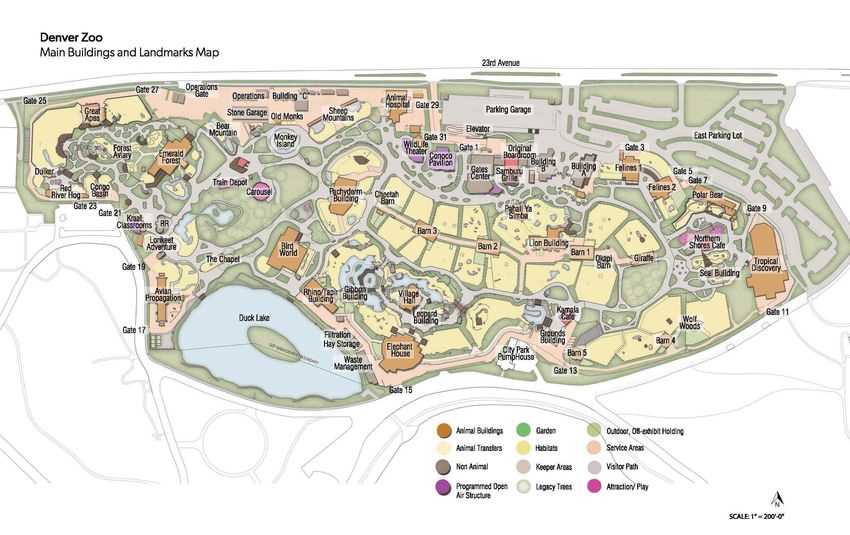
    A. A brief presentation will orient participants to the present Denver Zoo campus and iterations of master
       plans including the most recent plan developed from 2011-2014.
    B.    Included in the presentation will be an introduction to the unique and innovative aspects of selected
          Denver Zoo exhibits.
    C. There will also be an introduction Denver Zoo sustainability practices, including recycled water, ISO 14001
       certification, and a unique campus waste-to-energy system.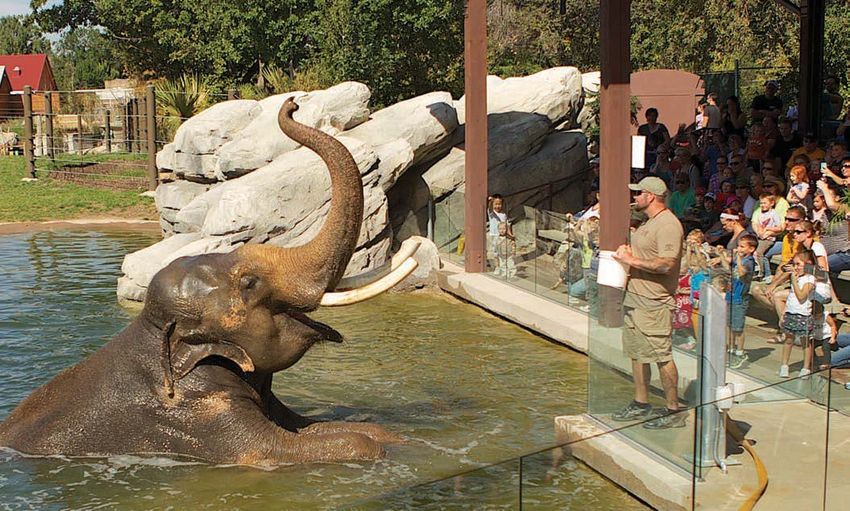
FS-013 The Elephant Gets His Way: Innovation at Denver Zoo

III. Walk to Toyota Elephant Passage
The walk through the zoo from the Gates Education           A. The tour will walk through the “front of house”
Building to Toyota Elephant Passage is transects               exhibit, discussing multiple aspects of the design
generations of zoo design and provides an opportunity          including theme work, visitor experience, animal
to observe the topics discussed in the presentation.           management and containment, exhibit storm water
                                                               management, and exhibit horticulture.
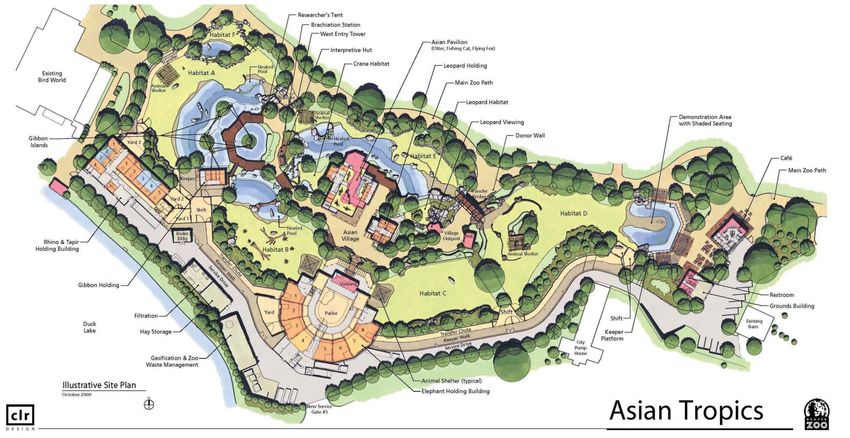
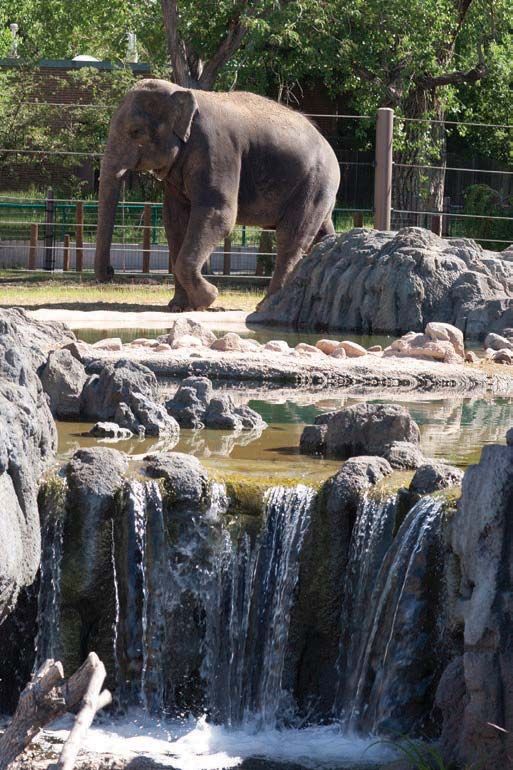
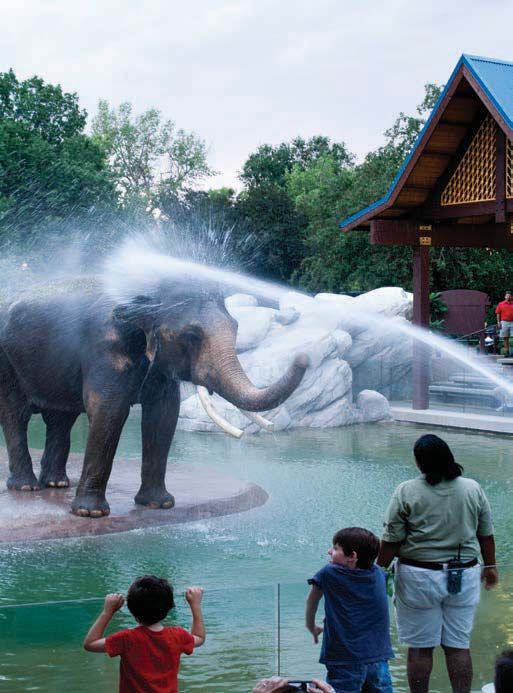
IV. Toyota Elephant Passage
                                                            B.   There will be observation and discussion of the
Toyota Elephant Passage is a ten acre, ten building              challenges and opportunities of sustainable site
LEED platinum exhibit complex that allows visitors to            design as part of a LEED platinum project.
explore and discover the rich history of animals in Asian
                                                            C. There will be an opportunity to see the unique
culture, their complicated relationship with humans and
                                                               applications of recycled water for animal and
the efforts Denver Zoo and its colleagues undertake
                                                               horticultural management.
to protect their future. Guests are immersed in Asian
wildlife and culture through multi-sensory experiences      D. A walk “behind the scenes” will reveal the other
providing greater awareness and understanding of the           side of many of the design challenges in the Toyota
role we all must play in protecting wildlife for future        Elephant Passage site and operations.
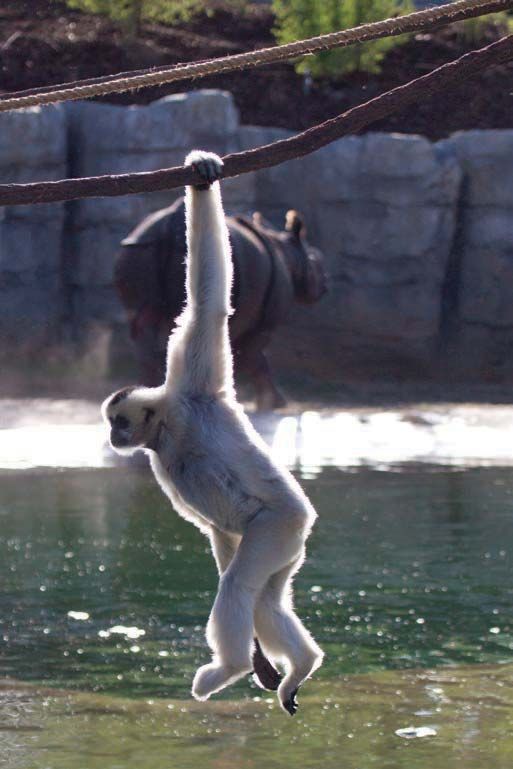
generations. In addition to elephants, the exhibit is       E.   There will also be an opportunity to see the
home to other Asian species, including rhinos, tapirs,           operation of the unique waste-to-energy system
small clawed otters, fishing cats and gibbons.                    converting zoo waste into useable onsite energy.
With six large animal habitats contained in the facility,
the complex exhibit features more than 130 animal           V. Walk to Front Entry Complex and Predator Ridge
transfer gates managed from a central control center,
                                                            The walk through the zoo from Toyota elephant passage
connecting two miles of trails and creating the most
                                                            back to the Front Entry complex will provide one more
dynamic and complex mega-vertebrate exhibit in the
                                                            opportunity to discuss the history and unique aspects of
world.
                                                            Denver Zoo.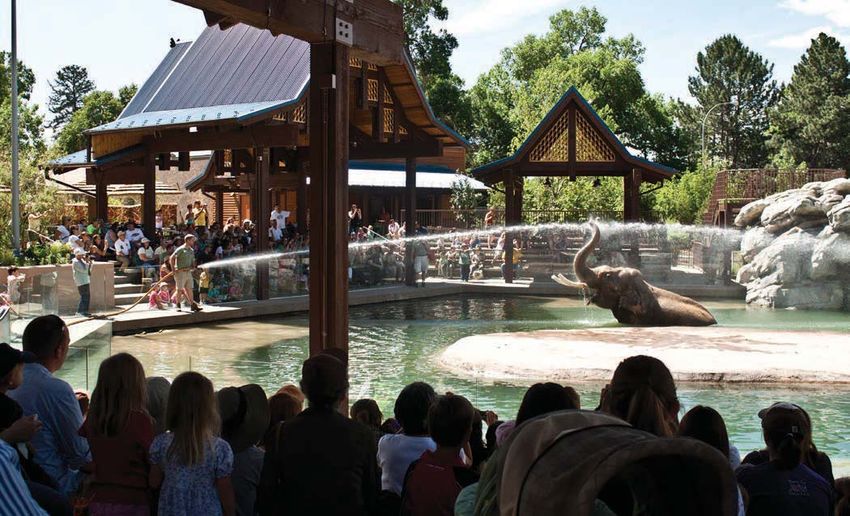
FS-013 The Elephant Gets His Way: Innovation at Denver Zoo
FS-013 The Elephant Gets His Way: Innovation at Denver Zoo
FS-013 The Elephant Gets His Way: Innovation at Denver Zoo

George Pond, ASLA                                               Jeffrey Sawyer, ASLA, LEED-AP
Vice President of Design and Campus Management                  Associate
Denver Zoological Foundation                                    CLR Design
Denver, Colorado                                                Philadelphia, PA

George Pond is the Vice President for Design and                Jeffrey Sawyer, ASLA, LEED AP BD+C: Mr. Sawyer is an
Campus Management at Denver Zoo; he is responsible              associate with over 15 years of experience at CLR Design
for the development and execution of the zoo’s facility         Inc., located in Philadelphia, PA. CLR is celebrating 30
master plan, including the design and construction              years of creating zoo master plans and implementing
of new exhibits and facility improvements. George               immersive, experiential animal exhibits all over the
oversees the Facilities Group which is responsible for          world. Jeff’s interest in sustainable design has helped
facilities planning and design, management of grounds           create several LEED projects and integrate sustainable
and horticulture, maintenance of all existing facilities, and   features into CLR’s animal exhibitry. Jeff has a Bachelor’s
the zoo’s safety and sustainability initiatives including the   of Landscape Architecture from Pennsylvania State
development of a unique waste to energy system.                 University.

George holds a Masters in Architecture and a Masters
in Landscape Architecture, both from the University of
Colorado at Denver, and a Bachelor of Arts in English
from Kenyon College. George has been with the zoo
for 13 years and during that time has also served on
faculty at the College of Architecture and Planning at the
University of Colorado at Denver as a lecturer and senior
instructor in landscape architecture, and is currently an
elected City Councilman in Wheat Ridge, Colorado.
You can also read


