Interventi non farmacologici per la prevenzione del delirium in reparti per acuti - Alessandro Morandi
←
→
Page content transcription
If your browser does not render page correctly, please read the page content below

Interventi non farmacologici per la prevenzione del
            delirium in reparti per acuti
                           Alessandro Morandi
     Dipartimento di Riabilitazione, Fondazione Camplani (Cremona)
        Istituto di Ricerca, Parc Sanitari Pere Virgili (Barcellona)
                            29 Novembre 2019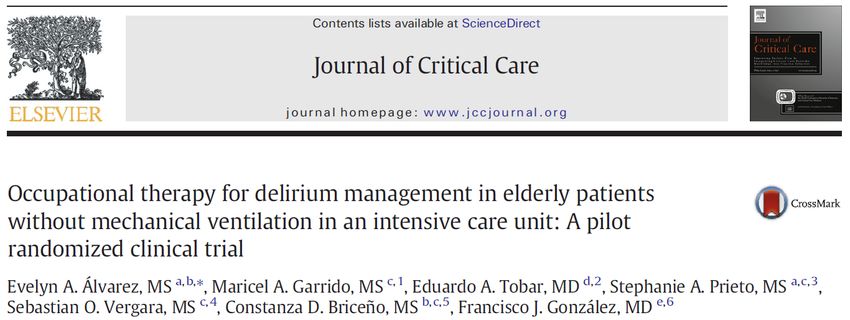
1- Cognitive impairment
2- Sleep deprivation
3- Immobility
4- Visual impairment
5- Hearing impairment
6- Dehydration
2016
DELIRIUM INCIDENCE
HELP PROGRAM INTERVENTIONS

HELP PROGRAM INTERVENTIONS

HELP PROGRAM INTERVENTIONS
What’s the best approach for delirium
     prevention and management?

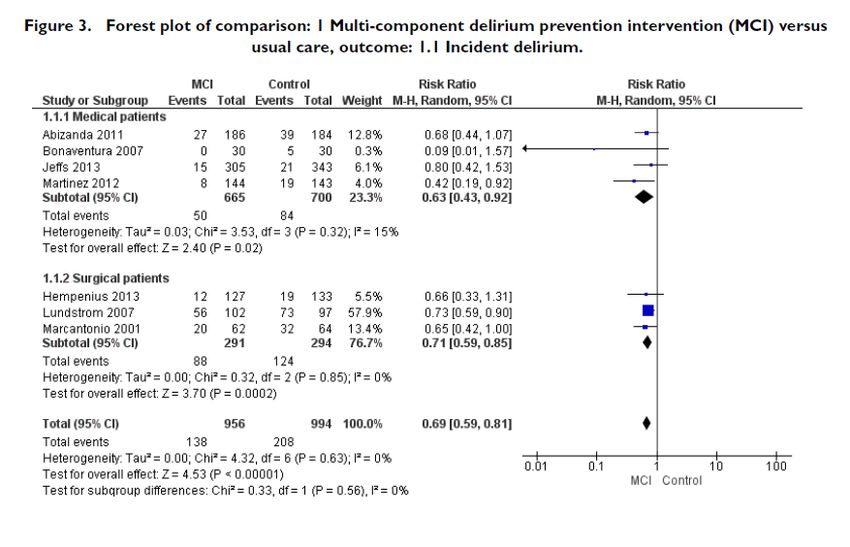
The most recent evidence-based guidelines,
published in March 2019, and recent
consensus statements recommend the
prioritization of multicomponent
nonpharmacological approach for the
prevention and treatment of delirium

               Network SIG. Risk Reduction and management of delirium.
               https://www.sign.ac.uk/sign-157-delirium.html
Interdisciplinary team Physical therapy Occupational therapy
Interdisciplinary team

Physical therapy    Occupational therapy
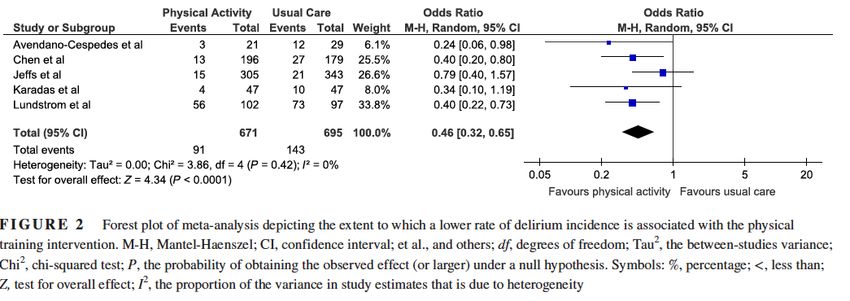
Mobility in the acute hospital
Author Cohort of patients Time of mobilizaione
Callen BL,. Geriatr Nurs. 2004 118 medical patients with mean Median value of only 5.5 min of
age 74.4 years ambulating in the hallways at
daytime
Brown CJ, et al. J Rehabil Res 47 male medical patients with Using accelerometer-based
Dev. 2008 mean age 73.9 years technology: 3.7% of their total
time standing and/or walking
Pedersen MM, et al. J Gerontol 48 ambulatory medical patients 4.6% (66 min) of their total time
A Biol Sci Med Sci. 2013 with mean age of 84.7 years standing and/or walking
Villumsen M, et al. J Aging Phys 100 geriatric patients with mean 5.8% (83 min) of their total time
Act. 2015 age 84 years standing and/or walking
Ostir GV, et al. J Am Geriatr 224 patients with mean age of Active 80 min the first 24 h of
Soc. 2013 76.1 years admitted to an Acute hospital stay
Care for Elders hospitalAustralasian J on Aging 2019
JAGS 2018
Prehabilitation in frailty older adults • Inclusion of physical exercise in prehabilitation programs for older frail adults undergoing scheduled surgery • Regarding delirium, we are beginning to observe positive effects of prehabilitation programs with a reduction in delirium incidence 110, although more studies are needed Milder DA, et al. The role of prehabilitation in frail surgical patients: A systematic review. Acta Anaesthesiol Scand. 2018. Janssen TL, et al. Multimodal prehabilitation to reduce the incidence of delirium and other adverse events in elderly patients undergoing elective major abdominal surgery: An uncontrolled before-and-after study. PLoS One. 2019.
Interdisciplinary team

Physical therapy    Occupational therapy
1

What is the current evidence?         7

                                Lancet 2009

                  2018
Activity based Occupational Therapy intervention for delirium
superimposed on dementia in nursing home settings: a feasibility study
Christian Pozzi OT, MSc1,2, Alessandro Lanzoni OT3,9, Elena Lucchi PsyD2,4,
Isabella Salimbeni MD5, Luc Pieter DeVreese MD, PhD6, Giuseppe Bellelli7,
MD, Andrea Fabbo8, MD, Alessandro Morandi MD, MPH,2,4
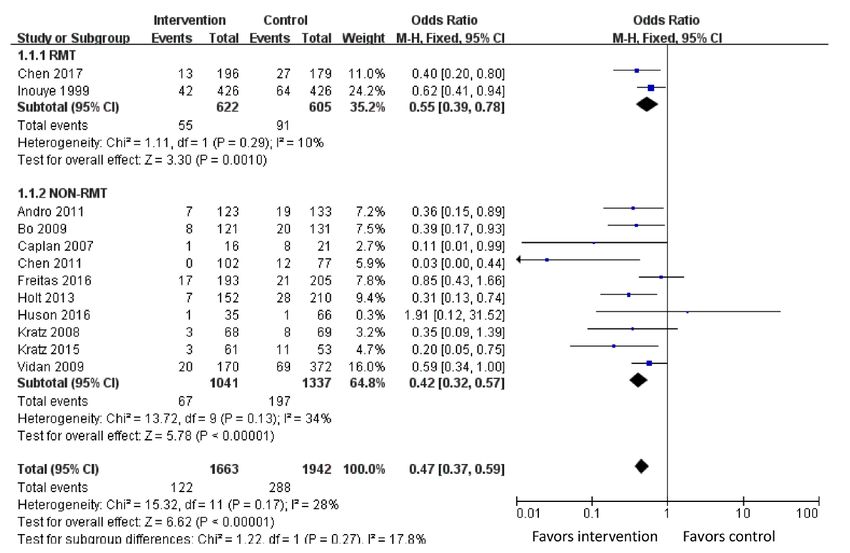
In Press Ageing Clin Exp Research 2019Efficacy of occupational therapy • Reduction in the duration of delirium • Better functional outcomes at discharge • Progress through range of motion, sitting, standing, walking, ADLs. 29/01/2020 19
BMC Geriatrics
    2019
The interdisciplinary Delirium Champion
• “The role of each society is not only to endorse
delirium knowledge and education among
health care providers but also to increase
awareness in the community and the healthcare
stakeholders”
• “Collect information on the economic costs of
such implementations since it has been shown
that delirium programs can significantly reduce
health care costs in patients with delirium”
Morandi et al. BMC Geriatrics 2019Grazie per l’attenzione
morandi.alessandro@gmail.com
European Delirium Association 2020
Barcelona
November 12-13
www.europeandeliriumassociation.orgYou can also read


