Issued: June 25, 2020 - John Guilfoil Public Relations LLC
←
→
Page content transcription
If your browser does not render page correctly, please read the page content below

Issued: June 25, 2020

         1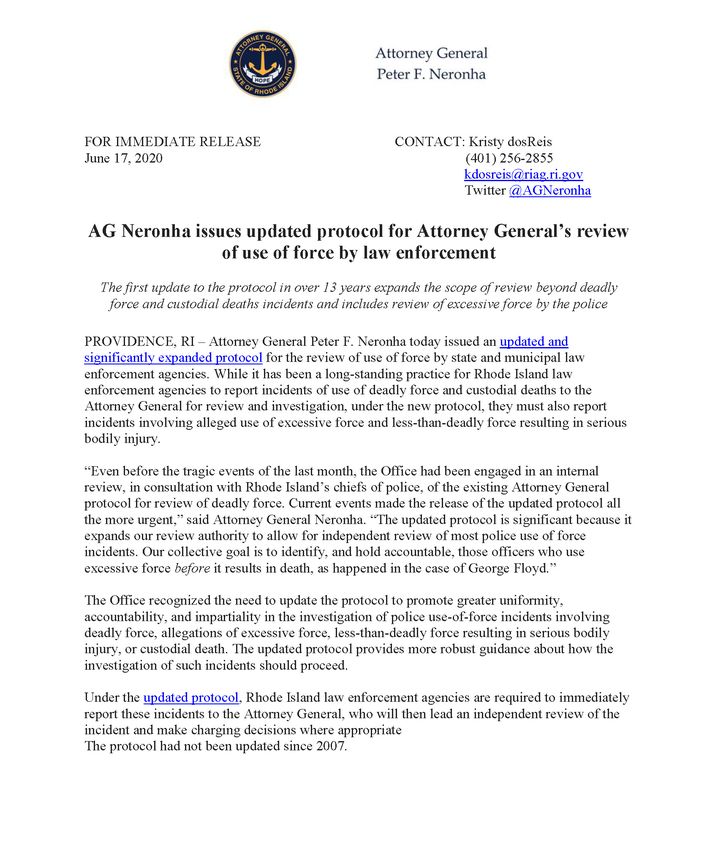
WE STAND

 UNITED                    FOR RHODE ISLAND
Systemic racism exists in our society and it exists in the criminal
justice system. Like a cancer, it grows when it is unchecked. The
names of George Floyd, Breonna Taylor, and Ahmaud Arbery are
etched in our minds, but many other names are not.

The men and women that work in the profession of law enforcement
in Rhode Island became police officers to help people, to save lives
and ultimately, if called upon, to lay down their lives. We disavow
anyone wearing a badge who takes or ruins a human life needlessly.

We understand there is work to be done, and we remain committed
to adopting and following the best practices so that we can continue
to carry out duties fairly and impartially.

The collective police departments of Rhode Island, represented by
the Rhode Island Police Chiefs’ Association, is launching the 20 for
2020 campaign; a list of twenty promises and policy changes that
are being enacted statewide. This is a unified effort. We recognize
that we cannot create systemic change in our state by doing it
piecemeal.

This is, and will continue to be, an ongoing effort to combat systemic
racism, and form sustaining foundations for safe and secure
communities in Rhode Island.
                                      Chief Sidney Wordell (Ret.)
              Executive Director of the Rhode Island Police Chiefs’ Association

                                  2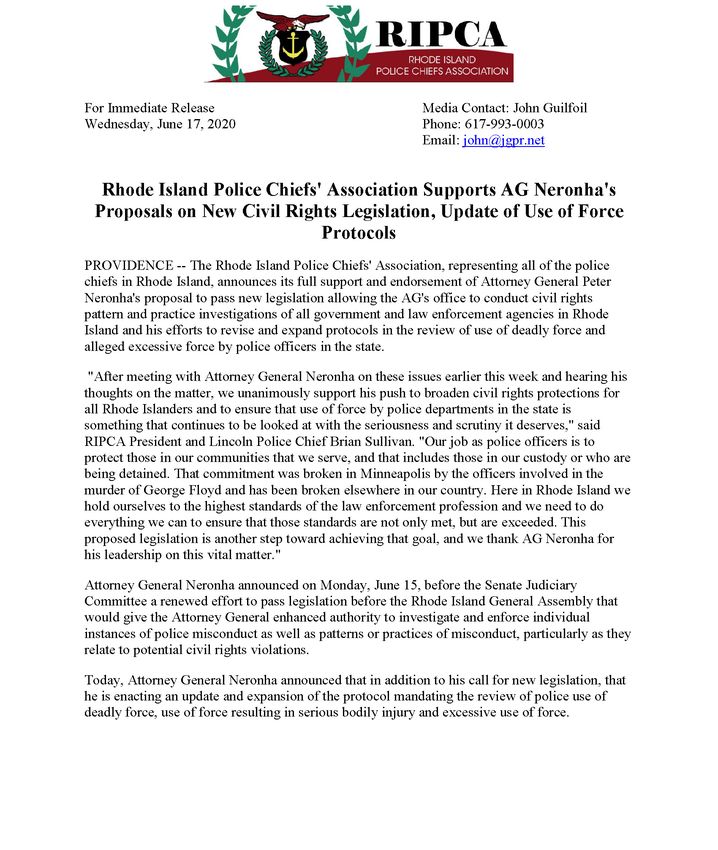
CONTENT
RIPCA EXECUTIVE DIRECTOR MESSAGE                     2

TABLE OF CONTENTS                                    3

STATEMENTS OF PRINCIPLES 1-2                         4

STATEMENTS OF PRINCIPLES 2-3                         5

PROMISES & POLICY AMENDMENTS 4-7                     6

PROMISES & POLICY AMENDMENTS 8-12                    7

PROMISES & POLICY AMENDMENTS 13-16                   8

PROMISES & POLICY AMENDMENTS 17-20                   9

SIGNED BY LIST                                      10

CHIEF’S CHECKLIST                                   13

APPENDIX: RI ATTORNEY GENERAL USE OF FORCE REVIEW
                                                    14
PRESS RELEASE

APPENDIX: RIPCA RESPONSE TO ATTORNEY GENERAL USE
                                                    15
OF FORCE REVIEW

APPENDIX: RHODE ISLAND USED OF FORCE POLICY         16

APPENDIX: NAACP LAW ENFORCEMENT STANDARDS           21

APPENDIX: RIPCA BODY CAMERA WHITE PAPER &
                                                    23
RECOMMENDATIONS

                               3
STATEMENTS
 OF PRINCIPLES
 1
  Te pertinax repudiandae his, numquam principes per
      ACKNOWLEDGEMENT
  ut. Mei et sumo accommodare. Vis inABOUT       THE REALITIES OF
                                       graecis omittam
      POLICE
  convenire,  eamBRUTALITY        IN THE
                 salutatus referrentur      WORLD
                                       ea, per probo
  inermis democritum no. Ex inermis fuisset deserunt pro,
The police of Rhode Island denounce the actions of police officers in Minnesota, who
committed or were party to a murder, through their actions and inactions.

We mourn the deaths of George Floyd and every other person killed by police brutality.

In Rhode Island, we take an oath to protect life. We abhor the senseless taking of another
person’s life, especially at the hands of police officers.

We acknowledge that the criminal justice system requires reform at all levels to make it
equitable to every individual, especially persons of color.

2
      DEFENDING THE PROFESSION OF POLICING IN
      RHODE ISLAND
We do stand up for and defend the profession of policing.

Rhode Island has a rigorous, modern accreditation process, ensuring agencies and their
policies are in-line with modern best practices in law enforcement.

Those seeking to “defund” the police are seeking to take funding away from police
departments and invest it elsewhere.

But this argument fails to account for the changes to our profession that have already
occurred.

Just as firefighting has evolved over the years—beyond the extinguishing of fires, to
a heavy focus on emergency medical services, safety, and rescue—the profession of
policing has evolved beyond arrests and investigations.

Today, modern police departments employ social workers, jail diversion coordinators,
youth outreach workers, and recovery coaches as police, nationally, have been leading
the fight against the opioid epidemic.

                                         4
STATEMENTS OF PRINCIPLES

We support a dialog on increasing social services and creating new programs at all levels of
government, but to cut police funding today would hurt vulnerable citizens immediately.

We stand up for the extremely dedicated, educated, well-trained and well-meaning women
and men who have chosen policing—a profession that shortens the lifespan of everyone
who does the job, a profession that requires that you must be ready to give your own life
to save others, a profession that, when done correctly, makes our communities safer and
our lives better.

The men and women in Rhode Island law enforcement are dedicated to doing the right
thing, at the right time, for the right reason, for everyone.

But we acknowledge that our words are meaningless without action and without a
willingness to accept feedback from the people we serve. We have a responsibility to be
accountable to our communities—and are committed to listening and working together
for the common good.

 3     RE-EMPHASIZING TRAINING STANDARDS

Police in Rhode Island are rigorously trained. We are not trained to use chokeholds to
aid in the apprehension of a suspect, and our statewide Use of Force policy prohibits it.
We do not train to place a defenseless person on their face where they can’t breathe.
The Rhode Island Police Chiefs’ Association will ensure that this training is emphasized
in every agency.

1. We reaffirm our commitment to Rhode Island’s statewide Police Use of Force model
   that has been rigorously developed over time and that meets or exceeds the nationally
   distributed “8 Can’t Wait” and similar movements and recommendations on use of
   force, including prohibition of any technique intended to cut off blood flow or oxygen
   to the brain, including chokeholds, to apprehend a suspect.

2. Existing statewide policy requires “Duty to Intervene” when an officer witnesses
   excessive force.

3. Rhode Island police officers are trained to use the minimum amount of force necessary
   to ensure the safety of all and the safe apprehension of a suspect.

4. Every police department in Rhode Island shall train each of its officers on the following
   principles:
    • De-escalation
    • Implicit Bias
    • Procedural Justice
    • Police Legitimacy

                                           5
PROMISES & POLICY AMENDMENTS

                                                         The men and women
                                                           in Rhode Island law
                                                             enforcement are
                                                         dedicated to doing the
                                                         right thing, at the right
                                                       time, for the right reason,
                                                               for everyone.

 4     RIGHT TO
       PEACEFUL PROTEST                                5     NEWS MEDIA & OFFICER
                                                             IDENTIFICATION
Every police department in Rhode Island supports       Every Police Department in Rhode Island pledges
the right of all people to peacefully assemble and     to respect and uphold the right of journalists
protest.                                               and the news media to do their job and perform
                                                       their duties without fear of unlawful arrest or
The people of Rhode Island should feel safe and        harassment from police.
secure assembling peacefully and petitioning their
government agencies without fear of reprisal,          All officers in the State of Rhode Island shall
intimidation or undue aggression from police.          provide their name and badge number at anytime
Rhode Island Law Enforcement agencies will             if requested.
uphold the constitutional rights of those engaged
in peaceful and lawful protests. Agencies will avoid
using provocative tactics and equipment that
undermines civilian trust.

 6 PUBLIC POLICIES                                     7 ACCREDITATION
Every police department in Rhode Island shall          The Rhode Island Police Chiefs’ Association and
post their Use of Force, Use of Force Reporting,       its member chiefs shall commit to every police
Complaint Processing, and Bias Based Policing          department in Rhode Island achieving state
Prohibition policies on their respective department    accreditation under the Rhode Island In-State
websites and on the Rhode Island Police Chiefs’        Accreditation Commission.
Association website so that the public can view
and access these policies anytime, without filing a
public records request.

Certain policies have already been required to
be posted on websites to meet accreditation
standards. This extends to include more policies
and all agencies, accredited or not.

                                                   6
PROMISES & POLICY AMENDMENTS

    8 FEEDBACK                                                      9 RESTORATIVE
                                                                      JUSTICE
Every police department in Rhode Island shall                 The Rhode Island Police Chiefs’ Association shall
create a form on its website for citizen feedback             seek to promote restorative justice, with the
and complaints, which will go directly to the Chief           long-term goal of creating a statewide restorative
of Police or the Internal Affairs office of the agency.       justice program that all agencies can use to
                                                              ensure community harmony without the stain of a
All complaints, including anonymous complaints,               criminal record for certain non-violent offenders.
will be investigated.
                                                              Restorative justice is a voluntary process, done
Every police department in Rhode Island will                  only with the approval of a victim, involving the
explore the creation and implementation of                    whole community and the offender.
a verified Facebook page and Twitter account                  • Can repair breach caused by vandalism,
subject to any legal restrictions or municipal or                 property crime and quality-of-life crime
university policies.                                              without involving the court system and without
                                                                  giving the offender a criminal record.
All Rhode Island Police Departments will post a
link on their website to the Department of Justice’s
Civil Rights Reporting Portal, a new online tool to
make it easier for the public to report a civil rights
violation.                                                       11       OFFICER
                                                                          WELLNESS

                                                                 Every police department in Rhode Island commits

10        BODY & CRUISER
          CAMERAS
                                                                 to a police officer wellness program that supports
                                                                 physical and mental health and will work with
                                                                 the Rhode Island Police Chiefs’ Association to
Every police department in Rhode Island shall                    standardize such a program.
explore establishing a body-worn camera program
and a cruiser camera program. Each department
shall present their research to their municipalities
or governing bodies.

The Rhode Island Police Chiefs’ Association shall
                                                                 12       SOCIAL SERVICE
                                                                          MUTUAL AID
likewise research possible statewide grants or                  The Rhode Island Police Chiefs’ Association shall
federal funding that would reduce the cost to                   establish a database of community service, social
taxpayers, helping ensure less disparity between                service, youth service, social workers, recovery
communities.                                                    coaches, and specialty service providers in each
                                                                police department in the state.
The Rhode Island Police Chiefs’ Association has
produced a whitepaper on this issue and shall                   The database shall be made available to all law
publish it on its website.                                      enforcement agencies in the state, as well as in
                                                                Connecticut and Bristol County, Massachusetts
                                                                to ensure that neighboring agencies have access
                                                                to “mutual aid” specialty resources whenever they
                                                                are needed.

                                                          7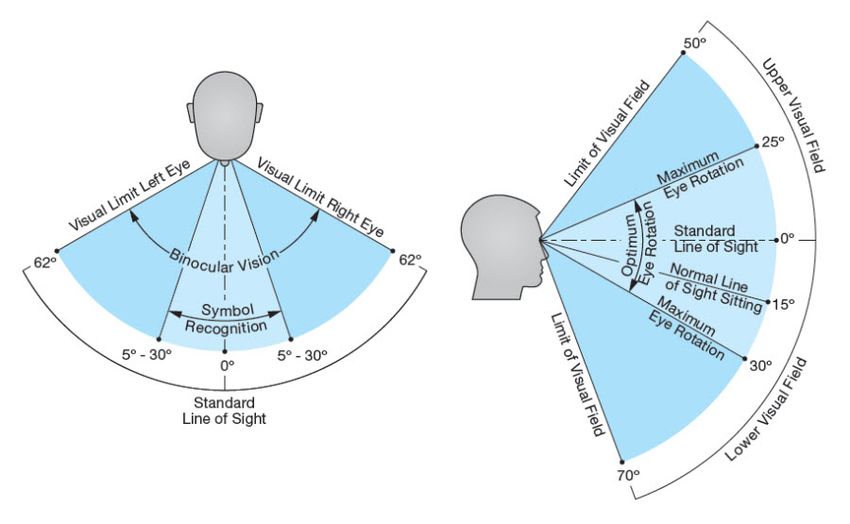
PROMISES & POLICY AMENDMENTS

  We have a responsibility to be accountable to our
  communities—and are committed to listening and
      working together for the common good.

13       UNIFORM USE OF FORCE &
         CIVIL RIGHTS VIOLATION
         REPORTING
                                                            14      FACE-TO-FACE
                                                                    INTERACTIONS

The Rhode Island Police Chiefs’ Association                 Every Police Department in Rhode Island will
commits to develop and implement a statewide,               host an open forum four times per year, starting
uniform excessive use of force reporting system.            on Zoom or a similar online platform and moving
                                                            in-person as COVID-19 public health guidelines
All use of force incidents statewide that meet the
                                                            permit.
FBI’s CJIS Use of Force Database requirements,
including any use of force that results in the death
                                                            Whether in a formal auditorium setting or
or serious bodily injury of a person, as well as when
                                                            “Coffee with a Cop,” all will be welcome and
a law enforcement officer discharges a firearm at
                                                            chiefs and officers will answer questions from
or in the direction of a person, shall be reported.
                                                            the community.

15        LAW ENFORCEMENT
          BILL OF RIGHTS                                    16      COMMITMENT TO
                                                                    DIVERSITY HIRING
The Rhode Island Police Chiefs’ Association will             The Rhode Island Police Chiefs’ Association
work with state lawmakers to review and make                 commits to the creation of a standardized outreach
updates to the Rhode Island Law Enforcement                  process for recruitment by all departments in
Officers’ Bill of Rights (LEOBOR).                           order to reach new communities of individuals
                                                             and to diversify ranks.

                                                        8
PROMISES & POLICY AMENDMENTS

     “I commend the police chiefs for
    recognizing the need for swift and
                                                  17 EXTERNAL
                                                     TRAINING
                                                  Every Police Department in Rhode Island shall
 comprehensive action in what I believe           incorporate training resources or book a speaker
  is a critical moment for all of us in law       from a social justice/community relations
 enforcement. I look forward to working           organization at least once per year in order to
                                                  strengthen law enforcement relationships with
   collaboratively with the Rhode Island          the communities they serve.
   Police Chiefs’ Association to advance
                                                  In addition, the Rhode Island Police Chiefs’
these important issues and identify ways
                                                  Association shall conduct annual hate crimes
 we can bring about necessary change.”            trainings from social justice/community relations
 -Attorney General Peter F. Neronha               organizations like the ADL New England at least
                                                  once per year. Individual agencies shall welcome
                                                  speakers from other local, regional and national
                                                  cultural or advocacy organizations.

                                                  18 REVIEW
                                                     NAACP GUIDELINES

                                                  Every Police Department in Rhode Island shall
                                                  review the NAACP’s “Standards Every Law
                                                  Enforcement Agency Should Have” and seek to
                                                  incorporate the standards into their policies and
                                                  procedures.

                                                  19 ONLINE
                                                     LIBRARY
                                                            TRAINING

                                                  The Rhode Island Police Chiefs’ Association shall
                                                  maintain an open library on its website including:
                                                     • Training resources
                                                     • Diversity and bias resources
                                                     • Research and scholarly works on criminal
                                                         justice
                                                     • Downloadable resources for police
                                                         departments

                                                  20 IMPLICIT
                                                     BIAS TRAINING
                                                  The Rhode Island Police Chiefs’ Association
                                                  shall seek to have chiefs and officers trained
                                                  as instructors through the RITE Academy, or
                                                  other program with similar curriculum, with the
                                                  intention of training the entire police department
                                                  on cultural bias and implicit bias.

                                              9
SIGNED BY

 CHIEF DINO      CHIEF KEVIN M.     CHIEF STEPHEN   CHIEF DANIEL
DECRESCENZO          LYNCH             J. LYNCH     BARZYKOWSKI
 BARRINGTON          BRISTOL         BURRILLVILLE    CENTRAL FALLS

CHIEF MICHAEL    ACTING CHIEF          CHIEF        CHIEF JOHN R.
  PALIOTTA        FREDERICK          MICHAEL J.      DESMARAIS
                    HEISE            WINQUIST
 CHARLESTOWN        COVENTRY          CRANSTON        CUMBERLAND

   CHIEF         CHIEF WILLIAM       CHIEF DAVID    CHIEF JOSEPH J.
 STEPHEN J.          NEBUS              BREIT         DELPRETE
  BROWN
EAST GREENWICH   EAST PROVIDENCE        FOSTER         GLOCESTER

CHIEF DAVID S.   CHIEF EDWARD       CHIEF RICHARD    CHIEF BRIAN
   PALMER          A. MELLO          S. TAMBURINI    W. SULLIVAN
  HOPKINTON        JAMESTOWN          JOHNSTON          LINCOLN

                               10
SIGNED BY
In Rhode Island, we take an oath to protect life. We abhor the
senseless taking of another person’s life, especially at the
hands of police officers.
CHIEF SCOTT N. CHIEF WILLIAM CHIEF SEAN CHIEF ANTONE
RAYNES D. KEWER CORRIGAN MONROE
LITTLE COMPTON MIDDLETOWN NARRAGANSETT NARRAGANSETT
TRIBAL POLICE
CHIEF GARY CHIEF VINCENT CHIEF PATRICK CHIEF ARTHUR
SILVA T. CARLONE FLANAGAN J. MARTINS
NEWPORT NEW SHOREHAM NORTH NORTH
KINGSTOWN PROVIDENCE
CHIEF TIM CHIEF TINA CHIEF BRIAN CHIEF HUGH T.
LAFFERTY GONCALVES PETERS CLEMENTS, JR.
NORTH SMITHFIELD PAWTUCKET PORTSMOUTH PROVIDENCE
CHIEF ELWOOD CHIEF DONALD CHIEF RICHARD CHIEF JOSEPH
M. JOHNSON, DELAERE P. ST. SAUVEUR GEABER, JR.
JR.
RICHMOND SCITUATE SMITHFIELD SOUTH
KINGSTOWN
11SIGNED BY
CHIEF PATRICK CHIEF ROY M. COLONEL RICK CHIEF SHAWN
JONES BORGES J. RATHBUN LACEY
TIVERTON WARREN WARWICK WESTERLY
CHIEF CHIEF MARK CHIEF THOMAS CHIEF LEO
RICHARD KNOTT OATES MESSIER
RAMSAY
WEST GREENWICH WEST WARWICK WOONSOCKET RHODE ISLAND
AIRPORT
CHIEF JOSEPH CHIEF DEAN CHIEF SHERIFF COLONEL
T. LITTLE, JR. HOXSIE DAVID M. JAMES M.
DECESARE MANNI
RI CAPITOL POLICE RI DEPT OF RI SHERIFF’S DEPT. RI STATE POLICE
ENVIRONMENTAL
MANAGEMENT
CHIEF CHIEF SEAN T. CHIEF JAMES J. CHIEF
MARK J. COLLINS MENDONCA STEPHEN N.
PORTER BAKER
BROWN CCRI (KNIGHT RHODE ISLAND UNIVERSITY OF
UNIVERSITY CAMPUS) COLLEGE RHODE ISLAND
12APPENDIX
CHIEF’S CHECKLIST
6: PUBLIC POLICIES
Post your department’s Use of Force, Use of Force Reporting, Complaint Processing, and
Bias Based Policing Prohibition policies on your department website.
Provide electronic copies of your department’s Use of Force, Use of Force Reporting,
Complaint Processing, and Bias Based Policing Prohibition policies to RIPCA.
7: ACCREDITATION
Achieve state accreditation under the Rhode Island In-State Accreditation Commission.
8: FEEDBACK
Create a form on your department website for citizen feedback and complaints, which
goes directly to the Chief of Police or the Internal Affairs office.
Explore the creation and implementation of a verified Facebook page and Twitter account
subject to any legal restrictions or municipal or university policies.
Post a link to the Department of Justice’s Civil Rights Reporting Portal on your department
website.
10: BODY & CRUISER CAMERAS
Explore establishing a body-worn camera program and a cruiser camera program.
Present research on establishing a body-worn camera program and a cruiser camera pro-
gram to your municipality or governing bodies.
11: OFFICER WELLNESS
Establish an officer wellness program that supports physical and mental health.
13: UNIFORM USE OF FORCE & CIVIL RIGHTS VIOLATION REPORTING
Incorporate language into your policies and procedures requiring that all use of force
incidents statewide that meet the FBI’s CJIS Use of Force Database requirements, includ-
ing any use of force that results in the death or serious bodily injury of a person, as well
as when a law enforcement officer discharges a firearm at or in the direction of a person,
shall be reported.
14: FACE-TO-FACE INTERACTIONS
Schedule and host four public forums before June 2021.
17: EXTERNAL TRAINING
Incorporate training resources or book a speaker from a social justice/community relations
organization at least once per year.
18: REVIEW NAACP GUIDELINES
Review the NAACP’s “Standards Every Law Enforcement Agency Should Have” and seek to
incorporate the standards into department policies and procedures.
13APPENDIX
14APPENDIX
15APPENDIX
16APPENDIX
17APPENDIX
18APPENDIX
19APPENDIX
20APPENDIX
21APPENDIX
22RIPCA Rhode Island Police Chiefs’ Association Body Worn Cameras: Considerations & Identified Issues Date: May 2016
Acknowledgements
Initiated and released by the Rhode Island Police Chiefs’ Association, this document was
developed with support from across the organization and in direct collaboration with the
following:
Key Contributors
Paul L. Andrews, Esq.                                 Chief Elwood M. Johnson, Jr.
Rhode Island Department of Public Safety              Richmond Police Department

Director Stephen Baker                                Joee Lindbeck, Esq.
URI Department of Public Safety                       Department of Attorney General

Derek Blood                                           Colonel Richard G. Silva
Salve Regina University                               West Warwick Police Department

Paul M. Brouillette                                   David Smith
Rhode Island Interlocal Risk Management Trust         Salve Regina University

Colonel Hugh T. Clements, Jr.                         Chief Brian W. Sullivan
Providence Police Department                          Lincoln Police Department

Trooper William C. Corson                             Stacey P. Veroni, Esq.
Rhode Island State Police                             Department of Attorney General

Paul F. Dutra, Esq.                                   Major Robert S. Wall
Rhode Island Interlocal Risk Management Trust         Rhode Island State Police

Michael Field, Esq.                                   Colonel Michael J. Winquist
Department of Attorney General                        Cranston Police Department

Document Template
Microsoft CRM4 Performance and Scalability Assessment of Customer Implementation.docx

Resource Acknowledgement
Roger Williams University
Salve Regina University
University of Phoenix

Feedback
Please send comments or suggestions about this document to mkite@cranstonpoliceri.com.

                                                                                                   2

MAY 2016                                        BODY WORN CAMERAS: CONSIDERATIONS & IDENTIFIED ISSUES
Legal Notice
The information contained in this document represents the current view of Rhode Island Police Chiefs’
Association on the issues discussed as of the date of publication. Because Rhode Island Police Chiefs’
Association must respond to changing conditions, it should not be interpreted to be a commitment on the
part of Rhode Island Police Chiefs’ Association, and Rhode Island Police Chiefs’ Association cannot
guarantee the accuracy of any information presented after the date of publication.
This White Paper is for informational purposes only. RHODE ISLAND POLICE CHIEFS’ ASSOCIATION MAKES
NO WARRANTIES, EXPRESS, IMPLIED OR STATUTORY, AS TO THE INFORMATION IN THIS DOCUMENT.
Complying with all applicable copyright laws is the responsibility of the user. Without limiting the rights
under copyright, no part of this document may be reproduced, stored in or introduced into a retrieval
system, or transmitted in any form or by any means (electronic, mechanical, photocopying, recording, or
otherwise), or for any purpose, without the express written permission of Rhode Island Police Chiefs’
Association Corporation.
Rhode Island Police Chiefs’ Association may have patents, patent applications, trademarks, copyrights, or
other intellectual property rights covering subject matter in this document. Except as expressly provided in
any written license agreement from Rhode Island Police Chiefs’ Association, the furnishing of this document
does not give you any license to these patents, trademarks, copyrights, or other intellectual property.
© 2016 Rhode Island Police Chiefs’ Association Corporation. All rights reserved.
Rhode Island Police Chiefs’ Association and Rhode Island Police Chiefs’ Association Logo are trademarks of
the Rhode Island Police Chiefs’ Association.
All other trademarks are property of their respective owners.
Preface
Working closely with contacts in a variety of roles, the Rhode Island Police Chiefs’ Association
has access to documentation and resources, which individual municipal and state
policymakers, administrators, elected officials, and the public can benefit.
This paper is based on the results of research and analysis of data by Rhode Island Police
Chiefs’ Association of existing published studies, articles, model policies, implemented policies,
and recommended best practices related to the implementation of a Body Worn Camera
Program. This paper was designed to identify real world issues and considerations that should
be addressed by any state or local agency prior to the deployment of Body Worn Cameras.
Mission Statement:
The mission of the Rhode Island Police Chiefs’ Association shall be to assist its members and
all law enforcement officers in the State of Rhode Island with the administration of public
safety; to promote harmony and trust between law enforcement and the public; to enhance
the effectiveness of law enforcement in the State; to strengthen public confidence in the police
profession; and to improve the quality of life in the communities we serve.
Vision Statement:
As the leading law enforcement executive association in our state, we promote integrity, and
professionalism; providing a better quality of life for everyone within the State of Rhode
Island.
3
BODY WORN CAMERAS: CONSIDERATIONS & IDENTIFIED ISSUES MAY 2016Body Worn Cameras
CONSIDERATIONS & IDENTIFIED ISSUES
Prepared for
RIPCA
May 2016
Version 0.6 Draft
Contributors
Rhode Island Police Chiefs’ Association
Rhode Island Office of the Attorney General
Rhode Island Interlocal Trust
Prepared by
Matthew J. Kite, LP.D.
mkite@cranstonpoliceri.com
4
MAY 2016 BODY WORN CAMERAS: CONSIDERATIONS & IDENTIFIED ISSUESRevision and Signoff Sheet
Change Record
Date Author Version Change reference
03/16/2016 Matthew J. Kite .1 Initial draft for review/discussion
03/17/2016 Matthew J. Kite .2 Second draft for review/discussion
03/17/2016 Matthew J. Kite .3 Third draft for review/discussion
05/4/2016 Matthew J. Kite .4 Fourth draft for review/discussion
5/17/2016 Matthew J. Kite .5 Fifth draft for review/discussion
5/20/2016 Matthew J. Kite .6 Sixth draft for review/discussion
1.0 Updated with additional content and feedback from review comments
Reviewers
Name Version approved Position Date
Distribution
Name Position
CIO
CRM Project Manger
CTO CRM project
– Project Manager
– CRM Architect
5
BODY WORN CAMERAS: CONSIDERATIONS & IDENTIFIED ISSUES MAY 2016Table of Contents
Executive Summary 7
Issues for Consideration 8
• Purpose of Implementing a BWC Program 8
o Perceived Benefits 8
Furthering law enforcement and community objectives 8
Improving accountability and professionalism, Improving Citizen
Behavior, and expediting the resolution of police misconduct 9
complaints
Increasing police training opportunities 9
Improving transparency and trust 9
o Concerns 9
Citizen and officer privacy 10
Access to and review of recordings 10
Officer health and safety 11
Training and policy requirements 11
Resource requirements 12
Appendix A – Understanding BWC Capabilities & Limitations 14
References 17
6
MAY 2016 BODY WORN CAMERAS: CONSIDERATIONS & IDENTIFIED ISSUESExecutive Summary In considering the implementation of a body-worn camera (BWC) program, there are many variables that still remain unquantified. These variables include the retention period for both evidentiary and non-evidentiary data, personnel costs associated with the management of the storage system along with public records requests, and the demands of any potential future legislation. The State of Rhode Island is made up of a diverse group of communities. It would be difficult to formulate a “one-size” solution for all law enforcement agencies throughout the state based upon, but not limited to, the variables above. A statewide unfunded mandate could be devastating to those communities that do not have the financial, technical, or personnel resources to comply. There are potentially some externalities, either positive or negative, that have yet to be identified due to the limited data related to BWC programs that is available. The following report is based upon the most current available research. In conducting this research, it became evident that there is a limited pool of research to examine. As with any emerging technology, the first studies form the foundation on which continued research is built. Much of the latest research relies upon, expands, and references the same group of established studies. As the study of the effects of BWC on policing continues, this cross referencing of past, current, and future studies will weave a tapestry that will create a more accurate picture of the related dynamics and outcomes. 7 BODY WORN CAMERAS: CONSIDERATIONS & IDENTIFIED ISSUES MAY 2016
Issues for Consideration

Purpose of Implementing a BWC Program
Prior to the implementation of a BWC program in any agency, policymakers must define the
outcomes and expectations of the implementation. Policymakers should decide, through a
cost/benefit analysis, whether or not the projected outcomes will benefit the specific community. A
BWC program is an expensive undertaking and as this paper will demonstrate, the exact cost to
equip officers, store, process, and secure data is extremely difficult to calculate. The unforeseen
expense is one of the most repeated issues coming out of agencies that have implemented a BWC
program.

Perceived Benefits
The Constitution Project (2015, January 28) outlines six potential benefits of body-worn cameras.
These are:

    1.   Furthering law enforcement and community objectives
    2.   Improving accountability and professionalism
    3.   Improving citizen behavior
    4.   Increasing police training opportunities
    5.   Expediting the resolution of police misconduct complaints
    6.   Promoting transparency and trust

These benefits are a common thread presented by many different organizations exploring the issue
of body-worn cameras in policing (White, M., 2014, pg. 18).

Furthering law enforcement and community objectives
Because BWC record incidents as they happen, it is suggested that BWCs could be valuable in
recording and documenting evidence. This evidence could be related both to civil litigation, due to
citizen complaints or lawsuits, and criminal prosecutions (White, 2014, pg. 23-25). While there is
some evidence of increased guilty pleas in studies from the United Kingdom, there is no such
evidence available from any of the studies conducted in the United States (White, 2014, pg. 25-
26). Some legal scholars cite the danger of becoming overly reliant on this type of technology for
successful prosecution (Considering Police Body Cameras, 2015, April 10, pg. 1803). The more
prevalent that video evidence becomes in the courtroom, other types of evidence, like police or
eyewitness testimony, may be seen as less valuable to jurors (Considering Police Body Cameras,
2015, April 10, pg. 1803).

                                                                                                      8

MAY 2016                                       BODY WORN CAMERAS: CONSIDERATIONS & IDENTIFIED ISSUES
Improving accountability and professionalism, Improving Citizen
Behavior, and expediting the resolution of police misconduct complaints
The Police Executive Research Forum (PERF), for example, has evaluated data from multiple
studies that sought to quantify the benefits of police BWC. Citing a study of the Rialto, California
Police Department conducted by the University of Cambridge, PERF references the 60% reduction
in officer use of force and an 88% reduction in citizen complaints (Miller, Oliver, and PERF, 2014,
pg. 5). Based upon this research, it has not been determined whether the reductions in use of force
and citizen complaints was more directly correlated to police officer behavior, citizen behavior, or a
combination of both (Miller, et al., 2014, pg. 5). However, this data should be looked at with
caution. The overall reduction in citizen complaints may not be a result of improved officer conduct,
but may be more closely related to a reduction in frivolous claims that will be quickly disproved by
video evidence (Considering Police Body Cameras, 2015, April 10, pg. 1802; White, 2014, pg. 21).
Furthermore, there is no evidence of the long-term benefits on police and citizen conduct
(Considering Police Body Cameras, 2015, April 10, pg. 1802; White, 2014, pg. 6). Just as people
have become desensitized to CCTV surveillance, police BWC may only result in a short term benefit
(Aronov, 2004).
Increasing police training opportunities
While this would appear to be a reasonable expected outcome, there is no evidence to support this
assumption at this time (White, 2014). It would stand to reason that the more police responses
that are captured on video, the greater the opportunity to capture footage that can be beneficial to
improving police response to specific situations. It has been suggested that this could prove most
beneficial to new officers, both in monitoring their performance and exposing them to examples of
proper police response along with improper police response (Considering Police Body Cameras,
2015, April 10, pg. 1802).
Improving transparency and trust
This is another area where the current research is lacking. While a BWC would serve to document
the actions of a police officer and his or her interactions with the public, however there is not
enough research to draw a correlation between public trust and transparency with the deployment
of BWC (The Constitution Project, 2015, January 28, pg. 7; White, 2014, pg. 19). Some have
suggested that the presence of a BWC can actually make individuals, including witnesses and
informants, to be less likely to speak to the police over concerns of being recorded and having that
footage reviewed at a later date (White, 2014, pg. 27).
Concerns
Because of the nature of police work and the types of situations, locations, and individuals that an
officer may have to respond, there are some identified concerns with this technology that need to
be addressed or at least considered. These issues include (White, 2014, pg. 18):
1. Citizen privacy
2. Officer privacy
9
BODY WORN CAMERAS: CONSIDERATIONS & IDENTIFIED ISSUES MAY 20163. Officer health and safety
4. Training and policy requirements
5. Resource requirements
6. Access to BWC data.
Citizen and officer privacy
Rhode Island is a one party consent state when it comes to recording or intercepting
communication according to RIGL § 11-35-21. This means that an officer who is in a location for a
lawful purpose and is engaging in a conversation with an individual could potentially record that
interaction and this could create privacy issues for not only the individuals directly involved to the
incident requiring police response, but also anyone else who happens to be in the area. Police
officers commonly respond to scenes that involve physical injuries, emotional trauma, or situations
that could be considered personally embarrassing. As Albuquerque Police Sergeant Robert Drager
describes it in a news interview, “officers a lot of times are seeing people on the worst day of their
lives, and we’re capturing that on video that’s now public record” (Hinds, 2013).
In the workplace, BWC represent a change in working conditions, which has been an issue
highlighted by both the Las Vegas Police Protective Association and the New York Police
Department (White, 2014, pg. 28). The random and unsolicited review of stored footage could
reveal private information that was unintentionally recorded.
Access to and review of recordings:
By the officers involved. If an agency is going to implement a BWC program, it is
important that they consider if, when, and how the recorded material is going to be viewed. The
Police Executive Research Forum (PERF) recommends that officers be allowed to review footage
captured by their BWC prior to completing a report or statement (Miller, Oliver, and PERF, 2014,
pg. 45). This is a logical conclusion based upon the fact that a police report is a legal document
that is intended to accurately memorialize a specific event. There are many factors that can
influence memory, retention, and recall. This recommendation is supported by research published
in the Journal of Law Enforcement, which found that the review of video footage from a BWC
improves the accuracy of police reports (Dawes, D., Heegaard, W., Brave, M., Paetow, G., Weston,
B., & Ho, J., 2015). An individual’s memory can be negatively affected by stress, like those
associated with a use of force incident (Meyerhoff, J, Norris, W, Saviolakis, G, Wollert, T, Burge, B,
Atkins, V, Speilberger, C., 2004). These stresses can create a cognitive deficit to memory and the
response to visual stimuli (Morgan, CA, Doran, A, Steffian, G, Hazlett, G, Southwick, S. (2006).
There are, however, opposing opinions on this issue. The Leadership Conference on Civil and
Human Rights recommends that an officer’s access to review camera footage be limited so as “to
preserve the independent evidentiary value of officer recollections of events” (Henderson, W. &
Zirkin, N, personal communication, 2015, January 30). This recommendation falls short of being a
recommendation of prohibition.
By direct supervisors, administrators, and investigators. PERF (Miller, et al., 2014,
pg. 45-46) recommends that policies should clearly outline specific circumstances when a
supervisor, administrator, or investigator can access BWC files. These situations would include
citizen or internal complaints about a specific officer or incident, to include criminal investigations,
identification of training material, and to monitor compliance with established recording policies by
probationary officers, officers who have been identified by an early intervention system, and
officers with a pattern of verbal or physical abuse accusations (Miller, et al., 2014, pg. 45-46).
10
MAY 2016 BODY WORN CAMERAS: CONSIDERATIONS & IDENTIFIED ISSUESBy an internal audit unit. PERF further recommends that periodic random reviews of
footage collected should be conducted by an internal audit unit that is not in the officer’s direct
chain of command (Miller, et al., 2014, pg. 46). The purpose of these reviews is to ensure that the
BWC program is being properly implemented and to ensure compliance and should not have the
perception of being punitive. These compliance reviews should be clearly outlined in department
policy.
By the public. Access to the video and audio data collected on police Body Worn
Cameras needs to be evaluated under the Access to Public Records Act of the Rhode
Island General Laws. Among the most likely exemptions that may need to be
considered is:All records maintained by law enforcement agencies for criminal law
enforcement and all records relating to the detection and investigation of crime,
including those maintained on any individual or compiled in the course of a criminal
investigation by any law enforcement agency. Provided, however, such records shall
not be deemed public only to the extent that the disclosure of the records or
information (a) could reasonably be expected to interfere with investigations of
criminal activity or with enforcement proceedings, (b) would deprive a person of a
right to a fair trial or an impartial adjudication, (c) could reasonably be expected to
constitute an unwarranted invasion of personal privacy, (d) could reasonably be
expected to disclose the identity of a confidential source, including a state, local, or
foreign agency or authority, or any private institution which furnished information on
a confidential basis, or the information furnished by a confidential source, (e) would
disclose techniques and procedures for law enforcement investigations or prosecutions,
or would disclose guidelines for law enforcement investigations or prosecutions or (f)
could reasonably be expected to endanger the life or physical safety of any individual.
Records relating to management and direction of a law enforcement agency and
records or reports reflecting the initial arrest of an adult and the charge or charges
brought against an adult shall be public (R. I. Gen. Laws § 38-2-2(4)(D)).
Agencies should forbid any personnel from the unauthorized accessing of this data for personal
use, public dissemination, or social media.
Officer health and safety
This issue is related to the actual wearing of the BWC device. There are several configurations of
BWC that include head mounted, shoulder mounted, and chest mounted. With each design, there
are specific risks, however, most have a low potential of harm (Goodall, 2007, pg. 28-29).
Members of the United States Custom and Border Protection (2015, August, Pg. 6), during an
evaluation period, voiced concern over a potential reduction of situational awareness and officer
safety practices because of being focused on body position and camera angles.
Training and policy requirements
As some of the topics above have demonstrated, the deployment of BWCs come with a host of
issues that need to be addressed through policy and a training program needs to be developed to
support the effective implementation. Training and policies should clearly address specific legal and
liability issues, including procedures related to voluntary, compulsory, and prohibited use of BWCs
(ManTech, 2012, September, pg. 7-9). Privacy issues and the method of classifying recorded data
11
BODY WORN CAMERAS: CONSIDERATIONS & IDENTIFIED ISSUES MAY 2016in terms of public records must also be memorialized in policies, procedures, and demonstrated
through training (White, 2014, pg. 30).
Resource requirements
The resource requirements are a variable that is difficult to quantify at this point. Not only are
there costs related to the downloading and storage of this data, but also in the retrieval and
redaction. As an example of this issue, the New York Police Department received a request from
NY1, a New York news station, for 190 hours of police BWC footage (Leatherbury, T., Gividen, B.,
Miller, G., 2016, January 30, pg. 6). The bill for retrieval of the footage delivered to NY1 totaled
$39,000.00 and is currently in dispute (Leatherbury, et al., 2016, January 30, pg. 6). T
Duties related to collected data. The United States Customs and Border Protection conducted a
thorough BWC feasibility study in August of 2015. Over the course of each period, 45 agents
recorded 1,037 videos (United States Customs and Border Protection, 2015, August, pg. 5-6). The
average recorded interaction was about 8.5 minutes. There were three individual periods, one
covering 25 days and the other two covering 28 days each (United States Customs and Border
Protection, 2015, August, pg. 5-6). Applying some basic mathematics to the data collected in this
study, an average of 38 videos were recorded a day or 0.84 videos per officer per day. The storage
needed per day, based upon this calculation, an agency would need 72 MB of memory per officer
per day. Over an average of 27 days, the 45 agents recorded 145.18 hours of video requiring
89.18 GB of storage. This is the equivalent of approximately 128 standard 700 MB CD-R Discs or
19 standard 4.7 GB DVD-R discs.
The upload times of data from the BWC to the network averaged 30 minutes per hour of video
recorded (United States Customs and Border Protection, 2015, August, pg. 12). Beyond this, the
administrative functions associated with managing the BWC program averaged between 1-2 hours
per agent and as a result there was an average loss of available duty of 8.3% (United States
Customs and Border Protection, 2015, August, pg. 12-13).
In-house storage. The following estimates are based upon an average of 251 work days
comprised of an eight (8) hour shift. One hour of digital footage can result in a maximum of up to
13 GB of storage space. The approximate cost of storage is currently around $0.04 a GB. Based
upon these assumptions, an officer would require a maximum of 2008 hours of storage, or 26,104
GB a year. As stated previously in this report, this estimate could vary greatly depending upon
retention requirements. The cost of storage per officer would be $1,044.16 annually or
$104,416.00 for 100 officers. This does not include personnel expenses.
Cloud-based storage. Cloud-based storage requires the security of a firm trusted with managing
sensitive information. Based upon the research available, Evidence.com has the reputation and
resources to handle these requirements. Taser charges a flat monthly fee of $99.00 per user for
this service. This would cost $1,188.00 annually per officer or $118,800.00 for 100 officers.
Redacted footage. As video is processed for release, it often must be redacted to comply with
public records and privacy requirements. Juveniles, bystanders in private situations (e.g.
individuals receiving medical treatment), and information not deemed to be public record must be
not only masked, but made inaccessible to file decoding. This includes both audio and video
components of the data. These files are maintained in addition to the original data and can be
larger than the original captured footage file size. While companies like Taser offer “unlimited”
storage through Evidence.com, it should be noted that this is only for the original data uploaded to
the cloud directly from the BWC and does not include additional copies of the video, including
redacted versions. This would require agencies to either purchase supplemental cloud-based
storage for these files or to maintain in-house storage. Along with the cost of the primary in-house
storage, back-up storage would have to be maintained. It is important that files that are going to
be used for evidentiary purposes are not subjected to repeated compression through video and
12
MAY 2016 BODY WORN CAMERAS: CONSIDERATIONS & IDENTIFIED ISSUESaudio codecs as this can result in severe degradation of the quality of both the video and the audio (Canzona, 2010, June 9). Retention schedule. Just as with privacy issues related to information collected in the course of official law enforcement action is addressed in statute, the Office of the Secretary of State provides a schedule for the retention and disposal of these types of materials. Schedule LG 6 does not, however, specifically address retention times for BWC footage (Office of the Secretary of State, 2013, September). This means that a new schedule category would have to be created or each individual recording would have to be evaluated to determine which category applies to the specific piece of footage. Under LG 6.1.2, the retention of complaint report files for non-criminal and motor vehicle accidents is 3 years (Office of the Secretary of State, 2013, September). Policy recommendations Prior to implementing or mandating a BWC program through legislation or policy, it is extremely important to consider the effects that it will have on individual communities and agencies. For this reason, any implementation of this type of program should be left to the municipal level of government. Funding, equipment, and personnel requirements may be crippling to some communities and the shifting of money within budgets may mean that other important municipal programs or services will suffer. Appendix A – Understanding BWC Capabilities & Limitations 13 BODY WORN CAMERAS: CONSIDERATIONS & IDENTIFIED ISSUES MAY 2016
Camera Hardware
Field of vision. One of the factors that must be considered when selecting the camera hardware is
the field of vision. Figure 1 represents the field of vision for an individual with normal binocular
vision. The normal human eye has a total field of vision on the horizontal plane of 124o, including
peripheral vision, which is sensitive to detecting motion but is not reliable for object identification.
Only 60o of this field of vision is effective for symbol recognition. The vertical field of vision
encompasses 120o, with only about 55o in the optimal range of vision (Extron Electronics, n.d.).

Figure 1. Normal binocular human field of vision ("Environmental Considerations and Human
Factors for Design", n.d.).
        The varieties of camera hardware researched for this study have a range of fields of view
from 63o to 180o (United States Department of Justice, 2014, March). There are many different
factors to consider when trying to determine the best option for a police application of BWC, but no
matter the choice, it is important to recognize that a camera does not function, process, or
memorialize information the same as the human eye and therefore, no matter what, the data
collected on a camera may not be representative of the facts and circumstances known to the
officer at any point during the performance of his or her duties (Mauser, 2015).
Night vision. Just as with the field of vision, the human eye processes low light situations
differently from a camera. Obviously those cameras equipped with night vision and infrared
illumination will have superior capabilities to the human eye in low-light and in the absence of
visible light (Green, 2013).
Battery life. Battery life requirements are going to be dependent upon the final policy proposed
for when the use of BWC will be required. The camera systems evaluated list two classifications of
battery life, standby and recording. All cameras, except for the Panasonic Wearable Camera, which
does not have a standby mode, have standby times of 12 hours or greater, with a maximum of 300
hours attributed to the Vid Shield V3. When it comes to active recording time on a full charge,
however, the performance varies greatly. Only the AXON Body, AXON Flex, Duty Cam Observer I,
                                                                                                      14

MAY 2016                                        BODY WORN CAMERAS: CONSIDERATIONS & IDENTIFIED ISSUES
Duty Vue Trooper, and the Vid Mic VX Wireless have the ability to record an entire eight (8) hour shift on a single charge (United States Department of Justice, 2014, March). Mounting. According to a survey conducted by PERF, the chest mounted BWC is currently the most popular among police agencies that have implemented BWC programs. The head/eyeglass mounted systems are also popular due to the relationship of the camera mounting point to head movement and the wearer’s eyes, but the mounting system can be uncomfortable and a source of potential injury. The shoulder/collar-mounted cameras are highly susceptible to obstruction because of officer arm movements and appear to be more vulnerable to being dislodged from the mounting location (Miller, Oliver, and PERF, 2014, pg. 39). Based upon these recommendations from PERF, the AXON Body, Duty Cam Observer I, Duty Vue Trooper, and Vid Mic VX Wireless are the only chest-mounted cameras with the ability to record an entire eight (8) hour shift (United States Department of Justice, 2014, March). Recording time. Just because a camera has the battery capacity to record for an eight (8) hour shift does not mean that it has the memory capacity to do the same. Based upon the ability to record and store an entire shift’s worth of data, the AXON Body, Duty Cam Observer I, Duty Vue Trooper, and Vid Mic VX Wireless all have the requisite capacity (United States Department of Justice, 2014, March). Camera Software Recording format. All of the existing BWC recording formats evaluated in this study are based upon video and audio compression. It is important to acknowledge that depending upon the level of compression to which the data is subjected; the more data is potentially lost. This can have an effect on the ability to analyze stored data, both audio and visual (B., P., Lewetz, H., and Jaks, M., 2015). The AXON Body, Duty Cam Observer I, Duty Vue Trooper, and Vid Mic VX Wireless all utilize common codecs. The AXON Body and Vid Mic VX Wireless both use MPEG 4 and the Duty Cam Observer I and Duty Vue Trooper both use H.264 (United States Department of Justice, 2014, March). Depending upon the variant used, H.264 may be the least compressed option available (B., P., Lewetz, H., and Jaks, M., 2015). Resolution and frame rate. All of the cameras evaluated as part of the United States Department of Justice (2014, March) study met the minimum recommended standards (United States Department of Justice, 2012, September). However, it is important to note that these recommendations were made in 2012 and both the AXON Body and the Vid Mic VX Wireless are meeting this minimum standard. If this standard should be raised based upon the advancements in technology, it may affect the overall financial impact of implementing a statewide BWC program. Additional Video Software. Only the Vid Mic VX Wireless requires the use of proprietary software to access and store the audio/video data, while the AXON Body, Duty Cam Observer I, and Duty Vue Trooper have optional software available (United States Department of Justice, 2014, March). This may be a consideration if agencies want the flexibility of changing to different vendors in the future without having to be concerned about the video already being archived. Table 1 Product comparison and cost estimates. 15 BODY WORN CAMERAS: CONSIDERATIONS & IDENTIFIED ISSUES MAY 2016
The estimated costs in the above table do not include the cost of storing back-up or redacted data, nor does it include initial
contract incentives that some companies offer for the initial implementation of a new contract.

                                                                                                                             16

MAY 2016                                                   BODY WORN CAMERAS: CONSIDERATIONS & IDENTIFIED ISSUES
References
American Civil Liberties Union. (2015, July 20). A model act for regulating the use of wearable body
cameras by law enforcement. Retrieved from
https://www.aclu.org/modelactregulatingusewearablebodycameraslawenforcement.
Aronov, R. F. (2004). Privacy in a Public Setting. Quinnipiac Law Review, 22(4), 769-810.
B., P., Lewetz,H., & Jaks,M. (2015). Comparing video codecs and containers for archives. Retrieved
from
http://download.daswerkstatt.com/pb/mthk/info/video/comparison_video_codecs_container
s.html.
Brunstein, J. (2014, November 20). “How One Guy is Using the Law to Wreak Havoc Over Police
Body Cameras.” Bloomberg Business Week. Retrieved from
www.bloomberk.com/news/articles/2014-11-20/how-one-guy-can-wreak-havoc-on-plans-
for-police-body-cameras.
Bureau of Justice Assistance. (2015). Why trust the national body-worn camera toolkit?. Retrieved
from https://www.bja.gov/bwc/pdfs/why-trust-this-toolkit.pdf.
Canzona. (2010, June 9). Video Room 1000 Complete Mix – All 100 videos seen in sequential
order. Retrieved from https://www.youtube.com/watch?v=icruGcSsPp0.
Considering Police Body Cameras. (2015, April 10). Harvard Law Review, 128(6), 1794-1817
Retrieved from http://cdn.harvardlawreview.org/wp-content/uploads/2015/04/Considering-
Body-Cameras.pdf
Dawes, D., Heegaard, W., Brave, M., Paetow, G., Weston, B., & Ho, J. (2015).Body-Worn
Cameras Improve Law Enforcement Officer Report Writing Accuracy. (2015). Journal of
Law Enforcement, 4(6), 1-21. Retrieved from http://jgchs.info/index.php/issue/view/60
Extron Electronics. (n.d.). Environmental considerations and human factors for design. Retrieved
from
http://www.extron.com/company/article.aspx?id=environconhumanfact&tab=technology.
Fraternal Order of Police. (n.d.). Body-worn camera (“BWC”) recommended best practices.
Retrieved from http://www.fop.net/programs/education/webinar/BestPracticesBWC.pdf.
Geis, C. & Blake, D. (2015, May 21). Research in brief: efficacy of police body cameras for
evidentiary purposes: fact or fallacy?. The Police Chief. 82. 18-19. IACP Net.
Green, M. (2013). Night vision. Retrieved from
http://www.visualexpert.com/Resources/nightvision.html.
Henderson, W. & Zirkin, N. (2015, January 30). Personal Communication. Retrieved from
http://www.civilrightsdocs.info/pdf/policy/letters/2015-01-30-letter-to-task-force-on-21st-
century-policing.pdf.
Hinds, Kate (2013, August 13). “Some Police Departments Embrace Body Cameras.” WNYC.
Retrieved from http://www.wnyc.org/story/312260-police-departments-and-body-
cameras/.
IACP. (2014, April). Body-Worn Cameras: Concepts and Issues Paper. IACP. Retrieved from
http://www.iacp.org/Portals/0/documents/pdfs/MembersOnly/BodyWornCamerasPaper.pdf.
IACP (2). (2014, April). Body-Worn Cameras: Model Policy. IACP. Retrieved from
http://www.iacp.org/Portals/0/documents/pdfs/MembersOnly/BodyWornCamerasPolicy.pdf.
17
BODY WORN CAMERAS: CONSIDERATIONS & IDENTIFIED ISSUES MAY 2016IACP Net. (2015). Mankato police explore issues involving body-worn cameras. IACP Net Case
Study. IACP Net.
Leatherbury, T., Gividen, B., & Miller, G. (2016, January 30). How Pervasive Video Affects Law
Enforcement and Citizen Rights. Paper presented at the meeting of the Houston Bar
Association 30th Annual Law and Media Seminar, Houston, TX.
Maciag, M. (2015, May). What we can learn from police that pioneered body cameras. Governing
Magazine, 28(8), 24-30. IACP Net.
ManTech Advanced Systems International, Inc. (2012). A Primer on Body-Worn Cameras for Law
Enforcement. Washington, DC: National Institute of Justice.
https://www.justnet.org/pdf/00-Body-Worn-Cameras-508.pdf.
Mateescu, A., Rosenblat, A., & Boyd,D. (2015, February). Police body-worn cameras. Retrieved
from http://www.datasociety.net/pubs/dcr/PoliceBodyWornCameras.pdf.
Mauser, M. (2015, April 6). Eye vs. camera. Retrieved July 21, 2015, from
http://ed.ted.com/lessons/eye-vs-camera-michael-mauser#review.
McClellan, C. (2014, January 8). Storage in 2014: an overview. Retrieved July 20, 2015, from
http://www.zdnet.com/article/storagein2014anoverview/.
Meyerhoff, J, Norris, W, Saviolakis, G, Wollert, T, Burge, B, Atkins, V, & Speilberger, C. (2004).
Evaluating performance of law enforcement personnel during a stressful training scenario.
Ann NY Acad Sci, 1032, 250-253.
Miller, L., Toliver, J., & Police Executive Research Forum. (2014). Implementing a Body-Worn
Camera Program: Recommendations and Lessons Learned. Washington, DC: Office of
Community Oriented Policing Services.
Morgan, CA, Doran, A, Steffian, G, Hazlett, G, & Southwick, S. (2006). Stress-induced deficit in
working memory and visuo-constructive abilities in special operations soldiers. Biol
Psychiatry, 60, 722-729.
Office of the Secretary of State. (2013, September). Records Retention Schedule LG6 Police
Department Records. Retrieved from www.sos.ri.gov/documents/archives/LG6Police.pdf.
Stanley, J. (2013, October). Police body-mounted cameras: with right policies in place, a win for
all. Retrieved July 21, 2015, from https://www.aclu.org/police-body-mounted-cameras-
right-policies-place-win-all.
Taser. (2014, December 17). LAPD becomes largest US police department to outfit officers with
Axon body cameras and evidence.com by Taser. Retrieved from
http://investor.taser.com/releasedetail.cfm?ReleaseID=888034.
The Constitution Project (2015, January 28). The Use of Body-Worn Cameras by Law Enforcement:
Guidelines for Use and Background Paper. Washington, DC: Author.
United States Customs and Border Protection. (2015, August). Body-Worn Camera Feasibility Study
Report. Washington DC: CBP Body-Worn Camera Working Group.
United States Department of Justice. (2012, September). Body-worn cameras for law enforcement.
Washington, DC: ManTech Advanced Systems International.
United States Department of Justice. (2014, March). Body-worn cameras for criminal justice:
market survey (version 1). Washington, DC: ManTech Advanced Systems International.
Wallentine, K. (2015, May 19). Body-worn cameras: plan before your office buys in. Sheriff. IACP
Net.
18
MAY 2016 BODY WORN CAMERAS: CONSIDERATIONS & IDENTIFIED ISSUESYou can also read


