LAKE BABINE NATION Foundation Agreement & Natural Resources Team Update - November 2020
←
→
Page content transcription
If your browser does not render page correctly, please read the page content below
LAKE BABINE NATION
 Foundation Agreement & Natural Resources Team Update

November 2020
Team Updates…
Lake Babine Nation Natural Resources Portfolio
Verna Power

Foundation Agreement Implementation Project Manager
Verna Power & Betty Patrick

Referral Officer
Georgina West

Natural Resource Sector Liaison Officer
Murphy Patrick Sr.

Lake Babine Nation Forestry Services Ltd. Operations Manager
Duane Crouse

Labour Market Strategy Project
Evelyn George

Governance Research Team
Darcy Dennis, Marvin Williams, Barbara Adam-Williams
& Dr. Alan Hanna

Indigenous Skills Training Development (ISTD) BC Ministry of Advanced
Education
Deanna Brown-Nolan
Verna Power
                             Natural Resources Portfolio

Exploration and Mining in Lake Babine Nation Territory

Greetings and Blessings to the community and citizens of Old Fort who I represent at the Council
table. First of all I would like to send prayers to those that have lost a loved one, those that may
be dealing with health issues and ask the Lord to bless the entire Nation.

It has been a full and busy year even with the pandemic, which is priority for Lake Babine as the
safety and wellness of all member is important to us.

You will notice the Foundation update that was submitted as a team providing information on
the recently signed Foundation Agreement, in addition to the Foundation work LBN has
continued to work on other Natural Resource developments. I am happy to report that LBN has
finally recruited a Director for Natural Resources and will be introduced at the AGA.
There is also a briefing that gives a summary of the mining and exploration development that is
happening within the territory.

Major resource development projects require approval from BC through an environmental
assessment (“EA”) in order to happen. BC’s new Environmental Assessment Act should be
coming into force in December. It creates real opportunities for Crown-Indigenous collaboration
on EAs, and the Foundation Agreement would harness those opportunities.

Lake Babine and BC would begin by developing and implementing an agreement under the new
Environmental Assessment Act for how to collaborate and try to reach consensus in the EA
process. At this stage, Lake Babine and BC would work together more closely on EAs, but BC
would remain the final decision-maker until such time that LBN negotiates the section 41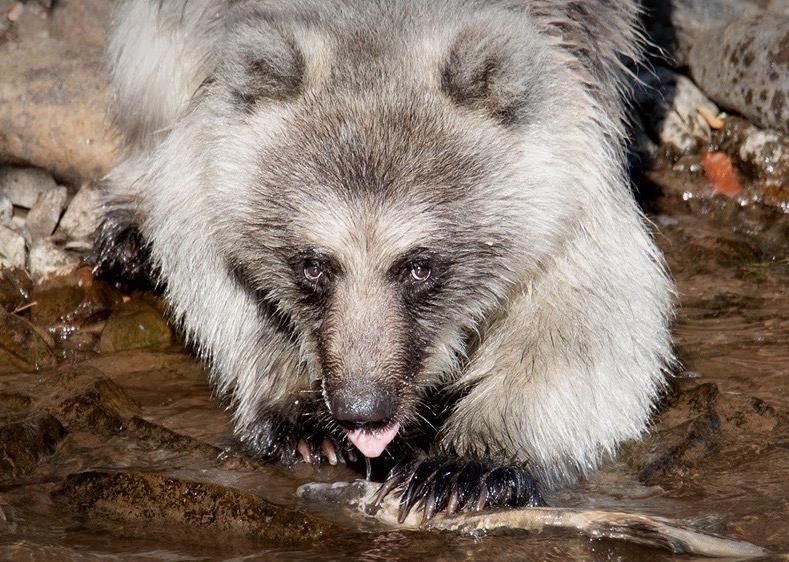
agreement. The new EA is much more First Nation friendly and have been working with the LBN
team.
I understand that there are many moving parts in what I am reporting, please get involved as this
processed was negotiated and designed with every LBN member in mind, you can get involved
by asking questions, be an Advisory Team member, there will be advisory teams recruited for
almost every sector of the agreement.
I would like to thank all of you that have joined the virtual AGA, due to the pandemic there are
many changes and our new normal is now working in ways that we can help protect each
member, especially those most vulnerable.
Do have a blessed rest of the year, and keep safe, follow what Dr. Bonnie Henry puts down for
the province and as she says BE KIND, we will get through this together. May God’s Blessings be
with each of you.
There are a number of ongoing and proposed exploration and mining projects in Lake Babine
Nation (LBN) territory. We are monitoring all of these mining and exploration projects with our
community members in mind. Below is a summary of each project based on the type of project.
1. Exploration projects
An exploration project involves a company doing work to identify whether an area has
prospective mineral resources in the claim area. One out of every 10,000 exploration projects
actually end up progressing to a mine stage. There are several exploration projects in our
territory including a project currently in the exploration stage, projects that are permitted but
are currently on hold, and projects currently under review by British Columbia’s Ministry of
Energy, Mines and Petroleum Resources (MEMPR).
Projects currently in the exploration phase:
Commander Resources - Burn Project
Amarc Resources Ltd. - Duke Project
Projects that have been permitted but are not currently in exploration:
Fractal Mines - Denison Creek Project
French Peak Project
Pacific Empire Minerals - Bulkley Project, Sat Project, Paragon Project, Bull’s Eye Project,
and Topley Richfield
Projects under review from BC’s MEMPR for a Notice of Work:
Harvest Gold - Jacobite Project
Lloyd Minerals/ Blue Lagoon Resources - Big Onion Project
2. Projects preparing for operations
Blue Lagoon Resources - Dome Mt. Project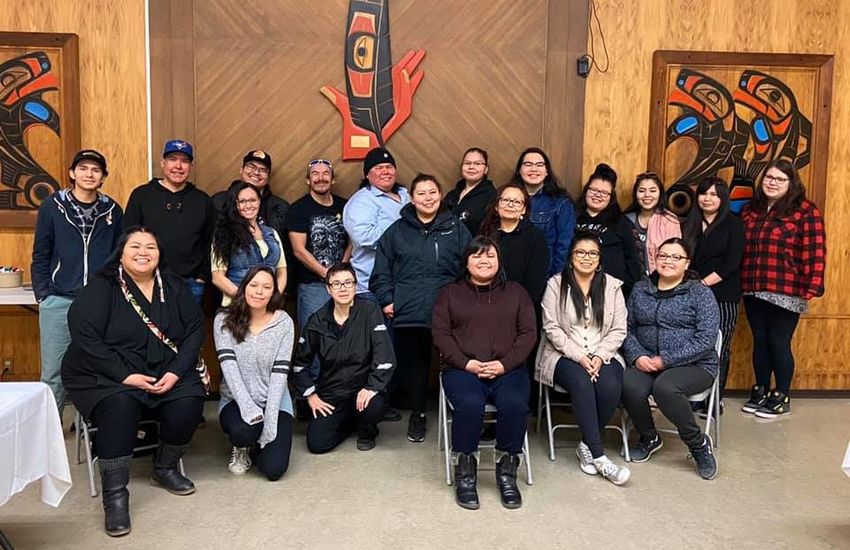
Coastal Gas Link is operating a work camp in Burns Lake
3. Projects in environmental assessment
Pacific Booker - Morrison Copper/Gold Proposed Project. In 2015, BC’s Environmental
Assessment Offices (BCEAO) determined that further assessment was required for this
project. The BCEAO assured LBN that they will keep us informed of any changes in the
assessment process and will engage LBN “deeply, through a collaborative process”.
4. Old remediation projects
Glencore - Bell Mine and Water Treatment Plant and Granisle Project
To find out more please contact Verna Power at verna.power@lakebabine.com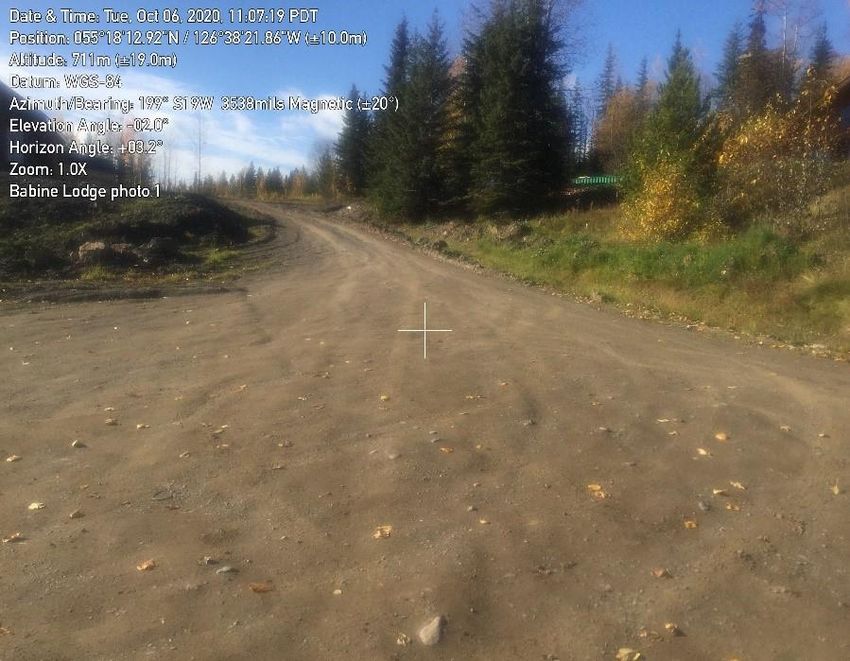
Verna Power
                             Natural Resources Portfolio

                             Betty Patrick
                             Foundation Agreement Implementation Manager

Foundation Agreement Update
Hadih,

It’s been a little over a month since Lake Babine Nation, the BC government and government of
Canada signed the Lake Babine Nation Foundation Agreement.

The Agreement signing came together quickly and we have heard from some members that you
felt left out of the process. This did happen fast and we didn’t mean for our members to feel left
out of this important day. We’d like to explain what happened and offer full transparency to
members.

Started four years ago under Chief Wilf Adam, the Foundation Agreement has been a work in
progress. The Agreement is not a treaty but is a new type of agreement never before seen in BC.

It arose because Lake Babine Nation was frustrated with the modern treaty process. A process
that saw First Nations in BC having to give too much away in return for limited land bases and
governing powers, and having to borrow money to negotiate our inherent rights.

Lake Babine Nation decided to go in another direction. To begin implementing our existing rights
and title and to secure immediate lands, economic opportunities, and funding to improve
programs and services. We discussed this with BC and they agreed to give it a try. They agreed to
work toward an agreement that would preserve LBN rights and title and not affect our ability to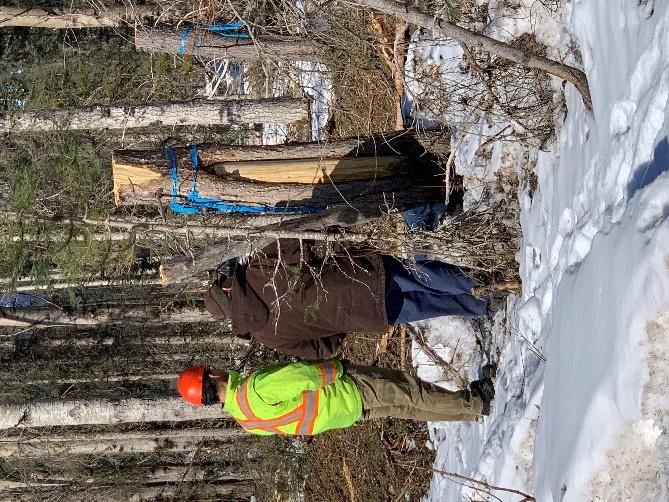
pursue legal action, treaty or other processes available. Canada joined the negotiations in
December 2017.

Since LBN started working on this agreement in 2016, we met with members 7 times to work
through parts of the agreement and get input from our five communities and also in Smithers,
Prince George and Vancouver, the main city centres where Lake Babine Nation members live.
The Agreement that we signed with BC and Canada was the same agreement members reviewed
at our December 2019 meetings.

Canada had agreed to sign the Agreement in September 2019 (just before the last federal
election) and Council unanimously voted in favour of it in February 2020. BC’s approval process
slowed down when the Covid-19 pandemic hit.

When we heard a snap provincial election was being called, we worked to ensure that BC would
commit to our Agreement beforehand. BC Minister Scott Fraser called Chief Alec on Wednesday
September 16 to confirm that BC was ready to sign the Agreement on Friday September 18. This
was the last day before BC called the election.

This was not an ideal situation from a member’s perspective and Chief and Council recognize
this. It’s also not our way. Pandemic restrictions have limited our ability to come together face to
face in the ways that we are used to as Lake Babine Nation. Weddings, funerals, welcoming new
babies, our very way of life has changed with Covid-19 and we are struggling to adapt to these
changes.

We want to acknowledge our members who didn’t feel included in this decision and the
celebration. It’s not our way. As soon as it is safe to do so we will gather and discuss what
happened and celebrate this Agreement.

The message we’d like to leave members with is that the real work with the Foundation
Agreement has just begun.

Over 150 Lake Babine Nation members are needed to form Advisory Teams. Child and Family,
Governance and Wildlife teams are already up and running. Justice and Fisheries teams are
seeking members now, and Housing and Infrastructure, Education, Health, and Economic
Development will be advertising soon. Every single member of this Nation can help shape our
future by sharing their ideas, concerns and their dreams for how to move forward.

As a result of this Agreement, last week Lake Babine Nation posted 15 new jobs in the child and
family sector, and is currently seeking a Governance Director. This is a signal of the types of
opportunities that will be available to members as we resume our rightful place in our territories
and managing our own affairs.
At a recent session with youth, Julian Brown described it best, "In a nutshell it seems like the
Foundation Agreement is LBN putting all of the chips on the table. The leadership has started
the work, now it's up to the membership and future generations to help get it done."

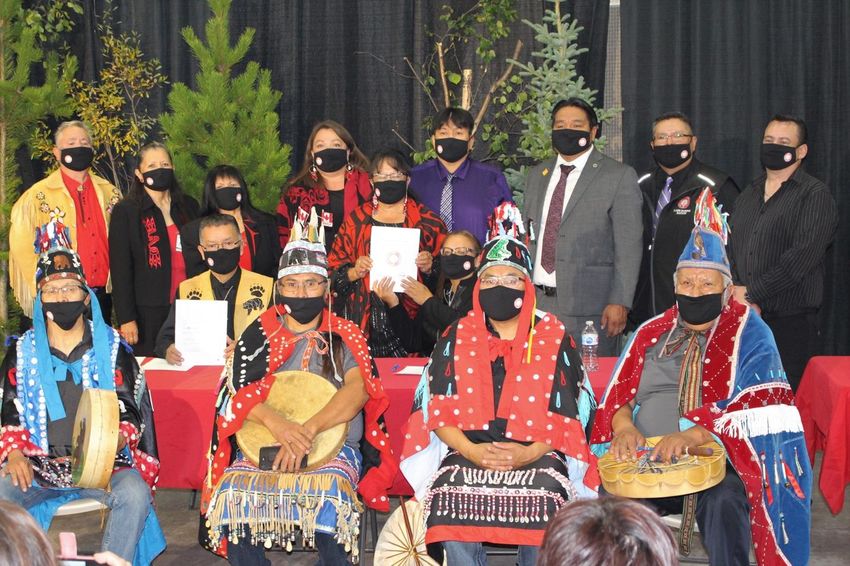
Caption: On September 18, 2020 Lake Babine Nation, Canada and BC signed the 20 year
Foundation Agreement which includes initial land parcels, forestry tenures, and Nation-building
funds valued at 200 million. The Agreement provides a foundation and resources to develop and
enact LBN laws, customs and practices to meet LBN political, social and economic needs and
aspirations. Pictured here at the signing: Left to right (back row): Monty Palmantier, Executive
Director; Betty Patrick, FPA Manager; Chief Gordon Alec; Emma Palmantier, Health Director;
Cheyene Dennis, Councillor; Verna Power, Councillor; Delores Alec, Councillor; Melvin Joseph,
Councillor; Murphy Abraham, Councillor; Deputy Chief Derek MacDonald, Shane Modine,
Councillor.

Left to right (front row): Frank Alec, Hereditary Chief: Dunen (Bear Clan); Ronnie West,
Hereditary Chief: JeDimSkaNes (Caribou Clan); Eugene Patrick, Hereditary Chief: Losah (Frog
Clan); Herbert William, Hereditary Chief: DewSimTsuk (Beaver Clan)
Georgina West
Referral Officer

Hadeeh Lake Babine Nation members
It has been a big change this year, many things had to change to keep all members safe from the
pandemic. In March, we had to start working from home. It made things difficult, but I continued
to speak with industries and Ministry of Forest using Skype and Zoom. I was not able to be out
on the field a lot this year which made things a lot harder, I was unable to go and see the cut
blocks but harvesting continued.
In December 2019, I was offered to be part of the Environmental Stewardship Initiatives (ESI)
project as Lake Babine representative. This project is for First Nations and the Government of
Canada to create opportunities for developing new environmental projects with Natural
Resource. I attended a few meetings from December 2019 until February 2020, this is a great
project which covers the Skeena area, and there is opportunities for basic training to do with
environment. I no longer sit as an LBN rep on this project because of my current position that
keeps me very busy.
Every five years, I receive Forest Stewardship Plans (FSP) This FSP is where the plans are on how
the industries will conduct their harvesting. Such as protecting Cultural Modified Tree’s (CMT’s),
Water Quality, Wildlife, Fish Habitat, Soils, and Visual Quality. The FSP’s are always based on
legislation but since I have been working with referrals, there is more to protect then what the
legislation says. That is the Western Science of how they should protect the lands during
harvesting. First Nations have way more to protect on the land, such as wildlife habitat, wildlife
homes, hunting trails, medicinal plants, and berry plants also CMT’s. Our ancestors lived off the
land for thousands of years and I am told by an elder to treat the whole traditional territory as a
sacred land, our people used the whole land to hunt, they walked for miles to hunt and provide
for their families. Salmon is our number one food source that we all depend on so I am always
making sure the waters are untouched, even if they are not fish bearing stream, they should not
be disturbed. I been watching my Uncle Gordon’s DVD where he talks about the land and how
the forestry is destroying the land. He spoke about a time when a few members built a fish
hatchery on Hagen Arm, When that was done, the fish were barely coming through and the ones
that did were small, so they took the hatchery out and noticed the salmon were coming through
again and they were growing in size again so he mentions that they were being disturbed too
much. This is the reason why we request minimum 200-meter buffer zone, even if the creeks or
streams are not fish bearing, they all feed back into the lake.
One of the areas we had been dealing with was Old Fort area where it has been infested with
beetles which left a lot of dead trees and during the time that while we were dealing with
sensitive areas, the beetles had spread, we have had quite a bit of meetings about the areas
knowing that it is close to the reserves, many cultural activities happened in the area. We have
had several meetings with Elder Alex Michell and Pacific Inland Resources (West Fraser) to make
sure sensitive areas are not disturbed. I was also involved with a flight that took myself, Elder
Alex Michell, and Chief Gordon Alec to look at the area before harvesting started. We looked at
how much of a beetle damage was done and it was bad.
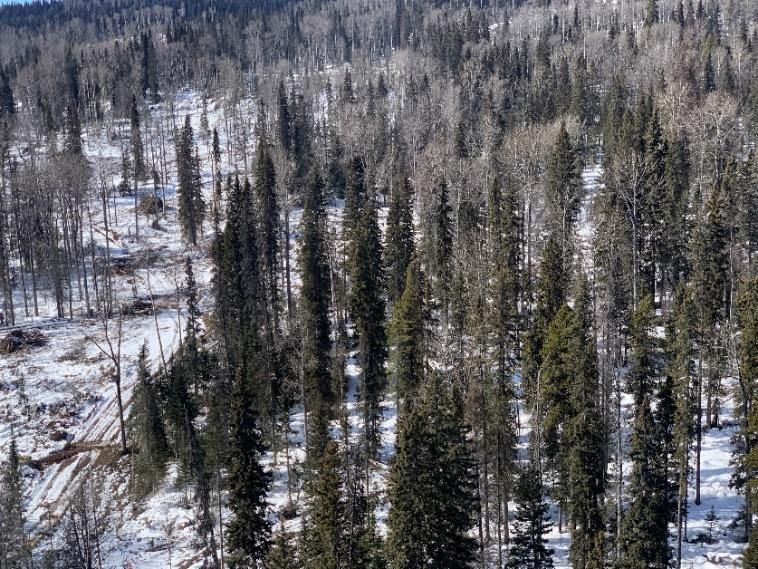
Here are some phots of the area before harvesting.

BEHIND OLD FORT BEFORE HARVESTING
There were two areas that has been harvested and Elder Alex Michell and I had gone on flight with
PIR (West Fraser) to check the areas that was harvested. Even after meeting with PIR, it was still
sad for Alex on how much was logged because this is the area he grew up.
                                     Harvest Areas behind Old Fort

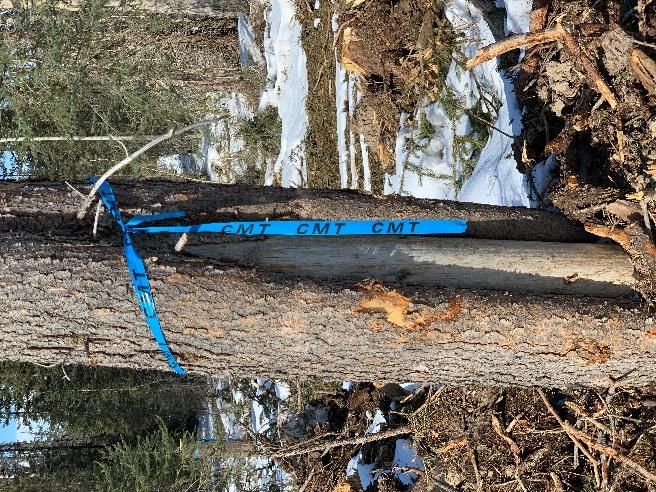
There was a lot of Cultural Modified Trees found in the area, and it was sad to see them being
stubbed, the reason they are stubbed is so they do not fall over as many of them are dead and
ready to fall. Pre 1846 CMT’s are protected under Heritage Act, Post 1846 are not protected and
these are the ones that are stubbed, but in my opinion, every CMT has a story and should be
protected, there is a story behind all CMT’s.
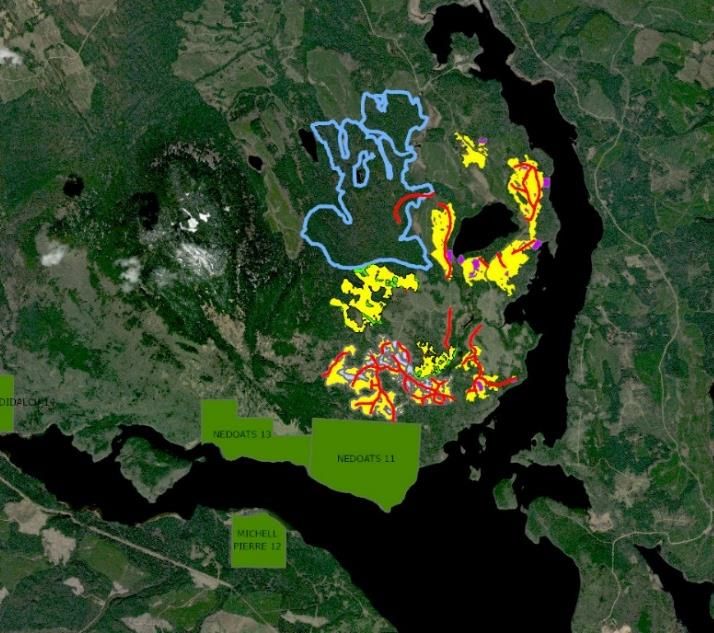
Alex speaking on behalf of why CMT’s are there, there is a reason for each of it Here is a map of the areas proposed for harvesting. The yellow area is proposed for harvesting, the red lines are the proposed road. Blue area is what was harvested now, Archeology was done in the area, and there are buffer zones around wetlands, streams, buffer zones around sensitive areas. Harvesting done by Pacific Inland Resource Will be harvest by Lake Babine Forestry
Cultural Heritage Resources (CHR’s)
Each year, in the Skeena area, I am involved in Cultural Heritage Resources. I go along with
Ministry of Forest from Smithers area to go to harvested blocks and make sure Cultural Heritage
such as CMT’s, Streams, And Cabins, Cultural Trails, Cache Pits, Lithic Sites, and many other
cultural sites. This year for the Fort Babine area, we had Ivan West join us, we had another
member who was unable to attend. Each year, I ask around who can join us and take who is
available, in 2021. We will be starting for Nadina District, so anyone that has any cultural
heritage knowledge, leave your name and number with me, this is not an everyday opportunity,
and this is done once a year for approx. 3-4 days.
With the many referrals that come in, I have also been dealing with exploration companies
wanting to do some drilling to look for copper, gold, etc. I have done 101 with one of the
companies explaining why we have concerns when the land is disturbed. Currently, we have two
exploration companies that we are dealing with. I believe Dome Mine is going to be restarting, I
have spoken with them, this is an underground mine that is located just off Chapman Forest
Service Road. They were shut down by the Government before because of Environmental issues,
they have finished doing environmental assessments and are now back to continue their mining
operation. In my own opinion, I do not like mining at all if there was a way to keep them off our
territory than I would be going that route.
Herbicide Spraying
Canfor and BC Hydro were the two companies we had been dealing with about herbicide
spraying. This is such a battle but never give up, protect the territory is what I am here to do. So
far, we have had Canfor work with Lake Babine Nation Forestry to do manual brushing instead of
herbicide spraying and I am expecting this to continue and that we do away with herbicide
spraying. The only company who continues to do herbicide spraying is BC Hydro. I will continue
to work with them. I have tried my best to get them to hire First Nations to do manual brushing
which will open up jobs for members, this year I was unsuccessful, it didn’t matter how many
times we met, how many times I had to repeat that we do not want herbicide spraying but they
were given the approval to go ahead and do some spraying.
Access Management
This year I continued to meet with industries to talk about access management, there are far too
many roads on LBN territory. New harvest plans that come in, I am always making sure that the
purposed roads get deactivated once the harvesting and planting is done in the area. This keeps
poachers and explorations out. If there are roads that members use for any cultural activities,
please let me know so that we have proper plans in place for those roads.
As we come nearing the end of 2020, I am hoping 2021 would be a bit easier on us. It was
difficult not being out on the land and seeing what is going on. I have had a few members come
and see me to bring forth their concerns about the harvesting in their trap line areas. I would like
to mention to all Lake Babine members that you do not have to have a trap line number to bring
concerns about the land. The land has been used by our people for many generations. As I
understand the trap lines was set up by the Government to track where the furs were coming
from and that some hereditary chief names have ties to the land. I look at it as Lake Babine
Nation territory belongs to us all as a Nation. The more member come to me with concerns, the
more we can protect on the territory. I keep hearing, it is all gone, they took everything. Let us
change that thinking and start thinking of the future generation. When I deal with the referrals
and looking at the land, first thought comes to mind are the children. They are the ones who will
take over once we are all gone. Let us fix the forestry so that it is sustainable and profitable for
our members. We have fought the same battle to long, it is time to move forward.
My focus is to get rid of herbicide spraying all together, shut down roads, spur roads and stop
clear cuts. Making sure the grounds are protected while harvesting. Like I mentioned, many want
logging to stop altogether. It is the Government who decide that. The more we start putting on
the map as no-go zones and sensitive areas, the more we can protect and stop clear cuts. I need
the support of the members. Do not think of just today, think of how we want to leave the land
for the younger generation. If we do not say anything, industries and Government just do as they
want.
If any members have any concerns about the land, any sensitive areas they would like to protect.
Please contact me. I am hoping that Covid settles and they find a vaccine or cure and we have a
better year in 2021 so that I get a chance to start bringing members out on the land so we can
mark areas that they want protected.
“We Do Not Inherit the land from our ancestors, we borrow it from our children”

Indigenous Wisdom

Georgina West
Lake Babine Nation
Natural Resources – Referral Officer
Contact – Office #- 250-692-4780
Natural Resources Department-Lake Babine Nation
Program -Aboriginal Liaison Program (ALP)
Submitted by Murphy Patrick Sr., LBN, ALP
Natural Resource Aboriginal Program Vision
To enhance awareness among Aboriginal groups regarding the NRS’ role in regulating the
life cycle of natural resources development, e.g. oil gas, forestry, mining, renewable
energy, etc.; and
To enhance awareness among government staff regarding potential impact and benefits
to Aboriginal groups regarding the regulation of natural resources development.
Aboriginal Liaison Program (ALP) began as Partnership between First Nation and Oil &Gas
Commission in 2014. Since then the program has expanded to include other government
agencies; my role is to be eyes and ears of the Nation where it comes to compliance and
enforcement where development is happening within LBN territory.
As ALP I observe and report to my Communities, Chief, and Councillors about resource
development activities on our territory. Also work with different agencies so they understand
our traditional values and learn about community, culture and what is important to our First
Nation
As ALP we are provided ongoing training and certification as required to work in field.
Including Drug and Alcohol test
In 2018 ALP had to assist BC Wildfire Service as two major fires are close to LBN communities. I
was stationed in Fort Babine, monitoring fire daily and also work with Emergency Management
Team (EOC) as I had training in EOC. Plan for evacuation, power outage, food supplies to elders,and members with medical issues, accommodations for members to Smithers, Burns Lake, Prince George Terrace and Prince Rupert BC. BC Wildfire requested for Smoke house coordinate along Babine Lake and Nilkitkwa Lake so if fire near smoke they know who cabins belong to and if smoke is reported they know smoke from smoke house not wild fire smoke and don’t need an expensive helicopter ride to check it out. As part of Emergency Operation Center (EOC) Team we were situated in Council Chamber led by Bernard Patrick. My role in EOC planning, oversee work load of EOC team, help collect data, and assist EOC team The EOC was tasked with working with the Provincial Health Official, developing policies as to how to deal with situations, strategies on keeping the virus out of the communities and keep members safe. As long as policy is followed and everyone is safe, some are thinking EOC is trying to stop everything which is not the case. As of today, we still monitoring COVID-19 with policy in place to follow to keep members safe. And now we’re in phase two and planning again, we have information check point set up in first week of November, with number rise on weekly /daily EOC may be looking at full security in place. Please contact EOC for information what policy in place to work to keep as safe as possible for all communities I work closely with FLNRO in field joint inspection, one of my colleague Wesley Bender accepted another position with BCWS. Wesley was instrumental in building good relationship with FLNRO and he still working with ALP from BCWS.I also work closely with Georgina West, Referral Officer, assist with meetings regarding trap lines, cabins, blocks within our territory, I also work with Duane Crouse Forestry Manager updating where they work within the territory. Also, different agencies in working Group Matt Austin: Deputy Minister FLNROD, ALP lead Director Hilary Wheeler: Assistance Deputy Ministers Jacques Corstanje: Oil & Gas Commission, ALP Director Christa Wheat Oil & Gas Commission, Alp Coordinator Northwest Jessica Rose: Oil & Gas commission, ALP Liaison Advisor Kim Lutz: Land and Resources Coordinator, ALP Northwest Program Coordinator Lisa Taylor FLNRO Central working Group Coordinator Kaylee Towers EMBC Regional Manager, Northwest working Group Crissy Bennett EMBC Regional Manager, Northwest working Group Warren Fekete, EAO Senior Compliance and Enforcement Officer Alex McLean, EAO Senior Compliance Officer Tamara Jacobs, Natural Resources Officer Supervisor, Northeast Working Group Ian Brown, Reginal Manger, Compliance and enforcement, Central Working Group Veronica McGinn, Natural Resources Officer Supervisor, Northwest Working Group Mark West, Inspector, Omineca Region, Central Working Group
Cam Schley, Inspector, Officer in charge Skeena Region, Northwest Working Group
As ALP we were lock down as well, no travels, no field work, inspection etc. The program was
cleared to go back out on field with strict guidelines and protocols to meet COVID regulations.
Since return only had to deal with few complains-Possible Spill at Babine Lodge, illegal dumping
on Tachet reserve. FSR Nilkitkwa 4000 Truckers not calling Kms. Also monitoring River fishing
Nilkitkwa Lake and Babine River. I will be working with Brian Brinkhurst FLNRO, Stuart Abel,
FLNRO Supervisor and Wesley Bender BCWS
I attended the Indigenous Land Guardian Program Training host by ESI with certificate to be able
to assist CO in investigation, also training on taking moose sample with ESI Wildlife Health
Sample Kit.
As we process into future our elder always said to protect the, Land, Water and Air as we have
biggest natural lake in BC.LBN need its own Indigenous Land Guardian in place, to monitor,
hunting, and fishing in territory. With Natural Resources Building in Place now it can be done,
and we need to educate our self how to manage hunting fishing, river, wetlands, and logging in
territory.
In closing, I always being proactive in fishing, hunting like elder says take what you need only
save for future so your children and their children can enjoy as well .Was so happy when Josiah
Lacerte who is 12 years old caught nice steelhead on Nilkitkwa Lake and let it go even Coho catch
and release and yes we keep what we need .Now there one for future.
Lake Babine Nation Member please be safe as COVID-19 Is still alive and well. We are in this
together, we can beat the pandemic from spreading if we follow the guidelines.
Thank you for your time.
Moose road kill taken for sampleBabine Lodge report of a possible spill
Illegal Dumping
LBN Logging BlockLBN Logging Block Bridge Inspection Recording Smoke Houses in and around Babine Lake – Smoke Houses in Old Fort Smoke house Nilkitkwa Lake Rediscovery Camp
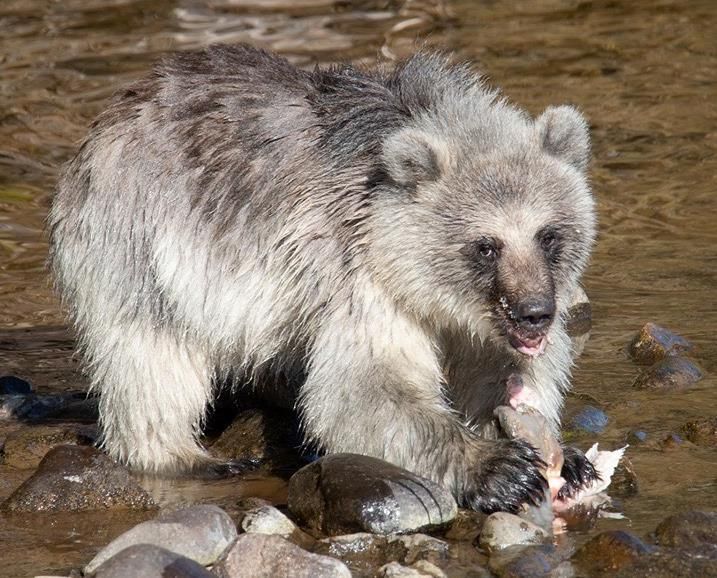
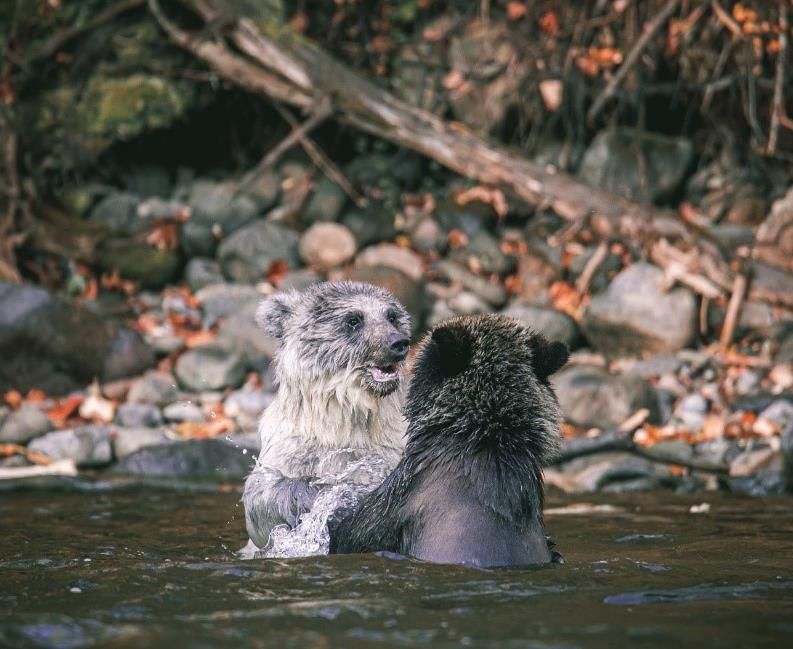
Smoke house at Babine Lake                 “Sylvester” the Grizzly bear at Babine River

                   Sylvester feeding on salmon in Babine River

                         Smoke Houses in Old Fort, BC
Lake Babine Nation Forestry
2019-2020 Year in Review
Forestry Department
Duane Crouse – Operations Manager
Another year has gone by, and it was a very busy and successful one in the growth of LBN Forestry,
despite the Covid-19 pandemic, industry strike, record high stumpage costs, and unstable log market
prices. With strong cash flow planning, we carried through with planning and development on our
tenures and agreements, as well as continued training of LBN members and staff.
We have been successful in building up our team with members who have been with us for multiple
years, including Art, Wilf, Clint, and we can’t overlook Jeanette, a valuable forestry office staff member
that provides administrative support.
LBN Forestry Staff and Crew
Duane Crouse Operations - Manager
Jeanette Williams - Administrative Assistant/Bookkeeper
Art Michell - Engineering Assistant
Wilf Charlie - Engineering Assistant
Clint Patrick - Engineering Assistant
In addition to our staff during the year:
Monica West – Receptionist (started Oct 8 2019)
Gary Williams - Silviculture Worker (started Aug 25 2020)
Harley George - Silviculture Worker (started Sept 21 2020)
Jaremy Charlie Tom - Silviculture Worker (started Aug 25 2020)The forestry business has been growing consistently year after year and is overseen by a board of
directors made up mostly of Lake Babine members with forestry backgrounds.
Appointed by the Chief and Council, the Board of Directors for LBN Forestry are:
Jim McCormack
John Findlay
Jason Charlie
Robbie Reid
Duane Crouse
Appointed by the LBN Forestry Board, the Board of Directors for LBN Forestry Services are:
Nick Erickson
Anthony Tom
Duane Crouse
The Director group holds monthly meetings to review, discuss and approve operational plans, finance
and accounting obligations, strategic relationships in industry and territory, annual budgets and project
proformas, and current HR and employment opportunities for Lake Babine members, all to encourage
successful business.
Duane Crouse is the business Operations Manager and is receiving continued training from Capacity
Forest Management and other advisors. Additionally, he sits at several tables where LBN holds forestry
interests, such as Chinook Community Forest, Babine Community Forest, as well as Nadina and Bulkley
District Steering Committees. Having a presence at these tables keeps LBN Forestry updated with local
forestry legislation and regulation changes, timber supply reviews, forest health updates and current
impacts to the local forest economy within Lake Babine territory.
Currently, LBN Forestry is managing several of LBN’s own forest tenures within their territory, including:
First Nation Woodland Licenses (FNWL): N2I @ 75,000m3/year *see map below
First Nation Woodland Licenses (FNWL): N2M @ 17,500m3/ year *see map below
Non-Replaceable Forest License (NRFL): A95178 (BCTS-LBN Reduced Volume Condition) @
50,000m3/year – 50/50 net profit split * in negotiations to transfer A95178 volume to FNWL N2I
expansion area pursuant to Foundation Agreement.
Non-Replaceable Forest License (NRFL): A95975 (undercut volume) @ 150,000m3 total
Woodlot (WL): WL1764@ 1,650m3/year Small Scale Salvage (SSS) and Forest License To Cut (FLTC): Old Fort Spruce Bark Beetle @
20,000m3 total
in negotiations pursuant to Foundation Agreement: Marginal volume NRFL @ 50,000m3/year
FNWL N2M Operational Area
The growth of LBN’s forestry tenure has been challenging with
continued negotiations with the BC government and licensees
for the FNWL N2I expansion area and LBN’s Fee Simple land
transfer. The goal is to obtain 350,000m3/year annual cut
within Lake Babine Territory, as LBN forestry remains a key
driver for the regional economy by supply logs to local mills.
As for management of current LBN forestry tenures noted
above, our harvest operations during the year scaled and sold
FNWL N2I Operational Area approximately 130,000m3 during 2019/2020 fiscal.
Additionally, our crews have planned and engineered nearly
150,000m3 to get us ready for 2021 and 2022 market opportunities.
High stumpage rates and low log markets, coupled with the Covid-19 pandemic, made the forestry
economy very challenging the first half of 2020. This fall (2020), LBN Forestry has started up logging
activities due to the rising demand of lumber, however logging activities could be short lived with
projected January 2021 stumpage costs increasing to an additional $25-$30 per m3.
LBN forestry crews had several opportunities to develop their forestry skills and knowledge through
layout and development projects in 2020 despite the challenges around Covid-19. LBN forestry crews
continue to focus on forest health risks (dead beetle timber, fire salvage and beetle outbreaks) as well
as, placing emphasis on forest management strategies in and around Lake Babine Nation IR communities
for wildfire risk reduction and spruce bark beetle outbreaks.
Moreover, besides layout and developing LBN forestry tenures, LBN Forestry crews have conducted
contract services layout and development for other major licensees in the region (Canfor & BCTS) over
the last several years and it’s expected that LBN Forestry crews will continue to perform more work for
outside clients, such as Babine Forest Products and West Fraser.
A unique business partnership was formed between BC Timber Sales (BCTS) and LBN Forestry on a
Reduced Volume Condition (RVC) tenure agreement, which created an ongoing revenue sharing
opportunity on 50,000m3 annual cut. Profits realized from this arrangement in 2019 were set aside forthe profit distribution made to LBN in May 2020 (see Profit Distribution details on the last page). There were additional revenues realized from this agreement in Sept 2020, and we are hopeful for further shared revenues in 2021 to support future profit distributions to LBN. LBN Forestry and BCTS will continue working together in co-managing this tenure, for continued business to business opportunities. Another 2019 operational success was the Torkelson Lake Fire Salvage, consisting of 27 FLTC permits to salvage viable fiber from 2018 Torkelson Lake fire. This project was also set up to train three LBN members (Shane George, Lyle Michell & Herbie Charlie Jr) in mechanical logging operations. The trainees learned significant, transferable skills in heavy equipment operation, safety, maintenance and basic repair. A severe beetle outbreak around Old Fort IR 11 had Lake Babine Nation leadership requesting LBN Forestry to manage the spruce bark beetle and reduce the fire risk around Old Fort village. This beetle salvage special project saw our LBN Forestry crews carry out layout and planning in 2019/2020 to reduce future wildfire risks and forest health outbreaks. Obtaining permitting from Indigenous Services Canada (ISC) has been challenging, with several delays on their end. We are still pushing for approvals and expect to see them by mid-November 2020. LBN Forestry is targeting the completion of harvesting this winter, as well as conducting full road deactivation into the area to remove all access before spring 2021 break-up. This summer LBN Forestry, as part of their Silviculture requirements for their tenures, conducted 385ha of Silviculture survival surveys, and the surveyed area came back as Sufficiently Restocked (SR). Crews have been conducting pile burning and grass seeding programs as part of LBN Forestry’s obligations. Additionally, as part of LBN Forestry legal requirements, there are plans in place to conduct a large planting program in the summer of 2021 for FNWL N2I, by planting over 750,000 seedlings. These seedlings will be planted in previously harvested blocks where we are hopeful some LBN members will apply for these tree planting positions. Overall, LBN Forestry’s intentions are to continue creating more training opportunities in the forest industry for LBN members. These opportunities will be built through log purchase agreements, contract service agreements, and business to business working relationships. Having a mutually beneficial relationship between LBN and local mills will provide security for continued log and fiber supply, encouraging long-term employment opportunities within each community. As LBN integrates into the local forestry sector, it will provide more business and employment opportunities to Lake Babine members and other residents in the region. Furthermore, with LBN Forestry business continuing to build in the region, there will be significant opportunities for LBN members considering post-secondary forestry education to obtain a professional designation as a Registered Professional Forester (RPF) or a Registered Forest Technician (RFT). These designations are required to manage tenures, permits and practice forestry, and will be essential with the continued growth of LBN’s forest economy and business operations. Please let LBN Forestry know if you are interested in pursuing work and career opportunities in Forestry.
LBN Forestry Donations during last fiscal = $12,239

 Lake Babine Fisheries               Invisible Migration Event                     1,000
 Woods n' Water Sports               Gift Card                                       150
 North West District                 Bantam Rep Teams - Female & Male              2,000
 LBN Annual General Assembly         Door Prizes                                     500
 Christmas Dinner                    Community events                              1,500
 Christmas Hampers                   Community events                              1,500
 PeeWee Rep Team                     Support team accommodation in Surrey          1,000
 Morris Williams Elementary          Trip Donation - UNBC Science Tour             2,600
 Atom Hockey Team                    Support logo print costs on jerseys           1,989

                            Thank you from donation

Stumpage Revenue Share returned to LBN under the Forest Tenure Opportunity Agreement (FTOA),
generated from LBN Forestry operations in FNWL N2I licence:
Fiscal period           Stumpage paid by LBN Forestry operations            Return to LBN
2017/2018                     -$877,660                                     +$658,244
2018/2019                     -$1.949 million                               +$1.4 million
2019/2020                     -$2.375 million                               +$1.78 million

Profit Distribution:
After assessing yearend results, as well as current year budgets and
cash flow restrictions, the Board of Directors approved a profit
distribution in the amount of $921,473 to Lake Babine Nation,
which was paid out May 2020. (*Profit distribution generated
from RVC agreement with BCTS).
Labour Market Strategy Project Submitted by: Evelyn George I began my contract with Lake Babine on August 4, 2020. I am representing Lake Babine on the ESI table that I did two years ago when I got laid off. This year after I got back, I got an Indigenous Stewardship Project approved for 150,000 and a Shared point dollars for travel and wages for the project in the amount of 50,000 for the year. The ISP will be to study our moose within our territory. Much questions are asked why moose numbers are declining. The Skeena Sustainable Assessment Forum (SSAF) are into studying in all of the nations that they are involved in so we joined in with the study. The study include, as follows: Moose Health Pilot Project will aim to collect 10 or 15 moose health (tissue and other data) samples and associated data. Samples will be collected through members kill, road and railway kill, and other hunters kill. This data will contribute to develop current condition understanding of moose health in the region. Moose Mortality Monitoring. The project will aim to collect mortality data collected during ISP fieldwork and by coordinating with the conservation officer service and Lake Babine Nation hunters. Specifically road kill and predator information, incidental observation will be collected and systematically reported. Winter Habitat Validation. We will survey approximately 20 winter habitats in our study. This will help with the other two studies. We will find out why the moose is on a decline in our territory. We will look at answers to questions about concerns from the members. This study will be in our traditional territory. I am working on Labour Market Analysis and Human Resources Strategy Study with Firelight group. I have no decision power in this study. I am staff and follow the direction from my bosses. The study will Identify labour and skills gaps; Provide a “snapshot” of LBN labour and employment baselines and trends; Clarify LBN human resources (HR) and capacity building priorities; Outline short, medium, and long-term action plans to capitalize on Foundation Agreement opportunities; Map out an overall human resources plan and organizational structure in the short, medium, and long-term that clearly communicates LBN labour and employment objectives; Include a long-term strategy to implement the Foundation Agreement at organizational and departmental levels over the next 25 years. This study is going to do a baseline where everything will be documented. It will look at Lake Babine health statistic, Lake Babine’s education is skills and training, Housing situation’s etc. and look at the picture and find the gaps and short falls. Those findings whether it’s good or bad will be determined and reported. The funding for this study is not coming from the Foundation Agreement. Funding is provided through a grant from the Employment Labour Market Services Division within the BC Ministry of Social Development and Poverty Reduction. We are also looking for Steering Committee. One from each community. If you have any questions or want to apply, please contact Evelyn via email at evelyn.george@lakebabine.com. Thank you everyone. God bless you
Governance Research Team
Researchers: Darcy Dennis, Marvin Williams, Barbara Adam-Williams & Dr. Alan Hanna

Project Objective

In 2019 the Nation launched a research project into different models for LBN self-government.
The purpose of the project is to advance LBN’s inherent right of self-determination. The research
being performed uncovers information that will help the membership decide what a truly LBN
government should look like. Developing this vision is the first step toward replacing the Indian
Act Chief and Council with a government developed by LBN, for LBN.

Projects/Initiatives-

To date, the research team has completed research on models of “two-tiered governments”,
which is to say, community level governments plus a Nation-level government, and a
contemporary government which implements aspects of their traditional governance. A report
of the Haudoshonee and Haida Nation are written capturing two successful models of “two-
tiered governments” as example. Also, a review of scholarly and professional literature is being
finalized that will complement the two-tiered government research. The research is also based
on a long-standing goal of LBN people to serve all its communities – rural and urban.
The research team completed the governance Survey that was sent out in August, and an
analysis was completed in September. This initial outreach to the membership is a step in the
governance research process that will help researchers better understand the knowledge and
insights of LBN members. The responses will then be used to develop more specific questions
that are important to community members regarding governance, which will be asked during
direct engagement with community members from across the Nation. This direct engagement is
planned for late 2020 and early 2021.
Completed Tasks
Survey Analysis
Here is a brief analysis of demographics, clans and communication from the findings to the
survey: Please note, the full data will be presented during the AGA, interviews and other
community meetings.
Demographics:
75% were women
25% were men
43% of the respondents were between the ages of 29-44
3% were youth 16-19
48% of respondents were from Woyenne
42% of the respondents reside in urban areas.
Clans:
34% of the respondents are from Likh Ja Bu
22% are Jilh Ts’ekh Yu
18% are Gil Lan Tin
13% are Likh Tsa Mis Yu
An interesting fact is that 10% of the respondents did not know what clan they
are from.
Other findings:
57% would like to have phone conversations
50% would like in person meetings
37% would like community meetings
90% of the respondents have access to phone
81% have internet access
65% have access to means of tablet or computer.
The governance research team would like to thank all those that participated in the survey.
Staffing
Dr. Alan Hanna is an assistant professor at the University of Victoria Faculty of Law. He teaches
Trans systemic Contracts, exploring various examples of agreements, promises, and obligations
from diverse Indigenous legal perspectives in conversation with Canadian contract law.Additionally, Alan teaches Aboriginal Lands, Rights, and Governance, and Indigenous research methodologies. Alan previously practiced Aboriginal law at Woodward & Company Lawyers LLP in Victoria. A person of mixed Blackfoot, French, and Scottish ancestry, he is connected to the Northern Secwepemc community of T’exelc through marriage. Darcy Dennis- started working for LBN Governance research in February 2020, sits with the Likh Tsa Mis Yu (Grouse) clan and currently reside in Prince George. He completed his Bachelor of Arts Degree focusing on First Nations Studies in 2019. Barb Adam-Williams is a LBN Governance Researcher and sits with the Jilh Tseke yu clan. Marvin William is a LBN Governance researcher and sits with the Likh Ja Bu (Bear) clan. Governance Advisory Team The research project has seen the formation of the Governance Advisory Team (GAT) to guide and direct the research. The GAT has been meeting regularly since last fall despite the challenges everyone is facing due to the Covid-19 pandemic. The Governance Advisory Team will reach out the to LBN members, including through meetings in the LBN communities and the urban centres. Looking forward Following the governance Survey, under the direction of the GAT, the researchers will be planning interviews with any members who wish to participate beyond the Survey, and who are willing to share thoughts, dreams and ideas about LBN’s governance for the people. Given the health and safety concerns regarding Covid-19, the team is discussing alternate ways of engaging with communities that does not put people at risk. The interviews to be conducted will include the five communities and also urban centres where members live. For the future of LBN…
Indigenous Skills Development Training Program
Submitted by Deanna Brown Nolan, Program Coordinator
Project Objective
Lake Babine Nation has developed its program based on the needs and
socio-economic factors of its members and communities. LBN anticipates
that the program will give students the opportunity to learn about their
history, culture & language while achieving academic studies that is
culturally-appropriate will create a strong foundation of identity, self-
confidence, and the commitment to further success. Previous years
outcomes have proven successful where the majority of students have
successfully completed all levels of the program in an ongoing process that Figure 1- Tyler Alec during
is inclusive of: a drum making workshop
facilitated by Phillippe
Culture, Language, and History; Lacerte Sr and Marty
Educational upgrading with a focus on English, Math and Indigenous Adams
Studies;
Accredited Post-Secondary Education Courses;
Employment preparation & support;
Projects Initiatives
ISTDP – NVIT Human Services Diploma – 10 members are completing the second year of their
program;
ISTDP – PGNAETA/NVIT Essential Skills & Upgrading – Community Campus – 6 members from Fort
Babine and Tachet will participate in Essential Skills training, Adult Upgrading, and
Cultural/Community Orientation;
Project Achievements
ISTDP – NVIT Human Services
Certificate – 2019-2020
Twenty students were admitted to
the program. Admission was based
on their application and recruitment
interviews. We had applicants from
Tachet, Woyenne, Fort Babine as
well as off-reserve and urban
members. Unfortunately, due to
unforeseen circumstances, the
students from Fort Babine withdrew Figure 2 - 2019/20 Students at PGNFC for an organization tour. Feb 2020their applications prior to the program start. The first
semester included Cultural and Community Orientation,
Upgrading, and Indigenous Studies 12, we were fortunate to
have had Beatrice Michell teach this course. In the second
semester students completed NVIT courses including
Nadut’en 101, Carrier Language classes with Louise Lacerte
Figure 3- Joe Charlie Jr working on his drum.
and Barb Patrick. The class also completed the following:
Foundation for Academic Writing, Fundamentals of
Interpersonal Communications, Introduction to Indigenous Studies and Human Service Practice,
Introduction to Psychology, and Introduction to Working with Substance Use. By the end of the
year, 11 students successfully completed all courses and of those, 10 returned for the Diploma
Program; 5 students obtained full time employment, and five are either pursuing further
education or seeking employment.
2020-2021 – 10 students returned for their
diploma. Admission to the diploma
program included meeting all NVIT pre-
requisites. As a result of Covid-19 space
regulations our classroom could
accommodate 15 people, including
students, staff, and guest speakers. This
year students will be completing 14 courses Human Service Diploma students learning Form line Art from artist
Kobe Antoine on Sept 30, 2020 – Orange Shirt Day
and 380 hours towards their practicums.
Practicums are being hosted by 8 different LBN programs including Education, Health and
Economic Development. Thank you to Beatrice Michell, Garry Klugie, Shauna Alec, Barb Patrick,
Phillippe Lacerte Jr, Victor Tom and Sara Levick for accepting our students for practicum
placements.
ISTDP – Essential Skills/Upgrading – New initiative!
- This program is under development, student recruitment was
delayed due to Covid restrictions, but we have been able to secure
support staff, Mark Powers and Vickie West will be assisting in the
communities. In the coming weeks, we will begin interviews and
assessing applicants. There will be 6 spots available in both Tachet and
Fort Babine, they will participate in Community & Cultural Orientation,
Essential Skills & Assessments, and Adult Upgrading with the goal of
achieving an Adult Dogwood (aka Grade 12).
Figure 4- Roy West Jr and Cecile
Abraham during their personal
presentations.Program Challenges
- Covid-19 Policy development and implementation – We are working with the provincial,
educational, and local policies regarding our classrooms.
- Safety Protocols - There are challenges with implementing programs in community and
ensuring that policies and procedures are followed.
- Local Resources – Access to knowledgeable people from the community as most are already
involved in other projects within the Nation;
Funding
Funding is provided by the Province of British Columbia,
Ministry of Advanced Education under the Indigenous
Skills Development & Education Training funds. This
fund provides: transportation, community-based
essential skills & upgrading, living allowance, nutrition
programming, culture & language, tutoring,
counselling, and liaising/advocating. We also have
agreements with Prince George Nechako Aboriginal
Figure 5- Peer Tutoring Session amongst students Employment Training Association (PGNAETA) for the
Essential Skills and Assessments. Lake Babine Nation has agreed to utilize funds to assist with
offsetting some costs not funded in other areas.
Staff
Priscilla Crouse was the Program Coordinator since August 2017 and has moved into a new job as
the Grant Writing Director for our Nation. The program will miss her extensive years of experience
and we are thankful she will still continue to work in other capacities with us. She is helping with
transitioning new staff, applying for additional funding for future initiatives, and she continues to
provide her expertise in curriculum development. We wish Priscilla the best in her new position.
Deanna Brown Nolan, was promoted into the
position of Program Coordinator. She is excited for
the opportunity and challenge. We also have Jessica
Brown, whom was the only applicant for the position
of Student Support Worker. She brings with her
incredible experience supervising, managing, and a
student-centred approach to student support.
Jessica has already shown incredible potential, and
we look forward to seeing her grow in her new Figure 6 - Deanna and Jessica with Fort Babine Elder
Catherine Mary Love Michell, Sept 2020
position as well.Community Engagement
This program works closely with the
leadership in program development.
Our team consists of Chief and
Council, the Executive Director, and
the Foundation Negotiator, they all
help guide and mentor the program
to ensure community input is
priority. We also utilize the
information from LBN’s
Figure 7- 2019 Woyenne School Christmas Concert - Human Service Certificate students performed Tanee Jeyo for their
Nadut'en 101 Language Class with Barb Patrick and Louise Lacerte
Comprehensive Community Plan, the Foundation Pathway Agreement consultations and
discussions with our communities.
We work with local staff in each of the communities to ensure that the community is being
provided the necessary information for student recruitment and emerging curriculum with our
knowledge holders and elders.
The future of this program
In partnership with Nicola Valley Institute of Technology we will be delivering an Introductory
Trades Program that will help build capacity and train our members to assist with the many
upcoming projects that will be built in the coming year. NVIT will have their Mobile Trades Unit
available for our communities so that students do not need to leave the communities for their
education.
Staff Conclusion
Thank you for reading about the LBN Indigenous Skills Development Training Program. I have been
with the program as Student Support Worker since 2018, this has been one of the most fulfilling
jobs I have had yet. It was a great learning experience for the first two years and I am passionateabout decolonizing post-secondary education for our Nation. We have so much indigenous
knowledge that our community members are thirsting for and this program allows me to focus on
providing balance for our students while they pursue Post-Secondary education with priority on
our Nadut’en culture and traditions. This program is tailored to ensure that our students are
strengthened through their identity as members of our Nation.
Tebee messi cho, awitzeh
Figure 8- Top: Richard Williams shares songs and stories. Bottom: Dineezeh and Tsekuzeh - Damian Pierre,
Rose Pierre, Jim Williams and Connie Abraham sharing knowledge with the class.You can also read


