Annual Review & KaitiakitangA 2021 - Wellington Airport
←
→
Page content transcription
If your browser does not render page correctly, please read the page content below
Annual Review
 & KaitiakitangA 2021

                                     M A J O R R U N WAY
  PASS E N G E R N U M B E RS                                   E L E CT R I C I T Y A N D
                                 R E S U R FAC I N G WO R KS
      R E AC H 66% O F                                         GAS C O NS U M PT I O N
                                  COMPLETED IN HALF
   P R E - C OV I D L E V E LS                                       D OW N 30%
                                     T H E U S UA L T I M E
                                                                                             1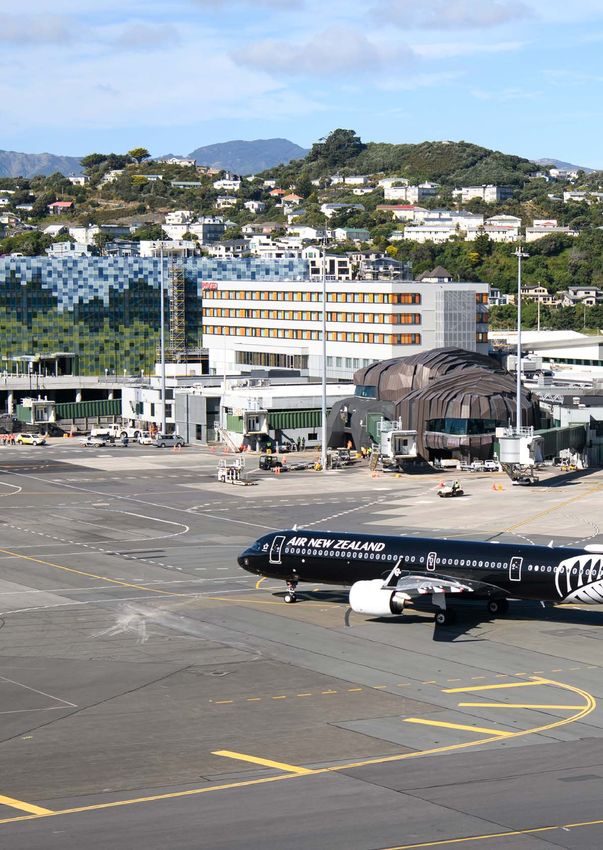
2021
                                    WELLINGTON AIRPORT
                                     ANNUAL REVIEW &
                                      K AITIAKITANGA

                                               CONTENTS

                     Introduction                                                        4
    NEED IMAGE
                     Key Highlights                                                      7

                                           K AITIAKITANGA

                     Kaitiakitanga                                                       8

                     Our people                                                         10

                     A safe workplace                                                   12

                     Our community                                                      13

                     Our environment                                                    16

                                     OUR YEAR IN REVIEW

                     Airline and passenger recovery                                     22

                     Traveller services                                                 24

                     Coping with COVID-19 Travel Restrictions                            31

                     Masterplan                                                         32

                     Our Leadership Team                                                34

                               R E S U LT S A N D D I S C LOS U R E S

                     Our FY21 environment results                                       36

                     Climate-related disclosures                                        38

                 Cover: Photo by Mark Tantrum
                 Left: Staff Step Challenge for Cystic Fibrosis. Photo by Mark Tantrum

2                                                                                             3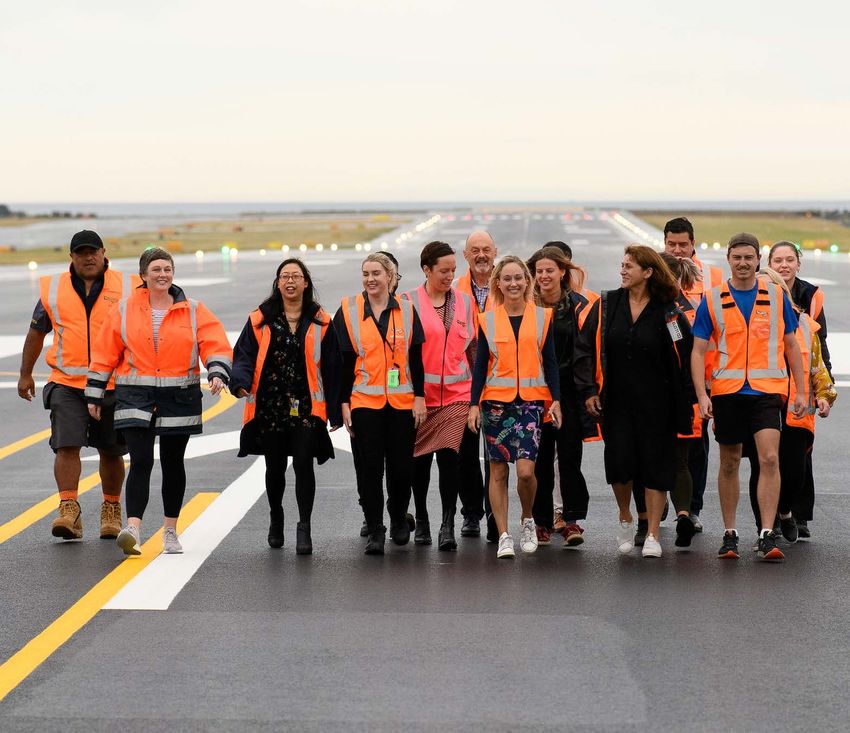
INTRODUCTION

    The past year has been unprecedented and extremely challenging for Wellington Airport and the                      We have continued working hard to address the impact of aviation on the environment and our local community.
    entire aviation industry. In April 2020, our passenger numbers dropped to just 1% of usual levels, and             Climate change and global sustainability issues are growing in importance to our community and our customers,
    Government lockdowns in August 2020 and February 2021 created further setbacks. Despite these                      and are at the forefront of our strategic direction. If action is not taken to address climate change, we face the risk
    challenges, Wellington Airport remains essential for the region and continues to play a vital role in New          of increasing weather events and sea level rise, along with increased insurance and energy costs. These issues
    Zealand’s economic recovery post-Covid. As a largely domestic airport, our passenger numbers have                  are particularly salient given the airport’s location. We also face transition challenges and opportunities, including
    recovered strongly, reaching 66% of pre-Covid levels in December/January and 48% for the year.                     evolving government policy, and the possibilities brought by new technology. We are meeting these issues head on
                                                                                                                       by reducing our own emissions and partnering with airlines to achieve sector-wide emissions reductions.
    Throughout the year we took several steps to reduce costs. This included moving to a four-day working week
    with salary reductions, cutting consultancy, marketing, and travel expenditure, and reducing directors’ fees.      We are encouraged by the Climate Change Commission’s recognition that aviation will have an ongoing role in a net-
    We also reviewed our Masterplan, reducing spend on capital projects by $54m and undertook a range of               zero world, and its focus on new technology and emerging fuels. The Commission’s draft advice has also outlined
    measures to enhance liquidity and overall financial resilience. This included increasing bank facilities by $70    the role of all sectors in New Zealand reaching net zero emissions by 2050. Engagement on this issue is critical; as
    million to $170 million with extended maturity terms, securing temporary covenant waivers with lenders, and        will be working together across businesses, government and the community to address our shared challenges.
    issuing $100 million of retail bonds, making us the first corporate in New Zealand to publicly list bonds on the   Throughout the year, we have worked closely with the aviation industry, airport stakeholders, medical experts, and
    NZX debt market post Covid-19 lockdown in April 2020. Our shareholders also provided equity commitments            government agencies to help re-establish safe travel in New Zealand. This includes playing an important role in
    totalling $75.8m, giving confidence to our lenders and enabling us to proceed with essential projects with         helping to define risk-based border policies.
    certainty.
                                                                                                                       As we look to the year ahead, we are looking forward to rebuilding safe international travel and will continue
    We have also seized opportunities presented by Covid-19. This includes completing major runway resurfacing         working with government agencies to meet all Covid-19 requirements. We are optimistic about trans-Tasman
    works in half the usual time due to a longer working window caused by the lack of international flights,           and Pacific travel and expect this to provide a much-needed boost for the airport and the many thousands of
    completing upgrades to our international departures area and utilising empty office space to expand our            Wellingtonians whose livelihoods depend on travel and tourism.
    conferencing facilities to meet new demands. We also completed our pricing consultation with airlines and
    received approval for our designation over the former Miramar South School site, putting us in position to         Wellington Airport’s net loss after taxation was $35.7 million for the year ended 31 March 2021, with underlying
    progress our Masterplan as passenger numbers recover.                                                              earnings showing an EBITDAF before subvention payment of $36.0 million, down 65.1% on last year.

                                                                                                                                                                                                    Audited             Audited
                                                                                                                                                                                                 year ended          year ended
                                                                                                                                                                                                31 March 21         31 March 20             Variance

                                                                                                                                          Passengers Domestic                                     2,968,960           5,225,999             (43.2%)

                                                                                                                                          Passengers International                                       162            919,741            (100.0%)

                                                                                                                                          Aeronautical income                                       $34.0m               $80.8m             (57.9%)

                                                                                                                                          Passenger services income                                 $22.1m               $52.1m             (57.6%)

                                                                                                                                          Property/other income                                     $12.7m               $13.5m               (5.9%)

                                                                                                                                          Operating expenses                                       ($32.8m)            ($43.2m)               24.1%

                                                                                                                                          EBITDAF before subvention payment1                        $36.0m             $103.2m              (65.1%)

                                                                                                                                          Net Profit/(Loss) After Tax                              ($35.7m)              $28.9m            (223.6%)

                                                                                                                                          Capital investment                                        $35.0m               $80.6m             (56.5%)

                                                                                                                                          1. EBITDAF before subvention payment is a useful non-NZ GAAP measure of earnings which presents
                                                                                                                                          management’s view of the underlying business operating performance. A reconciliation between Wellington
                                                                                                                                          Airport’s NPAT and EBITDAF before subvention payment is set out in the NZX announcement and Note A1 of the
                                                                                                                                          Annual Report for the year ended 31 March 2021.

                                                                                                                                            Tim Brown                                               Steve Sanderson
                                                                                                                                            Chairman                                                Chief Executive

4                                                                                                                                                                                                                                                      5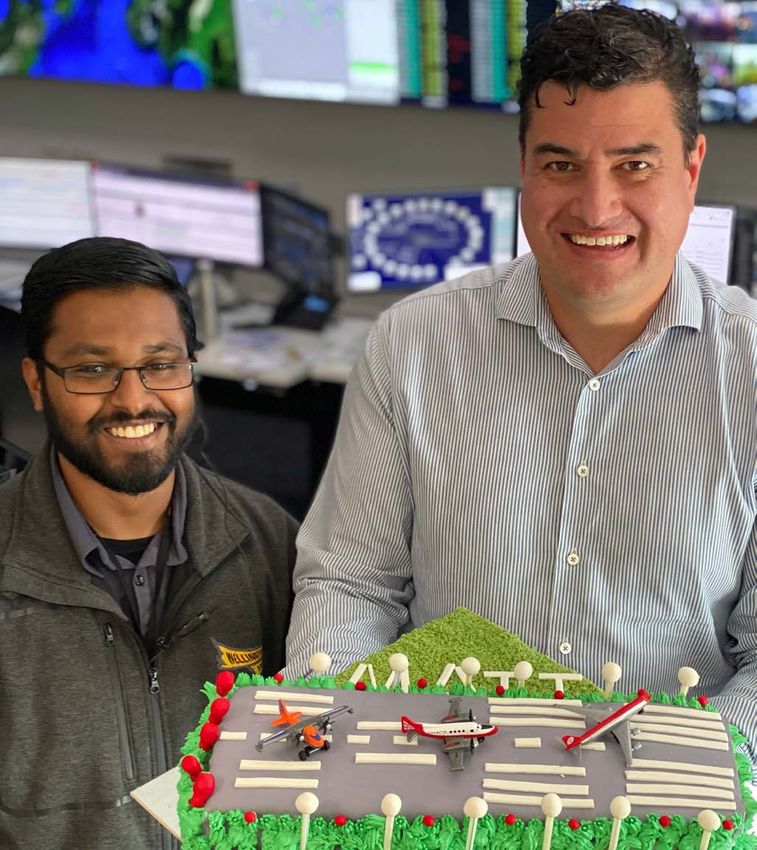
KEY HIGHLIGHTS

                2.97m D O M E ST I C PA SS E N G E R S
                                                                                                $36m
                                                                                      E B I T D A F - B E F O R E S U B V E N T I O N PAY M E N T

                 $7.2m OPERATING CASH FLOW
                                                                                               $35m CAPITAL INVESTMENT
                     ( E X C L U D I N G S U B V E N T I O N PAY M E N T )

                          RESIZED BUSINESS WITH A L ARGE REDUCTION IN OPERATING COSTS
               – EXCLUDING RATES AND INSURANCES, WE REDUCED OPERATING COSTS BY 32%

                    ALL TERMINAL OPERATORS REMAINED OPEN OR IN A POSITION TO REOPEN
                                                     WHEN INTERNATIONAL TRAVEL RETURNED

                                                        M A J O R R U N W AY R E S U R F A C I N G W O R K S
                                                COMPLETED IN ALMOST HALF THE USUAL TIME

      991 tonnes CO2-e
                           GREENHOUSE GAS
                                                                                1

                                                                                                                0
                                                                                                               SERIOUS
                                  EMISSIONS                                                                    INJURIES

                        30%                                                                     $2.3b
                                                                 2

                  REDUCTION IN ELECTRICITY                                                      TOTAL ECONOMIC OUTPUT
                   AND GAS CONSUMPTION

    Left: Photographer unknown                                                                        1.   Scope 1, 2 and 3 (staff travel) emissions
                                                                                                      2.   Against FY17 baseline

6                                                                                                                                                      7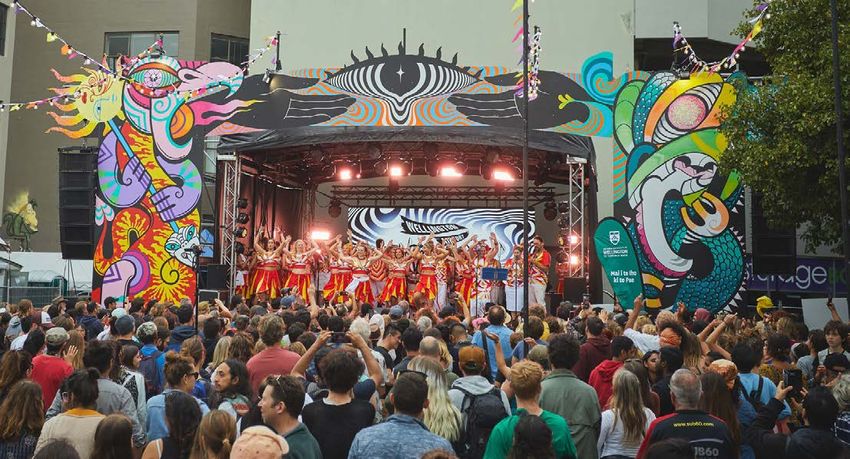
Kaitiakitanga                                                                                    UNITED NATIONS’ SUSTAINABLE DEVELOPMENT GOALS

                                                                                                                                5. GENDER EQUALITY
                                                                                                                                                                                            The United Nations’ Sustainable
                                                                                                                                                                                            Development Goals provide a widely
                                                                                                                                                                                            regarded international framework to
    Wellington Airport is committed to embedding sustainability across everything
    we do. We understand our responsibility to manage an efficient operation that                                                                                                           achieve a better and more sustainable
    delivers excellent connectivity and customer experience, whilst also caring for                                                                                                         future for all – integrating economic,
    our people, our community and the environment.                                                                                                                                          social and environmental aspects.
                                                                                                     9. I N D U S T R Y I N N O V A T I O N         7. A F F O R D A B L E
    Our Kaitiakitanga vision guides us to manage our operations efficiently, to care for                  & INFRASTRUCTURE                         & CLE AN ENERGY
                                                                                                                                                                                            We have identified the most
    our environment and our people, to support the local economy and to give back to
                                                                                                                                                                                            appropriate goals for us based on
    the community.
                                                                                                                                                                                            our ability to make or influence
    We work closely with our partners – airlines, tenants, consultants and contractors                                                                                                      change and alignment with our values.
    – to realise this vision by seeking opportunities to adopt energy efficient and
    sustainable processes across everything we do at the airport.

    In November 2020, we completed our second annual GRESB Infrastructure                                       13. CLIMATE ACTION            1 7. P A R T N E R S H I P S
    Assessment. This validates and benchmarks our Environmental, Social and                                                                     FOR THE GOALS
    Governance (ESG) performance data against other airports and infrastructure assets.
    Our score this year increased 20 points against 2019 to 78/100, reflecting the
    implementation of several ESG measures and initiatives.
                                                                                                     2030 TARGET BOARD
    We have aligned our risk management approach with the recommendations of the
    Task Force on Climate-Related Financial Disclosures. Detail is reported on page 38.

                                                                                                     Against our

                                        Kaitiakitanga                                                FY17 baseline

                                                                                                     Intensity-Based                                          Absolute % (volumetric)

                                                                                                     Terminal Electricity
                                                                                                     kWh/m2/yr                   30%

                                                                                                     Operational Waste                                               Circular economy
         CONNECTING                    CONNECTING PEOPLE,                 SUSTAINABLE                kg/Pax/yr                   30%            0%              Zero single-use plastics
        CENTRAL NZ TO                   THEIR EXPERIENCE                    GROWTH
          THE WORLD                    & OUR ENVIRONMENT

                                                                                                                                                                  Scope 1 + 2 Carbon
                                                                                                                                                                                 tCO2e/yr
                                                                                                                                                30%           WIAL’s footprint reduction

        OUR                             OUR                         OUR
        PEOPLE                          COMMUNITY                   ENVIRONMENT
        • Safeguard operations;         • Be a good neighbour;      • Protection for future          Terminal Potable Water
        • Care for all airport users    • Build meaningful            generations to enjoy;          litres/Pax/yr               30%
          and the community.              community partnerships.   • Transition to a 1.50C world.

8                                                                                                                                                                                                                                    9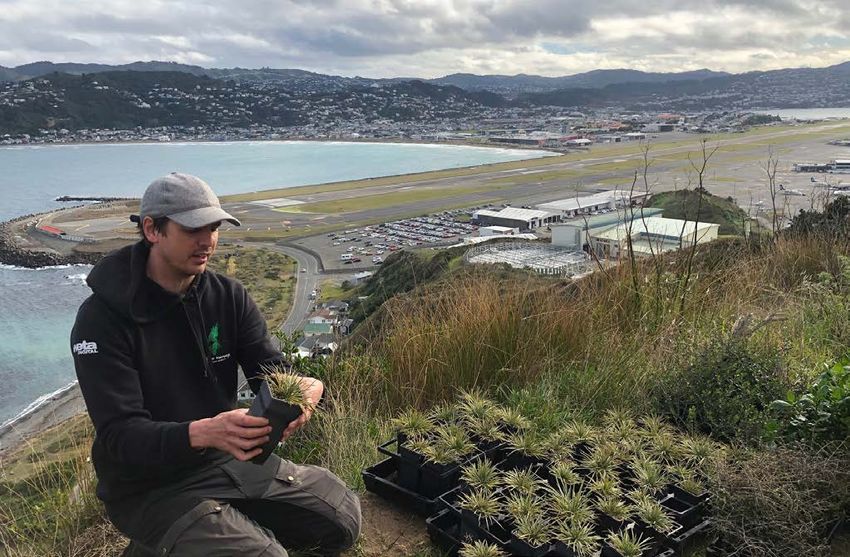
Aviation is typically a male dominated      management positions.                  female staff into leadership training
                                                                                                                                       industry, yet our total workforce is made   The practices we have embedded         and roles. Our focus on biannual

                                                                        OUR                                                            up of 25% females, 73% males and 2%         into our recruitment and development   engagement surveys enables us to
                                                                                                                                       gender diverse staff. In the corporate      process to support this work include   capture staff feedback and take action

                                                   PEOPLE
                                                                                                                                       office the balance is more evenly split     ensuring gender diversity across       to continuously improve our culture and
                                                                                                                                       with 40% females and 60% males.             our interview panels, reducing         overall staff experience.
                                                                                                                                       Although it has been an unsettled year      unconscious bias, increasing
                                                                                                                                       due to the impacts of Covid-19, we          the number of females we are           Left: Staff Step Challenge for Cystic Fibrosis
                                                                                                                                       continue to address the overall balance     interviewing for historically male     Photo by Mark Tantrum
                                                                                                                                                                                                                          Below: Operations team members Jilvin Jolly and
                                                                                                                                       throughout the airport and in senior        oriented roles, and encouraging        Matthew Palliser

     It’s been a tough year for the aviation       we place great focus on recruiting and    Diversity and inclusion remain an
     industry, and the direct impact on            retaining people who share a common       imperative to ensure we continue to
     Wellington Airport’s passenger                set of values that guide our decisions,   attract and retain high performers and
     numbers meant we had to make a                inform how we work together and enable    continue to be a great place to work.
     difficult, yet critical, decision to reduce   us to perform to our best. We provide     We also provide a range of social,
     staff numbers by 30% in April last year.      our people with a safe and supportive     community and wellbeing initiatives
                                                   work environment and invest in a range    including flexible working, wellbeing
     Since then, we have focused on helping
                                                   of learning and development initiatives   leave and health awareness campaigns
     staff remain resilient through a period of
                                                   to grow their experience and help reach   to ensure our staff feel valued, have a
     uncertainty and change. This includes
                                                   their career aspirations.                 sense of belonging and feel empowered
     placing greater focus on internal staff
                                                                                             to reach their full potential.
     communications, re-establishing               Our values are:
     pre-Covid-19 business practices                                                         Our demographic is diverse in age,
                                                   •   Whānau Kotahi (one team)
     that facilitate connection across the                                                   ethnicity, background, experience and
                                                   •   Diversity & Inclusion
     organisation and running regular social                                                 recent reporting shows our people’s
                                                   •   Be Exceptional
     and wellness events.                                                                    ethnic background closely aligns to the
                                                   •   Courage & Freedom
                                                                                             Wellington Region ethnic makeup.
     Our people continue to come first and         •   Customer Obsessed

10                                                                                                                                                                                                                                                                          11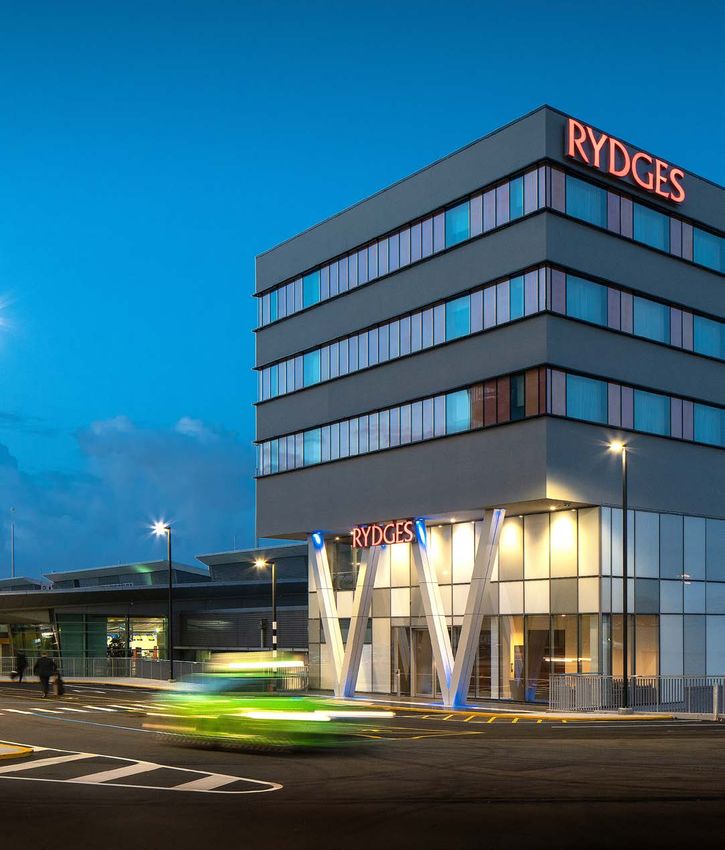
A SAFE                                                                                                                    OUR COMMITMENT TO

                                Workplace                                                                                                                              Community

     Best practice health and safety              frequently changing alert levels and        regimes. We also carried out regular          Despite the challenges of Covid-19,       well as free resource and access to          tastings from local favourites Fortune
     processes have always been an                putting in place the controls needed to     emergency preparedness checks which           Wellington Airport remains critical       the terminal for events and local film       Favours, Double Vision Brewing, Waitoa
     integral part of our operations and will     keep both staff and the public safe. This   included fire fighter response callouts,      infrastructure for the region and         productions.                                 Beer, Fork and Brewer and Parrotdog in
     always be our number one priority. The       includes changing signage and public        fire drills in the main terminal and table-   local businesses and communities                                                       celebration of Beervana, New Zealand’s
                                                                                                                                                                                      In October we helped create awareness
     airport is certified by the Civil Aviation   announcements, increasing our cleaning      top scenarios. As part of these reviews,      rely on our support now more than                                                      premier beer festival. To help boost the
                                                                                                                                                                                      for Restart a Heart Day in partnership
     Authority (CAA). Under the CAA’s             protocols and separating travellers to      while flight numbers were low, we took        ever. While we had to scale back our                                                   atmosphere in the terminal, travellers
                                                                                                                                                                                      with Wellington Free Ambulance, giving
     Part 100 safety rules, we are required       reduce the risk of physical transmission.   the opportunity to spend additional           contribution to community events this                                                  also enjoyed live entertainment from
                                                                                                                                                                                      passengers an opportunity to brush up
     to achieve and maintain a Safety             Despite Covid-19, in our most recent        time on staff training and collaboration      year, we are proud to have been able                                                   circus performers, drag entertainers,
                                                                                                                                                                                      on valuable lifesaving skills while in the
     Management System, which aligns              in-terminal customer survey, 93% of         with airport stakeholders to further          to provide support in other ways.                                                      DJs and bands.
                                                                                                                                                                                      terminal. We also supported fundraising
     with the Health and Safety at Work Act       our passengers told us they feel safe       improve our safety culture. This has led
                                                                                                                                            This includes free promotional support    activity for the Neonatal Trust and Mary
     2015 and meets all safety regulations.       and secure when travelling through          to initiatives to enhance safety on the                                                                                              Left: Integrated Operations Centre. Photo by
                                                                                                                                            for various Wellington-based events       Potter Hospice ‘Purple Bin Campaign’.
                                                  Wellington Airport.                         airfield and in our baggage halls.                                                                                                   Elias Rodriguez for Mark Tantrum Photography
     During the past year, our well-established                                                                                             such as Wellington On A Plate, the                                                     Above: A Taste of Beervana touches down at
                                                                                                                                                                                      Our first significant event post Covid
     processes have come to the fore as           Throughout the year we maintained           Going forward we will continue to review      Wellington Jazz Festival, WOW Up                                                       Wellington Airport
                                                                                                                                                                                      was ‘A Taste of Beervana’ in partnership
     we manage the impact and uncertainty         our airport safety management system        our health and safety processes to            Close, Kotahi, Māoriland Film Festival,
                                                                                                                                                                                      with Fortune Favours. Throughout
     of Covid-19. Within the terminal we          with ongoing audits, inspections and        ensure they remain fit for purpose in our     NZ Fringe Festival, Classical on Cuba
                                                                                                                                                                                      October and November, visitors to the
     have become adept at responding to           improvements made to staff training         new post-Covid operational environment.       and the Wellington Pride Festival, as
                                                                                                                                                                                      airport were treated to a series of beer

12                                                                                                                                                                                                                                                                                13
Below: 2020 Wellington Airport Spirit Award recipients
with CEO Steve Sanderson and Rongotai MP Paul Eagle.
Photo by Elias Rodriguez for Mark Tantrum Photography
In March, travellers enjoyed a sample of
the CubaDupa experience with a series
of performances and drink tastings in
the terminal. We supported the event
with some in-terminal promotion and
sponsored the Nga Taniwha Stage,
which featured a variety of performers
including Troy Kingi, Virtuoso Strings
and Wellington Batucada. After two
difficult years for the event, we were
proud to play our part in making this
much-loved street festival a success
this year.
Also in March, Wellington Airport staff
united in a month-long step challenge
and donated $5000 to Cystic Fibrosis
Shortly after A Taste of Beervana, channels, followed by a ‘Love community projects and being good Wellington. The goal was to collectively
we ended the year with a sparkle, Local’ campaign in the New Year, ambassadors for their college and walk the equivalent of 4000 lengths of
hosting our sixth Christmas Tree with both campaigns receiving the eastern suburbs. The awards the runway and as a team we smashed
Festival at the airport in partnership great engagement. are usually presented as part of our the target by walking more than 5000
with Cystic Fibrosis NZ. This year annual Community Awards event; lengths of the runway.
Also in December, we held a
more than 30 businesses, community however, this year we had to make Throughout the year, we continued to
celebratory lunch for students
groups and organisations decorated the difficult decision to postpone the work closely with Wellington NZ and
from our five local colleges who
a tree including Wellington Phoenix, event due to Covid-19. Throughout Tourism NZ to amplify Wellington and
went the extra mile for their school
the Rydges, Whittakers, Subway, Ben the year we have continued to domestic marketing campaigns such as
and community. This year, local
& Jerry, Naylor Love and Six Barrel actively support the community ‘Do Something New, New Zealand’ and
MP Paul Eagle, presented the
Soda. In total the festival raised more through these challenging times, ‘Never have I ever’. We also supported
Wild at Heart Spirit Awards to
than $30,000 for cystic fibrosis. and we look forward to celebrating the Government’s Covid messaging and
recognise students who stand out
the great work these groups do at ‘Make Summer Unstoppable’ campaign
To show our support for local for contributing to their college,
our next Wellington Airport Regional across our communication channels.
businesses and promote Wellington developing good relationships,
Community Awards event later this
region events and activities, in treating others with respect
year.
December we ran a 12 Days of and concern, demonstrating Top: CubaDupa Wellington Airport Nga Taniwha stage.
Photo by Oliver Crawford
Christmas giveaway on our social commitment to their school or
Middle:Restart a Heart day Wellington Free Ambulance
Bottom: The Bay Boys of Wellesley College perform
in the terminal for the Cystic Fibrosis Wellington
Christmas Tree Festival
14 15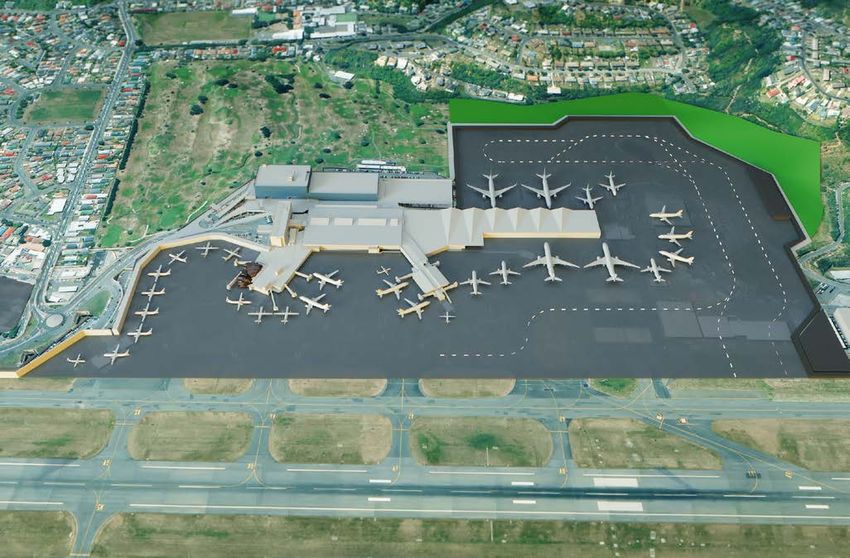
OUR
ENVIRONMENT
Over the past year, our focus has emissions by 2050. We contributed to emissions budgets,
TARGET ARE AS
Reducing carbon emissions
INITIATIVES
Purchased Voluntary Emission Reductions to offset our 2020 operational
carbon emissions (including staff travel). This makes us Carbon neutral for
2020
been centred around our Covid-19 the New Zealand Airports submission on • government research into the Ongoing replacement of our fleet of vehicles with electric alternatives
response and managing our resources the Climate Change Commission’s draft potential for a domestic sustainable
as efficiently as possible. Throughout advice. The submission supports the aviation fuel (SAF) industry, and Significant reduction in unnecessary use of emergency stationary generation
this time, we’ve made some positive Climate Change Commission recognising
• an aviation emissions action Reducing energy use Comprehensive review of the daily operation of our heating and cooling
changes at the airport as a direct result the essential role international and
plan and a policy framework that
of the reduction in passenger numbers, domestic aviation plays for economic systems to reflect changes in passenger numbers and terminal space
provides clarity and stability to the
for example significantly reducing and social connections, and the
sector. Implemented building analytics technologies to provide a real time, integrated
our energy use in the terminal and proposed approach to decarbonising the
By 2030, we aim to reduce our view of our building performance – identifying opportunities for improved
completing major runway resurfacing transport sector by focusing on changes
operational carbon emissions, waste to efficiency and performance
works in almost half the usual time. that are currently technologically
landfill and electricity use by 30%. These
This created notably less disruption possible.
targets inform our daily decision making, Ongoing programme to replace all halogen lightbulbs in the airport with
to our surrounding community and
Key submission points include support including adopting energy efficient energy efficient LED lighting
we also diverted thousands of tonnes
for: and sustainable construction into our
of asphalt to other roading projects,
• a strengthened Emissions Trading projects and making changes to how we Sustainable design Adopting energy efficient and sustainable construction into our projects –
rather than landfill (see page 26 for
Scheme as the main policy lever manage our waste and resources. targeting a GreenStar 5* equivalent design rating
more details).
to decarbonise activities in New
Our carbon emissions target is an Reducing waste Replacing single use plastic with reusable or compostable alternatives
The effects of climate change and global Zealand,
absolute target, which means we will
sustainability issues are of increasing
• New Zealand’s continuing reduce emissions irrespective of our Diverting waste from landfill Continuing the coffee cup composting trial with ‘For The Better Good’ and
importance to our community and our
participation in the International footprint or the number of passengers
customers. progressing plans to establish a flagship community garden and composting
Civil Aviation Organization’s Carbon we service.
site locally
We will continue to work closely with the Offsetting and Reduction Scheme
Government to ensure we meet all policy (CORSIA) and for the Commission to Below: Sustainability and Environment Manager Diverted 25% of waste from landfill in the demolition of the properties on
fully explore options for international Nicola Cordner with Deputy Mayor Sarah Free with
requirements and play our part in helping
electric ground power and ground support equipment. Broadway
New Zealand to reach national net zero emissions to be factored into future Photo by Mark Tantrum
Recycled 100% of the asphalt removed from the runway – a total of 17,900
tonnes
Influencing the supply chain Developed a Guide to Sustainable Procurement to ensure the goods and
services we purchase make a positive contribution – environmentally, socially
and economically
Regenerating the local community Partnered with Te Motu Kairangi to support the regeneration of the Miramar
Peninsula and our local community
Supporting industry Provide common-use electric chargers for our electric airside ground support
equipment (GSE) and vehicles
Provide electrical ground power at some gates so aircrafts can get electricity
straight from the local grid without the need to run their auxiliary power units
(APUs)
Implemented Performance Based Navigation routes to enable quieter and
more fuel-efficient arrivals into Wellington Airport and enabling participating
airlines to fly fewer kilometres, reduce fuel burn and CO2 emissions and
shorten passenger travel time.
16 17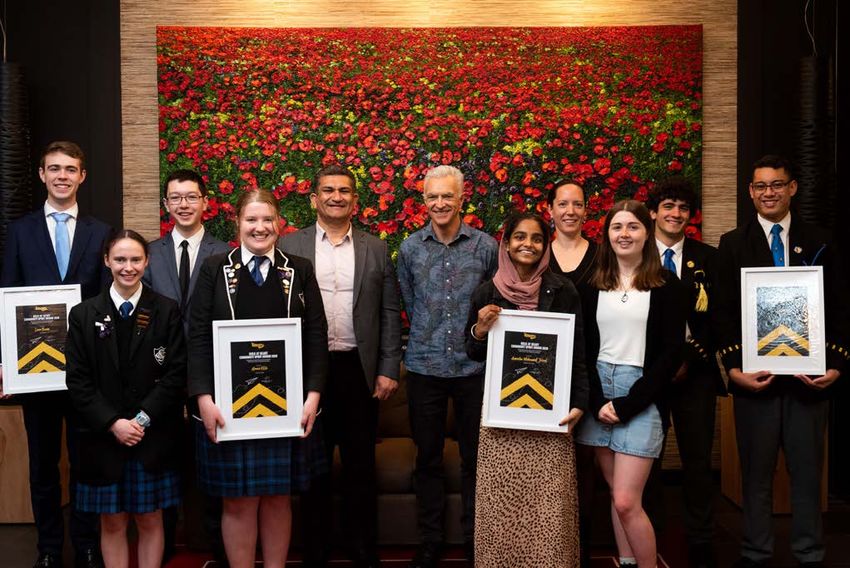
CASE STUDY                                                                                                          CASE STUDY

     Supporting our       A team of volunteers from across the
                          airport worked with Te Motu Kairangi to
                                                                     Following a small scrub fire that damaged
                                                                     some of the recent plantings, our team
                                                                                                                            Reducing our   One notable benefit of Covid-19 has
                                                                                                                                           been the opportunity to significantly
                                                                                                                                                                                         The significant 60% reduction in our
                                                                                                                                                                                         natural gas consumption (against FY17
     local biodiversity   plant over 430 native trees and shrubs     rallied to support the Te Motu Kairangi                energy use     reduce our operational energy use,            baseline) has had a direct impact on our
                          on Palmer Head.                            team to maximise the opportunity of the                               particularly in the terminal.                 carbon emissions – 279 tonnes less than
                                                                     scrub clearing and plant native species in                                                                          heating source emissions in 2019.
                                                                                                                                           During the year, our Energy Committee
                          In liaison with Airways NZ, we continue    its place.
                                                                                                                                           focused on how heating, cooling, and          These learnings, together with a new
                          to work with the Te Motu Kairangi team
                                                                     We also continue to provide support                                   lighting systems could be managed             building analytics platform coming live,
                          on the habitat restoration of Palmer
                                                                     for Predator Free Miramar as a strategic                              to ensure energy wasn’t being used in         will inform future improvements in
                          Head – home to the last remnants of
                                                                     trapping and baiting location to protect                              areas of the terminal closed due to the       system efficiency and performance.
                          matagouri on the North Island and one
                                                                     the peninsula.                                                        significant reduction in air traffic. These
                          of the remaining coastal habitats of the
                                                                                                                                           steps, and further controls implemented       Above: Photo by Bradley Garner
                          Speargrass weevil, one of Wellington’s
                                                                     Above: Planting at Palmer Head with Te Motu Kairangi                  on the heating system, resulted in a 28%
                          rarest native animals.
                                                                                                                                           reduction in totally energy use compared
                                                                                                                                           to last year.

18                                                                                                                                                                                                                                  19
CASE STUDY CASE STUDY
Improving As the climate continues to change, we
are planning for rising sea levels, more
We actively promoted the Airport
Collaborative Decision Making (A-CDM)
Noise Management Few cities in the world benefit from
an airport as conveniently located as
This includes the Quieter Homes package
which will offer almost 700 homeowners
operational extreme weather and climate related program during the year. This is part Wellington’s. This accessibility and a specifically tailored package of acoustic
resilience
events which will present a risk to of the New Southern Sky national proximity to residential properties mitigation treatment designed to reduce
infrastructure and property. programme for the modernisation of means we must carefully monitor and aircraft noise.
airspace and air navigation in New manage the effects of airport noise on
This year we started planning for the We are continuing to roll out the
Zealand. A-CDM has the potential our neighbours.
upgrade of our coastal protection programme for the properties most
to improve the way airports, aircraft
structures (seawalls and breakwater) The Wellington City Council District affected by air noise, completing 7
operators, ground handling organisations
– inviting feedback from the local Plan governs the total noise for aircraft property upgrades in a year significantly
and air traffic control work to streamline
community to help inform our design. movements and the hours of flight, with impacted by the effects of Covid-19 on
airport operations, reducing both noise
The new structures need to withstand a night curfew in place. We currently resourcing and delivery.
and emissions. We will continue to
rising sea levels, increased frequency operate well within the noise limits and
work with our airline partners on its
and intensity of storm events and curfew conditions. Above: Photo by William Isaacs
implementation at Wellington Airport to
earthquakes.
fully realise these benefits. As part of our Noise Management Plan,
which is overseen by the Wellington Air
Above: Photo by James Grigg
Noise Management Committee, we’ve
implemented a range of noise mitigation
measures within the Air Noise Boundary.
20 21AIRLINE AND
PA SS E NG E R
RECOVERY
2020 has been an extremely
challenging year for the aviation
industry, with the International Air
Transport Association (IATA) reporting
it as ‘the worst year in history for air
travel demand’. In March 2021, IATA
reported total passenger numbers
were down 66% compared to March
2019 with US$126 billion in losses for Despite these challenges, Wellington and the wider tourism industry worked many thousands of Wellingtonians
airlines. Airport has recovered faster than most, hard to encourage Kiwis to see their whose livelihoods depend on travel and
Globally, multiple airlines have helped by: own country. In January 2021 Gisborne, tourism.
experienced significant financial distress Hamilton, Invercargill, New Plymouth, Going forward, as safe international
• a high exposure to the domestic
since the start of the Covid-19 pandemic Queenstown, Tauranga and Timaru all travel resumes, Wellington Airport will
market (pre-Covid, over 5 million
including Chile LATAM which filed for operated with more capacity than the play a prominent role in New Zealand’s
of our 6.4 million passengers were
Chapter 11 Bankruptcy protection, same time last year (pre-Covid). recovery. With Kiwis eager to travel,
domestic travellers),
Australia’s second-biggest airline Virgin • the relative lack of domestic During the year there have not been any and long-haul international travel likely
Australia which entered voluntary Covid-19 restrictions in New regular scheduled international flights to be difficult for some time to come,
administration and AirAsia Japan which Zealand, including the removal of to and from Wellington, but we have we expect there to be a high demand
has now stopped operating. Many social distancing requirements for welcomed a handful of international for travel to Australia and the Pacific.
others, including our own national carrier, air travel, charter flights, and some MIQ flights There is also an opportunity for some
Air New Zealand, have been relying on • an eagerness from Kiwis to explore through our Western Apron facilities. different services to be profitable in a
Government support. their own country, and high demand/low-cost environment.
In August 2020, the Ministry of Health
Airports have also suffered because of • a return of corporate travel. When long haul carriers return, access
gave its high-level approval for ‘safe
the travel restrictions, particularly those to central New Zealand will be important
travel’ international services to and
with a high exposure to the international Overall, our domestic capacity, which to sustainably grow back to pre-Covid
from Wellington Airport, making us well
travel market with major gateways such fell to 1% of pre-Covid levels in April levels.
prepared for the recent return of trans-
as Sydney and Melbourne seeing traffic 2020 and 20% in May, is now sitting
Tasman travel in April this year. Since
drop to 11% of pre-Covid levels for at around 90% of pre-Covid capacity, Left: Photo by @binghamcreative
then, we have continued working to Above: Mark Tantrum Photography
the year-ending February 2021, while with three million domestic passengers
meet any requirements advised to us by
Auckland sits at 25% of pre-Covid over travelling through the airport during the
government agencies. Pre-Covid, travel
the same period. year (compared to just over five million
to and from Australia and Fiji accounted
last year).
for 66% of our international capacity. The
Many routes saw positive growth during return of these services will therefore
the summer months as airlines, airports provide a much-needed boost for the
22 23TRAVELLER
services
Our focus in the terminal over the past At the end of 2020 we hosted a number international departures area to provide
year has been on ensuring retailers, of in-terminal activities, such as ‘A Taste more space for Aviation Security (Avsec)
food and beverage operators, taxi of Beervana’ and our annual Cystic and Customs services. As part of the
drivers, rental car operators and other Fibrosis Christmas Tree Festival, to upgrades, Avsec rolled out new Smart
airport users feel supported and in a restore the terminal vibe we were used Lanes and body scanners to replace
good position for recovery and growth. to pre-Covid-19 (see page 13 for more older x-ray technology for passenger and
details). baggage screening. In future years we
Our teams worked with the businesses
anticipate the cost of security to increase
based at the airport to provide practical Over the coming months we will be
in line with the increase in regulatory
support as required. We have also reinvigorating our existing dining area
requirements. This is an area we are
provided information to help businesses to provide customers with an enhanced
keen to work closely on with Avsec and
comply with latest government experience when visiting or travelling
airlines to ensure costs are managed
guidelines and make informed decisions through Wellington Airport. The first of
while also ensuring security and
about their business operations. We are these initiatives includes a new noodle
passenger service standards are met.
very proud our wider airport community and poke bar, opening in May 2021.
has traversed the pandemic in an
During the year, we completed the
excellent position to benefit from the Below: Photo by Bradley Garner
expansion of Air New Zealand’s Right: Rydges Wellington Airport, Photo by Andy Spain
anticipated air travel recovery with fully
operational areas in the South West Pier
occupied, vibrant tenancies across the
and Swissport’s offices in the North Pier.
campus and best in class customer
We also completed an upgrade to our
experience.
In July, we made
some temporary gate
changes in response
to the adjustment of
airline schedules due to
Covid-19, which enabled
us to maximise use of
our gates by using the
international terminal
for domestic flights.
This resulted in faster Following the temporary closure of the Rydges Wellington Airport
processing of passengers hotel in April 2020, guest volumes have continued
on and off flights, with to build steadily as passenger numbers recover.
minimal disruption. All
flights are now operating Since reopening, the hotel has seen strong demand for its conferencing
from their usual gates in facilities as a result of being the only hotel in New Zealand directly
response to an increase in connected to the terminal. To cater for this demand additional rooms
domestic travel. have been added to the inventory, increasing the
conference centre’s capacity by over 30%.
24 25CASE STUDY
SUPPORTING
How Covid-19 Approximately every 10-12 years we
must resurface our runway to ensure
year the lack of international flights and
longer overnight working window due
STEPS TAKEN TO KEEP NOISE • Managing traffic, including
staggered haulage routes, and SUSTAINABILITY AND
helped us the ongoing safety and efficiency of
our airport operations. This involves
to Covid-19 provided an opportunity to
complete the project in almost half the
DISRUPTION TO A MINIMUM stockpiling of material on site
to enable fewer night-time truck
LOOKING OUT FOR THE
fast-track milling and paving to replace the
runway surface and grooving of the
time.
• Staging works to reduce the
duration of noisy work within night movements
ENVIRONMENT
All old runway asphalt was
major runway surface to improve water run-off and
traction.
Working longer and fewer shifts
resulted in multiple benefits, including •
curfew hours
Ensuring all vehicles use non-tonal
• Ensuring all staff on site receive
training on practices to avoid
recycled by Fulton Hogan and
resurfacing works All work must happen overnight to
cost savings and increased quality
due to fewer pavement joins, and also
reversing beepers unnecessary noise during the
work, such as ensuring vehicles are
used for the construction of
Transmission Gully, diverting
prevent disruption to airline schedules, less disruption to our surrounding • Using noise barriers and acoustic thousands of tonnes of asphalt
not left running when not in use,
which means there is inevitably some community. curtains where practical, and from going to landfill, and
limiting horns for emergency use
disturbance to nearby residents despite mandatory for the grooving reducing the need to quarry for
and avoiding engine breaking on
the noise reduction measures we put in • Ensuring all equipment meets entering the site virgin aggregates.
place. modern specifications, including
• Direct communications and regular
Typically, the works would take up to use of non-vibrating compactors,
website updates to ensure local
six months to complete. However, this oscillating rollers, and loading
residents know what to expect and
dampeners where possible Left: Runway Resurfacing Team photo by
when. Colin McDiarmid
• Manufacturing asphalt off-site Above: Photo by Elevo Commercial Drone Services
26 26 2277CASE STUDY
“The very decision to take advantage of the “Over the years I have witnessed the increase Sunflower “Airports are busy environments
Lanyard to help
reduced air traffic during 2020, to bring forward in proactive mitigation measures put in place • Need more time to process
that can be stressful for some
the project and enabling the work to be completed by the airport to reduce the impact on the local information or more time to prepare
travellers, particularily those
in a significantly shorter timeframe than in normal
circumstances, was inspired. As a member of the
residents. These measures include expert
advice up front on the best options to reduce people with •
themselves at security
Need clearer verbal instructions,
with disabilities that aren’t
immediately obvious to airport
Air Noise Management Committee I was advised
of the planned noise mitigation steps and fed into
the impact on neighbours, noise management
plans, better equipment, excellent communication hidden disabilities as it can be difficult to understand
facial expressions and/or body
staff,
the communications plan for neighbours. As a with all stakeholders, involvement of resident language The new lanyard initiative makes
Anyone travelling through Wellington
nearby resident myself, one of the most significant representatives at Air Noise meetings, monitoring, • Need help reading departure boards it much easier for our staff to
Airport with a hidden disability such
things was actually understanding what the making adjustments to concerns during or signs recognise when passengers may
as Autism, ADHD, dementia or a
noise was and how long it was expected to last. construction and a review process afterwards. I • Always need to stay with family or need extra help and we hope it
hearing or visual impairment can
Additionally, the noise during the project has not have anecdotally witnessed the increase of trust friends will ensure all travellers have a
now discreetly let Wellington Airport
reached a level that has caused me concern (so from residents that the airport is considering their • Be exempt from wearing a positive experience at Wellington
staff know they may need extra help
the mitigation strategies are clearly working)”. needs over the years. This has led to Council facemask if they have a hidden Airport”
thanks to a new initiative launched in
receiving very few complaints in recent years and disability which prohibits them from
Member Air Noise Management Committee December. Matthew Palliser
very few complaints being reported to the Air wearing a mask
Head of Operations
Noise Committee.” The Sunflower Lanyard initiative was • Benefit from a comprehensive
Wellington Airport
Wellington City Council introduced in partnership with Autism briefing on what to expect as they
Above: Photo by Elevo Commercial Drone Services NZ to indicate to staff that a passenger travel through the airport
Right: Photo by Elias Rodriguez for Mark Tantrum
may:
Photography
28 29COPING WITH COVID-19
travel restrictions
Since New Zealand’s first case of requirements which we were able to and controlled way once the vaccination
Covid-19 on 28 February 2020, the immediately meet. We will continue to rollout is complete. We have already
airport has experienced a period of work hard to meet any further changes contributed to a significant body of
constant adjustment in response to in government requirements and remain work on Covid-19 risk modelling, which
changing alert levels, with a total of 17 poised to respond to any emerging has been shared with government
alert level changes to March 2021. Covid-19 situation. agencies. We anticipate continued close
work between the government and the
Throughout this time, we have worked Wellington Airport’s Quarantine-Free
aviation sector as New Zealand gradually
closely with the aviation industry, Travel Plan is simple: all passengers
reopens to the world.
airport stakeholders, medical experts, processed in the main terminal arrive
and government agencies to help re- on ‘green’ flights only. We are uniquely
establish safe travel in New Zealand. placed with no long-haul international
flights, and all MIQ transfer flights
In anticipation of borders opening
are handled on the western side of
again, we have played an important
the apron well away from the main
role in helping to define risk-based
terminal. All domestic, Australian and
border policies, regularly attending, and
Pacific passengers can therefore travel
participating in government-led groups.
through Wellington Airport with peace
A significant part of this planning has of mind, knowing that facilities are not
been to ensure Wellington Airport shared with arrivals from outside of the
would be ready to immediately Quarantine-Free Travel Zone.
process international travellers when
We have increased cleaning protocols to
the Government gave the go-ahead
ensure extremely high hygiene standards
for a trans-Tasman or Pacific bubble.
are maintained. We have also facilitated
Toward the end of the financial year, the
the testing of front-line workers at the
Government signalled Quarantine-Free
airport and put processes in place for
travel would begin in April, and this has
this to be expanded once the Quarantine-
since commenced.
Free Travel Zone commenced. We will
We worked hard to be ready for continue to work with the Ministry of
Quarantine-Free travel and were Health and other relevant government
prepared well in advance of government agencies to understand and support any
decisions to partially reopen the border. requirements for safe international travel
In August 2020 the Ministry of Health going forward.
gave high-level sign off for our ‘Safe
Over the next year, we expect
Zone’ processes after inspection by the
government policy to turn to wider
Capital & Coast District Health Board.
plans for reopening borders in a safe
In March, we were advised of further
30 31OUR
Masterplan
future airport activities and development airport to cater for peak time demand with the experts and ask any questions
within the site. more efficiently, reducing the need for about the Notices of Requirement.
aircraft to wait for an available parking
The second ‘airport purposes’ The submission period closed on 26
position. It will also provide the capacity
designation was lodged with Wellington February, and a hearing has been set
to cater for the infrastructure needs of
City Council in February 2020. The down for 19-21 May.
low emissions aircraft technology as it is
proposed designation is primarily over
introduced.
the area of land making up the southern
portion of the existing Miramar Golf Both Notices of Requirement for these
Course. If confirmed, this will enable designations were publicly notified
us to use the land to the east of the concurrently by Wellington City Council
airport for aircraft operations, taxiways in December 2020. On 28 January, we
and aprons, and ancillary activities. The held two public information sessions for
proposed expansion will enable the interested groups to meet one on one
In December 2019, after a period deliver essential aviation infrastructure The first ‘airport purposes’ designation
of public consultation, we as required. This includes securing a was lodged with Wellington City
published the final version of our designation over the former Miramar Council in August 2019. The proposed
2040 Masterplan. This outlines the South School site and lodging Notices designation is primarily over the area
developments required to respond to of Requirement for ‘airport purposes’ of land making up the existing Airport
future demand and ensure our airport designations to enable the progressive – currently zoned as Airport Precinct
infrastructure is resilient to a changing development of the main airport in the District Plan – and effectively
climate. site and the land to the East of the mirrors and replaces the current rules
current passenger terminal, as well as and requirements outlined in the District
Notwithstanding Covid-19, the
commencing enabling works, such as Plan in relation to airport activities. The
Masterplan remains the blueprint for
the demolition of the former AirNZ Cargo proposed designation will enable us to
the future. Throughout the year we have
building, as a precursor to required apron establish a more efficient and flexible
taken the steps necessary to ensure
expansion. planning framework for existing and
we continue to be well positioned to
32 33OUR LEADERSHIP
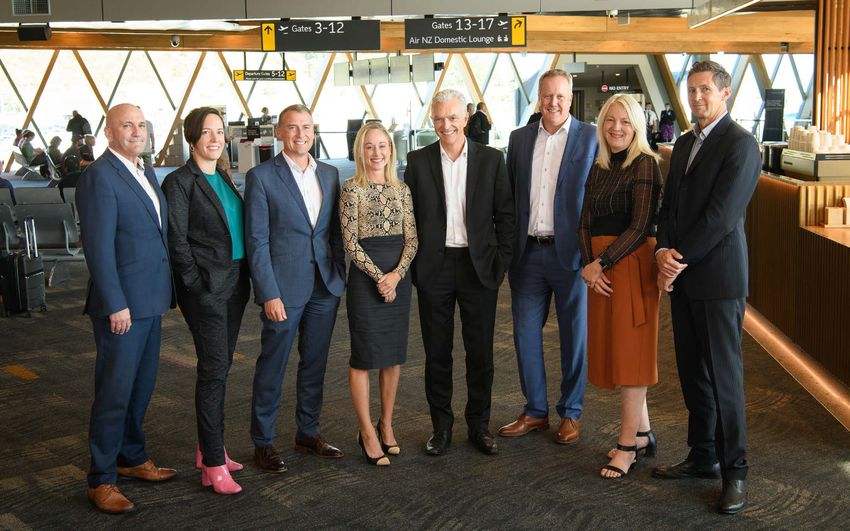
TEAM From left to right:
John Howarth
General Manager Infrastructure
Jenna Raeburn
General Manager Corporate Affairs
Matt Clarke
Chief Commercial Officer
Jackie Holley
General Manager People and Culture
Steve Sanderson
Chief Executive
Martin Harrington
Chief Financial Officer
Leanne Gibson
General Manager Facilities,
Transport and Technology
Ayolt Wiertsema
General Manager Aeronautical
Operations
Left: Photo by Mark Tantrum
THANK YOU
We want to warmly thank our
team at Wellington Airport and the
many people who work within the
wider airport community for their
support during the year including our
volunteer ambassadors and all our
airlines.
34 35OUR FY21 ENVIRONMENT
Results
ENERGY TERMINAL ENERGY USE WASTE SOLID WASTE
16,000 300
TOTAL GAS AND ELECTRICITY
OPERATIONAL SOLID
CONSUMPTION (KWH) 800 35%
14,000 M U N I C I PA L WA ST E
TERMINAL ELECTRICITY 250
KG / Y R | KG / PA X / Y R
KWH/M2/YR
12,000 30%
Our total waste volume has also
Terminal energy consumption has been
200 significantly decreased as a result of less
significantly influenced by the reduced 10,000 600
passengers during FY21, however the
KWH/M2
25%
passenger numbers and operating hours
MWH
volume of waste sent to landfill for every
as a result of COVID-19. 8,000 150
100 passengers has also reduced from 20%
The most significant savings were in 6,000 7kg to 5kg/100pax.
100 400
natural gas consumption, using 60%
We are continuing to work on initiatives
TONNES
less gas than in previous years with a 4,000 15%
to reduce the overall volume of waste
comparable number of heating days, 50
2,000 generated and ensure that the diversion
because of placing more stringent 10%
of waste from landfill through recycling
controls on heating set points and our 200
- -
and composting continues with an
reduced operating hours. Overall energy FY17 FY18 FY19 FY20 FY21
increase in passengers in FY22. 5%
use was down 30% against our FY17 Tenant electricity consumption (MWh) Electricity consumption (MWh)
Tenant gas consumption (MWh) Gas consumption (MWh)
baseline. Electricity consumption (MWh) Gas consumption (MWh)
Terminal electricity (kWh/m2)
0 0%
Tenant Electricity consumption (MWh) Tenant Gas consumption (MWh) FY17 FY18 FY19 FY20 FY21
Terminal electricity (kWh/m2)
Waste to landfill (tonnes) Recycling/Composting (tonnes)
CARBON Diversion rate %
SCOPE 1 +2 CO2e EMISSIONS C O 2e E M I S S I O N S
KG / Y R | KG / PA X / Y R 2200 0.35
Our scope 1 (direct emissions from 2000
Wellington Airport-owned sources) 0.30
1800
and Scope 2 (indirect emissions from
purchased energy used by our operations) 1600
0.25
have significantly decreased for FY21. 1400
This is the direct result of significantly
TO N N E S / PA X
0.20
1200
less natural gas being used for terminal
TONNES
heating. The emissions per passenger has 1000
0.15
increased due to low passenger numbers 800
during the year.
0.10
600
The emissions associated with staff travel
(Scope 3) were also significantly less at 400
0.05
6.95 tonnes for FY21. 200
0 0.00
FY17 FY18 FY19 FY20 FY21
Scope 1and 2 Scope 3 (staff travel) CO2e tonne/pax/year
36 37Governance and Climate Climate
CLIMATE REL ATED
oversight of strategy risk management
climate-related
DISCLOSURES
Wellington Airport has started Our Risk Management Framework and
embedding climate change into Risk Management Policy guides our
risks our business, strategy and financial
planning. We will continue to gather
approach to risk management. Climate
change and climate-related risk is
Our Board has ultimate accountability
information and analyse the impacts, identified as a material issue and the
for the management of risk, including
risks and opportunities of climate most recent comprehensive review of
those related to climate change.
change on our business. existing risks identified:
Strategic climate-related risks are also
Wellington Airport supports the Taskforce for Climate Related Financial Disclosures (TCFD). The below
considered by the Board as part of the A high-level assessment of our potential • risks where the likelihood and/or
summarises how Wellington Airport aligns with the TCFD recommendations. This reporting is currently
Risk Management Framework. Climate exposure to physical and transition consequence may be impacted
voluntary, but we are well positioned for the proposed introduction of mandatory disclosures from FY23.
risk also forms part of the Board’s climate-related risks and opportunities by physical risks associated with
evaluation of material projects and has been completed. The physical risk climate change,
capital investments. details were informed by the NIWA
• risks related to the transition
OUR TCFD ROADMAP Regional snapshot of projected climate
towards a low-carbon economy, and
The Audit and Risk Committee supports
changes and hazards (Zone 2) and
2020 2021 2022 the Board in this function by performing • new climate-related risks.
are based on the RCP4.5 and RCP8.5
reviews of primary business risks and
projections and consistent with the This review was completed by all risk
• Publicly supported the TCFD • Expansion of scenario • Integrate climate-related its Risk Management Framework.
methodology of the National Climate owners in liaison with the Executive
recommendations analysis risks and opportunities into The Audit and Risk Committee meets
Change Risk Assessment. Kaitiakitanga and Climate Committee
strategic decision making and on a quarterly basis, with committee
• Completed a Governance review • Review of risk management A comprehensive scenario analysis, against the high-level scenario analysis
proceedings reported back to the Board.
financial planning and internal stakeholders. Further
process including the 2oC climate scenario, is
• Established the Executive During 2020 we established the work is required to determine the
• Establish metrics for climate required to understand quantitative
Executive Kaitiakitanga and Climate financial impacts of those risks and
Kaitiakitanga (Climate Risk) • Complete detailed risk and impacts of risks and opportunities on
adaptation and transition risk Committee. The Committee meets
Committee opportunity assessment business strategy. We have proposed the integration of risks into strategic
and opportunities frequently and is responsible for planning and business frameworks.
(quantitative assessment that this work would be more effectively
• Identified an internal team to ensuring we are identifying, assessing
considered in collaboration with local
risks and opportunities in and monitoring climate-related risks and
assess and manage climate-re- Below: Photo by Cato Partners
infrastructure partners.
context of other business opportunities in accordance with the
lated risks and opportunities
risks) Risk Management Framework and that
• Conducted gap analysis against climate-related actions are adequately
• Review impacts of resourced. This includes monitoring
the disclosure areas
climate-related risks and reporting against our Kaitiakitanga
• Carried out high level scenario and opportunities on targets.
analysis and identification of organisational strategy and The Executive Kaitiakitanga and Climate
climate-related risks and op- financial planning Committee implements appropriate
portunities in risk management climate risk mitigation strategies as per
framework the Risk Management Framework and
reports key issues to the Board.
Management has day-to-day
responsibility for identifying and
managing climate-related risks and
opportunities. Climate-related risks
are identified through the risk register.
Climate-related work programmes
are the responsibility of the Executive
team, the Executive Kaitiakitanga and
Climate Committee and the Manager of
Sustainability.
38 39CLIMATE-REL ATED RISKS AND CONTROLS
PHYSICAL RISK RISKS/OPPORTUNITIES EXISTING AND FUTURE
CONTROLS
Sea-level rise and storm surge Damage to airport infrastructure, Inspections of airfield and seawalls
including seawalls and pavement Seawall renewal investment
programme
Operational disruption due to Stormwater drainage capacity
flooding Maintenance programmes
Increased rainfall and Airside operational disruption Real-time runway condition reporting
storm event frequency due to flooding Weather detection systems
Inspection and reporting
Business disruption due to Maintenance programmes
failure of key utilities Service contract agreements
Back-up generators for critical
infrastructure
Relocation of critical systems off
ground floors
Key utility relationships and planning
(business continuity and resilience)
Disruption to surface access Liaison with Wellington City Council,
to airport NZTA and Lets Get Wellington
Moving re transport infrastructure
resilience
TRANSITION RISK
Regulatory or legislative changes Government climate change policy
may restrict aviation emissions or
Policy engagement and advocacy
Climate-related We monitor and disclose the following
metrics annually in the Kaitiakitanga
Above: Mirimar Peninsula iStock Photo
increase aviation operational costs, metrics and targets section of our Annual Review which
assists in understanding our climate-
resulting in reduced passenger Our approach to sustainability and related risks:
volumes and revenue Kaitiakitanga includes targets (with
• Reduce absolute Scope 1 and 2
metrics) for carbon emissions, energy
Technology Future technology developments Master planning – infrastructure carbon emissions by 30% from
intensity, waste reduction and potable
FY17 baseline levels by 2030
in aircraft types and/or fuels design and provision water.
Key industry and sector relationships • Reduce electricity intensity by 30%
from FY17 baseline levels by 2030
Changes in operational vehicle Master planning – infrastructure
• Reduce operational waste intensity
fleet, including automation design and provision
by 30% from FY17 baseline levels
Connectivity and capacity of Key utility relationships and planning by 2030
strategic utilities Electrification strategy We will continue to review our climate
Master planning – infrastructure metrics as our scenario analysis
design and provision develops and we further consider our
climate-related risks and opportunities
Definitions
and resilience strategies.
Physical Risks - Physical climate impacts arise from events (eg storm, flood, drought) or from the longer-term shifts in climate patterns.
These changes may result in financial risks or opportunities to organisations.
Transition Risks - Transitioning to a lower-carbon economy may entail extensive policy, legal, technology, and market changes to address mitigation
and adaptation requirements related to climate change.
40 4142
You can also read


