Leading the way to a safer Essex - Essex Fire Authority Strategy 2016 to 2020 - Essex County Fire & Rescue
←
→
Page content transcription
If your browser does not render page correctly, please read the page content below
Essex Fire Authority Strategy 2016 to 2020

                        Leading the way
                        to a safer Essex

Kelvedon Park
Rivenhall
Witham
Essex
CM8 3HB

www.essex-fire.gov.uk
Leading the Way to a Safer Essex

Contents

           Section 1
           Setting the context for change           3

           Section 2
           Where have we come from?               11

           Section 3
           Expanding role of the
           Fire and Rescue Service                15

           Section 4
           Where are we now?                      19

           Section 5
           The financial context                  23

           Section 6
           Key elements of our strategy
           for 2016 to 2020                       25

           Section 7
           People and leadership                  29

           Section 8
           Prevention                             31

           Section 9
           Protection                             33

           Section 10
           Response                               34

           Section 11
           Public value and collaboration         36

           Section 12
           Conclusion and next steps              39
           Programme 2020                         40
           Strategy on a page                     43
           Our values                             44

                                                                          1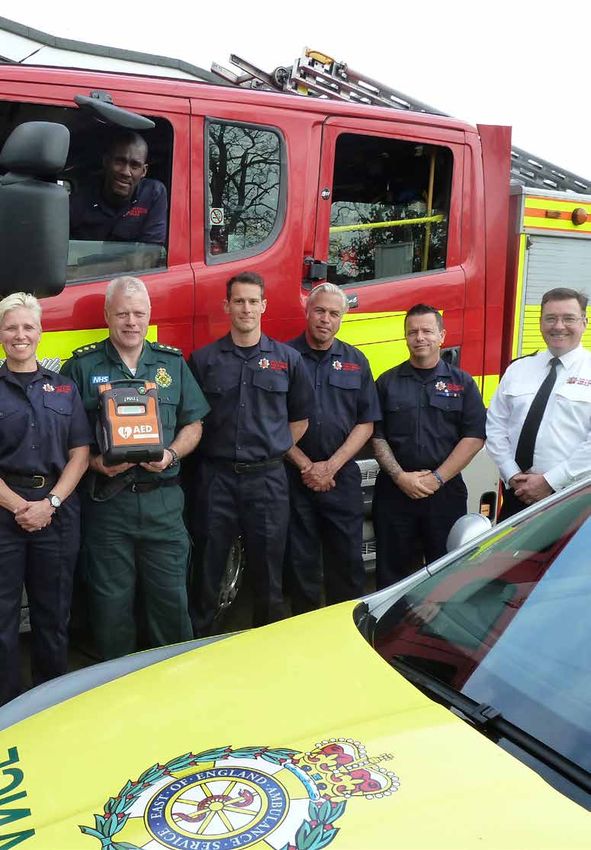
Leading the Way to a Safer Essex

                          Section 1

                          Setting the context for change
                          Essex Fire Authority faces a challenging future
                          because its Fire and Rescue Service operates
                          in a rapidly changing world. The population
                          of Essex is increasing and ageing. Threats from
                          international terrorism are rising. Climate
                          change, whose worldwide effects could be
                          devastating, seems to be causing periodic
                          and widespread flooding in the UK.

                          Against this picture of changing risk,          Though the overall number of fires is lower,
                          firefighters are attending fewer fires and      fires in Essex homes have not fallen at the
                          other emergencies, while the demands on         same rate as in other areas of the country.
                          other responders such as the police and         And the number of road traffic collisions
                          ambulance services remain very high.            attended by our Fire and Rescue Service
                          There is clear potential to provide more        has increased in the last five years.
                          effective and cost-efficient services through
                          co-operation. Central government has            We want to do something about this,
                          recently recognised this by holding a           and become one of the best-performing
                          public consultation on ‘Enabling closer         services for preventing fires and other
                          working between the Emergency Services’.        emergencies, and keeping people safe.
                          It is also bringing forward new legislation     To do this we need to invest more in our
                          that places a duty on emergency services        prevention and protection services.
                          to collaborate.
                                                                          Our community safety strategies, supported
                          Almost certainly, these changes will mean       by targeted prevention activities, have
                          that in Essex we won’t need as many fire        contributed to a 45% fall in the number
                          engines and firefighters as before. More        of incidents we have attended over the last
                          importantly, the role of firefighters will      decade. However, we know that the risk
                          broaden and their activities will become        of emergencies does not disappear. And
                          more diverse to fit better with the evolving    when they do occur, our firefighters will
                          needs of local communities.                     always need to react with the skills and
                                                                          resources to deal with them effectively.

                                                                          One of the biggest reasons we face change
                                                                          is the significant cut in funding from central
                                                                          government to finance the service. So from
                                                                          2016 to 2020 we will simply have to manage
                                                                          with less money.

Corringham Fire Station

                                                                                                                                              3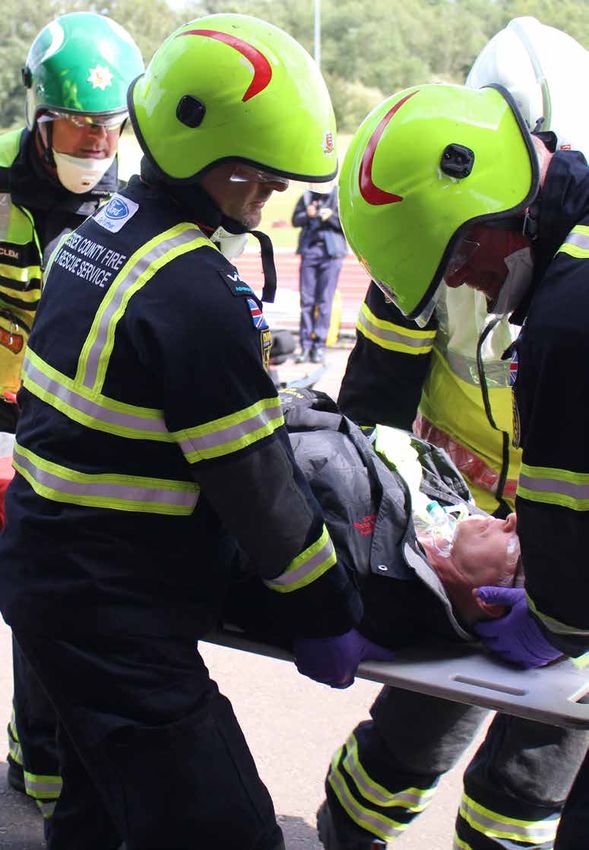
Essex County Fire & Rescue Service Leading the Way to a Safer Essex
Chart 1.
Reduction in demand for emergency response in Essex. Incident data from the Service’s Essex had a 45% reduction in incidents
records of incidents attended. Population data from Office of National Statistics and traffic
count data from the Department for Transport. over the last decade.
20%
Traffic
(9% increase)
This many-sided role will become Changing society and changing risk
10% increasingly difficult in future as budgets The UK is becoming increasingly diverse
Population shrink. The current management in the make-up of its different communities,
(7% increase) arrangements, funding and governance and much more complex in how people
0%
2004/05 2005/06 2006/07 2007/08 2008/09 2009/10 2010/11 2011/12 2012/13 2013/14 2014/15 2015/16 of national assets and resources to deal live their lives. This complexity is now
with terrorism (and climate change, being driven faster and further by social
-10% discussed below) have evolved rather and technological advances. Until the Brexit
than been designed. So they are quite withdrawal, we belong to the European
complex and open-ended. They mainly Union and trade in an expanding world
-20% rely on collaboration, rather than economy, which will lead to greater
legislation and regulation. difference and diversity within, and
between, UK communities.
-30%
There is growing pressure to use
local resources in a much more local In recent years, we have come to
-40% (democratic) perspective. There is also understand that fires and other
likely to be greater political pressure emergencies are not random or chance
All incidents
to retain and protect local resources, events – rather they often arise from social
(42% decrease)
-50% and a tendency towards less altruism. and economic factors. In other words,
These influences pose some risk in lifestyle and behaviour – rather than
Reduction in demand The terrorist threat terms of the resilience of the national ‘combustion processes’ – are often the
Over the last 10 years the national The attack on the World Trade Center critical infrastructure. major factors in emergencies.
Fire and Rescue Services have been a in New York on 11 September 2001 (‘9/11’)
prevention and protection success story changed the world. The threat of terrorism This means that while we cannot predict
that has helped reduce the demand for remains. As well as being important in Climate change precisely when and where incidents will
emergency responses. The number of foreign policy, it is a major part of Few will doubt that climate change is occur, we can see clear trends and patterns.
incidents attended by fire and rescue domestic policy planning. happening, and that its consequences These cover the localities and social groups
services in England has fallen by will be significant for all. History will judge most at risk, and even the times of the day
42% over the past 10 years. Terrorism, for many parts of the public whether today’s leaders are blessed or and seasons when more incidents happen.
sector, is not the strongest factor in how blamed for how they deal with it. This knowledge can help us plan and
Essex largely reflects the national trend, they organise their services. But it is for accurately model the type of emergency
with a 45% reduction in incidents over the the emergency services. This new threat Our Fire and Rescue Service will have appliances we need, the level of crewing
last decade. This has taken place alongside has fundamentally changed the role of to deal with the impact and consequences and the location of our resources. It also
rising population (7%) and traffic (9%). Fire and Rescue Services, putting them of climate change. helps us to more accurately target our
So, while the number of incidents may not on the frontline. prevention and safety work.
continue to fall at the same rate, we do not In recent years there has been a dramatic
expect them to increase significantly. The We must anticipate incidents on a scale increase in severe flooding across the UK, We can prevent emergencies only by
level of demand is likely to remain low. that few forecast before 9/11. The UK is not a pattern that is likely to continue. We play influencing and changing the behaviours
immune, as we saw on 7 July 2005 (‘7/7’) an important role in using our equipment that lead to them, which is only possible in
Although the total number of incidents when four coordinated suicide bombs and personnel to move large volumes of partnership with others. However, we are
is reducing, those such as road-traffic exploded in London, three on the water. The public expects us to help with only just starting to appreciate how we have
collisions have increased. So we need Underground and one on a bus in flood and water rescue, though in England achieved success in recent years, and more
to review the changing risk profile Tavistock Square. this is not yet a statutory duty. work is needed on this.
and think differently about how we
protect communities. This reality requires individual fire and Climate change also raises the possibility
rescue authorities to think and plan for a of very hot summers causing a high level
wide range of emergencies at different of grass, heath and forest fires, followed
threat levels and occurring simultaneously. by unpredictably wet or exceptionally
We must have the right resources available cold winters.
for local, regional and national deployment,
within the right timescales and for almost
every eventuality, large and small. At the
same time, though, we must also deploy
our resources at a community level.
4 5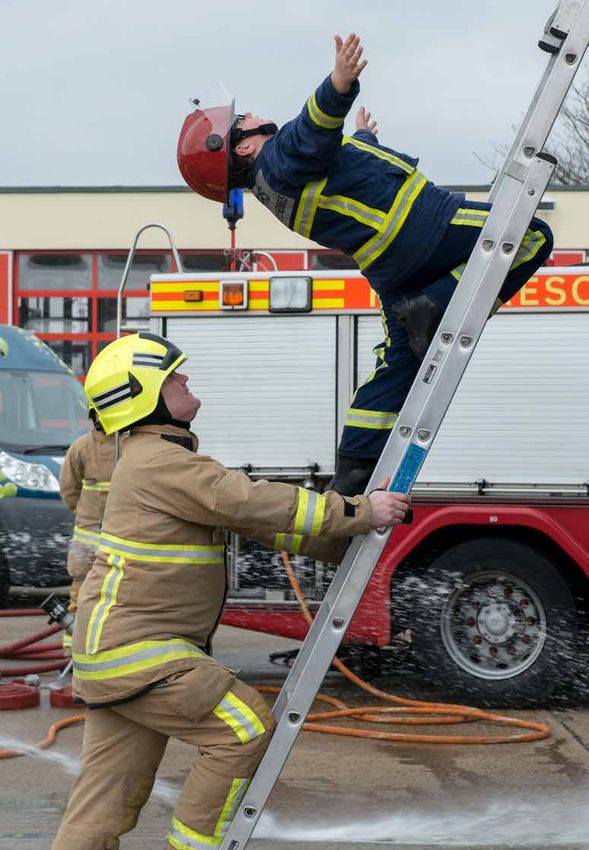
Essex County Fire & Rescue Service                                                                                                                                                                         Leading the Way to a Safer Essex

Safety has been at the heart of our community
work in recent years.

                    Of course, part of our work means using          We have many examples of where our             The current Government was elected with           Essex Fire Authority is already committed
                    solid data to target our safety efforts, and     Service has made a real difference, with       a manifesto commitment to “finish the job         to working with the PCC for Essex to
                    enabling our staff to get out of fire stations   impressive work engaging with young            of police reform”. The Policing and Crime         examine the business case for changing
                    and into our community more than ever.           people, for example through our Firebreak      Bill will support the transformation of           the political governance model of our
                    We will need to continue this and, indeed,       programme and partnerships such as with        policing and the Fire and Rescue Services         Service and to examine the potential
                    go much further. We must target our              the Duke of Edinburgh Award scheme.            by, among other things:                           efficiencies of greater collaboration
                    resources better by more data sharing            As a result of these programmes and our                                                          between us and Essex Police.
                    between public partners.                         work in schools, anti-social behaviour         • improving the accountability of local Fire
                                                                     has fallen significantly.                         and Rescue Services by enabling directly       Much collaboration already takes place,
                                                                                                                       elected PCCs to take over governance           with Essex firefighters co-responding
                    Positive role models:                            Our work in the community has become              from Fire and Rescue Authorities (FRAs)        to medical emergencies with the East
                    the Fire and Rescue brand                        one of our core activities. It’s such an          if a local case is successfully made           of England Ambulance Service and
                    Our partnership work has shown that              important part of what we do that we           • driving efficiency and better value for        responding on behalf of Essex Police to
                    we’ve often underestimated our                   couldn’t easily withdraw from it, even if we      money by facilitating closer collaboration     people trapped behind closed doors.
                    community’s regard for the Fire and Rescue       wanted to. Indeed, in view of some of the      • maximising chief police officers’ ability to
                    Service. When people talk about it, they         difficulties society faces, there’s a good        make best use of their workforce: officers,    In addition the Service and Essex Police
                    almost always have a positive tone, using        argument for further developing this work.        staff and volunteers.                          have launched a joint scheme supporting
                    words like ‘respect’, ‘community spirit’,                                                                                                         Parish Safety Volunteers, who provide crime
                    ‘courage’ and ‘teamwork’.                                                                       Part 1 of the Bill supports the Government’s      and fire prevention and safety messages to
                                                                     Partnerships and collaboration                 manifesto commitment to “enable fire and          the most vulnerable in rural communities
                    Our work at the heart of the community in        Over the last few years all public             police services to work more closely              across Essex.
                    recent years was first focused on improving      agencies have understood the benefits          together and develop the role of our
                    safety. However, this has had an unintended,     and importance of working together             elected and accountable Police and                Furthermore, we are actively pursuing the
                    though welcome, effect. We’ve been able          through local partnerships. However, the       Crime Commissioners”. The Bill:                   potential for joining up ‘enabling functions’
                    to apply our values to improve behaviour,        reality is that achieving real collaboration                                                     such as ICT, property and transport.
                    building greater community spirit and            across different sectors, different and        • imposes a duty to collaborate on all           However, dealing with the challenges that
                    cohesion in some of our most hard-pressed        complex bureaucratic machineries, and             three emergency services, to improve           all three emergency services face will
                    communities. We’ve done this in innovative       different authorities and funding regimes         efficiency or effectiveness                    require us to lift partnership and
                    ways, particularly among young people.           takes time and enormous effort before it       • enables PCCs to take on the functions          collaboration to a new level.
                                                                     delivers tangible outcomes.                       and duties of FRAs, if a local case is
                                                                                                                       successfully made
                                                                     Recent government changes include              • further enable PCCs to create a single
                                                                     moving the national fire service from the         employer for police and fire staff where
                                                                     Department for Communities and Local              they take on their FRA’s responsibilities,
When people talk                                                     Government to the Home Office. Future             if a local case is successfully made
                                                                     fire policy will also be affected by the       • in areas where PCCs have not become
about us, it’s in a                                                  Government’s Policing and Crime Bill.             responsible for fire and rescue, enables
                                                                                                                       them to have representation on their local
positive tone:                                                       In the last Parliament, the Coalition             FRA with voting rights, if the FRA agrees.
                                                                     (2010–15) made major changes to policing
respect, community                                                   to introduce more accountability and
                                                                     transparency. It introduced directly elected
spirit, courage,                                                     Police and Crime Commissioners (PCCs),
                                                                     an improved Independent Police
teamwork.                                                            Complaints Commission (IPCC), and a
                                                                     strengthened Inspectorate. It increased
                                                                     capabilities by creating the National Crime
                                                                     Agency (NCA) and professionalism
                                                                     (by establishing the College of Policing);
                                                                     and it focused relentlessly on efficiency
                                                                     and cutting crime (down by more than a
                                                                     quarter since 2010).

6                                                                                                                                                                                                                                        7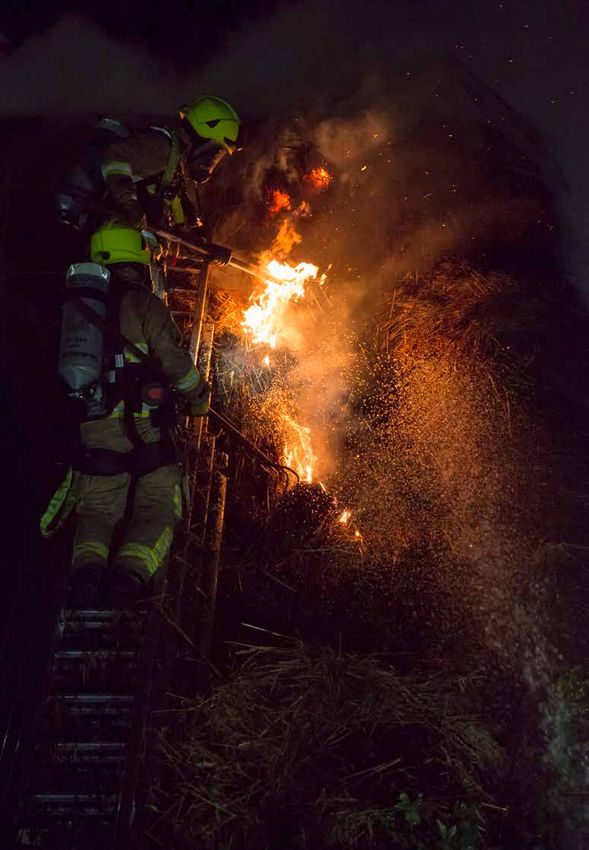
Essex County Fire & Rescue Service                                                                                                                                                                           Leading the Way to a Safer Essex

 K Coalition Government reduced the deficit
U
by half since its post-crisis high in 2010.

                    Public Policy for the UK                        UK debt burden                                  Conclusion                                          In moving forward, we must also bring
                    Fire and Rescue Service                         The UK economy took some hard knocks            The points above describe several of the            our staff and the local community with us.
                    Historically, the Fire and Rescue Service has   in the global financial crisis of 2008. Eight   major issues we face, and provide powerful
                    not been high on the political agenda of        years on, the Government is still dealing       reasons for continuing to adapt and change.         We must be clear that our Service
                    governments until crises occur – major          with the consequences for the public purse.     In fact, there are strong reasons, not least        remains embedded in our community,
                    events such as 9/11 and 7/7, widespread         Commentators such as Deloitte and Reform        the financial climate facing public services,       whose safety lies at the centre of everything
                    flooding and strikes.                           in their publication, “The State of the State   for speeding up the process of change.              we do; and that the safety of our staff doing
                                                                    2015-16 – Recalibrating Government”                                                                 a dangerous job is equally vital. We aim
                    Shifting the responsibility for Fire and        observe that the deficit – the difference       In approaching the next wave of change, we          to manage risk, and we want to continue
                    Rescue Services to the Home Office, the         between what the Government earns and           must have a clear sense of purpose about            our success in doing so as we have
                    prospect of governance changes, and a           what it spends over a year – is expected to     how we will tackle these difficult issues,          done in the past.
                    statutory duty to collaborate all create new    be £69.5bn this financial year. The Coalition   with a clear strategy and clear operational
                    and exciting opportunities. Fire and rescue     reduced the deficit by half from its post-      plans for success over a realistic and              We need to be clear about our strategic
                    policy is changing.                             crisis high in 2010.                            reasonable period of time – 2016 to 2020.           priorities in the years ahead as they
                                                                                                                    This not only requires us to do things very         will provide the guiding principles for
                    In May 2016 the then Home Secretary,            The incoming Conservative Government            differently, but also to think very differently     the new strategy.
                    Theresa May, outlined the Government’s          planned to eliminate the deficit by 2019-20.    about the way we use our assets – people,
                    reform programme, which aims to transform       This no longer seems achievable. Future         fire stations, fire engines and other facilities.   Before explaining parts of the strategy,
                    Fire and Rescue Services, building on their     plans for eliminating the deficit will                                                              we want to describe the changes that have
                    previous success in preventing, protecting      see spending cuts continue at the same          This can only be delivered if supported             already taken place to show how they build
                    and improving public safety and wellbeing.      rate as in the last UK Parliament, leading      by a realistic financial plan. There is no          on what has already been achieved.
                    Hers was the first speech on reform since       to a substantial shift, by global and           doubt now that tough and bold decisions
                    the Home Office took responsibility for         historic comparisons, in the UK’s level         will be needed in all areas of the public
                    the UK Fire Service.                            of public spending.                             sector in the coming months.

                    The Home Secretary’s key points included        Our Fire and Rescue Service, like all other     However, our Service has already
                    developing the prevention agenda;               parts of the public sector, must demonstrate    been through significant reform and
                    partnership working to increase protection      public leadership, accepting responsibility     modernisation in the last few years
                    to communities; efficiency savings; unifying    for tackling the financial challenges and       (see section 2). If it is to be effective
                    research and development; and closer            at the same time continuing to improve          and seen as positive, the next wave of
                    working between the emergency services.         services rather than just ‘cut’. This will be   change must build on the last. It should
                                                                    an enormous challenge. Getting a sense          be evolutionary and provide continuity,
                    However, Mrs May also said she expected         of buy-in, understanding and engagement         rather than being part of the simplistic
                    Fire and Rescue Services across England         from the people of Essex – and, just as         language of ‘cuts’.
                    to improve their transparency and               important, our staff – will be crucial in
                    accountability, supported by an                 overcoming shared difficulties.
                    independent inspection. She challenged                                                                                                                              The UK deficit is
                    fire authorities to tackle concerns about
                    culture and diversity, co-ordinate activities                                                                                                                       expected to be
                                                                                                                                                                                        £69.5
                    such as procurement (buying) nationally
                    and give the public the information they
                    needed to assess their local service.

                    Accordingly, as we develop our strategic
                    approach, we must take every opportunity
                    to influence the development of national
                                                                                                                                                                                        billion
                    fire and rescue policy. To support this, we                                                                                                                         this financial year.
                    must engage with politicians at all levels.

8                                                                                                                                                                                                                                          9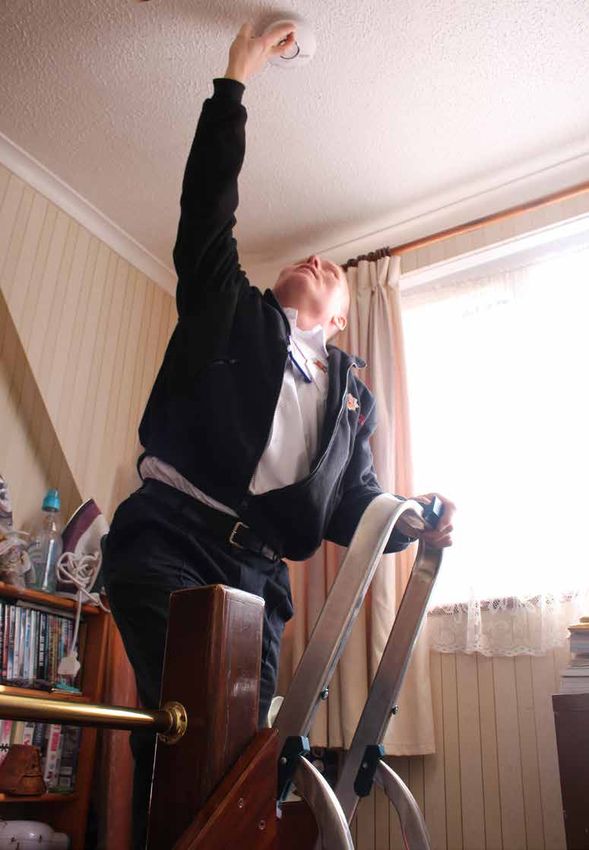
Leading the Way to a Safer Essex

                                    Section 2

                                    Where have we come from?
                                    Government policy towards fire shifted
                                    significantly in the mid-1990s. At that time,
                                    fire brigades (as they were then) were part
                                    of the Home Office. In 1997, the Home Office
                                    published its “Safe as Houses” report.
                                    This was a milestone in developing UK
                                    fire and public protection services.

                                    Response through to prevention                   Secondly, during 2002-3, there was a
                                    Safe as Houses argued that fire services         wave of industrial unrest in support of a
                                    should give the same importance to safety        significant pay claim by firefighters’ trade
                                    and the prevention of fires – especially fires   union leaders. While it was this industrial
                                    in the home, where people died – as it did       action that grabbed the media and public
                                    to emergency response. New technology            attention and provided the springboard
                                    – in particular, cheap and effective             for action, it is worth understanding that
                                    domestic smoke alarms – made this                change would be inevitable because of
                                    cost effective and achievable.                   other pressures and forces at work.

                                    Clear policies were not developed,
                                    though, and there was little appetite            Independent Review (2002)
                                    for co-ordinated progress. This led to a         In late 2002, because of a stalemate
                                    piecemeal approach, with fire and rescue         between national employers and the Fire
                                    services moving at different speeds with         Brigades Union in an industrial dispute,
                                    their safety agenda. Indeed, some services       the Government was asked to intervene.
                                    continued to see themselves mainly as            This intervention took the form of an
                                    emergency responders, and they made              independent review.
                                    little progress in developing their approach
                                    to community safety. In many respects this       Its report set out recommendations for
                                    was true of our Service, but progress has        how the UK Fire Service should change
                                    been made in the last three years.               to meet the demands of the twenty-first
                                                                                     century. These remain relevant, and we
                                    Two events then lifted the fire services         have set them out below because they
                                    up the political agenda. First, 9/11 showed      still drive change today.
                                    that the UK faced a new level of terrorist
                                    threat, and the only civil organisations that
                                    could realistically respond to it were the
                                    Fire and Rescue Services.

Road Traffic Collision (RTC)
Extrication Team competes at UKRO

                                                                                                                                                        11
Essex County Fire & Rescue Service Leading the Way to a Safer Essex
We now have wider responsibilities
for a much greater range of emergencies.
Key principles of change So future planning needed to be based • Integrating risk management. Conclusion
• A new rescue service: “Fire Brigades” much more on data and evidence, We had to consolidate these three It is helpful to understand the key
needed to become “Fire and Rescue taking more account of the nature and approaches – prevention (safety), principles and pressures behind the
Services”, with wider responsibilities wide variety of risks faced by a modern protection (of the built environment) modernisation of the Fire and Rescue
for a much greater range of emergencies. society. It also needed to be more and emergency response – under the Services over the last 15 years. They will
This was crucial not only to embed the adaptable and flexible to take account title of ‘integrated risk management’. remain important in future as we develop
roles that the service had evolved to of changing risks to people and property. We also had to be much more open our relationship with the Home Office
undertake over the years – road traffic And it needed to be much more scientific with the public by publishing clear and the Police and Crime Commissioner.
collisions, chemical incidents and so on in deploying its fire engines, equipment “Integrated Risk Management Plans”
– but also to deal with the new and personnel, with standards set locally (IRMPs). These set out how we assessed
dimensions of terrorism and climate rather than at a remote national level. risks and set our local standards.
change that were emerging at that time. So, rather than blanket fire cover
Fire Brigades needed to become civil and standard fire engines, in future • Role of central and local government.
protection organisations. there should be flexible, risk-based Central government’s role needed to
deployment. change to that of setting clear policy
• Risk-based approach versus ‘blanket
cover’. Plans to deploy resources also
needed to change fundamentally.
• Safety should become of equal
importance to emergency response.
direction and enabling a national
infrastructure – especially as regards
resilience. Local policy and local risk
Over 100
Hitherto, Fire Brigades had operated on
the basis of blanket ‘fire cover’ – a guiding
principle since World War Two. Strategic
In future, fire and rescue services
have to plan their approach to safety
and prevention with the same level
management would continue to be the
responsibility of local politicians on local
fire authorities. Fire and Rescue Services
pieces
planning focused on the potential for fire of intent as planning their response to also came within the Comprehensive
in commercial property, rather than emergencies. In addition they must use Performance Assessment Process of fire safety
reflecting activity or life risk. In other their resources differently to enable them (now abolished) as part of wider
words, fire engines and personnel were to provide a high-quality emergency local government. legislation have
in fixed units, ‘just in case’, with personnel response and improve safety. Inevitably
spending most of their time on fire this would involve shifting resources • Reform of Conditions of Service. been simplified
stations, training and getting ready to from one area to another. This was always The Fire Service had fallen behind
respond if needed, but taking little going to be controversial but remains other sectors in its terms, conditions and improved,
account of actual demand. In fact, there an important principle. and working practices. Better, more
was no statutory responsibility for modern ways of treating staff were shifting the role
responding to a host of non-fire • Controlling and regulating the needed. New terms and a new
emergencies that the public had come built environment. By the time the ‘Conditions of Service’ framework of the new
to associate the service with – for independent review finished, increased were agreed – in exchange for a
example, road-traffic collisions. regulation after a series of fire tragedies new firefighters’ pay agreement. Fire and Rescue
had led to a patchwork of over 100 pieces
of fire safety legislation. This legal Services towards
framework needed simplifying, but
also adding to with new legislation regulating and
that shifted the role of the new Fire and
Rescue Services towards regulating controlling the
and controlling the wider, built
environment. New enforcement powers wider built
had to be created to underpin the
new risk-based regime. environment.
12 13
Leading the Way to a Safer Essex

                      Section 3

                      Expanding role of the
                      Fire and Rescue Service
                      The changes outlined in section 2 represent a
                      radical reform of the UK Fire and Rescue Service.
                      They required new primary legislation and
                      a new governance Framework to make them
                      work – the first new governance legislation
                      in decades.

                      Set out below are the major parts of that     The Fire and Rescue Services
                      Framework. Understanding the Framework        Act 2004
                      is important because it determines what       This is the core legislation for all Fire and
                      we must do and limits what we may do.         Rescue Services in England and Wales. It
                                                                    details the legal powers and responsibilities
                      How much money we can spend is                of Fire and Rescue Authorities.
                      important, but the Fire Authority and
                      the Service must still fulfil the functions   The Act requires the Secretary of State
                      set by the law.                               to produce a National Framework
                                                                    Document. Fire and Rescue Authorities
                                                                    must have regard to the Framework in
                                                                    carrying out their functions.

                                                                    The Framework enables government
                                                                    to change fire policy much more quickly
                                                                    without having to use further primary
                                                                    legislation.

Firebreak Programme

                                                                                                                                      15
Essex County Fire & Rescue Service Leading the Way to a Safer Essex
We must make provisions for prevention,
protection and response.
National Framework Document 2012 Civil Contingencies Act 2004 The Regulatory Reform Conclusion
The current Framework sets out the This Act arose in response to the terrorist (Fire Safety) Order 2005 This brief context and overview of the
Government’s priorities and objectives for threat, as well as several other civil As mentioned previously, the legislation Framework shows that our Fire and Rescue
the Fire and Rescue Service. It describes: emergencies that occurred around the turn that regulates fire safety in the built Service is no longer just about putting out
of the century. It imposes a series of duties environment had evolved piecemeal fires. The local, regional and national
• the Government’s expectations on local bodies in England and Wales, over time and, by 2003, a new approach structures reflect our diverse roles.
for the Fire and Rescue Service Scotland and Northern Ireland (known as was needed.
• what Fire and Rescue Authorities ‘Category 1 responders’). These include Reforms that started with the Independent
are expected to do the need to assess the risk of particular So in October 2006 the Regulatory Reform Review continue. The guiding principles of
emergencies and to maintain plans for (Fire Safety) Order came into effect and risk management, the new and wider roles
The Framework says Fire and Rescue responding to them. The Act also creates brought about a single Fire Safety Act. of our service, and what the Framework and
Authorities must: a broader concept of ‘emergency’. the legislation require remain crucial to our
The order replaced most of the existing work. They will become more important still
1. identify and assess the full range of To satisfy the legislation, Local Resilience fire safety legislation. It now affects almost as we try to reduce our costs dramatically.
foreseeable fire-and-rescue-related Forums (LRFs) have been created to: all employers, owners, occupiers and
risks their areas face, make provision • establish and maintain effective self-employed businesses.
for prevention and protection activities multi-agency arrangements for
and respond to incidents appropriately major emergencies, and Fire Authorities are the primary agencies
2. work in partnership with their • minimise their effect on the public, that enforce it. The change has been huge.
communities and a wide range property and environment Essex County Fire and Rescue Service
of partners locally and nationally has moved from being responsible
to deliver their service Each LRF must publish a risk register for thousands of premises to hundreds
3. be accountable to communities that sets its strategy and approach. of thousands.
for the service they provide
More subtly, though, we have shifted
The Framework is intended to be strategic. from being almost a benign adviser and,
So it provides the foundation on which to sometimes, a prosecutor to being more
build local solutions, giving Fire and Rescue of a regulator that can have a major impact This framework
Authorities flexibility to meet their local on economic development. Our approach
communities’ specific needs. It is unclear to enforcement determines whether we show that our
at this stage whether the new Government, are seen as an enabler of economic
through the newly appointed Home development or the ‘dead hand of Fire and Rescue
Secretary, will write a new Framework bureaucracy’. It is difficult to balance
setting out different expectations for our public safety duties with supporting Service is
no longer
the years ahead. the development of business.
just about
putting
out fires.
16 17Leading the Way to a Safer Essex
Section 4
Where are we now?
It is important to describe and celebrate
what Essex County Fire and Rescue Service
has achieved in a relatively short time,
as part of showing where we are now.
In many respects, the Service is very We have also sought to build a more
successful. However, in some areas inclusive approach to staff engagement,
there remains much work to do. In recent running annual staff surveys called ‘Your
years we have become a more modern, Voice’ in 2014 and 2015. The most recent
community-focused body, providing a results show progress in some areas and
range of fire and rescue services. Our more effort required in others. Above all
top priority is to prevent fires and other the results confirm that a great deal of work
emergencies, and to change the is still needed to build trust, unity of
behaviour of communities. purpose and staff engagement.
We now recognise we need to influence We have implemented significant and
and educate people who live and work in innovative changes as part of our plans
hard-pressed neighbourhoods and other to modernise the organisation. These have
parts of the built environment. And we led to a more efficient and effective service
need to ensure we protect people in in line with the previously approved
these settings in a risk-based and Integrated Risk Management Plan and
proportionate way. Service strategies.
In recent years we have reconsidered and • We have invested £8m in replacing
reorganised our prevention and protection 44 fire engines and are now in year
services, delivering significant results. one of a three-year roll-out programme.
However, more is now needed. • We have removed four outdated rescue
tenders and replaced them with seven
As discussed in previous sections, more new heavy rescue fire engines.
than ever we recognise the value of • We have invested £1m in replacing the
collaboration and working in partnership. breathing apparatus equipment used
Increasingly this influences and shapes by firefighters across the entire Service.
how we provide our services and our • We have introduced a new hazardous
other day-to-day work. material capability for the Service.
• We have invested £0.3m in a programme
to provide each fire engine with two
‘thermal image cameras’ to help improve
firefighter safety.
Heavy Rescue Pump
19Essex County Fire & Rescue Service Leading the Way to a Safer Essex
More than ever we recognise the value of
collaboration and working in partnership.
• We have invested £14m in developing We now provide a broader, more Table 1.
the Service headquarters at Kelvedon cost-effective, efficient service that Breakdown of incidents the Service has attended over a five-year period.
Park. The most recent phase of the meets a wider range of needs in ‘Special service’ refers to non-fire incidents needing a fire engine or officer to attend.
Authority’s property rationalisation our local communities. These incidents include road-traffic collisions, rescue of people, flooding and hazardous
programme introduced a new Mobilising material incidents. Incident data comes from the Service’s records.
Control Centre, new Incident Command Our community safety strategies,
Training and Assessment facilities, supported by targeted prevention
and new Learning and Development activities, have contributed to a 45% % of
facilities at the site. fall in the number of incidents we have Reduction incidents
• We have disposed of the former Service attended over the last decade. However, Incidents 2010-11 2011-12 2012-13 2013-14 2014-15 in 5 years in 2014-15
Headquarters site in Hutton, Brentwood. we know that the risk of emergencies False alarm 8855 6593 6082 5826 5802 35% decrease 44%
• We have continued to develop the does not disappear. And when they do False alarms due to apparatus 4693 2778 2605 2388 2474 47% decrease 19%
Service’s schools education programme, occur, our firefighters will always be False alarm good intent 3727 3509 3235 3255 3161 15% decrease 24%
providing safety messages to three- needed to react with the skills and
Hoax calls 465 306 242 183 167 64% decrease 1%
quarters of Essex schools in 2015/16. resources to deal with them effectively.
• We have continued to develop our Special service 3789 3635 3714 3738 3421 20% decrease 26%
FireBreak programme, delivering a Table 1 shows the breakdown of incidents Road traffic collisions 1134 1151 1219 1212 1290 14% increase 10%
total of 60 courses in 2015/16. attended in the past five years. Around Other emergency special services 2655 2484 2495 2526 2131 25% decrease 16%
• We have continued to develop our use 44% of the incidents that the Service Fire 5798 5873 4213 4264 3918 32% decrease 30%
of volunteers. As a result, in 2015/16 we attends are false alarms. Fires account for
Outdoor fires 3055 3253 1879 1984 1729 43% decrease 13%
used over 6,700 hours of volunteering 30% and special services for 26%. Over
activity on a range of community the last five years most types of incidents Dwelling fires 1196 1154 1099 1013 1014 15% decrease 8%
engagement activities. have fallen, though road-traffic collisions Road vehicle fires 923 805 742 739 689 25% decrease 5%
• We have begun a series of co-operative have risen by 14%. Other fires 624 661 493 528 486 22% decrease 4%
activities with Police and Ambulance
Service partners, which include co-
responding to medical emergencies Deaths and injuries from fires in Essex are
and Parish Safety Volunteers. low, averaging nine deaths and 100 injuries
• We fulfil our responsibilities under the a year over the past five years. Casualties
Civil Contingencies Act, as an integral from road-traffic collisions are higher
partner with other Category 1 – an average of 18 deaths and 777 serious
Responders, and deploy our personnel injuries a year over the past five years.
in the UK (and more recently after The main type of other special service
an earthquake in Nepal). fatalities includes suicide, and helping
other agencies to deal with fatal incidents.
Fires
account
for 30%
of incidents
attended in the
past five years.
20 21Essex County Fire & Rescue Service Leading the Way to a Safer Essex
Section 5
Table 2.
Trends in casualties from fires and road-traffic collisions (RTCs)
and other emergency special service incidents.
The financial context
Incident data comes from the Service’s records.
The Fire Authority is funded by Council Tax
Casualties 2010-11 2011-12 2012-13 2013-14 2014-15 (59%), National Non-Domestic Rates (21%)
and government grant (20%). The 2015
Fire fatalities 13 9 12 9 2
Fire injuries 92 103 93 109 104
RTC fatalities
RTC injuries
24
671
18
735
18
742
16
856
16
880
spending review announcement means the
Other special service fatalities
Other special service injuries
21
156
30
182
25
196
22
171
23
137
annual government grant will be cut by
£8m – about half – by 2019-20.
The number of fires has dropped, but fires Published in September 2015, Irene Lucas’
in Essex homes have not fallen at the same report found (among other things) a lack
rate as in other areas of the country. The of trust in the Service between staff groups, We can offset £2m of this annual grant Chart 2.
number of road-traffic collisions in Essex their representatives, Service management loss by 2019-20 through savings in our Budget 2016-17 breakdown of main areas
has increased. We want to reverse this and the Fire Authority. This had arisen from support work without affecting our frontline of spending.
trend, and become one of the best- many years of poor industrial relations. services. But we cannot achieve all the
Wholetime
performing services in preventing fires savings we need in this way. So we have Firefighters
and other emergencies, and keeping The report led Essex Fire Authority to invite to change the size and shape of our Support Staff
people safe. To do this we need to invest an Expert Advisory Panel to help transform operational response.
On-Call
more in prevention and protection. the culture. Since then, with support, advice Firefighters
and, where necessary, challenge from this The Fire Authority’s costs are mainly Control
panel, our Service has made significant staffing, which accounts for about 70% Premises &
Equipment
Review of culture progress. Of course, changing culture is of the budget for 2016-17. The chart below
In November 2014, in response to several not easy and progress will take years rather breaks down the main spending areas Financing Items
serious incidents in the Service, including than months. Much hard work lies ahead for 2016-17, about £71.5m in total. Other Costs
& Services
the suicides of two serving firefighters, but with the commitment and effort of a Firefighters’
allegations of bullying and intimidation, range of stakeholders, a more open, Some costs, such as premises and Pension Scheme
and lengthy industrial disputes, the supportive and inclusive culture will equipment, are set by the number of Support Costs
Authority acted decisively by asking be developed. fire engines and fire stations we need. 0 5,000 10,000 15,000 £’000s 20,000 25,000 30,000 35,000
Irene Lucas CBE, an experienced reviewer, Other costs reflect past capital spending
to investigate the Service’s culture. and cannot be altered in the short term. Conclusion
Her review was to examine whether the Conclusion Support staff include employees on In the current financial year, we have
culture was having a detrimental impact We should be very proud of our different terms and conditions from continued our drive for efficiencies
on the Authority, its employees and the achievements while at the same time firefighters. They include employees and have begun a major management
communities it serves. The report was acknowledging areas that need more who maintain fire engines, train and restructuring, reducing the number
to recommend practical steps that would work and development. We must now develop staff, and do community safety of senior officers by around 30%.
help make the organisation fit to deal build on recent successes to plan our work. Others look after finance,
with the challenges it faced. future, tackling the major challenges information communications and We will now need to explore innovative
highlighted in this document. technology, procurement (buying ways of delivering our range of services
things we need), risk, performance and activities.
We are confident we have the passion, management and human resources.
intellectual capacity and the talent to We will also need to transform our frontline
face future challenges head on. We plan to make savings of at least £2m services, and how we support them. We
a year in these areas. A management must be willing to challenge who provides
review is underway to see if we can what, at what price and how this achieves
make further savings. value for money to our community within
a reduced funding pot.
22 23Leading the Way to a Safer Essex
Section 6
Key elements of our strategy
for 2016 to 2020
Future strategy: We need to reconsider and be
clear about our view of the future. We need a
clear vision and a clear sense of purpose for the
Service. We need clear strategic priorities that
spell out how we see our Service developing.
These need to be supported by a revised set of
values and a structure that will achieve our new
priorities and fulfil what our strategy requires.
All this means we need the right kind of Community risk management
management systems to provide successful The Framework and our statutory
outcomes and build trust in the Service. responsibilities are now driven by
managing ‘community risk’. Our analysis
Crucially, we must liberate the talents of our of community risk identifies communities
staff to achieve beneficial change. We must and groups most at risk from fires and other
continue the process of cultural change at emergencies. We then carry out various
all levels, getting greater buy-in and community safety activities to prevent or
acceptance that the day-to-day life of a reduce the risk to specific groups of people
firefighter and the Service places equal and specific areas, often in partnership.
emphasis on Prevention, Protection
and operational Response. Our current risk model uses data and
intelligence from different sources to
Doing all this is a tall order. Some issues determine overall risk, and also to identify
will be controversial and will certainly specific risks. This in turn informs our
stretch the organisation. However, the emergency response and the types of
Service has a strong record of making incidents we treat as emergencies, as well
changes that improve what we provide. as those we treat as non-emergencies.
So, we believe the new approaches In a targeted way, we also do fire-risk
and proposals that follow will allow us assessments of commercial properties
to continue in this vein, and stay at the to protect local people during their work
forefront of providing excellent services and leisure time.
highly rated by our community.
Firebreak Programme
25Essex County Fire & Rescue Service Leading the Way to a Safer Essex
Our priorities: Service Led, Community Focused, Strategic priorities Strategic themes
Kind Culture, Financially Sustainable.
Service led Prevention
Identifying the range of services we will need to The services we are going to provide to prevent
provide, independently or in partnership, to help fires and other emergencies.
The risk picture If we are not to develop a risk-averse eliminate or mitigate risks in our communities.
Protection
• Domestic fires are predicted to continue culture in the Service, we must ensure we
The services we are going to provide to protect
to reduce in number and severity as we have confident officers who have been
Community focused the public when fires and other emergencies
deliver our safety work in the community, challenged and tested in a ‘safe’ but occur.
Knowing who is at risk in our communities, why
but some fires will still happen. rigorous training environment, which
they are at risk, and where they are at risk.
prepares them as well as possible for (Emergency) Response
• The social and economic factors that critical decision-making in an emergency. The emergency response services we are going to
lead to fire – unemployment, drink/drug provide when fires and other emergencies occur.
culture, poor health, mobility/disability
– are all likely to continue to have an A new strategy for 2016 to 2020
effect as the economy evolves and In view of the risks and challenges we face, A kind culture (formerly values driven) People and leadership
demographic changes occur. But the we need a new strategy for 2016 to 2020 Develop an organisational culture that is open, The things we are going to do to ensure
patterns of where, and indeed when, that supports the Fire Authority’s previously inclusive, trusting and kind. Using our values to we develop meaningful roles our staff can
these fires occur, are likely to continue declared priorities for the period, namely shape behaviours that support this. be proud of.
to be relatively predictable. This enables to be Service Led, Community Focused,
Developing all staff so they have the right
us to plan our deployment of people Values Driven (now, after discussions with
knowledge, skills and attitude to safely, and
and resources. staff, called a Kind Culture) and Financially effectively perform their roles.
Sustainable.
• Road-traffic collisions are likely to plateau
or continue to increase. Rescues and During 2015, Essex Fire Authority carried Financially sustainable Public value and collaboration
deaths from crashes will continue to out a public consultation as part of its Identifying ways to ensure that the overall cost of The things we are going to do to ensure
outnumber rescues and deaths from fires Integrated Risk Management Planning the Service is managed to accommodate future the Fire Authority provides efficient, effective,
by a big margin. The number of overall (IRMP) process. The public gave a good reductions in Government funding while limiting value-for-money services so that we have
incidents we attend may fall, and we also level of support to our proposals in that first any council-tax increases to thresholds set by financial sustainability by 2020.
need to reconsider our approach to road consultation to maintain and develop our Government or the Fire Authority.
safety. We believe there is a strong ethical prevention, protection and response
argument for expanding our work in road activities. So we plan to build on this by:
safety as part of wider partnerships.
• giving safety messages to every As a result, we developed the new strategy
OUR PRIORITIES:
• The range of risks in Essex includes very school child in Essex through a series of staff engagement
large incidents. These pose enormous • ensuring there is a working smoke discussions. It has meant some fundamental OUR
risks to people’s welfare and safety and alarm in every household rethinking by both Senior Officers and VA LUES:
LE
to the local economy. Potentially they are • working with partner agencies to meet Elected Members of the Fire Authority.
B
T
ES
NA
CO
on a scale not seen before, for example as the other social needs of vulnerable N HY
AI
T
W O
OUR
MM
W ROF
a result of a major terrorist attack. These members in our community The strategy offers a new expression
ST , H
ST
R
THEMES:
E
O
P
TRU PEN
SU
AR ESSI
UN
major events are unpredictable. They will • supporting the installation of systems of our Vision and core Purpose, as well
E A ONA
AND RE O
IT Y
LLY
require a large number of appliances such as sprinklers to protect buildings as presenting five strategic themes:
LW L
WE A
FINANCIA
Public
and equipment, though not necessarily and their occupants
FOCU
AYS
value and People and
collaboration leadership
all from Essex. • working with drivers and riders to • People and Leadership
reduce the number of people killed • Prevention
SE D
• Extremes of weather may cause an or injured on our roads • Protection
CON T R
Our purpose:
increase in flooding and other effects of • getting our first attendance to • [Emergency] Response We improve, protect
W E V U TI O
W E US
climate change, which will place heavy potentially life-threatening incidents • Public Value and Collaboration
DO
Response and save lives. Prevention
N G EO
IB
demands on our resources. to within 10 minutes (on average)
AL N
HI R AG
UE OF
from the time we receive a call In addition, our Strategy on a Page
Y T OU
TH A
• Increasingly, our officers’ decisions in the • getting our first attendance to all (page 43) and our values (page 44) Protection
ER E C
E L
field are challenged and scrutinised. We incidents to within 15 minutes on 90% of includes statements about the
R
L A
E
W EV
KI
face the continuing difficulty of dealing occasions from the time we receive a call. Service’s core values. I N
ND
C D
with a ‘risk-averse’ culture in society, UL WE WO
RK AS LE
TU ONE TEAM
which seeks to hold someone to account RE CE
VI
whenever bad things happen. SER
26 27Leading the Way to a Safer Essex
Section 7
People and leadership
Our people are our greatest asset. We have
already described how the Service has radically
changed in recent years. Much of the impact
of this change has fallen on our people. Some
changes have been hard to implement and
involved conflict, including industrial action.
In recent years we have developed a range
of ways of engaging with our staff.
This engagement will continue.
It is clear that more change lies ahead. However:
This could feel daunting and challenging. • staff want us to engage properly with
There remains the potential for difficulty in them on difficult decisions before they
our industrial relations. Some of the are made
challenges include: • staff want to be able to contribute to these
decisions to get the best fit between their
• delivering the Option for Change expectations/aspirations and public value
approved by Essex Fire Authority
• responding to the Home Office’s It is also clear that the challenges must
‘Fire Reform’ agenda be tackled equitably across the whole
• transforming the culture of the Service organisation and from ‘top to bottom’.
• co-operating with other emergency If those at the top call for all of us to ‘do
services more with less’, this must also be apparent
• changes in the political governance in their own actions. Much of this has
framework already happened. We will be working
to complete a range of changes to develop
We must deal with these complex issues in and maintain the knowledge and skills
a way that meets the public’s expectations of our talented people.
and continues to achieve a motivated,
well-rewarded workforce. There is some In addition, we will continue the review
good news because it is clear that: of our management structure and will be
working on building the attributes that
• staff are proud of their work with will equip our Service to become a
the Service learning organisation.
• staff care about the Service’s future
• staff are realistic about what is expected These steps will strengthen the expertise
of them in their roles and responsiveness we have across the
• staff appreciate the need for further Service and make us more able to adapt
Co-Responding scheme with EEAST change and are willing to embrace it and change.
29Leading the Way to a Safer Essex
Section 8
Prevention
For many years prevention was seen largely
as Home Fire Risk Assessments and checks,
aligned to an enthusiasm to engage in
partnerships. Prevention now needs to be
considered in a much wider context.
Prevention is only truly possible with This means changing the way we engage
a fundamental change in the behaviour in community-safety activities. So we need
and lifestyle factors that lead to fires and to provide them at times convenient to our
other emergencies. These factors are not community and then arrange our other
the same in every community. So we need activities around them.
to focus on the most vulnerable and hard-
pressed communities where the risk is Officers and Elected Members greatly
highest. Targeted partnership activity appreciate that our prevention work saves
must therefore be a central plank of lives and provides economic value. They
our prevention work. remain committed to these areas of the
Service and are keen to build, develop
We also need to embed prevention and and grow them. This means looking in a
community safety as a major part of our different way at our capital programme
core business across the whole Service. and priorities, as well as the fleet and the
assets we deploy to support community
There is agreement that community safety safety. The targeting of prevention work,
work is very important. But there is not and the planning to deliver it, also needs
unanimous agreement that prevention is to be much more tightly integrated into
just as important as emergency response. a new planning framework.
Some people believe we have gone too
far with community safety, and that Priorities for prevention
emergency response operations should In October 2015 after a public consultation
take precedence, especially when exercise on the Authority’s Integrated Risk
resources become more limited. Others Management Plan, Essex Fire Authority
believe prevention is the most effective way agreed to support the following additional
of saving lives and represents significantly priorities for the Service’s prevention work:
better value for money for our communities.
• Delivery of safety messages to every
The answer is to strike a new balance, school child in Essex.
as both are important. We have to find • Working with partner agencies in
ways to manage our budgets to enable meeting the social needs of the
us to do both, even if our resources have vulnerable members of our communities.
been reduced. So, firefighters of the future • Working with drivers and riders to
must regard being community-safety reduce the number of people killed
professionals as an integral part of or injured on the roads.
Schools Education Programme being a fire-and-rescue professional.
31Leading the Way to a Safer Essex
Section 9
Protection
Protection is about keeping people safe in
the built environment, through a risk-based
inspection regime and a rigorous but balanced
enforcement regime. Protection also arises from
progressive ways of engineering safety into
building design, building protection and the
space around commercial properties.
It is also about protection in the home, We have already started to explore how
so we need to carry on with our home we can use technology to improve our
safety checks. But we also plan to go services, but there is huge potential for this
further, supporting the use of technology to transform how we achieve the protection
such as domestic sprinkler systems aspect of the Service with mobile working/
and telecare facilities. online services and so on. The recent Fire
Safety Review has taken account of much
of what is needed.
Alignment of risk models
We also need to connect what we learn
from fire-protection inspections to our Priorities for protection
decisions on how best to respond to an In October 2015, after public consultation
emergency. So we need to maintain the on the Authority’s integrated risk
systems that ensure operational crews management plan, Essex Fire Authority
have the intelligence gleaned from agreed to support the following additional
fire-protection activity, and we must feed priorities for the Service’s protection work:
this intelligence into our operational
policy making. • To ensure there is a working smoke
alarm in every household.
Equally, we must learn lessons from • To support the installation of systems
operational incidents and share them such as sprinklers to protect buildings
with protection officers. We must build and occupants.
our engagement and work with local
councils as part of our Essex-wide
relationship building, and apply our
expertise to support greater resilience
and business continuity for our
commercial community.
Home Fire Safety
33You can also read


