Management Development Programmes - April 2013 - March 2014 - Institute of Rural Management, Anand
←
→
Page content transcription
If your browser does not render page correctly, please read the page content below
1

Management Development Programmes
        April 2013 - March 2014

     Institute of Rural Management, Anand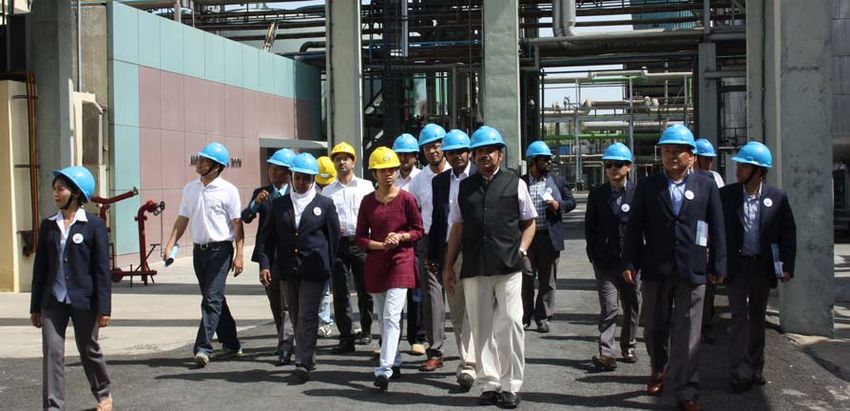
1
IRMA’s mission is to promote sustainable, Management Development Programmes
eco-friendly, and equitable socio-economic (MDPs): An Overview
deve lopment of rural people through
p ro fe s s i o n a l m a n a g e m e n t o f t h e i r MDPs constitute one of the major activities
institutions. IRMA’s operating philosophy is of IRMA, which addresses the in-service
to build and sustain a partnership between training needs of executives and managers of
rural people and committed professional organizations who work for the rural sector
managers. IRMA strives to contribute to the such as co-operat ives, not- for- profit
promotion of sustainable development and organizations, and government and semi-
social justice in India’s rural society. IRMA government organizations and others. The
strives to achieve this mission by I n s t i tu te b e l i eve s t h a t, i n t h e ra p i d ly
changing task environment, managers and
educating a new breed of professional executives of all types of organizations have
rural managers with the appropriate to change their approach to running their
values and ethos for helping rural operations and managing people. IRMA has
organizat ions and inst itut ions in been playing a vital role in fulfilling this need
professionalizing their management of the rural sector through its tailor-made
and empowering rural people through MDPs since 1981. So far, IRMA has conducted
self-sustaining processes over 675 programmes with enrolments
exceeding 14500 participants.
training pol icy makers, d irectors,
general managers, and those in charge
Management Development Programmes
of specific managerial functions in
(MDPs) in 2013-14
such enterprises and projects
b u i ld i n g n e w r u ra l m a n a g e m e n t In 2013-14, IRMA proposes to continue its
knowledge and theories through efforts in offering high quality programmes
action-oriented and problem-solving to improve the organizat ional and
research and consultancy managerial performance of its cl ients.
Sponsored and open programmes planned in
influencing public policies through 2013- 14 are l isted in t his c a le nda r.
pol icy-oriented research and Brochures of open programmes too, are
consultancy furnished in this calendar.
The above thrust areas have led to IRMA’s Sponsored Programmes
engagement with a range of educational,
training, research, and consultancy On specific request, IRMA has been designing
activities. In specific terms, the two-year and conducting client-specific programmes
Po s t- G ra du a te P ro g ra m m e i n Ru ra l bot h in Anand and at t he cl ie nt
Management (PRM) prepares young women organization’s location to meet the specific
and men for managerial cadres while the needs of organizations. These programmes
Fellow Programme in Rural Management m ay be c onduc ted for a var ie ty o f
(FPRM ) b u i lds a ca dre of pro fe s s ionals organizations and range from two days to
trained in research who are capable of three months.
enhancing knowledge and imparting skills in
institutions and organizations serving the Fee Structure
rural sector. The short duration Management
Development Programmes (MDPs) prepare The programme fee covers boarding and
i n - s e r v i c e m a n a g e r s to fa c e e m e rg i n g lodg i n g , tu i t i o n f e e , re a d i n g m a te r i a l,
challenges in their careers. Research and stationery, local field visits if any, and a non-
c o n s u lta n c y wor k le a ds to c re a t i o n o f refundable registration fee. The fee structure
knowledge with implications for policy and for the open programmes is given below:
development action.
2

                       Fee for On-Campus Programmes (per day per person)

 Sr.                    Category of Organization                                           Short              Long
 No.                                                                                      Duration           Duration
  1     NGOs/Grassroots Organizations, Co-operatives, and Educational Institutes           ` 5000             ` 3000

  2     Funding Agencies and Government Departments and Agencies                           ` 7000             ` 4000

  3     Other (Public Sector Undertakings, Corporate Organizations, etc.)                  ` 10,000           ` 6000

  4     International Participants                                                         US$ 250            US$ 200

Note:   1) Programmes with duration of 20 days or more are long duration
        2) The applicable service tax @ 12.36% will be charged additionally on the fee.

Non-Refundable Fee                                         IRMA Campus and Facilities

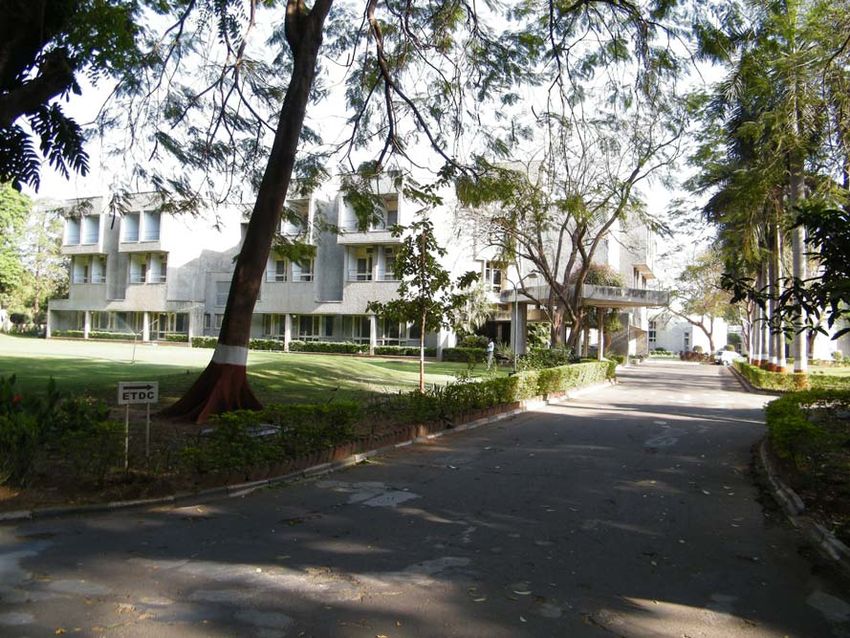
The non-refundable registration fee is `                   I R M A’ s 6 0 - a c re c a m p u s w i t h i ts sylva n
10,000 per Indian participant and US$ 350                  surroundings and vast stretches of lawns and
per international participant which is to be               ornamental plants and shrubs, located on the
adjusted against the fee for the participant.              outskirts of Anand is ideal for concentrated
                                                           learning. The campus has various facilities,
Procedure for Participation                                apart from the faculty and staff quarters,
                                                           hostels, and the academic complex. Facilities
Any in-service manager who intends to                      include:
participate in any of the open programmes
i s re q u e s te d to s e n d t h e c o m p le te d       Executive Training and Development Centre
nomination form given in the calendar along                ( E T D C ) w i t h 5 0 s i n gle a i r - c o n d i t i o n e d
with programme fee in the form of a demand                 rooms, lecture hall, conference and syndicate
draft / multi-city cheque in favour of the                 rooms, kitchen and dining hall, and a lounge;
I n sti tute o f Rura l M a n a g e m e n t , An a n d ,   Rav i J . M a tt h a i L i b ra r y e q u i p p e d w i t h
payable at Anand. Confirmat ion of                         Internet facility; Computer Laboratory with
acceptance of nomination is intimated by the               Internet facility; 400-seater auditorium;
P ro g ra m m e s O f f i c e o n re c e i p t o f t h e   Dispensary; Co-operative consumer store;
completed nomination form accompanied by                   Gymnasium; Indoor badminton courts and
the programme fee. Part icipat ion in                      facil ities for other games; ICICI Bank’s
sponsored programmes is restricted to                      extension counter; and mobile recharge
employees of the sponsoring organization.                  services.
Payment may also be made online as per the
bank details given below. In case of online                About Anand
payment please intimate the Programmes
Office immediately on transfer.                            Anand, the headquarters of Anand district, is
                                                           located about 35 k.m. northwest of Vadodara
Bank Details for Online Payment                            (also known as Baroda) and 70 k.m.
                                                           southeast of Ahmedabad. Anand is known as
Beneficiary Name:                                          the Milk Capital of Ind ia. The town has
Institute of Rural Management, Anand                       several famous institutions that include the
Beneficiary A/c No.: 008501012659                          Kaira District Co-operative Milk Producers’
Beneficiary Bank: ICICI Bank Ltd.                          U n i o n L td. ( A MU L ) , N a t i o n a l D a i r y
Beneficiary Bank Address:                                  Development Board (NDDB), Gujarat Co-
Flavours, Near Bhaikaka Statue, Mota Bazar,                operative Milk Marketing Federation Ltd.
Vallabh Vidyanagar 388 120, Gujarat, India                 ( m a rke te r s o f A M U L a n d SAG A R b ra n d
Beneficiary Bank Swift Code: ICICINBBCTS                   products), Tribhuvandas Foundation (TF),
IFSC/RTGS/NEFT Code: ICIC0000085                           National Co-operative Dairy Federation of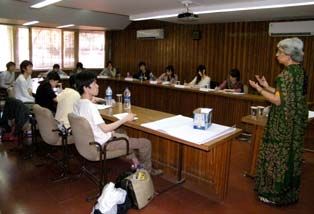
3

India Ltd. (NCDFI), National Tree Growers’                     the above airports to reach IRMA. On an
Cooperat ive Federat ion Ltd. (NTGCF),                         average taxis charge up to ` 1000 from
Foundation for Ecological Security (FES),                      Vadodara airport and up to ` 1700 from
a n d t h e A n a n d A g r i c u ltu ra l U n ive r s i ty.   Ahmedabad airport to reach IRMA campus.
Adjacent to Anand are Vallabh Vidyanagar
(which is the seat of Sardar Patel University),                Anand is well-connected by rail to most
Vithal Udyognagar (an industrial estate), and                  capital cities of the country. One can also
Karamsad (birth place of Sardar Vallabhbhai                    reach Anand via a changeover at Ahmedabad
Patel).                                                        or Vadodara railway stations. State transport
                                                               bus stations are located very close to the
How to Reach Anand                                             railway stations and there are regular bus
                                                               services to Anand. One can also hire taxis
The nearest airports are located in Vadodara                   from the railway stations. The IRMA campus
and Ahmedabad. The two airports are well-                      is about 3 k.m. from the Anand railway
connected with flights from New Delhi and                      station and 4 k.m. from the bus station and
Mumbai (Bombay). There are also direct                         may be reached by autorickshaws at ` 40
flights from Ahmedabad to most capital cities                  (current rates). Autorickshaw drivers
of the country. Tourist taxis are available at                 identify the place by its acronym (IRMA).

                            For additional information, please write to:

                                                 Oliver Macwan
                                            Executive (Programmes)
                                             Cell: +91-7567448244
                                            E-mail: oliver@irma.ac.in

                              Institute of Rural Management, Anand
                          Post Box No. 60, Anand 388 001, Gujarat, India
                                Phone: +91-2692-221697/261502
                                 Fax: +91-2692-221915/260188
                                     Website: www.irma.ac.in
List of Programmes

Sr.            Title of the Programme                     Dates            Co-ordinator(s)    Page No.
No.
 *1 Certificate Course on Decentralization and    May 20 – Jun 8, 2013    Debiprasad Mishra
    Local Governance
  2 PERT/CPM Techniques                           Jul 18-19, 2013         Girish K. Agrawal      4

  3 Strategic Corporate Social Responsibility     Jul 29 – Aug 1, 2013    Girish K. Agrawal      5

  4 Integrated Watershed Management and           Aug 5-9, 2013           KV Raju                6
    Collective Enterprises                                                Harekrishna Misra
  5 Developing Training Modules for Employees     Sep 3-6, 2013           Hitesh Bhatt           7
    and Training of Trainers
  6 Practical Answers to Poverty – Marketing of   Sep 10-12, 2013         Preeti Priya           8
    Rural Products
  7 Value Chain Management in Rural               Sep 16-18, 2013         Harekrishna Misra      9
    Enterprises                                                           KV Raju
  8 Performance Management System                 Sep 17-20, 2013         Madhavi Mehta         10

  9 Financial Decisions (Strengthening Tools)     Sep 24-27, 2013         Paresh J. Bhatt       11
                                                                          Asmita H. Vyas
10 Logistics Approach to Supply Chain             Sep 25-27, 2013         MV Durga Prasad       12
   Management
11 Everybody Wins: Negotiating Skills for         Oct 7-11, 2013          Nivedita Kothiyal     13
   Managers
12 Governance and Management of Producer          Oct 7-12, 2013          KV Raju               14
   Organizations                                                          Harekrishna Misra
13 Energy Management in the Manufacturing         Oct 8-10, 2013          Hitesh Bhatt          15
   Sector
14 Data Management Skills                         Oct 17-19, 2013         Anand Venkatesh       16
                                                                          Preeti Priya
 15 Contemporary Developments in Finance and      Oct 21-24, 2013         Paresh J. Bhatt       17
    Accounting Fields                                                     Asmita H. Vyas
*16 Participatory Management and Governance       Oct 21-26, 2013         Pramod K. Singh
    of Decentralized Rural Domestic Water
    Supply and Environmental Sanitation
*17 IRMA Module of the ICA-Japan Training         Oct 21 – Nov 17, 2013   Madhavi Mehta
    Course on Fostering Core Leaders of
    Agricultural Co-operatives 2013(I)
 18 22nd International Management                 Nov 11 – Dec 6, 2013    Nivedita Kothiyal     18
    Appreciation Programme for Voluntary
    Agencies
*19 Governance and Service Delivery Issues in     Nov 18-23, 2013         Pramod K. Singh
    Rural Domestic Water Supply and
    Environmental Sanitation
 20 Workshop on Marketing Modeling and            Nov 25-27, 2013         Preeti Priya          20
    Analytics                                                             Anand Venkatesh
 21 Financial Control in Co-operatives            Nov 26-29, 2013         Paresh J. Bhatt       21
                                                                          Asmita H. Vyas
22 Quality Management for Personal and            Dec 2-4, 2013           Hitesh Bhatt          22
   Organizational Growth
23 Strategy Implementation by Balance Score       Dec 9-12, 2013          Girish K. Agrawal     23
   Card
24 Team Building                                  Dec 9-12, 2013          SN Biswas             24
Sr.           Title of the Programme                    Dates             Co-ordinator(s)    Page No.
No.
 25 Areas of Cost Reduction in Dairy Co-         Dec 10-12, 2013         Paresh J. Bhatt       25
    operative Plants                                                     Asmita H. Vyas
 26 Communication for Effective Management       Dec 16-18, 2013         Hitesh Bhatt          26

27 Corporate Social Responsibility and           Dec 18-20, 2013         Nivedita Kothiyal     27
   Development
28 Practical Answers to Poverty – Marketing of   Dec 18-20, 2013         Preeti Priya          28
   Rural Products
29 General Management Programme                  Jan 6-25, 2014          Hitesh Bhatt          29

30 Strategy Planning for Emerging Markets        Jan 7-10, 2014          Girish K. Agrawal     31

31 Personality Development                       Jan 16-18, 2014         SN Biswas             32

32 Rural Livelihoods and Poverty Alleviation     Jan 20-24, 2014         Mukul Kumar           33

 33 Waste Management in the Manufacturing        Jan 29-31, 2014         Hitesh Bhatt          34
    Sector
*34 Rural Development through Dairy Co-          Feb 10-11, 2014         Ila Patel
    operatives in India
 35 Project Management                           Feb 18-21, 2014         Hitesh Bhatt          35

*36 IRMA Module of the ICA-Japan Training        Feb 19 – Mar 15, 2014   Madhavi Mehta
    Course on Fostering Core Leaders of
    Agricultural Co-operatives 2013(II)
 37 Social Entrepreneurship and Leadership for   Mar 18-22, 2014         KV Raju               36
    Transformation
 38 Developing Leadership Skills                 Mar 25-28, 2014         Madhavi Mehta         37

* Sponsored Programme
4
PERT/CPM Techniques
July 18-19, 2013 (2 Days)
Programme Co-ordinator:
Prof. Girish K. Agrawal
PERT/CPM techniques have been Participants
conceptualized for effective and efficient
implementat ion of projects but their Managers/team leaders assigned with goal
applicability and efficiency outcomes extend achievements from all functional areas at all
to a far greater range of activities including leve ls of the organizat ion. Ind ividuals
ind ividual job profiles irrespect ive of without a ny fo r m a l managerial
functional content of the job. Training in responsibilities will also benefit from a
these techniques tends to improve overall change in orientat ion towards greater
efficiency of individuals in handl ing job e f f i c i e n c y i n d i s c h a rg i n g day- to - day
a s s i g n m e n ts a n d c o m p le t i o n o f ta s ks functions.
involving co-ordination with others
Participants from SHGs/volunteer work
Contents agencies would benefit more if the work
content of participants includes resource
P la n n i n g , n e two r k b u i ld i n g , t i m e economizing, project planning, and timely
est imat ion under uncertainty, and execution of projects.
earliest project completion
Resource Persons
Dealing with uncertainties
Prof. Girish K. Agrawal
Network scheduling under resource Prof. MV Durga Prasad
constraints
Concept of activity crashing (CPM
Technique) and optimizing project
schedule
Introduction to MS Projects (2010)
Deadline for Confirmation of Participation: June 30, 20135
Strategic Corporate Social Responsibility
July 29 – August 1, 2013 (4 Days)
Programme Co-ordinator:
Prof. Girish K. Agrawal
C o r p o rat e s o c i a l re s p o n s i b i l i ty h a s Impact of value chain activities on
increasingly drawn attention to the social firm performance and social concerns
obl igat ions of economic organizat ions,
wh i c h h i t h e r to h a d b e e n l i m i te d to managerial frameworks addressing
compliance with legal structures. With an both social and organization concerns
ensuing legislation CSR spends have been
mandated to go up to a very significant level te m p late fo r i m p rov i n g CS R
o f o rg a n i z a t i o n a l ex p e n d i tu re . I n t h e performance
absence of any organized academic literature
on the subject there is little clarity on what Strate g i c Management of CSR
c o n s t i tu te s CS R b eyo n d a m i n i m a l activities
understanding of ‘doing good for society’ in
t h e i m m e d i a t e m a n u fa c tu r i n g / s e r v i c e I m p rov i n g B a la n c e S c o re C a rd
environment of the organization. measures to include social
This programme aims at addressing the performance
knowledge gaps regard ing the ‘social
impl icat ions’ of corporate act ivity. The Participants
programme contents are designed to cover
the entire gamut of corporate activity which This program is aimed at senior
overlap both societal concerns and corporate Management personnel responsible for
financial performance. The objective is to planning at corporate and functional head
address societal well being in a way that also levels.
addresses corporate performance goals.
Resource Persons
Contents
Prof. Girish K. Agrawal
Understanding social implications of
organizations’ Value Chain activities
Deadline for Confirmation of Participation: June 15, 20136
Integrated Watershed Management and Collective Enterprises
August 5-9, 2013 (5 Days)
Programme Coordinators:
Prof. KV Raju & Prof. Harekrishna Misra
Integrated Watershed Management (IWM) clearer understanding of the concept of IWM
aims to restore the ecological balance by and practical methods that could enhance
harnessing, conserving, and deve loping the performance of collective enterprises.
degraded natural resources such as soil, The programme will be conducted through
vegetative cover, and water. Watersheds need interactive analysis, case stud ies, small
to be managed by the people so that they can group d iscussions, presentat ions, and
derive tangible economic benefits from simulated exercises. Participants will be
investments in the watersheds. Collective encouraged to share their experiences.
enterprises (CEs) are being increasingly
s e e n a s i n s tr u m e n ts fo r c o m m u n i ty Participants
mobil izat ion, product ion of marketable
s u r p lu s e s , va lu e a dd i t i o n a n d m a r ke t The programme is intended for senior
integration leading to enhanced livelihoods. development professionals from NGOs, donor
Group-based l ive l ihoods’ enhancement agencies, state departments, and others who
through CEs should rest on capabilities and are concerned about integrated watershed
assets of individuals and communities. This management and promotion of collective
may be supplemented by enabling external enterprises for enhancement of livelihoods.
assistance for generating local employment
and economic op portunit ies lead ing to Resource Persons
sustainable livelihoods.
Prof. Harekrishna Misra
Pedagogy Prof. KV Raju
Prof. Madhavi Mehta
Through reflection and analysis of their Prof. Paresh J. Bhatt
experience and experience gained during Prof. Pramod K. Singh
field visits, participants will be able to get a
Deadline for Confirmation of Participation: July 15, 20137
Developing Training Modules for Employees and
Training of Trainers
September 3-6, 2013 (4 Days)
Programme Co-ordinator:
Prof. Hitesh Bhatt
Objective Training the trainers in delivering
effective programmes leading to value
More and more organizat ions wish to addition for the organization
develop in-house training modules for their
employees and train them through their own Learning to take feedback and
staff members. This programme is designed improving the training programmes
to help meet these two objectives while on a continuous basis
helping an organization develop training
modules and also train their trainers. Participants
Contents Officers from the department of HRD and
other departments of an organization, who
Understanding the needs of skill-sets are involved in developing various training
and knowledge-sets for various roles modules for their employees along with
in organizations p e r s o n s a l lo c a te d t o c o n du c t tra i n i n g
programmes within the organization.
Understanding the gaps of the above-
m e n t i o n e d t h a t n e e d to b e f i l le d Resource Persons
through training programmes
Prof. Hitesh Bhatt
D eve lo p i n ga re a - w i s e tra i n i n g Prof. KV Raju
modules to fill the above-mentioned Prof. Madhavi Mehta
gaps Prof. SN Biswas
Deve loping schedules, contents,
p e da g o g i c a l to o ls , a n d lo c a t i n g
resource persons to conduct these
training modules
Deadline for Confirmation of Participation: August 15, 20138
Practical Answers to Poverty – Marketing of Rural Products
September 10-12, 2013 (3 Days)
Programme Coordinator
Prof. Preeti Priya
Once a producer decides to produce I de n t i f y ways o f ex p a n d i n g t h e
commodities for sale then he/she is making business and building market linkages
a business decision. If the production is not
market-based the enterprise is likely to lose Solve the specific marketing problems
money and fail. This programme will enable that arise
the participants to appreciate the role of
marketing management in linking the poor Develop a marketing plan for a defined
with markets and further provide knowledge period of time
a n d s k i l ls for i m p rov i n g t h e b u s i n e s s
p rodu c t iv i ty of produ ce r s th rough Pedagogy
marketing.
Interactive Classroom lectures, sharing of
Contents experiences and discussions in the class,
group tasks aimed at learning from simulated
Understand the four components of environments; marketing exercises and case
marke t ing: Product, Price, studies will be deployed.
Distribution and Promotion
Participants
Evaluate how well the product or
service meets the needs of customers Professionals working on livelihood issues
a n d i n c o m e - g e n e rat i n g a c t iv i t i e s i n
Determine the best price for the Government departments, CSRs, NGOs, Social
product or service Enterprises, and Producers’ Organizations
will find the programme advantageous.
Select the best way to distribute the
product Resource Persons
Create new ways to promote the Prof. Anand Venkatesh
business Prof. Preeti Priya
Deadline for Confirmation of Participation: August 25, 20139
Value Chain Management in Rural Enterprises
September 16-18, 2013 (3 Days)
Programme Co-ordinators:
Prof. Harekrishna Misra & Prof. KV Raju
Managing value chain (VCM) has been a dealing with problems related to VCM, SCM,
challenge for all enterprises despite the and ICT adoption in managing enterprise
sound methods in place as far the supply driven value systems.
chain management (SCM) is concerned.
I n fo r m a t i o n and Communication Pedagogy
Technologies (ICT) have paved the way for
effective SCM. However, value propositions The programme will be conducted through
in each layer need to be assessed for interactive analysis, case stud ies, small
ensuring that stockholders and stakeholders group discussions, and presentations.
garner desired benefits. Rural enterprises,
particularly, face enormous challenges of Participants
sustaining the value chain because of various
m a r ke t c o n d i t i o n s a n d o t h e r b u s i n e s s Executives of enterprises, entrepreneurs,
issues. Thus, there is a need to understand professionals from NGOs, producer
the underpinnings of value chains in the organizations, etc.
entire enterprise life cycle.
Resource Persons
Objectives
Prof. Harekrishna Misra
The programme would demonstrate the Prof. Hitesh Bhatt
effectiveness of management approaches in Prof. KV Raju
Deadline for Confirmation of Participation: August 31, 201310
Performance Management System
September 17-20, 2013 (4 Days)
Programme Co-ordinator:
Prof. Madhavi Mehta
Pe r fo r m a n c e m a n a g e m e n t i s a c r i t i c a l Contents
component of achieving and maintaining the
e f fe c t ive n e s s of i n d iv i du a ls and U n de r s ta n d i n g Va r i o u s L eve ls of
organizat ions. The performance Organizational Performance
management system covers the entire gamut
of activities from performance planning to Performance Appraisal System: An
performance enhancement. The presence of Overview
such a system provides opportunities to
individuals and teams in the organization to Goal Setting
receive feedback about their performance.
Performance Review Discussion
T h e p ro g ra m m e i s de s i g n e d to prov i de
part icipants tools to develop a Performance Feedback
comprehensive understand ing of the
Performance Based Incentives
p e r fo r m a n c e m a n a g e m e n t sys te m a n d
cultivate or renew various skills related to
Mentoring and Coaching
designing, implementing, and maintaining
the performance management system within
360 Degree Feedback System
their organization. The programme includes
de s i g n i n g o f sys t e m s a n d p ro c e s s e s Team Appraisal
facilitating individual performance leading
to enhanced organizational performance. Balanced Score Card
Objectives Pedagogy
To ge t an overview of the The programme will be conducted through
performance appraisal system and interactive lectures, case discussions and
various performance assessment tools exe rc i s e s . S h a r i n g o f ex p e r i e n c e s by
and techniques participants forms a crucial component of
the programme. A selection of videos will be
To gain a deeper understand ing of screened to help participants enhance their
s o m e o f t h e b u i ld i n g b lo c ks o f understanding of some concepts discussed
performance appraisal such as goal during the sessions.
s e tt i n g , p e r fo r m a n c e rev i e w
discussion, performance feedback, Participants
performance-based incent ives,
mentoring and coaching, etc. This programme will be useful for chief
functionaries of small organizations as well
To gain an insight into some of the
as employees handling the personnel/HR
latest tools, techniques, and methods matters (HR managers) in medium-large
of p e r fo r ma nce m a n a g e ment organizations.
including 360 degree feedback system,
team appraisal, balance scorecard, etc.
Deadline for Confirmation of Participation: August 31, 201311
Financial Decisions (Strengthening Tools)
September 24-27, 2013 (4 Days)
Programme Co-ordinators:
Prof. Paresh J. Bhatt & Prof. Asmita H.Vyas
Objectives and Scope C o s t i n g t o o ls a n d te c h n i q u e s for
managerial decision making including
Utilizing available information is not only a contribution analysis, cost-volume-
numerical exercise but also an art as much profit re lat ionship, joint- p roduct
as analyzing it in such way as to suit the costing, and target costing
i m m e d i a t e a n d lo n g - te r m n e e ds o f a n
organizat ion while provid ing the best Different environments for decision-
available alternatives to management. This making
p ro g ra m m e a i m s to prov i de t h i s b le n d
through a mix of conceptual discussions and Tools and techniques for monitoring
practical applications of various tools and and controll ing performance
techniques available for decision-making in including standard costing, variance
t h e f i e lds o f f i n a n c i a l a c c o u n t i n g , analysis, and budgeting and budgetary
management accounting and control, and control
financial management.
Major areas for decision-making
Contents
Pedagogy
Decision-making through analysis of
financial accounting statements like The pedagogy would emphasize
cash-flow analysis, rat io analysis, participat ive learning and insights into
tre n d a n a lys i s , a n d c o m m o n - s i z e practical situat ions through lectures and
statements. As a refresher and/ or case discussions.
preliminary grounding, there will also
be a discussion on accounting Participants
concepts and mechanics
This programme is designed specifically for
Decision-making on working capital, managers and executives working with rural
a s s e s s m en t o f working ca pital sector organizations.
requirements, and integration with
cash budgets Resource Persons
Capital investment analysis and Prof. Paresh J. Bhatt
decision-making Prof. Asmita H. Vyas
Deadline for Confirmation of Participation: September 10, 201312
Logistics Approach to Supply Chain Management
September 25-27, 2013 (3 Days)
Programme Co-ordinator:
Prof. MV Durga Prasad
Supply chain management and the closely Sup ply chain re lat ionships,
related concept of logistics are cornerstones performance, and financial analysis
of competitive strategy, increased market
share, and value for most organizations. Tra n s p o r tat i o n sys te m and
Logistics is a critical part of the supply management
chain. The coord inat ion and, perhaps,
integration of the logistics systems of all Inventory decision-making
organizat ions in the sup ply chain are
n ec es s a r y re q uire me nts f o r s u cce ssful Warehousing decisions
m a n a g e m e n t o f t h e s u p ply c h a i n . Ye t
logistics in a large number of organizations Network design and facility location
is managed by people who have not had the problems
op portunity of gaining pro fessional
competencies in managing/integrating it. Pedagogy
Objectives Classroom interactive sessions
Case discussions
To enable participants understand the
concept of logistics in supply chain
Group exercises
management
Participants
To build an appreciation of issues,
systems, and structures to integrate
This programme is intended for managers
various functions in an organization
i nvolve d w i t h lo g i s t i c s ( d i s tr i b u t i o n ,
(or across the supply chain) through
warehousing, transportation, etc.) in the
logistical approach
supply chain.
To famil iarize part icipants with
t h e o re t i c a l i s s u e s a n d re a l l ife Resource Persons
applications in supply chain
Prof. Hitesh Bhatt
To provide an opportunity for sharing Prof. MV Durga Prasad
organizat ional experience among Prof. Paresh J. Bhatt
participants Prof. SN Biswas
Contents
Role of logistics in the supply chain
Global dimensions of supply chain
Deadline for Confirmation of Participation: September 10, 201313
Everybody Wins: Negotiating Skills for Managers
October 7-11, 2013 (5 Days)
Programme Co-ordinator:
Prof. Nivedita Kothiyal
Negotiation has become one of the most Contents
important managerial skills at workplaces
across the world. The new organizational What is conflict?
forms are more dominated by task forces, Major causes of conflict
project teams, and product groups within the Understand ing negot iat ion as a
organizat ion, and as networks of peaceful conflict resolution method
organizations in an endeavour to respond to Types of negotiation – distributive
high-paced turbulent changes happening in and integrative
the environment . The obverse of this Levels of negotiations - interpersonal,
development is emergence of newer issues w i t h i n te a m s , b e twe e n te a m s ,
i n o rc h e s trat i n g wor k w i t h i n t h e between organizations, at the level of
organizat ion, forging of ties within the community
network of organizations, and interfacing S u b - p ro c e s s e s o f n e g o t i a t i o n s –
with a more vibrant civil society. Effective negot iat ing style, cognit ion,
negotiating skills are required for managers emotional i n te l l i g e n c e ,
in such organizations to navigate through communication
uncharted waters. Similarly, for an individual How to negotiate
in the organization, effective negotiating Ethics in negotiation
skills can lead to better interpersonal
relationships and more enriching life/work Pedagogy
experiences. For professionals working in
developmental context(s), this portrayal of The programme will be conducted through
the contemporary workplace and the world interactive lectures, case studies, games,
is more of a reality than fiction, underscoring screening of videos and discussions, and
t h e c r i t i c a l i ty o f deve lo p i n g e f fe c t ive exercises. The emphasis is on participatory
negotiation skills. The end result would be a le a r n i n g . Pa r t i c i p a n ts ’ sharing of
situation where “everybody wins”. experiences forms a crucial component of
the programme.
Objectives
To h e lp p a r t i c i p a n ts deve lo p e f f e c t ive Participants
negotiating skills and orientation through in-
dep t h u n de r s ta n d in g of n e g ot ia t ion T h i s p ro g ra m m e wo u ld b e u s e f u l for
processes, appreciate the context of each management and development professionals
negotiating situation and, thus prepare for from NGOs, donor agencies, co-operatives,
negot iat ion, and effectively manage the and government bodies.
process and reach a mutually beneficial
agreement with the other party. This would Resource Persons
include developing insights into why and how
conflicts arise in organizational settings and Prof. Hitesh Bhatt
how the resolution of confl icts through Prof. KV Raju
effect ive negot iat ion is achievable. The Prof. Nivedita Kothiyal
emp h a s i s wo u ld b e o n ca r r yin g out Prof. SN Biswas
“principled negotiations”.
Deadline for Confirmation of Participation: September 20, 201314
Governance and Management of Producer Organizations
October 7-12, 2013 (6 Days)
Programme Co-ordinators:
Prof. KV Raju & Prof. Harekrishna Misra
Producer organizat ions (POs) are Marketing Management
i n c re a s i n gly s e e n a s i n s tr u m e n ts f o r D e mys t i f y i n g o f m a rke t i n g a n d
enhancing the livelihoods of economically marketing management; development of
marginalized rural and tribal communities. m a r ke t l i n ka g e s fo r c o m m o d i ty a n d
Lijjat and Gambhira Joint Farming groups product marketing, and related issues
have amply demonstrated the success of this Leadership
approach. Mulukanoor in Andhra Pradesh Producer organizations are usually built
and Amul in Gujarat are other successful by visionary leaders, who play the role of
examples. Live l ihood enhancement and transform at ional leaders witho ut
poverty alleviation programmes of several ignoring the importance of transactional
state governments have incorporated this leadership. Transformational leadership
idea. This has helped establish producer is more future-oriented and adds large-
companies in Madhya Pradesh and other s c a le d i m e n s i o n to tra n s a c t i o n a l
states. Basic ideas related to promot ing behaviours. This module he lps
economic enterprises such as value addition participants assess their leadership style
possibilities, demand and supply conditions, as well as their capabilities for playing
viability of operations, costs-volume-surplus the role of transformational leadership.
– relations, and implications for producer I n te g rat e d S u p ply a n d Va lu e C h a i n
organization management are some of the Management
key dimensions that need to be understood Ru ra l e n te r p r i s e s fa c e da u n t i n g
well for the effective management of such challenges in managing their resources,
enterprises. especially in the context of globalization.
Value add itions accrue with a robust
Contents
l i n k a g e w i t h t h e m a rke t t h ro u gh
Design of Producer Organizations intell igent ne two rks and gain from
A p p re c i a t ive i n q u i r y a n d le a r n i n g collective strengths of enterprises. This
process ap proaches for build ing on va lu e c h a i n c a l ls fo r a sys te m a t i c
community strengths, rationale for POs, organizational endeavour supported by a
design concept for effective governance, robust supply chain.
efficient operat ing and equitable
d i s tr i b u t i o n o f c o s ts - b e n e f i ts , r i s k- Pedagogy
returns among memberships; and lessons
from successful and failed POs T h e p ro g ra m m e c a l ls fo r i n te n s ive
Accounts and Finance Management e n ga g e m e n t o f p a r t i c i p a n ts i n c a s e
U n de r s ta n d i n g and i n t e r p re t i n g d iscussions, group tasks to learn from
accounting statements; typology of costs, simulated environments, and field visits.
b re a keve n a n d c o s t- vo lu m e - s u r p lu s
relat ionships; evaluat ing investment Resource Persons
decisions, operating cycles and working
c a p i ta l m a n a g e m e n t; e q u i ty- de b t Prof. Harekrishna Misra
financing, importance of member capital Prof. Hitesh Bhatt
and capital structure, Du Pont analysis for Prof. KV Raju
assessment of business performance Prof. Madhavi Mehta
evaluation Prof. Preeti Priya
Deadline for Confirmation of Participation: September 20, 201315
Energy Management in the Manufacturing Sector
October 8-10, 2013 (3 Days)
Programme Co-ordinator:
Prof. Hitesh Bhatt
Objectives Concept of energy audit, planning for
energy conservation and subsequent
To develop an understanding of the action
importance of energy management in
manufacturing and how it can provide Issues of waste heat recovery,
competitive advantage cogeneration, use of solar energy, use
o f c a r b o n tra d i n g , a n d tra i n e d
To understand the concept of reduce, manpower
reuse, and recycle of all inputs; and
understand measures for comparing Waste management in manufacturing:
operations in an organization in the concep t of BOD, CO D, and its
context of energy consumption continuous reduction by efficient way
o f h a n d l i n g p ro c e s s e f f lu e n ts for
To understand issues related to carbon reduction of power
tra d i n g , tra i n e d m a n p o wer,
cogeneration, and use of alternative Case studies
sources like solar energy and liquid
fuels from biomass Pedagogy
Contents Classroom lectures, sharing of experiences
and discussions, case studies, and visits to
Introduction to energy management energy efficient manufacturing companies
and explaining its importance to the around Anand.
health of an organizat ion –
understanding of profitability, and Participants
linking that with the concept of
reduce, reuse, and recycle M i ddle a n d s e n i o r leve l o f f i c e r s f ro m
product ion and engineering sect ions of
Energy efficiency of electrical units – progressive manufacturing organizations
efficient use of p o we r in and public sector undertakings.
manufacturing processes – machines,
lighting, heating, air-cond itioning, Resource Persons
and effluent treatment plant
Prof. Hitesh Bhatt
Energy efficiency of thermal utilities- Shri BC Patel (certified energy auditor and
– efficient utilization of steam, water, energy manager)
a n d e le c tr i c i ty i n g e n e rat i o n o f Engineering and production persons from
compressed air, chilled water, and air- manufacturing organizat ions that have
conditioning become competitive by taking energy saving
measures
Deadline for Confirmation of Participation: September 20, 201316
Data Management Skills
October 17-19, 2013 (3 Days)
Programme Co-ordinators:
Prof. Anand Venkatesh & Prof. Preeti Priya
A key challenge facing professionals is Measures of association
op t i m a l m a n a g e m e n t o f data . T h e
perspective has shifted from availability of Multiple response analysis
data to optimal utilization and management.
The rationale behind this programme is to Overlap analysis
enable organizations fully utilize the data
t h ey m ay b e c o l le c t i n g f ro m i n - h o u s e Pedagogy
surveys, agencies, and secondary sources.
During this programme the endeavour would The programme will be conducted through
be to share analytical tools and techniques interact ive sessions, case analysis, and
to make data “talk” while not losing track of group exercises. Computer exercises and
simplicity. hands-on exposure to the most widely used
data analysis software – SPSS – would help
The programme would provide a part icipants grasp the nuances of data
methodological framework for data management.
management and stat ist ical analysis of
surveys and would cover: Participants
Classifying and Measuring Data This programme intends to benefit
development professionals from NGOs, donor
Organizing Data agencies, co-operat ives, government
departments, academics, and others who are
Tabulating, Charting, and Graphing concerned with design, implementation, and
Data analysis of surveys or alternat ively are
consumers of survey data.
Descriptive Statistical Analysis of Data
Resource Persons
Measures of central tendency
Prof. Anand Venkatesh
Measures of dispersion Prof. Preeti Priya
Gross tabulation
Deadline for Confirmation of Participation: September 30, 201317
Contemporary Developments in Finance and Accounting Fields
October 21-24, 2013 (4 Days)
Programme Co-ordinators:
Prof. Paresh J. Bhatt & Prof. Asmita H. Vyas
Recent years have witnessed major 2. Materials Cost Management and
developments in the field of finance and Control including:
accounting. Accounting standards are being 2.1 Just-in-Time
s tre n g t h e n e d a n d b ro u gh t i n l i n e w i t h 3. Performance Budgeting
international standards. The advent of IFRS 4. Business Process Re-Engineering
is a landmark step in that direction. Modern and Cost Engineering
management accounting techniques such as 5. Cost of Quality
target costing, activity-based management, 6. Kaizen Costing
a n d m a j o r deve lo p m e n ts i n f i n a n c i a l 7. Zero Based Budgeting
man a g e me n t l ike r is k re co g n it ion, 8. Ethics in decision-making
managerial options in capital budgeting, and
derivatives as important risk management III. Financial Management
instruments are other examples. At the same 1. Capital Budgeting
time, given the global financial crisis of 2007 1.1 Existing concepts
and 2008, there has been an ongoing debate 1.2 Risk measure
a m o n g s t f i n a n c e p ra c t i t i o n e r s a n d 1.3 Managerial options
academicians about the appropriateness of 1.4 Other developments
the existing tools and techniques.
Pedagogy
The programme intends to provide a cutting
edge discussion on the above developments The pedagogy would emphasize
and issues. participat ive learning and insights into
practical situat ions through lectures and
Contents case discussions.
The broad contents would include: Participants
I. Financial Accounting: This program m e will be useful fo r the
1. I F RS - G lo b a l c o nverg e n c e of decision-makers and personnel engaged in
Accounting Standards finance and accounting functions.
2. Forensic Accounting
3. Human Resource Accounting Resource Persons
4. Accounting for Carbon Credit
5. Revised Schedule VI of the Prof. Paresh J. Bhatt
Companies Act Prof. Asmita H. Vyas
II. Cost and Management Accounting:
1. Strategic Cost Management which
includes:
1.1 Act ivity Based Cost ing and
Activity Based Management
1.2 Life Cycle Costing and Target
Costing
Deadline for Confirmation of Participation: October 5, 201318
22 nd International Management Appreciation Programme
for Voluntary Agencies
November 11 – December 6, 2013 (26 Days)
Programme Co-ordinator:
Prof. Nivedita Kothiyal
M a n a g i n g volu n ta r y o rg a n i z a t i o n s i s To i m p a r t b a s i c k n o w ledg e i n
b e c o m i n g i n c re a s i n gly c o m p lex a n d functional areas of management for
sophisticated given the changing context of management of deve lo p m e n t
development . These organizations have organizations
realized the need for superior understanding To enable part icipants deve lop
of development perspectives as well as the analyt ical and pract ical skills for
importance of tools and technology for effective management of development
development management. Capacity building organizations
of managerial staff of voluntary
organizat ions is, therefore, crucial for To provide a platform to participants
enhancing managerial skills and leadership for sharing their experiences as
potential. development practitioners to reflect
on their own organizations and to
This programme, offered by IRMA since learn from each other
1992, focuses on apprising participants of
the new perspectives as well as strategic and Programme Modules
operational issues of managing NGOs/NPOs.
The programme structure and contents are D eve lo p m e n t C o n tex t a n d N GO
continuously revised and upgraded to best Management
meet the needs of participants. VOLAG-MAP
has attracted a large number of participants Understanding Human Behaviour for
from India and other developing countries Managerial Effectiveness
including Afghanistan, Bangladesh, Nepal,
Pakistan, Sri Lanka, Ethiopia, Kenya, and Marketing and Communication
Tanzania. In the last nineteen years IRMA
has trained more than 500 participants from Financial Management
more than 175 NGOs through
Management of Development Projects
VO L AG - M A P i s a fo u r - we e k f u l l t i m e (including LFA and MIS)
resident ial internat ional programme
designed to provide an overview of Organization and Management
management functions required for the
e f fe c t ive m a n a g e m e n t o f deve lo p m e n t S u s ta i n a b le
L ive l i h o o ds and
organizations in an increasingly complex and Community-Based Organizations
challenging global environment. Its specific
objectives are: Besides the programme modules, there will
be several intensive workshops focusing on
To prov i de a n ove r v i e w o f t h e spec ific aspec ts of m anagem e nt o r
changing context of development in deve lopment . The workshops will be
the global environment organized on the following themes:19
Gender and Empowerment learning with other deve lopment
p ra c t i t i o n e r s . F i e ld tr i p s t o NGO s / c o -
Sustainable Financing operatives in Gujarat will be organized to
e n h a n c e le a r n i n g o n deve lo p m e n t
HRD-OD in NGOs management in practice.
Microfinance Participants
Social Innovation Ideal part icipants for VOLAG-MAP would
i n c lu de p e r s o n n e l f ro m volu n ta r y
Strat e g i c I s s u e s i n D e ve lo p m e n t organizations in developing countries whose
Organizations job c ontent is m anagerial rat he r tha n
involving direct implementation. They would
Team Building be human resources of NGOs/NPOs who co-
ord inate the activit ies of many people,
Deve lopment Ac t ion and Pol icy mentor younger entrants into the working of
Advocacy the organization, maintain critical interface
with external agencies and, perhaps, manage
I n fo r m a t i o n a n d C o m m u n i c a t i o n an entire project or programme for the
Technology organization. Managerial staff of NGOs would
b e n e f i t f ro m a fo r m a l ex p o s u re to t h e
Pedagogy principles and applications of development
management, which form the core of this
Classroom sessions will be interactive with programme. IRMA encourages nominations
the scope for case analysis and small group from women managers in NGOs.
d i s c u s s i o n s b a s e d o n pa r t icipants’
experiences. Audiovisuals on specific topics Resource Persons
will be used to enhance learning. VOLAGMAP
will provide op portunit ies to enrich Faculty members of IRMA and practitioners
participants’ knowledge through sharing from different sectors
Deadline for Confirmation of Participation: October 15, 201320
Workshop on Marketing Modeling and Analytics
November 25-27, 2013 (4 Days)
Programme Co-ordinators:
Prof. Preeti Priya & Prof. Anand Venkatesh
M arke t i n g p rob le ms a re in h e re nt ly Pedagogy
multidimensional. We describe consumers
along a variety of dimensions. We evaluate Apart from having an understand ing of
collaborators, competition, consumers and marketing principles, marketing research
company along a variety of dimensions. We and elementary stat ist ical analysis, the
describe brands with respect to several programme requires participants to have an
attributes and benefits. Multivariate analysis appreciation for the role of quantitative
facilitates approaching and comprehending research in marketing decision-making. The
these mult id imensional marke t ing p ro g ra m m e w i l l b e c o n du c t e d t h ro u gh
problems. In a rapidly evolving, data-focused interact ive sessions, case analysis, and
b u s i n e s s e nv i ro n m e n t to ex p o s i n g group exercises. Computer exercises and
marke t ing professionals to a dvanced hands-on exposure to most widely used data
analysis techniques becomes imperative. analysis software -SPSS - would help
The course workshop intends to part icipants grasp the nuances of data
analysis. It is desirable that participants
expose participants to a selected set bring their laptops with SPSS.
of multivariate statistical tools (Factor
Anal ysis, Cluster Anal ysis, ANOVA, Participants
Regression, Conjoint Anal ysis, AHP,
etc.) and develop capabil ities for This programme will benefit market ing
ap plying the same to a range of professionals and academics concerned with
marketing phenomena modell ing of market ing phenomena and
uneart h the re lat ionships hidde n in
p rov i de p a r t i c i p a n ts w i t h a n marketing data.
opportunity to gain experience using
t h e late s t P C - b a s e d s ta t i s t i c a l Resource Persons
s o f tware i n c o n c re te m a r ke t i n g
management situations Prof. Anand Venkatesh
Prof. Preeti Priya
Deadline for Confirmation of Participation: November 5, 201321
Financial Control in Co-operatives
November 26-29, 2013 (4 Days)
Programme Co-ordinators:
Prof. Paresh J. Bhatt & Prof. Asmita H.Vyas
Scope
Contents
In view of the increased strategic needs of
organizations and the acute need of utilizing
Accounting concepts and mechanics
t h e i r re s o u rc e s to t h e o p t i m u m i t h a s
governing preparat ion of financial
become even more imperative to effectively
statements
use the tools and techniques of accounting,
costing, budgeting and control, and financial Analysis of financial statements
management for proper planning, control
a n d de c i s i o n - m a k i n g . Ac c o rd i n gly, t h i s Working capital management
programme provides a broad-based exposure
to a c c o u n t i n g , f i n a n c e , c o s t i n g a n d Time value of money
budget ing for those who need economic
i n fo r m a t i o n to m a ke de c i s i o n s a n d Capital expenditure analysis- return
judgements about businesses in the dairy on investment, payback period, net
sector deploying the co-operative format. It present value, internal rate of return,
is aimed at providing an understanding and debt service coverage ratio
practical application of the main concepts in
the above fields for optimal decision-making. Essentials of product costing
This programme is designed specifically for Cost-Volume-Profit analysis
managers and executives working in dairy
pla n ts a n d c o r p o rate o f f i c e s i n t h e c o - Flexible budgeting, variance analysis,
operative sector. and control
Objectives
Pedagogy
To provide an overview of accounting,
finance, and costing functions in dairy The pedagogy would emphasize
co-operatives participat ive learning and insights into
To help participants to be effective in practical situat ions through lectures and
functions involving multidisciplinary case discussions.
tasks
Participants
To help participants in evaluating the
impact of managerial decisions on the This programme is designed for managers
organizations’ revenues, costs, and and executives working in or for the dairy
surplus co-operative sector.
To provide skills for analysis and
Resource Persons
interpretation of financial statements
To e n a b le e f fe c t ive i n tera c t i o n Prof. Paresh J. Bhatt
between managers in finance and Prof. Asmita H. Vyas
accounting and other functional
disciplines of the organization
Deadline for Confirmation of Participation: November 10, 201322
Quality Management for Personal and Organizational Growth
December 2-4, 2013 (3 Days)
Programme Co-ordinator:
Prof. Hitesh Bhatt
Too many people accept scrap, rework, How does an organizat ion adop t
delays, and missed deadlines as normal. This quality principles, achieve product/
attitude can be changed if managers are s e r v i c e q u a l i t i e s , re ta i n i t, a n d
mot ivated to pay more attention to the improve upon it?
systems and processes, for which they are
responsible. A process essent ially H ow to deve lo p t h e m i n ds e t for
transforms inputs into outputs, some of quality?
which are desirable and some not. In order
to ensure that we have more desired outputs What is quality management?
and fewer rejects and products requiring re-
work we will have to shift the focus from What are various quality principles,
managing the end product to managing the q u a l i ty p a ra d i g m s , a n d q u a l i ty
processes that deliver a product. movements?
The process management ap proach What kind of tools, skills, and
appreciates variations in people (person to expertise are required to be developed
person and within person from t ime to and or acquired to cont inuously
t ime), variat ions in bought-out and in- improve in whatever one is doing?
process materials, variations in machinery
and equipment, variat ions in methods, Pedagogy
variations in environment – both physical
a n d p syc h o lo g i c a l – a n d va r i a t i o n s i n Interactive classroom lectures, sharing of
measurement systems. The goal of process experiences and discussions in the class,
management is to b reak down an case studies, and simulation game will be
organization’s activities into processes and used.
monitor them in order to align them with its
strategic goal of remaining competit ive. Participants
U n de r s ta n d i n g t h e c o n c e p ts o f q u a l i ty
management can possibly help a person lead M i ddle a n d s e n i o r leve l o f f i c e r s f ro m
a better life as one can undergo a paradigm manufacturing and service organizations,
s hi ft ( p e r s o n a l tra ns for ma t io n) while publ ic sector undertakings, government
looking at everything around one’s self. organizations, NGOs involved with adding
value in the entire value chain.
Contents
Resource Persons
What is quality? How to attain it? How
to retain it? Prof. Hitesh Bhatt
Prof. SN Biswas
Deadline for Confirmation of Participation: November 15, 201323
Strategic Implementation by Balance Score Card
December 9-12, 2013 (4 Days)
Programme Co-ordinator:
Prof. Girish K. Agrawal
Any planning strategy requires an effective Value Chain activities and Impact on
motivational framework and performance Financial Statements
measurement, each of which is then aligned
to clearly-articulated financial goals. The Al ignment – a source of economic
Balance Score Card (BSC) helps align the value
organizational mission and its objectives
with value chain activities and corporate A l i g n i n g f i n a n c i a l a n d c u s to m e r
performance in a measurable way. strategies
This programme is aimed at covering
strategic management and implementation Managing the alignment process
using the Balance Score Card technique.
Various modules cover the understanding of Participants
framework and sound implementat ion
methodologies with regard to case studies This programme is useful for executives
fo r t h e i r s u c c e s s f u l a n d o n g o i n g hailing from all levels of an organization.
implementation. Voluntary and soc ial servic e s e cto r
organizations may also benefit from it by
Contents implementing the BSC technique, even in a
limited way, by tying up value chain activities
BSC- a theoretical framework with correct incentives and performance
outcomes.
Strategic Management Process
Deadline for Confirmation of Participation: November 25, 201324
Team Building
December 9-12, 2013 (4 Days)
Programme Co-ordinator:
Prof. SN Biswas
There is an increasing trend in terms of Art of receiving and giving feedback
u s i n g te a m b u i ld i n g te c h n i q u e s for
participatory rural development. Whether in B e h av i o u r - Ro le A n a lys i s I n du c e d
business or voluntary activities we work Negotiation System (BRAINS)
with other people who have unique skills to Promoting creative thinking
contribute to the overall performance of the
organization. The leader needs to build a Creating the glue that binds the team
team out of the group she/he has in order to - sharing ideology
bring about the best possible outcome for Managing conflicts in teams
the organizat ion as well as ind ividuals
involved in the activity. Decision-making and problem solving
in teams
Objectives
Conducting team meetings
To prov i de a n ove r v i e w of Effective team leader as a facilitator
part icipatory processes in
organizations Action planning
To prov i de t e a m b u i ld i n g a s a n Pedagogy
effective tool in participatory process
To provide a comprehensive picture of I n te ra c t ive le c tu re s , c a s e d i s c u s s i o n s ,
effective team exercises, and role-plays. Films on dynamics
o f te a m b u i ld i n g w i l l c o m p le m e n t t h e
To impart knowledge on structuring of aforement ioned. Throughout the
teams programme, participants will be encouraged
To i m p a r t s k i l ls i n b u i ld i n g a n d to share and learn from each other’s
maintaining an effective team experience. The emphasis across all sessions
would be on post-training action plan.
Contents
Participants
Te a m b u i ld i n g a s a to o l i n t h e
part icipatory process of The programme is intended for senior and
organizations m i ddle - le ve l profe s s i o n a ls f ro m c o -
operat ives, NGOs, donor agencies, and
Teams within the organization
government bodies.
Essentials of an effective team
Resource Persons
Contingency factors in teamwork
Teams that work and that don’t Prof. Hitesh Bhatt
Prof. Madhavi Mehta
Clearing perceptual blocks Prof. Nivedita Kothiyal
L i s te n i n g a s a b u i ld i n g b lo c k to Prof. SN Biswas
effective team building
Deadline for Confirmation of Participation: November 20, 201325
Areas of Cost Reduction in Dairy Co-operatives
December 10-12, 2013 (3 Days)
Programme Co-ordinator:
Prof. Paresh J. Bhatt & Prof. Asmita H. Vyas
While aiming at providing quality products Tools and techniques of cost control
to consumers at competitive prices along and reduction including zero-based
w i t h g o o d f i n a n c i a l re tu r n s to s o c i e ty budgeting and budgetary control
members, co-operative dairy organizations
will have to monitor, control, and reduce Activity Based Cost ing (ABC) and
various elements of the cost. Activity Based Management (ABM)
It has become imperative, therefore, for the Cost of quality and Kaizen costing
persons who handle scarce resources in all
Discussion on areas of cost control
these functions to be conversant with the
and cost reduction
cost incidence of processes undertaken and
the relevance of activities being carried out Pedagogy
wh i c h a re c o n s u m e r s o f c o s t . T h i s i s
expected to lead to cost control and Part icipat ive learning and insights into
reduction. practical situations through lectures, and
case discussions.
Contents
Participants
Identifying the nature of cost incurred
in the organization This programme will be useful for decision-
m a ke r s a n d o t h e r s e n g a g e d i n va r i o u s
Visible and invisible cost funct ions of dairy plants and corporate
offices.
Controllable and non-controllable cost
Resource Persons
Cost-benefit analysis in decision-
making Prof. Paresh J. Bhatt
Prof. Asmita H. Vyas
Deadline for Confirmation of Participation: November 25, 201326
Communication for Effective Management
December 16-18, 2013 (3 Days)
Programme Co-ordinator:
Prof. Hitesh Bhatt
Communication is one of the main planks on Contents
which organizational success rests in today’s
to u gh b u s i n e s s e nv i ro n m e n t . E f f e c t ive Fundamentals of the communication
communication skills have become essential process
for enabl ing professionals achieve the Active listening
exacting levels of performance demanded of Giving and taking feedback
them. Apart from the practical aspects, an Communicating with other individuals
u n de r s ta n d i n g o f b a s i c c o n c e p ts of Communicating with teams
communication can further assist Communicating with senior managers
professionals to communicate skillfully and Communicating under pressure
persuasively. Organizational communication
Communicating change
Communication between different levels of Managing conflicts at workplace
employees provides information necessary Improving effect iveness in groups
to g e t t h e wor k do ne e f f e ct ive ly and (communicating during the decision-
efficiently. During this programme the basic making process)
c o n c e p ts o f c o m m u n i c a t i o n s w i l l b e Managing meetings
p re s e n te d i n c lu d i n g : i n te r p e r s o n a l Making an effective oral presentation
c o m m u n i c a t i o n p ro c e s s e s , m e t h o ds o f Coaching, m e n t o r i n g , le a d i n g ,
c o m m u n i c a t i n g , b a r r i e r s to e f f e c t ive coordinating, and problem solving
communication and ways to overcome these
barriers, organizational communication, Pedagogy
managerial communication, and types of
communication application. Interactive classroom lectures, sharing of
experiences and discussions, case studies,
Objectives v i de o c l i p s . Pa r t i c i p a n ts ’ s h a r i n g o f
experiences forms a crucial component of
To u n de r s ta n d d i f fe re n t ty p e s o f the programme.
c o m m u n i c a t i o n – i n te r p e r s o n a l,
intrapersonal, organizat ional, and Participants
managerial
This programme is specially designed for
To strengthen abil ity in l istening, professionals working in cooperat ives,
thinking, and conveying thoughts to NGOs, funding agencies, and government
others departments.
To develop a logical ap proach to Resource Persons
solving problems through
communication Prof. Hitesh Bhatt
Prof. Madhavi Mehta
To appreciate various applications of Prof. Nivedita Kothiyal
communication in an organization Prof. SN Biswas
Deadline for Confirmation of Participation: November 30, 2013You can also read


