Many roads to success - The Saxon school system - sachsen.de
←
→
Page content transcription
If your browser does not render page correctly, please read the page content below

Many roads to success
The Saxon school system

Contents

03 Everyone counts! Good opportunities        20 Vocational college.
   for everyone at Saxony’s schools –            On-campus training
   Foreword
                                              21 Fachoberschule. The pathway to
04 The Saxon school system.                      accessing a university of applied science
   Types of schools (graphic)
                                              22 Berufliches Gymnasium. School-leaving
07 Opportunities for everyone.                   examination upon completing secondary
   Schooling in Saxony                           school

08 Many roads to success. An overview         23 Dual qualification. Vocational certificate
   of the Saxon school system                    and admission to tertiary study

10 Primary school. A good start               24 Technical college. Continued
                                                 vocational training
12 Secondary school. Learning for real life
                                              25 School-leaving certificates for adults.
14 Grammar school. Preparing for                 The alternative educational pathway
   tertiary study
                                              26 Continued education
16 Special-needs schools.
   Personalised assistance                    27 Information and advice

18 Vocational school. Dual system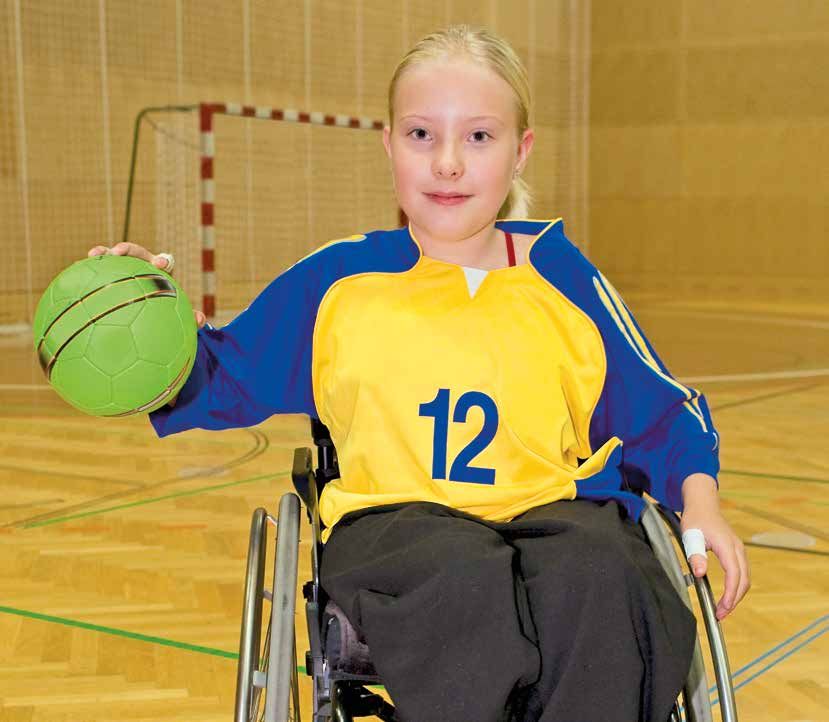
Everyone counts!
Good opportunities for everyone at Saxony’s schools

Dear students,
parents and readers,

There are many ways to achieve a successful education. Which qualification to obtain, and how
to obtain it, is a decision each individual needs to make for themselves, taking into account
their personal skills and interests. In order to make the right choice, it’s important to be famil-
iar with the various options offered by our education system, and their potential outcomes.

Although there are many roads to success, Saxony’s schooling structure is essentially very
simple. It encompasses primary schools (Grundschulen), secondary schools (Oberschulen),
grammar schools (Gymnasien), and vocational training schools (berufsbildende Schulen).
Special-needs schools (Förderschulen) are also an important part of our education system.
Students and parents are particularly entitled to access these institutions, which are able to
dedicate maximum attention and focus to the students most in need of support and assistance.
The Saxon education landscape is rounded off by alternative-pathway schools, where adults of

                                                                                                                © Ronald Bonns
any age can catch up on general school qualifications.

»Everyone counts!« is one of the guiding principles of Saxony’s education policy. It is mani-
fested in our structured school system, which appropriately allows for and supports students’
varying aptitudes, talents and educational goals. The freedom to choose school types and
compatibility with higher-qualifying courses are defining features here. Our schools enable
even bilingually and multilingually raised pupils to achieve their own personal educational
successes.

By amending the Saxon Schooling Act, we have created new ways for all school participants
to play a role. We have expanded the opportunities for student and parent involvement, and
given schools greater creative scope, and therefore more responsibility, overall. The education
recommendation factors in the parents’ primary right to decide on their children’s education
pathway.

The Saxon school system gives everyone an opportunity. And the »Bildungsmonitor« study has
recently once again confirmed that social background is the least important variable in educa-
tional success in Saxony compared to other German states. Our well structured school system
enables everyone to obtain an education in a manner best suited to their needs.

Regardless of the pathway chosen, this brochure will give you an overview, and help you make
the right decision for your own or your children’s education. I wish you all the best with this,
and, above all, happy studying!

Christian Piwarz
Saxon State Minister for Education and Culture

                                                                                                      Editorial | 03
The Saxon school system.
Types of schools (graphic)
(Simplified diagram, without the alternative pathway)
     YEARS OF SCHOOLING

                                                                                                        TECHNICAL
                                                                                                         COLLEGE                                      TECHNICAL
                                                                                                        Technical-college                              COLLEGE
                                                                                                         qualification2,3

                                                                                                                                                      Employment
                                                                                                                                                                     FACHOBER-
     14                                                                                                                                                                SCHULE
                                                                                                                                                                   (specialised second

                                                                                                         Employment
                                                                                                                                                                   education institutio

                                                                                                                              FACHOBER-
     13                                                                                                                         SCHULE
                                                                                                                            (specialised secondary
                                                                                                                            education institutions)

                                                                       FACHOBERSCHULE
                                                                          (specialised secondary                                                        VOCATIONAL SCHOOL
                                                                          education institutions)
     12                                                                Fachhochschulreife (entrance                                        (Pre-vocational training year, preparat
                                                                         qualification to study at a                                                basic vocational training yea
                                                                       university of applied science)
                                                                                                                                                  dual system of vocational train
                                                                                                                                                Vocational qualification/Recognit
      11                                                                       VOCATIONAL COLLEGE                                           intermediate school-leaving certificat
                                                                               Vocational qualification/
                          Vocational preparative year
                          Pre-course preparatory        Realschulab-          Recognition of intermediate
                          measures run by
                          the German Federal              schluss                   school-leaving
     10                   Employment Agency
                          Additional educational
                                                                                  certificate possible
                          pathways See Secondary
                          school

         9                Hauptschulab-                                                                                                                            SECONDARY
                             schluss
         8
                              SPECIAL-NEEDS SCHOOL
                                Qualifications from all
         7                       general school types

         6

         5

         4

                              SPECIAL-NEEDS SCHOOL
         3
                                Qualifications from all
                                 general school types
         2

         1

                                                                                                                                                                    Early-childho

04 | Graphic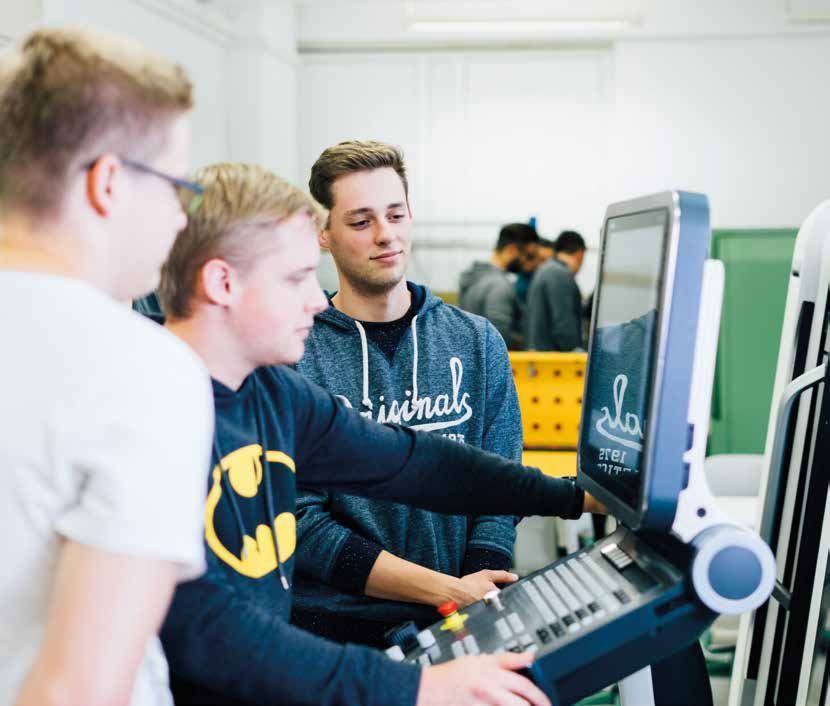
General schools Vocational schools
n Primary level n Vocational training
n Middle school n Qualification for tertiary study
n Upper secondary level n Advanced vocational training
1
Admission pursuant to Section 3
Depending on the vocational
17 of the Saxon Act on Uni qualification obtained
UNIVERSITY 1
versity Freedom (SächsHSFG) (recognised trade or profession)
2
In the German Qualifications
Framework (DQR), technical-
TECHNICAL TECHNICAL college qualifications are
COLLEGE COLLEGE deemed equivalent to a
Bachelor’s degree (level 6 DQR)
Employment
Employment
-
ary
ons)
FACHOBER-
SCHULE BERUFLICHES
(specialised secondary
education institutions)
GYMNASIUM
(upper secondary
school offering academic
FACHOBER- and vocational components)
GRAMMAR SCHOOL
Allgemeine Hochschulreife
tory classes, SCHULE (secondary-school completion
(specialised secondary Allgemeine Hochschulreife
and university entrance
ar, education institutions) (secondary-school completion and
VOCATIONAL COLLEGE qualification)
ning) Fachhochschulreife
university entrance qualification)
(entrance qualification
tion of to study at a university
te possible of applied science)
SECONDARY SCHOOL with Realschulabschluss
SCHOOL with Hauptschulabschluss GRAMMAR SCHOOL
Orientation-based class levels
PRIMARY SCHOOL
od education and care
Graphic | 05
© pressmaster | fotolia.com

06 | Opportunities for everyone

Opportunities for everyone.
Schooling in Saxony
© Stephen Coburn | fotolia.com
The Saxon school system gives everyone a This brochure outlines the various types of
chance. In some cases, even a second. Because schools and educational pathways in Saxony.
the pupils all have very different skills and After a brief overview, you’ll find detailed
interests. Which is why Saxon schools offer chapters on each type of school. The first part
different roads to success. The wide range of of the brochure provides information on the
educational options takes into account the approaches, objectives and content of general
individual students’ personal development, and schools (primary schools, secondary schools,
creates the basis for lifelong learning. And this grammar schools, and special-needs schools),
doesn’t just require expert knowledge. It’s also while the vocational training schools presented
about getting one’s bearings in an increasingly in the second part unlock subsequent pathways,
complex and rapidly changing world. particularly for secondary-school graduates.
The general schools work with non-school Not only will you learn the theoretical bases
partners to independently and actively develop of your recognised trade or profession,
full-day school programmes. Full-day learning you’ll also have the opportunity to obtain
is a way of making school modern and child Fachhochschulreife (entrance qualification to
friendly, and combining it with various aspects a university of applied science) or the Abitur
such as integration, inclusion, and personalised (school-leaving examination). A separate
support for the individual. Some 87 percent of chapter is dedicated to special-needs schools,
schools are already facing up to this challenge. where particular assistance is given to children
and adolescents requiring special educational
support over an extended period of time or who
have a disability.
The quality and effectiveness of schools have Further information is available in the Saxony has 1776 general schools, alter-
today become a worldwide race – a race Saxony’s following brochures: native-pathway schools and vocational
schools are also a part of with their variety of schools, with 478,000 students and 37,100
A good start
courses, school-specific full-day programmes teachers.
Primary schools in Saxony
and projects, participation in competitions, and
unique profiles. As such, each school has its own
distinct identity. Fit for the future
Secondary schools and
www.bildung.sachsen.de grammar schools in Saxony
Diversity as opportunity
Special educational support in Saxony
Career pathways
Vocational schools in Saxony
Opportunities for everyone | 07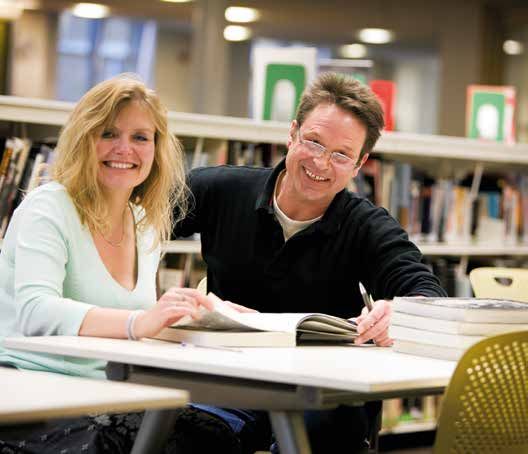
Many roads to success.
An overview of the Saxon school system

 Primary school                         p. 10                               Secondary school                        p. 12

                                                                                                                                                                       © Yuri Arcurs | shutterstock.com
 Years 1 to 4                                                               Years 5 to 9/10
 In the first four years of school, children                                Secondary school (Oberschule) provides
 learn much more than just reading, writing                                 general and vocational education, offering
 and arithmetic. Primary-school teachers as-                                lots of opportunities for encouraging stu-
 sist with the children’s individual learning                               dents’ individual performance and develop-
 development, and encourage them to enjoy                                   ing their specific interests. This lays a solid
 learning and acquiring knowledge. In year                                  basis for further vocational education. Stu-
 four, all children receive an education rec-                               dents can obtain the Hauptschulabschluss
 ommendation for a pathway leading either                                   (lowest school-leaving qualification) or
 to secondary school or grammar school.                                     qualifizierender Hauptschulabschluss (a
                                                                            Hauptschulabschluss with entrance quali-
                                                                            fication to a vocational school) at the end
                                                                            of year 9, and the Realschulabschluss (in-
           A good start
                                                                            termediate school-leaving certificate) at the
           Primary schools in Saxony
                                                                            end of year 10.

                                                                            Grammar school                         p. 14
                                                                            Years 5 to 12
                                           © reinerseiner | photocase.com

                                                                            Grammar school (Gymnasium) ends in the
                                                                            Abitur school-leaving examination after
                                                                            eight years, enabling pupils to study at uni-
                                                                            versities or vocational academies. They can
                                                                            also undertake vocational training outside
                                                                            of university. To ensure the students are not
                                                                            pigeonholed into one type of school, years 5
                                                                            and 6 act as orientation years, and students      Special-needs schools                  p. 16
                                                                            can also move from secondary schools to           Years 1 to 9/10
                                                                            grammar schools even after years 7 to 9.          Eight different types of special-needs
                                                                                                                              schools (Förderschulen) prepare children and
                                                                            In years 8 to 10, grammar schools offer           adolescents to be as independent as possible
                                                                            various areas of specialisation, known as         in the community and working world.
                                                                            school-specific profiles.                         Their parents can generally choose between
                                                                                                                              inclusive teaching at a regular school
                                                                                                                              and intensive, often temporary special
                                                                                                                              educational support at a special-needs
                                                                                       Fit for the future                     school.
                                                                                       Secondary schools and
                                                                                       grammar schools in Saxony

                                                                                                                                        Diversity as opportunity
                                                                                                                                        Special educational
                                                                                                                                        support in Saxony

08 | Many roads to success
© Yuri Arcurs | shutterstock.com

                                   Vocational schools
                                   The various vocational training schools – vocational schools, voca-          illnesses or special educational needs are, if possible, integrated into
                                   tional colleges, Fachoberschulen, Berufliche Gymnasien and technical         standard training programmes with the help of special educational
                                   colleges – all come under the umbrella of Vocational Education Cen-          support. In the case of particular requirements for vocational training,
                                   tres (Berufliche Schulzentren). Adolescents with disabilities, chronic       classes geared around targeted areas of support can also be set up.

                                              Career pathways                         Fachoberschule                          p. 21
                                              Vocational schools in Saxony            The pathway to accessing a
                                                                                      university of applied science
                                                                                      Fachoberschulen (specialised secondary ed-
                                                                                      ucation institutions) give adolescents and
                                   Vocational school                        p. 18     adults of all ages the chance to qualify for
                                   Dual system                                        study at a university of applied science. This
                                   Classes at vocational schools are part of the      qualification can be achieved after one or
                                   dual training system. Pupils learning one of       two years of schooling, depending on the
                                   the almost 350 recognised trades/profes-           student’s professional and life experience.
                                   sions in-house at a company/establishment          The strong practical focus of the two-year
                                   will acquire the theoretical bases of their        Fachoberschule course is, along with the
                                   future profession here. Vocational schools         qualification to study at tertiary level, an
                                   also provide special services for adolescents      important part of finding a career path at a
                                   with disabilities, chronic illnesses or special    university of applied science, at a vocational
                                   educational needs.                                 academy, or through a dual training system.

                                   Technical college                    p. 20         Berufliches Gymnasium                 p. 22
                                                                                                                                                                                      photo: Fotolia

                                   On-campus training                                 Abitur examination after
                                   Technical colleges provide a pathway to a          secondary school (Oberschule)
                                   vocational qualification recognised Ger-           Berufliche Gymnasien (upper secondary
                                   many-wide through classroom lessons and            schools offering academic & vocational              Double qualification                   p. 23
                                   work experience or vocational training. The        components) build on from middle-school             Vocational certificate and
                                   courses last for two to three years.               certificates or successful vocational train-        admission to tertiary study
                                                                                      ing, and provide a three-year pathway to            The following courses and educational
                                                                                      the school-leaving examination (Abitur) that        services, which provide both a
                                                                                      qualifies pupils for university.                    vocational certificate and admission to
                                                                                                                                          tertiary study, are available in Saxony:
                                   Technical college 		                                                                      p. 24        - Saxon dual system of vocational training
                                   Continued vocational training                                                                            with Abitur (school-leaving & tertiary
                                   Specialists already holding vocational quali-      esting medium-tier jobs between the level             entrance examination) (DUBAS),
                                   fications, and who generally also have             of skilled workers and university graduates.        - Fachoberschule and shorter dual system
                                   professional experience, can earn an addi-         Technical-college qualifications may also             of vocational training (FOS+),
                                   tional qualification at a technical college.       enable admission to a university.                   - Technical college with additional training
                                   Graduates will then have access to inter-                                                                and examination.

                                                                                                                                                             Many roads to success | 09
Primary school.
A good start

                                                                                                                                                                © Tomasz Trojanowski | shutterstock.com
Primary school teaches children much more            the children for the requirements of secondary       Religion/Ethics
than just reading, writing and arithmetic. It        school and grammar school. Interdisciplinary         From year 1 onwards, all children are offered
also fosters their natural curiosity and thirst      projects increasingly give them the opportunity      the subject of Protestant or Catholic religion.
for knowledge, as well as pride in their own         to independently apply their learnings to com-       Those who do not participate in religion classes
abilities. The first four years of school lay the    plex contexts.                                       take ethics instead.
foundations for independent working, and mo-
tivate pupils for lifelong learning. They are thus   Look what I can do!                                  Recognising performances
geared around both performance and the child.
Children want to show what they can do, they         Reading and writing                                  The first two years of school constitute one
want to be encouraged and supported. And             A good command of language is the most im-           phase, and every child can witness their own
they want to be respected as personalities.          portant requirement for success, and this must       learning progress and abilities for themselves.
                                                     be fostered right from early childhood. Learning     That’s why no decisions regarding promotion to
From kindergarten to school                          to read and write at school are two very closely     the next year level are made after year 1. Grades
                                                     interrelated activities. Right from the start, the   are gradually introduced from year 2 onwards.
The pre-school preparatory year at kindergarten      children write short texts and stories, and be-      This enables teachers to more accurately mon-
and the school-starting phase constitute one         come acquainted with children’s literature.          itor learning progress and support children in a
combined stage of education.                                                                              more targeted manner. But the children them-
To ensure every child can integrate properly         General studies                                      selves also want to know where they stand.
into the new learning and living environment         This subject focuses on the world, human co-         Grades are a recognition of their performance,
that is school, kindergartens and primary            existence, encounters with plants and animals,       and are designed to encourage and motivate. In
schools co-operate closely with one another          age-based discovery of and experience with           addition to academic performances, they also
during this phase. The Saxon curriculum pro-         phenomena such as light and air, health, media,      rate behaviour, tidiness, diligence and co-op-
vides the content framework to individually          and traffic. The topics are presented in such a      eration. As such, both the child and his/her
support children’s holistic development. And         general, comprehensive manner that the chil-         parents are able to know whether the child is
the primary-school syllabuses tie in with this.      dren are able to combine new knowledge with          punctual, whether he/she adheres to specific
                                                     things they have already learned. Experiments,       rules, how he/she participates in class, and how
Day-care/after-school-care placements for pri-       excursions and off-campus learning thus be-          determined and meticulous he/she can be when
mary-school students are available, catering to      come lasting learning experiences.                   working.
market requirements. This involves a care con-
tract being signed between the parents and the       Mathematics                                          Dialogue between schools and parents
day-care facility. The co-ordinated collaboration    Active exploratory learning, visual examples,
between the primary school and day-care facili-      and real-life topics make it easier for children     An accessible channel for discussing a child’s
ty ensures full-day education for children.          to identify and practise mathematical elements.      development is the hallmark of a good relation-
                                                     And particular support is offered if children are    ship between a school and parents. Parent eve-
The child as the centre of focus                     indeed able to find their own solutions.             nings are an opportunity for both parties to talk
                                                                                                          about lessons, class projects, and educational
Classes in the first two years of school tie in      Foreign languages                                    issues, while consultations put the teachers
with the children’s individual level of knowledge    All children start taking two classes of English     at the parents’ disposal to answer any specific
and personal experiences. The focus is on un-        a week as of year 3. Some schools enable an          queries. The parents of the class also elect a par-
derstanding things holistically. As the children     additional foreign language to be learned right      ent representative who raises the children’s and
must also first learn how to learn, dedicated        from year 1.                                         parents’ interests on school committees.
periods of practical exercises alternate with
times of relaxation. Years 3 and 4 then prepare

10 | General schools
© pressmaster | fotolia.com
What next?
© Robert Kneschke | fotolia.com
The transition to secondary school or grammar school is accompanied by educational counselling
sessions. Consultations with parents address the child’s level of development, his/her potentials,
and the parents’ wishes. At the start of the second semester of year 4, all pupils receive an educa-
tion recommendation regarding the type of school best suited to the next phase of their education.
Tips and info
Detailed information on primary schools in Saxony can be found in this brochure:
A good start
Primary schools in Saxony
General schools | 11Secondary
school.
Learning for real life
© bonnie jacobs | istockphoto.com
There are many pathways open to secondary- (Hauptschule or Realschule) the pupil will Foreign languages
school students. Secondary school (Oberschule) follow. The primary focus here is on English classes,
provides general and preparatory vocational which begin back in primary school, and are
education. When choosing the right secondary Individual support continued for all pupils until secondary-school
school, parents and children should first read completion. From year 6 onwards, a second,
up on the respective curriculum, electives, Years 7 to 9/10 certificate-based foreign language can be
foreign-language options, and any special As of year 7, students are prepared for the learned up to the end of year 10, after which
services offered. Hauptschulabschluss or Realschulabschluss, it no longer has to be pursued at a grammar
based on their individual performance school or berufliches Gymnasium. French and
Qualifications requirements. Both courses teach the same Russian are generally offered, though some
subjects, with lessons in German, mathematics, schools also offer Czech, Polish or Spanish,
The educational pathways at secondary school English, physics and chemistry taking place in depending on requirements. Foreign languages
are tailored to the pupils’ interests through a Hauptschule and Realschule groups or classes. can also be learned as part of study groups.
wide range of electives. Secondary school caters Depending on performances, pupils may also
to the children’s performance requirements switch between the courses. From year 7 Compulsory electives
by offering individual, targeted support. The onwards, performance-oriented options are
following qualifications can be obtained at a made available to accompany the pathway to Electives
secondary school: the Berufliches Gymnasium or Fachoberschule. From year 5 onwards, the compulsory
❚ Hauptschulabschluss (lowest school-leaving subjects are joined by electives, which can
qualification) or qualifizierender Hauptschu- Preparing for a career include targeted support depending on
labschluss (a Hauptschulabschluss with en- A systematic and practical focus on vocations the pupils’ interests, abilities and needs. A
trance qualification to a vocational school) and tertiary studies is the particular hallmark of second, certificate-based foreign language
at the end of year 9, secondary school, and co-operations with the may be offered for particularly motivated
❚ Realschulabschluss (intermediate school- German Federal Employment Agency’s career students. In the final year, students are given
leaving certificate) at the end of year 10. counsellors play a key role here. The common the opportunity to earn a »complex academic
goal is for all students to become competent achievement« in an elective subject, whose
After year 9, pupils attending inclusive classes enough to make the right career choice. grading is credited to a related subject.
and receiving targeted learning support can Building on from the respective strengths and
obtain a qualification in targeted learning weaknesses identified in year 7, the vocational Inclusive teaching
support or, in some cases, a Hauptschulab- and study-oriented focus is »tailored« to each Students with special educational needs or a
schluss or other qualification equivalent to one individual. From year 7 onward, the subject disability can be taught inclusively at secondary
of these two aforementioned qualifications. encompassing business, engineering, home school if the parents request this and there are
economics and social studies (known in Saxony provisions in place for inclusive teaching. Since
Orientation as »WTH«) teaches students the practical the 2018/19 school year, this has also been
foundations of economics. And one of its possible for students with special educational
Years 5 and 6 primary objectives is to prepare students to needs in the target areas of learning and
These two years familiarise pupils with the choose their career pathway. In addition to intellectual development, which are taught
new requirements: They are exposed to new compulsory course content, it also includes with different learning objectives.
subjects, practise new methods of learning, compulsory work experience, and projects with
and test out their capabilities. They grow more companies, thereby providing ample options
independent, and receive targeted support for identifying a career focus.
based on their performance requirements. In
year 6, a decision is made as to which course
12 | General schools© Frank Grätz, Dresden
What next?
Vocational training can be undertaken after completing school. Anyone who has achieved a satis-
factory Realschulabschluss can continue their schooling directly at a berufliches Gymnasium, with a
view to sitting the school-leaving examination (Abitur) and qualifying for university entrance, or at
a Fachoberschule, with a view to qualifying for entrance to a university of applied science. Around
a third of students who have obtained their Realschulabschluss opt for this pathway. Provided a
student has achieved adequate grades, he or she may switch from secondary school (Oberschule) to
© Drbouz | istockphoto.com
grammar school (Gymnasium) after any school year. Detailed information on vocational education
can be found from page 18 onwards, and in the Career pathways brochure.
Tips and info
Detailed information on secondary schools and grammar schools is available in this brochure:
Fit for the future
Secondary schools and grammar schools in Saxony
General schools | 13Grammar school.
available at grammar schools. As many study
groups are run in co-operation with companies,
universities or the municipal government,
Preparing for tertiary study students are constantly given the opportunity
to acquaint themselves with the working world.
Gymnasiale Oberstufe (equivalent to A-levels
or senior high at a grammar school)
Year 10 marks the start of preparations for the
final run to the school-leaving examination
(Abitur). Students tackle topics and complex
learning content with increasing independence,
because this phase places great emphasis on
independent working. Students can also find
out detailed information on structure, elective
options and lesson formats in years 11 and 12.
The road to the school-leaving examination
Classes in the gymnasiale Oberstufe are taken
The eight years of schooling at a grammar schools offer support lessons for advanced in two advanced-level subjects and a series of
school (Gymnasium) is tailored to specifically or weaker students, free-choice activities, or basic-level subjects. The first advanced-level
supporting academically gifted children and courses that teach learning techniques. From subject is either German or mathematics. The
preparing them for university. Anyone wanting year 5 onwards, the new subjects of history, second can be history, physics or a continued
to attend grammar school thus needs the geography, biology, and technology/computing foreign language; some grammar schools also
relevant education recommendation from their are added. The English lessons which began offer art, chemistry or biology here. Grades
primary school, or must be able to demonstrate in primary school are continued at grammar are replaced by a differentiated points-based
the necessary talent and grades at secondary school. All pupils start learning a second foreign system ranging from 0 points (worst score)
school. If a child has received an education language in year 6. Physics is also introduced to 15 points (best score). The primary focus
recommendation for year 5 at a secondary during this year, and IT and chemistry follow is on preparing for scientific/academic work.
school (Oberschule) but is enrolled by his/her suit in year 7. Students are taught different methods for
parents at a grammar school (Gymnasium), the independently tackling complex tasks, finding
parents are required to attend a consultation Fostering interdisciplinary thinking and suitable solutions, and consciously controlling
at the grammar school. The result of a student work methods the personal learning process. They also have
performance assessment, among other things, the opportunity to earn a »separate academic
serves as the basis for this consultation. At The aim of the school-specific profile from year achievement« in a field of their choice. This may
the end of the consultation, the parents will 8 onwards is to foster interdisciplinary thinking be included in the overall grading instead of an
be given a recommendation regarding their and work methods. It unlocks various pathways oral Abitur examination.
child’s future schooling at either a secondary into the wider world, and accommodates
school or grammar school. But the decision is students’ aptitudes, interests and abilities.
ultimately up to the parents. Every grammar school offers school-specific
Each grammar school has its own specific profiles.
profile, focusing on particular areas of
specialisation. Two classes a week are dedicated to profile-
related lessons. For students learning a third
Gifted pupils have the opportunity to attend foreign language from year 8 onwards, this
special grammar schools offering academic acts as a substitute for the school-specific
extension from year 5 onwards. Those highly profile lessons.
gifted in multiple fields can also choose to
study at the Landesgymnasium Sankt Afra zu The respective profile may be geared around
Meissen. This pathway requires an education social sciences, art, natural sciences or physical
recommendation for a grammar school, as education. Concepts developed independently
well as successfully making it through a special by the grammar schools are also offered as
admission process. school-specific profiles whose classes pick
up on regional and local elements, and help
Initial orientation facilitate schooling in areas such as planning
for career and tertiary-study planning, media
As is the case at secondary schools studies, political studies, or education in
(Oberschulen), years 5 and 6 at grammar sustainable development.
schools also serve as orientation. Similar
syllabuses make it possible to easily switch Study groups, competitions and work
between the two types of schools. Most experience round off the study options
14 | General schools© webdevel | photocase.com
What next?
By earning Allgemeine Hochschulreife through the Abitur school-leaving examination, students
become eligible to study at universities across Germany. They can also study abroad.
© AVAVA | shutterstock.com
Tips and info
Detailed information on secondary schools and grammar schools is available in this brochure:
Fit for the future
Secondary schools and grammar schools in Saxony
General schools | 15Special-needs schools.
are based on the pupils’ individual learning
progress. At the end of the occupational skills
programme, having fulfilled the specific support
Personalised assistance curriculum, pupils obtain a qualification in
the specialised support area of intellectual
development.
Schools focused on supporting seeing
These schools are split into a primary
and secondary section, as well as classes
simultaneously catering to special needs in the
areas of learning or intellectual development.
Blind and visually impaired children and
adolescents are prepared for life in a
predominantly vision-centred environment so
that they can live their later lives in an active,
socially integrated manner. Specific aids used
here include computers with Braille script
and voice output, screen-reading devices, and
Saxony has two different but equivalent Schools focused on supporting language talking pocket calculators.
pathways to support students with special
educational needs: Lessons at special-needs These schools are for students with significantly Schools focused on supporting hearing
schools, and inclusive classes at primary schools limited communication abilities. They generally
and secondary schools, if certain requirements encompass years 1 to 4, and in exceptional cases These schools use special educational methods
have been met. The parents’ right to choose is also years 5 and 6. They follow the primary- to help deaf or highly hearing-impaired
given a high priority here. The child’s wellbeing school and secondary-school syllabuses, after children and adolescents build up language and
is always the determining factor when selecting which the students continue their education at develop forms of communication. Pupils are
the most suitable support facility. Teachers and other general schools. given the opportunity to learn sign language
staff from the school supervisory board advise and fingerspelling in addition to spoken and
the parents on the type of school and specific Schools focused on supporting learning written language. The aim of the training is
school that will be able to cater to the child’s to enable them to cope with both academic
special needs. These schools are for students who have and vocational learning processes, as well
Saxony is committed to offering a wide range considerable difficulties with learning, as everyday life. Lessons follow the primary-
of support facilities, and therefore also remains performing and perception. Open lesson school and secondary-school syllabuses.
committed to special-needs schools. Many such formats, project-oriented teaching, individual Classes simultaneously providing support with
schools only teach their students for a limited and group work enable the pupils’ specific learning or intellectual development can also be
time in order to prepare them to study at other abilities, aptitudes and interests to be taken arranged.
types of schools. As such the school provides into account. In addition to acquiring useful
pupils with a supportive framework consisting knowledge, particular emphasis is also placed Schools focused on supporting physical and
of small study groups, personalised special- on developing practical abilities and skills. motor development
education support, teachers specifically trained Qualifications in the specialised support
in the various support focus areas, and special area of learning can be obtained at Saxon These schools are for children and adolescents
equipment. schools focused on this field. This requires who have physical or multiple disabilities.
Special-needs schools also act as regional com- the pupil to achieve a grade of »pass« in all Depending on the special needs, syllabuses
petence centres for special-education support subjects, or be able to make up for a grade are geared around those of general schools,
by advising, diagnosing, and supporting inclu- of »poor«. If the relevant requirements have schools focused on supporting learning, or
sive teaching at regular schools. been met, it is possible for the pupil to obtain schools focused on supporting intellectual
a Hauptschulabschluss (lowest school-leaving development.
Schools focused on supporting emotional qualification) or other qualification equivalent
and social development to a Hauptschulabschluss. Hospital schools
These schools are for students who are being Schools focused on supporting intellectual These schools are for sick children who regularly
supported by special support measures as a development visit or spend extended periods in clinics,
result of developmental disorders, traumatic hospitals or other health-treatment centres. The
experiences, or sociocultural factors. This type These schools follow their own syllabus. In aim here is facilitate the pupils’ reintegration
of school encompasses years 1 to 4, after which addition to general education in lower, middle into their last attended class. Lesson scope is
the students usually continue their education and upper-school levels, this type of special- established in consultation with the doctor.
at other general schools. In exceptional cases, needs school also provides basic vocational
classes can be taken all the way up to year 10. education through an occupational skills
They follow the primary-school and secondary- programme. Each level encompasses three years
school syllabuses. of schooling. There are no grades. Assessments
16 | General schoolsSaxony implements the UN Convention on the
Rights of Persons with Disabilities by ensuring
pupils with special educational needs are
prepared for integration into society and the
working world both at special-needs schools
and regular schools. Some 9,000 students are
currently being taught inclusively at regular
schools.
© Muellek Josef | shutterstock.com
What next?
Graduates from special-needs schools can also start vocational training or obtain qualifications
entitling them to study at university. If this is not possible, preparatory courses for jobs involving
an independent lifestyle or for employment in a sheltered workshop are offered, tailored to the
students’ individual needs. Detailed information on vocational education can be found from page
18 onwards and in the Career pathways brochure.
Counselling centres
© Diloute | istockphoto.com
Many special-needs schools have counselling centres, providing parents and teachers from general
schools with expert advice on issues relating to personalised support.
Tips and info
Detailed information on special educational support can be found in this brochure:
Diversity as opportunity
Special educational support in Saxony
General schools | 17Vocational
school.
Dual system
photo: Fotolia
Upon completion of secondary school (Ober- Opportunities for adolescents who have not
schule), students are required to attend vo- secured apprenticeships
cational school, generally for three years. The
students sign a training contract in one of the Anyone who has left secondary school before
approx. 320 recognised trades/professions. The completion can undertake a vocational prepara-
dual system thus sees the training workplace and tive year, and anyone who, despite completing
vocational school co-operate as equal partners. school, has still been unable to secure a training
The workplace provides the adolescents with contract can commence their vocational train-
practical training, while the vocational school’s ing through a basic vocational training year.
task is to teach theory and expand on general Both forms of training satisfy the requirement
education. Classes are held either in multi-week for attending vocational school.
blocks or one to two days a week. The trainees,
who have not yet obtained a Realschulabschluss Vocational preparative year
(intermediate school-leaving certificate), can
earn a middle-school certificate depending on Training strengths and interests
their performances at the vocational school and During the vocational preparative year, ado-
in the final examination. Vocational training lescents are familiarised with two professional
through the dual system provides a solid basis fields, enabling them to identify their strengths
for the pupil’s future professional development. and interests. This is designed to help them
choose their career, and motivate them to
Tips and info on choosing a career start an apprenticeship/training. Successful
The www.bildung.sachsen.de school database graduates earn a Hauptschulabschluss (lowest
provides an overview of the various vocation- school-leaving qualification).
al-school profiles. The most important ports of
call for anyone wanting to learn about recog- Basic vocational training year
nised trades/professions are the career infor-
mation centres (BiZ) at the local employment A good foundation
agencies. The schools also provide support and The basic vocational training year provides full-
advice in relation to career focuses. Various in- time basic vocational training for several relat-
formation events such as the Saxon companies’ ed professions, such as in the fields of metal-
Foto: Anja Unger
open week also provide the students with good working or woodworking. Theory and practical
insights into everyday professional operations. components are taught in addition to general
education. Once the year is over, students can
commence vocational training following the
dual system. The completed basic vocational
training year can be credited to this dual system
format as an initial year of training.
18 | Vocational schools103,000 trainees are taught by
some 6,200 teachers at Saxony’s
250 vocational schools.
photo: Benjamin Jenak
Requirements
A training contract is required in order to attend vocational school.
What next?
After completing vocational school, graduates can
start working straight away, or obtain further qualifications:
Technical college (qualifications for working professionals)
Fachoberschule (qualification to study at a university of applied science)
Berufliches Gymnasium (Abitur school-leaving examination)
photo: Fotolia
Night school (part-time study for the Abitur)
Tips and info
Detailed information on vocational schools can be found in this brochure:
Career pathways
Vocational schools in Saxony
Vocational schools | 19Vocational college.
On-campus training
© c-mone | photocase.com
Vocational colleges allow graduates from vocational training and demonstrating an dion-making, or stringed-instrument-making
general schools to obtain a state-accredited appropriate level of performance. may be learned through a dual training system
vocational qualification through a two to (see page 18) or at a vocational college. The
three-year course. The school generally bears Professions in health and social welfare specialised training establishments are part of
overall responsibility for the course. Saxony’s vocational colleges run vocational a vocational training centre, and are located in
training courses regulated by state or federal Glashütte (for watch-making) and Klingenthal
Vocational colleges predominantly specialise in laws, predominantly in the fields of health (for musical-instrument-building).
health and social-welfare professions, though and social welfare. These courses can lead to
it is also possible to undertake training in qualifications as:
traditional trades such as watch-making or ❚ Nurse*, Requirements
instrument-building. ❚ Nursing assistant,
❚ Carer for the elderly*, A Realschulabschluss is generally a pre-req-
The training is split into theory and practice ❚ Social assistant, uisite for the training, while a suitable state
components at the college, and practical ❚ Physiotherapist, of health is required for the health and car-
training at a relevant institution, or work ❚ Occupational therapist, ing fields. In some cases, proof of a training
experience at a company. This enables students ❚ Midwife, contract may also be mandatory.
to acquire professional skills, gain initial ❚ Medical documentation assistant,
professional experience, familiarise themselves ❚ Pharmaco-technical assistant
with professional processes and the social What next?
environment of training institutions, and apply *Known simply as nurse from 2020 onwards
their skills and knowledge to real working Once a vocational qualification has been ob-
situations. Students who have obtained a Traditional trades tained at a vocational college, graduates can
Hauptschulabschluss can earn a middle-school Professions which have now become rarities, start working straight away. Those who have
certificate after successfully completing the such as watch-making, violin-making, accor- subsequently gained professional experience
have the opportunity to obtain qualifications
as a clinical supervisor or undertake ad-
vanced training at a technical college. Those
wishing to study further can obtain Fach-
hochschulreife (qualification to study at a
university of applied science) at a Fachober-
schule or complete the Abitur school-leaving
examination at a berufliches Gymnasium.
Tips and info
Detailed information on vocational colleges
can be found in this brochure:
Career pathways
photo: Fotolia
Vocational schools
in Saxony
20 | Vocational schoolsFachoberschule.
The pathway to accessing a
university of applied science
© Sean Prior | fotolia.com
As an important next step after obtaining an The subject areas
intermediate school-leaving certificate at a sec- The following subject areas are offered at Requirements
ondary school (Oberschule), the Fachoberschule Fachoberschulen:
(specialised secondary education institution) ❚ Agriculture, biotechnology and environmen- A Realschulabschluss (intermediate school-
provides a pathway to obtaining Fachhoch- tal technology, leaving certificate) is a pre-requisite for the
schulreife, which serves as the basis for studying ❚ Design, two-year Fachoberschule course.
at a university of applied science. The course en- ❚ Health and social welfare, The one-year course, meanwhile, requires
compasses both general and specialised content. ❚ Engineering, a vocational qualification accredited under
❚ Business and administration. state or federal law, with at least two years
The strong practical focus of the two-year of training or three years of relevant profes-
Fachoberschule course is, along with the qual- The subject area chosen is not binding for fu- sional experience and a Realschulabschluss.
ification to study at tertiary level, an important ture fields of study.
part of finding a career path at a university of
applied science, at a vocational academy, or Advantages at a glance What next?
through a dual training system.
NB: There is no age restriction for admission. ❚ No age limit Fachhochschulreife entitles the student to
Fachhochschulreife can be obtained over two ❚ No admission restrictions study at universities (of applied science) or
years of schooling (years 11 and 12) or one (e.g. specific grades required) vocational academies. Furthermore, stu-
year of schooling (year 12), depending on the ❚ Short course duration dents can commence vocational training
student’s professional and life experience. The ❚ High practical relevance and after completing the two-year course, or
Fachoberschule thus gives a large number of professional focus take further vocational training at a tech-
adolescents, as well as adults of all ages, the op- ❚ Wide range of applications nical college after completing the one-year
portunity to qualify for study at a university of course.
applied science.
Tips and info
Detailed information on vocational schools
can be found in this brochure:
Career pathways
Vocational schools in Saxony
and in the flyer
Specialised secondary educa-
tion institutions in Saxony.
photo: Fotolia
Vocational schools | 21Berufliches
Gymnasium.
School-leaving exam-
ination upon com‑
pleting secondary
photo: Andreas Vieweg
Requirements
The training provided at berufliche Gym-
nasien is primarily aimed to graduates from
a secondary school (Oberschule) or equiv-
alent general school, whose average Real-
schulabschluss (intermediate school-leav-
ing certificate) grade is better than 2.5.
When starting year 11, students must not
be over the age of 18, the exception being if
they are able to prove they have completed
vocational training, in which case they must
not be over 21.
What next?
photo: Benjamin Jenak
Students who have achieved allge-
meine Hochschulreife through the Abitur
school-leaving examination are eligible to
study at universities across Germany. They
Anyone who has successfully completed gen- The subject areas can also study abroad.
eral school or vocational training can ob-
tain allgemeine Hochschulreife (secondary ❚ Agriculture
school-leaving certificate entitling entrance to ❚ Biotechnology Tips and info
universities) at a berufliches Gymnasium (up- ❚ Nutritional science
per secondary school offering academic and ❚ Health and social welfare Detailed information on berufliche Gym-
vocational components). Unlike the general ❚ Information and communication technology nasien can be found in these brochures:
Gymnasium (grammar school), the berufliches ❚ Engineering, with specialisations in structur-
Gymnasium teaches career-specific content in al engineering, data-processing technology, Career pathways
the chosen field, thereby uniquely familiarising electrical engineering and mechanical engi- Vocational schools
pupils with the working world. neering in Saxony
❚ Economics
The course runs for three years. The introductory The Abitur school-leaving
phase in year 11 is a chance for pupils to The subject area chosen is not binding for fu- examination at berufliche
balance out differing learning requirements. ture fields of study. For example, someone who Gymnasien
During the qualification phase (years 12 and chooses »engineering specialising in structural Information on the senior-
13), classes are taught in advanced-level and engineering« can later study business admin- high Oberstufe
basic-level subjects just as they are at general istration.
grammar schools. Berufliche Gymnasien end
with the Abitur school-leaving examination.
22 | Vocational schoolsDual qualification.
Vocational certificate and admission
to tertiary study
via e-learning using Saxony’s central OPAL
Schule online learning platform. Two qualifi-
cations can be obtained over four years: Fach-
hochschulreife and a certificate in a recognised
dual-system trade/profession.
Technical college with additional training
and examination
Fachhochschulreife can be obtained in all
subject areas except the two-year agriculture
course.
photo: Fotolia
The vocational education pathways include profession within four years. It is available in
courses and services that prepare students for the following subject areas:
vocational qualifications and for Fachhoch- ❚ Information and communication technology,
schulreife (entrance qualification to a univer- ❚ Engineering, and
sity of applied science) or allgemeine Hoch- ❚ Economics.
schulreife (secondary school completion and
university entrance qualification). Fachoberschule and abbreviated dual voca-
tional training system
Saxon dual vocational training system with
Abitur school-leaving examination
Tips and info
Detailed information on the dual-qualifi-
Students seeking to complete an abbreviated cation system can be found in this brochure:
dual vocational training course after attending
The dual-qualification pathway enables stu- a Fachoberschule can continue the practical Career pathways
dents to obtain allgemeine Hochschulreife and component of their training in year 12. Part of Vocational schools
a vocational certificate in a recognised trade/ the classroom-based lessons takes place here in Saxony
23 | Dual qualificationTechnical college.
Continued vocational
training
photo: Fotolia
Requirements
Technical colleges are open to specialists
with vocational qualifications and profes-
sional experience.
What next?
Graduates will then have access to inter-
esting medium-tier jobs between the level
of skilled workers and university gradu-
ates. Anyone wanting to obtain additional
qualifications can commence study at a
university.
Tips and info
Detailed information on technical colleges is
available in this brochure:
Career pathways
photo: Fotolia
Vocational schools
in Saxony
Specialists already holding vocational qual- The course lasts for two or three years full- The subject areas
ifications, and who generally also have pro- time, or up to four years part-time. The final
fessional experience, can earn an additional examination encompasses a written, oral and, Technical colleges offer advanced training in
qualification at a technical college. Technical if applicable, practical component. Technical engineering, business, social welfare and de-
colleges build on their students’ professional colleges specialising in social-welfare pro- sign, while the agriculture-focused technical
experience, and prepare the students for mid- fessions also require an additional practical colleges offer similar continued education in
dle-level tasks and independent, responsible course to be taken, ending with a practical a variety of disciplines.
roles. Fachhochschulreife (entrance qualifi- examination comprising a practical vocational
cation to a university of applied science) can task and a case-study oral examination. Further information is available online in the
also be obtained here. Saxon school database at:
www.bildung.sachsen.de
24 | Vocational schoolsSchool-leaving
certificates for adults.
The alternative educational pathway
© Andres Rodriguez | fotolia.com
Adults can also obtain general school-leaving schluss (intermediate school-leaving certificate) night grammar schools or full-time at colleges.
certificates to unlock new career opportunities. through adult-focused approaches. Courses last Courses run for three to four years, depending
Night schools offer courses for this. Classes for one or two years depending on the educa- on admission requirements. The subjects offered
taken at colleges are done so on a full-time basis. tion objective. In some cases, students can apply are generally the same as those taught at
for the BAföG higher-education grant for the general grammar schools. Similarly, two subjects
Night secondary school second half of their training. Classes are gen- are taught at an advanced level, and other
erally held at night at secondary schools (Ober- subjects at a basic level. Class loading is around
Hauptschulabschluss and Realschulabschluss schulen). 23 hours a week at night grammar schools, and
for adults around 32 hours a week at colleges. Students
Participants are prepared for the Hauptschu- Night grammar school and college attending a college can generally apply for the
labschluss (lowest level of school-leaving cer- BAföG higher-education grant for their entire
tificate), qualifizierender Hauptschulabschluss Adults are able to earn Allgemeine Hoch- course, while those studying at a night grammar
(a Hauptschulabschluss with entrance qualifi- schulreife (secondary-school completion and school may, in some cases, apply for it for the
cation to a vocational school), or Realschulab- university entrance qualification) part-time at final eighteen months of the course.
Requirements
❚ Night secondary schools are open to anyone who has completed compulsory schooling but has
not yet achieved their desired certificate.
❚ Night grammar schools and colleges have the following pre-requisite: Completed vocational
training or at least two years of work. Students must also be working professionally or be
engaged in an activity equivalent to professional work (e.g. parental leave, military service or civil
service). Unemployment certified by the employment agency will also be recognised.
For the three-year course: Realschulabschluss
For the four-year course: Hauptschulabschluss
Additional Opportunities
Certificates obtained from a night secondary school provide opportunities for further academic
and vocational education and training. By earning Allgemeine Hochschulreife through the Abitur
school-leaving examination, students become eligible to study at universities across Germany. They
© Frank Grätz, Dresden
can also study abroad.
Tips and info
Detailed information on night grammar schools and colleges can be found in this brochure:
The Abitur school-leaving examination
at night grammar schools and colleges
Alternative educational pathway | 25Continued
education.
Some 163,000 people attended the over
© Frank Grätz, Dresden
15,300 courses run by Saxon adult-
education centres in 2017. The most
popular continued to be language courses.
Lifelong learning schooling, vocational training, university
education, and advanced general and vocational
Education is not something that only happens at training into one flexible overarching system
a certain time in one’s life; it’s a lifelong process: whose components build on from one another.
A salesperson may complete a computing course
at an adult-education centre; an additional Opportunities for everyone
qualification may lay the foundations for the
next stage of a career; a retired engineer may Numerous continued-education facilities across
start studying art history. These are just three Saxony offer a wide range of programmes
of many examples. Lifelong learning is the aimed at advanced vocational, general, cultural
catchphrase for anyone wanting to keep up or political training. Services range from single
on the job market, catch up on a vocational or night classes, to weekend seminars or excursions,
school certificate, or simply develop personally. to multi-month general or vocational courses.
Traditional educational pathways that end
once schooling or university is complete
often no longer suffice to meet the changing
requirements of the working world. Lifelong
learning integrates pre-school education,
© Chris Schmidt | istockphoto.com
Further
information
www.weiterbildung.sachsen.de
www.bildungsmarkt-sachsen.de
www.slpb.de (Saxon State
Office for Political Education)
26 | Continued educationYou can also read


