Marlborough Boys' College Charter 2016 2018 2018
←
→
Page content transcription
If your browser does not render page correctly, please read the page content below
Marlborough Boys’ College
Charter 2016 - 2018
1. Introduction
Marlborough High School opened in 1900 as a co-educational school. In 1919 the school changed its
name to Marlborough College. The school roll rose from 342 in 1946 to 1205 in 1962. When the
government decided to build a second secondary school in Blenheim the community voted for single
sex education. The school was renamed Marlborough Boys’ College in 1963 when Marlborough Girls’
College was opened on another site.
The school serves Blenheim and the surrounding Marlborough area and draws students from
contributing schools that range from decile 2 to 10.
Marlborough is a region of great geographical diversity, and rich history. Covering an area that
includes the internationally renowned beauty of the Marlborough Sounds, to the rugged Pacific
coastline in the east, and able to boast New Zealand's largest farm, Marlborough is full of variety.
Human exploitation of the regional resources began with Maori who hunted moa, and harvested
flax, and eels from the area that is now Blenheim. Further south, kumara gardens were planted
along the coast. European activities began with sealing and whaling, but later logging, gold mining,
and pastoral farming became important local industries as the region developed. Pastoral farming
remained a mainstay of the economy up until recently with viticulture now dominating land use.
Today Marlborough is one of the southern hemisphere's most important wine growing regions.
Pastoral farming still continues, albeit on a much reduced scale. With the wine industry, an
increasing focus on tourism has also developed, and the natural beauty of the Marlborough Sounds
along with other parts of the region provide an ideal environment for eco-tourism.
The regional population remains low and concentrated in a few towns. At the 2013 census the
permanent regional population stood at 43,416 up from 42,549 in 2006 and from 39,555 in 2001. By
far the largest proportion of the population lives in Blenheim, with a population of 29,292. Other
towns include Picton (serviced by Queen Charlotte College), Havelock, Seddon, Ward, Renwick and
Wairau Valley. The permanent population is expanded considerably by seasonal workers employed
in the region's vineyards.
Incomes in Marlborough are lower than the national average. Median income of people in
Marlborough is $27,900 compared to $28,500 nationally. Work tends to be focused around primary
production with viticulture and forestry providing a great deal of employment. Tourism and
aquaculture are growth sectors in employment.
Marlborough Boys’ College is a school that has undergone major change since 2009.
Since the start of 2010 the school has:
Repaid a $1.3m loan to the MOE.
Appointed a new principal, a new deputy principal, 2 new assistant principals, 4 new head of
faculties and a new deaning team.
Been supported greatly by the community in general and the PTA, Old Boys’ Association and
the recently created Marlborough College Charitable Foundation in particular.
Page 1 of 43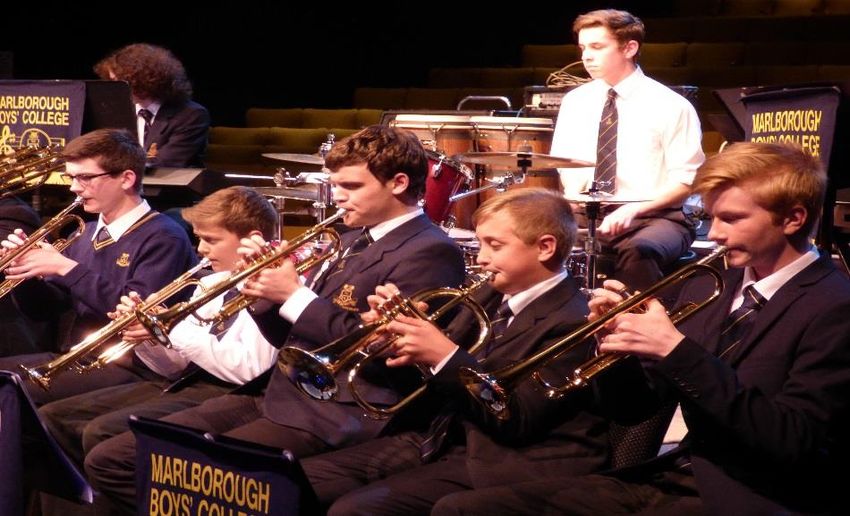
Continued to have outstanding sporting and arts successes.
Raised academic achievement considerably despite a changing demographic profile
highlighted by the school dropping from decile 7 to decile 6 in 2014.
Marlborough Boys’ College acknowledges its obligation and is committed to:
1. Fulfilling all the requirements set out in the National Education Goals
2. Administering the School according to the National Administration Guidelines
3. Delivering the curriculum to all students in a balanced programme as outlined in the National
Curriculum Statements.
4. Developing, for the school, policies and practices that reflect New Zealand's cultural diversity
and the unique position of the Māori culture.
Marlborough Boys’ College and Cultural Diversity
When developing policies and practices for the school every endeavour is made to reflect cultural
diversity and the unique position of the Maori culture.
Recognising New Zealand’s cultural diversity
Marlborough Boys’ College has policies, programmes and procedures in place to reflect the cultural
diversity of New Zealand and the unique position of Maori.
All cultures within the school are valued, accepted and celebrated through active encouragement of
an inclusive school culture and values. Staff members ensure that students from all cultures are
treated with respect and dignity, and actively work towards maximising the potential of each
student irrespective of cultural backgrounds.
The Unique Position of the Maori Culture
At Marlborough Boys’ College we endeavour to be proactive in fostering cultural understanding
consistent with the Treaty of Waitangi – to honour the concepts of protection, participation and
partnership.
Students who choose to can study Te Reo Maori in full year programmes.
In 2016 all year 9 students will study Te Reo/Tikanga as part of their compulsory curriculum.
All staff and students will be exposed to opportunities to experience Tikanga Maori (Maori
protocol and culture). Steps taken to incorporate Tikanga Maori into the culture of the school
and the school’s curriculum include:
o Tikanga Maori being part of MBC culture – “what we do around here.” For example,
powhiri for new students and staff at the start of the year, blessing of new buildings,
signage in Maori and displays of Maori art work.
o Haka as part of school prize giving and beginning of sporting events.
o Presence of school personnel at Maori events. For example, tangi, kapa haka festivals
and manu korero competitions.
o Staff are encouraged to implement culturally appropriate classroom programmes and
incorporate dimensions of tikanga into daily programmes. For example, greetings,
commands, language related to everyday objects, days, months and numbers.
o Professional development for staff to develop greater understanding of Te Reo and
Tikanga Maori.
o Opportunity for staff to join a staff kapa haka group.
Steps taken to discover the views and concerns of the school’s Maori community
In both 2012 and 2013 a Maori parent was co-opted as a Board of Trustees member.
Communication with Maori occurs in various ways:
o Report evenings
o Whānau/student/teacher Conference Days
Page 2 of 43
o Whanau hui
o Newsletters
o Maori parents co-opted onto Maori Action Group (MAG)
o Iwi representatives co-opted onto MAG
o School events involving students
o Maintaining open door practice encouraging families to approach the school
o Fundraising meetings for Maori events.
Consultation occurs through whanau hui and formal and informal meetings with representatives
of local iwi – contact with local iwi increased in 2015.
2. Mission Statement
Inspiring and educating the young men of Marlborough to fulfil their potential.
3. Values Statement
Young Men of Marlborough strive to be:
Respectful
Responsible
Involved
Proud
The best that they can be.
4. Vision Statement
To create for the young men of Marlborough an inspirational learning environment in which high
expectations exist in all endeavours.
5. Strategic/Charter Goals
a) To provide a safe and positive learning environment with a focus on the promotion of school
values especially pride and respect.
b) To raise expectations and academic achievement for all with a focus on priority learners
including Maori, Pasifika and students with special education needs.
c) To increase participation and raise achievement in the Arts, Sport and Leadership.
d) To consolidate a culture of continuous improvement through self-review across all aspects of
activity.
e) To effectively manage the school’s assets.
f) To have positive relationships with our community for the mutual benefit of all.
g) To plan for a seamless transfer to a new site in 2021 with inspirational learning environments
complementing state of art facilities that recognise both our long history and bicultural and
multicultural facets of our school.
Review of Charter and Consultation
The Board of Trustees undertook extensive consultation in 2011 and 2012 that resulted in the
existing Mission Statement, Values, Vision Statement and Strategic/Charter Goals. Revisions have
been made to the Strategic/Charter goals since then. Consultation by the Board in 2014 and 2015
has resulted in a concentration on specific focus areas (academic, arts, sport, and
leadership/service). Goal b) has been modified to focus purely on academic achievement and goal c)
is new. Goal C has triggered higher strategic planning expectations and financial support to
identified planned projects in defined areas from both the board, groups established to support the
school and community groups. Significant consultation has taken place since 2013 on the nature and
siting of secondary education in Marlborough. Goal f) is new and reflects the outcomes of
deliberations on the school’s future siting and character.
Page 3 of 43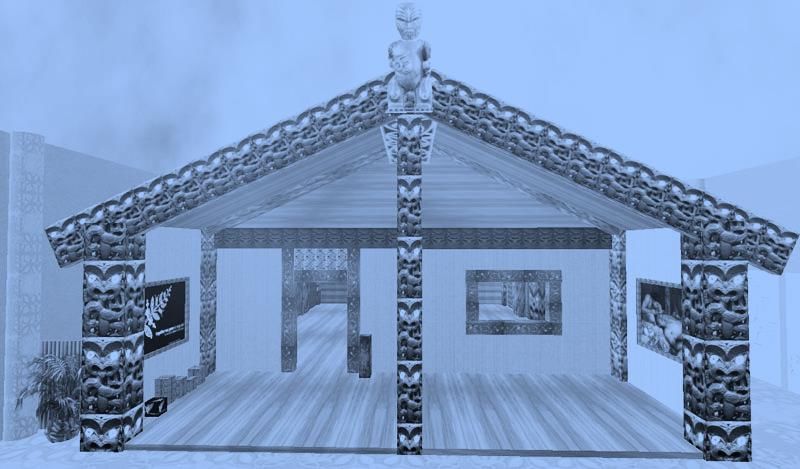
Marlborough Boys’ College Strategic Plan 2016-18 – to be read in conjunction with the Boards 2016 Strategic Focus documentation p5
NAG1 Raise student achievement to meet MOE milestone goals by having high expectations in National Educational Goals
all endeavours: Success for all through application of the National Curriculum
Raise Academic Achievement Equality of educational opportunity by removing barriers to
Use SWPB4L tier 1 and tier 2 concepts to focus on key values and to consolidate learning
practices in the school promoting a safe and positive learning environment Balanced curriculum with a focus on literacy and numeracy
incorporating restorative practice. (2016-18) Skill development
Increase the range of teaching strategies and meaningful learning activities by: MBC is committed Effective pedagogy
o Focusing on what works for and with Maori through active involvement in to working Improved Maori outcomes
Kia Eke Panuku. (2016) collaboratively to Improved outcomes for students with special needs
Incorporate a focus on junior academic monitoring. (2016) meet regional Respect for the diverse heritage of NZ people acknowledging
Investigate curriculum options that will support engagement, achievement and challenges the unique place of Maori.
progress. (2016-18) identified by the Identified Community and school challenges
Through school and Blenheim 2BCOS initiatives support identified priority learner Blenheim 2BCOS.
groups (2016-18) to achieve, especially through transitions e.g. Year 8 to 9. In 2016 boys
Develop, resource and monitor programs for students identified as: writing. (2016-18) NAG 2 Strategic Planning and Self Review
o Maori Strategic Plan reflects charter and 2BCOS goals. (2016-18)
o Pasifika To consolidate our self-review processes. (2016-18)
o Special Needs including gifted and talented Action plan developed and monitored to meet NZQA
o Capable of NCEA endorsements and scholarship expectations. (2016)
o Who with support and monitoring are more likely to achieve NCEA level 2 as To plan for a new site in 2021 with inspirational learning
part of the Youth Guarantee / A.R.T. (Achievement, Retention, Transition) environments complementing state of art facilities that
initiative recognise both our long history and bicultural and
Students identified through their level 1 results as being “at risk” of Positive relationships multicultural facets of our school. (2016-18)
not achieving level 2 developed with the
Students with specific learning issues community for the NAG 4 Finance and Property
Students presenting at school in a non-teachable state mutual benefit of all. To encourage the Marlborough College
Increase participation and Raise Achievement in the Arts, Sport and Leadership Charitable Foundation, Old Boys’
Action Plans created supported by school and community groups. (2016-18) Association, PTA and community
organisations to fund initiatives to
enhance leaning programmes and
opportunities for individual students.
NAG 5 Health and Safety
NAG 3 Personnel (2016 – 18)
To identify and conform with the
Professional development will be provided to up skill teachers in developing teaching To plan for pragmatic use of 5YA funds
requirements of the Health and
and learning strategies including differentiation and e learning that will promote given MOE planning decisions regarding
Safety and Vulnerable Children’s
increased student. (2016 – 18) school site. (2016-18)
Acts. (2016-18)
Manage staff anxiety associated with a site change. (2016-18)
Page 4 of 43
Marlborough Boys’ College
                                 2016 Strategic Planning Focus Areas

                                            Identified Focus Areas

                                                                                 Increased opportunities in the Arts
                                                                                 through providing financial support to
                             Enhanced Leadership and Service
                                                                                 create a position of Arts Co-ordinator and
                             opportunities and participation starting at
                                                                                 support musicians, choirs, drama and
                             year 9 with a stepped program to year 13.
                                                                                 Maori and Pasifika performance groups.

  Ongoing initiatives to raise
                                                                                                         Enhanced support of
  Academic aspirations and
                                                                                                         Sport by subsidising
  achievement.                                    Strategic Planning Goals                               teacher relief and
                                                           2016 Focus Areas                              supporting individual
                                                                                                         Sports based on the
                                                                                                         level of competition
Pastoral                                       Human Resources                                           they are participating in.
The consolidation of programmes to             Provide ongoing staff
support students to live by the school         professional development in
                                                                                      Property/Community
values +/or be more consistently in a          areas beyond that supported
                                                                                      Plan for meeting the challenges and
teachable space resulting in a                 by the Blenheim Community of
                                                                                      maximising the opportunities a new site
continued reduction in stand-downs             Schools initiative especially e
                                                                                      will provide.
and suspensions.                               learning.

                                                                                                                      Page 5 of 43
Plan for
                                                        meeting the
                                                        challenges and
                                                        maximising the
                                                        opportunities a
                                                        new site will
                                                        provide.

Maintain the momentum of increased Academic Achievement                   Develop our Leadership and Service activities

                                                 Critical Challenges

                            Increase participation and achievement in Sport and the Arts

                                                                                                                 Page 6 of 43
2016 Identified Strategic Challenges
   A. The desire to consolidate the momentum of increased academic achievement
   NCEA pass rates have fluctuated but have improved in the last 5 years compared to the preceding 5-year
   period except at level 3.
                   Year 11 -                 Year 12 -                 Year 13 -
                     Level 1                  Level 2                   Level 3
                       ALL      NZ Maori        ALL      NZ Maori         ALL     NZ Maori
       Ave %
                       64          42           77           66           64          51
      2006-10
       Ave %
                       79          66           83           76           62          53
      2011-15

    The % of school leavers with level 2 or above has increased from 67% in 2009 to 76% in 2014.
         Group              2009              2011               2013            2014            2015 TBC
      All students           67                71                 78              76
          Maori              39                50                 70              71
       Pasifika*             50                20                 68              67

   *Small numbers – not too much should be read into these figures.

   Supporting higher ability students to achieve to their potential has been a focus of annual plans since 2011 and
   our more academic students have been achieving at a significantly higher level than they were in the past.

                                        % Excellence or Merit Endorsement
                                       Year
                                                    2009       2014       2015
                                       level

                                       11          11          49         53

                                       12          12          26         35

                                       13           9          32         32

2009 and 2013 the school averaged 2 or less Scholarships. The last 2 years has seen an increase to 11 in 2014 with
4 being Outstanding Scholarships and 8 in 2015 with 1 being an Outstanding Scholarship.

                                                                                                       Page 7 of 43
The critical factor to maintaining the momentum of increased academic achievement is the
supporting of “at risk” groups including:

        a) Students with specific learning needs – we have 127 students (up from 97 in 2014) with
           identified moderate to severe learning needs who need extra support to achieve to their
           potential.
           This concern is compounded for 2016 by a dramatic increase in the number of Year 9
           entrants who scored in the lower stanines in nationally moderated entrance testing. In
           reasoning the % of 2016 year 9 students scoring in the lowest 3 stanines was 46% up from
           36% for the 2015 cohort. Students can score from stanine 1 (bottom 10%) to Stanine 9 (top
           10%). The 2016 entrance results were:

These results are consistent with the pattern shown in the MidYIS results which are standardised tests
taken by students across the country. 2015 figures showed that 41% of our 2015 Year 9 intake scored in
the lowest D band for their overall MidYIS result. Nationally 25% of students are in this band. We have
16% higher in this band than the national average.

                                                                                            Page 8 of 43
b) Students out of school due to stand-down and suspension have reduced learning
opportunities. Stand down and suspension figures dropped dramatically in 2015 due to new
programmes in place that will be consolidated in 2016.
Stand-down Suspension Exclusion/Expelled
2009 -2014
38 23 4
average
2015 12 11 2
c) While the number of Māori being stood-down or suspended dropped from 39 in 2014 to 14
in 2015 Maori remain over represented in stand-down and suspension figures and the gap
in academic results while closing remains – see table top page 7.
d) Pasifika and other groups for whom English is a second language.
We have increasing Pasifika numbers.
2014 2015 2016 2017
28 31 41 50+
Pasifika migrant families are arriving in Marlborough under new quota arrangements to
work in the wine industry. They offer wonderful diversity to our school and community.
However, many students arrive with English as a second language and need support to
achieve.
e) Students due to poverty or other home circumstances who arrive at school in an
unteachable state and who need extra support to achieve to their potential.
f) Year 13 students studying level 3 who fail to achieve the necessary balance between
academic school and work/social/sporting/cultural pursuits. We are pleased that students
are staying at school longer. The average retention rates in the senior school has risen. Over
the last 5 years the average % of students moving from year 11 to year 12 has been 88%.
The average for the preceding 5-year period was 78%. Over the last 5 years the average % of
students moving from year 12 to year 13 has been 83%. The average for the preceding 5-
year period was 75%. Our challenge is to meet the needs of those staying to year 13 but
studying a combined level 2 and 3 programme which makes achieving level 3 difficult.
Page 9 of 43There are some obvious links between this data
Maori Stand-down
and suspension
Stand-down and suspension
Potential impact on figures are higher
figures if high
continued rise in
Unacceptable
than the general
population
achievement
In 2014 97 students had
identified moderate to
severe learning needs.
This has risen to 127 in In 2014 59% of stand-downs and
2015. 48% of suspensions were
students with moderate to high
Rising population for learning needs
whom English is a
second language e.g. Rising increases in Year 9 entrance
Pasifika testing scores in stanines 1-3.
2016 Initiatives to cope with these challenges and help consolidate the momentum of
increased academic achievement.
Initiative 1 – Supporting students to live by the values of MBC and to be the best they can be – to be
in the maximum teachable state.
PB4L Tier 1
• Programme to support school values and expectations to be consistently accepted by
90%+ students.
PB4L Tier 2
• Maintain an Inclusion Centre in the school for the 5%+ students who are at times in a non-
teachable space.
Our PTA are supporting this initiative in 2016.
Initiative 2 – Support students identified as having specific learning issues.
Supporting students with:
Specific learning needs.
Identified learning gaps
Low literacy levels including migrants for whom English is a second language.
Successful applications have been made to the Jack Checkley Trust, the Rata Foundation and the MBC
Board of Trustees in support of these initiatives.
Initiative 3 – Upskill the teachers
Focus on Classroom Practice (sharpening our tools) – we are getting MOE funded Professional
Development through the Blenheim Community of Schools to support best teaching practices with
writing as a major focus related to:
Literacy
Māori
Pasifika
GATE
Well-being
Our school budget will pay for Professional Development to upskill staff in their subject areas and to
meet compliance expectations such as First Aid certificates.
Additional support is being provided by the Board of Trustees to enable staff and students to make best
use of e learning in the classrooms as more and more students arrive in Year 9 having had BYOD
experience.
Initiative 4 – Continue to focus on new learning opportunities for students, especially those with work
aspirations.
Page 10 of 43In 2016 we will be planning with MGC for a NZ School of Wine and a Services Academy to start in 2017.
We are seeking community funding to establish a Microsoft Academy in 2016.
Initiative 5 – Continue to focus on the raised expectations that our more academic students will be
supported to achieve to their potential.
The Marlborough College Foundation is supporting programmes to consolidate our improved
scholarship and excellence/merit pass rates.
Initiative 6 – Have targeted plans to support Māori and Pasifika Achievement.
We have funding from the Rata Foundation for 2016 that will support Māori and Pasifika achievement
programmes. The MOE through Kia Eke Panuku funding is also supporting Maori achievement
programmes.
Initiative 7 – Focusing on changing the year 13 focus
An action plan is to be created.
See 2016 Academic Achievement Action Plans page 18 – 30.
2016 Strategic Challenges
B. The desire to enhance Leadership and Service programmes at MBC
Leadership and associated service are an integral part of our intent on developing all-round balanced
young men that the Marlborough community can be proud of. Leaders need to be nurtured and
supported starting at year 9. Our leadership action plan provides the opportunity for this to happen.
2016 goals are to:
Increase the number of boys applying for prefect roles and engaged in leadership and service
opportunities.
Provide leadership opportunities and development through organised programmes at all levels.
Provide greater mentoring opportunities through Old Boys’ Association initiatives.
See 2016 Leadership Action Plan page 31.
Page 11 of 43Page 12 of 43
2016 Strategic Challenges

 C. The desire to enhance Arts programmes at MBC

Students at Marlborough Boys’ College are offered wonderful opportunities in musical and the
performing arts. Our musical tutors are very experienced and the standard of musical performance is
very strong. Senior and junior musical productions, the Big Sing and Southern Jam have continued to
showcase the talents of our students as have performances of our Maori and Pasifika performing arts
groups.

In 2015 thanks to a very generous grant from the Redwood Trust and a grant from Creative New Zealand
performance music, our choirs and our Maori kapa haka and Pacifica performance groups all benefitted
from greater funding than they have in recent years.

2016 will be a year of transition for the Arts with a new Arts Co-ordinator. The Board of Trustees are
providing support of the arts in 2016 as we transition through this period.

The 2016 goal is to have increased opportunities in the Arts through providing financial support to
create a position of Arts Co-ordinator and support musicians, choirs, drama and Maori and Pasifika
performance groups.

                            See 2016 Arts Action Plan page 32-33.

                                                                                              Page 13 of 43
2016 Strategic Challenges
D. The desire to enhance Sporting Programmes at MBC
Marlborough Boys’ College has a proud tradition of sporting excellence and involvement of students in a
large array of sporting activities. The school in 2015 supported sport and its participants for the first
time in many years by subsidising teacher relief and supporting individual Sports based on the level of
competition they were participating in. A successful application to the Redwood Trust will enable
ongoing support in this area in 2016. Other community trusts will support individual codes.
In 2016 the Old Boys’ Association and the Board of Trustees have agreed to continue subsidising the
maintenance of the swimming pool and front field and the Kiwisport programme that allows up to 150
students each lunch hour at College Park to undertake physical activity in a supervised environment.
The 2016 goal is to enhance the support of Sport by subsidising teacher relief and supporting individual
Sports based on the level of competition they are participating in.
See 2016 Arts Action Plan page 34.
Page 14 of 436. Targets
Achievement in the senior school – overall.
The 2016 NCEA goal is to have results above the 2011-2015 average and higher than the average for boys in
comparable decile rating schools.
Year 11 - Level 1 Year 12 - Level 2 Year 13 - Level 3
Boys Boys Boys
Boys Boys Boys
MBC Stanine MBC Stanine MBC Stanine
Nationally Nationally Nationally
4-7 4-7 4-7
Ave %
79 78 77 83 82 81 62 73 71
2011-15
This will require improved grades than those achieved at 2015 which in line with fluctuations that have occurred
in recent years declined at all levels from 2014.
Participation % 2016
2009 2014 2015
pass rates by Target
% % %
Year level %
Yr. 11 NCEA L1 60 82 77 78
Yr. 12 NCEA L2 72.5 87 79 82
Yr. 13 NCEA L3 64 72 59 72
The % achieving excellence and merit endorsements has increased dramatically in recent years at all levels but
most dramatically at Level 1.
% Excellence or Merit Endorsement
2015
2009 2014 2015
Year level % for all boys decile
% % %
4-7 schools
11 11 49 53 49
12 12 26 35 37
13 6 32 32 39
The 2016 target is to be higher than the average for boys in comparable decile rating schools. Based on 2015
results this would require improvements in level 2 and 3 endorsements.
% Excellence Endorsements
2009 2014 2015
Year level
% % %
11 L1 0 15 12
12 L2 1.5 8 16
13 L3 2.8 8 7
The 2016 target is to have 15% or more of students achieve excellence endorsements.
% Merit Endorsements
Year level 2009 2014 2015
% % %
11 11 34 41
12 10.9 18 19
13 5.6 24 25
The 2016 target is to have 30% or more of students achieve merit endorsements.
Page 15 of 43Scholarship success has slowly increased in recent years from 0 in 2011, to 2 in 2012 and 3 in 2013. In 2014
scholarship programmes funded by the Marlborough College Charitable Foundation were introduced with
dramatic success. In 2014, 11 scholarships were achieved with 4 being outstanding scholarships. In 2015, 8
scholarships were achieved with 1 being an outstanding scholarship. The 2016 target is to consolidate the recent
increases.
Targets for priority learner groups
Priority learner group 1. Maori
Maori Achievement
Achievement rates for Maori since 2011 especially in level 1 and 2 have been significantly higher than the
2006 – 10 average. At level 1 the average % of Maori passing rose from a 42% average 2006-2010 to a 66%
average 2011-2015. The gap between the Maori and total population achievement has closed at all levels. The
Year 11 gap closed from 22% 2006-2010 to 13% 2011-2015. The Level gap closed from 11% to 7% in level 2 and
from 13% to 11% in level 3.
Year 11 - Year 12 - Year 13 -
Level 1 Level 2 Level 3
ALL NZ Maori ALL NZ Maori ALL NZ Maori
Ave %
64 42 77 66 64 51
2006-10
Ave %
79 66 83 76 62 53
2011-15
As with the total population Maori figures have fluctuated in recent years and like the total population Maori
scores were lower in 2015 than in 2014. The 2015 result for Maori were very disappointing at level 1 and 3 being
significantly lower than the 2011-15 averages.
Year 11 - Year 12 - Year 13 -
Level 1 Level 2 Level 3
ALL NZ Maori ALL NZ Maori ALL NZ Maori
2014 82 74 87 75 72 64
2015 77 56.5 79 73 59 40
The long-term aspirational goal is to have Māori students achieve at levels comparable with their year-level
peers. The 2016 goal is to Maori achieve at all levels above the 2011-15 averages.
The school has been involved in the Kia Eke Panuku programme in 2014 – 2015. The focus of this is on having
staff provide culturally responsive and relational pedagogy in their lessons. Rongohia e hau is a mechanism that
is used to show where on a continuum one off lessons display culturally responsive pedagogy. Between 2014
and 2015 the number of observations that scored at levels 4 or 5 (highly responsive) increased from 19% to
31%. The goal for 2016 is to increase this figure to 35%.
Maori truancy in 2015 declined but remained higher than the whole population.
Type of absence Maori Whole Maori Whole
2014* population 2015* population
2014* 2015*
Unjustified absence 8.5 4.0 7.9 4.7
Intermittent unjustified 8.7 3.7 5.9 3.9
absence
Total truancy 17.2 7.7 13.8 8.6
*Figures are for terms 1-3 only.
The target is for Maori truancy to drop to 10% and whole school population to 6%.
Page 16 of 43Diploma
The Diploma system is used in the junior school to encourage personal self-management and positive attitudes
to learning. It is also a measure of student engagement. Students are assessed by staff each term on defined
criteria and can achieve a Gold, Silver or Bronze Diploma. 2015 results were as follows:
Year 9 Gold Silver Bronze Not Graduate Withhold
Maori 29% 36% 25% 7% 4%
ALL 34% 44% 17% 5% 1%
In 2015 the target of having Maori achieve to the same level as the total population was not met as 65% of year
9 Maori achieved a gold or silver compared to 78% for the whole population. In year 10, 52% of Maori got gold
or silver compared to the 66% of the total population.
Year 10 Gold Silver Bronze Not Graduate Withhold
Maori 27% 27% 24% 11% 11%
ALL 36% 32% 22% 3% 7%
The goal for 2016 is to have Maori results at the same level as the whole population.
Stand downs, suspensions and exclusions
In 2014 Maori were over represented in stand downs, suspensions and exclusions. In 2014 Maori made up 19%
of the school’s population but provided 43% of stand downs, 76% of suspensions and 100% of exclusions. The
school-wide 2015 goal was for stand downs and suspensions to decline by 50% (achieved) and for Maori to be
less than 30% of all stand downs and suspensions (not achieved). In 2015, while the number of Māori being
stood-down or suspended dropped from 39 in 2014 to 14, Maori remained over represented. In 2015 Maori
made up 20% of the school’s population but provided 44% of stand downs, 53% of suspensions and 67% of
exclusions.
The school-wide 2016 goal is for stand downs and suspensions to be reduced and for Maori to be less than 30%
of all stand downs and suspensions.
Priority learner group 2. Pasifika
Achievement
Year 11 - Year 12 - Year 13 -
Level 1 Level 2 Level 3
ALL Pasifika ALL Pasifika ALL Pasifika
% % % % % %
2013 78 57 81 88 60 80
2014 82 50 87 60 72 100
2015 77 61.5 79 100 59 NA
While the long term aspirational goal is to have Pasifika students achieve at levels comparable with their year-
level peers in NCEA the small number of Pasifika students in the senior school makes the validity of trends and
targets questionable. Against the school trend Pasifika achievement at level 1 and 2 improved in 2015.
Page 17 of 43Attendance
Tongan (the largest Pasifika group numerically) truancy rate was lower than the whole school average in 2014
but not in 2015. Tongan truancy increased from 5.4% to 13.9% in 2015.
Whole Whole
Tongan Tongan
Absence type population population
2014 2015
2014 2015
Unjustified absence 3.4 4.0 7.8 4.7
Intermittent unjustified absence 2.0 3.7 6.1 3.9
Total truancy 5.4 7.7 13.9 8.6
The 2016 goal is for Pasifika truancy to be equal or lower than the whole school average.
Diploma
2015 results were as follows:
Year 9 Gold Silver Bronze Not Graduate Withhold
Pasifika 20% 40% 40%
ALL 34% 44% 17% 5% 1%
At year 9 the target of having Pasifika achieve to the same level as the total population was not met as 60% of
year 9 Pasifika achieved a gold or silver compared to 78% for the whole population.
Year 10 Gold Silver Bronze Not Graduate Withhold
Pasifika 40% 60%
ALL 36% 32% 22% 3% 7%
At year 10 the target was met as 100% of year 10 Pasifika achieved a gold or silver compared to 68% for the
whole population.
The goal for 2016 is to have Pasifika results at the same level as the whole population.
Stand-downs and Suspensions
The goal for 2016 is to repeat the 2015 trend and have no Pasifika students stood-down, suspended or
excluded.
Priority learner group 3. Special Needs
The goal is to have all students meet individualised goals in I.E.P.’s.
Priority learner group 4. Students capable of NCEA endorsements and scholarship
The 2016 targets are to:
Be higher than the average for boys in comparable decile rating schools in endorsements.
Have 15% or more of students achieve excellence endorsements.
Have 30% or more of students achieve merit endorsements.
Consolidate the recent increases in scholarship passes.
Priority learner group 5. Students who with support and monitoring are more likely to achieve NCEA level 2
The goal is to have 70% of students identified “at risk” by their level 1 results achieve NCEA level 2.
Page 18 of 43Priority learner group 6. Students for whom learning or literacy problems can potentially cause
disengagement
At year 9 students perceived as having difficulty transitioning to high school because of learning or literacy
issues, will be identified. Seventy percent of the identified group will have average attendance and diploma
scores equivalent to the general school population.
Priority learner group 7. Students who present at school in a non-teachable state
Sixty percent of the Year 9 students perceived as having difficulty transitioning to high school because of
behaviour or health/anxiety issues will have average attendance and diploma scores equivalent to the general
school population.
Page 19 of 43ANNUAL PLAN 2016
Strategic Goal
A) TO PROVIDE A SAFE AND POSITIVE LEARNING ENVIRONMENT WITH A FOCUS ON SCHOOL VALUES ESPECIALLY PRIDE AND RESPECT
Key dimensions: Having a safe and inclusive school culture
Identified Focus Area: Student learning: academic engagement, progress and achievement
IMPLEMENTATION/ACTION EVALUATION
What action is to happen to achieve the Source / By By When With what Expected outcomes – targets Data Variance –
goal Whom resources gathering - actual outcomes
how and
by whom
Further develop School Wide Positive Consolidate PB4L-SW Tier 1 and Tier 2 SWPB4L
Behaviour for Learning (SWPB4L) programmes. Minutes
programme. Tier 3 interventions trialled for Mana Rangatahi
students. Principal
Reduced stand-down, suspension and Reports to
exclusions in 2016. BOT
A staffed Inclusion Centre supports Tier 2 and 3 He
PB4L initiatives. Portfolio
Consolidation of SWPB4L focus on values SWPB4L Ongoing SWPB4L More formal teaching of school expectations. reports
– respect, responsibility, involvement, Action Plan programme Students will be exposed in Form Time and
pride and “being the best you can be” resources assemblies to the key values, what living by SWPB4L
through: them means and our expectations as a school conducted
that students will strive to engage with them. survey
a) Consolidation of Year 9 Pastoral Pastoral programme consolidated at all levels.
Programme.
Students will have greater awareness of school
values.
b) Development of year level specific Positive response by year 9 students to pastoral
Pastoral instruction delivered through programme especially the peer support
form teachers. component.
c) Student Leadership / service End of T2
opportunities aligned with PB4L
programme. Students with 10 pastoral entry points will be
seen by House student leaders and offered
d) Tracking and early intervention support. Individual and group programmes will
support of potential tier two support students who display Tier 2 and 3
students. behaviours in the Inclusion Centre.
Page 20 of 43IMPLEMENTATION/ACTION EVALUATION
What action is to happen to achieve the Source / By By When With what Expected outcomes – targets Data Variance –
goal Whom resources gathering - actual outcomes
how and by
whom
e) Improved profile and use of the peer Greater use will be made of peer supporters in
supporters. the supporting their younger “at risk” peers.
f) Consolidation of restorative practices. Staff will be positive about restorative practices HE analysis
being effective at MBC. of
All teaching and support staff are conversant behavioura
and consistent with restorative approaches in l data
the classroom and in the school grounds
setting.
g) Focus on active staff supervision in Staff have greater visibility on duty. SWPB4L
the school environment. Staff are prompt to duty and actively supervise. Survey
h) Ara Tika Dollar scheme consolidated. Students are recognised for their continued BT analysis
A systematic approach to formal accumulation of Ara Tika.
recognition of students “doing the
right thing” exists.
i) Wellbeing BCOS “In-school” Day 1 BCOS Action plan developed that could involve BCOS
appointment made. personnel supporting Deans with induction of identified Reporting
and “at risk” new students, with student transitions expectatio
processes e.g. NCEA and opportunities beyond school and ns.
attendance initiatives.
Page 21 of 43B) To raise expectations and ACADEMIC ACHIEVEMENT for all with a focus on PRIORITY LEARNERS INCLUDING MAORI, PASIFIKA AND STUDENTS WITH SPECIAL
EDUCATION NEEDS.
Identified Focus Area: Student learning: academic engagement, progress and achievement
IMPLEMENTATION/ACTION EVALUATION
What action is to happen to achieve the Source / By By When With what Expected outcomes – targets Data Variance –
goal Whom resources gathering - actual outcomes
how and by
whom
SUPPORT FACTORS INFLUENCING
ACHIEVEMENT He analysis of
1. FOCUS ON Attendance He Week 6 KAMAR Truancy rate will decline to 6% for the KAMAR
An Attendance, Truancy, Lateness Plan Term 1 Parent whole school. KAMAR investigations to results
created with consequences for truancy Portal make results more meaningful. He Portfolio
and lateness. reports
2. PROFESSIONAL DEVELOPMENT PD
FOR STAFF MR & PD Term 1-4 Board Full staff PD programme runs in timetabled Programme in
Full staff sessions and faculty sessions support funding sessions throughout the year. Q: 2016
will be offered. group Whole Staff
PD
Professional Learning Groups (PLG’s) All staff Staff perceive PLG as effective use of PD Programme
using the Teacher as Inquiry model will time. (MR)
exist to look in depth at one aspect of Faculty
teaching best practice. KEP, Gate and E- Reports to
learning as the focuses. BOT
BCOS “In MOE Staff perceive they are better placed to Rongohia te
Staff will be supported as part of MBC’s School” funding support Maori students and have a greater hau (GG)
involvement in facilitators. appreciation and use of culturally
University of responsive and relational pedagogy.
1. The Blenheim Community of Schools Waikato Te Wananga O Aotearoa a Te Reo course
(BCOS). personnel. advertised to staff.
Second intake of staff into Kia Eke Panuku
2. Kia Eke Panuku process
Staff will be supported in e learning. PC Media Board Staff perceive they are better placed to Staff survey
and Core funding support students in BYOD projects (MR)
Education
personnel
Page 22 of 43IMPLEMENTATION/ACTION EVALUATION
What action is to happen to achieve the Source / By By When With what Expected outcomes – targets Data Variance –
goal Whom resources gathering - actual outcomes
how and by
whom
3. PEDAGOGY
Staff encouraged to increase the range Within Term 1 Faculty Planning documents will include SLT facilitated
of teaching strategies and meaningful faculties focus Faculty kete of thinking+/or literacy +/or faculty
learning activities by focusing on numeracy +/or culturally responsive and reviews.
differentiation utilising, for example: relational pedagogy tools to focus on. Tool
Thinking tools use will be highlighted in unit/lesson plans Appraisal
ICT tools - including Moodle and e and displayed on classroom walls. Self-
portfolios Students will be able to use Moodle or assessment.
Assessment tools Google classroom to access schoolwork.
Numeracy tools A faculty member is assigned as ICT lead Faculty
Literacy tools teacher. Reports to
Culturally responsive and relational BOT.
pedagogy
4. PROVIDING APPROPRIATE
CURRICULUM
Investigate creating curriculum options RN & Week 1 School Structured academic and careers Faulty Reports
for students whether they have tertiary Transition Term 2 Resources counselling for all senior students. to BOT
or vocational aspirations. Group. Plan and prepare for the introduction of Rn Portfolio
HoF’s Youth Guarantee / Pathways programmes. Report
Ongoing student participation in Gateway,
industry qualification courses and Trades
Academies.
Opportunities provided for students with
merit/excellence/scholarship aspirations.
Planning for Service Academy and New
Zealand Wine School to commence in 2017.
Page 23 of 435.SUPPORT TARGETED GROUPS
Priority Learner Group 1 - Maori
IMPLEMENTATION/ACTION EVALUATION
What action is to happen to achieve the Source / By By When With what Expected outcomes – targets Data Variance –
goal Whom resources gathering - actual outcomes
how and by
whom
Maori BCOS “In-school” appointment made. Day 1 BCOS Action plan developed that could involve BCOS
personnel supporting Deans with induction of new Reporting
and students and with student transitions e.g. expectations.
processes NCEA and opportunities beyond school,
staff mentoring on ways to engage Maori
students with attendance plan and
supporting boys writing initiatives.
Make Maori students more comfortable at
MBC by:
a) Mentoring of junior students by CN End of T1 Powhiri and other year 9 induction Deans’
seniors. activities. minutes
b) Pastoral support by HJO for students HJO Term 1+ JH role redefined – 2016 support induction
who have not had the opportunity to or of new Maori students and identified “at
don’t wish to “achieve as Maori.” risk” students.
c) Staff focus on getting to know students. All staff Teina/tuakana relationships established. Faculty review
All staff expected to have names of students
who identify as Maori in plan books.
d) Profile of success indicators for Maori WK/HG Diploma/ School Diploma/SWR, attendance, core assessment Portfolio and
students collated and responded to. SWR week statistics data for Maori students collated and used HOF reports
7 Term 1-3 to provide opportunities for discussion and to BOT
support.
Reduced Maori statistics for stand-down,
suspension and exclusions in 2016.
e) Staff and student opportunities to CN PD Bytes Building All staff know waiata and all boys know the CN mid and
develop experience in and ongoing on Success school haka and waiata. Staff able to greet end of year
understanding of Te reo and tikanga. support and acknowledge boys in Te Reo. reports
material Compulsory Year 9 course starting 2016.
Page 24 of 43IMPLEMENTATION/ACTION EVALUATION
What action is to happen to achieve the Source / By By When With what Expected outcomes – targets Data Variance –
goal Whom resources gathering - actual outcomes
how and by
whom
f) Make the physical environment more SCLT (HG, End of Classrooms and hallways show evidence of
appealing to Maori students i.e. visibly RN, CN, GG, term 4 being culturally responsive.
bi-cultural. RB)
Developing the knowledge base of teachers BOS SCLT Ongoing Building on Consolidate the Strategic Change Kia Eke
through: Success Leadership Team to oversee Panuku
g) School participation in the Kia Eke templates implementation of Kia Eke Panuku (Building milestone
Panuku / Building on Success (BOS) provided on Success) throughout the school. reports
programme. by SPREAD understanding and involvement in
University culturally responsive and relational
2 staff to observe /feedback of Waikato pedagogy to senior and middle leaders and
/shadow coach staff on culturally GG/CH staff. teachers
responsive and relational
pedagogy. Staff in place.
Second cohort of teachers into
observation/feedback/shadow Second cohort intake of teachers into
coaching cycle. Term 1 observation/feedback/shadow coaching
cycle.
Attendance by Strategic Change Third cohort begins term 3.
Leadership Team at Kia Eke Panuku Term 1 Rongohia Te
wananga. Staff attend wananga. Hau data
h) School-wide professional development
– sessions run to support Faculties evaluate units for curriculum
implementation of culturally appropriateness. Faculty
appropriate classroom programmes, Focus by teachers on Manaakitanga - caring Reports to
staff understanding of tikanga and for Maori students as culturally located BOT
consolidation of the best evidence individuals and Mana motuhake - having
teaching and learning practices for high expectations.
Maori students based on the Effective
Teacher Profile (ETP).
Page 25 of 43IMPLEMENTATION/ACTION EVALUATION
What action is to happen to achieve the Source / By By When With what Expected outcomes – targets Data Variance –
goal Whom resources gathering - actual outcomes
how and by
whom
i) Pastoral opportunities to support CN HJO Helen Joseph role to support induction of He Portfolio
“Maori to achieve as Maori.” Maori students to MBC. reports
j) Curriculum opportunities to support CN Start of Kia Eke Te Waharoa course consolidated. Tutors Faculty
“Maori to achieve as Maori.” year Panuku sourced for Mau Rakau and Carving. 80% reports to BOT
support students pass 20 or more credits.
material Putaiao Year 11 Science course
Kaiawhina consolidated. 80% of students achieve 16+
Local iwi credits.
involveme
nt.
k) Involve local iwi in teaching of local GG + Social Iwi representatives support programme.
history, tikanga etc. Science “Maori through Social Studies and Social
Faculty Studies through Maori” programme
consolidated.
Programme in Science trialled.
l) Extra curricula opportunities for “Maori HJO On-going Kaiawhina Involvement in regional Te Reo and kapa
to achieve as Maori”. Local iwi haka competitions. Use of Whenua-Iti
Manaaki Tapoi programme. External tutors
organised to run Kapa haka programme.
m) Curriculum opportunities to support CN/HJO On-going Decide upon a school whakatauki and begin Faculty
school wide understanding of tikanga. introducing Maori values in preparation for reports to
them to be integral to the school in 2018. BOT.
Mauri Tu Wairau - stand with pride in
Marlborough.
Introduction of compulsory Y9 Maori option
and marae visit.
n) MAG group promote tikanga and HJO + team On-going Powhiri, prizegivings, poroporoaki
consultation with the community. Kaumatua organised following accepted protocols.
Iwi reps
o) Identify and support leadership RA On-going Maori students included in leadership
opportunities for Maori students. groups at all levels.
A Maori student chosen by peers to attend
external leadership course.
p) Support students to raise aspirations – HJO/CN Visits by Year 12 and 13 students to
encourage a greater number of tertiary Canterbury and Victoria Universities
enrolments by Maori students. investigated.
Page 26 of 43IMPLEMENTATION/ACTION EVALUATION
What action is to happen to achieve the Source / By By When With what Expected outcomes – targets Data Variance –
goal Whom resources gathering - actual outcomes
how and by
whom
q) Community Consultation
i. Consult local iwi re the development HJO/CN/ 2 per year BCOS The development of shared expectations Principal’s
of shared expectations and means of HG/RN personnel and means of achieving them investigated. report to BOT.
achieving them. Kaumatua/iwi On-going and
reps initiatives.
ii. Have min 3 whanau hui during the
year.
iii. Establish a working relationship with New staff welcomed onto marae. BOS
Omaka Marae. orientation at Omaka Marae.
Peer Support training at marae.
Kylie Nepia
r) Physical environment.
Include new wharenui in all discussions HG On-going Inadequacies of existing facilities kept in Principal’s
re school site discussions with forefront of property discussions. report to BOT.
community and MOE.
Page 27 of 43 Priority Learner Group 2 - Pasifika
IMPLEMENTATION/ACTION EVALUATION
What action is to happen to achieve the Source / By When With what Expected outcomes – targets Data Variance –
goal By Whom resources gathering - actual outcomes
how and by
whom
a) Pasifika BCOS “In-school” appointment Day 1 BCOS Action Plan developed that could include BCOS
made. personnel supporting Deans with induction of new Reporting
and students and with student traditions e.g. expectations.
processes NCEA and opportunities beyond school,
unpacking the Pasifika Education Plan,
mentoring staff on ways to engage Pasifika
students and support with boys writing
initiative.
b) Homework Club for Pasifika students CL/RN Term 1 start $ from MBC, Club operates throughout the year. Fortnightly
supported by MBC and REAP, the REAP REAP and reports by
Pasifika community and staff employed employed community. employed
in the Homework Club. staff. staff.
c) Tracking student attendance and CL + Home On-going Kamar Families of truants visited by Homework
achievement. club staff data Club staff outlining truancy issues and
expectations.
Homework Club staff visit teachers of
students, monitor progress and provide
feedback on student success or issues.
d) Cultural credits offered on top of CL On-going Support Pasifika students have opportunity to pass CL mid and
curriculum with support of REAP and from MGC speech, dance and Tongan, Samoan end of year
Pasifika community members. + Papanui language credits. 70% of students pass the review.
staff dance, speech and language credits.
e) Work with the Pasifika community to CL T1, T2 Attend Pasifika Festival and Pasifika Speech CL mid and
run Polyfest, Pasifika speech competitions run in Christchurch. end of year
competitions and Tongan, Samoan Tongan and Samoan families support review.
language credits, Fiafia night. students to achieve language credits in
Tongan and Samoan. Fiafia night to
celebrate Pasifika success in the year across
all aspects of school life
f) Consult the Pasifika community. CL + HG Community Fono meeting each Term 2. Principal’s
reports to BOT
g) Faculties implement strategies to HOF’s Week 3 T1 Aspirational goal for Pasifika to achieve at HOFs report
support Pasifika learners. the same level as the general population in to BOT.
NCEA and summative junior exams/tests Evaluating
run within the faculties, attendance, Charter
retention rates, stand-downs, suspensions targets.
and exclusions.
Page 28 of 43IMPLEMENTATION/ACTION EVALUATION
What action is to happen to achieve the Source / By When With what Expected outcomes – targets Data Variance –
goal By Whom resources gathering - actual outcomes
how and by
whom
h) Staff working with Pasifika students CL Term 1 PD funding PD provided through BCOS involvement. CL mid and
offered professional development end of year
opportunities. review.
i) Identify and support leadership CL Pasifika students offered opportunities in CL mid and
opportunities for Pasifika students. leadership groups at all levels. end of year
review.
Priority Learner Group 3 Students with Special Needs
a) Further Inclusion into mainstream MR On-going. All students meet individualised goals in MR portfolio
based on need and IEP. I.E.P.’s. report.
b) Inclusive practice assessment tool from
MOE to be used. MR Term 1 and Identify what areas the school is doing well MR and
2 with respect to inclusive practice and where faculties
we need to focus the next stage of
development.
Page 29 of 43 Priority Learner Group 4 – GATE Students Capable of NCEA Endorsements and Scholarship
IMPLEMENTATION/ACTION EVALUATION
What action is to happen to achieve the Source / By By When With what Expected outcomes – targets Data Variance –
goal Whom resources gathering - actual outcomes
how and by
whom
a) GATE BCOS “In-school” appointment Day 1 BCOS Action Plan developed that could include BCOS
made. personnel supporting Deans with induction of new Reporting
and students and with student traditions e.g. expectations.
processes NCEA and opportunities beyond school.
b) Faculties consolidate structural and HOF’s + On-going Funding School NCEA endorsement and HOF reports
classroom strategies to support teaching support from scholarship goals met. to BOT.
students capable of NCEA staff MCCF Achievement
endorsements and scholarship, that Report to BOY
take into account the students’ overall (WK)
wellbeing and learning needs.
c) Develop a shared understanding of HJO/CN/CL End of Term Support Confirm Marlborough Boys’ College MR portfolio
what cultural giftedness looks like in /WA/MR 2. from definition of Giftedness, within the reports.
the context of our community. Faculties UCEdPlus cultural domain.
facilitator
Barbara
Bowen
d) Develop a shared understanding of the MR/WA End of Term 1 Koha Teachers will access resources such as the MR portfolio
Gifted & Talented ID processes within G&T library and the BCOS personnel in reports.
the school and how to access help to order to plan provisions for G&T students.
plan appropriate programmes and
other provisions in order to meet our
Gifted & Talented students’ individual
needs.
e) Maintain a Gifted Student Register MR/WA Ongoing Register maintained. MR portfolio
which provides information in order to Faculties reports.
support MBC staff to meet G&T
students’ individual needs.
f) Develop and monitor an Individual MR/WA As needed IEP’s created for some students on Plan attached
Education Plan for some gifted students register. to profiles on
that provides for their individual needs. KAMAR
g) Encourage programmes and activities (in MR/WA Ongoing Programmes exist to support GATE MR portfolio
and outside school hours) that motivate and other students to achieve to potential. reports.
and inspire gifted students - liaise with staff
outside organisations e.g. Philosophy
conference and Model UN, Aquabots,
University outreach programmes and
competitions.
Page 30 of 43IMPLEMENTATION/ACTION EVALUATION
What action is to happen to achieve the Source / By By When With what Expected outcomes – targets Data Variance –
goal Whom resources gathering - actual outcomes
how and by
whom
h) Create an information portal for MR/WA Term 2. Moodle page exists. MR portfolio
Gifted and Talented students. and ICT reports.
support
staff
i) Support professional development MR/WA On-going Library, Staff participate in IEP formation for G&T IEP formation
opportunities to enable staff to up- readings, students MR portfolio
skill with regards to gifted education. time, IEP Staff begin to take a leading role in reports.
meetings. identifying students who need an IEP.
Funding for Two staff attend Cognition Education
staff to attend Workshops (four workshops in 2016)
online and Readings disseminated through Friday
face to face Flash and Toha.
PLD
opportunities.
j) Junior Gate option runs MR Term 3 or 4 Junior GATE programme runs Junior GATE
programme
runs.
Page 31 of 43 Priority Learner Group 5 - Students who with support and monitoring are more likely to achieve NCEA level 2
IMPLEMENTATION/ACTION EVALUATION
What action is to happen to achieve the Source / By By When With what Expected outcomes – targets Data Variance –
goal Whom resources gathering - actual outcomes
how and by
whom
a) Students who with support and WK Identified KAMAR 60% of students identified as at risk based Reports to
monitoring in Year 12 are more likely Term1 Diploma on their level 1 results will gain NCEA level Dean’s
to achieve level 2 will be identified scores 2. meetings
and supported. Support SWR scores
ongoing MR/ RN
Portfolio
Monitored – Reports
Week 8
Term 1-3
Priority Learner Group 6 – Students for whom Learning issues and Literacy Problems can Potentially Cause Disengagement
a) 2 Literacy BCOS “In-school” CB/WS/MR Day 1 MOE Action plan developed in coordination BCOS
appointments made. with BCOS with a specific focus on writing Reporting
in the first year. expectations.
b) Students with literacy problems in Academic Identified CEM data 70% of the identified group will have Reports to
year 9 will be identified, support Prefects Term1 PAT scores average attendance and diploma scores Dean’s
provided and progress monitored. MR KAMAR equivalent to the general school meetings
Learning Support Diploma population.
Support, ongoing scores MR Portfolio
Literacy SWR scores A 3 level literacy/ESOL programme will be Reports
teacher, Toe Monitored – run.
by Toe week 8 Term Support Reports form
programme, 1-3 from Toe by Toe and Availl programmes CB and
Availl Checkley consolidated. Gwenda Muir
programme, Trust and
Deans BOT
Priority Group 7 - Students Who Are Not Always Presenting in a Teachable State
a) At risk behavioural group identified, HE Identified Contributing 60% of the Year 9 students perceived as Reports to
support provided and progress Guidance Term1 school data having difficulty transitioning to high Dean’s
monitored. Deans CEM data school because of behaviour or health meetings
Support PAT scores issues will have average attendance and
ongoing KAMAR diploma scores equivalent to the general
Diploma school population. HE portfolio
scores reports
SWR scores
Page 32 of 43You can also read


