MENTAL
WELLBEING
TOOLKIT
FOR THE
RETAIL
SECTOR
←
→
Page content transcription
If your browser does not render page correctly, please read the page content below

MENTAL WELLBEING TOOLKIT FOR THE RETAIL SECTOR

CONTENTS
                         3
FOREWORDS
                         5
INTRODUCTION
                         7
ABOUT THIS TOOLKIT
                         8
STANDARD ONE
                         12
STANDARD TWO
                         15
STANDARD THREE
                         18
STANDARD FOUR
                         20
STANDARD FIVE
                         23
STANDARD SIX
                         25
CHECKLIST

                     1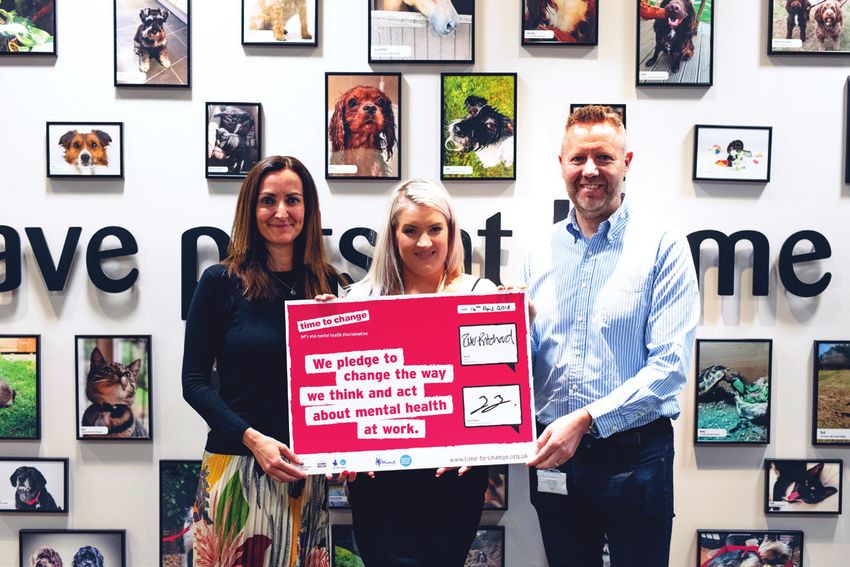
FOREWORD

Mental health remains a taboo subject, especially in the workplace,
where 15% of employees suffer from some form of mental health
condition at any one time. It is unacceptable that so many people with
these problems suffer in silence; embarrassed and alone. The workplace
must take its share of the responsibility for this and at the British
Retail Consortium, we are working closely alongside retail employers
to focus on developing an accepting and open culture to address these
vital issues head-on.

                            We understand this is easier said than done as employers need
                            a specific workplace wellbeing strategy – something particularly
                            difficult in retail due to logistics, time constraints and resources.

                            With that in mind, we are delighted to have teamed up with
                            Time to Change, led by two inspiring charities, Mind and Rethink
                            Mental Illness, to create the retailers’ guide to tackling mental
                            health at work. We hope you will find this guide useful in assisting
                            you to create a comfortable, understanding environment where
                            employees feel they can openly discuss their mental wellbeing.

                            Investing in employee wellbeing not only helps staff, but also vastly
Helen Dickinson OBE         improves productivity and staff retention and reduces sick days.
Chief Executive             As a result, it can save UK businesses billions of pounds each year.
British Retail Consortium
                            Businesses urgently need to recognise the significance of a
                            workplace which puts employee health first. This guide provides
                            pragmatic support to employees who seek to make these crucial
                            changes to their business. These changes aren’t costly, they are
                            simple to implement and will provide many benefits. We hope
                            as many of you as possible utilise our guide and offer support to
                            those in need.

                                           3
FOREWORD

Since 2009, Time to Change, run by the charities Mind and Rethink
Mental Illness, has been supporting employers to create a more open
and understanding culture around mental health problems in the
workplace, assisting employers to develop their workplace wellbeing
interventions and action plans and providing a range of free resources,
training and networking events.

                            We know it can be hard to talk about mental health and we are
                            aware that the retail sector has some specific challenges around
                            space, size of stores, time and resources when developing a
                            workplace wellbeing strategy. We are therefore really pleased to be
                            working with the British Retail Consortium to put together a guide
                            for retailers to enable you to create an environment in which your
                            employees feel comfortable talking about their mental health.

                            Too many people with mental health problems are made to feel
                            isolated, ashamed and worthless, but with the right support, those
                            of us with mental health problems can recover a quality of life that
                            enables us to take advantage of the same opportunities as others
Jo Loughran                 in all areas of life. Everyone’s attitude makes a difference and
Director                    we are keen to see more and more retailers develop a workplace
Time to Change              wellbeing strategy.

                            Many leading employers have found that making a strategic
                            commitment to the mental wellbeing of their workforce not
                            only benefits their staff but also their bottom-line, improving
                            productivity and staff retention. With one in six British workers
                            experiencing mental illness it’s time for businesses to make a
                            change and start creating more mentally healthy workplaces.

                            We have designed this guide to help employers understand and
                            implement the Thriving at Work standards. It offers accessible,
                            practical support for meeting the standards and will help employers
                            to make the necessary changes within a realistic timeframe and
                            without excessive cost. We hope that you find it useful.

                                          4
INTRODUCTION

WHY FOCUS ON MENTAL WELLBEING IN YOUR BUSINESS?

With mental health problems affecting one in six British workers each year
and mental health being the leading cause of sickness absence, it makes
business sense for retailers to put together a workplace wellbeing strategy
to help support their staff and help to improve retention, engagement and
productivity. Statistics below demonstrate the importance of mental wellbeing
to the economy, businesses and to retail specifically.

ONE IN SIX BRITISH WORKERS ARE AFFECTED BY MENTAL HEALTH
PROBLEMS LIKE ANXIETY, DEPRESSION AND STRESS EVERY YEAR.1

                   AROUND 15% OF                                            THE ANNUAL COST
                   PEOPLE AT WORK                                           OF POOR MENTAL
                   IN ENGLAND HAVE                                          HEALTH TO
                   SYMPTOMS OF AN                                           EMPLOYERS IS
                   EXISTING MENTAL                                          BETWEEN £42BILLION
                                    1
                   HEALTH CONDITION.                                        AND £45BILLION.2

                   MENTAL HEALTH                                            WITHIN THE RETAIL
                   IS THE LEADING                                           SECTOR, THE ANNUAL
                   CAUSE OF SICKNESS                                        COST OF POOR
                            1
                   ABSENCE.                                                 MENTAL HEALTH
                                                                            TO EMPLOYERS IS
                   ONLY 51% OF                                              BETWEEN £1,045
                   EMPLOYEES IN THE                                         AND £1,601 PER
                                                                                             2
                   RETAIL SECTOR                                            PERSON PER YEAR.
                   WOULD FEEL
                   CONFIDENT                                                36% OF RETAIL
                   TALKING TO THEIR                                         EMPLOYEES HAVE
                   LINE MANAGER                                             BEEN DIAGNOSED
                   ABOUT THEIR                                              WITH A MENTAL
                                  3                                                          3
                   MENTAL HEALTH.                                           HEALTH CONDITION.

1. Thriving at Work Report (2017)
2. Mental Health and Employers: Refreshing the Case for Investment (2020)
3. Mental Health at Work Report (2017)
                                                                    5
Across all sectors, one third of employees report having been
dismissed or forced to resign from their job and 70% have been
put off applying for jobs, fearing unfair treatment.

A major study into workplace wellbeing in 2018 by the mental health charity
Mind revealed that poor mental health at work is widespread, with half(48
per cent) of all people surveyed saying they have experienced a mental health
problem in their current job.

The survey of more than 44,000 employees also revealed that only half of
those who had experienced poor mental health had talked to their employer
about it, suggesting that as many as one in six UK workers is struggling in
silence, which reinforces the stigma around mental health.

         Case Study
         WHSmith

         It is not just the financial costs.
         Supporting employees with their
         mental health and creating mentally
         healthy workplaces can help with staff             out for our own and each other’s
         engagement and enables individuals                 mental health and to guide people to
         to bring their whole self to work.                 internal and external support. We have
                                                            already seen some fantastic shifts in
         Investing in mental health is a priority           understanding and attitude toward
         for all of us – it is the right thing to do,       mental health at WHSmith.
         and it makes good business sense. In
         retail, it is particularly important to keep       While continuing with awareness-raising
         mental health high on the agenda due               and training, we are now working on the
         to risk factors such as lower than                 hardest and potentially most rewarding
         average financial security and physically          task: identifying how we need to change
         demanding roles. We started our work               our culture to enable more of us to
         at WHSmith when we realised how                    flourish at work.
         unequal our awareness and
         understanding was of mental versus                 As we want to see more people thrive,
         physical health.                                   we are working to understand what we
                                                            do and why to ensure that our culture is
         Working with organisations including               driving mentally healthy behaviours.
         Time to Change has been a great way to
         help with awareness-raising, as has                Alison Garbutt
         charity fundraising for Mind, MQ, CALM             Head of Strategic Projects
         and Place2Be. Implementing Mental                  WHSmith
         Health First Aid is enabling us to watch

                                                        6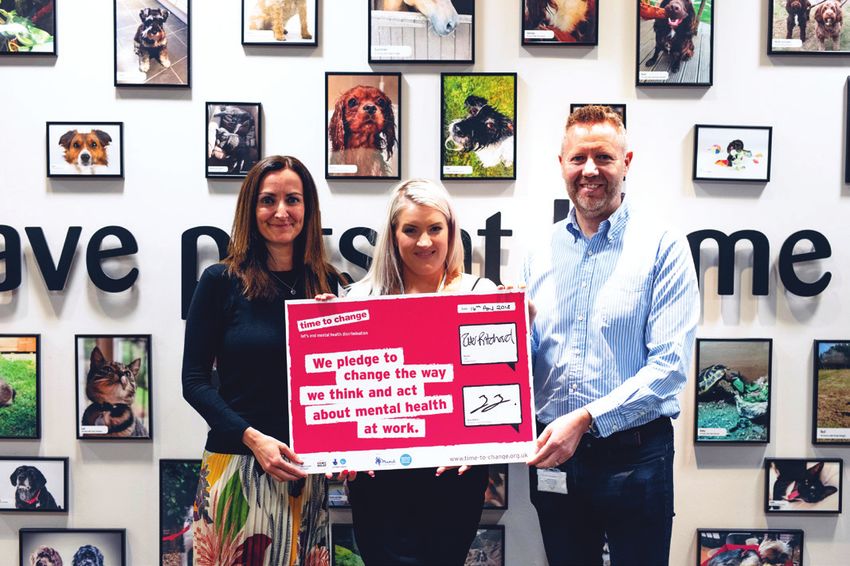
ABOUT THIS TOOLKIT

POSITIVELY MANAGING MENTAL HEALTH UNDERPINS
GOOD EMPLOYEE ENGAGEMENT AND BENEFITS EVERYONE:
EMPLOYEES, EMPLOYERS AND THE BOTTOM LINE. EVERY
EMPLOYER’S SUCCESS DEPENDS ON A HEALTHY AND
PRODUCTIVE WORKFORCE AND IF EMPLOYEES FEEL VALUED
AND SUPPORTED THEY WILL ACHIEVE MORE.

This toolkit has been produced to help support             “How to implement the Thriving at Work
the retail sector with building a mental wellbeing         mental health standards in your workplace”
strategy, whatever shape, size, working practice           for additional suggestions and advice.
and environment. The Government’s independent
review, Thriving at Work, includes six core and            It is important to see mental health at work as
four enhanced standards for how organisations              more than just supporting people with mental
can better support employees’ mental health.               health problems. We all have mental health
                                                           and supporting everyone’s wellbeing will improve
By adopting these standards, the review suggests           the performance of your organisation as a whole.
that all organisations, whatever their size will be:       Consider how you can most effectively support
                                                           the mental health of your people across all areas
    Equipped with the awareness and
                                                           of the organisation. You’ll need to use a mix of
    tools to both address and prevent mental ill-
                                                           approaches and channels to engage people in
    health which is caused or worsened by work
                                                           office based roles, on the shop floor, remote
    Equipped to support people with a mental               workers and drivers.
    health condition to thrive, from recruitment
    and throughout the organisation                        If your organisation is just beginning to take
                                                           action, use this guide to help you take the first
    Aware of how to get access to timely help to           steps and make a long-term commitment to a
    reduce sickness absence caused by mental health        better way of working. Don’t constrain yourself
                                                           to a plan of just one year. Organisations that are
This toolkit provides an overview to implementing          further along can use it to formalise and improve
the core standards and signposts to Mind’s                 their current approach.

      “At Asda, we have set out to challenge stigma and raise our
      mental health literacy, meaning we will replace ignorance
      with confidence, in order to create an environment for open
      conversations about our mental health.

      We are committed to supporting our colleagues’ mental
      health, so that they are able to come to work and feel at
      their best every day, and we ensure that our colleagues
      have access to information and relevant support services”.

      Derek Lawlor, Chief Merchandising Officer, Asda
      Executive Sponsor, Wellbeing Colleague Resource Group

                                                       7
STANDARD ONE

PRODUCE, IMPLEMENT AND COMMUNICATE A MENTAL HEALTH AT
WORK PLAN THAT ENCOURAGES AND PROMOTES GOOD MENTAL
HEALTH OF ALL STAFF AND AN OPEN ORGANISATIONAL CULTURE.

Some retailers have used the Time to Change Employer Pledge to start or progress their journey because
it can provide a structured plan to follow and is integrated with the Thriving at Work six core standards.

         Case Study
          Sainsbury’s

         At Sainsbury’s we want to create a great        We also launched the Wellbeing in Retail
         place to work for our colleagues, which         digital guide that was developed by the
         means providing an environment where            Samaritans in partnership with a group
         everyone can thrive and reach their full        of retailers, including Sainsbury’s. This
         potential. A key part of this is ensuring       provides practical information, activities
         that we focus on supporting colleagues          and resources for our colleagues to
         to look after their mental health.              access whenever they need it.

         World Mental Health Day saw the                 Following World Mental Health Day, we
         culmination of a number of planned              launched a new Mental Health Awareness
         activities. We kicked off the week by           e-Learning for our managers across the
         signing the Time to Change Employer             business, to enable them to confidently
         Pledge, which demonstrated our                  have great conversations with colleagues.
         commitment to talking openly and                The activity on and around World Mental
         honestly about mental health. Aligned to        Health Day created a momentum that we
         that commitment, we held an event               will maintain, in order to continue to support
         at which some of our colleagues, and            our colleagues to look after their mental
         an external speaker, shared their               health, and to create an inclusive culture
         personal stories about their mental             where everyone can be themselves at work.
         health problems. It was very powerful
         and inspiring for those in the room to          Catherine Earley
         hear these stories, and an important            Wellbeing Manager
         step towards helping to end the stigma.         Sainsbury’s

                                                     8
To achieve lasting change within your workplace, it is important to
create a plan of tangible and measured activity that is embedded at
the heart of an employer’s commitment.

In many retail workplaces, mental health is still a taboo subject and
often employees are too afraid to speak to their employers, fearful
of prejudice and discrimination. This stigma may lead to problems
spiralling and reaching crisis point.

The Time to Change Employer Pledge has been helping employers
to help break down the stigma and open up the conversations around
mental health since 2009.

The Time to Change Employer Pledge can provide the foundations in
the first year upon which to build your workplace wellbeing strategy.
With access to free advice and resources, including invitations to
masterclasses, champion training, communications and activities
packs, it can be the building blocks upon which any retailer, whatever
size, can build the support for their employees. Creating your plan is
the first step towards better mental health at work.

In larger retailers, the mental health plan may be an organisation-
wide policy or strategy on mental health. Smaller retailers may be less
likely to have formal mental health policies in place. This means the
plan can be woven into current procedures with different individuals
responsible for each part.

                                     11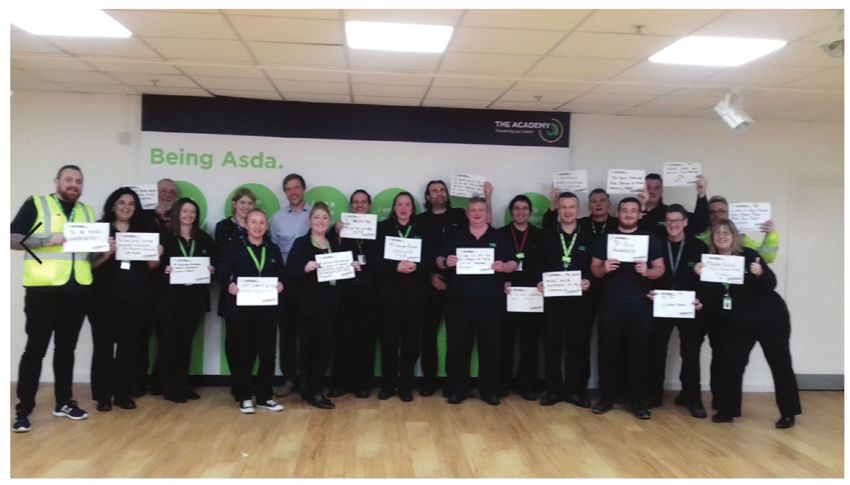
Case Study
Tesco

At Tesco, we are committed to helping             areas of future focus for our plan and
to make it easier for our 300,000                 continue guiding us in its development
UK colleagues, as well as millions of             and evolvement.
shoppers, to live healthier lives.
                                                  In signing the pledge, it got colleagues
In May 2016 we signed the Time to                 across all levels of the business talking
Change Pledge. We wanted to make a                about mental health. Senior leaders
public commitment to taking action to             were active within this in helping
tackle the stigma and discrimination              normalise conversations around mental
around mental health in the workplace             health - further cemented this year by
and hoped to inspire others to do the             the appointment of our first executive
same. When we signed, we made it clear            sponsor for mental wellbeing at Tesco.
to colleagues that it was very much all
of our plan – every individual, team and          We also saw an immediate increase in
business area. We all needed to work              utilisation on existing tools, learning
together to make a change.                        and resources. We were then able to use
                                                  this as a platform to launch different
When signing the pledge, we used it as            elements of our plan, with colleagues
an opportunity to launch our colleague            being able to see how each element
mental wellbeing plan, focused on                 linked back to our commitment in the
little helps we could all take each day to        pledge. This has included the launch of
support ourselves, each other and                 a mental health policy, mental health
customers. The 3 areas of focus                   awareness training for all colleagues,
identified for the first year of the plan         manager training, targeted campaigns
were:                                             to raise awareness of our resources and
                                                  using our health months to continuously
    Raising awareness, inspiring and              talk to colleagues about mental health.
    supporting colleagues
                                                  Our relationship with Time to Change
    Access to tools and resources to              extended beyond just signing the pledge.
    support mental wellbeing                      We are proud to be involved with the
    Learning for managers                         Time to Change Retail Group, bringing
                                                  together retailers to share learnings,
                                                  experiences, ideas and supporting others
The Time to Change Action Plan and                on their journey.
the support we received from the Time
To Change team was key in helping us              Toni McKay
sense check what we’d already done, the           Head of Health, Wellbeing & Colleague
impact this had and then identify key             Experience, Tesco

                                             10
WHAT TO CONSIDER WHEN YOU ARE DEVELOPING
YOUR MENTAL HEALTH AT WORK PLAN
GET SENIOR LEADERS ON BOARD
Make a business case and obtain buy-in at a senior level. Here are our top tips for getting your
employer involved:
ARRANGE A MEETING HAVE SOME IDEAS READY TO SHOW
We recommend booking in a meeting with HOW YOU CAN RAISE THE
a key decision-maker (potentially someone AWARENESS OF MENTAL HEALTH
in HR or someone on your Executive/Senior WITHIN THE WORKPLACE
Leadership Team or if smaller retailer, the There are lots of different things you can do as
owner or franchiser) to discuss developing a part of a wellbeing strategy and it will be easier
workplace wellbeing strategy to persuade your employer if you have some
concrete ideas on what to put in your plan.
HAVE STATISTICS ON HAND See Core Standard Two of the Thriving at Work
guidelines mentioned above for examples.
Refer to the infographics and statistical
information above and as detailed above
and the Thriving at Work report to CONSIDER THE CHANNELS YOU CAN
produce information to help persuade your UTILISE TO COMMUNICATE WITH STAFF
organisation to take mental health seriously. Decide where you can display information
about support organisations to make it
Collect data, if available, on your own
accessible to all employees, including
organisation’s absences due to poor mental
those workers who do not have access
health. However, be aware that research
to computers at work (Support Details).
has shown that where employees feel that
For example, for drivers, you could use
they will be stigmatised for their poor mental
windscreen discs that provide details of
wellbeing, they may have provided
your Employee Assistance Programme if
an alternative reason for their absence.
applicable or details on posters on toilet
Use data from staff surveys, if applicable, doors or on notice boards in distribution
about wellbeing and engagement. centres etc. You could put a dedicated page
to mental wellbeing on your organisation’s
Demonstrate the cost benefits of a workplace intranet or create a Yammer page.
wellbeing strategy eg: positive impact on
productivity, presenteeism, engagement
DECIDE HOW TO PRESENT YOUR IDEAS
using information from the “How to
implement the Thriving at Work mental Use a PowerPoint presentation and embed
health standards in your workplace”. your own approach drawing from suggestions
throughout this guide.
Produce a written business case and
present in a meeting with key senior leaders
explaining the key points verbally and agree
date to follow up.
For more ideas on what to include in your mental health at work plan, refer to the
“How to implement the Thriving at Work mental health standards in your workplace”.
11STANDARD TWO
DEVELOP MENTAL HEALTH AWARENESS AMONG EMPLOYEES BY
MAKING INFORMATION, TOOLS AND SUPPORT ACCESSIBLE.
Case Study
Asda
At Asda, creating a truly inclusive training will see 1,100 colleagues attend
culture that enables our colleagues to the full day, who through their cascade
bring their best and true selves to work reach a further 12,000 of our salaried
every day is intrinsic to our organisation. managers. This is designed to raise
Wellbeing and mental health awareness mental health literacy, so that colleagues
are pivotal, and we are focused on can recognise signs of mental ill
activity to help make this vision a reality. health in themselves and others,
ultimately seeking relevant support.
We are working with Rethink Mental
Illness to deliver bespoke training around We provide guidance to our line
mental ill health, which looks to equip managers through a mental health
our managers to confidently support policy that helps them to have
colleagues’ mental health and challenge conversations, introducing a Wellbeing
the stigma existing around mental ill Recovery Action Plan template and
health. It is a full one-day course, with signpost to external support.
colleagues then cascading during a one-
hour workshop in their area. This initial Some of our mental health awareness
training tackles unconscious bias,
focusing on how small behaviours
can affect our ability to have the right
environment for colleagues to speak up
when they are struggling.
Working with colleagues, suppliers and
charities we build awareness and provide
practical tools to raise awareness on set
days, such as Time to Talk, Wellbeing
12Week and World Mental Health Day. Core to our focus is the view that we all
We want colleagues to know there are have mental health that may fluctuate
resources to help them, and often having along a continuum, rather than just
a conversation with someone outside of mental ill health. This approach makes
work can encourage openness. the conversation accessible to all & our
colleagues have embraced this.
Our Wellbeing Colleague Resource Group
(staff network), made up of passionate We know that our colleagues cannot be
colleagues across all areas and levels of at their best if they do not feel supported
our business support this agenda. There in being who they are, especially when
is a particular focus on breaking the experiencing difficult times. Therefore,
stigma attached to mental health and the conversations around mental health
creating time to talk. Colleagues in the and wellbeing, to enable a culture where
group regularly get involved in sharing stigma no longer exists will remain front
their experiences of mental health and and centre. When our colleagues are
how they have been supported. at their best by being themselves, our
customers also experience Asda at its best.
This empowers colleagues to feel able
to be open by seeing talks, watching Katie Wynn
films or reading stories about how they Diversity & Inclusion Manager
can be themselves at work. Asda
Think about how you can build mental health literacy by developing your employees’ knowledge
around wellbeing in order that they are able to support their own mental health and access support
and raise awareness across your workforce.
This will require different approaches for different areas: distribution; shop floor; back office; stores etc
and it may not be effective to use the same strategies in each area. Having different locations where
staff may not have the opportunity to log-on to a computer or have their own e-mail address can limit
the resources that you use.
Utilising wellbeing champions to support activities in each of the different areas can be really useful
here as can the use of apps which can be accessed from an employee’s own device.
13KEY ACTIVITIES TO CONSIDER:
a) Have a dedicated intranet section and/ Again this can be a challenge where you
or notice board on wellbeing for support have many sites and limited or no access to
information – a noticeboard can be at each computers. Short training clips on an
store and site and maintained by champions. app can be useful or training can be
provided to managers who then cascade the
b) Use an app that is already available to information to employees in modular format
purchase or create your own, depending on ie short bursts. This could be during catch
budget that enables you to post messages ups or merge with induction and health and
about mental health, activities, campaigns safety training.
etc The app can also include links to support
information both internally and externally. g) Develop a wellbeing champions’ network
Many apps may have a cost per employee which can help you carry out activities in
and can be used for communication outside different stores and different parts of the
of workplace wellbeing such as corporate business, not just head office once you have
messages. The app can also be used for staff your support information and signposting in
to monitor their own wellbeing. place. Utilise the information on the Time to
Change site for help and support with this:
c) Ensure that employees have access to Wellbeing Champions.
information about mental wellbeing
(Information & Support). h) Run internal communication campaigns
taking into account how employees will
d) Use huddles before shifts to communication access the information depending on their
information about campaigns or support role (customer facing, drivers, warehouse
information. roles). Some retailers use Yammer or an
e) Celebrating key dates in the Mental Health internal social network to communicate.
Calendar – thinking about how your i) Think about how you can share stories to
stores, distribution centres, warehouses encourage employees to speak openly about
can use resource materials to raise the mental health. This could be done via internal
awareness – each will be different. For social websites, intranets, noticeboards, invite
example, the windscreen discs on cars with speakers with lived experience to talk to
information; canteen stands, top tip cards employees at lunch and learns. See below.
left in staff rooms, communal areas,
messages on payslips etc. j) Use resources produced by mental health
organisations such as:
Space is often a challenge for retailers
especially in areas such as railway stations, Time to Change website and
airports or small kiosks which is where TTC Resources
the app may be more appropriate to
Mental Health At Work Website:
communicate.
www.mentalhealthatwork.org.uk
f) Provide mental health awareness training
Samaritans: Samaritans workplace
to staff and ensuring that staff are able
resources which includes a specific
to access it. Embed mental health in your
e-learning module for employees
induction and all training provided. This could
within the retail sector: Samaritans
be by e-learning and/or face to face training.
Wellbeing in Retail
Refer to the Thriving at Work Guide to Implementing the Core Standards for further examples:
How to implement Thriving at Work Core Standards.
14STANDARD THREE
ENCOURAGE OPEN CONVERSATIONS ABOUT MENTAL HEALTH AND
THE SUPPORT AVAILABLE WHEN EMPLOYEES ARE STRUGGLING,
DURING THE RECRUITMENT PROCESS AND AT REGULAR
INTERVALS THROUGHOUT EMPLOYMENT, WITH APPROPRIATE
ADJUSTMENTS OFFERED TO EMPLOYEES WHO REQUIRE THEM.
Creating a culture in which employees feel comfortable talking about their mental wellbeing as well as
their physical wellbeing is really important.
Being able to have an open conversation with a colleague means that strategies can be put in place to
support the employee rather than having to react when the situation becomes a crisis. This is especially
important where you have many different sites, with different demographics.
EXAMPLES OF WAYS IN WHICH RETAILERS CAN ENCOURAGE A
CULTURE OF OPENNESS INCLUDE:
Utilise the campaign ‘This is Me’. Review your flexible working policy to
determine whether working hours can be
Share stories from the Time to Change adjusted to allow flexibility for employees.
website.
Consider adjustments to help employees
Ask senior leaders to write a blog about their remain in work whilst managing poor mental
own mental wellbeing and how they manage wellbeing and to help them return to work.
this. Share via your communication channels.
Have early conversations with employees
Produce a talking heads film of employees/ about their mental and physical wellbeing and
champions willing to talk about how they will follow up.
support open conversations.
Put together a collage of ‘stories’ from the
above and put on a noticeboard accessible
by staff in their breaks or on backs of toilet
doors, on lockers, in staff car parks, bicycle
rack areas.
Sign the Time to Change Employer Pledge.
Implement Wellness Action Plans for all
staff These are a great way for employees
to have a conversation with their manager
about what keeps them well at work.
15ASK TWICE
There are lots of ways you can get your
organisation talking about mental health.
With the average person saying that they are fine
14 times a day and 1 in 4 people experiencing a mental
health problem each year – sometimes a colleague
might say he is fine when he’s not. The Ask Twice
campaign encourages everyone to simply ask twice;
to demonstrate compassion and show that they have
time to invest in listening and supporting a friend.
By creating a workplace culture in which employees
feel they can be open and honest about their
mental health we can ensure that staff are supported
before they reach crisis.
These bright and visual resources are perfect for
putting up in staff rooms, common areas – even
the back of toilet room doors! Whilst our YouTube
videos are easy to share on internal social channels,
intranet pages and in staff newsletters.
Download these by visiting the Time to Change
website: Ask Twice Resources.
16HOW TO HAVE A CONVERSATION WITH SOMEONE
AT WORK ABOUT THEIR MENTAL HEALTH
CHOOSE AN APPROPRIATE PLACE ENSURE CONFIDENTIALITY
Somewhere private and quiet where the person People need to be reassured of confidentiality. It’s
feels comfortable and equal. Possibly a neutral sensitive information and should be shared with
space outside of the workplace. If they are a as few people as possible. Create strict policies
remote worker, consider whether going to where to ensure this. Discuss with the individual what
they are may help. information they would like shared and with whom.
ENCOURAGE PEOPLE TO TALK DEVELOP AN ACTION PLAN
People can find it difficult to talk about their Work with your employee to develop an individual
mental health but it helps to have an open culture action plan which identifies the signs of their
where conversations about mental health are mental health problem, triggers for stress, the
routine and normalised. Ask simple, open and possible impact on their work, who to contact
non-judgmental questions and let people explain in a crisis, and what support people need. The
in their own words how their mental health plan should include an agreed time to review the
problem manifests, the triggers, how it impacts on support measures to see if they’re working.
their work and what support they need.
ENCOURAGE PEOPLE TO SEEK
DON’T MAKE ASSUMPTIONS ADVICE AND SUPPORT
Don’t try to guess what symptoms an employee People should speak to their GP about available
might have and how these might affect their support from the NHS such as talking therapy. If
ability to do their job – many people are able to your organisation has an Employee Assistance
manage their mental health and perform their Programme it may be able to arrange counselling.
role to a high standard but may require support The Mind Infoline can signpost people on to
measures when experiencing a difficult period. support and our network of local Minds across the
country can also help source advice and support.
LISTEN TO PEOPLE AND
RESPOND FLEXIBLY SEEK ADVICE AND SUPPORT YOURSELF
Everyone’s experience of a mental health The Mind Infoline and local Minds can provide
problem is different so treat people as individuals information to employers too. Occupational Health
and focus on the person, not the problem. Adapt (if you have it) can provide tailored advice to support
your support to suit the individual and involve both employers and employees. If relationships
people as much as possible in finding solutions have become strained or confrontational mediation
to any work related difficulties they’re can help – some local Minds run mediation
experiencing. Remember effective workplace services, as do ACAS. Small businesses can access
adjustments are often quite individual but needn’t the free Health for Work Adviceline service
be costly or require huge changes. provided by NHS occupational health services.
BE HONEST AND CLEAR REASSURE PEOPLE
If there are specific grounds for concern, like People may not always be ready to talk straight
high absence levels or impaired performance, it’s away so it’s important you outline what support
important to address these at an early stage. is available, tell them your door is always open
and let them know you’ll make sure they get the
support they need.
17STANDARD FOUR
PROVIDE YOUR EMPLOYEES WITH GOOD WORKING CONDITIONS
AND ENSURE THEY HAVE A HEALTHY WORK/LIFE BALANCE AND
OPPORTUNITIES FOR DEVELOPMENT.
Employees will have different opinions about what they view as being ‘good working conditions but
there are a number of areas that retailers can look at to create an environment in which they feel able to
have a healthy work/life balance.
Ensuring that your policies are inclusive of people with poor mental wellbeing and do not
discriminate against them will help to show employees that your organisation is serious about looking
after their wellbeing.
WAYS IN WHICH YOU CAN CREATE A POSITIVE WORKPLACE ARE:
Create a space to have regular catch ups Provide information about mental health and
and one-to-ones. In some shops or stores this signposting as stated above and put in places
may be difficult and it may therefore where it can be seen eg: toilet doors, staff
be important to be creative in how to build room notice boards, canteen/kitchen, locker
space for this. For example: space or via an app.
a walking meeting outside (weather Flexible working can provide employees with
permitting!). some control of how and when they work and
support other demands that they may be
Chat over a coffee outside of the
facing outside of work. Consider adjustments
workplace if appropriate, or in a quiet
to the standard shift patterns.
part of a canteen.
Look at what opportunities there are
Create a space where one-to-ones can for employees to develop their work and
be held even if this is a small room but ensure that work is meaningful to them.
where you will not be disturbed.
Be aware of what personal issues may be
Enable managers to create space and time affecting staff and have policies in place to
to catch up with staff. If this is a regional support managers in dealing with these.
manager, ensure that they let staff know
when they will be at the store and enable Provide training for line managers to
them to arrange to meet with you, if needed. provide them with the tools to have
open conversations with their team a
Include reference to mental wellbeing in
bout wellbeing.
team meetings or morning huddles to
normalise the conversation.
Refer to the Thriving at Work Guide to Implementing the Core Standards for further examples:
‘How to implement the Thriving at Work mental health standards in your workplace’.
18Case Study
John Lewis Partnership
Working Well campaign
As an employee-owned business, we have a Our business has over 400 different sites across
responsibility to look after our 81,500 Partners the UK. To ensure we reach as many Partners as
who work for the John Lewis Partnership. We’re possible, we’ve developed a network of local Wellbeing
committed to driving a commercially successful Champions who engage Partners and organise
business which offers satisfying and meaningful activities locally to look after their wellbeing.
jobs and supports our people to lead healthy,
fulfilled lives. It’s one of the key performance We also actively encourage our Partners to look
objectives for our leaders, alongside our financial after themselves and their health and wellbeing,
objectives. taking a preventative approach. For example, all of
our Partners have access to the clinically-backed
We know that what’s going on in peoples’ personal mental health app Unmind. The app has exercises
lives doesn’t stop when you come into work, so we and guides to help our Partners to proactively
want to enable our Partners to feel well, enjoy life look after their mental wellbeing on a daily basis.
and have support when they need it - both in and
out of work. We also know that it can be hard for our Partners
who want to help colleagues struggling with their
The bedrock of wellbeing at work is creating mental health but don’t know what to do. That’s
a healthy and inclusive workplace. This starts why we’ve worked with six other retailers and
with meaningful work, empowering managers, the Samaritans to develop an online Wellbeing in
providing opportunities for growth and supporting Retail guide, specifically targeted at those working
work-life balance. We’ve been refreshing our focus in retail with advice on peer-to-peer support.
on good people management, training 8,000 We’ve also trained our Executive team and 2,000
people managers this year. At work, we’ve been line managers in mental health awareness, so that
supporting our Partners to develop on the job understanding and inclusivity runs right through
through apprenticeships. Outside of work we pay our business and is set from the top.
a subsidy so that any Partner can pursue their
passion and learn something new - from learning Finally, we also offer Partners early help and
French to learning how to paint. We also have five support when things go wrong in life. We have
hotels which Partners can stay in at a subsidised free access to comprehensive in-house and third
rate, with 84,000 overnight stays last year. party medical, emotional and financial support
for our Partners when they need it. Our in-house
Social connection is good for wellbeing, so we Partnership Health Services team are CBT-trained
encourage our Partners to take time out together and work with Partners with a mental health
and just under 13,000 of our Partners belong to condition and their managers to ensure they are
our clubs and societies. supported at work. Our Partner Support team
also offers a confidential listening service as well
as ongoing advice for Partners in emotional or
financial difficulty. We’ve found that having an
in-house service, provided by Partners who’ve
worked in and know our business, means we can
tailor the support for our Partners.
Nick Davison,
Head of Health and Leisure Services
John Lewis Partnership
19STANDARD FIVE
PROMOTE EFFECTIVE PEOPLE MANAGEMENT TO ENSURE ALL
EMPLOYEES HAVE A REGULAR CONVERSATION ABOUT THEIR
HEALTH AND WELLBEING WITH THEIR LINE MANAGER, SUPERVISOR
OR ORGANISATIONAL LEADER AND TRAIN AND SUPPORT LINE
MANAGERS IN EFFECTIVE MANAGEMENT PRACTICES.
Managers play an extremely important role in supporting mental wellbeing in the workplace and can
help to create an environment in which their team feel able to speak openly about how they are feeling.
It is therefore important for retailers to provide managers with the tools and skills that they need to
support their staff.
The How to implement the Thriving at Work mental health standards in your workplace Guide has
useful information to support this and you will see from the case studies in this toolkit that providing
training enables managers to spot signs and be able to have supportive conversations with their team.
EXAMPLES INCLUDE:
Provide training on mental wellbeing and Mind and The Royal Foundation have put
stress management which includes how to together a collection of free resources for
spot the signs of poor mental health and small and medium sized organisation to help
how to have supportive conversations. Think build mental health awareness, provide tools
about the format that will work well in your for employees to look after themselves and
each of your work environments and the how to support each other. This is a useful
time and space available to run the training. tool for smaller sized retailers: Mental Health
Mind provides a range of Training courses at Work e-learning.
on mental health awareness in the workplace
Your policies can help support your managers
including e-learning. There will also be many
and provide them with the confidence to have
other providers local to you which you can
conversations with their staff. Normalising
access including training of Mental Health
the conversation and creating space to ask
First Aid and mental health awareness.
questions and raise issues is key.
Have clear guidelines for managers on
managing mental wellbeing issues. See the Encourage and support managers who
Mind website for ideas: Mind Resources. demonstrate positive behaviour in their
support of staff with their mental wellbeing.
The website www.mentalhealthatwork.org.uk
also provides a wealth of information with Determine what budget you have to source
links to training, toolkits and case studies training and if this is limited, look at the
which can help managers to develop mental resources that are mentioned above which
health literacy and awareness. can be accessed for free.
Refer to the Thriving at Work Guide to Implementing the Core Standards for further examples:
How to implement the Thriving at Work mental health standards in your workplace.
20Case Study
Pets at Home
When I took on my role I was asked to develop We also wanted to have wellbeing champions
a wellbeing strategy for Pets at Home and when in all areas of the business, another route for
developing a new engagement survey for the colleagues to reach out to someone who isn’t
business I seized the opportunity to ask our their manager. We started supporting all national
colleagues what they wanted. I also reviewed our mental health days and we went out to the whole
absence figures and our biggest reason for people business, with Peter Pritchard our CEO and shared
taking time off work was mental health. I also our pledge.
thought about the things that I had been through
and how I got help or didn’t get help when I was We had some challenges. We have a real mix of
at my worst. sectors, so being able to tailor everything we do
to all of them was hard so we needed to keep it
We put together an action plan for the Time to simple: one message for all, we weren’t training
Change Employer Pledge and once this was signed people to be counsellors and we never will. We
off, and I had buy in from the senior leaders wanted to create an environment where people
including our CEO I knew that we had already felt that they could speak to anyone, and everyone
achieved something huge – they all wanted to knew the places to signpost people to get help. We
make a difference. My inbox was flooded that continued to set out doing what we said we would
evening with stories about all the things they had do (which is one of our company values).
been through. We started our journey by talking
about mental health in weekly communications: Success was simple for us, People were having
we have daily shoals (shoals of fish, we do that at conversations about mental health, people have
pets at home). started being honest out how they are feeling,
Managers feel like they can support people and
We have every manager across the business with sign post them to get help. I feel like over the last
mental health on the agenda in every meeting. We year we have laid the foundations, and now we are
decided to attend MIND’s in house training courses creating an environment where people feel like
and then role them out across the business with it’s ok not to be ok and they can admit that and go
managers first and then colleagues. get the help they need.
We also have various surveys throughout the year
we send to our colleagues, on the one in March we
asked questions about wellbeing and colleagues
were telling us how great it is what we have done
so far. I’m really excited to continue this journey.
Francesca Davis
Group Engagement & Wellbeing Partner
Pets at Home
20
21STANDARD SIX
ROUTINELY MONITOR EMPLOYEE MENTAL HEALTH AND
WELLBEING BY UNDERSTANDING AVAILABLE DATA, TALKING TO
EMPLOYEES AND UNDERSTANDING RISK FACTORS.
Developing a clear picture of the mental wellbeing across the whole of your organisation enables you to
understand what impacts on your staff’s mental wellbeing and how well you are supporting them. It also
enables you to assess whether your approach is effective and supports you to plan further improvements.
As mentioned at the beginning of this toolkit, you may decide to focus on a few key areas early on in your
workplace wellbeing strategy and monitoring its effectiveness as it develops will be key to helping you to
understand how to progress your plan going forward.
The best way is to think about how you could adapt the tools you already use, such as staff surveys,
sickness absence data and one-to-ones/appraisals. Including relevant questions into these existing tools
will help you to build a comprehensive picture, without creating extra work.
If you are a small/medium sized retailer and do not collect sickness absence information, you can start to
do this and use the ideas provided below.
MONITORING AND EVALUATING METHODS TO CONSIDER USING:
STAFF SURVEYS
A staff survey can be a great tool to capture A pulse survey (a short and specific survey
information about mental wellbeing. If you comprising only about 5-10 questions) could be
do not already have one, consider introducing used to focus on mental wellbeing or monitoring
one to measure information such as workload, employee attitudes towards mental wellbeing.
support of leadership and management, These could be run before you implement a mental
opportunities for personal development and health strategy/plan and then 12 months later.
internal communication, whether employees
are currently or have experienced poor Example questions could include:
mental wellbeing at work and whether they
How comfortable would you feel speaking to
sought support.
your line manager about your mental health?
Do you know how many of your staff have How comfortable would you feel speaking to a
poor mental wellbeing? A question in your staff colleague about your mental health?
survey can be a good way of capturing this
data, reinforced by the message that your If you have called in sick due to a mental
organisation will respond proactively and health problem in the last year, did you tell
reassurance that their personal information will your manager the real reason or give another
be kept confidential. reason for your absence?
22Case Study
Co-op Retail Workplace
Wellbeing Toolkit
Over the last two years, we have been This information has led us to launch
developing a wellbeing strategy and a mental health toolkit for managers
during this time we have listened to our comprising educational material, guides
people to determine our key priorities, on how to have a conversation and an
looking at our biggest risks first. We online learning module. We then built
are developing a manager’s dashboard a second toolkit based on supporting
which will help provide important mental health related absence with
information for all managers across the guidance on:
business and in each of our sites. We see
how and when to keep in touch
this as a really important tool to enable
our managers to support their teams examples of adjustments that may
and look at patterns of absence, reasons help the employee to return to work
and also providing us with data to help the role of occupational health and
determine our future direction with
regards to workplace wellbeing. signposting to the Employee
Assistance Programme (EAP)
We have a Manager’s Helpline (ER
Services), staffed by the Employee We recognise the importance of
Relations professionals who are part of collecting data about mental health
our Co-op Service Centre. Managers are and we continue to develop the tools
able to access support and we’re able necessary to ensure we help support all
to obtain a great deal of insight from of our people.
the data collated and by listening to the
team about what they see day-to-day. One of the things we have found is the
It enables us to see how mental health importance of sharing ideas about how
may be impacting on long term absence, to support staff with their mental health
disciplinary and grievance processes and with other retailers. In a sector that is
also under-performance. We spend time often very competitive, it is refreshing to
with the ER Services leadership team to have worked with a number of retailers
drill a bit deeper and obtain an in-depth on the new Samaritans Wellbeing in
view of the mental health landscape. We the Retail tool and understand the
have seen from this information that 1 in 4 challenges and successes that others
cases through ER Services had underlying have experienced.
mental health problems at their root.
We saw that managers were generally Paul Caudwell
raising concerns as performance issues Health Wellbeing Manager
and not related to mental health. Co-op
23TAKE STOCK AT A TEAM LEVEL TAKE STOCK AT AN INDIVIDUAL LEVEL
You could carry out mental health audits by holding Regular one to one meetings may be challenging
a session at a team meeting and ask your team: within some retail environments where space is
at a premium (see Core Standard Four in the link
What they think a mentally healthy team
below for ideas to overcome these barriers) but
looks like.
creating time and space to have a catch up will
What the team already does well to promote help to build trust and provide employees with a
good mental wellbeing and how your change to raise problems at an early stage and
organisation can build on this. thereby provide an opportunity to manage it
before it becomes a crisis.
Discuss what can be done on anything that
is having a negative impact on the team’s
mental wellbeing.
What does the team have control over
with regards to the above three questions
which can link to your action plan. Areas See the How to implement the Thriving
that the team has no control over can be at Work mental health standards in your
acknowledged and agreed whether this needs workplace for more information.
to be raised at another level or needs to be
mitigated against.
What the team can influence and this can be
captured as part of your action plan.
Discuss what triggers poor mental
wellbeing in the workplace – see the
How to implement the Thriving at Work
mental health standards in your workplace
for more information.
24CHECKLIST
THE START STANDARD THREE: ENCOURAGE
Look at the Thriving at Work Review.
OPEN CONVERSATIONS
Agree what activities in Standard Three
Read the introduction of this toolkit
will work within each of your working
and have an understanding of why you
environments and timelines for rolling
are focussing on mental wellbeing in
these out.
your organisation
Utilise resources and campaigns already
Meet with other individuals who share
out there that you can engage with.
your passion around mental health and
form a wellbeing steering group. Encourage your senior team/owner to talk
about mental wellbeing.
Determine which Standards you will focus
on for the first year.
STANDARD FOUR:
STANDARD ONE: GOOD WORKING CONDITIONS
MENTAL HEALTH PLAN Ensure signposting for mental health
support is easily accessible to all employees.
Use the Time to Change Employer
Pledge Action Plan as a structured format Ensure there are adequate spaces for one to
with which to begin your work. ones/supervisions to be held on or off site.
Collect and put together the relevant Review policies to ensure a parity between
data and ideas that will help form your mental and physical wellbeing.
mental wellbeing strategy in a format to
discuss with your senior executive team.
STANDARD FIVE:
PROMOTE EFFECTIVE PEOPLE
STANDARD TWO: MANAGEMENT
RAISING AWARENESS
Research the training and tools that your
Put together activities that you can run organisation can provide to enable your
across all of the organisation to increase line managers to support their team with
the mental health literacy of your staff. their mental wellbeing
Involve representatives from the
different areas of the business
(eg shopfloor, warehouse, offices, drivers STANDARD SIX: ROUTINELY
etc) to generate ideas. MONITOR EMPLOYEE MENTAL
Include headline activities in your HEALTH AND WELLBEING
mental health plan. Identify key measures and the frequency
with which you can monitor and execute
data capture activities in order to obtain
these measures, eg survey, analyse and
review data for trends and priority areas
for intervention.
25Time to Change, 15-19 Broadway, London, E15 4BQ T: 020 8215 2356 E: info@time-to-change.org.uk W: time-to-change.org.uk
You can also read


