Ministry for Culture and Heritage - Research on public broadcasting models April 2018 - Ministry for Culture ...
←
→
Page content transcription
If your browser does not render page correctly, please read the page content below
Ministry for Culture and
                                Heritage
                                Research on public broadcasting
                                models
                                April 2018

qngr3h3ap 2018-07-02 08:24:04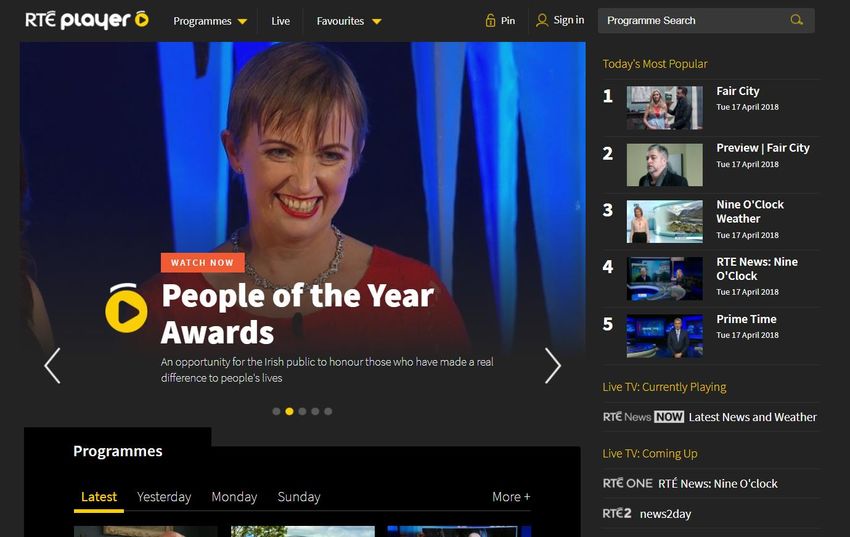
Private & Confidential
               Martin Durrant
               Senior Policy Advisor
               Ministry for Culture and Heritage
               PO Box 5364
               Wellington 6140
               New Zealand

               1 May 2018

               Dear Martin
               In accordance with our contract dated 6 April 2018, we present our final report outlining our research on comparative public media
               models.
               We have enjoyed completing this research, and hope that we can be of further assistance on other engagements in the future. Please note
               that this report should be read in conjunction with the Important Notice in Appendix 8 of this report.

               Kind regards

               Richard Forgan
               Partner

               PricewaterhouseCoopers New Zealand
               113-119 The Terrace, PO Box 243, 6140
               T: (04) 462 7116 www.pwc.co.nz

qngr3h3ap 2018-07-02 08:24:04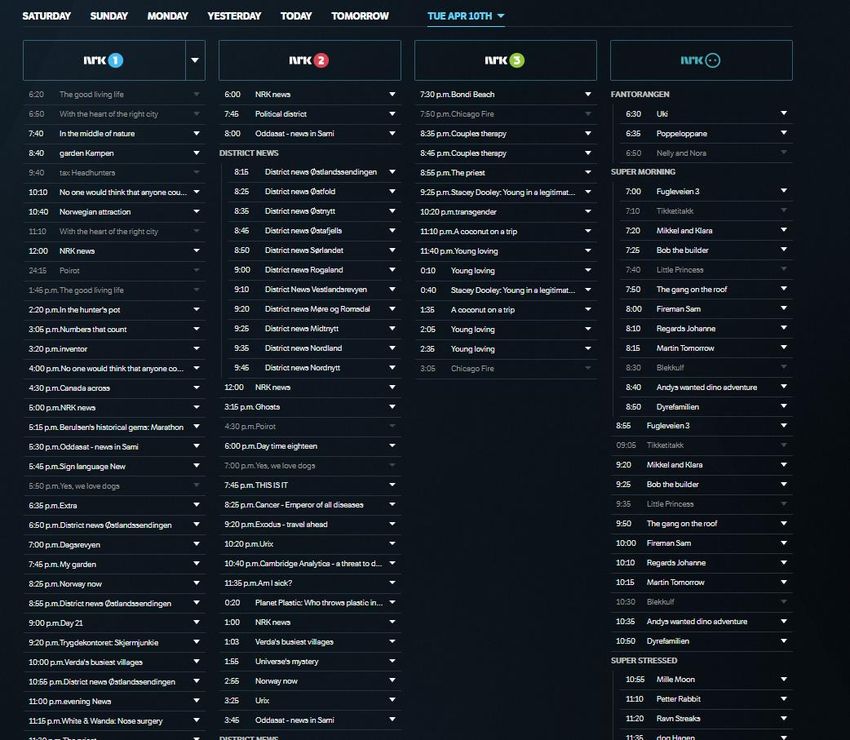
Introduction

      Purpose                                                           This report

      The Minister of Broadcasting, Communications and Digital          This report is divided into four sections as follows:
      Media has appointed a panel to investigate the establishment of
      a Public Media Funding Commission.                                              Executive Summary                                                    4
      To support the panel, the Ministry for Culture and Heritage                     Key messages from the findings of the research
      (MCH) has asked PwC to assist it with researching the
      approaches taken by other countries in regulating and financing
      public media.                                                                   EU context

      Our approach                                                                    Common features and regulations across the four EU nations           6

      MCH has selected six countries for comparison: Norway,
      Finland, Denmark, Ireland, Canada and Australia. We have                        Comparator countries’ media models
      undertaken desktop research to address four sets of questions                   Information describing each comparator country’s
      for each country:
                                                                                      model for public broadcasting                                        9
      •   Who are the public broadcasters in each country?
      •   How are they funded and how is funding set?
                                                                                                         Norway                                            10
      •   What regulations and policies are in place to support
          the goals of public broadcasting?                                                              Finland                                           13

      •   What information is available on viewership?                                                   Denmark                                           16

      The scope of this work included research, but specifically                                         Ireland                                           19
      excluded analysis or recommendations.                                                              Canada                                            22
      Sources are listed in the Appendices.                                                              Australia                                         26

                                                                                      Appendices
                                                                                      Including representative programme listings and sources              29

     Ministry for Culture and Heritage                                                                                                             April 2018
     PwC                                                                                                                                                    3
qngr3h3ap 2018-07-02 08:24:04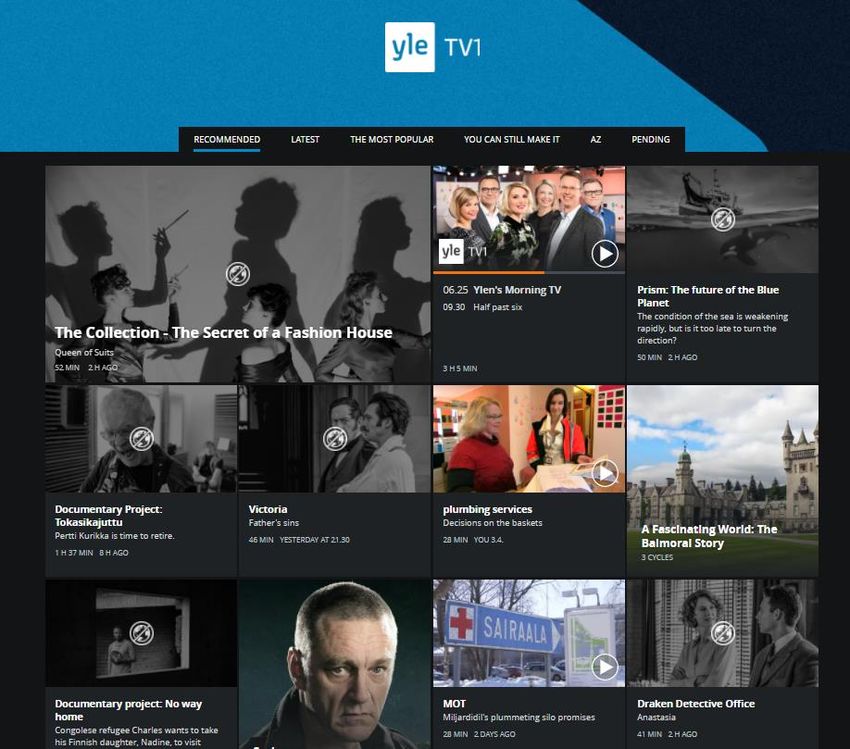
1. Executive summary

     PwC                        4
qngr3h3ap 2018-07-02 08:24:04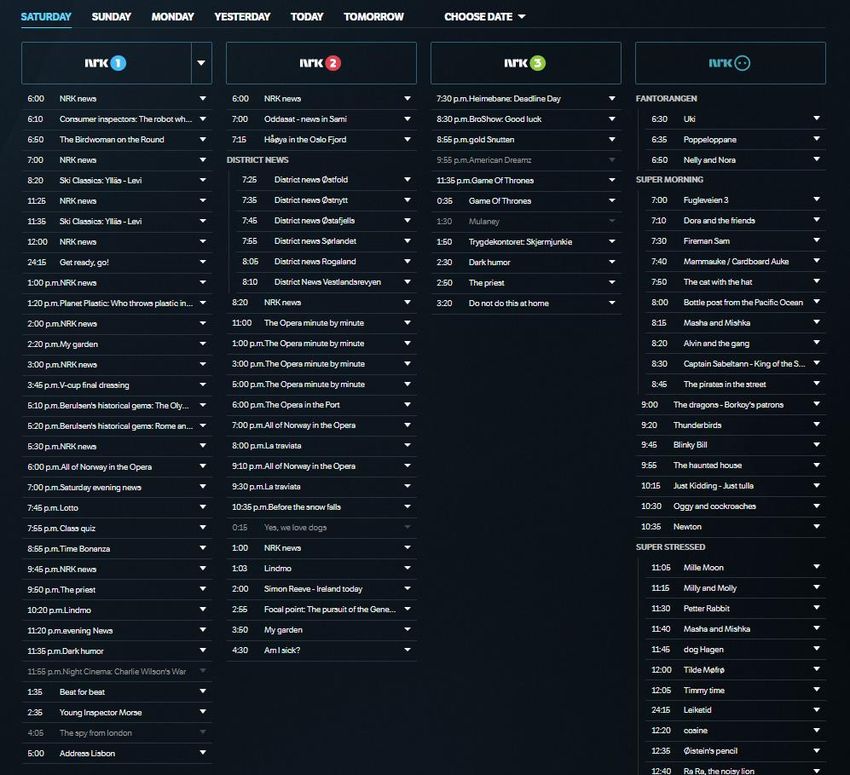
Executive summary

     Common features among countries                               Provision or regulation
     All of the comparator countries exhibited the following       Countries generally support their public broadcasting goals with a mix of provision through a
     features and policies.                                        government funded broadcaster and regulation by imposing rules on private broadcasters.

     An advertisement-free TV channel – All of the                 Australia, Ireland and the Nordics focus on funding public broadcasting
     comparator countries had at least one television channel      The three Nordic countries regulate less heavily and focus on strong public provision of
     that was prohibited from advertising.                         public broadcasting. They do not allow their primary public broadcaster to collect commercial
                                                                   revenue, although Denmark allows its second public broadcaster to do so. Their public
     Restrictions on advertising on commercial                     broadcasters are in general completely funded through either a licence fee or from general tax
     broadcasters – All comparator countries had some limits       revenues. The Irish and Nordic broadcasters are captured by EU regulations so generally
     on the amount of advertising that can be broadcast.           have fewer country-specific regulations. Australia regulates to a lesser extent and similarly
                                                                   focuses on funding its public broadcasters to meet public service goals.
     Nationally important events air on free-to-air
     channels – All of the comparator countries had policies       Canada regulates heavily
     that allowed and required nationally significant events to    Canada by contrast regulates private broadcasters strongly to ensure local content and local
     be broadcast on free-to-air television.                       representation is seen in its media. It regulates both for content and for transmission
     Requirements to show local content – All countries            method. Canada’s primary concern is that US broadcasts do not culturally dominate Canada.
     had set thresholds of the amount of locally produced
     content that had to be shown. Local content must be                                   Funding sources for public broadcasters
     shown that reflects the diversity of each country including
                                                                                       Norway       Finland      Denmark       Ireland     Canada     Australia
     minority communities and indigenous languages.
                                                                    Licence fee                                                               -
     Financial support for local production – All                                          √           √             √            √                        -
                                                                    /dedicated tax
     comparator countries had one or more funds to support
     the production of local content.                               General public                                   -
                                                                                           -            -                         √           √           √
                                                                    funding
     Funding through a licence or general taxation – All
     countries funded their public broadcasters primarily           Third party
                                                                                           -            -            √            √           √           √
     through a licence or general taxation.                         revenue

     Ministry for Culture and Heritage                                                                                                                April 2018
     PwC                                                                                                                                                       5
qngr3h3ap 2018-07-02 08:24:04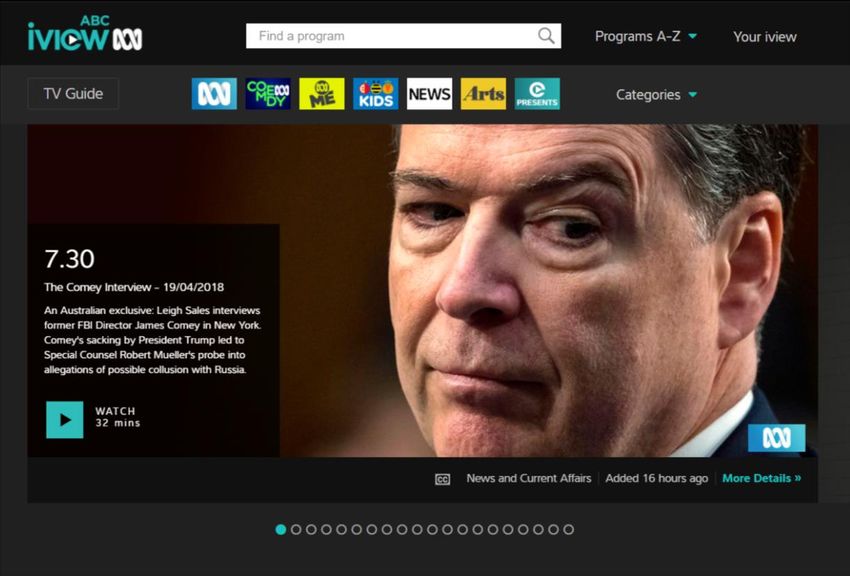
2. EU broadcasting context

     PwC                          6
qngr3h3ap 2018-07-02 08:24:04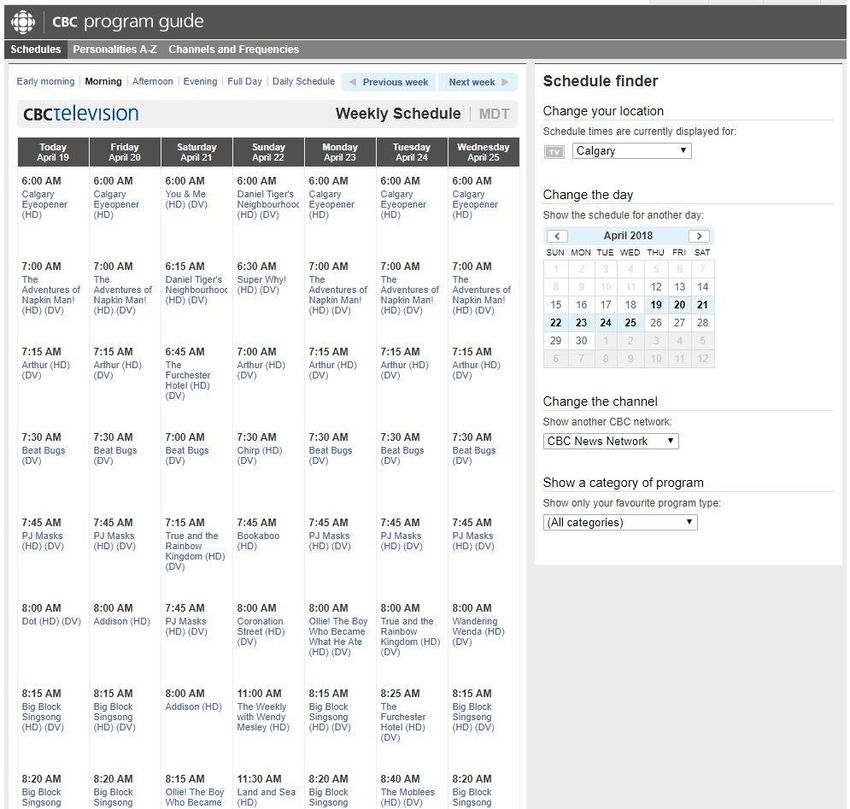
EU context for broadcasters and media providers

     Ireland, Denmark, Finland and Norway, as Member States of the EU or European
                                                                                                                        The EU recognises the role of public
     Economic Area, are obliged to follow the EU’s media policies.
                                                                                                                        broadcasting in fulfilling the democratic,
     Ireland, Denmark and Finland are Member States of the European Union (EU), while Norway is a                       social and cultural needs of a country.
     member of the European Economic Area (the EEA) and must abide by EU regulations.
                                                                                                                        Public broadcasters provide services that are
     The EU considers audiovisual media services, such as television, to be of significant cultural importance.         usually not met by the commercial market and
     It has set out various regulations that all Member States must adhere to and that Member States should             are, therefore, exempt from many of the EU’s
     base their own legislation on.                                                                                     policies as long as:
     The main goals of the EU policies are to:                                                                          •    funding is used for public service reasons
     •   ensure all countries’ media providers are operating in similar conditions                                      •    private sector broadcasters are not unfairly
                                                                                                                             disadvantaged.
     •   maintain media pluralism
     •   protect the interests of consumers, especially children
     •   promote cultural diversity                                                                                 European audiovisual regulatory policy
                                                                                                                    states that broadcasters must protect public
     •   ensure each nation’s regulators stay independent.
                                                                                                                    interests, including:
     The EU seeks to maintain a single integrated market for all products and services, including television and
                                                                                                                    •       cultural diversity
     other media services. In order to achieve this, there is a Digital Single Market strategy in place to ensure
     that all those within the EU and EEA have access to the same market of digital goods and services.             •       the right to information
     To help ensure that all countries are operating on a level playing field, the Audiovisual Media Services       •       media pluralism
     Directive lays out regulations that commercial and private broadcasters must abide by. The directive
                                                                                                                    •       the protection of minors
     stipulates restrictions on the type and quantity of advertising allowed to be screened, the accessibility of
     nationally important events, and the promotion of European content.                                            •       consumer protection
     The EU has funding and support programmes available to help with promotion of European content. This           •       enhancing public awareness and media
     is part of the EU’s larger commitment to cultural diversity.                                                           literacy.

     Ministry for Culture and Heritage                                                                                                                           April 2018
     PwC                                                                                                                                                                  7
qngr3h3ap 2018-07-02 08:24:04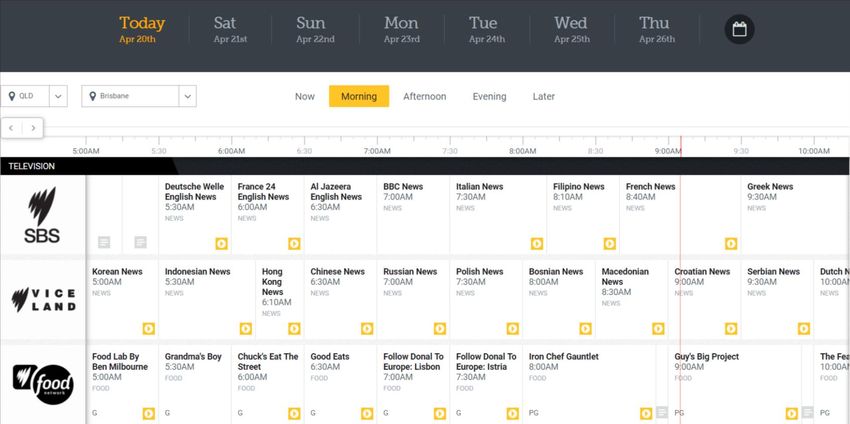
EU context for broadcasters and media providers
     EU policies set out minimum standards to be followed

     Television without frontiers                                   Promoting European works                          EUR 1.5 billion in 2018 to support artists,
                                                                                                                      films books and television. This programme
     The EU’s Digital Single Market Strategy is a long-term         The Audiovisual Media Services Directive
                                                                                                                      includes specific support for the independent
     strategy that puts forward a number of initiatives to create   aims to promote the production and distribution
                                                                                                                      production of European TV programmes.
     an integrated market for digital content and services. The     of European content.
     desired outcome of this strategy is to ensure that                                                               Restrictions on advertising
                                                                    The directive states that broadcasters must
     consumers across the EU have online access to the same
                                                                    dedicate at least half of their broadcasting      Television advertising may not make up more
     TV and radio programmes. Currently, legislation is in
                                                                    time to European works.                           than 20 per cent of broadcasting time in any
     place that ensures copyright only needs to be cleared in
                                                                                                                      given hour, including during prime time.
     one country to be available throughout the EU. This            In addition, broadcasters must reserve at least
     allows for broadcasters to offer their TV and radio            ten per cent of their transmission time for       In addition to the time limits, there are
     programmes throughout the EU.                                  independently produced European work. That is,    restrictions on what can be advertised.
                                                                    content that is created by a person or company    Advertising of tobacco products and
     The Audiovisual Media Services Directive requires
                                                                    independent of the broadcaster. It is important   prescription medications are prohibited.
     that Member States prevent any acts that limit the single
                                                                    that a sufficient proportion of this content is
     market for television or that limit media pluralism.                                                             There are further restrictions on advertising
                                                                    broadcast within five years of production.
                                                                                                                      during children’s programming. For example,
     The EU has a stated policy of preventing any firm from
                                                               The EU Parliament has very recently indicated it       advertising for foods that are high in fat or
     dominating the media market and promoting media
                                                               has reached agreement with other European law-         sugar are prohibited.
     pluralism. Member States can achieve this through the
                                                               making bodies to include online streaming
     allocation of broadcasting licences and oversight of                                                             Events of national significance
                                                               services into this regime. Online streaming
     industry competition regulations.
                                                               services in the EU in the EU (including Netflix        Broadcasting rights for events of national
     Accessibility                                             and Amazon) will need to dedicate 30 per cent of       significance must allow for the coverage to be
                                                               their output to European content, bringing them        accessible for free by the majority of the
     The EU Audiovisual Media Services Directive states
                                                               in line with traditional TV networks. Online           public. The Audiovisual Media Services
     that accessible audiovisual media services are part of
                                                               streaming must also comply with other                  Directive lists the Olympic Games, football
     disabled and elderly peoples rights to be integrated into
                                                               regulations including advertising limits and           World Cup and European football
     social and cultural life. The ways in which audiovisual
                                                               banning product placement in children's shows.         championship as examples of events of
     media can achieve accessibility should include sign
                                                               The law is expected to be passed in September.         national importance.
     language, subtitles, audio-description and easily
     understandable menu navigation.                           The Creative Europe initiative is dedicated to         Each country may set their own list of
                                                               strengthening Europe’s cultural and media              nationally important events that must be
                                                               sectors. Creative Europe’s total budget is             available for the public to watch.
     Ministry for Culture and Heritage                                                                                                                     April 2018
     PwC                                                                                                                                                            8
qngr3h3ap 2018-07-02 08:24:04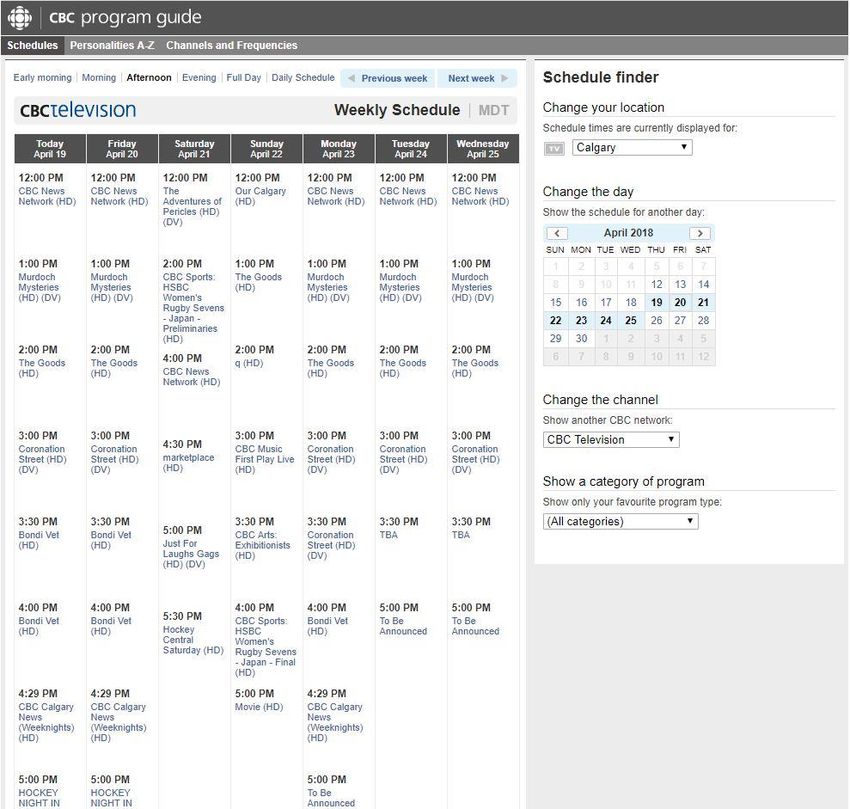
3. Comparator countries’ media models

     PwC                                     9
qngr3h3ap 2018-07-02 08:24:04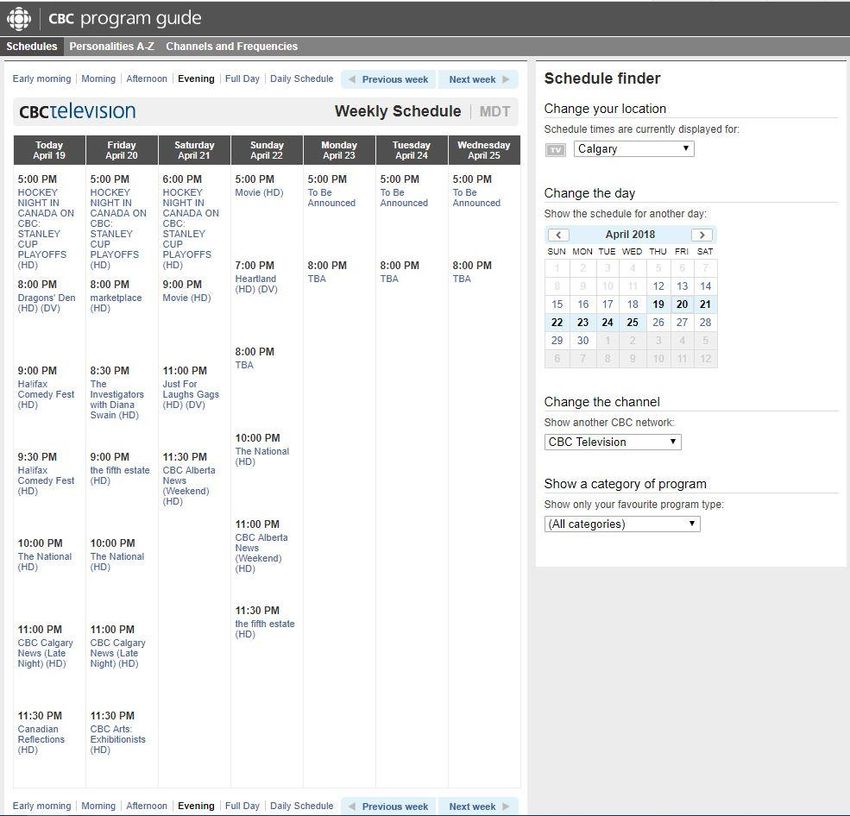
Norway                                                                      Population 5.3 million
         Broadcasters and funding

     Public broadcasters in Norway                                                   In addition, there is also an internet-only radio station that operates
                                                                                     throughout Norway.
     The Norwegian Broadcasting Company (NRK) is Norway’s public broadcaster.
                                                                                     The private broadcasters all receive commercial revenue through advertising,
     NRK is the Norway’s largest media provider, and has a special mandate to be a
                                                                                     sponsorships and subscriptions.
     non-commercial, politically independent public broadcaster. It is a limited
     company that is 100 per cent owned by the Norwegian government.                 Funding model in Norway
     NRK offers its public broadcasting services through television, radio and       The funding model for NRK is entirely publicly funded.
     online, with:
                                                                                     NRK is funded through a licence fee. This licence fee must be paid by all
     •    three TV channels                                                          households in Norway that own a television. In 2018, the licence fee is NOK
                                                                                     2,970 (NZD$524) per year. There are approximately 2 million licence fee
     •    14 radio stations
                                                                                     payers in Norway who contribute about 97 per cent of NRK’s total budget.
     •    a website offering streaming and on-demand content.
                                                                                     NRK does not generate commercial revenue. It is guided by public
     NRK’s total budget is NOK 5 billion (NZD$882m)                                  service objectives and does not provide commercial services at all. It is laid out
                                                                                     in law that NRK must not be financed through commercial revenue. Norway’s
     Private broadcasters
                                                                                     Broadcasting Act of 1992 states that NRK cannot be financed through
     There are at least 13 private companies operating TV networks in Norway. The    advertising on its public service channels.
     largest include Viasat with 18 channels and TV4 Group with 17 channels. There
                                                                                     The licence fees are set by Norway’s supreme legislature.
     are also a number of international networks that air in Norway.
     There are two main private radio networks in Norway – P4 and Radio Norge.
     These networks operate across the country, with a number of regional and
     local radio channels that only cover certain areas. For example, the capital
     Oslo has 17 local radio channels.

     Ministry for Culture and Heritage                                                                                                                         April 2018
     PwC                                                                                                                                                               10
qngr3h3ap 2018-07-02 08:24:04
Norway Population 5.3 million
Regulation and policy tools
EU regulations Regulations for private broadcasters
Although Norway is not a member state of the EU, it is in the EEA and follows Under the Broadcasting Act of 1992, any company other than NRK must have
EU regulations. a licence to pursue broadcasting activities.
In accordance with the EU’s Audiovisual Media Services Directive, Norway’s Broadcasting licences are issued by the Ministry of Culture. The Ministry may
broadcasting legislation provides further guidance on some EU regulations. attach conditions to the licence that must be adhered to by the broadcaster.
While the EU lays out that advertising may not exceed 20 per cent of Broadcasting licences typically include the condition that any company that
transmission time in any given hour – Norway’s Broadcasting Act restricts that engages in nation-wide broadcasting that is financed through advertising must
further to 15 per cent. It also stipulates that advertisements may not be pay a fee in order to do so.
broadcast in connection with children’s programmes or be directed at
Policies on production
children. These advertising restrictions are stricter than the EU-wide
regulations. Norway has a tax rebate scheme available to local media producers. Producers
can claim a 25 per cent tax rebate on the production costs occurred in Norway
Content provision
in the production of TV series.
Norway does not appear to have regulations on content provided above the EU
In addition, the Norwegian Media Authority administers a range of subsidy
regulation that at least 50 per cent of content is of European origin and 10 per
schemes for broadcasters and media providers. Some of these include grants
cent is independently produced.
available for local broadcasters.
Ministry for Culture and Heritage April 2018
PwC 11
qngr3h3ap 2018-07-02 08:24:04Norway Population 5.3 million
Content
Public broadcasters’ content Viewership
Norway has a dedicated channel for children’s content, a dedicated channel for We were unable to find viewership figures for NRK, however a 2016
Sami language content, and specific programming for ethnic minorities. report stated that the main channel, NRK1, is watched by over half the
Programmes for ethnic minorities population every day.
NRK has specific content for some of Norway’s ethnic minorities, including
Roma, Romani, and Forest Finns.
Programmes in indigenous languages
On its national broadcast NRK has news bulletins presented in Sami
languages.
In addition to this, one of NRK’s regional broadcasting services is available
nation wide and provides services in Sami language.
Children’s programming
NRK has a channel called ‘Super’ that is dedicated to children’s programming.
Throughout the day there are programmes on this channel aimed at children
of various ages.
Prime time current affairs programming
In NRK’s television schedule there is extensive current affairs programming,
including during prime time hours.
On weekdays there are a number of short five- to ten-minute news segments
on NRK1 during prime time hours. On weekends, there is a 45-minute long
news programme at 7pm followed by other shorter news segments.
This includes local news bulletins for various districts throughout Norway, and
news bulletins presented in Sami.
An example of NRK’s television schedule can be found in Appendix 1.
Ministry for Culture and Heritage April 2018
PwC 12
qngr3h3ap 2018-07-02 08:24:04Finland Population: 5.5 million
Broadcasters and funding
Public broadcasters in Finland Funding model in Finland
Finland’s public broadcaster is Yle, otherwise known as Yleisradio or the The public broadcasting funding model in Finland is entirely publicly
Finnish Broadcasting Company. funded.
Yle is a public company, owned entirely by the Finnish government. Its Yle is funded by a tax. The tax was implemented in 2013, replacing a
services are available to all residents of Finland. licence fee. The tax is paid by both individuals and companies. For individuals,
the tax is 0.68 per cent of their income, up to a maximum of EUR 140 per year.
Yle offers content through television, radio and online, with:
Companies contribute 0.35 per cent of revenue.
• four TV channels
The tax is kept separate from general taxation and the annual state budget,
• six national radio channels and 24 regional radio stations although VAT of 10 per cent is deducted.
• Finland’s biggest selection of online radio and television platforms. In 2016, taxpayers contributed a total of EUR 508 million.
In 2016, Yle’s budget was EUR 471 million (NZD$800m). Yle does not generate commercial revenue. Finland’s legislation
concerning the funding of public service broadcasting guarantees full
Private broadcasters
government funding for Yle. It also states that Yle is prohibited from
Nationwide, Finland has 12 private free-to-air channels and more than 23 paid advertising or having sponsors.
channels. Additionally, there are more than 30 free to air local channels.
Yle’s funding level is subject to frequent review. The Finnish
There are three main private television companies in Finland, all of which government has a parliamentary working group on Yle, which reviews funding
offer online services. levels. Each year, the working group assesses whether to apply an index
increase to the funding. This review covers a rolling period looking forward
There are 30 private radio companies with licences in Finland, as well as a
three years.
number of regional stations. The average Finn has access to 20 different radio
stations, with larger cities having more local stations available.
Private television and radio companies in Finland are financed through a
combination of advertising, sponsorship and subscription fees.
Ministry for Culture and Heritage April 2018
PwC 13
qngr3h3ap 2018-07-02 08:24:04Finland Population: 5.5 million
Regulation and policy tools
EU regulations Regulations for private broadcasters
Broadcasters in Finland are subject to the regulations laid out by the EU. As Private broadcasters need a licence to operate in Finland.
with Norway, some of Finland’s regulations are stricter than those laid out by Commercial companies must apply for a licence to broadcast radio and
the EU. television. Generally, licence applications are granted unless the government
has reason to suspect that the company is violating any provisions set out in
For example, programmes from independent producers must comprise at least
the Broadcasting Act 1998.
15 per cent of a broadcaster’s transmission time (the EU minimum standard is
10 per cent). The application fee for the broadcasting licence is EUR 1,000 (NZD$1700).
Licences are granted for a maximum period of 1o years, upon which they can
Nationally significant events
be renewed or re-applied for.
Finland has not specified a list of events that it deems to be of national
When considering licence applications, the government must consider how the
significance. Whether or not an event should be available free to air is up to
broadcaster will promote freedom of speech and how it will meet the needs of
Yle. Yle has a policy to share these rights with commercial broadcasters, but
the diverse public. In granting a broadcasting licence, the government may
maintains the rights to some events that it considers nationally important. For
attach conditions on the area the broadcaster may serve, the time and day the
example, Yle has the rights to all winter sports until 2021. In addition, Yle
broadcaster can operate on and the technology it is allowed to use.
ensured it retained the rights to the 2016 Rio Olympics and the UEFA
European Championship.
Content provision Policies on production
Finland does not appear to have regulations on content provided above the EU Yle is required to commission content from outside producers.
regulation that at least 50 per cent of content is of European origin. However it
In 2016, the parliamentary working group submitted a proposal obligating Yle
has more stringent rules on the quantity of independently produced content.
to increase content purchases from external sources from 30 to 35 per cent by
2022 (the EU requirement is a minimum of 10 per cent).
Like Norway, Finland also has a 25 per cent tax rebate available to television
producers on the production costs incurred locally.
Ministry for Culture and Heritage April 2018
PwC 14
qngr3h3ap 2018-07-02 08:24:04Finland Population: 5.5 million
Content
Content Viewership
Yle does not have dedicated channels for particular audiences, but does make Yle’s television reaches an audience of over three million viewers each day.
programming available for minority groups, children and in indigenous Finland’s total population was 5.5 million people in 2016.
languages.
The following viewership figures were found for the week to Sunday 15 April
Programmes for ethnic minorities 2018 and relate to current affairs programmes.
Yle has a focus on diversity and providing content for minority groups in • The top five most viewed television programmes in Finland across the
Finland. Yle screens news in 11 languages. week are all either news or sports news programmes.
Programmes in indigenous languages • With the exception of two reality shows and two movies, all of the top 50
programmes are related to news, weather and sports.
The Yle channel Teema and Fem shows Sami language programmes.
• Over 982,000 Finns watched the most viewed programme, Yle News on
Children’s programming
Sunday evening.
Yle’s television schedule shows at least one channel that dedicates morning
The following viewership figures were found for the month of March 2018 and
and afternoon programming to children’s shows.
relate to children’s programming.
Prime time current affairs programming
• The children’s show with the highest audience had 85,000 viewers. This is
Yle’s TV1 channel shows news and current affairs programming during prime roughly 13 per cent of children aged between four and 14 years old.
time hours. Yle also presents the news in sign language.
• All of the top 20 children’s programmes for the month aired on Saturday
News programming on Yle is broken down into a 22-minute long general news or Sunday, except for one which aired on Friday evening.
bulletin, followed by eight minutes of local news. After this, there is a current
affairs programme.
An example of Yle’s television schedule can be found in Appendix 2.
Ministry for Culture and Heritage April 2018
PwC 15
qngr3h3ap 2018-07-02 08:24:04Denmark Population: 5.6 million
Broadcasters and funding
Public broadcasters in Denmark Funding model in Denmark
Denmark has two public broadcasting companies: The public broadcasting funding in Denmark is entirely publicly funded.
• The Danish Broadcasting Corporation (DR) DR is funded by a licence fee. The licence fee is charged to all households
in Denmark with television sets, computers, smartphones or other devices that
• TV2
have internet access.
DR is the national public broadcaster, while TV2 operates public regional
The licence fee is DKK 2,527 (NZD$576) per household per year, and
stations. DR offers a range of content, including:
represents over 90 per cent of DR’s total funding. The licence fee is due to be
• six TV channels phased out over a five year period starting in 2019. It will likely be replaced
with general public funding, but details have not been made clear.
• eight radio channels
DR does not generate commercial revenue. Denmark’s Radio and
• a website with on-demand and streaming services.
Television Broadcasting Act states that DR is to be financed through its share
TV2 mainly shows news and current affairs programmes with a regional of licence fees and income from the sale of its programmes. DR is not allowed
affiliation. TV2 has six national TV channels and eight regional channels. to receive advertising revenue from either its television programming or
online services. DR also is not allowed to require its users to pay for its public
In 2016, DR received over DKK 4.1 billion in funding (NZD$935m).
services, either through subscription or other kind of fee.
Private broadcasters
TV2 is financed through both public funding and commercial
In Denmark, the largest private broadcasting company is Modern Times revenue. TV2 is funded through subscription fees. Consumers who want to
Group, which operates over 15 channels across its brands. watch TV2 must purchase or rent a decoder, and pay a monthly subscription
charge of DKK 12.50 (NZD$2.85). TV2’s regional channels are still partly
Private broadcasters do not provide any free-to-air TV services in Denmark.
funded by the licence fee.
There are six privately owned national radio networks in Denmark, with a
The funding levels for both DR and TV2 are proposed by the Board and
large number of local and regional stations.
submitted to the Minister for Culture for approval.
Ministry for Culture and Heritage April 2018
PwC 16
qngr3h3ap 2018-07-02 08:24:04Denmark Population: 5.6 million
Regulation and policy tools
EU regulations Regulations for private broadcasters
As with both Finland and Norway, Denmark is subject to the EU’s regulations Private broadcasters need permission from the Radio and
on broadcasting. Television Board to operate in Denmark. The Radio and Television
Broadcasting Act 2003 states that the right to broadcast can be obtained
One area in which Denmark’s regulations differ from the EU-wide directive is
through:
in advertising. While the EU regulations stipulate 20 per cent of transmission
time as the maximum for advertising, Denmark limits this further to 15 per • a licence granted by the Radio and Television Board
cent. In addition, advertisements may only be shown in blocks between
• registering with the Radio and Television Board.
programmes, or during natural breaks in sports (eg half-time).
In addition to granting licences, the Radio and Television Board is responsible
Nationally significant events
for overseeing the advertising and sponsorship of commercial broadcasters.
Denmark does not define events of national importance that should be
Policies on production
broadcast to the public on free to air television. They, therefore, have no
additional regulations beyond the EU-wide legislation on this. As DR is the TV2 is required to commission content from outside producers.
only free to air network, it is ultimately up to its discretion as to what events Other than its news programmes, TV2 is not allowed to produce its own
are considered nationally significant and are broadcast free to air. content and must purchase it from outside producers.
Content provision The Radio and Television Board administers a pool of funding from which
grants can be given to local radio and television producers. The Copenhagen
Denmark does not appear to have regulations on content provided above the
Film Fund also offers funding for the production of film and television in
EU regulation that at least 50 per cent of content is of European origin.
Copenhagen and the rest of Denmark. In 2017, the Copenhagen Film Fund
However it has more stringent rules on the quantity of independently
was granted EUR 2.1 million (NZD$3.6m) to invest in Danish and
produced content.
international film and TV production.
Ministry for Culture and Heritage April 2018
PwC 17
qngr3h3ap 2018-07-02 08:24:04Denmark Population: 5.6 million
Content
Content Viewership
DR focuses on news, sports and current events with less focus on ethnic We were unable to find viewership figures for Denmark.
minorities or children’s programming.
Programmes for ethnic minorities
There is no evidence of programming specifically targeted at ethnic minorities
on DR’s television schedule.
Children’s programming
None of DR’s channels appear to have specific programmes for children on its
television schedules. DR’s online offering includes specific content for
children, which parents can lock so that children are unable to access other
content.
Prime time current affairs programming
The TV schedule for DR shows that the channel DR1 primarily screens news,
weather, sport and current affairs shows during prime time hours.
An example of DR’s television schedule can be found in Appendix 3.
Ministry for Culture and Heritage April 2018
PwC 18
qngr3h3ap 2018-07-02 08:24:04Ireland Population: 5.0 million
Public broadcasters and funding
Public broadcasters in Ireland Funding model in Ireland
Ireland has two public broadcasting companies, Raidió Teilifís Public broadcasting in Ireland is partly publicly funded and partly funded by
Éireann (RTE), and TG4. commercial revenue.
RTE is considered the main national public broadcaster, while TG4 is RTE and TG4 receive funding through a licence fee. All households or
a public broadcaster for Irish language speakers. businesses with a television set must pay the licence fee. Currently, the licence fee is
EUR 160 per year (NZD$271).
RTE offers broadcasting services through television, radio and online
channels, including: In addition to the licence fee, TG4 receives funding from the government. In 2016,
TG4 received EUR 26 million (NZD$44.2m) from government funding and EUR 9
• seven TV channels million (NZD$15.3m) from the licence fee.
• four radio channels in addition to five digital only stations RTE engages in commercial activity to cover the shortfall in public
• the online RTE players with on-demand services. funding. RTE does not receive enough funding from the licence fee to cover its costs,
so engages in commercial activities to bridge the gap. The commercial activity is
TG4 has one channel and is also available online. primarily advertising, on both television and radio channels.
Private broadcasters In 2016, RTE received EUR 179 million (NZD$304m) from the licence fee and EUR
In addition to RTE and TG4, two private broadcasters operate free 158 million in commercial revenue (NZD$268m).
online services throughout Ireland. Reviews of funding levels are carried out annually. The Broadcasting
There are three companies that provide paid television services, all Authority conducts an annual review to examine whether RTE and TG4 have met their
with content available online. commitments and receive adequate funding. Every five years, a more thorough review
is carried out which includes strategic plans, the availability of commercial funding
There are three private national radio networks in Ireland, as well as and international developments in public broadcast funding.
a number of regional ones.
Funding sources for public broadcasters
RTE TG4
Licence fee √ √
Public funding - √
Commercial revenue √ -
Ministry for Culture and Heritage April 2018
PwC 19
qngr3h3ap 2018-07-02 08:24:04Ireland Population: 5.0 million
Regulation and policy tools
EU regulations Content provision
Ireland also imposes stricter regulations on the amount of advertising allowed Ireland does not appear to have regulations on content provided above the EU
to be screened by broadcasters. Advertising must not exceed 15 per cent of regulation that at least 50 per cent of content is of European origin and 10 per
total daily broadcasting time, and not more than 10 minutes in any hour. cent is independently produced.
Nationally significant events Regulations for private broadcasters
Ireland has designated a list of events of major importance, which are Private broadcasters must obtain a licence from the Broadcasting
reviewed every three years. The list includes: Authority
• the Summer Olympics When considering licence applications, the Authority takes into account the
following:
• the All-Ireland Senior Inter-County Football and Hurling Finals
• the character and experience of the applicant
• Ireland’s home and away qualifying games in the European Football
Championship and the FIFA World Cup tournaments • the applicant’s financial resources
• Ireland’s games in the European Football Championship Finals • the quality and range of proposed content
tournament and the FIFA World Cup tournament
• any Irish language content
• the opening games, the semi-finals and final of the European Football
• the creation of new opportunities for promoting Irish talent and culture.
Championship Finals and the FIFA World Cup tournaments
Policies on production
• Ireland’s games in the Rugby World Cup tournament
In addition to granting licences, the Broadcasting Authority administers public
• the Irish Grand National and the Irish Derby
funding for Irish content production. The Broadcasting Authority operates the
• the Nations Cup at the Dublin Horse Show. Broadcasting Fund.
The above events must be available live on free to air television, while Ireland’s In 2016, there was EUR 14 million in grants available to support local projects
games in the Six Nations Rugby tournament must be available but can be and producers in the media sector. These grants are funded by the licence fee.
deferred coverage.
Ministry for Culture and Heritage April 2018
PwC 20
qngr3h3ap 2018-07-02 08:24:04Ireland Population: 5.0 million
Content
Content Viewership
Irish public broadcasters have dedicated channels for the Irish language and Full viewership numbers for RTE are not available.
for children’s programmes. They do not provide programming for ethnic
Two of the top five most watched programmes on RTE in March were prime
minorities.
time news shows.
Programmes for ethnic minorities
The top 20 most watched shows in Ireland in all of 2017 all aired on either
There is no evidence of programmes targeted specifically at ethnic minorities. RTE1 or RTE2. In addition, 11 of the top 20 were sport programming.
Programmes in indigenous languages
TG4 is aimed at Irish language speakers, and the majority of its content is in
Irish language.
Children’s programming
RTE has a dedicated channel for children’s programmes, RTEjr.
Prime time current affairs programming
Both of RTE’s main channels screen news and current affairs programmes in
prime time hours. RTE2 shows a half hour news programme at 6pm, while
RTE One shows a two-hour long current affairs show on weekday evenings.
An example of RTE’s television schedule can be found in Appendix 4.
Ministry for Culture and Heritage April 2018
PwC 21
qngr3h3ap 2018-07-02 08:24:04Canada Population 35.6 million
Broadcasters and funding
Public broadcasters in Canada Funding model in Canada
Canada’s public broadcaster is the Canadian Broadcasting Corporation (the The public broadcasting funding model in Canada is part government
CBC). Its French broadcasting arm is known as the Société Radio-Canada funding with some commercial revenue.
(SRC).
CBC receives 2/3 funding from government. In 2016/17 CBC received
The CBC is a government agency that provides content to all residents of CA$1,099.1 million (NZ$1,189m) in funding from in appropriations from the
Canada. The CBC has: government, which accounted for 66 per cent of its revenue.
• 2 main national TV channels, 1 in English and 1 in French CBC allows advertising. CBC was also able to generate commercial
revenue:
• 5 national specialty TV channels, 2 in English and 3 in French
• CA$300.6 million (NZ$325m) from advertising
• 27 regional TV stations, 14 in English and 13 in French
• CA$131.2 million in subscriber fees (NZ$142m)
• 4 national radio stations, 2 in English and 2 in French
• CA$125.1 million financing and other income (NZ$135m).
• 88 regional/local radio stations.
CBC’s television stations carry advertising while the radio stations are
In 2016/17, CBC’s revenue was CA$1,650 million (NZD$1,790m).
prohibited from advertising.
Private broadcasters
Funding is set through the budget process
There are three main private broadcasters who broadcast nationally in
CBC’s funding is set through the regular annual budget process.
Canada:
In November 2016, CBC proposed to the Government that its funding should
CTV - (owned by Bell Media) owns 30 local TV stations, 30 specialty channels
be removed from election/budgetary cycles. Instead it proposes it be funded in
and 109 licenced radio stations across Canada. Customers are able to watch
5 year cycles in line with the length of broadcast licences, and be indexed to
live TV online or episodes on demand.
inflation. CBC sees this as a way of achieving a more “predictable and stable”
Global - (owned by Corus entertainment, Shaw Communications) owns 15 TV funding platform. However, the Government has not appeared to respond to
stations, 44 specialty channels and 39 radio stations. Customers are able to this suggestion and it has not been taken up to date.
watch live TV online or episodes on demand
TVA - (French language) available nationally on cable and satellite, only
partial terrestrially. It appears that customers can watch some content online.
Ministry for Culture and Heritage April 2018
PwC 22
qngr3h3ap 2018-07-02 08:24:04Canada Population: 35.6 million
Regulation and policy tools
Regulations The CBC is required to reflect the diversity of Canada’s populations. It is
required to include the following:
Private broadcasters must support local content production
• Content that represents “all regions of Canada, including official minority
For private broadcasters, each service within each organisation must:
communities”, including during prime time periods. This includes French
• allocate 30 per cent of its revenue to original Canadian programming language content in English language majority areas, and vice versa.
expenditure (CPE)
• Across the whole broadcast day, 75 per cent must be Canadian content, and
• allocate 5 per cent of its revenues to expenditure on programmes of a minimum of 80 per cent during prime time.
national interest (PNI), 75 per cent of which must finance
• Children’s content must be at least 15 hours per week (75 per cent
independently produced programmes. Most of these revenues go to
independent production).
the Canadian Media Fund which funds and promotes the production
of Canadian media In addition, there are set minimum requirements for programmes of national
interest:
• allocate 11 per cent of previous year’s revenue to expenditure on local
news production • 9 hours per week on English language channels, of which 75 per cent must
be independently produced
• broadcast local content weekly for a minimum of 7 hours for non-
metropolitan markets and 14 hours for metropolitan markets of which • 7 hours per week on French language channels, of which 60 per cent must
3 hours and 6 hours, respectively, are local news and information be independently produced.
• contribute 1 per cent of gross revenues to one or more licensed Policy tools
independent production funds.
Canada blocks US programmes if they will sap Canadian advertisers
Broadcasters get extra credit towards these requirements by supporting
Many US TV broadcasts will reach Canadian audiences. Canadian policy is
indigenous and minority language content:
geared to prevent domination by channels from these US border stations. US
• indigenous produced content expenditure counts for 50 per cent extra cable channels are blocked from showing in Canada. There are tax incentives to
against the broadcaster’s CPE requirement encourage business to advertise on Canadian stations rather than US border
stations. In addition, there is a strategy of ‘simultaneous substitution’, where if a
• expenditure on content produced by official language minority
US border station and a Canadian station are broadcasting the same programme
communities counts for 25 per cent extra towards the CPE
at the same time, the Canadian signal will block the US border station. This is to
requirement.
further encourage Canadian advertisers to rely on Canadian broadcasters.
At least half shown content must be Canadian in nature
Canada restricts ownership of media and owning all three media types (TV,
Private broadcasters through any medium “must offer more Canadian than radio and newspaper) in a single market is prohibited. There are also
non-Canadian content”. restrictions on the number of radio stations that may be owned by one entity.
Ministry for Culture and Heritage April 2018
PwC 23
qngr3h3ap 2018-07-02 08:24:04Canada Population: 35.6 million
Content
Content
Mandatory channels Primary focus
Private Canadian broadcasters are required to carry dedicated channels for
ethnic minorities, and indigenous and minority languages. The CBC has a Accessible Media Inc. – audio Visually impaired
dedicated children’s channel.
In addition to the CBC’s channels, Canada supports minority programming by Accessible Media Inc. – TV
Visually impaired (closed caption)
mandating a list of required channels that private broadcasters must provide English
to their customers. These channels are listed in the table to the right. Accessible Media Inc. – TV
Visually impaired (closed caption)
Programmes for ethnic minorities Français
The Broadcasting Act 1991 requires CBC to provide an international service, Aboriginal Peoples Television
Aboriginal
which is available online in English, French, Spanish, Arabic and Mandarin Network
languages. As part of CBC’s ongoing strategy to deliver on its mandate, there is
Canal M – audio Visually impaired
a continued focus on producing more Canadian content, including that of
French language and minority communities programming. CBC News Network and RDI National public broadcaster
Programmes in indigenous languages Distribution of the Proceedings
The Aboriginal Peoples Television Network is a mandatory station for all of the House of Commons on Government
private broadcasters. CBC ‘s Annual Report 2016/17 states that it has CPAC
indigenous languages in all forms of it’s programming, “Operating in both Legislative assemblies of
official languages and eight Indigenous languages, with radio, television and Nunavut and the Northwest Government
digital platforms, CBC/Radio-Canada services are extensive and available to Territories
Canadians wherever, however and whenever they want.”
Children’s programming The Weather Network Weather
CBC has a dedicated channel for children
French Canadians outside of Quebec
TV5/UNIS
Prime time current affairs programming
CBC has a dedicated news channels in both English and French. CBC carries National broadcast of general French
TVA
current affairs programming more than once weekly (‘The National’), during language programming
primetime, on its main CBC TV channel. A sample of programming for CBC
channels, from various regions and online content, can be found in Appendix Locally focussed multi-cultural
OMNI Regional
5. programming
Ministry for Culture and Heritage April 2018
PwC 24
qngr3h3ap 2018-07-02 08:24:04Canada Population: 35.6 million
Viewership
Viewership/ratings
Publicly available national ratings numbers appear to be very scarce. The CRTC published a high-level ratings share of broadcasters for 2015/16, showing
that CBC had an overall share of the English language services excluding Quebec, of 5.1 per cent and French language of 0.1 per cent.
Of the Quebec market, CBC had a 12.9 per cent share of French language services and 0.5 per cent of English language services.
The CBC published its own viewership share for the same period, at a lower level analysis, but only for categories of its choosing.
Channel Indicator Language market Viewer share
CBC Radio 1 & 2 All day audience English 18.5%
share
CBC Television Prime-time English 5.8%
audience share
CBC News All day audience English 1.7%
Network share
Ici Radio-Canada All day audience French 23.3%
Premiere and Ici share
Musique
Ici Radio-Canada Prime-time French 19.9%
Tele audience share
Ici RDI, Ici All-day audience French 4.7%
ARTV, Ici share
Explora
Ministry for Culture and Heritage April 2018
PwC 25
qngr3h3ap 2018-07-02 08:24:04Australia Population: 23.2 million
Broadcasters and funding
Public broadcasters in Australia Private Subscription television providers:
Australia has two main public broadcasters: Subscription television in Australia is largely dominated by the provider Foxtel
Australia. Foxtel has 48 television channels and provides on demand movies
• The Australian Broadcasting Corporation (ABC) and television programs.
• The Special Broadcasting Service (SBS). Radio and community broadcasters:
ABC’s annual budget for 2016/17 is AUD$1.1 billion per year. There are 273 commercial radio services that currently have a commercial
(NZSD$1.2b) The ABC is the primary public broadcaster. It has six free-to-air radio broadcasting licence, 283 community radio broadcasters and 6
television channels, fourteen national radio stations and fifty regional radio community TV broadcasters.
stations. It also streams its channels online on its streaming site ‘iView’. Funding model in Australia
SBS’s annual budget for 2016/17 is AUD$396 million per year. The ABC is almost entirely publicly funded. ABC is prohibited by law
(NZD$423m) SBS is a multicultural and multilingual public broadcaster. Its from advertising. 91 per cent if its revenue comes from the government
purpose is to reflect the multicultural nature of Australia. through general public funding. The remaining nine per cent comes from
The SBS has six free-to-air television channels, one subscription channel and allowed commercial activities such as merchandising, and sales of DVDs, and
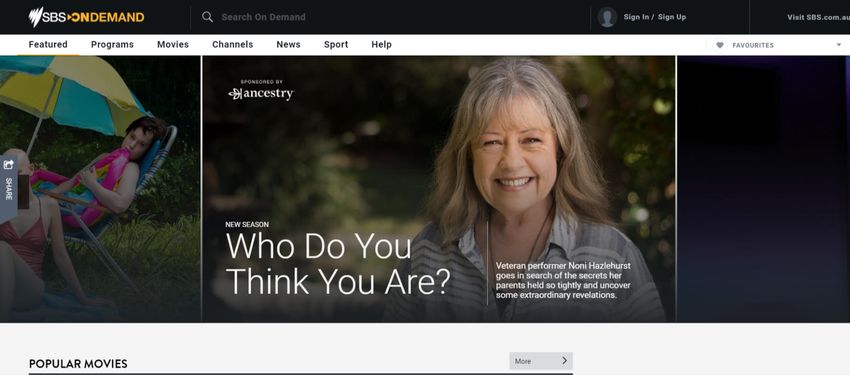
eight radio stations. SBS also has an ‘On Demand’ section on its website for sales of programming to other jurisdictions.
streaming.
SBS is partially publicly funded. SBS is allowed to advertise, within
Private broadcasters restrictions. 71 per cent of SBS’s budget is from public funding and the
remainder is from advertising revenue.
There are approximately 95 registered commercial television licences. Free-to-
air television broadcasters tend to focus their broadcasting either in The public funding level for ABC and SBS is set in the Budget and is general
metropolitan areas or regional areas. Some of the most significant market government funding. This funding is part of the portfolio budget for the
players are as follows: Department of Communications and the Arts. In the 2016/17 Australian
budget, the funding for the ABC and SBS was set for a three year period.
Metropolitan free-to-air television broadcasters:
• Seven West Media: Has five television channels and a digital platform. Also Screen Australia supports content production in Australia. Screen
broadcasts in regional Queensland. Australia was established with the purpose of providing funding to Australian
screen development, production and promotion. It is publicly funded receiving
• Network Ten Australia: Has four television channels and a digital platform.
AUD$84 million in 2016/17 (NZD$90m).
• Nine Entertainment Co: Has five television channels and a digital platform.
Any funding Screen Australia provides for production above $500,000 is
Major regional free-to-air television broadcasters: provided as a recoupable equity investment. Returns on equity investments
• WIN Network: Australia's largest regional commercial television network. generated an additional AUD $6.3 million in 2016/17 (NZD$6.7m).
• Prime Media Group: Regional to eastern and western Australia.
Ministry for Culture and Heritage April 2018
PwC 26
qngr3h3ap 2018-07-02 08:24:04Australia Population: 23.2 million
Regulation and policy tools
Advertising Regulations for private broadcasters
The quantity and type of advertising is restricted There are minimum amounts of Australian content required
The main public broadcaster ABC is prohibited from advertising. SBS is For commercial free-to-air channels:
allowed to advertise only up to 5 minutes in every hour of content. In addition,
• the main channel must show at least 55 per cent Australian programming
SBS is also only allowed to broadcast advertisements in natural programme
breaks or at the start and end of a programme. • secondary channels must show an average of 4 hours per day of Australian
content over a year. Note that New Zealand produced content is included
Commercial television broadcasting services face hourly limits for advertising
in the definition of ‘Australian content’ for meeting these requirements.
that vary based on the time of day. Community radio broadcasters are
restricted from broadcasting any advertisements. There are also restrictions For subscription television services, 10 per cent of expenditure must be on new
placed on all broadcasters regarding the timing of certain advertisements for Australian drama.
legally restricted products such as alcohol. All broadcasters are also restricted
from advertising tobacco products and therapeutic goods unless approved by Regional commercial radio stations must play at least 4.5 hours of material of
the Therapeutic Goods Administration. local significance during daytime hours.
Nationally significant events Recent changes to regulations
Free-to-air broadcasters have first option to broadcast rights for The government has relaxed regulations that had prevented media
important events monopolies
There is an anti-siphoning list which is created by the Minister of Broadcasting In 2017 the government removed regulations that had applied to the
and includes any events that the Minister believes should be available free to broadcasting industry including:
the public. This scheme provides free-to-air broadcasters with the right to
• The 75 per cent audience reach rule: This specified that a person could not
purchase events before subscription television broadcasters. The free-to-air
have control over a commercial television broadcasting licence that
broadcasters may choose whether to purchase the rights or broadcast the
broadcasts to more than 75 per cent of the Australian population.
event.
• The 2 out of 3 rule: This rule specified that an entity could not control
In some cases the free-to-air television provider will purchase the rights and
more than two media platforms (TV, radio and newspapers) in any one
then enter into a deal with a subscription television provider to share the
commercial radio licence area.
broadcasting of the event. Events are removed from the anti-siphoning list 26
weeks out from the event if a free-to-air broadcaster has not already purchased The reason given for removing the regulations was that they hindered the
the rights to broadcast the event. ability of Australian broadcasters to compete with internet content providers.
Ministry for Culture and Heritage April 2018
PwC 27
qngr3h3ap 2018-07-02 08:24:04Australia Population: 23.2 million
Content
Viewership
ABC and SBS have dedicated channels for indigenous language programming,
children’s programming, and a variety of programmes reflecting ethnic
The following viewership figures are for the 2016/17 year to 30 June 2017.
minorities.
SBS
• Average audience of 13.1 million people per month on television
Programmes for ethnic minorities
• On average serves almost 7 million browsers each month online, including
Over half of the programs that SBS broadcasts are in languages other than 1.3 million streams each month for radio.
English and the majority of them are made available to English speakers
through subtitles. SBS radio also broadcasts in over 70 languages. ABC Total
• The ABC’s combined national audience reach across TV, radio and online
Programmes in indigenous languages
was estimated to be 70 per cent over the period of a week.
SBS provides a channel (NITV) dedicated to programs that are produced by • The average monthly reach of ABC online in Australia was 7.7million (39
and about Aboriginal people and Torres Strait Islanders. per cent of online Australians)
Children’s programming
ABC Kids (0-4 year olds)
ABC has two dedicated television channels for children ABC KIDS and ABC • ABC KIDS average weekly metropolitan reach was 62.4 per cent of 0-4 year
ME. olds.
• ABC KIDS average weekly regional reach among children aged 0-4 was
Prime time current affairs programming
68.7 per cent
ABC has a dedicated news channel, and broadcasts news and current affairs on
its main channel each night in prime time (from 7:00pm – 8:00pm). SBS ABC ME (5-12 year olds)
shows world news on its main channel in prime time each night and has • ABC ME average weekly metropolitan reach among 5-12s was 33.9 per cent
current affairs once per week from 8:30pm-10pm. of that age group
• ABC MEs average weekly regional reach among 5-12 year olds was 40.3 per
Examples of ABC’s and SBS’s television schedules can be found in Appendix 6.
cent
ABC NEWS
• ABC NEWS Television achieved a metropolitan average weekly reach of 2.5
million (14.5 per cent of the metro population)
• ABC NEWS Television achieved a regional average weekly reach of 1.3
million (18.2 per cent of the regional population
• ABC NEWS 24 hour radio had a metro average weekly reach of 719,000
(1.5 per cent)
• ABC NEWS streamed an average of 679,000 times a month
Ministry for Culture and Heritage April 2018
PwC 28
qngr3h3ap 2018-07-02 08:24:044. Appendices
PwC 29
qngr3h3ap 2018-07-02 08:24:04Appendices
Appendices
1 Programming from Norway 31
2 Programming from Finland 35
3 Programming from Denmark 40
4 Programming from Ireland 46
5 Programming from Canada 51
6 Programming from Australia 59
7 Sources 66
8 Disclaimer 71
Ministry for Culture and Heritage April 2018
PwC 30
qngr3h3ap 2018-07-02 08:24:04Programming from Norway
Ministry for Culture and Heritage April 2018
PwC 31
qngr3h3ap 2018-07-02 08:24:04qngr3h3ap 2018-07-02 08:24:04
qngr3h3ap 2018-07-02 08:24:04
qngr3h3ap 2018-07-02 08:24:04
Programming from Finland

     Ministry for Culture and Heritage   April 2018
     PwC                                         35
qngr3h3ap 2018-07-02 08:24:04
qngr3h3ap 2018-07-02 08:24:04
qngr3h3ap 2018-07-02 08:24:04
qngr3h3ap 2018-07-02 08:24:04
qngr3h3ap 2018-07-02 08:24:04
Programming from Denmark

     Ministry for Culture and Heritage   April 2018
     PwC                                         40
qngr3h3ap 2018-07-02 08:24:04
qngr3h3ap 2018-07-02 08:24:04
qngr3h3ap 2018-07-02 08:24:04
qngr3h3ap 2018-07-02 08:24:04
qngr3h3ap 2018-07-02 08:24:04
qngr3h3ap 2018-07-02 08:24:04
Programming from Ireland

     Ministry for Culture and Heritage   April 2018
     PwC                                         46
qngr3h3ap 2018-07-02 08:24:04
qngr3h3ap 2018-07-02 08:24:04
qngr3h3ap 2018-07-02 08:24:04
qngr3h3ap 2018-07-02 08:24:04
You can also read


