Modern Slavery Statement - ALDI Stores FY2019 - ALDI Unpacked
←
→
Page content transcription
If your browser does not render page correctly, please read the page content below
ALDI Stores
      (A Limited Partnership)

Modern Slavery
    Statement
                   FY2019
A word from our CEO

                              ALDI has three core values that guide            Many countries have enshrined the
                              everything we do: simplicity, consistency, and   responsibilities of business with respect to
Our policies                  responsibility. We are committed to operating    efforts to combat modern slavery through
aimed at the                  responsibly and providing value without          legislation. In Australia, the Modern Slavery
eradication                   cutting corners or compromising the way we       Act 2018 came into effect on 1 January,
of modern                     do business.                                     2019. ALDI Australia welcomes and supports
slavery apply                                                                  the introduction of this legislation.
                              Forced labour and the exploitation of
throughout our
                              vulnerable workers are abuses of basic           This statement reports the steps taken by
supply chain                  human rights and have no place in our            ALDI Australia during the financial year
at all times                  business or supply chain. Preventing these       ending 31st December 2019 to combat
and during the                from happening is a global, complex issue.       modern slavery in its operations and supply
event of any                  As an international company with global          chain, in compliance with the Australian
crisis, including             supply chains, we embrace our responsibility     Modern Slavery Act 2018.
COVID-19.                     to work to understand the guises of labour
                              exploitation, to detect and address it           At the time of compiling this report, the
                              effectively. The ALDI SOUTH Group, to which      world has been in the midst of dealing with
                              ALDI Australia belongs, is certain that long-    the COVID-19 pandemic. While we are not
                              term business success can only be ensured if     yet certain of the future implications of the
                              human rights are acknowledged, respected,        virus on our supply chain, we are continually
                              protected and fulfilled.                         monitoring the situation as it unfolds. As
                                                                               detailed in this report, our policies aimed
                              In collaboration with our business partners,     at the eradication of modern slavery apply
                              ALDI Australia is committed to act against       throughout our supply chain at all times
                              modern slavery and conduct business with         and during the event of any crisis,
                              honesty and integrity. Our commitment            including COVID-19.
                              encompasses any adverse impact on human
                              rights we might cause or that we contribute      Tom Daunt,
                              to directly or indirectly.                       CEO, ALDI Australia

This Statement was
approved by Tom Daunt,
on behalf of the Board of
Directors of ALDI Foods Pty
                                                                                 Ian
Ltd on 1 July 2020

                                                                                                                               2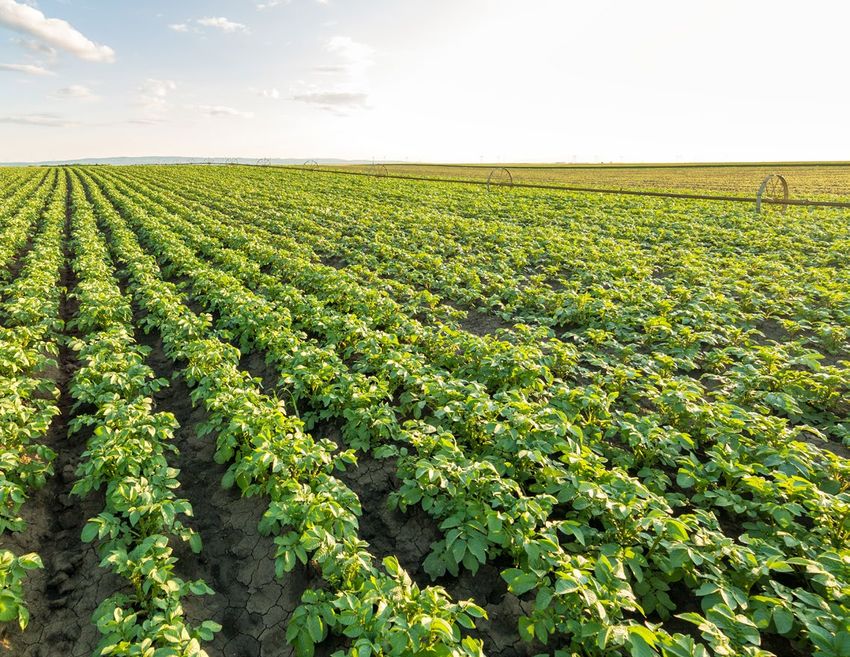
Contents
A word from our CEO                       2

Reporting Entity                          4

ALDI Australia Operations                 5

ALDI Australia Supply Chain               6

Our Leadership                            7

Risk Identification                       9
Identifying Risk                          9
Human Rights Risk Assessment              9
Supply Chain                          10
Policy & Governance                   11
Human Rights Policy Statement         11
Corporate Responsibility Principles   11
ALDI SOUTH Group Code of Conduct      11
UNGP Gap Analysis                     12

Risk Management                       13
Pre-approval Process                  13
Social Monitoring                     13
Fresh Produce                         14
ALDI Social Assessment                14
Corporate Responsibility
Supplier Evaluation                   14
ALDI Factory Advancement Program      15
Ethical Trade Program                 15
Non-Merchandise                       16
Xinjiang Forced Labour Allegations    16
ALDI Alert Line                       16

Training                              17
Measuring Effectiveness               18
ALDI Partnerships                     19
Strategy and Key Activities           22

                                      3
Reporting
Entity

ALDI Australia is part of the ALDI SOUTH Group, an international
supermarket chain that operates more than 6,500 stores across
eleven countries. ALDI Australia does not own or control any          ALDI SOUTH Group
subsidiaries. When ALDI entered the Australian market 19 years ago,
we introduced a new business model for selling groceries. Starting
with two stores in 2001 at Bankstown Airport and Marrickville in
New South Wales, we began our business offering just 600 grocery
products supplied by 174 business partners.                                     6,500
                                                                                Stores

Today, ALDI operates more than 550 stores in six
states and territories, directly employing more
than 13,000 people. Of our tightly focused
range of 1,800 everyday products, more than
                                                                                11
                                                                                Countries
500 are award-winning.

                                                                                            4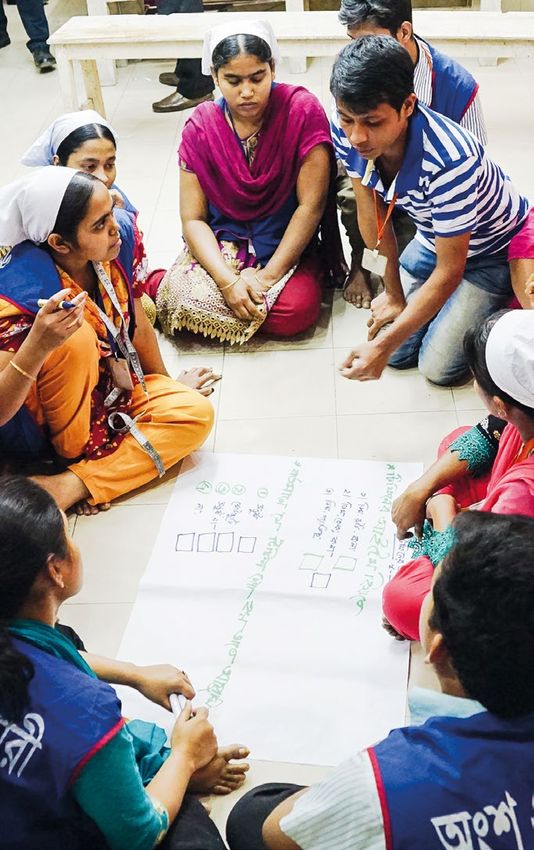
ALDI Australia
Operations

Since opening in 2001, ALDI has contributed
an estimated $23 billion to Australia’s gross
domestic product.

We have an Australia first buying policy and these partnerships
represent the most significant component of our contribution
to the Australian economy. Our unique promise of high-quality
products at permanently low prices has made us one of Australia’s
favourite supermarkets.

We have been repeatedly named Australia’s Most Trusted Brand and
Supermarket of the Year by Roy Morgan and in 2019, received Canstar
Blue’s Most Satisfied Customers award, for the fifth time in six years.
Our tightly focused range of 1,800 every day grocery items features
more than 500 award-winning products. In 2018, we saved
customers an estimated $2.2 billion by shopping at ALDI over
other major supermarkets.*

As a major Australian retailer, we have far-reaching influence
and positively impact the wider community through our actions.
In 2019, we shared commitments to reducing our reliance on
plastics, including cutting 25% of all plastic packaging by 2025.
These commitments follow many existing actions to reduce
environmental impact, including being the only supermarket to never
offer single use plastic shopping bags, the first and only supermarket
to offer a national battery-recycling scheme, the first supermarket to
eliminate phosphate from our entire laundry range, and the first to
eliminate microbeads storewide.

     ALDI Australia Operations

                       1,000+
                       Business partners
                                                                       1,800
                                                                       Every day
                                                                                                                     500+
                                                                                                                     Award-winning
                                                                       grocery items                                 products

                       550+
                       Stores
                                                                       13,000+                                       $2.2Bn
                                                                                                                     Customers saved when
                                                                       directly employees
                                                                                                                     shopping at ALDI over 18
                                                                                                                     years shopping at ALDI

* Making a Good Difference: how ALDI contributes to the Australian Economy, prepared in partnership with PwC, 2019                              5
ALDI Australia
Supply Chain
We have an Australia-first buying policy and the majority of our products
are sourced from local business partners.
Our product range is diverse,
from high quality groceries to Some of our top selling categories include fresh fruit and vegetables, fresh
unique Special Buys in varied meat, chilled products, as well as homewares and pet care Special Buys.
product categories. The following map shows the locations where our business partners and
their production facilities are based.
NORWAY SWEDEN
CANADA FINLAND
LATVIA
DENMARK
UNITED
IRELAND KINGDOM
NETHERLANDS POLAND
GERMANY
BELGIUM
CZECH
LUXEMBOURG REPUBLIC
AUSTRIA
FRANCE SWITZERLAND
HUNGARY
BOSNIA AND
HERZEGOVINA
ARMENIA SOUTH
UNITED STATES ITALY
JAPAN
NORTH
MACEDONIA
PORTUGAL
KOREA
SPAIN
TURKEY
GREECE CHINA
MOROCCO
ISRAEL IRAN
PAKISTAN
EGYPT
MEXICO
BANGLADESH
INDIA MYANMAR
TAIWAN
UNITED
ARAB
EMIRATES
THAILAND
VIETNAM
PHILIPPINES
CAMBODIA
ADAM
AND NICOBAR
ISLANDS (INDIA)
SRI
LANKA
MALAYSIA
SINGAPORE
PERU
BRAZIL INDONESIA
FIJI
SOUTH
AUSTRALIA
AFRICA
CHILE
ARGENTINA
NEW
ZEALAND
Production
Production Suppliers
Facilities & Suppliers and Facility locations
Production Facilities
Countries where ALDI suppliers are based. These Countries with a production facility which is part of
same countries also have a production facility which ALDI's supply chain.
Countries where ALDI suppliers are based.
is part of ALDI's supply chain.
These same countries also have a production facility which is part of ALDI’s supply chain.
Australia Luxembourg Argentina Korea, Republic of
Austria Mexico Armenia Malaysia
Argentina Denmark Israel Norway Thailand
Belgium Netherlands Bangladesh Myanmar
Armenia
Bosnia and Herzegovina Egypt
New Zealand Brazil Italy North MacedoniaPakistan Turkey
Australia
Canada Poland Fiji Czech Republic
Japan Norway Peru United Arab Emirates
Chile
Austria Singapore Finland Egypt Korea, Republic of Pakistan Philippines United Kingdom
China South Africa Greece Peru
Bangladesh France Latvia Poland United States
Denmark Spain Hungary Philippines
Belgium Germany Luxembourg Portugal Vietnam
Egypt Sri Lanka India Portugal
Bosnia and Herzegovina
Finland SwitzerlandGreece Malaysia
Indonesia Sweden Singapore
Brazil
France Thailand Hong Kong Iran Mexico Taiwan South Africa
Germany
Cambodia Turkey Hungary Israel Morocco United Arab Emirates
Spain Monaco*
Ireland United Kingdom Japan Vietnam
Canada India Myanmar Sri Lanka
Italy United States
Chile Indonesia Netherlands Sweden *Countries with a production
Latvia
China Iran New Zealand Switzerland facility only
Czech Republic Ireland North Macedonia Taiwan
6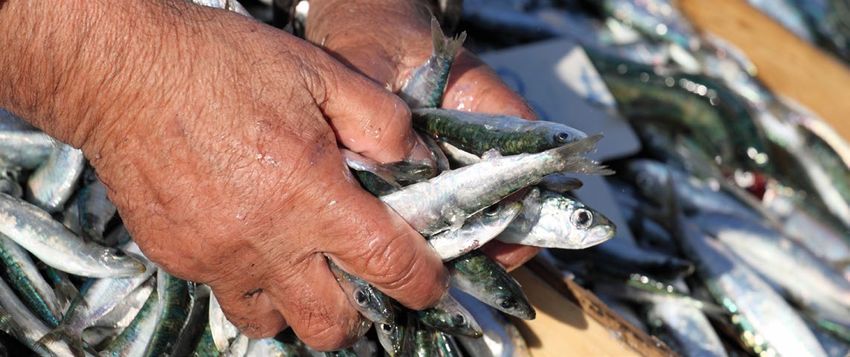
Our
Leadership

                                                             The CR department introduces policies and guidelines to
                                                             our business, working closely with the Buying department
ALDI Australia’s Corporate Responsibility                    and training business partners to facilitate cohesion. To
(CR) department develops the strategy                        ensure our policies are observed in potential high-risk
and implementation of our modern slavery                     areas, ALDI Australia is supported by specialist ethical audit
policies and guidance.                                       teams in Bangladesh and Hong Kong.

Daniel Baker                                                 Varun Raheja
Corporate Responsibility Director Australia                  Buying Director, Coffee, Tea, and Cocoa
“As head of ALDI’s Corporate Responsibility (CR)             “Sustainability, including human rights, within the ALDI
department, I am involved in a wide range of topics          supply chain is our utmost priority. It is important to us that
that focus on people and planet, including sustainable       ALDI sources tea, coffee and cocoa commodities from certified
sourcing, environment, health and our communities. As        supply chains to secure a sustainable future for the industry
part of sustainable sourcing and human rights standards,     and to ensure fair trading terms with our business partners.
modern slavery is an important element. In addition to       While ALDI’s products are known for quality and value, this
engagement with our Buying and Procurement teams,            never comes at the expense of anyone in our supply chain.”
our business partners, NGOs and government, the CR
department plays an essential role in overseeing the
governance of this issue and ensuring ALDIs responsibility
for human rights and modern slavery within our supply
chains is upheld.”

                                                                                                                          7
Our
Leadership

Kerry Fowler                                              S. M. Nurul Azam
Buying Director, Textiles                                 Corporate Responsibility Director, Bangladesh
“We have an important role to play when it comes to       “Our team of professionals are dedicated to improving
standards of sourcing. The way we source continues to     the standards of working conditions in our supply
evolve, taking human rights into consideration within     chains. Our ALDI Social Assessments allow us to evaluate
the textiles supply chain. One such way we have evolved   a realistic picture of the social standards in the facilities
is with increased traceability from final production      and allow us to work with suppliers, factory workers
through to the spinning mill. We have also introduced     and management to drive continuous improvement.
policies against the use of cotton from Uzbekistan and    ALDI’s Factory Advancement (AFA) Project seeks to
Turkmenistan due to human rights violations in these      develop communication between workers and factory
countries. These policies and steps toward greater        management. Through our close work within the supply
visibility ensure that high standards within the supply   chain, we have been able to initiate the AFA PLUS project
chain are upheld.”                                        which supports the establishment functional child care
                                                          for workers with children within facilities in Bangladesh.
                                                          Another important part of our work is with the Bangladesh
                                                          Accord for Fire and Building Safety. We have been a driven
                                                          participant in the Accord since the beginning in 2013.”

                                                                                                                      8
Risk
Identification

Identifying Risk
ALDI identifies and assesses potential risk of modern slavery
in its operations and supply chain by reviewing country and
industry risk indicators provided by expert organisations
such as the Ethical Trade Initiative (ETI), the Global Slavery
Index (GSI) and the International Labour Organisation
(ILO) among others. Particularly, the amfori BSCI country
risk rating is used as a tool to assess country risk, however
additional countries are included for some commodities
including fresh produce where localised risks are present.

Below we have outlined the areas of risk for our operations
and supply chains.

Operations:
Our operations are located in Australia. Domestically we
have assessed modern slavery risk based on workforce
profile; the type of labour involved in the delivery of services
or production of goods, particularly when there is informal,
seasonal or temporary work; and industry prevalence.
ALDI Australia has identified operational risk to exist in the
use of labour intensive contractor services, such as trolley
collectors (workforce profile) and cleaning services (GSI
indicated high risk sector).

Supply Chain:
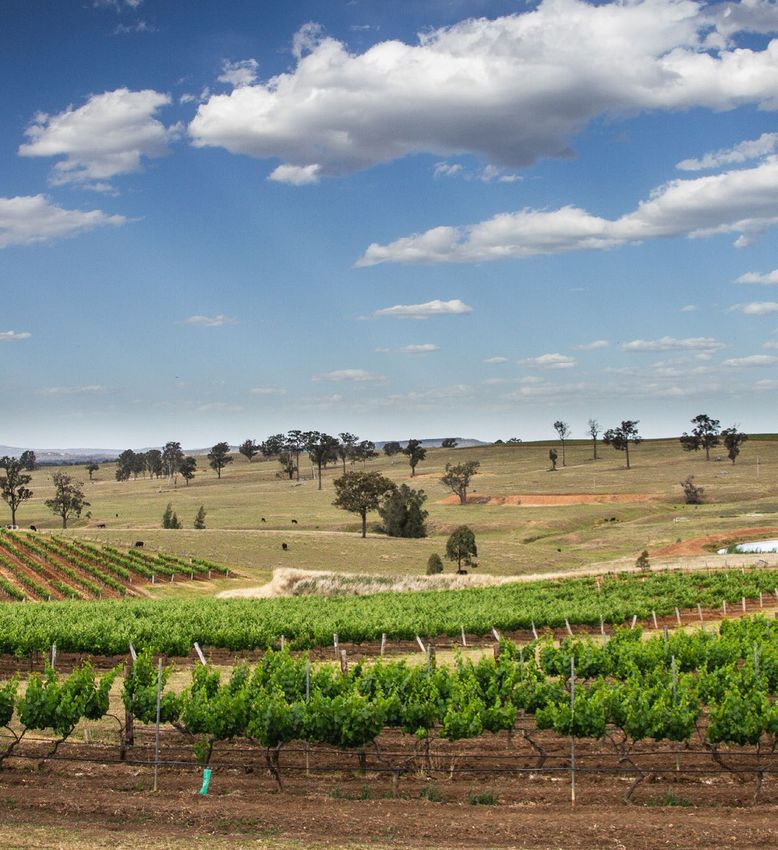
Within Australia our fresh produce supply chain, including
meat processing, has been identified as an area of risk as
per the GSI.

For our international supply chains we have identified
non-food goods produced in high risk countries, including          We believe modern slavery is a symptom of wider human
textiles, shoes, housewares, electronics, and toys among           rights vulnerabilities and we therefore take a holistic
others, as presenting modern slavery risk. High risk food          approach to the work we do to alleviate adverse impacts.
products include seafood, nuts, cocoa, coffee, and tea.            For instance, in 2019 we published our ALDI Child Labour
                                                                   Policy. Further to the publication of the policy we will
We continue to review and assess risks in our operations           provide our business partners with e-learning modules on
and supply chains. This will include a Human Rights Risk           international laws and standards in regards to child labour.
Assessment on our Australian operations in order to go             Our approach to human rights is based upon understanding
beyond modern slavery risk and understand human rights             the complexities of the issues and continually improving the
risks and opportunities.                                           processes that we have in place to prevent negative impacts.

                                                                   Human Rights Risk Assessment
                                                                   A human rights risk assessment was conducted in 2018 for
                                                                   the whole of ALDI SOUTH Group across food and agriculture
                                                                   supply chains. We published information of this assessment
                                                                   and the activities we are undertaking as a result of this, you
                                                                   can read further information regarding this here.

                                                                                                                               9
Risk
Identification

Supply Chain
We have an Australia first buying policy.
However, if we can’t find the quality and
value we are looking for we will source
products from other countries. By outsourcing
production to business partners, we recognise
there is a risk of modern slavery in these
supply chains.

All of our business partners sourcing high-risk
products from countries considered to be at
higher risk of human rights violations must
adhere to our Social Monitoring Program
(SMP). Our Social Monitoring Program
promotes continuous improvement of working
conditions in all of our suppliers’ facilities, and
ensures our Social Standards in Production
are upheld.

To ensure credibility, we
use third-party audits
conducted by accredited
specialists to verify that our
social standards are met.

We do this because we understand there are no
quick-fixes or shortcuts; improvement will only
come through regular monitoring, dialogue,
and action. By coaching our suppliers, we can
ensure we are working with businesses whose
values align to our own. Due to particular risks
within Myanmar and Bangladesh, we also have
additional requirements for products sourced
from these countries. We have dedicated
teams in certain countries that regularly visit
the facilities manufacturing the products we
sell. These teams conduct comprehensive
assessments when they visit supplier facilities,
to allow us to understand and improve issues
that exist in our supply chain.

                                                      10
Risk
Identification
Policy and Governance Human Rights Policy Statement
Our Human Rights Policy Statement outlines our
commitment and processes to respect human
rights across our business. The United Nations
Universal Declaration of Human Rights, the UN
Convention on the Rights of the Child, the UN
Convention on the Elimination of All Forms of
Discrimination against Women, the ILO core
labour standards, as well as the United Nations
ALDI SOUTH Group
International CR
Guiding Principles and OECD Guidelines for
Department Multinational Enterprises define the framework
for our actions. The full policy statement can be
found at the ALDI International website.
Corporate Responsibility
Principles
ALDI SOUTH Group’s International CR Principles
Corporate Responsibility (CR) defines our understanding of the responsibility
Australia we have towards our people and the planet,
on a local and international scale. The
principles guide our operations in Australia on
a daily basis and are a strict requirement for
CR Unit CR Unit our business partners. The International CR
Bangladesh Hong Kong Principles guide our approach in five key areas
of action: Customers, Supply Chain, People,
Community and Environment. Across all
of these areas human rights plays an
important role.
ALDI SOUTH Group
Code of Conduct
ALDI Australia has an integrated strategy for tackling modern slavery The ALDI SOUTH Group’s Code of Conduct
based on comprehensive policies and processes, detailed risk defines ALDI Australia’s expectation of integrity
assessments, training, continuous review and dialogue with suppliers. and legal compliance. The Code states our
commitment to fair working conditions for
Our Corporate Responsibility (CR) Department works closely with our everyone in our supply chain and safeguards
Corporate Buying Department, ALDI SOUTH Group’s international CR the rights of our employees.
department and our CR offices based in Bangladesh and Hong Kong.
11Risk
Identification
United Nations Guiding
Principles Gap Analysis
We are committed to conducting business in
alignment with the United Nations Guiding
Principles on Business and Human Rights
(UNGPs). In 2019 we engaged internal
stakeholders and an external consultant to
help us conduct a gap analysis of our policies
and management systems against the UNGPs.
The four operating principles
1 2 3 4
Human Human Rights Grievance Issues of
Rights Policy Due Diligence Mechanisms and Context
Commitment Remediation
Independent assessment found that: Actions that will take place:
• We have strong human rights • We will appoint an external expert to conduct
policies in place further human rights risk assessments
specifically focused on Australian business
• We have consistent communication
operations
regarding human rights within identified
high risk areas of the business • Training for all employees in sourcing roles
will be enhanced and expanded across the
• We have the opportunity to broaden
entire business
communication across the whole business
• We will improve access to grievance
• We have grievance mechanisms for
mechanisms in collaboration with
employees and suppliers in place,
stakeholders, to create an effective process
including mechanisms through the Accord
for collating and remediating grievances
for Fire and Building Safety in Bangladesh.
We should extend this across other areas of
the supply chain
12Risk
Management
The ALDI Social Standards
in Production refers to our
commitment to human
rights and fair labour
standards.
All business partners and sub-suppliers for Social Monitoring
both merchandise and non-merchandise
products must comply to our Terms and The Social Monitoring Program promotes continuous improvement of
Conditions of Purchase, which includes our working conditions in all relevant production facilities and ensures our
Social Standards in Production. Social Standards in Production are upheld. We utilise third-party audits
conducted by accredited specialists to verify that our social standards
Social compliance is integral to the quality are met. These audits assess indicators for modern slavery as outlined
of our products and we will never sacrifice by the Ethical Trade Initiative.
one for the other. As part of contractual
agreements, business partners must undergo Training is conducted for all business partners within the SMP, covering
on-boarding as part of the commitment all aspects of supply chain standards. The SMP standards reiterate the
to both the relationship and to labour and definition of our Severe Risks including forced/bonded labour, child
human rights standards. labour, and non-transparency. This encompasses both branded and
non-branded products.
Pre-approval Processes Suppliers of non-ALDI branded products can be assessed for exclusion
from our programs. Brands are assessed on their due diligence
For business partners sourcing high-risk approach to supply chain ethics and they must have monitoring
commodities, such as textiles, a ‘supplier pool’ standards equal or higher than our own. All exclusions must be
has been established and no new suppliers reviewed by the CR department and approved by the CR Director.
or facilities can be used without pre-approval.
Pre-approval requires an ALDI Social
Assessment and an intensive review of
the social standards, capacity and setup
of the business partner. Business partners
supplying relevant products are also trained
in additional environmental management
requirements as part of our Detox program.
13Risk
Management
Fresh Produce
Since early 2019, we have been working
with Australian fresh produce suppliers
to implement requirements at facilities to
ensure the fair and ethical treatment of
workers. Suppliers are required to join either
Suppliers Ethical Data Exchange (Sedex)
or the Fair Farms Initiative, a program
developed by Growcom with funding
support from the Fair Work Ombudsman
and the Federal Department of Agriculture.
These programs allow us access to tools to
assess social standards, including risks of
modern slavery, workplace safety and wage
issues.
In addition, we require suppliers to disclose
details of the labour service providers
used at the processing facility, including
any subcontracted labour. We require that Our Terms and Conditions of Purchase ensure ALDI has the ability to
all labour service providers contracted by conduct announced and unannounced visits to facilities in our supply
suppliers are licensed in jurisdictions that chain at any time, by means of an ASA.
have government licensing schemes and
are approved and registered under the
Seasonal Worker Program where necessary.
In 2019, we carried out a total of 473 ASAs with our
most common finding being non-transparency of
ALDI Social Assessment factory conditions.
From our experience, we know that often
audit reports do not fully reflect the situation
at the production facilities. A continuous
Corporate Responsibility
on-site presence can lead to greater
transparency and fosters partnership Supplier Evaluation
with suppliers and production facilities.
Since 2018, we have been annually evaluating the CR performance
For this reason, since 2011 we have been
of all our international garment textiles business partners.
supplementing third-party audits with our
own regular on-site visits for certain high- The Corporate Responsibility Supplier Evaluation (CRSE) is a comparative
risk commodity groups. and transparent evaluation based on quantitative and qualitative
indicators. The indicators focus on our business partners’ social and
These ALDI Social Assessments (ASA) allow
environmental compliance management systems as well as their
us to assess the social standards within
production facilities’ CR performance. This evaluation is derived from our
production facilities and include focus areas
CR requirements which form part of every contract.
such as modern slavery, child labour and
non-transparency. ALDI Social Assessments The results of this evaluation increasingly influence our buying decisions.
are carried out by ALDI employees together The CRSE thereby supports long-term relationships with the business
with external auditors and supplier partners who demonstrate a strong CR record and provides incentives for
representatives, mainly in facilities in continuous improvement. Furthermore, training and capacity building is
Bangladesh and China. Our teams are being implemented to further develop our business partners based on
experienced social compliance experts, with the evaluation results.
a team of 12 in Bangladesh, and a team of
16 in Hong Kong. The CRSE program has been approved to roll-out across further categories.
14Risk
Management
ALDI Factory
Advancement Program
With the ALDI Factory Advancement (AFA)
Project, the ALDI SOUTH Group, together with
ALDI NORTH, has introduced an effective tool
to deliver change in factories that produce our
garments in Bangladesh.
Launched in 2013, the AFA
Project places factory workers
and managers at the centre of
its activities to find sustainable
solutions for improved workplaces.
The core principle of the AFA project is the
promotion of dialogue and cooperation
between workers and managers. Only with the
commitment and the ownership of both parties
can real long term change be achieved.
The key to the project’s success has been the
active involvement of the workers. To date,
approximately 85,000 workers and their
managers at 40 participating factories have
benefitted from the project and experienced
positive changes in their day-to-day
working environment.
Ethical Trade Program
The Ethical Trade Norway Program is working
with our international cashew supply chains
to focus on human rights risks, focussing on
traceability from processor through to farm,
and engaging in training programs to build
capacity. This is an ongoing project for ALDI on
an international level. To date, 120 farmers in
six of the main cashew producing districts in
the Binh Phuoc province of Vietnam have each
been trained in good agricultural practices,
labour standards, health and safety and
environmental stewardship.
15Risk
Management
Non-Merchandise
For Labour Service Providers, such as trolley collectors or cleaners,
suppliers must complete an independent audit checklist. This must be
completed by a third party auditor in order to verify compliance to the
Australian Fair Work Act 2009 and relevant workplace laws.
Our procurement and logistics teams are responsible for ensuring these
standards are upheld with our many non-merchandise suppliers.
Xinjiang Forced Labour Allegations ALDI Alert Line
There has been widespread allegations by NGOs and media of the The ALDI Alert Line can be used by business
forced labour in Xinjiang of the Uighur people. As a preventative partners and employees to raise concerns or
measure our teams on the ground conducting ALDI Social Audits report policy violations. It is an independent
assessments are working on integrating additional forced labour service staffed by multi-lingual call handlers
checklists for site visits in this region. and is available 24 hours a day, seven days a
week in Australia. The Alert Line is promoted to
In addition, a pre-approval process for production facilities in Xinjiang our employees and suppliers and all reports to
has been introduced to ensure additional transparency. the line are confidential and fully investigated.
Our Goods Not for Resale
(GNFR) purchasing is under
continuous review, with
higher risk supply such
as staff uniforms required
to comply with our audit
requirements in line with
the SMP.
16Training
We build capacity amongst our employees
through a range of training programs
including indicators of modern slavery for
relevant product categories. In 2020 we
are engaging with an external provider to
design and deliver tailored modern slavery
training to all employees with buying and
procurement responsibilities.
17Measuring
Effectiveness
In 2020, we seek to
develop targets to assess the
effectiveness of our actions to
manage modern slavery risk.
Our current approach includes:
• The existing monitoring frameworks
in place for risk management programs
discussed within this statement
• Robust governance
• Assistance from external experts
to assess our approach
• In relation to our capacity building
activities, such as the ALDI Factory
Advancement Project, regular evaluation
takes place using quantitative (KPIs,
databases) and qualitative (surveys,
interviews, focus group discussions)
methods. Measures are then revised
on the basis of the results
• For online and onsite training for
our business partners, pre and post
knowledge assessments are conducted
to measure impact
• Through our ALDI Social Assessments,
our employees have direct exchange with
both direct and indirect suppliers on the
social conditions within the supply chain
• The respective standard providers
for certified products conduct
effectiveness measures
• Participation in Non-Government
Organisation reports where requested.
For example, the Ethical Fashion Report
by Baptist World Aid
18ALDI
Partnerships
We believe that we can’t eradicate modern slavery in isolation, industry
must come together to have a greater impact. We have outlined below
the many organisations and initiatives we have partnered with to
increase our impact.
The ALDI SOUTH Group is also an active
member of the amfori Project Group ‘Social
Issues in Food’ which unites retailer and
Accord on Fire and producer members of amfori to tackle shared
Building Safety Bangladesh social and environmental issues in the food
sector. A representative from ALDI SOUTH chairs
ALDI SOUTH was one of the first signatories the group.
of the Accord on Fire and Building Safety in
Bangladesh in 2013 and 2017. By signing
this independent, legally binding agreement
we have committed to improve the safety
of the Ready-Made Garment factories in our
Bangladesh supply chain. Centre for Child Rights and Corporate
We were one of the first signatories of both the Social Responsibility (CCR CSR)
original Bangladesh Accord in 2013 and the Children and young workers are vulnerable
follow-on agreement in 2018. Through this to modern slavery, which is one of the
agreement, we support measures to improve reasons why we have partnered with the
health and safety within garment factories Center for Child Rights & Corporate Social
in Bangladesh. Responsibility (CCR CSR) in Asia. We have signed
a Memorandum of Understanding with CCR
CSR to use designated funds for child labour
prevention and remediation services and to
support migrant parent workers in our
supply chain.
amfori BSCI
To date, CCR CSR has developed a child labour
For over 40 years, amfori has been the leading policy with us and conducted training of our
global business association for open and Corporate Responsibility team on child labour
sustainable trade. Its mission is to support prevention and remediation. CCR CSR also
each of its members to enhance human assisted the set up of three Child Friendly
rights, use natural resources responsibly and Spaces so that migrant parent workers have
drive open trade globally. It brings together a free childcare solution during the summer
over 2,000 retailers, importers, brands school holiday, to ensure they do not need
and associations. amfori is run by Board of to resort to taking their children to work with
Directors representing the member’s interests them. Through this partnership, migrant parent
from different countries and businesses. In workers have also taken part in CCR CSR’s
June 2019, Anke Ehlers, Managing Director for migrant parent training to strengthen their
Corporate Responsibility International of the remote parenting skills.
ALDI SOUTH Group, was elected to the Board
of Directors of amfori to represent ALDI SOUTH Other activities that are currently under way or
internationally. scheduled to take place later in 2020 include
publishing a study on migrant parents and
This shows the continuing dedication of ALDI children, finalising an eLearning module on
to enhance sustainable development in our child labour and conducting child labour
global supply chains. training for our business partners.
19ALDI
Partnerships
An increased risk of modern slavery exists
where workers are engaged via a third-party
intermediary (labour hire). The Fair Farms
Standard requires that a participating business
has effective control mechanisms in place when
Ethical Trade Initiative (ETI) hiring workers through a labour hire provider
or/ subcontractor. These include entering into a
In line with our responsible sourcing strategy
written agreement which puts clear obligations
to mitigate adverse human rights impacts of
on the provider to safeguard against modern
our business activity, the ALDI SOUTH Group was
slavery, undertaking due diligence up front and
accepted as a Foundation stage member of the
monitoring the provider’s performance.
ETI in 2019. ETI is a global alliance of companies,
trade unions and NGOs that promotes respect
for workers’ rights. Our Social Standards in
Production are aligned with the ETI Base Code.
Fairtrade International
Modern slavery exists on a continuum of
Fair Farms Initiative exploitation and many consumers and
companies may rely on forced labour and other
Fair Farms training is geared towards forms of slavery without realising. Fairtrade’s
improving workplace compliance on farm so work addresses poverty, discrimination,
that the business meets the requirements exploitation, a lack of transparency and power
of the Fair Farms Standard. We believe that imbalances - the root causes of modern slavery.
businesses taking control of their workplace For more than 30 years Fairtrade has been
compliance and putting appropriate partnering with farmers and workers, industry
processes and controls in place will help to and governments to reduce and eradicate
reduce the risk of modern slavery occurring child labour and forced labour. This is done
within horticultural supply chains. through full traceability to farm level, verifying
a Fairtrade Minimum Price is paid for raw
In regards to modern slavery, the Fair Farms materials, and ensuring the Fairtrade Premium
Standard requires: goes toward the needs of the businesses
• The business has policies and procedures and communities as decided by the producer.
in place to ensure all workers, including ALDI is proud to be the largest
those provided through a Labour retailer of own-brand Fairtrade coffee and
Hire Provider, have freely chosen the chocolate in Australia.
employment and are not forced, bonded
or involuntary workers
• The business provides a workplace
free from abuse, harassment and
discrimination
• Correct wages and benefits are paid to
all workers
• Working hours meet reasonable limits
• The business ensures that where it
provides workers with accommodation,
the accommodation is freely chosen, is safe
and meets legal standards
20ALDI
Partnerships
Leather Working Group (LWG) UTZ part of the Rainforest Alliance
The LWG is a multi-stakeholder initiative, which For a company with an extensive agricultural
develops and maintains a protocol to assess the supply chains like us, certification is a valuable
environmental compliance and performance tool to mitigate these risks. That is why we work
capabilities of leather tanneries. It promotes with the Rainforest Alliance to source products
sustainable and appropriate environmental from UTZ certified farms. The UTZ standard
business practices within the leather industry. prohibits forced, bonded, trafficked or other
We have been a member of the LWG since 2015. involuntary labour at any stage of production
Our business partners are required to use and processing. UTZ certified agricultural
only LWG-certified tanneries for leather-based producers cannot require workers to lodge
main components. All production facilities are deposits or identity papers; they cannot retain
disclosed to us. This requirement applies to all workers’ salaries, benefits or property; and
textiles and shoe products. they must allow workers to leave employment
after giving reasonable notice. Furthermore,
the standard prohibits excessive working
hours, excessive and involuntary overtime,
sub-minimum wages, disciplinary deductions
from wages, delayed payment, lack of written
contracts, and abusive treatment of workers.
Mekong Club Through the UTZ program, producers are
educated on these requirements. They then
The Mekong Club is an anti-slavery non-profit undergo an independent third-party audit
with a focus on business engagement. The to assess compliance and are re-audited
vision of the Mekong Club is to harness the on a regular basis to ensure compliance is
power of the private sector to change business maintained. We have over 100 everyday
practices in a way that will significantly products with certified quantities of UTZ
reduce modern slavery. To ensure this certified cocoa, coffee, or tea.
result, Mekong Club work confidentially and
collaboratively with companies from a broad
range of industries with a positive, trustworthy
approach. The Mekong Club is one of the few
not-for-profit organisations of its kind to use
a business-to-business approach to fight
modern slavery. Its founders and current
board members are representatives of the
private sector who understand the key role
companies can play in this fight. The Mekong
Club association is now a 40-member strong
platform that brings industry-specific working
groups together. This model encourages
like-minded companies to share their
experiences and work together in a confidential
environment. Members meet regularly to
share best practices and learn about tools that
provide practical and tangible actions to tackle
modern slavery. They have been working
exclusively on modern slavery projects since
inception in 2012.
21ALDI
Partnerships
Seafood Task Force (STF) Supplier Ethical Data Exchange (SEDEX)
We are an active member of the STF. STF is an Sedex is one of the world’s largest collaborative
industry platform that was created by leading platforms for sharing responsible sourcing data on
global retailers, processers and producers to supply chains, used by more than 60,000 members in
address human rights issues in the Thai over 180 countries. Sedex is one of the ethical trade
Seafood Industry. The STF scope of activities organisations that we require our suppliers to be
has since broadened to other countries. We members of, as part our Social Monitoring Program
are active members of sub-groups 7 (tuna requirements. The platform can be used by buyers,
oversight) and 9 (responsible recruitment suppliers and auditors to quickly identify and share
oversight). STF members have been working indicators of forced labour and modern slavery.
with relevant stakeholders (including the
Royal Thai Government, key Non-Government
Organisations and certification schemes) to
push for holistic solutions that range from
fisheries reform, oversight of recruitment
processes and improving traceability to
enable full supply chain oversight, thereby
Sustainable Fisheries Partnership (SFP)
working to eradicate all forms of modern
slavery. More information can be found here. This partnership enables us to improve the responsible
sourcing of fish and seafood and to avoid illegal,
unregulated and undocumented fishing. This
contributes to a more transparent seafood supply chain.
22Strategy and
Key Activities
We are committed to respecting human rights and we do this in the spirit
of continuous improvement.
We view our fight against modern slavery the same way and have agreed on the following strategy. While some policies
were developed by the ALDI SOUTH Group through the CR International department, we have also adapted and developed
our own policies on a national level.
By the end of 2020, we will have met our ethical
sourcing goals for cocoa (100% sourced from certified
supply chains), black, green and white tea (100%
sourced from certified supply chains) and coffee (30%
from certified supply chains). We are proud to share
that for coffee sourcing, we have met the goal early,
having over 50% of products from certified sources.
Stock-take of
current activities, Fresh produce
policies and processes Social Monitoring
Program Modern slavery
roll-out training for all E-learning for
employees with buying suppliers on
and procurement child labour
Engage local and Identify modern Human Rights Risk
slavery and responsibilities
international Assessment on
independent human rights risks ALDI Australia
external experts operations
2019 2020
Conduct UNGP Engage our Human Rights Impact
gap analysis stakeholders Assessments within the
(internally and supply chains of brazil
Fresh produce Social
externally) nuts and coffee
Monitoring Program Work with CCR CSR
on the publication of
Publish ALDI research into migrant
Child Labour workers and children
Connect with, Policy in China
collaborate and
learn from global
colleagues
There is no place for modern slavery in our business or our extended supply chains. ALDI welcomes
the Modern Slavery Act as it is set to play an important role in creating awareness of this issue, and
more importantly, it will build the required accountability in the practices of Australian businesses.
For more information on our Corporate Responsibility principles and policies, please visit our website.
23You can also read


