MULTI PAN EUROPEAN CUSTOMER MONITOR + COVID-19 SURVEY - November 2020
←
→
Page content transcription
If your browser does not render page correctly, please read the page content below
MULTI PAN EUROPEAN
CUSTOMER MONITOR +
COVID-19 SURVEY
November 2020

                MULTI COVID-19 CONSUMER IMPACT SURVEY REPORT | MULTI | 1
MULTI PAN EUROPEAN
CUSTOMER MONITOR +
COVID-19 SURVEY
November 2020

    MULTI CORPORATION
    Multi Corporation is a leading, Pan-European integrated service
    platform for retail real estate assets, with a portfolio of 100 retail assets
    under management across Europe and Turkey.

    We offer a full spectrum of services that include leasing, shopping
    centre operations, marketing, redevelopment & refurbishments, and
    legal and compliance activities.

    Our people are committed to extracting every bit of value from the
    shopping centres we manage. Thanks to our in-depth knowledge
    of retailers, investors, visitors, and local markets, Multi protects and
    enhances asset value at every phase of the holding period. Our retail
    properties welcome over 400 million customers annually, spending
    an estimated €4 billion across more than 6,000 stores, restaurants,
    and leisure attractions. Together we unleash the full potential of
    shopping centres throughout the regions in which we operate.

    1000Mahler building                T: +31 20 25 88 100
    Gustav Mahlerlaan 1025             F: +31 20 25 88 111
    1082 MK Amsterdam                  E: office-nl@multi.eu
    The Netherlands                    multi.eu

                                                                       MULTI COVID-19 CONSUMER IMPACT SURVEY REPORT | MULTI | 2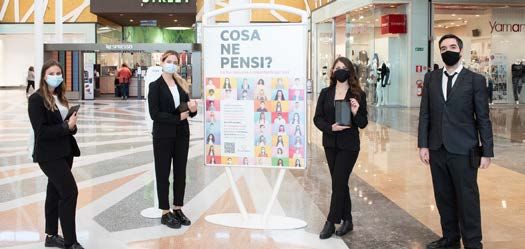
INTRODUCTION

�   INTRODUCTION
    2020 Multi Consumer Impact Survey
    As a key player in the European Retail
    Real Estate landscape, Multi’s operations
    have been deeply affected by the Covid-19
    global pandemic, economic recession, and                           TOWARDS A BIGGER MISSION
    resounding social consequences since the                           This Covid-19 impact study is part of a larger
    start of 2020.                                                     mission, which is to guarantee the best-in-
    The progression of the global public health crisis                 class quality service to our main shareholders,
    throughout the year, combined with governmental                    the owners of the assets we manage. Annual
    restrictions implemented throughout countries in                   customer surveys that we perform allow us
    our portfolio, substantially impacted both our visitors            to provide our shareholders and business
    and tenants. Since the beginning of the pandemic,                  partners constant up-to-date information on
    Multi developed and implemented specific guidelines                our visitor opinions, preferences, behaviours,
    and measures for all properties in our management                  and expectations. The ‘Multi Toolbox’
    portfolio. This guaranteed the best possible standards             consists of several digital solutions which
    for health, safety, and hygiene for our customers,                 allow us to provide a unique service and to
    tenants, and staff, often exceeding the requirements set           drive operational innovation in our assets.
    by public authorities.                                             Thanks to both internally developed tools and
                                                                       partnerships with property-tech companies,
    Despite Multi consistently working to ensure the                   we provide a comprehensive range of services,
    safest shopping places, the forced closures imposed                from centre management applications to
    by local governments, combined with additional                     advanced footfall counting solutions, from
    restrictions (social distancing, maximum capacity,                 innovative loyalty programs to digital platforms
    closure of specific stores), impacted customer                     for technical operations. This research study
    shopping habits and behaviours; thus, causing an                   was aimed to validate the effectiveness of our
    inevitable decline in visitor footfall, when compared to           ‘Shop Safely’ strategy, which consisted of an
    more conventional years.                                           extensive set of guidelines to guarantee the
                                                                       highest level of safety in our malls during the
    As market leader with almost 40 years of experience and            pandemic. The implementation of this strategy
    over 100 retail properties under management, we have               also resulted in the achievement of the Safe
    a clear responsibility to take the lead in increasing the          Guard certification from Bureau Veritas.
    industry knowledge about the impact, consequences,
    and prospects of the Covid-19 pandemic on shopping
    mall visitors. Therefore, the initiative to perform this
    survey was driven by our sense of responsibility to our
    visitors, tenants, investors as well as competitors, since
    we strongly believe that a more detailed and data-
    based understanding of the pandemic effects would
    be beneficial for all the mentioned stakeholders. The
    outcomes of this survey bring highly valuable insights for
    property management companies, for tenants, investors,
    and service providers, providing a relevant contribution
    to the retail real estate industry.

                                                                 MULTI COVID-19 CONSUMER IMPACT SURVEY REPORT | MULTI | 3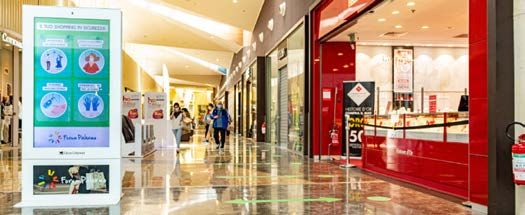
INTRODUCTION

     KEY FINDINGS
     The results of this survey produced several interesting insights, useful for both improving
     our operations, as well as increasing our understanding of visitor behavioural changes in line
     with the outbreak of Covid-19, so as to meet and exceed their expectations for the future.

MULTI CUSTOMER SURVEY                                           COVID-19 IMPACT                                    SHOPPING HABITS
                                                                ON DAILY LIFE - INCREASED

33,000 50 ��
respondents in total         retail assets       countries
                                                                INTEGRATION WITH THE
                                                                DIGITAL WORLD                                             64%
                                                                                                                          respondents

                                                                             70%
                                                                use more digital tools to both work
                                                                                                                   accepted that Covid-19 was a major
                                                                                                                   driver of change of their shopping
                                                                                                                   habits and eating out preferences

                                                                and interact with friends, as well as

                                                                                                                             42%
SHOPPING CENTRES ARE SAFE                                       in their free time

80%                  feel safe in our shopping centres and
                     assess positively the safety measures
                     implemented by our local treams                                                               do same shopping
                                                                                                                   trips & spends same

70%                  perceive that the most Covid-19
                     sensitive areas - such as food court,
                     WC, elevators, escalators - to be safe                        72%
                                                                                   are looking
                                                                                                                   amount of time in
                                                                                                                   our shopping malls
                                                                                                                   as before Covid-19
                                                                                   for off-line
                                                                                   solution to

                                                                                                                          62%
POST-COVID EXPECTATIONS                                                            reduce their
                                                                                   time in front

            70%
respondents look forward
                                                                                   of a digital
                                                                                   screen
                                                                                                                   respondents visit the same retail
                                                                                                                   destinations as before Covid-19

to interacting with local
community again
                                                               SHOPPING CENTRES WILL ENHANCE
                                                               THEIR POSITION IN THE COMMUNITY

     60%                            76%                                                                 72%
                                                                                                        identify our shopping malls as good
  will avoid going           will continue practicing                                                   places to spend valuable time in,
 to crowded places               social distancing                                                      especially once Covid-19 is over

     Despite the physical retail is currently going through very turbulent times, it is clear from the outcome of this study that shopping
     centres will represent key destinations for customers in all European countries after Covid-19. The time spent ‘on-line’ has sensitively
     increased in all households because of the pandemic, and people describe shopping malls as physical places that they will to enjoy
     some time with friends and family, do some shopping, having a meal, or visiting the entertainment venues.

                                                                                MULTI COVID-19 CONSUMER IMPACT SURVEY REPORT | MULTI | 4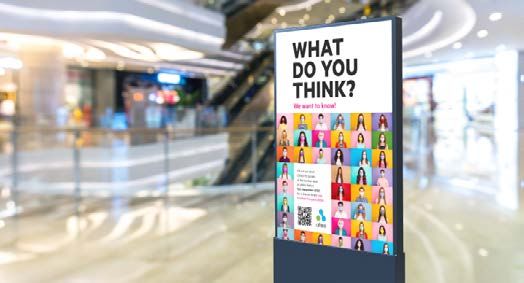
BACKGROUND & RESEARCH

2   BACKGROUND
    & RESEARCH
    This project took place in a drastically different, and continually changing retail landscape,
    requiring all facets of Multi business to be able to quickly respond and adapt to the onset of
    the Covid-19 global pandemic, ensuing recession, and shifts in consumer behaviour.

    Retail has always been a dynamic and competitive        in digitalization such as contactless shopping,
    business, with comprehensive consumer analysis          optimized product delivery systems and networks,
    necessary to understand key shifts, challenges, and     augmented reality through mobile applications,
    opportunities underway. Application of this survey      and virtual appointments (Mintel, 2020). Consumer
    requires a three-pronged approach: first, assessing     interactions online with distinct categories such as
    which factors were shaping the retail landscape prior   retailing, travel, sports, and communication platforms
    to the pandemic, second, which factors are temporary    have varied amongst countries even with the
    and dependent on government regulations and             standardization that digitalization and e-commerce
    third, which factors will shape consumer behaviour      bring (GfK, 2020), requiring highly nuanced
    as European countries enter a recovery phase in the     research of behaviour to assess changes in different
    coming years.                                           geographies. As an increasing number of products,
                                                            services, and social interactions are conducted online,
    Prior to the pandemic, smartphone sales were            coupled with government regulations to cope with
    continually reaching record sales volumes globally      the public health crisis, mental stress can heighten
    in recent years (GfK, 2019; 2020), integrating into     and cannot easily be resolved with more screen-
    various aspects of our lives, and accelerating trends   related resources (GWI, 2020).

                                                             MULTI COVID-19 CONSUMER IMPACT SURVEY REPORT | MULTI | 5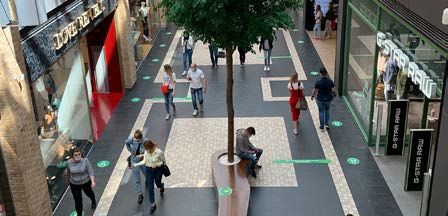
BACKGROUND & RESEARCH

Similar to consumer behaviour, adoption of online
commerce and services varies greatly across European
countries, as well as demographics, with younger users
with higher a proclivity to purchase online across the
continent (Eurostat, 2020; Mintel, 2020). Although
online shopping has quickly risen in this demographic of
18 – 29-year-olds, this same cohort has also faced more
stressful social and psychological wellbeing (OECD, 2020)
compared to other age cohorts. Gender has also been a
factor in concentrating stress during this period, as family
responsibilities can be unevenly distributed (GWI, 2020).

                                                                             Differences such as these highlight
                                                                             the importance of further segmenting
                                                                             the research model to account for
                                                                             variances in responses between age,
                                                                             gender, and geography. As a result,
                                                                             the Multi survey was implemented
                                                                             to analyse operations on both
                                                                             the country level, as well as for
                                                                             the company overall. This type of
                                                                             structure for data extraction and
                                                                             analysis is necessary to be responsive
                                                                             to both visitor, tenant, and business
                                                                             partner needs, and to anticipate
                                                                             future scenarios.

                                                               MULTI COVID-19 CONSUMER IMPACT SURVEY REPORT | MULTI | 6
METHODOLOGY

METHODOLOGY
                                     SURVEY DESIGN & STRATEGY
         A                           The project was directed by a central project management team
Creation of the project              collaborating between different business areas, consisting of Operations,
 management team
                                     Marketing, Communications, Business Development, Leasing, Research
                                     and Graphic Design, in combination with appointment of local country
                                     project managers, that would lead on-site survey implementation.
         B                           The first step was to develop a standard questionnaire across all
Appointment of local                 different countries. Multi worked closely with a specialized market
 project managers                    research partner to build the most effective set of questions, which
                                     would supply relevant insights and, at the same time, would not disturb
                                     visitors when completing it. While constructing the questionnaire,
         C                           several sessions with each country project-responsible managers
                                     were organized, to closely take into consideration diverse cultures and
   Development of                    country-specific situations. We heavily relied on rating questions on a
    questionnaire                    scale from 1 to 5 (1 strongly disagree, 5 strongly agree) to get feedback
                                     from visitors on each thematic section.

    The questionnaire was designed to be completed by each participant within 5-minutes, with
    attention to the following 6 main areas:

    1    Profile of respondents: basic visitor profile questions to identify key metrics
         (gender, age, frequency of visits, customer loyalty).

    2     Safety experience: ten rating questions aimed at understanding
          the respondents’ perception of safety during the shopping experience.

    3     Shopping habits: eight rating questions related to how Covid-19 affected
          visitors’ shopping habits.

    4     Post-Covid-19 expectations: four rating questions on customer expected behaviour, after
          Covid-19 governmental restrictions are lifted.

    5     Covid-19 impact on daily life: four rating questions with the objective of getting a deeper
          understanding of how Covid-19 affected our visitors’ daily lives, especially in terms of the
          increase in the use of digital tools.

    6     Return to normal and improvements: two dual-choice questions and one multiple choice
          question relating to customer expectations on returning to normal shopping habits, and areas
          where shopping centres can improve when dealing with Covid-19, and future health concerns.

                                                        MULTI COVID-19 CONSUMER IMPACT SURVEY REPORT | MULTI | 7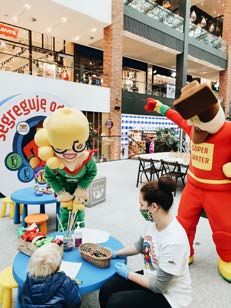
METHODOLOGY

THE SURVEY WAS
PERFORMEND
SIMULTANEOUSLY
(2ND - 8TH NOVEMBER)
IN 50 ASSETS SPREAD
THROUGHOUT
11 COUNTRIES,
ACHIEVING AN
OVERALL SAMPLE SIZE
OF ALMOST
33,000
RESPONDENTS

SURVEY IMPLEMENTATION                                                on site were incentivizing customers to complete the
                                                                     survey on their mobile phones by scanning the QR
Taking into consideration the Covid-19 pandemic and                  code or, if not possible, together with them at a safe
restrictions, we decided to follow a hybrid approach                 stand equipped with disinfection station and double
for study implementation.                                            tablets, in order to ensure social distancing and
                                                                     visitors’ safety.
     The surveys were conducted both physically at the shopping
     centres with interviewers and tablets (TAPI – Tablet Assisted   On-site surveys were conducted using Selection
     Personal Interviewing), with possibilities for customers to
     complete them on-line with their personal devices.              Probability Sampling: interviewers approached each
                                                                     3rd person to complete the survey; if the selected
    15,500
      Online
                                                                     person refused to take part in the interview, the
                                                                     interviewer would look for a replacement with similar
                                                                     demographic features (gender, similar age, economic
                                                                     status). Visitors younger than 18 years of age were
                                                                     screened out, as well as shopping centre employees
                                                                     and their relatives. Response quotas were defined

                                                17,500
                                                 Onsite
                                                                     in advance by selecting four main clusters based on
                                                                     gender and age, in order to guarantee a similar total
                                                                     number of responses per customer category. Rewards
                                                                     such as vouchers, prize draws, and branded masks
Online surveys were promoted with posters with QR                    were used as incentives to help engage participation in
codes in the shopping malls, social media. Hostesses                 the survey.

                                                                      MULTI COVID-19 CONSUMER IMPACT SURVEY REPORT | MULTI | 8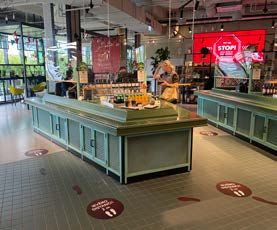
RESULTS | RESPONDENT PROFILE

        RESULTS
        This section will show a detailed overview of the obtained results for each thematic area
        (1. Profile of respondents, 2. Safety experience, 3. Shopping habits, 4. Post-Covid-19 expectations,
        5. Covid-19 impact on daily life, 6. Return to normal and improvements). Results for each thematic
        area are presented at the group and country level to allow benchmarking between different
        regions of the Multi portfolio.

1       RESPONDENT
        PROFILE
        In total, almost 33,000 visitors were interviewed,
                                                                         GENDER

                                                                            13,301
                                                                             respondents
        out of which 40% men and 60% women.
        The gender split slightly varied between                                                             33,000
                                                                                                  40%                        60%
        countries in terms of total respondents, with                                                     respondents
        female visitors more naturally inclined to take
        part in the questionnaire. Hungary and Ireland
        hosted the largest country level response
        shares by women, where also most of the
                                                                                                                                     19,659
                                                                                                                                     respondents
        responses were collected online.

        GENDER SPLIT PER COUNTRY
4000

3500

3000

2500

2000
                                                                                                               4034
                                                                                                                      3837

1500
                         3035

                                         2652
            2513

1000
                                                                                    1903
                                                1931

                                                                  1738

                                                                          1666
                                                                1575

                                                                         1475

                                                                                           1192

 500
                                1013

                                                                                                                                           949
                   783

                                                                                                                                        501
                                                       452
                                                       452

                                                                                                   392

                                                                                                                               325
                                                                                                                              279
                                                                                                         189

    0
           Hungary       Ireland           Italy       Latvia   Poland   Portugal   Slovakia        Spain      Turkey           UK       Ukraine

           Female                      Male

                                                                              MULTI COVID-19 CONSUMER IMPACT SURVEY REPORT | MULTI | 9
RESULTS | RESPONDENT PROFILE

            The respondents were evenly divided across different age groups, with 85% of interviewees between 18 and 54 years
            old. On average, 45% of our respondents were younger than 35. This split of respondents between under and above 35
            years of age was consistent across most countries, with the exceptions of Ukraine where a larger share of responses
            were from under-35 years of age, and Hungary and Ireland.

            AGE SPLIT IN GENERAL & PER COUNTRY
 General                   21                                    24                                         23                               17                        9            3 2

Hungary             12                               25                                  24                                  20                             10             5         5
 Ireland            13                           19                                    27                                         23                               12               3 2
    Italy                  22                                        24                               16                     16                          13                5         5
  Latvia                       23                                         27                                     20                          15                     10              3 2
 Poland                         26                                              26                                    22                            14                     7         3 1

Portugal                       23                                         27                                     20                           16                       9            3 2
Slovakia              15                                  23                                     26                                    18                         11                4 2
  Spain                        24                                    22                                19                              18                         11                4 2
 Turkey                         26                                             25                                     25                                 15                     7        11

     UK                         26                                             24                           12                13                       14                      7         3
Ukraine                               33                                                    31                                          22                             7            4 11

             0           10%               20%                 30%              40%          50%              60%           70%                   80%               90%               100%

                 18-24              25-34                            35-44            45 - 54               55-64          65-69              65+

   CUSTOMER LOYALTY, %                                                                                                     FREQUENCY OF VISITS, %
             Regular visitor 1+ year            14
                                                                                                                                                   4 12 5
            Regular visitor 2+ years                                 81                                                                     10
                                                                                                                                                                           19
  New visitor since March 2020              5
                                                                                                                                       16

                                                                                                                                                                           22
            95% of interviewees were regular customers who had been visiting
            our shopping centres for the past year or longer, with over 85%                                                                       23
            visiting our malls at a frequency of once a month or more often.
            This result shows an inclination of customers to shop in trusted
            and close retail destinations during the pandemic. Interestingly,                                              On a daily basis                      Once a month
            5% of respondents were new customers which began to visit our                                                  2-3 times a week                      Once in every few months
            shopping centres during the Covid-19 outbreak period; restriction                                              Once a week                           Once a half-year or less
            in movements between cities allowed us to gain a relevant, but                                                 2-3 times a month                     It’s my first time here
            limited, share of visitors, who previously would have shopped at                                                                Don’t know / Hard to say
            retail destinations located further away from where they reside.

                                                                                                      MULTI COVID-19 CONSUMER IMPACT SURVEY REPORT | MULTI | 10
RESULTS | SAFETY CONCERNS
2 SAFETY CONCERNS
for high-traffic & (perceived) high-risk
locations inside shopping centres
80% said that they feel safe in
Strongly agree
our shopping centres 5 51%
4 28%
This great outcome was the direct result of several measures
implemented through our malls, designed to improve the 3 15%
Strongly disagree
safety of the customer journey, by following and exceeding 4%
2
local authority guidelines. As part of our Shop Safely re-
opening plan, and our Public Health Emergency Plan, Multi 1 2%
developed preventative strategies and hygiene measures
in order to control the spread of Covid-19 within our retail 0 6,000 10,000 14,000 18,000
locations. This included installation of hand sanitization
stations, design and implementation of signage and graphics, Male Female 4.2/5 Average response
online communication, designation of safe spots, enhanced
facilty and queue management, and control of risky areas.
I FEEL SAFE TO STAY & SHOP IN THIS SHOPPING CENTRE
70% 4.2 4.0 4.2 4.3 4.4 4.2 4.4 4.5 4.0 4.4 4.2
60%
50%
40%
65
30%
58
57
57
53
51
51
48
47
47
44
20%
33
32
31
31
30
29
28
28
26
25
25
10%
19
17
16
15
15
15
11
13
11
10
7
6
5
4
4
4
3
3
3
3
3
3
2
0
2
2
2
1
1
1
1
1
1
1
Hungary Ireland Italy Latvia Poland Portugal Slovakia Spain Turkey UK Ukraine
1 2 3 4 5 4.2 Average response
Strongly disagree Strongly agree
In each country, we had an exceptional result with a agreed or strongly agreed with the statement, with a very
minimum of 70% of visitors feeling safe in our malls, high average response rate of (4.5/5). This theme was
and a small share of customers (RESULTS | SAFETY CONCERNS
EFFECTIVELY DISTRIBUTING
DISINFECTION STATIONS
77% believe that there are enough
Strongly agree
disinfection stations 5 51%
4 26%
Only 8% of customers disagreed with the statement that there were 3 15%
enough disinfection stations, and 15% remained neutral. Customers
Strongly disagree
2 5%
older than 35 years of age, tended to believe that there were not
enough stations. A minimum of 70% of customers in each country 3%
1
were satisfied with the number of disinfection stations, with Spain
(87%), Ukraine (88%), Slovakia (84%), Poland (82%), and the UK 0 4,000 8,000 12,000 16,000
(80%) customers evaluating more positively. The relative average
response to this question was 4/5, enforcing its validity. Male Female 4.1/5 Average response
THERE ARE ENOUGH DISINFECTION STATIONS
70% 4.0 4.1 4.1 4.0 4.3 4.0 4.4 4.5 4.1 4.3 4.2
60%
50%
40%
72
63
30%
58
58
57
54
48
47
44
43
20%
38
33
31
28
26
26
25
25
23
22
21
10%
19
19
17
17
15
15
15
13
13
12
9
9
7
7
7
6
6
5
5
6
4
5
4
3
3
3
3
2
0
2
2
2
2
1
1
Hungary Ireland Italy Latvia Poland Portugal Slovakia Spain Turkey UK Ukraine
1 2 3 4 5 4.2 Average response
Strongly disagree Strongly agree
MULTI COVID-19 CONSUMER IMPACT SURVEY REPORT | MULTI | 12SAFETY SIGNAGE IN MULTI
MANAGED SHOPPING CENTRES
Strongly agree
5 55%
80% find sufficient & effective the
signage for safe distancing 4
3
26%
13%
Strongly disagree
Responses were consistently positive across all countries 2 4%
regarding implementation of signage for distancing regulations.
Visual indicators used included floor graphics for circulation 1 3%
control, designated Safe Spots, Shop Safely icon signs,
directional arrows, queuing markers, and labeled carpets. Only 0 5,000 10,000 15,000 20,000
7% of respondents indicated that they did not feel that the
Male Female 4.3/5 Average response
safe distance signage was satisfactory, with younger, female
respondents more likely to feel this way. The average response
for this survey was very high, at 4.2/5 for all countries.
THERE IS ENOUGH SIGNAGE FOR SAFE DISTANCE AROUND THE SHOPPING CENTRE
70% 4.3 4.2 4.2 4.3 4.3 4.2 4.4 4.6 4.2 4.4 4.6
60%
50%
40%
72
69
63
30%
57
56
56
55
53
52
51
51
20%
29
29
28
27
25
25
25
25
22
22
10%
17
15
14
14
13
13
13
12
12
7
7
7
6
5
5
4
4
4
3
3
3
3
3
3
3
3
0
0
2
2
2
2
2
1
1
Hungary Ireland Italy Latvia Poland Portugal Slovakia Spain Turkey UK Ukraine
1 2 3 4 5 4.2 Average response
Strongly disagree Strongly agree
MULTI COVID-19 CONSUMER IMPACT SURVEY REPORT | MULTI | 13RESULTS | SAFETY CONCERNS
FOOD COURTS AND F&B OPERATORS
Strongly agree
70% feel safe to eat and spend
time at F&B operators in
our centres
5
4 26%
41%
3 21%
Strongly disagree
Customers in the UK had the highest supporting response 7%
2
of 80% stating that they felt safe to have a meal in our
shopping centres. This was followed by Latvia (73%), 1 6%
Poland (74%) and Spain (69%). Hungary, Ireland, and
Turkey provided a lower average ranging from 14% to 16% 0 4,000 8,000 12,000 16,000
of customers feeling safe in food courts.
Male Female 3.9/5 Average response
I FEEL SAFE TO EAT AT THE F&B OUTLETS/FOOD COURT ZONE
3.7 3.8 4.0 4.1 4.1 3.9 4 4 3.8 4.2 3.9
50%
40%
30%
54
50
49
48
42
20%
41
41
39
38
36
33
32
29
28
28
27
26
24
25
24
24
23
22
22
21
10%
21
20
20
19
19
18
18
14
9
9
8
8
7
7
7
7
6
6
5
5
5
4
4
4
4
4
4
4
3
3
0
Hungary Ireland Italy Latvia Poland Portugal Slovakia Spain Turkey UK Ukraine
1 2 3 4 5 4.2 Average response
Strongly disagree Strongly agree
MULTI COVID-19 CONSUMER IMPACT SURVEY REPORT | MULTI | 14RESULTS | SAFETY CONCERNS
64% feel safe in
our food courts
To guarantee the best safety and hygienic standards, we focused on the following:
Hygienic cleaning of common surface areas at least twice a day, and
table cleaning after each use.
Designated take-away services with protective barriers installed between staff
and clients.
Floor graphics marking indoor traffic flow directions, routes, and social distancing guides.
Reduced affluency to manage visitor traffic density, implemented specific to each shopping
centre, and government restriction phase requirements.
Maximum affluency levels maintained with floor graphics to establish distancing
in visitors traffic flow (approximately 1 person/4 square meters). Automated footfall
counting systems to provide relevant data to support strategy.
Appropriate furniture arrangements for social distancing measures.
CONTINUAL IMPROVEMENT OF HYGIENE
Strongly agree
MEASURES LED TO 66% PERCEPTION OF
5 41%
SAFETY IN WC FACILITIES
Similarly, to the food court zone, the majority of customers 4 25%
also felt to use the facilities in our shopping centres. Overall,
3 20%
despite restrooms generally perceived as locations with
Strongly disagree
a high risk of contagion, our customers stated that they 2 8%
appreciated the increased level of safety and hygienic
measures implemented. In Poland, Spain, and the UK, over 1 6%
75% of customers stated that they were more confident in
using the facilities. In Portugal and Turkey, customers were 0 4,000 8,000 12,000 16,000
slightly more cautious, with 19% of respondents citing safety
Male Female 3.9/5 Average response
and hygiene concerns, a majority female customers.
MULTI COVID-19 CONSUMER IMPACT SURVEY REPORT | MULTI | 15RESULTS | SAFETY CONCERNS
I FEEL SAFE TO USE THE WC
3.9 3.8 3.9 4.0 4.2 3.7 3.9 4.1 3.7 4.1 3.9
60%
50%
40%
30%
52
51
45
53
42
20%
41
40
39
38
37
35
31
29
27
27
27
26
26
24
24
23
23
22
22
21
16
10%
20
19
19
19
17
15
13
10
10
9
8
8
11
7
7
6
5
6
8
5
5
5
5
4
4
4
3
4
4
0
Hungary Ireland Italy Latvia Poland Portugal Slovakia Spain Turkey UK Ukraine
1 2 3 4 5 4.2 Average response
Strongly disagree Strongly agree
The standards and measures we
defined to improve safety in our
restrooms consisted of:
Regular cleaning at
least 6 times a day.
Informational graphics with
sanitary recommendations.
Informational graphics with
correct hand hygiene and
guidance on the safe use of
face masks.
One vending unit at each entry point.
Circulation control through
floor graphics.
Round-the-clock ventilation.
Guaranteeing social distancing
through the temporary closure of
fitting rooms.
One family unit at a time in
family toilets.
MULTI COVID-19 CONSUMER IMPACT SURVEY REPORT | MULTI | 16RESULTS | SAFETY CONCERNS
72% feel safe using high ‘touch
Strongly agree
surface’ areas such as 5 47%
escalators & elevators
4 25%
Safety was perceived positively in escalators and elevators 3 17%
in our shopping centres, despite classification of these
Strongly disagree
locations as high-risk areas. 72% of visitors stated that 2 6%
they feel safe to use escalators and elevators, with the UK
1 5%
(84%) and Ukraine (81%) leading the average.
0 4,000 8,000 12,000 16,000
Our preventive strategies and hygiene measures for Male Female 4.0/5 Average response
vertical transportations which allowed us to achieve
such good feedbacks mainly consisted in:
Regular cleaning at least 6 times a day.
Utilize touchpoint cleaning and consider
using nanoseptic button covers
Design elements to aid up and down
distancing metrics
Communication panels on entry. Floor
graphics for social distancing metrics in
waiting areas and inside lifts
Social distancing graphics every four steps, with
hand hygiene dispensers on stair arrival and exits.
I FEEL SAFE TO USE ESCALATORS & ELEVATORS
4.1 4.0 3.8 4.2 4.2 4.1 3.9 3.4 3.9 4.3 4.3
60%
50%
40%
30%
57
54
54
53
47
47
45
45
42
20%
38
31
29
28
27
27
27
27
24
24
23
23
23
22
10%
20
19
19
17
17
17
17
16
16
11
9
9
7
7
7
6
6
5
5
5
5
4
4
4
4
3
3
3
3
0
2
2
2
Hungary Ireland Italy Latvia Poland Portugal Slovakia Spain Turkey UK Ukraine
1 2 3 4 5 4.2 Average response
Strongly disagree Strongly agree
MULTI COVID-19 CONSUMER IMPACT SURVEY REPORT | MULTI | 17RESULTS | SAFETY CONCERNS
70% feel safe thanks to the security
Strongly agree
staff in our shopping centres
5 45%
4 25%
We increased safety and security operations when
3 19%
reopening our shopping centres, in order to measure body
Strongly disagree
temperature at mall entrances, request customers to wear 2 6%
a face mask where required, and ensure crowd control. 75%
of customers in Poland and the UK stated that they do 1 5%
feel safe with the increased measures, ahead of the group
average. Among the 11% of customers who stated that 0 4,000 8,000 12,000 16,000
increased security staff did not make them feel safer, men
Male Female 4.0/5 Average response
were a more significant portion.
SECURITY STAFF MAKES ME FEEL SAFE
3.8 3.9 3.9 3.7 4.2 3.9 4.0 4.1 4.1 4.2 4.1
60%
50%
40%
30%
54
53
52
48
46
44
44
43
20%
39
35
29
29
24
27
27
26
26
26
25
25
24
23
22
22
10%
21
19
19
18
18
18
20
16
16
11
8
7
7
6
6
6
6
6
5
5
5
5
4
7
3
4
4
3
0
2
2
1
Hungary Ireland Italy Latvia Poland Portugal Slovakia Spain Turkey UK Ukraine
1 2 3 4 5 4.2 Average response
Strongly disagree Strongly agree
MULTI COVID-19 CONSUMER IMPACT SURVEY REPORT | MULTI | 18RESULTS | SAFETY CONCERNS
I FEEL SAFE TO SPEND TIME IN ENTERTAINMENT
3.4 3.3 3.8 3.6 4.0 3.4 4.0 3.8 3.5 3.5 4.0
50%
40%
30%
44
43
42
41
20%
34
33
33
33
30
29
29
28
28
28
28
26
26
25
25
24
24
24
24
24
22
21
21
10%
21
21
20
20
20
19
16
13
12
12
12
12
12
10
9
9
9
8
7
7
7
6
6
6
5
4
4
3
0
Hungary Ireland Italy Latvia Poland Portugal Slovakia Spain Turkey UK Ukraine
1 2 3 4 5 4.2 Average response
Strongly disagree Strongly agree
60% feel safe using entertainment
amenities at our centres
with implemented social distancing & hygiene measures
Strongly agree
5 34%
4 23%
Compared to the other Covid-sensitive areas in
3 24%
the mall, customers were slightly less inclined to
Strongly disagree
spend time at entertainment operators. 2 9%
In Poland, Slovakia, and Ukraine, 70% of customers stated
1 9%
that they feel safe in spending time at the cinema, or kids’
playground areas. Overall, women were less inclined than men
0 4,000 8,000 12,000
to spend time at our entertainment facilities, particularly female
visitors above the age of 35 years, making a group average Male Female 3.6/5 Average response
of 18% stating that they did not feel safe in these areas. The
survey average response for Ireland lower at only 3.3./5 as
new government restrictions were introduced shortly after
launching the survey, closing cinemas and playgrounds, and
impacting consumer sentiment.
MULTI COVID-19 CONSUMER IMPACT SURVEY REPORT | MULTI | 19RESULTS | SAFETY CONCERNS
CROWD CONTROL & PERCEPTION
OF SAFETY GO HAND-IN-HAND
Strongly agree
Almost 80% of respondents feel safe in our shopping 5 40%
centres, because they are not too crowded. Measures
for crowd control were perceived positively by our 4 27%
customers in the shopping journey. A share of 12% of
3 21%
all survey respondents stated that they did not feel
Strongly disagree
safe with the degree of implemented crowd control 2 7%
measures, with young women more inclined to state
this. In Latvia, Slovakia, and the UK, more that 80% 1 5%
of customers were satisfied with these new shopping
0 4,000 8,000 12,000
centre capacity controls.
Male Female 3.9/5 Average response
I FEEL SAFE BECAUSE IT IS NOT TOO CROWDED
3.7 3.7 3.8 4.3 4.0 3.8 4.3 4.0 3.9 4.3 3.8
60%
50%
40%
30%
57
54
53
45
45
44
20%
38
36
34
32
30
30
28
28
28
27
25
26
26
24
23
23
22
22
21
10%
31
21
20
27
27
14
14
12
9
9
8
8
7
7
6
6
6
6
5
5
5
4
4
4
3
3
3
2
0
2
1
Hungary Ireland Italy Latvia Poland Portugal Slovakia Spain Turkey UK Ukraine
1 2 3 4 5 4.2 Average response
Strongly disagree Strongly agree
MULTI COVID-19 CONSUMER IMPACT SURVEY REPORT | MULTI | 20RESULTS | SAFETY CONCERNS
MAJORITY OF CUSTOMERS ARE
PERCEIVED TO BE FOLLOWING HEALTH
Strongly agree
REGULATIONS IN SHOPPING CENTRES 5 31%
Almost 60% of all respondents feel safe because of
4 27%
other customers following the rules, with a significant
share led by men under the age of 35 years, although 3 24%
overall younger customers reacted less positively when
Strongly disagree
assessing their perception of safety, based on the 2 10%
behaviour of other customers. Poland had the highest
1 8%
share of customers, 70%, stating that they trust rule
compliance of other customers in the shopping centre.
0 4,000 8,000 12,000
Male Female 3.6/5 Average response
I FEEL SAFE BECAUSE CUSTOMERS FOLLOW THE RULES
3.6 3.3 3.6 3.9 4.0 3.4 3.9 3.4 3.7 3.8 3.6
50%
40%
30%
20%
41
41
37
37
35
33
32
31
31
30
29
29
28
27
26
26
26
26
26
25
25
25
24
24
23
23
23
22
10% 22
21
20
19
17
15
13
13
12
12
12
11
10
10
10
10
9
8
9
7
6
6
5
4
4
4
3
0
Hungary Ireland Italy Latvia Poland Portugal Slovakia Spain Turkey UK Ukraine
1 2 3 4 5 4.2 Average response
Strongly disagree Strongly agree
Our communication approach, both online
and offline, was aimed at building trust and
empathy with our customers, by informing
them of measures to enable them to shop
safely, and clearly communicate our rules of
conduct and hygiene guidelines. Responses
varied between countries, with 60% of
customers agreeing that they do feel safe
in relation to how other visitors follow the
rules in shopping centres in Hungary, Italy,
Latvia, Slovakia, Turkey, and the UK.
25% of respondents in Ireland, Spain, and
Portugal stated that they do not feel safe
regarding the behaviour of other customers.
MULTI COVID-19 CONSUMER IMPACT SURVEY REPORT | MULTI | 21RESULTS | SHOPPING HABITS & CONSUMER SPENDING PATTERNS
3 SHOPPING HABITS & CONSUMER
SPENDING PATTERNS
60% state that the Covid-19
Strongly agree
outbreak has shifted their 5 39%
regular shopping habits
4 22%
Evidence of unequal shifts in shopping behaviour were 3 18%
present in this survey with 20% of respondents stating
Strongly disagree
that they did not see their shopping habits changed 2 8%
by Covid-19, and 18% remaining neutral on this topic.
1 14%
In Ireland, 82% of customers confirmed that their
shopping habits have changed due to Covid-19, with
0 4,000 8,000 12,000
new restrictions announcing during the survey, highly
influenced results. In Turkey and the UK, more than 65% Male Female 3.6/5 Average response
of customers stated that their shopping habits have
been altered by Covid-19. Overall a majority of male
respondents participated in this question.
MY SHOPPING HABITS HAVE BEEN AFFECTED BY COVID-19
70% 3.6 4.3 3.1 3.0 3.4 3.4 3.6 3.5 4.0 3.8 3.4
60%
50%
40%
30%
63
48
44
20%
38
35
33
31
29
29
26
25
25
24
24
23
23
22
22
22
22
21
10%
21
21
20
20
19
19
19
19
19
19
18
18
18
17
17
17
15
13
13
13
10
10
10
10
10
9
9
9
8
8
7
5
4
4
0
Hungary Ireland Italy Latvia Poland Portugal Slovakia Spain Turkey UK Ukraine
1 2 3 4 5 4.2 Average response
Strongly disagree Strongly agree
Interestingly, for shopping centre visitors in Italy and Latvia, a small but relevant percentage of 25% stated that
their shopping habits had remained stable during the pandemic, and 40% stated that they had changed. In Italy,
our visitors seemed to be more familiar with restrictions, compared to the average for our portfolio, this country
had the longest experience with Covid-19. In Latvia, as the effects of the pandemic were more limited compared to
other European countries in the Multi portfolio, our visitors were less likely to alter their shopping habits.
MULTI COVID-19 CONSUMER IMPACT SURVEY REPORT | MULTI | 22RESULTS | SHOPPING HABITS & CONSUMER SPENDING PATTERNS
SPENDING HABITS SHIFT
DURING THE PANDEMIC
Strongly agree
Almost 60% of interviewees stated that their 5 39%
spending was affected by Covid-19, with a majority
4 22%
of male respondents agreeing to this statement. The
impact on customer spending has followed trends 18%
3
in shopping habits, as seen by results in Turkey and
Strongly disagree
Ireland that state that 70% of visitors have had their 2 8%
spending affected by Covid-19. Italy and Latvia had
the most polarized answers regarding this topic, 1 14%
with both countries stating that 40% of visitors
0 4,000 8,000 12,000
had substantially lower spending, but 28% and 34%
respectively disagreeing with this statement. Male Female 3.2/5 Average response
MY SPENDING HAS BEEN AFFECTED BY COVID-19
3.4 4.0 3.0 3.1 3.5 3.4 3.5 3.3 4.0 3.4 3.6
50%
40%
30%
50
49
20%
37
36
33
33
31
29
28
28
25
25
24
24
23
22
22
22
22
22
22
10%
21
21
21
21
20
20
20
20
19
19
19
19
18
18
17
16
15
15
14
14
13
12
11
11
10
10
10
9
8
8
8
6
6
6
0
Hungary Ireland Italy Latvia Poland Portugal Slovakia Spain Turkey UK Ukraine
1 2 3 4 5 4.2 Average response
Strongly disagree Strongly agree
50% (re)focused their shopping
Strongly agree
5 26% by product category
while 29% did not agree with this statement
4 21%
Younger respondents were slightly more inclined to shop
3 23%
specific product categories. In countries like Ireland, Turkey,
Strongly disagree
2 11% and UK over 55% of visitors shop only specific categories
because of Covid-19. In Hungary, Italy and Latvia, the % of
1 18% customers who do not shop only specific products is over
40%, exceeding the share of people who did shop based
0 2,000 4,000 6,000 8,000 on specific products at 35% of respondents. Therefore,
customers are increasingly inclined to focus their shopping
Male Female 3.2/5 Average response
to essential goods, because of restrictions (e.g., opening
of essential stores only) or of a more general change in
customers’ shopping habits.
MULTI COVID-19 CONSUMER IMPACT SURVEY REPORT | MULTI | 23RESULTS | SHOPPING HABITS & CONSUMER SPENDING PATTERNS
I SHOP ONLY SPECIFIC PRODUCT CATEGORIES NOW
40% 2.8 3.6 2.8 2.7 3.1 3.3 3.4 3.1 3.6 3.5 3.2
30%
20% 32
32
32
32
30
27
28
27
27
27
26
26
25
25
25
24
24
24
23
24
23
23
23
22
21
10%
21
21
21
20
20
20
19
18
18
18
18
17
16
17
16
15
15
14
14
13
12
12
11
11
10
10
9
9
8
8
0
Hungary Ireland Italy Latvia Poland Portugal Slovakia Spain Turkey UK Ukraine
1 2 3 4 5 4.2 Average response
Strongly disagree Strongly agree
SHIFTS IN DWELL TIME VARY
WITH CUSTOMER AGE, GENDER,
& BETWEEN COUNTRIES
Strongly agree
Over 40% of customers spend less time in in shopping malls
5 22%
due to Covid-19; however, there is still a relevant share of
our customers, 38%, who did not change their dwell times. 4 16%
Female visitors, and visitors younger than 35 years of age,
were more likely to reduce their time spent shopping in our 3 21%
Strongly disagree
malls. In Ireland, 66% of customers decreased their amount
2 19%
of time spent shopping inside in our survey, corresponding
to regulations restricting retail sales to purchases of essential 1 23%
goods. In Hungary, Portugal, Slovakia, Spain and the UK, 44%
to 50% of customers changed their shopping dwell time. 0 2,000 4,000 6,000 8,000
For our customers in Italy, Latvia, and Poland, an average of
28% of respondents stated that they spent less time inside Male Female 2.9/5 Average response
shopping centres, reiterating the importance of geographic
differences of the impact of Covid-19 on retailing.
I SPEND THE SAME AMOUNT OF TIME IN THE SHOPPING MALL
50% 2.9 2.2 3.4 3.4 3.5 2.7 2.8 2.8 3.0 2.8 3.2
40%
30%
42
20%
32
31
31
31
29
28
24
24
24
24
24
24
23
23
23
22
22
22
22
22
22
10%
21
21
21
20
20
20
19
19
19
19
18
18
18
18
18
17
17
16
16
16
15
16
16
14
14
14
13
12
12
12
11
9
8
0
Hungary Ireland Italy Latvia Poland Portugal Slovakia Spain Turkey UK Ukraine
1 2 3 4 5 4.2 Average response
Strongly disagree Strongly agree
MULTI COVID-19 CONSUMER IMPACT SURVEY REPORT | MULTI | 24RESULTS | SHOPPING HABITS & CONSUMER SPENDING PATTERNS
DINING-OUT HABITS ARE PERCEIVED TO BE MORE
IMPACTED THAN SHOPPING PATTERNS OVERALL
64% confirmed that their
Strongly agree
eating out routines have 5 45%
been strongly affected
only 20% did not change them 4 19%
3 16%
Interestingly, among customers who did not change their
Strongly disagree
eating out preferences, men seem to have been less 2 7%
proportionately affected than women. Responses from
1 13%
customers of 35 years of age or older, revealed slightly
more changes in their eating out behaviour, compared
0 4,000 8,000 12,000 16,000
to younger visitors. A significant impact of eating out
routines was shared by visitors in Ireland and the UK, with Male Female 3.8/5 Average response
87% and 75% of visitors respectively stating that their
habits for dining out had shifted.
MY EATING OUT HAS BEEN AFFECTED BY COVID-19
70% 3.6 4.5 3.5 3.1 3.5 3.4 3.8 3.8 3.9 4.1 3.4
60%
50%
40%
74
30% 56
51
48
48
20%
37
37
35
33
32
25
23
23
22
22
10%
21
20
20
20
19
19
19
19
18
18
17
17
18
17
17
16
16
16
15
15
14
14
13
13
11
11
10
10
9
9
8
8
8
7
7
6
6
5
4
3
0
Hungary Ireland Italy Latvia Poland Portugal Slovakia Spain Turkey UK Ukraine
1 2 3 4 5 4.2 Average response
Strongly disagree Strongly agree
Not all countries showed a majority shift in eating out routines, as in Latvia, 42% of customers stated that their
eating out routines did change, and 36% stated that their routines did not change. Comparatively, government
regulations pertaining to eating out were less extensive in Latvia, compared to Ireland and the UK which
experienced a much higher degree of lockdown restrictions during the same period. In all other countries
surveyed, 56% to 68% of customers changed their eating out preferences.
MULTI COVID-19 CONSUMER IMPACT SURVEY REPORT | MULTI | 25RESULTS | SHOPPING HABITS & CONSUMER SPENDING PATTERNS
RISING DIGITAL INTEGRATION IN
PHYSICAL SHOPPING
Strongly agree
56% of our customers are trying new digital ways of
5 34%
shopping; however, a significant 25% of all customers
were not influenced by Covid-19 to adopt online methods. 4 22%
As expected, visitors above the age of 35 years, were
the majority that stated that they were not trying new, 3 19%
Strongly disagree
digital ways of shopping. In most countries, 56% to 67% of
2 9%
customers stated that they are trying more online retailing,
with an average response rate above 3.5/5 (Hungary, 1 16%
Ireland, Poland, Spain, Turkey and the UK). Inversely,
in Italy, Portugal, and Ukraine, a lower share of 48% of 0 2,000 4,000 6,000 8,000 10,000 12,000
customers stated that they are trying new digital ways of
shopping, and 34% to 37% said that they are not. Male Female 3.5/5 Average response
I TRY NEW DIGITAL WAYS OF SHOPPING
3.7 3.6 3.2 2.8 3.5 3.1 3.4 3.5 3.9 3.5 3.3
50%
40%
30%
46
42
20%
36
32
32
32
30
29
29
27
27
26
25
26
24
25
24
23
23
22
10%
21
21
21
21
20
20
19
19
19
18
18
17
17
17
16
16
16
15
14
16
14
14
12
11
10
10
10
10
10
10
9
9
9
7
6
0
Hungary Ireland Italy Latvia Poland Portugal Slovakia Spain Turkey UK Ukraine
1 2 3 4 5 4.2 Average response
Strongly disagree Strongly agree
CUSTOMERS DO NOT EXPECT TO
RADICALLY REDUCE THEIR NUMBER
Strongly agree
5 23% OF SHOPPING TRIPS
42% of customers stated that they do not expect to make the
4 16%
same number of shopping trips on a weekly basis, as they did prior
3 20% to Covid-19, however; 39% of customers answered that they will
maintain their previous trip frequency. Female visitors were more
Strongly disagree
2 18% inclined to state that they will make the same number of trips, an
increase of 8% over male visitors. Countries that had significant
1 24%
shares of customers decreasing their weekly shopping trips were
Ireland (68%), the UK (55%), Turkey (44%), and Spain (47%). Eastern
0 2,000 4,000 6,000 8,000
European countries such as Poland, Latvia and Ukraine had lower
Male Female 3.0/5 Average response shares of customers stating that they will decrease the number of
shopping trips, ranging from 26% to 29%.
MULTI COVID-19 CONSUMER IMPACT SURVEY REPORT | MULTI | 26RESULTS | SHOPPING HABITS & CONSUMER SPENDING PATTERNS
I MAKE THE SAME AMOUNT OF SHOPPING TRIPS PER WEEK AS BEFORE
3.0 2.2 3.3 3.4 3.5 2.9 3.0 2.9 2.8 2.6 3.3
50%
40%
30%
45
20%
33
32
29
29
28
28
27
27
27
25
24
23
23
22
23
22
22
22
22
21
21
21
10%
20
20
20
20
20
20
20
19
19
19
19
18
17
16
16
15
16
15
15
15
14
13
13
13
13
13
13
12
12
11
10
9
0
Hungary Ireland Italy Latvia Poland Portugal Slovakia Spain Turkey UK Ukraine
1 2 3 4 5 4.2 Average response
Strongly disagree Strongly agree
FAMILIARITY REMAINS KEY: CUSTOMER
LOYALTY IS WELL-MAINTAINED DURING
THE PANDEMIC Strongly agree
5 39%
62% of customers continue to visit the same retail 4 23%
destinations as before. Interestingly, among the customers
who do not visit the same retail destinations there is a larger 3 20%
share of women, and younger clients. In Poland, Spain, and
Strongly disagree
2 9%
Ukraine, 71% to 85% of customers kept visiting the same
retail destinations as before. For Hungary, Latvia, Portugal, 1 9%
Slovakia, Turkey and the UK, the share was slightly lower,
ranging from 56% to 66%. As most respondents were 0 2,000 4,000 6,000 8,000 10,000 12,000 14,000
frequent customers of our shopping malls, this emphasizes
a tendency for visitors to shop in their regular and trusted Male Female 3.7/5 Average response
retail destinations during the pandemic.
I AM STILL VISITING THE SAME RETAIL DESTINATIONS AS BEFORE
70% 3.9 2.9 4.0 3.9 4.0 3.8 3.7 4.2 3.6 3.5 4.3
60%
50%
40%
30%
61
56
49
45
44
44
20%
40
37
33
31
29
28
27
27
25
25
23
23
22
22
22
21
21
10%
20
20
19
19
18
17
16
16
16
14
13
12
12
12
10
9
9
9
9
8
8
7
7
7
6
6
5
5
5
5
5
0
2
Hungary Ireland Italy Latvia Poland Portugal Slovakia Spain Turkey UK Ukraine
1 2 3 4 5 4.2 Average response
Strongly disagree Strongly agree
MULTI COVID-19 CONSUMER IMPACT SURVEY REPORT | MULTI | 27RESULTS | EXPECTATIONS FOR CONCUMER SAFETY & SECURITY AFTER 2020
4 EXPECTATIONS FOR CONSUMER
SAFETY & SECURITY AFTER 2020
70% look forward to interacting
Strongly agree
more with their local 5 51%
communities again
4 20%
Customers across all countries answered that they will look 3 17%
Strongly disagree
forward to engaging more with their local communities
2 6%
again, including going to shops, restaurants, and fitness
centres, and participating in social group activities. In 1 7%
Ireland, Slovakia, and the UK, 80% to 86% of customers are
looking forward to interacting with their communities after 0 5,000 10,000 15,000 20,000
Covid-19 has eased. 70% of visitors also agreed with this
statement in Latvia, Poland, Portugal, Spain, and Ukraine. Male Female 4.0/5 Average response
A very small share of clients disagreed with this statement,
mainly represented by people above the age of 35 years.
I LOOK FORWARD TO INTERACT MORE WITH MY LOCAL COMMUNITY AGAIN
70% 3.5 4.3 4.0 4.1 4.2 4.1 4.4 4.1 3.7 4.5 4.2
60%
50%
40% 65
64
30%
61
59
57
56
55
53
51
20%
40
35
24
21
21
21
10%
20
20
20
20
19
19
19
18
18
15
16
15
14
15
14
13
13
13
11
11
10
8
9
8
7
6
5
5
4
5
5
4
4
3
4
2
2
0
2
1
1
Hungary Ireland Italy Latvia Poland Portugal Slovakia Spain Turkey UK Ukraine
1 2 3 4 5 4.2 Average response
Strongly disagree Strongly agree
MULTI COVID-19 CONSUMER IMPACT SURVEY REPORT | MULTI | 28RESULTS | EXPECTATIONS FOR CONCUMER SAFETY & SECURITY AFTER 2020
Strongly agree
5 39%
CROWDS IN PUBLIC SPACES
4 22%
WERE A CONCERN
3 21% 61% of respondents stated that they excpect to avoid
going to crowded places after the pandemic has
Strongly disagree
2 8% eased. A small share of visitors responded that they
10%
will return to go to crowded places after Covid-19
1
restrictions have been lifted, the majority of this share
represented by male and younger visitors.
0 2,000 4,000 6,000 8,000 10,000 12,000
Male Female 3.7/5 Average response
I WILL STILL AVOID GOING TO CROWDED PLACES FOR A LONG TIME
60% 3.6 3.6 3.8 3.2 3.1 4.1 3.6 3.9 4.1 3.7 3.0
50%
40%
30%
54
51
50
42
20%
36
35
32
31
27
27
25
25
25
24
24
23
23
23
22
22
22
22
10%
21
21
21
21
20
20
19
19
18
18
17
16
16
15
14
13
13
12
12
12
11
10
10
10
9
9
7
7
6
6
5
5
4
0
Hungary Ireland Italy Latvia Poland Portugal Slovakia Spain Turkey UK Ukraine
1 2 3 4 5 4.2 Average response
Strongly disagree Strongly agree
The highest share of customers who stated that they will avoid going to crowded spaces after Covid-19 was
observed in Turkey, Spain, and Portugal, ranging from 69% to 77%. In Hungary, Ireland, Italy, Slovakia, and the
UK, 56% to 63% of customers also shared this sentiment. A smaller range of 37% to 44% of customers in Latvia,
Poland, and Ukraine, agreed with this statement.
MULTI COVID-19 CONSUMER IMPACT SURVEY REPORT | MULTI | 29RESULTS | EXPECTATIONS FOR CONCUMER SAFETY & SECURITY AFTER 2020
83% will continue practicing
Strongly agree
social distancing even 5 56%
after Covid-19 eases
4 20%
In Hungary, Ireland, Portugal, Spain, UK and Turkey most 3 14%
customers will continue to practice social distancing even
Strongly disagree
after Covid-19 restrictions are over, from 78% in Hungary to 2 4%
87% in Spain. In Italy, Ukraine, and Slovakia, respectively 74%,
1 5%
77% and 71% of customers state that they will maintain using
social distancing, with a high average survey response rate
0 5,000 10,000 15,000 20,000
of 4/5 for these countries. Of the 9% of customers surveyed
that will stop social distancing after restrictions are lifted, the Male Female 4.2/5 Average response
majority was represented by men.
I WILL CONTINUE PRACTICING SOCIAL DISTANCING TO BE SAFE
70% 4.3 4.4 5.4 3.6 3.6 4.3 4.0 4.5 4.4 4.2 4.2
60%
50%
40%
73
66
64
30%
61
58
54
54
52
49
20%
33
32
27
25
25
25
23
22
21
21
10%
20
20
19
19
18
16
14
15
13
13
12
12
11
9
9
7
8
6
6
6
5
5
4
4
4
4
4
4
3
3
4
4
3
3
2
0
2
Hungary Ireland Italy Latvia Poland Portugal Slovakia Spain Turkey UK Ukraine
1 2 3 4 5 4.2 Average response
Strongly disagree Strongly agree
MULTI COVID-19 CONSUMER IMPACT SURVEY REPORT | MULTI | 30RESULTS | EXPECTATIONS FOR CONCUMER SAFETY & SECURITY AFTER 2020
I WILL PARTICIPATE IN THE ENTERTAINMENT AND EVENTS IN THE SHOPPING CENTRE
40% 3.1 3.4 3.1 3.0 3.7 2.8 3.9 3.5 3.3 3.5 3.7
35%
30%
25%
20%
39
36
36
30
15%
29
28
27
27
27
26
26
25
25
24
24
24
23
23
23
23
22
22
22
22
20
20
20
20
20
20
20
10%
19
19
18
18
18
17
16
16
16
15
15
14
13
13
12
11
11
11
11
5%
10
9
9
9
6
0
Hungary Ireland Italy Latvia Poland Portugal Slovakia Spain Turkey UK Ukraine
1 2 3 4 5 4.2 Average response
Strongly disagree Strongly agree
47% will participate in
Strongly agree
events & entertainment 5 28%
in the shopping
centres after Covid-19 4 19%
restrictions are over 3 23%
Strongly disagree
2 12%
1 18%
0 2,500 5,000 7,500 10,000
Male Female 3.3/5 Average response
Although a large share of customers state that they
will return to events and entertainment in shopping
centres, 30% stated that will not participate. Customers
older than 35 years of age, were more inclined to state
that they will not engage in shopping centre events
and entertainment. In Poland, Spain, and Ukraine, 56%
to 61% of customers stated that they will participate in
events and entertainment once restrictions are lifted.
This share range average was present in all surveyed
countries, with the exception of Portugal, in which 44%
of customers stated that they will not participate in
events and entertainment.
MULTI COVID-19 CONSUMER IMPACT SURVEY REPORT | MULTI | 31RESULTS | COMBINED IMPACT OF ACCELERATED DIGITAL INTEGRATION & THE GLOBAL HEALTH CRISIS
5 COMBINED IMPACT OF ACCELERATED DIGITAL
INTEGRATION & THE GLOBAL HEALTH CRISIS
70% spend more time with
Strongly agree
digital tools daily for work, 5 47%
life & socializing with
friends & family members 4 23%
3 16%
In Ireland, Slovakia, Spain, and Turkey, the share of customers who
Strongly disagree
are using more digital tools because of Covid-19 is significantly 2 6%
high, ranging from 71% to 82%, with average response rate above
1 8%
4/5. Customers for shopping centres in Hungary, Latvia, and Italy,
the share of visitors agreeing with this statement was a slightly
0 6,000 10,000 14,000 18,000
smaller majority of 60% or higher. Overall, a limited share of 14%
of respondents disagreed with this statement, which were mostly Male Female 4.0/5 Average response
male respondents above the age of 35 years.
I SPEND MORE TIME USING DIGITAL TOOLS TO WORK & INTERACT WITH FRIENDS & FAMILY MEMBERS
60% 3.7 43 3.7 3.6 3.8 3.9 4.0 4.1 4.2 3.9 3.7
50%
40%
30%
59
59
53
49
45
45
20%
40
40
37
37
37
27
25
24
23
23
23
23
22
22
10%
21
20
19
19
18
17
17
16
16
15
14
12
12
12
12
11
10
9
9
9
9
8
8
7
8
6
7
6
5
5
4
4
4
4
3
0
Hungary Ireland Italy Latvia Poland Portugal Slovakia Spain Turkey UK Ukraine
1 2 3 4 5 4.2 Average response
Strongly disagree Strongly agree
A majority of 64% of customers are using more digital tools
in their free time due to Covid-19, with a small share of 16%
disagreeing with this statement. In Turkey, Spain, and Ireland,
the increased use of digital tools was represented by a
range of 67% to 77%. In the remainder of countries (with the
exception of Hungary), customers using more digital tools in
their free time was a greater than 50% share, with 55% and
68% of visitors in Ukraine and the UK respectively.
MULTI COVID-19 CONSUMER IMPACT SURVEY REPORT | MULTI | 32RESULTS | COMBINED IMPACT OF ACCELERATED DIGITAL INTEGRATION & THE GLOBAL HEALTH CRISIS
IN MY HOUSEHOLD WE USE MORE DIGITAL TOOLS IN OUR FREE TIME
60% 3.2 4.0 3.7 3.6 3.7 3.8 3.6 3.9 4.2 3.9 3.5
50%
40%
30%
54
51
45
20%
41
41
37
36
36
35
32
28
27
26
24
24
10% 24
23
23
23
22
22
22
21
21
20
20
20
20
20
19
18
16
16
15
13
12
12
11
11
11
11
10
9
9
9
8
8
7
7
6
6
6
5
0
4
3
Hungary Ireland Italy Latvia Poland Portugal Slovakia Spain Turkey UK Ukraine
1 2 3 4 5 4.2 Average response
Strongly disagree Strongly agree
DEDICATING MORE VALUE Average response 4.1/5 Male Female
TO TIME OFF-LINE:
Strongly agree
stronger social interactions between 5 49%
friends & family members 4 23%
72% customers are looking forward to more off-line 3 18%
solutions to spend valuable time, once the outbreak of
Strongly disagree
Covid-19 has eased. In all countries, customers are keen for 2 5%
off-line solutions to interact with family and friends, with
1 5%
shoppers in their majority supporting this from 60% to 78%.
0 6,000 10,000 14,000 18,000
I AM LOOKING FORWARD TO OFF-LINE SOLUTIONS FOR MYSELF & MY FAMILY TO LIMIT OUR TIME WITH GADGETS
60% 4.2 4.3 4.2 4.1 3.6 3.8 4.2 3.9 4.0 4.1 4.0
50%
40%
30%
55
54
53
54
49
49
48
48
48
47
20%
34
25
25
25
24
23
23
23
23
10%
22
21
21
21
21
21
20
19
19
19
17
16
15
15
10
9
8
5
5
6
6
5
5
5
4
4
4
4
3
3
4
4
3
3
2
0
2
Hungary Ireland Italy Latvia Poland Portugal Slovakia Spain Turkey UK Ukraine
1 2 3 4 5 4.2 Average response
Strongly disagree Strongly agree
MULTI COVID-19 CONSUMER IMPACT SURVEY REPORT | MULTI | 33You can also read


