Museum explorers ancient Egypt - Families Ages 6+ - British Museum
←
→
Page content transcription
If your browser does not render page correctly, please read the page content below
Museum
           explorers
           ancient
           Egypt

Families
Ages 6+    The Hamlyn family trails are supported by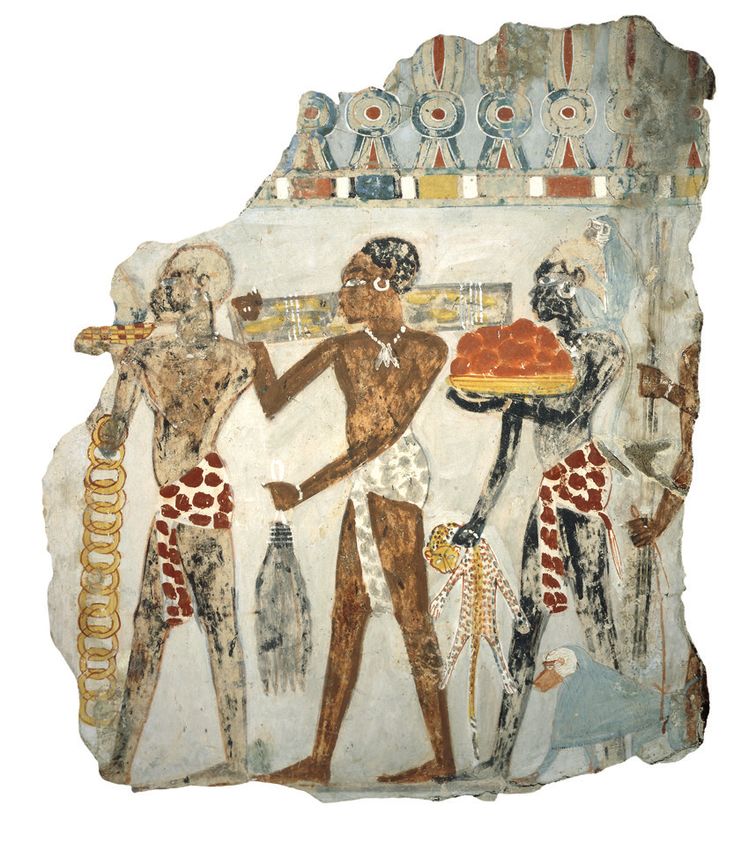
Welcome                                                                Museum
                                                                       explorers
                                                                       ancient
This trail guides you on a journey
of exploration and discovery

                                                                       Egypt
around the Museum. On the way
you’ll track down some amazing
treasures and learn tales
of human history. Whichever
way you go, and whatever you
discover, enjoy yourself! If you
ever feel lost, just ask a member
of staff for help.

Useful information
for families

•    ccessible toilets and baby
    A
    changing facilities are
    available. You can breastfeed
    and bottle feed anywhere on
    the Museum’s grounds but
    if you would like more privacy,
    please use the feeding room
    in the Ford Centre for Young
    Visitors in the Clore Centre for
    Education on the Lower floor,
    Level -1, or one of our baby
    changing spaces. For details,
    ask at the Families Desk or
    Information Desk in the Great
    Court, or pick up a map of the
    whole Museum.
  You
•	      can leave fold-up
    pushchairs in the cloakroom
    free of charge.
•    ou can find child-friendly
    Y
    food at the cafés. High chairs
    are available.                     The people of ancient Egypt
                                       recorded information by
  You
•	      can use the Ford Centre
    for Young Visitors to picnic
                                       carving it into stone. How do   The Hamlyn family trails are supported by

    with your family at weekends       you write down your favourite
    and during school holidays.        stories and memories?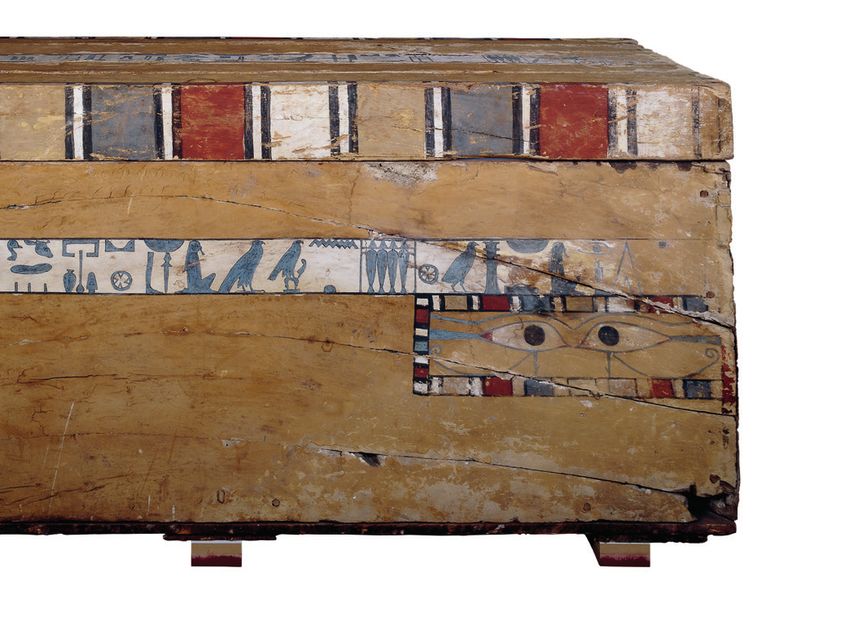
This map shows the locations of the objects in this trail. You can pick
up a map of the whole Museum at the Information Desk in the Great
* Families Desk is open at
weekends and during school
Take a trip down the Nile to find out why it
Court. Please note that some galleries may be closed at short notice holidays only was so important in ancient Egypt. Discover
due to unforeseen circumstances or refurbishment.
how ancient Egyptians lived and why they
Toilets Families Desk* Stairs took so many precious things to their graves.
Accessible toilet Information Desk Lift You’ll need the sharp eyes of an archaeologist
Baby changing Cloakroom Level access lift
to track down every object!
Your journey starts
Ground floor Upper floor in Room 65, Upper floor,
Level 0 North Level Level 3 North Level 3
Level 3
0&1
stairs stairs Your journey starts
in Room 65, Upper floor,
30 66 Level 3 Case numbers can be hard
to find – don’t be afraid
West 24 26 27
5 4 3 2 1 to ask a member of staff
stairs
29a 29b East West 59 58 57 56 55 54 53 East for help finding an object
stairs stairs stairs
20
18 19
21 6 73 Level 3
35
Level 3 52
1 The river of gifts
Room 65, Upper floor
9 Level 0 Level 0 1
Level 1 Level 1
72 51
18b
22
2 Burying the dead
Room 64, Upper floor
18 17 23 8 1 71 50
18a
16
3 Life after death
Room 63, Upper floor
10 7 1 70 49
4 Amazing animals
18 15 Great Court
F
Down
to Clore
Down
to Clore Room 62, Upper floor
14 Centre Level 0 Centre Level 3
43a
5
South South
13 6 stairs 2 69a 69 stairs 36 40 41 42 Looking good
12 6 3 68 37 38 39
43 in ancient Egypt
47 46
Room 61, Upper floor
2a
Level 0 Main entrance
Great Russell Street
Level 3 48
6 Cracking the code
Room 4, Ground floor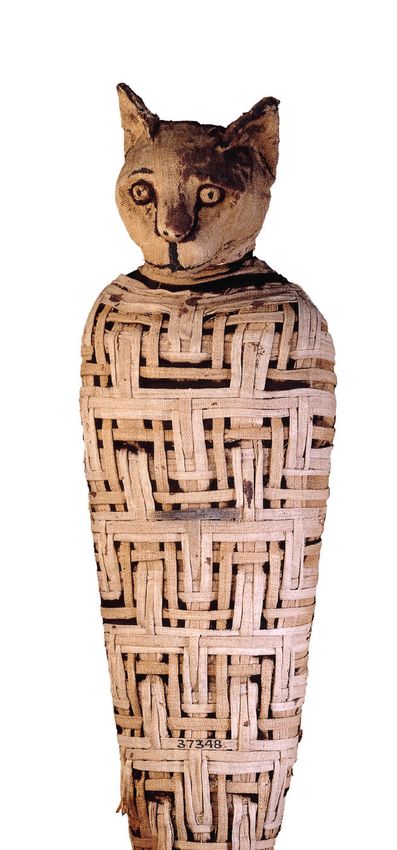
The River Nile’s source is on the equator in Africa
1 The river of gifts                                     and it flows nearly 7,000 km to its mouth in the
                                                         Mediterranean Sea
  Go to Room 65, on the Upper floor, Level 3,
  and find Case 1

  The River Nile gave ancient Egypt its power. Like
  a modern motorway, people used the Nile to transport
  goods across long distances. Boats loaded with
  gold, copper and ivory travelled from Nubia to Egypt
  along the river.

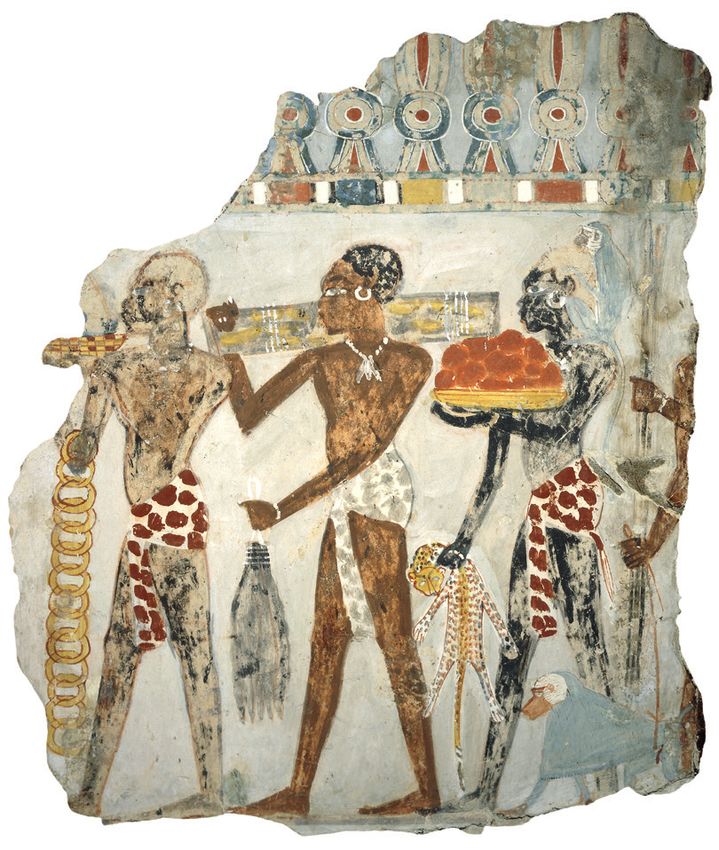
                                                                                     Find this painting of
                                                                                     people from Nubia
                                                                                     taking presents to the
                                                                                     Egyptian pharaoh to keep
                                                                                     him happy. Spot these
                                                                                     precious gifts:

                                                                                      	Gold rings
                                                                                      	A monkey
                                                                                      	Leopard skins
                                                                                      	Dark wood

                                                                                     Look at the precious
                                                                                     gifts on the other side of
                                                                                     this case. What objects
                                                                                     can you name?
                                                                                     What’s the best gift you’ve
                                                                                     ever received? Why was it
                                                                                     your favourite?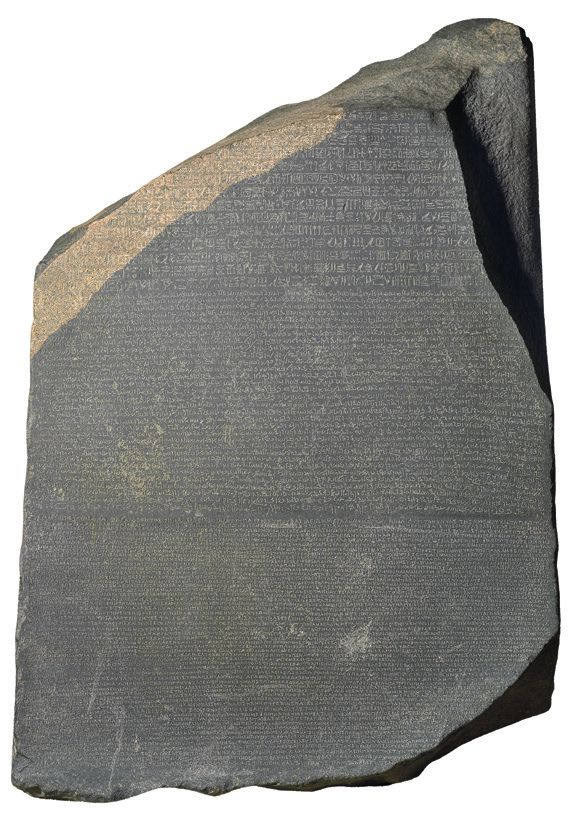
Find Cases 10 and 11.
2 Burying the dead                                                                            These objects were
                                                                                              discovered in tombs
                                                                                              in the city of Abydos.
  Go to Room 64 and find the Gebelein man in the                                              This was a famous
  case near the centre of the gallery                                                         cemetery where the first
                                                                                              kings of Egypt were buried.
  The Egyptians wanted to live forever and believed life                                      Can you guess what each
  continued after death. A proper burial was the best way                                     object is for?
  to guarantee a ticket to the afterlife.

                                                                                    2

                               The objects that
                               Egyptians were buried
                               with tell us what lifestyle
                               they were looking
                               forward to in the afterlife.

                               The Gebelein man died
                               over 5,550 years ago!
                               What objects were buried
                               with him?                      1                    3
                               What have you brought
                               with you today?
                               What does it say about
                                                                  loved to play. They used marbles as counters.

                               the things you enjoy? If
                                                                  a body after death). 3 A snake-pattern board game. Egyptians
                                                                  for an embalmer (that’s someone who prepares and preserves
                               your group could only take         been used for shaving hair, cutting papyrus or even as a tool
                               four things with them on           were lucky enough to drink wine. 2 A flint knife. This could have
                               a journey, what would they         1 A wine jar from the King’s Vineyard. Only the richest people
                               be and why?
                                                                  Answers: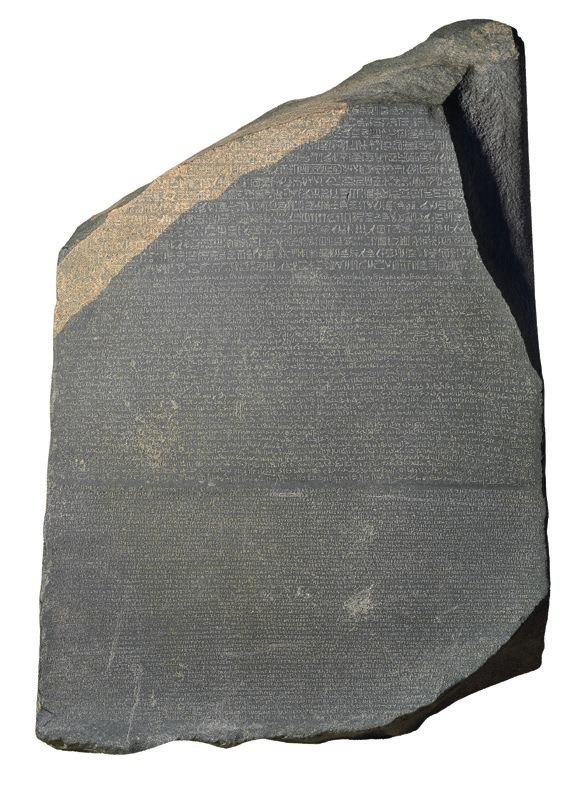
Find the items from Sebekhetepi’s
3 Life after death                                                tomb and look carefully for:

                                                                   	Something to wear on your feet
  Go to Room 63 and find Case 5
                                                                   	People rowing a sailing boat
  If ancient Egyptians could reach the afterlife, they believed    	Something to wrap around yourself
  they would find a perfect version of their life on earth.
  It wasn’t easy to get there though! People buried things        Look carefully at the models of
  in tombs to help the dead make the journey.                     servants that were placed inside
                                                                  the tombs.
                                 Eyes were painted on             Ancient Egyptians believed these models
                                 coffins so the dead could        served the dead in the afterlife. What sort
                                 look out into the world.         of food are they making? What food do
                                 How many eyes can you            you wish you could eat forever?
                                 count around you?
                                                                  Sebekhetepi may also be spelt
                                                                  Sobekhotep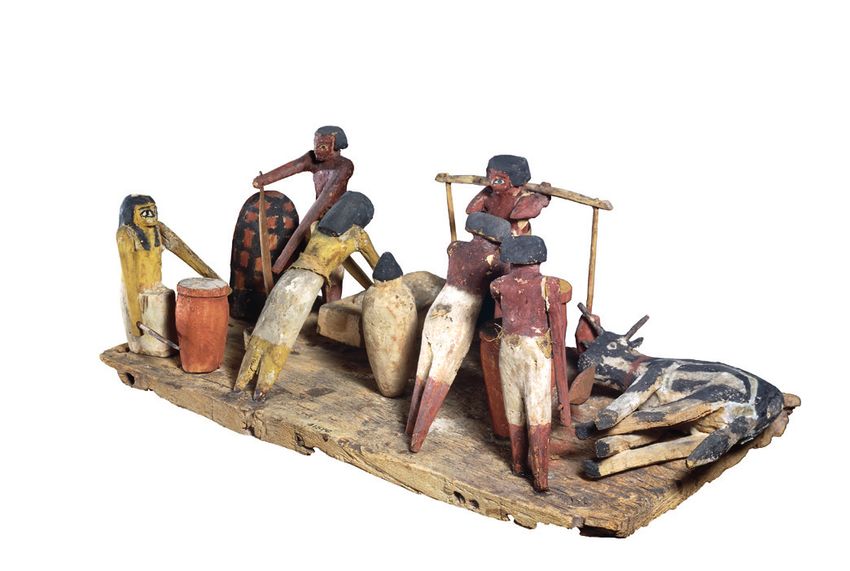
Scans have revealed
4 Amazing animals                                           different animals and
                                                            random collections
                                                            of bones inside some
  Go to Room 62 and find Case 29                            animal mummies,
                                                            suggesting they were
  Do you have pets? In Egypt some animals were              sometimes fakes
  considered sacred. People thought they represented gods
  or goddesses. Cats were associated with the goddess       The Egyptians thought
  Bastet, who had a soothing and peaceful nature.           different animals had
                                                            different qualities.
                                                            What characteristics do
                                                            you think these animals
                                                            represented? See how
                                                            many different words you
                                                            can think of.

  People left mummified animals at
  temples as a present for the gods.
  Find a mummy of each of these six
  animals. What other animals can you spot
  in this room?

   	Cat          	Snake       	Fish

   	Baboon       	Falcon      	Crocodile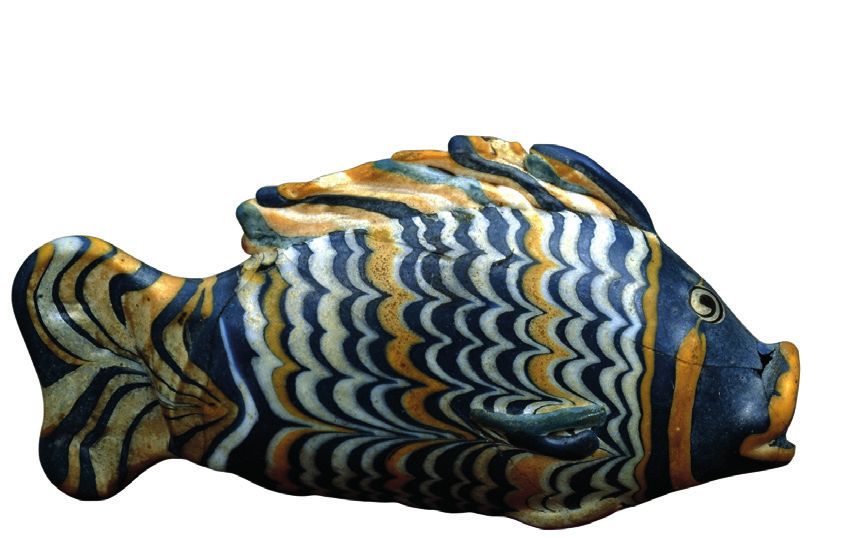
5 Looking good
  in ancient Egypt
  Go to Room 61 and find Cases 4b and 4c

  Women and men wore make-up and jewellery to look
  their best. Only rich people could afford fancy materials
  like gold and precious stones. Ordinary people wore
  copper and coloured pottery beads.

                                                              Find these brightly
                                                              coloured vessels. They
                                                              were made from glass.
                                                              Ancient Egyptians used
                                                              them to store cosmetics
  Some of the objects in                                      and make-up. Which is your
  this case are over 3,000                                    favourite? Talk to your group
  years old! Can you find:                                    about why you chose it.

     A pair of shoes?                                         Egyptian men and women
                                                              used black kohl to line
     Gold bracelets?
                                                              their eyes and make their
     Precious rings?                                          eyelashes darker.
                                                              Look around the gallery. Can
  What occasion might they                                    you see any examples of
  have been worn for? Would                                   ancient Egyptians wearing
  you wear them today?                                        make-up?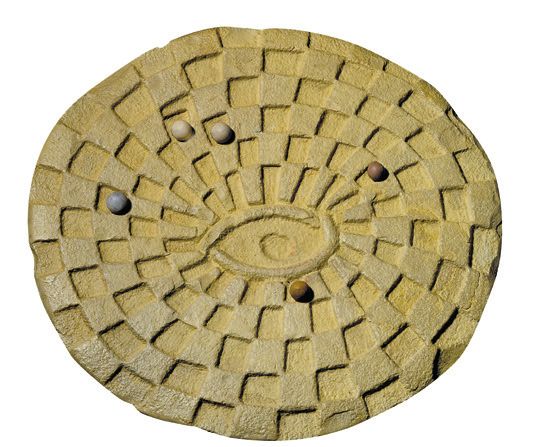
Find the Rosetta Stone in the middle of the
6 Cracking the code                                             gallery or find a model of the object in Room 1.
                                                                Look carefully: it has three different types
                                                                of writing carved into it – hieroglyphs, demotic
  Take the West stairs or the lift outside Room 59              and ancient Greek.
  to go down to Room 4 on the Ground floor, Level 0             What similarities and differences can you see between
                                                                the three forms of writing?
  The sculptures in this room are covered in ancient
  Egyptian writing called hieroglyphs. There are over 700
  different hieroglyphs and the hieroglyphs defeated all
  attempts to decipher them until the early 19th century.

                               Stand in between the two
                               large columns covered
                               in hieroglyphs.
                               Can you see any
                               hieroglyphs inside a shape
                               like the one above? This
                               symbol is called a cartouche
                               – it tells you the word inside
                               is a royal name of a king
                               or queen. Start counting         The Rosetta Stone helped people crack the
                               cartouches. How many can         hieroglyph code – it took almost 25 years to
                               you spot in twenty seconds?      decipher the hieroglyphic script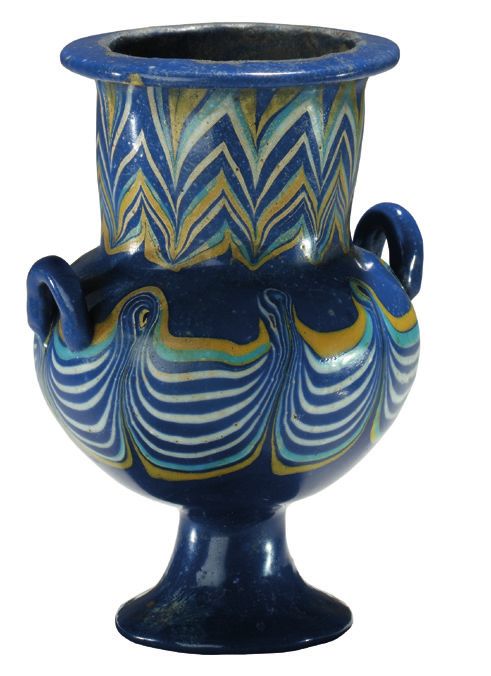
Other things you could
You have completed                                           At home                     do when you get home:

the ancient Egypt trail!                                                                  	Create your own code –
                                                                                            share the key with your
                                                                                            friends so they can
You can find out even more about life in ancient
                                                                                            read it too!
Egypt around the Museum:
                                                                                          	See how many words
    	Strike a pose like one of the statues in Room 4                                        you can write using the
                                                                                             hieroglyphs below.
    	Look inside a mummy with the virtual autopsy table
      in Room 64                                                                          	Draw yourself as an ancient
                                                                                            Egyptian king or queen.
    	Find out more about the afterlife in Room 61

Head back to the Families Desk to receive a stamp!
What a journey you’ve been on. You’ve travelled along the
Nile from Nubia to the Mediterranean Sea and explored
what life was like in Egypt thousands of years ago. Of all
the things you discovered, what was your favourite?

Names

Ages

Date

                                                             Complete the picture of
Favourite objects                                            the precious gifts for an
                                                             Egyptian pharaoh with the
                                                            items you would give him.
Trails in the Museum Cover: The Rosetta Stone 4 Mummy of a cat, with
from Fort St Julien, el-Rashid linen wrappings arranged
explorers series (Rosetta). Egypt, Ptolemaic in a geometric pattern,
Period, 196 BC. from Abydos. Egypt,
Roman Period.
Ages 6+
1 Tomb painting showing
• Africa around the world Nubians bringing tribute 5 Polychrome glass vessel
• Ancient Britain from the south to the in the form of a ‘bulti’-fish
pharaoh, from the Tomb from a medium-sized private
• Ancient Egypt of Sobekhotep. Egypt, house at El-Amarna. Egypt,
• Ancient Greeks about 1400 BC. 18th Dynasty.
• Fantastic creatures
2 Tall jar of dull red pottery Two-handled jar with wide
• Journey across Japan with traces of a pale brown neck from Memphis. Egypt,
wash from the Tomb of Den, 18th Dynasty.
Umm el-Qaab (Abydos).
Ages 3+
Egypt, 1st Dynasty. 6 Red granite column with
• Colour and shape palm-capital from the temple
• Time to count Complete bifacial knife of Herishef at Heracleopolis.
of brown flint from Egypt, 19th Dynasty, about
the Tomb of Semerkhet. 1250 BC.
You can find out more Egypt, 1st Dynasty.
about our family activities The Rosetta Stone from
A circular game board Fort St Julien, el-Rashid
at britishmuseum.org of pale yellow limestone. (Rosetta). Egypt, Ptolemaic
Egypt, Early Dynastic. Period, 196 BC.
See you at the British Museum
3 Rectangular wooden At home activity: Tomb
again soon! outer-coffin of Sobekhotep painting showing Nubians
from Beni Hasan. Egypt, bringing tribute from the
Middle Kingdom. south to the pharaoh, from
the Tomb of Sobekhotep.
Model group, comprising Egypt, about 1400 BC.
six figures engaged in
brewing and butchering,
from Beni Hasan. Egypt,
Middle Kingdom.
The British Museum
Great Russell Street
London WC1B 3DG
britishmuseum.org
© The Trustees of the British Museum 08/2019You can also read


