Nanostructured lipid carrier system: A compendium of their formulation development approaches, optimization strategies by quality by design, and ...
←
→
Page content transcription
If your browser does not render page correctly, please read the page content below

Nanotechnology Reviews 2022; 11: 1744–1777
Review Article
Shamama Javed*, Bharti Mangla, Yosif Almoshari, Muhammad H. Sultan, and Waquar Ahsan
Nanostructured lipid carrier system:
A compendium of their formulation development
approaches, optimization strategies by quality
by design, and recent applications in drug
delivery
https://doi.org/10.1515/ntrev-2022-0109 Keywords: lipid nanocarriers, nanostructured lipid car-
received December 4, 2021; accepted March 31, 2022 riers, optimization, novel drug delivery, statistical designs,
Abstract: The lipid-based colloidal carriers, such as quality by design
nanostructured lipid carriers (NLCs), solid lipid nanopar-
ticles (SLNs), nanocapsules, liposomes, and microemulsion,
are the latest and significant entrants in the development
of drug delivery systems owing to their myriad advantages. 1 Introduction
The NLCs are second-generation SLNs having unstructured
matrix, have high drug loading, and provide long-term drug The versatility in the field of nanomedicine is evolving
stability in comparison to SLNs and other colloidal systems, with passing time and extensive investigations are being
which show lower drug loading and experience burst performed by scientists worldwide. The nano-drug delivery sys-
release/drug expulsion during storage. This review is tems are classified as polymeric systems, such as nanocapsules,
aimed to summarize the formulation development and nanospheres, nanofibres, and nanodiscs, and lipid-based sys-
optimization strategies for NLCs as reported in the lit- tems, such as liposomes, transferosomes, ethosomes, niosomes,
erature collected from authentic databases. Various types virosomes, phytosomes, micelles, solid lipid nanoparticles
of NLCs, formulation components, methods of prepara- (SLNs), and nanostructured lipid carrier (NLC) systems.
tion, characterization parameters, optimization (statistical Lipid nanoparticles (LNPs) gained attention in the
designs) strategies, toxicity, regulatory aspects, and their early 1990s when the first-generation SLNs were created
applications in oral, parenteral, ocular, pulmonary, nose- [1]. The SLNs created a lot of interest worldwide and quite
to-brain, tumor targeting, and transdermal drug delivery several research groups started working on SLNs in the
have been dealt in detail. Patents granted on the NLCs first years of their discovery, and to date, SLNs remain an
have also been enlisted. alternative approach to current conventional carriers,
such as emulsions, liposomes, and polymeric nanoparti-
cles [2,3]. The SLNs are within the range of submicron
(50–1,000 nm) and the appropriate selection of lipids and
surfactants will affect particle size (PS), long-term storage
* Corresponding author: Shamama Javed, Department of stability, drug loading (DL), and release behaviors [4,5].
Pharmaceutics, College of Pharmacy, Jazan University, P. Box
Their major benefit is the prospect of their large-scale indus-
No. 114, Jazan, Saudi Arabia, e-mail: sjahmad@jazanu.edu.sa,
tel: +966 552144370 trial development [6,7]. Possible SLN-related problems, such
Bharti Mangla: Department of Pharmaceutics, School of as restricted DL capacity, change in drug release profile, and
Pharmaceutical Sciences, Delhi Pharmaceutical Sciences and expulsion of drugs during storage, are either avoided or
Research University (DPSRU), New Delhi, 110017, India minimized using the new-generation NLCs [8].
Yosif Almoshari, Muhammad H. Sultan: Department of
NLCs are the second generation of SLNs, composed of
Pharmaceutics, College of Pharmacy, Jazan University, P. Box
No. 114, Jazan, Saudi Arabia
a binary mixture of solid lipid and liquid lipid, the
Waquar Ahsan: Department of Pharmaceutical Chemistry, College of average size in the range of 10–500 nm [9]. Here, the solid
Pharmacy, Jazan University, P. Box No. 114, Jazan, Saudi Arabia lipid is mixed with the liquid lipids preferably in a ratio of
Open Access. © 2022 Shamama Javed et al., published by De Gruyter. This work is licensed under the Creative Commons Attribution 4.0
International License.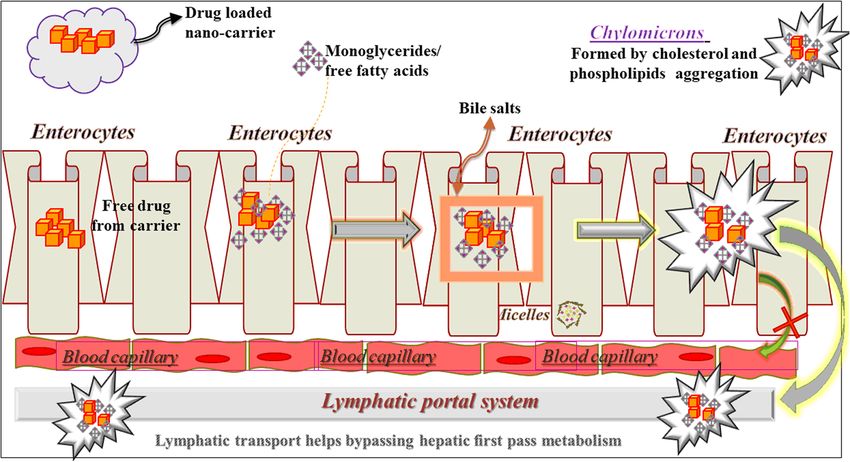
Nanostructured lipid carrier system 1745
70:30 up to 99.9:0.1. They contain a special nanostruc- 2.2 Amorphous NLCs
ture, which results in the improvement in DL as well as
firm incorporation of the drug inside increasing the storage In the amorphous form of NLCs, lipids are combined in
time. The NLCs can be administered to the patients using such a way that they cannot crystallize and a structure-
oral, topical, intravenous (IV), as well as ocular routes less amorphous matrix is obtained. Special lipids, such as
[10]. The advantages associated with NLCs include easy hydroxyoctacosanyl hydroxystearte or isopropyl myris-
scale-up, drug targeting, controlled drug release profile, tate, are mixed with the solid lipid. Consequently, NLCs
longer stability profile, high DL, biocompatible, biode- exist in an amorphous state instead of the ordered one
gradable, and nontoxicity [11]. The selection of drugs, preventing drug exclusion due to β modifications during
lipids (solid and liquid), surfactants, and cryoprotectants its storage.
is crucial in their development and optimization [12,13].
The quality-by-design (QbD) approach has attracted
much attention recently for the optimization of manufac-
2.3 Multiple O/F/W NLCs
turing variables to achieve safe and effective pharmaceu-
tical formulations. It has been applied successfully in the
Generally, the solid matrix of many O/F/W-type NLCs
optimization of SLNs and NLCs for the screening of exci-
contains distributed nanosized liquid oil compartments,
pients used and in the study of drug–lipid compatibility.
which increases the DL as the drug solubility is increased
Using the QbD, the quality target product profile (QTPP)
due to these nanosized compartments [15,16]. Preferen-
and critical quality attributes (CQAs) of the product are
tially, these lipid particles are suited for the incorporation
identified followed by the evaluation of critical material
of lipophilic drugs and the hydrophilic drugs can only
attributes (CMAs) and critical process parameters (CPPs)
be incorporated in low concentrations. In certain cases,
to ensure the quality of the finished product [14]. Several
a water-insoluble lipid conjugate is formed from the
mathematical models and statistical tests are available to
water-soluble drugs by conjugating it with lipids using
apply to the parameters that influence the physical char-
covalent linkage or salt formation. These lipid conjugates
acteristics of the nanoformulations. These parameters
can be melted and processed to afford the lipid–drug
include the variation in the composition of lipids, emul-
conjugate nanoparticles and these lipidic conjugates can
sifiers, and the manufacturing parameters including time
have 30–50% DL for water-soluble drugs [17].
and rate of emulsification, time and amplitude of sonica-
tion, pressure, and number of cycles of homogenization, etc.
The effect of these critical parameters on the PS, polydisper-
sity index (PDI), zeta potential (ZP), drug encapsulation effi- 3 Components of NLCs
ciency (EE), and in vitro drug release was studied [14].
This review is aimed to summarize and highlight the The major components of NLCs include solid lipids,
preparation and characterization techniques of NLCs along liquid lipids, surfactants, and surface modifiers [18].
with their applications in the biomedical field. The toxicity Solid lipids form the solid lipid core of the NLCs and
profile, recent patents, and the regulatory considerations act as the matrix-forming lipids. Various solid lipids
associated with NLCs are also covered. along with their melting point and compositions used
in the NLC formulations are given in Table 1. On the other
hand, liquid lipids (oils) are the lipophilic excipients that
2 Types of NLCs are used to integrate the solid lipid core and to reduce its
crystallinity [19]. In the preparation of NLCs, two types of
The NLCs can be divided into three types: imperfect, amor- oils are used: natural oil or synthetic oil, and most of the
phous, and multiple oil-in-solid fat-in-water (O/F/W) based drugs are dissolved in synthetic oils [20]. Various types of
on differences in their lipid and oil composition. synthetic and natural oils used in the formulation of NLCs
along with their examples are summarized in Table 2.
The entrapment efficiency, stability, drug-loading capac-
2.1 Imperfect NLCs ity, and the controlled release behavior of NLC formulations
are influenced by their lipid component [4]. These lipids are
The preparation of imperfect NLCs requires the mixing of well-tolerated physiologically and are approved as generally
structurally dissimilar lipids, such as glycerides and fatty regarded-as-safe (GRAS) compounds. Although there are no
acids, creating imperfections in the crystal order. specific guidelines as such for their selection, however, the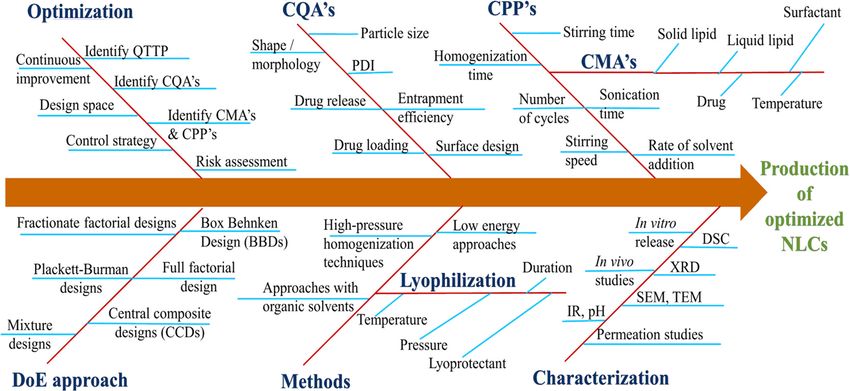
1746 Shamama Javed et al.
Table 1: List of solid lipids, their melting points, and compositions used in the NLC formulations
Solid lipids Melting Compositions used
point (±5°C)
Stearic acid/octadecanoic acid/ 69.6 Stearic acid + palmitic acid + small concentration of oleic acid (HLB
cetylacetic acid value = 15)
Glyceryl monostearate (GMS) 57–65 Monoglycerides + diglycerides of fatty acids (HLB value = 3.8)
Glyceryl monostearate polyoxylethylene 55–62 Mixture of glycerol monostearate and PEG-75 (MW 3,500) stearate
stearates (Gelot™ 64) (C18) (HLB value = 10)
Carnauba wax 82 Hydroxy acid aliphatic ester + p-methoxy cinnamic acid aliphatic
ester + p-hydroxy cinnamic acid aliphatic diester + oxy-polyhydric
alcohol (HLB value = 12)
Cetyl palmitate 54 Ester derived from hexadecanoic acid and hexadecanol (HLB value
= 10)
Glyceryl palmitostearate (Precirol® ATO 5)/ 50–60 Mono- + di- + triglycerides of C16 and C18 fatty acids (HLB value = 2)
glyceryl distearate
Glyceryl behenate (Compritol® 888 ATO)/ 65–77 Mono- + di- + triesters of behenic acid (HLB value = 2)
glycerol dibehenate
Compritol® HD5 ATO/behenoyl polyoxyl-8 60–67 Mono- + di- + triglycerides of PEG8 and mono- + diesters of behenic
glycerides acid (HLB value = 5)
Geleol™ mono- and diglycerides NF/mono- 54–64 Mono- + di- + triesters of palmitic acid (C16) and stearic acid (C18)
and diglycerides (HLB value = 3)
Grades of Softisan – it is a mixture of triglycerides graded based on even-numbered, saturated, and non-branched natural fatty acids of
chain length C8–C18 and are of vegetable origin
Softisan 100 33–35 Hydrogenated co-glycerides + mixture of C10–C18 fatty acid
triglycerides
Softisan 154 53–58 Hydrogenated palm oil + mixture of C10–C18 fatty acid triglycerides
Softisan 142 42–44 Mixture of C10–C18 fatty acid triglycerides of
Softisan 138 NA Mixture of C10–C18 fatty acid triglycerides and diglycerides
Softisan 645 NA Mixture of diglycerol with caprylic, isostearic, capric, stearic, and
adipic acid
Softisan 378 38 Mixture of caprylic/capric/myristic/stearic triglycerides
Softisan 601 40–45 Hydrogenated coconut oil + ceteareth-25 + triglycerides (glyceryl
cocoate)
Softisan 649 35 Mixture of diglycerol, caprylic, isostearic, capric, stearic acid,
hydroxystearic, and adipic acid
Grades of Witepsol® – synthetic hard wax, available in different series
Witepsol®H (5,12,15,19,32,35,37) 31–38 Mixture of triglycerides + diglycerides (15%) + monoglycerides (1%)
with low hydroxy value
Witepsol® W (32,25,35,45) 32–35.5 Mixture of triglycerides (65–80%) + diglycerides (10–35%) +
monoglycerides (1–5%) with high hydroxy value
Witepsol® S (51,55,58) 30–35.5 Non-ionic ethoxylated emulsifier
Witepsol® E (75,76,85) 37–44 Series E are hard fats having melting point more than the body
temperature
Imwitor grades
Imwitor 372P 62 Glyceryl stearate citrate, HLB = 12
Imwitor 491 66–77 Mixture of GMS and monoglycerides with HLB value 4
Imwitor 900K 61 Glycerol monostearate (40–55%, type I), HLB = 3
Imwitor 928 34 Mixture of glyceryl cocoate and medium-chain partial glycerides
Dynasan grades
Dynasan® 116 63–68 Tripalmitin
Dynasan® 118 72 Glyceryl tristearate/triglycerides
Dynasan® 114 55–58 Solid triglycerides (triglycerides/trimyristin)
Others
Lauric acid (dodecanoic acid) 43.2 Mixture of saturated fatty acid with a 12-carbon atom chain
Apifil® CG/PEG-8 Beeswax 59–70 It is a polar beeswax derivative by esterification of beeswax with
polyethylene glycol (PEG). PEG group imparts hydrophilic properties
to beeswax.
(Continued)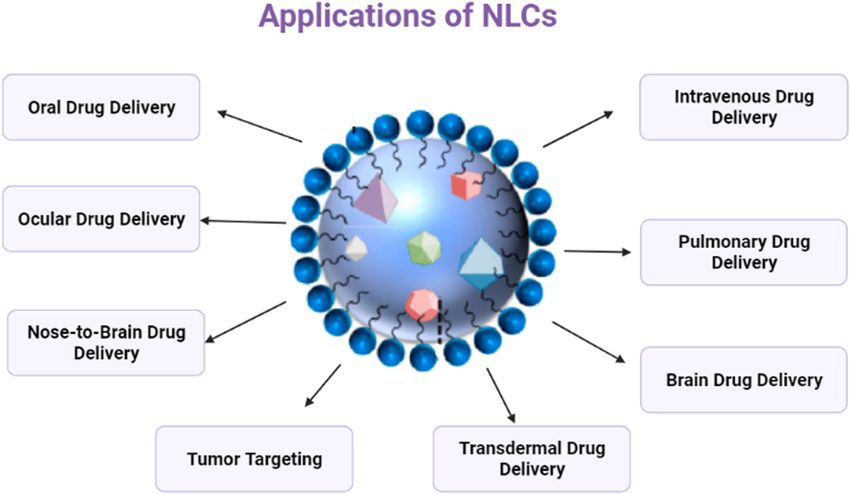
Nanostructured lipid carrier system 1747
Table 1: Continued
Solid lipids Melting Compositions used
point (±5°C)
Tefose® 63 49 Mixture of ethylene glycol palmitostearate + PEG-6 palmitostearate +
PEG-32 palmitostearate (HLB value = 9.5)
Tristearin/glyceryl tristearate 54–72 It is derived from three units of stearic acid
drug solubility in lipids is one of the criteria to select an surfactants remains oriented toward the aqueous phase
appropriate lipid. The third component surfactant is often and the lipophilic groups get oriented toward the lipid
a polymeric material that is used to provide stability to the [21]. Surfactants are selected based on the chosen lipid
lipid crystal suspension, maintain uniform PS distribution, component as they should be physico-chemically compa-
and prevent particle growth. Various properties of NLCs, tible with each other. Other factors that determine the
such as the viscosity and water-solubilizing capacity, are selection of surfactants include the route of administra-
determined by the surfactants and they play a crucial role tion and the hydrophilic–lipophilic balance (HLB) value
in the formulation development. They also prevent the of the surfactant. Another compound, known as the co-
agglomeration and dispersibility of the particles and provide surfactant, is used to further decrease the interfacial ten-
stability to the formulation. sion and to enhance the drug solubility in SLNs/NLCs to a
Surfactants are amphiphiles that reduce the surface value lesser than that of the surfactants alone. A few
tension and therefore facilitate the partition of particles examples of surfactants and co-surfactants used in the
between the two phases. The hydrophilic head of the preparation of NLCs are listed in Table 3 [22].
Table 2: Synthetic and natural oils used for the formulation of NLCs and their examples
Types of oil used Examples
Synthetic oils
Medium-chain mono- and diglycerides of caprylic/ Capmul MCM
capric acid Imwitor
Propylene glycol (PG) fatty acid esters including PG Lauroglycol FCC
monolaurate Capmul PG-12
Lauroglycol 90
PG diester of caprylic/capric acid Labrafac PG
PG dicaprylate Miglyol 840
Medium-chain triglycerides and their esters including Akomed R, Akomed E, Miglyol 810, Captex 355, Crodamol GTCC, Neobee M5
capric/caprylic triglycerides
Fractionated coconut oil Miglyol 812, Triacetin, Labrafac CC, Captex 300
Long-chain monoglycerides, such as glyceryl Maisine 35
monolinoleate
Glyceryl monooleate Peceol, Capmul GMO
Capric/caprylic/diglyceryl succinate Miglyol 829
Fatty acids, such as oleic acid and caprylic acid Crossential O94
Fatty acid esters Ethyl butyrate, ethyl oleate (Cardamol EO), isopropyl myristate, ethyl
butyrate, isopropyl palmitate
Mineral oil Liquid paraffin
Vitamins Vitamin E/α-tocopherol
Diethylene glycol monoethyl ether Transcutol HP
Natural oils
Fixed oils Sunflower oil, shark liver oil, palm oil, sesame oil, olive oil, rice bran oil,
margosa oil, mustard oil, jojoba oil, cod liver oil, cottonseed oil, arachis/
peanut oil, castor oil, soyabean oil, chaulmoogra oil
Essential oils Pumpkin seed oil, lemon grass oil, cinnamon oil, peppermint oil, citronella
oil, lavender oil, clove oil, garlic oil, geranium oil1748 Shamama Javed et al.
Table 3: Various surfactants, co-surfactants, and surface modifiers used in the formulation of NLCs
Agents Examples
Surfactants/co-surfactants Soy lecithin (Lipoid S 75, Lipoid S 100), phosphatidyl choline 95% (Epikuron 200), Poloxamer-188
(Pluronic F-68), egg lecithin (Lipoid E 80), Cremophor EL, Poloxamer 407, lecithin, Poloxamine 908,
Solutol HS 15, Tyloxapol, Polysorbate 20 (Tween® 20), Polysorbate 60 (Tween® 60), Polysorbate 80
(Tween® 80), sodium cholate, taurodeoxycholic acid sodium, sodium glycocholate, butyric acid and
butanol, sodium dodecyl sulfate, cetylpyridinium chloride, polyvinyl alcohol, and sodium oleate
Surface modifiers Folate, PEG 2000, biotin, ferritin, transferrin, β-D-galactosides, mannose, L-arginine, oligo-chitosan,
hyaluronic acid, wheat germ agglutinin
Another important component of NLCs includes the associated with this method is the probability of degradation
surface modifiers, which are the ingredients that add spe- of drug and carrier due to higher temperature [27]. Therefore,
cial properties to the formulation and influence the in vivo this method is more suitable for highly lipophilic and inso-
effects of NLCs. Several surface modifiers are used to luble drugs and not for hydrophilic ones. Other advantages of
modify the NLCs and a few of them are listed in Table 3. this technique are the avoidance of organic solvents and the
These surface modifiers may be attached with some linkage, scale-up suitability. On the other hand, the emulsion eva-
such as 1,2-distearoyl-sn-glycero-3-phosphoethanolamine- poration technique includes evaporation of the oil phase by
PEG, succinic acid-PEG 2000, folate-PEG-Chol, and mannan- heating under reduced pressure; therefore, the advantage of
PEG-phosphatidylethanolamine. The surface modifications this technique is the avoidance of heat; however, the major
of SLNs are generally inspired by the methods used for the disadvantage is the use of solvents, which may lead to toxi-
functionalization of liposomes. Special functionalized city due to solvent residues. Similarly, the advantages of the
lipids are included in the SLNs/NLCs’ formulation using solvent dispersion technique include speed, simplicity, and
the post-insertion method. Another feasible approach to avoidance of major instruments; however, this method is not
modify the surface of SLNs/NLCs is by linking the coating suitable for the preparation of NLCs at an industrial scale and
agent used in the formulation to an excipient, which is also is associated with chances of solvent residue in the final
an integral part of the formulation. This is done by using product. The microemulsion technique has the advantage of
N-hydroxy succinimide/1-ethyl-3-(3-dimethyl aminopropyl) the usage of a small amount of drug and simplicity; however,
carbodiimide chemistry forming covalent bonds and is a it requires high concentrations of emulsifiers.
well-validated approach in designing polymeric particles
systems [23,24].
4.1 High-energy approaches
4 Methods of preparation of NLCs 4.1.1 HPH technique
Techniques used in the preparation of SLNs can also be The HPH technique remains one of the most preferred
used for the preparation of NLCs [25]. These preparation methods owing to the shorter production time in compar-
techniques are divided into three major categories: high- ison to other techniques, easier scale-up, and lack of
energy approaches, low-energy approaches, and approaches solvents [27]. HPH methods can be divided into hot
with organic solvents. Various critical aspects in the formula- HPH and cold HPH protocols [28]. The hot HPH process
tion development of NLCs are discussed henceforth [26] and includes melting solid lipids first followed by mixing
are depicted in Figure 1. Various advantages and disadvan- them with liquid lipids and drugs. This dispersion is
tages are associated with different techniques and the selec- then mixed with hot surfactant solution in water resulting
tion of appropriate methods for the preparation of NLCs in a pre-emulsion, which upon homogenization at up
depends upon the characteristics of the drug and the PS to three cycles at 500 bar at high temperature gives
required. For instance, the high-pressure homogenization SLNs/NLCs as the end desired product. Generally, the
(HPH) technique utilizes both high pressure and high tem- high temperature reduces the PS by decreasing the viscos-
perature and is the most commonly employed method for ity of lipids; however, the chances of drug or carrier system
NLCs’ preparation. It has the advantage of utilizing high degradation increase. Whereas, in cold HPH, the lipid
temperature, which decreases the viscosity of mixed liquids blend is melted and mixed to form lipid microparticle
and thereby reduces the PS; however, the disadvantage dispersion, which is then mixed with a cold surfactantNanostructured lipid carrier system 1749
Figure 1: Methods of preparation of NLCs. (a) Hot homogenization technique, (b) cold homogenization technique, (c) phase inversion
temperature (PIT) technique, (d) coacervation technique, (e) supercritical fluid (SCF) technique, (f) high shear homogenization/ultraso-
nication technique, (g) double emulsion technique, (h) microemulsion technique, (i) membrane contactor technique, (j) emulsification–
solvent evaporation technique, (k) emulsification solvent diffusion technique, and (l) solvent injection technique.
solution to form a pre-suspension, which upon homoge- auxiliary emulsifier, and deionized water (preheated to
nization at up to 5–10 cycles at 1,500 bar at room tempera- the same temperature) to yield a transparent mixture with
ture gives SLNs/NLCs as the end product. thermodynamic stability similar to oil-in-water type micro-
emulsion. The obtained mixture is dispersed immediately
in ice-cold water (0–4°C) with gentle mechanical stirring
4.1.2 Melt emulsification homogenization technique
forming dispersion of NLCs. The temperature difference
between the microemulsion and cold water is the key
In this technique, the solid lipid, the liquid lipid, and the
factor in determining the size of nanoparticles as the rapid
drug are mixed and dispersed into the aqueous surfactant
cooling prevents the aggregation of these particles resulting
solution using the probe sonication method. The mixture
in smaller size NLCs. While method simplicity is its advan-
is then cooled to a low temperature to afford solid NLCs.
tage, the abundant use of emulsifiers and auxiliary emulsi-
The important advantage associated with this technique
fiers is its disadvantages.
is the avoidance of heat.
4.2.2 Membrane contractor technique
4.2 Low-energy approaches
Lipid is transported through the pores of a membrane at a
4.2.1 Microemulsion technique pressure that keeps the system above the melting tem-
perature of the lipid, resulting in the creation of tiny
In this technique, the lipid carrier is melted just above droplets. The aqueous phase, on the other hand, is cycled
its melting point followed by the addition of a drug, within the membrane, and droplets generated at the1750 Shamama Javed et al.
holes are swept along with it. When the preparation is pressure. Although the approach eliminates heat stress, it
cooled to room temperature, LNPs are formed. The size does have one drawback: the use of an organic solvent.
and lipid influx of LNPs are influenced by aqueous phase
flow velocity, lipid and aqueous phase temperature, mem-
brane pore size, and lipid phase pressure. 4.3.2 Emulsification solvent diffusion technique
This approach is similar to the “solvent emulsification–
4.2.3 Phase-inversion temperature technique evaporation” method, except that the lipid is dissolved in
a somewhat water-miscible organic solvent, such as benzyl
The phase inversion from O/W to W/O emulsion is used alcohol or ethyl formate. The transitory oil-in-water emul-
in this process, which is a unique, cost-effective, and sion is poured into the water with constant stirring, causing
solvent-free method for the synthesis of LNPs. Step 1 the dispersed phase to solidify and form LNPs due to
comprises optimizing the quantities of lipid, surfactant, organic solvent diffusion. The lipid solidifies as the solvent
and water, followed by a 4°C increase in temperature diffuses to the liquid phase.
from room temperature to 85°C. To achieve the phase
inversion zone, the system is subjected to three tempera-
ture cycles. The addition of cold water (0°C) in step 2 4.3.3 Evaporation solvent injection technique
produces an irreversible shock to the system, causing
nanocapsule production. A water-miscible solvent, such as acetone, ethanol, methanol
or isopropyl alcohol, or a water-soluble solvent mixture, is
used to solubilize lipid, which is quickly injected into an
4.2.4 Coacervation technique aqueous surfactant solution while being stirred constantly.
Excess fat is removed from the resulting dispersion by fil-
This is a revolutionary solvent-free approach that can tering. This approach has the advantages of being simple
even include thermosensitive pharmaceuticals without to use, efficient, versatile, requiring no specialized equipment
the use of expensive equipment or hazardous solvents. (such as a high-pressure homogenizer), and using authorized
In the presence of an appropriate amphiphilic polymeric organic solvents.
stabilizing agent, a Micellar solution of a fatty acid
sodium salt interacts slowly with an acid solution (coa-
cervating solution). 4.3.4 Supercritical fluid technique
This technique involves solubilization of the lipid mate-
4.2.5 Double emulsification technique rial with the drug in an organic solvent, such as chloro-
form by adding a suitable surfactant resulting in an
This method, which is based on the solvent emulsifica- organic solution. The organic solution is disseminated
tion–evaporation process, is mostly used to make LNPs in the aqueous phase (that may or may not contain a
that are loaded with hydrophilic medicines. The medica- co-surfactant) and the combination is then homogenized
tion and the stabilizer are enclosed in the W/O/W double at high pressure to generate an O/W emulsion. The O/W
emulsion’s inner aqueous phase. Due to their higher PS emulsion is injected at a constant flow rate from one end
than SLNs, these formulations are referred to as lipospheres. of the extraction column (typically the top), and the super-
critical fluid (kept at constant temperature and pressure)
is introduced at a constant flow rate counter currently.
4.3 Approaches with organic solvents Continuous extraction of solvent from the O/W emulsions
is used for the formulation of LNP dispersions.
4.3.1 Solvent emulsification evaporation technique
The lipid is dissolved in a water-immiscible organic solvent,
such as cyclohexane or chloroform, and then emulsified with 5 Lyophilization of NLCs
continuous stirring in an aqueous phase containing surfac-
tants, resulting in an O/W emulsion. Solvent evaporation and Lyophilization (freeze-drying) method has been the tech-
lipid precipitation result from evaporation at decreasing nique to stabilize the NLCs. One of the purposes ofNanostructured lipid carrier system 1751
lyophilization is to prolong the product storage duration interactions and a higher glass-transition temperature,
and preserve it from chemical and physical degradation. both of which may aid nanoparticle stability [33,34]. Rifa-
Therefore, a solid-state material is easy to obtain using butin (RFB)-NLCs for the treatment of tuberculosis were
the lyophilization technique and it would readily re-dis- prepared with the help of miglyol-812 (liquid lipid) and
perse when required. Lyophilization, in general, is based Precirol® ATO 5 (solid lipid) via high-shear homogeniza-
on the sublimation principle (dehydration process) where tion and ultrasonication techniques. Aerosil was used as a
the water goes straight from a solid state (ice) to a gas- cryoprotectant and made a stable formulation at 2% w/w
eous state without going through a liquid state [29]. of its concentration [35]. Olmesartan NLCs prepared by
During the lyophilization process, cryoprotectants or lyo- Precirol ATO 5 and Capmul MCM were lyophilized by man-
protectants are used as stabilizers, which protect the for- nitol as it resulted in the formation of voluminous, easy to
mulation during freeze-drying (cryoprotectant) against redisperse cake with redispersibility index close to one,
the freezing and drying stresses (lyoprotectant). To pro- and ultimately their long-term stability [36]. Mannitol as
tect the product from the high stress created during the a cryoprotectant for the preparation of exemestane NLCs
lyophilization process, cryoprotectants, such as mannitol, using ultrasonication technique is also reported. Flaxseed
trehalose, fructose, sorbitol, lactose, glucose, sucrose, and oil was used as liquid lipid and Precirol ATO 5 was used as
aerosil, are added in 5–15% w/w concentration [30]. solid lipid for the preparation of the NLCs. NLCs’ lyophi-
It is the most dependable drying procedure since lized formulation showed better stability as compared to
it does not alter the product’s molecular structure. their suspension throughout the storage period [37].
Cryoprotectants are also known to vitrify at a certain tem-
perature, Tg. Nanoparticles can be immobilized inside a
glassy cryoprotectant matrix to avoid the aggregation and
protect them from the mechanical stress of ice crystals. 6 Characterization of NLCs
Cryoprotectants not only improve the long-term stability
of NLCs during storage, but they also serve as bulking Owing to the tiny size of the particles and the intricacy of
agents (which add bulk to the formulation, especially the system, the characterization of NLCs can be challen-
when the product concentration to freeze dry is low) and ging. PS and size distribution, ZP, surface charge, particle
tonicity adjusters [31]. Surfactant-stabilized NLCs created morphology, polymorphism, thermal behavior of lipids,
by an appropriate approach might retain good stability. degree of crystallinity, and lipid modification are relevant
However, in aqueous solutions, it can have poor chemical parameters to be considered [38]. The PS and size distri-
and physical stability. bution of NLCs are the most essential characteristics that
During storage, however, aggregation or other unfor- determine their stability, solubility, release rate, and in
eseeable adverse effects may develop. As a result, boosting vivo performance; hence, their accurate measurement is
the stability of NLCs and maintaining their physical qua- critical [15]. Photon correlation spectroscopy (PCS) and
lities is increasingly important. Cryoprotectants were used laser diffraction are the most promising and extensively
to lyophilize the NLC solution and protect it against used methods for the PS assessment of LNPs [39,40].
agglomeration during storage, according to many investi- NLCs are generally polydispersed in nature; therefore,
gations. Tilmicosin NLC suspension was lyophilized using the measurement of PDI is vital to understand the size
mannitol as a cryoprotectant after being produced by heat distribution of the nanoparticles. The nanoparticle dis-
homogenization with Compritol 888 ATO, sesame oil, persion is considered to be more monodispersed when
Poloxamer 407, and Tween® 80. The lyophilized products the PDI value is low. The majority of studies consider a
were shown to be more stable over a longer period [32]. PDI value of less than 0.3 to be optimal [41,42]. PCS using
NLCs containing lopinavir (LPV) and verapamil were pro- a Zetasizer NanoZS at 25°C may be used to detect PDI and
duced utilizing Compritol 888 ATO® and oleic acid as solid ZP [43]. The second most essential characteristic para-
and liquid lipids using a hot high-shear homogenization meter is DL and EE, which may be assessed by calculating
technique. PS and PDI were used to screen many cryopro- the amount of drug encapsulated within the nanoparti-
tectants, including mannitol, sorbitol, sucrose, and treha- cles. In a nutshell, NLC dispersion is placed in a centri-
lose. Trehalose was shown to be superior at preventing fugal tube and centrifuged for 30 min at 5,000 rpm, after
LPV-NLC aggregation and improving stability throughout which the quantity of drug in the aqueous phase is eval-
the freeze-drying process. Trehalose has several benefits in uated using HPLC [44–46]. The following formulae can
comparison to cryoprotectants, such as lesser chemical be used to compute drug EE and DL:1752 Shamama Javed et al.
Actual amount of drug in the filtered formulation − Soluble unencapsulated drug
EE (%) = × 100,
Amount of drug added during formulation
Actual amount of encapsulated drug
L (%) = × 100.
Amount of lipid used to prepare the formulation
Because these factors are significantly connected At this stage, the QTPP must be well defined through
with drug incorporation and release rates, determining research literature and field experience systematically
the degree of lipid crystallinity and the alteration of the assessed under the quality risk management strategy,
lipid are also key components of characterizing NLCs. which helps to reduce time and waste of resources. For
Lipid crystallization and modification modifications the NLCs’ preparation, QTTP is set for the improvement of
may be greatly slowed due to the tiny size of the particles its biopharmaceutical performance to provide thera-
and the presence of emulsifiers. To assess the state of peutic benefits to the patients. CMAs and CPPs are
lipids, differential scanning calorimetry (DSC) and referred to as independent variables defined by simula-
X-ray scattering are commonly utilized [47–49]. Varied tion and specific statistical techniques [60]. NLC formu-
lipid changes have different melting temperatures and lations optimized via basic knowledge of these process
melting enthalpies, which DSC makes use of. The length parameters with the aid of appropriate experimental
of the long and short spacing of the lipid lattice may be design are a must otherwise undesirable outcomes will
measured using X-ray scattering. Infrared and Raman be achieved (Figure 2). For the nanolipid carrier system,
spectroscopy are important methods for studying lipid CMAs include API composition, solid lipid concentration,
structural characteristics, but their use in characterizing liquid lipid concentration, excipient ratio, surfactant
NLC dispersions has yet to be determined [50–54]. concentration, drug–lipid ratio, types of solvent ratio,
polymer concentration, the ratio of a binary mixture,
etc. CPPs may include stirring time, homogenization
7 Optimization of NLCs time, preparation technique, temperature, sonication
time, lipid type, etc. CQAs are PS distribution, phase
separation, EE, polydispersibility index, ZP, pH, in vitro
Experimental design via the QbD system helps develop a
release, dissolution efficiency, DL, and enthalpy. Table 4
design space statistically, which offers approaches to
shows all the NLC formulations optimized by various sta-
address the formulation-related problems and it is
tistical designs along with detailed information for the
helpful in improving and validating formulation for
researchers.
better efficacy and patient care [55]. In QbD, we combine
experimental data and mechanistic knowledge to predict
performance, as it allows us to achieve optimal product
design by balancing high-risk and medium-risk to low-
risk variables. ICH-Q8 (pharmaceutical development), 8 Applications of NLCs
ICH-Q9 (quality-risk management), ICH-Q10 (pharma-
ceutical quality system), and ICH-Q11 (development and The NLCs can be used in a wide variety of drug delivery
production of pharmacological substances) are some of systems by different routes including oral, transdermal,
the ICH recommendations that focus on the conceptual ocular, pulmonary, and IV delivery systems. Some of the
views of QbD and give some support to manufacturers pharmaceutical applications of NLCs are summarized in
[56–59]. The adoption of the QbD approach in the formu- Figure 3.
lation optimization process has led to statistically
designed experiments (DOEs) for determining the impact
of multiple parameters and their interactions on the pro-
duct profile. In the process of optimizing NLCs via the 8.1 Oral drug delivery
QbD approach, much importance is given to develop a
relationship between process variables and the method Drug delivery through the oral route is the well-received
and it involves multiple steps, such as defining the pur- and cost-effective way of drug administration, with the
pose and objectives, QTPP, identifying CMAs, screening greatest patient adherence. However, high hepatic first-
of CPPs, identifying working design space, and ana- pass effect, restricted drug solubility and/or efflux pumps
lyzing CQAs. of P-glycoprotein (P-gp), and enzymatic and chemicalNanostructured lipid carrier system 1753
Figure 2: Ishikawa design for production of optimized NLCs.
deterioration all contribute to low oral bioavailability, NLCs released more drugs than the drug solution. In com-
which must be overcome [93,94]. LNPs, including NLCs parison to AT suspension and Lipitor, the oral bioavail-
and SLNs, have the benefit of being able to maintain ability of NLC formulation (NLC-1) rose by 3.6 and 2.1 times,
steady plasma levels due to their potential for sustained respectively. The nanosized formulation, which may have
drug release. Because of their larger specific surface area enhanced lymphatic absorption, was implicated in the high
and saturation solubility, they dissolve quickly, has- plasma levels of AT from NLCs [100].
tening the start of pharmacological action. P-gp efflux NLCs of the poorly soluble drug raloxifene hydro-
pumps can be inhibited by certain lipids and surfactants chloride (RLX) were prepared in a study using a hot
employed in the synthesis of these LNPs. Drugs are less homogenization procedure followed by an ultrasonica-
likely to be degraded chemically or enzymatically because tion technique. In female Wistar rats, high entrapment
they are incorporated in the lipid matrix [95]. According to efficiency of over 90%, sustained drug release, and a
the diagrammatic representation in Figure 4, lymphatic 3.19-fold increase in bioavailability of RLX-NLC were
transport can be increased by LNPs and can bypass the indicated when compared to a plain drug suspension,
liver, avoiding the hepatic first-pass effect. As a result, indicating its possibilities as a potential carrier for RLX
adding bioactives into NLCs may aid in improving thera- oral delivery in osteoporosis treatment [101]. Likewise,
peutic effectiveness and extending release time from these for the oral administration of docetaxel (DTX), cysteine-
nanocarriers [96]. modified NLCs (cNLCs) were synthesized and evaluated
Piazzini et al. reported the synthesis of silymarin against unmodified NLCs. In total intestinal segments, the
(SLM) NLCs for optimal oral absorption and in vivo effec- intestinal absorption of cNLCs was significantly enhanced as
tiveness in a type 2 diabetes and metabolic syndrome compared to unchanged NLCs and DTX solution, which can
model. Through energy-dependent processes, the formu- be related to changed cNLCs’ increased mucoadhesion cap-
lations were successful in boosting transport through the abilities [102]. Finally, the emulsion–evaporation and low
Caco-2 cell layer. SLM-NLC formulation showed a consid- temperature–solidification approaches were used to effec-
erable reduction in blood glucose and lipid levels when tively manufacture baicalin-loaded NLCs (BA-NLCs). When
compared to free SLM [98]. To improve the oral bioavail- compared to BA suspension, BA-NLCs could significantly
ability and extend the action and effectiveness of the enhance baicalin bioavailability following oral administra-
anti-hyperlipidemic medication simvastatin (SIM), NLCs tion (1.9-fold) [103].
were synthesized using an emulsification–solvent eva-
poration method followed by ultrasonication. In contrast
to SIM suspension, a single dosage of SIM-NLC resulted in 8.2 IV drug delivery
a 4-fold increase in bioavailability, making NLCs a viable
drug delivery method in the control of hyperlipidemia [99]. The IV method is typically used for medications that are
According to other researchers, atorvastatin (AT)-loaded unable to absorb through the digestive tract or injectedTable 4: Statistical designs applied to NLCs’ formulation development and optimization
1754
Drug-loaded NLCs with technique Lipids used (solid Independent variables Dependent No. Characterization Delivery Important conclusions
lipid:liquid lipid) applied variables runs parameters route of the study
applied
Central composite designs are among the most commonly used optimization designs as they have five levels of each independent variable with a limited number of required experiments
Gypenosides–sodium glycocholate- GMS: Labrafil M1944 CS Total lipid concentration PS, 20 DSC, TEM, in vitro Oral Improved oral
NLCs/hot melting, HPH method [61] and Maisine 35-1 (%), ratio of liquid lipid encapsulation dissolution, XRD, absorption of drugs
to total lipid (%), efficiency accelerated stability
surfactant (EE), DL studies. in vivo imaging,
concentration (%) pharmacokinetics, and in
situ intestinal perfusion
Shamama Javed et al.
study
Atazanavir NLCs/emulsification–HPH — CMAs and CPPs PS, PDI, ZP — DSC, powder X-ray Lymph Improved drug
process [62] diffraction, FT-IR analysis targeting bioavailability and
avoiding first-pass
metabolism
Curcumin-NLCs/ultrasonication Compritol ATO 888: Liquid lipid Speed, 15 Photon correlation Ocular Enhanced the curcumin
method [63] Olive oil concentration, vitamin E sonication microscopy, TEM, in vitro permeation across
tocopheryl polyethylene time transcorneal release, corneas
glycol succinate (TPGS), corneal hydration, corneal
Poloxamer 188 histology, stability studies
Exemestane-NLCs/ultrasonication Precirol® ATO 5: Sonication time (min), PS, EE, PDI 20 SEM, TEM, DSC, XRD, in Oral Promising approach for
technique [64] flaxseed oil weight of solid lipid vitro release, DL, ex vivo the management of
(mg), weight of gut permeation study, breast cancer
surfactant (mg) confocal laser scanning
microscopy (CLSM)
Dihydroartemisinin-NLCs/solvent GMS:Miglyol 812N Drug concentration (%), PS, DL, EE 20 ZP, PDI, stability study, Parenteral Prolonged plasma level
diffusion method [65] lipid concentration (%), TEM, in vitro release of drug
ratio of liquid lipid to
total lipid
Beta-carotene-NLCs/solvent diffusion Palmitic acid:corn oil Liquid lipid-to-total PS and b- 30 TEM Oral Enhanced
method [66] lipid ratio (%), lipid carotene bioavailability
phase concentration, degradation
surfactant
concentration (%),
aqueous phase
temperature
Nepafenac-NLCs/melt-emulsification GMS:Miglyol 812N Drug concentration (%), PS, PDI, EE 20 Morphological studies, Occular Promising approach for
and ultra-sonication techniques [67] Miglyol 812N DSC, in vitro release the management of
concentration (%), ratio cellular uptake, cell inflammation
of Cremophor EL/soy cytotoxicity assay on
lecithin human corneal epithelial
cells (HCECs)
(Continued)Table 4: Continued
Drug-loaded NLCs with technique Lipids used (solid Independent variables Dependent No. Characterization Delivery Important conclusions
lipid:liquid lipid) applied variables runs parameters route of the study
applied
Econazole nitrate-NLCs/solvent Precirol ATO 5:oleic acid Solid lipid PS, PDI, EE, 15 In vivo permeation study Topical Effective delivery for
injection method [68] concentration (5), liquid and ZP by CLSM, recrystallization deep-seated fungal
lipid concentration (%), index, TEM, stability study infection
Poloxamer 407 (% w/v)
Linalool-NLCs/HPH [69] GMS:decanoyl/octanoyl- Solid lipid (%), liquid PS 30 ZP, TEM, XRD, DSC, and in Oral Sustained release and
glycerides lipid concentration, vitro release study enhanced the
Span 80, Tween® 80 bioavailability of
the drug
Ifosfamide-NLCs/solvent diffusion GMS:oleic acid Drug/lipid ratio, PS, DL, EE 20 TEM, DL, EE, ZP, DSC, FT- Oral Successfully developed
technique [70] organic/aqueous phase IR, XRD, in vitro release, NLCs with high
ratio, surfactant stability studies entrapment efficiency
concentration and stability
Box Behnken design requires three stages of each variable and all combinations of treatments include at most one midpoint of space design edges and the preparation of NLC-loaded drugs
showed that it is a suitable instrument establishing the relationship among factors and expected attributes
Nobiletin-NLCs/melt-emulsification Geleol mono- and bi- Emulsifier-to-lipid ratio, PS, EE 17 FT-IR, DSC, XRD, PDI, ZP Oral Enhanced
technique and HPH [71] glycerides NF:Labrafac lecithin-to-Poloxamer bioavailability
WL 1349 188 ratio, and liquid
lipid-to-solid lipid ratio
Glibenclamide-NLCs/emulsion-solvent GMS:Capryol 90 Surfactant (Tween® 80), PS, EE, DL 17 Zeta potential, DSC, TEM, Topical Enhanced
diffusion and evaporation method [72] total lipid, liquid lipid/ in vitro skin permeation bioavailability and
total lipid study, CLSM better permeation of
drug through rat skin
UcuubaNLCs/emulsification, Ucuuba fat: Capryol 90 Surfactant PS, PDI, EE 17 ZP, TEM, in vitro release, Topical Successfully developed
homogenization and solidification concentration (% w/v), DSC, XRD, FT-IR NLCs and showed
technique [73] liquid lipid antifungal efficacy
concentration (% w/v), against onychomycosis
solid lipid concentration
(% w/v)
Lurasidone hydrochloride-NLCs/solvent Gelot64:Capryol 90 Total lipid (%), PS, EE, drug 15 PDI, TEM, SEM, DSC, in Intranasal Promising approach for
evaporation method [74] surfactant (%), release vitro release, in vivo the management of
sonication time (min) pharmacokinetic and schizophrenia through
stability study intranasal route
Nanostructured lipid carrier system
Ticagrelor-NLCs/hot melt emulsification GMS:Capmul MCM Total lipid amount, PS, PDI, EE 17 Cytotoxicity, cellular Oral Promising approach for
ultrasonication method [75] liquid lipid/total lipid, uptake, pharmacokinetic antiplatelet activity and
surfactant (%) study, pharmacodynamic improved oral
study bioavailability
1755
(Continued)Table 4: Continued
Drug-loaded NLCs with technique Lipids used (solid Independent variables Dependent No. Characterization Delivery Important conclusions
1756
lipid:liquid lipid) applied variables runs parameters route of the study
applied
Triamcinolone Acetonide-NLCs/hot Spermaceti:soybean oil Solid lipid (g), liquid PS, EE, ZP 17 Field emission scanning Buccal Promising efficiency
homogenization method [76] lipid (g), Tween® 80 (g) electron microscope, approach for the buccal
energy-dispersive X-ray drug delivery system
spectroscopy, in vitro
release, in vitro
Shamama Javed et al.
permeation studies
Salicylic acid-NLCs/emulsification Stearic acid:Lexol GT-865 Total lipid concentration PS 17 SEM, DSC, EE, PDI, ZP Oral Reduced side effect and
method using high-speed (mixture capric/caprylic (%), solid lipid-to-liquid improved efficiency of
homogenization [77] triglyceride) lipid ratio, surfactant salicylic acid
concentration (%)
Luliconazole-NLCs/sonication NLC (lipids) hydrogel Lipid content, surfactant PS, % EE 17 Occlusivity, spreadability, Topical Increased antifungal
technique [78] excipients concentration, and and extrudability activity of the drug,
sonication time increased patient
compliance by reducing
the frequency of
application
20(S)-Protopanaxadiol-NLCs/melt Cetylpalmitate:Miglyol Drug concentration, PS, PDI, EE 15 TEM, XRD, in vitro Topical NLC formulation did not
emulsification method [79] 812N volume of the liquid deposition of the drug into cause any skin
lipid, and the amount of human cadaver skin, in irritation, it could be
the surfactant vivo human skin irritation used to enhance the
study topical skin deposition
of 20(S)-
Protopanaxadiol
Fenofibrate NLCs/hot Solid: liquid lipid Drug concentration, PS, % EE 17 DSC, in vitro release, in Oral Enhanced dissolution
homogenization – ultrasonication [80] ratio of solid lipid/liquid vivo studies and bioavailability of
lipid, and percentage of fenofibrate
emulsifier
Rivastigmine-NLCs/ HPH technique [81] GMS:castor oil Solid to liquid lipid, PS, PDI, Z, EE 17 ATR, TEM, DSC, in vitro Topical Promising approach for
ratio of Tween® 80 and release, skin irritation the dementia
span 80, number of HPH study, pharmacokinetic management
cycles study
Butenafine HCl-NLCs/HPH method [82] Compritol 888 ATO Liquid content, PS, EE 17 In vitro drug release Topical Enhanced
5:Labrasol surfactant studies, ex vivo drug bioavailability of the
concentration (Tween® permeation study drug in the treatment of
80), and fungal infections
homogenization cycle
(Continued)Table 4: Continued
Drug-loaded NLCs with technique Lipids used (solid Independent variables Dependent No. Characterization Delivery Important conclusions
lipid:liquid lipid) applied variables runs parameters route of the study
applied
Olmesartan minoxidil-NLCs/ Precirol® ATO 5: Amount of liquid lipids PS, PDI, EE 30 DSC, XRD, SEM, TEM, in Oral Enhanced oral
homogenization method [83] Capmul MCM (mg), amount of total vitro drug release, cellular bioavailability of
lipids (mg), drug uptake, pharmacokinetics the drug
concentration (mg), study
surfactant
concentration (%)
Full factorial three-level statistical design involves two or three input factors with more experiments are needed
Carvedilol-NLCs/HPH method [84] GMS:oleic acid Total lipid PS, EE 8 DL, FT-IR, DSC, SEM, in Oral Enhanced oral
concentration, liquid vitro release, XRD, bioavailability of
lipid concentration, accelerated stability study the drug
surfactant
concentration
Repaglinide-NLCs/emulsification and GMS:oleic acid Liquid lipid ratio, PS, ZP, EE 9 In vitro release, TEM, DSC Oral Promising carrier for the
ultrasonification technique [85] surfactant controlled release of
concentration Repaglinide
Febuxostat NLCs/high shear Stearic acid:oleic acid Liquid-to-solid lipid PS, % EE 12 PDI, ZP Oral This system seemed to
homogenization [86] ratio, surfactant be suitable for oral
concentration delivery of febuxostat
for gout treatment
Raloxifene-NLCs/solvent diffusion GMS:Capmul MCM C8 Solid-to-liquid lipid EE 9 DL, in vitro drug release Oral Enhanced oral
method [87] ratio (%), concentration studies, FT-IR, DSC, PS, bioavailability of
of stabilizer (%) ZP, TEM, XRD, stability the drug
study, pharmacokinetic
study
5-Flurouracil-NLCs/solvent diffusion Cholesteryl Octanol, oleic acid, DL, EE, PS, 12 Atomic force microscopy Oral A useful optimization
method [88] stearate:oleic acid cholesteryl stearate (%) drug release method for the
production of NLCs
Plackett–Burman designs (unique types of two-level fractionate designs) that analyze N − 1 input variables with N number of experiments; this N should be multiplied by 4. This design is
seldom used, but this DOE was proved to be more efficient and logical in the optimization of formulations.
Olmesartan Medoxomil-NLCs/hot- Stearic acid:oleic acid Solid lipid PS, EE 13 ZP, in vitro release with Oral Successful
microemulsification homogenization concentration, liquid model kinetics, TEM, development of NLCs
followed by ultrasonication [89] lipid concentration, stability study using multivariate
Nanostructured lipid carrier system
surfactant statistical approaches
concentration for improved product
and process
understanding
1757
(Continued)Table 4: Continued
1758
Drug-loaded NLCs with technique Lipids used (solid Independent variables Dependent No. Characterization Delivery Important conclusions
lipid:liquid lipid) applied variables runs parameters route of the study
applied
Isradipine-NLCs/solvent evaporation Emulcire61:Capryol 90 Total lipids (% w/v), PS, EE, drug 12 DL, TEM, DSC, ZP, FT-IR, Oral This study improved the
with probe sonication [90] solid lipid: liquid lipid, release stability study, CLSM, in lymphatic uptake and
surfactant (% w/v); vitro permeation study biodistribution of
surfactant: co- drugs, thereby
surfactant, stirring promising the approach
Shamama Javed et al.
speed (rpm), sonication as in vivo prospect and
time (min), temperature clinical efficacy
(°C), drug (mg)
Colombian propolis-NLCs/ Labrafac:LipophileWL Polyvinyl alcohol (%), PS, PDI 12 DSC, XRD, FT-IR, NMR, Cosmetics This approach can be
emulsification–diffusion technique [91] 1349 caprylic/capric SEM, cytotoxicity, neutral used pharmaceutical or
triglycerides (%), red uptake assay cosmetic industries for
Poloxamer developing innovative
concentration of products
sesame oil (%),
emulsification time
(min), emulsification
stirring rate (rpm)
Mixture designs are used while the total compositions of independent variables are fixed, and variable ratios are often not independent of each other. The proportion of the other components
will decrease if the number of one component increases.
Zingiber zerumbet-NLCs/emulsification GMS:coconut oil (virgin) Zingiber zerumbet oil, PS, PDI, ZP, EE 11 Penetration study Topical NLCs prepared with DOE
method [92] solid lipid, liquid lipid showed a stable
formulation and provide
a promising future in
various applications,
such as drug delivery,
food, textile, and
cosmeticsNanostructured lipid carrier system 1759 Figure 3: Various pharmaceutical applications of NLCs. Figure 4: Schematic representation of the absorption of drugs from NLCs in the lymphatic portal system. Drugs incorporated in the NLCs bypass the first-pass metabolism in the liver resulting in increased effectiveness [97]. into muscles or other tissues [104]. From the IV route, patients who are uncooperative, unconscious, or likely drug directly goes into the blood system for systemic to vomit upon oral administration of a drug [107]. Few action bypassing the first-pass metabolism and absorp- significant studies performed on NLCs for their delivery tion phase, making it a reliable quicker route [105,106]. by IV route are enlisted here. Mupirocin-loaded NLCs Drugs with short half-lives or duration of action are more (M-NLCs) for IV administration were prepared recently, suitable to be given via this route as they could be deliv- which enhanced the antibacterial activity of the drug. By ered at a more uniform rate, and bioavailability of 100% the storage of almost 3 months at 25°C, all formulations of could be achieved. Moreover, IV is a better option for NLC demonstrated sustained drug release and acceptable
1760 Shamama Javed et al.
physical properties. M-NLC-1 was shown to be safe in rats biodistribution, amphotericin B (AmB)-loaded PEGylated
at a dosage of 250 mg/kg and to have a considerable rise NLCs have just recently been developed and improved. In
in plasma concentration in rabbits after IV injection, indi- both wild-type and AmB-resistant Candida bacteria, AmB-
cating a better pharmacokinetic profile than free drug PEG2K-NLCs had considerably superior antifungal efficacy
[108]. In another study, genistein-loaded NLCs for IV (p < 0.05) and were equivalent to, or better than, commer-
administration were prepared and optimized by the QbD cially available parenteral AmB formulations [116]. Melt-
approach for higher entrapment (92.8%) and the ZP of emulsification along with ultra-sonification was used to
−21.25 mV with excellent stability of the formulation [109]. synthesize novel hybrid Genipin-crosslinked dual sensi-
Recently, commercial artesunate was used to prepare and tivity hydrogel/NLCs of baicalin (BN) (BN-NLCs). In com-
test intravenously delivered artemether NLCs (ARM-NLCs) parison to BN eye drops and BN-NLCs, the in vitro release
for in vivo pharmacodynamic effectiveness. In a mouse investigation revealed that BN-NLC gel enhanced BN release.
model, both formulations were shown to be efficient in low- As a result, this new hydrogel with a lengthy precorneal
ering parasitemia, with ARM-NLC outperforming the others residence duration has the potential to be used in ocular
[110]. Furthermore, DTX-loaded NLCs were manufactured medication administration [117]. Last to mention here,
using a simplified film ultrasonication–dispersion process Timolol maleate™ and Brinzolamide-loaded NLCs were
to minimize harmful effects and increase therapeutic designed to enhance the bioavailability, permeation, and
effectiveness, making them a viable cancer drug delivery precorneal residence time of these drugs that would result
system [111]. in efficacious treatment of glaucoma. There was a remark-
able enhancement in the release pattern and permeation
of both the drugs from NLCs as compared to that from their
suspension [118].
8.3 Ocular drug delivery
The eyes are very sophisticated and complex organ of the
body. Ocular delivery is difficult due to distinct physiolo- 8.4 Pulmonary drug delivery
gical and anatomical aspects of the eyes, as well as many
restrictions that must be addressed to attain specific A new method of drug delivery used by the researchers is
ocular tissue. To eliminate these hurdles and increase pulmonary drug delivery associated with many advan-
ocular tissue bioavailability, LNPs were used as a new tages, such as non-invasiveness for both local and sys-
innovative drug delivery method [112]. The most frequent temic administration, high drug accumulation in the
route of medication delivery to the anterior portions of target site, accelerated onset of action by direct inhala-
the eyes is by topical application to the eyes. The blood tion, the large surface area of pulmonary system, high
ocular barrier, corneal epithelium, conjunctival blood drug permeability through thin alveolar epithelium, reduc-
flow, and tear drainage are main hurdles in this system. tion in drug dosage, and consequently reduced drug adverse
LNPs can cross the blood–ocular barrier as they are a effects [119,120]. LNPs have been considered for pulmonary
unique technology and achieve sustained and regulated delivery as these have shown good results in comparison
drug release, prevent medicines from lacrimal enzymes, to the conventional formulations, such as sustained drug
and extend drug deposition and resident duration in the release, biodegradability, low toxicity, higher stability, and
eyes [113]. Ocular problems, particularly in the posterior biocompatibility [121,122]. Here, we have summarized a few
region of the eyes, are challenging to cure. When it comes marvel research studies performed under this category for
to targeting intraocular tissues, the topical method is not the understanding of pulmonary delivery of drug-loaded
always considered the best option. nanoparticles.
Transscleral administration (subconjunctival and ret- For intramuscular and pulmonary delivery, sodium
robulbar injection), intravitreal route, and subretinal injec- colistimethate-loaded NCLs (SCM-NLCs) were prepared
tion, among others, are being investigated [114]. Because [123]. Nanoparticles inhibited eight drug-resistant P. aer-
the majority of these methods are painful, LNPs are an uginosa strains with a minimal inhibitory concentration
excellent alternative drug delivery strategy for the treat- of 1–2 mg/L in vivo. SCM-NLC had much fewer CFU/g lung
ment of ocular disorders. Gene therapy for retinal disease than saline and was comparable to free SCM, despite the
targeting employing non-viral vector gene delivery, such fact that the dosage in the SCM-NLC group was lower
as SLNs and NLCs, has also been suggested as a viable than free SCM. The treatment procedures did not cause
therapeutic strategy for retinal illnesses [115]. For ocular any tissue injury. After pulmonary or intramuscularYou can also read


