NARACES 2020 Conference Program of Accepted Proposals* Pittsburgh, PA November 5-8, 2020
←
→
Page content transcription
If your browser does not render page correctly, please read the page content below

NARACES 2020 Conference
                 Program of Accepted Proposals*
                         Pittsburgh, PA
                       November 5-8, 2020

                             Table of Contents

                              Preconference Session – p.6
                              90-Minute Content Session – p.6
                              50-Minute Content Session – p.9
                              50-Minute Roundtable Session – p.31
                              30-Minute Poster Session – p.46

* Due to the COVID-19 pandemic, this conference was cancelled.

                                                                    1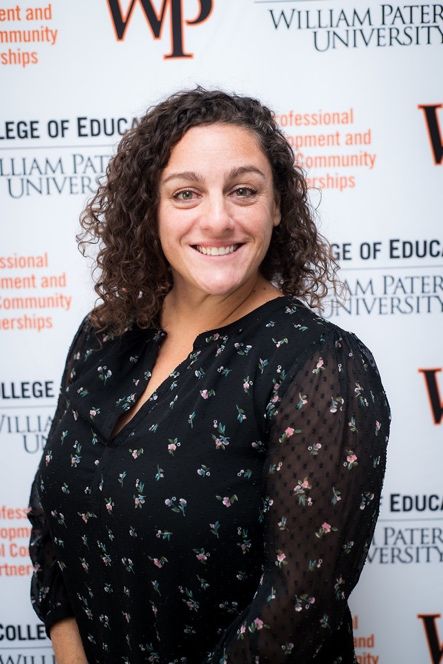
Message from the 2020 Conference Planning Chair

On behalf of the North Atlantic Region for Counselor Education and
Supervision (NARACES) Executive Committee and the 2020
Conference Planning Committee, I applaud the excellent scholarship
contained in this document. Due to the COVID-19 pandemic, the
NARACES Executive Committee made the decision to cancel the
2020 conference in Pittsburgh, Pennsylvania to be held on November
5 – 8, 2020. The presentations included in the following pages,
however, had underwent the review process and would have been
selected for sessions. Nearly 300 proposals were submitted this year,
and there was a 70% acceptance rate. We believed it was important to
maintain our commitment to scholarship in our region. Thus, this
program recognizes and celebrates authors, by listing the title and
abstracts of their presentation proposals, that would have been
included in the conference schedule. I express gratitude to Meredith
Drew and Sherrie Bruner for organizing the proposal submission,
review, and selection process. I would also like to thank Huan-Tang
Lu and Jill Krahwinkel for their work in creating this document.

Though cut short, conference planning for this event was exciting. We had invited Dr. Marcheta
Evans as our keynote speaker. Dr. Evans is the current, and notably the first woman and African
American, president of Bloomfield College in New Jersey. She is also a counselor educator and
has held numerous leadership roles in the counseling profession, such as past-President and
Fellow of the American Counseling Association and past-President of the Association of
Creativity in Counseling. Dr. Evans has also been recognized for excellence in her work by
receiving honors such as, the Counselors for Social Justice Ohana Award, Texas Counselor
Educator of the Year, and the Black Excellence Award/NJ Black Legislative Caucus. On a
personal note, I had the pleasure of meeting Dr. Evans at a conference years ago when I was a
doctoral student and she was ACA president-elect. She expressed genuine curiosity in my
experiences and interests and was supportive and caring. Though brief, I have always
remembered our conversation and found meaning in this experience. Her uplifting and sincere
interaction with me is a memory that I hope guides my own conversations with students and
serves as a reminder of the impact small moments can make.

Conference planning this year was also momentous for our region. For the first time, we
implemented a planning sub-committee, under the leadership of Lynn Pierce and Amanda Minor,
with the purpose to infuse accessibility and equity into all aspects of planning. I am thankful for
all of the effort this committee made in working with other sub-committees to ensure efforts
directed toward accessibility and equity were imparted in decision making. Accessibility was a
guiding point in the NARACES Executive Committee’s decision to cancel the conference.
Without knowing what the fall would bring, we wanted to ensure that regional members would
not be excluded if unable to travel due to health, financial, or any other reason associated with
the systemic impact of the COVID-19 pandemic. This committee’s work will be on-going, and
we look forward to its continued impact.

                                                                                                  2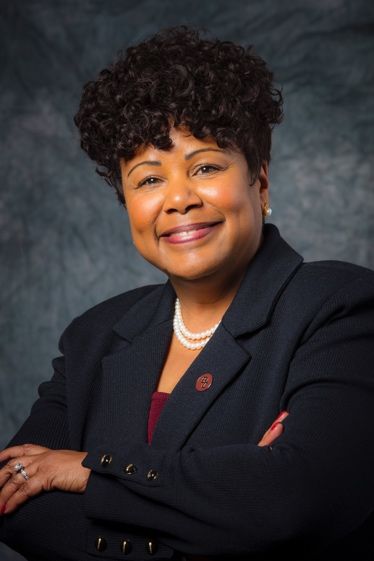
Another noteworthy difference about 2020 conference planning was related to continuing
education, led by Jelane Kennedy and Cherie King. Dr. King sought information about Certified
Rehabilitation Counselors continuing education through the Commission on Rehabilitation
Counselor Certification (CRCC) and intended to seek pre-approval for compliant sessions. For
the first time in our conference history, we planned on offering NBCC and CRCC continuing
education. We are excited about this and will plan to implement this in the future.

Conference planning is a difficult task that includes involvement of many people. Stephen Flynn,
NARACES 2019-2020 past president and 2018 Conference Coordinator, extended time and
expertise based on his own conference planning experiences throughout the year. Further, Tracy
Stinchfield, NARACES 2019-2020 President, expressed unwavering support for planning and
provided much needed guidance during difficult decision making. Holly Branthoover, ACES
Conference Coordinator and Kori Babel, ACES Assistant Conference Coordinator, were also
instrumental in NARACES conference planning. Dr. Branthoover mentored me and other
regional conference planners formally (during monthly meetings) and informally (all the times in
between) throughout the year. Dr. Branthoover’s support and mentorship never ceased amidst all
of the unplanned circumstances this unprecedented year has brought.

I want to also acknowledge the time, effort, and work of the 2020 Conference Planning
Committee. The following individuals were on the conference planning committee and played a
significant role in preparation: Vaibhavee Agaskar, Annette Backs, Ryan Bowers, Claudette
Brown-Smythe, Sherrie Bruner, Ashley Coombs, Meredith Drew, Kevin Duquette, David Ford,
John Harrichand, Elliotte Harrington, Sherritta Hughes, Kara Ieva, Jelane Kennedy, Cherie King,
Jill Krahwinkel, Megan Krell, Huan-Tang Lu, Adam Lucas, Mike Mariska, Amanda Minor,
Stephaney Morrison, Jocelyn Novella, Shanta Pamphile, Lynn Pierce, Heather Robertson, and
Kristin Vincenzes.

The members of this year’s planning committee showed ongoing commitment to NARACES,
even when plans began to change rapidly due to COVID-19 circumstances. Beginning in the fall
of 2019, members began to work and correspond with each other on their various charges. We
held monthly meetings where members provided updates on their work and collaborated efforts to
ensure we could plan a successful conference. Even though planning was curtailed, members
continued to be engaged and worked on tasks to successfully provide closure to this conference.
On the next page is a list of each conference planning committee member and their respective
role. I have enjoyed working with, and getting to know, each member. I am appreciative of their
work, guidance, and patience with me as we navigated the obstacles of conference planning in
this extraordinary year.

Michelle Hinkle, PhD., LPC, ACS

NARACES 2020-2021 President and 2020 Conference Coordinator

                                                                                               3
NARACES 2020 Conference Planning Committee
NARACES Treasurer and Conference Financial Coordinator: Megan Krell
Conference Proposal Coordinators: Meredith Drew & Sherrie Bruner
Conference Program Coordinators: Huan-Tang Lu & Jill Krahwinkel
Continuing Education Coordinator: Jelane Kennedy & Cherie King
Conference Communication Coordinators: Adam Lucas
Accessibility and Equity Coordinators: Lynn Pierce & Amanda Minor
Wellness Coordinators: Stephaney Morrison & Jocelyn Novella
Emerging Leaders Coordinators: Mike Mariska
Pre-conference Planning: John Harrichand & Claudette Brown-Smythe
Sponsorship, Vendor, & Exhibitor Coordinators: Vaibhavee Agaskar & Kevin Duquette
Career Corner/Career Links Coordinators: Kara Ieva & Elliotte Harrington
Graduate Student Events Coordinator: Shanta Pamphile
Awards Coordinator: Meredith Drew
Conference Registration Coordinators: Sherritta Hughes & David Ford
CACREP Training: Ryan Bowers & Ashley Coombs
Chi Sigma Iota Training Coordinator: Heather Robertson & Annette Backs
Technology Coordinator: Kristin Vincenzes
4Scheduled Keynote Speaker
Dr. Marcheta P. Evans
On June 1, Dr. Marcheta P. Evans officially became the 17th
president of Bloomfield College. Dr. Evans is both the first woman
and African American to lead the College in its 150-year history. She
was unanimously selected by the College’s Board of Trustees after a
nationwide search by Academic Search, an executive search firm
dedicated to serving higher education institutions.
Dr. Evans has served in transformational leadership roles in higher
education for twenty-seven years at both public and private
institutions, with twenty-two of those years at Minority Serving
Institutions (MSI’s) in the seventh largest city in the U.S., San
Antonio, Texas. Bloomfield College holds the designations of a
Predominately Black Institution (PBI) and a Hispanic Serving Institution (HSI).
Previously Provost and Vice President for Academic Affairs at Our Lady of the Lake University
(OLLU), Dr. Evans sequentially served as Vice President for Academic Affairs, Dean at OLLU
and Associate Dean and Department Chair at University of Texas at San Antonio. She has served
as a faculty member for over 23 years and has the rank of Full Professor. Dr. Evans is a past
President and Fellow of the American Counseling Association, past President of the Association
for Creativity in Counseling, past Chair of the American Counseling Association Southern
Region and is the recipient of numerous awards and recognitions. A small sampling of these
recognitions includes the Black Excellence Award/NJ Black Legislative Caucus, HistoryMakers,
Association for Creativity in Counseling Service Appreciation Award, Outstanding Multicultural
Leadership Award, Yellow Rose of Texas Lifetime Educator Award, Counselors for Social
Justice Ohana Award and Texas Counselor Educator of the Year Award.
Dr. Evans has authored numerous articles and book chapters, focusing on issues of diversity,
multiculturalism, women’s issues, and leadership. She has presented over one hundred times at
the state, regional, national, and international levels addressing topics such as empowerment,
multiculturalism, diversity, and leadership. She co-edited a Special Issue for the ACA flagship
journal in counseling, Journal of Counseling and Development, which focuses on Men in
Counseling and co-authored a book on the same topic. In her international work, Dr. Evans has
traveled extensively, including a length of time in the African country of Malawi where she
worked with educators and counselors on literacy initiatives sponsored by USAID.
Dr. Evans graduated from the University of Alabama with a Doctor of Philosophy degree in
Counselor Education and Supervision, specializing in Student Affairs, Administration in Higher
Education, and Human Resource Management. Additionally, she has a Master of Arts degree in
Education in Elementary Education from the University of Alabama-Birmingham, a Master of
Arts degree in Rehabilitation Counseling, and a Bachelor of Science degree in Psychology from
the University of Alabama.
5Accepted Proposals
Preconference Session
Vaibhavee Agaskar, New Jersey City University. Integrated Behavioral Health in Primary Care
Setting: 101 for Counselors
Triple Aim’s principle to improve health care outcomes and the Patient Protection and
Affordable Health Care Act (PPACT, 2010) have resulted in a paradigmatic shift in the
U.S. healthcare system (Hunter, Goodie, Oordt, & Dobmeyer, 2017). Thus, future
counseling workforce needs to be competent in integrated behavioral health care in
primary care setting (IPC). In this presentation, participants will learn about knowledge
and skills needed to work efficiently in IPC setting.
90-Minute Content Session
Sherrie Bruner, Syracuse University; Kirsis Dipre, Syracuse University; Gabrielle Kempton,
Syracuse University. Social Justice Bystander Intervention: Not Just a K-12 Conversation
This presentation will summarize the results of a study designed to better understand the
social justice bystander behaviors of counselor educators who witness critical
multicultural incidents within their classrooms. Critical events provide opportunities for
counselor educators to model appropriate multicultural competency. The researchers will
summarize findings from interviews of counselor educators which highlight the ways
they engage social justice bystander behavior in the classroom.
Allison Cumming-McCann, Springfield College; Kate Green, Springfield College. Doing the
Hard Work: Creating space for difficult conversations in the classroom
This interactive program will provide participants with a framework to effectively create
space in their classrooms for critical and difficult conversations. In addition to identifying
the complex dynamics that impact diversity and social justice work, participants will
explore the barriers that exist and strategies to effectively engage and challenge all
students. Opportunities to discuss this challenging work, share resources and build your
pedagogical tool box will be provided.
Michael D'Andrea, Springfield College. Proposing a "Grand" Integrative Meta-theory for the
Counseling Profession
This presentation is based on a six-year research endeavor that examines ways to improve
our understanding of counseling theories for our professional training programs and
professional practices. The result of this research results in what is referred to as an
"Integral meta-theory of counseling and social justice advocacy" from a multicultural -
neuroscientific perspective. The presenter also discusses students' reactions to the use of
this meta-theory in a counselor education program.
6Ashley Diaz, The Pennsylvania State University; Kyesha Isadore, The Pennsylvania State
University; Diana Gallardo, The Pennsylvania State University. Re-framing the Experiences of
Counseling Students of Color: An Intersectional Approach
Students of color in advanced counseling programs experience challenges that contribute
to feelings of isolation, distrust, and invalidation. This presentation will utilize
Intersectionality Theory as a framework to understand the intersection of marginalized
identities as it relates to the experiences of these students. Attendees will discuss their
own privileged and marginalized identities and reflect on its impact in counselor
education. Strategies to support these students will be discussed.
Peg Donohue, Central Connecticut State University; Ikone Mason, Central Connecticut State
University; Sarah Zalewski, Central Connecticut State University. Training Students about
School Counselors' Role in Multi-Tiered Systems of Support
There is a growing national trend to integrate Multi-tiered Systems of Support (MTSS) in
schools. Counselor educators should be on the forefront of understanding of this
approach and preparing their students to be leaders and systemic change agents in the
process. Explore how to present MTSS as a collaborative, culturally responsive approach
aligned with comprehensive school counseling programs. Further, learn strategies and
activities to infuse MTSS content into your curriculum.
Tim Hanna, Neumann University. Integrating trainees’ religious/spiritual narrative with
advocacy and social justice formation
Developing a professional orientation to social justice and advocacy requires attending to
the personal dimensions that inform such values. This educational workshop will explore
how personal dimensions of religion and spirituality interact with one's professional
orientation towards social justice and advocacy. Three specific tools will be offered for
enhancing counselor self-awareness and integrating these values into our own and our
students’/supervisees’ professional identities and practice.
Jessica Headley, Ursuline College; Samantha Pfeiffer, The University of Akron; Gail Rule-
Hoffman, Ursuline College; Megan Seaman, Ursuline College. Student Remediation in
Counseling Graduate Programs: A Feminist Approach
Student remediation in counselor education can be a process that seeks to identify deficits
and incompetence rather than solutions. This, in turn, presents challenges for students,
counselor educators, and counseling programs. The presenters of this session invite
counselor educators to discuss how integrating feminist practice into the remediation
process can promote culturally responsive gatekeeping to help students meet the
standards of the profession and accomplish their professional goals.
7J Barry Mascari; Jane Webber, Kean University. Beyond Trauma-Informed Students: A Model
for Preparing Trauma-Competent New Counselors
Most counselor education programs are planning to have their students trauma-informed.
With rapid advances in the field and new knowledge that most clients have trauma
histories, it can be difficult to provide the skills and strategies necessary to produce
trauma-competent counselors. We share strategies to use in master's and doctoral
programs to provide counselors with the tools to help clients with traumatic histories,
which in fact means most clients.
Stephaney S. Morrison, Fairfield University. A Person-Centered Approach to Facilitate
Counseling Students’ Social Justice Advocacy
This presentation is a discussion on how the person-centered teaching and learning goals
are used in a graduate counselor education course to facilitate counselors’ self-reflection
on topics important to their role as social advocates. In this course students participate
with each other and their instructor, in a community of learners in which they examine
their cultural identities and reflect on their roles and engagement in social justice
advocacy work with clients.
Caroline O'Hara, Syracuse University; Alonzo Turner, Syracuse University. Lucky Seven: APA
7th Edition Updates and Tips for Writing Success
Join our presentation to learn key changes in APA Style. We will include information on
new and expanded topics such as bias minimization, student-specific resources,
accessibility, ethical practices, and many new reference format examples. Learn what
writing standards have changed so that you may communicate clearly and convincingly.
Feel free to bring questions and writing tools to engage your work as we present.
Lauren Parker, The Pennsylvania State University; Deirdre O'Sullivan, The Pennsylvania State
University. Substance Use in Emerging Adults Seeking Mental Health Counseling: Education
and Training Needs
Emerging adults face numerous substance use-related consequences, yet rarely seek
counseling for these concerns. This session will identify patterns that indicate substance
use as a likely contributor to presenting concerns, as well as provide evidence-based
strategies for counselors to employ with emerging adults at risk for substance use-related
problems. Evaluation of a harm-reduction substance education intervention program will
provide supporting evidence.
8Jordan Pearce, Old Dominion University; Jaimie Cory, University of North Carolina at
Greensboro; Bianca Augustine, Old Dominion University. Art Imitates Life: Lessons on Gender,
Queerness, and Trans Experiences from the TV Program "Pose"
Art has often been the medium by which marginalized groups find a voice. The hit
television show "Pose" - focusing on the lives of trans and queer people of color - is
bringing often ignored narratives into public awareness. How can we as counselors use
cultural artifacts such as "Pose" as an entry point into learning about queer and trans
people of color and the obstacles they face in accessing mental health services, and how
can we as counselor educators use this show as a pedagogical tool?
Fawn T. Robinson, Carlow University. Modify Your Cruise Control: Overcoming Adversity as a
Person of Color in Academia
In doctoral programs, students are on autopilot, cruising to complete necessary tasks to
graduate and land their first faculty position. As students and new faculty of color, the
professional journey involves modifying their cruise control to manage unwarranted
adversities. This presentation focuses on navigating academia, the interview process,
faculty assignments, safety, and mentorship as a person of color. The presentation is
geared towards students, new faculty, and program administrators.
Tracy Stinchfield, Immaculata University; Erica Colbert, Immaculata University; John
Harrichand, The College at Brockport, SUNY; Anna Flores Locke, Nyack College; Lisa Corbin,
Philadelphia College of Osteopathic Medicine; David Julius Ford, Jr., Monmouth University;
Terence Yee, Villanova University; Ben Willis, University of Scranton; Mary Alice Newhams,
University of Phoenix; Shanta Pamphile, Montclair State University. Research Mentoring for the
Next Generation
The presenters will share their experiences with the NARACES Research Mentoring
Initiative. As a member of the research mentoring initiative, participants served as either
a mentor or a mentee. The dynamics of building and developing a mentoring relationship
will be discussed to assist attendees in the process of developing a similar professional
relationship.
50-Minute Content Session
Jenna Alvarez, University of Cincinnati; Huan-Tang Lu, Rowan University. Teaching Evidence-
Based Practices to School Counselor Trainees to Work with Marginalized Students
Evidence-based practice and multicultural competence have been the center of discussion
in the counseling profession. However, there is a gap in literature of certain K-12
populations including: students with disabilities, foster students, & immigrant/
undocumented students. This presentation will provide information on cultural
background, marginalization in school systems, and evidence-based practice. Moreover,
methods to educate future counselors on MTSS will be provided.
9Robin Archer, Gannon University. Continuity of Care Following a Mental Health
Hospitalization
Continuity of care is an important consideration in counseling. Continuity of care is
especially important for clients after a mental health hospitalization. This session
explores the necessity of collaboration among various healthcare providers, barriers to
effective coordination of care, and strategies for increasing the likelihood of improved
continuity of care for clients who return to outpatient counseling after a mental health
hospitalization.
Katie Askren, MA, LACMH, NCC, Liberty University. Increasing Multicultural Competence
Through Social Justice Work
Many graduates of counseling programs reported the relationship between social justice
awareness and multicultural competence was unclear. Moreover, research indicates in-
class learning and traditional educational practices fail to adequately prepare counselors.
This presentation will provide an overview of current research and discuss empirically
supported methods for increasing competencies in counselors and counseling students.
Annette Backs, Rutgers University. Developing and Teaching Counseling Techniques Fully
Online: Lessons From the Field
Teaching a fully online essential counseling skills course requires application of
strategies beyond those required for an information-focused course. This session offers
specific online teaching strategies based on adult learning theory, instructional design
principles, the counseling literature, and results of a formative evaluation process.
Participants will learn how to apply these strategies to enhance engagement and skill
development in their online courses.
Laurie Bonjo, Southern Connecticut State University; Misty Ginicola, Southern Connecticut
State University. Individualism & Collectivism: Teaching More Than One Spectrum to Increase
Cultural Competence
Counselors-in-training are often taught a model of understanding collectivism and
individualism which presents these constructs as opposite ends of one binary spectrum.
This has the potential to limit client conceptualizations by reinforcing an either/or
approach. Presenting collectivism and individualism as two separate constructs has the
potential to increase trainee's ability to understand how people can simultaneously
experience the world through both collectivist and individualist lenses.
10Paul Bourgeois, University of New Haven; Michael Hartley, University of Arizona.
Rehabilitation Counselors' Perceptions of Ethical Behavior & The Use of Technology
The purpose of this presentation is to share data from a national sample of rehabilitation
counselors regarding the use of technology and (a) their beliefs about whether a broad
range of behaviors are ethical, (b) their confidence in judging the ethicality of these
behaviors, and (c) the degree to which they find potential resources useful in providing
ethical guidance. Implications for counselor educators, supervisors, practitioners, and
students will be discussed.
David Bright, SUNY New Paltz. Place Attachment as a Tool for Rural Elementary Career
Development
Rural career development is affected by factors such as student attachment to place,
access to professional role models, local economic development, school funding, and
geographic proximity to professional industries and higher education. A Critical
Pedagogy of Place empowers students to critical explore the spacial and social constructs
of their local area. This presentation explores the use of a Critical Pedagogy of Place as
an approach to rural career development during the elementary years.
Rachel Carbonaro, University of Rochester; Rachel Darcy, University of Rochester. Addressing
the Ripple Effects of Trauma in Minority Populations
To understand trauma in minority populations, counselors must have an understanding of
the complexity of historical systemic racism. This session will discuss the traumatic
impact of redlining on minority populations, and how incorporating this history into
counselor education can prepare counselors-in-training for working with clients and
families with these experiences. Presenters will encourage critical discussion of
classroom and supervision integration of this material.
JoLynn Carney, The Pennsylvania State University; Yanhong Liu, Syracuse University; Richard
Hazler, The Pennsylvania State University; Hyunhee Kim, The Pennsylvania State University.
Effects of Bullying on School Environment: A Path Analysis Grounded in the Social Capital
Framework
Bullying is a form of interpersonal violence with consequences impacting student
perpetrators, victims, and bystanders. The presenters will share findings from a path
analysis study based on 973 students from two public school districts located in the
northeastern United States. Results illuminated both direct and indirect effects of bullying
on school environment. The presenters will further discuss practical implications of the
results to school counseling and school counselor education.
11Stacy Carone, Indiana University of Pennsylvania; Kyle Bellinger, Indiana University of
Pennsylvania. Using Creative Strategies within the Integrated Development Model of Counseling
Supervision
An overview of the Integrated Development Model (IDM) of Counseling Supervision
(McNeil & Stoltenberg, 2016) will be presented and the usefulness of creative
supervision strategies will be emphasized. Creative supervision strategies used at various
levels and domains of the IDM will be discussed and examples of diverse populations
will be illustrated. Attendees will develop creative supervision strategies for use in the
IDM model.
Nancy Chae, William & Mary; Adrienne Backer, William & Mary; Johnston Brendel, William &
Mary. Facilitating a Site Supervision Training Program with Local School Counselors
Professional school counselors are critical partners in supporting the development of pre-
service and novice school counselors. However, school counselors often lack or may not
have access to training in clinical supervision. The presenters will share a partnership
between a university and local school districts to facilitate a meaningful site supervision
training program for local school counselors to supervise pre-service school counselors as
well as mentor novice school counselors.
Ashley Coombs, Indiana University of Pennsylvania; Brittany Sager-Heinrichs, Indiana
University of Pennsylvania. Avoiding Burnout Before Graduation: Wellness in the Professional
Identities of Doctoral Students
This session will focus on the necessity for counselor educators-in-training to integrate
wellness within their professional identity. By examining the transformational tasks
associated with professional identity development (Dollarhide et al., 2013) and their
possible connection to burnout among doctoral students, holistic wellness strategies will
be disseminated to sustain professional involvement.
Sarah Dalton, The Chicago School of Professional Psychology. Beyond the Rainbow Flag:
Support for LGBTQ+ Clients in Clinical Practice
This interactive program will discuss LGBTQ+ identities and ways to implement ethical
LGBTQ+ clinical competencies into practice. This presentation will move beyond
rainbow flags as a visual support of clients and will challenge participants to create
supportive and positive atmospheres for LGBTQ+ clients in clinical practice. Current
statistics and case studies to better understand the experiences of LGBTQ+ clients in
clinical practice will be discussed.
12Robert Dobmeier, SUNY Brockport; Regina Acciaio, SUNY Brockport; Chaynna Colon, SUNY
Brockport. College Students At-Risk for Mental Health Problems
Mental health challenges experienced by College students include anxiety from student
debt, unemployment and underemployment, trauma and abuse, microaggressions,
dropping out, and alienation for members of underrepresented groups and veterans. How
students who are at-risk can be recognized will be addressed. Prevention, intervention,
and best practices will be covered.
Stephanie Dorais, William & Mary; Michelle Colon, Regent University. Being in the Here and
Now: Contemplative Practices in Flipped Online Classrooms
Contemplative pedagogy is a return to the ancient tradition of facilitating vita
contemplativa, the interior contemplative life. In counselor education, the objective
would be less to form counseling skills but rather to form a counselor. Students develop
empathy and attentiveness through mindfulness and reflection in their learning
environments. Online counseling courses are no exception. In this presentation, we
demonstrate how to use contemplative practices for online counseling courses.
Stephanie Dorais, William & Mary; Michelle Colon, Regent University. Program Evaluation in
Counselor Education: An Introduction to Longitudinal Outcome Research
Counselor development does not occur in a snapshot but over time. Thus, counselor
educators carefully create programs that scaffold development over a stretch of time.
However, when evaluating the efficacy of these programs, we often rely on short-term
analyses that do not account for long-term outcomes of change. In this presentation, we
demonstrate how to implement practical longitudinal outcome research methods
including Interrupted Time Series Analysis and Growth Curve Analysis.
Kevin Duquette, Bridgewater State University. Weird Al Meets Sigmund Freud: Enhancing
Engagement & Understanding through Music
The sighs and murmurs are all too familiar, “We have to know all these theories!? We
have to read this WHOLE book!?” But what if students came to class excited to engage
with material in a fun (and silly) way? This session will provide tips for incorporating art-
based modalities for engagement with content-heavy courses. Participants will be shown
examples of counseling-content-based songs, and free tools for making their own. They
will also see examples of student-art-engagement in action.
13Fariba Ehteshami, Doctoral Candidate at TAMUC in Counseling Education, Ph.D. in Family &
Marriage Therapy. Ethical Consideration of Geriatric Population in Counseling Education
In America people 65 years of age and older are expected to reach 94.7 million by 2060.
The counseling profession is facing significant ethical challenges as a result of the
growing population of geriatric clients in the world. Along with advanced age comes a
wide variety of mental and emotional concerns that further complicate treatment choices
and ethical decision-making. It is important to define the geriatric client’s shifting world
view and provide ethical codes related to the issue.
Stephen Flynn, Plymouth State University. Trauma and Trauma-Informed Counseling: Two
Empirically Validated Approaches
Counselor education programs accredited by CACREP, evaluate student-learning
outcomes across the curriculum. Crisis, trauma, and disaster-based counseling is an area
where counseling trainees are required to demonstrate general and advanced skills and
awareness. Cognitive processing therapy and prolonged exposure therapy are evidence-
based treatments for chronic post-traumatic stress disorder. This program will provide the
knowledge to implement both treatments in a crisis counseling course.
Kaitlyn Forristal, New England College. Anti-Fat Bias, Fatmisia, and Implications for
Counselor Education
This program addresses an issue not currently covered in counselor training: fatmisia, a
set of negative beliefs and stereotypes about people who are fat. These biases cause
healthcare workers to make unfounded judgments about people who are larger in size.
Counselors are at risk for making these same assumptions about larger clients,
unintentionally causing harm. This session will help counselor educators understand
fatmisia, recognize it in themselves, and broach this issue in the classroom.
Kellie Forziat-Pytel, Pennsylvania State University. Military Significant Others: A Hidden
Group with Counseling Needs
Military significant others experience unique challenges associated with life in the
military, however, literature is weak in capturing these lived experiences. This
presentation will inform counselors and counselor educators on how to be better equipped
to support individuals from this hidden group through discussion of (a) key research
findings about satisfaction in romantic relationships and life and (b) expressed support
desires.
14Jean Georgiou, New Jersey City University. Integrating CBT and Prayer for Treatment of
Depression/Grief in Late Life: A Case Study
This presenter will discuss the use of modified CBT and prayer for late life depression
and prolonged grief through an actual case study. The presentation will address several
multicultural and diversity issues; geriatrics, the use of religion/spirituality in counseling,
client's worldview, and ethical considerations. Also included will be dialogue on current
research and data, the Geriatric Depression Scale, and electroconvulsive treatment.
Tiphanie Gonzalez, SUNY Oswego; Samara Townsend, SUNY Oswego. Using films from the
Disney Renaissance to Teach Multicultural Counseling
This program will discuss the use of movies from the renaissance era of Disney films which
spans from 1989 - 1999, which includes some of the most well-known Disney films such as The
Little Mermaid (1989), Beauty and the Beast (1991), Lion King (1994), Aladdin (1992), and
Mulan (1998), to teach issues of diversity in counseling and to train counseling students toward
becoming multiculturally competent when working with clients and as change agents as
members of the global community.
Elizabeth Gruber, California University of PA; Molly Jenkins, California University of PA; Sheri
Boyle, California University of PA. Preparing Counselors to work in Interdisciplinary and
Integrated Care
Counselors in schools and communities will be part of interdisciplinary collaboration.
This session will define interdisciplinary collaboration. It will discuss barriers, strategies,
and results from a model to prepare graduate students in clinical mental health, school
counseling, and social work to utilize interdisciplinary collaboration and work in
substance use disorders, rural and medically underserved communities.
Michael Hannon, Montclair State University; Jasmine Santiago, Montclair State University;
Raymond Blanchard, Montclair State University. Cross-cultural Mentoring in Co-teaching:
Supporting Growth in Counseling Students and Faculty
The value of cross-cultural mentoring in counseling has been readily documented
(Baltrinic et al., 2016; Stark, 2019; Ziomek-Daigle et al., 2017). Join us as we share our
personal and professional learning experiences and outcomes from a cross-cultural co-
teaching and mentoring experience by way of reflective journaling and student
evaluations. Implications for counselor education at three levels (i.e. pre-service, doctoral
students, and counselor educators) will be shared and discussed.
15Elliotte Harrington, Fairleigh Dickinson University. Moving Extended Adolescent Masters of
Counseling Students from Pedagogy to Andragogy
A study of over eight million 13- to 19-year-olds indicates that today’s young people are
taking on adult responsibilities much later in life, with many finding themselves in a state
of psychosocial moratorium. According to Dr. M. Domakonda,“25 is the new 18.” These
delays can influence students’ learning maturity. Attendees will be given concrete
suggestions for how to support master’s level counseling students’ shift in learning from
pedagogy (teacher-dependent) to andragogy (self-directed).
Robin Hausheer, Plymouth State University. Program Evaluation: A Partnership Model for
Training Future School Counselors
This presentation includes an overview of a five-step program evaluation model to train
school counseling students. Each step is illustrated using an example of the model in
action. Steps include: partnership with a nonprofit organization, literature review process,
research question and hypothesis development, evaluation instrument process, and
program evaluation presentation. Advantages of implementation, and implications for
counselor educators and future research will be discussed.
Dana Heller Levitt, Montclair State University; Jasmine Santiago, Montclair State University.
Ethical Leadership in the Counseling Profession
Leadership is an often discussed and sometimes studied area in the counseling profession.
Counselors and counselor educators have an ethical responsibility to engage in leadership
and contribute to the profession. Our professional organizations operate under leadership
principles that are at times not articulated or intentional. The presenters discuss the
concept of ethical leadership and explore its application alongside the Chi Sigma Iota
Principles and Practices of Leadership Excellence.
Derron Hilts, Syracuse University; Yanhong Liu, Syracuse University; Erin Friedman, Syracuse
University. Mentorship to Facilitate Emerging Counselor Educators’ Teaching Competencies
In alignment with professional standards, many counselor education programs have
included doctoral teaching into their training curriculum. Teaching mentorship has since
emerged as a well-recognized approach to facilitate doctoral students’ teaching
apagogical development. This presentation offers a review of teaching mentorship
structures and practice and will explore current models of teaching mentorship in and
outside of counseling; strategies concerning teaching mentorship will be discussed.
16Brittany Hoover, Doctoral Instructor Indiana University of Pennsylvania; Racheal Nuwagaba-K,
Doctoral Student Indiana University of Pennsylvania; Dr. Kimberly Desmond, Indiana
University of Pennsylvania. Wax On, Wax Off: Mastering the Art of Mentorship in CES Doctoral
Programs
This didactic presentation advocates need for a unified professional identity through
implementing a mentorship program in a CES doctoral cohort. Discussion around paucity
in research regarding need for CES mentorship, as well as benefits will be examined.
Outlines for utilization and application of mentorship opportunities within CES doctoral
cohorts will be explored. Resources and evidence-based practices will be provided.
Implications for future mentorship opportunities will be analyzed.
Franc Hudspeth, Sacred Heart University; Michelle Gimenez Hinkle, William Paterson
University; David Hunt, Immaculata University. Demystifying the Publication Process: Tips for
Successful Publication
Editorial board members will address considerations when writing manuscripts & answer
questions related to publication. The editorial board will “give back” lessons they have
learned as reviewers & editors, especially to participants from underserved or culturally
diverse groups, to promote & increase publication of articles that reflect the diversity of
ACES. The goals are to reduce anxiety about publishing manuscripts, become informed
authors, & increase confidence in submitting manuscripts.
Christopher Hughes, The Pennsylvania State University. Facilitating LGBTQ+ Counselors-In-
Training Professional Growth in Supervision
LGBTQ+ students face unique challenges and prejudice in many aspects of society,
including higher education and counselor education programs. This session discusses
how different factors affect the experiences of LGBTQ+ counselors-in-training,
particularly in supervision, and how to utilize Bernard’s Discrimination Model to support
LGBTQ+ supervisees. Future directions for research and suggestions for affirmative
LGBTQ+ environments in counselor education programs will also be discussed.
Raffaele Iula, Duquesne University. Helping Supervisors Incorporate Structure in Democratic
Theory Oriented Group Supervision
Most theories of supervision call for structure when supervising level I counselors in
training, yet there are viable supervision approaches that are grounded in theories that
advocate for the supervisor to take a democratic and unstructured role These approaches
can be adapted to provide the often necessary structure beginning counselors need in
supervision. This session presents purposeful and creative structural additions to
democratic group supervision for counselors in training.
17Azra Karajic Siwiec, Walsh University. Enhancing Ethical Practice in a Fast-Paced World
Ethical dilemmas are an inevitable part of our complex and fast paced world. Approached
thoughtfully, these situations become prime opportunities for learning and effective
practice. Experience a proactive, positive approach to enhancing ethical sensitivities and
learning ethical decision-making strategies.
Gulsah Kemer, Old Dominion University; Chi Li, University of Memphis; Anita Neuer Colburn,
Northwestern University; Aparna Ramaswamy, Johns Hopkins University; Christian Chan,
Idaho State University; Dan Li, University of North Texas; Mijin Chung, Northwestern
University; Mina Attia, The George Washington University; Zahide Sunal, Old Dominion
University. Multicultural and Social Justice Supervision: A Content Analysis of Counseling
Journals
Despite the development of the Multicultural and Social Justice Counseling
Competencies (MSJCC) and the evolution of multiculturalism in counseling, there has
been a dearth of multicultural practices associated with infusing cultural factors and
social identities in supervision. This presentation features a content analysis project
involving 10 members showcasing trends of six major themes over 70 published articles
in the past decade.
Isak Kim, The Pennsylvania State University; Nur Dedeoğlu, The Pennsylvania State University.
Adverse Childhood Experiences and Culturally Responsive Trauma-Informed Practice
This session aims to promote understanding of Adverse Childhood Experiences, such as
definition, types, measurement, impacts, and protective factors. This session will deliver
information about the prevalence of childhood adversity among adolescents in the U.S.,
by using a nationally representative dataset, NSCH 2017-2018. The prevalence of ACEs
will be demonstrated with consideration of multicultural dimensions along with
implications for counselor educators, supervisors, and counselors.
John King, Liberty University; Cynthia Doney, Liberty University; Jacqueline Wirth, Liberty
University. From Isolation to Inclusion: Building Community Among Online Counseling Faculty
For counselor educators who work in online programs, the opportunity to connect with
both students and colleagues in meaningful and tangible ways can be a challenge to job
satisfaction. This presentation will focus on sharing best practices to overcome isolation
and increase team building among faculty members who work together, yet live in
various geographical regions.
18Leslie Kooyman, Montclair State University; Matthew Shurts, Montclair State University;
Dayeon Kwon, Montclair State University. Let’s Talk About Sex!: Teaching and Supervising
Students About Human Sexuality
Human sexuality has long been considered a taboo conversation topic among many
individuals, despite its importance in people’s lives. Yet, counselors in training must
develop the awareness, knowledge, and skills necessary to address their clients’ sexual
issues. In this session, the presenters will provide supervision and teaching strategies to
foster discussion and exploration of sex, sexuality, sexual trauma, sexual dysfunction,
values, and cultural differences from a sex positive approach.
Jill Krahwinkel, Antioch University; Jamie Bower, Antioch University. Utilizing Choice
Theory/Reality Therapy To Meet The Basic Needs of Relationally Diverse Clients
During this interactive presentation, participants will learn how to utilize Choice
Theory/Reality Therapy when counseling Relationally Diverse clients to help them
satisfy their basic needs, improve their relationships, and increase their overall life overall
satisfaction. Participants will receive a brief refresher on Choice Theory/Reality Therapy
including the 10 axioms, 5 basic needs, concept of total behavior, and role of self-
evaluation.
Jocelyn Kraus, Shippensburg University of Pennsylvania; Stephanie DePalmer, Shippensburg
University; Erin Hughes, Shippensburg University; Karen Capone, Shippensburg University.
Empowering Adjuncts
This session will explore the powerful role adjunct professors can have in the experiential
learning of graduate students. Authentic engagement with current practitioners bolsters
the classroom experience to create a dynamic learning environment that allows for
natural integration of theory to practice. Instead of looking at adjunct faculty as add-ons,
we proposing viewing them as value-added partners in the success of counseling
programs everywhere.
Jade Letourneau, Husson University; Kristen Lister, Husson University. Beyond the Plunge:
Creating an Inclusive Cross-cultural Experiential Learning Assignment
A commonly assigned project in a social and cultural diversity course is a cultural
immersion experience. This assignment is not without challenges, however, even in a
seemingly culturally homogenous (and culturally dominant) student population. In this
session, the presenters will share an experiential assignment that was developed as an
answer to the pedagogical challenges that can arise from a cultural immersion
assignment, how it has been implemented, and what students’ reactions have been.
19Yangyang Liu, The Pennsylvania State University. Preparing Counselors to Work with
International Students
International students encounter unique barriers to their holistic wellness at both the
individual and systemic levels. In this interactive session, the presenter uses the
Multicultural and Social Justice Counseling Competencies as a framework to discuss
crucial considerations when working with international students. Resources and concrete
suggestions are provided for counselor educators and supervisors to help counselor
trainees provide culturally responsive services for this population.
Anna Flores Locke, Nyack College. Teaching Social Justice Advocacy in the Classroom:
Applying the Updated ACA Advocacy Competencies
As the fifth force, social justice must be infused in counselor education. The ACA
advocacy competencies were developed to provide a framework and strategies to engage
in advocacy efforts (Toporek & Daniels, 2018). How do counselor educators and
supervisors apply these competencies in the classroom to teach social justice advocacy?
This presentation will answer this question and provide tangible teaching strategies that
can be used to teach social justice advocacy in the classroom.
Gabriel Lomas, Western CT State University; Davide Mariotti, Western CT State University;
Gianluca De Leo, Augusta University. Cross Disciplinary Collaboration: Research and Practice
This presentation will address interprofessional collaboration in two ways. First, the
presenters will share the anatomy of an exercise done at their university which brings
together both counselors and nursing students to improve their ability to work
collaboratively across disciplines. Second, the presenters will share results from a recent
study on attitudes and beliefs on interprofessional collaboration in CACREP accredited
programs.
Renee Ludwig, Duquesne University; Natalie Drozda, Duquesne University. Supervising
Addictions Counselors: Student’s Personal Addiction Experience
In this session, presenters describe uses for developmental models of supervision when
working selors in the field of addictions. We expand upon uses of developmental models,
incorporating relevant student recovery experience into supervision, while still ensuring
conscientious and ethical practice.
20Ashley Luedke, St. Bonaventure University; Rebecca Scherer, St. Bonaventure University.
Bringing the Classroom Experience Online: The New World of Learning
With the transition many programs are experiencing moving to online formats it is
critical that we look at best practices in online teaching and how to successfully navigate
providing that classroom experience. One of the biggest concerns from students has been
sense of community and learning key skills to be successful counselors. This presentation
will explore the process of meeting the changing needs of adult learners while still
providing community and a positive classroom experience.
Karen Mackie, University of Rochester Warner School of Education; Rachel Carter, University
of Rochester Warner School of Education. Embodiment and Presence in the Age of 2020
Productivity: A Relational-Cultural Counseling Pedagogy.
In 2020, Counselor Education is emerging as a discipline centered on competency.
Mastering expanding content can result in disconnection and disembodiment in trainees.
Re-centering pedagogy on the experiences of embodiment, collective presence and
connection is imperative to maintaining the relational artistry of our field. Relational
Cultural Theory (RCT) is applied to counselor pedagogy with a specific focus upon
experiential learning in relation to classroom and case examples in this session.
Krista Malott, Villanova University; Stacey Havlik, Villanova University; Shivam Gosai,
Villanova University; Zara Khan, Villanova University; Katherine Precourt, Villanova
University; Jose Garcia-Orozco, Villanova University. Meeting the Needs of First-Gen College
Goers (K-12) and First-Gen College & Graduate Students
Did you know that approximately one out of every 5 college students are first-generation
college goers (e.g., first in their family to complete college)? Join us for this interactive
workshop, whereby we will explore the unique challenges, strengths, and needs of the FG
population. Drawing from actual student voices and experiences, we will identify ways
that you, in your professional role, can better ensure FG student success at the K-12 level
and with current FG college/graduate students.
Mike Mariska, Plymouth State University; Ryan Aquilina, Plymouth State University. Simulated
Clients in Counseling Skills Instruction
Presenters will review the use of simulated clients in a counselor education curriculum.
Simulated clients are theater students trained as part of a Standardized Patient minor
program. Course designs, utilization of simulated clients, construction of feedback, and
additional training opportunities will be discussed. Participants will review comments
from SP's and students, discuss ethical considerations, and explore how they might
develop similar opportunities at their own programs.
21Judith Mathieu, Capella University. Stressed to the Max: Helping Graduate Counseling Trainees
Address Emotional Exhaustion
Graduate counseling trainees are susceptible to experiencing emotional exhaustion during
the internship phase. This can be detrimental to students’ overall well-being and
professional development if left untreated. In this presentation, participants will identify
factors that make some students more susceptible to emotional exhaustion than others.
Participants will also explore theoretical models and strategies that supervisors can use to
assist students in developing coping skills.
Tristan McBain, Family Service & Children's Aid. When Three Isn’t a Crowd: Counseling
Implications for Ethically Non-Monogamous Relationships
This content session will discuss essential elements of ethical non-monogamous
relationships within the therapeutic setting. Attendees will learn about different forms of
ethical non-monogamy, issues that may be presented in counseling, and adaptations of
common couples therapy techniques for this population. This interactive presentation will
also include myths about ethical non-monogamy and discussion about how to monitor
counselor values and bias.
Jeff McCarthy, Liberty University. Technology and the Emotional Wellbeing of Youth
The use of technology among youth has become a regular occurrence in their everyday
lives. Youth are finding how to engage technology in ways that can be positive and
productive, as well as have a significant impact on their emotional and social wellbeing at
home and in school. Research is beginning to show that youth are experiencing
significant difficulty to adequately moderate their use of technology, and to experience
healthy emotional and social development.
Ken McCurdy, Gannon University; Conor Dawley, Highmark Caring Place. How Can Adler &
Wolfelt Help Create a Trauma Informed Counselor Education Curricula; Come Find Out!
Changing “What’s wrong with you?” to “What happened to you?” With 84% of people in
the US experiencing at least one traumatic event in their life, counselors need be trauma
informed. It is imperative that Counselor Education Programs transition to trauma
informed curriculums. An Adlerian integrative model using the Crucial C’s and Wolfelt’s
model of companioning is presented, and how it is one initiative, in one course, in a
counseling program making a paradigm shift to being trauma informed.
22Scott McGuinness, Warner School of Education/University of Rochester; Craig Dennis. The
Need for Financial Education in the Counseling Profession
Mental health counseling is one of the lowest paid professions for individuals who hold
master's degrees. Newly graduated students entering the profession may have a
substantial amount of student debt, and if they wish to continue in the counseling field,
must often accept employment opportunities that pay less than $40,000 a year. This
education session will explore how to support students who are facing financial
difficulties while they prepare to enter the counseling field.
Suelle Micallef Marmara', Old Dominion University. The Role of School Counselors in
Developing Positive School Climates to Minimize School Crises
With research showing a relationship between negative school climate and low academic
achievement, increased bullying, higher suicide rates, and increased violent behavior,
developing a positive and safe school climate is critical. This presentation highlights how
to develop a positive and safe school climate, provides a crisis intervention plan, and
offers ways to handle the aftermath of a crisis. Counselor training, preparedness, and
leadership in dealing with crises will be discussed.
David Moran, Old Dominion University; Natalie Edirmanasinghe, Old Dominion University.
Teaching Advocacy for School Counselor Trainees from an Ecological Perspective
School counselors are tasked to advocate in their settings regularly. There are models of
advocacy that target advocacy on multiple levels, however school counselors seem to still
struggle with protecting their time from non-counseling duties. This presentation poses
teaching advocacy from an ecological perspective to better prepare school counselors-in-
training for the various levels of professional advocacy they may need to navigate when
they are in the field.
Edward Neukrug, Old Dominion University. Getting Publishing in Counseling: Articles, Books
and More
This presentation provides insight into publishing in newsletters, magazines, journals,
and books through traditional and novel avenues. The relative position these venues play
in tenure, and in spreading knowledge, will be explored. Having passion as a writer, and
the writing process, will be examined. The workshop closes with a Q & A session with
the presenters: a well-known author and an assistant professor at a research-intensive
university.
23You can also read


