NATIONAL GEAR RULES - Pony Club Australia
←
→
Page content transcription
If your browser does not render page correctly, please read the page content below
NATIONAL GEAR RULES
Effective from January 1, 2022

           Published by Pony Club Australia Ltd

                  ABN 95 090 080 265

             www.ponyclubaustralia.com.au

This publication can be downloaded for Pony Club purposes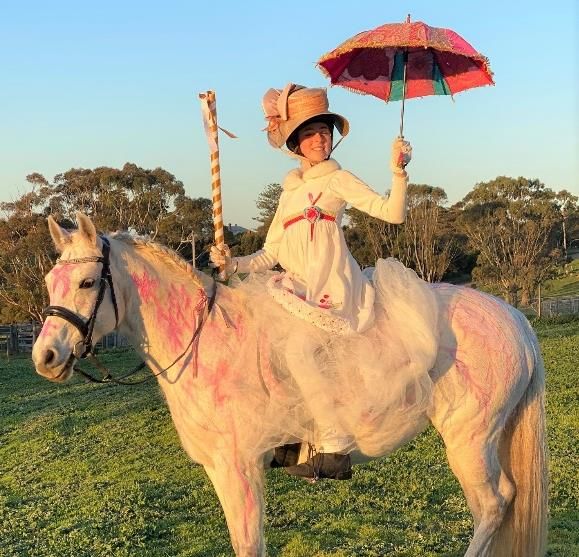
Contents
Introduction .......................................................................................................................................................................... 6
   Complying with the rules .................................................................................................................................................. 7
   Gear Exemption Forms ..................................................................................................................................................... 7
Disciplines Covered in The National Gear Rules ................................................................................................................... 8
Definition of Formal, Informal and Open Rider Attire ........................................................................................................ 10
   Section 1: Rider Attire..................................................................................................................................................... 11
       1.01 Air vests............................................................................................................................................................... 11
       1.02 Badges ................................................................................................................................................................. 11
       1.03 Belts .................................................................................................................................................................... 11
       1.04 Body protectors .................................................................................................................................................. 11
       1.05 Boots (footwear) ................................................................................................................................................. 12
       1.06 Cameras .............................................................................................................................................................. 12
       1.07 Chapettes (half chaps) and gaiters ..................................................................................................................... 12
       1.08 Competition numbers ......................................................................................................................................... 13
       1.09 Earrings ............................................................................................................................................................... 13
       1.10 Fly nets for helmets ............................................................................................................................................ 13
       1.11 Glasses ................................................................................................................................................................ 13
       1.12 Gloves ................................................................................................................................................................. 13
       1.13 Hair...................................................................................................................................................................... 13
       1.14 Helmet standards................................................................................................................................................ 14
       1.15 Helmet covers, peaks, sunshades and brims ...................................................................................................... 14
       1.16 Jewellery and medical alerts............................................................................................................................... 15
       1.17 Jodhpurs, breeches, stockman’s cut trousers, jeans and moleskins .................................................................. 15
       1.18 Jumper / vest ...................................................................................................................................................... 15
       1.19 Jumpers - removing jumpers, vests or jackets.................................................................................................... 15
       1.20 Logos on attire .................................................................................................................................................... 16
       1.21 Makeup ............................................................................................................................................................... 16
       1.22 Medical armband ................................................................................................................................................ 16
       1.23 Mouthguards ...................................................................................................................................................... 16
       1.24 Mobile phones .................................................................................................................................................... 16
       1.25 Music players, headphones, ear buds, communication devices ........................................................................ 17
       1.26 Nails – long nails ................................................................................................................................................. 17
       1.27 Polo tops, rugby tops .......................................................................................................................................... 17
       1.28 Shirts ................................................................................................................................................................... 17
       1.29 Spurs ................................................................................................................................................................... 17
       1.30 Ties ...................................................................................................................................................................... 17
       1.31 Watches .............................................................................................................................................................. 17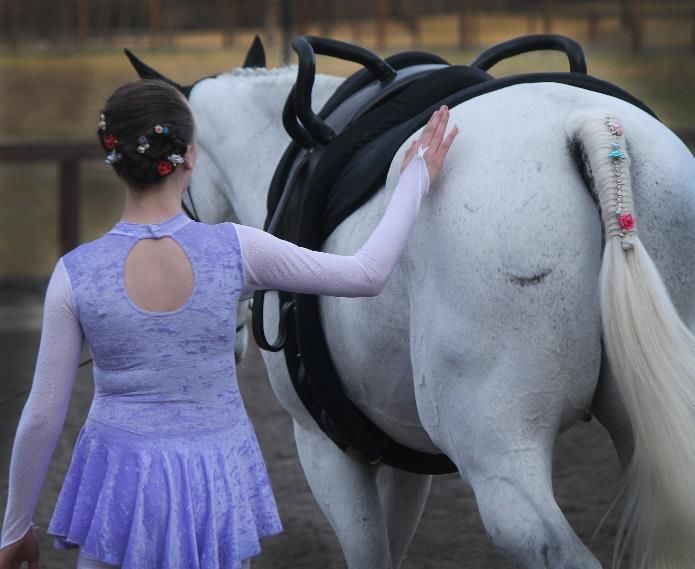
1.32 Wet or cold weather gear ................................................................................................................................... 17
Section 2: Saddlery ............................................................................................................................................................. 18
       2.01 Bandages ............................................................................................................................................................. 18
       2.02 Belly bands / spur guards.................................................................................................................................... 19
       2.03 Bit Types and Fitting ........................................................................................................................................... 20
       2.04 Blinkers / pacifiers and sheepskin cheek covers................................................................................................. 20
       2.04.1 Winkers ............................................................................................................................................................ 20
       2.05 Boots - horses ..................................................................................................................................................... 20
       2.06 Breastplates ........................................................................................................................................................ 21
       2.07 Bridle - material .................................................................................................................................................. 21
       2.08.1 Bridle - types .................................................................................................................................................... 21
       2.08.2 Bridle - chin straps ........................................................................................................................................... 22
       2.09 Calming hoods .................................................................................................................................................... 23
       2.10.1 Compression garments .................................................................................................................................... 23
       2.10.2 Compression hoods ......................................................................................................................................... 23
       2.11 Cruppers.............................................................................................................................................................. 23
       2.12.1 Curb chains ...................................................................................................................................................... 24
       2.12.2 Curb chain - chain guard / cover ...................................................................................................................... 25
       2.12.3 Curb chain - lip strap ........................................................................................................................................ 25
       2.13 Ear covers / bonnets /ear hoods ........................................................................................................................ 25
       2.13.1 Ear plugs........................................................................................................................................................... 25
       2.14 Fly veil, fly mask, fly shield, fly hood................................................................................................................... 26
       2.14.1 Nose nets, pollen filters ................................................................................................................................... 26
       2.15 Girths .................................................................................................................................................................. 26
       2.16 Hoof boots .......................................................................................................................................................... 27
       2.17 Leading rein ........................................................................................................................................................ 27
       2.18 Logos on saddlecloths ......................................................................................................................................... 27
       2.19 Martingales ......................................................................................................................................................... 28
       2.20.1 Monkey grip ..................................................................................................................................................... 29
       2.20.2 Neck strap ........................................................................................................................................................ 29
       2.21.1 Nosebands ....................................................................................................................................................... 29
       2.21.2 Noseband - shadow roll or shield .................................................................................................................... 30
       2.22.1 Reins................................................................................................................................................................. 31
       2.22.2 Rein attachments ............................................................................................................................................. 32
       2.23 Saddles ................................................................................................................................................................ 34
       2.24.1 Saddlecloths ..................................................................................................................................................... 36
       2.24.2 Saddlecloth logos and emblems ...................................................................................................................... 36
       2.24.3 Saddle covers ................................................................................................................................................... 36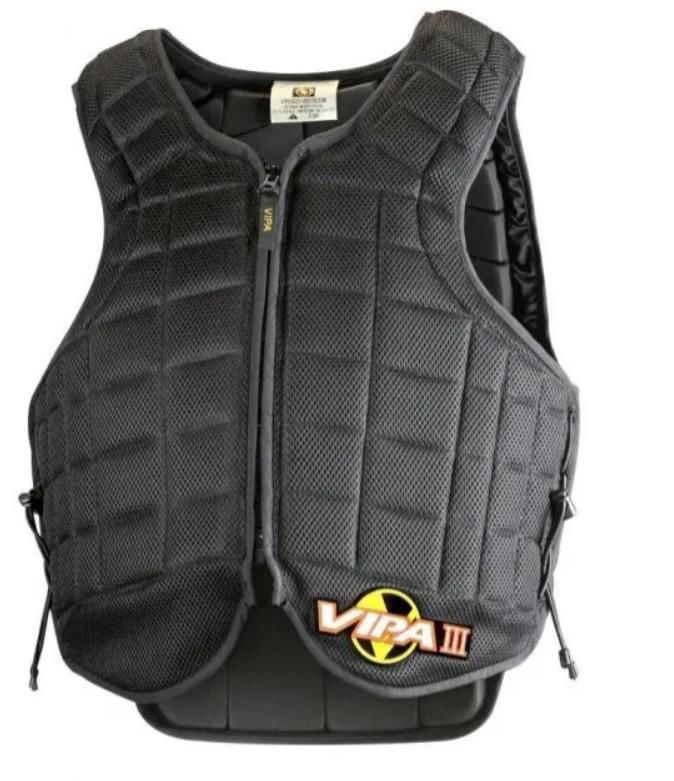
2.25 Shadow rolls........................................................................................................................................................ 36
       2.26 Shoes/horse shoes .............................................................................................................................................. 36
       2.27.1 Stirrup Irons ..................................................................................................................................................... 36
       2.27.2 Stirrup Irons – size and fitting, treads.............................................................................................................. 38
       2.27.3 Stirrup leathers ................................................................................................................................................ 39
       2.28.1 Studs – horse shoes ......................................................................................................................................... 39
       2.28.2 Stud guard, stud guard girth ........................................................................................................................... 39
       2.29 Tongue ties.......................................................................................................................................................... 39
       2.30 Whips .................................................................................................................................................................. 40
Appendix 1: Helmet Fitting and Condition ......................................................................................................................... 41
Appendix 2: Bit Directory .................................................................................................................................................... 42
Appendix 3: Spur Directory................................................................................................................................................. 53
       Rules for Spur Use....................................................................................................................................................... 54
       Spurs – features NOT permitted ................................................................................................................................. 55
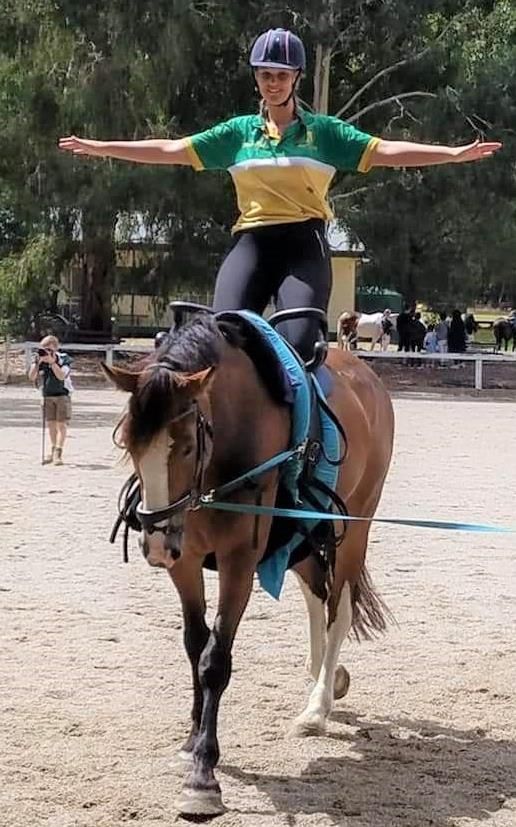
Appendix 4: Vaulting Attire and Gear ................................................................................................................................. 56
Appendix 5: Lungeing Attire and Gear................................................................................................................................ 57
Appendix 6: Tetrathlon Attire ............................................................................................................................................. 59
Appendix 7: Quiz Attire....................................................................................................................................................... 60
Appendix 8: Fancy Dress and Musical Ride - Attire and Gear ............................................................................................ 60
Appendix 9: Fitting of Gear ................................................................................................................................................. 61
       Appendix 9.1 Fitting of Body Protectors ..................................................................................................................... 61
       Appendix 9.2 Fitting of Nosebands ............................................................................................................................. 62
       Appendix 9.3 Fitting of Running and Standing Martingales ....................................................................................... 62
       Appendix 9.4 Fitting of Girths and Surcingles............................................................................................................. 63
       Appendix 9.5: Treeless saddles – types, fitting and conditions for use...................................................................... 64
       Appendix 9.6: Fitting of horse boots .......................................................................................................................... 65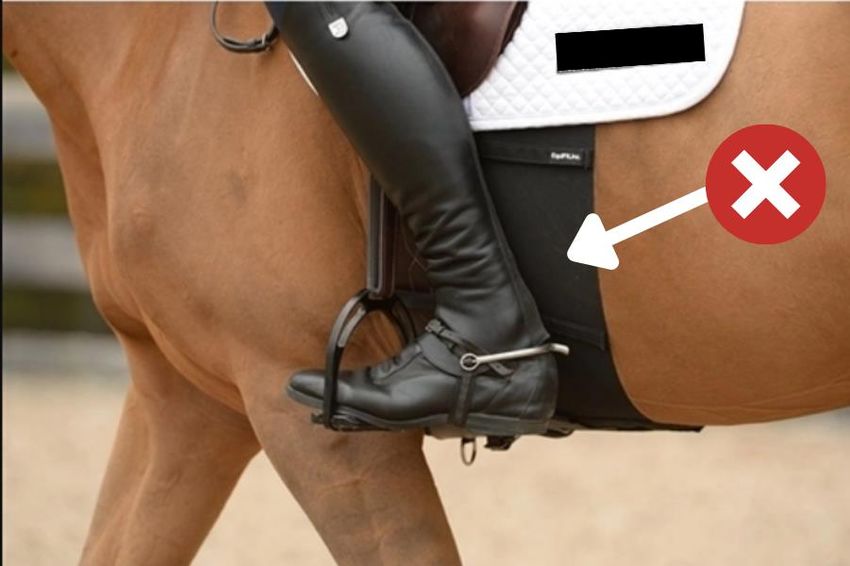
Introduction

These gear rules were developed for Pony Club Australia using the guiding principles of rider safety and horse welfare.
The process of development included significant consultation with representatives from across Australia. These rules
are intended to;
    •   inform the purchase of gear by new and existing members
    •   cater for needs of beginner and experienced riders
    •   provide both practical and technical information where required
    •   cover the large variety of horse sports enjoyed by Pony Club members

There will be an annual review of gear rules by the National Gear Committee. Updates will be placed on the PCA
website and communicated to members and officials.

A Gear Change Form is available online for members to notify PCA and the National Gear Rules Committee of new gear
or amendments they wish to be considered in the National Gear Rules.
(https://form.jotform.com/PonyClubAust/GearChangeForm). A PDF version is also available via Pony Club Australia’s
website under Policies and Resources.

Please make yourself familiar with the new Pony Club Australia National Gear Rules and continue to enjoy our sport
which offers so much variety, fun and learning for so many.

                                                                                                    Pony Club Australia
                                                                                                          August 2021

                                                           6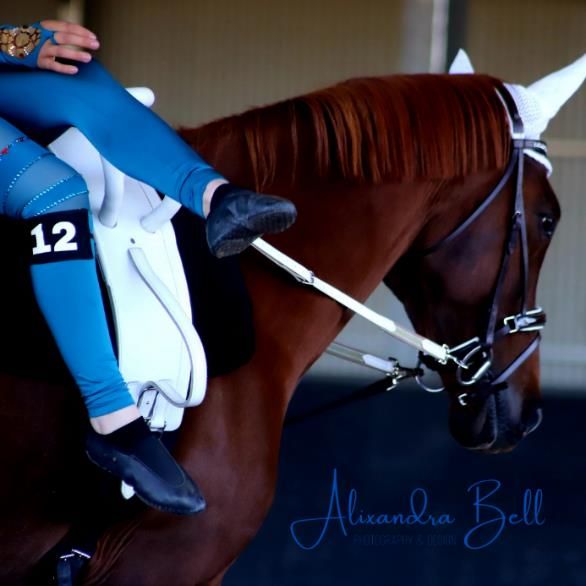
Complying with the rules

If gear is permitted for use as per this document, there are still things a rider needs to comply with, namely:
     • A rider must have a gear check at the start of a rally/activity and before each competition (sometimes each
          phase of a competition) and allow time for re-presenting if something is not correct.
     • Gear cannot be changed after a gear check, unless the rider re-presents.

Trained gear checkers will be looking to see that everything is:
    • Safe - in good order with no weakened or damaged parts
    • Comfortable for the horse
    • The right size, fitted correctly, fit for purpose and used according to the manufacturer’s instructions.

The final responsibility, especially for rider attire and saddlery, rests with the rider. Gear check is a compliance check as
well as a safety check, but it is the responsibility of riders to also ensure their gear is safe.

A rider is not permitted to ride with non-compliant gear. If a rider does not pass gear check, and does not re-present to
gear check with compliant gear (borrowed, mended or from their own spare equipment), they risk elimination from a
competition, and/or being unable to ride at a rally or muster.

Gear Exemption Forms

If riders wish to use gear that is listed as ‘not permitted’ or is too new to be in this Rule Book, they must complete an
Exemption Form and submit it to their State Office for approval. Exemptions may be granted in exceptional
circumstances. Clear reasons for needing the gear will be required.

How long does an exemption last?
Exemptions can be provided by your State for up to three years. After that you will need to renew if it is still required.

Can it be used for any horse I ride?
No; it is specific to you and the horse you nominate.
How do I get an exemption form?
You can access the Gear Exemption form three ways:
    • Click here: Gear Exemption Form
    • Put the following address into your browser https://form.jotform.com/PonyClubAust/GearExemptionForm
    • A PDF version is also available via Pony Club Australia’s website, under Policies and Resources.

How do I submit the completed form?
   • If you fill in the form online, a copy is automatically sent to your State Office for assessment
   • If you download a pdf of the form and fill it in, you need to email the completed form to your State Office.

Can I use the gear while I wait for approval from my State?
No. Riders cannot use the gear in question at any Pony Club event (rally, muster, training or competition) until they
receive permission in writing from their State Office, which they will need to present to gear checkers at all gear
checks.

                                                             7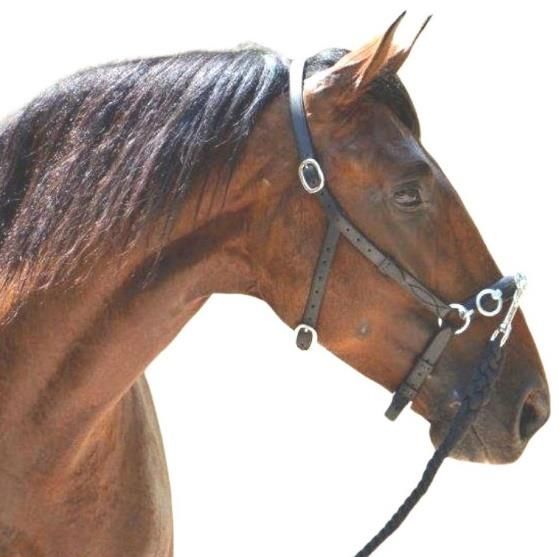
Disciplines Covered in The National Gear Rules
Some disciplines at Pony Club vary from State to State; some are the same but have different names. To make
this Rule Book easier to read, we have grouped disciplines with the same or very similar rules together.
Any gear rule exceptions within these groups (ie not the whole group) will be named for each gear category.

                 Group A                                                Description
 Rallies and musters                Regular (often monthly) gathering of each Pony Club for instruction.
 Clinics, camps and training days   Gatherings of Pony Club members for instruction, training purposes and fun
                                    activities.
 Trail rides and navigation rides   Navigation rides involve following clues over a set track, within a certain time,
                                    usually in small groups.
 Endurance                          A ride over a long distance and varying terrain (5km, 20km, 20km, 40km, 100km
                                    or more) which requires a very fit horse and tactful riding. Horses can be vetted
                                    out.

                 Group B                                                Description
 Cross country                      One phase of horse trials, also called a one day event (or 2DE or 3DE) which
                                    involves jumping a course of solid obstacles, banks, ditches and water within the
                                    allowed time. The other phases are dressage and showjumping.
 Hickstead Derby                    A competition involving cross-country and show jumping fences jumped as one
                                    course. It may be a mini horse trials, where riders do a dressage test and then a
                                    combination showjumping/cross-country course.
 Tetrathlon riding phase            A jumping round which may also include a slip rail and/or gate to open and
                                    close. One of four sports in a Tetrathlon.
 Hunter trials                      A stand-alone cross country event.
 Ride to Time and                   Competitions are usually held at a racetrack. Riders individually need to ride at a
 Speed to Safety                    certain pace, and be able to judge without a watch how fast their horse is
                                    traveling, to meet the optimum time.
 Supercross                         A competition with cross country and showjumping phases, with scores added
                                    together. Similar to horse trials but with no dressage.

                 Group C                                                Description
 Dressage                           Test of skill by horse and rider in a dressage arena; following set movements and
                                    with scores for each move. Includes pairs and teams of four dressage.
 Eventing Dressage                  One phase of Horse Trials, performed first. The other phases are cross country
                                    and showjumping
 Combined Training Dressage         One phase of Combined Training, performed first. The other phase is
                                    showjumping
 Freestyle Dressage                 Dressage to music which suits the horse’s paces; contains set moves but the
                                    rider can usually choose the order do them.

           Group D                                                      Description
 Showjumping                        Jumping a course of obstacles in an arena with points detracted for rails
                                    knocked down, going over the time allowed, and for refusals.
 Eventing Showjumping               A phase of a Horse Trials/ODE/2DE or 3DE. Other phases are dressage and cross
                                    country.
 Combined Training Showjumping      Second phase of Combined Training. The first phase is dressage.
 Jumping Equitation                 A test of horse and rider over a showjumping course where points are also
                                    gained for riding skills and horse’s technique.

                                                          8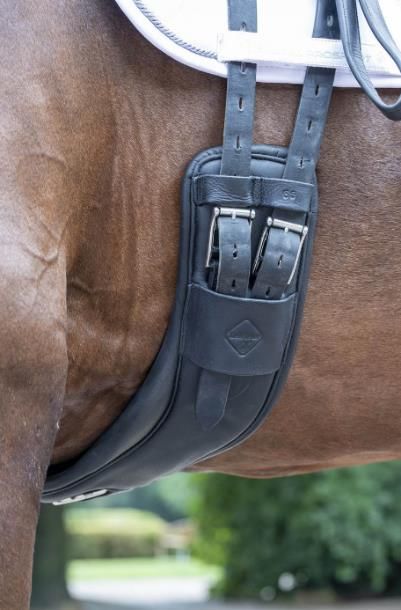
PCA National Gear Rules

              Group E                                                  Description
Mounted games                       Team games on horseback, conducted at speed
Novelties                           Individual and team games on horseback, conducted at speed
Sporting / Sporting Gymkhana        Individual and team games on horseback, conducted at speed
Polocrosse                          A team sport that is a combination of polo and lacrosse.
Campdrafting                        An Australian sport where horse and rider cut a beast from a yarded mob and
                                    guide it through an obstacle course. Points for skill and timing.
Horse archery                       Uses a straight, fenced track with multiple targets. Riders compete at walk, trot
                                    and/or canter and shoot while the horse is moving.
Horseball                           Described as a combination of polo, rugby and basketball. Two teams score
                                    points by throwing the ball, which has handles, through a hoop.
Tentpegging                         A team race or relay where a rider and horse aim to knock down a peg with a
                                    stick, or pick up a peg on a lance, as fast as possible.
Working Equitation                  A three or four phase event with dressage, an obstacle course done twice, the
                                    second time at speed, and optional cattle handling phase.
Stockman’s Challenge                A two-round event with a set pattern workout (dry work) and a round of cattle
                                    work. If not cattle, two rounds of set pattern work are used.
                                    Can also be an obstacle course similar to handy mount.

              Group F                                                  Description
Formal gymkhana                     Gymkhana or show with events such as Presentation, Led or Ridden classes on
                                    the flat.
Showing, show ring, hack show       As above

              Group G                                                  Description
Musical rides, dressage to music;   Dressage; teams, pairs or individuals
quadrille dressage                  Same as Group C except for rider attire variations and some saddlery changes eg
                                    costumes for themed rides.
Fancy dress                         This is judged on rider and horse costume and does not usually involve a
                                    workout, just a lineup for judging.

              Group H                                                 Description
Quiz                                Quiz is an unmounted activity, a test of knowledge based on the riders’
                                    certificate level. Usually a team activity. See Appendix 7.
Vaulting                            Vaulting has some different rules on attire and gear. See Appendix 4.

Proficiency certificate testing
                                    This is not a discipline so is listed separately.
E, D, D*, C, C*, K, B, A            Unmounted section – rider wears formal, or competition uniform for
                                    horsemastership and groundwork testing.
                                    Mounted section – rider follows gear rules for the appropriate parts of the test,
                                    (eg lungeing, showjumping, dressage)

                                                          9
PCA National Gear Rules

               Definition of Formal, Informal and Open Rider Attire

   Formal, or          This usually refers to high level events eg at Club, Zone, State and National level, and
  competition,         for Group C (dressage type) and Group F (Showring type) events.
    uniform            When an event calls for Formal Uniform it means the formal or competition uniform
                       as defined by your Club, Zone or State, which will include:
                           • Approved helmet
                           • Riding boots and
                           • Jodhpurs, breeches, stockman cut or moleskin trousers.

                       It will also require what your Club, Zone or State specifies/allows as formal:
                           • Pony Club jumper / vest, shirt and tie
                           • Ratcatcher/stock
                           • Shirt and tie or
                           • Polo top or windcheater in Pony Club colours.

Uniform for Rallies    Rally and muster uniform is set by each Club. For some Clubs this will be the same as
and Musters            formal uniform. It will include:
and other less             • Approved helmet
formal gatherings          • Riding boots
such training days,        • Jodhpurs, breeches, stockman cut or moleskin trousers, or jeans.
clinics, trail rides
etc                    It will also require one of the following:
(Group A)                  • Pony Club jumper / vest, shirt and tie
                           • Shirt and tie only or
                           • Polo top or windcheater in Pony Club colours

   Open riders         ‘Open riders’ means non-Pony Club members competing at a Pony Club run event.
                       They must wear:
                           • Approved helmet and boots
                           • Jodhpurs, breeches, stockman cut or moleskin trousers
                           • Approved body protector where mandatory for specific disciplines.
                       Plus:
                           • Jacket, shirt and tie or stock, polo top or rugby top. This may depend on the
                               event or Club rules.

                                                      10
PCA National Gear Rules
Section 1: Rider Attire
NOTE: Rider attire that is not in this section
• HELMET STANDARDS, see current section; Helmet fitting and condition see Appendix 1
• For VAULTING Attire see Appendix 4
• For LUNGEING Attire, and gear, see Appendix 5
• For TETRATHLON swimming, shooting and running attire, see Appendix 6
• For QUIZ uniform, see Appendix 7
• For FANCY DRESS and MUSICAL RIDE attire, see Appendix 8.
Air vests, if worn, must be worn over a body
1.01 Air vests
protector (See 1.04); therefore they are permitted
in the same disciplines as body protectors. They
serve different functions - air vests do not provide
skeletal protection in the same way a body
protector does.
Pony Club fabric badges stitched on to Pony Club
1.02 Badges
jumpers or vests are permitted.
Pinned on metal badges and club tie pins are
permitted except for Group E and Vaulting.
Permitted.
1.03 Belts
Permitted in all disciplines.
1.04 Body protectors
They are mandatory when jumping fixed obstacles
* NOTE: Comes into effect from January 2022. (Group B disciplines) for all ages and grades.
This includes Ride to Time and Speed to Safety in
For fitting of body protectors, see Appendix 9. Group B.
Body protectors must be equestrian make and of
BETA Level 3 standard.
1.04 Example of a body protector (front and back) 1.01 Examples of air vests
11PCA National Gear Rules
1.05 Boots (footwear) It is mandatory to wear close fitting equestrian boots (English/jodhpur,
long/top/field boots) with firm sides. They must have full, smooth soles
For boot fit in the stirrup, see and low but defined and square cut heel at least 14mm high. If they have
2.27.1 Stirrup Irons laces, the ends are to be tucked in for safety.
Laces:
Top boots with lacing at front of ankle are permitted. Correctly fitted
short lace up type riding boots under correctly fitted gaiters are
permitted in all disciplines.
Colour:
Boots to be black or brown.
Exception to wearing approved boots - Vaulting, see Appendix 4.
Not permitted on helmet, rider, horse, or saddlery.
1.06 Cameras
(eg. GoPro)
Gaiters and chapettes, also known as half chaps, are permitted except
1.07 Chapettes (half chaps)
in vaulting (Group H)
and gaiters
Material:
Gaiters are leather or synthetic leather.
Chapettes are suede. They must be either black or brown to match the
colour of the jodhpur boots worn with them. Chapettes must have a zip
fastening and not Velcro.
Lace up boots: Riders are permitted to wear correctly fitted short lace
up type riding boots under correctly fitted gaiters.
1.07 Leather gaiter and boot 1.07 Suede Chapettes, also called 1.07 Chapettes with Velcro tabs
Permitted except for vaulting half chaps. Must not have Velcro on outer side (right)
tab fastenings (see at right) Not permitted.
12PCA National Gear Rules
Bridle number and saddlecloth number – most common in dressage
1.08 Competition numbers
where each competitor in a section is numbered to ride in order.
Rider bib – a harness containing a large number printed on A4 paper,
visible front and back. Mandatory in cross country; permitted in other
disciplines (see photo below). Teams of four dressage will often have
riders numbered 1-4 this way for judging purposes
Numbers on rider tops: Some sports like polocrosse may use shirts with
numbers printed on them.
1.08 Bib competition numbers in a bib/number holder
Stud earrings are not permitted in Mounted Games. They are permitted
1.09 Earrings
in all other disciplines but must be taped over if the diameter is greater
than 5mm. No other types of earrings are permitted.
See also 1.16 Jewellery and medical alerts for other items.
Permitted.
1.10 Fly nets for helmets
Sunglasses and prescription glasses permitted.
1.11 Glasses
Permitted; must be equestrian style.
1.12 Gloves
Gloves are mandatory when wearing rings and for lungeing; see
Appendix 5.
Hair below shoulder level must be tied back neatly so it does not obscure
1.13 Hair
any competition numbers, most notably in cross country (Group B).
For riders in Fancy Dress and other Group G disciplines, hair tied out of
the way is optional.
13PCA National Gear Rules
Australia New Zealand standard
1.14 Helmet standards
AS/NZS 3838
Marked SAI Global
For helmet fitting, use by
dates and condition, see Australia New Zealand standard
Appendix 1 ARB HS 2012 (racing helmets)
Marked SAI Global
American standard
ASTM F1163
Marked SEI or SNELL E2001
British standard
PAS 015 (1998 or 2011)
BSI Kitemarked
European standard Note that new helmets may carry
(new, interim) both the EN1384 & VG01.040 marks
VG01.040 (2014-12)
This may be abbreviated as ‘VG1’
on the helmet label
1.14.1 Helmet Logos and Helmets must not have aftermarket decals as this can affect their overall
stickers safety construction.
Covers are permitted. In Mounted Games, the only hat cover permitted is
1.15 Helmet covers, peaks,
the final rider in each team who wears a cover matching their lane
sunshades and brims
colour.
Helmet peaks can be fixed or detachable
Detachable helmet sunshades are permitted.
For helmet fitting and condition, see Appendix 1.
1.15 Examples of detachable helmet sunshades
14PCA National Gear Rules
Piercings: Facial piercings must be taped over.
1.16 Jewellery and medical
Rings: Riders wearing rings must remove them or wear gloves. Only plain
alerts
flat wedding bands can be taped.
Necklaces, bracelets: Non-medical necklaces and bracelets must be
removed.
For watches and stopwatches, see 1.31 Watches.
Medical necklaces and bracelets are permitted. Any medical disk should
be visible.
Brightly coloured single and two-tone pants, (eg. red, royal blue, pink)
1.17 Jodhpurs, breeches,
are only permitted for rallies, musters, training days, fancy dress, musical
stockman’s cut trousers,
rides and cross country (Group B)
jeans and moleskins Otherwise, pants should be neutral colours (white, beige, cream etc)
Coloured jodhpur inserts are permitted.
Discreet decorative embroidery and/or stitching and discreet diamantes
are permitted.
For logos on attire, see 1.20 Logos on attire.
Can be any material; knitted fabric is recommended. To be worn with a
1.18 Jumper / vest
shirt. Must be in Club or Zone colours.
Exceptions: Fancy dress, musical ride and cross country.
Proficiency badges, and Club, Zone and State cloth badges, may be fixed
to jumpers and vests. Pinned on metal badges and club tie pins are
permitted except for Group E and Vaulting.
Sleeveless jumpers/vests are optional in competition if part of a Club’s
uniform, and must only be worn over a shirt.
For polo tops and rugby tops see 1.27 Polo tops, rugby tops.
Heat stroke is a safety issue. At an event where riders are wearing
1.19 Jumpers - removing
jumpers or vests, event organisers may make an announcement about
jumpers, vests or jackets
removing them based on weather conditions. Riders or Clubs can make a
request to organisers to do this.
15PCA National Gear Rules
Club, Zone and State logos:
1.20 Logos on attire
Any Club or State logos on uniforms must be no larger than 100mm x
100mm. On rider tops for competition, these logos need to be confined
to the front left or right.
The Club, Zone or State name, if placed on the back of the rider’s top,
should be in lettering not more than 50mm in height.
Sponsor logos:
Official uniform items cannot be enhanced with sponsorship logos,
ie. they are not permitted on garments with a Club, Zone or State logo.
Sponsor and brand logos permitted on any unofficial clothing not worn in
competition.
Helmets must not have aftermarket decals (stickers added after
purchase) as this can affect their overall safety construction.
For logos on saddlecloths see 2.24.2 Saddlecloth logos and emblems.
1.20 Example of positioning for Club or State
logos on polo shirts and rugby tops.
The rider’s name can be under the club
logo and must be the same width or less.
If the Club name is on the back, lettering
must not be more than 50 mm in height.
Permitted.
1.21 Makeup
Advised for cross country competition (Group B); but if not worn, the
1.22 Medical armband rider must have a clear identifying number.
Medical armbands can be attached to a body protector.
Permitted.
1.23 Mouthguards
Not permitted for riders; coaches may carry for safety reasons whilst
1.24 Mobile phones
coaching.
Permitted for a supervising rider in a small group taking part in trail rides,
but not permitted for navigation rides where riders are following clues.
16PCA National Gear Rules
Not permitted.
1.25 Music players,
Exception: Communication devices may be used in Group A activities for
headphones, ear buds,
a coach to instruct riders, ie. for non-competition.
communication devices Hearing aids are permitted.
Not permitted for mounted games.
1.26 Nails – long nails
May be considered as formal uniform for some Clubs.
1.27 Polo tops, rugby tops
Achievement badges and Club or State logos permitted.
Must be white or in registered Club colours and must not be sleeveless.
1.28 Shirts
Can include ratcatcher shirts and shirts with stocks if they are part of the
registered Club uniform.
For jumpers, see 1.18 Jumper / vest.
For spurs, see Appendix 3.
1.29 Spurs
Club, Zone or State formal uniform may include a tie. Ties to be in
1.30 Ties
registered Club, Zone or State colours depending on the situation/event.
Club tie pins are not permitted in Group E or vaulting.
Normal wristwatches are permitted in all disciplines except Vaulting.
1.31 Watches
For Ride to Time and Speed to Safety (in Group B) - stopwatches and
beepers are permitted for practice laps. Beepers are permitted for
qualifying time laps and State Championships.
For all other Group B activities other than the two above, eventing
watches are permitted for all levels.
Eventing watch example
Permitted, subject to event organisers’ permission. Wet or cold weather
1.32 Wet or cold weather
gear should not have any loose flapping parts that could frighten a horse
gear
or snag on objects.
Riders and parents: please approach the event organiser for permission
to ride in wet or cold weather gear while competing.
Competitor numbers and armbands, if required, must remain clearly
visible at all times.
Restrictions on logo sizes do not apply to wet or weather gear unless they
are adopted as part of a Club’s official uniform.
* Whips, crops For whips, see 2.30 Whips.
17PCA National Gear Rules
Section 2: Saddlery
NOTE:
• For BIT DIRECTORY, see Appendix 2.
• For SPUR DIRECTORY, see Appendix 3.
• For LUNGEING attire and gear, see Appendix 5.
• For FITTING of gear, see Appendix 9.
Polo/fleece bandages – Not permitted for:
2.01 Bandages
padding is recommended, Cross country (Group B)
(horses’ legs) using a blanket stitch from Dressage, (Group C)
first to last wrap (see Show jumping (Group D)
diagram following) Showing (Group F)
NOTE:
Bandages must be sewn and
contrasting coloured thread General purpose/ exercise/ Must have padding and blanket stitch
used for gear checkers’ thin bandages – from first to last wrap.
benefit. Not permitted for:
Cross country (Group B)
Taping of bandages and boots Dressage, (Group C)
is not permitted. Show jumping (Group D)
Disposable tape can cause Showing (Group F)
pressure areas to the horse’s
legs and tendons. Discarded Horses’ legs must be bandaged or booted
disposable tape is also harmful Polocrosse for polocrosse to protect the fetlock and
to the environment. pastern. Over-reach boots/bell boots,
both in front and behind, are mandatory.
Competition warm-up Bandages or boots may be used in the
warm-up/exercise areas at dressage
competitions, including the dressage
phase of horse trials/eventing and the
dressage phase of combined training, but
not in competition.
Lungeing bandaging See Appendix 5.
18PCA National Gear Rules
Bandages must be sewn with a blanket stitch from the first to last wrap, on the outside of
leg as per the diagrams below: The thread must be a contrasting colour for gear checker’s
benefit.
2.01 Blanket Stitch for offside leg (left diagram) 2.01 Blanket Stitch Example
and for near side leg (right diagram)
Bandages should not be so tight that they cause pressure areas. They are to be blanket stitched from the first
to last round of the bandage as per the diagrams above. When the horse is working or competing, all
bandages (including Velcro bandages as shown below), must be sewn.
2.01 Velcro bandages must be sewn on
to prevent them coming undone during
exercise or competition. Taping is not permitted.
Not permitted.
2.02 Belly bands / spur guards
2.2 Belly Band / spur guard example
19PCA National Gear Rules
See Appendix 2.
2.03 Bit Types and Fitting
2.04 Blinkers / pacifiers Not permitted.
and sheepskin cheek
covers.
Winkers are permitted for showjumping. They must be no bigger than
2.04.1 Winkers
18cm long by 3cm wide.
2.04.1 Winkers example 2.04 Examples of Blinkers 2.04 Sheepskin
cheek cover
Permitted except for Group C (Dressage) and Group F (Showing).
2.05 Boots - horses
Bell boots and leg boots are mandatory for Polocrosse and Horseball.
Bell boots, fetlock rings, leg,
fetlock and tendon boots Pinch boots, and any other non-stretch boots without elastic that are
able to be ‘winched’ or tensioned, are not permitted.
For fitting of leg boots see Leg boots fastened on the outside facing backwards, smooth inside -
Appendix 9.6. permitted except for Group C (Dressage) and Group F (Showing)
Lungeing: Bell boots and bandages or leg boots are mandatory.
2.05 Pinch boots – no stretch 2.05 Bell boot 2.05 Fetlock rings
in the straps.
20PCA National Gear Rules
Stockman, hunting, Permitted.
2.06 Breastplates
racing breastplate or Breastplates are mandatory for
breast girth, polocrosse (Group E)
continental breastplate, Martingale rings cannot be added to a
elastic 'Y' fitting Olympic breastplate for dressage (Group C)
breastplate. competitions.
2.06 Breastplate examples
Leather or synthetic leather, Mandatory in all disciplines.
2.07 Bridle - material
eg vinyl
For nosebands types, Made of rope/nylon. Not permitted.
see 2.21.1 Nosebands.
Nosebands. Must be made of leather or synthetic
leather, with or without discreet
For reins, see 2.22.1 Reins.
padding.
English style, split head/ loose Permitted in all disciplines.
2.08.1 Bridle - types
head bridle.
This includes:
All bridles must have a throat extended head bridle,
lash or jowl strap, and a bit dealers' bridle,
Micklem-type bridle,
Barcoo/stock/farm, Comfitec
Running gag, Bosal bridle, Not permitted.
Hackamore bridle,
one-eared bridle.
Bitless Bridle Specific approval required using an
exemption form (See Gear
Exemption Forms, Page 7)
Double Bridles See Bits Appendix 2.
21PCA National Gear Rules
2.08 Barcoo, or extended 2.08 Micklem bridle example 2.08 Ergonomic, or Comfitec-type
head bridle example bridle
2.08 Bitless bridle examples; exemption required
Must be made of leather or synthetic leather eg vinyl. Not permitted if
2.08.2 Bridle - chin straps
made of chain.
Correct fit is two fingers space (minimum) between strap and chin.
Chin straps prevent the bit
from being pulled sideways
through a horse’s mouth
22PCA National Gear Rules
Not permitted.
2.09 Calming hoods
See also 2.13 Ear hoods and bonnets which are permitted.
Eg. Compression socks, compression suit.
2.10.1 Compression
Not permitted.
garments
2.10.2 Compression hoods Permitted for fancy dress classes only.
2.09 Calming Hood 2.10.2 Compression 2.10.1 2.10.1 Compression suit
(with ear covers) Hood Compression
socks
2.11 Cruppers Permitted
23PCA National Gear Rules
For use with double (Weymouth) bridle, kimblewick, or pelham.
2.12.1 Curb chains
Approved bits that require a chain can have a chain guard in place; chain
guards are optional.
For Curb Bits, see
Appendix 2. All bits with curb chains attached must have a rein on the top ring (at the
bit).
Equalisers, rounders or split reins may be used.
The use of dropped nosebands, Hanoverian nosebands or any noseband
which fits in the horse’s curb groove, is not permitted when a curb chain
is being used. See examples in 2.21.1 Nosebands.
The chain should be fitted to a length that it only comes into contact with
the horse’s jaw when rein contact takes the lower arm to a 45-degree
angle with the bars of the horse’s mouth. See diagrams below after
2.12.3.
Chain hooks should be open just enough to slide chain on and off and any
other measures taken to reduce the risk of the chain becoming caught on
anything (eg. A hay net, another horse’s bridle, etc.).
Excess chain links that cannot be accommodated by the hooks must be
balanced out with the same excess on both sides. See also Appendix 2.
2.12.1 Rein divider / roundings 2.12.1 Forked reins, for use with 2.12.1 Rein connectors, for use
/ equalisers and Pelham bit Pelham bit with Pelham bit
2.12.1 Curb chain on a Pelham bit. The
chain’s hooks are visible here, clipped to
the top ring. This chain does not have an
optional chain guard/cover.
2.12.1 Curb chain on a Pelham bit,
showing how to test the tightness (45-
degree angle is correct).
24PCA National Gear Rules
A chain guard is permitted whenever a chain is used.
2.12.2 Curb chain - chain
A chain guard must be made of leather, rubber or sheepskin. It sits
guard / cover
against the horse’s chin and prevents pinching or rubbing by the chain.
2.12.3 Curb chain - lip strap
Permitted wherever a chain is used.
It runs through the centre curb
chain ring to prevent the loss of the
chain.
Permitted in all disciplines.
2.13 Ear covers / bonnets
Exceptions: In Group E they are not
/ear hoods permitted in Horse Archery,
Tentpegging, Campdrafting, Working
See also 2.14 Fly veil, fly Equitation and Stockman’s Challenge.
mask, fly shield, fly hood
The ear cover /fly hood / bonnet may
be made of material that provides for
sound reduction. Ear plugs are not
permitted.
Bonnet and hoods must not be tied
down to the noseband.
2.13.1 Ear plugs
Not permitted.
25PCA National Gear Rules
2.14 Fly veil, fly mask, fly Only permitted at rallies and musters (Group A)
shield, fly hood and must be worn or attached over the bridle.
2.14.1 Nose nets, pollen
Permitted. Must be translucent.
filters
It is advised they be removed during
mounted games races.
2.15 Girths All saddles must have a minimum two girth points in use.
A saddle with a one-point girth must be combined with a surcingle or
Bates Fastener/ Patent system. The surcingle must not interfere with the
For Fitting of Girths and stirrup leather or prevent the stirrup leather from sliding freely from the
Surcingles, see Appendix 9 stirrup bar.
Exceptions: Swinging Fender and Poley/stock saddles with attachments
as designed and manufactured for that particular saddle.
2.15 Stock saddle with 2.15 Bates Patent; this strap goes over the saddle and creates a second
surcingle girth point for a swinging fender saddle.
26PCA National Gear Rules
2.16 Hoof boots Permitted at rallies and musters only. Only boots with at least two means
of attachment can be used in jumping or high-speed activities such as
eg Scoot Boots, Easyboots novelties, polocrosse, camp drafting, mounted games and cross country,
at rallies and musters.
They must be well fitted so that they will not come away from or fall off
the hoof, or rotate, twist sideways or rub the hoof or any part of the
lower leg such as the hoof bulb.
2.16 Hoof boot examples
2.17 Leading rein Riders who need to be led; and leading reins.
When a young or nervous rider needs their pony leading there are two
options:
- If you are using a lead rope, it must be attached to a halter worn under
the bridle. The bridle should not have a noseband.
- If you are using a butterfly lead it should be attached to both bit rings.
(see diagram)
For leading rein classes, a butterfly lead (below) should be used.
Butterfly horse lead example (lead goes through both bit rings)
2.18 Logos on saddlecloths For saddlecloths and logos, see 2.24.2 Saddlecloth logos and emblems.
For logos on rider attire, see 1.20 Logos on attire.
27PCA National Gear Rules
2.19 Martingales Martingales, all types, are not permitted in:
Group C (dressage), Campdrafting, Polocrosse, Lungeing and Vaulting.
Running martingale:
No buckles are permitted along the rein length, only at the bit. They must
have stoppers on the reins to prevent the martingale rings reaching the
bit.
The running martingale must have a diagonally fitted stopper at the
junction of the ring straps and the neck strap. For length adjustment, it
must be able to reach the horse’s gullet when pushed up in that
direction.
A running martingale cannot be used as a standing martingale.
Standing martingale:
Standing martingales are only permitted in Group E (eg Mounted
Games).
They may not be attached to any type of dropped noseband, only to a
cavesson.
The standing martingale must have a diagonally fitted stopper at the
junction of the ring straps and the neck strap. For length, it must be able
to reach the horse’s gullet when pushed up into it, and must be attached
to the noseband with the horse’s head in a normal position.
A running martingale cannot be used as a standing martingale.
Bib martingale and Irish martingale:
Not permitted in Dressage, Lungeing and Vaulting. They must have
stoppers on the reins to prevent the martingale rings reaching the bit.
2.19 Running martingale 2.19 Bib martingale 2.19 Irish martingale; prevents
showing stoppers reins coming off over the
preventing the martingale horse’s head
rings reaching the bit
28PCA National Gear Rules
2.19 Rein stoppers and 2.19 Standing Martingale 2.19 Martingale stopper
martingale stoppers can be threaded diagonally where
leather (left) or rubber neck strap meets the
(right) martingale rings
2.20.1 Monkey grip Permitted
2.20.2 Neck strap Permitted. The neck strap can be attached to the saddle when no
martingale is used, eg for Group B activities.
2.21.1 Nosebands Permitted types:
Cavesson, drop, Hanoverian, grackle, Mexican, Crank and Figure Eight
and Ergonomic nosebands eg Comfitec
For fitting of nosebands,
please see Appendix 9
If a noseband is used with any bit with a chain, any lower strap must be
removed. (eg Hanovarian, Drop, Grackle etc noseband)
Nose nets – see 2.14.1 Nose
nets
29PCA National Gear Rules
2.21.1 Examples of permitted nosebands
Cavesson noseband Drop noseband Hanoverian noseband
Grackle or Figure Eight Comfitec noseband Kineton noseband - not
noseband permitted
2.21.2 Noseband - shadow Shadow rolls fitted to the noseband are permitted, but the leather or
roll or shield sheepskin cover or attachment must be 50mm or less in diameter.
Not permitted in Dressage (Group C) and Showing (Group F).
2.21.2 Noseband shadow roll
example; this example would
not meet the 50mm
maximum width.
30PCA National Gear Rules
2.22.1 Reins The following are permitted for use with Pelham bits:
Forked / rein dividers / roundings / equalisers / ring connectors allow a Pelham
bit to be used with a single set of reins. They are only permitted with a Pelham
FITTING bit.
Rein length:
a) Any rein loop must
not hang below the
toe of the rider’s boot
in the stirrup or the
point of the horse’s
elbow, whichever is
higher.
b) Whether knotted or
not, the reins must at
least reach the 2.22.1 Rein divider / 2.22.1 Forked reins, for 2.22.1 Rein connectors,
pommel of the saddle roundings / use with Pelham bit for use with Pelham bit.
when the horse is equalisers and The lower strap must not
standing square and Pelham bit be shorter than the upper
relaxed. strap.
If reins are knotted,
(eg for mounted Split reins – long length reins that are not joined at the buckle end (nearest the
games) the buckle saddle), are only permitted in campdrafting activities for safety reasons, to avoid
must be undone. entanglement with cattle.
For reins while If split reins are used in other sports or training, they must be joined by a buckle,
lungeing, see knot or securely taped so as to not allow movement at join of reins or any
Appendix 5. likelihood of reins coming undone or apart. To shorten split reins, they must be
knotted and doubled up at the ends and securely taped all the way to the end.
31PCA National Gear Rules
2.22.2 Rein attachments Permitted:
Anti-grazing or grass reins, balance reins Permitted in lower grades only
and permitted at rallies and musters only. Exception: Riders under 12
may use them at competitions.
Note: Clips between the bit and rein must have the open part of the clip
facing inwards towards the horse.
2.22.2 Anti-grazing rein / grass 2.22.2 Balance rein(s)
reins
A normal set of reins with buckle
Grass Reins: Run from the bit, up along each one. There is an
beside cheek strap, up through elasticated support rein that
headpiece and onto D’s on saddle. connects to this buckle and one
Anti-grazing Straps: these are end and the D of the saddle with
attached from D on saddle to the billet hooks. The support rein
head piece of the bridle at the poll. should be slack when the rider has
contact on the reins and only act if
the pony naps or pulls.
2.22.2 Bit clips; clips joining the bit and the rein
Permitted. The clip must face inward. The clip
must be taped for Mounted Games.
See also Appendix 2 Bits.
Short elastic inserts for reins connecting to the bit are permitted only at
rallies or musters (Group A)
32PCA National Gear Rules
Rein attachments not The following reins and / or attachments and accessories are not
permitted permitted:
Running/draw reins, Chambon, long reins, side reins, Market Harborough
/ German martingale, EquiSmart tool.
Stud billets, loop attachments, buckle, clip along length of the rein not
permitted.
2.22.2 Side reins: girth to bit example 2.22.2 Market Harborough: from girth
through bit and clipped to reins
2.22.2 Chambon runs from the top of the 2.22.2 Equi Smart tool
head, through the bit rings to the girth
33PCA National Gear Rules
2.23 Saddles Constructed of Mandatory.
leather/synthetic
material
Saddles with a tree If the saddle has a tree, it must leave the
spine free of any pressure when the rider is
mounted.
Pony pads are permitted. Vaulting pads for
vaulting only, are permitted.
Treeless saddles See Appendix 9 for how and when treeless
saddles can be used.
Types of treed saddles English style, dressage, Permitted.
all-purpose, and jumping
saddles
Swinging Fender and Permitted for all disciplines.
Poley/stock saddles. NOTE: Not suitable for high level jumping.
Saddles must not have
pommel horns.
Western saddles with Not permitted.
horns
Pony pads Permitted.
Racing saddle Permitted only for fancy dress.
Sidesaddle Group A and fancy dress only.
These must allow stirrup leathers to hang
Stirrup bars freely and detach if rider falls.
Stirrup bars must be in the open position.
Closed stirrup bars can only be used with
clogs, safety stirrups or stirrups that have a
toe cage.
34You can also read


