New Hampshire Coronavirus Disease 2019 Weekly Call for Healthcare Providers and Public Health Partners
←
→
Page content transcription
If your browser does not render page correctly, please read the page content below
New Hampshire
      Coronavirus Disease 2019
Weekly Call for Healthcare Providers and
        Public Health Partners
                          January 21, 2021

                              Ben Chan
                          Elizabeth Talbot
                              Beth Daly
                           Lindsay Pierce

  Thursday noon-time partner calls will focus on science, medical,
   and vaccine updates geared towards our healthcare partners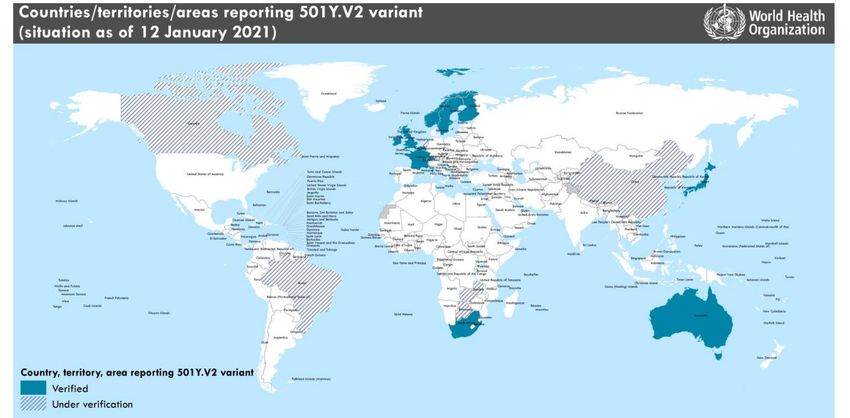
Agenda
• Epidemiology Update
• CDC COCA Webinar (January 28th from 2-3pm): Treating
  Long COVID: Clinician Experience with Post-Acute COVID-
  19 Care
• MMWR Publication: Evaluation of Abbott BinaxNOW
  rapid antigen test
• Pfizer-BioNTech vaccine vs. VOC B.1.1.7 (“UK variant”)
• Therapeutic update: Ivermectin
• Questions & Answers (Q&A)
National Daily Incidence of COVID-19

          JHU COVID-19 Dashboard
Number of New COVID-19 Cases per Day in NH
Number of Daily New Cases

                                                                 Date

                             https://www.nh.gov/covid19/dashboard/overview.htm#dash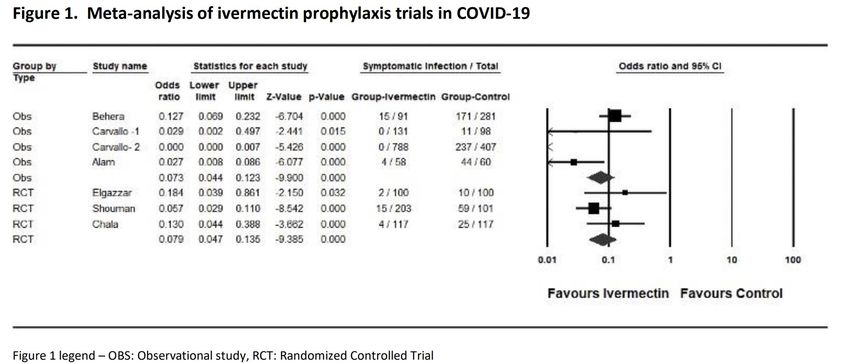
% of Tests (Antigen and PCR) Positive for COVID-19
                    (7-Day Average)
% of Specimens Positive

                          Mar
                                      Date Laboratory Test Completed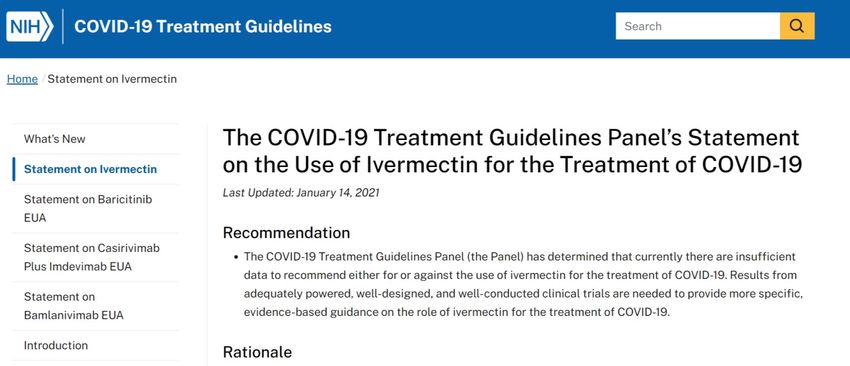
Number of People Hospitalized with COVID-19
                                              Each Day in NH (Hospital Census)
Number of People Hospitalized with COVID-19

                                                                  Date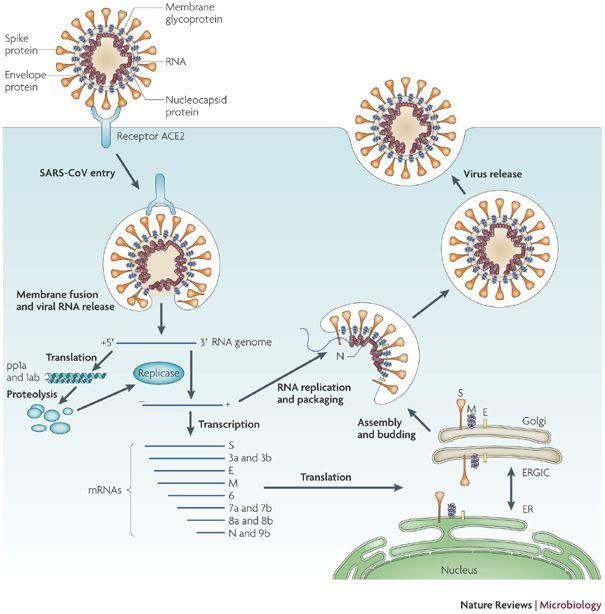
Number of COVID-19 Deaths in NH by Report Date

                                  In the last 7 days:
                                  • 65 people have died
                                  • 34 (52%) associated with a LTCF
                                  • 31 (48%) are community-associated
Number of Deaths

                                                 Date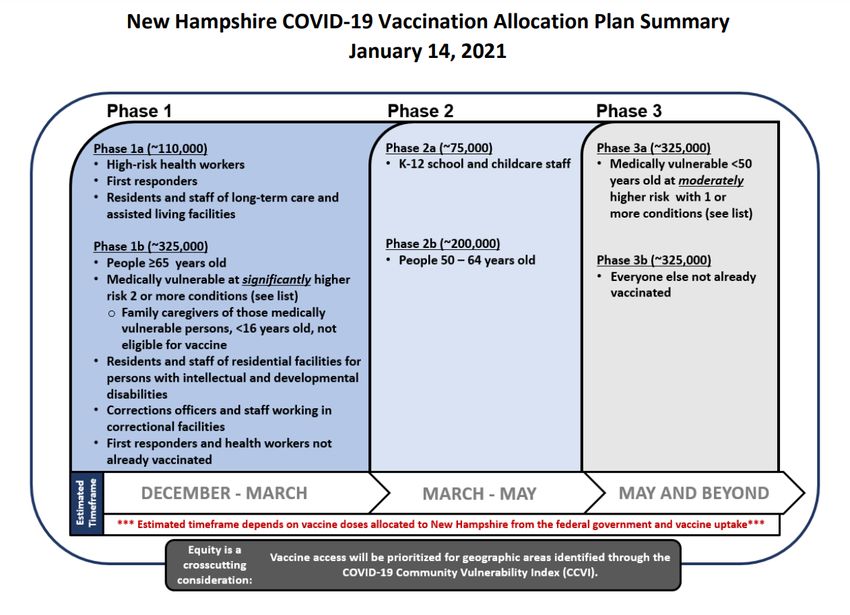
Abbott BinaxNOW Antigen Test
• Abbott BinaxNOW antigen test card was compared to PCR
 • Specimen collection occurred at two community testing
   centers in Pima County Arizona, November 2020
 • 3,419 paired specimens – bilateral anterior nares swab for
   antigen testing & bilateral nasopharyngeal swab for PCR:
      – 2,592 (76%) were asymptomatic (no symptoms of COVID-19)
      – 827 (24%) were symptomatic (one or more symptoms of COVID-19)

https://www.cdc.gov/mmwr/volumes/70/wr/mm7003e3.htm?s_cid=mm7003e3_w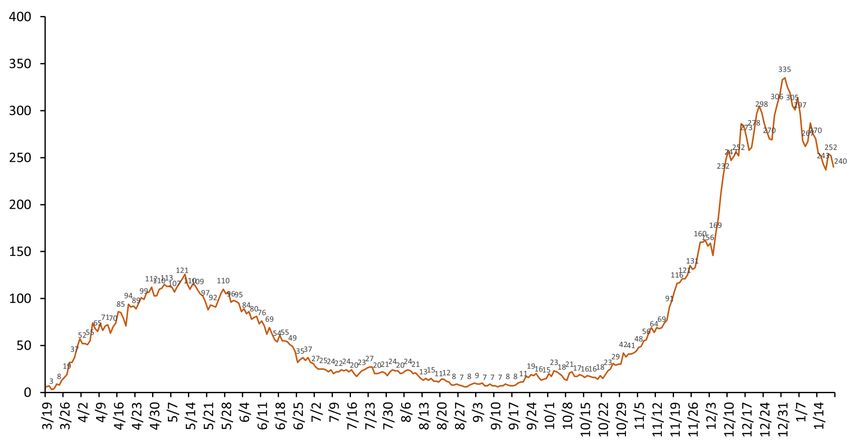
Asymptomatic Testing (N=2,592)
                                                   PCR Test Result
                                         Positive        Negative      Total
                      Positive               44                4        48
     Antigen
     Test             Negative               79             2,465      2,544
     Result           Total                 123             2,469      2,592

     • Sensitivity: 35.8%                               • PPV: 91.7%
     • Specificity: 99.8%                               • NPV: 96.9%

https://www.cdc.gov/mmwr/volumes/70/wr/mm7003e3.htm?s_cid=mm7003e3_w
Asymptomatic Testing (N=2,592)
PCR Test Result
Positive Negative Total
Positive 44 4 48
Antigen
Test Negative 79 2,465 2,544
Result Total 123 2,469 2,592
• Sensitivity: 35.8% • PPV: 91.7%
• Specificity: 99.8% • NPV: 96.9%
https://www.cdc.gov/mmwr/volumes/70/wr/mm7003e3.htm?s_cid=mm7003e3_wAsymptomatic Testing (N=2,592)
PCR Test Result
Positive Negative Total
Positive 44 4 48
Antigen
Test Negative 79 2,465 2,544
Result Total 123 2,469 2,592
• Sensitivity: 35.8% • PPV: 91.7%
• Specificity: 99.8% • NPV: 96.9%
https://www.cdc.gov/mmwr/volumes/70/wr/mm7003e3.htm?s_cid=mm7003e3_wSymptomatic Testing (N=827)
PCR Test Result
Positive Negative Total
Positive 113 0 113
Antigen
Test Negative 63 651 714
Result Total 176 651 827
• Sensitivity: 64.2% • PPV: 100.0%
• Specificity: 100.0% • NPV: 91.2%
https://www.cdc.gov/mmwr/volumes/70/wr/mm7003e3.htm?s_cid=mm7003e3_wSymptomatic Testing (N=827)
PCR Test Result
Positive Negative Total
Positive 113 0 113
Antigen
Test Negative 63 651 714
Result Total 176 651 827
• Sensitivity: 64.2% • PPV: 100.0%
• Specificity: 100.0% • NPV: 91.2%
https://www.cdc.gov/mmwr/volumes/70/wr/mm7003e3.htm?s_cid=mm7003e3_wSymptomatic Testing (N=827)
PCR Test Result
Positive Negative Total
Positive 113 0 113
Antigen
Test Negative 63 651 714
Result Total 176 651 827
• Sensitivity: 64.2% • PPV: 100.0%
• Specificity: 100.0% • NPV: 91.2%
https://www.cdc.gov/mmwr/volumes/70/wr/mm7003e3.htm?s_cid=mm7003e3_wQuidel Sofia Antigen Test (Reviewed on Partner Call 1/7/2021)
• Quidel’s Sofia SARS Antigen FIA test was compared to PCR
  testing (the “gold standard”)
• Occurred on 2 university campuses in Wisconsin
• 1,098 paired nasal swabs including:
     – 871 asymptomatic persons (no symptoms of COVID-19 at time of
       testing)
     – 227 symptomatic persons (one or more symptoms of COVID-19)

https://www.cdc.gov/mmwr/volumes/69/wr/pdfs/mm695152a3-H.pdf
Asymptomatic Testing (N=871)
PCR Test Result
Positive Negative Total
Positive 7 14 21
Antigen
Test Negative 10 840 850
Result Total 17 854 871
• Sensitivity: 41.2% • PPV: 33.3%
• Specificity: 98.4% • NPV: 98.8%
https://www.cdc.gov/mmwr/volumes/69/wr/pdfs/mm695152a3-H.pdfAsymptomatic Testing (N=871)
PCR Test Result
Positive Negative Total
Positive 7 14 21
Antigen
Test Negative 10 840 850
Result Total 17 854 871
• Sensitivity: 41.2% • PPV: 33.3%
• Specificity: 98.4% • NPV: 98.8%
https://www.cdc.gov/mmwr/volumes/69/wr/pdfs/mm695152a3-H.pdfAsymptomatic Testing (N=871)
PCR Test Result
Positive Negative Total
Positive 7 14 21
Antigen
Test Negative 10 840 850
Result Total 17 854 871
• Sensitivity: 41.2% • PPV: 33.3%
• Specificity: 98.4% • NPV: 98.8%
https://www.cdc.gov/mmwr/volumes/69/wr/pdfs/mm695152a3-H.pdfSymptomatic Testing (N=227)
PCR Test Result
Positive Negative Total
Positive 32 2 34
Antigen
Test Negative 8 185 193
Result Total 40 187 227
• Sensitivity: 80.0% • PPV: 94.1%
• Specificity: 98.9% • NPV: 95.9%
https://www.cdc.gov/mmwr/volumes/69/wr/pdfs/mm695152a3-H.pdfSymptomatic Testing (N=227)
PCR Test Result
Positive Negative Total
Positive 32 2 34
Antigen
Test Negative 8 185 193
Result Total 40 187 227
• Sensitivity: 80.0% • PPV: 94.1%
• Specificity: 98.9% • NPV: 95.9%
https://www.cdc.gov/mmwr/volumes/69/wr/pdfs/mm695152a3-H.pdfSymptomatic Testing (N=227)
PCR Test Result
Positive Negative Total
Positive 32 2 34
Antigen
Test Negative 8 185 193
Result Total 40 187 227
• Sensitivity: 80.0% • PPV: 94.1%
• Specificity: 98.9% • NPV: 95.9%
https://www.cdc.gov/mmwr/volumes/69/wr/pdfs/mm695152a3-H.pdfSummary • Both Quidel Sofia and BinaxNOW antigen tests showed very low sensitivity in picking up asymptomatic infection (~35-40%) • Sensitivity of detecting infection is symptomatic individuals was substantially better (64-80%) • Abbott BinaxNOW appears to have a lower rate of false positive results – unclear if this is intrinsic to the test, or due to possible user error in more complicated tests (i.e., Quidel Sofia) • We continue to recommend that antigen tests be used primarily for symptomatic individuals • Consider PCR-confirmation of a negative antigen test (in someone who is symptomatic) if there is a high pre-test probability/suspicion for COVID-19
New Hampshire’s Recommendations for
Antigen Testing in Ambulatory Settings (1)
• We continue to recommend that antigen tests be used
  primarily in ambulatory/outpatient settings to test people
  with symptoms of COVID-19 (diagnostic purposes):
    o A positive antigen test in a symptomatic person should be treated as
      a true-positive and does not require PCR confirmation
    o Clinicians should use clinical judgement when deciding whether to
      confirm a negative antigen test in symptomatic persons – we
      recommend reflexing to PCR confirmation in high-risk or high-
      consequence settings, or if there is high suspicion of COVID-19 based
      on risk factors or symptoms (e.g., loss of taste or smell)
    o A negative test in a symptomatic person in a low-risk setting does not
      require PCR confirmation, and a person can return to school/work
      once fever-free off meds for 24 hours and other symptoms are
      improving
  https://www.dhhs.nh.gov/dphs/cdcs/alerts/documents/covid-19-update23.pdf
New Hampshire’s Recommendations for
Antigen Testing in Ambulatory Settings (2)
• We do NOT recommend routine use of antigen testing for
asymptomatic persons
• There are settings, however, where antigen testing in
asymptomatic individuals may occur in consultation with
public health, (e.g., LTCFs, State-sponsored
screening/surveillance programs):
o Any positive antigen result in an asymptomatic person should
be confirmed with a PCR-based test as soon as possible after
the positive result (ideally same day), but no longer than 48
hours after positive test (and person must isolate)
o A negative test does not need PCR confirmation (especially if
recurring testing is performed)
https://www.dhhs.nh.gov/dphs/cdcs/alerts/documents/covid-19-update23.pdfEpidemiology
Antigen
Agenda Clinical Vaccine Updates
Variant Viruses
IvermectinClinical Decisions for Phase 1b
Technical Assistancehttps://www.dhhs.nh.gov/dphs/cdcs/covid19/documents/covid19-vaccine-allocation-plan-summary.pdf
Phase 1b

People ≥ 65    Medically                Residents and      Corrections        Health workers
years old      vulnerable               staff of           officers and       and first
               Persons at               residential        staff working in   responders not
               significantly higher     facilities for     correctional       already
               risk of morbidity or     persons with       facilities         vaccinated
               mortality, with 2 or
               more conditions
                                        intellectual and
               (see list)               developmental
               Family caregivers of     disabilities
               those medically
               vulnerable persons,
               ≤16 years old (not
               eligible for vaccine)

     NH will also allocate 10% of vaccine for disproportionately impacted populations
         identified through the COVID-19 Community Vulnerability Index (CCVI)
TA for 1b
TA for 1b
Biden Administration First 100 Days

• Renaming Operation Warp Speed and placing it under new leadership
• 2-dose vaccine series available to more priority groups, esp ≥ 65y
• 100 FEMA-operated, National Guard-supported, mass vaccination sites in
  hardest hit areas to supplement large vaccination centers in stadiums, arenas,
  and convention centers
• Mobile vaccination clinics to service hard-to-reach and underserved
• Independent and chain pharmacies enabled
• Defense Production Act to expand production of vaccine and supplies
• Timely and transparent shipping plans so jurisdictions can plan better
• Public vaccine education campaign to overcome VH, improve equitable access
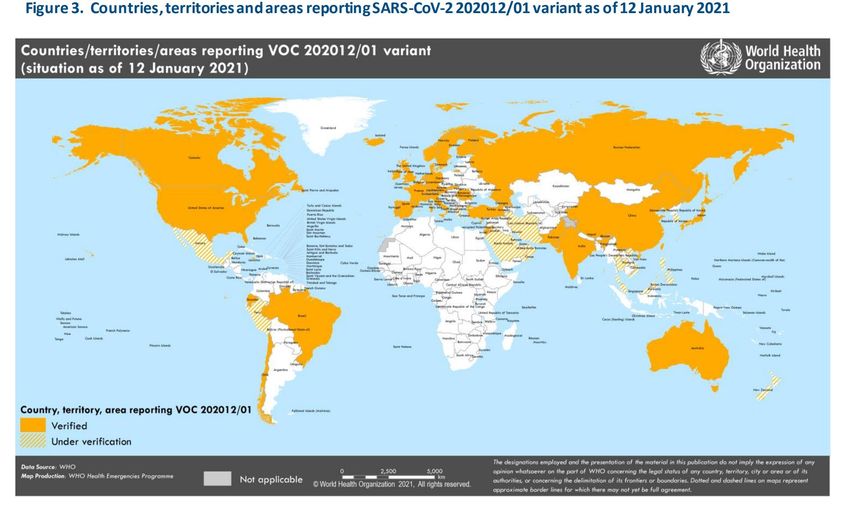
Variant Viruses

Global and Local Relevance
VUI/VOC        • Since 9/20, UK had rapid increase in cases in SE England,
                 leading to enhanced virological investigations

202012/01 or   • Analysis of viral genome sequence data identified >50%

B.1.1.7
                 belonged to new phylogenetic cluster
                    o Variant includes 23 mutations, 8 in spike protein
VUI/VOC B.1.1.7
• Preliminary analysis suggests is 1.4 to 1.7 times more
transmissible
o Increased reproductive number (R) 1.1 to 1.5
o 70% more transmissible
o 11 to 15% of contacts
• Binds more easily to receptor cells, or replicates more
easily, so spreads more easily and may shed longer•
Worldwide
Identified >50 countries
• Dec 29 CO reported first case
o Now 76 cases in 12 states, often no travel history or travel contacts
B.1.1.7 o Expect to be dominant strain by MarchNo decreased utility of
treatments
ThermoFisher
Diagnostics TaqPath assay
Impact of
gives
retain characteristic
pattern (“S-
sensitivity
B.1.1.7
target dropout”)
Previous infection still
offers protection
But higher rate
of transmission
No increased leads to more
cases, and more
severity burden on
health systems• Like the “UK variant,” preliminary data suggests that it may spread South Africa more easily and has become predominant in parts of South Africa Variant 501Y.V2 o No evidence more severe or B.1.351 • 20 countries
Jan 9: Japan
  Identifies B.1.1.28

• Also called P.1
• 4 travelers from Brazil with 12
  mutations in spike protein,
  including those common in
  501Y.V2
• Impacts transmissibility but also
  impacts host immune response
     o   Unpublished studies
Does Spike N501Y Substitution Affect
Pfizer-BioNTech Vaccine Efficacy?
• S glycoproteins are key targets of virus
neutralizing antibodies
• Mutation in viral receptor binding site for cell
entry, increases binding to angiotensin converting Xie, X et al. Neutralization of
N501Y mutant SARS-CoV-2 by
enzyme 2 receptor BNT162b2 vaccine-elicited sera.
o Enables virus to expand its host range to infect mice bioRxiv:
https://doi.org/10.1101/2021.01.
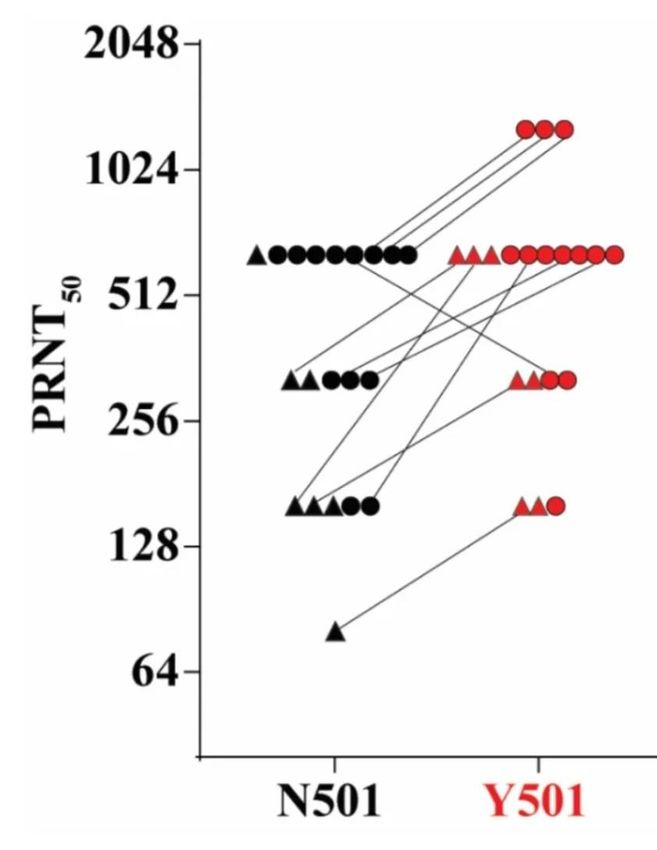
• Researchers generated isogenic N501 and Y501 07.425740; posted Jan 7, 2021
SARS-CoV-2 strains
• 20 participants’ sera drawn 2 or 4 weeks after 2
30-µg doses of BNT162b2 21d apart tested for
neutralization of N501 and Y501 viruses by 50%
plaque reduction neutralization assay (PRNT50)Does Spike N501Y
Substitution Affect Pfizer-
BioNTech Vaccine Efficacy?
• Ratio of PRNT50 of blood
samples against Y501 virus
to against N501 virus 1.46
o No reduction in neutralization
activity against the SARS-CoV-
2 that contains the Y501 spike
• Limitation is Y501 virus does
not include full set of spike
mutations found on variant
strainsTreatment Update
IvermectinAnti-inflammatories
Plasma – neutralizing Ab’s CQ/HCQ – TNF, IL-6
Steroids
Tocilizumab (anti-IL-6)
Camostat mesylate – inhibits
TMPRSS2 (primes S protein) lungs, arteries, heart, kidney, and intestines
CQ/HCQ – ?increase pH,
compromise endosome and
subsequent virus release
CQ/HCQ – ?alters glycosylation
of receptors
HIV PI (Kaletra) – protease remdesivir – nucleotide analog
inhibitor (weak) favipiravir – nucleoside analog
Ribavirin - mRNAAnti-inflammatories
Plasma – neutralizing Ab’s CQ/HCQ – TNF, IL-6
Steroids
Tocilizumab (anti-IL-6)
Camostat mesylate – inhibits
TMPRSS2 (primes S protein) lungs, arteries, heart, kidney, and intestines
• Ivermectin antiparasitic drug around 40 years
• Inhibits replication of multiple virus and SARS-CoV-2
CQ/HCQ – ?increase pH,
• In vitro at concentrations notcompromise
readily achievable
endosome and with currently approved doses
• Mechanism of action proposed binding at virus
subsequent hostrelease
tissue and replication
• Ivermectin also has anti-inflammatory effects
CQ/HCQ – ?alters glycosylation
of receptors
HIV PI (Kaletra) – protease remdesivir – nucleotide analog
inhibitor (weak) favipiravir – nucleoside analog
Ribavirin - mRNAClinical Course of COVID-19
~81% mild/mod 14% Severe 5% Critical
Siddiqi et. al 2020
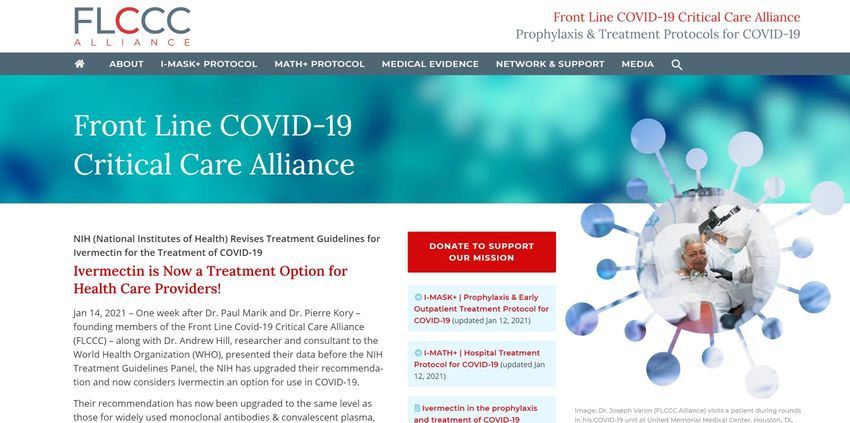
Yang, Lancet Resp Med 2020• https://covid19criticalcare.com/
• Media-blitz arguing ivermectin is being ignored by mainstream
science and media
FLCCC •
•
2 protocols for prophylaxis (iMASK+) and treatment (MATH+)
Most data appear positive but small studies or biased
• Limited safety at high doses5 observational, 4 RCTs
FLCCC Review of • Half RCTs peer-reviewed publications
Available Data
• Half pre-prints• NIH Treatment Guidelines Panel upgraded
Jan 14 NIH Revised recommendation from “against” to “neither for nor
against”
Treatment o Same as monoclonal Abs and convalescent plasma
Guidelines • No IDSA recommendationNew Hampshire
Coronavirus Disease 2019
Weekly Call for Healthcare Providers and
Public Health Partners
January 21, 2021
Ben Chan
Elizabeth Talbot
Beth Daly
Lindsay Pierce
Thursday noon-time partner calls will focus on science, medical,
and vaccine updates geared towards our healthcare partnersYou can also read


