NSLHD PLANETARY HEALTH FRAMEWORK 2021 - 2023 - the ...
←
→
Page content transcription
If your browser does not render page correctly, please read the page content below
NSLHD
PLANETARY
HEALTH
FRAMEWORK
2021 - 2023

              1
ACKNOWLEDGMENT
                                                                         OF COUNTRY
                                                                Northern Sydney Local Health District would like to acknowledge the
                                                             Traditional Custodians of the lands on which our health services have been
                                                            built, the Gaimaraigal, Guringai and Dharug peoples and we honour and pay
                                                                                    our respects to their ancestors.

                                                                NSLHD also acknowledges and pays respects to all Aboriginal and
                                                              Torres Strait Islander peoples and to Elders past, present and emerging.

                                                                  We acknowledge that past, current and future Aboriginal and
                                                            Torres Strait Islander peoples are the continuing custodians of this country
                                                                upon which we live, work and meet and that it is from their blood,
                                                                  courage, pride and dignity that we are able to continue to live,
                                                                         work and meet on this ancient and sacred country.

Disclaimer
Please be advised that this document may contain images
of deceased Aboriginal and Torres Strait Islander people.

2                                                                                                                                          3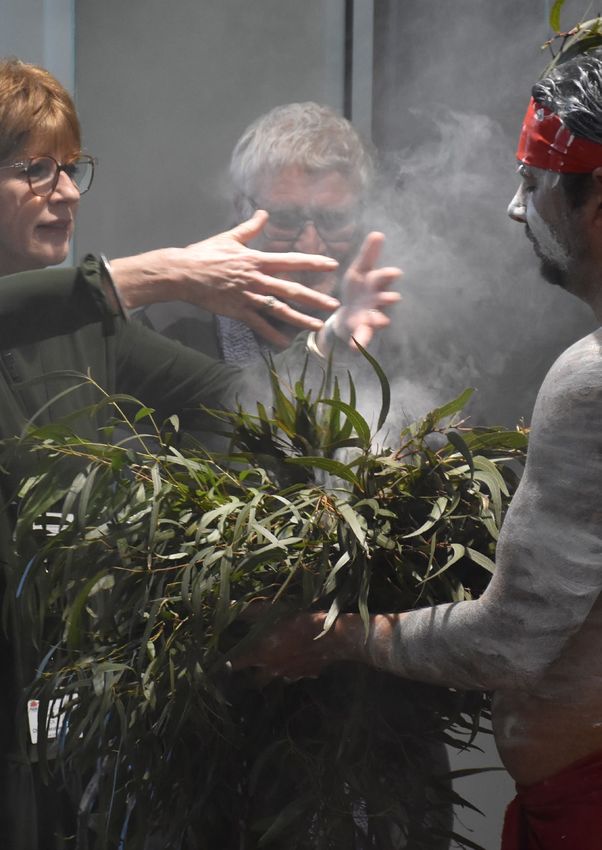
PLANETARY HEALTH
                               IMPACT STATEMENT                                                                       CONTENTS
            We have lived continuously on Mother Country as custodians for more than 75,000 years,
         the Ancestors have loved, and cared for Her, they have listened to Her since before there was time

 Those Ancestors trod on Her as the First Peoples, they baked bread from wild sown seeds, drank from unpolluted
    waters, fished and caught turtle and crocodile, hunted kangaroo and cleansed themselves in pristine rivers

 They cleared Her to farm, and planted trees where trees wouldn’t grow, they burned bush to stimulate Her so she
would give them shade and shelter and keep them from destroying all that she had created, all that was and will be,
                                   and taught us to be resilient and to love her

                         But we have forgotten Her; She is whispering to us that she is sick;

                        She withers and She will die if we do not care about her any longer

                                                Listen to what She is saying;

            You aren’t very good at this are you? Understand that the earth you walk on, the trees that
            bear fruit for you, the fields that give grain to bake bread, the rivers that quench your thirst,
             the animals that give food, the gardens that give up their vegetables are finite, as are you.

                                                     What will they reap?

                                             Mother Earth will soon tire of us
                                                                                                                                 Foreword                                      6
                                                              In fact
                                                                                                                                 Executive summary                              7
                                                   I think She already has.
                                                                                                                                 Introduction                                   8
                  She will soon tire of giving us chances to learn how to love her and nurture her
                                                                                                                                 About Northern Sydney Local Health District   10
                                   Her spirit will die, and our spirit will die with her
                                                                                                                                 Structure and accountability                  14
                 Love her, she loved us since before time, and we owe that to Her and our children
                                                                                                                                 Our environmental performance                 16

                                                                                                                                 Priority domains                              19

                                                                                                                                    Sustainable organisation		                 20

                                                                                                                                    Waste management and resource recovery     22

                                                                                                                                    Capital works and procurement		            24

                                                                                                                                    People and places		                        26

                                                                                                                                    Models of care		                           28

                                                                                                                                 Reference list		                              30

                                Written by Adjunct Professor Peter Shine, Director Aboriginal Health

                                                                                                                                                                               5
FOREWORD                                                                                             EXECUTIVE SUMMARY
Over the past century, significant advances in medicine, technology and urban development
have increased our quality of life immensely. However, achieving these gains has led to negative
                                                                                                     NSLHD PLANETARY HEALTH FRAMEWORK
impacts on the health and wellbeing of our planet.                                                   2021-2023
As healthcare professionals, we are uniquely placed to contribute to significant and sustainable     The NSLHD Planetary Health Framework 2021–2023 outlines the district’s vision to become a more
change in the field of planetary health. Northern Sydney Local Health District has a                 environmentally aware and sustainable organisation in the field of planetary health.
responsibility to reduce our environmental impact whilst achieving the highest standard of
health, wellbeing and equity for our patients, our workforce and our community.                      The framework focuses on five priority domains: sustainable organisation, waste management and resource recovery,
                                                                                                     capital works and procurement, models of care and people and places. Each priority domain is underpinned by economic,
We know that our current levels of resource consumption are unsustainable. The impact of             social and governance systems that shape the actions affecting our natural systems and planetary health.
significant consumption of energy, water and generation of waste on human health and the
                                                                                                     A range of targeted strategies have been aligned to each priority domain. For each strategy, we have outlined how we
health of our planet is immense. By focusing on the political, economic and social systems that
                                                                                                     intend to achieve these targets and an executive sponsor has been nominated to ensure robust governance and oversight.
shape planetary health, we have an opportunity to increase the resilience of our health system
whilst reducing our impact on climate change.                                                        The framework has also been developed to help deliver on three strategies outlined in the NSLHD Strategic Plan 2017-2022:
                                                                                                     > Evidence-based decision making
Part of our responsibility as a local health district is to help and improve the health conditions
affecting our community. As healthcare moves towards a more virtual experience, we will              > Responsive and adaptable organisation
continue to leverage the sustainable benefits of technology and new models of care.                  > Engaged and empowered workforce

The decisions we make today when designing and delivering clinical services and implementing
sustainable business practices, will continue to affect the health and wellbeing of our patients
and our community for many generations to come.

Our inaugural NSLHD Planetary Health Framework 2021–2023 sets out our commitment
to improving and reducing our environmental footprint and subsequent impact on the
planet and climate change. Five priority domains have been identified to achieve this:
sustainable organisation, capital works and procurement, people and places, models of care,
sustainable organisation, and waste management and resource recovery.
                                                                                                     NSLHD will make                                                             NSLHD vision:
                                                                                                     improvements
I look forward to working with you to ensure NSLHD continues to provide world class
healthcare whilst actively seeking opportunities to become an environmentally
sustainable organisation.                                                                                                                                                        Leaders in
                                                                                                     in the field of                                                             healthcare,
Deb Willcox                                                                                          planetary health                                                            partners in
                                                                                                     by advocating
Chief Executive
Northern Sydney Local Health District
                                                                                                                                                                                 wellbeing
                                                                                                     for the highest
                                                                                                     standards of
                                                                                                     health, wellbeing
                                                                                                     and equity
6                                                                                                                                                                                                                                7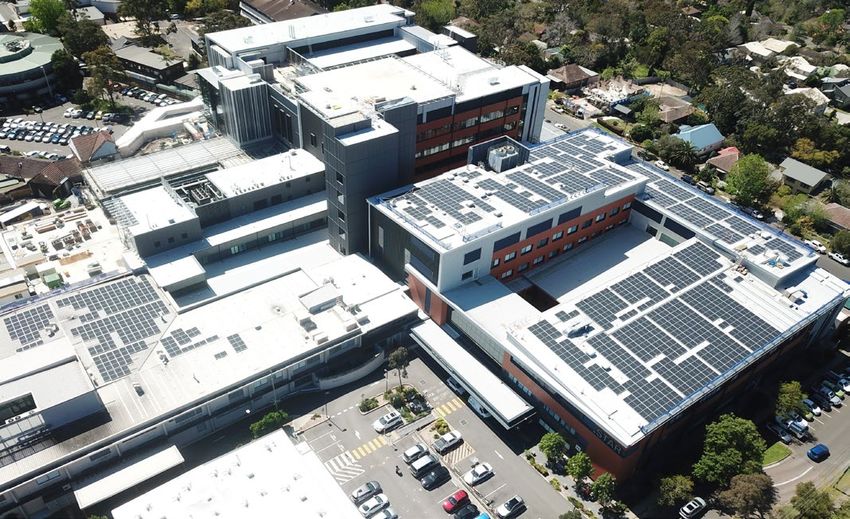
INTRODUCTION
                                     Planetary health recognises the inextricable link between the
Planetary health is defined as the   health of our planet and the health of human civilisation. As we

“highest attainable standard of      alter the earth’s natural systems, we are impacting our own social
                                     and environmental determinants of health including clean air,
health, wellbeing, and equity        safe drinking water, sufficient food sources and secure shelter.
                                     Planetary health is a priority for NSLHD due to the impact on the
through judicious attention to       health and wellbeing of our patients, staff and community.
                                     This includes the impact of the spread of infectious diseases such as
the human systems – political,       severe acute respiratory syndrome, the risk of non-communicable

economic, and social – that shape    diseases intensifying due to warmer temperatures and the impact
                                     of climate change on mental health.
the future of humanity and the       The healthcare sector contributes seven per cent of Australia’s total
earth’s natural systems [1].”        emissions output [2]. According to the World Health Organisation
                                     (WHO), the healthcare sector plays an essential role in working to
                                     reduce its climate footprint whilst strengthening public health
                                     systems to respond to the effects of climate change [3].

                                     Globally the climate footprint is equivalent to approximately four per
                                     cent of global net emissions [4]. There are a number of related
                                     health co-benefits of addressing climate change: reducing the
                                     environmental burden of disease; reducing the number of life years
                                     lost; and decreasing overall hospital admissions.

                                     The NSLHD Planetary Heath Framework 2021–2023 will provide
                                     direction for the monitoring, development and implementation of
                                     planetary health related initiatives across NSLHD. The framework
                                     identifies NSLHD’s commitment to the sustainability of its services,
                                     through addressing waste and water management, and energy use,
                                     and encouraging local efforts that focus on the design and delivery
                                     of clinical services.

                                     This Framework builds on the NSLHD Clinical Services Plan 2019–2022
                                     in identifying that the environmental sustainability of resource use
                                     and design and delivery of clinical services is one of NSLHD’s major
                                     drivers of health service change.

                                     The Framework has also been developed to give consideration
                                     to a range of guiding principles and policies. These include the
                                     NSW Health Resource Efficiency Strategy 2016-2023 [5];
                                     NSW Government Resource Efficiency Policy 2019 [6];
                                     NSW Climate Change Policy Framework 2016 [7];
                                     NSW Modern Slavery Act 2018 No 30 [8];
                                     and the United Nations Sustainable
                                     Development Goals [9].

                                                                                                              Staff at Ryde Hospital

8                                                                                                                                      9
ABOUT
NORTHERN SYDNEY
LOCAL HEALTH
DISTRICT
NSLHD clinical services are organised across:                          In the 2019–20 financial year, the district performed more than
                                                                       31,596 operations, provided care to 229,711 people in our
>	Acute hospitals – Royal North Shore Hospital,
                                                                       emergency departments, cared for more than 5,502 babies born in
   Hornsby Ku-ring-gai Hospital, Ryde Hospital, Northern Beaches
                                                                       our hospitals, and cared for 571,279 occassions of service to nearly
   Hospital and one sub-acute hospital at Mona Vale.
                                                                       160,000 patients in outpatient clinics. NSLHD has an expense
>	Clinical directorates – Mental Health Drug and Alcohol (acute       budget of approximately $1.7 billion.
   inpatient Mental Health Service provided at Macquarie Hospital)
                                                                       There are a number of planetary health related initiatives already
   and Primary and Community Health which delivers services from
                                                                       underway across NSLHD. Some of these include: large solar panel
   a network of community health centres and in people’s homes.
                                                                       installations at Hornsby Ku-ring-gai and Mona Vale hospitals,
>	Clinical and other support services, including medical imaging,    recycling and waste management systems in place at multiple
   pharmacy, allied health, Aboriginal health and carers support.      facilities and the NSLHD Active Transport Framework that aims to
   Pathology services are provided by NSW Pathology.                   reduce car dependency in both in NSLHD workplaces and across
                                                                       Northern Sydney. NSLHD also reports annually on resource
>	Affiliated health organisations providing sub-acute care at         efficiencies in compliance with the NSW Government Resource
   HammondCare (Greenwich and Neringah Hospitals) and                  Efficiency Policy.
   Royal Rehab at Ryde.

>	11 Clinical Networks that advise on the strategic development of
   services and the profile and configuration of services across the
   hospitals and directorates.

NSLHD covers an area of approximately 900 square kilometres,
located across nine local government areas and almost one million
people, which represents 11.7 per cent of the NSW population.

10                                                                                                                                            11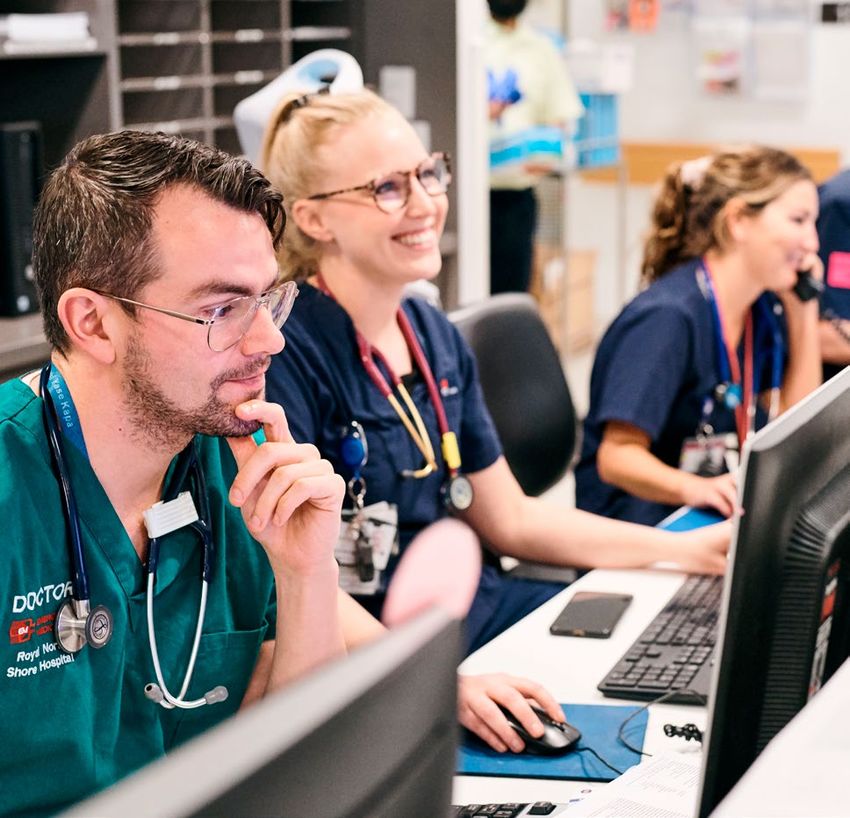
OUR
CORE
VALUES

C
     COLLABORATION
     With colleagues, we share our ideas and knowledge, offer assistance and
     work together to identify opportunities for sustainable development.
     With patients, consumers, carers and family members, we take the time to talk and listen.
     We aim to improve the patient experience by promoting planetary health and engaging
     stakeholders in environmental improvement initiatives.

O
     OPENNESS
     With colleagues, we communicate transparently and honestly, participate in constructive feedback
     and take time to listen to each other’s ideas on how to become an environmentally aware and sustainable
     organisation. With patients, consumers, carers and family members, we take the time to answer questions
     about our hospital or service’s commitment to planetary health and environmental sustianability.

R
     RESPECT
     We respect and appreciate all cultures. With colleagues, we are inclusive and treat each other with fairness,
     resolving issues constructively with each other and ensuring our work environment is safe. With patients,
     consumers, carers and family members, in addition to ensuring that you get safe, high quality care,
     we take your sustainability concerns seriously and follow up with you to ensure you get the most
     up to date information about NSLHD’s environmental commitment.

E
     EMPOWERMENT
     With colleagues, we acknowledge strengths and complementary skills in others, we support and mentor
     each other to provide the highest quality care whilst being mindful of environmental sustainability.
     With patients, consumers, carers and family members, we enable communication and participation,
     ensuring your suggestions for a more sustainable healthcare system are considered, recorded
     and implemented where suitable.

                                                                                                                     Staff at Hornsby Ku-ring-gai Hospital
12                                                                                                                                                           13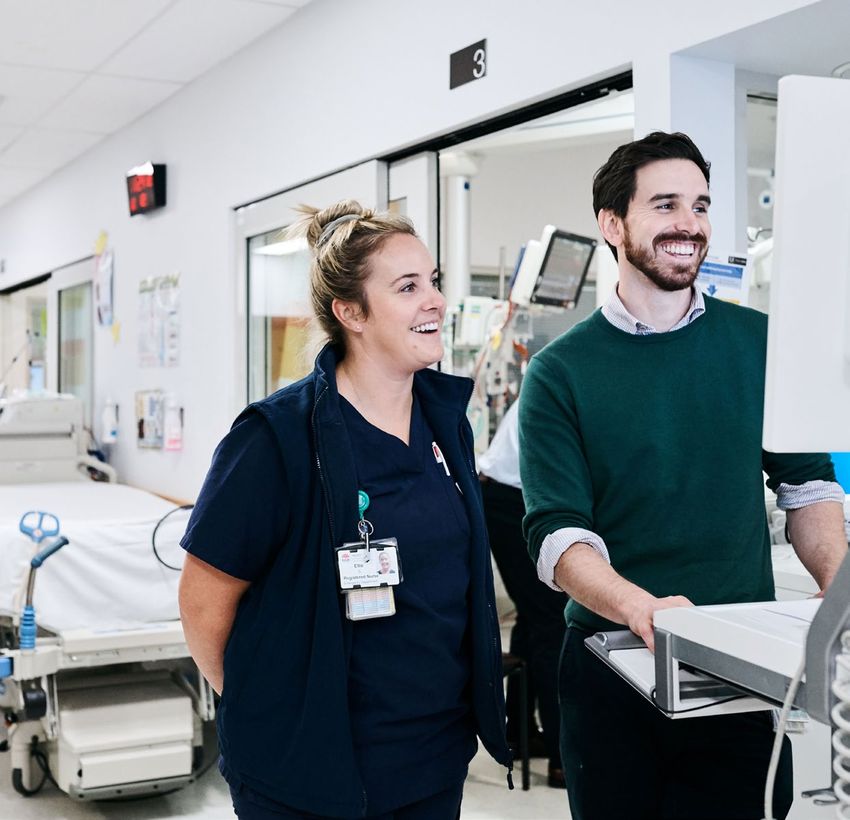
STRUCTURE AND
ACCOUNTABILITY
         The NSLHD Planetary Health Committee will drive the agenda of
         the NSLHD Planetary Health Framework and maintain oversight
         of its implementation. The five priority domains and focus areas –
         sustainable organisation, waste management and resource recovery,
         capital works and procurement, people and places and models of
         care – will underpin decisions made in relation to the implementation

                                                                                   GOVERNANCE STRUCTURE
         and endorsement of new planetary health related initiatives.

         Each hospital and facility across NSLHD has implemented, or is in
         the process of implementing, a planetary health/environmental
         sustainability governance structure. Royal North Shore Hospital have
         developed a sustainability plan and action plan aimed at embedding
         sustainability within all hospital operations. Progress on this plan is
         reported to the RNSH Innovation and Redesign Committee, which                                                              NSLHD Executive
         is a sub-committee of the NSLHD Planetary Health Committee.
         Other reporting sub-committees of the NSLHD Planetary Health
         Committee include the Hornsby Ku-ring-gai Hospital Sustainability
         Committee, Ryde Hospital Sustainable Future Committee,
         Mona Vale Hospital Sustainability Committee, Macquarie Hospital                                                         NSLHD Planetary Health                 NSLHD Planetary Health
         Wellness at Work Committee and Primary and Community Health                 NSLHD Innovation Program
                                                                                                                                      Committee                                 Portal
         Sustainability Network.

         A Planetary Health ‘staff ideas’ portal will be launched across the
         district in 2021. The portal will give staff a platform to suggest
         improvement initiatives related to planetary health in their
         department and/or hospital. In addition, opportunities for planetary                       Northern Beaches Hospital                              Sydney North Health Network
         health initiatives requiring additional funding are available to staff
         through the NSLHD Innovation Program.

                                                                                     Royal North           Hornsby          Ryde Hospital       Mona Vale          Macquarie         Primary and
                                                                                   Shore Hospital         Ku-ring-gai        Sustainable         Hospital           Hospital          Community
                                                                                   Innovation and          Hospital            Future          Sustainability       Wellness            Health
                                                                                      Re-design          Sustainability      Committee          Committee           at Work          Sustainability
                                                                                     Committee            Committee                                                Committee           Network

14                                                                                                                                                                                                15
OUR ENVIRONMENTAL
PERFORMANCE
ENERGY CONSUMPTION                                                                                                                                  WATER CONSUMPTION
    Total consumption by                                                                                                                            Total potable water
                                                2015/16                     2016/17                      2017/18                       2018/19                                   2015/16   2016/17   2017/18   2018/19
    energy type                                                                                                                                     consumption (KI)

   Electricity (kWh)                            61,226,552                  61,983,398                   62,609,345                    58,304,902                                546,430   505,529   485,467   481,264

   Natural gas (MJ)                             128,648,326                 111,002,543                  94,398,580                    86,025,430
                                                                                                                                                    Water consumption
                                                                                                                                                                                 2015/16   2016/17   2017/18   2018/19
                                                                                                                                                    (KI) per 1000 bed days

    Energy consumption
                                                2015/16                     2016/17                      2017/18                       2018/19                                   1,012     905       855       941
    per 1000 bed days

   Electricity (kWh)                            113,420                     110,912                      110,323                       114,011

                                                                                                                                                    WASTE GENERATION
   Natural gas (MJ)                             238,317                     198,625                      166,339                       168,217

                                                                                                                                                    Total waste consumption
                                                                                                                                                                                 2015/16   2016/17   2017/18   2018/19
                                                                                                                                                    (Tonnes)

FLEET                                                                                                                                               Clinical waste               422.3     425.6     382.6     374.4

                                                2015/16                     2016/17                      2017/18                       2018/19
                                                                                                                                                    General waste                3,058.6   3,228.4   3,203.6   3,266.6

    Total fuel consumption
                                                440,624                     426,759                      395,959                       366,815
    (litres)                                                                                                                                        Recycled waste               343.4     323.5     378.6     385.5

   Total fleet                                  489                         484                          475                           459
                                                                                                                                                    Total tonnes                 3,824.3   3,977.5   3,964.8   4026.5

                                                                                                                                                    Waste consumption
                                                                                                                                                                                 2015/16   2016/17   2017/18   2018/19
NB: Arrows indicate trend from most recent year compared to year prior. The tables present NSLHD’s energy, fleet, water                             (Tonnes) per 1000 bed days
and waste consumption and generation over the past five years. Energy, water and waste consumption has been measured against
per 1000 bed days to provide a method for measuring energy consumption against activity of patients admitted for an episode of care.
This is for the purpose of adding meaning to the data and does not include total activity across the district.
Please note data prior to 2018 includes Manly Hospital, decommissioned in 2018, and Mona Vale Hospital,
                                                                                                                                                                                 7         7         7         8
that decreased in size after ceasing provision of acute care.

16                                                                                                                                                                                                                       17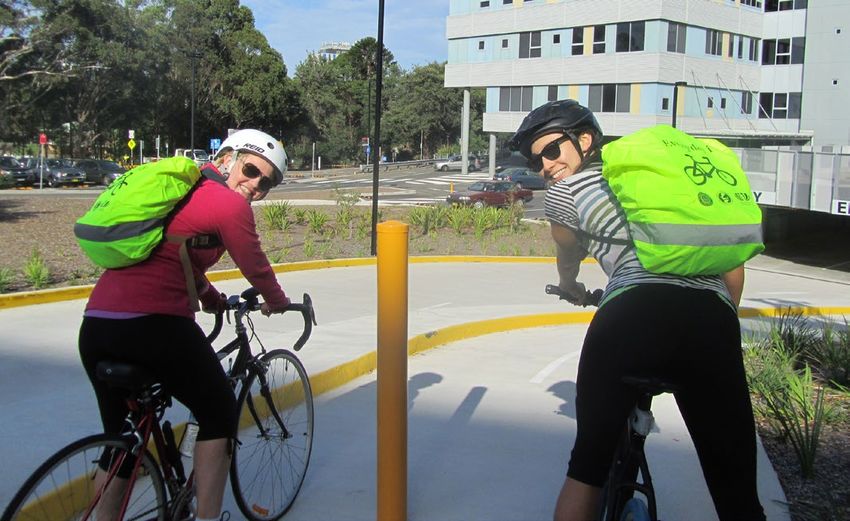
2019/20 STATISTICS                                                                                  PRIORITY DOMAINS
                                                                                 Provided care to
                                         Over

                                  31,596                                         229,711
                                                                                  people in our
                                    operations                                     emergency
                                  were performed                                  departments
                                                                                                                  CE                           EC
                                                                                                              N                     Waste

                                                                                                                                                O
                                                                                   Cared for                                     management
     571,279

                                                                                                          A
                                                                                   more than

                                                                                                                                                    NO
                                                                                                       RN
                                                                                                                                 and resource
     occasions of service to                                                      5,502                                            recovery

                                                                                                      G OVE

                                                                                                                                                    MIC
     nearly 160,000 patients                                                     babies born in               Sustainable
     in outpatient clinics                                                        our hospitals               organisation               Capital
                                                                                                                                       works and
                                                                                                                                      procurement
                              TOTAL WORKFORCE                                Healthy Children’s

                              11,539                                         initiative actively
                                                                                  engaged
                                   (8,156 FTE)
                                                                             123,684                                   Models
                                                                                                                       of care
                                                                                                                                    People
                                                                                                                                  and places
                                          1,256
                                                                                  children
               50                         (987 FTE)       (from 153 schools and 398 childhood
        Aboriginal and Torres
      Strait Islander Workforce
                                         Allied Health    services) and found innovative ways
                                                                                                                           SOCIAL
                                         Professionals
      (0.6% of total workforce)                             to continue to provide support to
         Aiming for 3%                                         these vulnerable populations
                                                             throughout the COVID-19 period
          of workforce in
            2020-2021                   178
                                      (153 FTE)
                                    Clinical Nurse
                                  Consultants/Clinical

              553                     Midwifery

          Staff Specialists
           (281 FTE) and
                                     Consultants
                                                          943,908 residents
                                                          (11.7% of the NSW
              673                        5,503            population) in 2019;
          Visiting Medical               (3,560 FTE)
               Officers
                                       Nurses/Midwives/
                                                          OVER 1 MILLION residents
                                             AIN’S        by 2026 (a growth of 7.6%)

18                                                                                                                                                        19
GOVERNANCE GOVERNANCE
SUSTAINABLE N
CE
Waste
EC
CASE STUDY:
ORGANISATION SUSTAINABLE
A
O
management
RN
NO
and resource
G OV E
Sustainable recovery
MIC
organisation
Capital
ORGANISATION
works and
procurement
Models People
of care and places
Ensuring organisation wide sustainable development SOCIAL
through governance structures, measurable performance
indicators and effective partnerships
NSLHD PLANETARY HEALTH COMMITTEE
Strategy How this will be achieved Timeframe Executive Sponsor Chaired by the NSLHD Chief Executive, the NSLHD Planetary The committee gives members the opportunity to share local
1a. Ensure consideration of the connection Work with Aboriginal health to ensure Ongoing General Health Committee is the peak decision making body for planetary initiatives underway in their respective directorates and to engage
the Aboriginal and Torres Strait Islander consideration is ingrained in all organisational Managers/ health related decisions across NSLHD. with external stakeholders to promote and expand planetary health
people have with the environment and the decision making Service Directors activities at a district level.
The purpose of the committee is to develop and support strategies
importance of showing cultural respect
that promote planetary health and environmental sustainability The committee comprises representation from across all hospitals
across the district. The committee provides leadership and direction and services including health promotion, clinical governance,
1b. Establish Planetary Health Environmental Ensure relevant staff are identified to 6 months General for the development and implementation of initiatives and maintains people and culture, research strategy, ICT, allied health,
Sustainability Committee and/or lead implementation and drive planetary Managers/
oversight of each hospital and service planetary health or corporate communications, corporate services, health services
governance framework at all hospitals health initiatives Service Directors
sustainability committee or network. planning, strategic operations, Aboriginal health and a consumer
and services
representative.
1c. Monitor and report on environmental Develop an annual Planetary Health Report 1 year, ongoing Chief Executive
performance and initiatives underway to be uploaded to the NSLHD website and thereafter
across NSLHD provided to the Board
1d. Executives to include planetary health Encourage executive leadership of planetary 3 years Chief Executive
initiatives as a goal in their performance health across the district
and talent agreements
1e. Ensure planetary health principles are Give consideration to planetary health 3 years Chief Executive
captured in strategic and other plans initiatives when developing the Northern
across Northern Sydney Sydney Health Research and Education
Precinct
1f. Ensure NSLHD joins the Global Green Commit intent and work towards at least 1 year Chief Executive
and Healthy Hospital (GGHH) network two of the GGHH Sustainability Goals
1g. Engage consumers, carers, families and the Work with the chair of the NSLHD Consumer 1 year, ongoing Chief Executive
broader community in the implementation Committee to facilitate engagement thereafter
of strategies outlined in the framework
1h. Increase promotion of initiatives and Promote initiatives and achievements widely Ongoing Director Media and
achievements related to planetary health across all NSLHD communication platforms Communications
1i. Minimise printing associated with Executive support unit mail allocations to 1 year, ongoing Director Strategic
documentation requiring approvals encourage utilising electronic records thereafter Operations
management system to document approvals
1j. Increase the number of hybrid/electrical Review and prepare plan/options following 1 year Director Finance
vehicles in the NSLHD fleet release of new State Government Fleet and Corporate
contract in March 2021 Services
1k. Engage with external partners to Liaise with Sydney North Network and other Ongoing Chief Executive
promote and drive planetary health organisations to seek opportunities to partner
related initiatives on appropriate initiatives/strategies
20 21ECONOMIC ECONOMIC
WASTE MANAGEMENT CASE STUDY: WASTE
ECO
NO
M
CE
Waste
IC
MANAGEMENT AND
management
AND RESOURCE
N and resource
A
recovery
RN
G OV E
Sustainable
RECOVERY RESOURCE RECOVERY
organisation
Capital
works and
procurement
Models People
of care and places
Integrating effective waste management processes in SOCIAL
all NSLHD hospitals and facilities by promoting practices
amongst staff, improving segregation and increasing ROYAL NORTH SHORE HOSPITAL OPERATING
recycling opportunities
THEATRES
Strategy How this will be achieved Timeframe Executive Sponsor It is estimated that a hospital’s operating theatres are three to six This was achieved by implementing metal salvaging recycling from
times more energy intensive than other departments and contribute laparoscopic procedures, introducing dry mix recycling that allows
2a. Promote reuse and redistribution Communicate opportunities in place Ongoing General approximately 20-30 per cent of a hospital’s total waste output [10]. high-quality plastics to be turned into processed engineered fuel,
opportunities for waste in areas such with staff and identify opportunities to Managers/ increasing battery recycling initiatives and focusing on managing
After identifying a need to become more sustainable, staff at the pharmaceutical waste by diverting waste from being collected in
as furniture, ICT equipment, medical map current services in place for each Service Directors
operating theatres and Royal North Shore Hospital reviewed a sharps bins and incinerated offsite. This ensures that pharmaceutical
products, medical equipment and linen waste stream
range of opportunities to increase the number of waste streams waste is disposed of via energy efficient combustion.
to reduce landfill and non-usability of clinical waste.
2b. Explore opportunities to collaborate with Review the economic and environmental 3 years Chief Executive The operating theatres have also moved to use of biodegradable
industry and other partners to implement value of circular economy solutions kidney dishes and trays made of 100 per cent bagasse, a sugarcane
circular economy solutions in our and engage with industry partners to fibre that is both compostable and biodegradable and suitable for
hospitals and services review options incineration with less carbon emissions.
2c. Identify strategies to increase Develop a process for further segregation of 2 years General
segregation of waste and recycling waste. Provide education to staff in relation to Managers/
waste segregation. Roll out identified waste Service Directors
stream projects
2d. Ensure annual waste audits are conducted Regularly report on waste audit results 6 months, Director Finance
at all facilities to monitor progress and conducted by waste contractor ongoing and Corporate
compliance (quarterly) Services
thereafter
22 23ECONOMIC ECONOMIC
CAPITAL N
CE
Waste
CASE STUDY:
WORKS AND CAPITAL WORKS
management
A
RN
and resource
recovery
G OV E
ECO
Sustainable
organisation Capital
works and
N O MIC
PROCUREMENT AND PROCUREMENT
procurement
Models People
of care and places
SOCIAL
Ensuring all capital works projects are completed with the
highest environmental ratings and sustainable design
principles available and procurement is managed to source
environmentally sustainable products where possible
HORNSBY KU-RING-GAI HOSPITAL SOLAR PANELS
The Hornsby Ku-ring-gai Hospital photovoltaic (PV) solar panels NSW public hospitals account for around 85 per cent of NSW
Strategy How this will be achieved Timeframe Executive Sponsor system aims to improve energy efficiencies and reduce the hospital’s Health’s total building energy costs and greenhouse gas emissions [11].
overall carbon footprint. The installation at Hornsby is one of the These emissions lead to rising global temperatures and climate
3a. Ensure all new infrastructure and capital Work with Health Infrastructure to ensure Ongoing Director Finance largest solar PV systems on a healthcare facility in Australia. change, contributing to serious environmental and public health
developments comply with current compliance with sustainable design principals and Corporate
The new system is expected to produce over one million kilowatt- issues. Widespread solar adoption leads to significantly reduced
sustainability codes, policies and standards and resource efficiency and include in NSLHD Services
hours of power per year, saving $250,000 and reducing carbon nitrous oxides and sulfur dioxide emissions, both of which can lead
Capital Framework
dioxide emissions by 900 tonnes annually. to respiratory and cardiovascular health problems [12].
3b. Develop strategies to incentivise staff to Undertake review of imprest levels and 1 year, Director Finance
order in bulk volumes and minimise number other ordering practices ongoing and Corporate Due to the large roof space and new buildings on the hospital campus, By harnessing sunlight and converting it into sustainable electricity,
of deliveries thereafter Services Hornsby was selected to be one of the first hospitals in NSW to Hornsby is reducing its contribution to air pollution and is
have solar energy, with a combined size of 865 kilowatts (kW). significantly reducing its overall carbon footprint.
3c. Ensure all computers automatically switch Baseline setting for non-clinical computers Ongoing Director
to sleep mode after a period of inactivity (eg. general staff and administrative Information
computers) is to enter sleep mode after Communication
30 minutes of activity Technology
3d. Investigate opportunities for rainwater Work with Health Infrastructure to ensure Ongoing Director Finance
harvesting in new buildings inclusion in all new builds and include in and Corporate
NSLHD Capital framework Services
3e. Identify opportunities for energy Provide energy data report and financial 1 year Director Finance
efficiency opportunities in building information to all hospitals and Corporate
operations Services
3f. Encourage ‘buy local’ procurement for Include in Procurement and Contracts 1 year Director Finance
small value items (under $10K) that are Framework and include information on and Corporate
not required to be bought on contact NSLHD intranet Services
3g. Ensure procurement tenders include Work with HealthShare to ensure inclusion 1 year, Director Finance
sustainable/environmental procurement in major procurement tenders. Consider the ongoing and Corporate
practices tender weighting includes a NSW Health Aboriginal Procurement thereafter Services
sufficient percentage to encourage Participation Strategy. Check NSLHD
sustainable efficiencies quotation/tender documents to ensure
inclusion. Include in Procurement and
Contracts Framework
3h. Include sustainability evaluation criteria Include in current market strategy 6 months Director Finance
for procurement of stationary and and Corporate
janitorial items Services
3i. Consider the safety and wellbeing of staff Ensure Health Infrastructure and Ministry of Ongoing Director Finance
to manage issues such as noise, Volatile Health Planning, Tender and Contract and Corporate
Organic Compounds (VOCs), lighting, documents include compliance and include Services
ergonomics, noise, hazardous substances and in NSLHD Capital Framework
Hazardous Manual Tasks in the design and
planning for new builds and refurbishments
24 25SOCIAL SOCIAL
PEOPLE AND N
CE Waste
EC
CASE STUDY:
O
management
PLACES PEOPLE AND PLACES
A
NO
RN
and resource
recovery
MIC
G OV E
Sustainable
organisation Capital
works and
procurement
Models
People
of care
and places
Promoting an environment that considers active transport
and healthy place making to support the physical and
NSLHD ACTIVE TRAVEL PROCEDURE
L
C IA
SO
mental wellbeing of our patients, staff and community
The NSLHD health promotion directorate generates long-term The procedure has a number of related benefits for planetary
improvements for the whole population and focuses on creating health including increased physical activity, increased active travel
Strategy How this will be achieved Timeframe Executive Sponsor
conditions that enable a healthy population. uptake, improved mental health and enhanced social wellbeing,
and less traffic congestion leading to a reduced carbon footprint.
4a. Maintain existing green spaces and Where possible, undertake a systematic Ongoing General The NSLHD Active Travel Procedure, driven by the NSLHD health
actively seek opportunities to develop review of site open space with a view to Managers/ promotion directorate, encourages a workplace environment at The procedure sets out NSLHD’s commitment to achieve and
new open green spaces use even small areas to enhance amenity Service Directors NSLHD that supports sustainable and active travel for both staff maintain the best possible standard of health, safety and welfare
and biodiversity and visitors. The procedure is targeted at all NSLHD staff members for all patients, staff and visitors. To achieve targets set out in the
who may use active travel as a means of transport to, from and procedure, the NSLHD health promotion directorate advocates for
4b. Build knowledge and capacity amongst Integration of NSLHD Planetary Health Ongoing Director during work alongside all other people, including workers and visitors, improvement of the wider built environment for cycling and
our workforce to understand and Framework into the onboarding and People and who may use active travel as a mode of transport to and from walking, encourages staff to participate in active travel and
engage in planetary health orientation process Culture NSLHD sites. monitors usage of bicycle parking facilities.
Provide information in the NSLHD planetary
health portal in the onboarding and
orientation process
Encourage completion of the ‘Sustainability
in Healthcare’ My Health Learning module
4c. All NSLHD hospitals and services to Monitor, review and report on the NSLHD 3 years Director Health
facilitate active travel through provision Active Travel Procedure PR2020_020 Promotion
of bicycle parking, end-of-trip facilities,
public transport options and parking
demand management
26 27SOCIAL SOCIAL
MODELS OF N
CE
Waste
EC
CASE STUDY:
O
CARE MODELS OF CARE
management
A
NO
RN
and resource
recovery
MIC
G OV E
Sustainable
organisation Capital
works and
procurement
People
and places
Models
Ensuring models of care are sustainable and have a of care
low environmental impact whilst maintaining integration O
TELEHEALTH
S
CI
AL
and coordination between clinical areas and providers
Telehealth gives patients the option to receive safe, high quality With road transport and fuel combustion contributing 18 per cent
care virtually and has pioneered the use of digital communication of CO2 emissions globally [13], there is a significant opportunity
Strategy How this will be achieved Timeframe Executive Sponsor
to improve the patient experience. Alongside improving overall within the healthcare sector to leverage the sustainable benefits
access to healthcare, the use of telehealth has major sustainability of virtual models of care like telehealth. This has the potential to
5a. Incorporate environmental sustainability Map environmental footprint of suggested Ongoing General
benefits including reducing road travel and fuel combustion. reduce the overall environmental impact of atmospheric pollutants
measures when implementing and new models of care and benchmark to Managers/
emitted by motor vehicles travelling to healthcare facilities.
evaluating models of care best practice Service Directors In 2020, clinicians across NSLHD turned to telehealth at a rate never
seen before to deliver healthcare during the COVID-19 pandemic.
Between March and September it is estimated the use of telehealth
5b. Evaluate the carbon footprint of existing Target identified practices to evaluate and 1 year General saved approximately 525,528 kilometres of travel by cars to NSLHD
models of care to identify opportunities complete evaluation of identified models Managers/ facilities. Assuming most patients drive to their appointments in
to minimise environmental impact Service Directors cars using conventional petrol, this converts to a saving of
approximately 100,000 kilograms of greenhouse gas emissions.
5c. Aim to reduce healthcare spend in Develop a process for identifying procedures 2 years General
procedures with low clinical value of low clinical value. Identify three procedures Managers/
of low clinical value to improve. Service Directors
5d. Establish a telehealth sustainability plan Develop an environmental evaluation report Ongoing Executive Director
that measures the reduction in carbon in consultation with the NSLHD Telehealth Operations
emissions Steering Committee
28 29REFERENCE
LIST
1. Whitmee, Sarah, et al. “Safeguarding human health in the 8. NSW Modern Slavery Act 2018 (NSW) s.30 (Austl.)
Anthropocene epoch: report of The Rockefeller Foundation–
Lancet Commission on planetary health.” 9. United Nations. Transforming our World, the 2030 Agenda for
The Lancet 386.10007 (2015): 1973-2028. Sustainable Development, 2015, https://sustainabledevelopment.
un.org/content/documents/21252030%20Agenda%20for%20
2. Malik, Arunima, et al. “The carbon footprint of Australian health Sustainable%20D evelopment%20web.pdf
care.” The Lancet Planetary Health 2.1 (2018): 27-35.
10. Kwakye, Gifty, et al. “Green surgical practices for health care.”
3. World Health Organization. “Healthy hospitals, healthy planet, Archives of surgery 146.2 (2011): 131-136.
healthy people: Addressing climate change in healthcare
settings.” Geneva: WHO (2008). 11. Audit Office of New South Wales. Building energy use in NSW
public hospitals. 2014. https://www.audit.nsw.gov.au/sites/
4. Lenzen, Manfred, et al. “The environmental footprint of health default/files/pdfdownloads/ 2013_Jun_Report_Building_
care: a global assessment.” The Lancet Planetary Health Energy_Use_in_NSW_Public_Hospitals_0.pdf
4.7 (2020): 271-279.
12. Chen, Tze-Ming, et al. “Outdoor air pollution: nitrogen dioxide,
5. NSW Health. Resource Efficiency Strategy 2016 – 2023. 2016. sulfur dioxide, and carbon monoxide health effects.”
https://www.health.nsw.gov.au/assets/Publications/resource- The American journal of the medical sciences
efficiency-strategy.pdf 333.4 (2007): 249-256.
6. NSW Government. Resource Efficiency Policy. 2019. 13. Global Green and Healthy Hospitals. A Comprehensive
https://www.environment.nsw.gov.au/-/media/OEH/Corporate- Environmental Health Agenda for Hospitals and Health
Site/Documents/Energy-savings-and-resourceefficiency/nsw- Systems Around the world.
government-resource-efficiency-policy-180458.pdf
7. NSW Department of Planning, Industry and Environment, “Without urgent action on climate change, the conditions
NSW Climate Change Policy Framework 2016,
https://www.environment.nsw.gov.au/-/media/OEH/Corporate- that underpin the health and well-being of the human population
Site/Documents/Climate-change/nsw-climatechange- policy-
framework-160618.pdf
will be greatly diminished in coming decades.”
Professor Peter Doherty, Nobel Laureate for Medicine
30 31Northern Sydney Local Health District Ryde Hospital Mona Vale Hospital NSW Royal North Shore Hornsby Hospital NthSydHealth Northern Sydney Local Health District NthSydHealth This framework is printed on 99 per cent recycled paper JAN21 ID: 53163
You can also read


