The new face of Big Tobacco - Say NO to Big Marijuana in New Zealand. Don't Legalise - Amped4Life
←
→
Page content transcription
If your browser does not render page correctly, please read the page content below

The new face
 of Big Tobacco

 Say NO to Big Marijuana in
New Zealand. Don’t Legalise.
     BRIEFING FOR FAMILIES
                             First Edition February 2019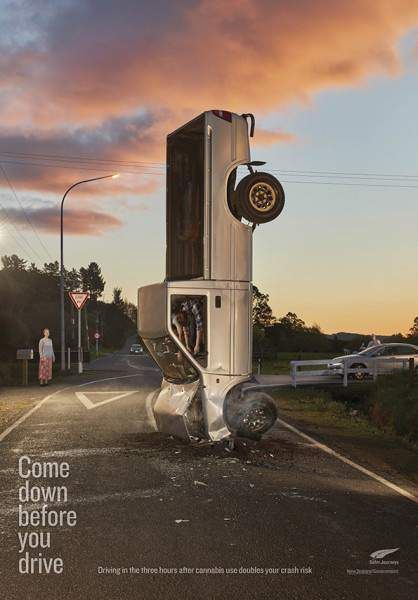
The new face
                   An Important Resource For Families
                                                    of Big Tobacco
                                                                                          Same corporates.
WE’VE BEEN SUCKED IN ONCE.
                                                                                          Same objectives.
Remember Big Tobacco? Tobacco companies lied to New Zealanders                            Same addiction.
and the world for more than a century about the dangers of smoking.                       New product.
They based their market on addiction. They deliberately targeted kids.
They even had doctors promote cigarettes as medicine. And today we
are paying the price.
The conversation is now being dictated by Big Marijuana, who
will deny evidence-based science, and will minimise harms by
emphasising the economic benefits of large tax revenues. Sound
familiar?
Ultimately, they’re not in it for the health of your family –                 Image Source: tobacco.stanford.edu
they’re in it to make big money. But people should always come
before profits.
                                      Because of the lobbying of pro-drug advocates such as the Drug
                                      Foundation and the Green Party - and the coalition agreement
                                      between Labour, Greens and NZ First made after the last Election -
                                      we will be voting on legalising marijuana at the next General Election
                                      in 2020 (around September).
                                      We know that if marijuana is legalised, a commercial marijuana
                                      industry will act just as the tobacco industry acts – irrespective
                                      of any ‘regulations’. Today’s highly potent marijuana represents a
                                      growing and significant threat to public health and safety, a threat
                                      that is amplified by a new marijuana industry intent on profiting from
                                      heavy use.
                                      There is no adequate reason why the government can persistently and
                                      successfully target smoking and not do likewise with drugs. The end
                                      goal of the anti-smoking campaign is not ‘slow down’ or ‘moderate’ but
                                      ‘QUIT’, with numerous strategies and support agencies assisting on the
                                      journey. And the numbers overwhelmingly suggest that it is working.
At the same time as we are rightly booting Big Tobacco out of the country, why are we in the
process of putting down the welcome mat for Big Marijuana.
The supporters of dope are now peddling the same myths that Big Tobacco did. Let’s not be sucked in again.
This upcoming debate is not about cannabis medicine. It’s about creating a drug-friendly culture. And not
just marijuana: ultimately, it’s about all drugs.
This Briefing For Families will give you the facts, and will help you campaign with us against any attempts to
legalise marijuana in New Zealand.
As suggested by the name, these are brief summaries. At the bottom of each topic is the link to more
detailed information on the website. There is also information on other topics not covered in this resource
– including the Top 10 Myths, the success of Sweden, Colorado’s experience, the concerns around Canada’s
“uncontrolled experiment”, Helen Clark’s Global Commission on Drug Policy, and others.
Big Marijuana has high hopes for New Zealand. Liberalising marijuana laws is the wrong path to go
down if we care about public health, public safety, and about our young people. This is not a war on
drugs – it’s a defence of our brains. Drug use is a major health issue, and that’s why the role of the law is
so important.
If we’re aiming to be SmokeFree by 2025, let’s be aspirational – and be DrugFree by 2025 also.

                                                                                                                   2
Potency.
                                                                                                                 The new face
                                                                                                                 of Big Tobacco
                                                                                                                 Same corporates.
                                          Today’s marijuana is a                                                 Same objectives.
                                          different, harder drug.                                                Same addiction.
                                                                                                                 New product.

    When drug advocates talk about marijuana, they’re
    not referring to your parent’s pot. The 2%-THC of the
    ‘Woodstock weed’ era has been replaced by popping
    a handful of gummy bears containing 10 times the
    legal limit of THC per serving, or a 90% THC dab.

It was just a plant – but it isn’t today. This debate is about
commercialised THC (the psychoactive ingredient) and the
next Big Tobacco. It is a fundamentally different, harder drug.

NOT YOUR PARENTS’ POT
Drug growers increase the potency of marijuana in order to raise
prices – and therefore profits. By experimenting with breeding
practices and cultivation techniques over many years, growers                           Image Source: Smart Approaches to Marijuana (SAM)
have been able to greatly elevate the THC level found in the oily
resin of the plant’s leaves and flowers.

While dope shops do see forms of cannabis plants, much of
the business is in concentrates, edibles, and THC that can be
vaporised, based on the extraction of highly potent THC from the
plant, manufactured into every possible way to consume that THC.

The United Nations Office on Drugs and Crime (UNODC) summed
up the issue in their 2012 report, saying that THC content and the
potency of cannabis have been increasing over the past 30 years.
Higher THC content can increase anxiety, depression, and
can increase the risk of psychotic symptoms, dependence,
and adverse effects on the respiratory and cardiovascular
systems in regular users.                                                                               Colorado billboard

In Colorado, the average THC content of all tested flower in 2017 was 19.6% and the average potency of concentrated extract
products was 68.6%. Potency rates of up to 95% have been recorded. The legal limit of how much THC could be put in an
edible in Colorado was 10mg. The majority of THC gummy bears contain 40 milligrams of THC - in each one. The marijuana
industry has fought back efforts to limit THC potencies in Colorado.

Highly potent concentrates and edibles have been tied to a spike in hospitalisations – including many children – and even
deaths. Edibles come in innocuous forms like candies, sodas and cookies that can be deceiving and attractive to kids, while
                                                                                                   highly potent liquids and waxes can be
   “. . . when we create a licit industry selling an abusable drug, the resulting                  consumed in new dangerous ways.
   businesses will have a strong profit incentive to create and sustain abusive
   consumption patterns, because people with substance-abuse disorders                             In the UK, most cannabis being sold
   consume most of the product. Supplying moderate or controlled use is merely                     illegally is super-strength ‘skunk’ linked to
   a side business. So if we create a licit cannabis or cocaine industry, we should                a higher risk of psychotic mental health
   expect the industry’s product design, pricing, and marketing to be devoted to                   episodes. In 2016, 94% of police seizures
   creating as much addiction as possible.”                                                        were high-potency marijuana, compared
                           Drugs and Drug Policy: What Everyone Needs to Know (Oxford Press, 2011) to 85% in 2008 and 51% in 2005.

             For additional information, including source references, and a 1-page summary of this topic:
                                   SayNopeToDope.org.nz/potency
                                      Correct as at time of printing. We welcome any documented corrections.
                                                                                                                                                   3
New Products.
                                                                                                             The new face
                                                                                                             of Big Tobacco
                                                                                                             Same corporates.
                                    Marijuana will be far more                                               Same objectives.
                                      than smoking a joint.                                                  Same addiction.
                                                                                                             New product.

    When you think about ‘marijuana’, you probably immediately
    think about ‘smoking a joint’. But legalising marijuana will be
    far more than that.

Researchers say that the cannabis market is evolving in ways that make it
different from the tobacco and alcohol markets. In addition to marijuana,
myriad cannabis products (e.g., edibles, concentrates, infusions, tinctures,
lotions, and butters) are available and heavily marketed. These products
can be smoked, eaten, vaped, or used topically. Many of these products are
easily transportable and readily concealed or disguised.

EDIBLES
THC concentrate is mixed into almost any type of food or drink. The
potency of edibles (several times that of an average joint) and their
attractiveness to kids have led to serious problems in legalised states like
Colorado. THC-infused products include: coffee, ice-cream, baked goods,
lolly-pops, fizzy drinks, water bottles, tea, hot cocoa, breath mints & spray,
                                                                                             Image Source: THCPHOTOS.ORG
intimate oils, pills, lollies, chewing gum, marinara sauce, baklava, and many
more. These new products can be delivered rectally, nasally, vaginally or squirted into the eye to reach the bloodstream faster
and deliver a quicker high. Have a look – THCPHOTOS.ORG

                                                           VAPING
                                                           Vape pens can combust THC or weed in just about any form and do it
                                                           without leaving a smell. A student could be eating, chewing, sucking on or
                                                           drinking THC at school, and even vaping in class.

                                                           The tiny combination of plastic, glass, and metal is a disposable cannabis
                                                           oil cartridge. It is easily carried in your pocket, and produces little-to-no
                                                           smell when consumed. You simply screw it into an inexpensive,
                                                           rechargeable pen and inhale. That’s it. It’s this tiny device that’s quickly
                                                           taking over cannabis consumption.

The vaping industry can already see the dollars! OpenVape CEO
Ralph Morgan says that cannabis concentrates will be more
popular than smoking marijuana buds in the next couple years. In
2016, he predicted, “I see concentrates becoming a part of folk’s
daily regimen.”

DABBING
Dabbing is a way to smoke highly concentrated THC called
“shatter,” “wax,” “honey,” “butter” and “crumble.” It’s known as
the ‘crack cocaine of marijuana’. Side effects can include: a rapid
heartbeat, blackouts, psychosis, paranoia and hallucinations that
cause people to end up in psychiatric facilities. Websites such as
CanPotKill.me highlight these products.

            For additional information, including source references, and a 1-page summary of this topic:
               SayNopeToDope.org.nz/big-marijuanas-products
                                    Correct as at time of printing. We welcome any documented corrections.
                                                                                                                                           4
Laws Work.
                                                                                                              The new face
                                                                                                              of Big Tobacco
                                                                                                              Same corporates.
                                   The illegal status deters                                                  Same objectives.
                                     people from using.                                                       Same addiction.
                                                                                                              New product.

    The current laws around illicit drugs are an inhibitor which deters
    people from participating. While there will be some who are
    enticed by the illegality, most people do not like engagement with
    criminal behaviour or with criminal distribution networks.

Let’s compare the usage of tobacco and alcohol with marijuana and other drugs.

TOBACCO
The great news is that smoking rates in New Zealand continue to reduce, with
15% of adults currently smoking (this has dropped from 25% in 1996/97). The
number of Year 10 pupils who said they were regular or daily cigarette smokers has dropped from about 25% in 2001, to about
5% in 2017.

“New Zealand only has seven years left to achieve the Smokefree 2025 goal.”
                                                                                        Helen Clark, patron of Action for Smokefree 2025 (ASH)

ALCOHOL
It is believed that 20% of New Zealanders aged 15 years or more who drank alcohol in the previous year have a potentially
hazardous drinking pattern (79% of New Zealanders aged 15+ drank alcohol in the past year). 8.4% of the past-year drinkers
consumed a large amount of alcohol (more than six standard drinks for males or four for females on a drinking occasion) at least
once a week. 20% of women who had been pregnant in the past 12 months reported that they had consumed alcohol while
pregnant (Ministry of Health, 2015).

MARIJUANA
Just 3.7% use cannabis on a regular (weekly) basis. 11% have used it
sometime in the last 12 months (Ministry of Health, 2013).

OTHER ILLICIT DRUGS
The prevalence of having used drugs for recreational purposes in the last
12 months was highest for the following other drugs:
   •• BZP party pills (5.6%)
   •• ecstasy (2.6%)
   •• amphetamines (2.1%)
   •• LSD and other synthetic hallucinogens (1.3%)
 (Ministry of Health, 2010).

Illegality keeps prices high and drug use relatively low.

There is no adequate reason why the government is persistently and
successfully targeting smoking and not doing likewise with drugs. The end
goal of the anti-smoking campaign is not ‘slow down’ or ‘moderate’ but
‘QUIT’, and a realistic understanding about the effort required to reach that end, with numerous strategies and support agencies
assisting on the journey. And the numbers overwhelmingly suggest that it is working.

            For additional information, including source references, and a 1-page summary of this topic:
                       SayNopeToDope.org.nz/drug-usage-in-nz
                                  Correct as at time of printing. We welcome any documented corrections.
                                                                                                                                                 5
Brain War.
                                                                                                               The new face
                                                                                                               of Big Tobacco
                                                                                                               Same corporates.
                                  It’s not a war on drugs.                                                     Same objectives.
                               It’s a defence of our brains.                                                   Same addiction.
                                                                                                               New product.

    Pro-drug groups make two erroneous claims: “It’s a
    health issue, not a criminal issue” and, “The war on
    drugs has failed.”

PREVENTION MATTERS
The United Nations Office on Drugs and Crime (UNODC) said in
its 2012 report; “Cannabis prevention efforts are critical because
cannabis is often the first illegal drug used by youth. Preventing
substance use before it begins not only makes common sense, it
is also cost-effective. For every dollar invested in prevention, a
savings of up to $10 in treatment can be realised.”

                                               The currently
                                               illegal status of
                                               drugs is an inhibitor which deters people from participating. While there will be
                                               some who are enticed by the illegality, most people do not like engagement with
                                               criminal behaviour or with criminal distribution networks. A 2001 study of 18-29
                                               y/o’s by the NSW Bureau of Crime Statistics and Research revealed that 29% of
                                               those who had never used cannabis cited its illegality as the reason. Furthermore,
                                               91% of those currently using cannabis weekly or more said they would consider
                                               using more if it were legal.

                                                  “‘The War on Drugs is Lost’ is an unimaginative and fundamentally stupid
                                                  …metaphor which exerts a baleful effect on proper thought… If the war
                                                  against drugs is lost, then so are the wars against theft, speeding, incest,
                                                  fraud, rape, murder, arson, and illegal parking. Few, if any, such wars are
                                                  winnable.”
                                                     Theodore Dalrymple - Romancing Opiates: Pharmacological Lies and the Addiction Bureaucracy

LAW + HEALTH = WELLBEING
Nobody would claim that we apprehend too many drunk drivers or thieves - even though we spend money and effort on
roadside checks and policing. The government also has a responsibility to keep the public safe from harm, including from
dangerous substances. If those with addictions commit serious offences, as does happen, the criminal law cannot simply turn a
blind eye. The community needs to be protected.

The law has an important deterrent effect. Most people don’t want to break the
law. It sends an important societal message.

LOCKING ‘EM UP?
Part of the ‘health’ argument is based on the myth that ‘petty’ marijuana users are
filling our prisons. But statistics obtained from the Ministry of Justice under the
Official Information Act show that in the last three years only 16 people in total
have been given a prison or home detention sentence for cannabis possession
offences, and that even these sentences may be ‘influenced by their previous
offending history’. It will be difficult to meet somebody who says they’ve been behind
bars for smoking a joint, and that’s their only crime.

                                                                                                                                                  6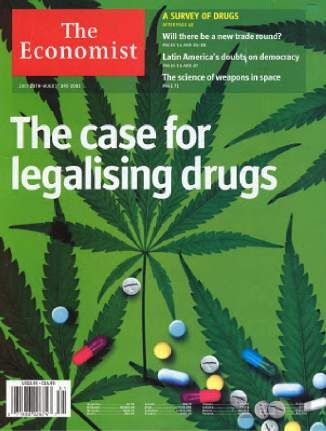
International studies have shown that most are imprisoned for drug-related offences, that is, crimes committed while on drugs
(murder, armed robbery, theft, assault, child abuse, etc.) or crimes committed in order to obtain drugs.

Erroneous claims that we are wasting time and resources focusing on the criminal aspect fail to understand that there has been a
substantial decline in arrests for cannabis use in New Zealand over the past decade, and that police diversion and Alcohol and Other
Drug Treatment (AODT) Courts have been increasingly used. Diversion and pre-charge warnings are also being used sensibly and
effectively. In the 20 years to 2014, the number of arrests for cannabis per 100,000 head of population dropped by 70%.

  “The NZ Drug Foundation argues it’s a complete waste of ‘hundreds of thousands of
  police hours’ trying to enforce the law, criminalising and imprisoning Kiwis for low-
  level possession… 42% of front-line police officer hours are consumed on dealing to
  family violence. If you apply the extreme, absurd and self-serving logic of the legalise
  lobby, the police should surrender to family violence too, because so many Kiwis are
  indulging in this sick and twisted national sport. Ditto for child abuse, tax evasion,
  drink-driving, shop-lifting, or any other social scourge you care to name.”
                                                        Broadcaster and commentator Mike Yardley

A smart arrest policy can provide both a societal stamp of disapproval and an opportunity to intervene and stop
the progression of use. Keeping marijuana illegal through an appropriate application of the laws which cater for ‘youthful
indiscretions’ and which focus on supply / dealers is as much a public safety policy as it is a public health policy.

Drug dealers and other criminals who derive huge profits from the drug trade will not cease criminal activity in the face
of legalisation. The costs of regulating and then policing that industry will only compound the costs of policing the illegal market,
as seen in Colorado.

  “It is a well-intentioned fallacy that drug users want “help”. What they want is supply, and
  they’ll pretend to want help to get it. Others will on-sell their ration, probably to under 18s,
  to help fund their harder drug use. We live in the real world. I think…”
                                                                                                                     NZ columnist Rosemary McLeod

COERCION OF THE LAW
It is significant to note that Portugal (trumpeted as the            “Why do nations schedule drugs? ...... Nations schedule
model of drug laws by drug lobbyists in NZ) coerces                  psychoactive drugs because we revere this three-pound organ
treatment and rehabilitation. We should reject the                   (of our brain) differently than any other part of our body. It
notion that coerced treatment (aided by legal sanction)              is the repository of our humanity. It is the place that enables
is unworkable or unacceptable for drug users.                        us to write poetry and to do theatre, to conjure up calculus
                                                                     and send rockets to Pluto three billion miles away, and to
                                                                     create iPhones and 3D computer printing. And that is the
A SENSIBLE DRUG POLICY FOR NZ                                        magnificence of the human brain. Drugs can influence [the
A sensible drug policy should recognise three pillars,               brain] adversely. So, this is not a war on drugs – this is a
similar to the successful approach towards SmokeFree NZ:             defence of our brains, the ultimate source of humanity.”
••supply reduction – target the dealers and suppliers                Dr Bertha Madras, Professor of Addiction Psychiatry at Harvard Medical School

••demand reduction – promote a drug-free culture
••harm reduction – ensure addiction services & support are available for those who
  genuinely want to quit. The primary purpose is not to keep users using, but to reduce
  and help them exit drug use.

It’s not about a ‘war’; it’s a defence of our brains.

We don’t need an army, machine guns, informants, or patrols. We need a “Stay Drug-
Free” message. We should continue fighting drugs and the devastation its use causes
on the users, their families, and society in general. It’s about enforcing drug laws to
protect families.

It is working for tobacco.

            For additional information, including source references, and a 2-page summary of this topic:
                        SayNopeToDope.org.nz/the-law-matters
                                   Correct as at time of printing. We welcome any documented corrections.
                                                                                                                                                     7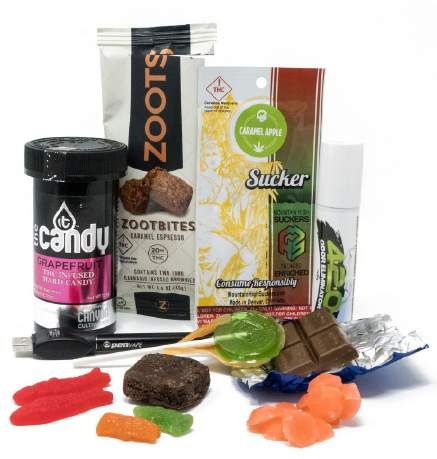
What’s Next?
                                                                                                                    The new face
                                                                                                                    of Big Tobacco
                                                                                                                    Same corporates.
                                         Legalisation of marijuana                                                  Same objectives.
                                              is just the start.                                                    Same addiction.
                                                                                                                    New product.

    Legalisation of marijuana is just the start. The real agenda is a global
    commodity market – all drugs – creating a drug-friendly culture.

NORMALISING THE USE OF ALL DRUGS
Even the Drug Foundation in New Zealand is calling for the decriminalisation of ALL
drugs – including cocaine, heroin and P.

For example, information on the Drug Foundation’s own website, and in pamphlets
about the use of P which have been put in schools, include:

   •• You may be experiencing substance use disorder if you are… using more meth than
      you want to
   •• You can’t sleep on meth; if you want to sleep later don’t use it after 3pm.
   •• Meth is illegal. It’s also illegal to own a pipe. Be discreet and only keep less than 5
      grams for personal use. (our emphasis added)

But ‘harm minimisation’ is for addicted users – not for schools, young people and the                                      July 2001
general public.

There is one positive about the upcoming
referendum negotiated between Labour and the                     “The key to it [legalising marijuana for recreational
Greens: it has revealed the ultimate agenda of                   use] is to have 100s of thousands of people using it
drug advocates. The smokescreens of ‘medicinal
cannabis’ and ‘decriminalisation’ no longer work.                ‘medically’ under medical supervision, the whole
We now know the ultimate goal: legalisation of                   scam is going to be blown. Once there is medical access
recreational dope.
                                                                 and we do what we continually have to do, and we will,
And, if we listen to drug advocates internationally,
they will want legalisation of not just this drug but
                                                                 then we will get full legalisation.”
all drugs – cocaine, heroin, P.                                                                               Richard Cowen, former Director of NORML
                                                                                              (National Organisation for Reform of Marijuana Laws), 1993
Don’t open the door to the normalisation and
health harms of drugs.

   “The best answer is to move slowly but firmly to dismantle the
   edifice of enforcement. Start with the possession and sale of
   cannabis and amphetamines, and experiment with different
   strategies. Move on to hard drugs, sold through licensed
   outlets... Personally, when I talk about legalisation, I mean
   three things: The first is to make drugs such as marijuana,
   cocaine and heroin legal.”
    Ethan Nadelmann – Drug Policy Alliance (DPA) widely regarded as the leading
               proponent of drug policy development both in the US & abroad.

              For additional information, including source references, and a 1-page summary of this topic:
                                  SayNopeToDope.org.nz/whats-next
                                         Correct as at time of printing. We welcome any documented corrections.
                                                                                                                                                           8
Health Harms.
                                                                                                                      The new face
                                                                                                                      of Big Tobacco
                                                                                                                      Same corporates.
                                        Dope is addictive and                                                         Same objectives.
                                       harmful – it wrecks lives.                                                     Same addiction.
                                                                                                                      New product.

    According to virtually every scientific review,
    including a 2016 World Health Organisation (WHO)
    report and a 2017 National Academy of Sciences
    study, marijuana is addictive and harmful – despite
    rhetoric from the marijuana industry.

Direct associations have been made between the frequency of
marijuana use and higher THC potency with the development of
mental health issues (psychosis, depression, anxiety, suicidality,            “‘Recreational’ drug use is a misnomer - put a ‘w’ on
reshaping of brain matter, and addiction). Links to lung                      the front and you’d be closer to the truth.”
damage and serious cardiovascular problems have also been
found (hypertension, myocardial infarction, cardiomyopathy,                                                    - former Wellington coroner Garry Evans
arrhythmias, stroke, and cardiac arrest). Marijuana use during
pregnancy has been shown to negatively affect the cognitive              HEART HEALTH
development of children by increasing their risk of hyperactivity,       People who use marijuana may be three times more likely to
impulsivity, and inability to focus.                                     die from high blood pressure than non-users of the drug.
Chronic adolescent marijuana use has been correlated with                HOSPITALISATION
cognitive impairment and a decreased ability to do well in work          The yearly rate of emergency department visits in Colorado
or school. Colorado toxicology reports show the percentage               related to marijuana increased 52% after the legalisation
of adolescent suicide victims testing positive for marijuana has         of recreational marijuana (2012 compared to 2016). The
increased.                                                               yearly rate of marijuana-related hospitalisations increased
RESPIRATORY                                                              148%. Calls to poison control centers have risen 210%.
                                                                         Washington has seen a 70% increase in calls between the
In 2007, NZ scientists determined that smoking 1 joint                   three-year averages before and after legalisation. Central
of marijuana was comparable to the effects on airflow                    Oregon hospitals saw a nearly 2,000% increase in emergency
obstruction of between 2.5 – 5 tobacco cigarettes, “Adverse              room visits due to marijuana poisoning.
effects [of marijuana] on lung function is of major public health
significance,” the study authors warned.                                 Here in New Zealand, Ministry of Health figures gained under
                                                                         the Official Information Act in November 2018 show that 73
PSYCHOSIS                                                                children (aged 0-14) have been hospitalised in the past five
In 2011, Australian researchers said; “The results of meta-              years either for poisoning or for mental and behavioural
analysis …support the hypothesis that cannabis use plays a causal        disorders due to the use of cannabis. For all ages, more than
role in the development of psychosis in some patients. The results       2,200 have been hospitalised for cannabis alone. This will only
suggest the need for renewed warnings about the potentially              increase if marijuana is legalised.
harmful effects of cannabis.”

LUNG CANCER                                                                  “Consistent evidence has shown that cannabis use almost
Scientists from the Medical Research Institute of NZ concluded:              always precedes the use of other illicit drugs, including
“Long-term cannabis use increases the risk of lung cancer in young           cocaine, methamphetamine, hallucinogens (including
adults.” According to the British Lung Foundation, “Smoking three            LSD and ecstasy), illegally obtained prescription drugs,
or four marijuana joints is as bad for your lungs as smoking twenty          and opiates, such as heroin or morphine.”
tobacco cigarettes.” THC, the primary psychoactive ingredient of            UNODC (United Nations Office on Drugs and Crime): Cannabis A Short Review (2012)
cannabis, decreases the function of immune system cells that
help protect the lungs from infection.

             For additional information, including source references, and a 1-page summary of this topic:
                            SayNopeToDope.org.nz/health-harms
                                     Correct as at time of printing. We welcome any documented corrections.

                                                                                                                                                               9
Mental illness,
                                                                                                                The new face
                                                                                                                of Big Tobacco
                                                                                                                Same corporates.
                                          psychotic symptoms,                                                   Same objectives.
                                           suicidal thoughts.                                                   Same addiction.
                                                                                                                New product.

    With the increased potency of marijuana comes increased
    health risks, including mental illness, psychotic symptoms,
    suicidal thoughts among teens, respiratory problems, and
    a greater likelihood of addiction.

Almost half of the marijuana business in legalised jurisdictions is now in
highly potent cannabis concentrates - edibles, dabbing (smoking highly
concentrated THC) and vaping. The average psychoactive component
of cannabis (THC) of all tested flower in 2017 in Colorado was 19.6%,
and the average potency of concentrated extract products was 68.6%.
Potency rates of up to 95% have been recorded.
                                                                                 Image Source: Smart Approaches to Marijuana (SAM)
The 2% THC ‘woodstock weed’ has been replaced by popping a
handful of gummy bears containing 10 times the legal limit of THC per serving, or a 90% THC dab.

                                                                           This is definitely not your parents’ pot.

                                                                           With the increase in THC potency comes increased
                                                                           health risks, and a greater likelihood of addiction.

                                                                           And addiction is exactly what Big Marijuana wants.

                                                                           Suicidal thoughts can come on very quickly while under the
                                                                           influence in individuals who were not previously suicidal.
                                                                           The suddenness of suicidal ideation means that intervention
                                                                           may not always be possible.
                     Image Source: Smart Colorado

Colorado toxicology reports show the percentage of
adolescent suicide victims testing positive for marijuana
has increased since the legalisation of marijuana. This
disturbing trend is, unfortunately, not surprising, as daily
marijuana use among youth who begin before the age of
17 significantly increases the risk of suicide attempts.

Researchers led by the National Drug and Alcohol
Research Centre at the University of New South Wales
(including New Zealand researchers) found that people
who start smoking cannabis daily before the age of 17 are
seven times more likely to commit suicide.

University of Queensland Centre for Youth Substance
Abuse professor Wayne Hall said legalising the drug would
likely have the most significant impact on current users.

If cannabis was made more affordable and easier to
access, then consumption would increase, like any                                   Image Source: Utah Department of Public Safety
commodity.

            For additional information, including source references, and a 1-page summary of this topic:
                  SayNopeToDope.org.nz/mental-health-suicide
                                    Correct as at time of printing. We welcome any documented corrections.
                                                                                                                                         10
High Mums.
The new face
of Big Tobacco
Same corporates.
Marijuana use during Same objectives.
pregnancy harms the baby. Same addiction.
New product.
Legalisation of marijuana has led to
major concerns around pregnant mums
using the drug, and more babies failing
drug tests.
EXPOSURE
Researchers say psychoactive compounds in
marijuana easily cross the placenta, exposing
the fetus to perhaps 10 percent of the THC —
tetrahydrocannabinol — that the mother receives, and
higher concentrations if the mum uses pot repeatedly.
A clinical report published in the September 2018 Pediatrics said that more babies than ever are being exposed to marijuana.
Marijuana use among pregnant women increased by 62% between 2002 and 2014 in the US. Meanwhile, marijuana has
become more potent, with average concentrations of the psychoactive compound tetrahydrocannabinol (THC) more than
quadrupling since the 1980s.
The US National Survey on Drug Use and Health found that 28% of women living in low-income areas tested positive for marijuana
use during pregnancy. Another study by the American College of Obstetricians and Gynecologists reported that young women
from lower income levels have a 15–28% rate of marijuana use during pregnancy. Up to 60% of these young women continue
marijuana use throughout pregnancy due to a decreased perception of risk and stigma.
EFFECT ON BABIES
Studies show marijuana increases the risk of stillbirth and adversely affects how a baby’s brain develops. Studies also show these
kids may have behavioural problems at higher rates than other children by the age of 14. Christian Thurstone, director of the
STEP Programme at Denver Health – one of Colorado’s largest youth substance-abuse treatment programmes – has conducted
extensive research which shows that children exposed to marijuana in utero have a 5-point decrease in IQ at age 6; a greater
chance of depression, hyperactivity and impulsivity at age 10; and lower school achievement at age 14.
TREATMENT FOR MORNING SICKNESS?
Approximately 70% of randomly selected medical marijuana
centres in Colorado recommended marijuana as a treatment
for morning sickness for pregnant women. Doctors caution that
marijuana’s effects on a fetus could include low birth rate and
developmental problems.
NEWBORNS FAILING DRUG TESTS
Colorado’s legalisation of recreational marijuana has led to an
increase in the number of babies being born THC-positive. One
Pueblo hospital is reporting nearly half the babies tested in one
month had marijuana in their system.
MUM’S INFLUENCE
When mothers use marijuana during the first 12 years of their
child’s life, their children are more likely to start using cannabis at
an earlier age than children of non-using mothers.
Image Source: National Families in Action
For additional information, including source references, and a 1-page summary of this topic:
SayNopeToDope.org.nz/high-mums
Correct as at time of printing. We welcome any documented corrections.
11Young Ones.
The new face
of Big Tobacco
Same corporates.
Our children need hope, Same objectives.
not dope. Same addiction.
New product.
Despite the claims of dope-industry lobbyists that
legalisation will not affect young adult and youth
use, the data shows that with legalisation and
normalisation, people are increasing their rate of
consumption.
False advertising of marijuana products as being “natural” and
“healthier than alcohol and tobacco” have greatly decreased the
perceived risk of harm related to marijuana use.
The problem with liberal drug policies like legalisation is that they
centre upon the rights of the user, at the expense of the most
vulnerable party in the community, the child.
Since Colorado, Washington, Oregon, Alaska,
and the District of Columbia (Washington, DC) States Parties shall take all appropriate measures, including
legalised marijuana, past-month use of the drug has legislative, administrative, and educational measures to protect
continued to rise above the national average among children from the illicit use of narcotic drugs and psychotropic
youth aged 12–17 in all five jurisdictions (NSDUH, substances, as defined in relevant international treaties, and to
2006-2017). Almost a third of all 18–25 year olds in prevent the use of children in the illicit production and trafficking of
legal states used marijuana in the past month, up such substances.
from around one-fifth 10 years ago. Article 33 of the UN Convention on the Rights of the Child
EFFECT ON YOUNG PEOPLE
New Zealand has some of the richest data on the adverse consequences of cannabis use coming from two major studies:
the Christchurch Health and Development Study (CHDS) and the Dunedin Multidisciplinary Health and Development Study
(DMHDS).
The CHDS showed that the use of cannabis was associated with increased risks of a number of adverse outcomes including:
educational delay (dropping out of school, and subsequent unemployment); welfare dependence; increased risks of psychotic
symptoms; major depression; increased risks of motor vehicle accidents; increased risks of tobacco use; increased risks of other
illicit drug use; and respiratory impairment. These effects were most evident for young (under 18-year-old) users and could not
be explained by social demographic and contextual factors associated with cannabis use.
MENTAL HEALTH
Direct associations have been made between the
frequency of marijuana use and higher THC potency
with the development of mental health issues (psychosis,
depression, anxiety, suicidality, reshaping of brain matter,
and addiction).
Daily marijuana use among youth who begin before
the age of 17 significantly increases the risk of suicide
attempts. Researchers led by the National Drug and
Alcohol Research Centre at the University of New
South Wales (and including New Zealand researchers)
analysed results of three large, long-running studies from
Australia and New Zealand involving nearly 3,800 people.
Teenagers who start smoking cannabis daily before
the age of 17 are seven times more likely to commit Image Source: Smart Approaches to Marijuana (SAM)
12suicide, a study has found. Colorado toxicology reports show the percentage of adolescent suicide victims testing positive for
marijuana has increased since legalisation.
This data should be of huge concern to us in New Zealand as we battle high teenage suicide rates and mental illness
amongst teenagers.
HOSPITALISATION
The number of teenagers sent to emergency rooms more than quadrupled
after marijuana was legalised in Colorado — mostly for mental health
symptoms, researchers reported in 2017.
In the UK, more than 15,000 teenage hospital admissions have taken place
over the past five years as a result of taking cannabis - some of whom
were rushed to hospital suffering from serious psychosis. The levels of
Marijuana products admissions in England have jumped by more than 50% since 2013.
“There is no question marijuana can be addictive; that argument is over. The most important thing right now is to
understand the vulnerability of young, developing brains to these increased concentrations of cannabis.”
Nora Volkow, director of the National Institute on Drug Abuse
EFFECT ON TEEN ATTITUDES TO DRUGS
A 2017 survey found that one in four US high school seniors would try marijuana or use it more often if it was legal – the highest
in the 43-year history of the Monitoring the Future survey. The current illegality of the drug sends an important societal message to
young people.
HIDDEN BIG MARIJUANA PRODUCTS
The cannabis market is evolving in ways which make it different from the
tobacco and alcohol markets. Myriad cannabis products (e.g., edibles,
concentrates, infusions, tinctures, lotions, and butters) are available and
heavily marketed. These products can be smoked, eaten, vaped, or used
topically. Many of these products are easily transportable and readily
concealed or disguised. One recent study showed increased use by 14-18
year olds of newer forms of consumption – vaping and edibles. Students say
vaping is everywhere and ‘it’s easy to hide’.
Researchers at the Centers for Disease Control and Prevention (CDC) found
that nearly 1 in 11 middle and high school students used marijuana in
e-cigarette devices. In legal states people can buy cartridges of high-potency
cannabis oil that fit into many e-cigarette devices. A US study in 2018 found
that teens who used e-cigarettes and hookah were up to four times more
likely to use marijuana later.
A RAND Corporation study recently published by the journal Drug and Alcohol
Dependence found that adolescents who view more advertising for medical
marijuana are more likely to use marijuana, express intentions to use the
drug and have more-positive expectations about the substance.
PATHWAY TO OTHER DRUGS
In 2017 researchers examined data from 17,000 youth aged 12-17 who
participated in the 2014 National Survey on Drug Use and Health. Compared
with youth without past-month marijuana use, youth with past-month
marijuana use were 9.9 times more likely to report past-month use of other Marijuana products
illicit drugs. And the Christchurch Health and Development Study found that
regular or heavy cannabis use was associated with an increased risk of using
other illicit drugs, abusing or becoming dependent upon other illicit drugs,
Image Source: THCPHOTOS.ORG
and using a wider variety of other illicit drugs.
For additional information, including source references, and a 2-page summary of this topic:
SayNopeToDope.org.nz/young-people
Correct as at time of printing. We welcome any documented corrections.
13Violence.
The new face
of Big Tobacco
Same corporates.
The link between marijuana Same objectives.
and family violence. Same addiction.
New product.
The image of the laid-back chilled pot smoker is deceptive. The
mellowing effects of cannabis seem unsuited to promoting violent
behaviour. However, research has linked marijuana use to increased
violent behaviour. A certain percentage of people who use marijuana
can become psychotic and violent.
DOMESTIC VIOLENCE
In 2018, researchers at Ohio and Tennessee Universities found that marijuana use
was associated with psychological, physical, and sexual intimate partner violence,
after controlling for alcohol use and problems, antisocial personality symptoms, and
relationship satisfaction. A University of Florida study in 2011 found that frequent
marijuana users in adolescence are twice as likely to engage in domestic violence as
young adults. The same study showed this group were more than twice as likely to Advertisement for marijuana
become victims of domestic violence.
Research published in 2016 in the journal Psychological Medicine concluded that continued use of cannabis causes violent
behaviour as a direct result of changes in brain function that are caused by smoking weed over many years. The results showed
that continued cannabis use is associated with 7-fold greater odds for subsequent commission of violent crimes.
CHILD ABUSE
We know from a number of governmental reports (UNICEF reports in 2003
and 2007, a CYF report in 2006, and a Children’s Commissioner report in
2009) that one of the factors most commonly associated with the
maltreatment of children is drug abuse.
In 2018, Texas released a report on child abuse deaths, finding half the
172 child abuse deaths in 2017 coupled with substance abuse. Marijuana
was the most used substance connected to child abuse and neglect
deaths. In 2017, Arizona also published a report showing that marijuana
was the substance most often linked to child abuse deaths in 2016.
It raises an important question – is our relatively higher use of
cannabis compared to other countries related to our horrific
record when it comes to child abuse and family violence?
EXAMPLE TO CHILDREN
When mothers use marijuana during the first 12 years of their
child’s life, their children are more likely to start using cannabis
at an earlier age than children of non-using mothers, according
to a study from the Harvard T.H. Chan School of Public Health
published recently in the American Journal of Preventive Medicine.
This study is the first to establish a relationship between maternal
cannabis use during a child’s lifetime and earlier initiation in a
nationally-representative, longitudinal cohort.
Read the examples of cases (both NZ-based and overseas) on
our website.
For additional information, including source references, and a 1-page summary of this topic:
SayNopeToDope.org.nz/family-violence-child-abuse
Correct as at time of printing. We welcome any documented corrections.
14Opioid crisis
The new face
of Big Tobacco
Same corporates.
increases with the Same objectives.
use of cannabis. Same addiction.
New product.
Drug advocates in New Zealand try to argue that by legalising marijuana, the use of synthetic cannabis and other
natural opioids would decrease. But the international evidence quashes those hopes.
Research is revealing that individual marijuana users are at much higher risk for developing opioid use disorders, and that
population studies claiming a correlation between state marijuana legalisation and reduced opioid deaths have serious
deficiencies. Better studies are now showing marijuana is a risk factor in the increased non-medical use of opioids.
An American study published in September 2017 of
over 30,000 Americans showed that participants who
reported marijuana use in the previous year were 2.6
times more likely to abuse prescription opioids: “Cannabis
use appears to increase rather than decrease the risk
of developing nonmedical prescription opioid use and
opioid use disorder.”
In 2017, researchers examined data from 17,000 youth
aged 12-17 and found that youth with past-month
marijuana use were 9.9 times more likely to report
past-month use of other illicit drugs.
In the time that the opioid epidemic has increased in the
US, the percentage of marijuana users who are using the
drug frequently has skyrocketed.
NZ already has an addiction epidemic with synthetic cannabis
and methamphetamine. The reality is that the desire to get
Image Source: National Families in Action ‘high’ overrides any consideration of the legality of the drug or
its risk.
“The opioid crisis appears to be worsening where marijuana has been legalised.”
JAMA Internal Medicine Journal
It seems fairly logical that we should not be
encouraging marijuana use if our goal is to
stop addiction.
From 2012 to 2016, the number of heroin-
related deaths in Colorado increased from 91
to 234 and deaths related to synthetic opioids
rose from 52 to 72.
In Portugal, there has been a 23% increase
in the prevalence of illegal psychoactive
substance use (including synthetic cannabis)
since 2012.
Image Source: Smart Approaches to Marijuana (SAM)
For additional information, including source references, and a 1-page summary of this topic:
SayNopeToDope.org.nz/opioid-synthetic-cannabis
Correct as at time of printing. We welcome any documented corrections.
15Reality Check.
The new face
of Big Tobacco
Same corporates.
Legalising marijuana Same objectives.
increases use. Same addiction.
New product.
Some drug advocates try to argue that legalisation of
marijuana will not result in an increase in use. Nothing could
be further from the truth.
The 2016-2017 National Survey on Drug Use and Health
State Estimates illustrates findings from this annual survey
– conducted by the Substance Abuse and Mental Health
Services Administration. (Numbers in graphs are percentages)
The statistics speak for themselves.
AND EVEN IN PORTUGAL
Image Source: National Families in Action
(See our website for other disturbing Portugal
use trends.)
(Additional info and trendlines have been added to original graph)
For additional information, including source references, and a 1-page summary of this topic:
SayNopeToDope.org.nz/does-legalisation-increase-use
Correct as at time of printing. We welcome any documented corrections.
16Workplace
The new face
of Big Tobacco
Same corporates.
dope use will affect Same objectives.
everyone’s safety. Same addiction.
New product.
Would anyone want their doctor getting high just before
performing surgery? Or a co-worker who drives a forklift
and could impale not only packages but them? What about
carpenters, roofers, tree trimmers and truck drivers who
have been using marijuana? Would you be happy to know
that your pilot had smoked a joint or two the night before?
If marijuana is legalised in New Zealand, what will be the added costs
to the workforce in absenteeism, accidents, healthcare, additional
workplace training and insurance premiums?
Studies consistently show marijuana users have significantly lower levels
of commitment to their work than non-users, and are absent more Image Source: U.S. Department of Labour
often. Even when controlling for alcohol use, pot users are 106% more
likely to have missed at least one day of work in the last month because they “just didn’t want to be there.”
In the US, marijuana legalisation has had serious ramifications for businesses. Increased marijuana availability and use has
increased the number of employees testing positive for marijuana in the workforce.
In the three-year period following legalisation in Colorado and Washington, positive oral-fluid test results for marijuana use
increased almost 75%, from 5.1% to 8.9%. Marijuana urine test results in Washington and Colorado are now double the national
average.
This growing usage of marijuana has made it difficult to find employees who can pass a pre-employment drug test. The
issue is further complicated by pro-marijuana advocates who are pushing to eliminate workplace drug testing policies
– essentially stating that regardless of the outcome, employees should be permitted to use marijuana without the risk of
professional consequences.
This foolish argument has been used in NZ by pro-marijuana lobbyists.
“Drug testing is not going to create a safer working
environment and can create an atmosphere of mistrust.”
NZ Drug Foundation, May 2018
Insurance claims have become a growing concern among
companies in US states that have legalised marijuana because if
marijuana use is allowed or drug testing ignored, employers are
at risk of liability claims when a marijuana-related injury or illness
occurs onsite.
The Drug Detection Agency has been New Zealand’s biggest
drug testing company for 13 years. They recently said that
methamphetamine and cannabis are both “on the up” and are
still the main drugs being used.
Image Source: Smart Approaches to Marijuana (SAM)
A safe, healthy and drug-free workplace is everyone’s
business. Drugs don’t work.
For additional information, including source references, and a 1-page summary of this topic:
SayNopeToDope.org.nz/workplace
Correct as at time of printing. We welcome any documented corrections.
17The new face
Driving stoned
of Big Tobacco
Same corporates.
Same objectives.
will put everyone at risk. Same addiction.
New product.
The rights of people to be safe on the road outweighs the privilege
of smoking weed. If a person has THC in their system, we don’t want
them on the road endangering other drivers and families.
DEATHS
Since recreational marijuana was legalised in Colorado, marijuana-related traffic
deaths increased 151%. According to AAA, Washington State experienced a
doubling in drug driving fatalities in the years following legalisation.
PEDESTRIAN FATALITIES
States that legalised marijuana for medical and/or recreational use saw a 16.4%
surge in deaths when comparing 2017 to 2016, while nonlegal states saw a drop of
5.8%.
DRIVING STONED
A report by the state of Colorado found that in 2016, about 73% of 4,000 drivers
charged with driving under the influence tested positive for marijuana. 53% admitted
they smoked marijuana within two hours of getting behind the wheel. Ohio had a
6% increase in arrests for drug driving in 2017 compared to
the previous year, and a 21% increase in crashes caused by
drugged drivers on Ohio highways since 2013.
NEW ZEALAND
In a study done in New Zealand by six Australian health
researchers, it was found that habitual users of marijuana have
about 10 times the risk of car crash injury or death compared to
infrequent or non-users. Those users who crashed had smoked
marijuana within three hours of their accidents. More than half
the drivers taken to hospital after causing a crash were found
to have drugs in their system, a 2012 study found.
An AA study found that people on drugs are causing more fatal
crashes than those behind the wheel drunk. In 2017, 79 drivers
involved in fatal crashes were found to be under the influence of
drugs, compared to only 14 in 2013.
A study in 2017 by the University of Waikato found that nearly
half of Kiwi cannabis users don’t think twice about driving after
smoking, and that while nearly three-quarters (73.6%) of drinkers
had made a decision not to drive after drinking, only 57% of
cannabis smokers had made the same call.
Image Source: Utah Department of Public Safety
For additional information, including source references, and a 1-page summary of this topic:
SayNopeToDope.org.nz/driving-stoned
Correct as at time of printing. We welcome any documented corrections.
18The new face
Social Justice.
of Big Tobacco
Same corporates.
Same objectives.
Legal dope doesn’t help. Same addiction.
New product.
Pro-marijuana lobbyists argue that marijuana
legalisation will increase social justice, but disparities
among use and criminal offence rates continue among
race and income levels in US states that have legalised
marijuana.
CRIMINAL OFFENCE RATES
The District of Columbia saw public consumption and
distribution arrests nearly triple between the years 2015 and
2016, and a disproportionate number of those marijuana-related
arrests occurred among African-Americans. Colorado has seen
a similar trend. Colorado marijuana arrests for young African-
American and Hispanic youth have increased since legalisation.
According to a 2013 survey conducted by the Colorado Department of Public Health and Environment, black and Hispanic
youth are slightly more likely to use marijuana than their white counterparts: about 17% of white high school students
reportedly used pot in the previous 30 days, while 25.9% of black students and 23.6% of Hispanic students did.
POVERTY
In a similar trend to the placement of alcohol outlets and pokie
machine venues in New Zealand, communities of colour are being
subjected to disproportionate targeting by the marijuana industry in
the US. In Los Angeles, the majority of dispensaries have opened
primarily in African-American communities.
An overlay of socioeconomic data with the geographic location of
pot shops in Denver, Colorado shows marijuana stores are located
primarily in disadvantaged neighbourhoods. Those with a household
income below $25,000 had a 20% current-use rate compared to a 11%
rate among households with income levels of $50,000 or greater.
The National Survey on Drug Use and Health found that 28% of
Image Source: Smart Approaches to Marijuana (SAM)women living in low-income areas tested positive for marijuana
use during pregnancy. Another study by the American College of
Obstetricians and Gynecologists reported that young women from lower income levels have a 15–28% rate of marijuana
use during pregnancy. Up to 60% of these young women continue marijuana use throughout pregnancy due to a decreased
perception of risk and stigma.
HOMELESSNESS
A new Melbourne University study examining why people become homeless found that daily marijuana use significantly
increases men’s likelihood of becoming homeless. Using cannabis daily increases their likelihood of becoming homeless by age
30 by 7-14 percentage points. The researchers said; “Our research suggests that early interventions to reduce cannabis use may be
effective in reducing the number of boys and young men who become homeless.”
Business owners and officials in Durango, Colorado, testify that the resort town, “suddenly became a haven for recreational pot
users, drawing in transients, panhandlers, and a large number of homeless drug addicts.”
For additional information, including source references, and a 1-page summary of this topic:
SayNopeToDope.org.nz/social-justice
Correct as at time of printing. We welcome any documented corrections.
19Social costs
The new face
of Big Tobacco
Same corporates.
of drug use will exceed Same objectives.
any taxes received. Same addiction.
New product.
The myth pushed internationally by drug advocates is, ‘Let’s
tax it and use the money to provide addiction services and build
schools and hospitals and houses and (insert a great cause
here)…’. It sounds attractive, but rarely eventuates.
Drug supporters and the marijuana industry are quick to overestimate
large amounts of revenue from marijuana sales, but underestimate the
societal costs of legalisation.
Societal costs not referred to or underestimated by drug supporters
include: greater other drug use, greater marijuana use among
underage students, property and other economic damage,
controlling an expanded black market, public intoxication,
and other burdens. Legalisation also results in administrative and
enforcement costs, similar to alcohol regulation.
A study released in November 2018 on the actual impact of marijuana legalisation
in Colorado found that for every $1 in tax revenue from marijuana, the state
spends $4.50 as a result of the effects of the consequences of legalisation.
Costs related to the healthcare system and from high school drop-outs are the
largest cost contributors.
Our experience with alcohol and tobacco has already warned us that tax revenue
from marijuana sales will fall well short of the costs. A report published by the
Ministry of Health in 2016 estimated that the total cost of smoking to New Zealand’s
health and welfare systems was $2.5 billion in 2014. Tobacco excise tax currently
raises approximately $1.5 billion gross per year. Alcohol-related harm in New Zealand has been recently estimated to cost approx.
$5 billion per year. Excise tax revenue from alcohol in 2016 was $661 million.
Will cannabis users suddenly line up to pay for a
“The tax revenue collected from alcohol pales in comparison to the now-taxed product? A report by the Washington
costs associated with it… Tobacco also does not carry its economic Post last year argued that high taxes on legal
weight when we tax it… It is clear that the social costs of legalising marijuana in California had the potential to turn
marijuana would outweigh any possible tax that could be levied… many consumers away from the state’s cannabis
That number would only increase under legalisation because of shops and toward the black market. Colorado,
increased use.” Oregon and Washington all reduced tax rates after
Gil Kerlikowske, President Obama’s Drug Czar (2010) the commencement of legalisation to shift customers
back toward the legal market.
Drug dealers and other criminals who derive huge profits from the drug trade will not cease criminal activity in the face of
legalisation. The costs of regulating and then policing that
industry will only compound the costs of policing the illegal “The perfect day will be when we don’t
market, as seen in Colorado.
collect a cent from tobacco tax because
Alongside SmokeFree2025, DrugFree2025 should also be
our goal. nobody is smoking.”
Helen Clark – former PM
For additional information, including source references, and a 1-page summary of this topic:
SayNopeToDope.org.nz/social-costs-v-tax
Correct as at time of printing. We welcome any documented corrections.
20You can also read


