QUALITY OF CARE Big heart - small hospital Kilcoy earns patient praise - Metro North Hospital and Health ...
←
→
Page content transcription
If your browser does not render page correctly, please read the page content below

Metro North Hospital and Health Service

                                             Metro North Hospital and Health Service

                                             QUALITY
                                             OF CARE                    2014-2015

Big heart
small hospital
Kilcoy earns patient praise

p. 20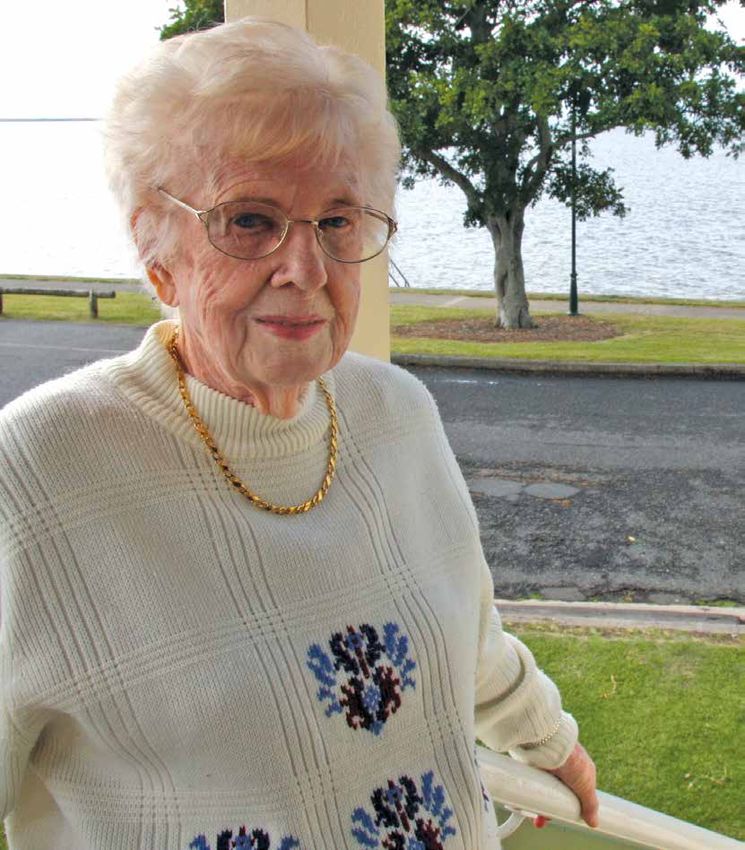
Welcome
On behalf of the Metro North
Hospital and Health Service
and staff, we are pleased to
present our Quality of Care
Report.
As our service levels continue to grow,                                               Kilcoy
we are treating more people than ever                                                 Hospital
before. We continue to plan and build
for the future, using our Health Service
                                                                                                           Caboolture
Strategy 2015-2020 as a guide, to meet                                                                     Hospital
growing demand across our community
for better access to healthcare services
and facilities.
                                                                                                                          Redcliffe
This magazine is designed to highlight                                                                                    Hospital
our diverse services, expertise and                                                                                  Brighton
the safe and positive experiences                                                                              Health Campus
within our public healthcare system.                                                                                    The Prince
It demonstrates how we continue to                                                                                      Charles
innovate and progress our vision to be                                                                                  Hospital
Australia’s leading health service.                                                                         Royal Brisbane
                                                                                                             and Women’s
                                                                                                                  Hospital

Dr Paul Alexander AO
Chair, Metro North Hospital
and Health Board

                                                 Your local health service
Ken Whelan
                                                 Metro North Hospital and Health Service (MNHHS) is the largest
Chief Executive, Metro North
Hospital and Health Service
                                                 and most diverse hospital and health service in Australia.
                                                 We serve a population approaching 900,000 people through the efforts of more than
                                                 16,000 staff and hundreds of volunteers. Our catchment community covers an area
                                                 from north of the Brisbane River to north of Kilcoy, an area of 4,157 square kilometres.
                                                 Services are provided to patients throughout Queensland, northern New South
                                                 Wales and the Northern Territory, incorporating all major health specialties, including
                                                 medicine, surgery, psychiatry, oncology, women’s and newborn, trauma and more
                                                 than 30 sub-specialties.
                                                 MNHHS provides care at all stages of life through a range of services from emergency
                                                 and acute care to mental health, oral health, and rehabilitation and extended care
                                                 services. Dedicated units provide public health and Aboriginal and Torres Strait
                                                 Islander health services.
The Quality of Care Report is available
online at www.health.qld.gov.au/                 The Quality of Care Report is produced as part of Metro North’s Hospital and Health
metronorth/publications                          Service’s commitment to increase community awareness of the safety of and quality
                                                 of its health services.

 2     Metro North Hospital and Health Service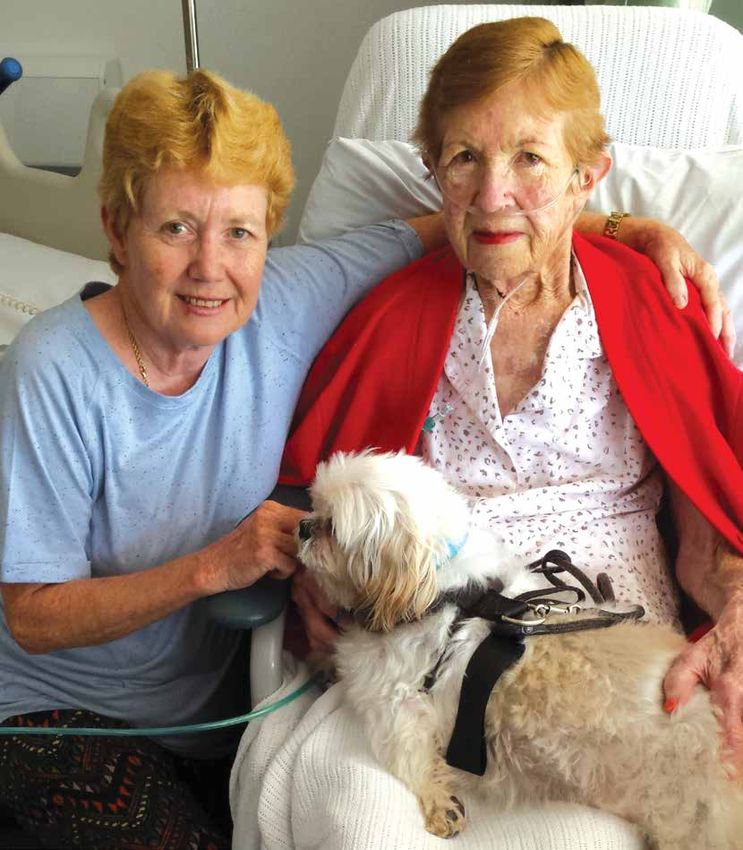
RBWH is the largest tertiary referral
hospital in Queensland with a number of       A yearly glance
specialities including medicine, surgery,
orthopaedics, psychiatry, oncology,
trauma and women’s and newborn
services. RBWH fulfils a significant
teaching and research role with links to
Queensland’s major tertiary institutions.
TPCH is the major tertiary level
cardiothoracic referral hospital for
Queensland, the largest such unit in
Australia, and one of the largest services
of its type in the world. The hospital also
provides emergency, general medical
and surgical services, orthopaedics,
and rehabilitation services, as well as
outreach specialist services throughout
Queensland.
Redcliffe and Caboolture Hospitals are
key facilities servicing fast-growing
populations. Services include emergency,
medical, surgical, orthopaedics,
obstetrics, paediatrics, rehabilitation,
and specialised outpatients clinics. Kilcoy
is a rural hospital providing emergency,
general medicine, and postnatal care.
Mental Health, Oral Health, Subacute
and Ambulatory Care services are
provided from many sites including
hospitals, community health centres,
residential, rehabilitation and extended
care facilities, including the Brighton
Health Campus, and mobile service
teams. Dedicated units provide public
health and Aboriginal and Torres Strait
Islander health services. The state-wide
Clinical Skills Development Centre is
one of the world’s largest providers of
healthcare simulation.

Further information
We aim for an informative, reader-friendly
report. Feedback on how we can further
improve is welcome. Contact us at:
    Metro North Communication Directorate
    Level 14, Block 7
    Herston, Qld 4029
    07 3646 8111
    MD16-MetroNorthHHS@health.qld.gov.au
    www.health.qld.gov.au/metronorth
    facebook.com/metronorthhhs
    twitter.com/@metronorthhhs
    Metro North Hospital and Health Service

                                                                QUALITY OF CARE 2014-2015   3
Maintaining safety and quality
through accreditation
One of the many ways in which Metro North Hospital and Health Service demonstrates to our
community that we are doing our best to achieve excellent standards of safety and quality is through
our accreditation against the National Safety and Quality Health Service Standards.

From January 2013, all Australian                While accreditation is one tool in a range
health services were required to                 of strategies used to improve quality and     Accreditation systems are
be assessed with a new national                  safety in health services, it also provides   considered to comprise five
accreditation program launched by the            the additional benefit of unifying our        key elements:
Australian Commission on Safety and              health services through the common goal
Quality in Health Care (ACSQHC).                 of developing a safe and high quality            Governance or stewardship
                                                 health system for our community.                 function
Metro North Hospital and Health Service
is accredited by the Australian Council          Our Hospital and Health Service
                                                                                                  A standards-setting process
on Healthcare Standards (ACHS).                  systems, processes and practices are
                                                 regularly assessed against best practice         A process of external
Accreditation is public recognition by           standards to ensure standards of safety
a healthcare accreditation body of the                                                            evaluation of compliance
                                                 and quality are met.
achievement of standards by a healthcare                                                          against those standards
organisation. This is demonstrated               In 2014, Royal Brisbane and Women’s
                                                 Hospital (incorporating Mental Health)           A remediation or improvement
through an independent, external peer
assessment of the organisation’s level of        and Metro North Oral Health Services             process following review
                                                 were assessed by the Australian Council
performance in relation to the National
                                                 on Healthcare Standards against                  Promotion of continuous
Safety and Quality Health Service
                                                 National Standards one, two and three            improvement
Standards as well as the ACHS EQuIP
                                                 as well as mandatory criteria of ACHS
National Standards.
                                                 EQuIP National Standards. Our facilities
The standards set a new benchmark not            were successful in meeting all of these
only for us, but for health services across      standards, receiving 19 ‘Met with Merit’
the country, and means our patients and          ratings in the process.
local community can be assured that all          The Prince Charles, Redcliffe, Caboolture
our services meet the rigorous standards         and Kilcoy Hospitals, as well as Sub
applied to the delivery of modern public         Acute and Ambulatory Services, will
healthcare.                                      undergo similar surveys by the Australian
                                                 Council on Healthcare Standards in 2015.

 4     Metro North Hospital and Health Service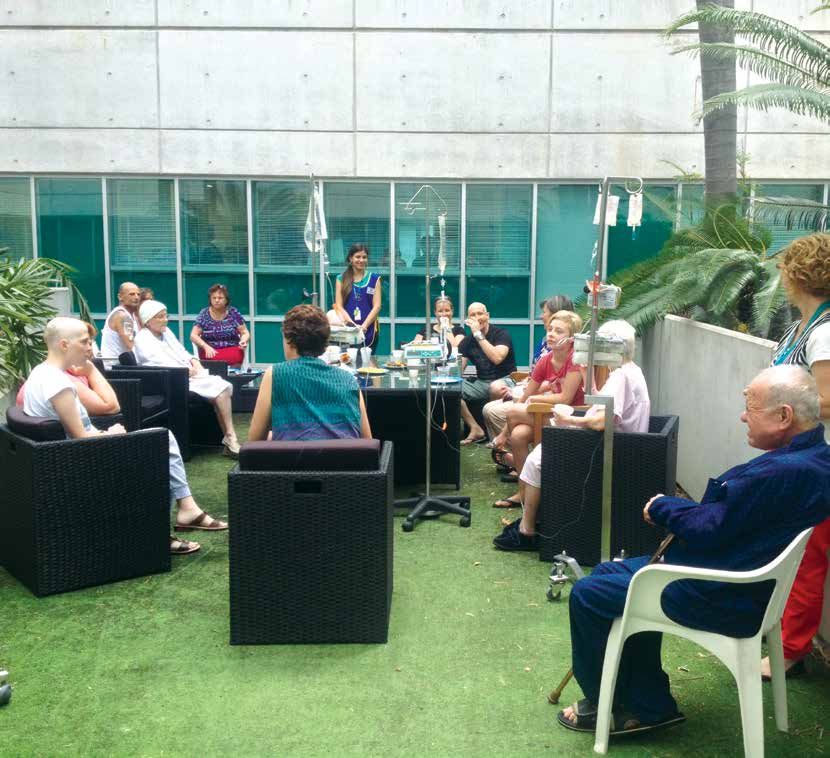
Standard 1: Governance for safety and quality in health service organisations describes the quality framework required
for health service organisations to implement safe systems.

Standard 2: Partnering with consumers describes the systems and strategies to create a consumer-centred health
system by including consumers in the development and design of quality health care.

Standard 3: Preventing and controlling healthcare associated infections describes the systems and strategies to
prevent infection of patients within the healthcare system and to manage infections effectively when they occur to
minimise the consequences.

Standard 4: Medication safety describes the systems and strategies to ensure clinicians safely prescribe, dispense and
administer appropriate medicines to informed patients.

Standard 5: Patient identification and procedure matching describes the systems and strategies to identify patients
and correctly match their identity with the correct treatment.

Standard 6: Clinical handover describes the systems and strategies for effective clinical communication whenever
accountability and responsibility for a patient’s care is transferred.

Standard 7: Blood and blood products describes the systems and strategies for the safe, effective and appropriate
management of blood and blood products so the patients receiving blood are safe.

Standard 8: Preventing and managing pressure injuries describes the systems and strategies to prevent patients
developing pressure injuries and best practice management when pressure injuries occur.

Standard 9: Recognising and responding to clinical deterioration in acute health care describes the systems and
processes to be implemented by health service organisations to respond effectively to patients when their clinical
condition deteriorates.

Standard 10: Preventing falls and harm from falls describes the systems and strategies to reduce the incidence of
patient falls in health service organisations and best practice management when falls do occur.

Standard 11: Service delivery – Implement and use systems to ensure the safe appropriate and effective delivery of
services to consumers/patients.

Standard 12: Provision of care Implement and use systems to provide a comprehensive continuum of care for
consumers/patients.

Standard 13: Workforce planning and management – Implement and use systems to recruit, assess and improve the
performance of clinicians and other staff members.

Standard 14: Information management – Implement and use systems to efficiently and securely collect, use and store
information.

Standard 15: Corporate systems and safety – Implement and use systems and processes to ensure the healthcare
organisation operates safely and efficiently.

                                                                                          QUALITY OF CARE 2014-2015   5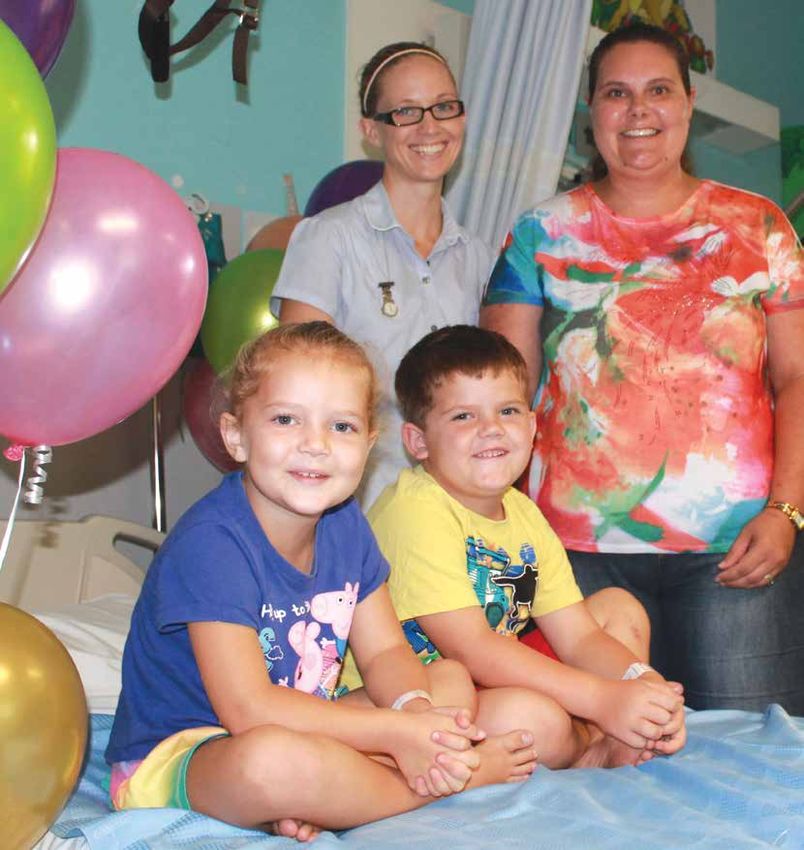
Get to know a
consumer representative
At Metro North Hospital and Health Service, we are listening to our consumers. Diverse
community engagement helps make a positive impact on the delivery of patient-centred
care across our services. Fiona Comber answers some questions about her role as a
Consumer Representative.

Q: How did you come to be a                      During one visit I saw a poster about         My role also includes representing the
                                                 becoming involved in the Family Advisory      experience of other families who might
consumer representative?                         Council at Children’s Health Queensland.      not have the time and energy to attend
When my daughter was born in 2008, it            I got involved and my interest in the voice   meetings and give feedback in that way.
became clear that I was not going to be          of the consumer in health care has grown.     This is certainly true if they are caring for
able to return to work as soon as I had          Fast forward another five years and my        elders or people with a disability, or have
hoped due to her health needs. At the            involvement with the patient community        a disability themselves.
same time my eldest daughter was also            has grown to include establishing a charity
receiving treatment at Children’s Oral           with other parents and carers of children     Q: What is involved in your role
Health Service. We were at the hospital          born with cleft lip and palate called Cleft   as consumer representative?
and visiting a number of health services         Connect Australia. We represent the needs
regularly for appointments for both girls. I     of people with this condition throughout      I attend a meeting once a month
wanted to do something to keep my mind           the lifespan. This includes advocating and    and do some reading in between
active and develop some new skills that I        representing these patients in the services   meetings. I might review a presentation
could add to my resume while I was away          they use, many of which are located within    or read a report and send in some
from the workforce.                              Metro North.                                  feedback over email.

 6     Metro North Hospital and Health Service
In some cases I will meet with a staff
member over the phone or in person if I
have something specific I want to raise. I
also take time to listen to the experiences
of other people who use the service so I
can be informed not just about my own
journey, but other perspectives too.

Q: What do you find most
positive about this role?
The way staff are receptive to the
feedback I give, and seeing how
dedicated and informed staff are behind
the scenes. For example, our experience
in an appointment is really only the tip of
the iceberg for what goes into running a
high quality health service.

In the same way it is very rewarding to
be able to point out that what a clinician
sees in a patient during an appointment
or hospital stay is not the whole story                  Listening to our community...
about that person and their life. Patients
have full lives and are connected to their               Metro North Hospital and Health Service (MNHHS) is committed to
family and their community. This is very                 meaningful and diverse consumer and community engagement and
important to their wellbeing both in that                is focussed on making a positive difference to the delivery of patient-
clinical setting and beyond.
                                                         centred care. We partner with consumer advocacy and community
                                                         organisations and Brisbane North PHN.
Q: What advice do you have for
anyone considering becoming                              The Community Board Advisory Group (CBAG), which was established in
a consumer representative?                               October 2013, provides strategic advice and voices of the communities
                                                         we service to MNHHS planning, service delivery and evaluation.
It’s very worthwhile. Even if you don’t                  Membership of the group is made up of organisations and consumers
see results straight away because the
                                                         who represent the diverse communities based on burden of disease,
wheels tend to move slowly in a big
                                                         high current MNHHS system users and hard to reach populations,
organisation, be patient and hang in
there. Build relationships with other                    those with special health needs, MNHHS and Brisbane North PHN.
consumers and with the people within
                                                         MNHHS and Brisbane North PHN recognise that collaboration is
the organisation that are seeking a
consumer perspective. The patient
                                                         crucial to improving the health and wellbeing of Metro North Brisbane
experience is an essential part of making                communities. Current priorities for collaboration include chronic disease
healthcare better for everyone. Telling                  prevention and management, providing care in the most appropriate
your own story can be very empowering                    setting and avoiding unnecessary hospital admissions, end of life care,
especially in an environment that is                     mental health and Aboriginal and Torres Strait Islander Health.
supportive and where your audience
wants to learn from your perspective.

Opposite: Consumer representative Fiona Comber (right) with Jan Anderson, Nurse Manager/Safety and Quality Officer, Metro North Oral Health Services.

                                                                                                                     QUALITY OF CARE 2014-2015      7
Expert care helps
fulfil a family dream

8   Metro North Hospital and Health Service
When Karen-Kay experienced increased bleeding during her pregnancy, her worst fears were realised.
But the dream she and her husband had of adding to their family were eventually realised through
the care of medical teams at the Royal Brisbane and Women’s Hospital.

When her doctor advised surgery for
a miscarriage, Karen-Kay expected to
be heading home after the procedure.
Instead, she found herself being rushed
to the Royal Brisbane and Women’s
Hospital (RBWH) to be met by a team
of specialists.
“My treating team was unable to control
my haemorrhaging and made the quick
decision to transfer me,” Karen-Kay said.
With her husband, Greg, out of town
for work, and concerned for her young
daughter, Karen-Kay described the
ambulance transfer to RBWH as “scary”.
Arriving at the hospital’s Emergency
Department, she was met by a diverse
team of specialists, including Emergency
Department staff, gynaecology
specialists, interventional radiologists
and maternal foetal medicine staff.
“The hospital sent medical images across
with me, so the team at the RBWH were
well informed and developed a plan to
                                                  Karen-Kay said she and her husband                 “Delivery of my baby was planned to be
treat me very quickly,” Karen-Kay said.
                                                  were kept informed every step of the way           by caesarean section due to the risks
“During that initial period in the                during her treatment. Her care continued           and I was delighted that several of the
Emergency Department at the RBWH,                 with counselling and monthly outpatient            doctors who had cared for me wanted to
I was also well informed. I felt looked           clinics at the RBWH.                               be in the operating theatre to see how
after the whole time.                                                                                it all went.
                                                  Months later when she learnt she had
“The doctors were really honest with me           fallen pregnant, Karen-Kay and her                 “I felt cared for by the whole team
and told me the issues we were facing,            husband returned to the RBWH for                   and was thrilled to have a healthy
the risk associated with the treatment,           antenatal care as a high risk patient with         baby boy.”
and they were clear about the risk to any         the specialist team.
future pregnancies.”                                                                                 There is limited data to guide
                                                  “I was again treated well,” she said.              medical and care teams with regard to
Karen-Kay was diagnosed with a scar               “I saw the same teams throughout, which            maintaining future fertility for this rare
ectopic pregnancy, a rare but potentially         I found comforting.                                type of condition, however the team
life threatening condition.                                                                          at the RBWH had experienced similar
                                                  “Even the staff doing my scans knew me
With her husband now by her side, they            and all the teams kept me up to date               cases and employed a treatment plan,
discussed their wish for more children            throughout the pregnancy on what they              which would deliver safe care and
and doctors agreed to try a conservative          saw in the scans and when doing my                 support Karen-Kay’s wishes to the best
care plan.                                        assessments.”                                      of their ability.

Opposite: Karen-Kay and her children Dakota and Lawson. Above: Karen-Kay and husband Greg, their children Dakota and Lawson and members of their
expert obstetrics and gynaecology care team Dr Renuka Sekar, Dr Akram Khalil and Dr David Baartz.

                                                                                                                  QUALITY OF CARE 2014-2015        9
A prescription for improved
medication safety
Medication safety is a priority across our hospitals to ensure a positive experience for patients. Effective
communication between Metro North Hospital and Health Service (MNHHS) pharmacists, doctors and
nurses is improving medication management and providing better health outcomes for patients.

Medicines are the most common                         nursing staff to provide self and peer                accurate picture of what they are taking,
treatment used in health care and range               evaluation and immediate feedback to                  and how they are taking it.
from sedatives and pain relief for a day              junior doctors, nurses and pharmacists
                                                                                                            “Before a patient receives any medication
only surgical procedure to antibiotics to             to guide their development and ensure
                                                                                                            during a hospital stay they will always
long term cardio-vascular drugs. As such,             medication safety best practice,”
                                                                                                            be asked questions by their pharmacist,
medications can be associated with a                  Dr Coombes said.
                                                                                                            doctor or nurse to ensure the right
higher incidence of errors and adverse
                                                      Junior doctors reacted positively to the              medication is correctly administered.
effects than other healthcare treatments.
                                                      self and peer evaluation and feedback,
                                                                                                            “On average, people will leave hospital
Dr Ian Coombes, Director of Pharmacy                  with a majority acknowledging it as
                                                                                                            with nine medications. During hospital
at Royal Brisbane and Women’s Hospital                a “good learning experience” and
                                                                                                            stays, there can be four, five or six
(RBWH), said medication errors can                    “beneficial to improve prescribing”.
                                                                                                            changes to medicines.
and do occur in some instances, but                   Nurses also reported that individual
the majority are detected and corrected               feedback had raised awareness of                      “Having accurate information allows
before they affect the patient.                       strengths and weakness and allowed                    patients to be informed about their
                                                      them to take accountability for their                 medicines, helps us prepare for a patient’s
To oversee efforts that prevent and
                                                      practice and make improvements.                       discharge and reduces the chance of them
reduce the likelihood of errors, Dr
                                                                                                            having problems with your medicines
Coombes said RBWH had implemented                     “Effective communication between the                  when they go home. It also ensures the
significant systems changes, such                     people who deliver care and those who                 patients’ GPs are able to safely continue
as standardised medication ordering                   receive care can help prevent medication              therapy after they go home.”
and administration systems, “Smart                    errors,” Dr Coombes said.
infusion pumps” that control the rate                                                                       Dr Coombes said RBWH has taken a
of medication infusions and automated                 “Due to the complexity of a patient’s                 leading role in the development, testing
medication distribution systems that                  medications, it is important to ensure                and implementation of many best practice
are being put into our emergency                      they receive the right medicine in the                standards and is ranked among the
departments.                                          right dose at the right frequency.                    top hospitals in Australia for a number
                                                      “As patients come in, they will be asked              of initiatives which have resulted in
“In addition we are working to apply
                                                      what medications they are taking.                     statistically significant improvements in
the successful model already used
                                                      This information is critical in building an           medication safety.
with pharmacists with medical and

Opposite: Clinical Educator, Brooke Myers (right), with junior pharmacist, Kate Streatfeild. Opposite inset: RBWH Clinical Pharmacology Registrar,
Dr Richard Friend (right), provides medication management feedback to Senior House Officer, Dr Joel Thomas.

10     Metro North Hospital and Health Service
Medication list provided to patients Verbally counselled
on discharge per week (as % of discharged (not collected for May 2015)
Internal medicine medication scripts reviewed by pharmacist)
administration observation
and feedback 2015 267 (102%)
Providing direct feedback to individual
nurses resulted in significant 264 (98%)
improvement in a range of medication 2014
safety targets, including: 250 (93%)
Identification check increased
188 (96%)
from 57.6% to 98% 2013
211 (84%)
Adverse Drug Reaction (ADR)
checks increased from 45%
to 93% 162 (66%)
2012
Inappropriate dose omissions 195 (79%)
halved from 5.1% to 2.5%
Interruptions by nurses decreased 103 (22%)
from 4.3% to 3.2% 2011
134 (63%)
Wrong infusion rate decreased
from 17% to 0.1%
0 50 100 150 200 250 300
QUALITY OF CARE 2014-2015 11I’ve been told how much of
a miracle it is that I am alive.”
Surviving
the odds
Brett Goodban is alive today
thanks to the efforts of doctors
around the world to get father
of three home to Australia for
life-saving medical treatment.
12 Metro North Hospital and Health ServiceBrett contracted an aggressive strain Brett’s acknowledgement of his sister’s Brett was reassessed by intensive care
of flu which attacked his heart while voice as she spoke to him, with small and heart failure specialists at TPCH to
holidaying in Japan at Christmas 2014. tears trickling from his eyes, was the sign plan the next round of treatment. This
Dr Ziegenfuss was looking for. involved an operation to remove a blood
Days into what was meant to be a trip
clot in his lungs and another procedure
of a lifetime with his Japanese-born This set in motion a massive
wife, Ami, their three young sons Senna, to change over his mechanical cardiac
logistical operation with collaboration
6, Luca, 3, and baby Kimi, and his sister support to take pressure off his heart.
between doctors from The Prince
Tania and her family, the Cairns dad In the following weeks, Brett’s condition
Charles Hospital, Chiba Hospital in
was admitted to Chiba Hospital after improved with support from a full
Japan, Queensland’s air ambulance
feeling unwell. multidisciplinary team of hospital staff.
service, Careflight, the Alfred Hospital in
He had contracted a severe case of viral Melbourne, which runs one of Australia’s His once ailing heart had recovered to
pneumonia, triggered by an aggressive leading ECMO retrieval services, and near normal and he was successfully
strain of influenza which attacked his Brett’s travel insurance company. removed from the device that had
heart. He developed a blood clot that ultimately sustained his life.
The mission to transfer Brett from
travelled to his lungs and blocked an Tokyo to Brisbane proved more difficult Brett has no memory of the events
artery, causing a cardiac arrest. than usual. He was dependent on the that occurred from his admission to
Japanese doctors resuscitated the ECMO machine to provide oxygen to his Chiba Hospital to when he woke six
41-year old and connected him to a body and support his blood pressure. weeks later in TPCH’s Intensive Care Unit.
ventilator, to help him breathe. They The bulky ECMO machine required
“I had no idea what was going on.
also hooked him up to extracorporeal continuous reliable power and oxygen,
It was surreal,” he said.
membrane oxygenation (ECMO), a and, Brett was receiving additional
heart-lung bypass machine that re- complex life support. On March 24 this year, three months after
oxygenates the blood and pumps it back he was admitted to Chiba Hospital, Brett
While Brett’s situation was tenuous, a
into the body. was released from hospital and returned
Challenger 604 jet acquired by Careflight
As Brett’s life hung in the balance, his to his home in Cairns. His doctors say it
only weeks before was a sturdy and
family realised they had to get him will take around a year for Brett to fully
timely addition to its fleet and central
back to Australia for the best chance of recover.
to the success of the repatriation. It
survival. could house the medical team of three “I’ve been told how much of a miracle it
As Queensland’s leading ECMO doctors, a nurse, three pilots and over is that I am alive,” Brett said.
centre and only heart transplant 100 kilograms of medical equipment that
While Brett didn’t get the chance to meet
service, The Prince Charles Hospital would enable Brett to survive the nine
many of his lifesavers, he has absolute
was well positioned to receive Brett for hour flight covering 7,000 kilometres.
gratitude for all the people, locally,
ongoing medical support, but needed According to Careflight, Brett’s return
nationally and internationally who made
to determine whether Brett was well to Queensland may be the longest ever
his survival possible.
enough to be repatriated over such a civilian transport of a patient on ECMO.
long distance. “It’s hard to put into words how grateful I
Brett arrived at TPCH at 2am on January
am,” he said.
TPCH’s Intensive Care Unit Director, 13 with two specialists from the hospital
Dr Marc Ziegenfuss spoke with Brett’s as his receiving team, as well as a team “These amazing people have given me
sister, Tania Lyon, as she sat at her of nurses and perfusion specialists. The the greatest gift of all. I’m alive to watch
brother’s bedside while he lay in a coma. team at the Alfred had expertly managed my beautiful boys grow up and spend
He needed evidence that would affirm his Brett’s condition through the transfer the rest of my life with Ami. It doesn’t get
decision to bring Brett home. with essentially no ill side effects. better than that.”
Opposite: ‘Miracle man’ Brett Goodban with his wife Ami and children, Luca, 3, Senna, 6, and Kimi, 1. Brett’s alive today thanks to the efforts of doctors
around the world to get him home to Australia for life-saving medical treatment. Photo courtesy The Courier-Mail.
QUALITY OF CARE 2014-2015 13Care and comfort for
our most vulnerable
Caring for some of the most Dr Yelland said an example of the
combined care offered to patients
vulnerable people in our in the unit manifested late last year
community depends on the when patient Dave* was admitted
skill and compassion of the to the unit after his symptoms of
talented team who run the dementia progressed.
Delirium and Falls Unit (DAFU) “While he was a complex patient,
at Redcliffe Hospital. the nursing staff understood his
background and his present needs.
Many of the patients in the unit have Every effort was taken to ensure his He did not always remember who his
dementia, which means they have had dignity and comfort. His restlessness wife was, but staff recognised he retained
a deterioration in their ability to think and confusion were reduced as much a fondness for her when she visited.
and to look after themselves. There are as possible,” Dr Yelland said. His wife became an integral part of
a number of causes of this, but the most
“One of the most important aspects the DAFU ‘family’ to ensure quality of
common are Alzheimer’s disease and
of the treatment of Dave and other life for Dave. With her guidance, nursing
vascular dementia.
patients with active delirium or staff danced with him, took him out into
Redcliffe Hospital Director of Medicine dementia is familiarity. the garden and read to him from his
and Older Persons Service, Dr Catherine favourite columns in the Redcliffe Herald,
Yelland, said the disease may affect “As health care staff in DAFU, we make an activities which Dave liked to do and
memory, language, perception, extra effort to discover the familiar things which reduced some of his restlessness
personality and cognitive skills. our patients enjoyed when they were well and confusion.
and try to introduce those aspects of their
“Dementia has profound consequences life into their hospital stay.” Dr Yelland said that understanding both
for health and quality of life for people the disease and the patient are the keys
with the condition and also for their Part of that familiarisation involves to providing quality patient-centred care
family and loved ones,” she said. talking with the families, wives and and quality of life for patients like Dave.
husbands to explore what might
The DAFU team is highly qualified to help trigger happy memories. “Every one of our staff in DAFU has
these patients, with the help not just training in occupational violence
confined to those occupying beds, but to Dave developed difficulty understanding protection (OVP) which helps them to
their family members who can be just as speech and difficulty communicating stay as safe as possible and to recognise
beneficial in the treatment and stability verbally. He had trouble recognising when a patient may inadvertently act
of the patient. familiar faces and everyday objects. out at those trying to help.
14 Metro North Hospital and Health ServiceBeing aware of what dementia can do to
people and helping them feel comfortable
with scenarios familiar to their life when they
were well, is the type of care which sets DAFU
apart from other types of hospital care.”
“Being aware of what dementia can
do to people and helping them to feel
comfortable with scenarios familiar to
their life when they were well, is the
type of care which sets DAFU apart
from other types of hospital care.”
Recognising familiarity as a key to
patients’ wellbeing in the early stages
of dementia is likely to lead to a
‘Dementia in the Home’ program where
patients remain at home in familiar
surroundings with visits from DAFU staff
who can support not only the patient, but
the extended family in the community.
*Name has been changed for patient privacy
Right: DAFU nurses Karen and Renee play
cards with a patient in the new activity room.
QUALITY OF CARE 2014-2015 1516 Metro North Hospital and Health Service
Managing chronic disease
in the community
A new model of care for managing chronic disease is helping
reduce the amount of time patients need to stay in hospital.                                                   Since its introduction,
                                                                                                               the Integrated Chronic
                                                                                                               Disease Model of Care
Pamela Steele, is a former nurse at                   a network of health professionals Pamela
Redcliffe Hospital, and one of more                   can call on at any time if she is unsure
                                                                                                               program has achieved:
than 200 patients to sign up to the                   where the disease is taking her.
Integrated Chronic Disease Model of Care                                                                            a reduction in the length of
program, which is run by the hospital                 “If I feel anxious about what is                              the average stay in hospital
in collaboration with Brisbane North                  happening to me I can just pick up the                        is now just under 17 hours,
Primary Health Network (PHN) Team Care                phone. I can get the information I need                       which gives more patients
Coordination nurses.                                  from the phone, or one of the Chronic                         greater access to acute
                                                      Disease Team will be on my doorstep
She said the program has given her                                                                                  inpatient medical beds.
                                                      if the situation is serious enough,”
a confidence she never dreamed of a
                                                      Pamela said.                                                  a decreased readmission
couple of years ago.
                                                      “Before the program was introduced                            rate from three to an average
As the primary carer for her husband and                                                                            of 2.4 patients requiring
coping with her own chronic obstructive               I would probably have to call an
                                                      ambulance and go through all the                              readmission per month.
pulmonary disease (COPD), Pamela was
feeling the toll and felt she was doing it            admission procedures at the hospital
                                                                                                                    a 50 per cent reduction in
all alone.                                            which takes up time and space which
                                                                                                                    the number of acute medical
                                                      may be needed for acute patients.”
“I was going to have to spend a lot more                                                                            beds occupied by this group
time in hospital than I felt I could afford,          Integrated Chronic Disease Model of                           each month.
particularly when I needed to be taking               Care program Project Manager, Tracey
care of my husband,” Pamela said.                     Duke, said the care model was achieving                       an increase in the hours per
                                                      positive results in both patient care and                     day ED staff can manage
Now, the program is keeping her out of
hospital for the most part and providing              patient flow at the hospital.                                 other patients.

                                                  A self-management approach to managing
                                               chronic disease at home means patients are less
                                               stressed and more aware of their symptoms.”

Opposite: Patients like Pamela Steele, pictured here with Redcliffe Hospital Chronic Disease care Nurse Gordon Cox, are being helped to stay out of hospital
through programs such as Redcliffe’s Integrated Chronic Disease Model of Care.

                                                                                                                         QUALITY OF CARE 2014-2015       17
It’s really good to have this surgery delivered locally. A lot of families are going to benefit from having their surgery here.” Above: A new Ear, Nose and Throat (ENT) service was welcomed by staff, families and patients at Caboolture Hospital. Young patients Elouise and Jackson Bates were among of the first to receive minor surgery for ear, nose or throat conditions. Pictured here with registered nurse Erin Mampara and mum Melissa Baker. 18 Metro North Hospital and Health Service
Children’s ENT
service cuts travel
time for families
For Ningi mum Melissa Baker, the addition of a new Ear, Nose
and Throat (ENT) service at Caboolture Hospital is very welcome.

The new service means that her              “Children requiring minor surgery, such
children, Elouise and Jackson Bates,        as the adenoid removal and perforated
did not have travel the distance to         ear drum repairs can now be treated at
hospitals in the city for minor surgery     the clinic at the hospital,” Dr Le Ray said.
for ear, nose or throat conditions.
                                            “We have been working very closely
Melissa said that both her children         with specialist staff from Lady Cilento
had grommets inserted, and Jackson          Children’s Hospital to identify local
had his adenoids checked at                 children on the wait list whose
Caboolture Hospital.                        conditions can be treated here.

“I am very relieved that I didn’t have      “A highly respected and experienced
to travel to the city as it can turn into   surgeon Dr Andrew Chang, from Lady
a very expensive day with meals and         Cilento, is performing the procedures
parking,” she said.                         and conducting outpatient clinics at
                                            the hospital.”
“It is really good to have this surgery
delivered locally. A lot of families are    The introduction of the service at
going to benefit from having their          Caboolture follows the enhancement of
surgery here.”                              children’s services and the opening of
                                            the only specialist children’s audiology
Caboolture and Kilcoy Hospitals             service in north Brisbane.
Executive Director Dr Lance Le Ray said
the introduction of the ENT service         The new service is part of a broader
was an exciting milestone for the local     Metro North Hospital and Health Service
community.                                  strategy to provide better access to safe
                                            and family-centred health services where
                                            they are needed in the community.

                                                        QUALITY OF CARE 2014-2015      19
Small hospital with a big heart
and the personal touch
Ask Gaye Ballantine how program under the direction of allied falls, musculoskeletal injuries or heart
health staff at the hospital. attacks,” she said.
good the care her 88 year-
old mother received at Kilcoy “If it wasn’t for the physiotherapist my “Visits from allied health staff in the areas
mother wouldn’t have been able to sit of occupational therapy, speech therapy
Hospital and her response up or eventually become more mobile,” (pathology?), physiotherapy, psychology
is similar to the majority of Gaye said. and social work has increased.
patients and family members “The physiotherapist was very helpful, “A full-time allied health assistant
that experience the hospital. and through their support, my mum was continued the rehabilitation program in
able to eventually come home.” between visits from specialists.”
“Kilcoy Hospital is the hidden gem of
Queensland Health. It is an amazing Caboolture and Kilcoy Hospitals Allied Donna said Marion had access to existing
country hospital, very well organised, Health Director Donna Ward said the medical staff at the hospital, and regular
with very caring staff,” Gaye said. expansion of allied health services in telehealth conferences with a senior
2015 was important to improve inpatient doctor from Caboolture Hospital.
This sentiment is also backed up by and outpatient support services at Kilcoy.
the newly released Small Hospitals Gaye couldn’t thank the Kilcoy Hospital
Patient Experience Survey 2014, which “Four existing hospital beds have now Director of Nursing Lyndie Best for her
shows that 93% of patients and families been dedicated to elderly patients support, and in particular allowing Oliver
rate the quality of care at Kilcoy Hospital recovering from various conditions like to visit. – couldn’t thank her enough?
as very good or good.
Gaye also praised all of the nurses
and doctors at Kilcoy Hospital for the
personal care that her mother, Marion Small Hospitals Patient Experience Survey 2014 – Kilcoy
Julian, received after a heart attack at
age 88.
“Through their support, and regular
visits from her Shih-Tzu, Oliver, mum not
only left palliative care, but was able to
92% 90% 84%
go home, safe and well,” Gaye said.
“When Oliver arrived, I saw mum’s
eyes light up and it wasn’t long before
she rallied,” she said.
“Oliver had such a wonderful effect 92% of patients 90% of patients 84% of patients
on mum and all of the patients. All the said they were believed they received the said that they had the
ladies and staff at the hospital loved to
treated with respect right amount of information opportunity to speak to
see him each time he visited.”
and dignity about their care from about the care their family
After her initial improvement, Marion had doctors and nurses member was receiving
to undertake an intensive rehabilitation
Opposite: Gaye Ballantine (left) and her mother Marion, who was thrilled to be visited by her pet Shih-Tzu, Oliver, during her stay at Kilcoy Hospital.
20 Metro North Hospital and Health ServiceKilcoy is an amazing country
hospital, very well organised,
with very caring staff.”
QUALITY OF CARE 2014-2015 21A pharmacy at the bedside
Making a trip to the pharmacy while you are in hospital is not always possible,
but an extended service at Redcliffe Hospital is taking pharmacy to the wards.
Pharmacists at Redcliffe Hospital This assists the doctors and nurses in The pharmacist will also give advice
are helping patients of all ages terms of getting the right medication to on dosage, availability of medications
progress through their hospital journey the right person at the right time.” and has a clear understanding of all
quickly and seamlessly as more and available medications, particularly with
Patients are assured of a very high
more pharmacy work is performed on degree of safety when dealing directly a plethora of new drugs available in the
the wards. with the pharmacists. marketplace.”
Director of Pharmacy at Redcliffe Pharmacists working in the Emergency “Pharmacists’ major focus in the hospital
Hospital for the past 15 years Derek Department (ED) play a particularly setting is concentrated on the judicious
Just said the pharmacy in the ward intricate role when patients are use of medicines and managing overuse,
program at the hospital has taken presenting off the street or are brought particularly of antibiotics.
dispensing to a new level, freeing up in by ambulance. Redcliffe Hospital was “We are concentrating on antimicrobial
medical and nursing staff to see more the first in Queensland to introduce a full stewardship at the moment and have
patients with an assurance all patients seven-day pharmacy service to the ED. just recently appointed staff to promote
are going to get the correct medications.
“Pharmacists in the ED will take a full judicious prescribing of antibiotics.
Derek introduced a plan to provide medication history to get a current picture “Now, the majority of our population is
clinical pharmacy in the ward, which of all the medications a patient is taking,”
ready to accept that they need to know
aims to take the pharmacist to the Derek said.
what they are taking, to know the side
patient to assist the doctors and nurses.
“Often the pharmacist will notice any effects and be responsible with their
“The pharmacy service has now contraindications involving the drugs medications.
established itself as something that is currently being taken or likely to be
“As time goes on we’ll find there will
very useful,” Derek said. prescribed during the ED presentation.
be less dependence on a pill to cure
“The pharmacist will record a patient “This ensures the patient is safe, is problems and we will be looking at the
history and then provide a medication receiving the most appropriate medication psychological aspects and other means
action plan. and is receiving it in a timely manner. of treating conditions.”
While you are Please bring a list of all medicines you take and any recent changes that have
been made. This includes all prescription medicines and those purchased in a
in hospital... pharmacy, supermarket or health food shop. These medicines will be reviewed
by your treatment team. Please advise us of any unexpected or allergic
reactions you have had to any medicine in the past.
Opposite: Director of Pharmacy at Redcliffe Hospital, Derek Just, has introduced a program to provide clinical pharmacy in the ward.
22 Metro North Hospital and Health ServiceBenefits of a bedside
delivery program include:
Assists in speeding up
the discharge process.
Saves patient a trip to the
pharmacy, eliminating
ambulation issues.
Prescriptions are processed
and delivered to patients.
Pharmacists can provide
counselling and education
face-to-face at bedside.
Improves patient safety.
QUALITY OF CARE 2014-2015 23Cancer care model provides safety
net for patients and their families
Royal Brisbane and
Women’s Hospital does
on average 150 bone
marrow transplants
in one year.
Above: Nicholas Bridgeman and his mum, Sue.
24 Metro North Hospital and Health ServiceAt just 29 years of age, Nicholas Department and overnight admission. “The patients are also given an
Through early detection, most symptoms information card to present if an
Bridgeman is already fighting can be managed within the ambulatory ambulance must be called, to ensure
his second battle with Acute and day therapy units. the specialist care required can be
Lymphoblastic Leukaemia. “The important message we give our provided on arrival at hospital.
Nicholas was first treated for the patients is to address symptoms early, “Feedback shows that cancer patients
blood cancer in 2010 and went into and that no issue is too trivial,” said feel less alone knowing there is someone
remission, but relapsed in 2014. Gillian Nasato, Acting Nursing Director, to call for advice, support, treatment, and
RBWH Cancer Care Services. a plan for feeling better.”
He received a bone marrow transplant
at Royal Brisbane and Women’s Hospital When Nicholas’s temperature spiked to Family and friends of patients undergoing
(RBWH) in March, and attends the 39 degrees in April, his mum Sue called treatment for cancer are also supportive
Oncology Day Therapy Unit (ODTU) as the number provided. After discussing his of the model as it is perceived as
an outpatient for blood transfusions. symptoms, staff encouraged Nicholas to providing a safety net for their loved
return to the Day Therapy Unit immediately one. This has certainly been the case for
When Nicholas was discharged and he was admitted to hospital when a Nicholas and Sue.
from RBWH following the bone marrow bed became available.
transplant, he received information on The Royal Brisbane and Women’s
possible symptoms and contact details After a few weeks of inpatient care,
Hospital is the only organisation in
to use without delay if he felt unwell Nicholas was well enough to return home.
Queensland listed with the Australian
at home. “One phone call can be enough to Bone Marrow Donor Registry. All
RBWH Cancer Care Services has long reassure the patient, establish a treatment Queensland donors must come to the
used this model of care, which enables plan or determine if it is, in fact, necessary hospital for assessment and collection
outpatients like Nicholas to avoid for the patient to present to the Emergency of stem cells.
unnecessary trips to the Emergency Department,” Gillian said.
Excellence in cancer care research
The Cancer Nursing Professorial Precinct aims to bring the brightest minds
together and embed research into clinical practice. This strategic collaboration
between cancer nurses at the Royal Brisbane and Women’s Hospital,
Metro North Hospital and Health Service and the world-class academics at
Queensland University of Technology, fosters innovation in a highly complex
and challenging area of healthcare. The Precinct was established by visionary
leaders in Cancer Care to inspire and motivate nurses to contribute, develop,
learn, innovate and create.
The Precinct has enabled an open channel for collaboration and communication
between managers, clinicians and academics; regular on-site research and
practice development consultation clinics with a Professor of Cancer Nursing;
and effective leadership strategies for the dissemination and uptake of latest
knowledge generated by the Precinct.
The Precinct is guided by eight principles which are essential for ensuring all
initiatives within the Precinct are truly consumer-centred and are enhancing
cost-effective clinical practice.
QUALITY OF CARE 2014-2015 25P.A.R.T.Y. helps youth
make the right choices
More young people can Immensely popular with Brisbane high Since commencing in 2010, more than
schools, the P.A.R.T.Y. (Prevent Alcohol 4,000 students between the ages of 15
now join the P.A.R.T.Y. and Risk-Related Trauma in Youth) and 19 have attended the program.
program is run by the Royal Brisbane
(Prevent Alcohol and Risk- and Women’s Hospital (RBWH) Trauma
The program has been expanded to
give more young people the opportunity
Related Trauma in Youth). Service to educate young people on risks, to participate.
consequences and injury prevention.
In 2013, a modified half-day program
Almost 40 per cent of deaths in teenagers was taken to schools to reach a larger
and young adults under the age of 25 are audience, over 100 students at a time.
the result of road trauma. It is the first school-based program of
its kind in Australia.
Road trauma is P.A.R.T.Y. delivers a powerful message
to young people about road safety, The hospital-based P.A.R.T.Y. program was
still one of the most consequences of bad decisions and the
effects of alcohol and drugs before they
also introduced at Nambour Hospital in
2013 and Gold Coast University Hospital
common causes learn to drive. in 2015, with RBWH the state-wide
coordinator of these programs.
of mortality and Through a series of hands-on activities
and exposure to trauma patients, the The P.A.R.T.Y. team at the RBWH have
catastrophic injury program gives students the ability to plans to roll out the program to other
recognise and prevent potential injury- hospitals in Queensland as well as an
in youth.” producing situations and adopt behaviour Outreach P.A.R.T.Y. program to rural and
that minimises unnecessary risks. remotes centres.
Above: Students from Mueller College follow the journey of a trauma patient with RBWH Department of Emergency Clinical Nurse Consultant Simon Dodson.
26 Metro North Hospital and Health Service“P.A.R.T.Y. was an initiative of the Do you think the P.A.R.T.Y. Program will make a difference to
RBWH Trauma Service and would not be the way you think about your actions in the future?
possible without the tireless dedication
of staff across the multidisciplinary
Pre-Program responses Post-Program responses
departments of both hospitals involved in
the delivery of these programs,” program
coordinator Tracey Daelman said. 3000 2843
Student Rose McGrail said she was
not prepared for the way the P.A.R.T.Y 2363
2500
program would affect her.
Number of students (3955)
“I think everyone needs to go through
something like that to fully understand 2000
the effects of risk-taking behaviours. It
was so confronting and I felt so drained
afterwards,” Rose said. 1500
“Despite the fact that I felt drained, 1006
on my way home the impact of the 1000
day really settled with me and I think 781
that is a success in itself. To have this
profound impact on someone is one 429
500
step closer to a positive change, to 185
89 121
preventative behaviours which could 25 68
possibly save a life.” 0
Not at all Not really Probably Definitely Not answered
QUALITY OF CARE 2014-2015 27Improving the New programs introduced at Metro North
Indigenous Hospital and Health facilities are helping to
ensure thousands of Aboriginal and Torres
patient journey Strait Islander patients receive culturally
appropriate care.
Visiting a hospital can be an Once at the hospital, patients receive “The programs are designed to make
overwhelming and stressful experience support from the Indigenous Hospital our people feel as comfortable as
for Aboriginal and Torres Strait Islander Liaison staff. possible, to keep them connected
people, but new programs operating with their community and ensure they
Director of the MNHHS Aboriginal and
across Metro North Hospital and Health don’t feel they have to go home until
Torres Strait Islander Health Unit, Angela
Service are achieving positive outcomes. they are fully recovered.”
Scotney, said IHLO staff act as advocates
Improving the Patient Journey (IPJ) and for patients and ensure they are treated
Indigenous Hospital Liaison (IHLO) in a culturally appropriate way when
programs are bringing a newfound accessing mainstream services.
confidence to Aboriginal and Torres Strait
“Each month the Indigenous hospital
Islander patients by giving them access
liaison officers see an average of
to culturally appropriate care.
500 patients for a variety of health
The IPJ program, launched last year, conditions, including acute and
is already achieving great results for chronic illnesses,” Ms Scotney said.
patients travelling from rural and remote
“We have now increased our after-
communities across the state. In the
hours services at the Royal Brisbane and
three months from January to March
Women’s Hospital and The Prince Charles
2015, 134 patients accessed the service
Hospital, which is particularly important
from as far as the Cape York Peninsula to
as many patients come from outside
northern New South Wales.
of Brisbane and they don’t
The program supports Aboriginal and have family support here.
Torres Strait Islander people who need
to travel to Brisbane for medical
treatment at the Royal Brisbane and
Women’s Hospital (RBWH) or The Prince
Charles Hospital (TPCH).
A range of services is provided to
assist patients and their escorts/carers
throughout their health journey.
Right: Safety and Quality Officer Natasha White with the Effort Tracker app.
Opposite: Carolyn Little and Evan Blackman are just two of the patients
whose journey has been improved thanks to new IPJ programs.
28 Metro North Hospital and Health ServiceCarolyn Little has visited the Royal Brisbane and Women’s Hospital on several
occasions over the past few years to receive treatment for a kidney condition.
“The IPJ program is exactly what we need. It’s a great initiative for Aboriginal
and Torres Strait Islander people to receive help when they travel to hospital
and to feel at ease with the staff.
“We are independent people, but I’m realising we need to accept the help.
It takes a huge weight off our shoulders to know we have assistance with
travel and food expenses when we are at hospital. It’s also reassuring that we
have someone to help us while we are in the hospital through the Indigenous
Hospital Liaison Service.”
Metro North Hospital and Health Service’s Aboriginal and Torres Strait
Islander Health Unit (A&TSIHU) is working on a pilot program designed to Evan Blackman, from the Gorang Gorang
record the patient experience while streamlining reporting processes and to country in Bundaberg, was transported to
aid in improving quality of care and staff work efficiency. Brisbane recently for lifesaving surgery.
The Effort Tracker, will record on the spot accurate, relevant and timely data He settled in Nambour years ago and
in regards to an Aboriginal and Torres Strait Islanders patient journey which helped establish the Murri Court in
will help inform service provision, resource allocation and policy development Caloundra and Caboolture. It was here
and to enable comparisons with non-Indigenous outcomes. he met MNHHS Patient Journey Liaison
Officer Robert Brown who was working
A&TSIHU Safety and Quality Officer, Natasha White (pictured left) said the
with youth in the Caboolture area. Evan
custom-built application works across multiple platforms – computer, tablet
said he was pleased to see Robert and
and smart phones.
felt comfortable knowing Indigenous
“The application will streamline the way A&TSIHU hospital staff, including staff were on hand to help.
Indigenous Hospital Liaison, Indigenous Patient Journey, Cultural Capability
Officers and Safety and Quality services record patient information. “I had four staff members sitting in my
room the other day, all having a yarn.
“Our aim is to support staff to accurately report against Key Performance It was handy to know the Indigenous
Indicators to reduce “not stated” in the Indigenous identification, reduce the Patient Journey and Indigenous Hospital
number of Indigenous people discharging against medical advice and reduce Liaison Officers were here to help.
the number of potentially preventable hospitalisations.” They checked in regularly to make
The program is being trialled in June/July 2015, with the results to determine if sure I was OK and we discussed family
the final product will be rolled out to all A&TSIHU staff across Metro North facilities. connections.”
QUALITY OF CARE 2014-2015 29Above: Recovering stroke patients like Russ Noyes have a new device to help them work on regaining control of their hands. A mechanical arm allows him to incorporate hand functionally in therapy and at home by supporting the weakened wrist, hand, and fingers. 30 Metro North Hospital and Health Service
Stroke patients get                                                                           The National Stroke
                                                                                              Foundation recommends

a new grasp on life                                                                           the F.A.S.T. test as an easy
                                                                                              way to remember the most
                                                                                              common signs of stroke:
Being able to brush your teeth or hold a coffee cup are simple,
                                                                                              Using the F.A.S.T. test involves
everyday tasks most of us take for granted. For stroke patient Russ
                                                                                              asking these simple questions:
Noyes, they are significant milestones on the rehabilitation road.
                                                                                                         Face
Russ suffered a devastating stroke           “We’ve already seen some great results                      Check their face. Has
in September 2013, which left him            and we have patients practicing for up to                   their mouth drooped?
paralysed on one side of his body and        90 minutes on the device as part of their
unable to speak or walk.                     daily rehab program.”
                                                                                                         Arms
Nearly two years on, he made significant     Paul said the device is capable of teaching                 Can they lift both arms?
progress in his recovery and regained lost   the brain to re-program itself and allows
independence thanks to a rehabilitation      patients to re-learn how to use their hands
program managed by occupational              through functional repetitive activity.                     Speech
therapists and physiotherapist                                                                           Is their speech slurred?
                                             “It enables patients to regain use of
from Brighton Health Campus and a                                                                        Do they understand you?
                                             their arms and hands, giving them back
mechanical arm.
                                             independence and improving their
The arm now has been added to the            quality of life.                                            Time
rehabilitation program for patients          “As well as doing traditional therapy
                                                                                                         Time is critical. If you see
who have suffered a stroke or another        exercises, clients will be able to                          any of these signs call
neurological condition. It uses dynamic      immediately use their hands to perform                      000 straight away.
and static splinting systems to allow        everyday tasks, which we hope will
stroke or serious brain injury patients      advance their recovery.”
retrain their muscles and brain to regain
lost function.                               Russ, and his wife Kerry, purchased
                                                                                           The rehabilitation unit at Brighton Health
                                             their own mechanical arm September
Clinical Lead Physiotherapist at Brighton                                                  Campus now has nine devices available
                                             2014 and have set up a rehab program
Health Campus Paul Bew said the                                                            for stroke and neurological patients.
                                             at home to progress Russ’s recovery
rehab unit acquired the new technology       and enhance his monthly OT and physio         Paul said people who are up to 20
for use in occupational therapy and          session at Brighton.                          years post neurological injury show
physiotherapy sessions to help patients                                                    improvements in proximal strength and
recover sooner after seeing the success      “It’s important to keep up the routine.
                                                                                           control of their affected arm.
Russ was achieving with its use.             I have the self-motivation to push
                                             myself, and with my wife’s support I          “It is a great experience to take many
“Being able to provide our patients with     keep achieving goals. I keep improving.       years of clinical research and use it to
this technology will have a huge impact      I couldn’t even touch my nose before,         directly influence the lives of individual
on their rehabilitation,” Paul said.         now I can,” Russ said.                        patients and their families,” Paul said.

                                                                                                       QUALITY OF CARE 2014-2015    31
You can also read


