Resuscitation - ERC Guidelines
←
→
Page content transcription
If your browser does not render page correctly, please read the page content below
RESUSCITATION 161 (2021) 61          79

                                                Available online at www.sciencedirect.com

                                                  Resuscitation
                                 journal homepage: www.elsevier.com/locate/resuscitation

European Resuscitation Council Guidelines 2021:
Epidemiology of cardiac arrest in Europe

Jan-Thorsten Gräsner a,n, * , Johan Herlitz b , Ingvild B.M. Tjelmeland a,c , Jan Wnent a,n,o ,
Siobhan Masterson d, Gisela Lilja e , Berthold Bein f,g , Bernd W. Böttiger h ,
Fernando Rosell-Ortiz i , Jerry P Nolan j,k , Leo Bossaert l , Gavin D. Perkins j,m
a
  University Hospital Schleswig-Holstein, Institute for Emergency Medicine, Kiel, Germany
b
  Prehospen-Centre for Prehospital Research, Faculty of Caring Science, Work-Life and Social Welfare, University of Borås, Borås, Sweden
c
  Division of Prehospital Services, Oslo University Hospital, Norway
d
  National Ambulance Service and National University of Ireland, Galway, Ireland
e
  Lund University, Skane University Hospital, Department of Clinical Sciences Lund, Neurology, Lund, Sweden
f
  Anaesthesiology and Intensive Care Medicine, Asklepios Hospital St. Georg, Hamburg, Germany
g
  Semmelweis University, Faculty of Medicine, Hamburg, Germany
h
  Medical Faculty and University Hospital of Cologne, Germany
i
  Servicio de Urgencias y Emergencias 061 de La Rioja, Spain
j
  Warwick Clinical Trials Unit, Warwick Medical School, University of Warwick, Coventry, CV4 7AL, UK
k
  Department of Anaesthesia and Intensive Care Medicine, Royal United Hospital, Bath, UK
l
  University of Antwerp, Antwerp, Belgium
m
   University Hospital Birmingham, Birmingham, B9 5SS, UK
n
  University Hospital Schleswig-Holstein, Department of Anesthesia and Intensive Care Medicine, Kiel, Germany
o
  University of Namibia, School of Medicine, Windhoek, Namibia

    Abstract
    In this section of the European Resuscitation Council Guidelines 2021, key information on the epidemiology and outcome of in and out of hospital cardiac
    arrest are presented. Key contributions from the European Registry of Cardiac Arrest (EuReCa) collaboration are highlighted. Recommendations are
    presented to enable health systems to develop registries as a platform for quality improvement and to inform health system planning and responses to
    cardiac arrest.
    Keywords: Cardiac arrest, Epidemiology, Incidence of cardiac arrest

                                                                                  differences in collecting data (e.g. case definition, ascertainment
Introduction and scope                                                            methods and outcome verification); case-mix (e.g. age, socio-
                                                                                  economic status, co-morbidities), structure (e.g. different types of
Sudden cardiac arrest (SCA) is the third leading cause of death in                emergency medical services (EMS) systems or differences in the
Europe.1 3 Considerable effort has been made to understand the                    organisation of teams responding to IHCA; geographical variation,
background and causes for cardiac arrest, and the differences in the              use of community responder schemes), process of care (e.g. EMS
incidence within and between countries. Factors influencing survival              response time, time to defibrillation, post resuscitation care) as well as
after out-of-hospital-cardiac arrest (OHCA) and in-hospital-cardiac               differences in the quality of treatment provided by individual
arrest (IHCA) are well established but there remains considerable                 practitioners (e.g. quality of CPR, interventions provided, decisions
variation in incidence and outcome. Variation may arise from                      about when to start and stop resuscitation).4 In the early 1990s, the

 * Corresponding author.
https://doi.org/10.1016/j.resuscitation.2021.02.007

0300-9572/© 2021 European Resuscitation Council. Published by Elsevier B.V. All rights reserved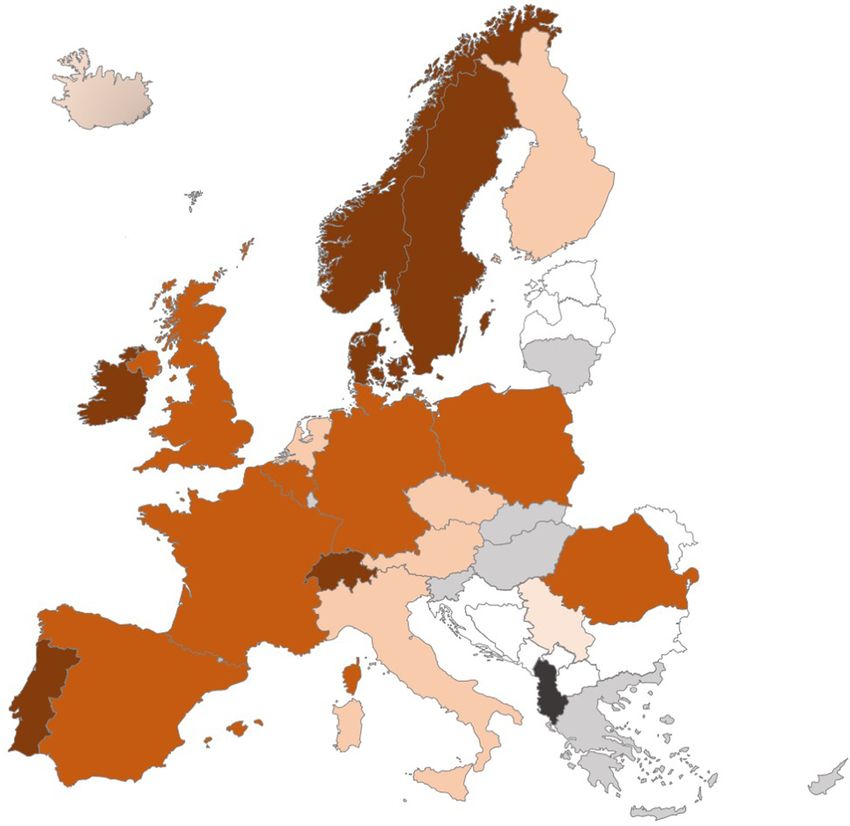
62                                                      RESUSCITATION 161 (2021) 61      79

first Utstein recommendations were published to help researchers and          The annual incidence of OHCA in Europe is between 67 to 170 per
practitioners report the same data points using the same definitions.5         100,000 inhabitants.
It was anticipated that this would lead to a better understanding of the      Resuscitation is attempted or continued by EMS personnel in
epidemiology of cardiac arrest, facilitate inter-system and intra-             about 50 60% of cases (between 19 to 97 per 100,000
system comparisons, enable comparison of the benefits of different             inhabitants).
system approaches, act as a driver to quality improvement, identify           The rate of bystander CPR varies between and within countries
gaps in knowledge, and support clinical research.6                             (average 58%, range 13% 83%).
     Correct and reliable data are needed to understand causes,               The use of automated external defibrillators (AEDs) remains low in
treatment and outcome after a cardiac arrest regardless of the                 Europe (average 28%, range 3.8% 59%).
place where it occurs. In this chapter, we provide an overview of             80% of European countries provide dispatch assisted CPR and
causes, incidences and outcome of cardiac arrest in Europe. It is              75% have an AED registry. Most (90%) countries have access to
important that local situations are considered when results are                cardiac arrest centres for post resuscitation care.
benchmarked.                                                                  Survival rates at hospital discharge are on average 8%, varying
                                                                               from 0% to 18%.
Search strategy                                                               Differences in EMS systems in Europe account for at least some of
                                                                               the differences observed in OHCA incidence and survival rates.
Individual search strategies were constructed for each section of this
guideline. Searches were done in Medline. Only publications in English      In hospital cardiac arrest
from the last 10 years were included, unless there was very little
literature available. Abstracts were reviewed by at least two authors and     The annual incidence of IHCA in Europe is between 1.5 and 2.8 per
relevant articles were read in full-text. Any studies that were obviously      1,000 hospital admissions.
not about European patients and populations were excluded.                    Factors associated with survival are the initial rhythm, the place of
                                                                               arrest and the degree of monitoring at the time of collapse.
Europe and the world                                                          Survival rates at 30 days / hospital discharge range from 15% to
                                                                               34%.
The incidence of IHCA beyond Europe is most comprehensively
described using data from the American Heart Association’s Get With         Long term outcomes
The Guidelines-Resuscitation Registry.2 From 2003 to 2007, the
estimated incidence of IHCA in the United States was approximately 6          In European countries where withdrawal of life sustaining
  7 cardiac arrests per 1,000 hospital admissions.7 Data also from the         treatment (WLST) is routinely practiced, a good neurological
Get With The Guidelines-Resuscitation Registry from 2017 was used              outcome is seen in > 90% of patients. Most patients are able to
to estimate percentage survival to hospital discharge of 25%.8 Data            return to work.
from the UK National Cardiac Arrest Audit (NCAA) and from the                 In countries where WLST is not practiced, poor neurological
Danish In-Hospital Cardiac Arrest Registry (DANARREST) both                    outcomes are more common (50% with 33% in a persistent
document lower incidences of IHCA (1.6 and 1.8 per 1,000 hospital              vegetative state).
admissions respectively) compared with the United States.9,10                 Amongst survivors with a good neurological outcome, neuro-
Outside of Europe, multiple studies of OHCA incidence and outcome              cognitive, fatigue and emotional problems are common and cause
have been published reporting survival rates between 3 6% in Asia,11           reduced health related quality of life.
11% in USA11a and 12% in Australia and New Zealand.12 While some              Patients and relatives may develop post-traumatic stress disorder.
of the variation observed between these studies is because of patient,
area and, country-level differences, there are calculation and              Post cardiac arrest rehabilitation
categorisation differences which add to the degree of variation.
    These guidelines were drafted and agreed by the Epidemiology              There is wide variation in the provision of rehabilitation services
Writing Group members. The methodology used for guideline                      following cardiac arrest.
development is presented in the Executive summary. The guidelines             Many patients do not have access to post cardiac arrest
were posted for public comment in October 2020. The feedback was               rehabilitation.
reviewed by the writing group and the guideline was updated where
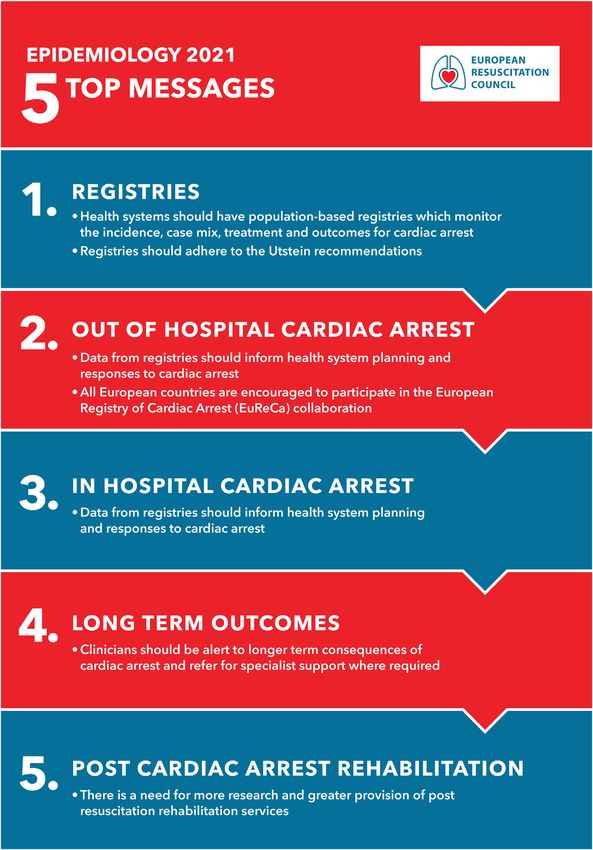
relevant. The Guideline was presented to and approved by the ERC            Key recommendations (expert consensus Fig. 1)
General Assembly on 10th December 2020.

Key facts                                                                     Health systems should have population-based registries which
                                                                               monitor the incidence, case mix, treatment and outcomes for
Out of hospital cardiac arrest                                                 cardiac arrest.
                                                                              Registries should adhere to the Utstein recommendations for data
                                                                               definitions and outcome reporting.
  Twenty-nine countries participated in the European Registry of             Data from registries should inform health system planning and
   Cardiac Arrest (EuReCa) collaboration.                                      responses to cardiac arrest.
  Out of hospital cardiac arrest registries exist in approximately 70%       European countries are encouraged to participate in the EuReCa
   of European countries but the completeness of data captures                 collaboration to enhance understanding of epidemiology and
   varies widely.                                                              outcomes of cardiac arrest in Europe.
RESUSCITATION 161 (2021) 61    79                                                 63

                                         Fig. 1 – Epidemiology infographic summary.

 There is a need for more research and greater provision of post
  resuscitation rehabilitation services.                            Out-of-hospital cardiac arrest
 It is expected that the clinical role of genetic and epigenetic
  factors will be increasingly understood as research in this       Incidence
  area continues to grow. There are currently no specific
  resuscitation recommendations for patients with known geno-       The true incidence of OHCA in Europe is not known. The available
  mic predispositions.                                              literature is largely based on reports of OHCA attended by EMS. This
64 RESUSCITATION 161 (2021) 61 79
Table 1 – Reported incidence of out-of-hospital cardiac arrest and the corresponding figures of resuscitation
started.
Country Incidence of cardiac Incidence of resuscitation Reference
arrest per 100,000 attempted per 100,000
inhabitants inhabitants
Spain 19 Rosell-Ortiz 201720
Ireland 54 Irish National Out of Hospital Cardiac Arrest Register, Annual Report 2019
Sweden 61 The Swedish Cardiopulmonary Resuscitation Registry; Det Svenska Hjärt-Lung
räddningsregistret (www.hlrr.se)]
Norway 64 51 Tjelmeland 202020a
Denmark 93 86 Danish Out-of Hospital Cardiac Arrest Registry www.ohca.dk
Poland 170 97 Gach 201615
may underestimate the true incidence as in some countries, due to in demonstrating substantial variation in the number of EMS missions,
culture or belief, bystanders may not call the EMS when they witness a level of training of EMS personnel, availability of helicopter emergency
cardiac arrest. Other reasons for not calling EMS might be that the medical services (HEMS) and the availability of first responders
event was not witnessed, the patient was considered to be dead or had across Europe.21
a do not attempt cardiopulmonary resuscitation (DNACPR) decision, At the time of the survey, population density in participating
or the patient had such severe comorbidities that it was not considered countries varied from 3.6 to almost 510 people/km2 . While population
appropriate to request EMS resources. Cases of OHCA attended by characteristics explains some of the variation, there remains large
EMS can be divided into two groups: 1) those where resuscitation was differences in fundamental metrics of EMS activity. Examples include
attempted and 2) those in whom resuscitation was not attempted. the number of EMS missions per 1,000 inhabitants, and response
There is more information available on the number of OHCA patients times. Most countries reported having hospitals capable of providing
who had resuscitation attempted by EMS than those patients who post-resuscitation care as recommended in the previous ERC
were attended by the EMS but not treated. resuscitation guidelines, but there were vast differences in the
The European Registry of Cardiac Arrest (EuReCa), an interna- number of hospitals with 24/7 emergency departments per one million
tional project of the European Resuscitation Council (ERC), provides inhabitants. This variation in availability and structure of health care
the most comprehensive information on the epidemiology of cardiac services may explain some of the differences in survival and outcomes
arrest in Europe.1,13 The reported incidence of cardiac arrest varies after cardiac arrest.
greatly between countries, but also between regions within countries All dispatch centres were reported as being part of the EMS system
(Table 1).14 19 In the EuReCa ONE study the incidence of OHCA in 65% of the countries in the survey, in 14% some dispatch centres
confirmed by EMS was estimated at 84 per 100,000 inhabitants per were part of the EMS. The number of dispatch centres varied between
year, varying from 28 to 160. The estimated incidence of OHCA where 0.35 and 3.3 per one million inhabitants, meaning the size of the
resuscitation was attempted by EMS was 49 per 100,000 inhabitants, country or the total population was not directly associated with the
varying from 19 to 104.13 The follow-up study, EuReCa TWO, number of dispatch centres. Twenty-three of 28 countries reported
collected data for three months and reported OHCA confirmed by offering dispatch-assisted CPR (DA-CPR) and most countries
EMS to be 89 per 100,000 inhabitants per year, varying from 53 to 166, reported using standardised dispatch protocols and dispatch-assisted
with resuscitation attempted by EMS reported as 56 per 100,000 CPR instructions. Twenty-one countries reported having AED
inhabitants, varying from 27 to 91.1 The studies report that registries, the majority of which were available in dispatch centres.
resuscitation is attempted in about 50 60% of cases attended by Median EMS response times for urban areas in Europe of under ten
EMS and considered for resuscitation. However, there is likely to be minutes were reported to be achieved in only 32% of the countries. Less
substantial underreporting and the variability between countries is than ten-minute median response times in rural areas were achieved in
considerable (see Table 1). some areas of most countries but were not achieved consistently in any
The number of reported OHCAs in Europe has increased in recent country. It is therefore encouraging that the survey identified that at least
years when compared with the situation one or two decades ago. 18 European countries had established first responder systems.
Whether these differences reflect an increased incidence or simply However, another recent European survey described many kinds of first
more comprehensive reporting is unclear. It is likely, at least in part, to responder systems and highlighted that regions within countries had
be explained by improved case ascertainment methods and increased different approaches.26 The introduction of first responder systems is
coverage by regional and national registries in recent years. positive but adds further difference which need to be considered when
explaining variation in outcomes.
System configuration On scene treatment of cardiac arrest patients was also reported to
be different in countries across Europe. Some EMS services were
Variability in EMS organisation is a common theme across obliged to start treatment when they arrived on scene and not to
international registries and epistries.12,22 25 It is therefore likely that terminate treatment, giving a reported incidence of EMS treated
differences in EMS systems in Europe account for at least some of the OHCA over 90 per 100,000 inhabitants. In other countries EMS
variation observed in OHCA survival rates. In preparation for revision personnel could terminate treatment and transport patients to hospital
of the ERC resuscitation guidelines, a survey of EMS systems was only if they achieved return of spontaneous circulation (ROSC). Even
carried out across 28 European countries from October 2019 to when termination of resuscitation on scene was permitted, most
January 2020. The survey mirrored previous findings internationally, countries permitted transport with ongoing CPR. However, for mostRESUSCITATION 161 (2021) 61 79 65
countries, specific circumstances were stipulated to allow this public places, adjusting of legislation in order to facilitate CPR and
practice. defibrillation by non-medical persons, and organization of systematic
The previous ERC Resuscitation Guidelines recommended that data collection on cardiac arrest for feedback and quality management
patients with OHCA of presumed cardiac cause are transported to a (https://www.europarl.europa.eu/sides/getDoc.do?pubRef=-%2f%
hospital that can provide immediate cardiac revascularisation, 2fEP%2f%2fNONSGML%2bWDECL%2bP7-DCL-2012-0011%
targeted temperature control and the ability to perform neuro- 2b0%2bDOC%2bPDF%2bV0%2f%2fEN)
prognostication. Since then there has been an increase in the Registry data collection alone is not a guarantee for improved
number of cardiac arrest centres (CAC) in several European survival, but if core data variables are not available, routine monitoring
countries. Currently there is no unique definition of a CAC, but the and surveillance of OHCA outcomes is may be difficult. In the survey, 6
usual understanding is that this is an acute care facility capable of countries reported having a registry with full population coverage and 14
providing early emergency coronary angiography (CAG) and countries reported having a registry with partial population coverage. In
intervention, target temperature management (TTM) and critical care these 20 countries, only 13 (65%) reported that they had information on
facilities on a 24/7 basis.27 Two post-resuscitation interventions are ROSC from all participating areas, and seven (35%) reported having
most closely associated with improved outcomes post-cardiac arrest: information on ROSC from some areas.21 Having cardiac arrest
early CAG and TTM, particularly for patients with an initial shockable registries in 20 out of the 28 responding countries means that registry
rhythm and a presumed cardiac cause of the arrest.28 37 The rationale data is available in many European countries. Results also suggest that
behind these interventions is discussed elsewhere. The rate of CAG a renewed focus is needed to encourage countries to ensure that
and TTM provided following OHCA in Europe differs, and in the survey survival data is a core component of data collection. This is essential to
three countries in Europe reported that they had no hospitals that enable comparison of results and benchmarking against the countries
could provide all these services for OHCA patients. that have achieved high survival rates (Fig. 2).6
In 2012 the European Parliament published a written declaration The ILCOR systematic review found low certainty evidence that
(0011/2012) recommending that all member states adopt common exposure to resuscitation skills rather than years of experience are
programs for the training of lay people and implementation of AEDs in associated with survival.38 Whether a paramedic or physician-based
Fig. 2 – National registries across Europe. The darkest colour indicates a national registry covering the whole country,
the second darkest colour indicates a national registry covering parts of the country, medium orange indicates several
local registries, light with grey indicates one local registry, grey indicates no local registries and black is unknown.
White colour indicates the country did not participate in the survey.2166 RESUSCITATION 161 (2021) 61 79
EMS system effects outcomes is uncertain.39,40 Differences in EMS meaning it has become more difficult to define whether the person
practice in initiation of resuscitation and transport among 10 US sites providing CPR is considered to be a bystander or lay person, or if they
was found to contribute to variation in OHCA survival,41 and EMS are considered to be part of the EMS response.52
agencies with the highest survival rates more often had: treatment The use of AEDs remains infrequent in Europe. In some European
from more than 6 EMS personnel; a shorter EMS call-response regions the rate of use of an AED is higher. For example, the region
interval; more advanced airway attempts; and treatment from an ALS- around Amsterdam and North-Holland has achieved AED use in
BLS tiered system.42 The ERC survey showed differences in the types 23% 59% of all OHCAs that were attended by EMS.53,54 In contrast,
of personnel employed as part of the EMS, and in the levels and types the use of AEDs was reported to be 15% in Sweden and in only 3.8% of
of interventions that EMS personnel were allowed to carry out OHCA cases in Copenhagen in Denmark.55,56 New initiatives have
independently of medical doctor supervision. Team training in CPR been proposed to increase the use of AEDs and to increase the
involving all EMS personnel was reported for some parts of 26 likelihood of having an AED deployed to the scene e.g. the use of
countries and real-time CPR performance data was collected for drones57 and the use of App-based systems to locate and send
feedback and debriefing purposes in 16 countries but used in all areas bystanders to attend the OHCA and start CPR immediately as well as
only in Cyprus. Defibrillators were available in all EMS vehicles to send a second person to get an AED.54,58 60 Whether an AED is
dispatched to OHCA while mechanical CPR devices were available in present also depends on the location of the OHCA. Approximately
all areas of only three countries.21 49% of companies who took part in a questionnaire-based survey in
Belgium in 2012 and 2014 had an AED on their premises.61
Chain of survival
Outcome after out-of-hospital cardiac arrest
In Europe, 112 is the universal emergency call number (http://data.
europa.eu/eli/dir/2002/21/oj). By dialling 112, European citizens can Scientific recommendations and policy recommendations from the
reach an EMS dispatch centre either directly (1-step) or via an European Parliament [Declaration of the European Parliament of 14
emergency call answering service which will route their call to an June 2012 on establishing a European cardiac arrest awareness
emergency medical dispatch centre (2-step). Most European week: https://www.europarl.europa.eu/sides/getDoc.do?pubRef=-//
countries also have a local emergency call number. It has been EP//TEXT+TA+P7-TA-2012-0266+0+DOC+XML+V0//EN] have
shown that the time from first ringtone to response from EMS dispatch highlighted the importance of each country knowing its outcomes
centre is significantly longer when the call is routed via an emergency from OHCA and striving to improve them.62
call answering service compared to directly received in an EMS The EuReCa TWO study reported an overall survival rate of 8%
dispatch centre.43 In a French study it was shown that the 30-day after OHCA in Europe.1 A systematic review and meta-analysis which
survival for patients with OHCA was better when the initial call was included 56 studies from Europe reported a survival to discharge rate
received via a 1-step procedure compared with 2-step procedure.44 of 11.7% (95% CI 10.5 13.0%).63 A survival rate of less than 8% (less
The Chain of Survival for victims of OHCA was initially described by than 3% with good neurological outcome, Cerebral Performance
Friedrich Wilhelm Ahnefeld in 1967 to emphasise all the time-sensitive Category (CPC) 1-2) has been reported from the Pan-Asian registry,11
interventions (represented as links) to maximise the chance of the Australian Aus-ROC Epistry involving Australia and New
survival.45 The concept was built upon in 1988 by Mary M. Newman of Zealand.12 reports a survival of 12%, and the US reports about
the Sudden Cardiac Arrest Foundation in the United States.46 It was 11% (9% with good neurological status).8 These average estimates
subsequently modified and updated by the American Heart Associa- are based on widely varying survival rates within and between
tion in 1991.47 The first link in the chain of survival is early recognition participating countries. For example, in the EuReCa ONE study,
of a cardiac arrest and call to EMS. This goes hand in hand with early average survival was estimated at 10.3%, ranging from 1.1% to 30.8%
CPR measures initiated by a bystander, with or without instructions among the participating European countries. The most recent data
from a dispatcher (DA-CPR). Bystander CPR remains one of the key from EuReCa TWO estimates average survival of 8% (range
interventions in improving survival after OHCA, it can be associated 0% 18%).1 In recent years, survival rates have also been reported
with a threefold increase in survival with favourable neurological from individual European countries; England, 7.9%;16 France 4.9%;64
outcome.48,49 Therefore, many different actions have been taken to Spain 13%;20 Germany 13.2%; (https://www.reanimationsregister.
improve bystander CPR rate throughout Europe and the world.50 The de/downloads/oeffentliche-jahresberichte/rettungsdienst/142-2019-
ILCOR systematic review found very low certainty evidence that DA- ausserklinischer-jahresbericht-2018/file.html) Ireland 6%;65 Sweden
CPR improves outcomes from cardiac arrest.51 In recent years, DA- 11.2%;65 Denmark 16% [https://hjertestopregister.dk/?page_
CPR seems to be one driver of an increased bystander CPR rate.48 It id=428]; Norway 14%.21
was shown in EuReCa ONE and EuReCa TWO that the DA-CPR rate Survival after OHCA is dependent on many factors beyond the
increased from 29.9% in 2014 to 53.2% in 2017, respectively.1,13 initial resuscitation attempt, and variation in survival rates reflect the
Nevertheless, bystander CPR rate varies enormously within and heterogeneous factors that have led to the OHCA. Factors that
between European countries. The EuReCa ONE study estimated that contribute to heterogeneity in survival rate include: gender;66,67
the average bystander CPR rate across the 27 participating countries cause; initial arrest rhythm;68 71 previous and existing comorbid-
was 47.9%.13 Twenty-eight European countries were included in the ities;72,73 event location;74,75 socioeconomic deprivation;76,77 and
2017 EuReCa TWO study, which documented a bystander CPR rate ethnicity.78 The health organisation that provides care, the available
overall of 58%, ranging from 13% in Serbia to 83% in Norway.1 resources and the organisation’s capacity to coordinate and act in
At least part of this variation in bystander CPR may be because the each and every one of the links in the chain of survival is also critical.79
definition of bystander CPR is not uniformly interpreted across The ILCOR systematic review found very low certainty evidence that
Europe. This is mainly because there has been an increasing variety of CACs improve survival from OHCA.80 The availability of specific post-
responders and responses prior to EMS arrival in the event of OHCA, resuscitation measures, such as percutaneous coronary interventionRESUSCITATION 161 (2021) 61 79 67
(PCI),20,35,81 and TTM82 85 or more centralised CAC,86,87 constitute
further factors that may contribute to variability in patient survival.88 93 In-hospital cardiac arrest
At a national level, public health policies, legal and strategic initiatives
that are in operation in the broader societal network will influence the As for OHCA, the true incidence of in-hospital-cardiac arrest (IHCA) is
number of OHCA survivors and their subsequent quality of life.94 not known. The available literature is often from single centres, making
It is well known that even within emergency services with similar generalizability difficult, and ultimately all patients who die in hospital
structures or between regions of the same country, there is variability die from a cardiac arrest. In 2019, an updated Utstein-style reporting
in survival even when demographic considerations, characteristics of template for IHCA was published, emphasising the importance of a
the event and the community response are taken into account.13 common data set report form, to enable comparison between regions
There is also variability within the services themselves over different and countries.112
time periods, usually reflecting a tendency to improve survival as
actions are implemented that have a demonstrated effect on final Incidence
survival.25,94 Variability in the percentage of attempts at resuscitation
was also observed between countries in Europe and between different The true incidence of IHCA is difficult to assess for several reasons.
EMS systems in the same country.1,13,95 Despite awareness of all Ultimately, all patients who die in hospital have a cardiac arrest, but all
these nuances, there remains an important part of the variability that is these deaths are not considered a cardiac arrest that should be
difficult to explain with current data capture systems.65 Indeed, the considered for resuscitation. A study from Gothenburg in Sweden
variability reported between results when comparing data from compared the total number of in-hospital deaths during one year with
prospective registries with a priori defined objectives compared with the number of attempted resuscitations and found that resuscitation
retrospective data from more administrative registries is of note.8,96 was started in only 12% of all in-hospital cardiac arrests.113 In
The same happens when comparing data from registries with clinical Sweden, the ratio of OHCA to IHCA has been reported to be 1.7 to 1
trials conducted by these same services.16,97 99 (The Swedish Cardiopulmonary Resuscitation Register (Svenska Hj
Robust collection of key data elements (e.g. initial arrest rhythm, ärt-Lung-räddningsregistret) [November 1 2012]; Available from:
witnessed status, cause of collapse) enables analysis of survival in www.hlrr.se).
specific subgroups. The most recent Utstein guidelines recommend Many IHCA studies have limited generalisability because they
categorisation of patients6 and the Utstein comparator group were carried out in single centres. Differences in DNACPR policies
(bystander witnessed, shockable initial rhythm) is particularly between countries are likely to explain some of the variation seen in
noteworthy as the group where the chances of patient survival is the incidence of IHCA.114 There may also be difficulties in the reporting
typically higher, with approximately 20% reported for England and just of IHCA due to logistic problems. For example, patients who develop
over 30% in EuReCa.1,8,100 Individual countries (Denmark, the ventricular fibrillation (VF) during a coronary angiography, which is
Netherlands, Sweden, Czech Republic and Norway) in EuReCa TWO rapidly defibrillated, may not always be reported to a registry.
exceeded 40% survival for this group of patients.1 There are several ways of calculating IHCA incidence: IHCA/
Survival for patients with a traumatic aetiology has been less hospital bed, IHCA/ hospital admission, IHCA/country/region/city/
encouraging with estimated survival between 2% in the German state. The incidence of IHCA per 1,000 hospital admissions has been
registry and 2.8% in EuReCa TWO and up to 6.6% with good reported as 2.8 in Poland,115 1.8 in Denmark10 and Norway
neurological status at discharge in a cohort from a specific Spanish (unpublished observation), 1.7 in Sweden,116 1.6 in the United
EMS.1,101,102 Attempting resuscitation after traumatic cardiac arrest Kingdom,9 and 1.5 in the Piedmont region in Italy.117 A study from
was previously considered futile,103 but since 2015 a specific ERC Trondheim in Norway documented 72 IHCA events per 1,000 hospital
algorithm provides specific recommendations and interventions that beds.118
may result in survival.104 Gender also influences incidence. The incidence ratio of men to
women for IHCA has been reported to be 1.4 1.6 to 1.118 This may
Paediatric OHCA (POHCA) largely be explained by a higher prevalence and a higher mortality
from cardiovascular disease in men.119
The varying definition of paediatric age means that it is difficult to In a recently performed European survey 18 of 28 countries
compare survival rates in POHCA. The most widespread definition is reported having a national registry for IHCA, but only two countries
patients aged less than 18 years; however, some studies have (Sweden and Denmark) reported that all hospitals were included.21
included patients up to 21 years. Depending on the age groups
analysed, there are different characteristics, causes and survival System configuration and chain of survival
rates.105 Most data on POHCA survival comes from American and
Japanese registries,106,107 with only partial data from local regis- In 2017, 89.4 million people were treated on wards in hospitals
tries.108,109 The most substantial data from Europe in terms of number throughout Europe, a number that has increased in recent years
of cases and trends over time, are those from the Swedish registry.110 [Eurostat. Hospital discharges and length of stay statistics - Statistics
From 1990 to 2012 the Swedish registry documented an incidence of Explained [cited 2020 Jan 18]. Available from: https://ec.europa.eu/
4.9 cases per 100,000 person-years under the age of 21 years, non eurostat/statistics-explained/index.php/Hospital_discharges_and_
EMS-witnessed cases. Survival reported was as follows: infants (less length_of_stay_statistics#Hospital_discharge] Unfortunately, medi-
than 1 year) 5.1%; young children (1 4 years) 11.0%; older children cal care in the hospital is not devoid of complications and serious
(5 12 years) 7.5%; and adolescents (12 21years) 12.6%. For EMS- adverse events, which occur in approximately 10% 20% of all
witnessed cases during 2011 and 2012, survival was 14.9%, 22.2%, patients.120 In a large European observational study which included
21.2% and 17.9% for the same respective age groups.111 Swedish approximately 46,000 post surgical patients, mortality was 4%, with
data suggest that POHCA survival has been progressively increasing. large differences between countries.121 The most alarming finding68 RESUSCITATION 161 (2021) 61 79
from this study however, was the high proportion of ‘failure to rescue’, hospitals introduced a MET while other hospitals in the same area or
since 73% of patients who died were not admitted to critical care at any belonging to the same hospital organization had not. In the most
stage after surgery. Adverse events were partly caused by sub- recent meta-analysis on this topic, which included 29 studies with
optimal care but the majority were due to a deterioration of the 2,160,213 patients (1,107,492 in the intervention group and 1,1083,80
underlying disease. There are two main differences between IHCA in the control group), METs were associated with a significantly
and OHCA in respect of the detection and prevention of cardiac arrest. decreased hospital mortality and incidence of cardiopulmonary
First, in most cases, life-threatening events in hospital are heralded by arrest.124 Even though it is difficult to prove the efficacy of MET
a deterioration of vital signs hours or even days before the catastrophic implementation using evidence-based criteria, pathophysiological
event occurs and therefore may be detectable early and therefore reasoning suggests that detection and adequate treatment of patients
preventable.120 Secondly, adequate monitoring of patients should before a catastrophic event occurs is the right thing to do. Timing is
enable early detection of patients at risk and therefore the dedicated important in many areas of acute care such as sepsis, myocardial
resuscitation team should preferentially function as a medical infarction and stroke.
emergency team (MET) or rapid response team (RRT) instead of a
pure cardiopulmonary resuscitation (CPR) team. If these patients are IHCA outcome
monitored inadequately the life-threatening situation may be noticed
too late, and an increase in rates of in-hospital CPR and unexpected Many factors will determine the outcome of patients who have an IHCA.
deaths may follow.122 This development may even accelerate due to Some of these factors can be modified and others cannot. Factors that
increasing workload in the hospitals and increasing comorbidities of cannot be modified include patients’ age, sex and comorbidities. For
patients. The ILCOR 2020 Consensus on Science and Treatment example, elderly patients have a lower chance of survival after
Recommendations found low certainty evidence that rapid response IHCA.128,129 In most cases, the cause of the cardiac arrest cannot be
systems reduced the incidence of IHCA and improved mortality, changed. A patient who has a cardiac arrest caused by myocardial
leading to a weak recommendation supporting the introduction of infarction/ischaemia has a much better chance of survival than a patient
rapid response system (rapid response team/medical emergency who has a cardiac arrest from other causes, e.g. heart failure.
team).38 This compliments the guidance introduced by the ERC A modifiable factor of great importance is the location in the
supporting the establishment of an early warning system for hospital where the cardiac arrest occurs. If the cardiac arrest occurs on
unexpected emergencies.122 a general ward, the patient is not usually adequately monitored, and
the cardiac arrest may not be witnessed. These factors are associated
IHCA - Systems to detect critical illness with a lower chance of survival.116,130 Monitoring of the ECG at the
On June 23, 2017, The European Resuscitation Council, the time of collapse is associated with a 38% reduction in adjusted risk of
European Board of Anaesthesiology and the European Society of death after IHCA. Location in hospital and the geographical locality are
Anaesthesiology issued a joint statement calling upon European the main predictors of ECG monitoring being in place at the time of
hospitals all to use the same internal telephone number (2222) to cardiac arrest.131 The significant variability in ECG monitoring at
summon help when one of their patients has a cardiac arrest. It is different centres may indicate the need for guidelines on the use of
hoped that by implementing one emergency call number in hospital, ECG monitoring.
time to call for help might be reduced.123 A first recorded rhythm of VF is predictive of a higher likelihood of
survival.130,132 The earlier the ECG is recorded, the higher the
IHCA response times likelihood that the patient will present with VF.133 Another factor that
Medical emergency teams (METs) or rapid response teams (RRTs) most often cannot be influenced is the time when the arrest is taking
differ from pure resuscitation or cardiac arrest teams in that their goal place. There is a higher likelihood of survival if the arrest occurs during
is the timely identification and treatment of in-hospital emergencies in regular working hours Monday to Friday.133 Time to delivery of
order to avoid cardiac arrests and unexpected deaths.124 (see treatment is associated with survival among IHCA patients found in a
advanced life support guidelines). In contrast to OHCA, where the time shockable as well as a non-shockable rhythm.116
from cardiac arrest to the initiation of resuscitation efforts (either by Finally, an important factor determining the chance of survival after
bystanders or the EMS) is key, data on RRT performance largely resuscitation is the hospital’s policy on DNACPR decisions. Hospitals in
pertain to criteria triggering the alarm, comorbidities, and pre-alarm which a very high proportion of cardiac arrest patients have a DNACPR
hospital length of stay of the affected patients.125 Delays in treatment decision are expected to have a higher survival rate among patients with
are associated with worse outcome.126 IHCA in whom resuscitation is attempted compared with hospitals in
Data on traditional resuscitation team response times after IHCA which resuscitation attempts in futile cases are more common. Thus, it
are also scarce. However, data from a large Swedish registry showed is not surprising that reports on ROSC and survival to hospital discharge
that a delay of more than one minute from cardiac arrest to call or to or 30-day survival vary considerably.9,115 118,134 137 The chance of
start of CPR, a delay of more than 2 min from call until the arrival of the ROSC varies from 36%117 to 54%135 and the chance of survival to
rescue team, and a delay of more than 3 min from cardiac arrest to discharge/30 days varies from 15%117 to 34%.135
defibrillation were all associated with worse overall outcome.127
There have been few studies that evaluate the efficacy of METs in
decreasing the incidence of unexpected deaths, unplanned admis- Long term survival
sion to the Intensive Care Unit (ICU), or both. A major problem is that
high certainty evidence cannot be achieved because randomisation of Recovery and rehabilitation of cardiac arrest survivors
individual patients to care delivered by a MET versus a control group is
impossible. Therefore, available evidence derives mostly from The Utstein-style template defines the variables to be collected in the
observational studies, before-after designs or protocols where some event of OHCA and the recording methodology to be used.5 Since theRESUSCITATION 161 (2021) 61 79 69 introduction of the Utstein-style template, patient survival and is seen in
70                                                      RESUSCITATION 161 (2021) 61      79

post-arrest. Emotional problems were more common in                         resume driving.153,164 However, many patients with cognitive
females,168 170 younger patients,162,164,168,170 those with cogni-          impairment were still driving,146 and one quarter reported that they
tive problem,170 and those with comorbidities.168                           did not recall being informed not to drive during a period after the
    Cardiac arrest survivors with hypoxic-ischaemic brain injury also       cardiac arrest.164
have an increased risk of emotional problems,171 but as these                   In a European multi-centre trial (n = 270), predictors for decreased
patients are often missing from analyses, the frequency of emotional        societal participation were depression, self-reported mobility prob-
problems in cardiac arrest survivors may be underestimated.170              lems, cognitive impairment and fatigue.161 Another study from the
Larger studies in this area (>100 patients) using symptom-specific          Netherlands (n = 110) reported only pre-morbid function as a predictor
questionnaires report anxiety in 15 24% and/or depression in                for societal participation.167 Cognitive impairment increases the risk
13 15% in the long-term.159,164,169,170 Symptoms of stress and              for not being able to return to work.146,151,161 Predictors positively
post-traumatic stress disorder (PTSD) are less well studied but             associated with return to work were male gender,180 younger
identified in 16-28% of survivors.159,166,172,173 In one study, half of     age,180,181 a higher level job, bystander-witnessed cardiac arrest
survivors reported a change in behaviour and emotion six months             with bystander CPR180 or cardiac arrest that occurred at the
post-cardiac arrest (n = 50).153 Apathy, lack of drive and motivation       workplace.181
were also reported in 70% of patients participating in a cognitive              Several observational and cohort studies have included detailed
rehabilitation program after cardiac arrest (n = 38), although this         measures of recovery, but previous systematic reviews in this area
finding was more closely associated with cognitive impairment than          describe limitations that risk bias in the reported results including:
depression.174                                                              small and/or heterogeneous study samples; many missing data;
    Relatives of cardiac arrest patients are also at significant risk of    differences in assessment types and time-points used.147,182 184
emotional problems.175 177 One study from Switzerland found that            Logistical and ethical challenges with collecting detailed information
40% of relatives suffered from PTSD.177 Female gender, history of           beyond hospital discharge remains a critical issue for long-term
depression and perception of insufficient therapeutic measures in the       recovery reporting.141
ICU increased the risk for PTSD, while the patient’s outcome,
including mortality, had no association.177 Being a witness to a relation   Rehabilitation
’s cardiac arrest increased the risk for emotional problems,176 and         Planning for rehabilitation after cardiac arrest requires estimation of
cognitive impairment in the survivor was associated with increased          numbers and appreciation of the changing needs of survivors.145
caregiver strain.175,178                                                    Rehabilitation interventions for cardiac arrest survivors are often
    Physical problems after cardiac arrest have received limited            provided within programs that include other patient groups e.g.
attention but results from HRQoL measurement show that many                 myocardial infarction or other types of acquired brain injury, e.g.
cardiac arrest survivors report physical problems.158,162,175,179 Half of   traumatic brain injury (TBI).185,186 Studies describing such interven-
cardiac arrest survivors described problems working or performing           tions may include few cardiac arrest survivors within mixed samples,
other activities because of physical problems,162 and 30 50%                meaning the specific rehabilitation outcome for cardiac arrest patients
reported problems with physical health,175 physical function,162 or         is difficult to separate. This overview of the rehabilitation programmes
mobility.159,161,169 Physical problems are more common in older             in Europe therefore includes only studies specifically describing
survivors162,175 and females.162                                            interventions for cardiac arrest survivors.
    Patient/parent reported outcomes in paediatric cardiac arrest                Survivors with ‘poor’ neurological outcome suffer profound and
survivors are rare. One study (n = 57) reported that the majority of        life-changing problems. In an Italian study, rehabilitation was provided
paediatric survivors (2 11 years post-ICU) have no problems,                by an interdisciplinary team for 180 min per day.186 After a mean of
while 30% reported physical problems, and 34% reported chronic              78 days (SD 55), 45% of patients with anoxic brain injury were able to
symptoms such as fatigue, headache and behavioural prob-                    return home. While anoxic patients had poorer recovery than other
lems.156 Children (n = 8) reported a HRQoL comparable to normal             groups, they also had worse baseline cognitive impairment and
means, while proxy-reported HRQoL by a parent (n = 45) indicated            functioning. A similar individualised, multidisciplinary approach was
lower generic HRQoL and more physical problems. The parents                 provided in a Turkish rehabilitation hospital.185 This study found that
own HRQoL was however better than that of the general                       when anoxic brain injured patients had similar baseline function to TBI
population.156                                                              patients, improvement rate was still slower, but the difference in
                                                                            rehabilitation outcome was not statistically significant. French
Ability to return to previous activities and roles (societal                researchers described a therapeutic intervention for institutionalised
participation)                                                              patients (n = 27) with anoxic brain injury (average 8 years since
In a Finnish study the vast majority (>90%) of cardiac arrest survivors     event).187 The intervention consisted of medication, psychotherapy,
were able to live at home and most survivors were able to return to         support group, and therapeutic activities provided over six months,
previous roles and high levels of participation in society.164 For those    and improved quality of life and social participation.
of working age, 60 76% returned to at least some degree of work at               The rehabilitative outcome for cardiac arrest survivors with
six to twelve months post-arrest.158,161,164,167,180 However, 47 74%        prolonged disorders of consciousness is poor although some may
of cardiac arrest survivors report restricted societal participa-           improve, albeit rarely. A Dutch study estimated that over 50% of
tion,147,161 and many remain on sick leave,146,159,161,164,181 although     patients with vegetative/unresponsive wakefulness syndrome (most
the amount of sick leave varies across European countries.161               because of hypoxia during cardiac arrest) received no rehabilitation
Feelings of less satisfaction with family and leisure time,147 and          services.188 In Germany, in-patient rehabilitation was provided to 113
problems performing usual activities are also reported.150,162,169 One      cardiac arrest survivors with disorders of consciousness.189 Most
study reported that driving ability was significantly lower than before     improvement was observed within the first eight weeks. A minority
the cardiac arrest,146 while others reported only 12-27% unable to          (6.2%) of the patients achieved a good functional outcome while
RESUSCITATION 161 (2021) 61 79 71
80.5% remained in a persistent unresponsive state. In another also reflect a need for more comprehensive reporting on interventions.
German study, early neurological rehabilitation of 300 min of daily Finally, some studies group cardiac arrest survivors with other cardiac
therapy (e.g. physiotherapy, occupational therapy, speech/swallow- or brain-injured patients for rehabilitation, meaning that unless the
ing therapy and specialised nursing care) was provided to 93 survivors inclusion of cardiac arrest patients is explicitly stated, the types and
with hypoxic-ischaemic encephalopathy (mostly caused by cardiac frequency of rehabilitation available to cardiac arrest survivors may be
arrest).190 After a mean of 46.4 (SD68.2) days, 24.7% were underestimated. It is also of note that no paediatric rehabilitation
discharged with a good outcome, but in common with the previous studies were identified.
study, 82.1% of those comatose at admission remained comatose.
Finally, an Italian study, reported that even patients with improved
consciousness remained severely neurological impaired at two years Genomic variations and sudden cardiac arrest
follow-up.191
For patients with ‘good’ neurological outcome the need for One of the major opportunities to further reduce mortality from sudden
rehabilitation may not be recognised during the acute hospital stay.27 cardiac arrest lies with individual prevention (www.escape-net.eu).201
A Swedish survey showed that in 59 out of 74 hospitals, the most This requires public education and early recognition of individual
common follow-up was a patient visit to a cardiac reception unit patients and families at increased risk for sudden cardiac arrest. At an
(n = 42, 70%), with neurological and psychological support not often individual level, genomic risk factors are most probably important202 but
provided in a structured format. There were also major variations in understanding of their relevance is limited (www.escape-net.eu).203
follow-up.192 In the 2015 European Resuscitation Guidelines on post- However, in cases of unexplained cardiac arrest, genomic testing may
resuscitation care structured follow-up to screen for potential cognitive result in more than 60% diagnostic yield of pathological genomic
and emotional problems is recommended to identify those individuals variations.204 Unfortunately, with the exception of selected cases in
in need of further support and rehabilitation.27 National guidelines families with Brugada and long-QT syndrome (LQTS),205 individuals
have been developed in e.g. Sweden.193 are most often not aware of their genomic disposition because of the
The effects of follow-up and screening were described by relative lack of cardiogenetic screening.206,207
Moulaert and colleagues in a randomised-controlled trial (n = 185). Population-based systematic studies suggest a strong genetic
194 198
The intervention was performed by a trained nurse at an component to cardiac arrest in general202,208 and of autopsy-
outpatient clinic or the patient’s home and included screening for negative, unexplained cardiac arrest in particular.209 213 An
cognitive and emotional problems, provision of information and individually unique pathophysiological interaction of environmental
support, promotion of self-management strategies and referral to (smoking, social stress, air pollution, chronic noise exposure, etc.)
further specialised care if indicated. The first one-hour session was acquired (obesity, hypertension, diabetes, myocardial ischaemia
provided soon after discharge, with shorter follow-up sessions and myocardial infarction, Takutsubo syndrome, medication used,
offered. Patients who received this intervention had better mental etc.214 216 and genomic factors (Brugada syndrome, LQTS,
HRQoL one year after arrest and an earlier return to work compared arrhythmogenic right ventricular cardiomyopathy (ARVC), catechol-
with the control group. The intervention was also found to be aminergic polymorphic ventricular tachycardia, short QT syndrome,
cost-effective.194 etc.205 207,217 227) and their combinations228 determine the indi-
The Essex Cardiothoracic Centre in the United Kingdom describes vidual risk of sudden cardiac arrest. Moreover, genetic susceptibility
a similar follow-up intervention including systematic psychological, to long-term alcohol effects, drug- and drug-drug interactions
cognitive and specialised medical support for survivors and their induced sudden cardiac arrest i.e. pharmacogenetics may be
carers for the first six months post-arrest.166 Before hospital relevant at an individual level (www.escape-net.eu).229 232
discharge, patients (n = 21) were assessed by an ICU nurse and Research in recent years has most specifically focused on patients
cardiologist and provided with written and video information, and and families with rare inherited arrhythmia syndromes and episodes
social media links. A multidisciplinary appointment was provided at that are associated with an increased risk of cardiac arrest. Several
eight weeks, and follow-up appointments at six and twelve months. Of molecules and mechanisms that control cardiac electrophysiology
the patients included, 26% needed further psychological support. have been identified.205 207,233,234 Most genes and their variants
Overall health improved during follow-up, but no control group was discovered thus far are involved in regulating electrophysiology and
included to evaluate the effect of the intervention. putting the heart at a higher risk for VF.202,235 237 Specific genetic
A single centre in the Netherlands provides an integrated predispositions leading to cardiac arrest most often affect younger
rehabilitation pathway for restoration of exercise capacity and optimal patients (e.g. Brugada syndrome; Long QT Syndrome). In older
cognitive functioning.199 All cardiac arrest patients eligible for patients, genetic predisposition may interact with acquired and
rehabilitation were screened for cognitive and emotional problems accumulated risk factors, medication, social stress and specific
approximately one month after cardiac arrest. Patients without diseases.238,239 Different levels of risk will also be associated with
cognitive impairment followed cardiac rehabilitation programs ‘as different genetic variations. For example, Long-QT Syndrome can
usual’, while patients with cognitive impairments followed the cardiac result from genetic variations in at least 12 different genes causing
rehabilitation in smaller groups. After cardiac rehabilitation, a mutations that give rise to different degrees of negative QT
continued program with cognitive rehabilitation was offered. The prolongation which are subsequently associated with varying risk of
program was not evaluated, but of 77 cardiac arrest survivors referred cardiac arrhythmias.206,217 In addition to the primary gene variant,
for cardiac rehabilitation, 23% had cognitive problems.200 modifier genes may also determine disease severity.240 Gender
There is currently no comprehensive evaluation of the types or disparities in genetic risk factors have also been proposed. Data
numbers of rehabilitation interventions and programmes available to suggest that women are at higher risk for QT prolongation.216,241
cardiac arrest survivors across Europe, and there is limited evidence Females may also have lower expression levels of genes controlling
of effect. This may be because there are few programmes, but it may repolarisation.242 In contrast, males are at higher risk for Brugada72 RESUSCITATION 161 (2021) 61 79
syndrome, arrhythmia syndromes that are associated with reduced REFERENCES
depolarisation of myocytes, and medication-induced conditions that
are associated with a reduced depolarisation reserve.243 Other data
suggest that male gender may have lower expression levels of genes 1. Grasner JT, Wnent J, Herlitz J, et al. Survival after out-of-hospital
controlling depolarisation.244 cardiac arrest in Europe - results of the EuReCa TWO study.
Typically, genetic studies have focused on rare gene variants in Resuscitation 2020;148:218 26.
2. Andersen LW, Holmberg MJ, Berg KM, Donnino MW, Granfeldt A.
highly selected populations. However, Milano et al. were the first to
In-hospital cardiac arrest: a review. JAMA 2019;321:1200 10.
demonstrate that genetic mutations are associated with increased
3. Kiguchi T, Okubo M, Nishiyama C, et al. Out-of-hospital cardiac
risk of sudden cardiac arrest in the general population.236 Huge arrest across the World: First report from the International
amounts of DNA samples in cardiac arrest patients and their further Liaison Committee on Resuscitation (ILCOR). Resuscitation
individual risk factors and portfolios are needed to allow further 2020;152:39 49.
insights into sudden cardiac arrest genomic risk stratification, 4. Perkins GD, Brace-McDonnell SJ, Group OP. The UK Out of
arrhythmia development and individualised prevention as well as Hospital Cardiac Arrest Outcome (OHCAO) project. BMJ Open
2015;5:e008736.
treatment strategies.
5. Cummins RO, Chamberlain DA, Abramson NS, et al.
Current recommendations following the occurrence of sudden Recommended guidelines for uniform reporting of data from out-of-
cardiac arrest include screening for genetic disorders in first-degree hospital cardiac arrest: the Utstein Style. A statement for health
family members. Screening may identify relatives who might benefit professionals from a task force of the American Heart Association,
from lifestyle modification and avoidance of certain drugs. Some the European Resuscitation Council, the Heart and Stroke
relatives may benefit from medical therapy and implantation of cardiac Foundation of Canada, and the Australian Resuscitation Council.
Circulation 1991;84:960 75.
defibrillators may be appropriate in a selected group of patients and
6. Perkins GD, Jacobs IG, Nadkarni VM, et al. Cardiac Arrest and
family members.210 Family screening is particularly recommended if
Cardiopulmonary Resuscitation Outcome Reports: Update of the
the cardiac arrest was exercise-induced;245 occurred at a younger Utstein Resuscitation Registry Templates for Out-of-Hospital
age; occurred in a young athlete with Long-QT Syndrome;246 and/or Cardiac Arrest: A Statement for Healthcare Professionals From a
was associated with a positive family history of sudden cardiac Task Force of the International Liaison Committee on Resuscitation
arrest.203,204,209,223,247 257 (American Heart Association, European Resuscitation Council,
It is expected that the clinical role of genetic and epigenetic factors Australian and New Zealand Council on Resuscitation, Heart and
Stroke Foundation of Canada, InterAmerican Heart Foundation,
will be increasingly understood as research in this area continues to
Resuscitation Council of Southern Africa, Resuscitation Council of
grow. There are currently no specific resuscitation recommendations
Asia); and the American Heart Association Emergency
for patients with known genomic predispositions. There are some Cardiovascular Care Committee and the Council on
instances where genotype-driven resuscitation strategies may Cardiopulmonary, Critical Care, Perioperative and Resuscitation.
theoretically be appropriate e.g., in patients with Brugada syndrome Resuscitation 2015;96:328 40.
or similar conditions that are associated with reduced depolarisation, 7. Merchant RM, Yang L, Becker LB, et al. Incidence of treated cardiac
the use of amiodarone or lidocaine may facilitate the occurrence of arrest in hospitalized patients in the United States. Crit Care Med
2011;39:2401 6.
asystole. However, there are no systematic studies that support such
8. Benjamin EJ, Virani SS, Callaway CW, et al. Heart disease and
treatment. stroke statistics-2018 update: a report from the American heart
association. Circulation 2018;137:e67 e492.
9. Nolan JP, Soar J, Smith GB, et al. Incidence and outcome of in-
Conflict of interest hospital cardiac arrest in the United Kingdom national cardiac arrest
audit. Resuscitation 2014;85:987 92.
10. Andersen LW, Holmberg MJ, Lofgren B, Kirkegaard H, Granfeldt A.
JTG declared speakers honorarium from Weinmann, Fresenius,
Adult in-hospital cardiac arrest in Denmark. Resuscitation
Ratiopharm, Zoll; he is Scientific Advisor for Zoll Temperature
2019;140:31 6.
management. 11. Ong ME, Shin SD, De Souza NN, et al. Outcomes for out-of-hospital
BB declared speakers honorarium from Baxalta, BayerVital, cardiac arrests across 7 countries in Asia: the Pan Asian
BoehringerIngelheim, ZOLL, FomF, Bard, Stemple, NovartisPharma. Resuscitation Outcomes Study (PAROS). Resuscitation
JN reports funding from Elsevier for his role as Editor in Chief of the 2015;96:100 8.
journals Resuscitation and Resuscitation Plus. He reports research 11a. Vellano K, Crouch A, Rajdev M, McNally B. Cardiac Arrest Registry
to Enhance Survival (CARES) report on the public health
funding from the National Institute for Health Research in relation to
burden of out-of- hospital cardiac arrest. 2015: online: Institute of
the PARAMEDIC2 trial and the AIRWAYS2 trial.
Medicine; 2021.
GDP reports funding from Elsevier for his role as an Editor of the 12. Beck B, Bray J, Cameron P, et al. Regional variation in the
journal Resuscitation. He reports research funding the Resuscitation characteristics, incidence and outcomes of out-of-hospital cardiac
Council UK and British Heart Foundation for the OHCAO Registry. arrest in Australia and New Zealand: results from the Aus-ROC
epistry. Resuscitation 2018;126:49 57.
13. Grasner JT, Lefering R, Koster RW, et al. EuReCa ONE-27 Nations,
Acknowledgements ONE Europe, ONE Registry: a prospective one month analysis of
out-of-hospital cardiac arrest outcomes in 27 countries in Europe.
Resuscitation 2016;105:188 95.
GDP is supported by the National Institute for Health Research (NIHR) 14. Danielis M, Chittaro M, De Monte A, Trillo G, Duri D. A five-
Applied Research Collaboration (ARC) West Midlands. The views year retrospective study of out-of-hospital cardiac arrest in
expressed are those of the author(s) and not necessarily those of the a north-east Italian urban area. Eur J Cardiovasc Nurs
NIHR or the Department of Health and Social Care. 2019;18:67 74.You can also read


