Oscoda Area and Former Wurtsmith Air Force Base PFAS Update Meeting - January 19, 2021 The webinar will begin at 6:00 pm
←
→
Page content transcription
If your browser does not render page correctly, please read the page content below
Oscoda Area and Former Wurtsmith
Air Force Base PFAS Update Meeting

            January 19, 2021

    The webinar will begin at 6:00 pm

                                        MPART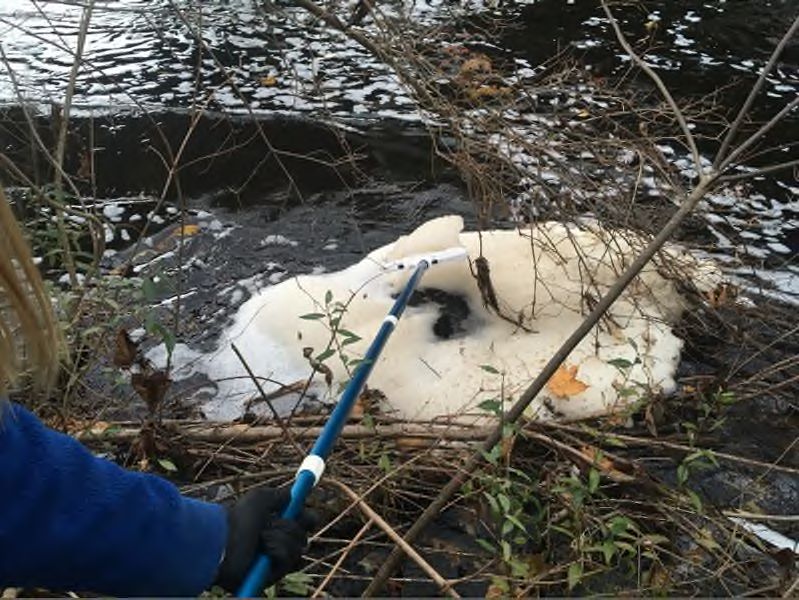
Agenda

    6:05 pm   Zoom Instructions

    6:10 pm   EGLE Update

    6:40 pm   MDHHS Update

    6:50 pm   Question and Answer Session

    8:00 pm   Meeting Conclusion

                                            MPART
2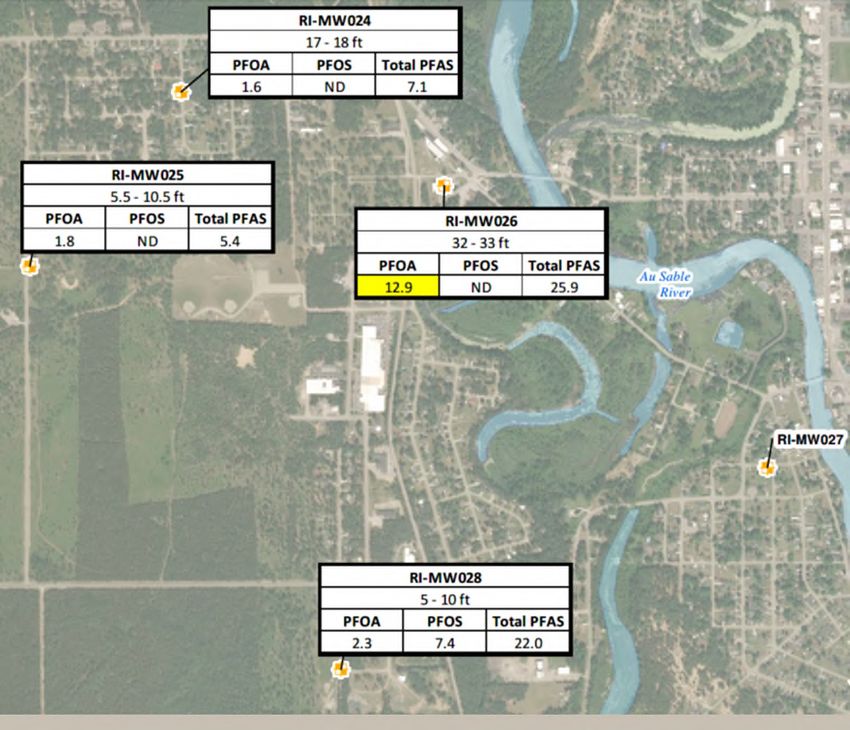
Webinar Housekeeping

     All lines are      We are
    muted during     recording this
    the webinar.        webinar

                                      MPART
3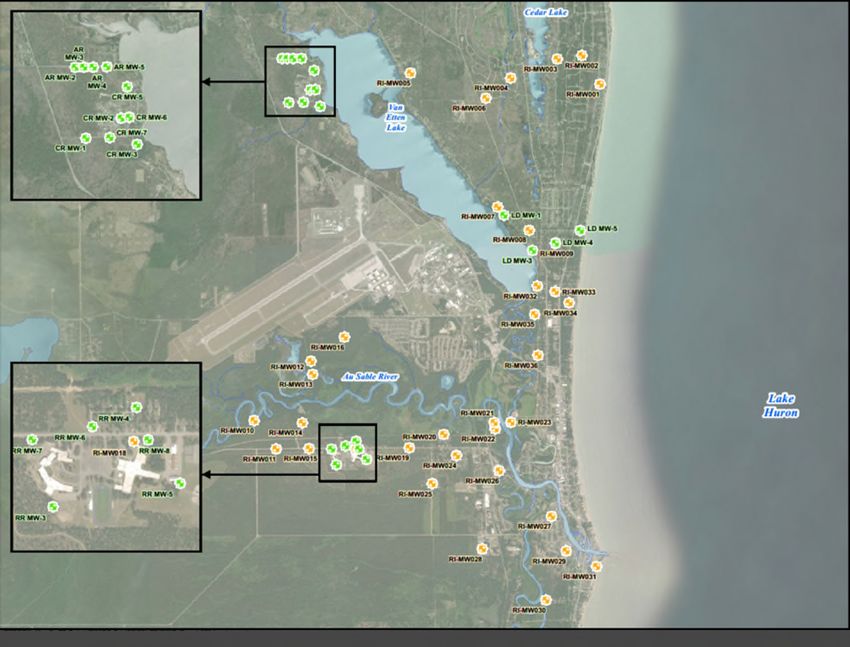
How to ask a question in Zoom

        Submit your         Click the
       questions using   “hand” icon at   Type *9 to
      the “Q/A” box in   the bottom of    raise your
      at the bottom of    your screen.      hand.
        your screen.

                                          *9
4
                                                       MPART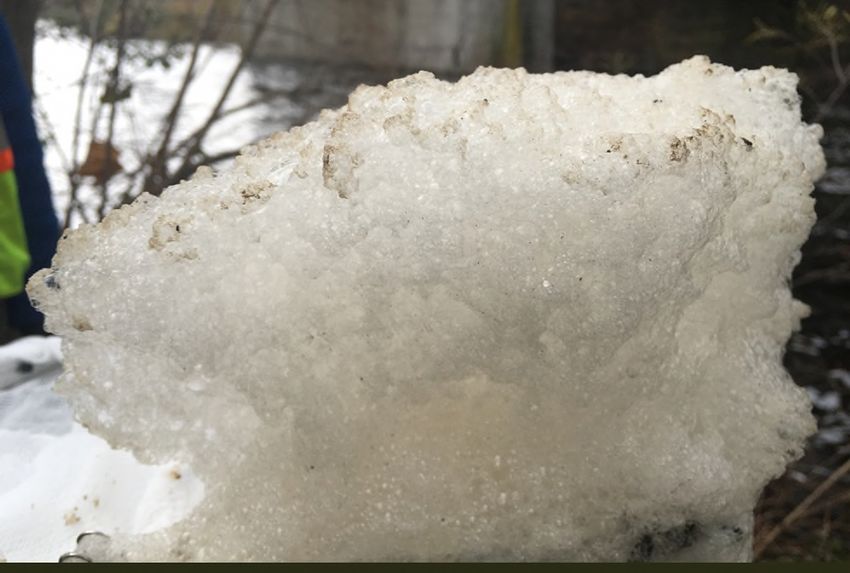
Former Wurtsmith Air Force Base Update

            Beth Place |517-899-7524
 EGLE Remediation and Redevelopment Division
           PlaceB1@Michigan.gov

                                               MPART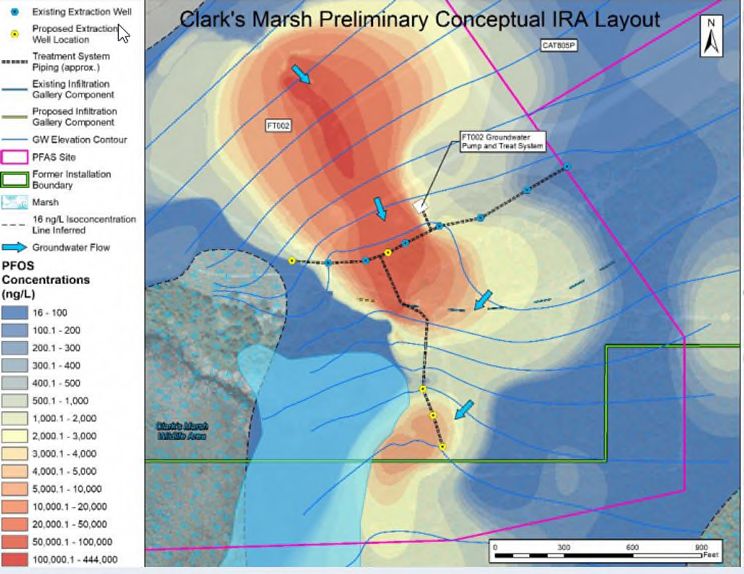
Van Etten Lake Interim Remedial Action
                                              • Interim Proposed Plan
                                                   – January 20, 2021 - EGLE Review
                                                   – Comment Resolution
                                                   – Followed by 30-day public comment &
                                                     Public meeting
                                              • Interim Remedial Action Work Plan
                                              • Interim Record of Decision
                                              • Begin Install – Late June 2021

6
         Source: Figure, Aerostar for Air Force, October 2020                 MPART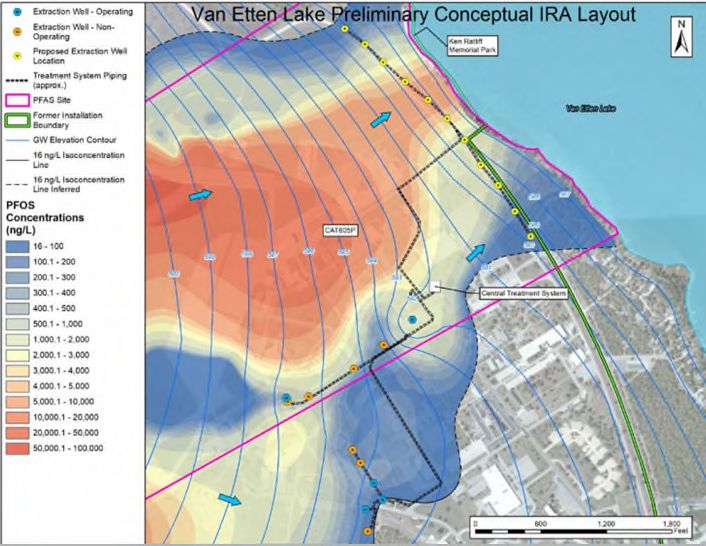
Clarks Marsh Interim Remedial Action
                                      • Interim Proposed Plan
                                           – Jan 6 2021 - EGLE Comments to Air Force
                                           – Comment Resolution
                                           – Followed by 30-day public comment &
                                             Public meeting
                                      • Interim Remedial Action Work
                                      • Interim Record of Decision
                                      • Begin Install – July 2021

7
           Source: Figure, Aerostar for Air Force, October 2020          MPART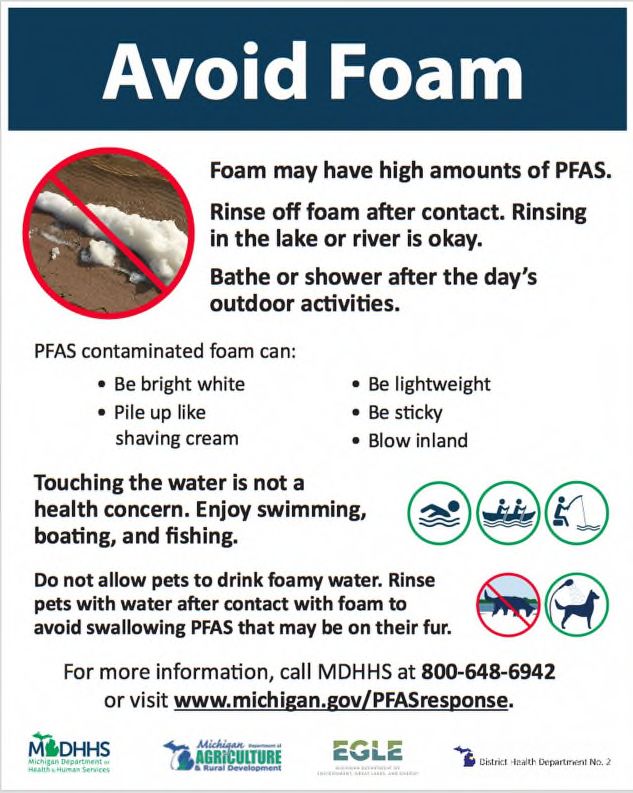
CERCLA Process
    Preliminary
    Assessment (PA)

          Site Inspection                             Remedial Action
          (SI)                                        Construction

                 Remedial                                   Remedial Action
                 Investigation (RI)                         Operation

                            Feasibility Study                   Long-term
                            (FS)                                Management

                                  Proposed
                                  Plan/ROD
                                                                  SITE CLOSURE
                                           Remedial
                                           Design

                                                                                 MPART
8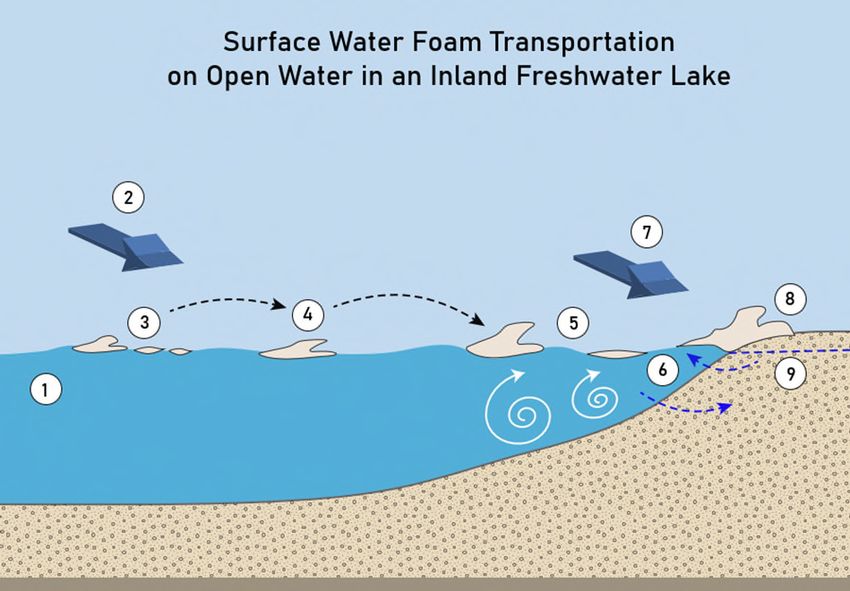
Remedial Investigation (RI)
    • Planning/Scoping Meeting
      – Week of Jan 25th 2021
    • RI Work Plan
      – Air Force sends EGLE RI Work Plan – Mid- Feb, 2021
      – Final Work Plan Late Spring 2021
    • Risk Assessment Work Plan
      – Final - Late Spring 2021
    • Field Work
      – Late Spring 2021

9
                                                             MPART
Oscoda Area PFAS Sites

Amanda Armbruster, Project Manager/Geologist
        EGLE - Bay City District Office
 989-450-6377 or armbrustera@michigan.gov

                                               MPART
Oscoda Area Site Locations
MPART
11EGLE Monitoring Well Locations
MPART
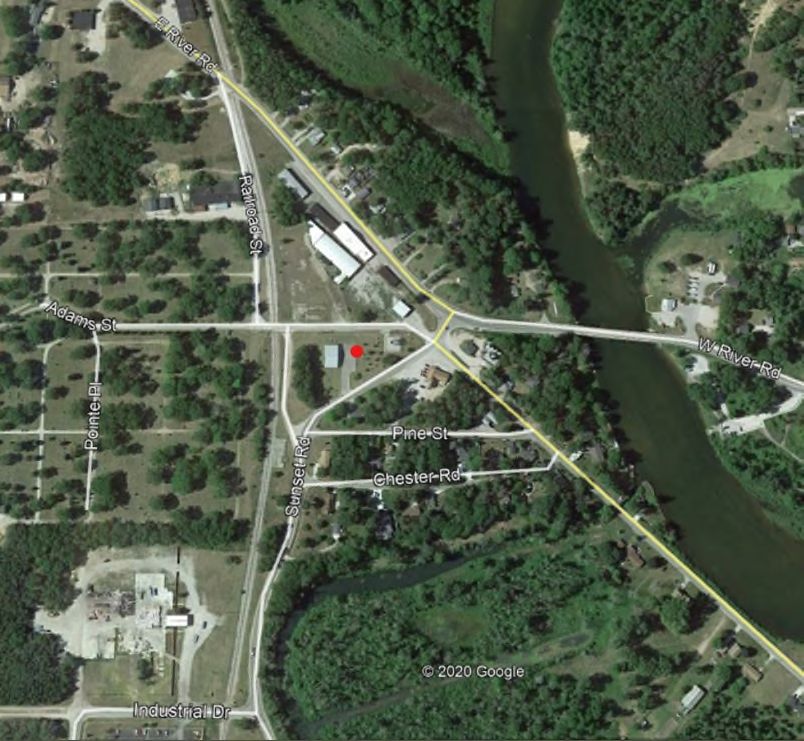
12RI-MW-026
13
MPARTSurface Water Foam Study Results (2019-2020)
State-Wide Study Including Van Etten & Cedar Lakes,
Oscoda, Michigan
Barry J. Harding, CPG, Technical Leader, AECOM
MPARTSurface Water Foams (“SWFs”)
• Can be natural or of human origin
• Globally widespread and form in
marine and freshwater habitats
• Compositionally are made of air
and gases, water, and mineral
fractions, with traces of natural
and synthetic chemicals, and
biotics (bacteria, viruses, and
fungi) 2019. Sea foam on beach in the Bay of Bengal,
Chennai, India.
15
MPARTPurpose of Study
• Establish effective means to sample
SWFs
• Refine SWF sampling protocols
• Evaluate behavior and PFAS
concentrations in SWFs and surface
water
• Develop conceptual models for SWF
transport in surface waters
16
MPARTApproach & Design
• 6 Locations
– Rogue, Thornapple and Huron Rivers
– Van Etten Lake, Oscoda
– Cedar Lake, Oscoda
– Lake Margarethe, Grayling
• SWF and Surface Water Samples
Chemical and biological profiling of
• PFAS, extended list 41 chemicals
PFAS-laden surface water foams.
• Analysis for Bacteria and Fungi
(microbiota)
17
MPARTSWF Sampling Approach
• Entire column of SWF collected • SWF refrigerated and allowed • 20mL condensed SWF
with pool skimmer net. to condense for 24hrs. preserved for genetic analysis.
• SWF transferred into 2-gal • Slowly poured through cheese • ≥20mL condensed foam
Ziploc® bags. cloth into sample bottles to prepared for 41 PFAS analysis.
strain out large debris.
18
MPARTSWF vs SW at Van Etten Lake
Van Etten Lake:
PFAS Relative Percent SWF vs SW
100.0%
90.0%
PFOS
80.0%
70.0%
PFOS
PFOS
PFOS
PFOS
PFOS
60.0%
50.0%
40.0%
30.0%
20.0%
10.0%
0.0%
PFBA PFPeA PFHxA PFHpA Total-PFOA PFNA PFDA
PFUnA Total-PFHxS PFHpS Total-PFOS PFOSA 6:2 FTS 8:2FTS 0.0 0.25 0.50
Miles
19
MPARTKey Findings PFAS: SWF vs Surface Water
• Surface water
100,000 samples were not
collected with the
10,000
first four SWF
Total PFAS (ng/L)
1,000 samples from The
Rogue River.
100
10 • Enrichment process
likely occurring
1 during development
of SWF.
MPART
20Why Analyze for Bacteria and Fungi?
• SWFs can be of natural origin
(proteinaceous foams,
biosurfactants, natural-occurring
soap-like compounds)
• Provides information on the
origins of SWFs
Stable SWF collected from Rogue River
[11/4/19]
MPART
21Why is Fungi and Bacteria DNA in SWF?
MPART
22Relevance of Microbiota in SWF
• Many fungi produce natural
surfactants or foaming agents
• Exposure concerns due to
bacterial content of SWFs
MPART
23SWF Transport - Inland Lake
1. Dissolved PFAS in surface water
2. Wind creates surface turbulence
3. SWF nuclei develop
4. Larger SWF bodies develop “sails”
5. SWF transported via wind to near-
shore littoral zone
6. Near-shore currents carry SWF to
beach
7. Wind also transports SWF to terrestrial
environment
8. SWF accumulates
9. Groundwater and surface water
interact; PFAS may be mobilized into
groundwater
24
MPARTKey Points
• Hand-held dipper (pool skimmer) method is the best method.
• PFAS profiles suggest that there is a site-specific nature of SWF chemical
composition.
• PFAS concentrations detected in SWF and surface water indicates an
enrichment process is occurring during the development of SWF.
MPART
25Key Points (Continued)
• On inland lakes, SWF are apt to accumulate down-wind near and along the
shorelines. Windspeed and wind direction have been identified as driving
factors for foam transport and accumulation.
• In rivers, SWF transport is largely driven by movement of water
downstream.
• SWF generation is difficult to predict and persistence is short and typically
measured in terms of hours.
MPART
26Michigan Department of Health
and Human Services (MDHHS)
Puneet Vij, Ph.D.
Toxicologist
MPARTThe Role of MDHHS
• Understand the health concerns facing your community
• Develop a plan to investigate and address health risks
• EGLE leads the site investigation
• MDHHS and the Local Health Department lead the public health
planning and response
• Evaluate PFAS exposures to residents in the community
• Recommend public health actions as needed
MPART
28Association with Increased Risk of Health Effects
PFOA and/or PFOS
– Reduced fertility
– High blood pressure or pre-eclampsia in pregnant women
– Small decreases in infant birth weight
– Higher cholesterol
• Especially total cholesterol and LDL cholesterol
MPART
29Association with Increased Risk of Health Effects
PFOA and/or PFOS
– Thyroid disease
– Liver damage
– Decreased immune system response to vaccines
– Developing certain types of cancer
• In particular kidney and testicular cancers*
* PFOA only
MPART
30Exposure to PFAS Chemicals
• Drinking contaminated water
• Eating fish/wild game caught from areas contaminated
by PFAS
• Incidental swallowing of contaminated soil or dust
• Eating food packaged in materials containing PFAS
• Using some consumer products
• PFAS absorption through skin is typically not a concern
MPART
31MDHHS PFAS Comparison Values
MDHHS MDHHS
Specific PFAS Screening Approved MCLs Comparison
Levels Values
PFOA 9 ppt 8 ppt 8 ppt
PFOS 8 ppt 16 ppt 8 ppt
PFNA 9 ppt 6 ppt 6 ppt
PFHxS 84 ppt 51 ppt 51 ppt
PFBS 1,000 ppt 420 ppt 420 ppt
PFHxA 400,000 ppt 400,000 ppt
MPART
32MDHHS Resampling Effort
Round 1 Resampling Summary
• Total number of wells sampled: 277
– Number of non-detects: 136
– Number of Detections: 141
– Of the detections, 20 exceeded MDHHS Comparison Values
• Range PFOA + PFOS: 2.05 – 263.62 ppt
• Range Total PFAS: 2.01 – 2514.02 ppt
MPART
33Fish sampling/results updates
• Clark’s Marsh
– Bluegill/Pumpkinseed
– Lower PFOS levels in 2020 than in 2011
– Still elevated well above the Do Not Eat advisory screening value.
– First time sampling yellow perch from Clark’s Marsh
• Concentrations similar to those of Bluegill/Pumpkinseed
MPART
34Deer sampling/results updates
• Should not eat any deer harvested from within five miles of
Clark’s Marsh
• MDHHS continues to recommend not eating kidneys or liver
from any deer
• March 2020: Muscle and liver samples were collected from 44
deer (14 male, 30 female)
– We are currently in the process of evaluating the results
MPART
35MDHHS Exposure Assessment
• Beginning stages of planning
– Have formed a project team
– Forming a community advisory team
• MDHHS would ask for a blood sample and test it for PFAS
• Participants would take a short survey about ways they could
potentially be exposed to PFAS
• We will keep the community informed as we make progress
MPART
36How to ask a question in Zoom
Submit your Click the
questions using “hand” icon at Type *9 to
the “Q/A” box in the bottom of raise your
at the bottom of your screen. hand.
your screen.
*9
37
MPARTQuestion and Answer Session
• Ask one question at a time so everyone
can ask their question/make a
comment.
MPART
38Restoration Advisory Board (RAB) Meeting
• Wednesday, January 20, 5:00 – 8:00 pm
MPART
39Additional Resources
• Wurtsmith investigation page
michigan.gov/wurtsmith
• Michigan PFAS Action Response Team (MPART)
michigan.gov/pfasresponse
• More info about ESF guidelines
michigan.gov/EatSafeFish
• Agency for Toxic Substances and Disease Registry
(ATSDR)
https://www.atsdr.cdc.gov/pfas/
MPART
40Feedback
• Did you receive the information you needed?
• What would have made this meeting better for you?
• Contact us at manentes@michigan.gov
MPART
41EGLE Contacts
Beth Place Amanda Armbruster
PlaceB1@michigan.gov armbrustera@michigan.gov
517-899-7524 989-450-6377
MPART
42MDHHS and DNR Contacts
Puneet Vij Tammy Newcomb
vijp@michigan.gov newcombt@michigan.gov
517-582-4104 517-284-5832
Sue Manente Sara Thompson
manentes@michigan.gov thompsons23@michigan.gov
517-281-6091 810-705-1296
MPART
43Thank you!
We will share the slides and a recording and
closed-captioned copy of today’s conversation via
email and on our website in the next few days.
MPARTYou can also read


