Pacific women and
  men in business
←
→
Page content transcription
If your browser does not render page correctly, please read the page content below
Pacific women and men in business

Disclaimer

The results in this report are not official statistics, they have been created for research purposes from the Integrated
Data Infrastructure (IDI) managed by Stats NZ. The opinions, findings, recommendations and conclusions expressed
in this paper are those of the authors, not Stats NZ, Ministry for Pacific Peoples or Ministry for Women. Access to
the anonymised data used in this paper was provided by Stats NZ in accordance with security and confidentiality
provisions of the Statistics Act 1975. Only people authorised by the Statistics Act 1975 are allowed to see data about
a particular person, household, business or organisation and the results in this report have been confidentialised
to protect these groups from identification. Careful consideration has been given to the privacy, security and
confidentiality issues associated with using administrative and survey data in the IDI. Further detail can be found in
the privacy impact assessment for the IDI available from www.stats.govt.nz. The results are based in part on tax data
supplied by Inland Revenue to Stats NZ under the Tax Administration Act 1994. This tax data must be used only for
statistical purposes, and no individual information may be published or disclosed in any other form, or provided to
Inland Revenue for administrative or regulatory purposes. Any person who has had access to the unit-record data
has certified that they have been shown, have read, and have understood section 81 of the Tax Administration Act
1994, which relates to secrecy. Any discussion of data limitations or weaknesses is in the context of using the IDI for
statistical purposes, and is not related to the data’s ability to support Inland Revenue’s core operational requirements.
Ministry for Women Pacific women and men in business   3

                                        Sections

    Ministers’ forewords                           4

    Hon Jan Tinetti,
    Minister for Women
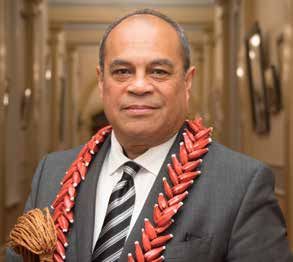
    Hon Aupito William Sio,
    Minister for Pacific Peoples

1                                                      5
    Background and methodology                     6        Characteristics of Pacific                     22
                                                            working proprietors
    New Zealand research on Pacific business
    activity                                                Pacific working proprietors are likely to be
                                                            New Zealand born, and older

2
    This report
                                                            Four in 10 Pacific working proprietors are
    Insights, challenges                       10           Samoan
    and opportunities for                                   Half of Pacific working proprietors live in
    Pacific business                                        Auckland
                                                            Half of Pacific working proprietors have a
                                                            certificate as their highest qualification

3
                                                            Pacific working proprietors have higher income
    Stories of Pacific women                   12           One in four Pacific working proprietors are in
    in business                                             the construction industry
                                                            Many Pacific businesses operate without
                                                            employees, and a single proprietor

4                                                      6
    Rate of Pacific working                    18           Conclusion                                     34
    proprietors

    A higher proportion of Fijians work in their
    own businesses
    Higher rate of working proprietors in
    middle-aged Pacific peoples                             References                                     35

    Higher rate of working proprietors in Northland
4      Ministers’ forewords

                                                      Ministers’
                                                      forewords

                                                Hon Jan Tinetti
                                                Minister for Women

    Talofa lava, Kia orana, Mālō e lelei, Taloha ni,                 Auckland is the business hub for Pacific people, with
    Fakaalofa lahi atu, Fakatalofa atu, Ni sa                        two-thirds of Pacific residents and over half of Pacific
                                                                     business owners located there. This snapshot of Pacific
    bula vinaka, Tēnā koutou kātoa and warm
                                                                     entrepreneurship is an important baseline for recovery and
    Pacific greetings.
                                                                     support of business, particularly after the economically
    Pacific women are celebrated as mothers, essential workers,      destructive effects of the COVID-19 pandemic. Pacific
    and critical providers within their communities and, with this   women have been disproportionately affected by COVID-19.
    report, they can now be celebrated for their entrepreneurial
                                                                     The report makes it clear that Pacific women and men are
    contribution to Aotearoa New Zealand’s economy.
                                                                     positioned to take advantage of opportunities arising from
    This report provides the first view of Pacific business women    the Government investment in infrastructure. The biggest
    and men in the economy. It shows that Samoan, Cook               share of Pacific business activity is in construction – the
    Islands, Tongan, Niuean, Fijian, Tokelauan, and Tuvaluan         most common industry for Pacific men and the second most
    communities all have women who own, and are active               common for Pacific women.
    in, economically sustainable businesses in New Zealand.
                                                                     With this report, we can better understand Pacific peoples’
    The data in this report shows us that Pacific women are
                                                                     place in the economy, how they are contributing to, and
    also present in all the same industries as Pacific men.
                                                                     benefiting from, our post-COVID-19 recovery.
Ministry for Women Pacific women and men in business   5

                                  Hon Aupito William Sio
                                                    Minister for Pacific Peoples

Talofa lava.                                                    The impact of the COVID-19 pandemic on the New Zealand
                                                                business landscape has been unprecedented.
It is estimated Pacific individuals and businesses, across
a variety of industries, contribute $8 billion to the           Pacific peoples have been hit hard and the existing
New Zealand Gross Domestic Product (GDP).                       inequalities they face have been exacerbated by the
                                                                pandemic.
Pacific peoples in Aotearoa are significant contributors
to the economy despite facing adversity, challenges             This resonates even more deeply for Pacific women, who are
and inequities they experience in areas such as health,         also more likely to shoulder additional financial and caring
education, housing and employment.                              responsibilities for their extended families.

This new report provides the most detailed examination of       Pacific peoples have been disproportionately affected by
Pacific business activity in New Zealand and aims to inform     previous economic downturns, and this will likely be true
public agencies and non-profit organisations who work to        again in the wake of COVID-19.
boost and support Pacific business, as well as the Pacific
                                                                Providing quality, culturally appropriate business support
and business communities more generally.
                                                                and wellbeing measures for Pacific peoples at this time is
The report also provides a first view of Pacific women’s        essential and, using this report, the Ministry will work with
contribution to the economy, and their presence in all the      its stakeholders to ensure Pacific peoples can continue
same industries as Pacific men. They play an integral part      to contribute to New Zealand’s economy and, most
in the economy.                                                 importantly, benefit from that contribution.

Imagine what could be achieved by Pacific Aotearoa if           Fa’afetai lava.
existing inequities they face frequently were addressed.

The New Zealand Government is striving to do just that:
to support more Pacific peoples into business; to assist them
with employment training; to encourage them to study
areas such as STEM, where there is an evident need for
more Pacific peoples; and to assist with the development
of entrepreneurial skills and business acumen.
Background and
6

                                                                  1
        methodology

                                                                                     Background and
                                                                                     methodology

    New Zealand research on Pacific                                                  The analysis provided insights into the characteristics
                                                                                     of Pacific businesses including the issues, practices and
    business activity                                                                outcomes in order to enhance the effectiveness of initiatives
    This new report provides the most detailed examination of                        aimed at promoting Pacific businesses in Auckland. The
    Pacific business activity in New Zealand.                                        research showed that both Auckland Pacific self-employed
                                                                                     and employers were older, had higher levels of qualifications
    In 2018, the Treasury1 estimated that “Pacific individuals and
                                                                                     and higher incomes compared to Auckland Pacific peoples
    businesses work in a variety of industries, contributing $8
                                                                                     in employment. The industry profile of Pacific self-employed
    billion to the New Zealand Gross Domestic Product (GDP)”.
                                                                                     and employers in Auckland showed that they were more
    A key message from its report The New Zealand Pacific
                                                                                     likely to be employed in construction and professional,
    Economy was that Pacific peoples in New Zealand were
                                                                                     scientific and technical services than total Pacific peoples
    contributing significantly to the economy despite the many
                                                                                     in employment.
    challenges and inequities they experienced in areas such as
    health, education, housing and employment. It reflected                          The second project (Tuatagaloa, 2017) investigated and
    on what more could be achieved by the Pacific peoples’                           documented detailed information on Pacific entrepreneurs
    community if these inequities were addressed.                                    including insights into their experiences of establishing
                                                                                     and running their businesses. By better understanding the
    The Treasury report discussed areas in which improvement
                                                                                     characteristics and experiences of Pacific entrepreneurs, it
    would have direct impact on economic prosperity, wealth
                                                                                     was hoped that Auckland Council and central government
    and improved health and wellbeing of Pacific peoples.
                                                                                     would be better placed to work with communities
    Supporting more Pacific peoples into business, the
                                                                                     and businesses to find ways to increase the levels of
    development of entrepreneurial skills and business acumen
                                                                                     entrepreneurship among Pacific peoples in Auckland, and
    were areas noted that would contribute to financial,
                                                                                     to help them to succeed. As part of this study, an online
    physical, human, and social capital.
                                                                                     survey completed by 64 Pacific entrepreneurs in Auckland
    The Auckland Council commissioned two projects in 2017                           showed that Pacific businesses without employees were
    to explore Pacific entrepreneurship in Auckland. The first                       more likely to have been in operation for less than five years
    project (Tuatagaloa & Huang, 2017) used results from                             and have an annual turnover of less than $100,000 per year
    the 2013 Census to provide a profile of Pacific peoples aged                     compared with Pacific employers.
    15 years and over in Auckland who stated they were either
    self-employed (and not employing others) or employers.

    1   The New Zealand Pacific Economy available at https://treasury.govt.nz/sites/default/files/2018-11/nz-pacific-economy-nov18.pdf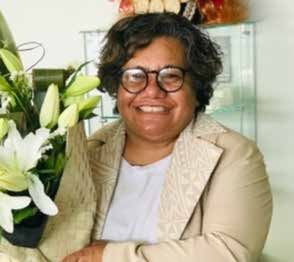
Ministry for Women Pacific women and men in business   7

This report                                                     The population of interest consists of Pacific working
                                                                proprietors in the tax year ending March 2017 who are in
This report aims to inform those public agencies and non-       the New Zealand usually resident population. Consequently,
profit organisations working to boost and support Pacific       those operating businesses offshore but filing taxable
business, as well as the Pacific and business communities       income in New Zealand will not be included in the
more generally.                                                 population of Pacific working proprietors. In terms of age,
                                                                this population includes all Pacific working proprietors aged
It was achieved through a data partnership between the
                                                                15 years and over.
Ministry for Pacific Peoples and Manatū Wāhine Ministry for
Women, and continues the analysis started by the Ministry       For the purpose of this report, a working proprietor is a
for Women in its 2019 report Ngā wāhine kaipakihi:              person who works in a business that they own or part own.
He tirohanga Māori women in business: Insights.                 This definition of working proprietor at a firm is summarised
                                                                in Jaffe and Chappell (2018) as follows:
The report continues the exploration of business activity for
Pacific men and women in New Zealand using data from
the IDI (Integrated Data Infrastructure) and Longitudinal
Business Database (LBD) managed by Stats NZ. It links tax
information about working proprietors to Census ethnicity
                                                                   An individual is counted as a working proprietor
data and other administrative sources to provide detailed
                                                                   if [they]: pay themselves in the Employer Monthly
and confidentialised information about those active in the
                                                                   Schedule (the payer and payee identifiers are the
Pacific economy.
                                                                   same); report self-employment income in the IR3
This research expands on previous studies by examining             tax form; report a share of partnership income in
the total population of Pacific business owners nationally.        the IR7P tax form; or is a company owner receiving
It disaggregates its results by gender of proprietor, and by       payment in the IR4S tax form. Working proprietor
New Zealand region.                                                relationships are assumed to be permanent, though
                                                                   the labour input from a working proprietor can be
                                                                   zero in a particular year.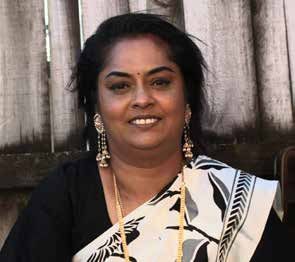
8       Background and methodology

    The development of the dataset of Pacific working                                   Chapter 2 provides a summary by Pelenato Sakalia of the
    proprietors was based on intermediate datasets created by                           Pacific Business Trust of the challenges and opportunities
    Fabling and Maré in the IDI which set a minimum earnings                            faced by Pacific businesses in the post-COVID-19
    threshold of $15,0002 for working proprietors. Furthermore,                         environment. Stories from a selection of Pacific women in
    working proprietors are identified through the LBD which                            business are presented in Chapter 3. Chapter 4 examines
    only includes economically significant businesses. Therefore,                       the rate of Pacific working proprietors as a proportion of
    working proprietors are, more strictly speaking, the working                        the population of Pacific peoples, and Chapter 5 outlines
    proprietors of economically significant businesses3.                                the characteristics of Pacific working proprietors and their
                                                                                        businesses. Concluding remarks are presented in Chapter 6.

                                                                                        For further information on this report, contact:
                                                                                        info@women.govt.nz

    2   “(in real 2000 dollars, deflated using the CPI), determined with reference to the distribution of actual payments”.
    3   Stats NZ deems an enterprise to be economically significant if it meets any of the following conditions:
        (1) >$30,000 annual GST expenses or sales (to avoid existing enterprises repeatedly changing their economic significance indicator, a buffer zone
              of $25,000 to $35,000 has been established);
        (2) more than 3 paid employees (BF rolling mean employment variable);
        (3) in a GST exempt industry, other than residential property leasing and rental (affected units are primarily in the finance and insurance industry,
              and property operators and developers);
        (4) part of a BR group;
        (5a) a new GST registration and has registered for salaries and wages PAYE but has not yet started filing GST returns. These enterprises then have
              a 12-month window as live units (with economic significance as yes) before the other economic significance criteria are applied;
        (5b) a new GST registration and part of an IRD GST group return;
        (6) has a live geographic unit classified to agriculture (typically these units will be registered for GST and/or have paid employees);
        (7) IR10 income >$40K.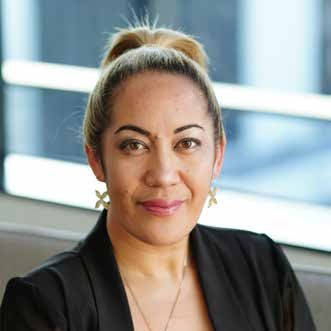
Ministry for Women Pacific women and men in business 9
Insights, challenges
10      and opportunities for

                                               2
        Pacific business

                                                                      Insights, challenges
                                                                      and opportunities
                                                                      for Pacific business

                                                                      Pelenato Sakalia from the Pacific Business
                                                                      Trust shares his thoughts on challenges
                                                                      and opportunities for Pacific business as
                                                                      we recover from the impacts of COVID-19.

                                                 Pelenato Sakalia

     The impact of the COVID-19 pandemic on the New Zealand           While the pandemic is creating negative impacts for
     business landscape has been unprecedented. COVID-19 has          businesses, there are also opportunities arising in the
     impacted virtually every industry at different levels, both in   new landscape.
     New Zealand and globally.
                                                                      PBT provides targeted economic support to the Pacific
     Pacific people are already impacted by existing inequalities     communities of New Zealand with an objective of lifting
     which have been exacerbated by the pandemic. This                Pacific businesses’ productivity and lifting their profitability.
     resonates even more deeply for Pacific people women,             We support Pacific businesses and entrepreneurs so
     who are also more likely to shoulder additional financial        they can prosper and grow. We offer grants to Pacific
     and caring responsibilities for their extended families.         businesses for them to engage with PBT’s services and
     Pacific people have been disproportionately affected by          offerings which include workshops, personalised support
     previous economic downturns, and this will likely be true        and advisory services.
     again in the wake of COVID-19.
                                                                      For more information on PBT, please visit PBT’s website
     Providing quality, culturally appropriate business support       at www.pacificbusiness.co.nz
     for Pacific people women is key to businesses’ recovery.
     Pacific Business Trust (PBT) is proactively reaching out to
     Pacific communities to help overcome these challenges.
     It aims to facilitate access to the range of support that
     Pacific entrepreneurs and businesses need, including wage
     subsidies and business continuity advice.
Ministry for Women Pacific women and men in business 11
The top three opportunities PBT sees
for Pacific businesses are:
Digital Procurement Professional
Improving the ability of A major economic services
Pacific businesses to use opportunity for Pacific There has been a rise in the
digital tools and apply them businesses over the next number of Pacific people
to their operations and decade is the large pipeline professional advisory
marketing will help them of construction and firms being established.
to increase efficiency, get infrastructure projects. The These firms deliver sought
greater value from their Government has identified after advisory services to
resources and marketing major construction contracts, government organisations.
efforts, and ultimately and buildings and building There is an opportunity for
improve their productivity, materials, as purchasing areas Pacific women to establish
resilience and profitability. it wants to target to achieve businesses and/or grow
broader outcomes (e.g., skills their businesses to partake
development). in this rise.Stories of Pacific
12
3
women in business
Stories of
Pacific women
in business
To highlight the emerging population of
Pacific women in business, Manatū Wāhine
Ministry for Women has spoken to five
women business owners. Here they share
their stories, and their advice for women
starting out in self-employment.
Renuka Kumar
A desire to be able to work from home and care for her two Business took a surprise turn with COVID-19, making urgent
children led Fijian-born Renuka Kumar to start a successful sewing and delivery of masks a top priority. “We made and
Pacific clothing business. “Back home Pacific attire is what we sold a lot of masks. Whatever was left over we donated to
wear even in formal settings. I know how people should feel different community groups like churches and homeless
when they’re wearing my clothes,” she says. shelters. For me it makes me feel good knowing I’m able to
give back to my community.”
Having learned how to sew from her mother, Kumar
added to her skills by studying fashion and design, building Kumar would like to further expand the business so she can
the business steadily over the past 15 years. “I think the offer employment and an income to others. Sewing classes
advantage is that I didn’t rush my progress. This came from for adults are also in the pipeline.
planning and knowing why I was doing what I was doing
and foreseeing what I wanted to do next. I think planning “My next step is to take a course on how to teach adults.
is so important and having the backing of your family is I would like to run classes teaching people how to sew so
fundamental as well. You can have the best of both worlds they can do things for themselves, either to try and generate
if you have these two things.” an income or to mend things without spending a lot of
money.”
She has many loyal return customers who have given her
positive feedback. “I’ve never had to advertise; it’s always Her advice to young women starting out in business:
been word of mouth and I love that because it tells me that “Don’t lose hope, it may take time, but you’ll get there.“
my work is quality. I now have part-time workers with me.”Ministry for Women Pacific women and men in business 13
Falute Lene
Inspiration for going into business came early for tech doing things online. An advantage for us is definitely the
company founder and director Falute Lene. Growing up in language, being able to explain things, we’re able to build
Samoa she watched her parents striving to build a successful a connection and that makes it easier for people. They trust
business. “We grew up seeing my Dad constantly working us and we do our best to make sure they’re looked after,”
and being able to do all the things expected to keep the says Lene.
business going…I learnt the different elements and the
work required in business through that.” Launching in July 2019, the company’s first initiative was to
create online vouchers for payment of goods and services
A qualified accountant and former Miss Samoa, Lene from New Zealand to various industries in Samoa.
worked for Bank South Pacific Samoa for 10 years, rising to
Senior Dealer in Financial Markets. Married with six children, “I believe we came into the market at the right time because
she and her husband shifted their family to New Zealand our platform thrived during COVID-19. Our communities
three years ago for their children’s education, and in search came to us online to be able to send things to family in the
of greater opportunities. Pacific…we could meet the need.”
“Being in New Zealand with six children, I didn’t have the She finds the challenge lies in balancing the needs of family
support system I had in Samoa. My time here was spent and a growing business. “As a Mum, family time with my
looking after my kids but I wanted to do something that kids is so important to make sure they’re not missing out.
would help us financially.” From a business perspective, the struggle has been finding
funding to allow the business to expand across the Pacific.”
Spotting the untapped potential of e-commerce in Pacific
communities sparked the idea for tech start-up Pacific40. Asked if she could advise her younger self, Lene has this
Lene’s husband was able to offer technical expertise, message for young women: “Be innovative and don’t be
complementing Lene’s operational and commercial afraid to tap into areas where there is a gap in the market.
know-how. The company also had the support of The Be courageous. You may have doubts but surround yourself
Pacific Business Hub and the Samoa Business Network. with positive-minded business people.”
“The e-commerce space is very challenging in terms of
our culture…there is that fear of the unknown. But more
and more people see the benefit of internet banking and14 Stories of Pacific women in business
Kristy Morgan
Barrister
Barrister, mother of three and director of Pacific dance Setting up her own business, she had moral support from
company, Embrace, Kristy Morgan wears many hats. She her parents. Having a friend also starting out in her own
describes her upbringing as “growing up in two cultures” practice also proved helpful. “It’s reassuring when you’re
with a Cook Island mother and New Zealand European father. going through a journey with someone else because you
learn from each other.”
“I was raised in Papa’a (New Zealand European) culture
and had an awesome childhood growing up on the East Having gone through the start-up experience, Morgan
Coast. My parents provided me with a warm, stable, loving advocates finding mentoring and business advice as early
environment.” as possible to others. “Mentors can help keep you uplifted
throughout the journey.”
It wasn’t until Morgan moved to Auckland in 2000 that
she immersed herself in Cook Island culture. Learning three The switch from employee to business owner does present
languages, studying aspects of Pacific culture as well as law challenges. “As an employee, 95 percent of my time was
at the University of Auckland was life changing. “It gave me practising as a lawyer. Running my own practice there’s all
a deeper connection to who I am and where my ancestors this other stuff, including admin…now I have administrative
come from. I was like a sponge. I took it all in and loved it,” support.”
she says.
COVID-19 came as a shock. “I was very stressed, but I
Practising law since 2008, Morgan followed a well-marked reached out to other practitioners and realised everyone was
legal career pathway, rising up the ranks in respected law in the same boat. The second lockdown I made a conscious
firms. However, she recently broke away to go into practice decision to be kind to myself.”
on her own. “I was blessed to work in some really great
firms and learn from senior practitioners in the family law Morgan’s long-term ambition for her practice is to give a
sector, but I came to a place where I felt like I wanted a new hand up to other Pacific lawyers and legal staff. “I would
challenge. As scary as it was, I took a leap of faith, faith in like to employ a lot more people and mentor others through
God and faith in myself.” their legal career.”
The family’s sole breadwinner, Morgan wanted to show
her children that “even when we face battles in life, we can
aspire to do great things and do it ourselves”.Ministry for Women Pacific women and men in business 15
Ruth Sio-Lokam
Manukau-based chartered accountant Ruth Sio-Lokam says She’s also learnt that part of being in business for yourself
that she has always been mindful of Pacific values but it is knowing when to reach out for help to people who
wasn’t until she went into business for herself that she felt specialise in different areas. “It’s about understanding
able to express these core values in her professional life. that is okay.”
Born of Cook Island parents, and married to a New Zealand- Without any active marketing, her business has thrived on
born Samoan, she says, “Practising in a western culture word-of-mouth recommendations from clients. “As I’m
– it’s very individualistic. As a company owner, I feel like I’m a sole trader I don’t need volume – for me it’s quality not
finding myself, I am my own boss, there are no challenging quantity.”
western concepts, it can be more about other people, and
prioritising my family.” With the first COVID-19 lockdown hitting around tax return
time, she found herself very busy. “I think there was the
After working for 14 years as an employee in medium and initial shock, but things carried on and it was learning
small accountancy practices, motherhood sparked the about different ways to deliver. I think the resilience to
decision to take the plunge and set up her own business. push through, and having the right support networks
“When I worked for a big practice, I was earning good really helped.”
money. Now I don’t earn as much but I’m living comfortably
and the value I place on family time outweighs any earnings. Her advice to her younger self on going into business: “Do it
I can do the school pick-ups and drop-offs.” earlier, don’t wait. If it doesn’t work the first time that’s OK,
go out and do something else, and if your heart is still there
Respect for her parents also motivates her. “I am their come back to it.”
legacy, so I try to do the best that I can based on the values
and culture in which they brought me up.”
Starting out on her own, Sio-Lokam had confidence in her
professional skills, but says the administrative side of the
business was a learning curve. “I think 80 percent of your
own business is based around your own skills. The other
20 percent is small things like setting up a bank account
or getting the legal structure in place. A big milestone
was raising my first invoice…the little successes make
me happy.”16 Stories of Pacific women in business
Sao Timaloa
Family lawyer Sao Timaloa puts her choice of career down She says many barristers won’t take on new lawyers because
to “three significant women” who encouraged her to they don’t have the time to train them. “My dream is to train
go to university when she was working as a clerk at the Pacific lawyers so that they are employable. It’s not a money-
Auckland High Court. The only daughter in a family of five, making exercise for me, it really is about the outreach.”
New Zealand-born Samoan Timaloa had left school 10 years
earlier to support her parents when they became ill. “My culture is very important – I would consider myself very
Samoan. My oratory has helped me build leadership skills and
“I did the New Start programme – a foundation programme, to be visionary. That was the background work that has made
thinking I was going to be a social worker but ended up me the person I am now. I love my culture; I understand it
taking my chance on law. At school, my strengths were in and it makes complete sense for me.”
Maths, not English, but I really wanted to finish [the degree]
and help my people. People would ask what law do you The COVID-19 lockdowns didn’t faze her. In fact, she says
want to practice, and I would always say Family Law.” Zoom and email may have made the court process more
efficient. “I had four court matters to attend to in different
Graduating in 2005, Timaloa initially worked for a small parts of Auckland and I could do that from the comfort of
Henderson firm, moving on to the Mangere Community Law my home.”
Centre. She was then shoulder-tapped by Grey Lynn barrister
Nicole Walker. “I stayed with her for two years – she was Her advice to young women: “Spend lots of time with the
the one who encouraged me to go out on my own. I really people you love; for me that was my Dad. Stay true to your
believe that God has put certain people in my pathway; values, don’t lose yourself in the work and never forget the
Nicole helped me organise the administrative side of the people who will celebrate your successes and pick you up
business itself.” during your failures.“
Timaloa says she always had a vision of going into business
for herself. Naming her practice Timaloa Law was to “honour
my father’s name. He died when I was 19 and his legacy is
something I want to carry on. My Dad used to plant things
in my heart. He would say, ‘you are going to be a teacher’…
and in a way I will be.”Ministry for Women Pacific women and men in business 17
Rate of Pacific working
18

                                                           4
           proprietors

                                                                                          Rate of Pacific
                                                                                          working
                                                                                          proprietors

     Overall, the study found 3,831 Pacific working proprietors                           the rates of Pacific working proprietors in this report to be
     from a population of 258,840 Pacific peoples aged 15 years                           lower than the rate of Pacific peoples in self-employment.
     and over in 2017 (see Table 4-1). This means that 1.5 percent
     of Pacific peoples are working proprietors. An earlier report                        While the overall rate for Pacific people as working
     from the Ministry of Business, Innovation and Employment                             proprietors is much lower than the rate for all
     (2015) reported that 1.6 percent of New Zealand's Pacific                            New Zealanders, of around 8 percent5, it is an important
     population were either self-employed or an employer. By                              baseline rate and a foundation for Pacific peoples to
     comparison, a study of Pacific peoples in self-employment                            encourage and support others to run their own businesses.
     in Auckland using the 2013 New Zealand Census data,                                  A key goal of this investigation was to produce detailed
     Tuatagaloa and Huang (2017) found that 2.6 percent of                                ethnic and gender breakdowns of Pacific business
     Pacific workers in Auckland aged 15 years and over were                              engagement. This is outlined in Table 4-1 below.
     either self-employed without employees or employers 4.
                                                                                          Comparing the rates of Pacific working proprietors by
     Given the tight definition in this report of working                                 gender, we find that women make up one-third of Pacific
     proprietors of economically significant businesses with a                            business owners. Overall, 0.9 percent of Pacific women
     minimum earnings threshold of $15,000, we would expect                               own businesses, compared with 2 percent of Pacific men.

     Table 4-1: Pacific working proprietors by gender and ethnicity

                                                           Pacific working                            Pacific                 Percent who are
                                                            proprietors                             population              working proprietors
         Ethnic group
                                                   Male        Female          Total       Male      Female       Total    Male      Female      Total

         Realm countries                             663           327           990       33,123     35,796      68,919     2.0        0.9       1.4

           Cook Islands                              435           231           663       22,836     24,525      47,361     1.9        0.9       1.4

           Niuean                                    195           87            282       8,631       9,339      17,970     2.3        0.9       1.6

           Tokelauan                                  39            6            48        2,451       2,814      5,268      1.6        0.2       0.9

         Non-realm countries                        1,944          897          2,841      96,735     93,183     189,921     2.0        1.0       1.5

           Samoan                                   1,113          537          1,650      55,434     57,183     112,617     2.0        0.9       1.5

           Tongan                                    420           150           570       23,772     23,151      46,923     1.8        0.6       1.2

           Fijian                                    228           120           351       6,459       6,252      12,711     3.5        1.9       2.8

           Tuvaluan                                   21            18           33        1,215       1,308      2,523      1.7        1.4       1.3

         Total Pacific                              2,607         1,224        3,831      129,861     128,979    258,840     2.0        0.9       1.5

     Note: Numbers have been rounded (to base 3) to protect the privacy of individuals.

     4     An employer is defined as a self-employed person who hires one or more employees.
     5     Extracted from the New Zealand Household Labour Force Survey for the 2020 June quarter at Stats NZ Infoshare.
Ministry for Women Pacific women and men in business 19
A higher proportion of Fijians
work in their own businesses
In terms of the ethnicity of working proprietors, Figure 4-1
shows that Fijians (2.8 percent of whom are working
proprietors) are more likely to work in their own businesses
compared with other Pacific ethnic groups. This is true for
both women and men. Fijian women have the highest rate
of business ownership across Pacific women at 1.9 percent,
and Fijian men have the highest rate amongst men at
3.5 percent. Niueans and Samoans followed with business
ownership rates of 1.6 and 1.5 percent respectively.
The rates of working proprietors between realm and non-
realm countries are very similar. Please note that the rates
of working proprietors for Tokelau and Tuvalu should be
treated with caution given the small number of working
proprietors (fewer than 50) for each of these groups. The
rates of Pacific working proprietors for realm and non-realm
countries are very similar.
Figure 4-1: Proportion of Pacific peoples who are working proprietors by ethnic group
4.0
3.5
3.0
Percent
2.5
2.0
1.5
1.0
0.5
0.0
Cook Fijian Niuean Samoan Tokelauan Tongan Tuvaluan
Islands
Ethnic group
Male Female Total20 Rate of Pacific working proprietors
Higher rate of working
proprietors in middle-aged
Pacific peoples
Figure 4-2 shows the proportion of Pacific peoples who
are working proprietors by age group and gender. Looking
across age groups, Pacific people aged between 40 and 65
have higher proportions of working proprietors compared
with other age groups. This could be the result of people
starting their own businesses at a later age once they have
saved sufficient capital (Tuatagaloa & Huang, 2017). This is
also true across the age structure of all business owners (for
all population groups) in New Zealand, which is older and
clustered around age 556.
Figure 4-2: Proportion of Pacific peoples who are working proprietors by age group
4.5
4.0
3.5
3.0
Percent
2.5
2.0
1.5
1.0
0.5
0.0
15-24 25-29 30-34 35-39 40-44 45-49 50-54 55-59 60-65 66+ All
Age group
Male Female Total
6 Stats NZ, Dataset: Earnings from wages and salaries and self-employment, by sex, age groups and ethnic groupsMinistry for Women Pacific women and men in business 21
Higher rate of working
proprietors in Northland
The rate of Pacific people as working proprietors varies
across regions, as shown in Figure 4-3. Northland has
the highest rate of Pacific working proprietors with
3.4 percent (3.9 percent of men in the region, and
3.0 percent of women).
The rate for Auckland (1.2 percent) is lower than the overall
rate of 1.5 percent; it is also lower compared with all
other regions except for Hawke’s Bay. In part, this may be
because Auckland offers a greater range of wage and salary
opportunities. It is worth noting (as we will see later, in
Figure 5-3) that while the rate of Pacific working proprietors
in Auckland is low, Auckland has the highest number
of Pacific working proprietors, and is the hub of Pacific
business within New Zealand.
Figure 4-3: Proportion of Pacific peoples who are working proprietors by region
4.5
4.0
3.5
3.0
Percent
2.5
2.0
1.5
1.0
0.5
0.0
Northland
Auckland
Waikato
Bay of
Plenty
Gisborne
Hawke’s
Bay
Manawatū-
Wanganui
Wellington
Canterbury
Otago
All
Male Female TotalCharacteristics of Pacific
22
5
working proprietors
Characteristics
of Pacific working
proprietors
Where the previous chapter examined rates of business Table 5-1 presents the age and gender composition of
ownership, this chapter looks at the number and Pacific business owners, together with their country of
characteristics of Pacific working proprietors themselves, birth. Subsequent analysis will examine the regions in which
and of the businesses they run. Pacific working proprietors run their businesses, and the
main industries of the businesses.
Table 5-1: Pacific working proprietors by gender, ethnicity and country of birth
Age 15-34 Age 35 and above Age 15 and above
Whether born in
New Zealand
Male Female Total Male Female Total Male Female Total
Number
NZ born 309 114 423 1,113 630 1,743 1,422 744 2,166
Overseas born 165 36 201 1,020 444 1,461 1,182 483 1,665
Total Pacific 474 153 624 2,136 1,071 3,204 2,607 1,224 3,831
Column percent
NZ born 65 75 68 52 59 54 55 61 57
Overseas born 35 24 32 48 41 46 45 39 43
Total Pacific 100 100 100 100 100 100 100 100 100
Row percent by gender
NZ born 73 27 100 64 36 100 66 34 100
Overseas born 82 18 100 70 30 100 71 29 100
Total Pacific 76 25 100 67 33 100 68 32 100
Row percent by age group
NZ born 22 15 20 78 85 80 100 100 100
Overseas born 14 7 12 86 92 88 100 100 100
Total Pacific 18 13 16 82 88 84 100 100 100
Note: Numbers have been rounded (to base 3) to protect the privacy of individuals.Ministry for Women Pacific women and men in business 23
Pacific working proprietors are
likely to be New Zealand born,
and older
One-third of Pacific working proprietors are women, while
84 percent are aged 35 years and above.
Just over half of business owners (57 percent) are born
in New Zealand, a higher proportion than the number
of Pacific people aged over 15 in New Zealand generally
(54 percent). This difference is even more pronounced
among women business owners – 61 percent of Pacific
women working proprietors are New Zealand born.
Figure 5-1: Characteristics of Pacific people working proprietors
4,000
3,500
Female
3,000 Overseas
2,500 Age 35
and
Number
above
2,000
1,500
Male
NZ
1,000
500 Age 15
to 34
0
Gender Age group Place of birth24 Characteristics of Pacific working proprietors
Four in 10 Pacific working
proprietors are Samoan
Figure 5-2 shows that 43 percent of all Pacific working
proprietors are Samoan. The next most common ethnicities
for business ownership are Cook Islands (17 percent) and
Tongan (15 percent).
The proportion of Pacific working proprietors who are
Samoan is slightly lower than the percentage of the Pacific
population aged 15 years and above who are Samoan (47
percent).
Within the Auckland region, 44 percent of Pacific working
proprietors are Samoan; using 2013 Census data, and
without a minimum earnings threshold, Tuatagaloa and
Huang (2017) found that 51 percent of self-employed Pacific
peoples in Auckland were Samoan.
Figure 5-2: Ethnicity of Pacific working proprietors
1,800
43%
1,600
1,400
1,200
Number
1,000
800
17%
600 15%
400 9%
7%
200
1% 1%
0
Samoan Cook Tongan Fijian Niuean Tokelauan Tuvaluan
Islands
Male FemaleMinistry for Women Pacific women and men in business 25
Half of Pacific working
proprietors live in Auckland
Figure 5-3 shows that 55 percent of Pacific working
proprietors live in Auckland. The next most popular regions
are Wellington (15 percent), Waikato (8 percent) and
Canterbury (7 percent).
Figure 5-3: Region of Pacific working proprietors
2,500
2,000
1,500
Number
1,000
500
0
Auckland Wellington Waikato Canterbury Bay of Northland Other
Plenty regions
Age 35 and above Male Female Total26 Characteristics of Pacific working proprietors
Half of Pacific working
proprietors have a certificate as
their highest qualification
As their highest level of qualification, 52 percent of
Pacific working proprietors have a certificate and another
11 percent had no qualifications at all (see Figure 5-4).
This indicates a basic qualification is sufficient to set up
a business.
In terms of an age comparison, 60 percent of Pacific
working proprietors aged 15 to 34 have a certificate and
15 percent have a bachelor’s degree, graduate diploma or
graduate certificate, so younger people are more likely to
be qualified.
Figure 5-4: Highest qualification of Pacific working proprietors
Number
0 500 1,000 1,500 2,000 2,500
None 11%
Certificate 52%
Diploma 9%
Bachelor degree, graduate diploma,
graduate certificate 12%
Postgraduate degree 7%
Other 8%
Male FemaleMinistry for Women Pacific women and men in business 27
Pacific working proprietors have
higher income
The annual median income of Pacific business owners who
earned income through self-employment only is $47,350
– this is about $10,000 higher than the median income
of Pacific people who didn’t own businesses, and earned
incomes through wage and salaries only (see Figure 5-5).
A third group are the Pacific working proprietors who earn
wages and salaries in addition to their self-employment
income. For these business owners, the combined annual
median income increases to $53,910, making them the
highest-earning category.
Figure 5-5: Number of Pacific people as working proprietors by industry
Median income
0 $20,000 $40,000 $60,000
Working proprietors self-employment
income only
Working proprietors self-employment
income plus wages and salary
Non-working proprietors wage and
salary income only
Male Female Total28 Characteristics of Pacific working proprietors
One in four Pacific working
proprietors are in the
construction industry
Figure 5-6 shows that the top three industries for
Pacific working proprietors’ businesses are construction
(26 percent), professional, scientific, and technical services
(15 percent) and transport, postal, and warehousing
(13 percent). These three industries cover about half
of all Pacific owners’ businesses.
While most industries have higher proportions of male
owners, women make up the majority (61 percent)
of business owners in the health care and social
assistance industry.
Figure 5-6: Number and proportion of Pacific people as working proprietors by industry
Number
0 100 200 300 400 500 600 700 800 900 1,000
Construction
Professional, scientific, and
technical services
Transport, postal, and warehousing
Agriculture, forestry, and fishing
Administrative and support services
Other services*
Health care and social assistance
Rental, hiring, and real estate services
Manufacturing
Retail trade
Arts and recreation services
Accommodation and food services
All remaining industries
Male Female
* NB: The “Other services” industry includes repairs and maintenance, personal services, and private households employing staff.Ministry for Women Pacific women and men in business 29
Looking at the distribution of industries by gender (see
Figure 5-7), we can see that 31 percent of men working
proprietors work in the construction industry with
16 percent in transport, postal, and warehousing, and
13 percent in the professional, scientific, and technical
services industry.
The most popular industries for women are professional,
scientific, and technical services (18 percent), construction
(13 percent) and health care and social assistance
(9 percent).
Some of these working proprietors are co-owners of
businesses. Co-ownership is especially common in the
construction industry; the 13 percent of women owning
businesses in this sector may be managing the business
while a partner works in building or a trade.
Figure 5-7: Distribution of Pacific working proprietors by industry and gender
Percent
0 10 20 30 40 50 60 70 80 90 100
All 26 15 13 5 42
Female 13 18 6 10 53
Male 31 13 16 3 37
Construction Health care and social assistance
Professional, scientific, and technical services All remaining industries
Transport, postal, and warehousing30 Characteristics of Pacific working proprietors
When we consider the distribution of industries within the
regions (see Figure 5-8), construction is the main industry
in the Auckland, Canterbury, and Waikato regions. In the
Wellington region the top three industries (construction;
professional, scientific, and technical services; and transport,
postal, and warehousing) are more equally represented,
with each contributing 1 in 5 Pacific working proprietors.
Figure 5-8: Distribution of Pacific working proprietors by industry and region
Percent
0 10 20 30 40 50 60 70 80 90 100
Auckland region 28 16 14 5 37
Wellington region 22 22 20 4 33
Canterbury region 27 11 15 3 43
Waikato region 24 7 6 4 60
Other regions 21 9 5 5 60
Construction Health care and social assistance
Professional, scientific, and technical services Other industries
Transport, postal, and warehousingMinistry for Women Pacific women and men in business 31
Many Pacific businesses
operate without employees, and
a single proprietor
Figure 5-9 below looks at the characteristics of the
businesses owned by these Pacific working proprietors.
Two-thirds of Pacific working proprietors are self-employed
and do not employ other people.
A majority of businesses (66 percent) have only one owner,
and 42 percent of businesses have been operating for
11 years or more.
Figure 5-9: Characteristics of businesses
4,000
3,500 One or Two or
more more
employee(s) working 11 years
3,000 or more
proprietors
2,500
Number
2,000 6 to
10 years
1,500 No
employees One
working
1,000 proprietor
0 to
5 years
500
0
Number of employees Number of Age of business
working proprietors32 Characteristics of Pacific working proprietors
The distribution by domestic sales (see Figure 5-10) gives an
indication of the size of the business by domestic sales.
About half of the businesses in construction and
professional, scientific, and technical services are medium-
sized businesses with domestic sales of at least $100,000.
Businesses operating in the transport, postal, and
warehousing industry tend to be smaller, with 64 percent
having domestic sales of up to $100,000 for the year.
Figure 5-10: Domestic sales
Percent
0 10 20 30 40 50 60 70 80 90 100
Construction 8 36 48 8
Professional, scientific,
and technical services 10 36 50 4
Transport, postal, and warehousing 10 64 23 3
Agriculture, forestry, and fishing 13 38 42 8
Zero sales Up to $100,000 $100,000 to $1M Over $1MMinistry for Women Pacific women and men in business 33
34      Conclusion

                                              6                       Conclusion

     This report has provided an overview of Pacific                  This report has also provided a first view of Pacific women’s
     entrepreneurship in New Zealand through working                  contribution to the economy. Samoan, Cook Islands,
     proprietors. While the rate of Pacific business owners           Tongan, Niuean, Fijian, Tokelauan and Tuvaluan women
     is low, it provides a good foundation in promoting               are found as working proprietors throughout New Zealand,
     entrepreneurship amongst Pacific peoples.                        and are present in all the same industries as Pacific men.

     Fijians, with a higher rate of business ownership, may have      Most of Pacific business owners are self-employed with
     something to teach the Pacific business community about          no other employees. Over time, these self-employed
     setting up and running an enterprise. The higher rate            Pacific proprietors need support to grow, and to move into
     of business ownership in the Northland region may also           becoming employers. With a large proportion of Pacific
     provide insights on Pacific peoples’ access to resources in      peoples living in Auckland, and low rate of Pacific business
     setting up a business, which could be explored further.          ownership in that region, there is a need for local and
                                                                      central government to support and grow entrepreneurship
     And while the current profile of Pacific working                 in Auckland.
     proprietors shows that business owners tend to be older,
     and New Zealand born, younger people may play an
     important role in the future of Pacific business, given better
     educational opportunities, and their understanding of both
     new technology and the future needs of business. This
     could mean the focus of Pacific business may shift away
     from construction-based enterprises to more technology-
     based industries.
Ministry for Women Pacific women and men in business 35
References
Fabling, R., & Sanderson, L. (2016). A rough guide to New Zealand Productivity Commission. (2020).
New Zealand’s longitudinal business database (2nd edition). Technological change and the future of work: Final report.
Motu Working Paper 16-03. Retrieved from http://motu- Available at www.productivity.govt.nz
www.motu.org.nz/wpapers/16_03.pdf
Tuatagaloa, P. (2017). Exploring Pacific entrepreneurship:
Jaffe, A., & Chappell, N. (2018). Worker flows, entry, The characteristics and experiences of Pacific entrepreneurs
and productivity in New Zealand’s construction industry. in Auckland. Auckland Council technical report, TR2017/010.
Motu Working Paper 18-02. Retrieved from http://motu- Retrieved from https://knowledgeauckland.org.nz/media/1138/
www.motu.org.nz/wpapers/18_02.pdf tr2017-010-exploring-pacific-entrepreneurship.pdf
Ministry for Women. (2019). Ngā wāhine kaipakihi: Tuatagaloa, P., & Huang, T. (2017). Pacific people in self-
He tirohanga/Māori women in business: Insights. Available employment in Auckland. Auckland Council technical report,
at https://women.govt.nz/sites/public_files/Maori%20 TR2017/009. Retrieved from https://knowledgeauckland.
Women%20In%20Business.pdf org.nz/media/1137/tr2017-009-pacific-people-in-self-
employment.pdf
Ministry of Business, Innovation and Employment. (2015).
MBIE’s Pacific economic strategy 2015–2021. Available at
https://www.mbie.govt.nz/assets/cf13bcf509/mbie-pacific-
economic-strategy-2015-2021.pdfMinistry for Women Ministry for Pacific Peoples PO Box 10049 PO Box 833 Wellington 6143 Wellington 6140 Tel: (04) 915 7112 Tel: (04) 473 4493 ISBN email: info@women.govt.nz email: contact@mpp.govt.nz Print: 978-0-478-43027-1 www.women.govt.nz www.mpp.govt.nz Digital: 978-0-478-43031-8
You can also read


