PALM OIL BUYERS SCORECARD - MEASURING THE PROGRESS OF PALM OIL BUYERS AS WE KICK OFF A DECADE OF ACTION FOR NATURE 2021 EDITION: REPORT - WWF France
←
→
Page content transcription
If your browser does not render page correctly, please read the page content below

PALM OIL BUYERS
SCORECARD
MEASURING THE PROGRESS OF PALM OIL BUYERS
AS WE KICK OFF A DECADE OF ACTION FOR NATURE

2021 EDITION: REPORT

PALM OIL BUYERS SCORECARD                                      2   INDEX                                                         3

INDEX
SUMMARY                                                    6               ANALYSIS                                             44
                                                                           HOW COMPANIES ARE PERFORMING AS A WHOLE              44
SETTING THE SCENE                                         10               HOW COMPANIES ARE PERFORMING ON FUNDAMENTAL AREAS    48
                                                                           HAS THERE BEEN PROGRESS SINCE THE LAST SCORECARD?    60
UNDERSTANDING PALM OIL                                    18               HOW COMPANIES ARE PERFORMING IN KEY MARKETS          62
THE WORLD’S MOST POPULAR VEGETABLE OIL                    18               HOW COMPANIES ARE PERFORMING IN INDIVIDUAL SECTORS   68
SOCIAL AND ENVIRONMENTAL IMPACTS OF PALM OIL PRODUCTION   22
THE EFFECTS OF PALM OIL SUBSTITUTION                      26               AN AGENDA FOR ACTION                                 76
CAN PALM OIL BE SUSTAINABLE, AND HOW?                     28               WHAT SHOULD COMPANIES DO?                            78
                                                                           WHAT SHOULD POLICYMAKERS DO?                         80
METHODOLOGY                                               32               WHAT SHOULD THE FINANCE SECTOR DO?                   84
ABOUT THE SCORECARD                                       32               WHAT SHOULD CONSUMERS DO?                            86
SCORING CRITERIA                                          36
                                                                           CONCLUSION                                           88

                                                                           ANNEX: COMPANY SCORES                                92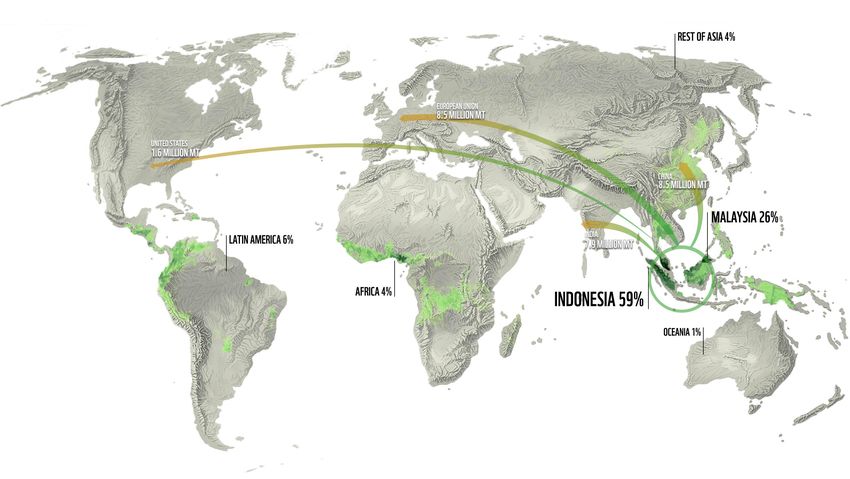
PALM OIL BUYERS SCORECARD                                            4                                                5

                            ABOUT WWF                                    ABOUT THE SCORECARD
                            WWF is one of the world’s largest            The scorecard assesses manufacturers,
                            and most respected independent               retailers, food service and hospitality
                            conservation organisations, with over        companies on their commitments and
                            5 million supporters and a global            actions in favour of sustainable palm oil,
                            network active in over 100 countries.        helping to build a culture of transparency
                            WWF’s mission is to stop the                 around palm oil use.
                            degradation of the Earth’s natural
                                                                         palmoilscorecard.panda.org/
                            environment and to build a future
                            in which humans live in harmony
                            with nature, by conserving the world’s
                            biological diversity, ensuring that
                                                                         DISCLAIMER
                                                                         The information captured in this PDF
                            the use of renewable natural resources
                                                                         reflects data on the scorecard as of 27
                            is sustainable, and promoting the
                                                                         September 2021. Please refer to the
                            reduction of pollution and wasteful
                                                                         online scorecard for the most up-to-date
                            consumption.
                                                                         data.
                            More information: wwf.panda.org
                                                                         To compile the scorecard, WWF
                                                                         asked all assessed companies to
                            ACKNOWLEDGEMENTS                             complete an extensive questionnaire.
                                                                         Companies were systematically asked
                            WWF would like to acknowledge
                                                                         to substantiate their responses using
                            the Global Environment Facility for
                                                                         publicly available information, company
                            providing financial support for this
                                                                         sourcing policies, and sustainability
                            report through the Good Growth
                                                                         reports. While WWF made every effort
                            Partnership.
                                                                         to ensure the accuracy and clarity of all
                                                                         information — including by verifying
                                                                         company responses against their
                                                                         annual reports to the Roundtable on
                                                                         Sustainable Palm Oil (RSPO) — we also
                                                                         relied on companies to be transparent
                                                                         and truthful in their responses.
                                                                         Performance remains self-reported by
                                                                         companies and does not constitute or
                                                                         imply endorsement, sponsorship or
                                                                         recommendation by WWF. We urge
                                                                         users of the scorecard to check the data
                                                                         and share any errors found with both
                                                                         WWF and the relevant company.

                                                                         Published in September 2021 by WWF.
                                                                         Any reproduction (in full or in part)
                                                                         must mention the title and credit the
                                                                         above publishers as the copyright owners.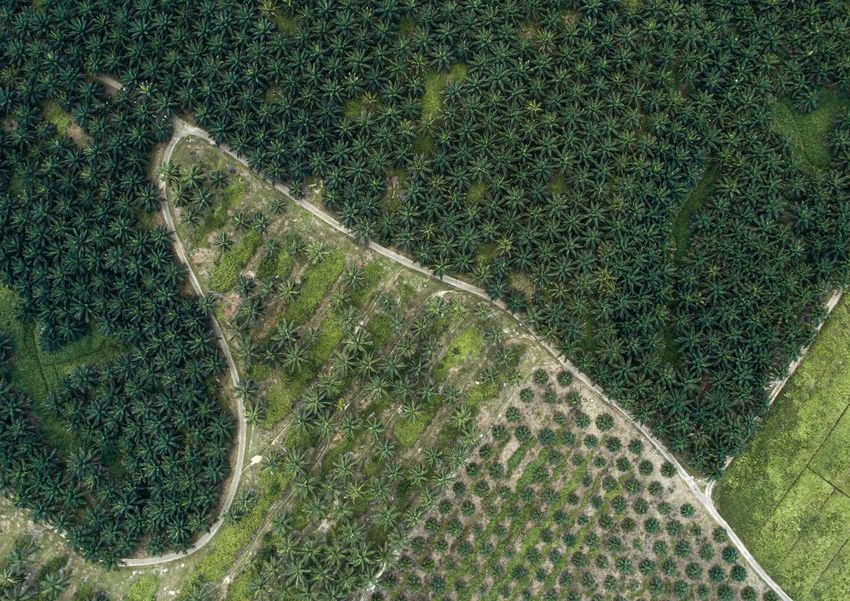
PALM OIL BUYERS SCORECARD                                                                                                           6   SUMMARY                                                                               7

                                            SUMMARY                                                                                     that a large number of companies continue to avoid all
                                                                                                                                        responsibility and accountability: more than a third (85) of
                                                                                                                                        the 227 companies WWF approached failed to provide any
PALM OIL IS                                 The 2021 edition of the WWF Palm Oil Buyers Scorecard
                                            assesses the progress and performance of 227 major retailers,
                                                                                                                                        information on their palm oil usage and sustainability efforts.

THE WORLD’S                                 manufacturers and hospitality* companies on key actions they                                On a more encouraging note, 52% of companies are taking

MOST TRADED
                                            can and should be taking to show their commitment and                                       action beyond their supply chains by actively participating
                                            support for a sustainable palm oil industry. While there has                                in sustainability platforms aimed at driving industry-wide
VEGETABLE OIL                               been progress since the first scorecard was launched in 2009,
                                            much also remains the same: twelve years on, corporate efforts
                                                                                                                                        transformation. Similarly, 39% of respondents are investing in
                                                                                                                                        projects aimed at supporting real change on the ground in palm
                                            still fall drastically short of what is needed to counteract the                            oil producing landscapes such as smallholder capacity building
                                            ongoing damage to our world’s most vital forests and natural                                and forest protection. After a decade of inaction by many, this
                                            ecosystems.                                                                                 is a positive shift that all palm oil buyers should take part in
                                                                                                                                        and rapidly accelerate.
                                            Palm oil is the world’s most traded vegetable oil, and its many
                                            unique properties — including versatility, affordability and land                           There are real opportunities for palm oil buyers to drive
                                            use efficiency — have turned into an essential part of modern                               immediate and far-reaching change across the palm oil
                                            consumption habits. While oil palm cultivation delivers                                     industry. The rapid progress made by several scorecard
                                            benefits to various tropical economies and local communities                                respondents across a variety of sectors and markets shows that
                                            across the globe, irresponsible production is a significant driver                          sustainable palm oil is achievable, no matter where a company
                                            of deforestation, ecosystem conversion, biodiversity loss, and                              might be on its sustainability journey. With as many as 66%
                                            greenhouse gas (GHG) emissions. Unsustainable production                                    of scorecard respondents ranked as 'well on the path' or in the
                                            also threatens the lives of people living and working in palm oil                           'middle of the pack', the potential for accelerated action on
                                            producing landscapes in the form of land grabs, displacement,                               sustainable palm oil has never been clearer.
                                            and human rights violations.
                                                                                                                                        Our planet can no longer wait for palm oil buyers to turn
                                            In line with the 2020 scorecard, WWF’s latest assessment                                    promises into action. From deforestation to biodiversity loss
                                            examines what palm oil buyers are doing to promote                                          to global warming, unsustainable practices by the palm oil
                                            sustainability along and beyond their supply chains. And the                                industry have contributed to the climate and nature crises we
                                            results are indisputable: While some companies have made                                    currently face. Tackling them calls for rapid and concerted
                                            commendable efforts to eliminate deforestation, conversion                                  corporate action, with practices and systems in place to ensure
                                            and human rights abuse from their palm oil supply chains,                                   effective implementation and greater stewardship in driving        OUR PLANET CAN NO
                                                                                                                                                                                                           LONGER WAIT FOR PALM
                                            palm oil buyers as a whole can and should do much more to                                   change across the industry. Governments in producer and
                                            deliver impact at scale and at pace.                                                        consumer countries alike, alongside the finance sector and

                                            With companies scoring an average of 13.2 points out of 24,
                                                                                                                                        consumers, also have a key role to play in promoting palm oil
                                                                                                                                        supply chains that protect forests, natural ecosystems and local
                                                                                                                                                                                                           OIL BUYERS TO TURN
                                            the 2021 scorecard is a stark reminder of the tremendous                                    communities.                                                       PROMISES INTO ACTION
                                            progress that has yet to be made. Half of respondents are
                                            still not sourcing 100% Roundtable on Sustainable Palm Oil
                                            (RSPO) certified sustainable palm oil (CSPO), despite the ready
                                            supply of RSPO CSPO and availability of several supply chain
                                            options. And while a majority of respondents have committed to
                                            sourcing palm oil that is free of deforestation and human rights
                                            abuse, as little as 9% of respondents apply their commitments
                                            to all ecosystems at risk, while only 13% have commitments
                                            that protect the rights of all stakeholders who might be negatively
                                            impacted by palm oil production. The scorecard also reveals
* This scorecard classifies palm oil buyers that are involved in food service or accommodation as part of the hospitality sector.
PALM OIL BUYERS SCORECARD 8 SUMMARY 9
227 88%
COMPANIES APPROACHED
of respondents
have a human rights
commitment
ON THE GROUND ACTION
TO PARTICIPATE IN THE 2021 % of respondents
PALM OIL BUYERS SCORECARD 30% SUPPORTING
SMALLHOLDERS
13%
HUMAN RIGHTS
28%
of respondents
of respondents with have a
a commitment have commitment
set a target date that protects
beyond 2020 or fail the rights of
all relevant
86%
to mention any date
stakeholders
37%
of respondents have
OF COMPANIES a commitment to
sourcing 100% RSPO
APPROACHED DID NOT CSPO
12% CONSERVATION
9%
RESPOND of respondents have
a deforestation- & PROJECTS
conversion-free
commitment
SOURCING 100%
RSPO CSPO
DEFORESTATION- &
CONVERSION- FREE
17% PROTECTING AND
RESTORING FORESTS
9.7 MILLION MT
ONLY HALF 56% of respondents have
a deforestation-free
commitment only
OF RESPONDENTS ARE
14%
Total palm oil usage
SOURCING 100% RSPO CSPO JURISDICTIONAL
SUPPLIER ACCOUNTABILITY OR LANDSCAPE
67% APPROACHES
RSPO CSPO usage SUSTAINABILITY PLATFORMS 55% ofonlyrespondents require suppliers to have a deforestation policy, but
7% also require a conversion-free policy
94% OF RESPONDENTS
ARE RSPO MEMBERS
85% of respondents require suppliers to have a human rights policy, but
only 13% also require a policy that protects the rights of all relevant
stakeholders
52% 26%
OF RESPONDENTS ARE of respondents have supplier monitoring systems for both
INVOLVED IN OTHER ACTION- environmental and social commitments
ORIENTED PLATFORMS
37% of respondents require supplier traceability to the mill or plantation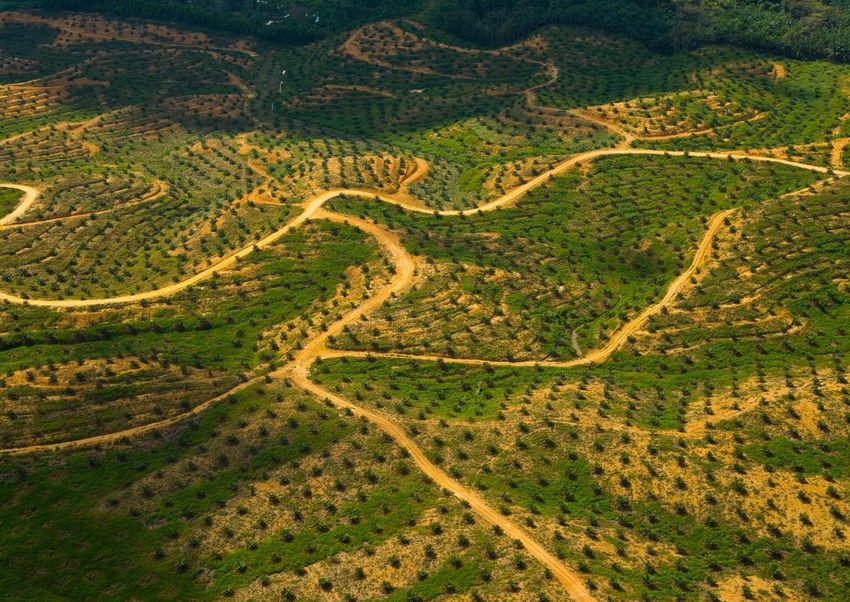
SETTING
THE SCENE
In the previous decade, hundreds of companies
made high-profile commitments and pledges to
eliminate deforestation from their supply chains
by 2020. These included collective commitments
by 400+ members of the Consumer Goods
Forum (CGF) and signatories to the New York
Declaration on Forests (NYDF). Governments
also vowed to halt deforestation and land
degradation under the Aichi Targets, NYDF,
Amsterdam Declarations, and Sustainable
Development Goals.
PALM OIL BUYERS SCORECARD                            12   SETTING THE SCENE                                                             13

But as 2020 came to an end, the planet’s
most valuable natural ecosystems – forests,
peatlands, grasslands and savannahs,                      PALM OIL BUYERS ARE STILL      Despite this ecological crisis, WWF’s 2021
                                                                                         Palm Oil Buyers Scorecard has found that
among others – were still being destroyed
at an alarming rate.1,2 These ecosystems                  NOT DEMONSTRATING THE          palm oil buyers are still not demonstrating the

                                                          TRANSFORMATIVE ACTION
                                                                                         kind of transformative action that is required
help regulate the environment, maintain
                                                                                         to halt the destruction of the world’s most
biodiversity, and support food security as
well as human health, rights and livelihoods.             THAT IS REQUIRED TO HALT THE   important forests and natural ecosystems.
                                                                                         Scoring an average of only 13.2 points out
Yet many of these ecologically important
areas remain at risk, including across 24                 DESTRUCTION OF THE WORLD’S     of 24, companies still have a long way to go

                                                          MOST IMPORTANT FORESTS AND
                                                                                         in showing they are serious about palm oil
deforestation fronts where over 43 million
                                                                                         sustainability. The scorecard also lays bare a
hectares have been lost between 2004 and
2017.3 In 11 of them, palm oil was found to be a          NATURAL ECOSYSTEMS             persistenting lack of transparency across palm
                                                                                         oil supply chains, with more than a third (85)
key driver of forest loss and habitat destruction.
                                                                                         of the 227 companies WWF approached failing
                                                                                         to provide any information on their palm oil

THE PLANET’S MOST
                                                                                         usage and sustainability efforts.

VALUABLE NATURAL
ECOSYSTEMS ARE STILL                                      PALM OIL BUYERS MUST           The science is clear. Global wildlife
BEING DESTROYED AT                                        CHANGE COURSE NOW
                                                                                         populations have declined by 68% since
                                                                                         19704, and anthropogenic climate change
AN ALARMING RATE                                                                         is beyond dispute. In just the last year, the
                                                                                         world has experienced a global pandemic,
                                                                                         wildfires, extreme weather events, and
                                                                                         record temperatures. All of these events
                                                                                         are interconnected, intimately linked to the
                                                                                         state and health of our forests and natural
                                                                                         ecosystems. Agricultural expansion, including
                                                                                         oil palm cultivation, is the principal driver of
                                                                                         tropical deforestation globally5, and there is
                                                                                         no clear pathway to address the planetary
                                                                                         emergency we currently face without tackling
                                                                                         commodity-driven deforestation and conversion.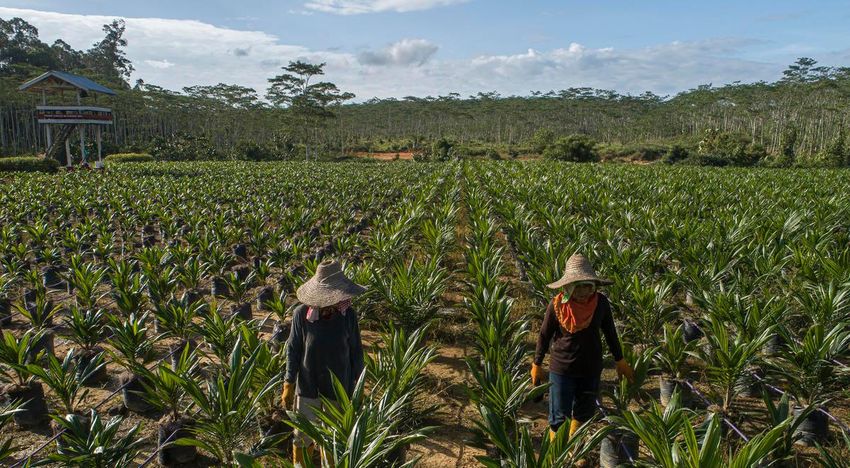
PALM OIL BUYERS SCORECARD                                                          14   SETTING THE SCENE                                                                15

AS USERS OF ONE OF THE              Estimates indicate that palm oil demand
                                    could increase four to six times in the near
WORLD’S MOST POPULAR                future, jumping from 73.8 million MT in

VEGETABLE OILS, PALM OIL
                                    2020 to 264-447 million MT by 2050.6
                                    This exponential growth raises concerns
BUYERS HAVE A UNIQUE ROLE           that oil palm development and expansion
                                    in Southeast Asia and other parts of the
TO PLAY IN ELIMINATING              world — including Africa, Latin America

DEFORESTATION AND
                                    and Papua New Guinea — could exacerbate
                                    the environmental and social impacts
CONVERSION FROM GLOBAL              that have already been experienced to date.
                                    Avoiding these risks calls for concerted and
SUPPLY CHAINS                       accelerated action by all palm oil buyers.

        68%
        RECENT RESEARCH REVEALS A

                                                                                        THE GOOD NEWS IS THAT THERE   Although no company received full marks in
                                                                                                                      this scorecard, a number of respondents have
                                                                                        ARE REAL OPPORTUNITIES        climbed the rankings to become leaders in

                                                                                        FOR SWIFT AND SUSTAINED
                                                                                                                      just over a year, proving that making rapid,

       DECLINE IN WILDLIFE
                                                                                                                      significant strides towards sustainable sourcing
                                                                                        PROGRESS ACROSS THE ENTIRE    and sector-wide transformation is possible.
       POPULATIONS SINCE 1970                                                           PALM OIL INDUSTRY
                                                                                                                      The companies featured in this scorecard
                                                                                                                      are also among some of the largest palm oil
                                                                                                                      buyers across key markets, and therefore
                                                                                                                      have the potential and capacity to drive large-
                                                                                                                      scale change across the palm oil industry
                                                                                                                      by collectively raising the ambition of their
                                                                                                                      commitments and implementation plans.
PALM OIL BUYERS SCORECARD                                                                        16

THERE HAS NEVER BEEN A                              Continuous improvement is an intrinsic
                                                    part of any sustainability journey, and palm
BETTER TIME FOR PALM OIL                            oil buyers have more tools than ever before

BUYERS TO KICK OFF A DECADE
                                                    to achieve sustainable supply chains that
                                                    protect forests, ecosystems and human
OF ACTION FOR NATURE                                rights. As a globally applicable roadmap,
                                                    the Accountability Framework offers a set
                                                    of consensus-based international norms, best
                                                    practices, and guidance for commodity buyers
                                                    to build and scale up ethical supply chains
                                                    that are free of deforestation and conversion
                                                    and respect human rights. This is in addition
                                                    to credible certification standards such as the
                                                    Roundtable on Sustainable Palm Oil (RSPO),
                                                    Palm Oil Innovation Group (POIG), and
                                                    other multi-stakeholder initiatives that are
                                                    working to transform the industry.

    THE DIFFERENCE BETWEEN DEFORESTATION AND CONVERSION*
     Deforestation is the loss of natural           Conversion is the change of any natural
     forest as a result of changing the forest to   ecosystem (including forests, but also
     agricultural or non-forest land use,           extending to other ecosystems such as
     including plantations, or severe or            savannahs, grasslands, and wetlands) to
     sustained degradation of the forest            another land use, or a significant change
     ecosystem.                                     in the species composition, structure, or
                                                    function of the ecosystem.
                                                    Like forests, other natural ecosystems are
                                                    critical for carbon storage, biodiversity
                                                    protection, water supply, mitigation of
                                                    natural hazards, adaptation to climate
                                                    change, and sustaining the wellbeing of
                                                    Indigenous peoples and local communities.

* As defined in the Accountability Framework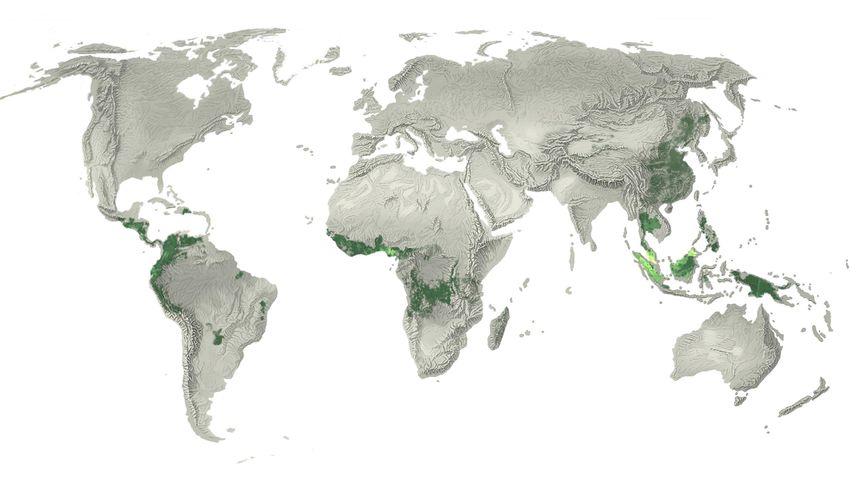
UNDERSTANDING
PALM OIL
THE WORLD’S MOST POPULAR
VEGETABLE OIL
We all consume palm oil on a daily basis.
From pizza, instant noodles and chocolate,
to shampoo, deodorant and infant formula,
palm oil can be found in an estimated 50%
of all packaged products and 70% of
cosmetics.7 Palm oil is also used widely as
a cooking oil in Asian and African countries,
in addition to serving as animal feed and
a biofuel in several parts of the world.

Palm oil’s wide range of uses and relative
affordability has earned it the title of the
world’s most consumed and traded vegetable
oil, making up 40% of global vegetable oil
consumption and over 60% of the vegetable
oil traded each year.8 Global demand for palm oil
amounted to 73.8 million MT9 in 2020 — or the
equivalent of 20,000 olympic swimming pools.
PALM OIL BUYERS SCORECARD                       20   UNDERSTANDING PALM OIL                                                                               21

                                                     GLOBAL PALM PRODUCT CONSUMPTION10

                                                     66%                                                   22%                            9%
      Palm oil is here to stay. To help
      feed the world’s growing population,                                    COOKING OIL
      global demand for palm oil is forecast                                  FATS
      to increase exponentially in the near                                   PROCESSED FOODS                                   BIOFUEL        OLEOCHEMICALS
      future. This makes it all the more
      imperative to focus efforts on creating
      a sustainable and accountable palm
      oil industry that benefits natural
      ecosystems and the people who
      depend on them.

                        Vegetable oil
                        traded globally

                                          60%
                        Palm oil

            73.4 MILLION MT
            VOLUME OF PALM OIL PRODUCED
                     GLOBALLY                        GLOBAL PALM OIL PRODUCTION & TRADE
           = 20,000 OLYMPIC
                                                     Source: United States Department of Agriculture Foreign Agricultural
                                                     Service (2020). Production, Supply and Distribution database;
                                                     Ramankutty et al. (2008). Farming the planet: 2. Geographic

           SWIMMING POOLS
                                                     distribution of crop areas, yields, physiological types, and net primary
                                                     production in the year 2000.

                                                     Palm oil production

                                                     Min                             Max
PALM OIL BUYERS SCORECARD 22 UNDERSTANDING PALM OIL 23
OIL PALMS GROW SOCIAL AND ENVIRONMENTAL IMPACTS
BEST IN LOW-LYING, OF PALM OIL PRODUCTION NATURE
In Southeast Asia, large expanses of tropical forests have been lost to meet
the world’s growing appetite for palm oil,14 with devastating consequences for
HOT AND WET Palm oil makes a substantial contribution to many economies
biodiversity15 and ecosystem functions. The rainforest and habitat loss caused
by oil palm expansion is a key threat to at least 193 endangered species16 —
AREAS SUCH AS across the tropics. For example, oil palm expansion has including orangutans, elephants, rhinos and tigers. The conversion of forests and
RAINFORESTS AND
delivered significant economic and social benefits in Indonesia natural ecosystems to oil palm plantations can also negatively impact adjacent
and Malaysia, where 85% of the world’s palm oil is produced. habitats through fragmentation, edge effects, soil erosion and degradation, and
PEATLANDS NEAR Oil palm cultivation is a primary source of income for an
estimated 4.5 million people in both countries,11 contributing
water pollution.
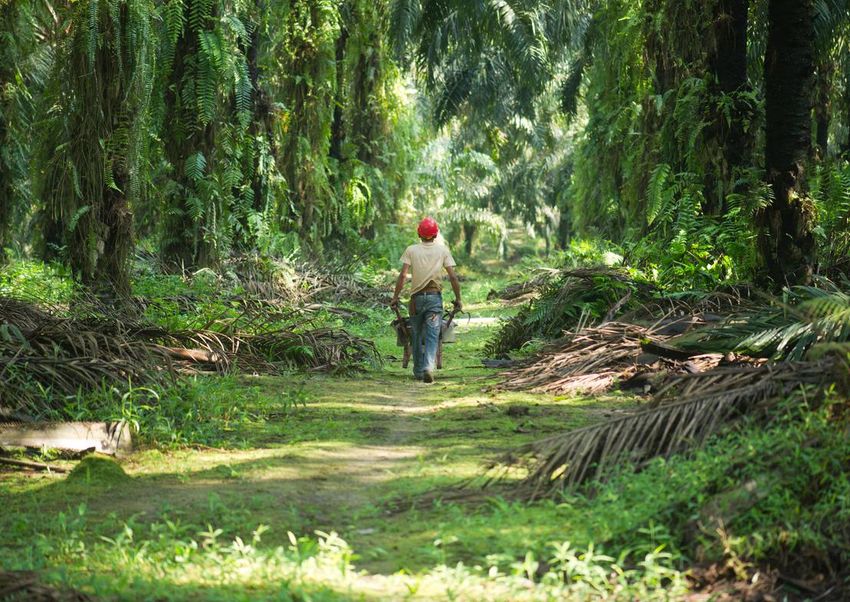
THE EQUATOR to poverty alleviation, employment and income creation. Ever-growing global demand for palm oil is raising concerns that production
Production has also helped stimulate rural infrastructure and in new parts of the world could result in the same negative impacts that have
local economic growth. historically been observed in Southeast Asia. Oil palm development is expected
to continue in Asia, including in new regions such as Papua New Guinea,
But the rapid and unsustainable expansion of oil palm Thailand, the Philippines, India, and central and eastern parts of Indonesia.
plantations has also resulted in a range of negative impacts But it is also slated to rise in Latin America, where production has already
for people, nature and our climate. Oil palms grow best in doubled since 2001,17 as well as Africa.
low-lying, hot and wet areas such as rainforests and peatlands
near the equator. These areas are home to more than two-
thirds of the world's biodiversity12 and play a critical role in the
ecological balance of our planet.13 They are also an essential LARGE EXPANSES OF TROPICAL FORESTS HAVE BEEN LOST TO
source of livelihood for local communities who use products
derived from forest resources for food, shelter, energy,
MEET THE WORLD'S GROWING APPETITE FOR PALM OIL
medicine and income generation.
NATURE
Clearing for oil palm plantations
has led to the widespread
destruction of rainforests and
other natural ecosystems (such as
peatland), most notably in AsiaPALM OIL BUYERS SCORECARD 24 UNDERSTANDING PALM OIL 25
Encouragingly, recent data suggests that oil palm-driven deforestation has
begun to slow,18,19 with governments in major producing countries taking action
to curb oil palm expansion, particularly in primary forests and peatlands. PEOPLE The expansion of palm oil production areas has often occurred at the expense
of the rights and interests of plantation workers, local communities and
In 2018, the Malaysian government committed to maintain at least 50% forest
Indigenous peoples. This can take the form of land grabs, forced displacement,
cover across the country and cap palm oil development to 20% of total land.20
harassment, and the loss of access to forests for food, medicine, livelihoods
The state government of Sabah has also created a unique enabling environment
and culture.26 Numerous reports on plantation workers’ poor living and working
for sustainable palm oil. Meanwhile in Indonesia, the government has issued
conditions, human rights abuses, child labour, and discrimination against
a range of policies — including a forest-clearing ban, 21 a moratorium on
smallholders also cast a shadow on the sector.27, 28
issuing of licenses for new oil palm plantations,22 and a regulation on peatland
protection23 — which are critical to reducing oil palm expansion into forests
Additionally, haze has become a regular occurrence across Southeast Asia as
and peatlands.
forests across the region are destroyed and burned down to make way for oil
palm and pulpwood plantations.29 The accompanying smoke and dust can cause
a variety of short- and long-term illnesses, including eye and skin irritation,
respiratory and cardiovascular problems, and sometimes even death.30 Haze
CLIMATE The conversion of forests and peatlands to oil palm plantations releases large
quantities of greenhouse gases (GHG) into the atmosphere,24 which in turn
also has severe impacts on economic productivity due to the shutdown of
businesses, schools and airports. According to the World Bank, forest fires in
accelerates climate change. The industry practice of draining and converting Indonesia cost the country $5.2 billion in damage and economic losses in 2019.31
peatland forests is especially damaging to climate mitigation efforts,
as peatlands are carbon sinks which store more carbon per unit area than
any other ecosystems in the world. Fires used to clear forests and peatlands
on oil palm, timber and logging concessions have contributed to significant air
pollution across Southeast Asia on numerous occasions. In 2015, the clearing and
burning of 2.6 million hectares of land in Indonesia released 11.3 million tonnes
of GHG emissions per day over two months.25 In comparison, daily emissions PEOPLE
from the entire European Union amounted to 8.9 million tonnes during the
same period. The expansion of oil palm
production areas has also often
been at the expense of the rights
CLIMATE and interests of plantation
workers, local communities and
Indigenous peoples
The conversion of forest and
peatland to oil palm plantation
releases large quantities of
greenhouse gases into the
atmosphere, wich in turn
accelerates climate changePALM OIL BUYERS SCORECARD 26 UNDERSTANDING PALM OIL 27
THE EFFECTS OF PALM OIL SUBSTITUTION Substituting palm oil with other vegetable oils
could equally undermine efforts to make
More broadly, switching between vegetable
oils is not an effective solution to the complex
the industry more sustainable by diminishing challenges the world faces. Over the years,
In addition to its versatility, palm oil is also very productive, with a yield far greater than any the incentive for growers to produce several companies have moved to substitute
other vegetable oil. So while using other vegetable oils may seem like a solution, replacing palm sustainable palm oil and potentially forcing palm oil with other vegetable oils, driven by
oil can actually create similar — if not worse — environmental and social problems. them to seek other buyers that may have concerns about the sustainability of palm oil,
lower sustainability credentials. Companies health-related issues, and consumer demand.
Replacing palm oil with other vegetable oils could require up to four to 10 times more land could also end up switching to alternative oils, However, any decision to remove palm oil from
to produce the same amount of oil, potentially causing greater harm to nature and wildlife. which has the potential to displace negative products should be underpinned by robust
The palm oil industry has also helped to create a huge number of jobs; a shift away from the impacts to other natural ecosystems, species evidence on how this can help reduce the
commodity could have consequences for rural communities who depend on palm oil for their and communities, ultimately resulting in global pressure of unsustainable vegetable oil
livelihoods, especially considering that smallholder farmers account for 40% of global palm oil increased habitat and biodiversity loss. production on biodiversity, ecosystem services
production.32 and habitat conversion.
PALM OIL SUNFLOWER OIL
1MT = 0.26 HA
1MT = 1.43 HA
SOYBEAN OIL
1MT = 2 HA Rather than considering oils and
RAPESEED ingredients in isolation, companies
should measure their sustainability
OIL
in a holistic manner to create ethical
supply chains and food systems that
align around the same goal: feeding
1MT = 1.25 HA a growing population in a way that
is nutritious, equitable and within
planetary boundaries.
LAND REQUIRED TO PRODUCE
1 METRIC TONNE OF MAJOR
OILS
Source: Meijaard, E. et al. (2018). Oil palm
and biodiversity. A situation analysis by the
IUCN Oil Palm Task Force.PALM OIL BUYERS SCORECARD 28 UNDERSTANDING PALM OIL 29
CAN PALM OIL BE SUSTAINABLE, AND HOW? Creating a sustainable and inclusive
palm oil industry is possible, but cannot
be achieved through any single solution.
Palm oil is a valuable commodity that doesn’t have to be destructive. It can be produced
sustainably, in a manner that protects nature and benefits people, provided three key
Instead, it requires all stakeholders along
the palm oil value chain to acknowledge their
COMPANIES HAVE A KEY
principles are respected: ‘shared responsibility’, and embrace the use
of a variety of complementary approaches
ROLE AND RESPONSIBILITY
and strategies. For more details on what TO PLAY IN MAINSTREAMING
industry stakeholders can do to turn the
PROTECT SUSTAINABLE PALM OIL
1
tide on unsustainable palm oil – including
companies, policymakers, the finance
Palm oil-driven deforestation sector, and consumers – see WWF’s detailed
and natural habitat conversion recommendations under the ‘Agenda for
are halted across all production action’ section of this report.
landscapes.
Companies have a key role and responsibility
to play in mainstreaming sustainable palm
oil. As a first step, WWF believes that palm
2 PRODUCE oil buyers should join the RSPO and cover
the entirety of their palm oil purchasing with
Palm oil production no longer RSPO CSPO and ideally POIG-verified oil.
contributes to climate change WWF co-founded the RSPO and the POIG
and ecosystem degradation, in 2004 and 2013 respectively to bring the
and sustainable production is whole palm oil industry – producers, traders,
incentivised so that the industry refiners, manufacturers and retailers –
provides sustainable livelihoods, together with non-governmental organisations
reduces poverty, and respects and the finance sector to make palm oil more
human rights. sustainable. Certification is one way for palm
oil buyers, whatever their size or resources,
to contribute to transparent, credible and
3 RESTORE sustainable supply chains.
Landscapes and degraded
ecosystems – including forests,
peatlands, and existing plantations
– are restored, and fragmented CREATING A
habitats and populations are
reconnected by wildlife corridors, SUSTAINABLE PALM
helping to enhance biodiversity
conservation.
OIL INDUSTRY IS
POSSIBLE, BUT CANNOT
BE ACHIEVED THROUGH
ANY SINGLE SOLUTIONPALM OIL BUYERS SCORECARD 30 UNDERSTANDING PALM OIL 31
However, certification on its own cannot solve
all the environmental and social problems
include projects focused on the conservation
and restoration of forests, other natural
COMPANIES ALSO NEED TO BE
caused by unsustainable palm oil production. ecosystems and biodiversity at risk from, AGENTS OF CHANGE WITHIN THE
PALM OIL INDUSTRY AT LARGE
For a sustainable and inclusive palm oil or impacted by, unsustainable palm oil
industry to become a reality, all companies production; smallholder farmer sustainability
that use palm products need to move beyond and inclusion; and jurisdictional or landscape
simply minimising the environmental and approaches that can deliver impact at scale by
social risks within their palm oil supply chain, fostering collaboration between governments,
towards a nature-positive and inclusive businesses, local communities, and civil society
approach. This means taking steps to ensure toward shared conservation, sustainability, and
that individual supply chains are free of green development goals.
deforestation and conversion of natural
ecosystems, and respect the human rights
of all impacted stakeholders. Companies also
need to be agents of change within the palm
oil industry at large, notably by participating WHAT IS SUSTAINABLE PALM OIL?
in action-oriented sustainability initiatives
and collective advocacy, supporting strong
Sustainable palm oil is the e. Maintain or improve soil fertility,
legislation in consumer and producer countries,
responsible production of palm oil in and minimise or control erosion
and contributing to on the ground action
accordance with environmental, social and soil degradation
in palm oil producing landscapes. This can
and economic best practices. This f. Develop and implement plans to reduce
reduces the negative impacts of palm emissions, including greenhouse gases
CERTIFICATION ON ITS
oil production on the environment and
communities. Palm oil buyers should, g. Adopt good agricultural practices
OWN CANNOT SOLVE ALL at a minimum, source their palm oil
only from companies that respect the
and prioritise efforts to increase
yields in existing plantations,
THE ENVIRONMENTAL AND following sustainability criteria: * including supporting smallholders
to increase productivity
SOCIAL PROBLEMS CAUSED a. Protect forests and other natural
ecosystems, including maintaining or
h. Respect human rights, including
BY UNSUSTAINABLE PALM enhancing High Conservation Value
the free, prior and informed consent
(FPIC) of local and Indigenous
OIL PRODUCTION Areas (whether biological, ecological,
social or cultural) and High Carbon
communities
Stock forests i. Restore landscapes in palm oil
producing regions – including forests,
b. No use of hazardous pesticides
peatlands and existing plantations –
and chemicals
emphasising enhanced connectivity
c. No use of fire to clear land for and biodiversity preservation
new planting
d. No planting on peat
* These practices are not exhaustive of all actions stakeholders should take to make sustainable palm oil a reality. WWF also
recommends that company’s actions and commitments align with the Accountability Framework.METHODOLOGY
ABOUT THE SCORECARD
The 2021 edition of the WWF Palm Oil
Buyers Scorecard assesses the progress
and performance of 227 major retailers,
manufacturers and hospitality* companies
on key actions they can and should be taking
to show their commitment and support for a
sustainable palm oil industry. This is the sixth
scorecard since it was first published in 2009.
The WWF Palm Oil Buyers Scorecard series
analyses the commitments and actions of
major companies and brands related to palm
oil only, and does not aim to assess the risks
related to any other commodity or ingredient
the companies may also source.
This year’s assessment is the most global
scorecard to date, covering companies
THE WWF PALM OIL
headquartered across five continents —
including Europe, North America, Asia,
BUYERS SCORECARD
Africa and Australia. Palm oil buyers were
selected based on their strategic significance
SERIES ANALYSES
and overall palm oil usage in key markets and
across the industry.
THE COMMITMENTS
AND ACTIONS OF
MAJOR COMPANIES ON
SUSTAINABLE PALM OIL
* Inclusive of food service companiesPALM OIL BUYERS SCORECARD 34 UNDERSTANDING PALM OIL 35
WWF EVALUATED COMPANIES USING
DATA COLLECTED THROUGH AN EXTENSIVE
QUESTIONNAIRE
Canada, Mexico, Belgium, Denmark, Finland,
United States France, Germany, Italy,
which included information that RSPO Netherlands, Poland, Portugal,
members reported in their 2020 Annual Sweden, Switzerland, Turkey,
United Kingdom
Communication of Progress
(ACOP). All data collected
relates to companies’ palm
oil purchases in 2020 and
sustainability action taken
to date. Companies were
asked to provide supporting
evidence for all questions included in
the questionnaire and were expected
to be transparent, truthful and accurate
in their reporting.
WWF does not endorse any company India, Indonesia, Malaysia,
Philippines, Singapore, South Korea
assessed in the 2021 scorecard or
any previous editions of the scorecard.
Instead, we encourage concerned
stakeholders to use the scorecard as one
available tool to better understand the
steps palm oil buyers are taking to become
sustainable, and identify the areas where
they may be falling short in order to
encourage the continuous improvement
of sourcing practices.
South Africa
227
COMPANIES WERE
ASKED TO PROVIDE
Total number
SUPPORTING EVIDENCE of companies
FOR ALL QUESTIONS assessed
147
Manufacturers
63
Retailers
17
Hospitality
companiesPALM OIL BUYERS SCORECARD 36 UNDERSTANDING PALM OIL 37
SCORING CRITERIA OWN SUPPLY CHAIN 18 POINTS
1.5 POINTS
Considering the nature and climate crises at
hand, the 2021 scorecard assessed companies All 227 companies assessed in the
DOES THE COMPANY HAVE A COMMITMENT
against a more comprehensive set of criteria 2021 scorecard were scored out of a TO SOURCING DEFORESTATION- AND
aimed at evaluating the key actions they are possible total of 24 points, divided CONVERSION-FREE PALM OIL?
taking to source and support sustainable as follows: Palm oil buyers may use the purchase of RSPO-certified Commitment strength
palm oil, with a focus on delivering ethical materials to fulfill deforestation- and conversion-free 1 point if the company has a deforestation- and conversion-
palm oil supply chains. Nevertheless, the commitments. But while all RSPO supply chain models free commitment that meets the Accountability Framework
‘Own supply chain’ make positive contributions to supporting sustainable palm definitions
criteria used are by no means exhaustive oil production, the purchase of Mass Balance and Book & 0.5 points if company has a deforestation-free commitment,
of the actions that companies can take to The first 18 points relate to actions
Claim credits does not demonstrate that materials in a but the latter does not meet the Accountability Framework
company’s supply chain are deforestation- and conversion- definition for conversion*-free
support sustainable palm oil. companies have taken to ensure free due to the presence of uncertified materials. This is
why WWF calls for palm oil buyers to have a distinct public Commitment scope
WWF uses the Accountability Framework their own palm oil supply chain is commitment to deforestation- and conversion-free palm oil. 0.5 points if the commitment covers the entire corporate group
as the backbone of its call to companies to sustainable and free of deforestation, *Conversion is the change of any natural ecosystem (including but not
(or company, if not part of a corporate group) including all
volumes and palm oil types
limited to forests) to another land use
set, implement and measure deforestation- natural ecosystem conversion, and
1.5 POINTS
and conversion-free supply chains that human rights abuse.
respect human rights. For detailed guidance, DOES THE COMPANY HAVE A PUBLIC
WWF encourages companies to refer to
‘Beyond supply chain’ COMMITMENT TO SOURCING PALM OIL
the Framework as a comprehensive set of THAT RESPECTS HUMAN RIGHTS?
common norms and guidance for establishing, The remaining six points relate Palm oil buyers may purchase RSPO CSPO to fulfill human Commitment strength
implementing, and demonstrating progress to actions companies have taken to rights commitments. But while all RSPO supply chain models 1 point if the company has a human rights commitment
on ethical supply chain commitments in the promote sustainable palm oil beyond make positive contributions to supporting sustainable palm oil that covers the rights of all relevant stakeholder groups*
production, the purchase of Mass Balance and Book & Claim and meets all of the Accountability Framework’s definitions
agriculture and forestry sectors. their own supply chain, thereby credits does not demonstrate that materials in a company’s and requirements
supply chain are free of human rights abuse due to the presence 0.5 points if the company has a human rights commitment that
contributing to the sustainable of uncertified materials. This is why WWF calls for palm oil only covers the rights of some relevant stakeholder groups, or
transformation of the palm oil only partially meets the Accountability Framework’s definitions
THE CRITERIA USED
buyers to have a distinct public commitment to sourcing palm
oil that respects human rights. and requirements
industry. Given the urgency of the
ARE NOT EXHAUSTIVE
Commitment scope
problems facing the industry, WWF
0.5 points if the company’s human rights commitment covers
believes companies that are serious *these include Indigenous peoples, local communities, workers and and the entire corporate group (or company, if the latter is not part
OF THE ACTIONS THAT
of a corporate group), including all volumes and palm oil types
about sustainability need to go others who may be impacted by company activities
beyond the minimum requirement of
COMPANIES CAN
1 POINT
removing harmful practices from their
DOES THE COMPANY HAVE A PUBLIC
TAKE TO SUPPORT
own supply chain, and take their share
of responsibility by contributing to COMMITMENT TO SOURCING 100% RSPO
SUSTAINABLE PALM OIL integrated approaches that can deliver
impact at scale. These include sector,
CSPO?
Making a public, time-bound commitment to sourcing 100% 1 point if the company has a commitment to purchase 100%
landscape and jurisdictional initiatives RSPO CSPO is a simple action all palm oil buyers can take RSPO CSPO by 2020 at the latest (or has already achieved this)
which aim to holistically address key towards cleaning their own supply chain and incentivising more 0.5 points if the company has a commitment to purchase 100%
sustainable palm oil production. RSPO CSPO, but has not specified a target date, or has one that
social and environmental challenges; is later than 2020
remove the barriers to market
transformation; and support more
sustainable, productive and inclusive
production practices on the ground.PALM OIL BUYERS SCORECARD 38 UNDERSTANDING PALM OIL 39
HOW MUCH OF THE PALM OIL A COMPANY PURCHASES
IS RSPO-CERTIFIED SUSTAINABLE?
Companies are scored based on the proportion of their total palm oil sourcing that is certified as sustainable under one or more
10 POINTS TOTAL IS CALCULATED BY:
STEP 1 CALCULATING UPTAKE SCORES BY PALM OIL TYPE
RSPO supply chain models. Scoring considerations are given based on the robustness of the RSPO supply chain model used, the type
of palm oil purchased as well as the importance of sustainability concerns in the country where a company is headquartered.
Shifting to physical supplies of RSPO CSPO — i.e. palm oil that is certified as Segregated, Identity Preserved or Mass Balance — reduces
the environmental and social risk associated with producing palm oil, brings greater transparency to supply chains and requires palm oil For Crude & Refined Palm Oil (CPO) and Palm Kernel Oil (PKO):
buyers to engage with suppliers and support their transition to sustainability. Companies are therefore awarded the highest number of 3 points x percentage of CPO/PKO volumes covered by Segregated, Identity Preserved or Independent Smallholder credits
points for their purchasing of the Segregated or Identity Preserved supply chain models, which require the palm oil to come only from + 1.5 points x percentage of CPO/PKO volumes covered by Mass Balance
sustainable sources. Companies are awarded an intermediate number of points for their sourcing of Mass Balance palm oil, as this model
allows for the mixing of both certified and non-certified oils throughout the supply chain and therefore carries a higher environmental For Palm Oil Derivatives (POD):
and social risk compared to Segregated or Identity Preserved models. Considering the importance of including smallholder farmers in 3 points x percentage of POD volumes covered by Segregated, Identity Preserved or Independent Smallholder credits
sustainable palm oil supply chains, companies receive a high number of points for the purchase of Independent Smallholder credits, + 1.75 points x percentage of POD volumes covered by Mass Balance + 1.25 points x percentage of POD volumes covered by Book &
which helps support smallholder farmers who are unable or struggling to connect to physical supply chains. Claim credits
WWF recognises that purchasing physical supplies of RSPO CSPO is much more challenging for companies sourcing complex palm oil
derivatives and those headquartered in emerging sustainability markets, such as India, Indonesia, Malaysia, Mexico, South Africa STEP 2 ADJUSTING UPTAKE SCORES BY THE VOLUME OF EACH PALM OIL TYPE
and the Philippines, where demand for sustainable products to date has been low. In the hope of supporting “first movers”
in these markets, WWF has allowed more lenient scoring by awarding points for the purchase of palm oil covered by any RSPO
supply chain model, including Book & Claim credits. CPO volume score = CPO uptake score x CPO proportion (i.e. CPO volume/total palm oil volume)
PKO volume score = PKO uptake Score x PKO proportion (i.e. PKO volume/total palm oil volume)
POD volume score = POD uptake score x POD proportion (i.e. POD volume/total palm oil volume)
STEP 3 ADDING ALL VOLUME-ADJUSTED SCORES(bringing
AND MULTIPLYING BY THREE
total possible score to nine)
Overall score = (CPO volume score + PKO volume score + POD volume score) x 3
For companies headquartered in India, Indonesia, Malaysia, Mexico, South Africa and the Philippines:
Overall score = 3 points x percentage of total volumes that are RSPO-certified (any supply chain model)
STEP 4 ADDING 1 BONUS POINT FOR 100% RSPO CSPO(bringing
COVERAGE OF ALL PALM OIL
total possible score to ten)
DID THE COMPANY REPORT PALM OIL QUANTITIES FOR ITS
ENTIRE OPERATIONS?
Palm oil buyers should disclose their palm oil usage and sustainability efforts across their
1 POINT
1 point if the scope of reported quantities relates to all countries in which the corporate group operates (or company, if the latter is not
entire operations — including all volumes, palm oil types, and geographies in which they operate. part of a group)
If a company is part of a corporate group,* the same must be true for the group level. 0.5 points if the scope of reported quantities relate to all the countries in which the company operates, but not all countries in which the
corporate group operates (this option only applies if the company is part of a group)
*A corporate group is defined in the Accountability Framework as “the totality of legal entities to which the company is affiliated in a relationship in which 0 points if the scope of reported quantities only relates to some countries in which the company or corporate group operates (if the
either party controls the actions or performance of the other,” and includes subsidiaries, affiliates, joint ventures and majority holdings. company is a part of a group)PALM OIL BUYERS SCORECARD 40 UNDERSTANDING PALM OIL 41
1 POINT
DOES THE COMPANY EXPECT SUPPLIERS BEYOND OWN SUPPLY CHAIN 6 POINTS
TO HAVE A COMMITMENT TO SOURCING
DEFORESTATION- AND CONVERSION-FREE
PALM OIL THAT RESPECTS HUMAN RIGHTS?
Palm oil buyers serious about ensuring supply chain Deforestation- and conversion-free expectation
IS THE COMPANY A MEMBER OF ACTION-
ORIENTED SUSTAINABILITY PLATFORMS?
Palm oil buyers that are serious about effecting far-reaching
2 POINTS
1 point if the company is an RSPO member
sustainability should require their suppliers to also be for suppliers change in the palm oil industry should join the RSPO and 1 point if the company is a member of the POIG or other
committed to sustainable palm oil that is free of deforestation 0.5 point if the company expects its suppliers to have a participate in other action-oriented sustainable palm oil action-oriented sustainable palm oil platforms
and conversion and respects human rights. This commitment deforestation- and conversion-free commitment that meets platforms. To be considered, these platforms need to go
should extend across the suppliers’ entire operations (beyond the Accountability Framework definitions beyond membership and commitments on paper by requiring
what is sourced directly to the company). 0.25 points if the company expects its suppliers to have a demonstrable action and progress by participating companies in
deforestation-free commitment, but does not specify that supporting sustainability beyond their own supply chain.
the commitment should meet the Accountability Framework
definition for conversion-free
4 POINTS
Human rights expectation for suppliers
0.5 point if the company expects its suppliers to have a
human rights commitment that covers the rights of all relevant
DOES THE COMPANY INVEST IN ON THE
stakeholder groups* and meets all of the Accountability
Framework’s definitions and requirements
GROUND PROJECTS IN PALM OIL
0.25 points if the company expects its suppliers to have
a human rights commitment, but does not specify that the
PRODUCING LANDSCAPES?
commitment should cover the rights of all relevant stakeholder Achieving impact on the ground requires palm oil buyers 4 points a company is making investments in any of
*these include Indigenous peoples, local communities, workers groups, or does not meet all of the Accountability Framework’s to move beyond cleaning up supply chains and mitigating the following:
and others who may be impacted by company activities definitions and requirements sustainability risks, to an approach which proactively addresses Smallholder producers
past, current and potential future deforestation and conversion, Forest protection and restoration
and promotes sustainable production practices that are
1 POINT
Landscape or jurisdictional approaches
protective of nature and people.
DOES THE COMPANY HAVE MONITORING Conservation
AND RESPONSE SYSTEMS IN PLACE TO
VERIFY SUPPLIER COMPLIANCE WITH
COMMITMENTS?
Palm oil buyers should have robust systems in place to 0.5 points if the company has monitoring and response
monitor compliance with their sustainable sourcing policies, systems in place to monitor supplier compliance with
including their commitments to source palm oil that is free deforestation- and/or conversion-free commitments
of deforestation and conversion and respects human rights. 0.5 points if the company has monitoring and response
Monitoring and response systems can help companies identify, systems in place to monitor supplier compliance with human
mitigate, and address non-compliances with their sourcing rights commitments
policies.
DOES THE COMPANY EXPECT SUPPLIERS TO
SOURCE PALM OIL THAT IS TRACEABLE
TO THE MILL/PLANTATION?
1 POINT
A particular challenge to delivering sustainability commitments 1 point if the company requires suppliers to trace
is a lack of traceability of palm oil to its source (plantation/ their palm oil to the mill or plantation
mill) and thus a lack of influence over poor land use and
production practices, especially for palm oil sourced by
‘third-party’ growers. While traceability on its own does not
equate to sustainability, it is important for palm oil buyers to
achieve traceability in their supply in order to demonstrate
that they are able to identify risks and take steps to address the
environmental and social issues within their supply chain.PALM OIL BUYERS SCORECARD 42
HOW RELIABLE IS THE DATA USED?
Similarly to previous scorecards, the 2021 their responses. Performance remains
scorecard included rigorous verification self-reported by companies and does
processes and systems to ensure all the not constitute or imply endorsement,
information reported by companies in WWF’s sponsorship or recommendation by WWF.
questionnaire was accurate and up-to-date. We urge users of the scorecard to check
Palm oil buyers were systematically asked the data and share any errors found with
to substantiate their responses, which were both WWF and the relevant company.
verified against their RSPO ACOP reports,
as well as company sourcing policies and
sustainability reports. Buyers were also asked
to clarify their answers when their responses
were unclear, incomplete or seemingly incorrect. EVERY EFFORT WAS
An independent third-party consultancy was
contracted to manage the data collection
MADE TO ENSURE
process and scoring, in close consultation THE ACCURACY,
with WWF. Every effort was made to ensure
the accuracy, independence and clarity of INDEPENDENCE
company data, and all answers submitted
by companies in response to the scorecard
AND CLARITY OF
survey were verified against publicly available COMPANY DATA
information. However, we still counted on
companies to be transparent and truthful inANALYSIS HOW COMPANIES ARE PERFORMING AS A WHOLE WWF’s 2021 Palm Oil Buyers Scorecard shows that palm oil buyers are still not demonstrating the kind of transformative action that is needed to halt the destruction of the world’s most important forests and natural ecosystems. With an average score of 13.2 points out of 24, companies indisputably have a long way to go in showing they are serious about palm oil sustainability. While no company achieved full marks in this year’s scorecard, a number of respondents are demonstrating leadership in sourcing sustainable palm oil and driving industry-wide transformation. Topping this year’s assessment is Coop Switzerland (22.4), the only company to score more than 22 points out of 24. Other COMPANIES HAVE A companies that are leading the way in supporting sustainable palm oil within and LONG WAY TO GO IN beyond their supply chains include Ferrero (21.7), IKEA (21.6), John Lewis Partnership SHOWING THEY ARE (21.3) and Mars Inc. (21.1). These companies prioritise the use of physical supplies of RSPO SERIOUS ABOUT PALM CSPO, extend their sustainability requirements to suppliers, and monitor them for compliance. OIL SUSTAINABILITY They have also gone further to support the transformation of the sector by taking action beyond their supply chain, including investing in projects in palm oil producing regions and actively participating in action-oriented sustainability platforms.
PALM OIL BUYERS SCORECARD                                           46   ANALYSIS                                                                                          47

                                                  37%
                                                                         Despite these encouraging trends, the            efforts. This is despite growing consumer
THERE ARE REAL OPPORTUNITIES                                             scorecard reveals that a large number of
                                                                         companies continue to avoid all responsibility
                                                                                                                          demand for sustainable products — including
                                                                                                                          in emerging markets33— and the considerable
FOR SWIFT AND SUSTAINED                                                  and accountability. This year, more than a       reputational risks such a lack of transparency

PROGRESS IN THE NEAR FUTURE
                                                                         third (85) of the 227 companies WWF              entails.

                                                  OF COMPANIES           approached did not provide any information
                                                                         on their palm oil usage and sustainability
This year’s scorecard includes four
respondents who have rapidly risen in the         APPROACHED
ranking since our last assessment in 2020,
                                                  DID NOT RESPOND                                                               OUT OF 24 WAS THE
                                                                                                                           13.2 AVERAGE SCORE
setting a commendable example that should
help motivate others to follow suit. Previously
ranked in the ‘middle of the pack’, John Lewis
Partnership (21.3), Beiersdorf AG (20.2),
                                                                                                                                      And no company achieved full
Arla Foods (19.9) and the Estée Lauder
                                                                                                                                      marks, underlining how much
Companies Inc. (19.6) are now ‘leading the
                                                                                                                                      work remains to be done to align
way’, proving that making rapid, significant
                                                                                                                                      with best practices outlined in the
strides towards sustainable sourcing and
                                                                                                                                      Accountability Framework.
sector-wide transformation is possible. These
companies are only a few steps away from
becoming industry leaders who can deliver
far-reaching changes across the sector by
further exerting their influence within and
beyond their supply chains. With as many
as 66% of scorecard respondents ranked as

                                                                                                                              THE COMPANIES
‘well on the path’ or in the ‘middle of the
pack’, the potential for accelerated action on
sustainable palm oil has never been clearer.
By strengthening and following through on
                                                                                                                             FEATURED IN THIS
commitments, these companies have real                                                                                        SCORECARD ARE
                                                                                                                             AMONG SOME OF
prospects of climbing the ranks, and should
make concerted efforts to do so.
                                                                                                                            THE LARGEST PALM
                                                                                                                            OIL BUYERS ACROSS
                                                                                                                               KEY MARKETS

227
                                  COMPANIES APPROACHED
                                  TO PARTICIPATE IN THE 2021
                                  PALM OIL BUYERS SCORECARD
PALM OIL BUYERS SCORECARD 48 ANALYSIS 49
HOW COMPANIES ARE PERFORMING ON FUNDAMENTAL AREAS Meanwhile, 86% of respondents have committed to source 100% RSPO CSPO. But
22% of those with a commitment have a target date beyond 2020, while 6% have
not set an explicit target date. Setting an ambitious and time-bound commitment
COMMITMENTS
to sourcing only sustainable palm oil is a simple, basic step that all palm oil buyers
can and should take.
MOST COMPANIES DO NOT HAVE ROBUST COMMITMENTS THAT ADDRESS ALL OF THE
1 ENVIRONMENTAL AND SOCIAL RISKS IN THEIR PALM OIL SUPPLY CHAINS IN AN EFFECTIVE AND WHAT SHOULD A
TIMELY MANNER — LEAVING MANY HABITATS AND COMMUNITIES VULNERABLE TO NEGATIVE
OR UNINTENDED CONSEQUENCES OF THEIR SOURCING PRACTICES. COMPANY’S HUMAN RIGHTS
Following the Accountability Framework’s core principles, palm oil buyers should
COMMITMENT COVER?*
elevate and deliver on their commitments, publicly declaring clear targets and time- Ethical palm oil supply chains
bound milestones that reflect the urgency of the ecological crisis we face. must respect the human rights
of all people involved in and
Company-level commitments to address critical industry issues – particularly affected by palm oil production
around deforestation, natural ecosystem conversion, and labour and human and trade. This includes workers
rights issues – could be significantly improved. While 56% of respondents have throughout the supply chain, as
a public commitment to deforestation-free palm oil, only 9% of respondents go well as Indigenous peoples and
further by also extending their commitment to the protection of other natural local communities whose land,
ecosystems beyond forests. Similarly, while 88% of respondents have made livelihoods, or resources might be
commitments to ensure that human rights are protected through their supply impacted by palm oil production.
chains, 75% do not cover the rights of all relevant stakeholder groups.* On a more
encouraging note, the vast majority of respondents who have committed to
addressing deforestation and/or conversion and protecting human rights apply
these commitments to their entire operations and all palm oil types.
COMPANY-LEVEL
OUT OF THE 86% OF RESPONDENTS WHO HAVE COMMITMENTS TO
1 IN 4
COMMITTED TO SOURCING 100% RSPO CSPO ADDRESS CRITICAL
ISSUES COULD BE
SIGNIFICANTLY
IMPROVED
HAVE SET A TARGET DATE BEYOND 2020, OR
FAIL TO MENTION ANY DATE
* This includes the rights of Indigenous peoples, local communities, and other groups that may be affected by * As defined in the Accountability Framework.
company activities. See the call-out box entitled “What should a company’s human rights commitment cover?” for
more details.PALM OIL BUYERS SCORECARD 50
PURCHASING OF SUSTAINABLE PALM OIL
WHILE THERE HAS BEEN COMMENDABLE PROGRESS
2 MADE BY MANY, SOURCING 100% RSPO CSPO IS STILL
NOT THE NORM.
Only half of respondents have indicated
that all of their palm oil purchases are 100%
RSPO-certified. This is inexcusable considering
the availability of several supply chain options
and the ready supply of RSPO CSPO.
Palm oil buyers should urgently increase
their sourcing of certified sustainable palm
oil across all markets, and close the certification
gap. Of the 9.7 million MT of palm oil reported
by respondents, only 67% is certified. North
American and Australian* respondents have
PALM OIL BUYERS
the highest uptake of RSPO CSPO, with 83%
and 84% of palm oil volumes reported as ONLY HALF SHOULD URGENTLY
certified respectively. This is much higher than
respondents headquartered in Europe, who are of respondents are INCREASE THEIR
65% certified. Asian and African companies
have the most progress to make, reporting RSPO
sourcing 100% RSPO
CSPO SOURCING OF CERTIFIED
CSPO uptake levels of 22% and 47% respectively.
SUSTAINABLE PALM OIL
ACROSS ALL MARKETS
WHAT IS THE ROUNDTABLE ON SUSTAINBLE PALM OIL?
The RSPO is the largest independent third party certification scheme
for palm oil. In 2021, the platform counted over 5,120 members34 who
represented more than 90% of the global palm oil trade — pointing to
the significant potential to deliver impact at scale. However, 19% of global
palm oil production is currently RSPO-certified, with estimates indicating
that only 50% to 65% of these volumes are being sold as certified.
This underlines the urgent need for palm oil buyers to increase their
uptake of RSPO CSPO.
* Only three companies headquartered in Australia responded to WWF’s questionnaire.You can also read


