Pâtisserie and Confectionery - Technical Description Social and Personal Services
←
→
Page content transcription
If your browser does not render page correctly, please read the page content below
Technical Description

Pâtisserie and Confectionery
       Social and Personal Services

                               © WorldSkills International   TD32 v7.1 WSC2019
WorldSkills International, by a resolution of the Competitions Committee and in accordance with the
Constitution, the Standing Orders and the Competition Rules, has adopted the following minimum requirements
for this skill for the WorldSkills Competition.

The Technical Description consists of the following:
         1   INTRODUCTION ................................................................................................................................. 2
         2   THE WORLDSKILLS STANDARDS SPECIFICATION (WSSS) .............................................................. 4
         3   THE ASSESSMENT STRATEGY AND SPECIFICATION ..................................................................... 11
         4   THE MARKING SCHEME .................................................................................................................. 12
         5   THE TEST PROJECT .......................................................................................................................... 15
        6    SKILL MANAGEMENT AND COMMUNICATION ............................................................................ 18
        7    SKILL-SPECIFIC SAFETY REQUIREMENTS ....................................................................................... 19
        8    MATERIALS AND EQUIPMENT ....................................................................................................... 20
        9    SKILL-SPECIFIC RULES ..................................................................................................................... 30
       10    VISITOR AND MEDIA ENGAGEMENT ............................................................................................. 31
       11    SUSTAINABILITY.............................................................................................................................. 32
       12    REFERENCES FOR INDUSTRY CONSULTATION .............................................................................. 33

Effective 22.08.18

 Stefan Praschl                                                                        Michael Fung
 Chair of the Competitions Committee                                                   Vice Chair of the Competitions Committee

© WorldSkills International (WSI) reserves all rights in documents developed for or on behalf of WSI, including translation and electronic
distribution. This material may be reproduced for non-commercial vocational and educational purposes provided that the WorldSkills logo
and copyright notice are left in place.

  WSC2019_TD32_EN                                        © WorldSkills International. All rights reserved
                                                                                                                                                        1 of 33
  Date: 21.06.19 – v7.1                                      PÂTISSERIE AND CONFECTIONERY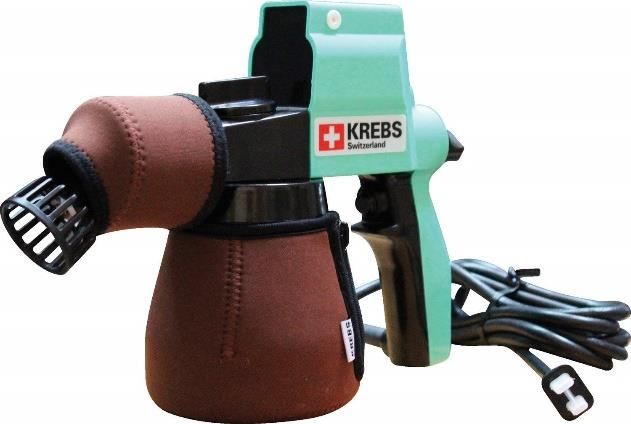
1 INTRODUCTION

 1.1 NAME AND DESCRIPTION OF THE SKILL COMPETITION
 1.1.1 The name of the skill competition is
           Pâtisserie and Confectionery
 1.1.2 Description of the associated work role(s) or occupation(s).
           The Pâtisserie and Confectionery trades have highly skilled professionals who produce a wide range of
           intricate and predominantly sweet items. They produce various confectionery products such as hand
           finished chocolates, candies, and petits fours for service in hotels and restaurants or for retail in
           specialist shops and outlets. Pâtissiers/Confectioners produce a full range of hot and cold desserts,
           cakes, biscuits, and iced products for service in luxury/boutique hotels, restaurants and pastry shops for
           retail sale. They may also produce elaborate display pieces using chocolate, sugar, ice, marzipan, or
           other decorative materials and ingredients. Some may specialize in producing decorated and themed
           cakes for special events.
           A high degree of specialist knowledge and skill is required.
           Pâtissiers/Confectioners will have undergone years of training in order for them to develop the levels of
           skill required. They will be proficient in a wide range of specialist techniques to produce and decorate
           confectionery and sweet items. An artistic talent and gastronomic flair are required alongside the
           ability to work effectively and economically to achieve outstanding results within set timeframes,
           budgets and dietary constraints.
           In some circumstances the Pâtissiers/Confectioners will need to work directly with clients, so good
           customer service skills are required alongside the ability to discuss a client’s needs and to offer advice
           and guidance. The ability to work on their own initiative is essential.
           The Expert practitioner will work using a range of specialist equipment and materials. The
           Pâtissiers/Confectioners must take account of the quality of ingredients, respect those ingredients and
           work to high levels of food hygiene and health and safety.
           Pâtissiers/Confectioners are likely to work in high class hotels and restaurants. In some countries it is
           often the case that specialist retail shops sell hand-made and decorated pastry products, cakes and
           confectionery will use the skills of the Pâtissiers/Confectioners. Some professionals may work on a self-
           employed basis and work directly to client’s briefs for specialist products.
 1.1.3 Number of Competitors per team
           Pâtisserie and Confectionery is a single Competitor skill competition.
 1.1.4 Age limit of Competitors
           The Competitors must not be older than 22 years in the year of the Competition.

 1.2 THE RELEVANCE AND SIGNIFICANCE OF THIS DOCUMENT
           This document contains information about the standards required to compete in this skill competition,
           and the assessment principles, methods, and procedures that govern the competition.
           Every Expert and Competitor must know and understand this Technical Description.
           In the event of any conflict within the different languages of the Technical Descriptions, the English
           version takes precedence.

WSC2019_TD32_EN                             © WorldSkills International. All rights reserved
                                                                                                                    2 of 33
Date: 21.06.19 – v7.1                           PÂTISSERIE AND CONFECTIONERY
1.3 ASSOCIATED DOCUMENTS
           Since this Technical Description contains only skill-specific information it must be used in association
           with the following:
           •   WSI – Competition Rules
           •   WSI – WorldSkills Standards Specification framework
           •   WSI – WorldSkills Assessment Strategy
           •   WSI Online resources as indicated in this document
           •   WorldSkills Health, Safety, and Environment Policy and Regulations

WSC2019_TD32_EN                             © WorldSkills International. All rights reserved
                                                                                                                  3 of 33
Date: 21.06.19 – v7.1                           PÂTISSERIE AND CONFECTIONERY
2 THE WORLDSKILLS STANDARDS
       SPECIFICATION (WSSS)

 2.1 GENERAL NOTES ON THE WSSS
           The WSSS specifies the knowledge, understanding, and specific skills that underpin international best
           practice in technical and vocational performance. It should reflect a shared global understanding of
           what the associated work role(s) or occupation(s) represent for industry and business
           (www.worldskills.org/WSSS).
           The skill competition is intended to reflect international best practice as described by the WSSS, and to
           the extent that it is able to. The Standards Specification is therefore a guide to the required training
           and preparation for the skill competition.
           In the skill competition the assessment of knowledge and understanding will take place through the
           assessment of performance. There will only be separate tests of knowledge and understanding where
           there is an overwhelming reason for these.
           The Standards Specification is divided into distinct sections with headings and reference numbers
           added.
           Each section is assigned a percentage of the total marks to indicate its relative importance within the
           Standards Specification. This is often referred to as the “weighting”. The sum of all the percentage
           marks is 100.
           The Marking Scheme and Test Project will assess only those skills that are set out in the Standards
           Specification. They will reflect the Standards Specification as comprehensively as possible within the
           constraints of the skill competition.
           The Marking Scheme and Test Project will follow the allocation of marks within the Standards
           Specification to the extent practically possible. A variation of five percent is allowed, provided that this
           does not distort the weightings assigned by the Standards Specification.

WSC2019_TD32_EN                              © WorldSkills International. All rights reserved
                                                                                                                    4 of 33
Date: 21.06.19 – v7.1                            PÂTISSERIE AND CONFECTIONERY
2.2 WORLDSKILLS STANDARDS SPECIFICATION
           SECTION                                                                                  RELATIVE
                                                                                                    IMPORTANCE
                                                                                                    (%)
           1            Work organization and management                                            12
                        The individual needs to know and understand:
                        • Basic principles involved in accurately combining ingredients to
                           achieve optimum results and troubleshooting when results are not as
                           planned.
                        • The manipulation of raw materials through production techniques
                        • Range of ingredients used in pastry work and confectionery including
                           seasons, availability, costs, storage and use
                        • Colour applications, taste combinations and texture co-ordination
                        • Finesse and artistic appreciation in finishing products
                        • The importance of minimization of waste and of sustainability and
                           respect for all ingredients
                        • The importance of effective team work and effective communication
                           within the team and with customers
                        • Responsiveness to unexpected situations and demands
                        • Planning for good time management

                        The individual shall be able to:
                        • Check and prepare tools and equipment to maximize work flow and
                           efficiency Prioritize and plan work effectively to work within a given
                           time
                        • Show respect for raw materials and finished goods
                        • Use ingredients cost effectively and to minimize waste
                        • Pre-order goods and materials accurately for planned work
                        • Demonstrate inspiration, gastronomic flair and innovation in design
                           and work techniques
                        • Work within a given theme
                        • Follow detailed written and verbal instruction and copy from images
                        • Produce a portfolio for clients that includes images of products and
                           methods of making and presentation, along with a visionary
                           statement if requested
                        • React professionally and effectively to unexpected situations and
                           requests
                        • Formulate and substitute other ingredients to overcome unforeseen
                           shortage
                        • Communicate effectively with colleagues, teams, and clients

WSC2019_TD32_EN                               © WorldSkills International. All rights reserved
                                                                                                            5 of 33
Date: 21.06.19 – v7.1                             PÂTISSERIE AND CONFECTIONERY
2            Food hygiene and health (including dietary), safety, and                     8
                        environment
                        The individual needs to know and understand:
                        • Requirements for health including dietary and allergens, safety, and
                          environment, food hygiene and legislation relating to the production,
                          display and sale of products
                        • Legislation and good practice relating to the use and care of speciality
                          tools and equipment and safe working methods
                        • The causes of deterioration of food
                        • Quality indicators for fresh, preserved and dry goods

                        The individual shall be able to:
                        • Work hygienically, taking responsibility for regulations for food
                            storage, preparation, cooking, and service
                        • Respond effectively to overcome adverse environmental conditions
                            which may not be as expected
                        • Pay attention to own cleanliness and appearance at all times
                        • Observe all safety processes and requirements in relation to dietary
                            and allergy information
                        • Prepare accurate menus and account for obligatory declarations such
                            as dietary and allergy information
                        • Ensure all work areas and equipment are cleaned to the highest
                            standards
                        • Work safely and uphold accident prevention regulations
                        • Use tools and equipment safely and within manufacturer’s
                            instructions
                        • Store all commodities and made products safely and hygienically
           3            Cakes, gateaux and entremets                                                 14
                        The individual needs to know and understand:
                        • A comprehensive range of cakes, gateaux and entremets, classical
                           and contemporary
                        • Methods of production, storage, and presentation of cakes, gateaux
                           and entremets
                        • Specialist tools used in the production of cakes, gateaux, and
                           entremets
                        • Range of ingredients used to produce and decorate cakes, gateaux,
                           and entremets
                        • Variance in international customs and practices and dietary
                           considerations
                        • Different expectations and definitions relating to cakes, gateaux and
                           entremets

WSC2019_TD32_EN                               © WorldSkills International. All rights reserved
                                                                                                          6 of 33
Date: 21.06.19 – v7.1                             PÂTISSERIE AND CONFECTIONERY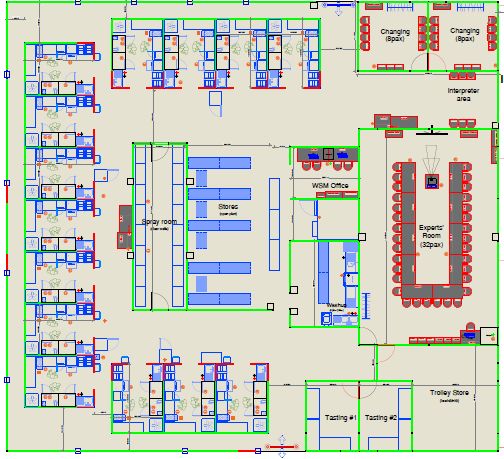
The individual shall be able to:
                        • Produce a comprehensive range of cakes using various techniques,
                           types of cake and decorations
                        • Construct and finish a comprehensive range of gateaux
                           demonstrating flair and innovation
                        • Produce a comprehensive range of entremets effectively incorporating
                           such layers as sponge, biscuit, creams, custards, ganache, jellies,
                           mousses, fruits etc.
                        • Produce cakes, gateaux, and entremets to a high quality for taste with
                           appropriate combinations, texture, presentation and decoration
                        • Ensure yield products are of consistent and accurate size, weight,
                           quality, and appearance, taking account of portion control and costs
                           and minimizing waste
                        • Combine tastes, textures and colours effectively
                        • Present cakes, gateaux and entremets to maximize appeal and to be
                           appropriate for the occasion, environment and style of service

           4            Hot, cold, iced and plated desserts                                            13
                        The individual needs to know and understand:
                        • A comprehensive range of classical and contemporary hot, cold and
                           iced desserts including methods of production, ingredients, alternative
                           presentations, and costs of production
                        • Allergies and dietary restrictions
                        • The range of ingredients used to produce hot, cold, iced and plated
                           desserts, storage seasons, availability, and costs
                        • How hot, cold, iced and plated desserts can be presented and served
                           in a range of settings and occasions to reflect traditional/classical and
                           contemporary trends
                        • The use and impact of raising agents including yeast, baking powder,
                           egg whites, and any innovative, modern commodities
                        • The range and scope of hot, cold, iced and plated dessert products
                        • Waste management when producing and serving hot, cold, iced and
                           plated desserts

                        The individual shall be able to:
                        • Produce a comprehensive range of hot, cold and iced desserts to a
                           consistently high standard with or without allergens and other dietary
                           considerations
                        • Present plated desserts that are clean, appropriately flavoured, and
                           textured, well-co-ordinated and innovative and balanced
                        • Present desserts for service for a range of settings and occasions such
                           as street-food concepts, buffets, banquets and for fine dining
                        • Produce hot, cold, iced and plated desserts within time constraints
                           and to a consistently high standard
                        • Follow instructions, recipes and dish specifications in order to produce
                           desserts spontaneously by applying prior experience and knowledge
                        • React to ingredient shortages or changes and supplement
                           appropriately
                        • Be mindful of over-production and how to utilise excess with other
                           products
                        • Arrange methods which are feasible to the equipment available

WSC2019_TD32_EN                               © WorldSkills International. All rights reserved
                                                                                                            7 of 33
Date: 21.06.19 – v7.1                             PÂTISSERIE AND CONFECTIONERY
5            Confectionery and chocolate                                                   13
                        The individual needs to know and understand:
                        • Range of chocolate and confectionery items
                        • The methods of tempering chocolate couverture by manual
                           techniques
                        • The types, qualities, and uses of various chocolate couverture and
                           chocolate products
                        • The principle of producing a range of sugar-based products, such as
                           fruit jelly, marshmallow, nougat, nougatine, or any other specialities
                           with a variety of sugars and sugar replacements to respond to dietary
                           needs
                        • Sustainability and ethics of chocolate sources
                        • Safety issues when handling hot sugar products
                        • Dietary and allergen information about the ingredients being used to
                           produce confectionery and chocolates and effective substitution
                           possibilities
                        The individual shall be able to:
                        • Temper chocolate couvertures in order to produce a product with
                           shine and “snap” that does not show signs of fat or sugar bloom
                        • Work with dark, milk, and white chocolate couvertures
                        • Pipe, fill, layer, cut etc. chocolates and confectionery of even size and
                           character.
                        • Dip and coat products using hand dipping forks to achieve neat and
                           fine coverings
                        • Produce and use ganache effectively
                        • Present confectionery and chocolates with style for service or sale
                        • Store confectionery, chocolate and chocolate ingredients and
                           products to maximize life and quality
                        • Produce and use decorations appropriately including caramelized and
                           candied fruits, nuts, herbs, and chocolate shapes (piped, cut, moulded
                           etc)
                        • Accurately produce chocolates and confectionery to specific weights
                           and sizes
                        • Produce and present a range of confectionery products using a variety
                           of skills and ingredients and with regard to any overriding dietary
                           factors
                        • Accommodate unexpected requests and plan work accordingly
                        • Work systematically and safely with hot products
           6            Miniatures, individual cakes, and petits fours                                13
                        The individual needs to know and understand:
                        • A comprehensive range of products, ingredients including dietary and
                           allergy information, techniques and methods of presentation for
                           miniatures, small cakes, and petits fours
                        • Types of pastries, cakes, sponges etc. and their use in the production
                           and presentation of individual cakes, pastries, miniatures, and petits
                           fours
                        • The use of raising agents for the production of miniatures, individual
                           cakes, and pastries
                        • Specialist tools and equipment used in producing miniatures,
                           individual cakes, and pastries and petits fours

WSC2019_TD32_EN                               © WorldSkills International. All rights reserved
                                                                                                           8 of 33
Date: 21.06.19 – v7.1                             PÂTISSERIE AND CONFECTIONERY
• Storage and display of miniatures, individual cakes, pastries, and
                          petits fours
                        • The importance of portion control in a commercial catering operation
                        • Hand piping and preparing products when moulds are not available

                        The individual shall be able to:
                        • Produce a comprehensive range of pastries and use them
                           appropriately including puff, short, choux, sweet, sable, etc.
                        • Produce a comprehensive range of individual cakes, biscuits and petits
                           fours
                        • Produce finished products within a brief to consistent and accurate
                           quality, weight, and size
                        • Produce miniatures, individual cakes, and petits fours based on sweet
                           biscuits and cake combinations including:
                           • Dry cakes and pastries;
                           • Glazed and coated cakes and pastries;
                           • Mousses;
                           • Variety of fillings: sponge, crunchy, creams, jellies etc;
                           • Decorations;
                           • Fruits
                        • Present miniatures, individual cakes, and petits fours accordingly to
                          market demands
                        • Handle piping bag and tubes to produce and present individual
                          products consistently

           7            Presentation pieces                                                        14
                        The individual needs to know and understand:
                        • The impact of a display or presentation piece
                        • The situations where a presentation piece may be used
                        • The impact of the environment (exposure to heat, light, exposure to
                           dampness) on a presentation piece
                        • The range of materials, tools and techniques that can be used to
                           produce a presentation piece
                        • Specific safety issues relating to sugar work and the handling of
                           specialist equipment
                        • How to achieve dramatic and adept results without relying on
                           specialist-made moulds

WSC2019_TD32_EN                               © WorldSkills International. All rights reserved
                                                                                                        9 of 33
Date: 21.06.19 – v7.1                             PÂTISSERIE AND CONFECTIONERY
The individual shall be able to:
• Creative designs that reflect personal style or assigned to them and
produce elegance with neat forms and finishing
• Design presentation pieces demonstrating artistic flair, innovation
whilst taking account of the client’s needs and any restrictions related
to the venue or environment
• Produce a chocolate presentation piece employing techniques such as
pouring, moulding, cutting, piping, brushing, polishing, and
modelling chocolate
• Produce a presentation piece using sugar employing techniques such
as poured sugar, pulled sugar, blown sugar, moulded sugar,
pastillage, nougatine, etc.
• Colour sugar and chocolate pieces
• Use specialist tools for sugar and chocolate work with minimum pre-
made moulds
• Work effectively from a brief and set own timescales within allotted
periods Produce presentation pieces within prescribed sizes, adjust
and manipulate to suit changes which may arise
8 Modelling in various media 13
The individual needs to know and understand:
• The effect that the process of modelling and moulding has on
materials used
• The visual impact of displays using modelled forms
• The range of materials that can be effectively used to produce
modelled forms
• Techniques and methods of modelling, moulding, colouring, and
presenting modelled forms
• Where and when modelling is effective and appropriate to use
The individual shall be able to:
• Hand mould smooth and crack-free marzipan and sugar paste forms
to include a theme or topic assigned to them as figures, fruits,
animals, flowers, etc.
• Visualise and make the production of any piece as requested from the
client verbally or pictorially
• Produce hand-moulded forms to correct size and weight
• Colour modelled pieces using a variety of techniques including air
brushing, painting, flaming, and the use of colours
• When appropriate, effectively use modelling tools such as cutters,
moulds, and presses
• Creative and harmonious design of figures in form and colour
composition
• Present stylish and co-ordinated displays of models
• Decorate with Royal icing and chocolate to highlight features
• Observe extreme health and safety procedures when hand-modelling
Total 100
WSC2019_TD32_EN © WorldSkills International. All rights reserved
10 of 33
Date: 21.06.19 – v7.1 PÂTISSERIE AND CONFECTIONERY3 THE ASSESSMENT STRATEGY AND
SPECIFICATION
3.1 GENERAL GUIDANCE
Assessment is governed by the WorldSkills Assessment Strategy. The Strategy establishes the principles
and techniques to which WorldSkills assessment and marking must conform.
Expert assessment practice lies at the heart of the WorldSkills Competition. For this reason, it is the
subject of continuing professional development and scrutiny. The growth of expertise in assessment
will inform the future use and direction of the main assessment instruments used by the WorldSkills
Competition: the Marking Scheme, Test Project, and Competition Information System (CIS).
Assessment at the WorldSkills Competition falls into two broad types: measurement and judgement.
For both types of assessment, the use of explicit benchmarks against which to assess each Aspect is
essential to guarantee quality.
The Marking Scheme must follow the weightings within the Standards Specification. The Test Project is
the assessment vehicle for the skill competition, and also follows the Standards Specification. The CIS
enables the timely and accurate recording of marks, and has expanding supportive capacity.
The Marking Scheme, in outline, will lead the process of Test Project design. After this, the Marking
Scheme and Test Project will be designed and developed through an iterative process, to ensure that
both together optimize their relationship with the Standards Specification and the Assessment
Strategy. They will be submitted to WSI for approval together, in order to demonstrate their quality
and conformity with the Standards Specification.
Prior to submission for approval to WSI, the Marking Scheme and Test Project will liaise with the WSI
Skill Advisors in order to benefit from the capabilities of the CIS.
WSC2019_TD32_EN © WorldSkills International. All rights reserved
11 of 33
Date: 21.06.19 – v7.1 PÂTISSERIE AND CONFECTIONERY4 THE MARKING SCHEME
4.1 GENERAL GUIDANCE
This section describes the role and place of the Marking Scheme, how the Experts will assess
Competitors’ work as demonstrated through the Test Project, and the procedures and requirements
for marking.
The Marking Scheme is the pivotal instrument of the WorldSkills Competition, in that it ties assessment
to the standards that represent the skill. It is designed to allocate marks for each assessed aspect of
performance in accordance with the weightings in the Standards Specification.
By reflecting the weightings in the Standards Specification, the Marking Scheme establishes the
parameters for the design of the Test Project. Depending on the nature of the skill and its assessment
needs, it may initially be appropriate to develop the Marking Scheme in more detail as a guide for Test
Project design. Alternatively, initial Test Project design can be based on the outline Marking Scheme.
From this point onwards the Marking Scheme and Test Project should be developed together.
Section 2.1 above indicates the extent to which the Marking Scheme and Test Project may diverge
from the weightings given in the Standards Specification, if there is no practicable alternative.
The Marking Scheme and Test Project may be developed by one person, or several, or by all Experts.
The detailed and final Marking Scheme and Test Project must be approved by the whole Expert Jury
prior to submission for independent quality assurance. The exception to this process is for those skill
competitions which use an independent designer for the development of the Marking Scheme and
Test Project. Please see the Rules for further details.
Experts and independent designers are required to submit their Marking Schemes and Test Projects for
comment and provisional approval well in advance of completion, in order to avoid disappointment or
setbacks at a late stage. They are also advised to work with the CIS Team at this intermediate stage, in
order to take full advantage of the possibilities of the CIS.
In all cases a draft Marking Scheme must be entered into the CIS at least eight weeks prior to the
Competition using the CIS standard spreadsheet or other agreed methods.
4.2 ASSESSMENT CRITERIA
The main headings of the Marking Scheme are the Assessment Criteria. These headings are derived in
conjunction with the Test Project. In some skill competitions the Assessment Criteria may be similar to
the section headings in the Standards Specification; in others they may be totally different. There will
normally be between five and nine Assessment Criteria. Whether or not the headings match, the
Marking Scheme as a whole must reflect the weightings in the Standards Specification.
Assessment Criteria are created by the person(s) developing the Marking Scheme, who are free to
define criteria that they consider most suited to the assessment and marking of the Test Project. Each
Assessment Criterion is defined by a letter (A-I). It is advisable not to specify either the Assessment
Criteria, or the allocation of marks, or the assessment methods, within this Technical Description.
The Mark Summary Form generated by the CIS will comprise a list of the Assessment Criteria.
The marks allocated to each Criterion will be calculated by the CIS. These will be the cumulative sum
of marks given to each Aspect within that Assessment Criterion.
WSC2019_TD32_EN © WorldSkills International. All rights reserved
12 of 33
Date: 21.06.19 – v7.1 PÂTISSERIE AND CONFECTIONERY4.3 SUB CRITERIA
Each Assessment Criterion is divided into one or more Sub Criteria. Each Sub Criterion becomes the
heading for a WorldSkills marking form. Each marking form (Sub Criterion) contains Aspects to be
assessed and marked by measurement or judgement, or both measurement and judgement.
Each marking form (Sub Criterion) specified both the day on which it will be marked, and the identity
of the marking team.
4.4 ASPECTS
Each Aspect defines, in detail, a single item to be assessed and marked together with the marks, or
instructions for how the marks are to be awarded. Aspects are assessed either by measurement or
judgement.
The marking form lists, in detail, every Aspect to be marked together with the mark allocated to it.
The sum of the marks allocated to each Aspect must fall within the range of marks specified for that
section of the skill in the Standards Specification. This will be displayed in the Mark Allocation Table of
the CIS, in the following format, when the Marking Scheme is reviewed from C-8 weeks. (Section 4.1)
4.5 ASSESSMENT AND MARKING
There is to be one marking team for each Sub Criterion, whether it is assessed and marked by
judgement, measurement, or both. The same marking team must assess and mark all competitors, in
all circumstances. The marking teams must be organized to ensure that there is no compatriot marking
in any circumstances. (See 4.6.)
4.6 ASSESSMENT AND MARKING USING JUDGEMENT
Judgement uses a scale of 0-3. To apply the scale with rigour and consistency, judgement must be
conducted using:
• benchmarks (criteria) for detailed guidance for each Aspect (in words, images, artefacts or separate
guidance notes)
• the 0-3 scale to indicate:
• 0: performance below industry standard
• 1: performance meets industry standard
• 2: performance meets and, in specific respects, exceeds industry standard
• 3: performance wholly exceeds industry standard and is judged as excellent
Three Experts will judge each Aspect, with a fourth to coordinate the marking and acting as a judge to
prevent compatriot marking.
WSC2019_TD32_EN © WorldSkills International. All rights reserved
13 of 33
Date: 21.06.19 – v7.1 PÂTISSERIE AND CONFECTIONERY4.7 ASSESSMENT AND MARKING USING MEASUREMENT
Three Experts will be used to assess each aspect. Unless otherwise stated only the maximum mark or
zero will be awarded. Where they are used, the benchmarks for awarding partial marks will be clearly
defined within the Aspect.
4.8 THE USE OF MEASUREMENT AND JUDGEMENT
Decisions regarding the selection of criteria and assessment methods will be made during the design
of the competition through the Marking Scheme and Test Project.
4.9 COMPLETION OF SKILL ASSESSMENT SPECIFICATION
The skill assessment criteria are clear and concise aspect specifications which explain exactly how and
why a particular mark is awarded.
Descriptions for all aspects will be drawn from the WSSS as appropriate to each module. Some aspects
will include descriptors that enable marks to be deducted within that aspect.
Aspects will typically cover health and safety, waste, organization, taste, texture, finish, techniques,
workmanship, presentation, creativity, design, reaction to unexpected demands as well as the ability to
follow surprise specifications.
4.10 SKILL ASSESSMENT PROCEDURES
The Experts who attend the Competition will be divided into rotating mixed groups, which may involve
marking in the workshop or marking from a booth. Each group will have a team leader chosen by the
Chief Expert and Deputy Chief Expert (CE and DCE). Judging will be timetabled across the four days of
Competition.
Experts marking in a booth are to remain in there for the duration of the module and can leave only as
a group with the permission of the Chief Expert or the Deputy Chief Expert. When the Experts are out
of the marking room they must remain out of sight of the production area to maintain anonymity with
Competitors and their products. Note: Compatriot marking will be automatically removed by the CIS.
When modules which are assessed on taste it is imperative that samples are tasted by the judging
team; should specific intolerances/preferences for any reason override the ability to taste, this must be
declared to the CE and DCE before the judging groups are designed.
When modules are assessed on texture/structure the samples must be cut to test the inside of the
product.
The Experts must take brief notes and use them when marking to justify the allocation/deduction of
marks. These notes are to be surrendered to the CE at the end of the judging when marks are
successfully entered.
The difference of the marking in Judgement can only be a maximum of one point before a discussion
when written notes will be required. The CE will advise on discrepancies and recall Experts to remark
as required; therefore, Marking Experts should not leave the workshop until all marks have been
accepted and the CE has authorised departure.
When marking, Experts will not be allowed to enter the Competitor’s work areas without the consent
of the Competitor; this restricted area will be marked with a line.
WSC2019_TD32_EN © WorldSkills International. All rights reserved
14 of 33
Date: 21.06.19 – v7.1 PÂTISSERIE AND CONFECTIONERY5 THE TEST PROJECT
5.1 GENERAL NOTES
Sections 3 and 4 govern the development of the Test Project. These notes are supplementary.
Whether it is a single entity, or a series of stand-alone or connected modules, the Test Project will
enable the assessment of the skills in each section of the WSSS.
The purpose of the Test Project is to provide full, balanced and authentic opportunities for assessment
and marking across the Standards Specification, in conjunction with the Marking Scheme. The
relationship between the Test Project, Marking Scheme and Standards Specification will be a key
indicator of quality, as will be its relationship with actual work performance.
The Test Project will not cover areas outside the Standards Specification, or affect the balance of marks
within the Standards Specification other than in the circumstances indicated by Section 2.
The Test Project will enable knowledge and understanding to be assessed solely through their
applications within practical work.
The Test Project will not assess knowledge of WorldSkills rules and regulations.
This Technical Description will note any issues that affect the Test Project’s capacity to support the full
range of assessment relative to the Standards Specification. Section 2.1 refers.
5.2 FORMAT/STRUCTURE OF THE TEST PROJECT
The Test Project is a series of separately assessed modules which will be completed within the four
Competition days.
5.3 TEST PROJECT DESIGN REQUIREMENTS
The Test Project may include any of the following modules:
• Cakes, Gateaux and Entremets: which could include Tiered cakes, Themed cake, loaf cakes, glazed
entremets-type layered cakes, sponges, roulades and more, of multiple portions;
• Hot, cold, iced and plated desserts: which could be specified with or without guidelines of
ingredients and style;
• Chocolates/pralines: The production of piped, cut, layers, dipped, moulded chocolates/bars/lollipops
with a variety of covertures and fillings;
• Miniature, individual cakes or petits fours: The production of a variety of different individual cakes
and biscuits with components to be presented together or singularly;
• Presentation piece (large and small) – These can be made from sugar, pastillage, chocolate,
nougatine, marzipan, or any combination of the above media
• Modelling: Sculpting by hand two or more identical figures in modelling mediums;
• Pastry products: Pastry products based on yeast, puff pastry, short pastry, choux, sweet, or sablé
doughs and which in some products could include savoury;
.
Any of the above could include mystery baskets or surprise elements.
Regardless of the chosen modules, two days prior to the Competition on Familiarization Day,
Competitors will have an opportunity to visit their respective workplaces and receive general
information. The Competitors of the first group to compete will be allowed half an hour to prepare
their stations.
WSC2019_TD32_EN © WorldSkills International. All rights reserved
15 of 33
Date: 21.06.19 – v7.1 PÂTISSERIE AND CONFECTIONERYEach Competitor will set-up an equipment trolley provided with their personal equipment, during
Familiarization Day. Equipment is restricted to that which is stored on the trolley; toolboxes
will be removed without further access until the end of the competition.
All personal equipment is to be stored on a trolley provided and removed at the end of each
Competitor’s competition day, to be locked in a room, and monitored by two Experts selected by the
Chief Expert.
Equipment supplied by the Competition Organizer, in each workstation, must be left complete and
ready to use by the next Competitor.
Once vacated the Competitor due to compete next will be allowed half an hour to set up their
equipment on the stand, ready to start work.
No food materials are to be handled during these set-up times with the exception of melting chocolate
and cocoa butter colours
Recipes can be taken from any cookbook or from personal collections.
No Mise en Place can be carried over to the next competition day.
5.4 TEST PROJECT DEVELOPMENT
The Test Project MUST be submitted using the templates provided by WorldSkills International
(www.worldskills.org/expertcentre). Use the Word template for text documents and DWG template for
drawings.
5.4.1 Who develops the Test Project or modules
The Test Project is independently designed.
All Experts can bring module proposals for the following Competition to be considered by the
Independent Designer.
5.4.2 How and where is the Test Project or modules developed
The Test Project is developed by an Independent Designer in consultation with the Skill Competition
Manager.
Test Project modules are not discussed with the Experts.
5.4.3 When is the Test Project developed
The Test Project is developed according to the following timeline:
TIME ACTIVITY
At the previous Competition Experts may suggest modules to be considered
by the independent designer.
At the Competition The surprise elements of the Test Project
modules are presented to the Experts and the
Competitors at the same time.
5.5 TEST PROJECT VALIDATION
The modules are validated by the Independent Designer in consultation with the Skill Competition
Manager to confirm that they can be completed in the allotted time with the materials and equipment
provided.
WSC2019_TD32_EN © WorldSkills International. All rights reserved
16 of 33
Date: 21.06.19 – v7.1 PÂTISSERIE AND CONFECTIONERY5.6 TEST PROJECT SELECTION
The Test Project is selected by the Independent Designer in consultation with the Skill Competition
Manager.
5.7 TEST PROJECT CIRCULATION
The Test Project is circulated via the website as follows:
The Test Project is circulated three months (12 weeks) before the competition, excluding all surprise
elements.
The Competitors will be given all Competition documents including the Mark Summary on
Familiarization Day C-2 so that they may study the requirements in their preferred language. It is the
responsibility of the Expert from each country/region to provide a translation in their Competitor’s
preferred languages. Some mystery areas will be announced on the day of each competition.
5.8 TEST PROJECT COORDINATION (PREPARATION FOR
COMPETITION)
Coordination of the Test Project will be undertaken by the Skill Competition Manager. The Skill
Management Team will lead an information session regarding assessment procedures and define the
principles of fairness.
5.9 TEST PROJECT CHANGE AT THE COMPETITION
There will not be any changes to the Test Project modules designed by the Independent Designer at
the Competition. Mystery task/s decided by the Independent Designer will be equipped and stored by
the Skill Competition Manager and Workshop Manager, and will be announced on the morning of the
competition day when those products are to be made and presented.
5.10 MATERIAL OR MANUFACTURER SPECIFICATIONS
Specific material and/or manufacturer specifications required to allow the Competitor to complete the
Test Project will be supplied by the Competition Organizer and are available from
www.worldskills.org/infrastructure located in the Expert Centre.
All equipment and raw materials specifications are prepared by the Workshop Manager and are
posted on the Infrastructure List as early as possible but by a minimum of 6 months before the
Competition.
All Experts must submit their Competitor’s specific and total ingredients order for the declared
modules, in English by four (4) weeks before the Competition. This can comprise any selection of
ingredients which appear on the Infrastructure List. This is essential to ensure the Competitor receives
their ingredients in order to compete.
Each Competitor must use the equipment supplied and no duplication will be allowed. Minimal
equipment shall be brought to the competition and toolboxes are restricted to a maximum external
size of 120 cm x 80 cm x 80 cm (ONE per Competitor).
WSC2019_TD32_EN © WorldSkills International. All rights reserved
17 of 33
Date: 21.06.19 – v7.1 PÂTISSERIE AND CONFECTIONERY6 SKILL MANAGEMENT AND COMMUNICATION
6.1 DISCUSSION FORUM
Prior to the Competition, all discussion, communication, collaboration, and decision making regarding
the skill competition must take place on the skill specific Discussion Forum
(http://forums.worldskills.org). Skill related decisions and communication are only valid if they take
place on the forum. The Skill Competition Manager (or an Expert nominated by the Skill Competition
Manager) will be the moderator for this Forum. Refer to Competition Rules for the timeline of
communication and competition development requirements.
6.2 COMPETITOR INFORMATION
All information for registered Competitors is available from the Competitor Centre
(www.worldskills.org/competitorcentre).
This information includes:
• Competition Rules
• Technical Descriptions
• Marking Schemes
• Test Projects
• Infrastructure List
• WorldSkills Health, Safety, and Environment Policy and Regulations
• Other Competition-related information
6.3 TEST PROJECTS [AND MARKING SCHEMES]
Circulated Test Projects will be available from www.worldskills.org/testprojects and the Competitor
Centre (www.worldskills.org/competitorcentre).
6.4 DAY-TO-DAY MANAGEMENT
The day-to-day management of the skill during the Competition is defined in the Skill Management
Plan that is created by the Skill Management Team led by the Skill Competition Manager. The Skill
Management Team comprises the Skill Competition Manager, Chief Expert, and Deputy Chief Expert.
The Skill Management Plan is progressively developed in the eight months prior to the Competition
and finalized at the Competition by agreement of the Experts. The Skill Management Plan can be
viewed in the Expert Centre (www.worldskills.org/expertcentre).
WSC2019_TD32_EN © WorldSkills International. All rights reserved
18 of 33
Date: 21.06.19 – v7.1 PÂTISSERIE AND CONFECTIONERY7 SKILL-SPECIFIC SAFETY REQUIREMENTS
Refer to Host country or region WorldSkills Health, Safety, and Environment Policy and Regulations for
Host country or region regulations.
Skill-specific safety requirements for Pâtisserie and Confectionery are:
• All Competitors must wear a chef’s jacket, long black or finely chequered trousers, safety shoes,
and hats with hairnets if hair is long. No visible jewellery is allowed;
• All Experts’ uniforms should consist of long black trousers, flat safety shoes, chef's jacket, and hat.
In all cases jewellery should be minimal;
• All Competitors must know how to use all the equipment on site before starting the Competition;
• All Competitors must be aware of all dangers associated with working in a kitchen and adhere to
the specific Health, Safety, and Environment regulations of the Competition Organizer.
WSC2019_TD32_EN © WorldSkills International. All rights reserved
19 of 33
Date: 21.06.19 – v7.1 PÂTISSERIE AND CONFECTIONERY8 MATERIALS AND EQUIPMENT
8.1 INFRASTRUCTURE LIST
The Infrastructure List details all equipment, materials, and facilities provided by the Competition
Organizer.
The Infrastructure List is available at www.worldskills.org/infrastructure.
The Infrastructure List specifies the items and quantities requested by the Skill Competition Manager
on behalf of the Experts for the next Competition. The Competition Organizer will progressively
update the Infrastructure List specifying the actual quantity, type, brand, and model of the items. Items
supplied by the Competition Organizer are shown in a separate column.
At each Competition, the Skill Competition Manager must review, audit, and update the Infrastructure
List in partnership with the Technical Observer in preparation for the next Competition. The Skill
Competition Manager must advise the Director of Skills Competitions of any requests for increases in
space and/or equipment.
The Infrastructure List does not include items that Competitors and/or Experts are required to bring
and items that Competitors are not allowed to bring – they are specified below.
8.2 COMPETITOR'S TOOLBOX
The total size of the toolbox/boxes must not exceed an external area of 120 cm x 80 cm x 80 cm =
.0.77 m³ cubic metre. Note: Competitors equipment is restricted to that which can be stored on one
trolley of overall size 700 x 540 x 1700mm (pâtissier specification trays 600 x 400mm) for the duration
• Check with the Workshop Manager via the Discussion Forum to clarify any misunderstanding;
• Competitors can bring one piece of hand luggage onto the stand; suitcase of maximum dimensions
56 x 45 x 25 cm maximum for transporting personal small equipment items such as knives, piping
tubes, cutters etc;
8.3 MATERIALS, EQUIPMENT, AND TOOLS SUPPLIED BY
COMPETITORS IN THEIR TOOLBOX
The Competitors are allowed to bring the following items to the Competition.
DESCRIPTION PHOTO
Clothing/uniform, shoes
WSC2019_TD32_EN © WorldSkills International. All rights reserved
20 of 33
Date: 21.06.19 – v7.1 PÂTISSERIE AND CONFECTIONERYDESCRIPTION PHOTO
Knives
Palette knives
Scissors
Metal Moulds, frames, tins – large and small
Silicone moulds – large and small
WSC2019_TD32_EN © WorldSkills International. All rights reserved
21 of 33
Date: 21.06.19 – v7.1 PÂTISSERIE AND CONFECTIONERYDESCRIPTION PHOTO
Chocolate moulds
Baking beans
Decorating utensils, cutters, and presses
Moulding tools
WSC2019_TD32_EN © WorldSkills International. All rights reserved
22 of 33
Date: 21.06.19 – v7.1 PÂTISSERIE AND CONFECTIONERYDESCRIPTION PHOTO
Dough cutters
Piping tubes
Decorating combs, scrapers, smoothers
Dipping forks
Brushes
Thermometers
WSC2019_TD32_EN © WorldSkills International. All rights reserved
23 of 33
Date: 21.06.19 – v7.1 PÂTISSERIE AND CONFECTIONERYDESCRIPTION PHOTO
Sugar sifters
Mandolin
Grater
Timer
Whipper (with gas cylinder chargers
WSC2019_TD32_EN © WorldSkills International. All rights reserved
24 of 33
Date: 21.06.19 – v7.1 PÂTISSERIE AND CONFECTIONERYDESCRIPTION PHOTO
Measuring spoons or cups
Mini rolling pin
Whisk
Scales
Juice squeezer
Spatulas
WSC2019_TD32_EN © WorldSkills International. All rights reserved
25 of 33
Date: 21.06.19 – v7.1 PÂTISSERIE AND CONFECTIONERYDESCRIPTION PHOTO
Cake stand
Silicone/vinyl mats and noodles
Air brush and pump
Turntable
Lidded containers
WSC2019_TD32_EN © WorldSkills International. All rights reserved
26 of 33
Date: 21.06.19 – v7.1 PÂTISSERIE AND CONFECTIONERYDESCRIPTION PHOTO
Acetate ribbon
Sugar pump
Tape
Chocolate spray gun
Hot box/dehydrator
Fan/hairdryer
WSC2019_TD32_EN © WorldSkills International. All rights reserved
27 of 33
Date: 21.06.19 – v7.1 PÂTISSERIE AND CONFECTIONERYDESCRIPTION PHOTO
Cotton gloves (chocolate)
Rubber gloves (sugar work)
Spirit level
Travel adapter/power board
Food colours (powder, paste, cocoa butter,
liquid colour) and food grade metallic powders
and leaves
WSC2019_TD32_EN © WorldSkills International. All rights reserved
28 of 33
Date: 21.06.19 – v7.1 PÂTISSERIE AND CONFECTIONERY8.4 MATERIALS, EQUIPMENT, AND TOOLS SUPPLIED BY
EXPERTS
Not applicable.
8.5 MATERIALS AND EQUIPMENT PROHIBITED IN THE SKILL
AREA
All other food ingredients not specified in paragraphs 8.2 and 8.3.
Thermomix food processors and equivalent programmable machines cannot be used during the
competition.
8.6 PROPOSED WORKSHOP AND WORKSTATION LAYOUTS
Workshop layouts from previous competitions are available at www.worldskills.org/sitelayout.
Example workshop layout:
WSC2019_TD32_EN © WorldSkills International. All rights reserved
29 of 33
Date: 21.06.19 – v7.1 PÂTISSERIE AND CONFECTIONERY9 SKILL-SPECIFIC RULES
Skill-specific rules cannot contradict or take priority over the Competition Rules. They do provide
specific details and clarity in areas that may vary from skill competition to skill competition. This
includes but is not limited to personal IT equipment, data storage devices, internet access, procedures
and work flow, and documentation management and distribution.
Not applicable.
WSC2019_TD32_EN © WorldSkills International. All rights reserved
30 of 33
Date: 21.06.19 – v7.1 PÂTISSERIE AND CONFECTIONERY10 VISITOR AND MEDIA ENGAGEMENT
The following ideas may be considered in order to maximize visitor and media engagement.
• Have a Go: visitors are able to try a skill with a trade;
• Display screen of the work produced on a daily basis throughout the competition – this is an
interesting way for more people to observe the details of Competition without having to access the
kitchens;
• Test Project descriptors – this involves fully explaining the skills involved in the Competition to
enhance the understanding of Competitor activities and presentation times;
• Competitor profiles: A full presentation of each Competitor should be compiled by one source
(possibly the Competition Organizer) to ensure uniformity throughout the stand;
• Career opportunities: World travel is a distinct possibility as there is a shortage of good
Pâtisserie and Confectionery cooks throughout the world. Opportunities which exist in hotels and
restaurants, patisseries, schools, developmental areas, own businesses, etc. should be well
presented;
WSC2019_TD32_EN © WorldSkills International. All rights reserved
31 of 33
Date: 21.06.19 – v7.1 PÂTISSERIE AND CONFECTIONERY11 SUSTAINABILITY
To support sustainability in this competition we should be aware of the following points during the
entire process (before, during and after the actual competition days);
• Recycling of waste products;
• Encouraging the use of ‘green’ materials;
• Re-use of completed products from the Test Project modules after Competition;
• Order lists based on the Infrastructure List: Competitors/Experts should place a specific order list for
raw materials based on the Infrastructure List published at www.worldskills.org/infrastructure;
• The main ingredients must be ordered four weeks before the Competition and this order should
constitute all of their order requirements excluding mystery items;
• Control of the equipment brought by each Competitor/Expert there is to be no duplication of
equipment provided by the Host Country
• Energy saving by switching off unused equipment;
• The use of tablets for marking;
• Repurpose: the Test Project can be used in the training for each Member for reference in their
National Skills Competitions.
.
WSC2019_TD32_EN © WorldSkills International. All rights reserved
32 of 33
Date: 21.06.19 – v7.1 PÂTISSERIE AND CONFECTIONERY12 REFERENCES FOR INDUSTRY CONSULTATION
WorldSkills is committed to ensuring that the WorldSkills Standards Specifications fully reflect the
dynamism of internationally recognized best practice in industry and business. To do this WorldSkills
approaches a number of organizations across the world that can offer feedback on the draft
Description of the Associated Role and WorldSkills Standards Specification on a two-yearly cycle.
In parallel to this, WSI consults three international occupational classifications and databases:
• ISCO-08: (http://www.ilo.org/public/english/bureau/stat/isco/isco08/)
• ESCO: (https://ec.europa.eu/esco/portal/home )
• O*NET OnLine (www.onetonline.org/)
This WSSS (Section 2) appears to relate most closely to Confectioner:
http://data.europa.eu/esco/occupation/e00c46c4-bd3c-4d88-8d30-fc6f951554bd
and Pastry Cook: http://data.europa.eu/esco/occupation/e00c46c4-bd3c-4d88-8d30-fc6f951554bd
These links also enable a review of adjacent occupations
The following table indicates which organizations were approached and provided valuable feedback
for the Description of the Associated Role and WorldSkills Standards Specification in place for
WorldSkills Kazan 2019.
ORGANIZATION CONTACT NAME
Gumnut Patisserie (Australia) Michael Glennon, Operations Manager
EEMEA Chocolate Academy Manager (not named)
Barry Callebaut Philippe Marand, Gen. Manager Barry Callebaut
M.E./Head of Chocolate Academy Dubai, UAE
CIDESCO International Pamela Adkins, Board Member for Education
WSC2019_TD32_EN © WorldSkills International. All rights reserved
33 of 33
Date: 21.06.19 – v7.1 PÂTISSERIE AND CONFECTIONERYYou can also read


