Social Bond Impact Report 2018 - IFC
←
→
Page content transcription
If your browser does not render page correctly, please read the page content below
Social Bond Impact Report 2018
Table of Contents

 3   FY17 Highlights                                              About IFC
 4   Foreword from IFC Chief Operating Officer
                                                                  We work with the private sector in
6    IFC Social Bond Program Summary
                                                                  developing countries to create markets
 7   IFC Inclusive Business Summary
                                                                  that open up opportunities for all.
 8   Social Bond Engagement and Awards
9    Social Bond Commitments and Disbursements by Region          IFC – a sister organization of the World Bank and a
                                                                  member of the World Bank Group – is the largest global
10   Social Bond Commitments and Disbursements by Sector          development institution focused exclusively on the private
12   Featured Project: Nespresso Sustainability Innovation Fund   sector in developing countries.

13   Featured Project: Al Majmoua		                               We utilize and leverage our products and services – as
                                                                  well as products and services of other institutions in the
15   Social Bond Eligible Project Commitments FY17
                                                                  World Bank Group – to provide development solutions
20   IFC Social Bond Program Process		                            customized to meet the needs of clients.
21   Disclaimer                                                   We apply our financial resources, technical expertise,
                                                                  global experience, and innovative thinking to help our
                                                                  partners overcome financial, operational, and political
                                                                  challenges.
                                                                  Clients view IFC as a provider and mobilizer of scarce
                                                                  capital, knowledge, and long-term partnerships that
                                                                  can help address critical constraints in areas such as
                                                                  finance, infrastructure, employee skills, and the regulatory
                                                                  environment.
                                                                  IFC is also a leading mobilizer of third-party resources for
                                                                  its projects.
                                                                  Our willingness to engage in difficult environments and
                                                                  our leadership in crowding-in private finance enable us
                                                                  to extend our footprint with a development impact well
                                                                  beyond our direct resources.
                                                                  For more information, visit www.ifc.org

                                                                                                IFC Social Bond Impact Report 2018   2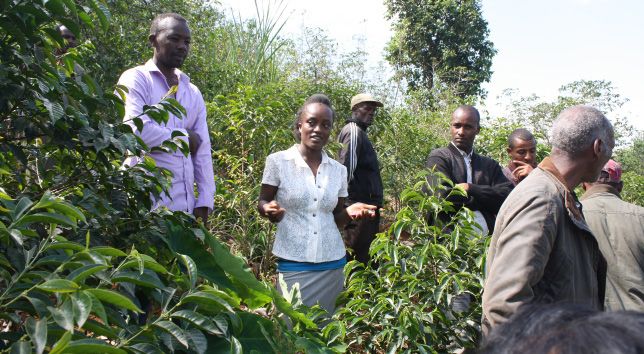
FY17 Highlights

Expected to reach                             30                   Expected to provide

243,367
farmers by 2021
                                              new projects

                                                     Agriculture
                                                                   7,442,420
                                                                   microloans by 2022
from 151,690 farmers                                               from 4,114,466 microloans
                                      Foods

                              Power

                                                    Financial
Expected to supply power to                         Markets        Expected to distribute

5.4 million                                                        6,091,151
people by 2018                                                     loans for women by 2022
from 3.4 million people                                            from 3,319,077 loans for women

                                                                            IFC Social Bond Impact Report 2018   3
Foreword from IFC Chief Operating Officer

It is my pleasure to present to you IFC’s Social Bond Impact Report 2018, for          The proceeds of IFC’s social bonds go toward private sector projects that benefit
projects committed in financial year 2017.                                             women-owned enterprises and low-income people in emerging markets. They
                                                                                       expand access to electricity. They help smallholder farmers make a living. And they
Today, if you want to advance social, economic, and gender equality – and              promote access to quality healthcare.
help achieve the United Nations Sustainable Development Goals – you can invest
to make it happen.                                                                     The financing raised supports women like Iman Hamoud Al Juneid, an
                                                                                       enterprising mother of three children, who escaped with her family to Lebanon
IFC’s Social Bond Program gives investors the opportunity to have a positive impact    from the conflict in northern Syria in 2012, leaving behind a fledgling beauty
on the lives of people living in developing countries – and at the same time enjoy a   salon business. Through a $400 loan from IFC client Al Majmoua (the Lebanese
financial return on their investment. Launched in March 2017, with a $500 million      Development Association), Iman set up a hair salon in her tent home. As the family
global benchmark bond, the Social Bond Program attracted central banks, official       struggled to survive on her husband’s meager farmworker earnings, Iman was
institutions, pension funds, and fund managers and was 1.4 time oversubscribed.        able to buy essential foods and clothes for her children. It is inspirational stories
Since then, IFC's social bond issuances have had very strong responses.                like these that lie at the heart of our Social Bond Program.
As the only multilateral development finance institution exclusively focused on the    The projects funded by IFC social bonds demonstrate that investing for good is not
private sector, IFC’s strategy calls for finding innovative ways to create markets     only possible – it’s also good business. The dynamic entrepreneurs and companies
and opportunities for people living in the poorest and most challenging countries,     profiled in this report are creating profound change in their communities and
including fragile and conflict-affected states. One exciting initiative has been to    around the world. As you read this report, we hope you will be encouraged to
help build a rigorous and transparent market for social bonds. In addition to the      learn more about the Social Bond Program, as well as consider investing in future
inaugural social bond, IFC serves as co-chair of the industry-wide Social Bond         IFC issuances.
Working Group and helped to establish the Social Bond Principles in 2017.

              The proceeds of IFC Social Bonds go
              towards projects that benefit women-
              owned enterprises and low-income                                                           Stephanie von Friedeburg
                                                                                                         IFC Chief Operating Officer
              people in emerging markets.                                                                March 2018

                                                                                                                                          IFC Social Bond Impact Report 2018   4
IFC Social Bond Program

                          IFC Social Bond Impact Report 2018   5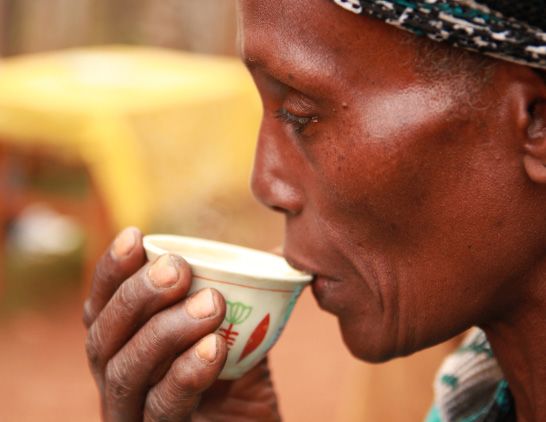
IFC Social Bond Program                                                                Five-minute chat with
                                                                                       Jingdong Hua
Summary                                                                                IFC Vice President and Treasurer

Since the launch of the IFC Social Bond Program in March 2017, IFC has                 What was the impetus for creating the              The launch of the Social Bond Principles in
                                                                                       Social Bond Program?                               June 2017 by the International Capital Markets
issued eight social bonds in public and private markets across four different
                                                                                       IFC launched its Banking on Women bond             Association (ICMA) – IFC spearheaded the
currencies, amounting to a total volume of $667 million. IFC’s Banking                 program in 2013, to create opportunities for       Social Bond Working Group within ICMA
on Women and Inclusive Business Bond programs were merged into the                     women entrepreneurs in emerging markets.           – was a milestone. IFC is committed to
IFC Social Bond Program and renamed. Including our original issuances,                 Two bonds were launched in 2013 and 2014,          achieving more efficient and self-sustaining
                                                                                       raising $268 million that has so far supported     financing in emerging markets through the
IFC’s social-themed bonds now total $1,231 million.                                    16 projects.                                       broader use of innovative capital-markets
                                                                                                                                          tools.
IFC’s inaugural social bond, a $500 million issuance, in March 2017 was recognized     We then went a step further in October 2014
                                                                                       by introducing our Inclusive Business Bond         Our social bond creates an attractive alternative
as the first-ever social bond global benchmark in U.S. dollars. In July 2017, IFC      program – the first debt offering to exclusively   for investors seeking triple-A rated impact-
placed a 10-year $100 million bond exclusively with Nippon Life, one of Japan’s        back businesses, which include low-income          investment products. We will continue to
leading life insurers, offering the investor a tailor-made transaction which offered   communities in their value chain.                  bring innovation and transparency to the
                                                                                                                                          Environmental, Social, and Governance bond
exposure to a new impact investment product.                                           Five bonds were issued, raising $296 million,
                                                                                                                                          market, unlocking additional funding for
                                                                                       helping to finance 13 projects. The streamlining
                                                                                                                                          development. I see IFC going forward playing
IFC also expanded the product into the retail market in July 2017 via a three-year     of both these programs into the Social Bond
                                                                                                                                          a catalytic role in educating and guiding
                                                                                       Program allows us the scope to issue more
dual-tranche bond in Brazilian real and Mexican peso – providing an opportunity        liquid benchmark-sized social bonds, along
                                                                                                                                          investors on the benefits of sustainable
for Japanese retail investors to participate in the new, expanding market for                                                             investing and thus helping grow the market.
                                                                                       with private placement and retail issues.
Environmental, Social, and Governance-themed bonds.                                                                                       What do you see as the future for the social
                                                                                       The issues support IFC projects that provide
                                                                                                                                          bond market?
                                                                                       access to credit for women entrepreneurs,
In August, IFC issued a three-year $25 million bond, placed with two municipal                                                            We believe that as more investors begin to
                                                                                       as well as poorer communities in emerging
                                                                                                                                          include ESG standards in their investment
accounts in the United States. This was the first social bond private placement the    markets. In addition to providing liquidity,
                                                                                                                                          decisions, this will create greater demand for
                                                                                       we have used the launch of this product to
IFC offered in the United States.                                                                                                         social bonds, and an ever-more robust and
                                                                                       engage with investors and share information
                                                                                                                                          high-profile asset class. IFC looks forward to
                                                                                       with them regarding this new and expanding
IFC Social Bond Issuance                   IFC Social Bond Issuance by currency        asset class.
                                                                                                                                          playing a pivotal role in creating markets and
                                                                                                                                          opportunities for people living in developing
                                                  MXN    BRL    AUD                    From an issuer perspective, how would you
 Volume 		                $667 million                                                                                                    countries through its Social Bond Program.
                                                  1.30% 4.58% 0.35%                    like to see the social bond market develop?
 Number of social bond issues         8                                                The social bond market has a great model
                                                                                       to follow in its sister market – green bonds.
                                                                                       Some similarities are developing between
                                                                                       these two themed bond markets, even if
                                                                                       social bonds are a much newer product.

                                                               USD
                                                               93.76%

                                                                                                                                                   IFC Social Bond Impact Report 2018   6
IFC Inclusive Business Five-minute chat with
Hans Peter Lankes
Summary Vice President,
Economics and Private Sector Development
Inclusive business is a private sector approach to expanding access to Tell us about the new Maximizing Finance for By combining development impact with
Development approach. profitability these companies are creating
goods, services, and income opportunities for people at the base of the
Achieving the UN Sustainable Development sustainable change in their communities and
pyramid. These companies extend last-mile water, power, and mobile phone Goals and ending extreme poverty by 2030 around the world.
service to customers in rural areas, train and create markets for smallholder will require trillions annually, far more than
Why is IFC introducing a new development
farmers, provide access to finance for women entrepreneurs, treat low-income multilateral development banks or donors can
impact framework?
provide by themselves. To face this challenge,
patients, and provide education to low-income students. These are the types of IFC’s strategy firmly places development
we have adopted the Maximizing Finance for
impact at the heart of what we do.
projects funded by IFC’s Social Bond Program. Development approach, which entails working
Measuring the results of our work is critical to
with governments and other stakeholders to
understanding how well we are doing. IFC has
Since 2005, IFC has invested over $16 billion in long-term financing from identify and crowd in private-sector solutions
been at the forefront of results measurement,
its own account to more than 530 inclusive businesses spanning over while optimizing the use of scarce public
and we are one of the few international
resources. This approach is guided by the
90 countries across sectors and regions. This makes IFC the largest global financial institutions that set corporate
Hamburg Principles adopted by the G20 in
targets – not only for investment volume but
investor in inclusive business among international finance institutions. Last year, 2017 and builds on the substantial expertise
also for direct development impact.
IFC’s inclusive business clients reached over 220 million people. and experience across the World Bank Group.
IFC is now using the Anticipated Impact
Why is the social bond important in this
Measurement and Monitoring system to
IFC works closely with a range of partners to increase awareness, share context?
estimate, measure, and monitor the expected
knowledge, and advance inclusive business globally. It supported the G20 in The social bond offers investors an attractive
development impact of each IFC project
opportunity to support projects that address
its adoption of an Inclusive Business Framework and its release of the G20 Leaders’ Call before commitment and throughout its life-
a range of sustainable development issues.
cycle. The system assesses:
on Inclusive Business. IFC is also piloting direct support to companies with inclusive There are currently 400 million people who
business models to help them gather business insights on base-of-the-pyramid lack access to essential healthcare; 202 million 1. Project outcomes, which include a project’s
secondary school-age children are out of direct effects on stakeholders, its indirect
markets, develop product and service offerings, and expand their engagement effects on the economy and society, and its
school; 2 billion people are unbanked; 1.1 billion
with people at the base of the pyramid. lack access to electricity; and 1.6 billion lack effect on the environment; and
access to adequate and affordable housing 2. Market outcomes, which refers to changes
– just to name a few¹. IFC’s social bond funds that a project catalyzes in the market
inclusive projects that are helping to close beyond those affected by the project through
these global access gaps. They engage women forward and financial linkages. The objective
entrepreneurs and low-income people at the is to generate systemic changes in market
base of the pyramid and provide access to basic competitiveness, resilience, integration,
goods, services, and income opportunities. inclusiveness, and sustainability.
1 For health figures, see: World Health Organization (WHO) and the World Bank. 2015.
Tracking Universal Access to Health Coverage: First Global Monitoring Report. Geneva, Switzerland: World Health Organization.
http://www.who.int/healthinfo/universal_health_coverage/report/2015/en/
For education figures, see: World Bank. 2018. World Development Report 2018: Learning to Realize Education’s Promise.
Washington, DC: World Bank. doi:10.1596/978-1-4648-1096-1. License: Creative Commons Attribution CC BY 3.0 IGO
For finance figures, see: Demirguc-Kunt, Asli, Leora Klapper, Dorothe Singer, and Peter Van Oudheusden. 2015. The Global Findex
Database 2014: Measuring Financial Inclusion around the World. Policy Research Working Paper 7255, World Bank, Washington, DC.
For electricity figures, see: Organisation for Economic Co-operation and Development (OECD) and the International Energy Agency
(IEA). 2017, Energy Access Outlook 2017: From Poverty to Prosperity, IEA Publishing. Licence: www.iea.org/t&c.
https://www.iea.org/publications/freepublications/publication/WEO2017SpecialReport_EnergyAccessOutlook.pdf
For housing figures, see: UN News Centre. 2017. Affordable housing key for development and social equality,
UN says on World Habitat Day [Press Release]. http://www.un.org/apps/news/story.asp?NewsID=57786#.WjQTf3mos2x
IFC Social Bond Impact Report 2018 7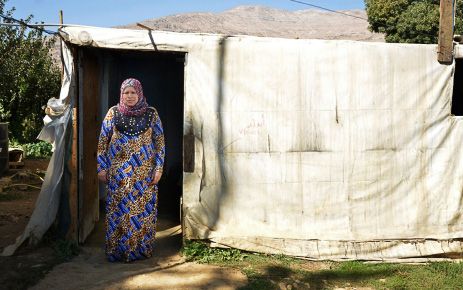
Social Bond Engagement and Awards

IFC works closely with financial institutions, international standard setters,
and regulatory bodies engaged in transparent finance that promotes
sustainable development around the world. In FY17, as a member of the
International Capital Markets Association Executive Committee, IFC co-
chaired the Social Bond Working Group, which successfully published the
Social Bond Principles.

The initiative was awarded “Most Valuable Innovation for the Green/SRI Bond
Market,” by GlobalCapital. IFC was honored to have co-chaired the working group,
along with Credit Agricole.

The Social Bond Principles, a voluntary set of transparency and disclosure
guidelines published in June 2017, has gained market acceptance as international
good practice, driving disclosure and accountability in the burgeoning social bond
market. IFC’s Social Bond Program follows these global market best practice
standards and is compliant with ICMA Social Bond Principles.

                                                                                     IFC Social Bond Impact Report 2018   8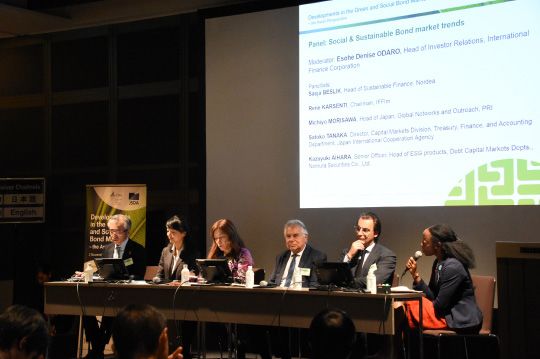
Social Bond Commitments and Disbursements
by Region FY17
As of June 30, 2017, there were 30 new social bond eligible projects supported
by IFC social bond proceeds this year. The total committed amount for these
projects is $623 million, of which $323 million has been disbursed.

The current pipeline of undisbursed commitments to social bond eligible projects
is $300 million.

Total FY17
in millions of dollars
Commitments		          623
Disbursements		        323

                                                           109         107

                                                     Commitments Disbursements

                                                     Europe and                         112         107
                                                     Central Asia
                                                                                   Commitments Disbursements

                                                                                   Middle East and
                             42
                                              8                                    North Africa
                     Commitments Disbursements

                     Latin America and
                     the Caribbean                                                                                  65           0

                                                                                                               Commitments Disbursements
                                                                                                                                                         137              0
                                                                                                               South Asia
                                                                                                                                                  Commitments Disbursements

                                                                                                                                                  East Asia and
                                                                             159          102                                                     the Pacific
                                                                       Commitments Disbursements

                                                                       Sub-Saharan Africa

All figures in millions of dollars for FY17

                                                                                                                                           IFC Social Bond Impact Report 2018   9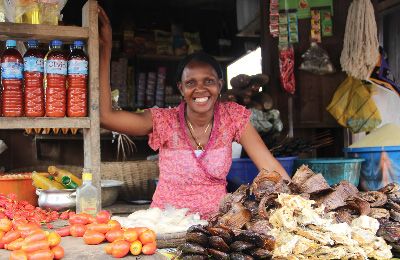
Social Bond Commitments and Disbursements
by Sector FY17

Financial Markets                               Agribusiness                   Infrastructure                 Other

                    456                   204           119            104      20      13                        29         2

                                                                               Commitments                    Commitments
                                                                                       Disbursements                   Disbursements
                                                Commitments    Disbursements

                          Disbursements

Commitments

                                                                                       All figures in millions of dollars for FY17

              The social bond offers investors an attractive
              opportunity to support projects that address
              a range of sustainable development issues.
                                                Hans Peter Lankes

                                                                                                 IFC Social Bond Impact Report 2018   10
Featured Projects
IFC Social Bond Impact Report 2018 11Featured Project: Nespresso Sustainability Innovation Fund
(ID: 36083)
For centuries, the lush, green lands of the Regional State of Oromia in The long-term goal is to reduce deforestation and greenhouse gas emissions
central Ethiopia – “the cradle of coffee” – have been home to the country’s caused by forest degradation through land use, so forests are managed in ways
greatest forest cover with wild coffea arabica trees sprouting from the fertile to reduce poverty and drive sustainable development locally, while safely storing
soil. But, in recent generations, local Ethiopians have witnessed widespread carbon in trees rather than the atmosphere.
deforestation, increasing the vulnerability of local communities to soil
degradation and the impacts of climate change. IFC Director of Climate Business Alzbeta Klein says projects like this one are
“game-changers” for smallholder farmers, “giving them the opportunity to invest
In September 2016, IFC provided a $3 million loan to the Nespresso Sustainability in their coffee plantations, become more productive and sustainable, and become
Innovation Fund of Nestlé Nespresso SA, a Zurich, Switzerland-based leader in part of a global supply chain.”
the premium coffee market. The landmark project supports coffee farmers and
producers’ wet mill businesses in Oromia and neighboring Kenya to build social and Agribusiness is a priority for IFC, because of its potential for promoting rural
environmental sustainability. The BioCarbon Fund Initiative for Sustainable Forest incomes and food security. Collaborations like the Nespresso Sustainability
Landscapes, managed by the World Bank, provided an additional $3 million grant. Innovation Fund combine investments and advice to help the sector address
demand in an environmentally-sustainable and socially-inclusive way, so that
The mission of this innovative collaboration is to bring smallholder coffee farmers people on the ground, like the farmers of Oromia region and their families, can live
on-the-ground training that boosts productivity, improves local socio-economic more secure lives.
conditions, and builds climate resilience. The goals include teaching farmers a
“greener” approach to planting and processing to make the coffee industry in http://www.technoserve.org/blog/coffee-farmers-combat-climate-change
Ethiopia stronger in the face of climate change. By supporting farmers’ investment
in tree replanting and offering advisory support, the project will contribute to
improving coffee quality and output and boosting farmer incomes.
TechnoServe, a long-time nonprofit partner of Nespresso and the IFC, set out
to work with 20,000 smallholder coffee farmers in the Oromia region, providing
technical and financial support to help them increase sustainable practices and
plant shade trees on their land. The aim is to increase the productivity of high-
quality beans by 50 percent within four years. Reforestation of this kind helps to
make farms better equipped for the challenges posed by climate change.
IFC Social Bond Impact Report 2018 12Featured Project: Al Majmoua
(ID: 39075)
In 2012, when Rana Mansour, a mother of six, fled the nascent civil war in Syria, tradecraft and a special style of Syrian embroidery, called Aghabani. Working
with her husband and children, they faced a difficult life across the border in with Al Majmoua, they are now developing goods for a local nonprofit handicraft
Lebanon. Three in every four refugees in Lebanon live below the poverty line of company, Artisans du Liban, which purchases the women’s handicrafts, providing
$3.84 per day, and a majority live in extreme poverty, at less than $2.87 per day. the women artisans steady income.
Rana and her family had fled the increasingly unsafe Yarmouk camp, home to the
largest Palestinian refugee community in southern Syria, near Damascus. Unable In another investment, Al Majmoua provided a loan to Syrian mother, Iman
to find a job in Lebanon, her husband shuttled back-and-forth across the border Hamoud Al Juneid, a hardworking 28-year-old who had a dream of restarting the
for two years to work in Syria, where he died suddenly of a stroke. Alone with her hair and makeup business she had launched in her hometown of Idlib, Syria. “My
children in the Shatila refugee camp in southern Beirut, the widow started making husband and I decided to start from bottom, from scratch,” she says. Iman bought
Syrian food and embroidery, her older sons helping her sell to neighbors. Except, a hair dryer, straightener set, hairbrushes, cosmetics, and basic makeup tools.
with no capital, she didn’t know how to expand her business. She established her new salon in a corner of a tent that her family called home
in Lebanon’s Bekaa valley. Neighbors, refugees, and friends started arriving in a
Then, one day, she learned about a respected local nonprofit organization and IFC steady stream, brides paying her $50 for their special day and regular customers
partner: Al Majmoua, “The Group” in Arabic. Also called the Lebanese Association giving her $15 each. With the money, Iman was able to buy sheets for the family’s
for Development, Al Majmoua has been operating since 1998 to promote beds, new clothes for her children, and food. “A very humble amount of money has
sustainable development for the country’s most vulnerable, both from the local done magic,” says Iman. “I have never thought that anyone would give me a loan as
Lebanese community and the country’s refugees. Since its launch, Al Majmoua I am a refugee.”
has disbursed more than 500,000 loans to micro-entrepreneurs, totalling
more than $700 million. Not far away, a Syrian widow, Zakia Khodr Al Askar, used an Al Majmoua loan to
buy a sewing machine and start a tailoring business. Her two daughters call her
The entrepreneur Rana and three of her female friends applied for a group loan. sewing machine “al hasana al jariya,” or “the consistent good deed” in Arabic. And,
They each received a $500 loan, which Rana used to grow her business, paying for also in Lebanon, Syrian refugee Khesfe Mohammad Al Hamdan received a $1,500
her children’s school tuition from the income. “I hope our situation will get better loan from Al Majmoua that she used to buy a cow that helped her and her husband
soon,” she says. grow their fledgling dairy farm business. With the sales, they can afford to send
their six-year-old son to school. “We were forced to leave everything back in Syria,”
IFC’s partnership with Al Majmoua began in 2014 when it provided the nonprofit a says Khesfe, “but today I am proud to say that this is a new beginning.”
$2 million loan to expand its portfolio to include more low-income small business
owners and female entrepreneurs, like Rana. Then in 2017, IFC extended a $5 With creativity and enterprise, the
million loan to Al Majmoua to support the development of micro-businesses, important work of IFC’s partner in
called the “Very Small Enterprise,” and the small-scale production of goods, dubbed Lebanon – Al Majmoua – uplifts Lebanon’s
“Very Small Equity.” Al Majmoua lending to Very Small Enterprises targets local most vulnerable, from the women of the
Lebanese entrepreneurs, helping refugees by default, and the Very Small Aghabani embroidery enterprise to refugee
Equity loans assist both locals and refugees. entrepreneurs named Rana, Iman, Zakia
and Khesfe.
One Very Small Equity project is the Aghabani Embroidery Value Chain Project,
in which Lebanese women worked with Syrian refugees at a workshop, learning
IFC Social Bond Impact Report 2018 13Social Bond Eligible Project Commitments FY17
IFC Social Bond Impact Report 2018 14Social Bond Eligible Project Commitments FY17
The Impact Assessment table below lists selected expected results from projects eligible to be funded with IFC Social Bond proceeds. The table includes projects
committed in FY17. Reach targets are calculated prior to the project being committed and represent expected results.
Projects eligible for Social Bond funding do business with women-owned enterprises and with people living at the base of the pyramid in emerging markets.
These companies have a direct impact on low-income people, including farmers, patients, students, micro-loan borrowers, micro-retailers, customers, and others.
Projects in the table align with a number of the UN Sustainable Development Goals and are organized by sector.¹
Agribusiness Aligns to SDG:
Sector Country Project Institution Name Description Eligible Loan
or Region ID Commitment
(USD millions)
Agribusiness Pakistan 38150 Friesland Campina NV Friesland Campina is a leading global dairy processor. The project will acquire a controlling stake $100.0
in Engro Foods, one of the largest dairy processors in Pakistan. It will enhance supply-chain
efficiencies in milk collection, increase benefits to smallholder dairy farmers, and improve food
safety and food security.
Agribusiness Eastern Africa 36083 Nespresso Nespresso is a global leader in the premium coffee market, as well as a leader in promoting $3.0
Sustainability sustainable development, environmental preservation, and farmer livelihoods. The project will
Innovation Fund support smallholder coffee farmers and producer wet mill businesses in Ethiopia and Kenya.
Agribusiness Kenya 36568 Fertiplant East Africa Fertiplant East Africa Limited is a sister-company to MEA Limited, the leading fertilizer distributor $5.0
Limited in East Africa. The project will develop a new fertilizer plant in Kenya. In addition to fertilizers, the
company also offers farmers education and extension support services to help farmers optimize
crop yields on small plots of land and maximize their incomes.
Agribusiness Senegal 39269 Societe Industrielle Societe Industrielle Agro-Alimentaire S.A. is a Senegal-based beverage producer of primarily $3.3
Agro-Alimentaire S.A. mineral water, juice drinks and ultra-high temperature processing milk. The project will support
rural livelihoods through the development of local fruit and milk value chains and increase the
availability of quality and affordable beverages.
Agribusiness Mauritania 33704 Tiviski Sarl Tiviski Sarl is a leading dairy company in Mauritania that sources milk from 2,000 livestock herders $4.7
through its two main collection centers. The project will support the renovation of an existing milk
plant, the development of two additional milk collection centers in the eastern part of Mauritania,
and diversification into new product areas.
Agribusiness Kenya 38225 Tropical Heat Limited Tropical Heat Limited is a leading manufacturer of cooking spices, herbs, and savory snacks. The $3.0
company sources inputs from local farmers, including smallholder potato farmers. The project will
support a new state-of-the-art factory in Limuru, Kenya.
Aggregate baseline farmers reached: 151,690
Aggregate target farmers reached (2018-2021): 243,367
1. Not all eligible projects are listed due to confidentiality issues. Not all projects listed contribute to the aggregate indicator due to indicator
availability. Projects with a repeat client are listed but do not contribute to the aggregate indicator to avoid duplication of previous reporting. IFC Social Bond Impact Report 2018 15Social Bond Eligible Project Commitments FY17
Financial Markets Aligns to SDG:
Sector Country Project Institution Name Description Eligible Loan
or Region ID Commitment
(USD millions)
Financial Senegal 39371 Union Des Mutuelles UM-ACEP is a microfinance institution in Senegal that provides loans to micro, small and medium $2.0
Markets / Alliance de Credit et enterprises and smallholder farmers. The project will support the expansion of UM-ACEP's lending
Gender d'Epargne pour la operations in these areas.
Production
Financial Lebanon 39075 The Lebanese Al Majmoua is a leading microfinance institution in Lebanon founded with the mission to promote $5.0
Markets / Association for sustainable development by improving the economic and social conditions of low-income
Gender Development individuals, especially micro-entrepreneurs and women. Approximately 57 percent of its clients are
(Al Majmoua) women. The project will help Al Majmoua expand its outreach to very small enterprises and micro
entrepreneurs, including in communities impacted by the influx of refugees.
Financial Montenegro 37435 Alter Modus D.O.O. Alter Modus is the leading microfinance lender in Montenegro. The project will enable Alter $4.5
Markets Modus to provide access to finance for the market segments that are underserved by traditional
commercial banks, particularly micro and small enterprises.
Financial Panama 38805 Banco Delta S.A. Banco Delta is a leading microfinance institution in Panama with ten branches throughout the $8.0
Markets / country. The project will increase the financing available to micro and small enterprises and
Gender improve microfinance penetration in Panama.
Financial Bangladesh 39516 BRAC Bank Limited BRAC Bank is the second largest private lender for the small and medium enterprise segment in $50.0
Markets / Bangladesh. The project will increase access to finance for women-owned small and medium
Gender enterprises in the country.
Financial Indonesia 38934 PT. Bank Tabungan BTPN is a commercial bank in Indonesia with a business model that centers around financial $100.0
Markets / Pensiunan Nasional Tbk inclusion. The bank focuses on low-income pensioners, micro small and medium enterprises, and
Gender women entrepreneurs at the base of the pyramid. The project will increase the bank's ability to
finance women borrowers, micro, small, and medium enterprises, and customers in remote areas.
Financial Mexico 38960 CEGE Capital S.A.P.I. de Contigo is a non-bank financial institution specialized in microfinance. The project will reach $6.8
Markets / C.V. SOFOM, E.N.R. women micro-entrepreneurs in Mexico and provide financial services to the low-income segments
Gender in suburban and rural areas that have limited credit opportunities.
Financial Myanmar 40106 Early Dawn Microfinance Dawn is one of the leading microfinance institutions in Myanmar. The project will support financial $6.0
Markets / Company Limited inclusion for those who are marginalized and enable the institution to serve more urban and rural
Gender clients throughout Myanmar.
IFC Social Bond Impact Report 2018 16Social Bond Eligible Project Commitments FY17
Financial Markets Aligns to SDG:
Sector Country Project Institution Name Description Eligible Loan
or Region ID Commitment
(USD millions)
Financial Colombia 38847 Banco Mundo Mujer Banco Mundo Mujer is the largest private provider of microfinance in terms of assets in Colombia. $27.2
Markets / The project will support the growth of the bank’s microenterprise loan portfolio and help it to
Gender incorporate new entrepreneurs into Colombia's formal financial sector.
Financial Turkey 38428 Sekerbank T.A.S. Sekerbank Tas is a diversified bank in Turkey which defines its mission as “Community Banking”, $58.0
Markets primarily financing the micro, small and medium enterprise segment. The project will provide
greater access to finance for the micro, small and medium enterprises in Turkey, including the
underserved agricultural sector and frontier regions.
Financial Kenya 38419 Equity Bank Kenya Equity Bank Kenya Limited is a commercial bank with a specific focus on underserved populations $82.5
Markets / Limited in Kenya. In addition to traditional outlets, the bank has rolled out multiple delivery channels
Gender including digital and mobile banking services, ATMs, agency banking, cash back services and points
of service in order to increase access to financial services. The project will diversify the bank’s funding
sources and help it to grow its lending to small and medium enterprises and women entrepreneurs.
Financial West Bank 35149 Palestine For Credit and Faten is the largest microfinance institution in the West Bank and Gaza, with an established $2.5
Markets / and Gaza Development (Faten) network of 35 branches. The project is expected to support Faten’s micro, small and medium
Gender enterprise portfolio and expand its reach to low and middle-income Palestinians.
Financial Myanmar 40103 Fullerton Finance Fullerton Finance is a microfinance institution incorporated in Myanmar in 2013. The project will $6.0
Markets / Myanmar Company support financial inclusion for those who are marginalized and enable the institution to serve more
Gender Limited urban and rural clients throughout Myanmar.
Financial Cambodia 39167 Hattha Kaksekar Limited HKL is a microfinance institution in Cambodia. The project will improve access to finance for micro- $5.0
Markets entrepreneurs and allow more rural households to obtain formal financial services, such as savings
and mobile banking.
Financial Kenya 37873 The Medical Credit Fund MCF is a financing and technical assistance vehicle with a mandate to improve access to quality $2.5
Markets/ healthcare for underserved populations in Sub-Saharan Africa. The project will support the scale-up
Health of MCF's activities to serve more small and medium healthcare enterprises.
Financial Kazakhstan 35747 Microfinance KMF, formerly KazMicroFinance LLC, is a leading microfinance institution in Kazakhstan. KMF’s $44.0
Markets/ Organization KMF LLC extensive network enables it to have deep outreach in rural areas. The project will support KMF’s
Gender growth through new product offerings to its micro and small business clients, including women
entrepreneurs.
IFC Social Bond Impact Report 2018 17Social Bond Eligible Project Commitments FY17
Financial Markets Aligns to SDG:
Sector Country Project Institution Name Description Eligible Loan
or Region ID Commitment
(USD millions)
Financial Kosovo 39206 Kreditimi Rural I Kosoves KRK is a leading lender to micro and small enterprises in Kosovo with a special focus on agriculture $2.1
Markets/ LLC and agri-processing. The project seeks to expand the company’s financing of micro and small
Gender enterprises and individuals in rural and suburban areas – areas which are typically underserved by
traditional commercial banks.
Financial Indonesia 38586 PT. Radana Bhaskara Radana is a non-bank financial institution in Indonesia primarily focused on motorcycle financing. $20.0
Markets / Finance Tbk The project will support Radana to diversify its offerings to multipurpose, working capital and
Gender investment financing for low and middle-income clients, including micro and small and medium
enterprises. The proceeds will finance i) micro, small and medium enterprises; ii) individuals
utilizing the loans for productive purposes; iii) home renovations; iv) student loans and (v) women
borrowers.
Financial India 39454 RGVN Microfinance RGVN is a microfinance institution focused primarily on the Northeast region of India where $15.0
Markets/ Limited financial inclusion is amongst the lowest in the country. The project will help expand microfinance
Gender to borrowers who have little or no access to formal sources of financing.
Financial Lebanon 38049 Vitas SAL Vitas is a leading microfinance institution in Lebanon, targeting segments and geographies $4.0
Markets/ underserved by the financial system. Over 42 percent of the institution’s client base are women. The
Gender project will increase access to finance for micro entrepreneurs and low-income people in Lebanon.
Aggregate baseline microloans outstanding: 4,114,466
Aggregate target microloans outstanding (2019-2022): 7,442,420
Aggregate baseline micro, small and medium enterprise loans to women outstanding: 3,319,077
Aggregate target micro, small and medium enterprise loans to women outstanding (2019-2022): 6,091,151
IFC Social Bond Impact Report 2018 18Social Bond Eligible Project Commitments FY17
Infrastructure Aligns to SDG:
Sector Country Project Institution Name Description Eligible Loan
or Region ID Commitment
(USD millions)
Power Uganda 38598 Umeme Ltd. (Umeme) Umeme is a regulated electricity distribution company in Uganda supplying customers mainly $20.0
located in semi-urban areas. The project will support increased access to electricity, the connection
of additional customers to the grid, and improve the overall quality of service for end users.
Baseline customers: 3.4 million customers
Target customers (2018): 5.4 million customers
Other Aligns to SDG:
Sector Country Project Institution Name Description Eligible Loan
or Region ID Commitment
(USD millions)
Foods Kenya 37870 Insta Products Insta Products Limited is a leading producer of ready-to-use therapeutic food, a high calorie $3.5
Limited fortified peanut paste-based food product consumed by individuals suffering from acute
malnutrition. Relief organizations distribute Insta’s RUTF products to affected individuals in
conflict-affected areas and other emergency zones. The project will help Insta to expand its RUTF
production capacity.
Foods Nigeria 37143 Promasidor Nigeria Promasidor Nigeria Limited is a fast-moving consumer goods food processing company. The project $25.0
Limited will increase the availability and access to quality, more affordable, nutritious food products for
base of the pyramid customers in Nigeria, thereby improving diet and nutrition.
IFC Social Bond Impact Report 2018 19IFC Social Bond Program Process
Use of proceeds Evaluation and selection Management of proceeds Reporting
Net proceeds of Social Bond issues will The Social Bond Eligible Projects All proceeds from IFC Social Bonds IFC Social Bond Impact Report follows
support Social Bond Eligible Projects.
are selected from a scrutinized are set aside in a designated Social best practice and the Social Bond
Eligible projects are funded, in whole or in
part, by IFC that involve: loan portfolio of IFC, with equity Cash Account and are invested in Principle, a voluntary guidance on
1) lending to financial intermediaries with investments and guarantees ineligible accordance with IFC’s conservative transparency and disclosure.
the requirement that IFC loan proceeds for funding via Social Bonds. liquidity policy until disbursement to
IFC follows best reporting practices
be on-lent to women-owned enterprises1 Eligible Projects.
or Eligible Projects follow IFC’s investment and the Social Bond Guidance, a
2) lending to companies that incorporate process and are implemented in Disbursement requests for Eligible voluntary guidance on transparency
people at the “base of the economic consistency with IFC’s Sustainability Projects take place in accordance and disclosure.
pyramid,” defined as people who earn Framework, including the Performance with IFC’s established policies and
less than the equivalent of $8 per day2 or The report provides a list of projects
Standards and World Bank Group procedures and are often made over
who do not have access to basic goods that received funding from Social Bond
Environmental, Health, and a period of time depending on project
and services, into its value chain as proceeds and subject to confidentiality
suppliers, distributors, or customers, as Safety Guidelines, IFC’s Corporate milestones.
considerations. It also provides a brief
part of such company’s core business in a Governance Framework, and disclosure
IFC is rated triple-A by Standard & Poor description of each project, the loan
commercially viable and scalable way. requirements of the IFC Access to
and Moody’s. The payment of interest amount, and the expected impact.
Examples of eligible projects include Information Policy.
and the principal of the Social Bonds is The report only covers projects eligible
investments in3:
• Companies that source directly from All projects have undergone a rigorous strictly based on the credit quality of for Social Bond financing. For more
smallholder farmers; ESG due diligence process and are IFC and is not directly affected by the information on IFC-financed projects,
• Utilities, such as electricity, gas, subject to ongoing monitoring and result of the underlying investments visit www.ifc.org/projects.
and water, that provide low-income supervision. that IFC makes.
IFC makes available information
households with better access to
services; concerning its activities according to
the AIP. The AIP sets out IFC’s policy
• Companies that provide health services,
education services, or housing to low- regarding the scope of information
income. populations in more affordable that it makes available to the
ways public either as a routine matter or
• Companies that provide goods and upon request. The full policy can be
services to low-income populations found at www.ifc.org/aip.
• Companies that provide access to
telecommunication and payment
platforms in markets that include the
low-income segment
1 For purposes hereof, a women-owned enterprise is (a) a business that is at least 51 percent owned by a woman or women, or (b) a business in which a woman or women hold at least
20 percent of the ownership interests; and has at least one woman of the senior executive roles (e.g. Chief Executive Officer, Chief Operation Officer, President, Vice-President); and
women hold at least 30 percent of seats on the board of directors where a board exists.
2 The $8/day income threshold is in purchasing power parity terms. PPP terms adjust the real figure to equate the relative purchasing powers in different countries.
3 The above examples of Eligible Projects are for illustrative purposes only and no assurance can be provided that disbursements for projects with these specific characteristics will be
made by IFC during the term of the notes. IFC Social Bond Impact Report 2018 20Disclaimer
This document has been prepared for informational purposes only, and the
information herein may be condensed or incomplete. IFC specifically does not
make any warranties or representations as to the accuracy or completeness of
these materials. IFC is under no obligation to update these materials.
This document is not a prospectus and is not intended to provide the basis
for the evaluation of any securities issued by IFC. This information does not
constitute an invitation or offer to subscribe for or purchase any of the products
or services mentioned. Under no circumstances shall IFC or its affiliates be liable
for any loss, damage, liability or expense incurred or suffered which is claimed
to have resulted from use of these materials, including without limitation any
direct, indirect, special or consequential damages, even if IFC has been advised
of the possibility of such damages.
For additional information concerning IFC, please refer to IFC’s current
Information Statement, financial statements and other relevant information
available at www.ifc.org/investors.
Icons made by Freepik from www.flaticon.com
IFC Social Bond Impact Report 2018 21IFC Investor Relations International Finance Corporation 2121 Pennsylvania Avenue NW Washington, D.C. 20433 Email: investors@ifc.org Twitter: @IFC_Investors ifc.org/investors March 2018
You can also read


