Pulse - Brighton and Sussex Medical School
←
→
Page content transcription
If your browser does not render page correctly, please read the page content below
Pulse
           BSMS              Spring/Summer 2019

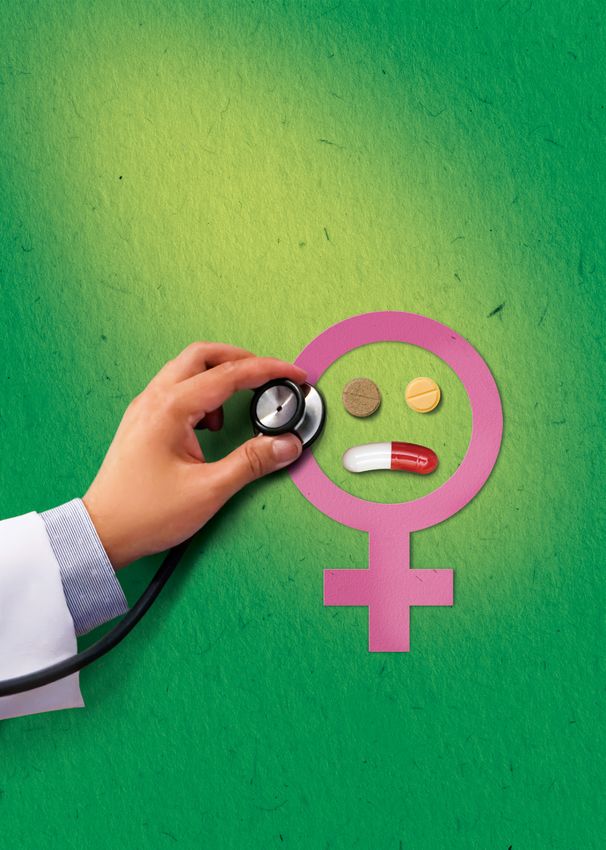
                                                         Patriachal
The Brighton and Sussex Medical School magazine

                                                         medicine
                                                   Dr Arianne Shahvisi shares her thoughts
                                                      on how medicine is failing women

                        In this issue
                    n 		The   risks of smoking shisha
                    n 		Award-winning           teaching in A&E
                    n 		Howyour heartbeat can help
                        you tackle phobias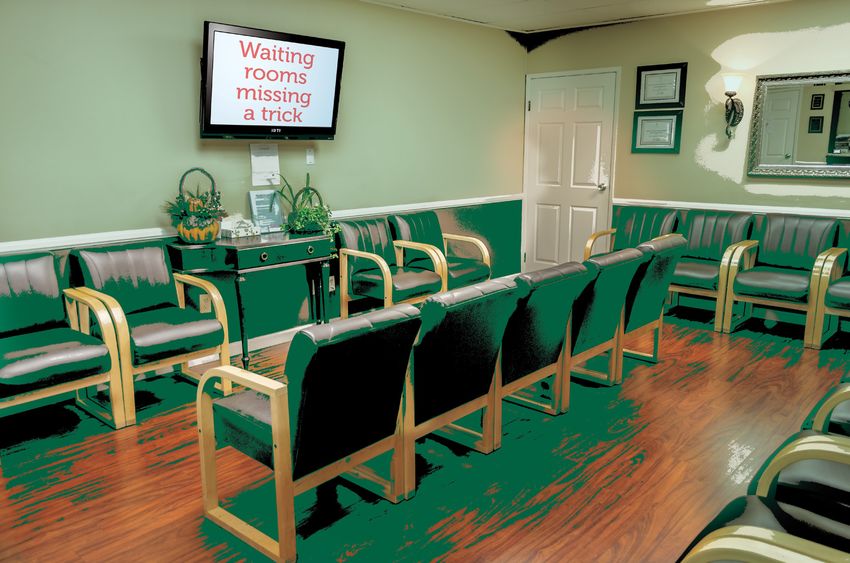
from the Dean,
                             Professor Malcolm Reed

By the time this edition of BSMS Pulse is in print we           We are determined to preserve the high quality of
may know more about the manner in which BREXIT                  the education we provide to our students, and are
will unfold. Regardless of the outcome, we face                 working hard to ensure that the ethos and values
challenging times as a nation and our future role in            of BSMS are maintained and our new students are
Europe is unclear. This has a major impact on many              able to have a similar experience to previous cohorts.
of our staff, students and colleagues across both               We will also continue to support all our activities
universities and the NHS. I recognise that this is a            including research, knowledge exchange and public
very unsettling time but we are doing everything we             engagement, which do so much to contribute to the
can to support those affected in every way possible             success of the school overall.
in accordance with our strong sense of inclusion and
                                                                As smoking cigarettes decreases, alternatives such
community at BSMS.
                                                                as vaping and smoking shisha (hookah) are on the
In the past few months we have been extremely busy              increase – particularly among young people who are
running our recruitment process to ensure we fill our           drawn to their range of flavours. But a recent study
increased number of places, with just over 200 new              has shown just how bad shisha smoking is for you –
students starting in September 2020. I am grateful              you can find out more on page 4.
to our fantastic admissions team and all our
                                                                We take a look at the A&E department at Brighton
colleagues, including patients, students, university
                                                                and Sussex University Hospitals NHS Trust – which
and NHS staff who have helped with the process.
                                                                recently won the Royal College of Emergency
We are fully committed to our pledge to use                     Medicine’s Teaching Department of the Year (page 6).
our expansion to ensure that we increase the
                                                                And Dr Arianne Shahvisi, Lecturer in Ethics and
representation of students from the whole range
                                                                Medical Humanities, investigates how medicine
of society including those from disadvantaged
                                                                is failing women, and the dangers of turning to
backgrounds. This year new guidance from the
                                                                unproven ‘alternative’ therapies (page 8).
General Medical Council (GMC) will encourage
us to recruit more students with a disability than              We hope you enjoy this issue of BSMS Pulse magazine
we have ever done previously, and we will be                    and please do not hesitate to let us know if you have
holding a stakeholder meeting later in the year                 any suggestions for features.
to refresh our selection policy in order to ensure              Best wishes,
that we reflect the GMC’s aspiration. BSMS
is already a leading example of inclusion and
diversity and we will ensure that we maintain
our commitment in this vitally important area.

2   BSMS Pulse Spring/Summer 2019   from the Dean, Professor Malcolm Reed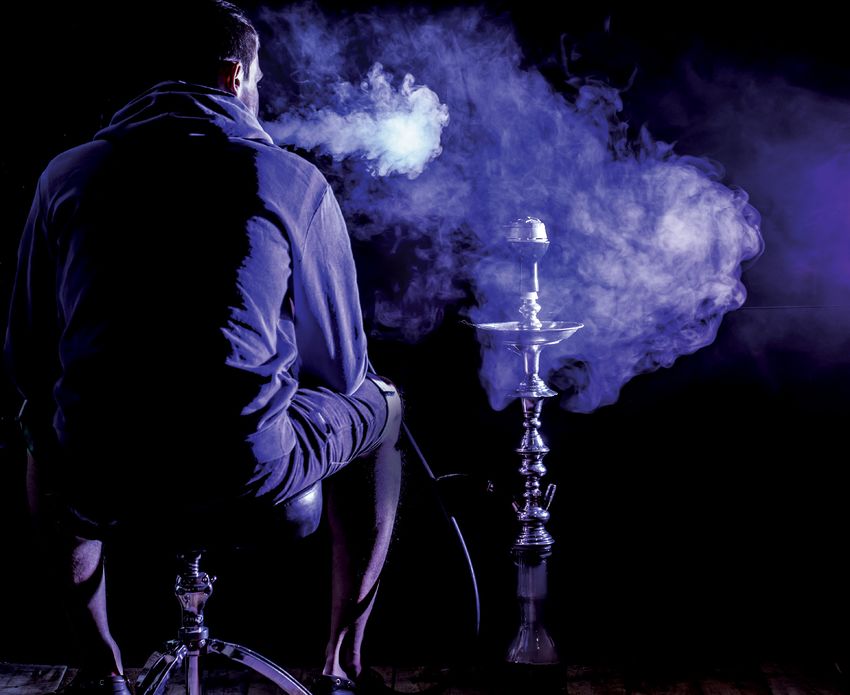
6
   								                              4
		Contents
  4	New dangers of smoking       8                                   12
      shisha discovered
  6	Learning at the frontline
      of emergency medicine
  8	Medicine neglects women’s
      needs, but alternative
      medicine is not the answer
11		An end to arachnophobia
      ‘just a heartbeat away’
12	A conversation with
      Dr Kristy Themelis
                                   14                   11                             15
14		‘Rubber hand illusion’
      clue to Tourette syndrome
15	Waiting rooms missing
      a trick
16		School news
17		Postgraduate study at BSMS         16
18 News                                                                                17
19 Events

                                                  BSMS Pulse is the magazine of Brighton
                                                  and Sussex Medical School.
                                                  Contact Julie Wilton at j.wilton@bsms.ac.uk
                                                  if you have any news stories, comments,
                                                  or would like to amend your mailing details.
                                                  BSMS Pulse is published on 100% recycled paper.

                                                  Cover story (see page 8)

                                             Contents    BSMS Pulse Spring/Summer 2019              3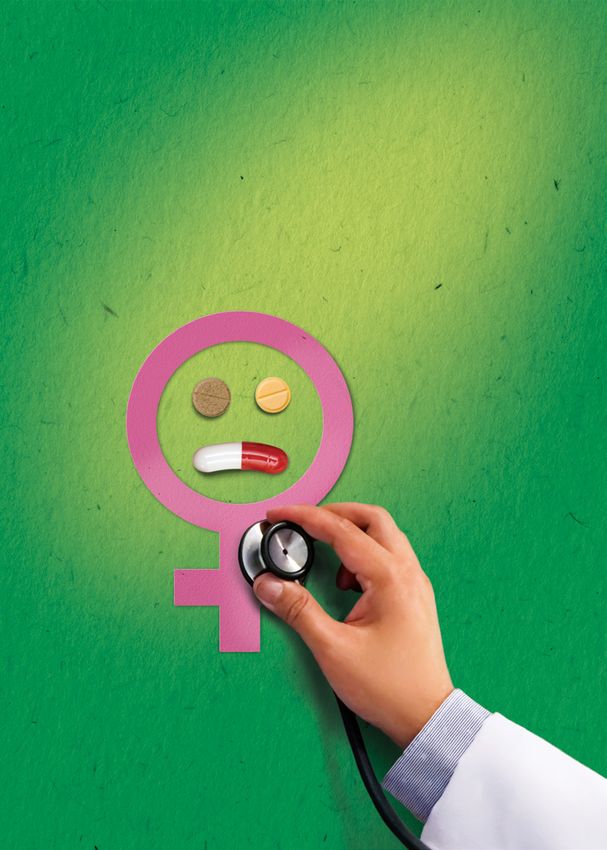
New dangers of
          smoking shisha
            discovered
Smoking shisha or ‘hookah’ significantly increases the risk
  of diabetes and obesity, a study at BSMS has revealed
    for the first time. In fact, it may even be worse for
           you than smoking in some respects.

                 Research found that shisha smokers were
                  more likely to gain weight and develop
                  type 2 diabetes in comparison to non-smokers
                 after inhaling ‘hookah’ fumes.
                Taking place in Iran, where smoking shisha is
               common and considered a relaxing way to spend
              time among friends, the study involved 9,840
             participants, including non-smokers, hookah
            smokers and cigarette smokers, among others.
           Participants’ baseline characteristics were
          measured against their biochemical results from
         blood tests and anthropometric data. Results
        showed a link between hookah smoking and
       the presence of obesity, diabetes, metabolic
       syndrome (a cluster of symptoms that increase
       risk of heart disease, stroke and diabetes) and
        dyslipidemia (an abnormal amount of fatty
          lipids). In contrast, there was no significant
             association between cigarette smoking
                   and these conditions.

4   BSMS Pulse Spring/Summer 2019   Research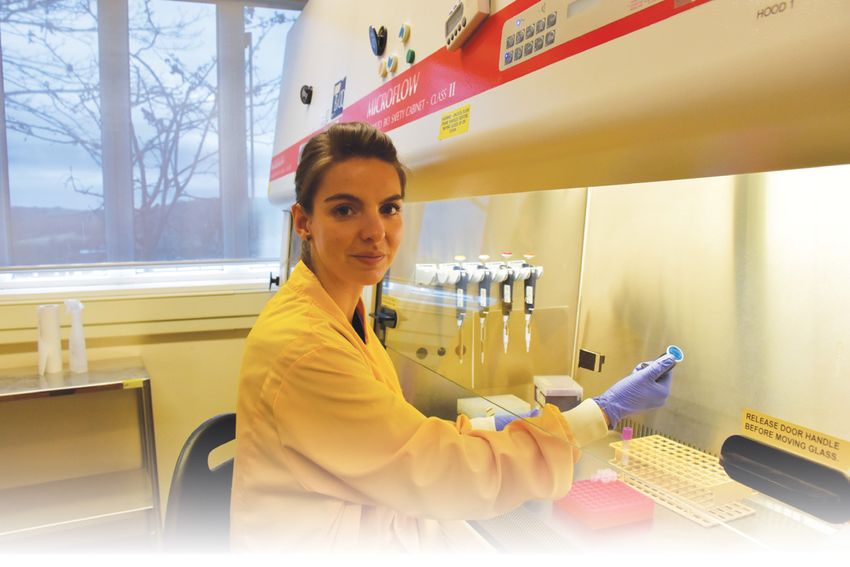
“It is not yet clear why hookah smoking
                                                                  is associated with obesity and diabetes.
                                                              It is possible that the toxins in the smoke
                                                           stimulate an inflammatory response that
                                                         causes tissues to become resistant to the
                                                        effects of the hormone insulin, which
                                                      regulates glucose levels in blood. However,
                                                     it may also be the case that hookah
                                                    smoking is associated with other social
                                                   behaviours that lead to weight gain,
                                                   for example sitting around rather than
                                                   moving, and eating as you smoke.”
                                                   As cigarette sales have steadily been falling
                             Shisha smoking        for decades, people are increasingly
                       uses a stemmed instrument    turning to ‘healthier’ alternatives such as
                    or ‘hookah’ for vaporising       vaping and hookah smoking. A recent
                flavoured tobacco, with smoke         study published in the British Medical
            being passed through a water basin         Journal showed that shisha practice
          before inhalation via a tube or hose.          now accounts for around half of all
       The new research has cast doubt on                 teenage smoking in some regions.
     the widespread belief that smoking                     Young people may be attracted to the
   shisha may be healthier due to the                         range of flavours shisha smoking offers.
  smoke passing through water and
                                                                  However, while a cigarette is finished
 somehow being purified.
                                                                   in an average of 20 puffs, shisha
“An average session of hookah                                        smokers may have a session with
smoking lasts an hour, in which                                        friends that lasts an hour or two,
smokers may inhale the equivalent of                                     exposing them to greater volumes
smoke from more than 100 cigarettes,                                       of tar heavy metals and other
 and therefore a substantially greater                                      carcinogenic chemicals over a
  amount of toxic compounds,” says                                           longer period of time.
   Professor Gordon Ferns, Head of the
                                                                              Prof Ferns adds: “There is now
    Department of Medical Education
                                                                               good evidence that hookah
          at BSMS, and co-author
                                                                                smoking is not harmless. The risk
                 of the study.
                                                                                 with respect to certain cancers
                                                                                  is well established, and the
                                                                                  evidence for an association
                                                                                   with cardiovascular disease is
                                                                                   growing. From a health policy
                                                                                   perspective, it is important
                                                                                   for the public to recognise
                                                                                  the risks of hookah smoking
                                                                                  – which needs to be
                                                                                 regulated as strictly as
                                                                               cigarette smoking.”

                                                                  Research    BSMS Pulse Spring/Summer 2019      5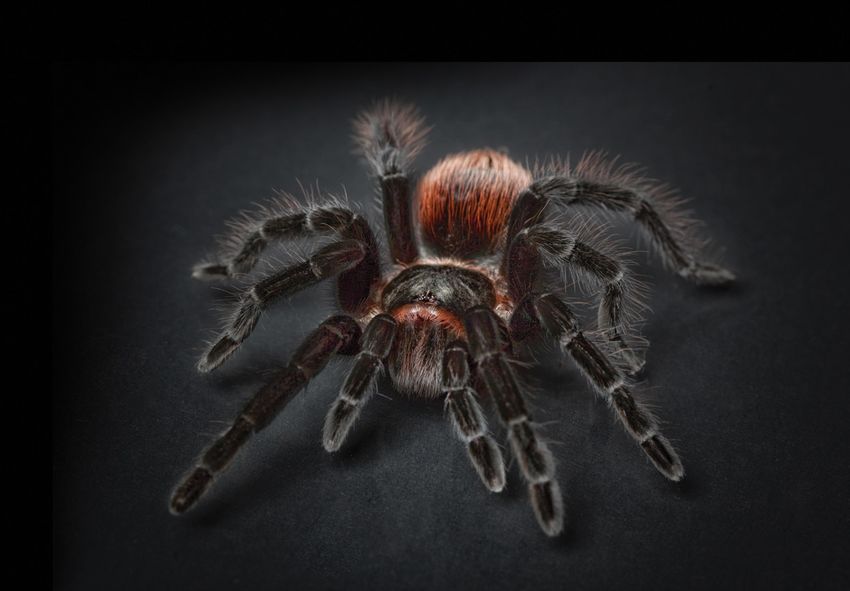
School

Learning at the frontline
of emergency medicine
The A&E doors slam open and a trolley carrying a stricken patient is pushed
through, ambulance staff calling out critical information. A young doctor
steps up and makes an instant decision, taking control and saving a life.
We’ve seen that happen many times on TV programmes, and while the
reality isn’t always that dramatic, the reliance on a doctor to ‘get it right’
at that crucial moment is real enough.

Medical students at BSMS are not only given training    You have a patient in front of you who has certain
in a busy A&E, but are lucky enough to be learning in   symptoms but hasn’t yet been diagnosed. So you don’t
what is now an award-winning teaching department.       see someone with an appendicitis – you see them
Brighton and Sussex University Hospitals NHS Trust’s    with abdominal pain, you don’t see someone with a
A&E department was recently awarded the Royal           myocardial infarction – you see them with chest pain.
College of Emergency Medicine’s Teaching Department     You see them at the beginning of their medical journey
of the Year.                                            and this means you can learn loads.”
Emergency Medicine Consultant Dr Rob Galloway           Dr Galloway puts the department’s success down to
believes A&E offers something special to medical        “a young, dynamic consultant body who make things
students: “A&E is an amazing learning environment.      happen, despite difficult working conditions”, along
                                                        with the development of a new role to help teaching.
                                                        Ten Educational Fellows have been employed to work
                                                        with the medical school, spending 66% of their time on
                                                        clinical work and 33% working with medical students.

                                                                                     Dr Rob Galloway
                                                                                     watches students
                                                                                     practising ultrasound
                                                                                     on Dr Sam McIrney

6   BSMS Pulse Spring/Summer 2019   Research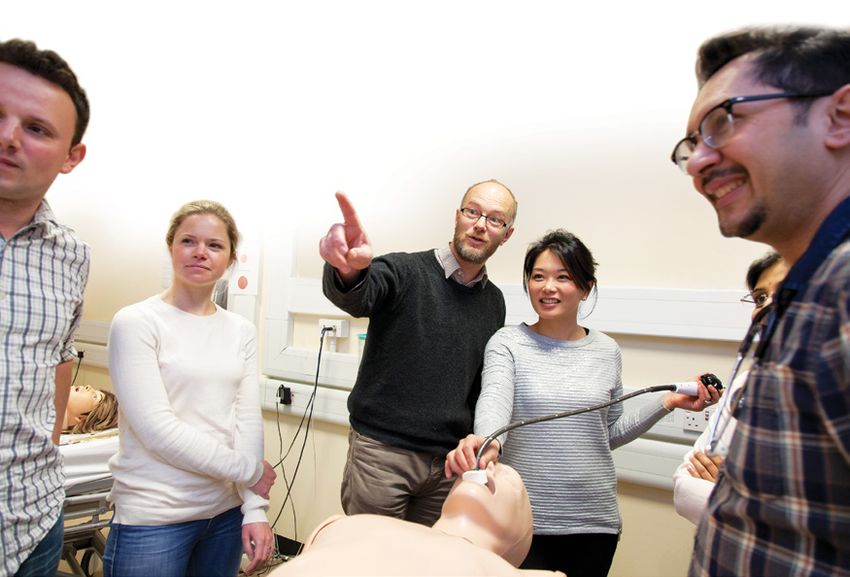
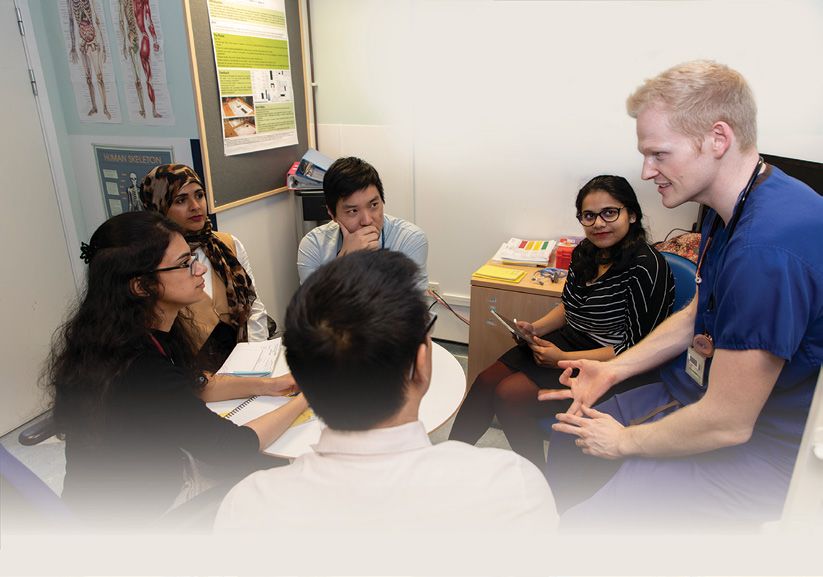
Dr Sam McIrney leads
                                                          a teaching session

This means that medical students have a dedicated         with acute problems, practising formulating initial
fellow teaching them, giving them feedback and            investigations and management,” she says. “This is very
supporting them throughout their placement.               different from being on the wards, where these steps
                                                          will already have taken place and a patient’s problems
Dr Sam McIrney has been working as an Educational
                                                          are already being addressed. These are crucial skills to
Fellow at the Royal Sussex County Hospital for the
                                                          develop, as we’ll be doing this all the time as junior
past two years. “My role means I’m able to build my
                                                          doctors. Dr McIrney is really amazing – he helps us put
teaching portfolio, and increase my exposure and skills
                                                          our theoretical knowledge into practice, and gives us
across all medical and surgical specialties through the
                                                          really valuable feedback on how to improve our history
patients I see in A&E,” he says.
                                                          taking and examination techniques.”
“I help prepare medical students for their foundation
                                                          Fellow third year Jamie Lau (photo page 6, left) agrees:
roles by seeing and examining patients, testing their
                                                          “The fact that there is a wide range of conditions you
clinical skills and medical knowledge, as well as
                                                          could potentially see really appeals to me and makes
showing them how exciting medicine can be. It’s not
                                                          it a unique placement. Dr McIrney provides further
about just passing exams, but problem solving, learning
                                                          teaching on what we see in the department, and gives
and developing an understanding of the amazing entity
                                                          constructive criticism on our clinical skills in a friendly
the human body is with its underlying physiology.
                                                          manner!”
“Every day brings something new in A&E and it really
                                                          The A&E team have also developed an extensive
allows students to see how the patient journey in
                                                          programme of postgraduate training, with weekly
hospital begins. It helps them develop the skills to
                                                          training sessions, ad hoc simulation sessions and a
approach a sick patient and formulate a plan after
                                                          range of courses in trauma and human factors.
seeing them, and gives them an understanding of
the bigger picture of hospital pressures.”
                                                          If any doctors or future doctors would be interested in
Shaily Mehta (top photo, left) is on her third-year
                                                          a fellow post – please email rob.galloway@nhs.net
placement in A&E with Dr McIrney. “It’s really helpful
                                                          for further information.
being able to take histories and examine people

                                                                          School    BSMS Pulse Spring/Summer 2019       7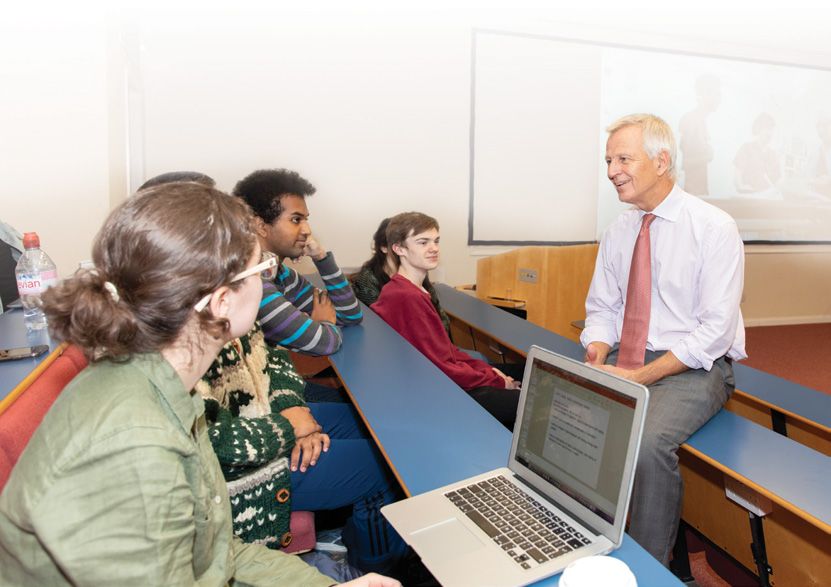
Research

Medicine neglects women’s
needs, but alternative
medicine is not the answer
Dr Arianne Shahvisi, Lecturer in Ethics and Medical Humanities,
shares her thoughts on how medicine is failing women, turning
many towards alternative therapies that lack a scientific basis.

8   BSMS Pulse Spring/Summer 2019   Research
In 2008, Hollywood actor Gwyneth Paltrow launched         Other factors relate to the way that women are treated
her lifestyle company, Goop, claiming she “wanted         by clinicians. One of the most important experiences
it to be a word that means nothing and could mean         that women report is not being believed when they
anything”. Over the past decade, the claims and           describe their ailments. Studies show that women’s
recommendations made by the company have been             pain reports are often discredited, or attributed to
widely criticised. Goop claimed that underwire bras       mental health issues. Women are 13-25% less likely to
cause breast cancer, suggested that women ought to        receive painkillers for abdominal pain even when they
be increasing their sexual energy using vagina eggs and   have the same pain scores as men, and typically wait
vaginal steaming, and recommended the use of coffee       longer to receive pain medication. Further, women who
enemas. Experts have shown these recommendations          are admitted to hospital with irritable bowel syndrome
to be spurious and sometimes dangerous.                   are more likely to be offered sedatives and lifestyle
                                                          advice while male patients with the same symptoms
Around the same time that I heard about Goop,
                                                          are offered X-ray imaging of the digestive system.
I was becoming more interested in feminism as an
area of research. In speaking to other women about        Women are also less likely to receive appropriate
their experiences of gender inequality, an issue that     treatment for heart attacks, which means that they
came up time and again is the way in which medicine       are more likely to die once a heart attack is underway.
neglects women’s needs. I met several women who           They’re also more likely to die in hospital from septic
were dabbling in alternative remedies only marginally     shock, and critically ill older women are less likely than
less ridiculous than those espoused by Paltrow’s site.    men to be admitted to intensive care units and receive
These women were not unintelligent or uncritical.         life-saving treatments, again leading to an increased
Their serious long-term health issues were not being      risk of death. Almost all of these worrying trends are
addressed by mainstream medicine, and they were           also observed for people of colour, and women of
desperately casting around for other solutions.           colour fare worst of all.
It occurred to me that medicine’s poor treatment of       Given these shortcomings, it’s fairly unsurprising that
women might be pushing them towards alternative           “medically unexplained disorders” are more common in
remedies that are often expensive or dangerous, and       women, who may be further harmed by the side effects
generally just don’t work. I started a research project   of endless tests and investigations while doctors try,
to investigate women’s relationship to conventional       and invariably fail, to figure out what is going on.
medicine and alternative medicine.
                                                          Women and alternative medicine
Women and conventional medicine                           “Alternative medicine” means all therapies that don’t
One major reason that medicine often doesn’t work         have any proven benefits beyond the placebo effect,
well for women is that female participants have long      and generally do not have any plausible explanation
been excluded within clinical trials. While things are    for how they’re supposed to work. Some examples
gradually improving, we still have poor knowledge of      include homeopathy, chiropractic, energy medicine,
the way diseases present and progress in females,                naturopathic medicine and faith healing.
even though we know that there are sex                            Studies across populations in high-income
differences in how certain conditions                              settings show that the typical user of
appear clinically, eg, anaemia,                                     alternative medicine is a woman who is
osteoporosis and cardiovascular                                      highly educated, relatively affluent and
disease. This means that women                                          often suffering from a long-term
are being given “standard”                                                  health condition.
medical diagnostic tests and
                                                                                       Those who use alternative
treatments which were
                                                                                       medicine say they value it
designed with men in
                                                                                      because it is “natural”, has
mind, and which are
                                                                                    few/no side effects and offers
sometimes sub-optimal
                                                                                   a feeling of greater control
or unsafe for women.
                                                                                                  continued page 10

                                                                        Research      BSMS Pulse Spring/Summer 2019    9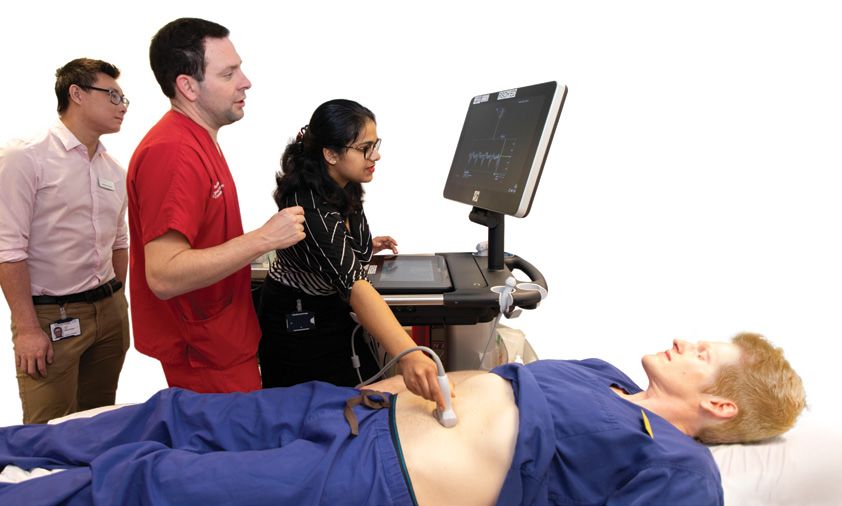
Research

over their health. Patients are usually much happier        What should happen going forward?
with their alternative medicine practitioners than          The bottom line then is that alternative medicine is,
with their GP, and describe their appointments as           like Paltrow’s Goop, something “that means nothing
feeling friendlier, more personal, less rushed and less     and could mean anything”– it doesn’t work, and can
authoritative. It is easy to see why alternative medicine   easily exploit people. It’s the wrong answer to a very
can be an attractive possibility for women whose health     important question: what should we do when medicine
needs are not being met within conventional medicine.       lets certain groups down? I think the clue can be
However, from an ethics perspective there is a              found in the reasons people give for using alternative
problem. In order for any kind of medicine to be            medicine – they get more time with a practitioner, and
ethically acceptable, practitioners must make sure          they feel listened to. We need to make more time in
they seek informed consent from patients. This means        medicine, and everyone will save time in the long run.
explaining the proposed treatment to the patient to         It’s been shown that longer consultations lead to:
make sure they understand how it works and why it’s         a greater likelihood of taking a thorough medical
been chosen, and then asking them to agree to the           history and providing the right clinical examinations,
treatment.                                                  a lower prescribing rate, a greater likelihood of offering
                                                            advice about preventative healthcare and fewer
My first worry about alternative medicine is that there
                                                            follow-up consultations.
are no acceptable explanations that can be offered to
patients, so informed consent becomes impossible.           But we also need to think more broadly about the way
Patients must therefore trust alternative medicine          in which we as a society fail to listen to and believe
practitioners, even though they are not able to offer       women, which is a problem that also comes up in
evidence or explanations. That kind of trust can be         another context, that of sexual harassment and assault.
easily exploited. My other worry is that, apart from the    Women deserve better, and it is up to clinicians and
placebo effect, alternative medicine doesn’t work!          medical researchers to step up, while it’s up to the
                                                            rest of us to start normalising the practice of believing
                                                            women when they say they’re hurting.

                                                            Based on: Shahvisi, A., 2018. Medicine is patriarchal,
                                                            but alternative medicine is not the answer. Journal of
                                                            bioethical inquiry, pp.1-14. https://link.springer.com/
                                                            article/10.1007/s11673-018-9890-5

10   BSMS Pulse Spring/Summer 2019   Research
An end to arachnophobia
‘just a heartbeat away’
Patients’ own heartbeats can play a part in speeding up the
treatment of their phobias, according to a new study at BSMS.
Researchers have discovered that exposing Although there was some improvement among all
people to their fears reduces their anxiety patients, those individuals exposed to spiders in-time
– if it’s timed with the exact beat of their hearts. with their own heartbeats showed a greater reduction
These findings could form the basis of a new in self-reported fear of spiders, anxiety levels and their
treatment for irrational fears and phobias. physiological responses to spiders. These improvements
were also shown to depend on differences in how well
“Many of us have phobias of one kind or another
an individual patient could accurately feel their own
– it could be spiders or clowns, or even types of food,”
heart beating in their chest, suggesting a further way
says Professor Hugo Critchley, Chair of Psychiatry
of tailoring the treatment to benefit each patient.
at BSMS, and Principal Investigator. “Treatment
usually involves exposing the person to their fear, The study was published in the
but this can take a long time. Our work shows Psychosomatic Medicine journal.
that how we respond to our fears can depend on
whether we see them at the time our heart beats,
or between heartbeats. You could say we’re within
a heartbeat of helping people beat their phobias.”
In phobias, disproportionately intense, disabling anxiety
is induced by specific situations or triggers. Treatment
is often prolonged and involves a graded exposure
to fear-evoking stimuli, but has made some progress
in recent years through the use of computerised
therapy. This new research shows that phobias can
be treated more effectively by linking computerised
therapy to the patients’ own heart rhythms.
Researchers at BSMS had previously revealed how
bodily arousal signals that occur with each individual
heartbeat can change the emotional impact of
potential threats, for example, when experienced
during a heartbeat they can appear greater.
In this clinical trial, a computerised exposure therapy for
spider phobia was combined with online measurements
of heartbeats. For one group of patients, pictures
of spiders were presented in-time with heartbeats
(during the signalling of cardiac arousal), while for
another patient group, pictures of spiders were
presented in-between heartbeats. A third ‘control’
group saw spiders randomly in the therapy sessions.
Research BSMS Pulse Spring/Summer 2019 11Research
A conversation with …
Dr Kristy Themelis
Tell us about your role at BSMS What are you working on at the moment?
I am a Postdoctoral Research Fellow at BSMS, The project I am currently working on is looking to
currently working on an Arthritis Research UK-funded further understand some of the mechanisms underlying
interventional trial looking at mechanisms of chronic chronic pain and fatigue in people with fibromyalgia
pain and fatigue. I’m also a co-representative for Early and chronic fatigue syndrome (CFS)/ME. We know that
Career Researchers (ECRs) in our department, with the in such conditions there may be abnormalities in the
aim of addressing some of the challenges they face ‘fight or flight’ involuntary nervous system and blood
and actively supporting the need to involve ECRs in tests may also show more markers of inflammation.
discussion around formal and informal policy-making. So we’re trying to understand in more detail how
abnormalities in these bodily responses affect each
What are your particular other and interact to cause pain and fatigue.
research interests?
I’ve always been fascinated with how the human body What got you interested in this area
works and what we are capable of. When growing up, of research?
I watched my sister, who has learning disabilities, Having trained as a physiotherapist in the Netherlands,
receive physiotherapy, which has had a real impact on I worked closely with people living with chronic pain.
her mobility and motor skills. This got me interested This made me appreciate the impact that persistent
in seeking to improve understanding and management pain can have in the lives of people trying to manage
of long-term conditions with the overarching aim to their symptoms on a daily basis and the lack of
improve the quality of life for people living with such understanding they face from society towards
a condition. this condition.
12 BSMS Pulse Spring/Summer 2019 ResearchI decided I wanted to learn more about the mechanisms Our research has the potential to improve the
that might contribute to and maintain chronic pain, understanding of some of the mechanisms underlying
so I pursued a Masters degree in pain and a PhD in the conditions and thereby guide the development
psychology focusing on pain and the body. Although of new treatments targeting inflammation and
I am no longer working as a physiotherapist, I still the autonomic nervous system, which could have
work closely with a range of healthcare professionals a significant positive impact on the lives of people
and continue to receive the odd requests from friends/ suffering from chronic pain and/or fatigue on a
family members/colleagues/relative strangers for a free daily basis.
diagnosis of a sore limb or recent sporting injury!
What do you enjoy most about your job?
Can you explain a bit more about the I enjoy the diversity that comes with working in a
specific research? clinical academic setting. One day I could be running
In our current study, we ask people to take part in behavioural or fMRI experiments with participants,
three study visits. The first study visit takes place at the the next I might be analysing data for an abstract or
Royal Sussex County Hospital, Brighton, and involves supervising students on a research project.
heart rate, blood pressure and cortisol measurements
to investigate abnormalities in the “fight or flight” Where do you hope to take your research
involuntary nervous system. The other two study visits in the future?
take place at the Clinical Imaging Sciences Centre I am intrigued by the significant individual variability
at BSMS, where participants are tested under an that exists in the affective, cognitive and behavioural
inflammatory state (typhoid vaccine) and placebo responses to pain and in a person’s susceptibility to
(saline), which is randomised between visits. chronic pain.
We ask participants to go in the MRI scanner where The implications and impact of chronic pain become
we look at how the brain responds to an inflammatory greater the longer pain persists, and its duration is
challenge. All study visits also involve blood tests to often associated with reduced health-related quality
look at levels of inflammation, questionnaires about of life and pain-related distress. This highlights the
pain, fatigue, mood and attention, and performing importance of early identification and intervention in
some tasks related to cognitive processing, pain high-risk individuals to reduce the burden of chronic
sensitivity and the processing of internal bodily signals. pain and improve outcomes.
How do you think this research could In future research I would like to continue to take
help in terms of benefits to patients? a multi-modal approach and particularly focus on
psychophysical and psychological dimensions that
Although great progress has been made in the general
have the potential to predict variability in the response
understanding of the mechanisms underlying the
to post-interventional pain and variability in treatment
conditions, for many people current treatments are still
requirements.
inadequate and there remains a lack of understanding
and general acceptance of fibromyalgia and ME/CFS due
to the unknowns around the cause of the conditions
and the lack of specific targeted treatment options.Research
‘Rubber hand illusion’
clue to Tourette syndrome
Scientists use an eerie illusion of having an extra hand to understand
Tourette syndrome.
New research at BSMS finds that people with Tourette own hand when they see a hammer approaching the
syndrome react differently to others when undergoing a now ‘embodied’ fake hand. This rubber hand illusion
‘rubber hand illusion’, suggesting that symptoms of the demonstrates that we continually use information from
condition may arise, in part, because the way in which our vision and touch to update what we think of as our
the brain represents the body is harder to adjust. body and where we think it is.
“We wanted to understand why people with Tourette During the rubber hand illusion, people without
syndrome experience symptoms such as feelings of tics and those with Tourette syndrome both
urges to move their limbs, which can be a causal factor reported feeling that after stroking, the rubber hand
in their involuntary movements known as tics,” says felt like part of their own body. However, there were
Dr Charlotte Rae, Research Fellow at BSMS. “The results differences in where they thought their own (hidden)
showed that their body perception was considerably hand was located, an objective measure of body
less malleable than that of participants who do not have perception. Usually when people experience the rubber
Tourette syndrome. Not only that, but there was a direct hand illusion, they feel their own hand has ‘drifted’
correlation between their awareness of their hand’s towards the fake one. This did not happen in the people
location and their impulse to tic.” with Tourette syndrome, who were in fact more accurate
when judging the position of their own hand. The
If you watch the fingers of a fake rubber hand being
combination of feeling ownership of the fake hand, and
stroked in front of you, while feeling your own fingers
having an accurate, more rigid perception of one’s own
being stroked (out of sight) in the same way, you may
hand, predicted the severity of Tourette symptoms
well get the uncanny feeling that the rubber hand is part
(tics and the urge to tic).
of your own body. Some people even pull away their
Dr Rae adds: “These findings could help with new
ways of treating Tourette syndrome, perhaps by using
medicines or physical exercises that loosen the more
rigid unconscious perceptions of body position.”
The study has been published by
ScienceDirect.
14 BSMS Pulse Spring/Summer 2019GP waiting rooms should provide better health education materials,
according to a new study at BSMS.
Researchers have found that health education materials information in order to help support informed
in GP waiting rooms are frequently out of date, decision making and patients’ involvement in
inaccessible and poorly displayed, despite the existing their care.”
evidence suggesting that such materials are associated
The study also found that most practices did not
with increased patient knowledge and satisfaction.
have a personal responsibility for health education
Medical student Katherine Maskell and BSMS materials in the waiting room. “As most practices
colleagues studied more than 500 patients and 19 rely on outside providers of health education
practices where they were registered. They found information, national and local producers of this
a bewildering range of materials, with the average material should be encouraged to work with
waiting room containing 72 posters covering 23 practices and practice federations to ensure that the
different topics, plus 53 leaflets covering 24 topics. displays in waiting rooms are appropriate, useful,
Many of these were outdated and poorly presented well-designed, up-to-date and accessible.”
with limited access.
The research team has already been contacted by
Only half of waiting rooms contained a TV screen and surgeries for information on how best to display
none played sound, despite evidence that TV screens health education materials in waiting rooms. “Early
are a potentially effective educational resource. signs are really encouraging and we hope in the
longer term the study will have a real impact on
Just 47% of patients questioned considered the health
how health education materials are managed in
education materials on offer to be well-designed and
waiting rooms, along with improving their accuracy
attractive, although the majority (68%) did find them
and quality. This should help develop health-related
useful.
knowledge and satisfaction among patients,
“Health education materials in GP waiting rooms are ultimately leading to better self-management,”
associated with increased knowledge and satisfaction, adds Dr Paudyal.
and decreased anxiety among patients, yet many
The study has been published in the
surgeries don’t update their waiting rooms regularly,”
British Journal of General Practice.
says Dr Priyamvada Paudyal, Lecturer in Public Health
and lead author on the study. “This study highlights the
need for surgeries to display relevant, evidence-based
Research BSMS Pulse Spring/Summer 2019 15School
Quiz app goes from
strength to strength
A digital learning resource developed by BSMS is
now being trialled at four UK universities, following
its successful rollout at the medical school. CAPSULE
consists of around 670 medical, surgical, therapeutic
and ethical clinical scenarios, spanning the entire Student wins
undergraduate curriculum and providing relevant
X-rays, blood results, electrocardiograms or videos
top paediatrics prize
to make cases more realistic. BSMS Year 5 student Aisling Ahluwalia has won the
Launched to Year 5 BSMS students in 2016 and then Royal College of Paediatrics and Child Health (RCPCH)
rolled out among Years 3 and 4, the app is now being prize for the 2019 Outstanding Student of the Year in
trialled with medical students at four medical schools Paediatrics. Aisling was nominated by the paediatric
around the UK. consultant body at the Royal Alexander Children’s
Hospital, following her research work in Tanzania on
“Creating such a high-quality digital learning resource
the benefits of delayed cord clamping in childbirth.
has required years of development, writing and editing
content, and aligning to curriculum updates,” says Aisling intercalated after her third year at BSMS,
Tim Vincent, Senior Learning Technologist and Project and as part of her Masters thesis in Global
Coordinator at BSMS. “It is testament to this hard Health, she conducted a primary research project
work that CAPSULE has gained the attention of other based around neonatal health in Tanzania.
established medical schools, and we expect to engage She spent a month in the country, collecting
with more in the coming year.” data in the form of interviews and surveys with
healthcare professionals on the delivery suite.
Feedback from students at BSMS has also been
extremely positive. CAPSULE receives very high levels of “With growing evidence supporting the significant
use throughout the academic year, especially during the positive health outcomes of delayed cord clamping
period leading up to assessments. “As the app can be techniques and a lack of literature on practices in
used anywhere and at any time, students have made low-income settings, I hoped to elicit information into
the most of this, completing a case during travel time current practice and barriers in Tanzania,” she says.
or when waiting for a patient in a clinic,” adds Tim. “This insight could then help inform implementation
strategies to allow the adoption of evidence-based,
After taking a quiz, students receive detailed feedback
beneficial practices in areas with low resources and
to maximise their learning, while BSMS has access to
high infant morbidity rates.
usage data on how the students and the app’s content
are performing. “I found that education of healthcare professionals
and structured hospital protocol related to the topic of
“We are committed to developing high-quality
delayed cord clamping was essential and that lack of
digital learning resources for our students,”
sufficient resources, in a global health setting, posed
Tim says. “We plan to return investment
a further barrier to the use of the practice.”
into CAPSULE so we can grow its
benefit to medical education both Following the collation of her thesis, Aisling
for our students and for travelled back to Tanzania to present the
students at medical results at the Royal Society of Tropical Medicine
schools all around and Hygiene East African Research in Progress
the UK.” Conference 2018.
16 BSMS Pulse Spring/Summer 2019 SchoolProfessional and clinical training
opportunities at BSMS
2019-2020 applications now open
We offer a range of full-time and part-time taught postgraduate
courses in subjects relevant to medicine and healthcare
➔ Develop specialist knowledge and Courses include:
expertise to further your career •A
naesthesia and • Internal Medicine
Perioperative Medicine • Medical Education
➔ From single CPD modules and workshops
• Cardiology • Medical Research
up to Masters level
• Clinical Education • Paediatrics
➔ Flexible, part-time study options •C
linical Professional and Child Health
compatible with clinical practice Studies • Physician Associate
➔ Regionally significant courses – local • Clinical Radiology Studies
professionals teach our courses, and • Dementia Studies • Psychiatry
content draws on regional experience, • Diabetes in Primary Care • Public Health
relevant research and case studies that
• Global Health • Simulation in Clinical
are directly applicable to the regional Practice
• Global Pharmacy
health sector.
•H
ealthcare Leadership • Surgical Studies
and Commissioning
Please note that bursaries are offered
for some courses.
Find out more: bsms.ac.uk/postgraduateNews
Research news
• A new collaborative research group • A “citizens’ jury” took place bWell, a new arm and shoulder
has been formed to explore the in Brighton last year to find exercise app for people with
causes of blood cancers and design out whether, and under what breast cancer. bWell comes with a
new treatments. The Haematology conditions, the public would accept three-stage exercise programme to
Research Group is a network of medical free text data being used support patients in recovery after
six labs across the School of Life for research. Dr Elizabeth Ford, surgery and radiotherapy, and help
Sciences at the University of Sussex Senior Lecturer in Primary Care them to restore arm and shoulder
and BSMS. Research at BSMS and colleagues
movement and mobility.
from the University of Manchester,
• PhD student Ben Alberts has had
Healtex and Citizens’ Juries c.i.c, • Martin Llewelyn, Professor of
papers published on his work on
organised the three-day event. Infectious Diseases, is developing
inflammation in the Journal of
clinical practice ready training
Cellular and Molecular Medicine,
materials on antimicrobial
Frontiers in Immunology and
resistance for the NHS. Funded
Journal of Rheumatology. The
research was led by Dr Lisa Mullen, by Health Education England,
Lecturer in Biochemistry, and Professor Llewelyn will develop
medical students Connor Bruce the materials with members of
and James Barber contributed the National Institute of Health
to the work as part of their • Researchers at the Sussex Health Research (NIHR) Antibiotic Review
individual research projects and are Outcomes Research and Education Kit Research Programme clinician
co-authors on two of the papers. in Cancer (SHORE-C) have released network that he has established.
School and student news
Top marks for PAs
The first cohort of Physician Associate ordon Ferns, Professor of Medical
G
(PA) students graduated from BSMS in Education and Metabolic Medicine
2018. Not only did they all pass their at BSMS, met Her Royal Highness
final exams, they also achieved a 100% Princess Anne at the recent launch
pass rate in the National Examinations, of the book Cardiovascular Disease:
making them the highest ranked group Diet, nutrition and emerging
in the written test out of 25 courses in risk factors, to which he had
the UK. All of the graduates have now contributed two chapters.
secured employment in acute medicine
specialties in local trusts and clinical
• Carrie Llewellyn, Professor of
commissioning groups (CCGs).
Applied Behavioural Medicine, has
Dr Wesley Scott-Smith, who
been appointed as Regional Chair
established the PA course,
of the NIHR Research for Patient
says: “This is an absolutely
Benefit South East and Central
fantastic result for the
funding committee. The South
first cohort of PAs to have
East and Central committee is one
graduated from BSMS, and
of eight in the UK funded by the
reflects not only their hard
NIHR’s national programme.
work as ‘pathfinders’ for
the programme, but also the • The Clinical Imaging Sciences
contributions from faculty and Centre (CISC) at BSMS was rated
the medical education teams at ‘Good’ in every domain in the latest
the local trusts and CCGs who Care Quality Commission (CQC)
have supported these students report, including being safe, caring
in their placements.” and responsive to people’s needs.
18 BSMS Pulse Spring/Summer 2019 NewsEvents
Talking science
and the media
Doctor and TV presenter Chris
van Tulleken visited BSMS in
November, to share his personal
journey through his medical
Anatomy Suite officially reopened
career, working on science-based
The brand-new Anatomy Suite was officially reopened in the Medical
TV shows with his twin brother
Teaching Building in December 2018. Extensive works had been carried out
Xand and his unique research
over the summer to expand the suite and install new equipment ahead of
surrounding the media and
the increase in undergraduate student numbers.
science. He then joined staff,
students and families for a Professor Susan Standring (far right), Editor-in-Chief of Gray’s Anatomy, cuts the
welcome dinner on campus. ribbon at the opening, with Dr Claire Smith (left) and student Pashmina Bhutto
A hearty Valentine’s with a difference
The BSMS anatomy team treated guests to a live dissection
of a heart at ‘Anatomy Night, Matters of the Heart’ on
Valentine’s Day. More than 60 guests at the Walrus pub in
Brighton got to see first-hand how blood enters the heart,
where the heartstrings really are and understand how it
beats. At the end, visitors were able to put gloves on and
explore the organ for themselves.
Dr Claire Smith (left), Head of Anatomy,
dissects a heart with the help of Catherine
Hennessy, Teaching Fellow in Anatomy
The BSMS anatomy team are at it again, revealing the mysteries of the human
body. This half term the focus is your gut. The event will take participants along
on their food’s journey from the mouth to the stomach and the intestine, and
even the end result! The session is interactive and will involve guided dissection
of animal intestines used in the food chain. Learn more about your own digestive
health and how you can look after your gut better.
Gowns/gloves and masks are all provided. Suitable for ages 10+.
Follow Thursday 30 May 11am or 2pm
your Medical School Teaching Building, University of Sussex
food Tickets £4 (suggested donation)
Proceeds to Crohn’s & Colitis UK
Book tickets: bit.ly/follow-your-food
Events BSMS Pulse Spring/Summer 2019 19Pulse
BSMS
The Brighton and Sussex
Medical School magazine
BSMS Teaching Building
University of Sussex
Brighton
East Sussex
BN1 9PX
T: 01273 606755
E: news@bsms.ac.uk
BSMS Pulse Spring/Summer 2019You can also read


