Photo courtesy of Tony Foster
←
→
Page content transcription
If your browser does not render page correctly, please read the page content below
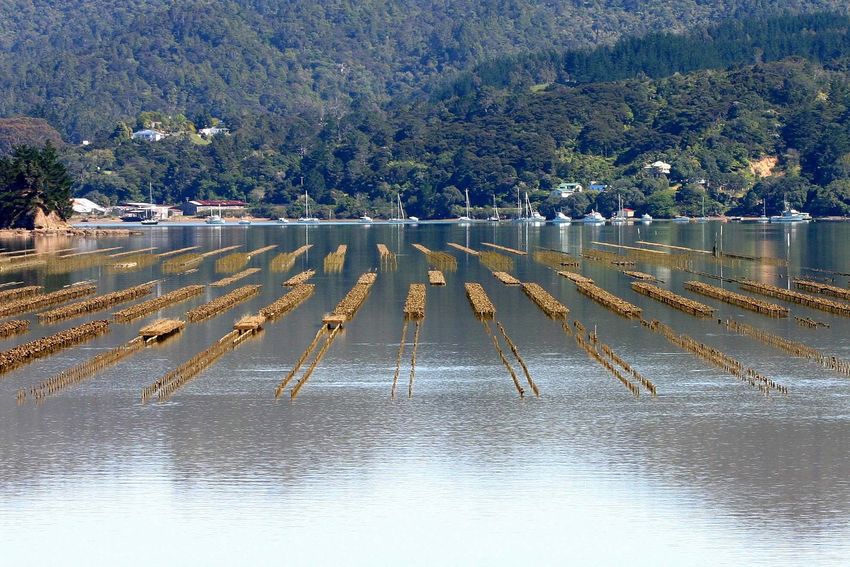
Photo courtesy of Tony Foster
W H A N G A R O A
 C O M M U N I T Y
D E V E L O P M E N T
          P L A N

      2011- 2036

 S T A G E 1 – D R A F T P L A N
    F O R C O N S U L T A T I O N

                2
W H A N G A R O A                   C O M M U N I T Y              D E V E L O P M E N T                     P L A N

T A B L E            O F   C O N T E N T S

F O R E W O      R   D                                               P   a   g   e s     4 - 5
O U R    V I S   I   O N   S T A T E M E N T                         P   a   g   e       6
A   P R O F I    L   E  O F   W H A N G A R O A                      P   a   g   e s     7 - 9
K E Y   T O      A   B B R E V I A T I O N S                         P   a   g   e       1 0

C O M M U N I T Y          D E V E L O P M E N T   G O A L S

I N T R O D U C T I O N                                              P   a   g   e       1   1
1 . T H E    N A T U R A L    E N V I R O N M E N T                  P   a   g   e   s   1   2   -   1   3
2 . T H E    B U I L T   E N V I R O N M E N T                       P   a   g   e   s   1   4   -   1   7
3 . T H E    P E O P L E                                             P   a   g   e   s   1   8   -   2   1
4 . C U L T U R A L     G O A L S                                    P   a   g   e   s   2   2   -   2   5
5 . E C O N O M I C       G O A L S
     a )   F A R M I N G     &   F O R E S T R Y                     P   a   g   e       2   7   -   2   9
     b )   F I S H I N G    &   A Q U A C U L T U R E                P   a   g   e       3   0   -   3   1
     c )   I N I T I A T I V E S   &  E V E N T S                    P   a   g   e       3   2   -   3   3
     d )   T O U R I S M                                             P   a   g   e       3   4   -   3   5
     e )   A R T I S A N S H I P                                     P   a   g   e       3   6

A P P E N D I X

D   E   M O G R A P H I C S
1   .   M A P S                                                      P   a   g   e       3   7
2   .   L O C A L  S T A T I S T I C S                               P   a   g   e s     3   8 - 3 9
3   .   D E V E L O P M E N T    P R O F I L E                       P   a   g   e s     4   0 - 4 2
A   C   K N O W L E D G E M E N T S                                  P   a   g   e       4   3

                                                               3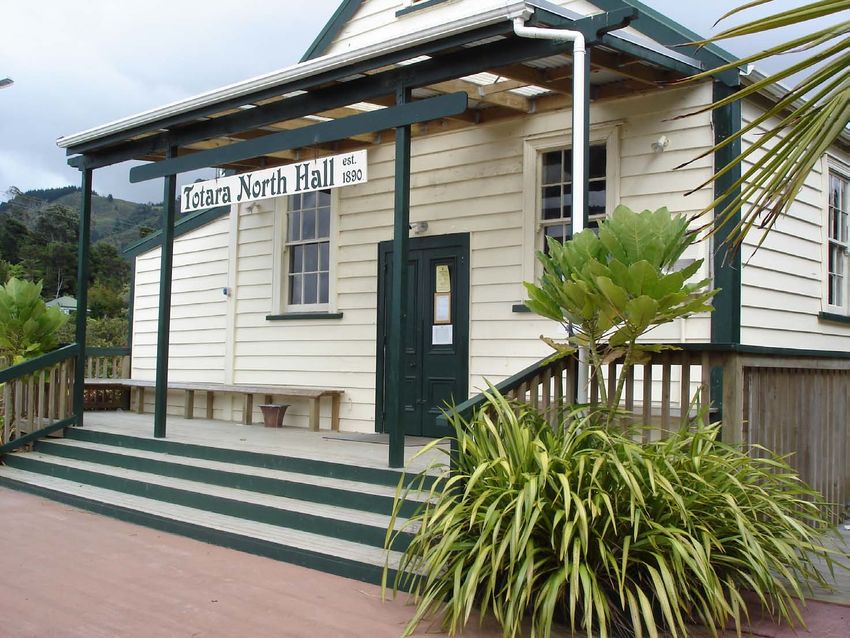
F O R E W O R D

THE PURPO S E              &   VA LUE        O F    THE      W HA N G A RO A            C O M M UN ITY           DE VE LO PM E N T
PLA N

The Whangaroa Community Development Plan (WCDP) has come about because a small group of residents expressed their concerns
for the harbour and its surrounding environment to the Far North District Council, and talked of the need for an “integrated catchment
management plan”.
The Far North District Council’s response was to offer the community the opportunity of creating a Community Development Plan
which included the concepts of catchment integration and sustainable management.

A Community Development Plan is a document created by a community. It is an expression of the community’s vision and aspirations
for their land, waters and people for the medium-term future.
As such, it firstly has to seek those visions and aspirations. In the case of this plan, that work took place in a series of public meetings
held through 2009.
Secondly, there is then the task of designing the goals and specific projects that will deliver the vision and community aspirations, and
the process of formulating these into a realistic roadmap (plan) the community can use to negotiate its way through each goal to the
final overall vision. In the case of the WCDP, that work was conducted by a ‘Working Party’ from the community between November
2009 and May 2011.

For convenience, this plan has been divided into obvious sections, or ‘Focus Areas’ to make the writing, reading and actions arising
from the plan more ‘do-able’.
In reality, we know that social, cultural, environmental and economic issues invariably overlap, but for convenience, issues, goals and
projects have been packaged in a manner which makes them more understandable and achievable.

                                                                                                                                 (continues)

                                                                     4
Less obvious is another form of ‘packaging’ or categorising.
This plan has three other ‘categories’ for the goals and activities that become more obvious as the plan unfolds.

Firstly, the plan has goals that relate to the community’s relationship with the Far North District Council, and the Council’s
responsibility for the Whangaroa Community.

Secondly, the plan has goals that relate to the community’s relationships with other local, regional and national agencies and the
responsibilities they have for the Whangaroa Community.

Finally, the plan has goals that are specific, unique and integral to this community – goals that the community can achieve for itself,
like it has done so many times in the past.

The purpose and value of this plan is therefore threefold:

One, it informs FNDC of the community’s aspirations and intentions, somewhat like a communal submission to council’s own planning,
so the community can contribute to its own development via FNDC processes and activity.

Two, it informs all the other relevant agencies whose activities and responsibilities impact on the community, what the Whangaroa
Community wants in their future.

Three, it serves as a roadmap for the community itself, co-ordinating and timing all the various community projects and activities that
will deliver the desired vision for Whangaroa.

The compiling of this plan is the first step in a 25 year journey.
This plan must be a living document. It must grow and evolve to meet the many unforeseen challenges awaiting it.
The community must nurture and up-date this plan, carry out its projects and stand behind it.
The baton for its care and outcomes must be passed from one to another in this process, so the plan can serve the community that has
created it, otherwise all its purpose and value will be lost.

                                                                     5
O U R      V I S I O N          S T A T E M E N T :

   Whangaroa rohe is a thriving, harmonious, self-directed,
culturally-diverse community that cares for, and is sustained by
          its unique natural environment and heritage.

                              6
A     P R O F I L E            O F      W H A N G A R O A

GEOGRAPHY
Whangaroa Harbour is a sheltered inlet on the east coast of the far north district between Mangonui and the Bay of Islands.
The coast to the north and south of the harbour is indented and generally steep, containing several wide sandy beaches and
a multitude of rocky coves. Offshore are scattered many small islands. Although the entrance to the harbour is narrow, the
head of the harbour is large and reaches deep inland and is in part encircled by low-lying river plains and valleys
surrounded by steep hills. There are extensive mangrove swamps at the head of the harbour.

The harbour was formed when rising sea levels drowned a river valley about 6,000 years ago. Steep outcrops remain from ancient
volcanic rocks. Some of the oldest fossils in New Zealand (from the early Permian period, dating to 270 million years ago) can be
found on the small islets to the southeast of the harbour entrance.

The name comes from the lament “whaingaroa” or “long wait” of a woman whose husband had left for a foray to the south.
The area is steeped in history – from the times of first Maori settlement to 19th century whaling and early missionary endeavours,
kauri gum digging, logging and milling. The harbour is narrow and deep, and early settlers recognised the usefulness of a port which
was close to the kauri spars and timber they needed for sailing ships. One of New Zealand’s earliest shipyards was at Totara North.

Kaeo, the area’s largest settlement, is southeast and inland of the harbour. State Highway 10 runs through Kaeo and on through
Waitaruke on the south side of the harbour and onwards to Mangonui. The village of Whangaroa is on the east of the harbour and
Totara North is on the west.
The township of Kaeo is built on the flood plain of the Kaeo river which flows into Whangaroa harbour. Kaeo takes its name from the
unique freshwater shellfish found in the nearby river.
Whangaroa township is known as the big gamefish capital of the world and the marlin capital of New Zealand, and is home to the
Whangaroa Sport Fishing Club.
Agriculture and forestry, oyster farming and commercial fishing, as well as tourism, are major players in the local economy.

                                                                                                                          (continues)

                                                                 7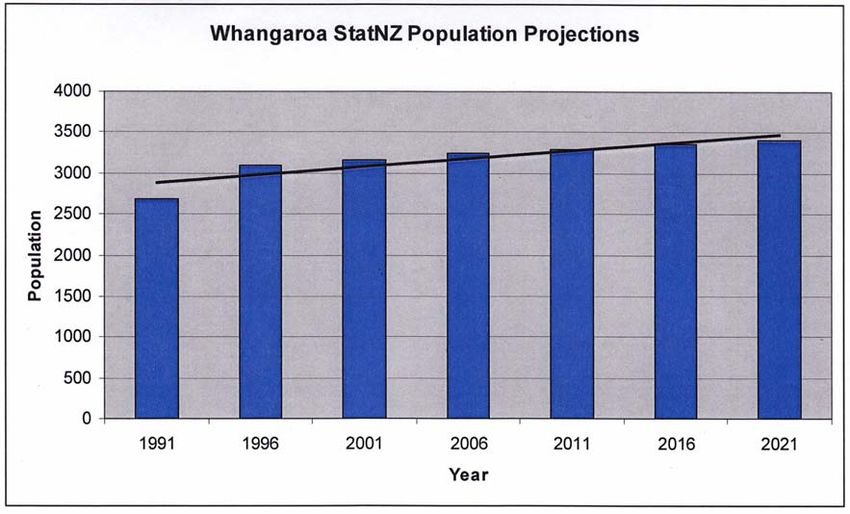
HISTORY
According to Maori traditions, the waka Mahuhu-ki-te-rangi explored the Whangaroa harbour during the early Maori settlement of
New Zealand. The area was settled by descendants of Te Mamaru and Mataatua waka crews.

The first recorded European visitors were from whaling and other ships, which started calling at Whangaroa from 1805 to 1809,
including the General Wellesley and Commerce in 1806 and Elizabeth in 1809. In December 1809, the brigantine Boyd, a 395 ton
vessel with a complement of 70 persons, including some New Zealanders returning from Australia, called at the harbour to collect
timber. A conflict between Captain Thompson and a Maori greeting party ended with the captain and 66 Europeans killed and the
vessel set alight. As a result, the visits ceased, resuming when the Dromedary loaded timber in 1820.

A Wesleyan mission was founded at Kaeo in June 1823. Hongi Hika attacked local Maori to gain control of millable kauri on 27th
January 1827. Although he did not attack the mission, its inhabitants took fright and it was abandoned.
In 1828 Hongi Hika died at Whangaroa, from a wound suffered 14 months earlier in the Hokianga.

Europeans settled the harbour in the 1840s, and a Catholic mission was eastablished at Waitaruke. Acacia Cottage, the oldest extant
house in Auckland (the first home of John Logan Campbell) was built of Kauri sourced from Whangaroa in 1841. The harbour was a
centre for milling and gum digging after the arrival of the immigrant ship Lancashire Witch in 1865. Kauri logging became a major
industry with several mills operating in the harbour. Shipyards were established at Totara North in 1872. Kauri was so plentiful in the
hills around the harbour, that many logs were sent to Auckland to be milled. The logs were chained together to form rafts and towed
to Auckland by steamer. It took three days for the logs to reach Auckland. In the early 20th century at Sea Sick Bay near the south
head was a whaling station, which by the 1920s had moved to Ranfurly Bay, near the north head.
During World War 2, Army, Navy and Airforce bases were set up around the harbour to protect it from the threat of Japanese
invasion.
After the Mangamuka Gorge road became sealed in 1961, State Highway 1 became the main route north from Whangarei to Kaitaia
and beyond, bypassing Whangaroa.

SOME FAMOUS WHANGAROA PEOPLE
Eric Rush (born 1965 in Kaeo) is a New Zealand rugby union footballer and a Rugby Sevens legend, arguably one of the greatest
Sevens players to grace the game. In a distinguished NZ Sevens career, which began in 1988 and ran until past his 39th birthday in
2004, Rush played in more than 60 tournaments, with the highlights being 2 Commonwealth Games gold medals and the World Cup
Sevens victory in 2001. He was also voted Best and Fairest Player at the 1991 Hong Kong Sevens.
                                                                                                                         (continues)
                                                                 8
Robin Hyde (born 1906, died 1939) is now regarded as a major figure in 20th century New Zealand modernist literature. She is one
of New Zealand’s greatest poets, and was also a renowned novelist and a ground-breaking journalist. Her most famous novel, the
semi-autobiographical “The Godwits Fly” was completed at Otawhiri Point, Totara North in 1937. One of her most well-loved poems
is entitled “Whangaroa Harbour”.

Hiwi Tauroa (born 1927) was New Zealand’s first officially-appointed Race Relations Conciliator. Before he took up this role, Hiwi
was prominent in many circles, as a member of the New Zealand Maori rugby team, the principal of Wesley College, the coach of the
Counties Manukau rugby team, chairman of the Maori Broadcasting Agency Te Mangai Paho, as well as being the author of several
books on various subjects. Hiwi lives with his wife Pat at Waitaruke.

Richard Parker is one of New Zealand’s most acclaimed ceramic artists. Winner of many awards, and with an impressive range of
work in private and public collections worldwide, Richard Parker is often described as "a potter's potter". He has exhibited widely
over many years, both in New Zealand and in Japan, Europe and the United States. His highly original and distinctive works are
much sought-after by collectors and connoisseurs, both here and internationally. For many years he lived and worked at his studio on
Omaunu Road, until moving to Kerikeri in 2009 to take up a teaching position at NorthTec.

Richard Mapp is one of New Zealand’s leading classical pianists. He made his solo debut at the age of 12 with the Christchurch Civic
Orchestra. After graduating from Otago University, he pursued his musical studies in the UK. His Wigmore Hall debut was very well
received and a successful career of solo and recital engagements in Europe, Scandinavia and North America followed. During his
time in Europe, he recorded several times for the BBC and his recent release of the piano music of Enrique Granados received
glowing reviews in the BBC music magazine. After returning to New Zealand in 1991 to live at Waitapu Bay, he co-founded the Bay
of Islands Arts Festival and the Kerikeri International Piano Competition. He lived and taught music at Waitapu Bay until 2003. He is
currently Senior Lecturer and Head of Piano Studies at Massey University in Wellington.

                                                                 9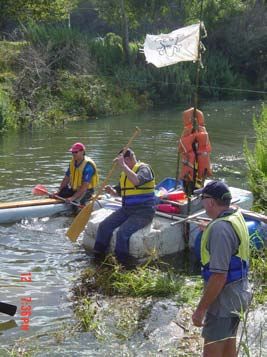
KE Y      TO   A BBRE VIA TIO N S                        used             in        G O A LS       (Pages 12-36)

C B E C         C o m m u n i t y ,       B u s i n e s s      &    E n v i r o n m e n t       C e n t r e

D o C           D e p a r t m e n t       o f    C o n s e r v a t i o n

E E C A         E n e r g y     E f f i c i e n c y     &     C o n s e r v a t i o n        A u t h o r i t y

E T S           E m i s s i o n s    T r a d i n g       S c h e m e

F N D C         F a r    N o r t h    D i s t r i c t    C o u n c i l

H P T           N Z     H i s t o r i c   P l a c e s       T r u s t

N H B           N o r t h l a n d     H a r b o u r         B o a r d

N D H B         N o r t h l a n d     D i s t r i c t     H e a l t h      B o a r d

N R C           N o r t h l a n d     R e g i o n a l        C o u n c i l

N Z T A         N Z     T r a n s p o r t       A u t h o r i t y

T R O W         T e     R u n a n g a     o     W h a i n g a r o a

W C D           W h a n g a r o a         C o m m u n i t y         D e v e l o p m e n t

W C M A S       W h a n g a r o a         C o u n t y       M u s e u m         &    A r c h i v e s   S o c i e t y

W C T           W h a n g a r o a         C o m m u n i t y         T r u s t

W H S T         W h a n g a r o a         H e a l t h     S e r v i c e s       T r u s t

W M R P         W h a n g a r o a         M a r i t i m e      R e c r e a t i o n a l        P a r k ,   S t e e r i n g   C o m m i t t e e

W M T B         W h a n g a r o a         M a o r i     T r u s t       B o a r d

W S F C         W h a n g a r o a         S p o r t     F i s h i n g      C l u b

                                                                                        10
Photo courtesy of Tony Foster
I N T R O D U C T I O N
Because of the many components to these goals, such as What, How, Where, When and Who
will be involved, we have found it best to present all the various aspects of each goal in the form of a table.
Following are 20 tables detailing our goals associated with 5 main areas: the Natural Environment;
the Built Environment; The People; Cultural Goals; and various aspects of the local Economy.
111. THE NATURAL ENVIRONMENT
Focus Area Goal Key Actions How it will be Community Key Key Key Milestones
Done Leadership Partners Dates
Modified Modified landscapes are 1. Establish baseline Public meetings, WCD NRC, 2015 LandCare &
Landscapes managed in an ecologically criteria for sustainable Field days, local etc HarbourCare
and economically management. publications. DoC, Group formation
sustainable manner. 2. Educate primary 2012
producers and public. Apply for NHB,
3. Improve planning material Education
and environmental assistance Landcare programmes
monitoring activity. through NRC, NZ 2013/14
4 . Form LandCare and NDHB etc
HarbourCare groups. 1 and 3 achieved
2015
Harbour and 1. Preserve and enhance Identify areas of high HarbourCare HarbourCare NRC, 2015 List of hi/lo value
Coastline coastal amenity values and and low value and/or groups to use group(s) &/or significance
access. significance. templates/model DoC, By end of 2012
/processes from
2. Enhance and protect Produce a management other successful Ministry of
coastal ecosystems. plan to protect and projects around Fisheries Production of
enhance high NZ Management
significance areas and WMRP Plans 2015
example ecosytems.
121. THE NATURAL ENVIRONMENT continued
Focus Area Goal Key Actions How it will be Community Key Key Key Milestones
Done Leadership Partners Dates
DoC
Native Flora 1. Preserve and enhance Identify key ecosystems. By individuals Encourage 2015 Identify key
and Fauna natural ecosystems (forests, Educate local and and communal Kaitiaki/ NRC ecosystems by
scrublands, wetlands, visiting public. activity (note Stewardship end of
streams and harbour). Organise appropriate that all streams role across Ministry of 2012.
protection (eg and rivers have the whole Fisheries
covenants). significance to community. Protection
Produce management the people of Forest and recommendations
plans. Whangaroa). Bird NZ 2015.
2. Ensure the presence of Start by seeking Hapu
marine reserves in each type views on the concept of WMRB Hapu views on
of marine ecosystem. ‘reserving’ areas of marine reserves
coastline and harbour. QE II Trust sought 2010
Sustainably 1. Produce an Integrated Produce ICM Plan WCD Landcare 2015 Implementation
managed Catchment Management Groups of Integrated
catchments Plan (along the lines of the Landcare Catchment
Raglan model). Ensure all Design a ‘health based’ Map of Groups NRC Management
aspects are covered. education programme. catchment. Plan.
2. Create an awareness of Set up a nursery to grow Map human use NHB 2013
the value of high quality appropriate trees and and ‘need’ within FNDC
water in the community. plants. the catchment NRC
including the
3. Initiate fencing and Identify suitable land(s) ‘water resource’. Concerned Shane
planting schemes to protect to start a model planting Individuals Hyde 2012
riparian and erosion prone project.
lands.
Engage Landcare groups
13“Mataatua” at Mahinepua, 2009. Photo courtesy of Jannye Freeman 14
2. THE BUILT ENVIRONMENT

  Focus Area                 Goal                        Key Actions             How it will be      Community      Key Partners       Key Dates           Key
                                                                                      Done           Leadership                                        Milestones
Telecommunic-    A telecommunications system      Formation of an ‘Action     Exert pressure on     WCD and         Telecom;          2013           Action Group
ations Systems   that is capable and sufficient   group’ to explore options   providers & central   newly           Vodafone; ther                   established
                 to provide for the               and alternatives, make      govt. For market-     formed          telecom players                  2013
                 community’s domestic and         recommendations and         driven                ‘Telecommun     & competitors;
                 commercial needs.                keep up with new            competiveness;        ications        consumer lobby
                                                  developments.               ongoing               Action          groups
                                                                              upgrades;and          Group’
                                                                              where necesary,
                                                                              call for changes in
                                                                              legislation.
New and          Recognise the impact that        Identify areas of           Through changes       WCD             FNDC              2012           Identify
Existing         the built environment can        outstanding beauty and      in District Plan                                                       additional areas
Buildings        have on areas of                 preserve their character    specifications                                                         of outstanding
                 outstanding natural beauty.      from over-development.                                                                             beauty 2012

                                                  Build community pride
                                                  through garden and ‘best                          Whangaroa       Home-owners       2010
                                                  street’ competitions.                             Community
                                                                                                    Trust
                                                  Seek methods of
                                                  mitigating adverse
                                                  effects.
Historic         Preserve and enhance the         Establish criteria for      Seek community        WCD             Landowners        Identify       Attain funding
Character        historic character of the        assessment.                 input to identify     Use of a                          additional     for renewal of
                 Whangaroa area townships                                     and protect other     website/local   Whangaroa         historic       priority
                 and other historically           Identify buildings of       buildings not         papers;         County            buildings by   project(s)
                 significant buildings.           historic character.         already registered.   newsletters;    Museum            end of 2011.
                                                                              Seek funding to       local
                                                  Determine which             redress neglect       Ratepayers      NZ Historic       Register
                                                  buildings are worthy of     where necesary        and residents   Places Trust      addtnl bldgs
                                                  protection.                 (try Fundview for     groups                            by end of
                                                                              sources of funding)                   Kohukohu          2012.

                                                                                   15
2. THE BUILT ENVIRONMENT continued
Focus Area Goal Key Actions How it will be Community Key Partners Key Dates Key
Done Leadership Milestones
Water Supply A safe and reliable water Ensure all new residential Support the aims FNDC NRC 2011 A tested and
supply system for all buildings have their own and work of Fire Service proven clean
residents. reliable capture, storage WaiCare in Kaeo. NDHB bill of health for
and utilisation systems. Water supplies.
(Phase in this requirement Whangaroa
for existing dwellings Health
also). Services
Encourage safe water
supply systems for
dwellings (eg. Interest- Ongoing
free loans for UV filters
etc).
For Kaeo township,
establish a community
owned, reticulated water
supply system.
Minimise waste and Encourage low levels of Approach a ‘third WCD CBEC 2011 Having a
Waste maximise recycling systems waste production. party’ such as community
Management (Natural Capitalism model). CBEC, or ‘home FNDC recycling depot
and Recycling Investigate alternative grow’ a local in each of the 3
methods of waste initiative. East/West main
treatment and recovery. Waste communities.
162. THE BUILT ENVIRONMENT continued
Focus Area Goal Key Actions How it will be Community Key Partners Key Dates Key
Done Leadership Milestones
Waste Water Investigate separation of Review existing systems. FNDC & WaiCare WaiCare FNDC 2011 A major
Management black and grey water. Encourage a ‘re-think’ of are currently reduction in
effluent treatment in investigating FNDC WaiCare levels of
No raw or treated effluent general. alternatives. bacteria and
to waterways or sea. Investigate alternative Oyster Local Oyster other pollutants
systems. Industry Industry in the harbour.
Roading Maintain roading and Establish common criteria Create a priority WCD AA 2011 Agreed Priority
bridges at optimum safety between community and list from the Roading List.
based on levels of usage. road owner for provision identification of FNDC
of roading maintenance roads in need of
and improvements. (the improvement. Transit NZ
community requests input
in to the decision making NZ Transport
process) Authority
Energy Facilitate an adequate, safe, Ensure adequate, safe, Educate and WCD Top Energy 2012 Raised levels of
reliable and affordable affordable and reliable promote the use of Interested awareness.
Energy supply: energy supply. supplies of essential alternative/ groups in the Meridian
1. Electricity energy. renewable energy Community Increased levels
Raise awareness of sources. FNEC of enquiries
2. Transport alternative energy about
Energy sources in the area (e.g. renewable
tidal power at the energy sources.
harbour entrance).
Encourage the use of
renewable forms of
energy.
17Photo courtesy of Anita Herbert 18
3.       THE PEOPLE

  Focus Area                 Goal                       Key Actions             How it will be      Community     Key Partners        Key           Key
                                                                                    Done            Leadership                       Dates       Milestones
Health            Health excellence for           Work in tandem with         Education and        WHST           WHST             Ongoing   A reduction in
                  Whangaroa                       WHST and their 20 year      Awareness.                          Dept of Health             the number of
                                                  plan.                                                                                      people with
                                                                                                                                             chronic
                                                                                                                                             illnesses.
Social Services   All members of the              Provide a range of social   Education and        Te Runanga O   CYFS             Ongoing   Improved
                  community are enabled to        services to meet the        Awareness.           Whaingaroa     Counsellers                Community
                  fulfil their potential.         needs of all.                                                                              Well-being.
                                                                                                                  Churches
Community         The people of Whangaroa         Creating a cohesive         Good                 WCD /          Community        Ongoing   Establishment of
Cohesion          are tolerant and caring, and    community through           communication.       Co-ordinator   Groups                     a Community
                  demonstrate respectful          inclusive activity.         Community events.                                              Drop-In Centre.
                  understanding toward each                                   Cultural sharing
                  other and visitors alike.                                   and understanding.
                                                                              (There is a need
                                                                              for a community
                                                                              ‘drop-in centre’ –
                                                                              utilise the
                                                                              community hall?)
Education         The Whangaroa district          Cultural learning           See cultural goals   WHST           Schools          Ongoing   Establishment of
                  provides integrated             opportunities.              1                                   Principals                 Additional
                  educational opportunities for   Engage children and                              Marae                                     Active Classes
                  all ages and learning needs,    youth in environmental                                          WHST
                  which encourage community       activities.                 See appropriate      Te Runanga O
                  members in life-long learning   Young/old mentoring         environmental        Whaingaroa     Mentors
                  opportunities.                  Skills festival.            goals
                                                  Approach Whangaroa                               Whangaroa
                                                  College to see if ‘Adult                         Maori Trust
                                                  Education’ night class                           Board
                                                  system can be revived.      Organise festival
                                                                              of skills

                                                                                   19
3. THE PEOPLE continued
Focus Area Goal Key Actions How it will be Community Key Partners Key Key
Done Leadership Dates Milestones
Recreation and The Whangaroa District Conduct an inventory of Use the local WCD Clubs Ongoing More people
Leisure provides a wide range of current activities and media and the DoC use the existing
opportunities and facilities facilities. local website to WHST Interest groups facilities.
for healthy recreation and promote the range
leisure activity. Local Events promotions. of possible DoC Lonsdale Park
activities.
Encourage greater use of WHST
Recreational Facilities.
Community The Whangaroa district Provision of directory. Inventory of skills, WCD BOI Otober Publication of
Infrastructure provides a widely available crafts, events, Whangaroa 2011 Community
directory and co-ordination activities, facilities DoC Community Directory
service for its meeting On-going need for etc. Board
places, community facilities promotion of above. FNDC Service FNDC
and recreational activities. Centre, Craft Shop
Community Through website,
Information Centre volunteer co-
ordination service,
drop-in plus
Encourage more efficient information centre
use of existing facilities. in Kaeo Memorial
Hall plus public
notice board.
People The people of Whangaroa Acknowledge the actions Through publicity WCD / Local Media Ongoing Improved social
are respectful, supportive, of people who contribute and with the Co-ordinator and websites well-being
and resourceful. They feel to the community’s well- participation of manifested by
valued and informed, and being. local media and reductions in
have a shared pride in their the implementation crime and other
community and its co- of the Community indicators.
operative spirit. Development Plan.
203. THE PEOPLE continued
Focus Area Goal Key Actions How it will be Community Key Partners Key Key
Done Leadership Dates Milestones
Acknowledge the aspirations Hold a “Youth hui” to Recreational & Principals of Youth Groups, Increased youth
Youth of our Youth and promote co-ordinate and enhance social activities that Whangaroa Local Schools; Urgent and participation in
the development of Youth local groups, activities our youth enjoy & Schools; WCD DoC; WINZ Ongoing local groups,
potential and leadership. and initiatives. gain benefit from. TroW; WMTB. activities &
initiatives.
Community group WHST
Housing The Whangaroa district Establish the extent of to establish base WCD Housing Corp Urgent and Increased
promotes and encourages unsafe, unliveable or data. WHST MSD Ongoing numbers of
affordable, liveable, safe unhealthy housing. Housing NZ homes insulated
Utilise established
and healthy housing for its EECA, by 2012
research
community. Seek information and Universities,
organisations
help for those homes in Habitats for
need of upgrade. Run courses in Humanity,
building design NorthTec,
Encourage the use of and construction Local trades
recycled and local, utilising recycled people
sustainable building and local,
materials. sustainable Te Runanga O
materials Whaingaroa
Conduct aSkills Inventory Community survey Form an WINZ
Employment The Whangaroa District in the community. on website. Employment MSD Ongoing A reduction in
encourages full, flexible, In conjunction with Planning Te Runanga O numbers of
innovative and meaningful Create work needs Time Bank Group Whaingaroa people needing
employment for community section on website. Training; WMTB unemployment
members. mentoring; Time Bank Dept of benefit.
Form a work brokering workshops; Group Internal Affairs
programme. apprenticing; DoC More local
business training in MoF people working
Establish a skills creation schools. Local ‘Trade Schools locally.
system. Work creation School’
must be compatible
Training programmes that with all other
address other areas of ‘Goals’
the plan.
21Photo Courtesy of Tony Foster 22
4. CULTURAL GOALS

   Focus Area              Goal                  Key Actions               How it will be       Community     Key Partners     Key Dates            Key
                                                                                Done            Leadership                                      Milestones
CULTURAL GOAL 1                            “Bringing the Story          Consultations with     Whangaroa      Local            Dec 2011 to   Evidenced
                   Ensure all members of   together”: Conduct           kaumatua.              Maori Trust    kaumatua;        Dec 2012      literature on
  THE HISTORIC &   the Whangaroa           research, invite local       Involve schools        Board;         hapu; marae                    Whangaroa’s
    CULTURAL       community have an       participation.               and teachers in                                                      contribution to
 SIGNIFICANCE OF   opportunity to gain a                                creating a local       Te Runanga o   Te Runanga a                   the nation’s
        ‘HE        working understanding   “Sharing the Story”:         schools education      Whaingaroa;    Iwi o Ngapuhi                  founding
 WHAKAPUTANGA      of how Whangaroa        Consult local kaumätua       programme.                            Schools;                       document.
       O TE        contributed to the      and nurture good             Hold an annual
RANGATIRATANGA     founding documents of   relationships to enable      commemorative                         Teachers;                      An outline plan
   O NU TIRENI ‘   our nation.             them to feel comfortable     and celebratory                       Dept of                        for the
                                           with sharing their           event each 28          Whangaroa      Education                      development
                                           knowledge.                   October to mark        Community                                     and
                                                                        the signing of He      Development    Local and                      implementation
                                           Create an education          Whakaputanga o         Planning       nationally                     of the
                                           programme                    Te Rangatiratanga      Group.         recognised                     commemorative
                                           for local schools.           (the Declaration of                   historians and                 event.
                                                                        Independence) in       .              writers.
                                           Organise tours of historic   1835 by 34                            Whangaroa                      Brochures or
                                           sites.                       northern chiefs.                      County                         literature
                                                                        Seek funding                          Museum                         explaining our
                                           “Taking the Story to the     sources for public                    and Archives                   area’s historic
                                           World”:                      displays, signage,                    Society.                       and cultural
                                           Create publicity,            literature and                        NZ Historic                    importance.
                                           literature and               maps.                                 Places Trust.
                                           maps including signs at      Gather all relevant                   Local
                                           appropriate sites so that    information by end                    newspapers
                                           visitors to our rohe can     of 2011.                              and media;
                                           learn about and              Erect signage,                        websites.
                                           appreciate this story.       publish literature,
                                                                        maps, guides etc to
                                                                        local historic sites
                                                                        by end of 2012

                                                                             23
4. CULTURAL GOALS continued
Focus Area Goal Key Actions How it will be Community Key Partners Key Dates Key
Done Leadership Milestones
CULTURAL GOAL 2
PROVIDE LOCAL EVENTS Seek funding sources for Plays, films All interested Schools, Kura End of 2011 Compile a list of
OPPORTUNITIES public events Performances, parties Kaupapas, significant dates
AND EVENTS THAT Commemorate historic Festivals ECE etc. to celebrate or
RECOGNISE, episodes, Engage professional Te Runanga o commemorate
ACKNOWLEDGE anniversiaries, events planners or Create winter and Whaingaroa Local groups by end of 2011
AND CELEBRATE centenials e.g: He consultants and local summer tourism and
THE RICH Whakaputanga o te events management events. Local associations.
CULTURAL Rangatiratanga; personnel. Kaumatua,
HERITAGE OF THE Matariki; hapu and Local
WHANGAROA The Wesleydale marae Authorities.
COMMUNITY. Mission; etc.
Whangaroa Newspapers
Maori Trust and Media;
Board. Websites.
Schools, kura
History & Heritage Celebrate traditional Seek funding sources for Commission visual Local Kaupapas, End of 2011 Decide upon
industry such as Boat public displays references, both Kaumatua, ECE etc. and promote a
Building, Milling, Kauri, permanent and hapu and project by end
Fishing, Farming. The static displays marae Local groups of 2011
townships and and
businesses which Publicise Te Runanga o associations
funtioned in those times. maps/guides/infor Whaingaroa
Acknowledge mation of local Local
restoration of sites such Lobby local authorities historic sites Whangaroa Authorities
as Pohue Pa, Grave Maori Trust
sites, Cemeteries etc. Public signage Board Whangaroa
County
Local Museum
Historians
NZ Historic
Places Trust
244. CULTURAL GOALS continued
Focus Area Goal Key Actions How it will be Community Key Partners Key Dates Key
Done Leadership Milestones
Whangaroa Promote recreational Consult Regattas, harbour Local Schools, Kura Ongoing A record or list
Harbour opportunities, an Publicity/Education swims, picnics, Kaumatua, Kaupapa, of dates of
understanding and Local Publications harbour tours, hapu and ECE etc. harbour events
regard for use of the Clean-ups marae Local groups which already
harbour in a caring and take place.
manner. Te Runanga o associations
Whaingaroa
Celebrate the history WMRP
and significance of our Whangaroa
harbour. Maori Trust Local
Board Authorities
Whangaroa All harbour
Maritime users
Recreational
Park Local
Businesses
Whangaroa Newspapers
Sports Fishing and Media
Club Websites
WCD Group
254. CULTURAL GOALS continued
Focus Area Goal Key Actions How it will be Done Community Key Partners Key Dates Key
Culture Leadership Milestones
CULTURAL GOAL Create a ‘Skills Create a local skills Make an inventory of WCD Local Service End of 2011 The production
3: The Exchange System’ directory, and skills all local service clubs Clubs of the Inventory
Whangaroa exchange (time bank) and groups. and Skills
community system Make a list of all Exchange
encourages and courses, classes, mechanism
nurtures creative meetings and events.
expression Compile (from the
through the arts, above) a list of
crafts and skills. individual skills.
Create a ‘skills
exchange’ (time bank)
system.
Arts and Crafts Promote Whangaroa Establish more local Form and promote a Local artists NorthTec End of 2011 Compile a list of
Arts and Crafts and higher profile local artists co- and crafts potential events
outlets. operative. people and
opportuities.
Establish a well-
presented gallery in the Establishment of
centre of Whangaroa. enhanced arts
and crafts
Promote the ‘Work from outlets.
Home’ concept, using
IT, web pages etc.
Local Skills Encourage the For example, oyster Hold oyster shucking WCD Sandfords End of 2012 First competition
development of shucking competitions at local has been held.
unique, local skills. events, such as the
Regatta
Preserve traditional Encourage Open channels of Build on feedback from Local marae, Marae 2011-2012 Holding of first
skills development and communication with marae and crafts craft, cultural public cultural
preservation of local marae and craft groups to develop plan and kapahaka concert
traditional culture and groups draft groups
skills
265. THE ECONOMY
Goals associated with Farming and Forestry
Focus Area Goal Key Actions How it will be Done Community Key Key Dates Key Milestones
Leadership Partners
Sustainably-manage Public Meetings with By reviewing and LandCare Landowners; asap 2013:
steep land Agencies to discuss discussing existing Groups; DoC; NRC. Prioritisation of
possible solutions practices to produce Federated planting steep
solutions. Farmers; hills and riparian
TROW; Marae; land is
WMTB underway.
Establish a Pest Public Meetings with Development of a Pest LandCare Landowners; asap 2012: A co-
Control Co- Agencies to disuss Eradication Strategy Groups; DoC; NRC. ordinator is in
ordinator’s needs and progress for Whangaroa Federated place.
Position Farmers;
TROW; Marae;
FARMING WMTB
& Farmers are supplying Promote a Farmers’ A local Farmers’ Local farmers; The entire current 2013: A local
FORESTRY local needs first Market concept and /Produce Market is store owners; local market is
(meat, milk, produce). location. established. community co- community; established and
op. FNDC. supported by the
community.
Increase native and Encourage the By applying for govt Federated LandCare; Ongoing 2015: more bush
exotic forests. planting of more fund assistance and Farmers; NRC; DoC. areas are
native and exotic providing more Landowners. developed with a
trees species. education, information positive
to landowners. economic/tourism
focus.
Increase the number Through more Through field days; Landowners; Landcare; Current 2015: Totara
of Totara trees encouragement for case study/model Paul Quinlan; NRC. production is
planted for economic landowners in industry projects. Northland contributing to
return. developing this Totara Working the economic
initiative. Group. well-being of
Whangaroa.
27Goals associated with Farming and Forestry (cont’d)
Focus Area Goal Key Actions How it will be Done Community Key Key Key Milestones
Leadership Partners Dates
Recognition of the full Review/discuss By bringing together a Local bee Bee keepers 2012 2012: a draft
value of conservation existing practices. group of honey keepers, Association; review of the
of forests for bee producers, healers, naturopaths, DoC. current situation is
food, medicinal environmentalists. Maori healers, available.
plants and other environmentalists.
natural products.
To explore A review of available Through input from Local producers; Horticultural 2012 2012: a review of
horticultural opportunities. local producers, Landowners. Advisors. horticultural
opportunites. landowners, and resources is
horticultural advisors. underway.
More added-value Local food products Through a local goods Local growers Local Currrent 2012: current
work is done locally. from farms, forests market with co- and primary growers; small local market
and horticultural lots operative buying producers. farmers; farm outgrows its
FARMING are produced for systems. Local shops foresters. present location
& sale, timber items are stock local products. and re-locates to
FORESTRY produced from Kaeo Rugby Club
(cont’d) locally-grown totara. (every 2–4 wks).
A local native seed Native seeds to be A community group(s) Tony Foster DoC; NRC. 2011 2013: a number of
collection and collected from local could trial this initiative (local botanist) to community groups
seedling-growing non-conservation to raise seedlings for advise; are collecting
business. areas, then packaged re-planting on steep community seeds and growing
or grown-on for land; for local riparian landcare and plants
commercial planting schemes; and conservation commercially.
distribution. sand dune restoration. groups; WCT.
As part of the tourism Develop a Community By encouraging neat, All community All media; 2013 2013: a system of
promotion of the Award; promotional well-kept farms, members. BOI- community awards
area, Whangaroa is material and events; businesses, and homes Whangaroa and recognition is
presented as a spot prizes, etc; to showcase Community in place.
flourishing rural through “Keep NZ Whangaroa. Board.
community and Beautiful”.
economy.
28Photo courtesy of Tony Foster 29
5. THE ECONOMY continued

              Goals associated with the Marine Economy, Fishing & Aquaculture

 Focus Area              Goal                 Key Actions          How it will be Done          Community             Key           Key        Key Milestones
                                                                                                Leadership         Partners        Dates
                 That all fin fish       A lobby group            Consultation with hapu;    TROW; WMTB;         NRC; FNDC;      2013         2013: Negotiation
                 farming is land-based   established.             TROW; WMTB; local          WSFC; hapu;         Ministry of                  is underway.
                 and involves                                     fishing industry; sports   local fishing       Fisheries;
                 plant/algae or                                   fishermen and              industry.           Local fishing
                 phytoplankton-eating                             community. Discussion                          industry.
                 species only.                                    to address issues with                         .
                                                                  govt and its agencies.
                 Marine Reseves,         A marine                 Consultation               Hapu; WMRB;         NRC; FNDC;      5-10 years   Draft action plan
                 mataitai and rahui      management plan is                                  TROW; WMTB;         Whangaroa                    produced b 2013.
                 are established and     developed by the                                    WSFC; local         Maritime
                 recognised and          community,                                          fishing industry.   Recreational
                 respected as part of    expressing its goals                                                    Park;
Marine Fishing   the marine              for a healthy,                                                          Ministry of
     &           management of           productive marine                                                       Fisheries;
 Aquaculture     Whangaroa’s waters.     environment.                                                            Local fishing
                                                                                                                 industry.
                 A Marine Research       That a marine            Consultation with all      Hapu; TROW;         Ministry of     5-10 years   2013: draft action
                 Centre for              research centre is       interested parties and     WMTB; WSFC;         Fisheries;                   plan is produced.
                 Whangaroa.              developed for            agencies (both govt        local fishing       universities;
                                         Whangaroa – to           and NGO).                  industry.           NRC; FNDC;
                                         promote and                                                             Local fishing
                                         disseminate                                                             industry.
                                         traditional practices.
                 Sustainable             An audit of local        Through events, tours      Existing            Tourism         2 years      2013: a festival is
                 aquaculture             aquaculture              and festivals that         operators, locals   Industry.                    held to showcase
                 enterprises are         enterprises.             promote the                and tourist                                      local aquacultural
                 promoted.                                        sustainable nature of      industry                                         produce.
                                                                  the aquaculture            representatives
                                                                  enterprises of             will be involved.
                                                                  Whangaroa.

                                                                              30
Goals associated with the Marine Economy, Fishing & Aquaculture (cont’d)
Focus Area Goal Key Actions How it will be Done Community Key Key Key Milestones
Leadership Partners Dates
Conservation and That the community Marae hui led by Kaitiaki; marae; Marae; 2 years Public notices
promotion of the becomes better- kaitiaki and involving Whangaroa TROW; identifying rahui
sustainable harvesting informed of the the whole community. Maritime WMTB. zones and kaitiaki
of kaimoana. traditional practices Recreational Park policies are visible
of rahui and at all beaches and
kaitiakitanga. boat-launch areas.
Marine Fishing A thriving house-boat Further development A community-owned WCD; the Kaitaia 2 years First new boat
& tourism enterprise is of Tony Foster’s business is set up jointly Community. house-boat launched in 2
Aquaculture operating on the current enterprise. with house-boat builders. years.
(cont’d) harbour. builders.
Sustainable farming Suitable local areas By seeking information Local NIWA 3 years 2014: sustainable
and harvesting of are identified for the from research entrepreneurs. seaweed farming
seaweed. establishment of a organisations and practices are in
sustainable seaweed those already involved operation.
farming industry. in the industry.
Locally-caught fish Investigation into the Consultation and WCD. Local fishing 1 year 2012: local fish
and seafood is more availability of local discussion with local industry; and seafood is
readily available to seafood. fishing and shellfish NRC; available for
the local community. Lobbying of policy- industry. Ministry of purchase.
makers. Fisheries.
Photo courtesy of Jannye Freeman
315. THE ECONOMY continued
Goals associated with Community Development Initiatives, Events & Festivals
Focus Area Goal Key Actions How it will be Done Community Key Key Key Milestones
Leadership Partners Dates
Produce a ‘Local Alistair Kay to design The community is asked Alistair Kay; Local shops, 2013 2013: the first
Events’ Calendar. and produce. to contribute WCD businesses annual Local
information about and other Events Calendar is
planned events. outlets to published and
Information is gathered distribute. distributed.
through the
Whangaroa website.
Produce a local Seek community Funding provided by Local media Advertisers. 2013 2013: a local
newspaper interest. advertising sales. magnate(s). newspaper is
published and
COMMUNITY distributed.
DEVELOPMENT Re-establish the Raise a committee to Involve active and WCD; Marae; Sponsors. 2013 2013: an annual
INITIATIVES, Whangaroa Regatta. promote the interested members of TROW; WMTB; fun day out is held
EVENTS & Whangaroa Regatta, the community, those WCT; schools; at Whangaroa.
FESTIVALS which could include: with time to spare. sports clubs;
a harbour swim; a local businesses.
triathlon; small boat
sailing race(s).
Re-establish the
Sailing Club.
Preserve and Funding sought to The stories can be WCD; Internal asap 2013: a catalogue
promote the stories record oral and recorded by the elders The community. Affairs. of written and oral
and knowledge of written histories. and assisted, where histories is
local elders. necessary, by those available.
with an interest in local
oral and written
history.
32Goals associated with Community Development Initiatives, Events & Festivals
(cont’d)
Focus Area Goal Key Actions How it will be Done Community Key Key Key Milestones
Leadership Partners Dates
Local Food Festivals, Set up a ‘trial run’ for Source product from WCD; local All media 2011 2012: the first
showcasing local locals at the start or all local growers, oyster growers; organisations. annual
oyster industry & end of the oyster decide on a suitable local businesses; Whangaroa
local food and wine. season. If successful, venue. other interested Oyster Festival.
launch the event parties.
nationally.
A local raft race Organise and Publicise the event Set up a Raft All media Current 2011: the Kaeo
event. promote a locally and wider. Race committee. organisations. River/Whangaroa
COMMUNITY Kaeo/Whangaroa Involve schools, sports Harbour Raft Race
DEVELOPMENT Raft Race. clubs, community is held.
INITIATIVES, groups, etc.
EVENTS & Use as a fund raiser.
FESTIVALS Other possible Develop a community Promotion and Community All media Current 2012: a series of
(cont’d) community events: events calendar. marketing locally, groups, clubs, organisations. regular annual
regionally and charitable events are planned
Classic Boats regatta; nationally through the organisations, FNDC; NRC. and held locally.
Fun Run/Walk; media. key individuals.
Piri Mokena Games;
Fishing Competitions; Use live music and (Some of these
Vintage Car/Bike local food to draw events are
Rally; people. already held in
Annual Antique Car Whangaroa).
Boot Sale; etc.
335. THE ECONOMY
Economic Goals associated with Tourism
Focus Area Goal Key Actions How it will be Done Community Key Key Dates Key Milestones
Leadership Partners
To create a local All existing tourism WCD – to DoC; HPT; June 2011 Establishment of
TOURISM The community tourism operations operators and other facilitate bringing FNDC; NRC; Whangaroa
creates, develops forum / asociation. interested parties are the interested Tourism Tourism Forum /
and supports an invited to set up an parties together. North. Association
active and vibrant association / forum.
local tourism sector.
Promote the Work with local Key people from Destination June 2011 Start immediately
Whangaroa area as a tourism groups and the local tourism Northland; – this is currently
tourist destination on webmaster. enterprises and Enterprise in development.
the website. the webmaster. Northland.
Develop Pohue Pa into This needs a Hapu; TROW; HPT; FNDC. June 2011 Secure funding for
a culturaaly-accurate person/committee WMTB; WCT; the a feasibility study
replica of a fortified willing to drive it. pa site prior to application
pa site. landowner. for funding.
Create more coastal / Employ local youths Environmental DoC June 2011 Agreement with
bush walks on public with govt funding. groups; other DoC about
land around the interested parties location(s) of new
harbour and coast. TROW; WCT. walking tracks.
Set up a history- Surveyed vessel(s) plus Whangaroa HPT; NRC; June 2011 – 2012 summer
themed guided the use of the website Sport Fish Club; DoC. start to season – the tour
harbour cruise. and other media to kaumatua; local promote as is up and running.
promote. historians; hapu; tourism
WM&AS; TROW opportunity.
Develop an historic By consulting all TROW; hapu; Whangaroa Currently in 2012 summer
guided walk in Kaeo. interested parties. local businesses, Musum & early stages season – the walk
historians; Archives of and accompanying
volunteers. Society; HPT development pamphlet is ready.
34Economic Goals associated with Tourism (cont’d)
Focus Area Goal Key Actions How it will be Done Community Key Key Dates Key Milestones
Leadership Partners
Development of a Website and other Local marae & Marae 2012 2012 – Marae
TOURISM That the community Marae Stay media promotion. hapu. stays are part of
(cont’d) creates, develops programme. Whangaroa’s
and supports an tourism
active local tourism experience.
sector.
Development and Invite potential Whangaroa Tourism 2012 2012 – start of
promotion of a local stopover operators and Village Vision; promoters; summer season: a
campervan trail or other destinations and camping grounds Caravan tourist campervan
route. produce pamphlets. Local businesses. Club of NZ; route is a feature
FNDC. of Whangaroa
tourism.
Photo courtesy of Jannye Freeman
355. THE ECONOMY continued
Goals associated with Artisans, Working from Home, and “Adding Value”
Focus Area Goal Key Actions How it will be Done Community Key Key Dates Key Milestones
Leadership Partners
Establish a local Art Consult with local Produce a map of local Artists, artisans Loca 2014 2013-2014
& Craft Trail. artists, craftspeople artisans who wish to be and craftspeople. businesses; summer: a local art
and artisans. involved. Information & crafts
centres.l map/pamphlet is
Crafts-people, available.
Artisans; Form a local Set up a directory of Create links to local Interested Webmaster. 2013 2013: a list of
Working from professionals’ local qualified practices/businesses professionals. local professionals
home; association. professionals: on the local website. is on the website.
Adding value to engineers;
the local accountants; lawyers;
economy. architects; doctors, etc.
A local plant Canvas the community With assistance from TROW; WMTB; WINZ Ongoing 2014: a local
nursery is set up. for interest in co-operating Schools. plant nursery is
establishing a nursery. landowners and established.
community groups.
Create a directory Consult with local By setting up a WCD The 2011-13 2013: a web page
of “local Skills” businesse; TROW: directory on the community. of local skills is
WMTB; groups; clubs. website. accessible.
Promote a local Identify all self- Use of a local currency WCD; WCT The 2011-13 2013: local skills
“skills exchange”. employed and those or “time-bank”. community are employed and
with a skill to offer renumerated thru a
time or services. “time-bank” or
local currency.
Hold local cheese- Interest sought from WCD – organise the WCD All media 2011 July 2011: hold
making, pickles, local growers and first “Whangaroa organisations. the first “Taste-In”
preserves and lifestyle block owners. International Taste-In” to brighten up
condiments contests. competition. winter.
Have tasting days Use a local cmmercial
and competitions. kitchen.
36D E M O G R A P H I C S
For the purposes of this plan, statistical data for Kaeo and Mangapa to Matauri Bay have been combined and are designated
generically as Whangaroa.
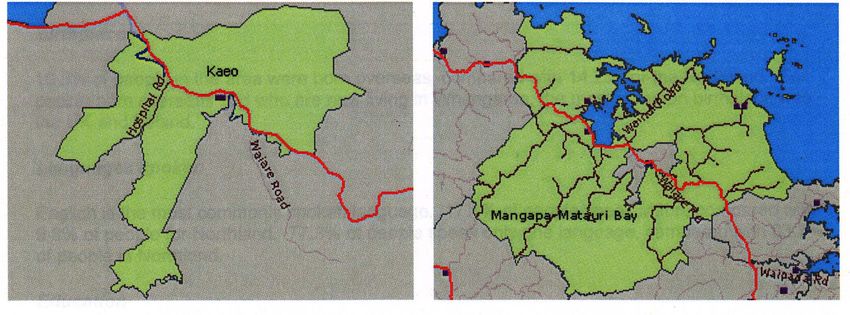
M A P S
These maps show the 2006 Census collection for Kaeo and the Mangapa to Matauri Bay area. Maps not to scale.
Note: Neighbouring areas are grey to show they are not the subject of this map. Rivers and lakes not included are also grey.
37D E M O G R A P H I C S c o n t i n u e d
T O T A L P O P U L A T I O N
3,144 people usually live in the Whangaroa area. This is an increase of 114, or 4.1%, since the 2001 Census. Whangaroa has
2.1% of Northland’s population (148,470).
*In the January-March 2011 quarter, there were 3,329 persons enrolled at Whangaroa Health Services Trust.
N U M B E R O F O C C U P I E D D W E L L I N G S C O U N T E D
There are 1,182 occupied dwellings. For Northland, there are 55,929 occupied dwellings.
AGE
14% of people are aged 65 years and over, compared with 14.5% of the total Northland population.
24.2% of people are aged less than 15 years, compared with 23.4% for Northland.
ETHNIC GROUPS
The most common ethnic group is European, compared with European for Northland (68%).
European 57.9%. Maori 47.1%. Statistics NZ allow for multiple ethnicities, so the total can add up to more than 100%.
BIRTHPLACE
10.3% of people in the area were born overseas, compared with14.2% for Northland. For people born overseas and who are
now living in Whangaroa, the most common birthplace was the UK and Ireland.
LANGUAGES SPOKEN
English is the most commonly spoken language. 17.1% speak Maori, compared with 9.8% of people for Northland. 77.3% of
people speak only one language, compared with 83.7% of people in Northland.
WORK
The unemployment rate in Whangaroa was 7.3% for people aged 15 years and over, compared with 6.5% of Northland. Note
that the unemployment rate is 2006 and does not reflect the current recession. The most common occupational group is
‘Labourers’ (Kaeo) and ‘Managers’ (Mangapa – Matauri Bay).
38INCOME
For people aged 15 years and over, the median income (half earn more and half earn less than this amount) is $17,700.
This compares with a median income of $20,900 for Northland. 55.5% of people aged 15 years and over in Whangaroa have an
annual income of $20,000 or less, compared with 48.4% of people for Northland. In Whangaroa, 7.5% of people, aged 15 years
and over, have an annual income of more than $50,000, compared with 13.0% of people in Northland.
PHONE/FAX/INTERNET
46.7% of households in Whangaroa have access to the internet, compared with 51.8% of households throughout Northland. In
Whangaroa, 65.7% of households have access to a cellphone, compared with 70.8% of households for Northland.
HOUSING
In Whangaroa, 59.6% of households in private occupied dwellings own the dwelling and for Northland, 56.7% of households in
private occupied dwellings own the dwelling (with or without a mortgage).
PROJECTED POPULATION TO 2021
39D E M O G R A P H I C S c o n t i n u e d
D E V E L O P M E N T P R O F I L E
ECONOMIC
The Whangaroa economy is predominantly rural-based with primary production as its mainstay.
The main service town for the area is Kaeo. Kaeo has a variety of retail and trade related industries to service the basic needs of a
rural economy. Additionally, Kaeo is the centre of shellfish processing in the area. Sanford Limited is a long-standing fishing company
which harvests, farms and processes seafood. Established in 1881, the company has grown and expanded by acquiring and
integrating fishing businesses in other parts of New Zealand. At Kaeo, the Sanford company employs over 100 local residents.
Tourism is also beginning to play a major economic role within the Whangaroa community.
Commercial activities in Kaeo include a variety of food outlets, two petrol stations, second hand shops, a laundromat, a general
supermarket, arts and crafts outlets, motor vehicle repair and maintenance workshops, tyre retailers, hairdressers, and a pharmacy.
TOURISM
The Whangaroa Sport Fishing Club, situated in Whangaroa, is host to many fishing tournaments throughout the year in the
Whangaroa Harbour and the surrounding area. The Cavalli Islands nearby are renowned for world class game fishing. Marlin can
even be caught within the harbour. The towering cliff faces and deep water sheltered coves and inlets of Whangaroa Harbour offer
perfect anchorages for a spot of fishing. Pipis, scallops and oysters are plentiful in the harbour with an abundance of crayfish outside.
Visitors are well catered for in the area with accommodation ranging from campsites, backpackers, homestays through to motels and
apartments. There are also houseboats for hire.
HEALTH
Hospital services are provided by Whangaroa Health Services Trust located on Omaunu Road. The Trust delivers high quality primary
health services, residential care service and health promotion and education programmes to the Whangaroa community.
EDUCATION
Te Kura o Hato Hohepa Te Kamura is a full primary (years 1-8) school in Waitaruke. It has a decile rating of 1 and a roll of 25.
Totara North School is a contributing primary (years 1-6) school with a decile rating of 3 and a roll of 37.
40Kaeo Primary School, a coeducational contributing primary (years 1-6) school, has a decile rating of 1 and a roll of 117. The school
dates from 1877 and was moved to its current site from Old School Gully Road some years later. In 1941, it became Kaeo District
High School, taking both primary and secondary students. After the opening of Whangaroa College in 1969, Kaeo School became a
primary school.
Te Kura o Matauri and Matauri Bay Primary School.
Whangaroa College, a co-educational secondary (years 7-15) school, has a decile rating of 2 and a roll of 110.
KEY AGENCIES
WINZ; Ministry of Justice: Police Station, State Highway 10, Kaeo.
POWER SUPPLY – Top Energy
Built over previous decades, particularly during the 1960s and 1970s, the far North’s electricity network capacity has recently
experienced significant increases in demand, so that additional capacity is now required to be constructed. For electricity supply
growth to continue, there is a pressing need to invest substantially in the network, to both expand the volume of power which it can
handle and to improve the system’s reliability. This investment will not only ensure sufficient new capacity for local residents but will
encourage new businesses to the region.
On the transmission side, consumers rely on a single Transpower feeder and ageing transformers. Top energy will need to increase
network investment across the district by about $124 million, over and above the historic level of around $60 million for a similar
period.
When expansion of the Ngawha geothermal power station (situated 81 km south of Kaitaia) is completed, it is expected to provide
70% of the district’s power.
TELECOMMUNICATIONS
Kaeo exchange is currently fed by fibre cable, however the exchange is not on Chorus’s schedule to be upgraded to ADSL2+, the
new high speed (20 megabyte) internet connection.
Telecommunications systems are:
Telecom landlines
Vodafone; 2degrees; and Telecom mobile networks
Satellite broadband
Internet dial-up via landlines
Standard ADSL close to exchange
41TRANSPORT
The Far North District Council maintains 18.7 km of roading in Kaeo and 215.2 km in the rest of the Whangaroa area. Of this, 90.6
km in total is sealed, leaving 143.3 km unsealed.
The state highway (SH10), 19.3 km, is controlled by the New Zealand Transport Authority (NZTA).
According to NZTA data, there are approximately 800,000 vehicle movements through Kaeo annually.
WATER
The Far North District Council does not own or manage a public water scheme in the Whangaroa area.
WaiCare manages the town water supply for Kaeo. All other properties in the Whangaroa area are responsible for their own water
collection and waste management.
WASTEWATER DISPOSAL
The Far North District Council supplies a full reticulation (10.7 km2) and sewerage system suitable for all household and most
commercial purposes in Kaeo and Whangaroa village. The Kaeo area of benefit services 556 people and has a total of 156
connections. The annual discharge of 590m3 is treated by oxidation ponds and wetlands. In the township of Whangaroa, there is a
0.7km2 system with an area of benefit that services 150 people and has a total of 10 connections.
STORMWATER CATCHMENT
The Far North District Council owns and operates urban stormwater catchment systems serving parts of the Whangaroa area: the
Kaeo scheme services 108 properties and 16 businesses. The Whangaroa township scheme services 122 properties and 5 businesses.
TRANSFER STATIONS
FNDC does not have a refuse transfer station in the area, however, the station at Whitehills services the area and is a class 1 facility.
COMMUNITY FACILITIES
Whangaroa Hall
Whangaroa Memorial Hall (Kaeo)
The Old Post Office (Kaeo) – public library and FNDC service centre
Totara North Hall.
42You can also read


