Phytofarm apprenticeship - apprenticeship in herbal medicine
←
→
Page content transcription
If your browser does not render page correctly, please read the page content below
phytofarm
apprenticeship
                         apprenticeship
                         in herbal medicine

                         2021/2022

Phytofarm herbal learning garden is a 20 acre property
in the beautiful Okuti Valley, in Little River on Banks Peninsula.
The property has been developed over the last ten years by
herbalist and naturopath Valmai Becker as a repository of
plants and learning centre. The gardens, manufacturing and
drying sheds have been purpose built to provide a practical le-
arning experience in herbal medicine. Valmai has forty years of
experience, both as an educator and clinician and has inspired
many to embrace the healing properties of plants in their daily
lives as medicine and as a source of well being.
                                                                         what is special about this
The apprenticeship programme offers a thorough instruction               apprenticeship?
in the growing, harvesting, processing and manufacture of a
wide range of herbal products. Students in the programme are             A number of colleges in New Zealand offer a high standard
encouraged to develop and explore personal areas of special              of professional education in herbal medicine. However, while
interest and build confidence with medicinal plants that easily          students typically attain high levels of academic understanding
grow. The four seasons are celebrated with the students                  and clinical practice, many of them lament the lack of hands-on
discovering culinary herbal delights of the spring garden, to            experience with plants especially in relation to identification,
exploring the abundance of the summer garden and blending                plant management and manufacturing.
quality products from the drying room during the autumn and
winter seasons.                                                          The Phytofarm apprenticeship programme is a unique approach
                                                                         to herbal medicine education and provides
The apprenticeship is intended to develop in the student a pas-          an excellent start for those venturing for the first time into any
sion for herbal medicine, exploring our relationship with plants         herbal medicine study. Equally, anyone who has already com-
in this exciting area of health and well being.                          pleted formal studies in herbal medicine
                                                                         will gain practical experience of great benefit to their clinical
                                                                         practice. Phytofarm is a landscape of diversity and includes
          Tutor: Valmai Becker                                           open pasture, forest, wetland and formal gardens, making it the
   Valmai has had many years                                             perfect place to bring “the garden pharmacy” into “the kitchen
   of experience in graduating                                           pharmacy.” The apprenticeship covers in detail the manufacture
       students into the healing                                         of medicinal products that reflects the traditions and philo-
profession, gardening projects,                                          sophies of herbal medicine. On the course attendance days
and has been successful in the                                           a tasty Phytofarm lunch will be prepared and shared. Valmai
 management of four busines-                                             loves to freedom cook with fresh food and a fusion of herbs.
 ses, reflecting her enthusiasm                                          The lunch will be an opportunity for a discussion on “Staying
  and love of all things natural.                                        Healthy with the Seasons”.

                                                                     1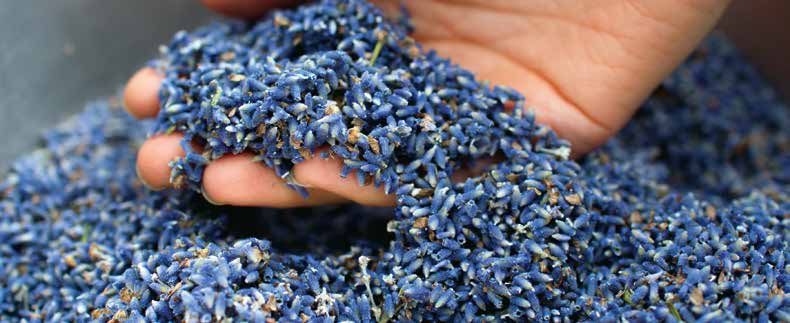
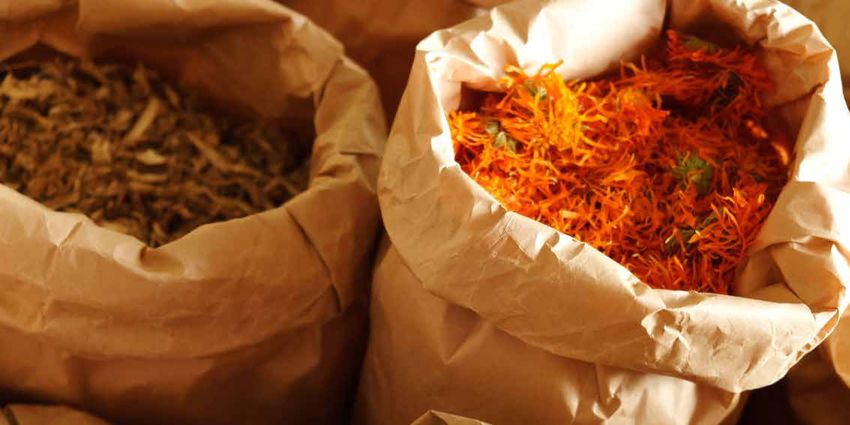
spring

the essence of spring
four days of hands-on experience in
the culinary delights of the herb garden,
exploring a range of tastes from sweet
to bitter, aromatic blends, nutritional                         From the drying room
benefits and the visual appeal of colour                        • The ambient drying room
from flowers and leaves.                                        • Drying room procedure
                                                                • Creating harvest logs and drying
                                                                  room records
Getting set up – Equipment, resources, core ingredients,        • Harvesting, drying, preparation and
suppliers, terms and definitions                                  processing of culinary herbs
                                                                • Screens and preparation of culinary grade herbs
From the garden                                                 • Blending herbal beverages from aromatics
• Familiarisation of Phytofarm gardens, site development,
  types of herb gardens                                         Student Homework (10 hours)
• Identification of edible plants                               Write a profile for 10 plants with nutritional benefits under the
• Plant/person relationship                                     following headings:
• Stories and language of plants
• Plant profiles of the spring herbs                            Names – Botanical & common, habitat and cultivation, iden-
                                                                tification of plants using your senses, part used, plant actions,
From the kitchen                                                harvesting and drying, processing, precautions for use, manu-
• Culinary herbs and nutrition                                  facturing products, market potential.
• Including herbs as a healthy choice, disease prevention       (A list of the 10 herbs and samples of how to prepare this infor-
• Edible Plant Nutrition - Herbal Cook School                   mation will be given in the course manual).
• Ways to preserve herbs for culinary use
• Fresh versus dried                                            Practical Research Project – Develop Your Ideas (5 hours)
• Spring health discussion                                      Select and profile a plant from the spring collection.

                                                                From the knowledge you have gained research a recipe, make a
                                                                product and describe its market potential. This will also provide
                                                                an opportunity for Valmai to mentor your ideas.

                                                            2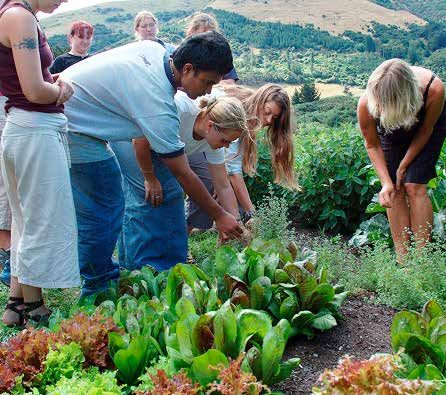
summer

the essence of summer
four days of hands-on experience in
manufacturing celebrating the                                  • Temperature control; stripping & storage
abundance of the summer harvest.                               • Maintaining records
                                                               • Screens and preparation of tea grade herbs
                                                               • Blending herbal beverages, percentages, strengths and com-
Getting set up – Equipment, resources, core ingredients,       binations made from aerial parts of plants
suppliers, terms and definitions                               • Quality and potency of medicine

From the garden                                                Student Homework (10 hours)
• Gather and harvest aerial parts of plants                    Write a profile for 10 plants under the following headings:
• Optimum times for harvest
• Plant profiles of the summer herbs                           Names – Botanical & common, habitat and cultivation, iden-
                                                               tification, part used, plant actions, harvesting and drying, pro-
From the pharmacy kitchen                                      cessing, precautions for use, manufacturing products, market
• Make ointments, creams, balms, salves & gels                 potential. (A list of the 10 herbs and samples of how to prepare
• Core ingredients, single preparations,                       this information will be given in the course manual).
  synergistic combinations
• Recipe variations                                            Practical Research Project – Develop Your Ideas (5 hours).
• Infused summer oils – methods of infusion and pressing       Select and profile a plant from the summer collection.
  oils from flowers and aerial plant parts
• Summer health discussion                                     From the knowledge you have gained research a recipe, make
                                                               a product and describe its market potential. This will also
From the drying room                                           provide an opportunity for Valmai to mentor your ideas.
• Drying for best quality
                                                           3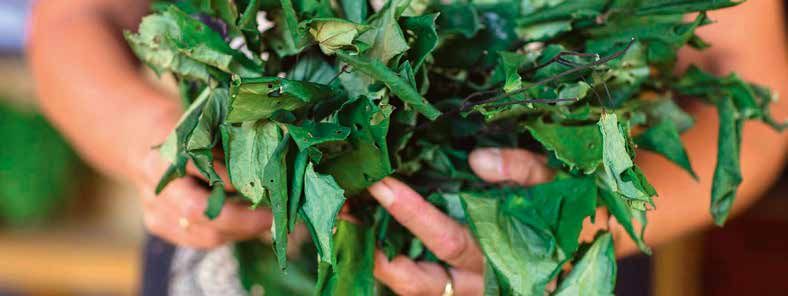
autumn

the essence of autumn
four days of hands-on experience in
the collection and processing of berries.
The incredible value of plants grown
for their roots, and the manufacture
of tonics.

Getting set up – Equipment, resources, core ingredients,
suppliers, terms and definitions                                       From the drying room
                                                                       • Preparation and drying of roots
From the garden                                                        • Blending herbal beverages from berries and roots
• Mulching, dead heading; pinching                                     • Plant actions and considerations of compatibility
• Wild crafting, the ethics and guidelines
  for collecting from the wild                                         Student Homework (10 hours)
• Value of Roots - Digging roots and rhizomes, harvesting roots,       Write a profile for 10 plants under the following headings:
  re-planting roots, cleaning and preparing roots for drying
• Plant profiles of the autumn herbs                                   Names – Botanical & common, habitat and cultivation, iden-
                                                                       tification, part used, plant actions, harvesting and drying, pro-
From the pharmacy kitchen                                              cessing, precautions for use, manufacturing products, market
• Distilling your favourite herbs into hydrosols                       potential. (A list of the 10 herbs and samples of how to prepare
• Blends and singles for oxymels                                       this information will be given in the course manual).
• Blends and singles for syrups and herbal honey
• Blends and singles for plant tonics                                  Practical Research Project – Develop Your Ideas (5 hours).
• Liniments                                                            Select and profile a plant from the autumn collection.
• Throat sprays
• Recipe variations                                                    From the knowledge you have gained research a recipe, make
• Autumn health discussion                                             a product and describe its market potential. This will also
                                                                       provide an opportunity for Valmai to mentor your ideas.

                                                                   4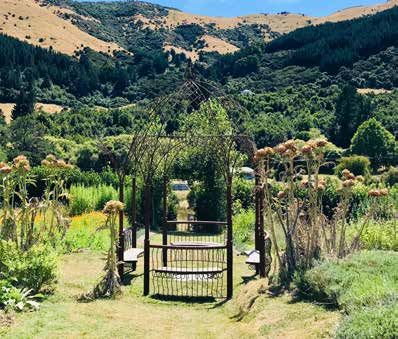
winter

the essence of winter
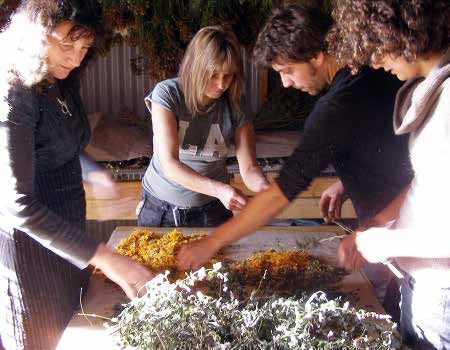
four days of hands-on experience in
the drying room. Blending from dried
plant material and making warming
protective remedies.

Getting set up – Equipment, resources, core ingredients,
suppliers, terms and definitions

From the garden
• Planning changes for the new season
• Plant profiles of the winter herbs

From the pharmacy kitchen
• Make pastes                                                  Student Homework (10 hours)
• Preparations for the skin                                    Write a profile for 10 plants under the following headings:
• Tinctures - methods of preparation
• Powders and capsules                                         Names – Botanical & common, habitat and cultivation, iden-
• Creams for internal use                                      tification, part used, plant actions, harvesting and drying, pro-
• Recipe variations                                            cessing, precautions for use, manufacturing products, market
• Herbal first aid kits                                        potential. (A list of the 10 herbs and samples of how to prepare
• Winter health discussion                                     this information will be given in the course manual).

From the drying room                                           Practical Research Project – Develop Your Ideas (5 hours).
• Blending herbal beverages from roots and winter              Select and profile a plant from the winter collection.
  warming mixtures
• Keeping the drying room tidy and organized                   From the knowledge you have gained research a recipe, make
• Managing dried herbs, storage and containers                 a product and describe its market potential. This will also
                                                               provide an opportunity for Valmai to mentor your ideas.

                                                           5
tutor
                                                                             sophies and traditions of natural medicine and a holistic self-
                                                                             healing model of wellness. She used herbal medicine, nutrition
                                                                             and massage therapy to manage acute and chronic conditions.
                                                                             Valmai is a well known naturopath and professional Member
                                                                             of New Zealand Association Medical Herbalists. Her passion
valmai becker                                                                for natural medicine took her into the realm of education and
presenter of all things herbal                                               for 17 years until 2005, she was a Co-owner and Director of
                                                                             Canterbury College of Natural Medicine. As the course director
Valmai Becker is a Registered Naturopath & Medical                           she wrote curriculum to New Zealand Qualifications Authority
Herbalist and a Professional Member of NZAMH.                                standard for the Diploma programmes taught at the college and
                                                                             she tutored many aspects of natural medicine. Phytofarm is
In the 1980’s she operated The Old Shipping Office, an Akaroa                now her primary passion and brings together a number of her
restaurant popular for its provincial cuisine, artful plate design           skills - gardener, teacher, learner and care taker of 20 acres of
and use of herbs and edible flowers. She attained a Diploma                  forest and gardens. Valmai invites you to join her for an inspi-
in Naturopathy (ND) in 1980 and established and managed a                    rational learning experience in herbal medicine, wellness and
clinical practice for eight years, specialising in using the philo-          creating your own garden pharmacy.

key
                         The interest in the Apprenticeship                  Friday, Saturday, Sunday, Monday from 10am - 4pm
                         Programme commencing in November                    Total Attendance Hours: 96
                         has exceeded our expectation so we                  Home Work: 10, Hours each season: 40 Total Hours: 136

facts
                         will run another programme if there                 2021 Spring: November 12, 13, 14 & 15
                         is sufficient interest to fill another class.       2022 Summer: January 28, 29, 30 & 31
                         Attendance: 4 Weekends, one                         2022 Autumn: March 18, 19, 20 & 21
                         each season.                                        2022 Winter: June 3, 4, 5 & 6

student
                                                                             Accommodation options
                                                                             Accommodation in Little River is in addition to the course fee.
                                                                             The six hour days will be detailed and physical so it is ideal to
                                                                             stay in Little River, relax and share some out-of-class time with

info
                                                                             the other students.
                                                                             Phytofarm:
                                                                             • One bedroom appartment, bathroom, kitchen facilities and
                                                                               outdoor terrace, $140 per night.
                                                                             • Classic Café Marshmallow camper $70 per night.
Entry into the apprenticeship programme is open to anyone
                                                                             • Glamping bell tent $50 per night.
with an interest in medicinal plants, no previous gardening or
                                                                               Please enquire for details.
herb experience is necessary. Please request and complete an
                                                                             House Rental option for all students: A charming river side
application form. The application form should be completed
                                                                             cottage, comfortable, warm, linen supplied, attractive garden,
by 2 August 2021 with a $500 non refundable deposit.
                                                                             modern cooking facilities, log fire, walk to Phytofarm from $190
All places on the apprenticeship will be advised in writing
                                                                             per night. Share with 4-7 students www.holidayhouses.co.nz/
by 16 August 2021.
                                                                             properties/19565.asp
                                                                             SiloStay: Unique accommodation in the heart of Little River
Fees paid in advance for the full year are $4,000, less deposit
                                                                             using innovative eco-friendly design. View on www.silostay.
of $500. Apprenticeship fees are due by 1 October 2021.
                                                                             kiwi.nz
Includes G.S.T., all tutoring, materials, ingredients, course ma-
                                                                             The Twisted Ngaio Bed and Breakfast: off the grid accom-
nual for each season and lunch on class attendance days.
                                                                             modation with queen sized rooms own ensuite and superb
                                                                             panoramic view out over the valley. View www.holidayhouses.
The apprenticeship has been developed as a hands-on herbal
                                                                             co.nz/properties/54537.
experience. On successful completion of it, attendance at all
seasonal weekends and completion of plant profiles, Valmai
                                                                             Summer only accomodation options
Becker will be awarding a Phytofarm Certificate in Herbal
                                                                             Okuti Garden Eco Stay: This beautiful property is within wal-
Apprenticeship. The course is not NZQA accredited so student
                                                                             king distance of Phytofarm and offers a variety of accommoda-
study loans and allowance will not be available to students.
                                                                             tion including a house truck $50, yurts from $40, tent sites $10.
                                                                             Breakfast available for $15. Cooking facilities are available in the
Refunds/Withdrawals : There will be no refunds once the
                                                                             garden kitchen that is surrounded by pick-your-own culinary
programme has commenced. If there are some extenuating
                                                                             herbs. www.okuti.co.nz
circumstances why completion is not possible, it can be nego-
                                                                             Little River camping ground and Manaia native reserve
tiated at another time with the payment of a 10% surcharge on
                                                                             provides a little piece of paradise in a bush and stream setting.
the seasonal rate.
                                                                             Powered sites suitable for campers $25, tent sites $10 and
                                                                             cabins available. www.littlerivercampground.co.nz

If you have any questions we welcome your contact by                         www.phytofarm.co.nz • Phytofarm
phone 03 325 1314 or email valmai@phytofarm.co.nz                            166 Okuti Valley Rd • Little River 7591 • New Zealand

                                                                         6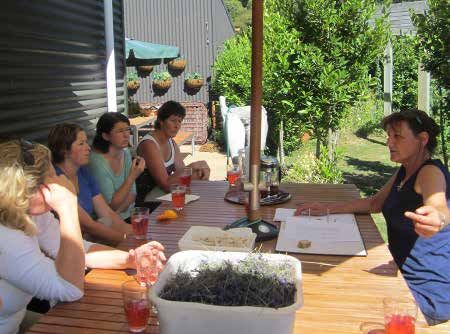
You can also read


