Pipeline Edition provided by - Pipeline Association for Public ...
←
→
Page content transcription
If your browser does not render page correctly, please read the page content below

Pipeline Edition
                                           provided by

2019
ISSUE NUMBER 14

                  2019 • E X C A V AT I O N S A F E T Y G U I D E • PIPELINE EDITION   1
PIPELINE EDITION

                                                                                                         Call     before you dig
                                                                                                          Call 811 or your local One Call System

                   Wait the required time
            Generally 48 to 72 hours, depending upon state requirements

                                                                                 Respect the marks
                                                                     Flags, paint or other markers (normally yellow for pipelines)

          Excavate with care
Pothole or hand dig to determine exact location of pipelines

Pipeline Safety Guidelines
Damage prevention is a shared responsibil-
ity. Digging safely begins with a call to your            Know the hazards
One Call System. Most state laws require                  • Natural gas and other petroleum products will ignite and burn.
this call, and it is normally free. Excavation
information is then sent by the One Call                  • If exposed to the skin, serious irritations may occur.
System to operators of underground facili-                • Escaping gases can displace oxygen.
ties near your excavation. The operators will
mark the location of their facilities in accor-
dance with the applicable state requirements.
                                                          Recognize unsafe conditions
Emergency contact information should be                   • Pipelines that are: leaking, damaged, insufficiently supported, exposed to
obtained directly from the operator or from                 high heat, or threatened by natural forces are all unsafe conditions.
nearby pipeline markers.
   Pipelines are an essential part of our trans-          • Any damaged or weakened pipeline must always be checked by the
portation system. We depend on them every                   pipeline company for remaining strength. Even very minor damages can
day to transport gas and liquid products to                 cause future leaks or ruptures and must be investigated.
our homes and businesses. Pipeline compa-
                                                          • Pools of liquid, blowing dirt, hissing sounds, vapor clouds, gaseous odors,
nies perform ongoing maintenance to en-
sure the reliability of their systems. Local                bubbles in standing water, dead vegetation and frozen soil or ice next to pipe-
communities also play a vital role in keep-                 lines are all signs of a pipeline leak and should be treated as an emergency.
ing our Nation’s energy infrastructure safe
and secure. Individuals who observe any un-               Respond immediately
usual conditions or suspicious activity near a            • Immediately leave the area while avoiding any action that may cause
pipeline facility should immediately report
these to local law enforcement or the pipe-                 sparks. Abandon all equipment and get a safe distance away.
line operator. Following these guidelines will            • Call 911 and then immediately notify the pipeline company.
help prevent pipeline emergencies and keep
pipelines the safest method for transporting
                                                          • Keep others away until emergency officials arrive. Stay upwind, do not at-
gas and liquid products.                                    tempt to operate pipeline valves or extinguish any pipeline fires.

2    PIPELINE ASSOCIATION FOR PUBLIC AWARENESS • W W W. P I P E L I N E A W A R N E S S . O R G • 2019
Llame antes de excavar
                                                                            Llame al 811 o llame al número de su “One Call System” local

        Espere          el tiempo necesario
        Generalmente 48 a 72 horas conforme a los requisitos estatales

                                                                Respete las señales
                                                         Banderas, pintura, u otras señales (normalmente amarillas
                                                                     para los gasoductos y oleoductos)

   Excave con cuidado
Cave a mano para determinar el lugar exacto de los
            gasoductos y oleoductos

Guía de Seguridad de Tuberías
La prevención de daños es una responsabilidad
compartida. Excavar con cuidado empieza con             Conozca los peligros
una llamada a su “One Call System” local. La            • Gas natural y otros productos petróleos pueden encenderse y quemar.
mayoría de las leyes estatales requieren esta lla-      • Si expuesta a la piel, serias irritaciones pueden ocurrir.
mada y normalmente es gratis. Información sobre         • Gases escapados pueden desplazar el oxígeno.
la excavación es enviada por el “One Call System”
a los operarios de las instalaciones subterráneas que   Conozca las condiciones peligrosas
están cerca de su excavación. Los operarios mar-
                                                        • Condiciones peligrosas son: gasoductos u oleoductos que tienen escapes, están daña-
carán el lugar donde tienen sus instalaciones en
                                                          dos, el soporte es insuficiente, están expuestos a temperatura muy alta, o amenazados
acuerdo con los requisitos estatales. Información
                                                          por las fuerzas de la naturaleza.
sobre contactos de emergencia puede ser obtenida
                                                        • Cualquier gasoducto u oleoducto dañado o frágil siempre debe ser revisado por la com-
directamente del operario o de las señales en los
                                                          pañía que los dirige para determinar la resistencia restante. Incluso daños menores en
gasoductos u oleoductos.
                                                          los gasoductos u oleoductos tienen que ser investigados porque pueden causar escapes o
   Las tuberías son parte esencial de nuestro sistema
                                                          rupturas en el futuro.
de transporte. Dependemos de ellas a diario para
                                                        • Indicios de un escape en un gasoducto u oleoducto son: charcos de líquido, tierra
transportar productos de gas y líquido a nuestros
                                                          soplada, sonido de silbidos, nubes de vapor, olores a gas, burbujas en agua estancada,
hogares y negocios. Las compañías de tubería reali-
                                                          vegetación completamente seca, y tierra congelada o hielo alrededor de ella. Todos
zan mantenimiento para asegurar la confiabilidad de
                                                          estos indicios deben ser tratados como una emergencia.
sus sistemas. Comunidades locales también pueden
jugar un papel importante en mantener segura la
infraestructura nacional de energía. Individuos que
                                                        Actúe de inmediato
observen cualquiera condición inusual o actividades     • Aléjese del área inmediatamente y evite cualquier acción que pueda causar chispas.
sospechosas cerca de facilidades de acueductos debe       Abandone todo el equipo y manténgase a una distancia segura.
reportarlo inmediatamente a las autoridades locales     • Llame al número de emergencia 911 y luego de inmediato notifique a la compañía
o al operador del acueducto. Siguiendo las pautas an-     que dirige el gasoducto u oleoducto.
tedichas ayudará a prevenir emergencias de tubería y    • No deje que otras personas se acerquen hasta que llegue el personal de emergencia.
garantizar que las tuberías son el método más seguro      Manténgase contra el viento y no intente manejar las válvulas ni extinguir incendios
para transportar productos de gas y líquido.              en el gasoducto u oleoducto.

                                                                                         2019 • E X C A V AT I O N S A F E T Y G U I D E • PIPELINE EDITION   3
CONTENTS 2019 EXCAVATION SAFETY GUIDE & DIRECTORY
PIPELINE EDITION
2 Pipeline Safety Guidelines
Learn how to properly
document damages using 29 Pipeline Location Information
proven photographic,
interview and investigative 30 Pipeline Products & Facilities
procedures. Conducting
a thorough investigation 35 Know the Possible Hazards
helps ensure that responsible
parties are clearly defined.
36 Electric Safety Means No Contact
45 49 CFR-Part 196: Protection of Underground Pipelines
from Excavation Activity
BEFORE YOU DIG
What you need to know and what you need to do before you dig.
6 Staying Out of Harm’s Way While Working in Traffic
Bulk discount rates
available. Field Guides can
8 Pre-Excavation Checklist
also be purchased separately.
9 Is My Locate Request Legal?
12 What is the Tolerance Zone?
The Excavation Safety Guide is designed to The Excavation Safety Guide
be a reference for readers to use all year long. Pipeline Edition is published annually by:
The articles are concise, to the point and fo- Pipeline Association for Public Awareness,
cus on current industry trends and technolo- 16361 Table Mountain Parkway
gies. The resources include the CGA Exca- Golden, CO 80403
vation Best Practices, a complete One Call www.pipelineawareness.org
Center listing along with the state laws and
provisions, a pull-out Emergency Response Manufactured and printed in the United
poster and much more. Protecting buried in- States of America. The contents of this publi-
frastructure is becoming more of a challenge cation may not be reproduced by any means,
every day and this guide will help you navi- in whole or in part, without the prior consent
gate through these challenges. of Infrastructure Resources, LLC.
S
RGENCIE
ION EME
SAFETY
EXCAVAT
11
T E R
P O S
FREE
S
AR EnES
L IC AW
R PuB
NS On fO
CONDITIO
SSO CIATI
InE A
E
E UNSAF
PEL
By PI
RECOGNIZ ing dirt, hissing souning
IDED
PROv
8
ds, vapor
water, dead
S liquid, blow les in stand all
HA ZARD
ines are
E • Pools s,ofgaseous odors, bubbor ice next to pipelleak and
KNOW TH cts will
ignite cloud n soil ine
, and froze or petroleum pipel
leum produ irritations vegetation gas
other petro us a natural gency.
gas and skin, serio n. signs of as an emer emergenc
y
• natural If exposed to the can displace oxyge should be
treated line as an
and burn. Escaping gases cing heat electric maged,
. d produ ct with any it appears unda
may occur to groun heat of the • Treat conta whether des conta
ct with
arc or short than the of inclu
will greater ge regardless severed. This
• Electricity to four timeswill burn skin
and dama or
damaged d high voltage
lines. greater
that is up it can arc ng you at
minimum, voltage electricity aware of all abovegroun hes placi
sun. At a High Be y use trenc electricity.
organs. gh the air. part of often jointl
internal distances throu keep any • utilitiestrenches that also
have r/
lines and overhead
lines. of a wate
significant d high voltage indication potential
Excavation Emergencies Poster
away from risk in
abovegroun at least 10 feet . soil is an as a
us injury discolored treated
the equip
ment
ure can
cause serio significant • Wet or leak and should be
high press can be a sewer
r under bacte ria that genc y condition.
• Wate
er conta
ins
ignite and
burn. emer
Wastewat Sewer gas will E:
health risk. IES INCLUD
FACILIT ties and similar
ROUND
UNDERGweakened or damaorged rty and
facili
to prope
OLVING damage are gen-
IONS INV ing or soil moveofment
, persons, mstances. Below ties.
injur y to
Y CONDIT circu nd facili
LOOK ON PAGE 31 TO FIND YOUR COMPLIMENTARY
settl loss life, the individual undergrou
EMERGENC
, severe prevent ated on involving
sions, fires ssary to be evalu age situations
ruptu res, explodiate action is neceent and must y/dam ion.
Leaks, differ genc t the condit
where imme situation is for various emer immediatel
y to repor
instances Every y operator gency respo
nse.
onment. guidelines
the envir gency response 4. Conta
ct the facilit 911 for local emer
eral emer priate, call Leaking
water
If appro 5. out.
PULL-OUT POSTER with complete information on how to
lt.
EWER people
IATELY
and keep mely difficu
WATER/S the area immediately g escape extre Closing the
D IMMED ate ly makin ng. inment
RESPON
1. Evacu a trench quick to stop floodi ble conta
LIQUIDS can fill s in order flows and/or possi
OLEUM safely.
close valve
2. Do not valve may affect
fire even
GAS & PETR be done water lines nes to break
because .
NATURAL
away.
, if it can
ment distance wrong
le syste
ms. ressure
off equip get a safe a fire. Do of potab ged high-p ion can cause
pipeli
soil can
1. Turn ment and might start ve l of dama vibrat walls. Wet
on all equip or anything that equipment. Remo 3. Be carefu est scratch or
recognize and respond to the hazards inherent in utility
2. Aband ing with wet
s
open flamevehicles or electr
ical or anyth the slight trenches around
phones, around in or work
3. Avoid motor ettes, cell carefully
not start n sources (cigar or static electr
icity). 4. Move cause suffocation. . Do not wade
easily water
all ignitio create a spark with waste ing that
people out. s. contact s or anyth
that could area and keep liquid 5. Avoid . open flame
ate the ing water avoid ion.
4. Evacu ct with escap s. waste
r gas is
flammable; t the condit
make conta ne valve office. 6. Sewe start a fire. y to repor
5. Do not any pipeli sheriff’s immediatel
excavation. Provided by Pipeline Association for Public Awareness
operate police, or burn; ask might y operator
6. Do not local fire, ng, let it property. ct the facilit Serious
or your If it’s burni nt 7. Conta TION end of it.
7. Call 911 to put out a fire. and protect adjace into the
t MMUNICA not look
8. Do not
try
hters to
observe
immediatel
y to repor FIBER/COoptic cable is cut, do tion.
local firefig y operator 1. If a fiber ge may occur
. t the condi
ct the facilit and repor
ExcavationSafetyUniversity.com
eye dama y operator
9. Conta tion. ct the facilit ILITY!
the condi
ITY
ead or
ct with overh it away safely
. 2. Conta
A DAM AGED ,FAC or dent shoul
d be
ELEC TRIC in conta move Y
BUR e, nick, cut, tear, diately. If not prom e, break ptly
NEVER
equipment lines if you can ic
1. Only move d electric ct with electr on fire) scrap ce outag
ins in conta (unless must Even a minorthe facility owne future leak, servi
r imme
undergroun ment rema equipment you
ator equip t to stay on others away. If feet to
reported it could result in or death.
a
866.279.7755
2. If excav
Awareness
, it’s safes
for Public and reliable
; keep g with both , is
repaired, accident, injuryonly. Infrastructure Resources,
Association
away. Pipeline to provide accurate
equipment e workers arrive of it, landin shuffle or hop
LLC and information
made that the
effort is or warrant
While every
jump clear explosion,is intended for educational
do not guarantee
until rescu then only purposes the above information.
onditions, d the
Awareness
equipment, same time, and
reliance
upon for Public
use of or Pipeline Association
abandon in wet soil/c
LLC and
d at the
for any individual’s
aroun
information
is struck for a large area potential.)
The above
no liability re Resources,
on the groun
assume Infrastructu
or up-to-date.
ical line ized to step
information,
complete,
accurate
12/14/16
4:24 PM
d electr e energ your risk
3. If a burie d may becom away will help reduce
the groun g or shufflin
g
strike. (Hoppin
1
17.indd
Spanish-20
lish and
Safety Poster-Eng
4 PIPELINE ASSOCIATION FOR PUBLIC AWARENESS • W W W. P I P E L I N E A W A R N E S S . O R G • 2019
FEATURING CURRENT PRACTICES AND TECHNOLOGICAL
         INSIGHTS FROM INDUSTRY LEADERS!

LOCATING AND MARKING
The importance of accuracy in locating and marking buried facilities.

 12     Locate Requests: Covering the Basics
 15     Understanding the Marks
                                                                                                                     All Damage Investigation
                                                                                                                     training DVDs come with

 18     Air Excavation vs. Hydro Excavation
                                                                                                                     an accompanying field guide
                                                                                                                     that helps you understand
 20     10 Questions to Ask When Bidding Excavation Work                                                             the concepts in the video
                                                                                                                     and acts as a useful reference
 22     No One Call Reporting Tickets                                                                                tool in the field.

DIGGING SAFELY
Technologies and techniques to stay safe and avoid damage.
 24Cross Bores: CGA Members Work Together to Measure and
		 Address this Dangerous Type of Utility Damage
 26     I’ve Been Working on the Railroad … Safely
                                                                                                                     Bulk discount rates
 27     Hand Tools Can Damage Unmarked Gas Lines                                                                     available. Field Guides can
                                                                                                                     also be purchased separately.

RESOURCE DIRECTORY
A collection of invaluable information and access to resources.
 38     Video Vault
 40     CGA Excavation Best Practices 15.0
 44     Community Liaison Service
 47     Changes to the Laws in Your State
 50     Enforcement Agencies
 51     One Call Directory
 57     Canadian One Call Directory
 58     Pipeline Operator Contact Directory
 62     Industry Publications
 63     Readership Survey

This publication is an informational and educational guide, but it is not intended to provide you
with any definitive information regarding legal issues. You need to follow your specific state laws
and OSHA rules. If you have any questions on issues raised in this guide, please consult with legal
counsel and/or your state One Call Center. The 811 Logo is a registered trademark of the Common                   ExcavationSafetyUniversity.com
Ground Alliance.                                                                                                              866.279.7755

                                                                                           2019 • E X C A V AT I O N S A F E T Y G U I D E • PIPELINE EDITION   5
BEFORE YOU DIG

                                       g out   w h ile
                                    in
                                Stay arm’s Way ffic
                                of H ing in Tra
                                 Work

                                                                                                                               R
                                                                                                                           NGE
                                                                                                                   G H SWO
                                                                                                                NI
                                                                                                     BY   BOB

Many jobs require a person to work in the                  by a car but have had several close calls.
roadway or on the road side. According to                  Luck has played a big part in my survival
OSHA statistics, nearly half, 40% of road                  but I like to give credit to the skills I de-
way construction fatalities were caused                    veloped playing dodge ball, which is a long
by workers struck by moving vehicles and                   lost sport. In dodgeball, you keep your eye
equipment. During my years of line locat-                  on the ball and dodge, dip, dash when you
ing, I have painted many miles of line bur-                need to avoid getting hit by the ball.
ied beneath the road. Unlike the movie
character Austin Powers, “Danger” should                   A few of my near misses were my own fault.
not be your middle name when working                       My closest was when focusing on the task
next to or in the middle of the road. I                    at hand, I was distracted by the readings            panic, the driver drug him for a little over
speak from personal experience when I                      of my line locating equipment and stepped            150 feet while slowing down and speeding
say there is literally danger around every                 into a lane of traffic. Luckily the driver saw       up twice in attempts to shake him from be-
corner when marking lines buried beneath                   me and swerved to miss. I was so close that          neath her vehicle before finally coming to
busy roadways.                                             the side mirror of the car passed between            a stop. He survived and recovered; and re-
                                                           the screen on my locating equipment and              turned to line locating with a new perspec-
I was once hit in the neck with a rock that                my eyes. In this case, I took my eye off the         tive on safety in traffic.
was propelled by a tire when a car passed                  dodgeball. I had several other close calls
me by. In that instance, I was in the wrong                where drivers where distracted or in a hurry.        In the survival story above, the locator told
place at the wrong time. I have also been                                                                       us he made the mistake of using only three
hit in the side of my face by a cup of soda                During a training event a few years ago, a           cones placed beside and behind his truck to
thrown by a passenger of a random car                      water line locator in the class told us all a        merge traffic to the middle lane so he could
driving by. I’m sure that guy though it                    bone-chilling survival story. He had been            mark his water line in the outside lane. He
was funny but I came to realize a new level                hit in the back by a small SUV and became            was ahead of the cones marking the lines.
of stupid that day. I have never been hit                  wedged beneath the vehicle. In a moment of           After the SUV passed his truck and cones,

6    PIPELINE ASSOCIATION FOR PUBLIC AWARENESS • W W W. P I P E L I N E A W A R N E S S . O R G • 2019
“...After the SUV passed his
truck and cones, the driver merged back
into the outside line and hit the locator”
the driver merged back into the outside line   Safety Scan. During your visual site in-            and marking lines in the road. If you’re
and hit the locator.                           spection, view your work area like a play-          forced to bend over with a can of paint in
                                               ing field. Look sideline to sideline and goal       your hand to mark the line, you are tak-
Make yourself as visible as possible.          line to goal line to determine your traffic         ing your eyes off the traffic. Some loca-
Use your PPE to make yourself visible. Use     control needs. Consider any special access          tors call this spraying and praying. If you
your traffic cones, flashers, beacon lights    to manholes and valves that may need to             must bend over to paint and turn away
and whatever else you have available to        be opened for access to connection points           from traffic, this is a good time to have a
safely merge traffic around your work area     to the utility.                                     fellow employee onsite to be your traffic
when locating along the road.                                                                      spotter and watch your back.
                                               Keep your eye on the ball. Years ago,
Plan Ahead. Pick the best time of day to       when marking the road we mainly wor-                With repetition can come complacency
mark lines in a traffic way. When you read     ried about drivers just not seeing us. In           and it takes great self-discipline to make
your tickets in the morning, determine         today’s world we have so many drivers               safety your first priority. Don’t wait until
which jobs will require road marking and       distracted by their cell phones. Drivers            you have an accident or a close call occurs
route those jobs for a good time of day. It    not only talking on the phones but those            before you think safety first. Be safety
has been my experience that during a nor-      who also post selfies, send or read texts           minded and good luck. Your best safety
mal workday, traffic is considerably lighter   and emails or even watch a movie while              tools are your eyes and your brain when
between the hours of 9am to 11am and           cruising down the road. Plan your locate            working in the roadway. Always keep an
from 1:30 to 2:30pm. If you have a jobs        so you can walk towards traffic when                eye out for crazy drivers and never under-
that involves marking on a busy road, try      marking lines in the road, keeping you              estimate the level of stupid that could be
to schedule it between those hours. Don’t      facing the oncoming traffic. Just like the          behind the wheel. ESG
take unnecessary risk. In heavy traffic it     game, you want to keep your eyes on the
may be best to call for assistance to get      oncoming dodgeball. You may also want               Bob Nighswonger is President of Utility
a person onsite as your traffic spotter to     to consider using a paint stick that will           Training Academy. He can be reached at
cover your back.                               allow you to remain upright when tracing            bob@utasearch.com .

                                                                                      2019 • E X C A V AT I O N S A F E T Y G U I D E • PIPELINE EDITION   7
BEFORE YOU DIG
4
q IN T H E O FFICE
ll d ra w
Pr
in g
e -
B e fo
s,
E
r
x
e
c
E
a
plans,
v
V
atio
E R
n
YE
Ch
xc
e
a
c
v
k
a
list
tio n
- Pipeline stals
- Cable p
- Electr ic
e
valves
c
de
ables
lves
ation, heig
ht, and
• Note loc f overhead lines
•N
si
o
g
te
n a
tor o
opera required safety
all
ge
d/or sketc
q Video apnertinent
hes
q Reviewearing blueprints for - Water va closures
engine - Telephon
e where
e d facilities f trench
existin g b u ri
a re a o o k fo r evidence o U DIG
e xcavatio n q L re vious E FORE YO
p o se d
q Pro en marked in whit e lines fr o m p B formation
s b e av a ti o n q R e v ie w safety in ing
h a ex c work
paint and/o
r flags
r c le a re d pipeline w ith anyone
at least 2-3 n
business q Look fo the job wner
q Call 811 fo re e x c a va tio ROWs
p e rt y n fi rm w it h facility o tion
days be the pro q Co ydro excav
a
(check you
r state One q Talk witohr general v acuum or h r all
owner entify is schedule pacted
d fo
Call laws) e r is c o n tractor to id facilities n e s im
ket num b rivate pipe li
q Locate tiact the work location potential p t be marked: ging
n o c a ti o n s fo r hand dig e
posted that may qL o zon
n g sc h e d uled n g w it h in th e tolerance
eeti - Lighti
q Onsite mhigh profile ings are noted
w it h a ll a re a (g a s/ - Outbuild tives for all
a s
loca
facilities in high-voltage
te - Pools/Sp q Representa ies are present
ilit
oil pipelin optic)
es, - Irrigation rals critical fac
ment
cables, fib
e r - Sew e r la te
k s q E m e rg ency equip zardous
ta n hen h a
- Propane ations lines available w s are potentially
C o m m u n ic h e re
ONSITE pre-excavation - atmosp
a present
Complete h of the entire nt of J o b s ite :
u g c u m e ergency
walkth ro
a d ja c e n t areas D o
a c tu a l jo bsite to q L is t of all em rs for assets
jobsite an
d
q Compare mbe
a ll ticket contact nu ent to the dig
b s ite : O n e C rs th e d a d ja c
ticket cove
fJ o in an le
pection o - One Call e work ily availab
Visual Ins markers: z o n e is re a d
t of th te to
Permanen g p o st s scope ll ticket “Work to h e lo c a ti on and rou
arkin - One Ca q T hospital is
q Signs or emnt markers B e g in ” date is vali
d
the nearest nsite
e m t
- Pav pavemen s have known by
o
(stam A-tags™)
ped nails, - All utilitie e rv is o rs
nd e d su p
decals markers
, respo ities are marked onal purposes
only and does
ed for informati ded to be used as a guide
- All facil
vid
tion area
is pro
- Surface This docu me nt en
vice. It is int d may not
c e si gn a ge for w ith in the excava not constitute
professional ad specific to your situation an
list
ment of a check activities required of your sit
uation.
rf a lop
q Other su
ve
s h th e jo b site in the de
ive of all pre-ex
cavation e implementa
nagement befor ept no
-
e d a re a o to g ra p be inclus pro pri ate ma
landscap gs ’s ap ts acc
q Ph rks and fla Consult yo ur com pa ny
Safety Guide,
its employe es an d ag en
sequences of act
ing,
te m a rk s - Locate ma t varying tion. Excavation im all responsibility for the con on contained in
d discla informati
q Loca a
from 360° r perspective
lia bility an ian ce of the ue ntial,
m acting, in rel based on it, or for any conseq
n y m a p s or field or refraining fro any decision entity for any
q Consultesa of the location ces fo or for rson or
distan ent signage and
this docu me nt mage to an y pe
l or punitive da ment.
special, incidenta ts of this docu
sketch - P e rm a n th e r relati ng to the conten
to ve to ma tte
ll services locati :
on relati
q Identifygas such as: a re a
buildin dig
e te rs
- Gas m
s
- Farm tap
8 PIPELINE ASSOCIATION FOR PUBLIC AWARENESS • W W W. P I P E L I N E A W A R N E S S . O R G • 2019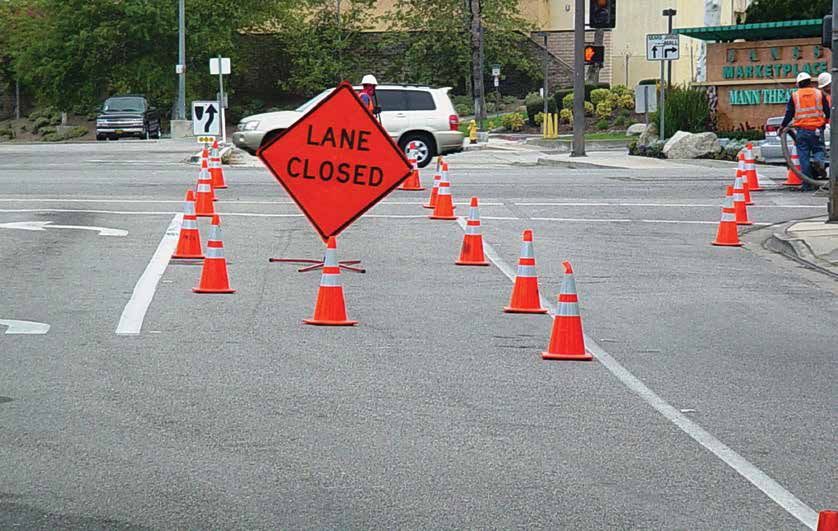
B Y   JA M E S   J .   P R O S Z E K

 IS MY
 LOCATE
 REQUEST
 LEGAL?
According to the 2017 DIRT Report, the root
cause category of “Notification Practices Not
                                                   I. GENERAL CONSIDERATIONS
                                                   The starting point to determine whether
                                                                                                          statutes, i.e., follow the procedures set forth
                                                                                                          in reasonable and accepted industry stan-
Sufficient” accounted for one percent of all       a locate request is “legal” are the statu-             dards and practices, an excavator may still
reported damage incidents in 2017. This cat-       tory provisions in the “One Call” law of               be found to be liable even if he complied
egory covers events where the excavator pro-       the state in which the excavation is to be             with the requirements of the statutes, but
vided, or attempted to provide, notice to the      performed. However, familiarity with the               not with additional requirements imposed
One Call center, but something went wrong,         requirements of the statutes alone is not              by industry standards. The most common
such as: (1) the excavator gave an incorrect       sufficient. In a number of states, includ-             source of such industry standards is the
description of the work site which led to no       ing New York and Oregon, the One Call                  Common Ground Alliance (CGA) Best
marks at the actual work site; or (2) the exca-    statutes themselves contain only a bare                Practices and the excavation handbooks the
vator did not provide notice sufficiently in ad-   bones description of excavation require-               state One Call or 811 centers publish.
vance of the beginning of excavation or began      ments. The detailed requirements, includ-
work before the locate marks were completed.       ing notice requirements, are found in the              II. REQUIRED PRE LOCATE
     For the years 2015, 2016 and 2017, this       regulations promulgated by the governing               REQUEST ACTIONS
category has typically accounted for ap-           administrative agency in such states.                  Many states require an excavator to “white
proximately one percent of the total dam-              Moreover, a general precept of negli-              line” the excavation area, i.e., mark the
ages in each year. While one percent does          gence law is that simply complying with the            boundary of the excavation area with white
not seem like a large number, this category        letter of the law is not sufficient. If a rea-         paint, before providing notice to the One
still was the root cause of 5,645 reported         sonable professional engaged in excavation             Call center. Washington’s One Call law,
damage incidents in 2017.                          would go beyond the requirements of the                for example, provides that if white lining

                                                                                             2019 • E X C A V AT I O N S A F E T Y G U I D E • PIPELINE EDITION   9
BEFORE YOU DIG

      “The consequences of not having a timely locate request which covers
                                           the actual area of excavation are severe.”

is not feasible, the excavator must com-                 proposed area of excavation; (3) the name,       be encompassed in one locate request. For
municate directly with the affected utility              address and telephone number of the exca-        example, Washington’s One Call statutes
operators to ensure that the boundary of                 vator; (4) a telephone number at which the       and Oregon’s One Call regulations provide
the excavation area is accurately identified.            excavator can be contacted in the field; (5) a   that if the excavator intends to work at mul-
California’s One Call law provides that if               description of the work to be done; and (6)      tiple sites or at a large project, the excavator
an excavator has not white lined the area                the date and time the excavation is to begin.    must take reasonable steps to confer with
of intended excavation, the utility operator                 Some states have specific provisions as      facility owners to enable them to locate un-
may, at its discretion, choose not to locate             to how the proposed excavation area should       derground facilities reasonably in advance
and field mark its facilities until the excava-          be described. For example, Missouri’s One        of the start of excavation for ease phase
tor has completed the white lining.                      Call statutes require the description be         of the work. North Carolina’s One Call
                                                         made “by reference to a specific street ad-      law provides that the excavation area can-
III. REQUIREMENTS FOR THE                                dress, or by description of location in rela-    not exceed one-quarter mile in length (i.e.,
LOCATE REQUEST                                           tion to the nearest numbered, lettered, or       1,320 feet) or five adjoining street addresses,
The information which must be included in                named state or county road or city street for    not to exceed one-quarter mile in length.
a locate request is normally set forth in the            which a road sign is posted, or by latitude      Other states require that the locate request
state One Call statutes and/or regulations.              and longitude including the appropriate de-      cover only the area which can be excavated
Typically, the locate notice must provide, at            scription in degrees, minutes, and seconds,      within the time period in which the locate
the very least: (1) the name of the individ-             or by state plane coordinates.”                  request is valid.
ual providing notice to the One Call cen-                    Many states also have specific require-          In addition to these requirements
ter; (2) a description of the location of the            ments as to the size of the area which may       found within state One Call statutes and

10   PIPELINE ASSOCIATION FOR PUBLIC AWARENESS • W W W. P I P E L I N E A W A R N E S S . O R G • 2019
regulations, the CGA Best Practices state start to make a locate request and may now to perform locates. Most state One Call
that every excavator on the job should have to wait longer than he wants to start statutes and regulations do not address this
have his own separate One Call reference excavation is not an emergency. Based on question. Some that do, do not allow it.
number. In other words, under the CGA my experience as an advisory member of For example, California’s One Call stat-
Best Practices, a subcontractor may not the OKIE 811 Board, I can unequivocally utes provide that all locating must be done
rely on the locate request the general con- state that if you are a fence contractor, and only by a “qualified person” which the stat-
tractor provides. you are not trying to build a fence at a zoo utes define as “a person who completes a
to contain a lion that has escaped from its training program in accordance with the
IV. REQUIRED TIME FOR THE cage, it is not an emergency! requirements of Section 1509 of Title 8 of
LOCATE REQUEST the California Code of Regulations Injury
While the time frames may vary, the One V. REQUIRED PRACTICES AT and Illness Prevention Program, that meets
Call statutes and/or regulations in all 50 THE JOB SITE the minimum locators training guidelines
states and the District of Columbia provide Most state One Call statutes and regula- and practices published in the most recent
minimum and maximum times within tions require that in addition to making a version of the Best Practices guide of the
which the excavator must make a locate re- timely locate request, an excavator must use Common Ground Alliance.” Missouri’s
quest. Typically, the excavator must give at reasonable care in performing the excava- One Call statutes provide that “[n]othing
least two “working” or “business” days’ no- tion and/or must excavate in a “reasonable in [the One Call statute] shall authorize any
tice before beginning excavation, although and prudent” manner. In some instances, person other than the owner or operator of
some states, such as North Carolina, require state One Call statutes and regulations spe- a facility to attach an electronic locating de-
locate requests be made three working days cifically define activities which constitute vice to any underground facility.
before beginning excavation. reasonable care. In the absence of specific
The maximum time limit varies more provisions in the state One Call statutes and CONCLUSION
widely, and, depending on the state, can regulations, industry standards and prac- The consequences of not having a timely
be set forth in either “working” or “calen- tices will provide activities which constitute locate request which covers the actual area
dar” days. Typically the maximum time reasonable care. of excavation are severe. Hitting an under-
ranges from 10 to 30 days. If the excava- Such activities include, but are not ground utility because the locate request
tion does not commence before that date, limited to: (1) inspecting the area of in- did not cover the right area or because the
many states require the excavator to make tended excavation to verify that the dig excavator did not wait the required time to
a new locate request. site matches the description in the locate allow the utility operators to mark their fa-
Most states, Texas being a notable ex- request and is timely; (2) ensuring the lo- cilities can result in property damage, inju-
ception, provide an expiration date for cate request is timely; (3) inspecting the ries and even death to workers and members
locate requests. If the excavation is to con- area to verify that all utilities shown on of the public. Many state one call statutes
tinue beyond the excavation date, most state the dig ticket provided by the One Call and regulations provide that excavators who
One Call statutes and regulations typically center have been marked or that the util- damage an underground utility while exca-
require the excavator to make an additional ity operators have provided a positive re- vating without a proper and timely locate
locate request. Many such statutes and reg- sponse indicating they have no facilities request “shall,” or “are rebuttably presumed
ulations provide that the new locate request in the area; (4) checking the excavation to be,” negligent.
should be made two working days before area for any visible signs of unmarked
the existing locate request expires. underground facilities such as pedestals, All in all, the best practice to avoid dam-
Finally, most state One Call statutes risers, meters, and manholes; and (4) re- aging underground utilities and the liabil-
and regulations require an excavator to stop viewing the location of underground fa- ity that goes with such damage is to make
working and make a new locate request if cilities with the excavator’s site personnel. sure that the persons involved in making
the paint marks or flags the utility opera- The One Call statutes and regulations in the locate request and for performing the
tor placed in response to the original locate many states provide that if an excavator excavation are aware of, and comply with,
request have been obliterated or become il- does find evidence of an unmarked, or a the requirements of the statutes, regula-
legible. The new locate request is required mismarked, utility facility, the excavator tions and industry standards and practices
even though the original locate ticket has must stop and provide an additional no- set forth above. Hopefully, doing so will
not expired. tice to the One Call center and not con- eliminate, or at least reduce, the dam-
Most, if not all, state One Call statutes tinue excavating until the additional time ages in the “Notification Practices Not
and regulations do contain an exemption requirement has passed. Sufficient” category. ESG
from certain locate request requirements in
an emergency situation. An “emergency” is VI. ADDITIONAL CONSIDERATIONS James Proszek, is a shareholder in the
typically defined as something that posed One of the questions excavators have Tulsa, Oklahoma office of the law firm of
an immediate threat to, or endangers, life, asked at previous CGA 811 Excavation Hall, Estill. Mr. Proszek is a trial attorney
health or property. The fact an excavator Safety Conference & Expo presentations is with over 30 years of experience. He can be
waited until just before a project was to whether they can use their own equipment reached at jproszek@hallestill.com.
2019 • E X C A V AT I O N S A F E T Y G U I D E • PIPELINE EDITION 11BEFORE YOU DIG
W hen excavating, the tolerance zone is
a horizontal measurement beginning
at the outside edge of an underground pipe
These nifty little gadgets that are the main-
stay of every technician’s toolbox, actually
locate the electromagnetic field surrounding
Once the transmitter has induced the signal
onto the pipe, the locate technician sweeps
the receiver across the ground and marks
or cable and extending outwards for a pre- the pipe or cable. Let’s explore that concept the aboveground location of the strongest
determined length. That length varies by a little more. electromagnetic field where the cable or
state and is defined by the state’s One Call pipe is ‘located’.
legislation. In Pennsylvania, for example, Almost all locating equipment consists of
the tolerance zone is 18”. That means if a 2” two parts: In a perfect world, the marks indicating the
pipe is marked, 18” must be added to both location of the pipe would be accurate. If
sides of the pipe resulting in a dig-with-care 1. The transmitter, which emits a signal at the transmitter is affixed to the cable or pipe
area of 38” (18+2+18) surrounding the tem- a frequency selected by the technician that aboveground, and the underground portion
porary mark placed by the locate techni- is induced onto nearby pipes or cables. of the cable or pipe acts as an antenna radi-
cian. If the pipe is 6”, the tolerance zone ating electromagnetic energy, then the re-
increases to 42” (18+6+18). To learn the 2. The receiver, which is usually held by ceiver should easily and accurately find it.
Tolerance Zone?
What is the
dimensions of the tolerance zone in your the technician, and detects these radio Unfortunately, this is not always the case.
state, review the One Call Directory begin- frequencies.
ning on page 49 of this publication. Distortion to the electromagnetic field
Together, these two pieces of equipment caused by changing density or composition
`The existence of a tolerance zone can be help find the approximate location of of the earth, other underground facilities,
confusing if you don’t have a clear under- underground facilities. The transmitter moisture content, and other factors affect
standing of the science behind locating induces this radio frequency through con- where the strongest signal is read on the
equipment. After all, if the locate tech- duction (direct connection to the pipe), ring surface. Because the level and direction of
nician has indicated a 2” pipe in exactly clamp induction (the pipe is encircled with the distortion is unknown and unseen, the
“this” location, why in the world would you a clamp when direct connection is not an location indicated by the marks the techni-
need to dig with care for 18” to either side option), and induction (no surface access to cian makes may not be over the exact posi-
of the mark? The simplest answer is that the target line is available). tion of the pipe.
cable locators do not actually locate cables.
12 PIPELINE ASSOCIATION FOR PUBLIC AWARENESS • W W W. P I P E L I N E A W A R N E S S . O R G • 2019Public 811 Locates
This is when the tolerance zone helps protect
underground facilities. The distance provided
on either side of the buried facility within
the tolerance zone is used to provide for dis-
crepancies caused by distortion. An excavator
should always assume the underground facil-
ity may be located anywhere within the tol-
erance zone on either side of the temporary
mark and take extra care when digging.
Along with knowing the tolerance zone
requirements for their state, excavators
must also understand the state’s require-
ment for excavating within the tolerance
zone area. Each state has specific guide-
lines intended to protect underground
utilities. Some states may allow multiple
soft excavations methods in the tolerance
zone including air or water vacuum ex-
cavation and hand digging. Other states
may require hand digging only. In some
states soft digging is only required until • Provide support to the pipe if the soil service. Instead, stop excavation and
the facility is exposed, in others all dig- surrounding it is removed. notifying the facility owner.
ging within the tolerance zone must be • Ensure locate marks remain visible • Assume the depth of the utilities.
soft. Again, the One Call Directory of throughout the life of the job. Erosion or grade changes may cause the
this publication can help you find the link • Remember the color of the pipe you depth to change over time or distance.
to the requirements in your state. uncover may not indicate what it con- • Assume a facility runs straight or is centered
tains (plastic gas line is not necessarily between permanent marker posts.
Regardless of the specific legal requirements yellow). • Dig toward a tolerance zone. Expose
of your state, there are some common-sense • Verify the depth and location of facili- the utility first and then dig toward
approaches to use within the tolerance zone ties along a horizontal or directional the exposure.
to protect the buried utility: drilling/boring path by means of vac- • Assume the width of the facility based
uum excavation or hand dug test holes on the marks. Although the size of
DO at each point. the facility should be indicated when
• Use a blunted shovel to loosen dirt and marked, it isn’t always the case.
a regular shovel to remove dirt. DON’T
• Dig at an angle and parallel with the • Use pick axes, pointed spades or Failure to maintain the rules of the toler-
utility, allowing the shovel to slide off digging bars. ance zone exposes buried utilities to the risk
the surface of any pipe you may come • Stab at the soil. of damage. Indirect damage is also risked
in contact with. • Assume a line was marked incorrectly if when supporting soil is removed and the
• Assume all lines are live. you encounter an unmarked line outside facility is not stabilized, potentially caus-
• Report any damage to the pipe to the the tolerance zone. It may be another ing the utility to bend or break. Injury or
facility owner immediately. If there utility line. death can result from a damaged pipe, and
is risk of public safety contact 911 • Assume an unmarked facility you un- your company could be liable for damages
immediately. cover is abandoned, retired or out of that occur. ESG
2019 • E X C A V AT I O N S A F E T Y G U I D E • PIPELINE EDITION 13LOCATING & MARKING
LOCATE REQUESTS: COVERING THE BASICS
mark /
quests: Re
1 4 on Site Acc
urac y Second Re quests, Incomplete Call Center. Call centers often needs very
E xcavati Refresh Re-Shows specific information about your excava-
Marks, No tion site to request joint meets, so be pre-
pared before you ca11.
Clearly defining the excavation site is Requests for locates to remark the same loca-
critical when requesting a locate. The pre- tion may be required for a variety of reasons.
7 tifications
cision of this information improves the Normally these requests occur because the
locator’s ability to provide accurate marks ticket expired before the project was com- Design No
in the appropriate space. Describing the pleted, the initial marks were illegible or in-
dig site eliminates confusion. Driving di- complete, one or more facility owner did not
rections and GPS coordinates can save complete their marking with the required Design notifications are done as a part
time for the locator - especially in rural, time or the marks were made but need to be of the development and prec onstruction
newly-developed or difficult-to-find areas. refreshed due to activity at the dig site. planning process to accommodate exist-
Pre-marking the area with white paint or ing utilities and reduce problems during
flags ensures an onsite visual for areas construction. Each state and/or facility
5 y Locates
that are difficult to describe on the ticket. owner will likely have specific polices on
Emergenc how these notifications are handled.
2
be r s/
Non-Mem lities
8
Private U ti The exact definition of an emergency lo- one
Z
cate may vary, but this type of ticket is Tolerance
typically only allowed if there is a situa-
Even if you call your One Call Center for tion constituting an imminent danger to
every ground disturbance you undertake, life, health, or property, or a utility ser- The tolerance zone is a defined horizontal
you may still have unmarked facilities in vice outage, which requires immediate re- distance extending from either side of the
your dig site. Laws vary between states pair or action. It is a good idea to have a outer edge of a buried utility. The exact
and even municipalities on who is re- clear understanding of what qualifies in distance of this tolerance zone varies from
quired to be a One Call member; and the your state as an emergency locate before state to state, ranging from 18 inches to
ownership of many utilities transfer to the an emergency occurs. 30 inches on either side of the line or pipe,
property owner at a specific demarcation and is defined within the state’s One Call
point. For these facilities, a private utility law. To determine the tolerance zone for a
6
oint
Onsite or Jequests
locator is necessary to indicate their loca- given facility, you must know the state’s law
tion. A few visual signs of private utilities Meeting R and the size of the utility. For example, in a
on a dig site include utility meters, signs, state where the defined tolerance zone is 18
markers, pedestals, hydrants, valve boxes, inches, the total size of the tolerance zone
farm taps, regulators, lighting, or irriga- An onsite meeting is scheduled when would be 38 inches for a two-inch pipe: 18
tion taps; especially if there is no paints or the scope of the work may be confusing inches on either side of the pipe plus the
flags leading to them. or extends over a large geographic area. two-inch diameter of the pipe itself.
It is also useful when maps, plans, and CGA Best Practices call for the size of the
schedules need to be shared. This type of pipe to be included in the locate marks on the
3 gevit y meeting also allows excavators to discuss ground, but caution should always be used
Locate Lon the project and any special circumstances when excavating within the tolerance zone as
with all concerned parties. these indicators may be missing or incorrect.
Held at the excavation site, or as close Since locating equipment detects the
Each state has different laws governing when as practical, these meetings normally re- electromagnetic field surrounding a pipe,
the ticket request should be submitted, how quire more advance notice than a stan- and not the pipe itself, the science of lo-
long the locate ticket is valid, how soon dard locate request. For jobs covering a cating underground facilities is not exact.
the work must begin, and what to do if the large area, it is normally best to segment The tolerance zone, therefore, serves as a
marks become illegible. It is important to your request into reasonable sections. warning to an excavator to proceed with
know the law for the state you are working Identifying these sections on a map will care and caution while working in the
in. Review the One Call Directory begin- facilitate communication between you area. Hand (or sometimes soft) digging is
ning on page 49 for the law in your state. and the locators, facility owners, and One required within the tolerance zone. ESG
14 PIPELINE ASSOCIATION FOR PUBLIC AWARENESS • W W W. P I P E L I N E A W A R N E S S . O R G • 2019Understanding the Marks:
Locating and Marking Practices
TA K E N F R O M C GA B E S T P R ACT I C E S 1 5 . 0
O perator markings of facilities in-
clude the following:
• The appropriate color for their facility type
2. The following marking examples illus-
trate how an operator may choose to mark
their subsurface installations:
but the number and width of the facilities is
known. Marks are placed over the approxi-
mate center of the facilities and indicate the
• Their company identifier (name, initials, number and width of the facilities. Example:
or abbreviation) when other companies are a. Single Facility Marking: Used to four plastic facilities that are 4 in. in diam-
using the same color mark a single facility. This can be done eter (4/4” PLA). (Illustration 2b)
• The total number of facilities and the in one of two ways • placing the marks
width of each facility over the approximate center of the facility. c. Conduit Marking: Used for any locat-
• A description of the facility (HP, FO, (Illustration 2a1) or able facility being carried inside conduits or
STL, etc). • placing the marks over the approximate ducts. The marks indicating the outer ex-
outside edges of the facility with a line con- tremities denote the actual located edges of
Use paint, flags, stakes, whiskers, necting the two horizontal lines (in the form the facilities being represented. Example:
or a combination to identify the of an H) to indicate there is only one facility. four plastic conduits that are 4 in. in diam-
operator’s facility(s) at or near an (Illustration 2a2) eter (4/4” PLA), and the marks are 16 in.
excavation site. apart, indicating the actual left and right
1. Marks in the appropriate color are ap- These examples indicate an operator’s 12 in. edges of the facilities. (Illustration 2c)
proximately 12 in. to 18 in. long and 1 in. facility. When a facility can be located or
wide, spaced approximately 4 ft to 50 ft toned separately from other facilities of the d. Corridor Marking: Used to mark mul-
apart. When marking facilities, the operator same type, it is marked as a single facility.41 tiple facilities of the same type (e.g., elec-
considers the type of facility being located, tric), bundled or intertwined in the same
the terrain of the land, the type of excava- b. Multiple Facility Marking: Used to trench, where the total number of facili-
tion being done, and the method required mark multiple facilities of the same type ties is not readily known (operator has
to adequately mark the facilities for the ex- (e.g., electric), where the separation does not no record on file for the number of facili-
cavator. (Illustration 1) allow for a separate tone for each facility, ties). Marks are placed over the approxi-
mate center of the facilities and indicate
Illustration 1
the width of the corridor. The width of the
CU ALK
CU ALK
CU ALK
L EW
RB
CU ALK
W
corridor is the distance between the actual
RB
L
O
ST ID
DE
L
W
ST
RB
O
SC
W
ST
4’ to 50’ in distance
RB
DE
” S
SC
SLI
O
DE
”
12” to 18”
O
GA
SC
ST
SI
1” wide located outside edges of the combined fa-
”
12
GA
SC
SI
12
between marks
GA
”
12
GA
12
Approximate Center Approximatecilities.
Outside Example: a 12 in. corridor (12”
Approximate Outside Edges of Facilities
Approximate Center
of Facilities
of Facilities
Edges of Facilities CDR). (Illustration 2d)
Illustration 2a1 Illustration 2a2 Illustration 2b
12 CUR LK
CU ALK
CU SLKUR LK
A
CU ALK
12W EWA
W
ST B
A EW
RB
CU CAOLK
OUR K
RB TL B
DE
SC EW L
RB
LK
OC AS ALK
L
SCLCA AL
EW
A
RB
4/ S TL
GASID ST
SIO
PL SID
BO
IOD
PL
O A
SW
SC
GA P EW
RB
B
C
UR C
IAD
S
LC G W
SSC
RB
O
”
GDAE
L
A
”
PSL
EC
4”
GA
”
O
TE SIDE
TE L
12
4” ID
ST
”
CU
GA
12
ST
SI
O
LC
DE
4/
EL
4”
EC
4”
”
SI
”
12
4/
4/
EL
12
Approximate Center Approximate Outside Approximate Outside
Approximate Center Edges of Facilities
of Facilities of Facilities Edges of Facilities
Approximate Center Approximate Outside
Actual Outer Edges of Facilities Edges of Facilities Approximate Center of Facilities
of Facilities Approximate Center of Facilities
Actual Outer Edges of Facilities
Illustration 2c Illustration 2d
4 ”C U A L K
CU ALK
GASCO
RB K
AL
CU PALLK
W
RB A
PLRB
W
A
RB
” C U C OL K
GASCO 4” off
RB DE
W
DE
O LA
B
CU ECASLK
CU LK
12 ELEWA
A
4”W
DE
R
OI
4” off
OA
SI
CD RB
PL
WCO
CU
4/DE
O
A
LC ” P
CD
12”
ECPL
E
SI
ELW
LC
RB
A
O ID
SRI
DEEL
4/
O
4”
DE
TE 4/4
PL
12”
”
EC
EL4”
EC S
TE
STL
12
4/
SI
STI
4/
EL
4”
STL
EL
4/
Actual Outer Edges of Facilities Approximate Center of FacilitiesApproximate Center of Combined Facilities
Approximate Center of Facilities
Actual Outer Edges of Facilities Approximate Center of Combined Facilities
ActualofOuter
Approximate Center Edges of Facilities
Facilities
Actual Outer Edges of Facilities Actual Outer Edges of Facilities
Approximate Center
Approximate Center 2019 • E X C A V AT I O N S A F E T Y G U I D E • PIPELINE EDITION 15
GASCO GASCO
K
LK
ALActual Outer Edges of Facilities
Approximate Center Approximate Outside
Approximate Center
CU ALK
PL CU LK CU ALK
GASCO GASCO of Facilities TELCO GASCO GASCO WATERCO Edges of Facilities
W
RB
CU ALK
LE4/4” UDRRB K
CU ALK R U R DEW K E L CU AL K
W
B
DE
C W LTL
LOCATING & MARKING off
4” PLA 12”STL
9/4”CAB Center
L
CO
R
4” off 4”
DE
L
4” off
CO
ST
SI
Approximate
”LECO A
ID ”AS
EC URRB B K
SI
RGBAS
W
12E DEW
S
”
R
E1W2
EL CDR
O GA
12
O LA
DE
4 ” C O E WA
CD
12” 12”
E
12”
B
ID
CP
A
SIO
O
CC
A R
PL
SI
S
S ID
EC
S
LC
”
Approximate Outside
”
STL
4”
Approximate Center
STLGASCO
ELECO STL TELCO
12
TE
12
Edges of Facilities
4/
of Facilities
E
6” PLA/12”
PLA STL FO (4”STL)
GASCOELECO NO CITYCO/W
UR K
B CB AL
CU ALK
L
Actual Outer Edges of 4” off NO TELCO Approximate Center of Facilities
GASCO6” PLA
A
B
Facilities
A A
PL
W
RB
W EW
NO GASCO/G/D/T Approximate Center of Combined
Work Area Approximate Center ofFacilities
Approximate Center of
Combined Comb
Facilitie
A
W C U C LSK
O
Approximate Center
R DR
DE
I
PL
EC
O O 4”
O
4” off
SI
LC
12”
DE ID
C 4/
EL
4”
Delineation
VAULT
CD C
ELECO ELECO
TE
3. Changes in direction and lateral connec- NO ELECO
Example: staked offset (off) (Illustration 3d)Actual Outer Actual Edges of Facilities
Outer Actual
Edges ofOuter Edges of Facilit
Facilities
4/
SI S
” ”
STL
4” E C E
12”
12 12
L
tions are clearly indicated at the point where
E
Illustration 3d
A
O
ELECO VAULT ELECO
L
STL
EC
CU ALK
Approximate Center of Facilities
the change inActual Outer Edges
or ofconnection
Facilities
6 ” P L A” P
direction oc-
LA
RB
L
EL
DE
W
RB
E
P
6
CO
DE
RB SI
curs, with an arrow indicating the path ofGASCO
O
E
CU ALK
LC
A
4”O
Approximate Center of Combined Facilitie
4/
EL
4” off
PL
Approximate Center Approximate Center
4E/ C
the facility.Approximate Center with marks
TE
W
A Approximate
radius is indicated
R
EL
Center
DE
CD
12”
O
Approximate Outer Center ofends
Combined
are in- Facilities
SI
Actual points Edges
or deadof Facilities
EC
”
describing the arc. When providing offset STL 8. Termination
12
EL
GASCO Approximate Center of Facilities
ActualApproximate
Outer EdgesCenter
of Facilities Actual
markings (paint or stakes), show the direc- 4’ off dicated as such.Outer Edges of Facilities
Example:
GASCO CITYCO TELCO ELECO Approximate Center of Combined Facilities
CU ALK
tion of the facility and distance to the fa- 4” off 12”
STL Actual Outer Edges of Facilities DE
W
RB
R
DE
cility fromApproximate
the markings. Example: radius 12”
CD
O
Center CITYCO TELCO ELECO
SI
EC
”
STL
12
(Illustration 3a)
EL
Approximate Center TELCO GASCO WATERCO DE
Approximate Center Approximate Center 9/4”CAB 4” PLA 12”STL 9. When there is “No Conflict” with the
ELECO
Illustration 3aELECO ELECO GASCO Approximate Center of Combined Facilities
CU ALK
GASCO 4” off TELCO GASCO WATERCO
Approximate Center Actualexcavation, complete one or more of the
Outer Edges of Facilities
6” PLA 6” PLA 6” PLA
W
RB
R
9/4”CAB 4” PLA 12”STL
DE
4” PLA
CD
12” following:
O
SI
EC
”
STL
12
GASCO
EL
GASCO TELCO
SC 4 CO
LA
Approximate Center
S
ELECO
4” O ” P
4” PLA 6” PLA/12” STL FO (4”STL)
GA
6” PLA
• Operators
Approximate NO CITYCO/W
Center of aFacilities
of Combined single type of facility (e.g.,
ELECO GASCO identifier TELCO abbrevia-
A
4. An operator’s (name, TELCO)
Actual Outer
NO TELCO mark the area “NO” followed by
Edges of Facilities
PL
6” PLA/12” STL atFOthe
(4”STL)
GA
Approximate Center
ELECO tion, or initials) is placed NO beginning
NOGASCO/G/D/T
CITYCO/W the appropriate company identifier Work Area in the
6” PLA ELECO code VAULT ELECO
Delineation VAULT
ELECO
Approximate
ELECO Center and at the end of the proposed work. In
NO NO
matching TELCO
ELECO
ELECO APWA
VAULT colorELECO for that facil-
6”Approximate
PLA Center 6” PLA addition, subsequent operators using theNO GASCO/G/D/T
ity. Example: NO TELCO Work Area
Delineation
A
CO
A
O
same color mark their company identifierNO ELECO
PL
EC
PL
EL
6”
LE
at all points where their facility crosses an-
• Operators of multiple facilities mark the
6”
Approximate Center ELECO other operator’s facility using the same color.
area “NO” ELECO followed
VAULT byELECO
theELECO
appropriateVAULT
GASCO 12” 6” PLA Reduce the separation of excavation marks
company identifier in the matching ELECO VAULT APWA
A
O
GASCO
PL
EC
Center8’ off STL
ate Approximate Center to a length that can reasonably be seen by
color code for that facility with a slash and
EL
6”
CITYCO TELCO ELECO 4’ off
GASCO lateral
Example: 12” connection (Illustration 3b) the operator’s locators when the terrain at an
the abbreviation for the type DE
of facility for
12”
GASCO
8’ off STL Approximate Center there VAULT
whichELECO
excavation site warrants. Examples: isSTL
“No
4’ off
ELECO Example: NO
Conflict.”
Illustration 3b
TELCO GASCO WATERCO GASCO/G/D12” illustrates that GASCO has
A
O
CITYCO CITYCO
TELCO ELECO
9/4”CAB CITYCO
4” PLA 12”STLTELCO ELECO
PL
CITYCOTELCO ELECO
EC
Approximate Center no gas distribution STL facilities at this excava-
EL
6”
TELCO ELECO
ate CenterGASCO tion site. The following abbreviations are
4” PLA
DE D
te Center Approximate
Approximate Center
Center 5. Information regarding the size and com- Approximate used when appropriate: /G/D (gas distribu-
Center
position GASCO is TELCO
O
A
ofTELCO GASCO
the facility WATERCO
marked at an ap- tion); /G/T (gas transmission); /E/D (electric
SC
PL
6” 9/4”CAB
PLA/12” STL4” PLAFO 12”STL
(4”STL)
GA
4”
TELCO GASCO
TELCO
propriate CITYCO WATERCO
TELCO
GASCO
frequency. Examples:
TELCO GASCO
the number WATERCO
WATERCO
ELECO
NO CITYCO/W
Approximate
distribution); Center
/E/T (electric transmission).
GASCO
ofCITYCO
ducts in a TELCOstructure,
multi-duct ELECO
width of NO TELCO DE
4” PLA Approximate Center 4” PLA 9/4”CAB
9/4”CAB 9/4”CAB 12”STL 4” PLA 12”STL
4” PLAit is steel,
12”STL
a CITYCO TELCO ELECO • NO GASCO/G/D/T Work Area
pipeline, and whether plastic, Place a clear plastic (translucent)
Delineation flag that
GASCO GASCO WATERCO TELCO NO ELECO
4” CO
A
TELCO
PL
cable, etc. states “No Conflict” in lettering matching the
S
6” PLA/12” STL FO (4”STL)
GA
9/4”CAB 4” PLA 12”STL NO CITYCO/W
APWA color code of the facility that is not
GASCO
TELCO GASCO WATERCO in conflict. NO TELCO
4” PLA Approximate Center Include on the flag
NO GASCO/G/D/T Work the
Area operator’s
GASCO TELCO
9/4”CAB GASCO
4” PLATELCOWATERCO
TELCO
GASCO GASCO 12”STL TELCO
O
GASCO TELCO identifier, phone number, a place to write the
A
Delineation
NO ELECO
SC
O
PL
A
SC
PL
9/4”CAB 4”STL
PLA 12”STL locate ticket number, and date. Operators of
6” PLA/12” 6”STL 6”
FO
PLA/12”
6” (4”STL)
STL
PLA/12”FO (4”STL)
FOSTL (4”STL)FO (4”STL)
GA
PLA/12”
GA
4”
4”
GASCO 12” NO CITYCO/W
Example: 8’ offpainted
STL offset (off) (Illustration 3c) 6. Facilities installed in a casing are identified multiple NO GASCO CITYCO/W
facilities
NO TELCO4’ off NO
indicate CITYCO/W
on the NO
flag CITYCO/
which
Approximate Center as such. Examples: 6 in. plastic in 12 in. steel facilities are in “No Conflict” with the excava-
Illustration 3c
and fiber optic in 4 in. steel. tion
NO
NO
NO GASCO/G/D/T
(see
ELECO the
12”TELCO
STLprevious NO TELCO
Work Area
Delineation
example). NO TELCO
ate Approximate
Center Center
GASCO 12” GASCO TELCO NOGASCO GASCO/G/D/T NO GASCO/G/D/T NO GASCO/G Work A
8’ off STL Approximate Center GASCO
6” PLA/12” STL TELCO
FO (4”STL) • If it NO can be determined through maps or Delinea
records that12”
ELECO
4’ off
NO CITYCO/W
NO
the proposed ELECO
excavation NOis ob-
ELECO
6” PLA/12” STL FO (4”STL) Approximate Center
viously not in STL NO
conflictNOwithCITYCO/W
TELCO
their facility, the
ate Center GASCO 12” locator or operator of the facility may notify
STL Approximate Center
7. Structures such as vaults, inlets, and lift
GASCO
the excavator
NO
NO TELCO
GASCO/G/D/T
te Center 8’ off 4’ off of “No Conflict” by phone,
stations that are physically larger than ob- fax, or e-mail,
12”
Approximate Center
NO
or throughGASCO/G/D/T
NO ELECO the One Call
vious surface indications are marked so as Center, where STL electronic positive response
to define the parameters of the structure.
NO ELECO
is used. Operators of multiple facilities in-
Approximate Center
Example: dicate a “No Conflict” for each facility (see
2” the previous examples).
TL
Approximate Center GASCO GASC GASCO
4’ off 4’ off 4’ o
16 PIPELINE ASSOCIATION FOR PUBLIC AWARENESS • W W W. P I P E L I N E A W A R N E S S . O R G • 2019
12” 12” 12”You can also read


