PREPARE for the future - conversation - Victoria University of ...
←
→
Page content transcription
If your browser does not render page correctly, please read the page content below

Wellington Faculty of Humanities and Social Sciences | Te Wāhanga Aronui

       Humanities and
2021

       Social Sciences
                         =
         W E LLI N GTO N
                          l
         culture capita

                                                                                  SH A PE TH E
                                                                                  conversation

                                                       PREPARE
                                                       for the future
                                                       of work
8,700+
                                             The Wellington Faculty of
                                             Humanities and Social Sciences
                                             will support you to integrate
                                             work-related learning and industry   students
                                             engagement into your degree

                                                                                  3 degrees
                                                                                      undergraduate
  and welcome to the wellington Faculty
  of Humanities and Social Sciences at
  Victoria University of Wellington
                                             Located in                           8 schools
 IN THE                                      the nation’s
 top 1 %
of universities worldwide for arts
                                             capital and                          40 majors
and humanities, and social scienceS          cultural                             New Zealand’s leading
                                                                                  research university

In the top 100                               heart                                (Performance-Based
                                                                                  Research Fund 2018)

                                             40
in the world for Communication and Media
Studies, English Language and Literature,               summer       Real-world
Linguistics, Religious Studies, Performing
Arts, Politics and International Relations              scholarships experience
CONTENTS
Welcome                                                 4   School of Linguistics and Applied Language Studies                              54

Faculty Student and Academic Services Office            6   New Zealand School of Music                                                    60

Bachelor of Arts                                        9   School of Social and Cultural Studies                                          66

Bachelor of Communication                              14   Stout Research Centre for New Zealand Studies                                   71

Bachelor of Music                                      17   Wai-te-ata Press                                                                74

Postgraduate study                                     18   Student services and support                                                    76

Research                                               22   Who to contact                                                                  83

Education and Education and Psychology for the
   Bachelor of Arts                                    24
                                                            Cover: Graduation image @benita_prasad
School of English, Film, Theatre, Media Studies,
   and Art History                                     28
                                                                                                 Victoria University of Wellington has been
                                                                                                 awarded five stars plus overall in the QS
School of History, Philosophy, Political Science and
                                                                                                 Stars university ratings system. In addition,
   International Relations                             33                                        the University received five stars in all eight
                                                                                                 categories on which it was evaluated.
International Institute of Modern Letters              38
                                                            Important notice: Victoria University of Wellington uses all reasonable skill
Te Kawa a Māui                                         42   and care to ensure the information contained in this document is accurate
                                                            at the time of being made available. However, matters covered by this
School of Languages and Cultures                       46   document are subject to change due to a continuous process of review, and
                                                            to unanticipated circumstances. The University therefore reserves the right
                                                            to make any changes without notice. So far as the law permits, the University
                                                            accepts no responsibility for any loss suffered by any person due to reliance
                                                            (either whole or in part) on the information contained in this document,
                                                            whether direct or indirect, and whether foreseeable or not.
WELCOME
   E ngā mana, e ngā reo, e ngā
   karangaranga maha, e mihi ana ki a
   koutou katoa.
Welcome to Victoria University of Wellington, a globally ranked
capital city university with a strong commitment to the humanities
and social sciences. These disciplines are crucial to the University’s
vision of preparing critically informed, globally confident, and         New Zealand School of Music—Te Kōkī provides both rigorous and
civic-minded graduates.                                                  inspirational training in the discipline of your choice, be it classical
                                                                         performance or sonic arts.
The humanities and social sciences explore the many facets of
the human experience and how we interact as individuals and              Our teaching and research are embedded in a diverse and vibrant
communities. The Wellington Faculty of Humanities and Social             city—rich in art, heritage, music, and theatre. We benefit from
Sciences (FHSS) is ranked among the top 1 percent in world               Wellington being the centre of politics, foreign embassies, and the
university rankings and is first in many fields in the New Zealand       public service, and the home of archives, libraries, museums, and
university research rankings.                                            thriving digital and film industries. It is a remarkable place to live
                                                                         and learn.
Over the course of your studies, you will be challenged to recognise
multiple perspectives and deal with complexities. You will develop       We want to support you in achieving your study ambitions. Each year,
flexibility, creativity, imagination, and critical and analytical        the University awards scholarships to thousands of new and current
thinking—all attributes employers tell us they value highly. Our         students. At the University, you become part of a community: you can
teaching is student focused and research led. Your teachers will         join clubs, attend New Zealand School of Music concerts, visit the Adam
become your mentors and provide encouragement and inspiration.           Art Gallery, and participate in the many public lectures and events
                                                                         offered by world-class scholars. If you are an undergraduate, consider
Our Bachelor of Arts (BA) is innovative within New Zealand; it           a leadership programme such as the Wellington Plus Programme or the
encourages you to intentionally explore up to three BA major             Wellington International Leadership Programme. You can plan some
subjects in your first year, enabling you to develop a truly broad       international study through a field trip or an exchange.
base of learning and discover your passions. This world-class BA
also offers a unique set of work-related learning opportunities—         Above all, look after yourself and support others. Maintaining
such as the FHSS Internship programme, the Future of Work course,        wellbeing can be a challenge while you are studying, so consider
and extracurricular professional development—that provide direct         attending sessions of the University’s wellbeing programme.
contact with Wellington employers.                                       Enjoy your time here. No matter what subject you choose to
If you are focused on a career in the communications sector, the         specialise in, the education and experience you gain in FHSS will be
Bachelor of Communication offers not only the necessary set of           an outstanding platform for your career and contributions to our
interdisciplinary skills and expertise, but also those all-important     community.
connections with Wellington’s prominent public-facing institutions.
If music is your passion, the Bachelor of Music offered through our      Professor Sarah Leggott
                                                                         Dean, Wellington Faculty of Humanities and Social Sciences

4 Te Herenga Waka—Victoria University of Wellington                                                                                                 Wellington Faculty of Humanities and Social Sciences 5
FACULTY STUDENT AND
ACADEMIC SERVICES OFFICE
The Faculty Student and Academic Services Office provides advice We have lots of information and expertise about many aspects of
and assistance throughout your studies at university. Student university life. If you need advice, do not hesitate to contact us or
wellbeing and success in the broadest sense are important to us. drop in to the office. You can also keep up with news and events,
and student and staff achievements on our Facebook page.
We work closely with student services such as Student
Counselling, Student Health, Disability Services, the Māori and The Faculty Student and Academic Services Office is located on
Pasifika support networks, Student Learning, and Wellington Level 4 of the Murphy building at the Kelburn campus.
University International to ensure that you have access to, and are
04 463 5745
encouraged to use, the many services available.
fhss-enquiries@vuw.ac.nz
Our student advisers assist with admission requirements, @facultyofhumanitiesandsocialsciences
degree and course planning, transfer of credit from other www.wgtn.ac.nz/fhss
tertiary institutions, enrolment, and general enquiries about
both undergraduate and postgraduate qualifications. They also
assist with enquiries about graduation, applying for an academic
transcript, withdrawals from courses, examination-related
questions, or queries related to restriction under the Academic
Progress Statute.
6 Te Herenga Waka—Victoria University of Wellington
BACHELOR OF ARTS
                                                          Focus on the humanities, creative                                   Taking the BA is a step towards any number of exciting careers. Our
                                                                                                                              BA equips you with important professional skills. These include the
                                                          arts, languages, and social sciences                                ability to communicate clearly, to think critically and creatively, to
                                                          and find out what challenges and                                    solve problems across a range of domains, to manage your own
                                                                                                                              learning, to have an understanding of the ethics of scholarship, as well
                                                          inspires you. Our BA intentionally                                  as to understand the key concepts within the disciplines studied.
                                                          encourages you to develop a broad                                   You will also have the opportunity to enhance your career
                                                          base of knowledge and offers more                                   prospects with a range of targeted curricular and extracurricular
                                                          than 40 BA subject areas.                                           opportunities. Our location in New Zealand’s capital and our
                                                                                                                              connections with Wellington’s dynamic pool of employers provide
                                                      You could:                                                              unrivalled opportunities to build your future. Other activities
                                                                                                                              offered at the University include exchanges, field trips, internships,
                                                      ■ study politics and international relations in
                                                                                                                              overseas study tours, peer mentoring, and summer scholarships.
                                                        New Zealand’s capital city and gain the career advantages
                                                                                                                              We invite you to take advantage of these in order to demonstrate
                                                        offered by our proximity to government and the public sector
                                                                                                                              your value as a locally and globally engaged citizen with eminently
                                                      ■ discover what shapes our societies through studying                   employable skills.
                                                        anthropology, art history, criminology, and history
                                                      ■ cultivate your creativity through music, film, theatre, or
                                                        creative writing
                                                      ■ learn a language from scratch—from te reo Māori to Japanese
                                                        or ancient Greek—or study the science of language through
                                                        linguistics
                                                      ■ experience a window into a range of cultures and histories and
                                                        perfect your communication skills through English literature,
                                                        philosophy, or religious studies.
                                                      Victoria University of Wellington is ranked number one in research
                                                      quality in New Zealand and in the top 1 percent worldwide across
                                                      a broad range of humanities and social science (BA) subjects. Our
                                                      teachers are top scholars in their disciplines; they will become your
                                                      academic mentors, inspiring and challenging you to discover your
                                                      capabilities and produce excellence.

8 Te Herenga Waka—Victoria University of Wellington                                                                                       Wellington Faculty of Humanities and Social Sciences 9
You may also include a second major from subject areas BA majors Non-major undergraduate subjects
KEY FEATURES administrated by another faculty, if not already included in the
majors listed on the next page. Students who do this often choose Art History Latin Creative Writing (minor)
■ Three years of full-time study (360 points). to major in subjects such as Information Systems or Environmental Asian Studies Linguistics
Studies. These majors complement traditional humanities and Gender and Sexuality Studies (minor)
■ Depending on your chosen major(s), between 180 and
social science subjects. Chinese Māori Resource Management
240 points must be from the list of BA majors (see the New Zealand Sign Language (minor)
next page). There are interdisciplinary possibilities here that are not options Classical Studies Māori Studies
at most other universities in New Zealand. For example, if you Popular Music Studies (minor)
■ Choose to major in two BA subjects, or select a second Criminology Mathematics
major from another undergraduate degree. are interested in the evolution/creationism debates, you can Social Policy (minor)
take a double major in Religious Studies and Biology or, if you are Cultural Anthropology Media Studies
■ Select up to two minors from any undergraduate degree.
interested in the fundamental mysteries of the universe, you can Data Science* Modern Language Studies Text Technologies
take a double major in Philosophy and Physics.
Developmental Studies* Music Writing (Academic and Professional)
You may also select up to two minors in any undergraduate subject
Students doing a BA must meet the requirements of a major in Economics* Pacific Studies
areas offered for the BA or the Bachelor of Architectural Studies,
at least one subject. However, students often choose to major For the latest information on degrees, course details, and
Bachelor of Building Science, Bachelor of Commerce, Bachelor of Education* Philosophy
in two subjects and, at this university, you can complete up to prescriptions, go to our website.
Communication, Bachelor of Design Innovation, Bachelor of Health,
three. A major is a specialised subject area within a degree. Each Education and Psychology* Political Science
Bachelor of Music, and Bachelor of Science, and not taken as a www.wgtn.ac.nz/fhss
subject area has specific courses you need to take to meet the
major or from additional minor subject areas listed in these degrees. English Literature Psychology*
requirements of the major. Our expert advisers will support you to www.wgtn.ac.nz/courses
Discuss adding a minor or second major with your student adviser.
navigate your choices. Film Public Policy*
www.wgtn.ac.nz/ba
French Religious Studies
Geography* Samoan Studies/Matā‘upu Tau
Sāmoa
German Sociology
Greek Spanish
History Te Reo Māori
International Relations Teaching English to Speakers
of Other Languages (TESOL)
Italian Theatre
Japanese
*Major listed under the BA Statute, but taught by other faculties.
10 Te Herenga Waka—Victoria University of Wellington Wellington Faculty of Humanities and Social Sciences 11
ENHANCE YOUR CAREER
                                                       PROSPECTS                                                                  JESSE
                                                                                                                                  PEEBLES
                                                       What can you do with your BA degree? What will the workforce look
                                                       like in 10 years? Explore the answers to these questions and put
                                                       what you are learning into practice in the world of work.

                                                       FHSS 207 The Future of Work                                              Bachelor of Arts in Political Science
                                                       In The Future of Work, you will examine the changing nature of the       and International Relations
                                                       workforce from a variety of disciplinary perspectives, including
                                                       commerce, design, history, philosophy, and sociology.
                                                       The course traces the history of employment and looks at
                                                       trends over time. You will look at the problems facing employers
                                                       and individuals today and consider what skills are necessary
                                                       to give individuals an edge as they establish their future
                                                       careers. During the course, you will also work on a project for a
                                                       Wellington organisation and make recommendations that may be
                                                       implemented by the organisation.

                                                       FHSS 302 FHSS Internship
                                                       In the FHSS Internship course, you will get the opportunity to put
                                                       your skills, knowledge, and interests into action on work-based
                                                       projects, and acquire practical work experience while gaining
                                                       course credit towards your degree. This course is unparalleled
                                                       in enabling students to expand their horizons and engage in
                                                       meaningful collaborations with various organisations in the
                                                       Wellington region such as RNZ, the Council for International
                                                       Development, NZ on Screen, the Ministry of Social Development,
                                                       the Museum of New Zealand Te Papa Tongarewa, and many more.
                                                                                                                                The FHSS Internship course was a good opportunity to gain                I’ve had amazing opportunities at Victoria University of Wellington
                                                       As an intern, you will be involved in a variety of projects, depending   real-world workplace experience. It gave me the chance to develop        to network, develop my research and communication skills,
                                                       on your area of study and the partner organisation’s areas of            skills related to research and communication in practical and            and meet like-minded folks and potential employers. The
                                                       expertise. In the taught component of the course, you will have an       tangible projects, while building the key skills and confidence to       FHSS Internship was a quantifiable way to show my abilities and
                                                       opportunity to reflect on, share, and discuss what you have learnt       thrive in a workplace environment.                                       grow as an employee. I don’t think I could have picked a better
                                                       in the workplace with your classmates.                                                                                                            university for what I wanted to achieve.
                                                                                                                                During my internship at the economic development agency
                                                       There are many other courses and programmes available across             WellingtonNZ, I took on a series of projects related to market
                                                       the Faculty that are designed to support your work readiness.            research for Wellington’s planned convention centre. WellingtonNZ
                                                       Email fhss-enquiries@vuw.ac.nz for more information.                     is unique, as it exists on the edge of the private and public sectors,
                                                                                                                                and this gave me the opportunity to engage with both kinds of
                                                                                                                                organisations and gain insight into the ways in which government
                                                                                                                                can use the private sector to fulfil its goals.

12 Te Herenga Waka—Victoria University of Wellington                                                                                                                                                                Wellington Faculty of Humanities and Social Sciences 13
BACHELOR OF COMMUNICATION
and the International Institute of Modern Letters; as well as the
Study in New Zealand’s hub of Wellington Faculty of Science. The diversity of subjects offered
information and government to gain the reflects the widespread nature of the communications sector
specialist, intercultural, and transferable and the importance of intercultural communication within a
New Zealand and globalised context.
expertise in communication required for
A key focus of the degree is applied theory, which combines
a range of future career options. research rigour with practical relevance for the workplace. You
will finish your degree with an applied communication project. The
In today’s information-saturated society, communication plays
BC will prepare you for a career in government, the public sector,
a formidable role in shaping and reflecting our social, cultural,
media or public relations, policy development, non-governmental
industrial, creative, and civic world. This dynamic sector
organisations and social advocacy groups, creative industries, or
requires employees who are agile and innovative in the face of
internal communications positions. Our aim is to create engaged
changing technologies and industries. With Victoria University of
and effective communications professionals with the ability to think
Wellington’s Bachelor of Communication (BC), you will gain the
critically and creatively in a sphere characterised by huge influence
skills and knowledge to analyse, develop, and expand the potential BC majors
and rapid change. After completing a BC, you can continue straight
of communication in a range of industries and institutions.
to a Master of Communication to obtain a Master’s degree within Intercultural Communication Political Communication
Our Wellington location puts us at the heart of New Zealand’s four years of study. Literary and Creative Communication Science Communication
public-facing institutions, from government to the public sector
and non-governmental organisations, as well as arts organisations Media Studies
and the commercial sector, all of which need to be able to Approved complementary minors
communicate effectively, both internally and to a wider audience.
Victoria University of Wellington’s strong relationships with key
KEY FEATURES Any language major or minor listed in the BA regulations International Relations
players in the communications sector mean that the expertise you ■ Three years of full-time study (360 points). Any of the subjects listed in the Bachelor of Science regulations, Linguistics
acquire through the BC will be relevant and attractive to employers; except the Science in Society minor
■ A focus on communication subjects with a view to
courses involving public sector and political communication draw employment within related industries. Asian Studies Media Design
deeply on these connections. No other university in New Zealand
■ You will have to complete the requirements for one major Creative Writing Political Science
can prepare you for such a variety of communications-related jobs.
and one minor as well as the core communication courses.
Design for Social Innovation Public Policy
The BC is interdisciplinary, ensuring a comprehensive base ■ You will develop specific expertise in communication by
of knowledge and a unique set of pathways. The degree is English Literature Teaching English to Speakers of Other Languages
choosing your own major and minor combinations.
offered through several schools within the Wellington Faculty Film Theatre
of Humanities and Social Sciences: the School of English, Film,
BC core courses
Theatre, Media Studies, and Art History; the School of Linguistics www.wgtn.ac.nz/bc
and Applied Language Studies; the School of Languages and Applied Communication Project Communication, Information, and Digital Technologies
Cultures; Te Kawa a Māui / the School of Māori Studies; the School Approaches to Communication Research Introduction to Communication Studies
of History, Philosophy, Political Science and International Relations;
Communication and Society Organisational Communication
14 Te Herenga Waka—Victoria University of Wellington Wellington Faculty of Humanities and Social Sciences 15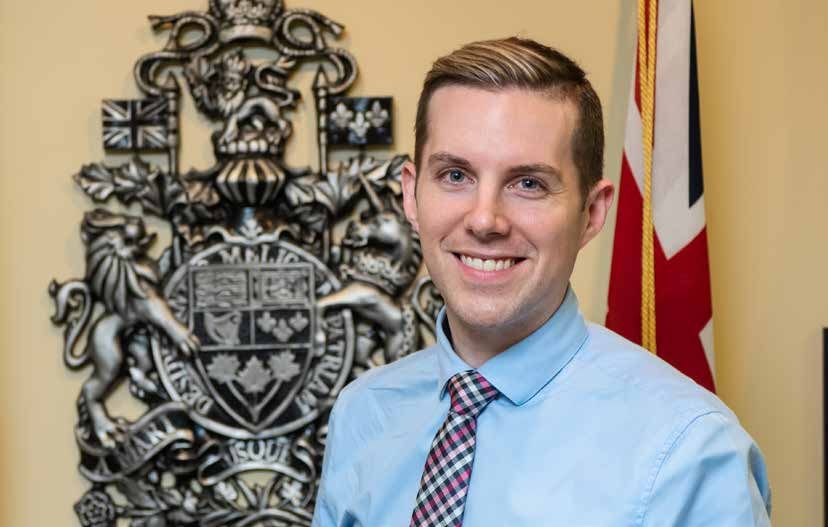
BACHELOR OF MUSIC
The New Zealand School of Music—
Te Kōkī (NZSM) offers musical KEY FEATURES
opportunities unparalleled in our country. ■ For the Music Studies and the Sonic Arts and Music
The Bachelor of Music (BMus) programme Technology majors, you do not need to have studied
music before.
provides comprehensive training in a range ■ Places in Classical Performance and Jazz Performance
of performance traditions and styles, and programmes are by audition. As a guideline, Classical
an inspirational composition and music Performance applicants should have reached the
equivalent of Grade 8 in Associated Board examinations
technology environment. There are broad by the time of the audition. Jazz students should show
options for the academic study of music, technical and musical competence in a jazz style with an
including popular and film music, and instrument (including voice).
■ Audition applications for Classical Performance and Jazz
diverse musical practices from across the Performance are due mid-July, with opportunities for late
Asia–Pacific region and beyond. applications advertised online.
■ Minors in Music Technology and Popular Music Studies
For more information on studying at the NZSM, see page 60. allow focused study in these exciting topic areas.
BACHELOR OF MUSIC MAJORS
■ Classical Performance
■ Instrumental/Vocal Composition (a specialisation in Film Scoring
is possible)
■ Jazz Performance
■ Music Studies (Ethnomusicology, Jazz Studies, Musicology, or
without specialisation)
■ Sonic Arts and Music Technology
If you want a more broadly based degree, you could consider
the BA in Music (see page 64). If you enjoy being extended, it is
possible to take a conjoint degree, combining a BMus or a BA in
Music with another approved degree.
www.wgtn.ac.nz/bmus
16 Te Herenga Waka—Victoria University of Wellington Wellington Faculty of Humanities and Social Sciences 17POSTGRADUATE STUDY
Increasingly, postgraduate study is Admission requirements
becoming the key to gaining employment. Admission requirements for the PGDipArts are the same as for
the BA(Hons).
Victoria University of Wellington is one
of the country’s foremost research OTHER DIPLOMAS AND
institutions, with significant funding from CERTIFICATES
internal and external research sources. The Wellington Faculty of Humanities and Social Sciences offers
a variety of specialised graduate and postgraduate diplomas
As a postgraduate student at the University, you are able to tap and certificates; for example, the Postgraduate Certificate and
into not only the expertise of our research institutes but also Postgraduate Diploma in Museum and Heritage Practice and the
the Crown research institutes and the national, historical, and Graduate Certificate in Teaching English as a Second Language. A
cultural resources available in Wellington. The Faculty’s teaching Graduate Diploma in Music, a Postgraduate Diploma in Music, and
and research programmes present excellent opportunities for an Artist Diploma are also offered in the NZSM. These are listed in
student research. the individual school sections that follow.
GRADUATE DIPLOMA IN ARTS HONOURS DEGREES
The Graduate Diploma in Arts (GDipArts) is a one-year full-time, or up The Faculty offers Bachelor of Arts with Honours (BA(Hons))
to four years part-time, programme of study. The diploma is an ideal programmes in diverse subject areas. A Bachelor of Music with
opportunity to specialise at an advanced level in areas not included Honours (BMus(Hons)) programme is also offered.
in your first degree or, if you have been away from study for a while, to
learn about further developments in your original discipline. All Honours degrees taught in the Faculty build on your
undergraduate study, and tend to require that you have completed
You must take at least 120 points from courses at 200 and a major in the subject first. The Honours degree consists of
300 level, which together must make up a coherent programme of 120 points of 400-level courses and most include a core research
study. At least 75 points must be at 300 level. component such as a research project.
POSTGRADUATE DIPLOMA IN ARTS Admission requirements
The Postgraduate Diploma in Arts (PGDipArts) normally consists Admission to a BA(Hons) programme normally requires a B average
of 120 points at 400 level. An alternative to the Bachelor of Arts in your undergraduate degree, with the appropriate prerequisite
with Honours (BA(Hons)), it is intended primarily for students who courses. Admission to a BMus(Hons) programme normally requires
are interested in doing advanced study in humanities and social a B average in your BMus, with the appropriate prerequisites,
science subjects, but are not intending to complete a research including audition or portfolio where necessary.
project (or alternative research component).
18 Te Herenga Waka—Victoria University of WellingtonMASTER’S DEGREES Guidelines DOCTORAL STUDY
The Faculty offers a range of Master’s degrees, from the Master of The Faculty produces an online document (Guidelines for Master’s Supervision for research for a Doctor of Philosophy (PhD) is offered
Arts (MA) to specialist Master’s degrees. These include degrees Students) that contains information and advice relevant to all its in almost all areas in the Faculty and is administered by the Faculty
by thesis only, by coursework only, or by a combination of Master’s students. It is essential reading, particularly regarding the and the Wellington Faculty of Graduate Research. The Doctor of
research and coursework. procedures and pitfalls associated with undertaking research and Musical Arts (DMA) is also offered (see page 65).
the writing of theses.
The PhD thesis is a major piece of original research. Word length
Master of Arts Admission requirements varies according to the nature of each project, but it should not
The Master of Arts (MA) is a one-year full-time degree, offered across exceed 100,000 words. The PhD Regulations prescribe that a PhD
Admission to an MA programme normally requires a BA(Hons)
40 subject areas. Research is a key element in the MA, and most thesis must demonstrate “the candidate’s ability to carry out
degree with First or Second Class Honours in the same discipline,
MA programmes are by thesis only. Some allow the combination of independent research and constitutes a significant and original
or an Honours degree in another subject with at least one course
a less extensive thesis with some coursework, and others, such as contribution to knowledge or understanding” of a field of study.
in the discipline. In disciplines that do not offer Honours courses,
the MA in Applied Linguistics, Linguistics, Second Language Learning As well as intelligence and research aptitude, the degree requires
a Bachelor’s degree or GDipArts plus a relevant diploma may be
and Teaching, or Teaching English to Speakers of Other Languages, considerable dedication and tenacity.
accepted or, with approval, an Honours degree in another subject.
provide the option of studying primarily by coursework.
There are specific requirements for some MAs and for all
FEATURED PROGRAMME Admission requirements
Specialist Master’s degrees specialised Master’s programmes. Master of Indigenous Studies In order to gain admission as a PhD candidate, you will normally
The Faculty offers a number of specialist Master’s programmes as All applications are considered individually, and recognition can be Take your undergraduate degree in Māori or Pasifika Studies need to have obtained a First Class or Second Class pass in an
listed below. given to appropriate academic and relevant work experience, as to the next level, or get a qualification that underpins your Honours or Master’s degree (or equivalent). You may also be
well as other forms of prior learning. career supporting Māori and indigenous communities here admitted if you are currently enrolled in a Master’s degree by thesis
or overseas. or if you can demonstrate sufficient knowledge and ability.
If you are unsure whether you meet the requirements to apply to
enrol in a programme, contact the Faculty Student and Academic The Master of Indigenous Studies positions Māori and A PhD involves three to four years of independent and original
Services Office to discuss your background and your options. Pasifika cultures and histories in the global context of research under the guidance of a supervisor. When you undertake a
colonial and post-colonial experiences, cultural rights, and PhD, you will spend the first six to 12 months writing a full research
www.wgtn.ac.nz/ma proposal. During this time you will be ‘provisionally registered’ for
self-determination.
www.wgtn.ac.nz/ma-180 the degree. There are three application deadlines per year for the
You will learn to debate and negotiate indigenous issues PhD—1 March, 1 July, and 1 November.
in a persuasive, sophisticated, culturally appropriate, and
Languages and Communication www.wgtn.ac.nz/fgr
respectful manner, and explore indigenous perspectives
Master of Arts in Applied Linguistics Master of Arts in Teaching English to Speakers of Other Languages on sustainable development, resource management,
Master of Arts in Linguistics Master of Communication governance, education economics, or science.
Master of Arts in Second Language Learning and Teaching Master of Intercultural Communication and Applied Translation You can choose to complete your qualification with a
Creative Arts and Heritage dissertation, a research project on a topic of your choice, or
Master of Fine Arts (Creative Practice): Film, Theatre, Music/ Master of Music Therapy an internship. You will gain skills and knowledge in demand
Sound, Design in government, and non-governmental and diplomatic
Master of Museum and Heritage Practice organisations both here and overseas. Or, you could take
Politics and International Relations your experience into the education system, and support
tino rangatiratanga in New Zealand’s schools.
Master of Indigenous Studies Master of Political Science
Master of International Relations Master of Philosophy, Politics and Economics www.wgtn.ac.nz/minds
Master of Migration Studies Master of Strategic Studies
20 Te Herenga Waka—Victoria University of Wellington Wellington Faculty of Humanities and Social Sciences 21RESEARCH
Research is central to the work of the Postgraduate students are an integral part of the Faculty’s research
community. Our capital city location and proximity to Parliament
EXPLORING HUMANITY: CURRENT
Wellington Faculty of Humanities and and central government agencies, the National Library, the RESEARCH
Social Sciences: our researchers are Alexander Turnbull Library, Archives New Zealand, the Museum of ■ Associate Professor Nikki Hessell is examining the strategic use
New Zealand Te Papa Tongarewa, and New Zealand Film Archives of quotations from fashionable poets such as Wordsworth or
internationally respected and many are provide endless opportunities for postgraduate research. Byron within indigenous–settler diplomacy, to shine a light on
leaders in their fields. Research expertise in Through their research and creative practice, our staff explore
the relationships between poetry, politics, and diplomacy in the
our Faculty is diverse, spanning disciplines together the fundamental questions of humanity: the questions
nineteenth century.
that range from English literature, that define who we are. ■ As part of a five-year international collaboration, Professor of
Criminology Simon Mackenzie is researching global markets in
history, and philosophy to languages and Importantly, our research informs our teaching and, throughout illegally obtained cultural objects, rare wildlife, and fossils, from
our undergraduate and postgraduate programmes, students can
cultures, media studies, criminology, expect to be exposed to some of the latest research work produced
the Americas, the South Pacific, and Africa.
and international relations. We also have by our world-class scholars.
■ Noha Alghamdi’s PhD in Literary Translation Studies researches
the impact and translatability of social media poetry.
strengths in the creative arts in the fields of ■ Dr Corinne Seal and Dr Vini Olsen-Reeder’s Translanguaging
music, film, theatre, and creative writing. Project team is working with communities to create resources
to help support children's multilingual and multicultural
Both nationally and internationally, the staff, programmes, schools, development.
and units of the Faculty are recognised for their excellence in
■ Associate Professor of Musicology Inge van Rij’s research will
research. In the most recent results of the Performance-Based
make visible the women who challenged nineteenth-century
Research Fund quality evaluation, all of the subject areas
gender norms by playing in public orchestras.
represented in the Faculty were ranked either first or second in the
New Zealand university sector. In international quality rankings, ■ PhD student Brian Tunui’s research explores the role that tikanga
the Faculty is among the top 100 such faculties in the world and Māori plays in the investment decision-making processes of
several subject areas are also ranked in the top 100 band. Our contemporary Māori investment organisations.
researchers have an excellent track record of securing external ■ Historian Dr Valerie Wallace is examining the hidden influence of
research funding, including success in the highly competitive and Scots law on the settler societies of nineteenth-century Australia
prestigious Marsden Grant funding rounds. and New Zealand.
Research undertaken within the Faculty is varied. It embraces the
scholarly and the creative, the pure and the applied. Alongside
individual research, many staff are involved in collaborative
research, including work in a number of research centres and
institutes within the Faculty and across the University, as well as
international collaborations.
22 Te Herenga Waka—Victoria University of WellingtonEDUCATION AND EDUCATION EDUCATION AND PSYCHOLOGY
This interdisciplinary BA major is best suited to students who
AND PSYCHOLOGY
are interested in combining the strengths of both subjects.
Graduates with an Education and Psychology major have gained
employment in the following areas: advocacy, community services,
FOR THE BACHELOR OF ARTS corrections, development, health promotion and rehabilitation,
strategic planning, and youth work. Within these fields, they
have been employed as wellbeing advisers, health promoters,
support workers, policy analysts, trainers/facilitators, advocates,
programme and intervention developers, research assistants,
Education and Education and Psychology EDUCATION education officers, and information specialists.
are majors within the BA, but are taught As our society’s central way of passing on knowledge, education This major also provides you with the foundational knowledge
by schools in the Wellington Faculty of has the power to shape every aspect of our future. The study of
education will give you transferable knowledge and understanding
needed to continue with postgraduate study in Educational
Psychology (or Psychology, with approval) and become a registered
Education and the Wellington Faculty of to make judgements about education and analyse educational educational psychologist. Educational psychologists are concerned
Science. The qualification is administered problems. Topics include education policy, educational psychology, with improving the learning of individuals who are experiencing
human development and behaviour, Māori education, Pacific social, emotional, or learning difficulties that cause problems
by the Wellington Faculty of Humanities education, sociology of education, youth studies, and much more. within a range of community and educational settings such as
and Social Sciences. You can add courses in disciplines such as Cultural Anthropology, schools, classrooms, and early childhood education centres.
Development Studies, History, Māori Studies, Pacific Studies,
A BA major in Education and Psychology starts with first-year
Go to the Wellington Faculty of Humanities and Social Sciences, Samoan Studies, or Sociology for a well-rounded degree.
courses offering an introduction to human development and
Level 4, Murphy Building, Kelburn Campus for degree advice.
There are many careers open to graduates with a BA in Education, learning as well as courses in psychology. As you move into the
04 463 5745 in areas including child advocacy, family support, migrant and second and third years, you will gain a deeper understanding of
fhss-enquiries@vuw.ac.nz refugee services, community strategic planning, policy analysis, education and learning and of developmental, behavioural, and
corrections and rehabilitation services, and youth work. The BA in cognitive psychology.
www.wgtn.ac.nz/fhss
Education also provides an excellent pathway into programmes
If you plan to continue to the Postgraduate Diploma in Educational
that provide teacher education training in the early childhood,
Psychology Practice, you are required to have at least 45 points
primary, and secondary sectors. Consideration needs to be given to
at the 200 or 300 level in Psychology. If you are considering
the courses completed within the BA to ensure that you meet the
postgraduate study in Psychology, you should complete a
entry criteria for these programmes; for example, the secondary
Psychology major.
teacher education programmes require specific study at 200 and
300 level in two teaching subjects. You can contact your student You can’t enrol in a double major in Education and Psychology
adviser in the Wellington Faculty of Humanities and Social Sciences (EDPS) and Psychology (PSYC) or in Education and Psychology
to discuss subject requirements. (EDPS) and Education (EDUC).
24 Te Herenga Waka—Victoria University of WellingtonGRACE
HARCOURT
Student, Bachelor of Arts in Education
From a young age, I knew I wanted to play a role in education. As Victoria University of Wellington was a good fit, offering the best
I am interested in supporting young people with their learning, range of courses for the subjects that interested me. I also love the
I have sought out opportunities to engage with children through city of Wellington—its beauty and the culture. I've lived here all my
school liaison roles, nannying, and being an au-pair. These life and wanted to study here too.
opportunities, in addition to some very supportive and inspiring
In the future, I plan to complete Master’s study in primary teaching
secondary school teachers, have developed my interest in teaching
and then go on to teach in schools both in New Zealand and
as a profession.
overseas. I’d love to travel the world as a teacher!
I am particularly interested in the topics of youth and life
challenges, and chose to study Education to gain insight into how
to support students both in and outside the classroom. I believe
that the things I have learnt over the course of my BA are invaluable
and will provide me with a well-rounded knowledge base with
which to enter the education sector.
26 Te Herenga Waka—Victoria University of Wellington Wellington Faculty of Humanities and Social Sciences 27SCHOOL OF ENGLISH, FILM, THEATRE, The School of English, Film, Theatre,
Media Studies, and Art History is made up
ENGLISH LITERATURE
Victoria University of Wellington offers one of New Zealand’s widest
MEDIA STUDIES, AND ART HISTORY of five distinct programmes, all of which
consider the arts of expression in the full
ranges of courses in English Literature, from the Middle Ages to
the present day, and literature in English from New Zealand, the
Pacific, and America. Our courses take an equally broad range of
TE KURA TĀNGA KŌRERO INGARAHI, KIRIATA, WHAKAARI, PĀPĀHO, range of media (textual, visual, theatrical, approaches to the study of these texts, using both traditional and
TĀHUHU KŌRERO TOI cinematic, televised, and digital). contemporary critical methods and placing them in a variety of
literary, historical, and cultural contexts.
04 463 6393
seftms@vuw.ac.nz
BACHELOR OF ARTS MAJORS The courses offered will increase your knowledge of the forms
at stake: their generic characteristics, their history, and their
Studying English Literature gives you access to one of the world’s
richest cultural traditions. At the heart of all our courses are the
www.wgtn.ac.nz/seftms ■ English Literature contemporary functions. Your lecturers will enable you to express skills of advanced reading and writing: we aim to help you to read
■ Film yourself with clarity and force and equip you with the tools of with greater attention, appreciation, and enjoyment, to express
English your responses and thinking with more precision, and to discover
■ Media Studies analysis and interpretation that you will be able to apply in any
Reception, Level 9, von Zedlitz Building, Kelburn Parade, the excitement and challenges of independent literary research.
cultural context. All our programmes, particularly Theatre and
Kelburn Campus ■ Theatre
Film, have a practical dimension. The programmes offer you Our graduates demonstrate skills in research, analysis, writing,
04 463 6800 ■ Art History unique opportunities for integration in your study and research and oral presentation that are sought in both public and private
english@vuw.ac.nz with practitioners, industries, and Wellington’s lively creative arts sectors. They also display intellectual curiosity, maturity, and
Film BACHELOR OF ARTS MINOR scene. initiative that gives them an edge over other candidates.
Reception, Room 202, 83 Fairlie Terrace, Kelburn Campus ■ Popular Music Studies Our English programme maintains close associations with
04 463 5750 many other groups, from those within the Faculty such as the
film@vuw.ac.nz
BACHELOR OF COMMUNICATION International Institute of Modern Letters to external organisations
such as the Alexander Turnbull Library and Archives New Zealand.
Theatre
Reception, Room 202, 83 Fairlie Terrace, Kelburn Campus MAJORS
04 463 5359 ■ Literary and Creative Communication
theatre@vuw.ac.nz
■ Media Sudies
Media Studies
Reception, Room 202, 83 Fairlie Terrace, Kelburn Campus GRADUATE AND POSTGRADUATE
04 463 7466
mediastudies@vuw.ac.nz
QUALIFICATIONS
■ Graduate Diploma in Arts
Art History
Reception, Level 9, von Zedlitz Building, Kelburn Parade, ■ Postgraduate Diploma in Arts
Kelburn Campus ■ Bachelor of Arts with Honours
04 463 5800 ■ Master of Arts
art-history@vuw.ac.nz ■ Master of Communication
■ Master of Fine Arts (Creative Practice)
■ Doctor of Philosophy
ASSOCIATED LINK
■ The International Institute of Modern Letters (see page 38)
28 Te Herenga Waka—Victoria University of Wellington www.wgtn.ac.nz/modernlettersCLAIRE FILM
Film is the critical and creative study of how cinema entertains us while
MABEY
shaping our views of the world. Our courses focus on New Zealand,
Hollywood, and world cinema, as well as film analysis, film genres,
film history, new cinema technologies, and documentary. You can also
learn about the craft of filmmaking in our film production courses.
Studying Film will develop your critical, creative, and communication
Graduate, Bachelor of Arts with Honours skills and help prepare you for work in the creative industries, media,
in English Literature and Art History and education. You will benefit from our staff’s engagement with
emerging technologies such as virtual reality and expertise in new
research areas such as film tourism. Wellington is also the best workshops, analysis, peer review, and drafting and revision, and
place to study film in Aotearoa New Zealand as it is the home of the you will be mentored by published writers of all genres—including
film industry and key institutions such as the Film Commission and recognised essayists, poets, and biographers. Our graduates
Ngā Taonga Sound and Vision Archive. Local filmmakers are regular demonstrate advanced skills in writing in all major genres and for
contributors to large critical courses and small production workshops, a full range of print and digital media platforms. These advanced
including our Master of Fine Arts (Creative Practice), which is taught in writing skills are underpinned with capabilities in critical thinking,
part at the University’s Miramar Creative Centre—a purpose-designed analysis, and oral presentation that are keenly sought in both
facility in the heart of Wellington’s film sector. Go to www.wgtn.ac.nz/ public and private sectors.
miramar-creative-centre for more information.
MEDIA STUDIES
LITERARY AND CREATIVE Media Studies allows you to engage with one of the primary means
COMMUNICATION by which we know ourselves and our society. We study a variety of
Literary and Creative Communication allows you to discover media—from print media to television, the internet, and popular
the connections between communications as a profession, and music—as well as media audiences, media history, media policy
literature and the creative arts—including creative writing, and industries, and media technologies. We make connections with
journalism, persuasive and polemical writing, speechwriting, theories that clarify our experience of a highly mediated world.
I cherish my time spent at Victoria University of Wellington; in I now own an arts production company with my partner, Andrew propaganda, and public and political writing. Communication as Our selection of courses is broad, covering subjects such as
particular, my study within the English Literature and Art History Laking. Over the past five years, we have started two festivals an area of study and thought in English has a history reaching as far advertising, gender and sexuality, race and ethnicity, news culture,
programmes. The University always felt welcoming, stimulating, (Verb Festival, which features LitCrawl; and Lõemis, which is a solstice back as the rhetoric of the classical period, and as far forward as popular music, social and interactive media, and television drama.
and supportive. celebration) and established ourselves as arts producers in Pōneke. the rival rhetorics of big business and the green movement, and the Media Studies is distinctive in drawing from both the humanities
new literary forms being born out of the digital age. Our courses and social sciences, with our graduates enjoying careers in media
Wellington was the perfect place to link what I was studying I continue to have a relationship with the University through draw deeply on these rich traditions of literary, creative, and public production and analysis, public service and non-governmental
with where I was living. While I was completing my Honours my job as a literary curator. Many of the writers I work with are writing to teach the skills of clear, persuasive, and imaginative organisations, teaching, and research.
degree, I worked at City Gallery and spent a lot of time in the teaching staff and I love feeling connected to the vibrant network written communication.
many bookshops. of thinkers. Our programme is one of the top Media Studies programmes in
Even in a modern world dominated by visual and digital media, New Zealand for research and maintains clear links between our
My combined Honours degree directly resulted in a job in I have lived in many places, but Wellington was always the place written communication remains the most essential and powerful research and teaching. We offer an overseas exchange partnership
international publishing. I’ve worked in legal publishing in I wanted to come back to. It is inspiring: the energetic weather, the tool in all social and professional contexts. In Literary and with Erasmus University Rotterdam and have strong industry ties.
Wellington, academic publishing in Europe and the United beauty of the harbour, the keen curiosity of the people. My partner Creative Communication, you will study written texts in literature, Many of our students also gain practical experience as writers for
Kingdom, travelled the world, and held many roles in the arts and I love living here and are committed to continuing to make journalism, and publishing, while developing your writing skills Salient, the University’s student magazine, or by taking up an FHSS
festival industry. accessible arts events with heart. for print and digital media. Our classes engage you in writing Internship in related fields.
30 Te Herenga Waka—Victoria University of Wellington Wellington Faculty of Humanities and Social Sciences 31THEATRE
Theatre at Victoria University of Wellington means learning by SCHOOL OF HISTORY,
PHILOSOPHY, POLITICAL
doing. From writing scripts to directing performance, designing
visuals and music, and mastering vocal and physical skills, Theatre
SCIENCE AND INTERNATIONAL
students learn how to generate new ideas, perform under pressure,
and act purposefully in, and on, the world around us.
RELATIONS
As the creative capital, Wellington is home to the country’s most
vibrant theatre community and our Theatre programme is at the
centre of it. The programme has close ties to the New Zealand
Fringe Festival, BATS Theatre, Circa Theatre, the Young and Hungry
Festival, and Playmarket. Our staff work professionally as directors,
designers, and playwrights, and our programme is ranked first for
TE KURA ARO WHAKAMURI, RAPUNGA WHAKAARO, MATAI
research among Theatre programmes in New Zealand. TŌRANGAPŪ ME TE AO
A BA in Theatre offers students opportunities to study and
practise performance skills, theatre history, directing, design
and scenography, dramaturgy, theatre of Aotearoa New Zealand,
Shakespeare, Asian theatre, and scriptwriting. Our graduates are ART HISTORY hppi@vuw.ac.nz
www.wgtn.ac.nz/hppi
BACHELOR OF ARTS MAJORS
well represented in Wellington’s creative industries and at world We live in a world of images. Art history offers a way of engaging ■ History
renowned overseas institutions. with that world, through the study of art and visual experience. It History
Reception, Room OK405, Old Kirk Building, Kelburn Campus ■ International Relations
teaches us to describe, explain, and understand our world better.
04 463 5344 ■ Philosophy
The Art History programme provides historical, social, cultural,
hppi@vuw.ac.nz ■ Political Science
FEATURED COURSES political, and aesthetic frameworks for understanding visual art
Philosophy
and culture. The programme specialises in New Zealand and Pacific
THEA 113 Playing for Real art, European art, and the art of the twentieth and twenty-first Reception, Room MY518, Murphy Building, Kelburn Campus ADDITIONAL POSTGRADUATE
(Acting and Performance Skills) centuries. 04 463 5368
SUBJECT AREAS
hppi@vuw.ac.nz
It’s time to act up and play as you learn. Get among Our teaching staff are recognised experts in their field and play
■ Logic
New Zealand’s most vibrant theatre community and explore active roles in the wider cultural sphere as curators, writers, Political Science and International Relations
the joys of live performance. This highly practical course is and critical commentators. These strong links with the cultural, Reception, Room MY518, Murphy Building, Kelburn Campus ■ Migration Studies
ideal for students who want to improve their public speaking museum, and heritage sector in Wellington and beyond provide you 04 463 5351 ■ Philosophy, Politics and Economics
and performance skills and develop in the craft of acting. with hands-on experience—you will gain theoretical and practical hppi@vuw.ac.nz ■ Strategic Studies
What are the differences between presenting yourself in front knowledge that will help shape your career.
Centre for Strategic Studies
of an audience versus inhabiting a character? Using a range of
The Art History programme lets you experience the power of art Room 204, 16 Kelburn Parade, Kelburn Campus
acting methods, we will work on vocal technique, text analysis
and realise its importance as a way for humans to give meaning 04 463 5434
and delivery, stage presence, impulse and improvisation, and
to their world. Our graduates work for universities, museums, css@vuw.ac.nz
working with props, costumes, and staging configurations. The
galleries, auction houses, and publishers, taking with them a
course will help you build your confidence and the skills you
greater appreciation for the way that images work as well as
need to strut your stuff on stage and produce presentations and
enhanced skills in looking, researching, and critical thinking.
performances with a powerful punch.
32 Te Herenga Waka—Victoria University of Wellington Wellington Faculty of Humanities and Social Sciences 33GRADUATE AND POSTGRADUATE The disciplines within the School of HISTORY
QUALIFICATIONS History, Philosophy, Political Science History offers excellent intellectual training and employment CENTRE FOR STRATEGIC STUDIES
■ Graduate Diploma in Arts and International Relations represent prospects while allowing you to explore absorbing subject matter. TE POKAPŪ TAKE RAUTAKI
Through research, teaching, and public engagement, the
■ Postgraduate Certificate in Migration Studies important fields of study, each with their Studying History develops skills that are increasingly valuable in
Centre for Strategic Studies seeks to contribute to an informed
the diverse twenty-first century job market. In-depth analysis of
■ Postgraduate Diploma in Arts own set of concepts and perspectives. particular historical periods and events not only builds knowledge debate about global security issues, strategic change in the
■ Postgraduate Diploma in International Relations They help students examine the world applicable to particular jobs but also teaches generic skills Asia–Pacific region, and New Zealand’s choices in a changing
applicable to a rapidly changing job market—analysing complex environment. Members of the Centre’s staff regularly feature in
■ Postgraduate Diploma in Political Science and its workings, past and present. information, solving problems, and communicating effectively. the New Zealand and international media, offering commentary
■ Postgraduate Diploma in Strategic Studies on foreign and defence issues. The Centre coordinates the
The information revolution requires problem-solvers who can Graduates find employment in policy analysis, journalism,
■ Bachelor of Arts with Honours marketing, teaching, and advocacy, as well as in historical research New Zealand branch of the Council for Security Cooperation
identify problems, evaluate them, and suggest solutions. Our
■ Master of Arts and academia. in the Asia–Pacific, delivers a Master of Strategic Studies, and
graduates develop skills in critical and creative thinking, leadership,
■ Master of Communication fosters close connections with policymakers, government
communication, research, writing, and strategic planning, which are The History programme has broad geographical coverage, offering officials, and scholars. Since 2018, Centre staff have also taught
■ Master of International Relations essential to employability now and in the future. courses in New Zealand, Australian, and Pacific histories; histories the Master of Strategic Studies at the New Zealand Defence
■ Master of Migration Studies The University’s location in Wellington is particularly useful for of Europe and the United States; and British and Indian histories. Force Command and Staff College in Trentham. A highlight of
study, as it is the political and cultural centre of New Zealand. We have thematic strengths in colonialism, gender, nationalism, the Centre’s year is hosting the annual Sir Howard Kippenberger
■ Master of Philosophy, Politics and Economics
Wellington has the best research archives and resources in the modernity, race, war, labour, and intellectual history. All our Visiting Chair, a position that has been held by some of the
■ Master of Political Science lecturers are actively engaged in research, publishing widely in
country for New Zealand history, as well as good early–modern world’s leading scholars.
■ Master of Strategic Studies New Zealand and overseas.
material. The close proximity of our public records archives and
■ Doctor of Philosophy www.wgtn.ac.nz/strategic-studies
national collections—Archives New Zealand, the Alexander
Turnbull Library, National Library, and the Parliamentary Library—
ASSOCIATED LINKS is unique in Australasia. NEW ZEALAND INDIA
Also on the doorstep are Heritage New Zealand, the Museum
FEATURED COURSE RESEARCH INSTITUTE
■ Centre for Strategic Studies (see next page 35)
www.wgtn.ac.nz/strategic-studies
of New Zealand Te Papa Tongarewa, New Zealand Film Archive, HIST 112 Island and Peoples: Aotearoa The New Zealand India Research Institute is a consortium
Parliament, and central government departments, the Waitangi New Zealand in World History of scholars actively engaged in research on India in seven
■ New Zealand Contemporary China Research Centre Tribunal, and the Wellington Museum. The School has particularly New Zealand universities. The goals of the Institute include
www.wgtn.ac.nz/china-research strong links to the Ministries of Culture and Heritage, Defence, and New Zealand’s peoples occupy one of the most remote parts promoting and facilitating research on India and
Foreign Affairs and Trade. of the world. As an island people, their history has been New Zealand–India relations, promoting postgraduate
■ New Zealand India Research Institute (see next page 35) one of constant connection and innovation. Surveying the studies on India in New Zealand universities, and promoting
www.wgtn.ac.nz/india-research Staff links and affiliations with these and other major research dynamic movements that made Aotearoa New Zealand a academic exchanges. Research activities focus on economics
collections provide exciting opportunities for undergraduate and destination for peoples from Polynesia, and later, Britain
■ Stout Research Centre for New Zealand Studies (see page 71) and business, environment and sustainability, migration and
postgraduate students alike. They can also be places to find part and other parts of the globe, students will explore what
www.wgtn.ac.nz/stout-centre diaspora, politics and security, and society and culture. The
time and casual work and, later, stimulating careers. cultures, conflicts, and identities were formed in the islands Institute takes a leadership role in the activities of the India
of Aotearoa. Covering the period from the beginnings of New Zealand Education Council, jointly chaired by the
human habitation to the present, the course brings the latest New Zealand Minister for Tertiary Education and the Indian
discoveries to the lecture room and encourages students’ Minister of Human Resource Development.
own research endeavours.
www.wgtn.ac.nz/india-research
34 Te Herenga Waka—Victoria University of Wellington Wellington Faculty of Humanities and Social Sciences 35You can also read


