PUBLIC SECTOR EQUALITY DUTY
MAINSTREAMING AND EQUALITY
OUTCOMES REPORT 2021
←
→
Page content transcription
If your browser does not render page correctly, please read the page content below

PUBLIC SECTOR EQUALITY DUTY MAINSTREAMING AND EQUALITY OUTCOMES REPORT 2021

UNIVERSITY OF ABERDEEN

                                 PUBLIC SECTOR EQUALITY DUTY

                  MAINSTREAMING AND EQUALITY OUTCOMES REPORT 2021

FOREWORD

I am delighted to be introducing the University of Aberdeen’s Mainstreaming and Equality Outcomes
report 2021.

This report draws together the progress made in relation to mainstreaming Equality, Diversity and
Inclusion since 2019 and provides an action plan which reflects our ambitions for the future. The
previous two years have seen a significant level of activity in breadth and scope across the University
on embedding the principles of inclusion.

We were determined to position equality at the heart of our new strategic plan – Aberdeen 2040 - which
we launched in February 2020. I am delighted that Inclusive is one of the four strategic themes which
we will focus on over the 20 year lifespan of our plan, indeed it is our view that creating a culture in
which all staff and students feel a sense of belonging, can be themselves at work and in their studies
and can participate freely and safely is critical to our overall success as a sustainable, international
university.

Aberdeen 2040 was formed through a highly participative process with all staff, students and
stakeholders invited to contribute to its development. The overarching principle of our foundational
purpose of being “open to all and dedicated to the pursuit of truth in the service of others” has been
reignited, with that premise guiding our decision-making and approaches.

This has served us well in our response to the Covid-19 pandemic. Taking a fully inclusive approach,
recognising the specific needs of groups of staff and students and individuals, has allowed us to offer a
broad range of support to staff and students on blended learning and remote working and to respond
to the considerable challenges the pandemic has presented.

It was critical to focus on and embed our work on inclusion during this time and we have, through an
enhanced strategic Equality, Diversity and Inclusion governance structure, continued not only to
progress initiatives, but to substantially enhance knowledge and understanding. The Black Lives Matter
movement accelerated our work to develop an antiracist culture and this has been and will be a key
priority as we take action to tackle racial harassment which we recognise is systemic in Higher
Education. We must and we will continue to act to stamp this out through working in partnership with
staff, students, the wider community and at a national level. Understanding white privilege and how
this has shaped our sector has been a key discussion and action point for us in relation to this.

In addition, we have taken action to tackle gender-based violence, substantially enhance digital
accessibility, promote gender equality with the University’s first Silver departmental Athena Swan award
being achieved, promote and enhance mental health and wellbeing support, and at every stage bring
the lived and intersectional experience of staff and students to the core of our work and thought-
processes.

I am looking forward to continuing and expanding our work on inclusion in line with our Aberdeen 2040
aspirations and values and to listening and learning from all groups in the University and beyond to
deliver our goal of achieving a culture which embraces and responds effectively and proactively to our
diverse community.

Professor George Boyne
Principal and Vice-Chancellor
University of Aberdeen

                                                   1
CONTENTS

                                                Section                          Page
Table of acronyms and denotations                                                3
Introduction                                                                     4
Inclusive at the core of strategic planning - Aberdeen 2040                      5
Enhanced EDI governance arrangements 2019 - 2021                                 5
Covid – 19 Pandemic                                                              9
Eliminating unlawful discrimination, harassment and victimisation                11
Fostering good relations between people from different groups                    20
Advancing equality of opportunity                                                28
Court diversity and compliance with the Gender Representation on Public Boards   36
(Scotland) Act 2018
Equality outcomes progress and review/new equality outcomes                      38
Staff and student information                                                    44
Conclusion                                                                       45
Appendix 1: Equality Outcomes Action Plan
Appendix 2: Staff and Student Profile Data

                                               2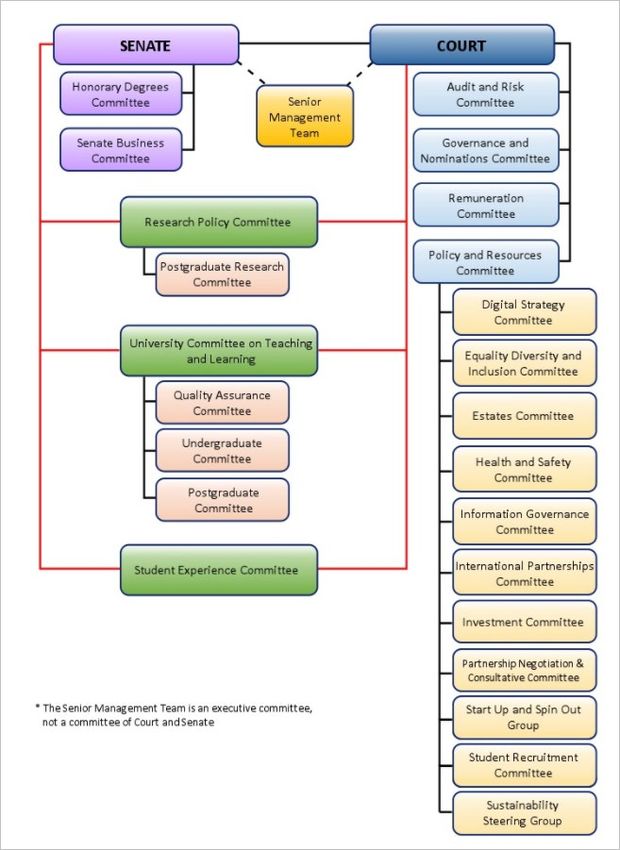
Table 1: Table of acronyms and denotations

      Acronym                                              Full title
 AHE                     Advance HE
 AHSSBL                  Arts, Humanities, Social Science, Business and Law
 AUSA                    Aberdeen University Student Association
 BHM                     Black History Month
 BLITFG                  Blended Learning Implementation Task and Finish Group
 BSL                     British Sign Language
 CPG                     Campus Planning Group
 EDI                     Equality, Diversity and Inclusion
 EDIC                    Equality, Diversity and Inclusion Committee
 EHRC                    Equality and Human Rights Commission
 EQIA                    Equality Impact Assessment
 ESHE                    Equally Safe in HE Toolkit
 G2M                     Gateway to Medicine
 GBV                     Gender Based Violence
 GLP                     Gaelic Language Plan
 HR                      Human Resources
 HRSS                    HR Specialist Services Team
 IWD                     International Women’s Day
 LGBT+                   Lesbian, Gay, Bisexual, Transgender and encompassing all identities
                         associated with the LGBT+ spectrum
 NESCOL                  North East Scotland College
 OA                      Outcome Agreement
 PaRC                    Policy and Resources Committee
 REC                     Race Equality Charter
 RESG                    Race Equality Strategy Group
 RGU                     Robert Gordon University
 SFC                     Scottish Funding Council
 SMMSN                   School of Medicine, Medical Sciences and Nutrition
 SMT                     Senior Management Team
 STEMM                   Science, Technology, Engineering, Maths and Medicine
 UMG                     University Management Group
 UUK                     Universities UK
 WDN                     Women’s Development Network
 WHEN                    Women in Higher Education Network

                                               3
1.    INTRODUCTION

1.1   Equality, Diversity and Inclusion at the University of Aberdeen is about much more than legal
      compliance. Rather, the University has sought to ensure that inclusiveness is rooted at the
      heart of its thinking, decision-making, and core purpose and values. The University recognises
      that creating a culture which is not only ‘inclusive’ but is proactively anti-racist, anti-HBTphobic,
      anti-disablist, anti-misogynistic for example, takes willpower, action and strong leadership.
      Empowering and enabling meaningful conversations on these topics is critical and the
      University is building at pace on the work detailed in previously published Mainstreaming
      Equality reports.

1.2   This report starts by outlining how the University has embedded Inclusivity in its strategic
      planning and goes on to demonstrate how an enhanced EDI governance structure is ensuring
      that the priorities as set out in our strategic plan are being delivered. Following that, the
      University’s response to the Covid-19 pandemic, as it relates to EDI issues, is explained,
      demonstrating how the University recognised and supported significant challenges faced by
      staff and students at this time and how it continues to do so.

1.3   This report goes on to set out the significant progress the University has made in mainstreaming
      equality since its last report in 2019. Key, specific examples with information about impact and
      actions going forward are cited (these have been selected for this purpose as they demonstrate
      the holistic and embedded approach to EDI) under the key headings of the general duty of the
      Equality Act 2010 which are:

          •   Eliminating unlawful discrimination, harassment and victimisation
          •   Fostering good relations between people from different groups
          •   Advancing equality of opportunity

1.4   A summary is also provided on progress made in relation to the University’s Equality Outcomes
      which were developed through extensive consultation with staff, students, partners and
      stakeholders prior to the publication of the 2017 report.

1.5   Following discussion with the Equality, Diversity and Inclusion Committee (EDIC) the University
      has approved new, targeted Equality Outcomes (further information in Section 7.3) to align
      strongly with Aberdeen 2040, the Student Partnership Agreement, and other key strategic
      documents. These new Outcomes will cover 2021 – 2025 and a report on the implementation
      of the outcomes will be presented in our next Equality Mainstreaming and Outcomes report in
      April 2023. The new Equality Outcomes are:

          •   Achieve the highest recognition in equality and diversity through achievement of
              awards in accreditation initiatives including Athena Swan, Race Equality Charter and
              Stonewall Workplace Equality Index

          •   Tackle mental health stigma to improve outcomes and experiences for staff and
              students who have mental ill health

          •   Eliminate barriers which may present due to multiple intersectional protected
              characteristic identities

          •   Create an antiracist university by tackling racial harassment and fully embedding the
              recommendations of the Equality and Human Rights Commission report Tackling
              Racial Harassment: Universities Challenged (2019) and the Universities UK report
              Tackling Racial Harassment in HE (2020)

          •   Create a culture where gender-based violence is eradicated within the University
              community and staff or students who do experience this can seek
              effective support

                                                   4
•   Eliminate barriers to learning, progression, promotion and physical accessibility for
              disabled staff and students by taking actions to continuously improve the working and
              learning environments for disabled staff and students

          •   Reduce the level of discrimination reported in the staff survey from 11% to 5% in 2022

1.6   The report focuses on the progress made in the two years since the publication of the last report
      which can be found at this link, along with the previous reports.

1.7   Information which was provided in our reports of 2013, 2015, 2017 and 2019 will not be
      repeated in this report unless necessary. The actions set out in the 2019 report will be
      addressed and new actions for the period 2021 – 2023 set as appropriate.

1.8   There are two appendices to this report. An Equality Outcomes Action Plan can be found at
      Appendix 1. Where actions are embedded in other action plans e.g. Gender Action Plan or
      Athena Swan, they will not be repeated in this report or in the action plan. Actions noted in this
      report are numbered according to their reference point in the Equality Outcomes Action Plan.
      The employee information/data can be found in Appendix 2.

1.9   This report is fully available to staff, students, visitors and other interested groups or individuals.
      It will be published on the University’s Equality and Diversity webpage and will be publicised to
      staff and students through the University’s communication channels e.g. Staff Ezine, Message
      of the Day, open sessions and newsletters.

2.    INCLUSIVE AT THE CORE OF STRATEGIC PLANNING - ABERDEEN 2040

2.1   The University launched its new strategic Plan Aberdeen 2040 on Founders’ Day, the
      University’s 525th anniversary, in February 2020. The launch was the culmination of a year’s
      engagement, consultation and participation with staff, students and the wider community,
      sparked by a drive to reignite and realign with the University’s foundational purpose:

      open to all and dedicated to the pursuit of truth in the service of others.

2.2   Four workstreams were established early in the process – Inclusive, Interdisciplinary,
      International and Sustainable. Each workstream established working groups to interrogate how
      the University would manifest these principles over the forthcoming twenty-year period.

2.3   The Inclusive workstream agreed that a fully Inclusive university would, in respect of the
      subsection focussing on equality and diversity, embrace the following characteristics:

      •   A welcoming and vibrant environment which is open to and safe for all
      •   Open to change and a learning culture
      •   Fair, transparent and democratic
      •   Embedded and engaged in a wider community locally, nationally and internationally.

2.4   These were developed into the Inclusive commitments for Aberdeen 2040 and have shaped
      the University’s ongoing work on Equality, Diversity and Inclusion. In the Staff Survey 2020,
      92% of staff indicated that they identified with the Aberdeen 2040 commitments and 90%
      indicated that they believed the University is committed to equality, demonstrating significant
      buy-in to the strategy from the staff community.

2.5   By taking the strategic decision to embed Inclusive as a core theme of Aberdeen 2040 the
      University has built on its commitment to ensure that every member of staff and every student
      can reach their full potential.

3.    ENHANCED EDI GOVERNANCE ARRANGEMENTS 2019 - 2021

3.1   CENTRAL/STRATEGIC GOVERNANCE

                                                    5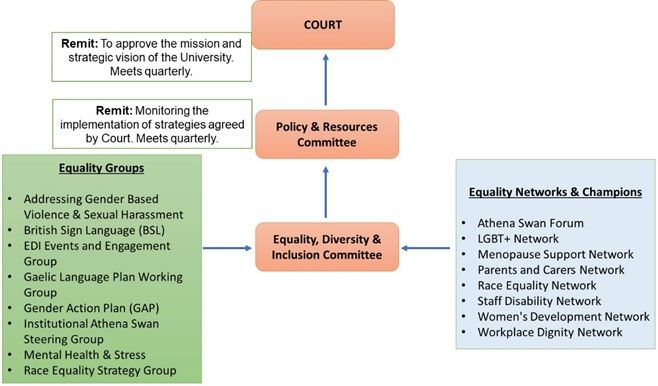
In 2019 the University, in line with the start of the development of Aberdeen 2040, recognised
      that EDI activities required to continue to be positioned as a strategic priority in an enhanced
      and strengthened manner and to have a governance structure which supported that. The
      Advisory Group on Equality and Diversity, referred to in the University’s 2019 report, had no
      clear standing in the formal governance structure of the University and had ‘drifted’ somewhat
      in its direction. A review of the Group resulted in the establishment in July 2019 of the Equality,
      Diversity and Inclusion Committee (EDIC), under the continued convenorship of the Senior
      Vice-Principal.

3.2   EDIC reports to Policy and Resources Committee (PaRC) which reports to the University Court,
      providing a clear strategic link. Figure 1 below shows the University’s Committee structure and
      EDIC’s position within it. EDIC provides a report to PaRC following each of its meetings and at
      least an annual report to Court, providing the University’s Governors with information to support
      them in their role to ensure that the University is complying with equality legislation as well as
      meeting strategic aims linked to EDI. EDIC currently meets four times per year, but this is
      under review, given the extent of EDI issues and activities ongoing in the University.

3.3   The groups which report to EDIC can be seen in Figure 2 below, with this diagram clearly
      showing the extent of the remit of EDIC and how it is supporting the mainstreaming of EDI
      across the University. Full, challenging, honest and progressive discussions take place at EDIC
      because of the voice of lived experience featuring heavily in the composition and membership,
      which includes undergraduate and postgraduate students. To bolster strategic thinking, EDIC
      now includes a strong complement of senior staff e.g. Director of External Relations, Director
      of People, Vice-Principal Education, Vice-Principal Research, University Secretary and Chief
      Operating Officer, and two Heads of School.

3.4   All of the issues discussed in this report will have been deliberated by EDIC.

                                                  6
Figure 1: University Committee structure

                                           7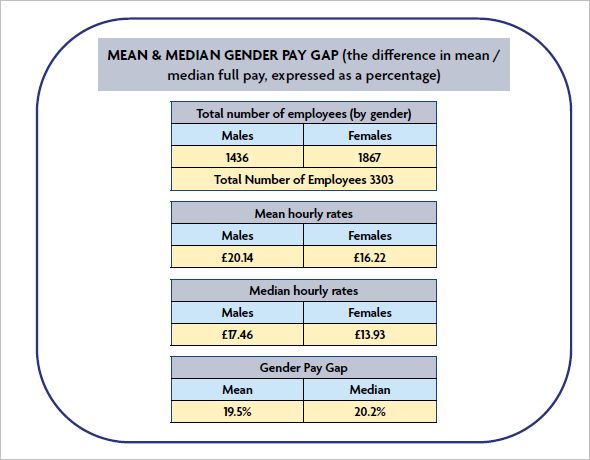
Figure 2: Groups reporting to EDIC

3.5       SCHOOL MANAGEMENT OF EDI

          In 2020, an analysis of current School management and governance arrangements was
          undertaken with a view to (i) identifying areas of commonality and areas of difference, (ii)
          identifying and sharing best practice and (iii) highlighting key issues for further consideration.
          SMT then approved the introduction of a suite of Guiding Principles for School Management
          and Governance Arrangements.

3.6       The Guiding Principles state that an effective committee structure would be established in all
          Schools to underpin decision-making processes and that the structure should include, amongst
          other criteria:

      •   A School EDIC (the remit of pre-existing Athena Swan Committees will be incorporated within
          the remit of the EDIC and the membership of the School EDIC established in line with Athena
          Swan criteria).

3.7       Reporting to the School Executive, the School EDIC supports the Head of School by leading
          the strategic oversight of EDI matters within the School. It has responsibility for implementing
          University EDI policies within the School, including the development of local policies and
          practices.
3.8       School EDICs will link closely with the University EDIC and will have oversight of EDI action
          plans and accreditation processes within the School, including (but not limited to) Athena Swan
          and the Race Equality Charter.

3.9       This enhanced governance structure centrally and, in the Schools, will support communication
          and implementation of EDI initiatives and provides a robust platform for achieving the Inclusive
          commitments in Aberdeen 2040.

3.10      Actions:

          Review the frequency of meetings of University EDIC, with a view to adding one more meeting
          per year by September 2021 (Action 8.1)

                                                      8
Review the operation of EDIC to ensure that it retains its remit as a strategic body. Consider
an operational arm of EDIC to present the key questions to be discussed by EDIC by September
2021 (Action 8.2)
Support the School EDICs to link into the University EDIC to support consistency in approaches
(Action 8.3)
4. COVID – 19 PANDEMIC
4.1 IMPLICATIONS FOR EQUALITY GROUPS
The equality implications of the Covid-19 pandemic became apparent very early on. There
were concerns nationally and locally about how the pandemic would impact on people from
different groups. In the University the swift move to remote working and blended learning was
appropriate and essential, but the University was alert to the challenges such extreme change
to work, study and life would pose. Examples of the key issues identified and reported in the
early weeks of the pandemic included:
• Impact on mental health and wellbeing of staff and students – exacerbation of existing
mental health conditions and/or the development of mental health conditions related to
stress and anxiety
• Digital accessibility in the home environment
• Parents and carers home-schooling while working and studying with particular concerns
raised regarding workload
• Concerns related to increased time spent in the home environment where gender-based
violence was present
• Staff and students facing increased harassment/discrimination if required to move in with
family members who were not supportive of their LGBT+ identity
• The impact of data on the prevalence of the virus on groups e.g. certain age groups and
people from Black, Asian and Minority Ethnic backgrounds.
4.2 EQUALITY IMPACT ASSESSMENT AND RISK REGISTER
The Blended Learning Implementation Task and Finish Group (BLITFG) swiftly began working
on an Equality Impact Assessment (EQIA) in partnership with the Staff Equality Networks and
the Student Equality Forums. The EQIA captured and highlighted the impact of blended
learning and remote working for staff and students. This has been reviewed by the Dean for
Student Support and the Equality and Diversity Adviser with the Networks and Forums on a
monthly basis, with the document being considered by BLITFG and EDIC. This has very much
been a ‘live’ document which has informed decision-making. Coronavirus support pages have
been regularly updated with information to address the issues raised in the EQIA. The EQIA
has also fed into the University’s Risk Register – initially a stand-alone risk register related to
the pandemic was created, in 2021 the coronavirus risks were embedded into the University’s
overall Risk Register. EDIC has fed into the development of this, ensuring that the equality
implications of the pandemic were and are fully recognised and addressed.
4.3 KEY ACTIONS TAKEN
The key actions which have been taken to support EDI during the pandemic include the
following:
BLENDED LEARNING AND STUDENT WELLBEING
• Early communication of the move to off-campus learning and regular communications
thereafter providing guidance, reiterating Scottish Government guidelines including how to
keep safe in the pandemic
• Development and launch of the Accessibility Checklist, with guidance on captioning of lectures,
delivery of teaching, PowerPoint presentations and learning materials as well as how to adapt
assessment methods to accommodate the move on online learning
9• ‘No detriment’ policy implemented for session 2019/20 to provide an opportunity for students
undertaking assessments to have their personal circumstances in the pandemic recognised.
Further discussions on this are ongoing (March 2021) with a view to implementing approaches
which ensure students are not negatively impacted in their final grades due to the pandemic.
• Online orientations for students with a range of staff on hand to answer queries in real time
• Food parcels and phone calls provided to self-isolating students to ensure they were safe and
to offer support and guidance
• Enhanced mental health and wellbeing support e.g. Winter Wellbeing Toolkit, Wellbeing
Wednesdays, Wellbeing Advice Clinics, polls to ascertain levels of knowledge of mental health
support mechanisms and action taken to address findings, establishment of Student Helpline,
BeWell Podcasts
• Student Money Week events in February 2021
• Promotion and extension of the Hardship Fund and the Digital Poverty Fund to support students
who were unable to purchase the equipment required to study effectively
• To further address digital inequity, funding has been provided for students to purchase IT
devices, with this enhanced for widening access students by a 525-fundraising campaign. Later
in 2020, devices were available to students on loan. Dongles have also been provided to
students and to staff to assist with connection problems. Portable devices have been made
available to staff to facilitate home working.
• ASK sessions, particularly on disability in the context of Blended Learning, were held, providing
an open virtual forum for students to ask questions about disability provision during the
pandemic
• Increased capacity within the Student Advice and Support Office, including the provision of a
Duty Adviser service and increased specialist mentoring capacity for students with mental
health conditions, ADD/ADHD and Autism Spectrum Conditions (ASC)
• Frequent review of student support mechanisms and very regular updating of the Coronavirus
Support web page
• Delivery of an online induction course available to all new students in session 2020/21 to
support the transition to University.
REMOTE WORKING AND STAFF WELLBEING
• All staff moved to remote working in advance of the announcement of a national lockdown in
March 2020
• Regular communications to staff on the work of the Campus Planning Group which had a remit
to interpret and implement Scottish Government announcements and legislation
• Development and launch of the Workload Reduction Toolkit and template for discussions
between managers and staff regarding the impact of circumstances e.g. childcare/home-
schooling/caring responsibilities on capacity to deliver work. This was developed in partnership
with the Parents and Carers Network.
• Delivery of office equipment to staff, particularly disabled members of staff who required specific
chairs/desks to work effectively at home
• Increased activity by the Staff Equality Networks and the Student Equality Forums to support
the University response to the pandemic
• Robust workplace and individual risk management procedures in place to assess the suitability
of the return to campus for staff, when Scottish Government guidance permitted across the
pandemic
• Homeworking guidance issued to staff
• Introduction and extension of a hardship fund for those whose contracts could not be extended
and payment of hours for casual work that was no longer required
• Analysing with the University’s Women’s Development Network, the Parents and Carers
Network and EDIC, the recommendations of the WHEN report Sharing the Caring 2020 which
highlighted the impact of the pandemic on women and carers
• Two sets of ‘rest days’ offered to staff
• University Student Counselling Service extended to cover staff from March 2020.
4.4 To assess the effectiveness of the support provided to staff, a ‘Covid-19 Pulse Survey’ was
issued in June 2020, receiving a 39% response rate. Overall, respondents reported being
10content with the support offered to colleagues and expressed appreciation for the flexibility
afforded to staff which took account of childcare/caring responsibilities.
4.5 Areas of improvements were highlighted in the open comments and included:
• Excessive numbers of virtual meetings/emails
• Concerns about career progression
• Increased workload due to blended learning
• Sense of isolation due to homeworking
• Difficulties in balancing work and caring responsibilities
4.6 In response to the feedback, the University established the ‘Workload Planning Review Group’
which agreed a set of guidelines regarding reducing meeting frequency, e-mail etiquette
including reducing the number of e-mails and the times they are sent. In addition, based on
feedback the University adapted proposals concerning pay (incremental progression) and
reinstated promotions and regrading procedures.
4.7 The main concerns which arose from the Covid-19 survey were followed up in the University’s
Staff Survey 2020 (see Section 5.3.32 for further details).
5. EXAMPLES OF EQUALITY MAINSTREAMING
5.1 ELIMINATING UNLAWFUL DISCRIMINATION, HARASSMENT AND VICTIMISATION
Included in this section:
Training and Capacity Building, Creating an Antiracist University, Gender Pay Gap,
Equal Pay Report, Transgender Policy, Access and Articulation, SFC REACH Project,
Gateway to Medicine, Gender-Based Violence
5.1.1 TRAINING AND CAPACITY BUILDING
The University is delighted to have, through a competitive tender process, selected Skill
Boosters to provide a suite of online training on EDI and other workplace topics. Courses were
launched to staff in February 2021.
5.1.2 The courses entitled Inclusion Essentials and Understanding Race Bias are mandatory for all
staff and new staff must complete both courses within three months of commencing
employment (these trainings replace the University’s previous mandatory training on EDI). The
University has full control of the system associated with this and will therefore be better able to
produce uptake statistics and use those to encourage engagement with the training and
achieve the target of 100% completion rates.
5.1.3 There are also ten specific trainings available on creating meaningfully inclusive workplaces,
focussing on disability, transgender people, gender equality, unconscious bias,
microaggressions and becoming an active bystander.
5.1.4 In addition, staff have the opportunity to access over fifteen courses on working effectively and
leading and managing people, with some courses being particularly welcomed at this time, such
as how to work effectively from home, managing online meetings and effective leadership.
5.1.5 The courses are interactive and video-based and early feedback from staff indicates that this
format conveys the messages effectively and powerfully. There is a strong focus on lived
experience and this has a positive effect on learning.
5.1.6 Since the publication of the 2019 report, a number of other training opportunities have been
made available to staff. These include:
• Virtual training for 360 staff on race and racism (further information in Section 5.1.13)
• Specific training for SMT on leading an anti-racist organisation (further information in
Section 5.1.13)
11• Specific training for new teaching staff on creating learning materials and environments
which take account of EDI
• Schools were offered Unconscious Bias awareness raising sessions in 2019 and all
Schools participated in this
• The School of Social Science organised and delivered, in partnership with the Scottish
Trans Alliance, a session on Trans Awareness. There is a plan to roll this out further across
the University.
• Sociology hosted a session on Decolonising the Curriculum in 2020. Dr Meera Sabaratnam
from SOAS provided the keynote speech
• Schools have continued to support colleagues to attend the AHE Aurora leadership
programme for women (14 colleagues have attended so far in 2020/21)
• The Scottish Stammering Association delivered a virtual training session open to all staff in
March 2021
5.1.7 Actions:
Achieve 100% completion rates of the online mandatory training on Inclusion Essentials and
Understanding Race Bias by September 2022 and maintain these rates through proactive
analysis of uptake data and targeted action (Actions 4.5 and 7.1)
5.1.8 CREATING AN ANTI-RACIST UNIVERSITY
The events sparked by the tragic killing of George Floyd on 25 May 2020 have had a significant
impact across the world and on our University community. There have been representations
made to the University since that date via social media, open letters and direct e-mails to the
Principal and others. Many of these have asked for a clear statement from the University on
its stance on race equality. There were also examples cited of alleged racism and micro
aggressions occurring at the University.
5.1.9 The University responded to the direct e-mails and letters and offered specific engagement and
followed this up by meeting individuals and groups to discuss experiences or ideas. The
University’s stance was communicated in the first of a series of joint statements from the
Principal and the AUSA President on 10 June 2020. The statement fully condemned racism,
provided a statement of solidarity, offered options for support and provided information about
current activities related to race equality. This was followed up with a statement on social
media, committing the University to adopting a transparent approach towards our progress on
race equality and to amplifying the voices of those who are treated unjustly.
5.1.10 Since then an accelerated programme of work has continued to tackle racism on campus and
to understand the barriers faced by our Black, Asian and Minority Ethnic staff and students. We
have responded to the urgent call to action made by the Equality and Human Rights
Commission (EHRC) and Universities UK (UUK) through their powerful studies and have begun
to carve out what an anti-racist University of Aberdeen would look and feel like and what the
enablers and barriers to achieving this are. We have started listening and consulting and our
current vision for an anti-racist university is that it would have the following key features:
• Understanding distinction between inclusion/racial equality and anti-racism
• Acknowledging that racism exists on our campus
• Safe spaces for discussion
• Embedding transparency and accountability
• Understanding structural/systemic disadvantage
Through
• Collaborative approach across the University
• Challenging and educating ourselves
• Engaging in difficult conversations and proactively adopting new ways of working
where appropriate
The University has taken the following steps to date to move towards an antiracist culture.
5.1.11 RACE EQUALITY STRATEGY GROUP (RESG)
12Chaired by the University’s Senior Race Equality Champions (Vice-Principal Education and
Head of the School of Medicine, Medical Sciences and Nutrition) and comprising
representatives from across the University, including Black, Asian and Minority Ethnic staff and
students, the RESG has been established to drive progress on race equality. It also acts as
the Self-Assessment Team for the University’s work on the Race Equality Charter (REC)
Bronze application. The Group has met three times to date and has reviewed the outcomes of
the listening activities (further information in Section 5.1.13), reviewed initial data sets and taken
forward the Tackling Racial Harassment Action Plan. It is driving progress on enhancing
reporting mechanisms, the collection and sharing of data, raising awareness at senior levels
and embedding a culture of tackling racial harassment in our partnerships and external
relations. Its core purpose is to oversee the development of a University Race Equality Strategy.
5.1.12 RACE CHARTERS
The University signed up to the Race Equality Charter (REC), managed by AHE, as a platform
to interrogate systemic race equality issues across all aspects of the University – staff and
student progression, recruitment, attainment, representation and experience. It is a framework
for tracking progress and demonstrates the University’s commitment to tackling race
inequalities. A Bronze application will be submitted by February 2023.
In 2020 the University signed up to the AHE Declaration on Race and the School of Medicine,
Medical Science and Nutrition signed up to the British Medical Association Charter on Racial
Harassment.
5.1.13 LISTENING ACTIVITIES
The University released a discussion video on race and racism in August 2020 to launch its
Listening Phase on race equality. The video featured a conversation between the Senior Race
Equality Champions and two medical students and explored the issues highlighted to the
University in an open letter to the School of Medicine, Medical Sciences and Nutrition from the
Black Medical Students Association. Since then, a range of discussions have taken place and
the key themes emerging are:
What constitutes a feeling of ‘belonging’ in a University and how to foster
this/increasing visible role models
It has become clear that the University must address the lack of representation of
Black, Asian and Minority Ethnic people in its staff and senior staff groups.
Discussions have indicated that some staff and students regularly felt that they didn’t
‘belong’ at the University, because of their ethnic origin.
The School of Medicine, Medical Sciences and Nutrition and the School of Law have
started to address this through the appointment of Race Equality Champions. All
Schools and Directorates are required to appoint Race Equality Champions by the
end of March 2021.
EDIC considered the potential for ‘positive action’ measures to increase
representation of Black, Asian and Minority Ethnic staff at senior levels and this has
been approved in principle by SMT
A successful Black History Month in October 2020 provided opportunities to listen,
learn and reflect by showcasing Black role models, talent and achievements (further
information in Section 5.2.1).
Training and capacity building
Training for staff is critical to ensure that staff recognise the issues, can identify racism,
feel empowered to be an active bystander and to engage in conversations on race.
Through a competitive tender process undertaken in 2020, the Challenge Consultancy
was selected to deliver race training to UMG and frontline Professional Services staff.
360 members of staff are undertaking this training between January and March 2021.
13The training comprises, for example, discussion and reflection on white privilege, white
fragility, identifying and tackling microaggressions, becoming an active bystander,
opening conversations on race, and provides resources so that staff can self-educate.
The University appointed AHE to provide strategic support over a twelve-month
(January 2021 – December 2021) period to enhance consultation opportunities,
understand how the University’s Race Equality Strategy should be developed and
provide senior-level guidance. This has already had an impact, with AHE working
closely with the Senior Equality Champions and the Equality and Diversity Adviser on
articulating what our antiracist University would mean for staff, students and the wider
community. AHE have also provided targeted sessions for SMT where leadership of
an anti-racist culture was analysed and discussed.
Reporting procedures
Although the University does have clear reporting procedures in place, the responses
to the Listening Phase indicated that these need to be communicated more effectively
and that there needed to be visible staff who can support students who wish to make
a complaint - formal or informal.
The Race Equality Champions noted above will be able to take on this role, but the
University will also launch an anonymous reporting tool by the end of the academic
year 2020/21 which will signpost to support and offer a conversation with an
appropriate member of staff.
De-colonising the curriculum
Work has commenced on establishing a working group to review and implement
change on this issue, which has been raised during the Listening Phase. The Vice-
Principal Education is a co-chair of the Advance HE/QAA Scotland Anti-racist
Curriculum Project and has also begun discussions within the University’s Schools
on this topic. SMMSN has been working closely with the Black Medical Students
Association to make changes to the medical curriculum.
5.1.14 Horizon Scanning
The University has welcomed the reports of the Equality and Human Rights Commission
(EHRC) – Tackling Racial Harassment: Universities Challenged (2019) – and Universities UK
(UUK) - Tackling Racial Harassment in HE (2020) - and has considered them carefully. Both
reports point to systemic racism in UK universities and the recommendations have been
analysed and will be actioned, the University wholeheartedly accepts the findings of both
reports and is responding to the call to action. An action plan to address the EHRC report was
approved in January 2020 and this will be enhanced to consider the recommendations of the
UUK report which was published at the end of November 2020.
5.1.15 Actions:
Develop and implement a Race Equality/Antiracism Strategy by September 2021 (Action 4.1)
Analyse feedback on the Race Equality training launched in January 2021 and agree training
approaches for refresher training/reflection and additional training for groups of staff (Action
4.2)
Implement and launch new racial harassment reporting system with regular communication of
the reporting options by June 2021 (Action 4.3)
Develop and launch new race equality webpage and monitor traffic by May 2021 (Action 4.4)
Achieve 100% uptake on Understanding Race Bias online training by September 2022 (Action
4.5)
Develop, launch and deliver a Race Communications Plan (Action 4.6)
14Working group which has been established to recommend a set of terminology/definitions to
be used in the University to present its recommendations by September 2021 (Action 4.7)
Establish a network of Race Equality Champions by end April 2021 (Action 4.8)
Submit an application to the Race Equality Charter by February 2023 (Action 1.3)
5.1.16 GENDER PAY GAP
The University’s most recent full Gender Pay Gap Report 2020 can be found here:
https://www.abdn.ac.uk/staffnet/documents/Gender%20Pay%20Gap%20Report-v8Final.pdf
5.1.17 The University’s 2020 mean Gender Pay Gap is 19.5% and median is 20.2%. In April 2020, the
University reported its Gender Pay Gap for the previous year (2019) which was 20.6% (mean)
and 22.4% (median). Overall, the mean Gender Pay Gap has reduced since reporting
commenced in 2017 by nearly 3% as can be seen in Table 2.
Table 2: Gender Pay Gap 2017 – 2020
Year Mean (%) Median (%)
2017 22.4 22.2
2018 22.03 22.7
2019 20.6 22.4
2020 19.5 20.2
5.1.18 Closing the gap is a long-term strategic objective for the University. While we recognise that
there are complex societal, cultural and occupational factors which have a direct impact on the
gender pay gap, Aberdeen 2040 specifically includes the following commitment:
We will eliminate pay gaps across all protected characteristics
5.1.19 The University acknowledges that there are many factors that can contribute to the
discrepancies and it is therefore important that the multiple data elements impacting Gender
Pay Gap are monitored as per Figure 3 below.
15Figure 3: Mean and median gender pay gap
5.1.20 The main factor influencing the Gender Pay Gap within the University is vertical and horizontal
segregation because of under- and over – representation of females at different levels, grades
and posts (including Professorial staff).
5.1.21 Females are under-represented at senior posts and/or over-represented in lower grades and
mid-level posts. If females are under-represented, the ratios are highly impacted by even small
changes in the high-level posts, for example, high earning female(s) leaving the organisation
or high earning male(s) being recruited.
5.1.22 Actions being taken to address the pay gap and which are part of the Gender Pay Gap report
include:
• Strategic commitment to eliminating all pay gaps
• Monitoring of the impact of the Covid-19 pandemic on gender pay gaps e.g. in temporary
contracts and promotion prospects
• Regular pay gap monitoring (including the gap at School level) to support a range of
activities, including monitoring the professorial gender pay gap, informing the recruitment
process, supporting Athena Swan applications and considering the impact of the
promotions process on the pay gap
• Social Observer Bias in Promotions Scheme has been developed to introduce a range of
measures to support chairs of promotion committees to identify bias and take action to
reduce it. For example, observers will sit in the promotions committees with the sole
purpose of raising and noting bias in the dialogue and decision-making processes.
16• Monitoring of gender balance on University committees and action taken where appropriate
• Regrading Policy launched in 2021 for Professional Services staff
• In 2021 the Promotions Annual Review Group will continue their work on a broader review
of the promotions process
• Trade Union representatives acted as observers in the promotions committees in 2020
• Mentoring and coaching is available to all staff in the University.
5.1.23 EQUAL PAY REPORT
The University publishes an Equal Pay Report every three years and the most recent report
can be found here
5.1.24 The fifth report was published in April 2020 based on data obtained from the HR/Payroll System
as at 31 August 2019. This covered three equality strands: gender, ethnicity, and disability.
5.1.25 This demonstrated that the University’s overall Gender Pay Gap in 2019 was 20.2% (a slight
improvement from 2016 when the gap was 23%). The gap is indicative of the uneven
distribution of males and females across the pay grades. The under-representation of females
at higher grades is a factor in weighting the overall gender gap in favour of males.
5.2.26 It also demonstrated that there are no significant pay gaps across individual grades and none
which exceeded the 5% recommended threshold. The report highlighted, however that females
do appear to be disadvantaged in relation to contribution point salaries. On average 11% of
the male population are in receipt of the top contribution point salary compared to 8% of
females.
5.1.27 Actions being taken to address Equal Pay and which are part of the Equal Pay Report include:
• Undertake a robust Equal Pay audit, using an independent provider and which will follow
all criteria required for the audit as per the Equality and Human Rights Commission
guidelines
• All gaps of 5%> or repeated gaps of 3% to be investigated on an annual basis
• Continue to monitor the rates of successful and unsuccessful promotions/regrading
applicants
• We will also explore the issue regarding contribution applications when our Contribution
Procedure is available (this is currently paused due to the impact of Covid-19 on the
University’s financial sustainability).
• In addition to the above, we will continue to publish our Gender Pay Gap report and
progress actions which will enable equality in pay.
5.1.28 TRANSGENDER POLICY
The University agreed and approved a Transgender Equality Policy in 2020. The policy applies
to staff and students and provides guidance on support with transitioning, both internal and
external to the University.
5.1.29 Actions:
Develop supporting guidance for the Transgender Equality Policy by September 2021 through
consultation with staff and student groups (Action 9.1)
17Roll out associated training on the Policy and Guidance to staff, exploring online options by
December 2021 (Action 9.2)
5.1.30 ACCESS AND ARTICULATION
Since the last report in 2019, the University has created an Access and Articulation Team which
is part of the Directorate of External Relations. This Directorate is represented on EDIC by the
Director of External Relations (who is also a member of the Senior Management Team). The
Access and Articulation Team is also represented on other relevant internal committees which
are related to EDI work. The University created two Dean positions in 2019: Dean for Access,
Articulation and Outreach and Dean for Student Support. The Deans work closely with the team
on all aspects of their work and in the dissemination of the widening access agenda across the
University. As a result of this new robust structure the Access and Articulation Committee was
created in 2019 to replace the former Widening Access Committee and Articulation Committee.
The Committee is cross institutional in nature and has a dedicated subgroup on Vulnerable
Groups.
5.1.31 Widening access is one of the key strands of Aberdeen 2040. The Access and Articulation
Team provides pre-entry support to applicants who meet widening access criteria. The team
works with school pupils, further education college students and mature applicants who meet
one (or more) of the relevant criteria and aspire to study at the University. The Access and
Articulation team also provides support and advice for parents, guardians, teachers and any
other interested individuals or agencies. The work of the team has had to adapt rapidly in view
of the pandemic, to successfully move support to a virtual format.
5.1.32 Within the widening access criteria are students who would identify as belonging to one of the
Vulnerable Groups (as defined by the Scottish Funding Council). The categories of students,
that currently come under umbrella term vulnerable groups, are as follows:
o Care Experienced (Care Leavers)
o Estranged Students
o Student Carers (Unpaid carers)
o Gypsy, Roma, Traveller
o Veterans and Armed Forces
o Refugees & Asylum Seekers
5.1.33 The University has signed up to several external, nationally recognised, schemes, awards and
commitments since 2019 in relation to its work with vulnerable groups and also works with
partners both regionally and nationally to implement them. These include (but are not limited
to) the following:
• Care Experienced (Care Leavers) – the University has signed up to the
Scottish Care Leavers Covenant.
• Estranged Students – the University has committed to the Stand-Alone Pledge
• Student Carers (Unpaid Carers) – the University has received the Carers Trust
• Going Higher in Scotland recognition award.
• Veterans and Armed Forces – the University has signed up to the Armed
Forces Covenant.
The University is currently working towards gaining University of Sanctuary status in support of
student refugees and asylum seekers.
5.1.33 The University, in 2021, established a sub-group of its Access and Articulation Committee to
review and monitor its work with students from vulnerable groups and its commitments with
external organisations in this area. This sub-group is led by two of the University’s Deans – the
Dean for Student Support and the Dean for Access, Articulation and Outreach. The group is
also considering structures, future practical and policy work.
5.1.34 A team of student interns has been employed, to capture the views and opinions of students
who belong to or are representative of one (or more) of the vulnerable groups. The findings of
this project will inform the work of the sub-group and the further development of support, events
18and information for students in this category. The internship will end in April 2021, but the aim
is to set up a widening access student forum which can inform future policies and practices
relating to widening access across the full student journey.
5.1.35 SFC REACH PROJECT
The University continues to host a branch of the Scottish Funding Council-funded REACH
Project which works with pupils aged S4-S6 who are interested in studying either Medicine or
Law. In April 2020 Reach Aberdeen moved to a ‘target pupil’ approach in line with the
recommendations set out by the Commission on Widening Access. The project supports pupils
who meet one of the following widening access criteria: SIMD20, SIMD40, care experienced,
young carer, estranged, eligible for free school meals, refugee or asylum seeker or resident in
an area considered to be Remote and Rural. REACH Aberdeen works with 76 schools across
Aberdeen City, Aberdeenshire, Moray, Highlands, Orkney and Shetland. The programme
supports these pupils by providing taster days, application support, mentoring opportunities,
information, advice and guidance. REACH responded to Covid-19 challenges by transferring
events to a virtual format where possible. Where this was not possible, new initiatives, such as
e-mentoring, were created to ensure that pupils received the information and support that they
required.
5.1.36 GATEWAY TO MEDICINE SCHEME
Gateway to Medicine (G2M) is a widening access scheme designed to support students access
the MBChB degree.
5.1.37 The course continues to be delivered as a partnership between the University and NESCOL.
In addition, there is an opportunity for students to train as bank Healthcare Support Workers
because of strong support from our partner health board NHS Grampian. Following the very
positive outcome from the first cohort, the Scottish Government awarded additional places
(increased to 25) and confirmed funding until academic year 2022/23.
5.1.38 The number of students applying for the G2M has increased year on year and is perhaps
indicative of the need for the programme and its growing success. The number of students
coming to the course from a REACH school has also increased which may be due to effective
promotion in target schools. Overall, the progression rate to the MBChB from the three G2M
cohorts, who have completed thus far, is 95% (62/65). Two of the students who did not
progress transitioned to degrees in medical sciences.
Table 3: G2M recruitment 2017- 2020
Cohort Target Applicants Interviewed (% applied) Enrolled (% interviewed)
1 (2017) 20 N/A 21 (N/A) 21 (100)
2 (2018) 25 41 31 (75.6) 19 (61.3)
3 (2019) 25 98 50 (51.0) 25 (50.0)
4 (2020) 25 108 67 (62.0) 27 (40.3)
5.1.39 A mixed-methods evaluation study comprising both quantitative (enrolment and progression
data) and qualitative (interviews) data continues, and an interim report has been presented to
Scottish Government (November 2020). This review indicated that the programme enabled
students experiencing disadvantage to overcome barriers to entry by providing an alternative
route into medicine. In particular, the course proved appealing due to the personalised nature
of admissions. The opportunity to undertake bank work as a healthcare support worker along
with the provision of a bursary in the G2M year also proved attractive elements of the
programme and addressed practical issues and provided security. The high progression rate
(95%) from the G2M to MBChB is encouraging. Similarly, the student feedback received
highlights the value of the programme in supporting entry to medicine. Students have reported
feeling academically and emotionally prepared to undertake study on the MBChB because of
completing the G2M. Furthermore, they reported that a career in medicine is within their reach
19and they began to develop an identity as a medic and an awareness of the skills required to be
a doctor. All 62 students who have progressed to the MBChB are still in the programme, though
5 have had to repeat a year. This leaves us with 24 in year 1, 22 in year 2, and 16 in year 3.
5.1.40 GENDER BASED VIOLENCE
The University is working closely with AUSA to implement enhanced support for staff and
students who experience gender-based violence (GBV).
5.1.41 In 2019 a joint ‘Statement of Commitment’ was signed between the University and AUSA, which
pledges implementation of a ‘zero-tolerance’ approach to all forms of sexual harassment/GBV.
5.1.42 A working group consulted with staff and students on their experiences of GBV through an
online survey and launched a new online tool in 2019 to enable and encourage reporting of
concerns and incidents of GBV as well as signpost to relevant support. Since its launch the
reporting tool has helped to support students and staff in seeking direct support (from HR or
the Support Services) for cases of GBV and abuse. Improvements to the system have been
made following input from Trade Unions and the GBV Working Group and its success means
that we will expand the tool to cover all forms of abuse and harassment.
5.1.43 Cards have been distributed to staff to provide information on how to handle a disclosure of
GBV. This reflects the recommendations of the Equally Safe in HE (ESHE) Toolkit, launched
after the University’s earlier work, and which we have also adopted.
5.1.44 The University participated in a Scottish-wide research project on GBV, facilitated by the
University of Strathclyde and linked to the ESHE Toolkit. As a part of the project we carried out
surveys and focus groups aimed at exploring GBV issues. This consultation enabled
identification of key priority areas for the GBV working group.
5.1.45 The University is currently participating in a national project called ‘Combat Misconduct’, as one
of five pilot institutions, which is being organised through AVA (national domestic and sexual
abuse charity). This project has been extended considering the impact of Covid-19 and aims to
develop new tools (e.g. e-learning programmes and an impact assessment matrix) and to
support universities to evaluate the impact of GBV interventions.
5.1.46 The University has linked with sector colleagues through AMOSSHE Scotland to contribute to,
and develop, a short online training course for all University staff on GBV. This was launched
in November 2020 and the 17 contributing Universities have committed to make this available
to all universities in the UK.
5.1.47 Actions:
Publish a new, comprehensive policy and accompanying procedures supporting the statement
of commitment, enshrining its values into University policy by June 2021 (Action 5.1)
Continue to partake in pilot training for staff and look to roll this out to all frontline support staff
and Senior Personal Tutors (Action 5.2)
Work with AUSA to develop and deliver Consent training to students entering the University
and to all student leaders (Club Captains and Committees and Society Presidents and
Committees) (Action 5.3)
Work with local partners and institutions (RGU, NESCOL, Police Scotland, ACC and NHS) to
further the idea of a “Fearless Aberdeen” (Action 5.4)
5.2 FOSTERING GOOD RELATIONS BETWEEN PEOPLE FROM DIFFERENT GROUPS
Included in this section:
20Black History Month, International Women’s Day, Disability History month, LGBT+ History
Month, Equality Networks, EDI Events and Engagement Group, Dignity at Work and Study,
Brexit
5.2.1 BLACK HISTORY MONTH
Black History Month (BHM) is an annual global reflection and celebration of Black History
throughout the month of October. The overall theme for 2020 was ‘Dig deeper, look closer,
think bigger’.
5.2.2 The University’s successful programme for BHM 2020 was extensive and encompassed ideas
from a range of staff and students who participated in the Black History Month Working Group.
AUSA and the Black, Asian and Minority Ethnic Students Forum hosted events, as did
individual societies and Schools. 452 delegates engaged with the events, with more accessing
the exhibitions and talks. A new EDI Events and Engagement Group has been established as
a direct legacy of BHM 2020 (see Section 5.2.18)
5.2.3 Examples of the events included:
• A reading, workshop and question and answer event with Tendai Huchu, a Zimbabwean
author (35 attendees)
• Talk on Two Kings: Empire, Abolition, and Aberdeen (36 attendees)
• Talk on Charles Heddle: An Afro-Scottish trader and the abolition of the slave trade in Sierra
Leone (105 attendees)
• Talk on Samuel Coleridge-Taylor - Music, Life, Legacy (44 attendees)
• A panel discussion addressing the under-representation of Black women in Scottish politics
with Tasmina Ahmed-Sheikh, previously MP for Ochil and South Perthshire and SNP
National Women’s and Equalities Convener and Fatima Zahra Joji, Director of the 50/50
campaign and a leader in local community projects in Aberdeenshire (24 attendees)
• An interactive talk with Jamala Osman, social activist, entrepreneur and wellbeing adviser
(25 attendees)
• Podcasts exploring the intersectionality of mental health and race and racism
• Online exhibitions regarding the University’s links with slavery and the achievements of its
first Black students
• In conversation with Professor Chris Jackson (47 attendees)
• Online exhibitions on the topic of the North East’s links to slavery
5.2.4 Feedback forms were collated and analysed, including suggestions for legacy events or for
BHM 2021. The feedback indicates that 452 people engaged with the events delivered, with
the following detail:
Events and Promotions
• Twelve events were featured in the programme, with eight blog ‘stories’, and seven
online activities or podcasts
• Promotional social media posts began on 26 September
• 224,000 social media impressions have been made to date
Audience feedback
• 92% of responses rated the quality of events as ‘very good’ or ‘good quality’
• 76% of responders were ‘extremely’ or ‘very’ satisfied with the programme overall
• 59% of responders had never attended an online event with University previously
21You can also read


