WILDLIFE CONSERVANCY IMPACT REPORT - Lewa Wildlife Conservancy
←
→
Page content transcription
If your browser does not render page correctly, please read the page content below
© YARON SCHMID

            LEWA                   IMPACT REPORT
                                         2018/2019
            WILDLIFE CONSERVANCY               1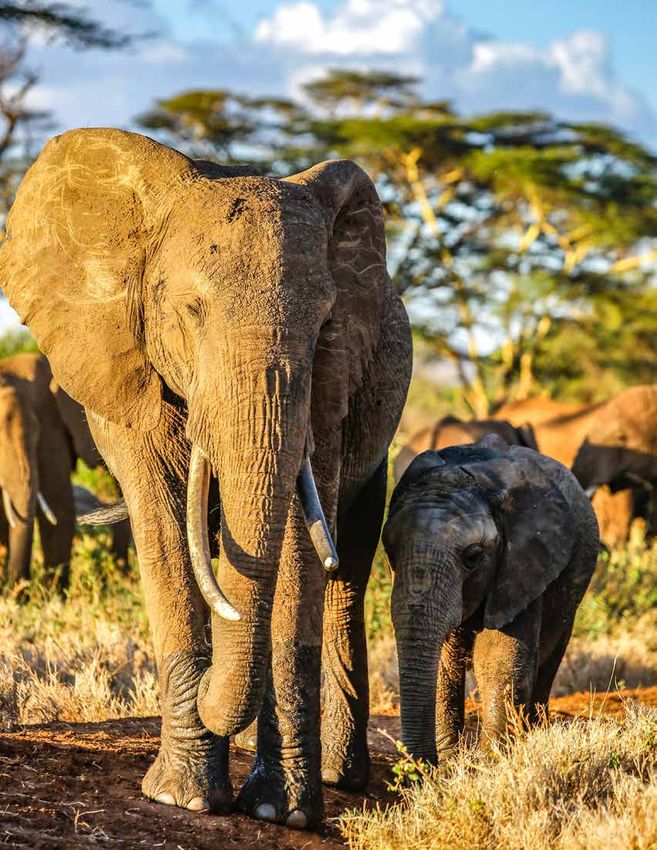
2
      We envision
    © BOBBY   NEPTUNE

    © BOBBY   NEPTUNE

      a future
3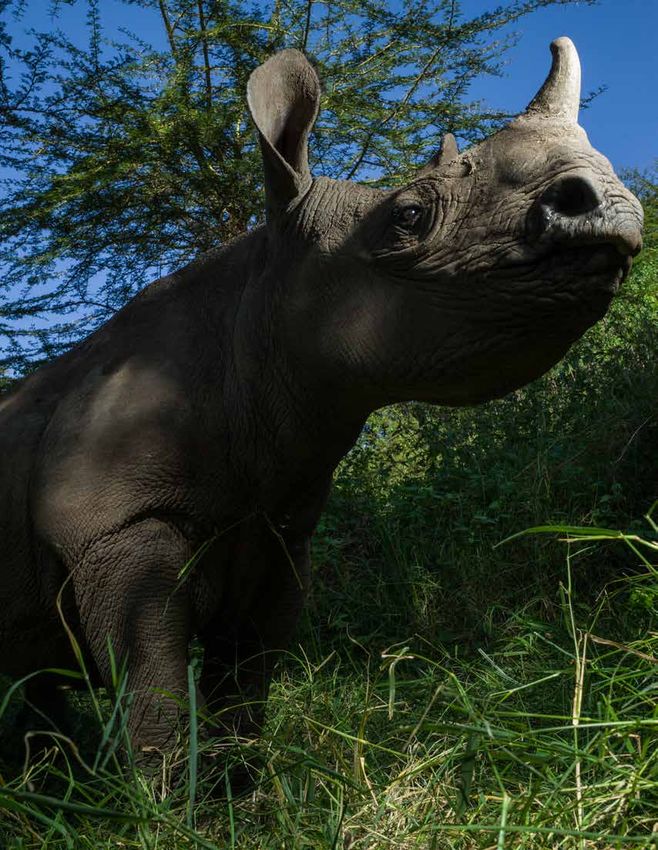
© AMUNGA ESHUCHI

                                                                             © MARTIN BUZORA

    where people across Kenya and the rest of the world                                        continue to value, protect and benefit from wildlife.
4                                                                                                                                                      5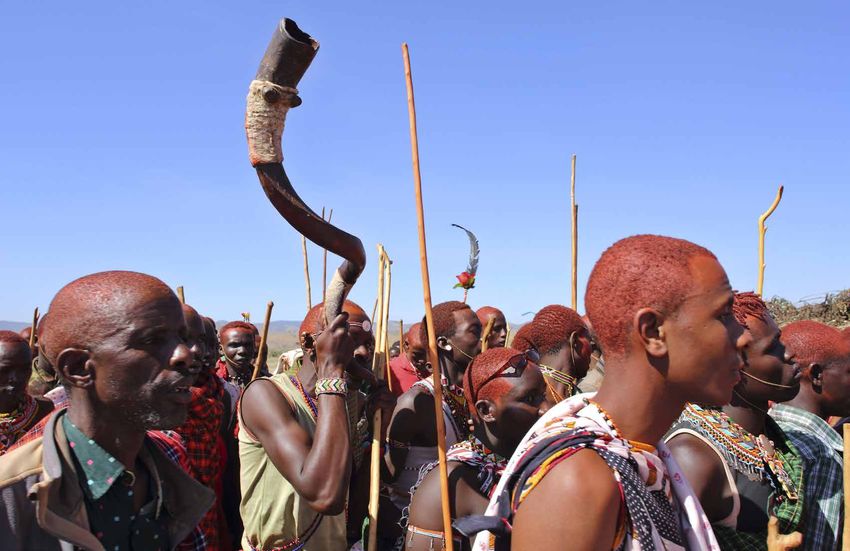
What we do
                                                                TWO CONSERVANCIES, ONE LANDSCAPE
                   The Lewa Wildlife Conservancy and Borana Conservancy are wildlife sanctuaries based at the foothills of Mount Kenya. Conservation efforts on Lewa began in
                   the early 1980s to protect the last of northern Kenya’s black rhinos from extinction. From protecting rhinos, Lewa’s work has expanded to the conservation of
                   other species as well as catalysing community-centric conservation across northern Kenya and beyond. In 2015, Lewa and Borana took an unprecedented step by
                   removing the fence separating them to create a larger landscape for the benefit of endangered species. Although Lewa and Borana remain independent entities,
                   we approach conservation efforts jointly and work in collaboration to implement livelihood programmes.

               WILDLIFE AND                                             IMPROVING                                             CATALYSING                                              SUSTAINABLE
           HABITAT CONSERVATION                                        LIVELIHOODS                                           CONSERVATION                                               TOURISM
        We provide a safe and secure habitat for              Our model puts people at the core of          We catalyse conservation by sharing our learning curve      We have created a conservation tourism model
    endangered and vulnerable species such as the       conservation. We work with local communities          with like-minded organisations. We spearhead the           that offers our guests an experiential trip of a
     black rhino, Grevy’s zebra, elephant, lion and        to make sure our conservation efforts are         reintroduction of endangered species to new habitats      lifetime that goes beyond a regular safari, while
    reticulated giraffe. We use research, monitoring     inclusive, participatory and beneficial to their    as well as support the conservation movement across            minimising impact on the environment.
    and technology to make informed conservation       livelihoods through education, healthcare, water     northern Kenya, proactively enhancing the connectivity
        decisions and promote ecosystem health.               management, enterprise and more.               on which elephants, rhino, lion and other species rely.
                      © MARTIN HARVEY                                       © AMI VITALE                                            © AMI VITALE                                        © ELEWANA COLLECTION

6
6                                                                                                                                                                                                                     77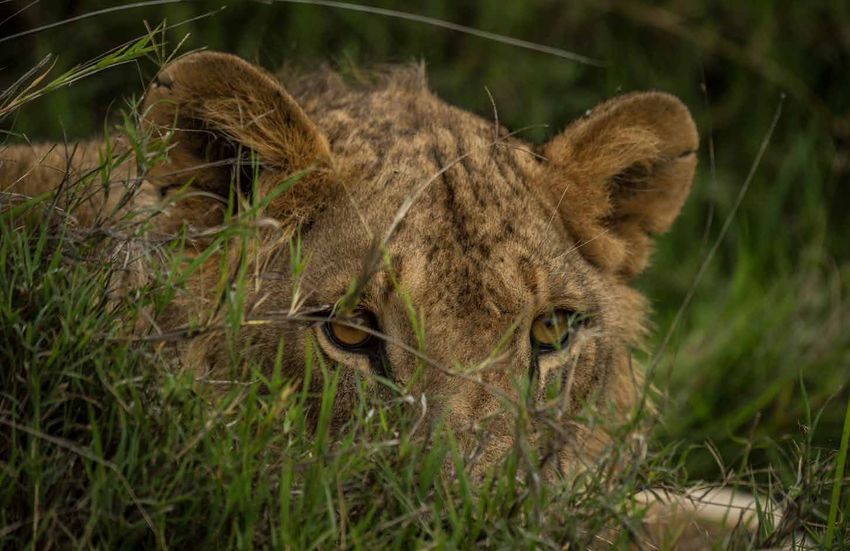
THE LEWA-BORANA LANDSCAPE   THE LEWA-BORANA LANDSCAPE

    WHERE IS
    LEWA-BORANA?
    With the Mt. Kenya ecosystem
    to the south, national reserves
    and 39 community conservancies
    supported by the Northern
    Rangelands Trust to the north and
    west, the Lewa-Borana Landscape
    lies at the very centre of a region
    hosting 46% of Kenya’s black rhino
    population, 90% of the global
    population of the endangered
    Grevy’s zebra, over 7,000
    elephants and a plethora of other
    wildlife species.

8                                                                                    9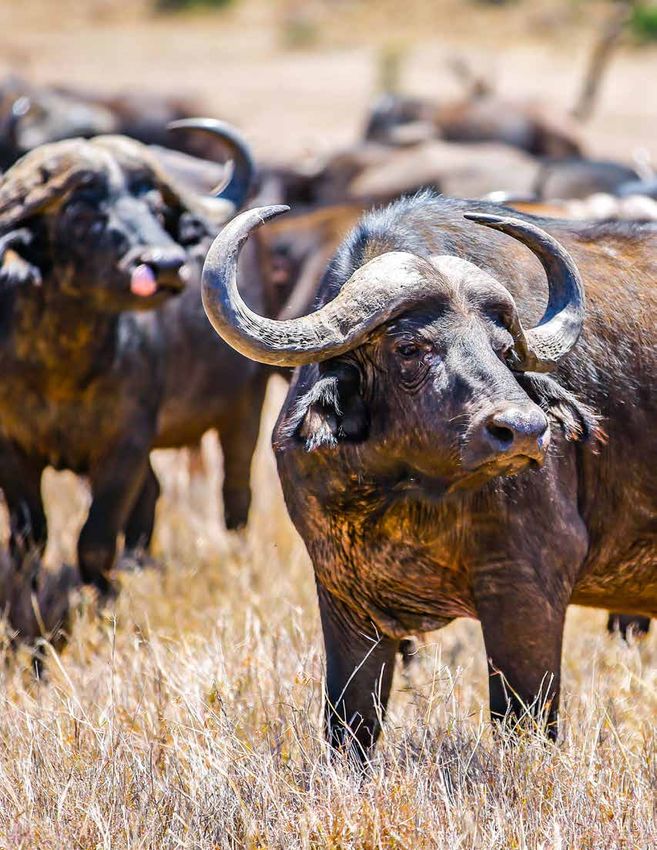
LETTER

                                        MESSAGE FROM THE
                          LEWA KENYA BOARD
                                      To save the world’s biodiversity,
                                  conservation can no longer be the duty of
                                          conservationists alone.

     A
              s a supporter of Lewa, you have most             group of new supporters and champions, and we
              likely seen the May 2019 United Nations          look forward to continuing this cultivation to form
              report that warns us of a 'dangerous'            long-lasting, mutually-beneficial partnerships.
     and 'unprecedented' extinction rate for close to          Lewa continues to evolve in its strategic direction,
     a million species. The loss of biodiversity around        operations and management. The new Strategic
     the globe is apparent. In Kenya, as elsewhere,            Plan (2018-2022) is an inspired set of goals that
     this is evident from diminishing forest cover and         will only serve to strengthen Lewa's impact. It
     degraded rangelands. Across the world, people are         positions Lewa to continue to play its current role
     exposed to daily news of a planet in peril, yet there     well, and at the same time enhancing its foresight
     are very few platforms that provide solutions.            and promoting intentional thought leadership.
     Lewa offers a message of hope, and its story
     delivers an important message rarely emphasised           Step by step, we are making measurable progress
     enough in conservation - for us to save nature,           in increasing wildlife numbers and improving
     people across all industries and sectors must get         livelihoods. This past year was again filled
     involved.                                                 with accomplishments, many of which we have
                                                               described for you in this report. As a supporter
     Many of us currently serving on Lewa Kenya’s              of Lewa, you share these accomplishments. Your
     board built careers in the corporate world and            generosity makes our achievements possible.
     now understand the role that businesses can               We still have more lives to impact and more
     play in implementing national and global goals            conservation programmes to implement, but we
     for conservation and development. In November             hope these pages give you cause for optimism.
     2018, we took this message to the business
     community in Nairobi, Kenya's capital. We held a          Wherever you are, let us inspire new thinking
     wildlife-themed cocktail event to highlight Lewa's        around conservation and engage new allies across
     efforts and, most importantly, how corporate              industries. Thank you for your support and your
     organisations can participate in helping us build a       generosity.
     secure future for people and wildlife.
     From this event in Nairobi, Lewa has gained a
                                                                                                                      © KADZO DENJE

10                                                                                                                                    11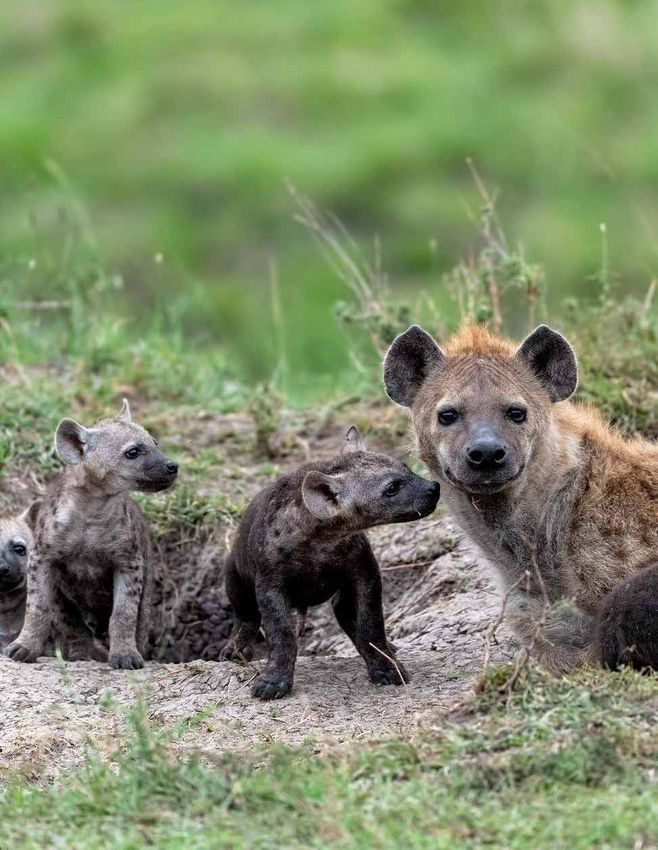
LETTER

                                             LETTER FROM
                          LEWA'S CEO AND
                        BORANA'S DIRECTOR

     2
          018 began with hope. Hope that it would         Lodges across the Lewa-Borana Landscape were
          be a less challenging year than 2017, which     also nominated for various awards of travel
          was characterised by volatility and resource-   excellence.
     based conflict in the neighbouring Laikipia and
     northern Kenya landscapes. More positively, hope     The partnership with our neighbours remains
     that we would accomplish the ambitious plans we      stronger than ever. Since Lewa and Borana's
     had set out for ourselves.                           inception, the neighbouring people of Il Ngwesi
                                                          have been critical conservation partners. In 2017,
     From this hope, 2018 turned out to be an             Il Ngwesi approached Lewa and Borana for a
     extraordinary year and 2019 is off to a similarly    partnership to establish a rhino sanctuary on their
     excellent start. The latest wildlife count results   land. The inaugural Lewa-Borana Ball in London,
     indicate that the majority of wildlife across the    which some of you attended, was a resounding
     Lewa-Borana Landscape is increasing or stable.       success. We managed to raise over £555,000
     This outcome is the truest, measurable evidence      gross - a proportion of which will be instrumental
     that our rigorous conservation measures are          in supporting Il Ngwesi to lay the foundation for
     working. In the communities we partner with,         the establishment of the rhino sanctuary.
     we continue to observe a marked improvement in
     living standards through our various development     To crown what was already a hugely successful
     efforts.                                             year, we were privileged to have Her Excellency
                                                          the First Lady of Kenya, Margaret Kenyatta,
     The IUCN once again included Lewa in their           attend our annual marathon as the guest of
     prestigious Green List of Protected areas. Lewa      honour. We hope you enjoy reading this report
     was one of only three Kenyan organisations, and      which highlights the successes that we've
     40 globally, to feature. The sites on the IUCN       accomplished together. Thank you all for your
     Green List demonstrate a standard of excellence,     continued investment in our work, and we look
     with clear and measurable benefits for nature and    forward to another exciting year.
     local communities. Lewa was also the winner of
     $250,000 in the Google Impact Challenge, Kenya,
     which will enable us to scale the impact of the      Mike Watson,                  Michael Dyer,
     Digital Literacy programme from 2,500 students       Chief Executive Officer,      Managing Director,
     annually, to 8,000 over the next five years.         Lewa Wildlife Conservancy     Borana Conservancy
                                                                                                                © BOBBY NEPTUNE

                                                                                                                                  13
12                                                                                                                                13
GUEST FEATURE

                                                                                                                                                              KIP OVERLOOKS THE IL NGWESI LANDSCAPE (LEFT) AND ABOVE,

                                          RETURNING RHINOS TO
                                                                                                                                                              WITH CHILDREN FROM IL NGWESI, AND PICTURES OF THE
                                                                                                                                                              AREA'S TOPOGRAPHY AND ECO-LODGE.

                                                  IL NGWESI
                                                                                                                                                                                                    Making a new commitment
                                        By Kip ole Polos, Chairman, Il Ngwesi Community Conservancy

           Il Ngwesi is a Maasai owned and managed community conservancy bordering Lewa to the north. Il Ngwesi became the first                                   At Il Ngwesi, we live side by side with wildlife.      to their land. I believe that returning rhino on Il
       community-managed conservancy to invite close cooperation with Lewa. The latest three-way partnership between Il Ngwesi, Lewa                               We were the first to establish a community             Ngwesi will not only benefit the biodiversity of
         and Borana represents a significant step forward in the conservation movement in Kenya, as one of the first private-community
                                               conservation partnership of its kind in the country.
                                                                                                                                                                   conservancy in northern Kenya, and the first to set    our home; it will also be a strong symbolic move.
                                                                                                                                                                   up a community-owned and run eco-lodge.                We will be demonstrating our dedication to seeing

     G
                                                                                                                                                                                                                          all nature on our land prosper once again. By
             rowing up, my cousins and I would often                     areas. Unlike my grandfather, the majority of my                                          During my time as a guide on Lewa, I was struck        doing this, we will be enhancing our conservation-
             accompany my grandfather as he went                         generation will most probably never see a living                                          by how an endangered species, when systems

                                                                                                                                         PHOTOS: STEVE TOOM
                                                                                                                                                                                                                          driven economy, improving the opportunities
             to graze livestock. During these trips, he                  rhino. Rhinos across the world have now become                                            are created to look after it, can impact all other     for our people through increased tourism and
     would recount stories of wildlife roaming our                       the ‘face’ of disappearing wildlife and the threat of                                     nature positively and create an economy to benefit     biodiversity. It will not be easy, and it will take a
     homeland. He would tell magnificent tales of                        extinction.                                                                               people. We have been Lewa and Borana's partners        long time, but we are excited about the future.
     rhinos, 'emuny’ in our mother tongue, chasing them                                                                                                            in conservation for decades. As the next step in
     from watering holes and rivers, and having to be                    I've been a safari guide for decades, transferring                                        Il Ngwesi's conservation commitment, we have           I look forward to telling my grandchildren a
     extremely careful as they were once as abundant                     the wildlife knowledge I learned growing up to                                            made a bold decision, in partnership with Lewa         different story. I want to show them living rhinos
     as buffaloes. We all know the rhino’s story in                      guests from all over the world. To me, the most                                           and Borana, to follow in the footsteps of the people   on our land, and how we played a role in helping
     Africa took a disastrous turn – poaching decimated                  critical message remains that it is not too late to                                       of Sera in Samburu and be the second community         save the species from extinction.
     the populations, and the once free-roaming                          reverse the decline of wildlife, and the answer lies                                      conservancy in Kenya to have the rhino return
     species became restricted to heavily protected                      in involving indigenous people in conservation.

14                                                                                                                                                                                                                                                                                15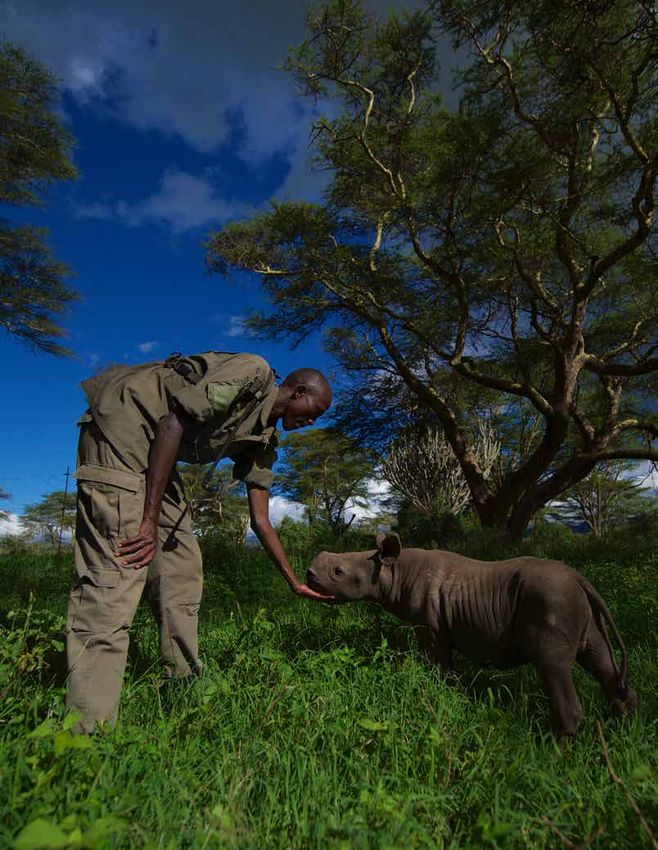
NATURE

                                                                                                                                                                                                            AFTER FLAGGING OFF THE MARATHON,
                                                                                                                                                                                                            HER EXCELLENCY HAD THE OPPORTUNITY
                                                                                                                                                                                                            TO VISIT VARIOUS LEWA SUPPORTED
                                                                                                                                                                                                            PROJECTS.

                                    A SPECIAL VISIT BY THE
                        FIRST LADY OF KENYA

     O
              ur annual marathon continues to attract        Philemon Baaru, nicknamed King of the Lewa
              top athletes and dignitaries from around       Marathon, won the race for the 6th year in a row. The
              the world. In 2018, we were incredibly         remarkable athlete and the other winners of all the
     privileged to have the First Lady of Kenya, Her         categories had the honour of receiving their prizes from                            She also met the Digital Literacy Team who              A Kenyan state visit is never complete without
     Excellency Margaret Kenyatta, attend the event and      Her Excellency the First Lady, who lauded them for                                  showcased how Lewa is supporting the                    a dance! The children at Lewa School enjoyed
     flag off the race. Her Excellency is passionate about   their achievements.                                                                 government's digital literacy objectives. The           singing and dancing with the First Lady. During
     conservation in Kenya. Her speech at the marathon                                                                                           provision of adequate and accessible maternal           her speech at marathon's award ceremony, she
     award ceremony elaborated on the urgent need for        During this trip, Her Excellency also had an opportunity   PHOTOS: DUNCAN NDOTONO
                                                                                                                                                 healthcare is a national priority that the First Lady   thanked all the participants for joining the race
     Kenyans to continue protecting wildlife and nature.     to visit some of the Lewa-supported programmes which                                has consistently championed through her Nairobi-        and making a difference.
                                                             demonstrate the direct impact of the Conservancy                                    based marathon, Beyond Zero. During her trip
     "We must continue to promote human-wildlife             and marathon. To learn more about our education                                     to Lewa, she visited the Lewa Clinic, which has         "All these projects and more have been made
     coexistence to protect our country's rich natural       programme, she visited Lewa Downs Primary School                                    been at the forefront of offering health services to    possible because of your devotion, your energy,
     heritage. All these conservation efforts and            where we have improved learning conditions for the                                  mothers and their infants from the surrounding          your resources and time," she said.
     partnerships can contribute to greater social and       children by building new classrooms, a library, a                                   communities.
     human development."                                     kitchen amongst a host of other projects.

16                                                                                                                                                                                                                                                           17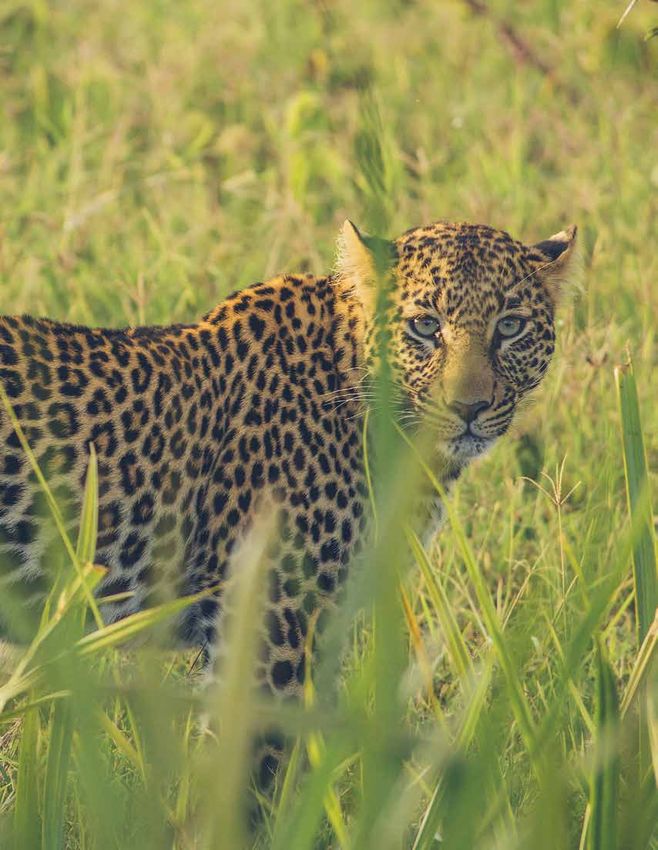
OUR IMPACTS ON

     WILDLIFE
     Over 30 years ago, we committed
       to protect, nurture and grow
      endangered species populations
     while providing a safe home for all
               other wildlife.

       Years of rigorous conservation
      efforts have resulted in booming
      populations and we've recorded
        increasingly stable and rising
              wildlife numbers.

     Here are some of the results
       for the past four years,
     achieved with your support.

                                           © AMI VITALE
18                                         19
100 BLACK RHINOS! MORE GREVY’S ZEBRA SURVIVE
With the birth of the 100th calf, the Lewa- An increase in foal survival rate has seen
Borana Landscape is now a Key 1 black rhino the endangered species stabilise after a
population worrying decline at the start of the decade
This makes us home to the 3rd 'Key 1' population The Grevy's zebra, historically found across
in East Africa. 'Key 1' rating is given by the IUCN’s the horn of Africa, has suffered one of the most
African Rhino Specialist Group to identify significant significant declines on the continent. Poaching,
populations that are stable, increasing and have hunting, habitat degradation and competition
achieved continental importance. We are optimistic for resources have reduced the Grevy's range to
about the future of this critically endangered species - Laikipia and northern Kenya. In the 1970s, the
we recorded ten births last year and no mortalities. global population was estimated to be 15,000
individuals. The second Great Grevy's Rally, held
Geoffrey Chege, Lewa's Head of Conservation and in 2018, indicates that the population now stands at
Wildlife, has steered various efforts in support of the 2,800, an increase from the recent estimates.
black rhino's recovery on Lewa, Borana and beyond
for the past 15 years. He says: From the 2018 census, we recorded a greatly
encouraging trend on Lewa. Foal survival rate has
"This has been a dream come true for us. We have increased to nearly 20%, making the Lewa-Borana
steadily grown our rhino populations from 15 Landscape one of the few populations in the country
individuals in 1984 to the 100 black and 94 white that has shown this increase in the last four years.
rhinos we have today. Reaching the 'Key 1' milestone In the past decade, predation reduced the number of
is a great motivation for our team." foals that survived into adulthood, thereby slowing
down population growth. This is now changing,
Kenya is now home to just over 760 black rhinos and our teams are actively monitoring this positive
and 620 southern white rhinos. Lewa and Borana's trend. The Grevy’s zebras on the Conservancy
rhinos constitute 13% of this population. As existing remain a significant population in the re-emergence
sanctuaries such as Lewa continue to record high of the species across its traditional range.
growth rates, finding new homes for rhinos remains a
national conservation imperative.
THE GREVY'S ZEBRA
POPULATION IN KENYA
BLACK RHINOS
NOW STANDS AT 2,800
HAVE INCREASED BY
WE ARE HOME TO 11%
25%
© MARTIN BUZORA
© ERICO HILLER
OF THE GLOBAL POPULATION
IN 4 YEARS
20 20 21 21RESILIENT LIONS ELEPHANTS ON THE PATH
TO RECOVERY
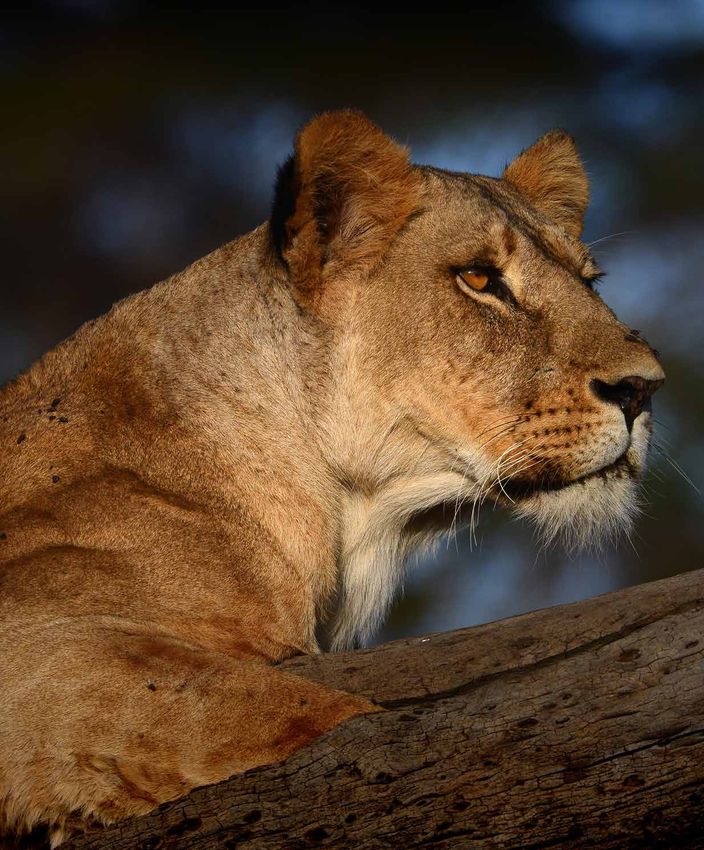
Loss of habitat and conflict with humans
remain the lion's biggest threats. We are Conservation efforts to save Africa's iconic
working to mitigate these threats species are yielding positive results
A report released by the Kenya Wildlife Service in Elephants are large herbivores that require vast
2018 about the lion population in Kenya confirmed tracts of land for their survival. As a result, they
move across massive landscapes, searching for
most conservationists' fears - the population of
food and resources. A 2017 aerial survey of the
Kenya's lions had declined drastically in the last
Laikipia-Samburu-Marsabit ecosystem, where
decade. Kenya has only about 2,000 lions left
the Lewa-Borana Landscape lies, gave us hopeful
compared to 2,280 in 2004. Researchers estimate that
news for the beloved species. During the census,
the overall African lion populations have dropped by
7,347 elephants were counted compared to 6,454
42% in the past 21 years. Loss of habitat, the decline
elephants in 2012. This represents a 12% increase
of prey species numbers and human-lion conflict are in the population over five years. Concerted efforts
the major causes of shrinking lion numbers. As a by all stakeholders – communities, Kenya Wildlife
result, lion conservation primarily involves preventing Service and private conservancies - to curb poaching
conflict, securing their habitat and ensuring that prey and reduce human-elephant conflict has contributed
species thrive. to this success.
Together with conservation partners and neighbouring Our landscape provides a safe habitat for
communities, we have implemented monitoring and elephants. We focus on promoting human-elephant
conflict mitigation initiatives to promote human-lion coexistence, monitoring the movement of herds as
coexistence. In 2018, we monitored the activities well as ensuring landscape connectivity.
and population dynamics of 47 lions occurring in In 2018, our camera traps recorded 774 elephant
seven prides and two coalitions. This population has crossings at the Mt. Kenya underpass, an elephant
remained stable in the past few years, benefitting from tunnel constructed by the Mount Kenya Trust,
an abundance of prey species and a safe and secure Lewa, KWS and other partners in 2011 to re-
habitat. establish an ancient elephant migration route that
was disrupted by human development. Elephants
now use the underpass to safely access Mt. Kenya
OUR LION CUB from Lewa and Ngare Ndare Forest.
SURVIVAL RATE NOW STANDS
THE ELEPHANT
AT 70%,
© ANDREW CAMPBELL
© ANDREW CAMPBELL
POPULATION IN THE LAIKIPIA
HIGHER THAN OTHER COUNTRYWIDE NORTHERN KENYA ECOSYSTEM HAS
ESTIMATES INCREASED BY
22
12% 23
23THE MISUNDERSTOOD BUFFALOES AND OTHER
PREDATOR PROSPERS UNGULATES THRIVE
The spotted hyena is the most abundant Our habitat continues to be ideal for large,
large carnivore in our landscape wild herbivores
In the recently concluded wildlife census, we
Hyenas have traditionally suffered from an
counted 1,753 buffaloes. This expansion of the
undeserved bad reputation. Far from being filthy
buffalo population indicates that our ecosystem
scavengers, they are sophisticated hunters that live
remains healthy for ungulate species, which have
in highly organised, matriarchal societies. In 2016,
shown resilience despite disturbances mainly
we identified 99 different hyenas on the Lewa-Borana
caused by rainfall inadequacy. The Plains zebra,
Landscape based on their unique spot patterns - this
the Greater kudu, impala and Grants gazelle have
population has since increased to 134. As the hyena is
also consistently increased over the same time. The
a nocturnal species, we use mounted cameras placed
Hartebeest, which was formerly widespread in
on each of the clan’s communal dens to identify
Africa, has declined in numbers across the continent
individuals and estimate their population.
in recent years. On the Lewa-Borana Landscape,
their population is steadily recovering.
In any landscape in which it exists, the hyena is a
dominant predator that often has a significant impact
on both prey and predator species. In the past, hyenas
have killed endangered rhino calves on Lewa. They
have also hunted livestock in the neighbouring IN THE PAST FOUR YEARS
areas, attacks which were often attributed to lions.
Additionally, hyenas shift dynamics by displacing
other predators such as lions and cheetahs. We are
still learning as much as possible about this elusive 43% 26%
predator to better understand what conservation
INCREASE IN INCREASE IN
measures, if any, need to be taken to ensure a balanced
ecosystem. BUFFALO BEISA ORYX
TO 1,753 TO 227
SPOTTED HYENAS
HAVE INCREASED BY 17% 63%
INCREASE IN INCREASE IN
34% PLAINS ZEBRA IMPALA
© KADZO DENJE
© NIMIT VIRDI
TO 1,484 TO 1,817
24 25
24 25WILDLIFE MANAGEMENT
Our anti-poaching team works closely with the KWS and NRT, PROTECTING
WILDLIFE
and often offers support to local law enforcement authorities.
ZERO
POACHING INCIDENTS TIPPER AND TONY RETIRE:
ON THE LEWA-BORANA NEW DOGS SACHA AND RUBY HAVE BIG
LANDSCAPE PAWS TO FILL
2 I
© ANNE & STEVE TOON
n 2018, we introduced new dogs to support rangers
15 POACHERS in their anti-poaching work. The dogs are Ruby, a
© STEVE TOOM
ARRESTED
full Bloodhound, and Sacha, a mix of a Dobermann
DOG
21 2
AND IVORY PIECES and Bloodhound.
RECOVERED
BEYOND OUR Ruby and Sacha have replaced brothers Tipper and
BORDERS
TEAM Tony, the two Bloodhounds that have worked with
A field ranger looks out for rhinos. These rangers patrol DEPLOYMENTS our rangers for years. Sadly, Tony died recently
Kenya's former wildlife cabinet secretary Prof Judi Wakhungu, Lewa and TO SUPPORT
KWS teams ear-notch a young male southern white rhino. the landscape daily, ensuring the well-being of wildlife. from cancer while Tipper is due for retirement. The
They rely on notch patterns to identify and collect SECURITY IN
NEIGHBOURING
new dogs, after months of training, are proving to be
accurate data on individual rhinos.
135
AREAS excellent trackers.
Tracker dogs, particularly Bloodhounds, continue to
ZERO STOLEN
LIVESTOCK FROM
prove invaluable to our anti-poaching work. Their
WILDLIFE MANAGEMENT: BOUNDARY
INTRUSIONS ON
NEIGHBOURING
AREAS RECOVERED
extraordinary ability to read terrain and track scents
has enabled our rangers and local law enforcement
YOUNG RHINOS GET IDENTITIES
LEWA-BORANA agencies to do what was previously incredibly difficult.
Tipper and Tony
are now global
P
rotecting rhinos often involves undertaking goes missing. Currently, over 80% of the rhino superstars! They
complex management activities. To enhance population is identifiable through ear notches, feature in a new
individual identification, 25 rhinos (14 black unique horn morphology, cow-calf combinations, IMAX film –
and 11 white rhino) were successfully ear notched and other distinguishable body characteristics. Superpower
from 1st to 9th February 2018. This project was Dogs – with other
carried out in partnership with the Kenya Wildlife Subira, a four-year-old black rhino, was the first
© ALICE PERETIE
extraordinary dogs
Service (KWS) and funded by World Wildlife to get her notch pattern. Former Cabinet Secretary from around the
Fund (WWF), Kenya. for Environment Judi Wakhungu joined us to world. The film was
notch the last rhino, a robust southern White male released across the
An ear notch is a pattern that is unique to an named Gidi. US and Canada, with
individual rhino in a particular area. This makes plans to show it in
it possible for rangers and researchers to keep Conservation of Kenya’s wildlife remains top in the Europe and other
consistent and accurate records, monitor a rhino’s government’s agenda. Kenya has seen poaching of theatres across the
body condition, movement and general health. rhinos decrease significantly – the country lost less Ranger Kisio takes one of the new dogs, Sacha, out on a world.
It also enables rangers to know when an animal than ten animals last year. training exercise. Sacha and Ruby, Lewa's new anti-poaching
dogs, are already proving to be excellent trackers.
26 27THOUGHT LEADERSHIP
FROM KRUGER TO LEWA:
RANGERS LEARN
FROM EACH
OTHER
Craig Jake Williams (left) with Lewa's Edward
Ndiritu (centre) and Joseph Piroris.
© JEFF WAWERU
For the past 13 years, South African ranger Craig IT’S INCREDIBLE TO IMAGINE THAT WHAT CAN WE LEARN FROM working dogs better suited for tracking in hot
Jake Williams has been at the forefront of the anti- KRUGER HOLDS MORE THAN 7,000 EACH OTHER? and rough terrain. These are some of the learning
poaching fight in Kruger National Park. Kruger RHINOS. THAT’S ALMOST SEVEN TIMES experiences we've already exchanged.
is a world-famous, 2 million hectares wildlife THE SIZE OF KENYA’S POPULATION! Craig: How Lewa interacts and works with its
sanctuary. Kruger is divided into zones and Craig neighbouring communities was an interesting I have been received and treated very warmly. I
oversees one of these zones. There is a high number Craig: Yes we have many rhinos in Kruger - experience for me. It was great to go into the believe I have made good friends here at Lewa. I’ll
of rhinos at the park, which means that they are South Africa in total has about 18,000. It’s a huge community areas and see how well regarded and definitely be back and encourage my colleagues to
under constant threat from poaching. challenge to keep them safe. My section, which I respected Lewa, and the rangers, are. I attended a tree visit.
manage, is bigger than Lewa, and I don’t have a planting exercise at Lewa Downs Primary School too,
In 2017, he met Edward Ndiritu, our Head of team as big as yours. It’s not easy, but we’re trying and it was good to see the infrastructure that Lewa
Anti-Poaching, who was visiting Kruger on a our best. has put into place at the school. Lewa also works very
field trip to learn about conservation dogs. The well with government agencies, such as the KWS.
two rangers immediately had much to share WHAT ARE SOME OF THE SIMILARITIES
and agreed on the need for greater interactions BETWEEN LEWA AND KRUGER? When Edward visited us in 2017, he was keen to find
between conservationists across the continent. out what dog breed would help his team overcome
Edward invited Craig to visit Lewa, which he did in Craig: When I met Edward, I realised that while the challenges they were facing. At Kruger, we use
February 2019. we are from different countries, the threats are the dogs that are 75% Bloodhound, 25% Dobermann.
same. Rhino horn or ivory is also the same whether This means that the dogs retain the excellent tracking
In February, we sat with Craig to chat about his trip, from a South African or Kenyan animal. Our anti- ability of Bloodhounds but don’t get easily fatigued.
Kruger and Lewa. poaching techniques are similar too. I’m excited to see that as a result of that visit and
the knowledge we shared, Lewa now has two new
28 2930
© STEVIE MANN FOR BORANA CONSERVANCY
PEOPLE
RESULTS FOR
31AMOUNT INVESTED IN EDUCATION AND LIVELIHOODS - 2018
$1.66M
HEALTHCARE
PEOPLE PROVIDED WITH
HEALTHCARE SERVICES
16,032
52,484
CHILDREN
TREATED
DURING SCHOOL
OUTREACHES
EDUCATION
2,500
TOTAL GOVERNMENT SCHOOLS SUPPORTED
WITH INFRASTRUCTURE DEVELOPMENT:
STUDENTS TRAINED
CARRIED OUT REPAIR AND
MAINTENANCE TO ENSURE 11
ON DIGITAL LITERACY CLEAN WATER SUPPLY FOR WATER PROJECTS
30
AT LEAST 20,000 PEOPLE
WATER
421
IN THESE SCHOOLS, WE BUILT NEW CLASSROOMS, ADULTS TAUGHT
DORMITORIES, LABORATORIES, BOREHOLES, BASIC LITERACY &
TEACHERS’ HOUSES AND KITCHENS. WE ALSO CONSERVATION
REPAIRED EXISTING FACILITIES.
62 ENTERPRISE & EMPLOYMENT
458 TEACHERS HIRED TO
SUPPORT LEARNING
IN THE SCHOOLS
$275,415 $15,000
CHILDREN RECEIVED FULL SALES
SCHOLARSHIPS DISTRIBUTED TO NEW
81 MADE FOR FARMERS THROUGH BORANA'S
LIVESTOCK TO MARKET INITIATIVE
MEMBERS OF THE MICRO-
ENTERPRISE PROGRAMME
STUDENTS HAVE
STUDENTS ADVANCED TO
5,105 VISITED LEWA FOR
CONSERVATION
UNIVERSITIES AND
ACROSS THE LEWA-BORANA
EDUCATION
COLLEGES
≈ 1,300 PEOPLE EMPLOYED LANDSCAPE
32 33CONSERVATION EDUCATION CONSERVATION EDUCATION
NATURE'S NEW
STEWARDS It is the unfortunate reality that many Kenyans
do not have the opportunity to interact with
endangered species found in their country.
Consequently, children often have little access
From Marsabit to Samburu, we to information that can help them to become
are empowering northern Kenya's environmental stewards from a young age.
children to be stewards of their Our goal is to change this in our neighbouring
communities and across northern Kenya. For
natural world. children living in these areas, conservation
education is critical.
I
n 2018, Abdul Sharamo and his classmates
took their longest journey yet. It was the It equips them with knowledge on the issues
first time the 13-year-old student from Shurr facing their home, such as land degradation and
Primary School had travelled hundreds of human-wildlife conflict, and what they can do at
kilometres away from home. After a gruelling home and at school to address these challenges.
10-hour journey, Abdul and his classmates In 2018, Abdul and Jimal were two of the 400
arrived on Lewa to learn about conservation, the students from 50 northern Kenya schools
environment and their role in protecting nature. who came to Lewa for an immersive learning
experience. The Conservation Educators
Abdul, just like his classmates, had never seen provided them with lessons in threatened
some of the wildlife on Lewa, such as rhinos, species, reforestation, water harvesting, wildlife
before this visit. protection, sustainable use of resources and
more.
"When we went out to the field on Lewa,
Jonathan (one of Lewa's Conservation Educators) For many of these students, Lewa was the
introduced us to the animals. I didn't even know farthest they had travelled away from home,
there were black and white rhinos. I knew some and the exposure offered them an invaluable
bad people kill animals to sell their parts, but I experience which will help to transform their
didn't know all the things Jonathan told us." interaction with nature.
His classmate, Jimal Magale, agrees that they Ephantus Mugo, Lewa's Conservation
learnt a lot from the trip and was fascinated by Education Coordinator, says the 'Lewa Trip'
the entire experience. has become extremely popular amongst schools
from northern Kenya.
"On the journey to Lewa, I saw many things that
I had not seen before, such as the highway. I "Children are always eager to learn and this is
saw big cactus trees, as well as many towns with the right age to champion the environment and
PHOTOS: STEVE TOOM
different names. When we got to Lewa, I learnt nature to them. To ensure that the knowledge
about water harvesting as we live in an arid area. we pass along is also practiced in the classroom,
Jonathan also told us why we shouldn't throw we are training teachers as well on conservation
papers outside. I learnt that animals get affected education. This way, it's not just the students
by our actions. I don't want animals to suffer." but with their teachers as well."
34 35© AMI VITALE
© FRANK AF PETERSENS
A D U LT L I T E R A C Y The people of Ntebes and Mukogodo continue to successfully protect their
biodiversity, including indigenous forests and wildlife.
EDUCATION AT
ANY AGE of tribal conflict. In February 2018, Lewa began
the Ntebes class with a group of 60 students. The
class shares resources with a nursery school, and
school, having career dreams. That’s why I’m
here. I want to study, find a way to sit for the
Kenya national exams, and hopefully, one day,
often, the adult learners sit under a tree for their I’ll be like the other girls my age."
lessons as the children use the classroom. Linet
Established in 2004, Lewa’s Adult Literacy Programme has opened new Mwenda, Lewa’s Adult Literacy Coordinator, Ann Kirobi is a 60-year-old mother of four.
says that the determination of the Ntebes class is It was more common when she was growing
doors to hundreds of Kenyans who never had a chance to attend school. The the most inspiring thing she has witnessed in the up that girls barely received any educational
new class at Ntebes is broadening horizons for its highly motivated learners. past 14 years of running the programme. Linet opportunities. By attending the classes, she
and her team also use the adult literacy classes hopes to be able to write her name, read primary
as a platform to discuss pertinent conservation documents, and directions when she visits her
T
he road to Ntebes is rocky and dusty - it literacy levels - especially for adults - remains issues, such as human-wildlife conflict and children. She proudly adds that some of them are
meanders through rough terrain that is a big challenge. Two years ago, the community sustainable farming practices. studying in university, and she wants to be able
challenging even to a hardy Land Cruiser. approached Lewa with a request to set up an to join in their conversations occasionally.
It eventually opens up to a stunning, well- Adult Literacy Centre, similar to eight others in Beatrice Saruni walks two hours every week
preserved landscape that is a part of Mukogodo neighbouring communities, as a step towards to attend the class. Her classmates range from By working with our neighbours to initiate
Forest. It is evident from the area’s geography improving literacy levels. Many of the learners 70-year-old women to others much younger, like development programmes that directly impact
that the people of Ntebes and Mukogodo have from Ntebes were forced to walk for close to herself. She’s only 17. their lives, we are making conservation have
done a remarkable job of preserving their three hours to access literacy classes in other tangible value to them.
ecosystem in a rapidly changing world. So while centres, which was too long a journey for many, “I never had a chance to attend school. I see
they succeed in environmental preservation, low as well as a stressful trip to make during times other girls my age proudly attending secondary
36 37LIVELIHOODS
SUSTAINABLE
AGRICULTURE
We are supporting over 1,000 farmers in Manyangalo to
increase their yield while minimising the negative impacts of
agriculture.
S
amuel Kathiru has been a farmer for close to the base of the plants through tubes
decades, depending on good harvests to running across their fields. Alternatively, an
sustain his family. However, whenever the irrigation sprinkler is used to irrigate the crops.
rains fail, which is happening at an increasingly During the dry season, powerful water pumps
worrying frequency due to erratic weather tap water from the river into the storage tanks.
patterns, Samuel and thousands of other farmers The community can then have access to water
like him from the surrounding communities for both domestic and farm use. Unlike the
are left vulnerable. To survive, they often have furrow method, the drip and sprinkler systems
little choice but to irrigate their land with water are extremely efficient - there is minimal wastage
from rivers and streams. Globally, agriculture of water as runoff. As a result, the amount of
irrigation accounts for 70% of water use. water fetched from the river has dramatically
However, this is often not done sustainably, reduced. Samuel says that he couldn’t be happier
which continues to deplete finite water resources with the yields from his farm.
that all life needs for sustenance.
“I’m now farming onions, cabbages, kales,
Together with the farmers and local water users tomatoes and potatoes. I started selling the
associations, our community development surplus to local markets. The profits I’m making
team is continuing with efforts to change have enabled me to support my family better.”
irrigation practices to more sustainable methods.
Previously, Samuel and the other farmers were Lilian Nganga, also from Manyangalo, has a one-
forced to rely on a weak water catchment system acre farm where she grows food crops and also
which involved channelling water from the keeps dairy cows. Lilian, who is also a member
nearby river and then guiding it through furrows of Lewa’s micro-enterprise programme, has also
to irrigate their farms. The method proved to be seen her farm produce increase.
hugely inefficient - a lot of water was ‘lost’ into
the ground before reaching the crops. It caused “This irrigation system is much better than
soil erosion and was labour intensive. It was before - in fact, we cannot compare the two! I
depleting the river at an unsustainable rate. now run a fresh food shop on the edge of my
farm to sell my crops.”
The solution was to transition to the more
efficient sprinkler and drip irrigation systems, Through our comprehensive Conservation
PHOTOS: STEVE TOOM
which have transformed farming in the Agriculture programme, we are helping farmers
community. Using these methods, storage tanks increase their productivity and adapt to erratic
are used to harvest rainwater. The farmers climatic conditions, while at the same time
then channel the water through pipes placed minimising the adverse effects of agriculture on
horizontally on the ground, which shoot water scarce water resources.
38
38 39EDUCATION
POOLING RESOURCES FOR
EDUCATION
You too can play a part in securing a
child's future
In Lewa and Borana's neighbouring
communities, thousands of children have
incredible potential. Just like Sam, all they
need is someone to believe in them and make a
commitment to offering support that is beyond
their families' capabilities.
While Sam was lucky to have a donor who
enabled us to support him, others who have
joined our programme have not been so
lucky. A child’s future is put at immense risk
SAM KURARU REACHES when a donor decides, for whatever reason,
to no longer sponsor that child. As a result of
NEW HEIGHTS
this challenge, we are transitioning Lewa's
Bursary Programme, which has traditionally
matched individual donors to students, to
a pooled fund scheme. This type of funding
will allow us to allocate resources equally
S
to students based on their performance and
am Kuraru grew up in a polygamous natural resources in the community conservancies commitment. It will make our management of
household with 15 siblings. Raised in Ngare that NRT supports. He then converts this the education programme more effective and
Ndare, a community adjacent to Lewa, information into maps which inform management efficient, and most importantly, will ensure
Sam's future changed when he realised he was decisions such as ranger patrols and grazing plans. that we can fulfil our obligations to children to
academically gifted during his primary school support them through all levels of education.
studies at Lewa Downs Primary School. Lewa While doing an aerial survey, he realised that
To build this fund, we need your help.
offered to support Sam's education, and he has not pilots interact with technology that he's familiar
looked back since. In secondary school, he became with, such as maps and coordinates. This OUR GOAL FOR 2019 IS TO RAISE
a high performing and motivated student, passing experience ignited his desire to learn how to fly.
his exams and gaining admission to Dedan Kimathi With further support from Lewa, Sam began his
flying lessons in 2018. He recently completed
$225,000
University of Technology. AND SUPPORT
his training and is now gearing up to become a
"I became the first from my village to join the
university. When I told my father that I was
conservation pilot to complement his GIS role. He's
also a mentor back in his community, encouraging 150 STUDENTS IN THE
NEXT SCHOOL YEAR
planning on studying geospatial engineering, he children, including his siblings, to attend and excel
did not know what I meant, but I could see that he in school. Lewa is now supporting six of Sam's It costs $1,500 annually to educate a child. By
was very proud of me," he says. siblings, who are eager to follow in their brother's making an annual investment and a four-year
footsteps. commitment, you will help us realise our goal. You
Sam now heads the Geographic Information can give directly to Lewa in Kenya, or if you're in
Systems (GIS) unit at the Northern Rangelands Sam remains passionate about conservation. the US, via our US office for charitable contribution
Trust. GIS are computerised systems used to deductions. UK tax-paying nationals donating via
© NATALIE SOLVELAND
collect, store, analyse, manipulate and present a "Working for conservation isn't a job for me. It has our UK office will see their donation increase by
range of complex geographical and spatial data. made me who I am, and I'm proud to be one of the 20% if eligible for Gift Aid. To donate, visit our
Sam's role at NRT involves laying out all the people shaping conservation in northern Kenya." website at www.lewa.org, or email us at
lewaintl@lewa.org for more information.
40 41NATURE
PROVIDING HEALTHCARE TO ALL THANKS TO OUR HEALTHCARE
IN NEED
INTERVENTIONS, IRENE LERUSA
CAN LIVE A NORMAL LIFE
WITHOUT ENCEPHALOCELE. MORE
THAN 50,000 PEOPLE RECEIVED
Mobile clinics are enabling us to provide critical HEALTHCARE SERVICES IN 2018.
services to thousands living in remote areas.
E
very week, the Lewa and Borana healthcare found three-year-old Irene Lerusa living with an Children's Hospital examined her condition. After and treat the children for commonly occurring
teams travel to remote areas to provide incredibly painful condition called encephalocele. Borana secured support for her operation, Irene diseases such as respiratory and abdominal
essential healthcare services. These Encephalocele is a congenital disability caused by underwent surgery in September. The operation infections. In 2018, together with healthcare
mobile clinics improve healthcare access for the skull not fusing correctly and therefore part was hugely successful, and Irene is now out of pain partner MEDCAN, we also screened children
vulnerable populations who cannot visit physical of the brain, or the fluid surrounding the brain, and preparing to start nursery school. for visual impairment and eye-related diseases.
health facilities, often due to long distances and protrudes through the forehead. Children in five schools received reading glasses.
undeveloped road networks. They also act as an PHOTOS: BORANA TEAM The Lewa team referred 298 patients to higher
opportunity for early disease detection. If left untreated, Irene would not only continue to healthcare institutions for specialised treatment Access to affordable and effective healthcare
suffer from the pain and social stigma, but would and management. The school health programme remains one of the most critical ways in which we
The Borana Mobile Clinic, on average, treated 160 also have been left with brain damage. Fortunately, also ensures that children in Lewa-Borana improve the quality of life of our neighbours.
patients weekly in 2018. During a routine visit by at three years old, Irene was the right age to supported schools have access to primary health
the clinic to Ngare Ndare village, Pauline, a nurse, receive treatment. In May, specialists from Kijabe services. During the school terms, the teams visit
42 43THE LEWA-BORANA EXPERIENCE
C
hef, celebrity, author, TV show host and
producer - the late Anthony Bourdain
ANTHONY BOURDAIN
wore many hats. He became known for his
bestselling book Kitchen Confidential: Adventures in the
ON LEWA
Culinary Underbelly (2000), and his food and world-
travel television shows, which he continued to work
on and produce until his death late last year.
© ELEWANA COLLECTION
In the first week of March 2018, Lewa was privileged
to welcome Bourdain, as a result of a partnership
with Lewa Wilderness and travel specialists Next
Adventure. Comedian and presenter Kamau Bell, the
host of CNN's United Shades of America, accompanied
him on the trip. They stayed at Lewa Wilderness
and spent days on the Conservancy, with a final visit
to Il Ngwesi community. The team was filming for VISIT US AND EXPERIENCE
an upcoming series of the hit programme, CNN's LEWA LIKE BOURDAIN
Anthony Bourdain: Parts Unknown.
It saddened us all to learn of Bourdain's death, A visit to the Lewa- our visitors with a
but the enigmatic chef's influence on travel and Borana Landscape is greater understanding
adventure has not waned. While we were not sure more than just your of our efforts and their
what would happen to the Kenya episode, CNN regular safari. We impact.
honoured Bourdain's legacy by airing the final strive to offer guests the
season of Parts Unknown, which premiered on experience of a lifetime Tourism plays a critical
23rd September 2018. It featured the Kenya episode, that includes incredible role in our conservation
which was the only one completed before his death. wildlife encounters and model. For every night a
Those who met Anthony here on Lewa describe him unforgettable ‘Behind the guest stays with us, we
as dynamic and curious. He asked unusual questions Scenes’ activities. earn conservation fees,
and took an interest in everything, including the funds that constitute a
mundane. While staying at any significant percentage
of our lodges, you of our annual revenue.
have an opportunity By visiting us, you'll be
to participate in directly contributing to
these activities. They our conservation and
include visits to development work.
schools, water projects,
health clinics and our We manage our tourism
other development through a strict code of
programmes. We conduct informed by
encourage guests to visit the Lewa Standard. The
us at the Headquarters Lewa-Borana Tourism
to meet with the various Committee, consisting of
© KILI MCGOWAN
teams on the ground various representatives
- conservation, anti- from both conservancies,
poaching, security and ensures that we maintain
© KILI MCGOWAN
© KILI MCGOWAN logistics - to see what our tourism experience
it takes to manage the to the highest possible
landscape. This provides standard.
44 45TAKING THE WILD TO
THE CITY Business leaders from Kenya's
top companies joined Lewa for an
THE LEWA
evening of conservation and learning.
BORANA BALL
FROM IL NGWESI TO THE USA,
FRIENDS OF LEWA AND BORANA Lewa Kenya board vice-chair, Mbuvi
CAME FROM FAR AND WIDE TO
Ngunze, introduces Lewa to the guests.
ATTEND THE INAUGURAL BALL.
I
n November 2018, we were
privileged to host Kenyan
On 1 November 2018,
st
business leaders for a cocktail
a group of over 400
party in honour of our work in
people from across three
Nairobi. It was a fantastic evening
continents gathered at
full of great conversations and
the Dorchester in London
ideas.
to celebrate and support
Lewa and Borana, and
Organised and supported by the
our evolving partnership.
Kenya board members and the
Since their inceptions, Thanks to sponsorship from Lewa Team, the event proved that
Lewa and Borana and have Rakuten and Ultimate Travel, the there is an appetite for Kenyan
benefitted from the support setting was dazzling, including a corporates to participate and take
of friends and family
life-size acacia in the centre of the charge in supporting conservation
around the globe; and the
Lewa Borana Ball was a room that will surely serve as a efforts. Lewa is increasingly getting recognition from
proud continuation of that Lewa and Borana icon for events Kenya's business community. Here, Lucy
in years to come. The results from Our Kenya board vice chair, Mbuvi Ndirangu, our Chief Administrative Officer and Ronald Marambii, CEO - Bank
tradition.
the evening were astounding, Ngunze, started the evening by James Kiogora, our Head of Human Resources, of Africa, spoke about his
with over £555,000 gross raised. introducing the audience to Lewa's receive an award for Responsible Business organisation's partnership with Lewa
The energy in the room was
work and its scope. To most people Conduct from the Federation of Kenya Employers. through education.
palpable. As one guest said: Alexandra Ames Kornman (Lewa
around the country, Lewa is mainly
UK Development Director at the
known for the annual Safaricom also spoke in the same vein, using
"I have never seen such time and one of the engineers of Marathon, and during his speech, his story as an example of the "It was a great way to introduce
a gathering. The evening the event) said “the highlight of the Mbuvi expounded on our core successes that can be achieved when Lewa to a broader audience who
whirled past much too evening was seeing guests from all programmes and their impacts. conservation invests in people. would not naturally be inclined
quickly, every time walks of life step up to show their Ronald Marambii, the CEO of Bank to work with a conservation
someone turned around
support for Lewa and Borana’s Francisca Apua, a beneficiary of of Africa, offered his perspective organisation. Sustainability is
there were cries of delight at
seeing long lost friends.” work.” the Lewa Education Programme, as a partner investing in children's important in the Kenyan corporate
spoke passionately about the futures through the Lewa Education culture, and we need these
© HENRIQUE MAIA
© STEVE TOOM
Following the overwhelming success opportunities Lewa has offered Programme. partnerships from all industries to
of the auction and pledges, there her, which have enabled her to address the urgent need to conserve
was nothing left to do but dance the pursue her dreams. John Pameri, Ruwaydah AbdulRahman, Lewa's Kenya’s threatened species and
Lewa's Head of General Security, Donor Relations Manager, says: landscapes."
night away!
4646 47
47RGS Talk 2019: Social Media
and Conservation
PROMOTING
THOUGHT LEADERSHIP S
ocial media has become an integral
part of our daily interactions
and engagement. But how does
it affect conservation? In 2019, Lewa's
Conservation Conversations at the RGS
sought to answer this question. The
fascinating discussion featured Wanjiku
Kinuthia, Senior Communications Officer,
and Ian Lemaiyan, Rhino Scientist. They
were joined by Rakuten’s EMEA Vice
President, Mark Haviland, and IFAW’S
Project Lead - Global Crime, Tania
McCrea-Steele. The topics ranged from
© HENRIQUE MAIA
both good and bad impacts, such as the
incredible reach social media offers, but at
the same time, the increasingly dangerous
trend of trade in illegal wildlife parts on
social platforms.
Lewa Wins Women’s Global
Empowerment Award
I
n May 2018, Lewa was one of two
© HENRIQUE MAIA
recipients of the Women's Global
From left, Lewa's CEO Mike Watson and
Head of Conservation and Wildlife Geoffrey Empowerment Awards from
Chege, TV Presenter Simon King and Il Women International Leaders (WIL),
Ngwesi Chair Kip ole Polos. USA. This award recognised our work
that improves the lives of women and
their families. John Kinoti, Lewa's Head
of Community Development, was in the
RGS Talk 2018: Learning From Community Partnership
USA to accept the award.
"Conservation is an engine for
T
he 20-year-old relationship between Lewa The speakers covered various topics, including development. When women are
and the neighbouring community of Il the role of communities in conservation, how to empowered, they look after their
Ngwesi has provided critical conservation ensure conservation directly benefits livelihoods, families and the environment better,
lessons. In 2018, speakers Mike Watson, Lewa's and the successes that both Lewa and Il Ngwesi and the general living standards of a
CEO; Kip ole Polos, Il Ngwesi's Chairman; have achieved as a result of the partnership. During community improves. We are proud of
Geoffrey Chege, Lewa's Head of Conservation and the talk, Kip announced Il Ngwesi's plans to have what we've enabled women to achieve,"
Wildlife and TV Presenter Simon King, who has the rhino return to their land, a culmination of the he said.
visited the area on numerous occasions, offered many years of collaboration. Over 400 people from
their perspectives at Lewa's second RGS panel all over the world attended the lecture.
discussion.
48 49RECOGNITION AND
AWARDS
2018
IUCN Green List of protected area management excellence,
demonstrating long-term positive impact on people and 2014 Silver, Best in Poverty Reduction by the World
Responsible Tourism Awards
nature. Also listed in 2014
Best Conservation Organisation, Runner Up,
Federation of Kenya Employers Winner, Responsible
2017 Business Conduct and Runner Up 2018
Safari Awards
Inscribed into the UNESCO Mount Kenya World Heritage
2015
Lewa’s Head of Anti-Poaching, Edward Ndiritu, Winner, 2013 Site
Inaugural Tusk Wildlife Ranger Award
Find us online:
lewa_wildlife
The Lewa Wildlife Conservancy
lewa_wildlife
© ANDREW CAMPBELL Lewa Wildlife Conservancy -
Our official YouTube channel
51
50
50 51OUR 2018 REVENUE BY SOURCE
FINANCIALS Other Income
11%
2018 2017
Conservation
REVENUE USD USD Fees
22%
Donations 3,968,715 3,876,534
"As we sustain our support to community conservancies, Lewa Conservation Fees 1,279,004 1,170,496
has and continues to be our anchor and a critical partner for Other Income 661,838
5,909,557
568,678
5,615,708
our success. Much of what we've achieved has been as a result
EXPENDITURE
of our shared vision whose foundation was laid out at Lewa." Donations
Programmes 3,953,554 3,950,223 67%
Tom Lalampaa, Chief Executive Officer, Northern Rangelands Trust Fundraising 198,651 127,145
Administration 1,583,091 1,465,775
5,735,296 5,543,143
Net Increase in Assets 174,260 72,566
2018 TOTAL EXPENDITURE
This financial extract is based on the audited financial statements Administration
by PricewaterhouseCoopers. To view the full statement, visit our 28%
website www.lewa.org
Fundraising
3%
Programmes
69%
2018 PROGRAMME EXPENDITURE
Education
and Livelihoods
42%
© ANDREW CAMPBELL
Conservation
© BOBBY NEPTUNE
and Anti-Poaching
58%
52 53WAYS TO GIVE OUR BOARDS
There are many ways to support Lewa Wildlife Conservancy. To learn more or to donate, please email
us at info@lewa.org or visit our website at www.lewa.org.
KENYA CANADA USA
Michael Joseph, Chair Marc Dupuis-Desormeaux, Chair Tony Barclay, Chair
Mbuvi Ngunze, Vice Chair Suzanne MacDonald, Treasurer Leslie Roach, Vice Chair
Outright gifts Conservancy and Goodshop will offer discounts on
Mike Watson, Chief Executive Officer Ryan Adams Richard Essex, Treasurer
• Make a one-time cash gift purchases and donate 20% of your total amount to
Tony Barclay (representing Lewa Heather Dryden Deborah Gage, Secretary
• Make a charitable gift of stocks, bonds, or mutual Lewa.
International) Ted Harris Sue Anschutz-Rodgers
funds Munira Anyonge Bashir (representing Patricia Koval Alex Beard
• Make a symbolic animal adoption Visit us The Nature Conservancy) Katherine Chou
• Honour a loved one with a tribute gift The most enjoyable way you can help Lewa is
Dr Julius Kipng’etich Cina Forgason
simply by visiting us! Lewa is world renowned
• Invest today in Lewa’s future by supporting its
for its outstanding, low impact tourism Prof Patricia K. Mbote UK Edith McBean
endowment
practices. Your conservation fees help fund our Dr James Mworia Joseph Dryer, Chair Linda Millard
• Become a monthly supporter.
annual operating costs. Kripa Radhakrishnan, Treasurer Steve Monfort, Science Advisor
Kathleen Crook Gordon B. Pattee
Estate gifts
• Remember Lewa Wildlife Conservancy in your will RUN WILD for conservation SWITZERLAND David Hillyard, joined 2019
Lewa has hosted the Safaricom marathon Paul Mulholland
or living trust Michi Luthy
for the past 19 years on Lewa Wildlife Sachin Rupani, joined 2019
• Beneficiary designations: leave a portion of your life Monica Villiger
Conservancy. Join the race and raise funds for Francesca Sanders
insurance or retirement plan assets to Lewa Wildlife Cathy Waldvogel
local communities and conservation efforts in Fiona Sanderson, joined 2019
Conservancy. Roland Waldvogel
northern Kenya.
Workplace giving
• Ask if your workplace participates in corporate STAY IN TOUCH
OUR MANAGEMENT TEAM
matching gifts Sign up for our monthly e-newsletter on our
• Donate by Shopping –It is so easy to support Lewa website to receive updates from Lewa.
by using Goodshop.com. Select Lewa Wildlife
Mike Watson - Chief Executive Officer John Pameri - General Security Manager
Tuqa Jirmo, PhD - Chief Operations Officer James Kiogora - Human Resources Manager
Lucy Ndirangu - Chief Administrative Officer Adrian Paul - Logistics Manager
© KADZO DENJE
George Rioba - Chief Finance Officer David Kimiti, PhD - Head of Research and Monitoring
Georgina Domberger - International Executive Director Ruwaydah AbdulRahman - Donor Relations Manager
Faith Riunga - Head of Education Programme Wanjiku Kinuthia - Senior Communications Officer
Geoffrey Chege - Head of Conservation and Wildlife Kathryn Reidy - Deputy Director of Development, USA and
John Kinoti - Community Development Manager Canada
Edward Ndiritu - Head of Anti-Poaching
© ANDREW CAMPBELL
54 55
55You can also read


