Thank you Phil - we will miss you so much - February 2021 AMPHIBIAN SURVIVAL ALLIANCE NEWTSLETTER Got a story you want to share? Drop Candace an ...
←
→
Page content transcription
If your browser does not render page correctly, please read the page content below
February 2021
                                                  AMPHIBIAN SURVIVAL ALLIANCE
                                                  NEWTSLETTER

                                                              Got a story you want to share?
                                                              Drop Candace an email today!
                                                              cmhansen@amphibians.org
     Stories from our partners around the world

Thank you Phil – we will miss you so much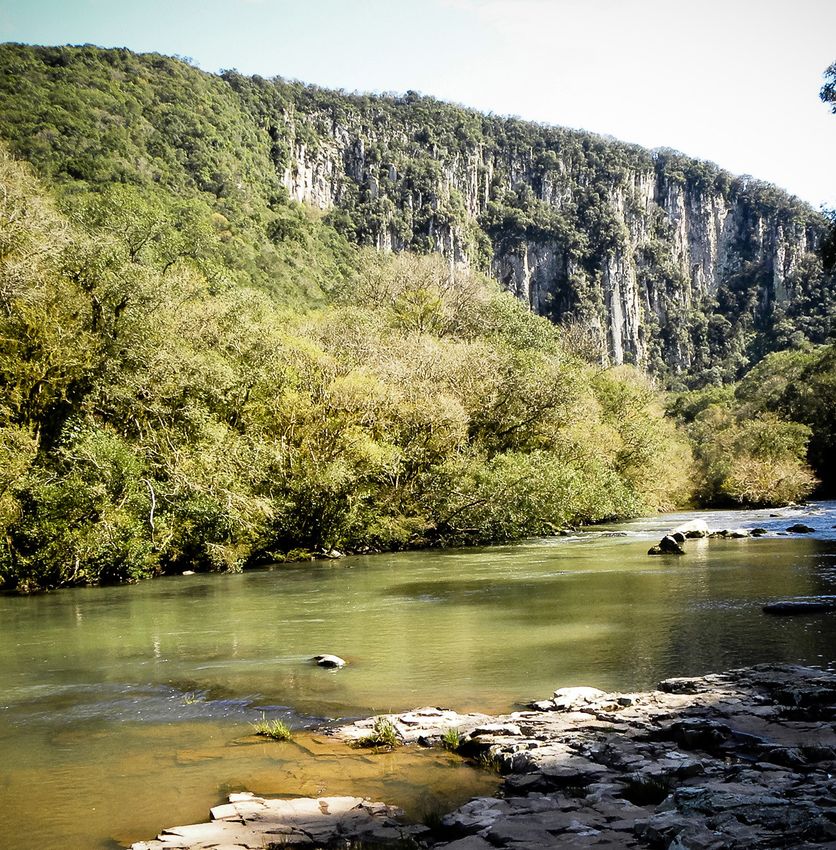
By IUCN SSC Amphibian Specialist          tion of selflessness and generosity,    it on, just as he did.
Group and Amphibian Survival Alli-        always willing to help and support       Phil lived his life with intense pur-
ance                                      anyone, even if he himself was up       pose. As amphibian conservationists
                                          to his eyeballs in work, and all done   and as people we have our work
 It is with great sadness that we         with his characteristic brilliance      cut out to continue the legacy of
are sharing this message with you.        and distinctive sense of humour.        the extraordinary human being that
Our friend, colleague and mentor,         No challenge was too great and no       Phil was. As Phil always used to say,
Professor Phil Bishop, passed away        concern too small. He brought his       “Let’s do it!”
after a short and unexpected illness      tenacity and deep love of amphib-        Thank you, Phil, for showing us, by
surrounded by family on Saturday,         ians to everything he did, reminding    example, how to be better people.
January 23rd, 2021 New Zealand            us all of the true meaning behind       You exemplified living life to the
Time.                                     our work. It seems impossible to        fullest and leaving the world a much
 Phil was a true great and such a         imagine a time without him, and yet     better place.
bright light in all our lives. Our col-   the imprint of his expertise, dedica-    There is a hole in our hearts. It is in
lective hearts break for Phil’s family,   tion and personality is on everything   the shape of Phil.
all his friends and an entire conser-     we do. The number of people that
vation community. He touched so           Phil befriended and influenced
many lives and meant so much to all       became apparent over the last few
of us.                                    weeks, with an outpouring of mes-
 Phil was at the very heart of build-     sages of grief and love from liter-
ing a global amphibian conservation       ally every corner of the world. The
movement, and he ensured that this        magnitude of his influence ensures
heart was a kind and inclusive one.       that we will always be acting in his
 As Chief Scientist of the Amphib-        memory, honouring his passion and
ian Survival Alliance since 2011 and      approach at every step. We will miss
Co-Chair of the Amphibian Special-        him beyond words and will strive to
ist Group since 2012, he was in his       continue his mission. Our gratitude
element when representing ASA and         as a community is boundless. So
ASG around the world, welcoming           many of us will carry his memory
new people, organizations and ideas       and the flame of his torch through-
to both. Phil was a living incarna-       out our lives, and endeavour to pass
                                                            2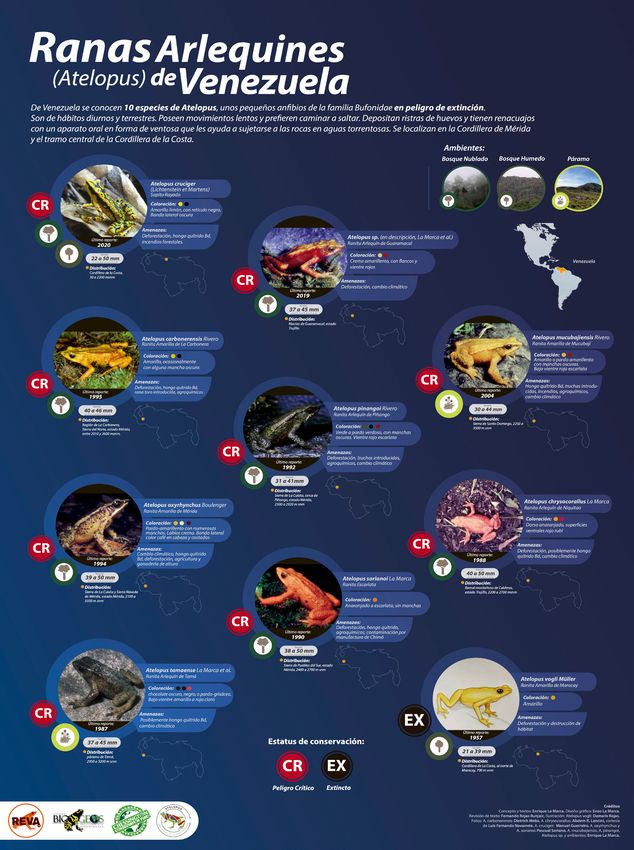
Table of contents
1 Thank you Phil – we will miss you     12 The Conservation Evidence Jour-
so much                                 nal: Call for papers
                                                                                Frogress Report
4 Planting steps for frog conserva-
tion in Western Ghats, India
                                        13 A new poster for Harlequin Frogs
                                        (genus Atelopus) is now available           Editorial
5 Tribute to Marcelo Menin, a Brazil-   14 Saving the planet, one frog at a       Committee
ian amphibian champion                  time
                                                                                Candace Hansen-Hendrikx
6 Environmental DNA detection:          15 Facilitating species conservation         Editor-in-Chief
Additional perspectives and applica-    planning workshops: Online course
tions for rare and cryptic bromeliad
dwelling frogs                          17 Introducing Rio Forqueta, a Key     Luis Fernando Marin da Fonte
                                        Biodiversity Area to protect the                        Editor
7 Goodbye “Gonza”, Champion of          Admirable Red-Belly Toad
the Yellow-eared Parrot                                                                 Helen Meredith
                                        18 BMW Group, Tetra Pak and                Assistant Editor
8 The conservation of Mantella          Schüco International express con-
cowanii, a threatened frog of Mada-     cerns about sourcing aluminium
gascar                                  from Ghana’s irreplaceable Atewa                Kaya Klop-Toker
                                        Forest                                     Assistant Editor
9 #AmphibianEyes
                                        19 Getting to know Fortunate Phaka                   Kirsty Kyle
10 A new facility for the conserva-                                                Assistant Editor
tion of the Sehuencas Water Frog        20 Meet Esther Matthew
at the K’ayra Center of the Museo
d´Orbigny in Bolivia

11 A finding that brings hope for a
still unknown Harlequin Frog
                                                                                  #AmphibianEyes ©Katie Garrett & Jonathan Kolby

                                                          3
© Vivek Menon
Planting steps for frog conservation in
Western Ghats, India
By Wildlife Trust India                  cess, the team decided to create ad-     the first. To ensure a moist setting
snehaa@wti.org.in                        ditional suitable breeding grounds,      in the surrounding, a drip irriga-
                                         where they identified two new sites      tion system was set up. The team
 Amphibians are the group with           inside the plantation complex. Brav-     is currently planting some vegeta-
the highest proportion of threat-        ing the monsoons, the team man-          tion around the pond where several
ened species. In India, a tree frog      aged to dig and construct a 10 feet      frogs were found taking shelter
Rhacophorus pseudomalabaricus,           long, 3 feet wide, and 2.5 feet deep     under the leaf litter. We hope to see
commonly known as the Anaimalai          waterhole lined with jute sacks and      more R. pseudomalabaricus inhabit
Flying Frog or False Malabar Gliding     tarpaulin to hold water through the      the area in the coming months.
Frog, which is Critically Endangered     dry period. Plants like wild turmeric    Collaterals are also being developed
and endemic to a restricted range in     and cardamom, preferred by the           in local language, to sensitize the
Western Ghats, is hanging on to its      species were planted around the          plantation management on the use
very survival.                           waterhole, creating a natural setting    of organic fertilizer and, motivating
 A baseline survey conducted in July     for the frogs.                           them in becoming a “frog friendly”
recorded them breeding in an arti-        By November 2020, the team was          establishment. WTI has also initiated
ficial water tank (used for irrigation   successful in finding R. pseudoma-       discussions with amphibian experts
purpose) inside a cardamom planta-       labaricus and ten other species          and IUCN SSC Amphibian specialist
tion. The plantation management          of anurans along with odonates           group in developing a robust conser-
practices employed around the tank,      and reptiles inhabiting the new          vation plan for R. pseudomalabari-
such as cleaning of dry/dead carda-      waterhole. The following month,          cus and other targeted threatened
mom leaves, de-weeding, clearing         another monitoring visit was made        frog species in the Western Ghats.
of water found to be negatively im-      by the team, where they observed          Recovery of threatened species is
pacting the species breeding cycle.      Anamalai Flying Frog and other           one of the priorities of Wildlife Trust
Known to have strong site fidelity,      species like Nyctibatrachus poocha       of India (WTI)– an organization with
Wildlife Trust of India (WTI), along     (Meowing Night Frog), Indirana sp.       a mission to conserve wildlife and its
with local partners, reached out to      (Indian frog) and Indosylvirana sp.      habitat in partnership with commu-
the management and initiated a           (Golden-backed Frog) resting around      nities and governments.
consultative dialog and conservation     the waterhole. Based on the team’s
action to restore the breeding pool.     suggestions, an inlet and outlet from
 After zero disturbance measures         the waterhole to a nearby stream in
taken around the water tank, on a        the plantation was paved for intrin-
monitoring visit was made by WTI         sic aeration during the dry spell. The
and forest authorities, the team         team also began work on the second
sighted three new nests of R. pseu-      waterhole (8ft length & width and
domalabaricus. Looking at the suc-       2.5 ft depth) few meters away from

                                                            4
Tribute to Marcelo Menin, a Brazilian
amphibian champion

By Denise Rossa Feres, UNESP (Bra-        ience, humility, patience, joy, peace     personal standoff, I always thought,
zil)                                      ... Menin gathered so many qualities      “How would Menin act in this situa-
                                          in just one person, that it would fill    tion?” He inspired me, directed me,
 With a broken heart, we cry for the      pages and pages to complete the           reassured me and gave me security.
loss of our dear colleague and belov-     list. It was impossible to be close        I was his supervisor when he was an
ed friend Prof. Dr. Marcelo Menin,        to Menin and do not feel all those        undergraduate student. I lose a son
one of the most prominent amphib-         feelings in him. It was impossible        of the heart. Science loses a profes-
ian researchers in Brazil. Besides        to be with him and to not feel safe,      sional of the greatest competence,
being a professor at the Federal          supported, understood… impossible         seriousness and dedication. Educa-
University of Amazonas, he coordi-        not to feel extreme trust in him.         tion loses a teacher, in the deepest
nated the post-graduate program in         Menin never lost his temper and          sense that the Brazilian educator
Zoology and was one of the curators       calm with anything or anyone. I           and philosopher Paulo Freire gave to
of the University’s zoological collec-    never heard him criticize or judge        this profession. And the World loses
tion.                                     anyone! And it was with this im-          a good person, in the best essence
 During his academic life, Menin          mense patience that he did not            of what being good means.
has published dozens of scientific        neglect himself in situations of injus-    But ... Menin will stay alive in each
articles, books and book chapters on      tice, and put himself clearly, strongly   of us! In our memories, in the parts
different topics such as community        and calmly on the wronged side, on        of each of us that he helped to
ecology, taxonomy, natural history        the ethical side. Great character, im-    build, and in the lessons that he left
and reproductive biology of anurans.      mense heart!                              - not in words but by his actions, by
He also helped to form the new gen-        In Sumaia he found a perfect life-       his conduct.
eration of Brazilian herpetologists,      mate to share his path, an admirable       And yes, we are feeling immense
having mentored several under-            woman, strong and with a giant            pain for his passing, but we will be
graduate, master and PhD students.        heart like his. The family was his        inspired by his strength, his resil-
Besides being a great researcher and      great treasure, his great love! And       ience, his persistence, his calm, his
supervisor, Menin was also a beauti-      he balanced work and personal life        patience and his joy. This will help us
ful human being.                          like no one else - in fact he was a       to move forward, taking his memory
 Goodness, kindness, competence,          Master at that. He always found           and his lessons to future genera-
serenity, empathy, perseverance,          time and love for his family, to          tions!
correction, balance, honesty, organi-     teach, and to do research.
zation, dedication, seriousness, resil-    Whenever I had a professional or
                                                             5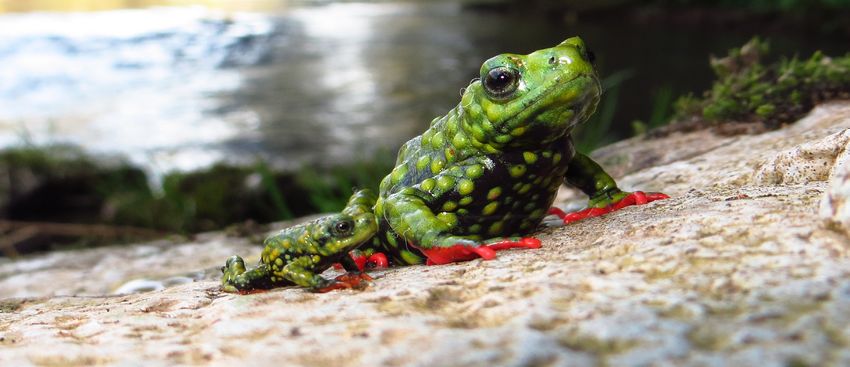
Environmental DNA detection: Additional
perspectives and applications for rare and
cryptic bromeliad dwelling frogs
                                                       worrying signs of a declining popula-    estimates, with very low error levels
                                                       tion trend at lower elevations where     and improved detection when com-
                                                       fire is still a pressing threat. The     pared to detectability from direct
                                                       restricted range and habitat require-    observation. Overall, estimated
                                                       ments for C. itambe make this spe-       occupancies using eDNA and visual
                                                       cies highly vulnerable to extinction     survey methods were similar. The
                                                       from climate change, wildfires or        method is therefore feasible for
                                                       disease, and therefore a priority for    species restricted to small water
                                                       conservation monitoring. Given cur-      bodies that are exposed to direct UV
                                                       rent knowledge and threats, species      radiation.
                                                       was recently classified as Critically     The authors concluded that there
                                                       Endangered.                              are advantages in the use of eDNA
                                                        Durrell’s Field Programmes Officer      to survey cryptic species in remote
                                                       Bela Barata, in collaboration with re-   locations, and to identify species
                                                       searchers from Instituto Biotrópicos,    presence with high detectability and
                                                       University of Kent, Zoological Society   low error rates. eDNA analysis pro-
                                                       of London’s Institute of Zoology,        vides a viable alternative to destruc-
                                                       and Amphibian and Reptile Con-           tive sampling of bromeliads or direct
                                                       servation Trust, published a paper       observation methods that require
                                                       aiming to investigate the feasibility    logistically challenging repeated
                                                       of environment DNA (eDNA) for            observations. However, the use of
                                   © Eliene P. Silva

                                                       detecting Crossodactylodes itambe        eDNA method for monitoring occu-
                                                       (Barata et al. 2021), with a view to     pancy of bromeliad dwelling species
                                                       applying the method more widely          will likely improve as the method
                                                       to amphibians that are cryptic and       becomes more cost-effective and we
By Izabela M Barata, Durrell Wildlife
                                                       restricted to small water bodies.        have a better understanding of the
Conservation Trust.
                                                       Despite the increasing use of envi-      factors affecting detection probabil-
Izabela.barata@durrell.org
                                                       ronmental eDNA analysis to survey        ity in such environments.
                                                       species in ponds, rivers, and lakes,
 Bromeligenous frogs spend their
                                                       very few studies have attempted
whole life cycle within bromeliads,
                                                       to use eDNA for the detection of
where they lay their eggs and devel-
                                                       species using very small water bod-
op into adult life. Species are mostly
                                                       ies such as those accumulated in
restricted to single locations and
                                                       bromeliads. With funds from The
some can be found at high elevation
                                                       Rufford Foundation, the authors
sites. Their ecology, natural history
                                                       collected water samples from 21
and distributions are poorly under-
                                                       bromeliads for which observational
stood, and their dispersal capabili-
                                                       data from direct visual surveys were
ties are still unknown. Crossodacty-
                                                       also available. The authors com-
lodes itambe exclusively lives within
                                                       pared occupancy estimated from
ground bromeliads which are found
                                                       direct observations (using a single
on high elevation rocky outcrops,
                                                       season occupancy model) with the
in a single location in the Espinhaço
                                                       results from quantitative real-time
Mountain Range of Brazil. Species
                                                       PCR based eDNA assays. They ap-
occupancy increases at higher eleva-
                                                       plied a novel Bayesian occupancy
tion and abundance of individuals
                                                       model to estimate occupancy from
is related to bromeliad structure,
                                                       eDNA samples, as well as false posi-
such as plant size and the volume
                                                       tives and false negatives at different
of water retained by the central
                                                       stages of the workflow. eDNA from
tank. Estimated species extent of
                                                       bromeliad tanks provided reliable
occurrence is 0.5 km2 and there are
                                                                         6
©Fundación ProAves de Colombia
Goodbye “Gonza”, Champion of the
Yellow-eared Parrot
By Fundación ProAves de Colombia         Fundación ProAves first employee       for himself: 2,895 parrots in Ronces-
info@proaves.org                         and he did this at a time of immense   valles. Joy overflowed his heart with
                                         danger and uncertainty. The parrots    pride of his duty accomplished.
 Gonzalo Cardona Molina, better          occurred in an area where battles       Today, Colombia didn’t just lose a
known as Gonza, was born and             and skirmishes between the military    precious life, Colombia lost a cham-
raised on a farm in Roncesvalles,        and guerrilla were frequent. Gonzalo   pion for nature and our beloved
Tolima. The day he found out from        and his team were regularly facing     Yellow-eared Parrot’s lost their
Fundación ProAves about the need         life-threatening situations to work    father and savior. ProAves and his
to support the conservation of a         in the region and ensure the parrots   entire team express our solidarity
parrot that lived in the wax palms       were safe. For over 20 years, every-   with his family, his loved ones and
and accompanied him each day, he         day Gonzalo tirelessly accompanied     the entire community of Ronces-
had no doubt and gave himself en-        these parrots to ensure they were      valles, Tolima, where his impact will
tirely to save the most majestic and     not hunted and their habitat was       remain forever.
charismatic species in Colombia, the     not destroyed.                          Rest in peace, Gonzalo.
Yellow-eared Parrot (Ognorhynchus         The threats were not just to the
icterotis).                              parrot, but to Gonzalo personally.
 The species was on the brink of         He had been threatened many times
extinction in 1999. The last 81 indi-    by many sides unable to compre-
viduals were barely surviving in the     hend that he loved the parrots and
Central Cordillera of Roncesvalles,      was not interested in politics. They
Tolima. With alarm bells ringing         assumed he had an alternative mo-
that urgent actions were needed to       tive, when he was simply driven to
save the species, one person more        do something special.
than any other stepped forward to         In his last days, during the month
answer the call to help this species –   of December 2020, Gonzalo con-
Gonzalo Cardona Molina.                  ducted out the last national census
 For over 20 years, Gonzalo was          of the Yellow-eared Parrot and
THE champion to save Colombia’s          the Fuertes’s Parrot, his notebook
greatest natural treasure. He was        showed a still impressive number
                                                           7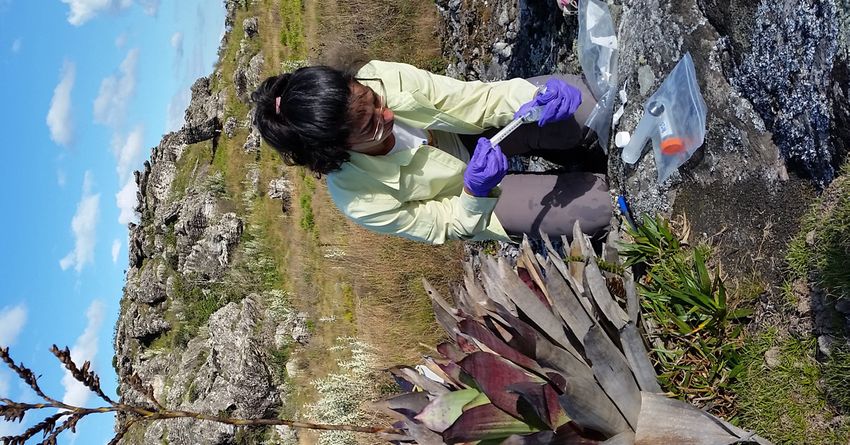
The conservation of Mantella cowanii, a
threatened frog of Madagascar
By Raphali R. Andriantsimanarilafy,       deforestation. Most of
Franco Andreone, Olivier Behra,           the high-altitude forests
Angelica Crottini, Gerardo Garcia,        that once character-
Richard A. Griffiths, Candace M.          ized the “plateau” have
Hansen-Hendrikx, Olivier Marquis,         now disappeared, and
Andolalao Rakotoarison, Julie H.          with them many of
Razafimanahaka, and Devin Ed-             the animals and biodi-
monds. ASG Madagascar                     versity that were once
                                          present. The Harlequin
 The amphibians of Madagascar are         Mantella has seen its
particularly interesting, as they are     range “evaporate “ over
represented by over 360 described         time due to repeated
species of frogs (salamanders and         fires. Today, the Harle-
caecilians are absent) and many oth-      quin Mantella survives
ers (at least 200) being described.       in refuge areas, nor-
These (except two introduced spe-         mally composed of high
cies) are all endemic, found only in      altitude cliffs and micro-

                                                                                                                   © Julio Rodriguez
Madagascar and nowhere else. The          forest stamps.
greatest danger to the survival of         Currently, there are
these amphibians is represented by        four sites where the
deforestation, which is particularly      species is still present,               gramme. Another component is the
important in Madagascar: since the        but it is not really known how large    local development of sustainable
1950s, about 45% of Madagascar’s          its populations are. In one of the      livelihoods initiatives and actions
forest cover has been destroyed. To       main sites where it is still present,   improving the wellbeing of the com-
ensure the survival and protection        near the town of Antoetra, many         munities who live near M. cowanii
of amphibians, the Sahonagasy Ac-         individuals were captured every         habitat. These communities are key
tion Plan (sahonagasy means “frog         year to be exported to Europe and       to enabling a successful conserva-
of Madagascar” in the Malagasy            America. This, together with de-        tion plan. An awareness campaign
language) was launched in 2006,           forestation, has caused a drastic       and building in-country capacity to
and implemented in 2014. The              reduction and, in certain cases, the    work on amphibian conservation
conservation program for Malagasy         extinction of populations. For this     compose the key objectives of this
amphibians was set up thanks to           reason, the Harlequin Mantella has      agenda.
a collaboration between different         become a symbol of the conserva-
organizations, also because biodi-        tion of Madagascar’s amphibians.
versity represents one of the first        In 2018 the Madagascar ASG organ-
products for this country. Some spe-      ized a meeting in which the main
cies of amphibians from Madagascar        conservation bodies took part and
are particularly threatened due to        today the Action Plan, called McAP,
environmental alteration, deforesta-      “Mantella cowanii Action Plan”, was
tion and trade.                           published. The action plan, which
 One of these is the Harlequin Man-       will be developed in 2021-2025,
tella, Mantella cowanii. So named         will be structured into five broad
for its beautiful and contrasting red     themes. The habitat protection
and black colour, sprinkled with          and management require defined
bright blue spots on the belly, the       boundaries and protection around
Harlequin Mantella is one of the          critical habitat. The research theme
most endangered species in Mada-          is related to understanding the spe-
gascar. In particular, it received spe-   cies distribution, conservation ge-
cial attention from the ASG and the       netics, disease dynamics, and popu-
scientific community as it survives in    lation trends. Site-specific studies,
only a few areas of the central “pla-     especially of population ecology in
teau” of Madagascar, a mid-high-          different habitat types, are required
altitude area affected by aggressive      as an ex situ conservation pro-
                                                            8
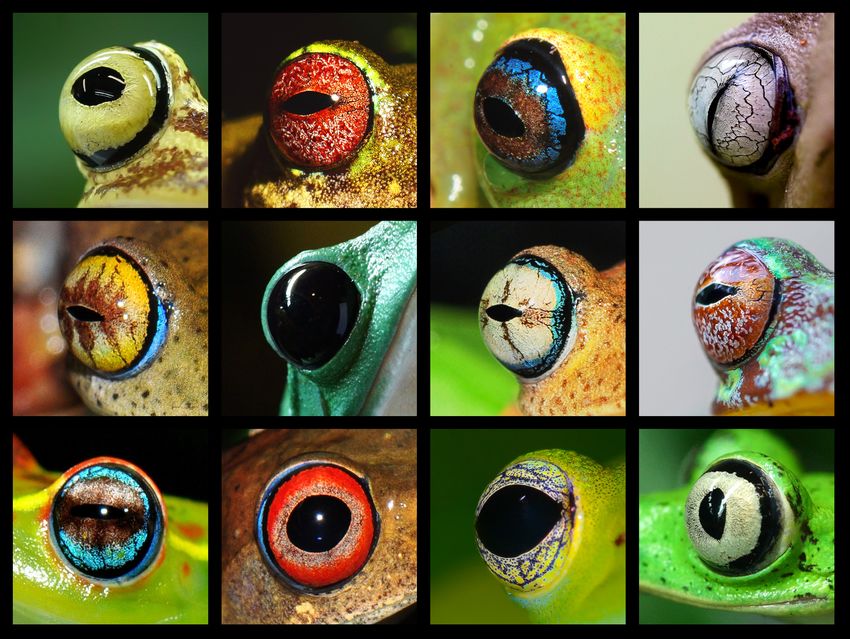
#AmphibianEyes
By Nina Seale, Synchronicity Earth      And it seems like herpetologists     for amphibians with reasons about
nina@synchronicityearth.org            were ready to show their enthusi-     how they benefit humanity, and it is
                                       asm! Over the next few days, the      a breath of fresh air to see so many
 Golden eyes, ruby eyes, lace eyes,    hashtag was shared hundreds of        people celebrating amphibians for
star eyes, blue eyes, black eyes, no   times, with amphibian enthusiasts     their intrinsic value.
eyes… the beauty of amphibian eyes     sharing their favourite eyes, facts
is just as diverse as the creatures    about the species and tagging their
within it!                             friends and colleagues to join in.
 Inspired by macro photographs of       Amphibians are too frequently
the Utthaman’s Bush Frog by Vivek      overlooked, but the excitement over
Menon, with a close-up of the red-     the new trend showed how much
dish frog’s silver and ebony eyes,     passion there is within the amphib-
Synchronicity Earth issued a chal-     ian community for these species.
lenge on Twitter for Science Twit-     Too often we have to justify our
ter’s favourite amphibian eyes.        research and conservation efforts

                                                                                                                 © Vivek Menon
                                                             © Jodi Rowley

                                                                                                              © Santiago Ron

                                                        9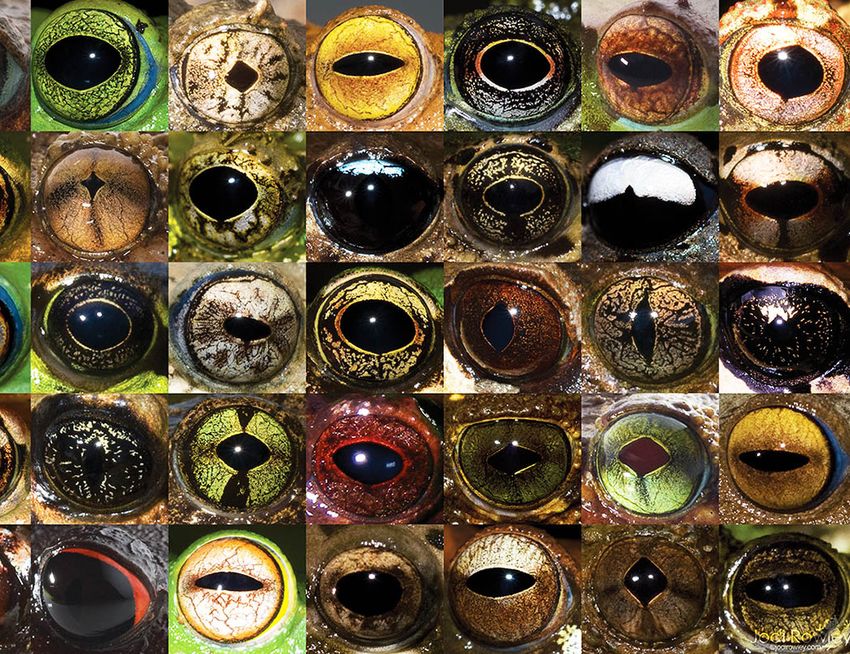
© Teresa Camacho-Badani
A new facility for the conservation of the
Sehuencas Water Frog at the K’ayra
Center of the Museo d´Orbigny in Bolivia
By Teresa Camacho-Badani, Alcide         the Critically Endangered Sehuencas     animal welfare protocols to ensure
d’Orbigny Natural History Museum.        Water Frog (Telmatobius yuracare)       the successful care of this species,
teresacamacho.badani@gmail.com           for which an Action Plan has been       as well as other species of the Boliv-
                                         created that includes field monitor-    ian cloud forests that in the future
 The genus Telmatobius is one of the     ing, communication and strength-        may need to be part of an ex situ
most threatened in the Neotropical       ening the ex situ program for this      program for their conservation.
region. According to the IUCN Red        species.                                 The implementation of this new
List, 86% of the species are found to     After 10 years of not having found     facility is part of the “Sehuencas Wa-
be threatened in various degrees. In     this species in nature, a population    ter Frog Action Plan” which is being
Bolivia, of the 15 species reported,     was found in the cloud forests of       executed thanks to the widely sup-
all are threatened and 4 are possibly    Bolivia. Some of the individuals from   port of ASA partner Global Wildlife
extinct.                                 this population were taken into the     Conservation.
 The Alcide d’Orbigny Natural His-       ex situ program. These frogs will be     In addition, during the last few
tory Museum, located in the City of      part of the breeding stock to repro-    years, the K´ayra Center has re-
Cochabamba, has been working on          duce the species in the hopes that      ceived the financial support of
the conservation of amphibians in        one day they can be released into       Kansas City Zoo, Aquazoo Löbbecke
Bolivia for more than 13 years. Eight    their natural habitat. To accomplish    Museum, Amphibian Ark and Ches-
years ago, it started a pilot program    this task, the captive breeding area    ter Zoo.
for the ex situ management for the       has been expanded to provide a
Telmatobius genus. It has recently       space for all the species-specific
been expanded, and has been recog-       requirements.
nized by the Bolivian Ministry of the     The new facility for the Sehuen-
Environment as an official Custody       cas Water Frogs is a 10m long by
Center of Wild Fauna, called “Centro     4m wide container. This one is the
K’ayra”. This center is dedicated to     third at the K’ayra Center and has
the investigation of threatened am-      been modified to accommodate 44
phibians, and has approximately 500      aquariums for the reproduction and
frogs of five Andean species of the      care of these amphibians. It has an
genus Telmatobius in its ex situ pro-    conditioning air system which can
gram. This captive breeding program      maintain the same temperature
that has most species of this group      as found in their habitat, which in
in the world.                            winter can reach 10 degrees Celsius
 Among the Water Frogs under cus-        (50 degrees Fahrenheit), It also pro-
tody and care of the K’ayra Center, is   vides the necessary biosecurity and
                                                           10
A finding that brings hope for a still
unknown Harlequin Frog
© Leomerth La Cruz
By Enrique La Marca and Marcos vation Center in conjunction with interest, not only because it acceler-
Alexander Hidalgo. Rescue of En- a regional Conservation and Study ates the process of describing the
dangered Venezuelan Amphibians organization that monitors popula- new species, but also because it rep-
(REVA) Conservation and Guarama- tions of the Andean Bear (Trem- resents a hope for future survival of
cal Andean Bear Project. arctos ornatus), together with the an amphibian whose other regional
enrique.lamarca@gmail.com support of personnel from the Na- representatives in the genus have
tional Parks Institute (INPARQUES) in suffered serious population declines
There is news that is made to wait charge of the General Cruz Carrillo and extinctions. In the meantime,
but when it comes out it does not National Park in Guaramacal. we have already started monitoring
stop causing a sensation. This is the As a result of this alliance between these larvae and hope to find some
case of a species of Harlequin Frog REVA and the Guaramacal Andean adults.
that has not yet received a formal Bear Project (Proyecto Oso Andino
scientific name but, thanks to the Guaramacal) in January 2021 we
support of the Atelopus Survival detected a new population of the
Intiative (ASI), will soon be known. species in the process of descrip-
The species in question is a cloud tion, in the form of seven free-living
forest inhabitant of one of the tadpoles belonging to the genus
northernmost mountain ranges in Atelopus and that we associate with
the Andes of Venezuela, the south- the new species. This is great news,
ern axis of the Sierra de Trujillo. not only for the fact that that the
Discovered in the mountain branch species is still present in the region,
(Ramal) of Guaramacal at the end of but also for the indirect evidence
the eighties in the last century, the that there are adult specimens that
frog was not seen again, although are reproducing. This is the first and
sporadic reports indicated the exist- only Venezuelan Andean Harlequin
ence of tadpoles of the same. Frog species to appear in several
Thanks to the support of Global decades and the second Venezuelan
Wildlife Conservation, through the species to show stable populations
Amphibian Survival Alliance, we in Venezuela (the other being Atelo-
established a program to search for pus cruciger, which lives in coastal
populations of the still unnamed environments to the north of the
species, which currently involves the country).
management of the REVA Conser- The recent finding is of particular
11The Conservation Evidence Journal: Call for
papers
By Ann Thornton, Conservation Sci- particularly if the outcome was See here for author guidelines and
ence Group, Department of Zoology, unexpected or not as desired. Large- how to submit your article.
University of Cambridge scale conservation projects testing The Conservation Evidence Journal
at915@cam.ac.uk multiple actions are of less interest is a separate publication within the
due to the difficulty in determining Conservation Evidence project. Con-
The online, open access, free to which of the actions had an effect. servation Evidence is a free, online,
publish in, peer-reviewed Conser- Recent papers from the Conserva- authoritative information resource
vation Evidence Journal publishes tion Evidence Journal’s Amphibian designed to support decisions about
results from research and projects Management Collection: how to maintain and restore global
investigating the effectiveness of • Martínez Aguirre et al. 2019 biodiversity. The website provides
conservation actions. We welcome Re-establishment of an extinct summaries of evidence from studies
papers that test and monitor the local population of the Valcheta about the effects of conservation ac-
effectiveness of the action using an Frog, Pleurodema somuncu- tions, and synopses of evidence that
experimental design (e.g. before and rense, in a restored habitat in review the effectiveness of all ac-
after the action vs. control (BACI), Patagonia tions you could implement to tackle
single action vs. control, effective- • Borzée et al. 2018 Transloca- a particular conservation issue.
ness of different methods, etc.) for tion of an endangered endemic
actions such as habitat creation, Korean treefrog Dryophytes
habitat restoration, translocations, suweonensis
reintroductions, mitigation, and • Arellano et al. 2018 Treat-
invasive species control. Examining ment of adult Valcheta Frogs
the consequences of small-scale Pleurodema somuncurense for
actions is of considerable interest; chytrid fungus
Funding Opportunity from the IUCN
Netherlands Land Acquisition Fund
The Land Acquisition Fund is an
initiative of IUCN Netherlands,
supported by the Dutch Postcode
Lottery, providing funds for local
NGOs to acquire (through purchase
or lease) threatened nature areas,
create safe reserves and connect
wildlife habitats for threatened spe-
cies.
If you are working on a project or
programme that needs support of
this kind, please consider sending a
pre-proposal application to the Land
Acquisition Fund by May 1st, 2021.
All details about the fund and appli-
cation process can be accessed here.
Any questions about the procedure
and content of proposals can be
send to the coordinator of the IUCN
© Luis Ferando Marin da Fonte
NL Land Acquisition Fund: marc.
hoogeslag@iucn.nl
Examples of 2020 grantees can be
found here.
12A new poster for Harlequin Frogs (genus
Atelopus) is now available
By Enrique La Marca,
Rescue of Endangered
Venezuelan Amphibians
(REVA).
enrique.lamarca@
gmail.com
Posters on animal
groups are of special
interest because they
easily get the atten-
tion of people who can
find, in a single place,
information that other-
wise could be difficult
to assemble. We are
happy to present the
most recent poster on
a group of amphibians,
a production of the
Rescue of Endangered
Venezuelan Amphibians
(REVA) Conservation
Center with the sup-
port of the Chessington
Conservation Fund.
The new poster is an
initiative driven and
hosted within the Atelo-
pus Survival Initiative
(ASI), and deals with the
Harlequin Frogs known
from Venezuela. This
is the first time that all
species of the bufonid
genus Atelopus from
this country are pre-
sented in such a way,
with all species (except
one) illustrated with
actual photos. This is
also the first time that a tion, last time of sight, total length,
picture is available for the enigmatic conservation status, and the major
Harlequin Frog of Niquitao (Atelo- ecosystem that the species inhabits.
pus chrysocorallus), and that a new The poster is in Spanish. We hope
illustration is provided for the never the amphibian lovers stupdents of
pictured and now extinct harlequin Atelopus like this production. You
frog of Maracay (Atelopus vogli). can download the poster here.
Each species bears its common and
scientific name, with the name of
the person who describe it. There is
a section on coloration and another
on threats, plus data on distribu-
13© Sheri Sather
Saving the planet, one frog at a time
By Madison Lemelin, Rainforest encouragement from his mom, rating with a herpetologist who is
Trust Sheri, he set an ambitious goal: to teaching him about all the many
be a critical part of the “30×30” frogs within the Chocó, including
Frogs are 10-year-old Justin Sather’s initiative and help conserve 30% one of his new favorite species, the
favorite animal. His fascination with of the planet by 2030, for the frogs Glass Frog.
the species began with a blanket he and beyond. “It all started from an In the future, Justin hopes to
had as a baby, and has blossomed idea that turned into an incredible continue using frogs to educate his
from there. Now, Justin’s love for mother-son journey of learning to peers about the beauties of the
frogs has led him on a mission to be brave and staying determined, natural world and inspire them to
protect the planet. to create a world Justin envisions help him save it. “I want to learn
In kindergarten, Justin learned that for himself and his generation,” said why other kids like nature and
nearly one-third of frog species are Sheri. inspire them to want to protect it
on the verge of extinction due to Last year, Justin joined the Youth too,” said Justin. “When they get
pollution, pesticides, contaminated Council of Reserva Youth Land Trust, older they will already know how to
water and habitat destruction. He an international group of young take care of the planet. We are the
discovered that scientists consider people that is leading an initiative future generation.”
frogs an indicator species––a species to create the world’s first entirely
whose condition provides infor- youth funded, 244-acre nature
mation on the overall state of an reserve in Ecuador’s threatened
ecosystem. Chocó cloud forest in partnership
“Frogs breathe and drink through with Rainforest Trust. In celebra-
their skin so they are sensitive to tion of his birthday, Justin raised
their environment,” said Justin. “So the $730 necessary to purchase one
when they suffer it tells us the world acre of land for the project, which
needs our help.” was matched by the Rainforest Trust
This knowledge empowered Justin, SAVESChallenge to pay for a second
he wanted to save his favorite spe- acre.
cies and his planet. With help and Justin has recently started collabo-
14“[The CPSG Workshop] was a pivot point to
direct investment in devil conservation.”
Dr Rebecca Spindler, former Research and
Conservation Manager, Taronga Conserva-
tion Society Australia.
Facilitating Species Conservation Planning Workshops:
Online course
Introduction Learning outcomes
Of the more than 128,500 species assessed through the By the end of this course, participants will be
global Red List, 28% are considered threatened with ex- able to:
tinction (IUCN, 2021). Well-resourced, effectively imple-
Apply the CPSG Species Conservation Planning Princi-
mented species conservation plans will play a key role in ples and Steps to the design and facilitation of
reversing this situation and improving the status of species conservation planning processes;
threatened species worldwide. To achieve this change
at scale requires a significant increase in the number of Demonstrate the role of the facilitator in consensus-
competent planners able to support governments, non- based decision making;
government organisations, zoos, aquaria, botanic gar- Select facilitation tools to help groups solve prob-
dens and civil society groups to plan for threatened spe- lems, make decisions, and develop plans.
cies recovery.
Course format
Planning can be complex. Often multiple stakeholders
and their interests need to be considered. Facilitation This online course (delivered through
skills provide us with the confidence and competence www.conservationtraining.org) consists of pre-
needed to lead groups through the process. recorded lectures, reading materials, and problem-
solving activities along with ‘live’ webinars and dis-
The IUCN SSC Conservation Planning Specialist Group cussions. You will interact with some of the world’s
(CPSG) has developed and facilitated many hundreds of leading authorities on species conservation planning,
multi-stakeholder species conservation planning pro- share in their experiences, and develop your own un-
cesses that have been ‘pivot points’ in recovery efforts derstanding of the skills involved.
for threatened wildlife globally.
Costs
Course aim
The course is valued at $1000.00 per student. Howev-
CPSG has the ambition of ensuring that, every species er, in line with our aim to increase the number of
that needs a plan is covered by an effective, imple- threatened species benefitting from good planning, we
mented plan’. This online course has been designed to are committed to providing this high quality course at
build the capacity necessary, globally, for this ambition no charge. This is currently possible only due to the
to become a reality. support received from the Global Conservation Net-
work, a group of committed institutions and individuals
Our target audiences are government wildlife agency
who support CPSG work. If you or your organization
staff, IUCN SSC Specialist Group members and other
would like to consider becoming a GCN donor, or if you
conservation professionals working in zoos, aquariums,
would like to learn more about CPSG, please contact:
universities or field programs, responsible for the devel-
onnie@cpsg.org.
opment of species conservation plans.
15“This excellent course is a must for everyone involved in conservation
planning!” CPSG online course participant, September 2020.
Core course faculty Contributors
Jamie Copsey Species conservation planning experts from across
Jamie is the Director of Training at the IUCN SSC and beyond will provide input to the
CPSG. He has been working in the course through recorded interviews, webinars and
field of capacity building for species online discussions to help you broaden your exposure
conservation for more than 20 years. to conservation planning processes, tools, and facili-
He has extensive experience in the tation skills.
design and delivery of training pro-
grams for conservation professionals, from junior staff Course duration
through to senior leadership. He regularly facilitates The course involves 5-10hrs work per week for seven
planning workshops and publishes on topics such as weeks, depending on how quickly you can work
conservation management and leadership, as well as through the materials!
on more biologically-related themes.
Course dates
Dr Phil Miller This course will run from Monday 29th March– Friday
14th May 2021. Pre-recorded sessions can be lis-
Phil joined the CPSG staff in 1994 tened to in your own time. Live webinars will be re-
and is now Senior Program Officer peated each week to accommodate different time
for the organization. He specializes zones.
in developing and applying complex
risk assessment methods to species Certification
conservation planning projects across a wide range of
Participants successfully completing the course will
endangered species, and against diverse human socio-
receive a Certificate of Completion. Those going fur-
cultural backgrounds. Recently, he began working ex-
ther to apply the skills to their work can be consid-
tensively with Federal and local authorities in North
ered for a Certificate of Reflective Practice (additional
America to develop robust recovery plans for a variety
assessment criteria apply).
of endangered species.
Application procedure
Caroline Lees Participant selection will take into account priority
Caroline joined the CPSG staff in 2011 as target groups (government staff and SSC Specialist
a facilitator and population modeler. Be- Group members in particular), and an assessment of
fore joining CPSG, she worked with zoos the likelihood that skills and knowledge developed
in Australasia to plan and coordinate the will be put into practice within species conservation
management of captive populations of planning workshops.
threatened wildlife. Since joining CPSG,
For course application form, follow this link:
her primary focus has shifted to supporting planning
for species conservation in situ, with a particular em- https://forms.gle/wkCiC9BvJhJJLpKT7
phasis on cases where ex situ management plays a key
role. She has contributed to the work of species recov- Application deadline: Monday 8th March,
ery programs across Australia and New Zealand and is 2021.
CPSG’s Australasian Regional Resource Center conven-
or. Further information
Contact Jamie Copsey at jamie@cpsg.org
16Key Biodiversity Areas Updates
Key Biodiversity Areas, which are among the most incredible and diverse places on Earth for nature, from deserts to
the middle of the ocean, are places that must be safeguarded to ensure the long-term survival of the diversity of life
on Earth. The Key Biodiversity Area Partnership—an ambitious coalition of 13 global conservation organizations, in-
cluding the Amphibian Survival Alliance—is helping prevent the rapid loss of biodiversity by identifying those places
on the planet that are critical for the survival of unique plants and animals. Because their life history traits, such as a
dependency on water for reproduction in many species, and small range sizes makes amphibians particularly sensi-
tive to environmental disturbances, KBA designation is critical to safeguarding threatened species. Learn more here.
Introducing Rio Forqueta, a Key Biodiversity
Area to protect the Admirable Red-Belly Toad
© Luis Ferando Marin da Fonte
By Luis Fernando Marin da Fonte, facility and upstream pesticide use reduce the threats to a species. The
Amphibian Survival Alliance. expose the site to direct and indirect existence of a microendemic spe-
lfmarin@amphibians.org human threats. cies reinforces the importance of
Until 2014, there was also a plan preserving the area where it occurs.
The Rio Forqueta Key Biodiversity to build a small hydroelectric power If you protect one, you are also
Area is part of one of the few, yet plant in the site. Joint efforts be- protecting the other”, says Michelle
largest, Brazilian Atlantic Forest frag- tween academia, government, and Abadie, a Brazilian conservationist
ments in the extreme south of Bra- non-governmental organizations and expert on this species.
zil. The entire single known popula- have succeeded in stopping the Because of her work, Michelle was
tion of a microendemic and Critically construction of the power plant, awarded a Future Leader of Amphib-
Endangered amphibian species showing that multi-institutional and ian Conversation award by the ASA
(Admirable Red-Belly Toad, Melano- collaborative work is essential when in 2020.
phryniscus admirabilis) is confined dealing with conservation. The
to this area. The species occurs Federal University of Rio Grande do
only along a few hundred meters Sul and ASA partner NGO Instituto
of the Rio Forqueta river, occupy- Curicaca were instrumental in this
ing its forested margins with rocky process. This was the first time in
outcrops. The area is surrounded by Brazilian history that an amphibian
a heavily deforested agro-industrial prevented the construction of such a
landscape. Regional forest cover is big enterprise.
under pressure from the expansion “The Admirable Red-Belly Toad
of eucalyptus, tobacco, soybean and case is an excellent example of how
livestock farming. A nearby tourist habitat conservation can help to
17@ Piotr Naskrecki
BMW Group, Tetra Pak and Schüco
International express concerns about sourcing
aluminium from Ghana’s irreplaceable Atewa
Forest
By Key Biodiversity Areas Partner- Bauxite mining would have cata- Area, meaning that it is critical to
ship strophic and irreversible effects the persistence of global biodiversity
on the people and wildlife that and the overall health of the planet.
During a critical decade for biodi- depend on the forest, including the The Togo Slippery Frog is a close
versity, the government of Ghana more than 5 million Ghanaians that relative of the world’s largest frog,
has an opportunity to become a depend on Atewa Forest as their the Goliath Frog (Conraua derooi),
global leader in conservation by pro- source of clean drinking water. “Sav- and known only to live in Atewa
tecting Atewa Forest - a KeyBiodiver- ing Atewa Forest from mining should Forest and Ghana’s Togo-Volta Hills.
sityArea - as a National Park. But this be an intergenerational priority, and The frog is considered Critically
won’t only benefit the wildlife that we are happy and grateful that big Endangered as the result of ongoing
live there. Protecting Atewa Forest businesses in the aluminium value bauxite mining, logging and hunt-
as a national park and a buffer area chain understand the importance ing. Biologists believe there are only
around it—rather than mining it for of a healthy forest and the environ- about 300 left in the wild and that
bauxite, as currently planned—actu- mental services it provides,” said they primarily live in a small stretch
ally has the highest economic value Oteng Adjei, president of the Con- of a single stream in Atewa Forest.
for the country over 25 years, with cerned Citizens of Atewa Landscape The Togo Slippery Frog is one of
tremendous benefits to local com- (CCAL), the grassroots movement hundreds of species that make At-
munities both upstream and down. advocating against bauxite mining ewa Forest a special place and part
In a letter to local activists, three in Atewa Forest and the recipient of why we are joining local commu-
global manufacturing companies- of letters from all three companies. nities and partners in calling on the
BMW Group, Tetra Pak and Schüco “We appreciate their commitment government of Ghana to Save Atewa
International-have signaled their to supporting local and interna- Forest by stopping bauxite mining
concern over the use of bauxite tional efforts to secure Atewa Forest and designating Atewa a national
sourced from Ghana’s Atewa Forest against bauxite mining that is certain park.
for aluminium. Extracting bauxite in to destroy the forest, its water ser- You can learn more about Atewa
Atewa would require ‘strip mining’ vices and biodiversity.” Forest and sign a petition to help
where the whole surface layer of Ghana’s Atewa Forest is home to preserve it here. Learn more about
soil is removed. This would mean a more than 1,000 species of plants, Key Biodiversity Areas here.
total loss of the forest in the mined 230 species of birds, 570 butterfly
areas, along with all the biodiversity species, and at least 50 species of
it contains. mammals. It is a Key Biodiversity
18ASA’S Future Leaders of Amphibian
Conservation Updates
The Future Leaders of Amphibian Conservation program is an award to a number of early-career conservationists
from around the world that have been identified by the Amphibian Survival Alliance as the next generation of am-
phibian conservationists. So far we have awarded 19 Future Leaders from 12 countries (Bolivia, Brazil, Peru, Mexico,
Ghana, South Africa, Uganda, India, Nepal, Pakistan, Australia and United States). You can learn more about some
of the Future Leaders of Amphibian Conservation here.
Getting to know Fortunate Phaka
© Dex Kotze
Can you tell us a little bit about it was written in English and isiZulu studies. This is important because
yourself, Fortunate? (one of the indigenous South African I became a Future Leader at a
I am an environmental scientist and languages). A PDF version of this time when I needed to decide my
author that is interested in the com- book (with frog advertisement calls) research niche within amphibian
plex relationship between cultural is available on this link. A summary studies.
diversity and the diversity of frogs of my general research focus is avail-
and reptiles in South Africa. able on this link.
What projects have you been What is your favourite amphibian
involved in to promote amphibian species and why?
conservation? The Giant Bullfrog (Pyxicephalus ad-
I have started a social inclusion spersus) is my favourite amphibian
initiative to produce non-scientific species because it is a great model
amphibian reading material in South for studying the relationship be-
Africa’s indigenous languages and tween frogs and indigenous people’s
record indigenous knowledge about cultures.
the country’s frogs and reptiles. This Has being recognized as a Future
project, called ‘Wildlife in Vernacu- Leader of Amphibian Conservation
lar’, fits into my PhD research and by ASA made a difference in your
also extends beyond the PhD years. career so far?
Wildlife in Vernacular was inspired Being recognized as a Future Leader
by the success of a book I wrote a helped me realize the many focus
few years earlier. This book is a com- areas within amphibian studies and
prehensive guide to the frogs of the exposed me to different ways of
Zululand region of South Africa and conducting amphibian biodiversity
19© Sloane Munro
Meet Esther Matthew
By Esther Matthew, Ruhan Verster The project ignited Esther’s interest is a highly dedicated and motivated
& Ché Weldon. The Endangered in training canines for conservation conservationist. She aims to become
Wildlife Trust. and research. As a result, Esther one of the leaders in conservation
estherm@ewt.org.za pursued additional training with na- canine research, because she is pas-
tional and international profession- sionate about dog training, wildlife
Esther Matthew grew up in central als in the canine behavior and scent conservation, and research. She has
South Africa and became fascinated detection fields. Esther joined the an aptitude for the application of
with nature and animals at a very Endangered Wildlife Trust’s Drylands novel approaches in her work. Her
young age. Following High school, Conservation Program (EWT-DCP) enthusiasm and drive motivates
Esther pursued degrees in Zoology, in 2016 and is currently working as other team members and her strong
Physiology, Biodiversity and Con- their Specialist Conservation Of- foundation in conservation biology
servation Ecology. In 2015, Esther ficer, focusing on in situ Endangered allows her to lead by example.
became an ASA Future Leader of species conservation and research.
Amphibian Conservation and in the Esther also has a passion for shar-
same year she completed her M.Sc. ing conservation knowledge. As
in Environmental Science, through such she works closely with learners
the North-West University. As part students from local schools, taking
of her studies, she successfully them into the field to teach them
raised and trained a scent detection about nature through environmental
dog to locate Giant African Bullfrogs education. Esther also coordinates
(Pyxicephalus adspersus) under- the program’s volunteer project,
ground. In January 2021, a paper aimed at exposing young career
on this research component of the conservationists to field work in the
project was accepted and published Karoo.
by the Journal of Vertebrate Biology Esther became a National Geo-
(Click here to view article). graphic Society Explorer in 2018 and
20You can also read


